Nowadays, people have smartphones, access to cloud storage, and synced accounts that automatically back up data across their laptops and mobile devices, making it much harder to lose the information you want to keep. In the past, however, people relied on handwritten notes and paper records to preserve information. Drawing on insights from the Smithsonian, the National Archives, and other sources, we’ll reveal how people kept track of important information before digital tools!
Every Important Phone Number in a Little Address Book
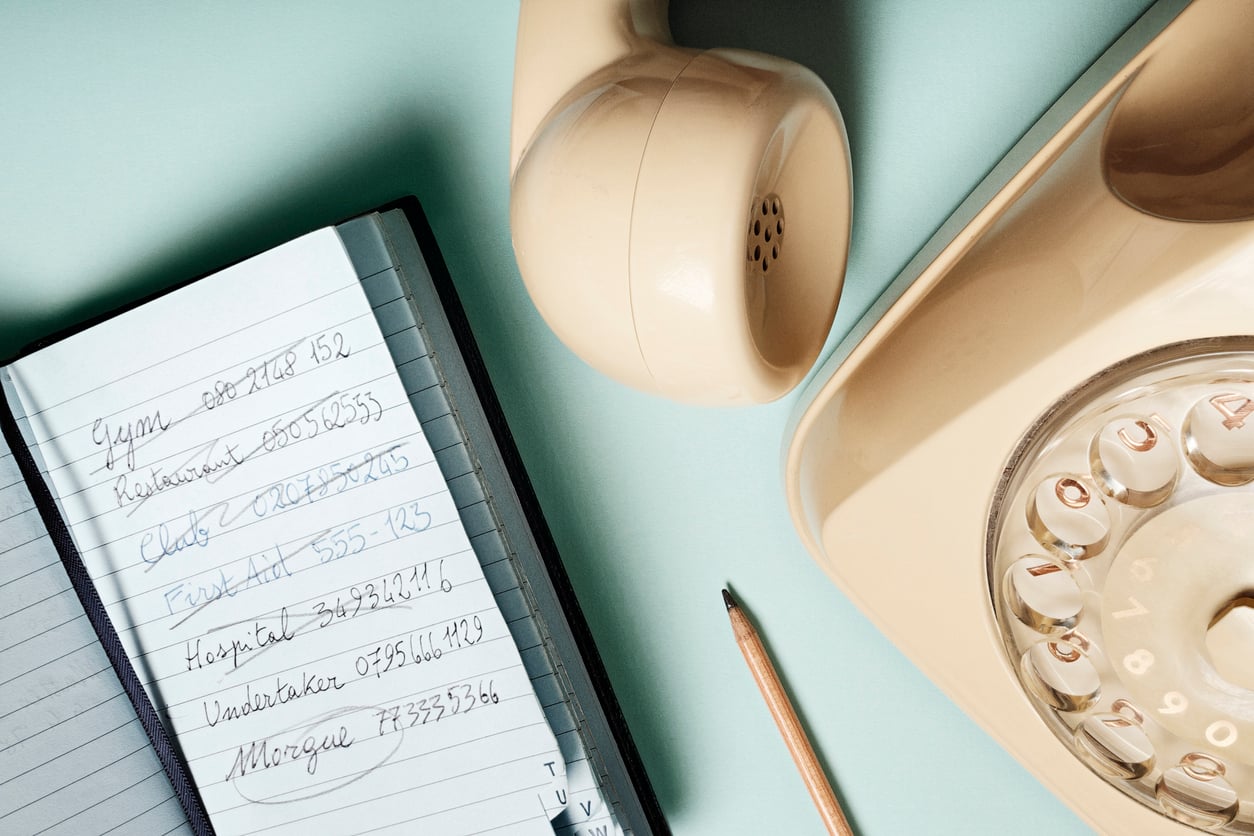
Before smartphones existed, people recorded their contacts in small address books. These paper records documented relatives’ telephone numbers, mailing addresses, and emergency contacts. It often contained crossed-out numbers, updated addresses, and handwritten notes. The Smithsonian Archives of American Art preserves historic address books that reveal how extensively people documented their personal and professional relationships.
Family Recipes on Stained Index Cards
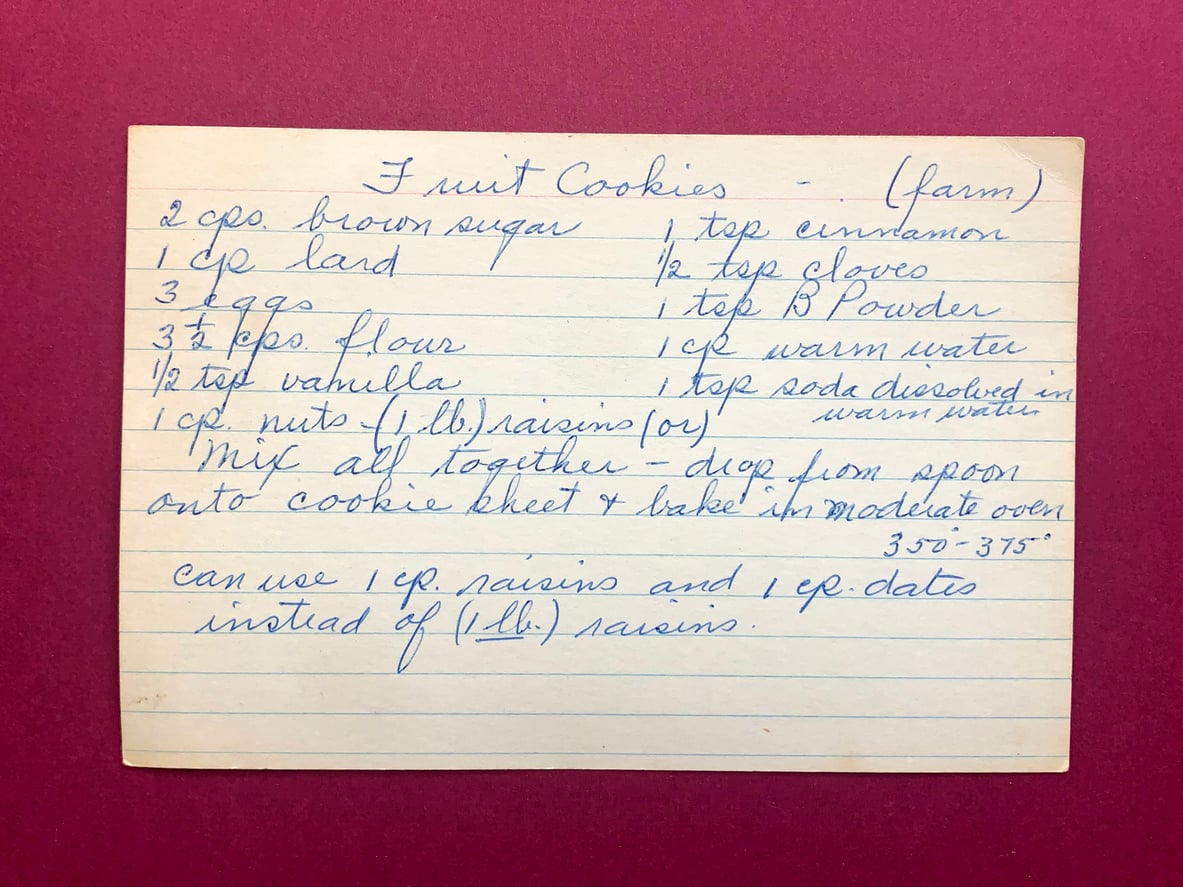
Families stored their favorite recipes on 3-by-5-inch cards, often adding handwritten corrections or substitutions over the years. These paper records were irreplaceable to families, especially when it came to a grandmother’s pie crust recipe or a holiday stuffing recipe that couldn’t be found anywhere else.
Household Bills and Payments in a Checkbook Register
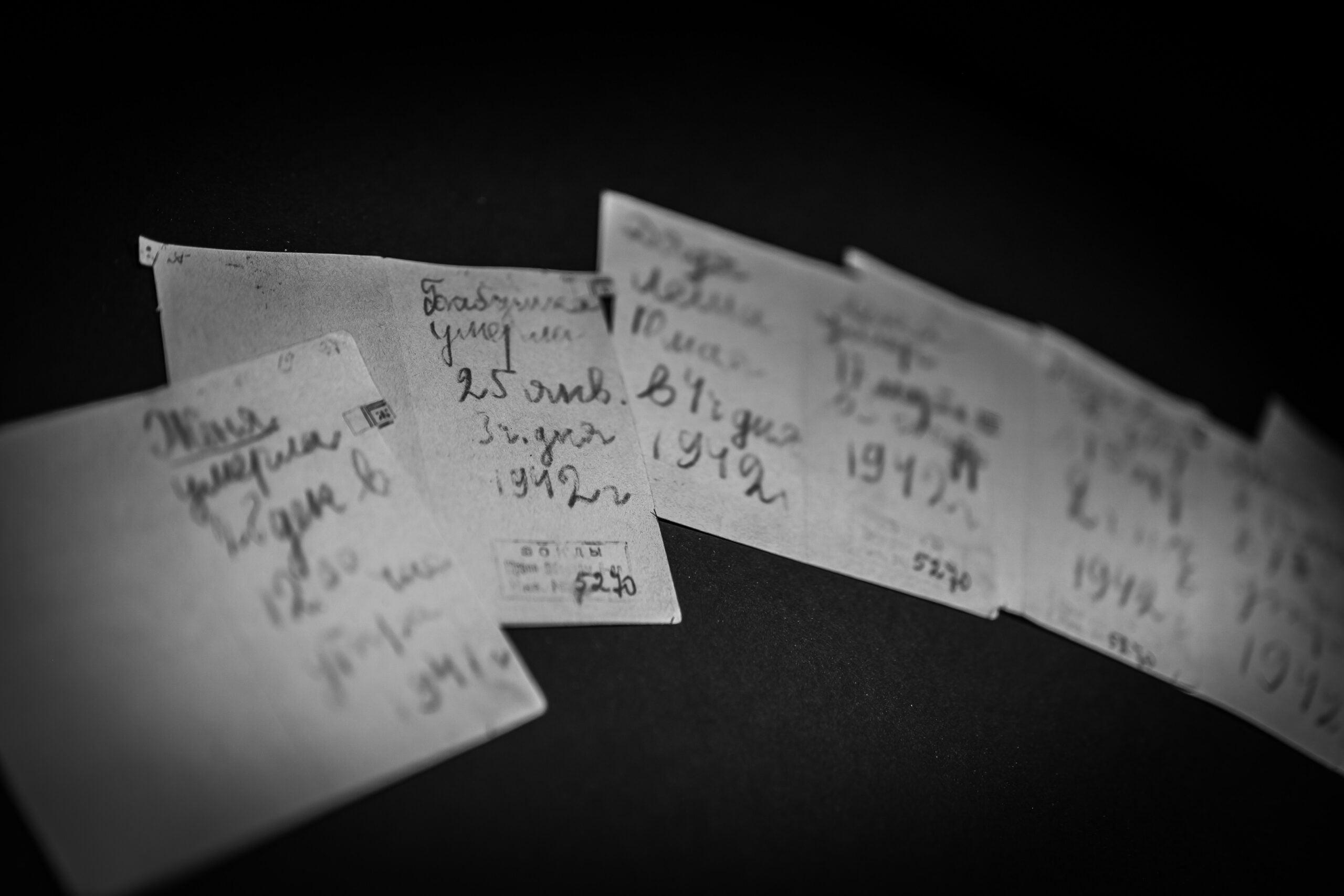
In the past, to keep track of spending on groceries, utility payments, mortgage checks, or other expenses, people would record their transactions in a checkbook register, even calculating the remaining balance. These paper records helped households manage their budgets, but forgetting to record a check could lead to an unpleasant surprise when reconciling your monthly bank statement. This is something that can now be handled automatically using online banking apps.
Birthdays and Anniversaries on a Wall Calendar
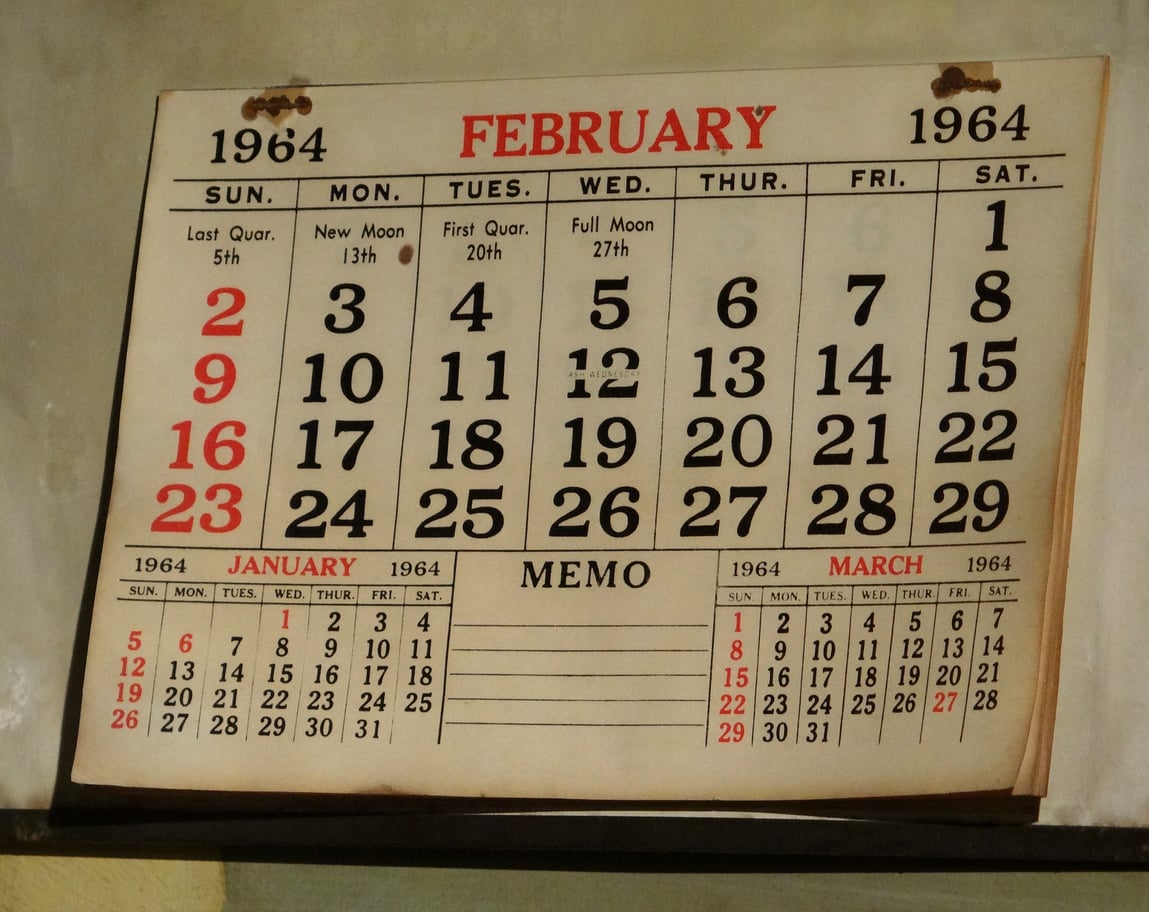
A handwritten calendar hanging in the kitchen used to serve as a reminder for a family, signaling upcoming birthdays, anniversaries, dentist appointments, school events, and even bills, according to the National Archives. These paper records helped everyone keep track of important dates without relying on digital alerts. In those days, there were no automatic reminders, birthday notifications, or mobile phones that would allow you to set a task to repeat every year on a specific date.
Directions to Someone’s House on a Scrap of Paper
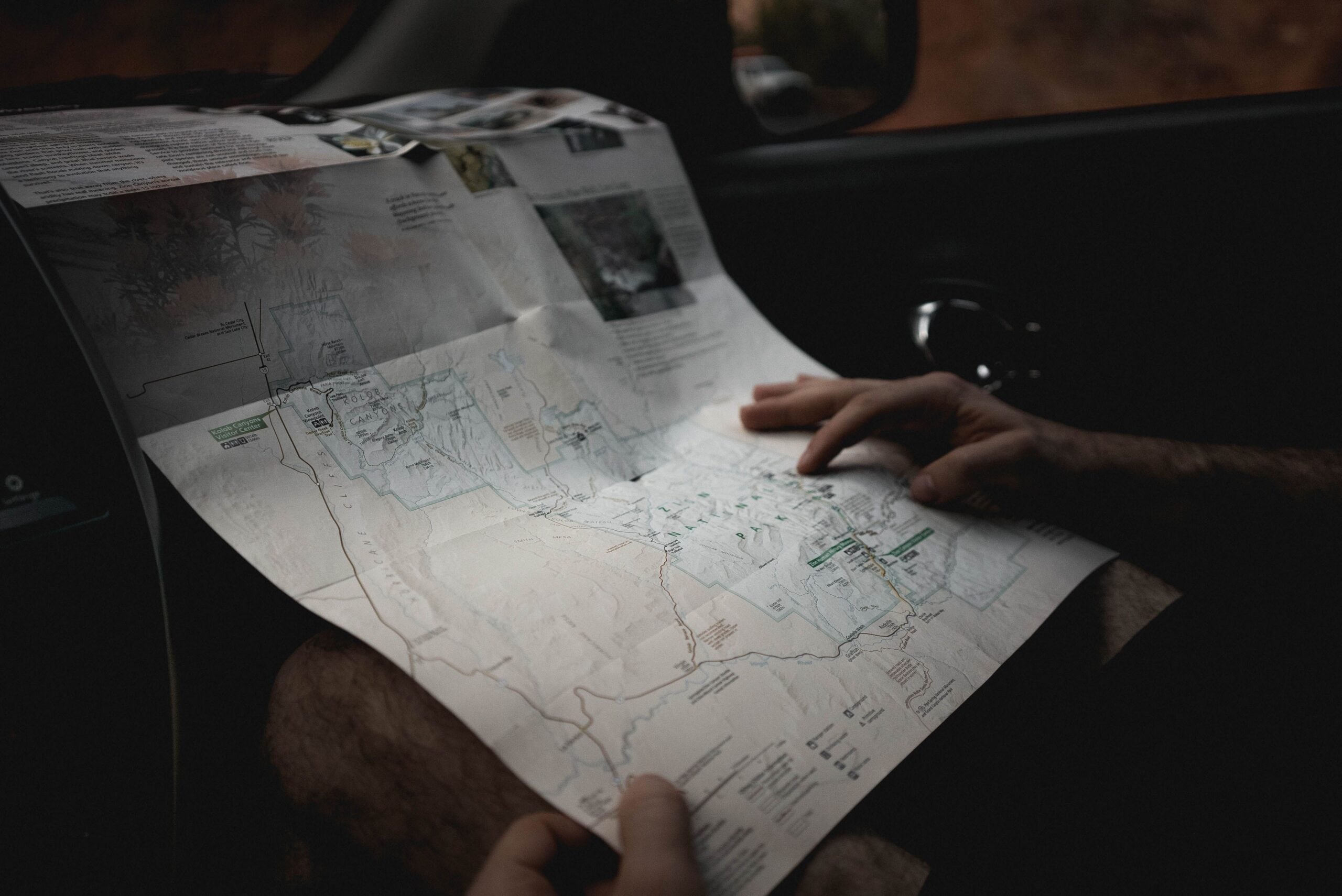
Since GPS was not yet widely available for personal use, people had to write down their friends’ addresses and directions to their homes, often using landmarks, such as gas stations, churches, and traffic lights, for guidance. These paper records might consist of instructions scribbled on the back of an envelope or a receipt and kept in the car dashboard for reference before setting off, according to the National Archives.
Trending on Cheapism

Babysitter Instructions Next to the Telephone
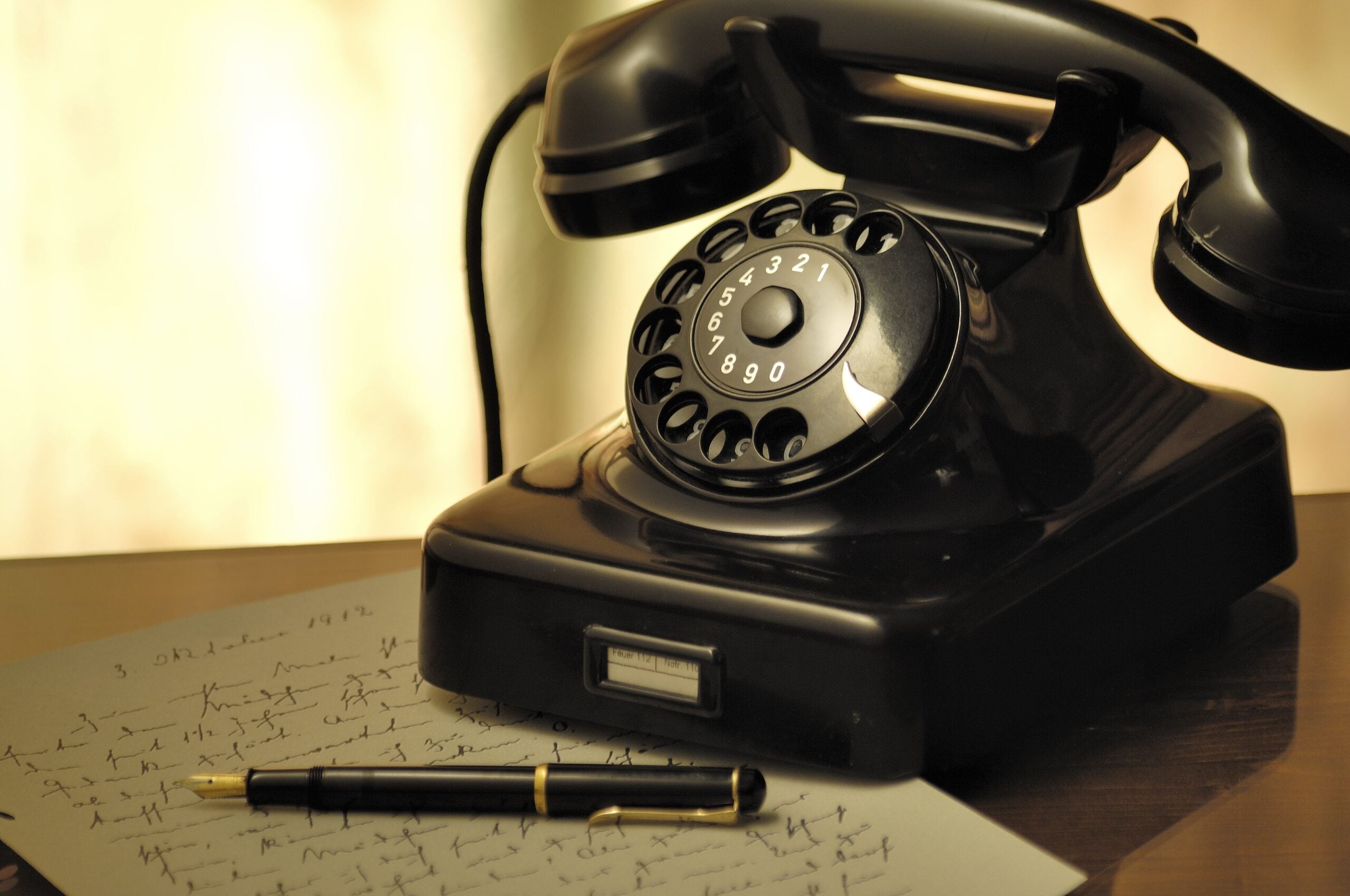
When parents needed to convey important information to a babysitter, they would typically leave handwritten instructions, noting where they would be, what time they would return, and when the child or children should be put to bed. These paper records often included a neighbors’ phone number in case of an emergency. This was before mobile phones were commonplace, when most households relied on landlines and essential information was left written down by hand next to the single household telephone.
A Running Grocery List on the Refrigerator

Another item people had to write down by hand before cellphones became commonplace was the grocery list, which was usually kept stuck in the refrigerator. This paper records might appear on the backs of envelopes, notepads, or small magnetic pads, where family members added items as they were about to run out. If you happened to leave that list at home, you had to rely solely on your own memory once you reached the supermarket, as there was no way for anyone to send you a photo of it via cellphone.
TV Shows to Watch and Movies to Record

According to the National Archives, one common way people keep track of upcoming TV shows and movies was by writing down the broadcast time and channel. These paper records often included television listings copied from a newspaper or TV guide and transferred to a household calendar so they wouldn’t miss a particular broadcast. And even if they wanted to record a program on VHS, it was quite an undertaking.
Sign up for our newsletter
Important Dates and Family History Inside a Bible
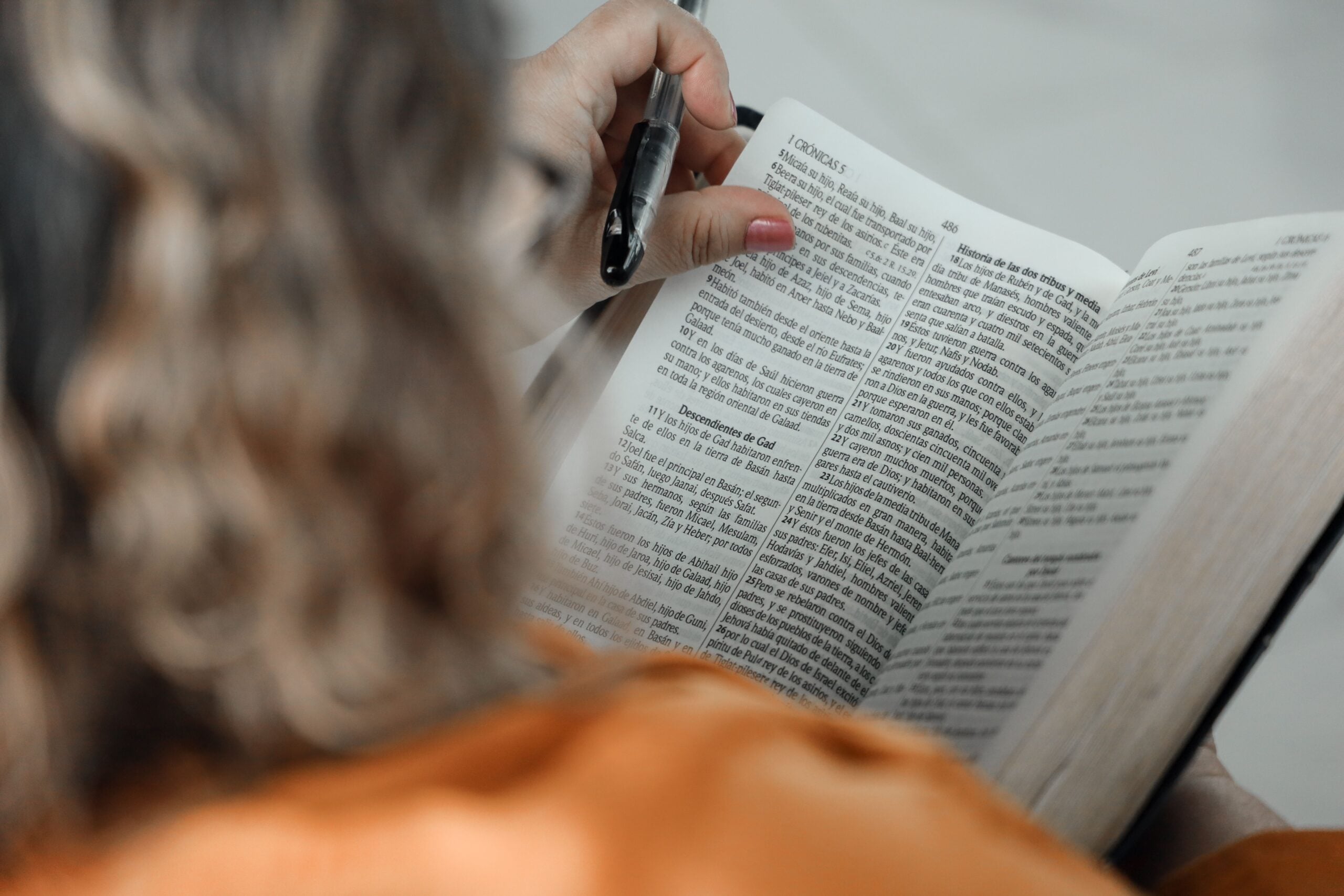
To keep track of information regarding births, marriages, deaths, and other major milestones, documents were tucked away inside the family Bible. This paper records provided a repository for significant family information that could help future generations reconstruct their history. It was even used to note when a family member moved to another city.
Appliance Model Numbers and Repair Notes
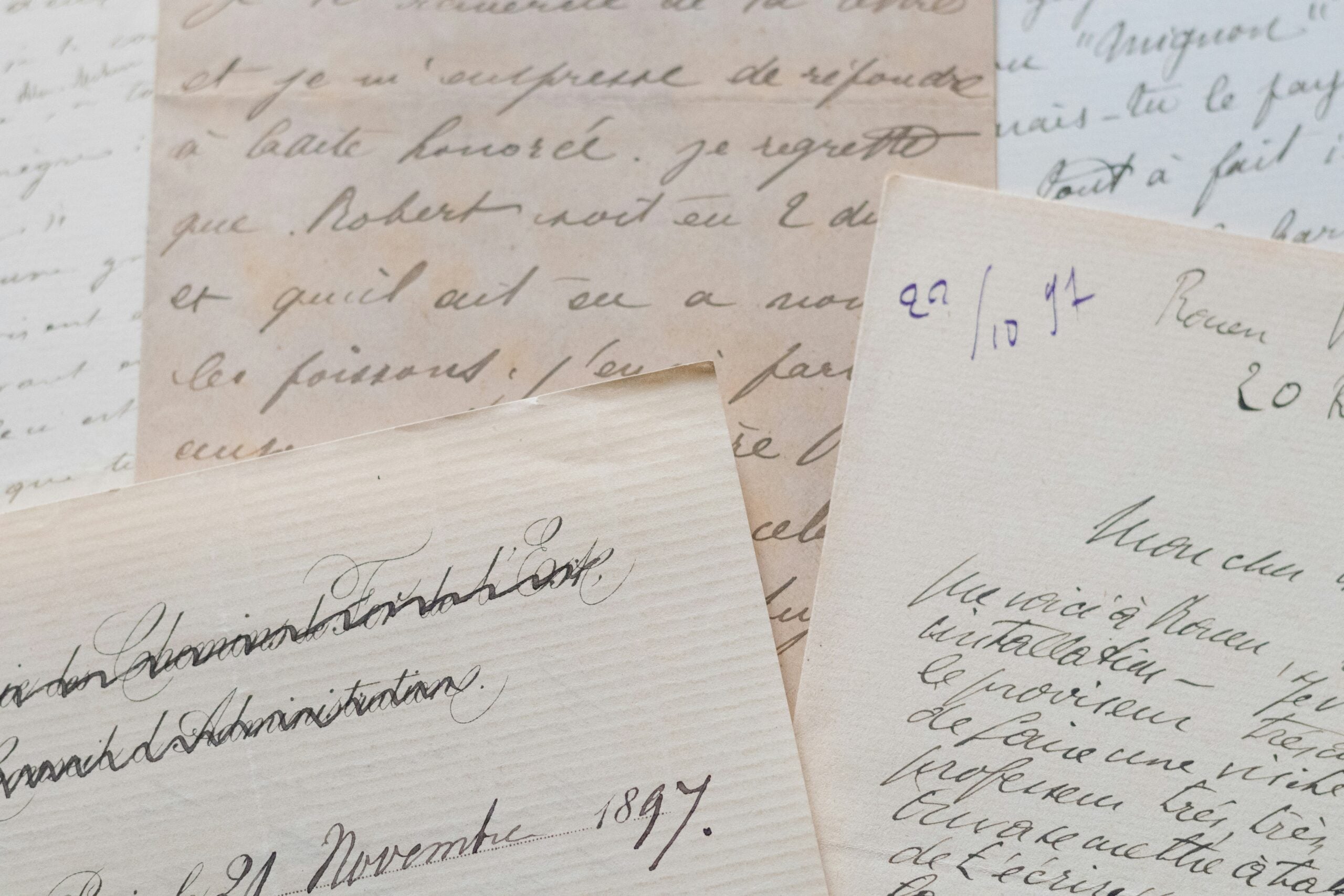
The New York State Archives and family collections preserve handwritten household records containing information about the appliance models and repair details for items in their homes. These paper records could include details about refrigerators, washing machines, furnaces, replacement parts, and previous repairs. Today, a mobile phone can serve the same purpose, and even search online for information about the appliance.
Vacation Expenses and Travel Itineraries

Long before a travel app could automatically organize all the bookings needed for a trip, families had to write down every step of their journey by hand. These paper records might include schedules, hotel phone numbers, driving distances, expenses, and other information, in notebooks or folders. A nostalgic detail is that many families would hold onto these folders long after the trip had ended, as a way to look back on what they had done and relive the experience.
Personal Diaries That Contained Years of Memories
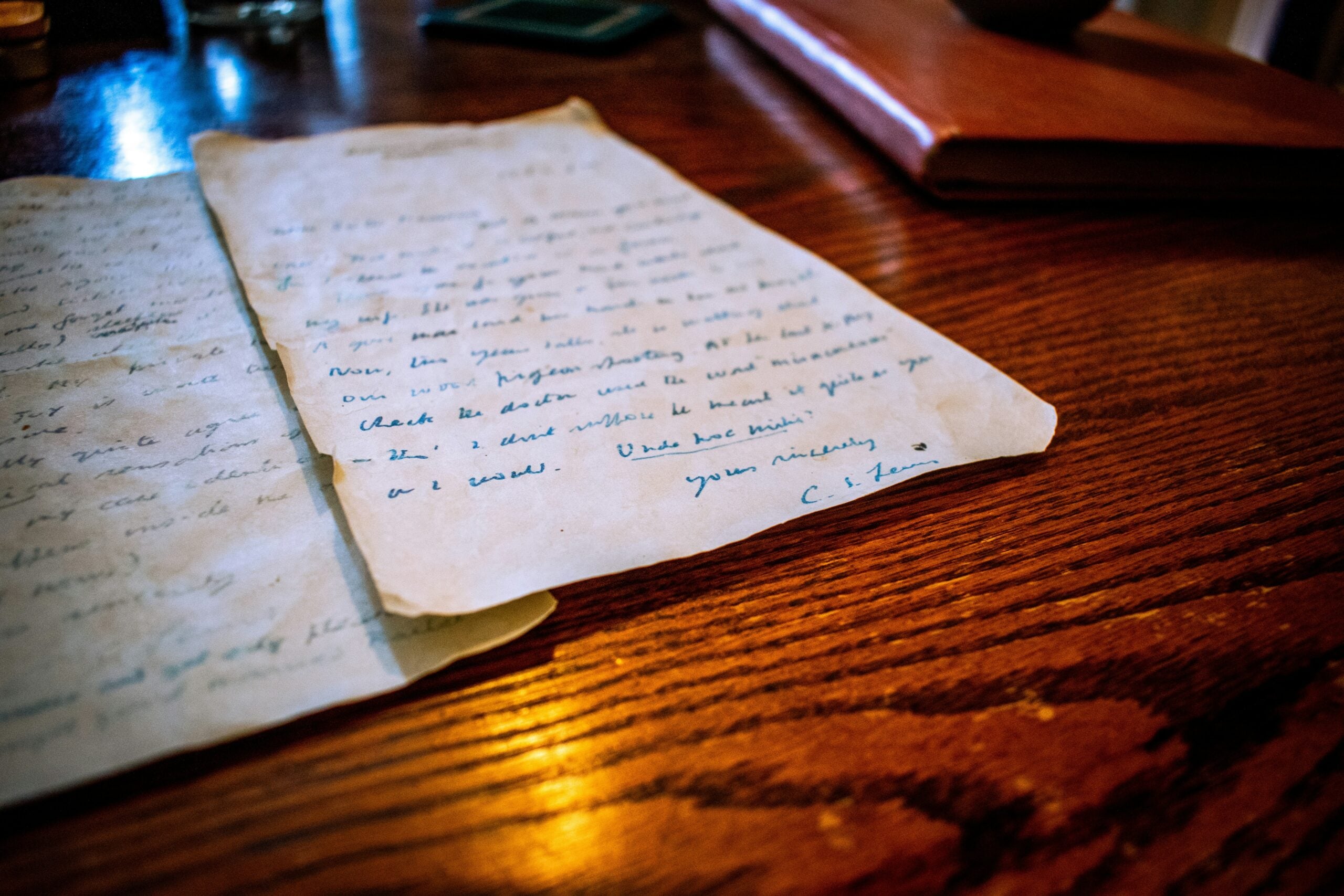
Daily journals offered glimpses into people’s private thoughts, family events, school experiences, friendships, and major milestones. Discovering one of these years later was like holding something of great personal value, quite unlike a simple note in a mobile app today. The National Archives preserves diaries, letters, and personal papers as valuable historical materials, as they provide a perspective that official records often overlook.
Conclusion

These paper-based records, including handwritten notes, calendars, index cards, and address books, helped people organize their lives. Losing one of these meant losing valuable information about friends, or even losing family memories forever. Even today, many people, especially older individuals, continue to keep handwritten records, either because they find it more practical or because they have not yet fully transitioned to digital formats.