Growing up in the 1950s, ’60s, and ’70s meant finding ways to have fun without spending a fortune. There were no streaming subscriptions, smartphones, or endless online shopping carts full of things to keep you entertained. Instead, kids and teenagers made the most of what they already had, whether that meant riding bicycles around the neighborhood, listening to their favorite songs on the radio, or convincing a group of friends to play one more game before dinner.
Of course, entertainment wasn’t always completely free. Bicycles, board games, and record players still cost money, but many of these purchases could provide years of enjoyment without requiring families to keep opening their wallets. And when there wasn’t much money to spare, a little imagination could go a surprisingly long way.
From neighborhood games that lasted until the streetlights came on to afternoons spent practicing the latest dance moves, here are 12 ways baby boomers entertained themselves without spending much money.
Organizing Neighborhood Games Until the Streetlights Came On
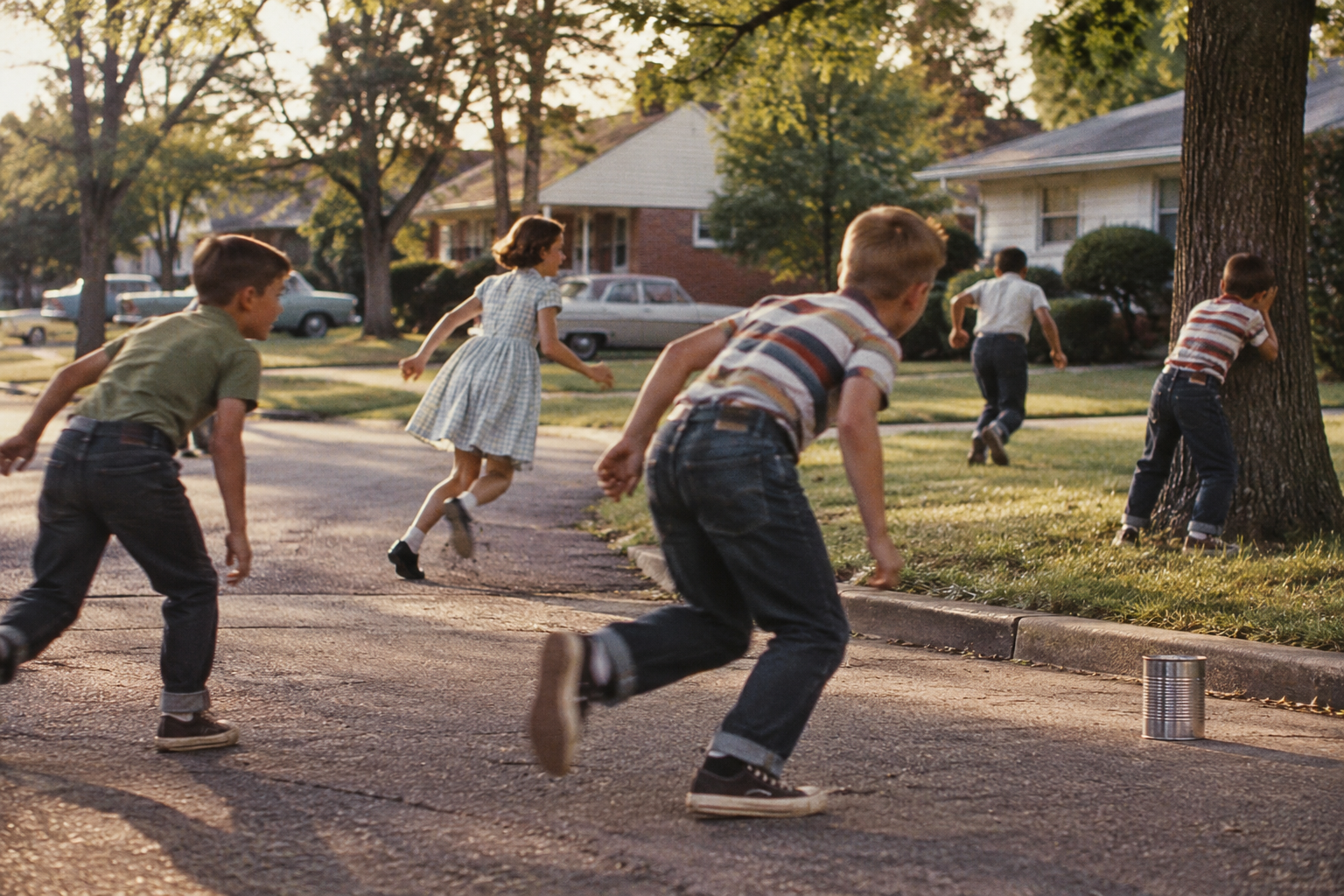
Before parents started scheduling every afternoon around organized activities, neighborhood kids had a pretty good system for entertaining themselves: They simply went outside and found someone to play with. Games like kick the can, hide-and-seek, tag, and capture the flag could keep an entire block of children occupied for hours, and nobody needed to spend a penny. The rules were often made up as they went along, especially when younger siblings insisted on joining or someone accused another player of cheating. Backyards, sidewalks, and quiet residential streets became elaborate playgrounds, with trees serving as hiding spots and telephone poles marking imaginary boundaries. And while the games could get surprisingly competitive, there was usually only one thing that could bring them to an abrupt end: the streetlights coming on or someone’s mother calling everyone home for dinner.
Listening to Top 40 Radio and Waiting for a Favorite Song
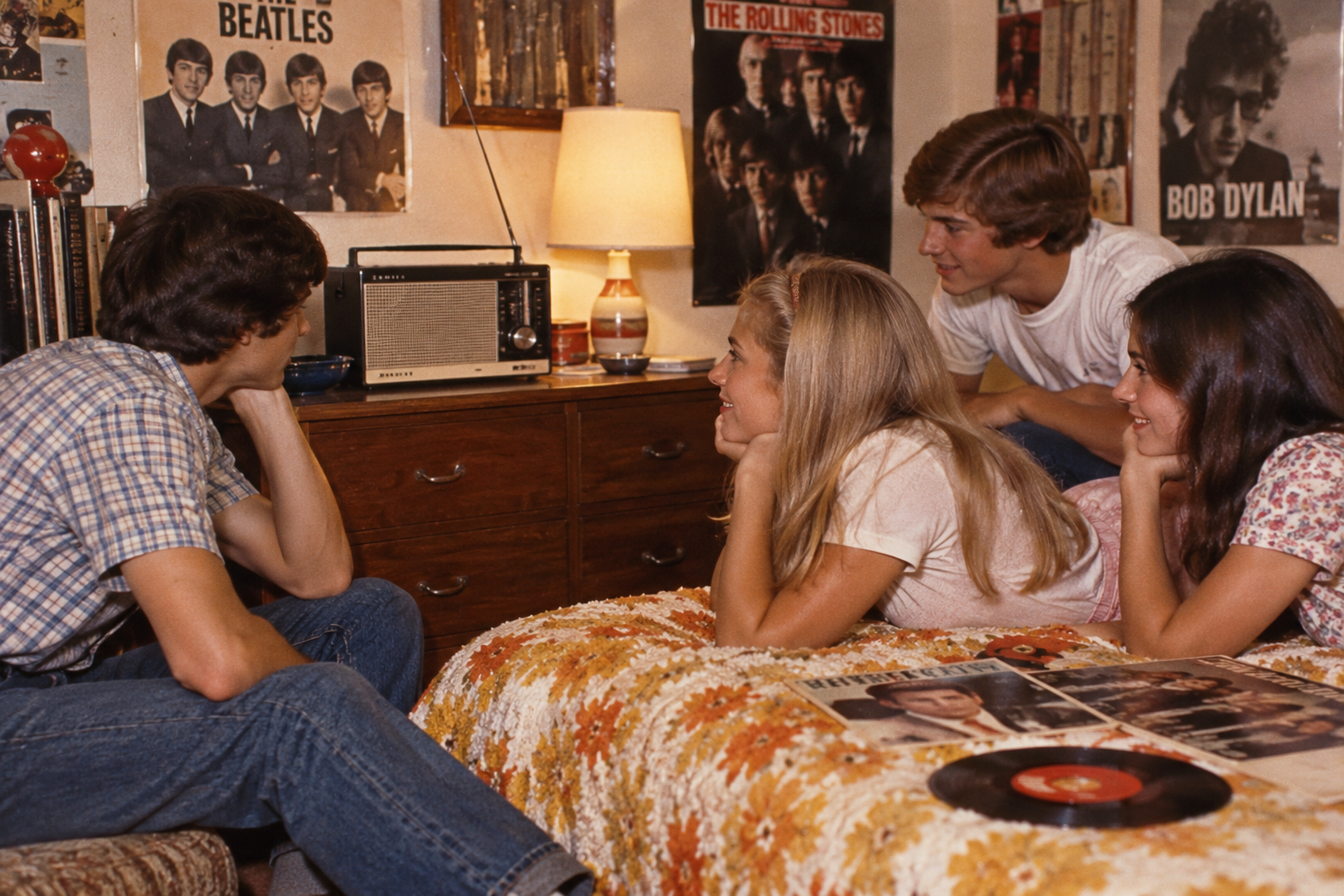
For teenagers growing up in the 1950s and ’60s, the radio was practically an endless source of entertainment. Local AM stations played the latest rock ‘n’ roll hits, and listening to the weekly Top 40 countdown could become an event in itself. If you wanted to hear your favorite Elvis Presley, Buddy Holly, or Beatles song, you couldn’t simply select it from a playlist. You had to wait patiently and hope the DJ would play it. Portable transistor radios made the experience even better, allowing teenagers to bring their music to bedrooms, backyards, and neighborhood hangouts. Friends could spend entire afternoons debating which singers were the best, memorizing lyrics, or trying to predict what would reach No. 1. And once the family owned a radio, all that entertainment came without a monthly subscription or another trip to the record store.
Playing Cards Around the Kitchen Table
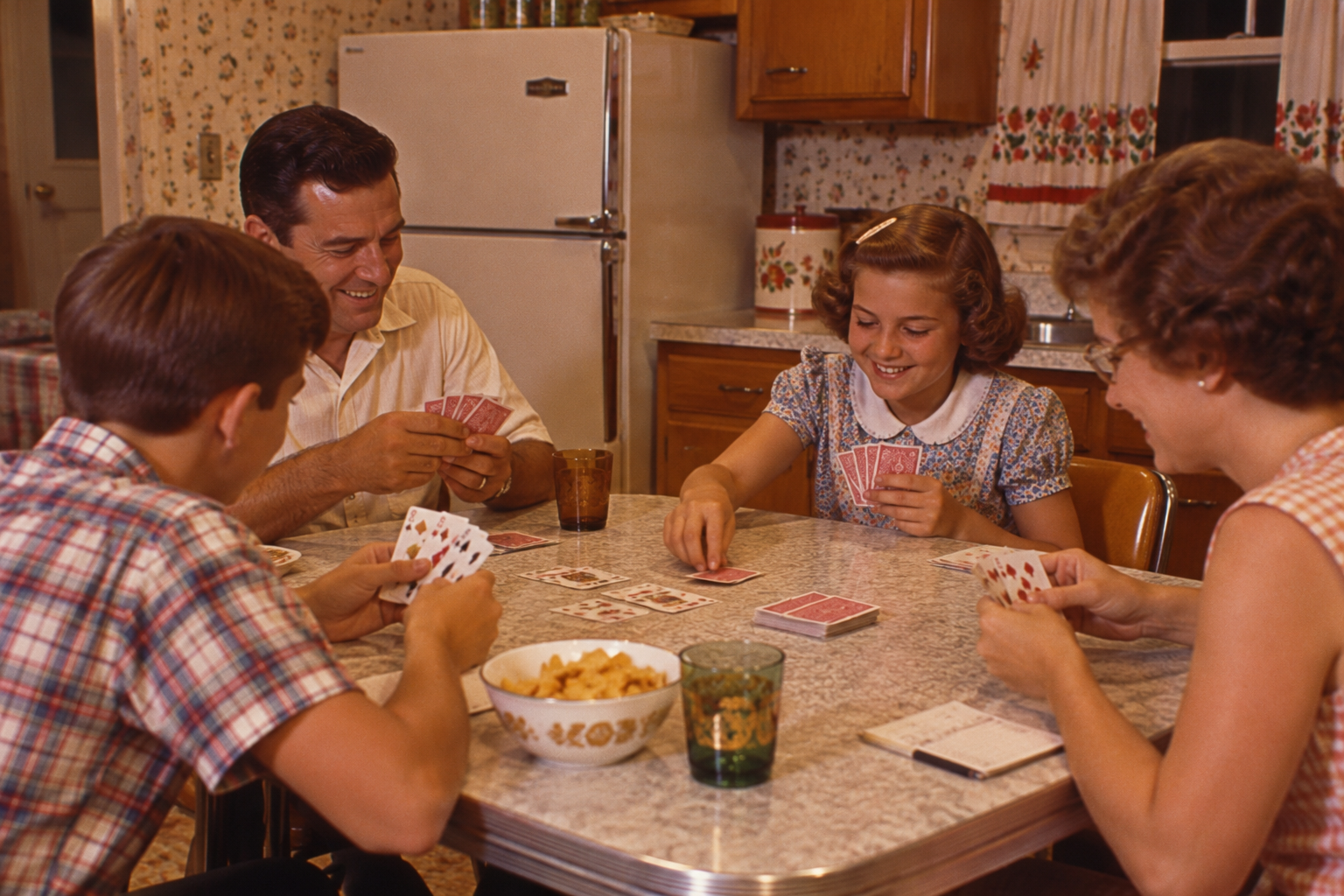
A simple deck of playing cards could provide an astonishing amount of entertainment, especially when the weather kept everyone indoors. Families gathered around kitchen tables for games of rummy, hearts, gin rummy, or whatever card game had been passed down through generations. Even solitaire could keep someone occupied for an entire afternoon when nobody else was around. Of course, every family seemed to have its own rules, and disagreements over how a particular game was supposed to be played could become almost as entertaining as the game itself. Grandparents often insisted that their version was the correct one, while younger players tried to introduce shortcuts or new variations. The best part was that a single inexpensive deck could last for years, making it one of the cheapest ways to turn an ordinary evening into a family tradition.
Riding Bikes Around the Neighborhood With No Particular Destination
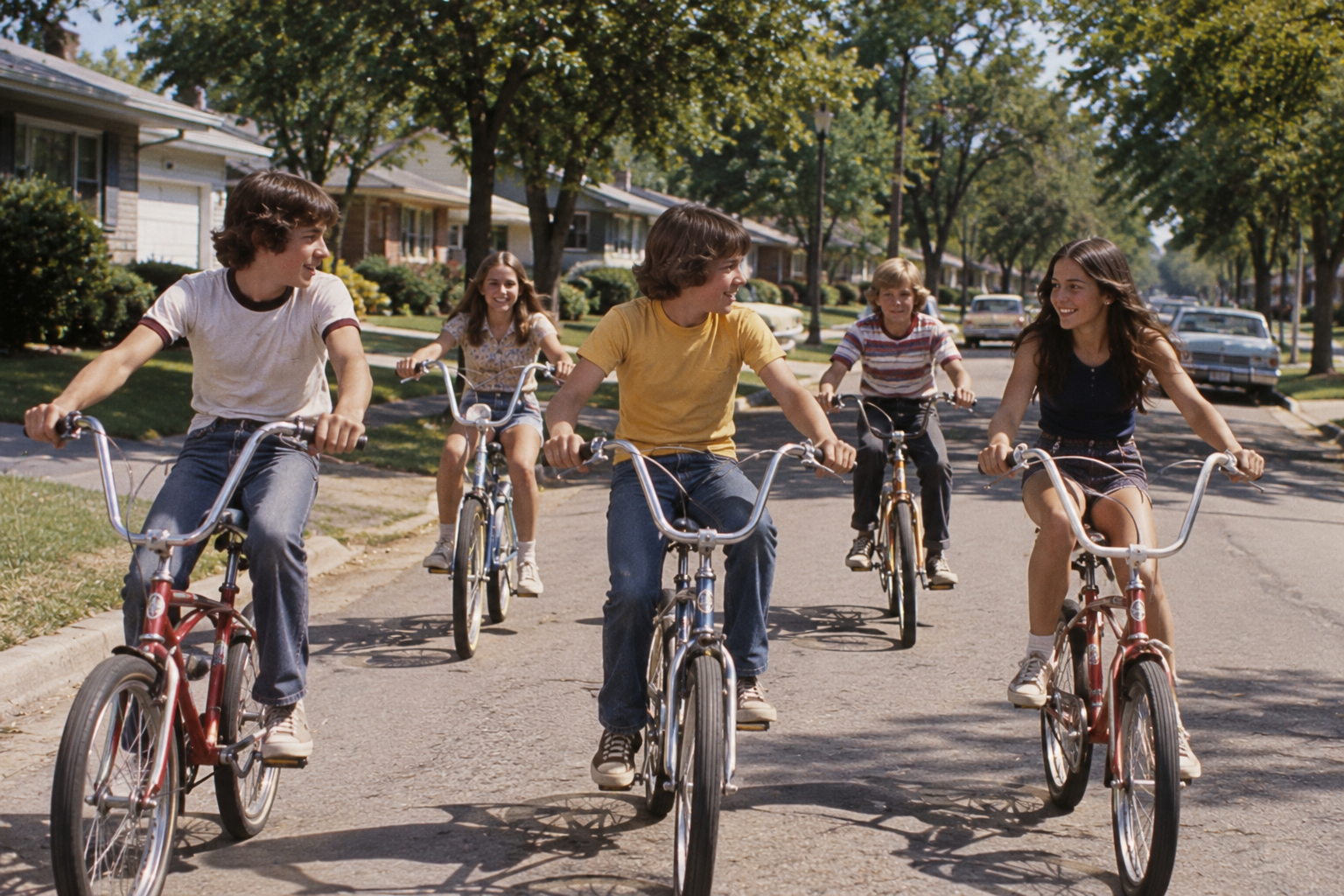
For many boomer kids, having a bicycle meant having the freedom to explore the neighborhood without needing someone to drive them around. Afternoons could disappear while riding from one friend’s house to another, racing down familiar streets, or following a group of kids who claimed to know somewhere interesting to go. There didn’t necessarily have to be a destination, either. Sometimes the entire point was simply to keep riding until someone suggested stopping at a playground or heading home for a snack. Schwinn bicycles and other sturdy models were familiar sights in the 1950s, while different styles became popular as the decades went on. Although buying a bicycle wasn’t cheap, hand-me-downs were common, and a well-maintained bike could provide years of entertainment without requiring tickets, admission fees, or much more than the occasional repair.
Making Up Baseball Games in Empty Lots
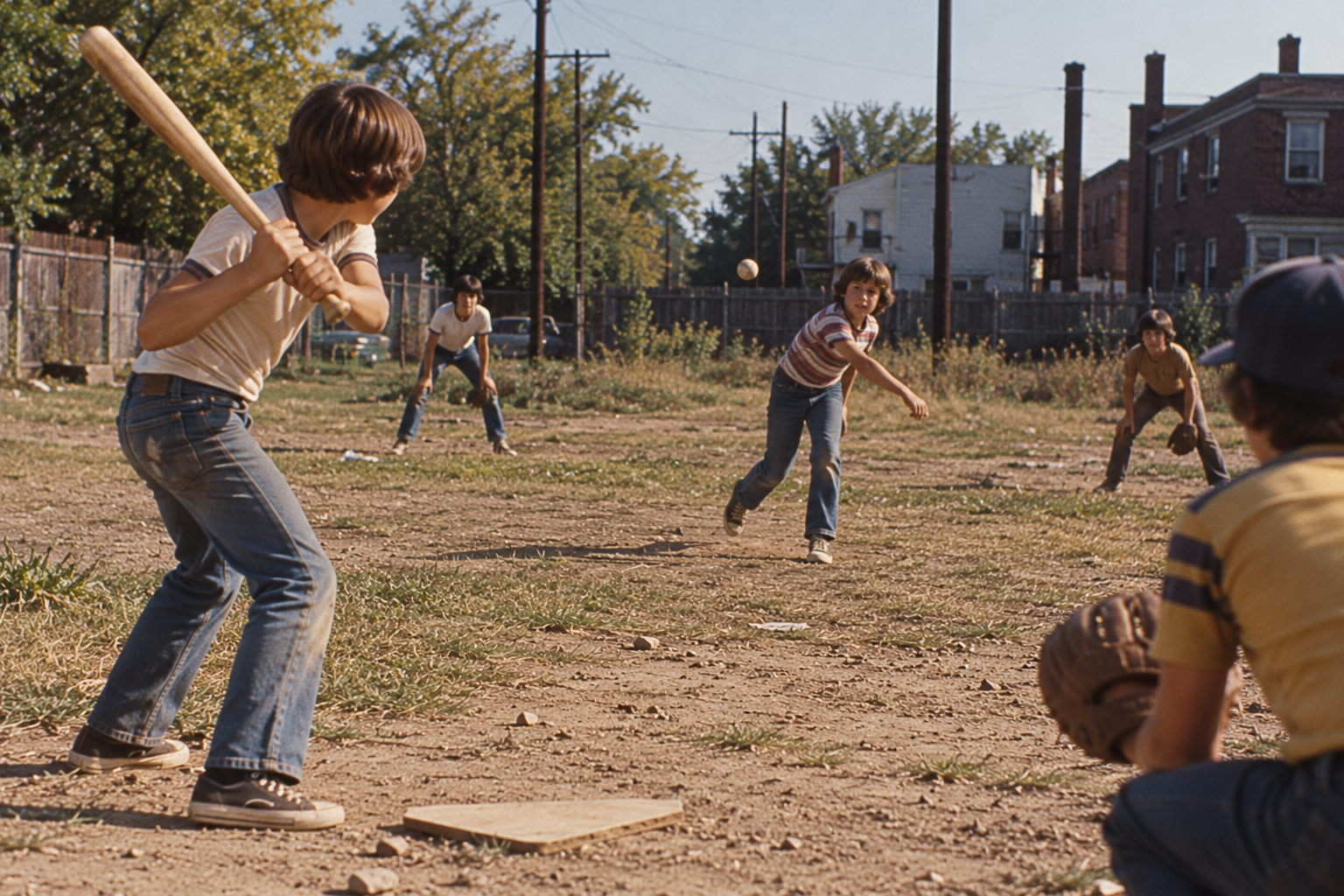
You didn’t need a perfectly maintained baseball diamond or matching uniforms to organize a neighborhood game in the 1950s, ’60s, or ’70s. An empty lot, a schoolyard, or a patch of grass could become a makeshift ballpark as long as someone showed up with a bat and ball. Bases were often improvised from old jackets, pieces of cardboard, or whatever happened to be lying around. Teams changed depending on which neighborhood kids were available, and the rules could get creative when there weren’t enough players to cover the field. A particular tree might count as an automatic home run, while hitting a ball into someone’s backyard could mean an immediate out. Games sometimes lasted until everyone was exhausted, and nobody worried about paying league fees or buying expensive equipment. For many kids, the best baseball memories came from these completely unofficial afternoon competitions.
Trending on Cheapism

Playing Board Games During Long Evenings at Home
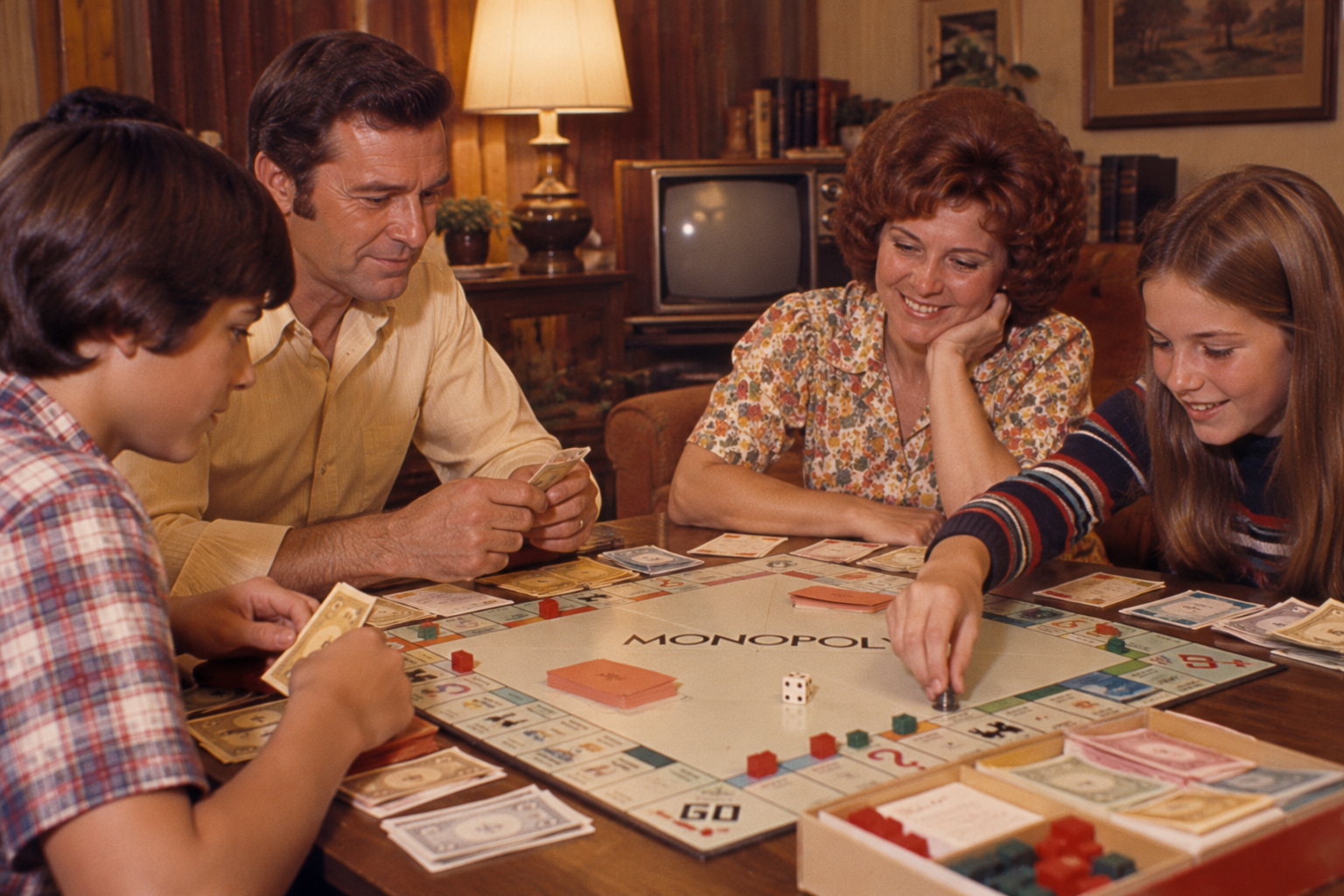
When it was raining outside or everyone was stuck at home for the evening, pulling a board game out of the closet was a reliable way to pass the time. Monopoly, Scrabble, Clue, Sorry!, and The Game of Life were familiar fixtures in many American households, and a single game could occupy siblings, cousins, or friends for hours. The Game of Life received a major redesign in 1960, making it particularly recognizable to children growing up during the baby boom years. Of course, not every family game night ended peacefully. Monopoly could turn surprisingly hostile when someone landed on Boardwalk with a hotel, and accusations of cheating were practically inevitable during particularly competitive rounds. But once a family owned a few games, they could bring them out again and again without spending another dollar. Even missing pieces rarely stopped determined players, who simply substituted buttons, coins, or whatever else they could find.
Learning Dance Moves From American Bandstand
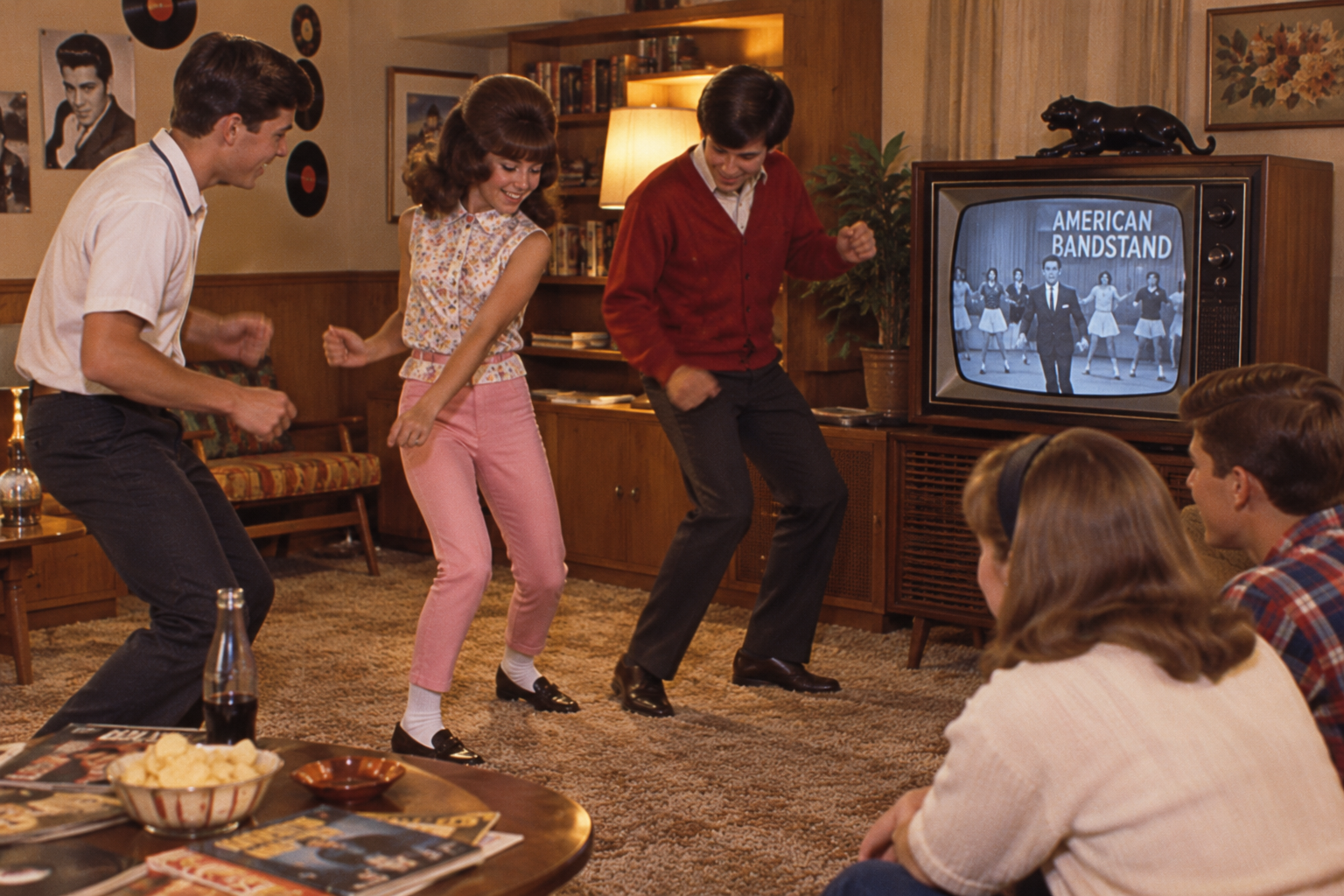
Long before teenagers could watch dance tutorials online, television programs like “American Bandstand” offered a front-row seat to the latest music and dance crazes. Hosted nationally by Dick Clark beginning in 1957, the show introduced young viewers to popular performers and gave them a chance to see how other teenagers were dancing. Kids could spend hours practicing the Twist, the Mashed Potato, or the Watusi in their living rooms, sometimes moving the furniture out of the way to create a makeshift dance floor. Friends might gather around the television to watch the show before attempting to recreate the moves themselves, with varying degrees of success. The entertainment didn’t require expensive lessons or a night out at a dance club. All you needed was access to a television, some music, and enough confidence to try the latest steps without worrying about how ridiculous you looked.
Trying to Set Hula Hoop Records With Friends
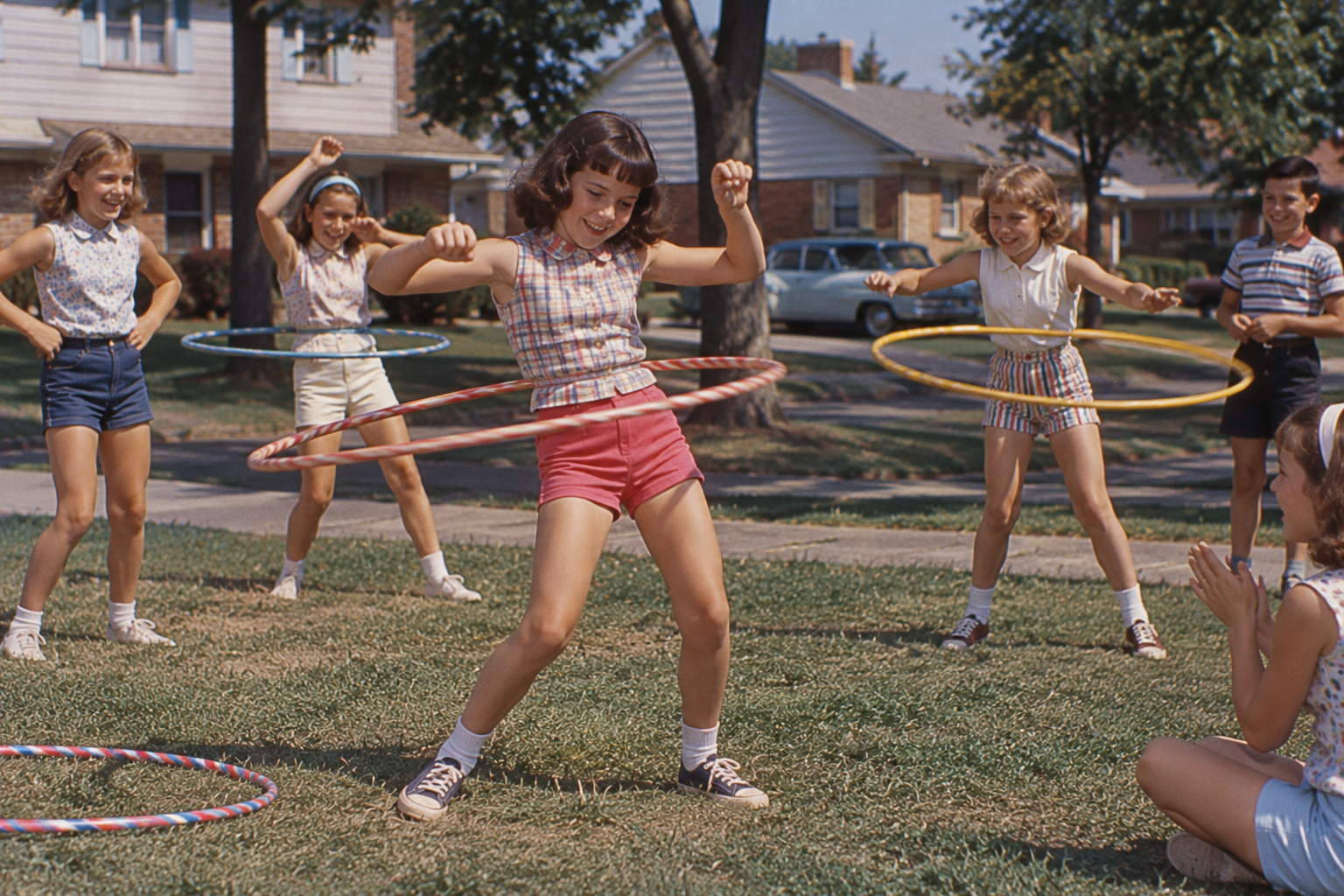
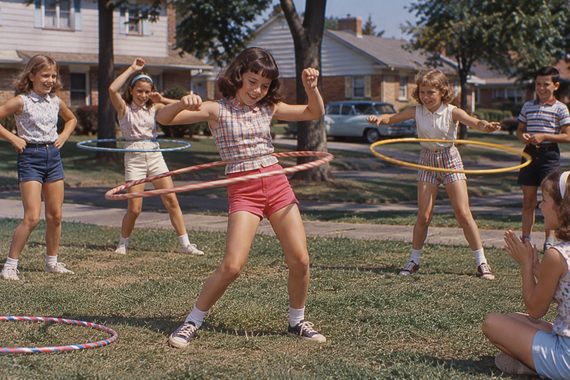
When the Hula Hoop craze swept across America in 1958, it proved that something as simple as a plastic ring could keep children entertained for hours. Wham-O’s colorful hoops became an enormous sensation, with an estimated 25 million sold during the first four months. But buying the toy was only the beginning. Neighborhood kids challenged one another to see who could keep a hoop spinning around their waist the longest, who could walk while hooping, or who could master increasingly ridiculous tricks. Some ambitious children even tried spinning multiple hoops at once, usually with hilarious results. Backyards and playgrounds became unofficial competition grounds, and a single hoop could be passed around among several friends. Unlike toys that quickly lost their appeal, the Hula Hoop offered an almost endless opportunity to improve your technique, show off, and insist that your latest attempt didn’t count because someone distracted you.
Sign up for our newsletter
Building Model Airplanes and Cars at the Kitchen Table
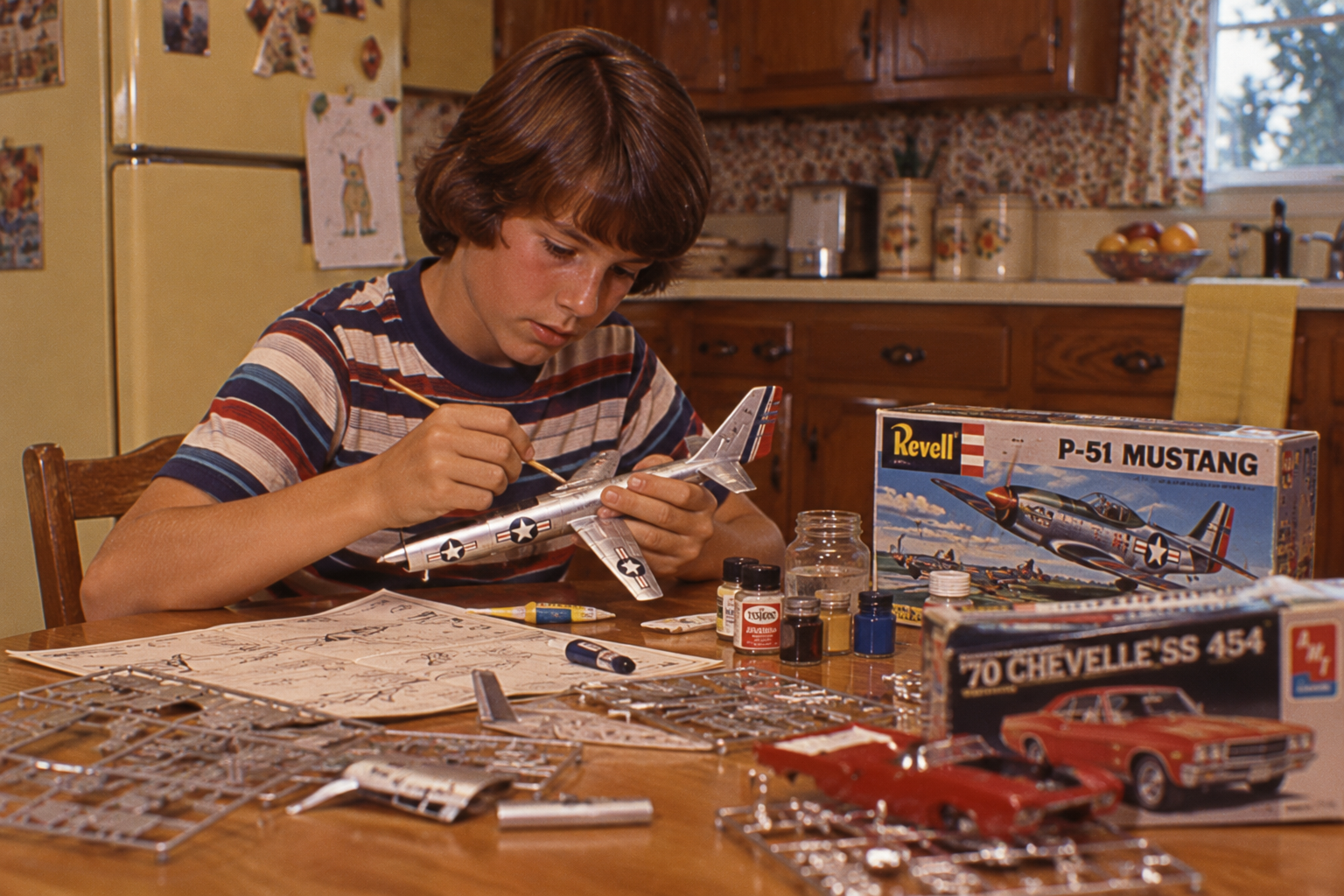
For kids who preferred quieter activities, assembling plastic model kits could turn an ordinary afternoon into a surprisingly involved project. Model airplanes, cars, and ships were popular hobbies during the 1950s and ’60s, with children carefully separating tiny plastic pieces, following instruction sheets, and using glue to put everything together. More ambitious builders painted their finished creations, adding details that made their miniature vehicles look as realistic as possible. The kitchen table often became a temporary workshop, much to the annoyance of parents who eventually needed the space for dinner. Basic kits still cost money, but they could provide hours of entertainment, particularly for kids who saved their allowances or received them as birthday presents. And once a model was finished, it often earned a permanent place on a bedroom shelf, where it could be admired until the next project came along.
Hanging Out With Friends and Listening to 45 RPM Records
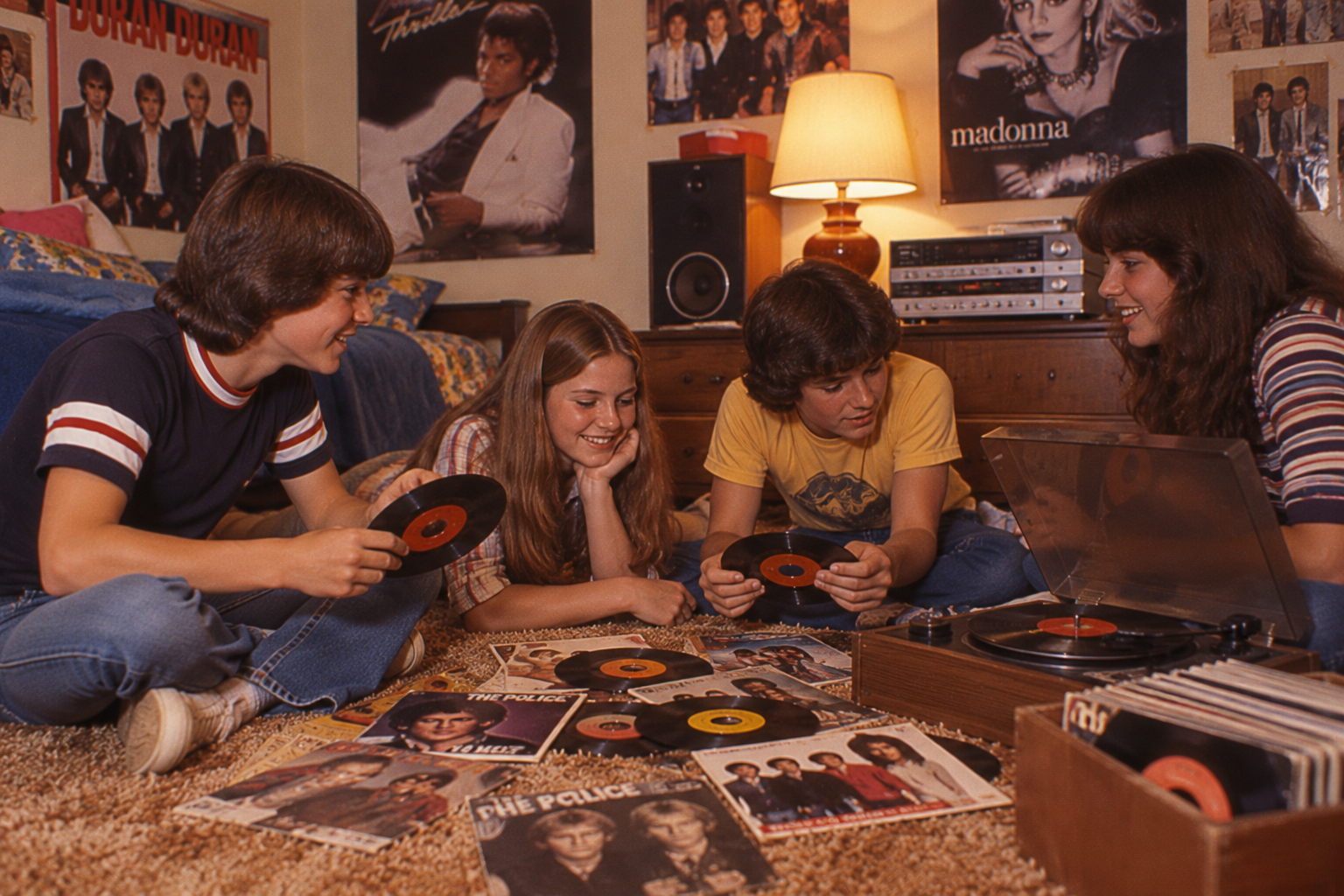
Before teenagers could share playlists with a few taps on their phones, getting together to listen to records was a perfectly good way to spend an afternoon. During the 1950s and ’60s, affordable 45 rpm singles helped make popular music a major part of teenage culture. Friends gathered in bedrooms or living rooms, bringing along their favorite records and taking turns deciding what to play next. Someone might show up with a brand-new Beatles single, while another insisted that everyone needed to hear the latest song by the Supremes. The same record could be played repeatedly, especially when everyone was trying to memorize the lyrics or figure out exactly what the singer was saying. Although record players and singles weren’t free, sharing collections meant teenagers could enjoy plenty of music without buying every new release themselves. Sometimes the music was almost secondary to the pleasure of simply spending time together.
Making Up Outdoor Adventures in the Woods
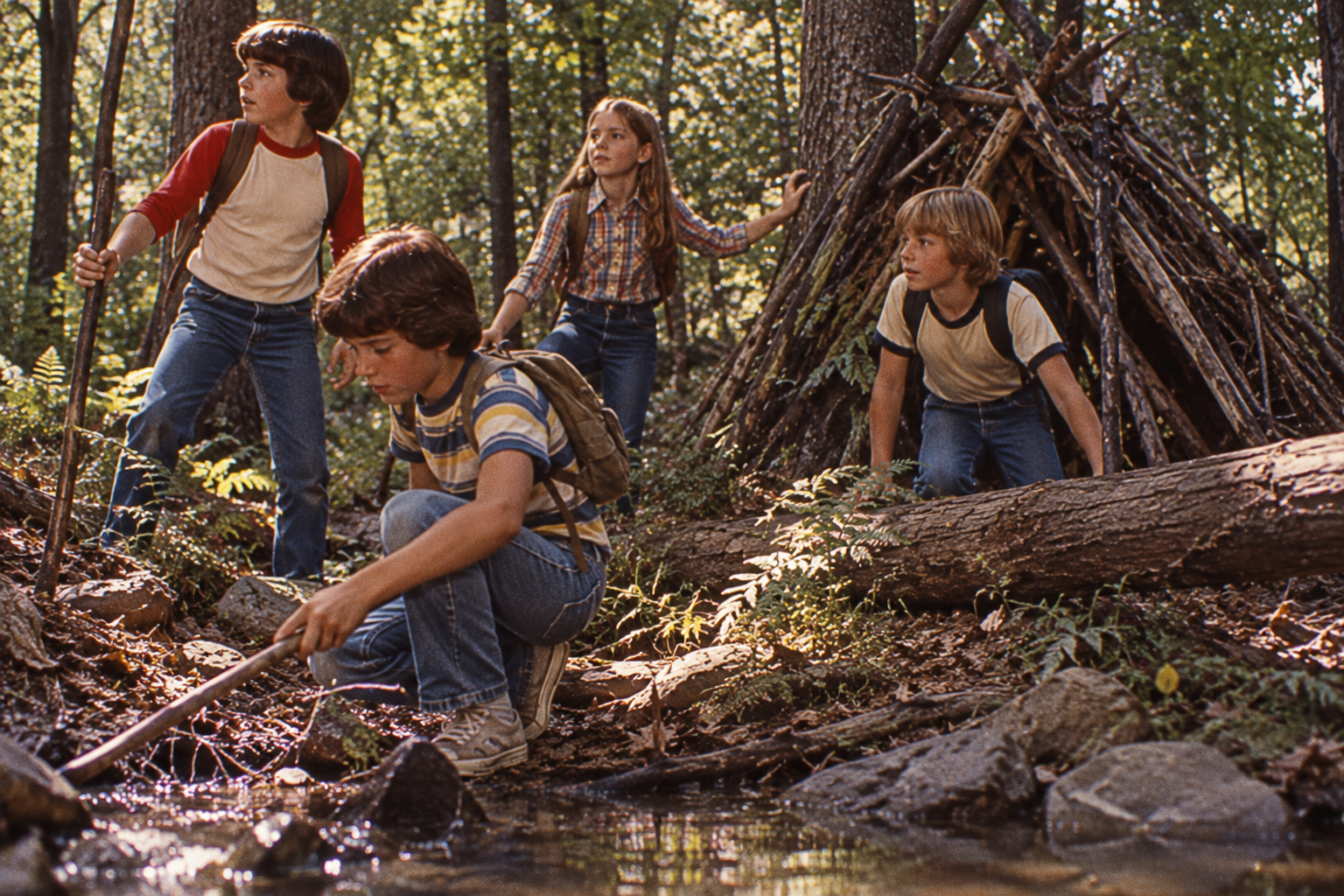
For kids who lived near wooded areas, fields, or undeveloped lots, an ordinary afternoon could become a full-blown adventure without costing anything. A patch of trees might transform into an imaginary wilderness, while a fallen log could become a bridge over dangerous territory. Children built makeshift forts from branches, collected unusual rocks, climbed trees, and invented elaborate stories about the places they explored. Sometimes they brought along sandwiches or snacks and stayed outside for hours, returning home with muddy shoes and pockets full of things their parents probably wished they’d left behind. Not every child had access to safe outdoor spaces, of course, but for those who did, these areas offered a kind of freedom that didn’t require admission tickets or organized activities. The most important ingredient was usually a good imagination, preferably accompanied by a friend willing to believe that an ordinary patch of woods was actually an unexplored jungle.
Spending an Entire Evening at the Drive-In
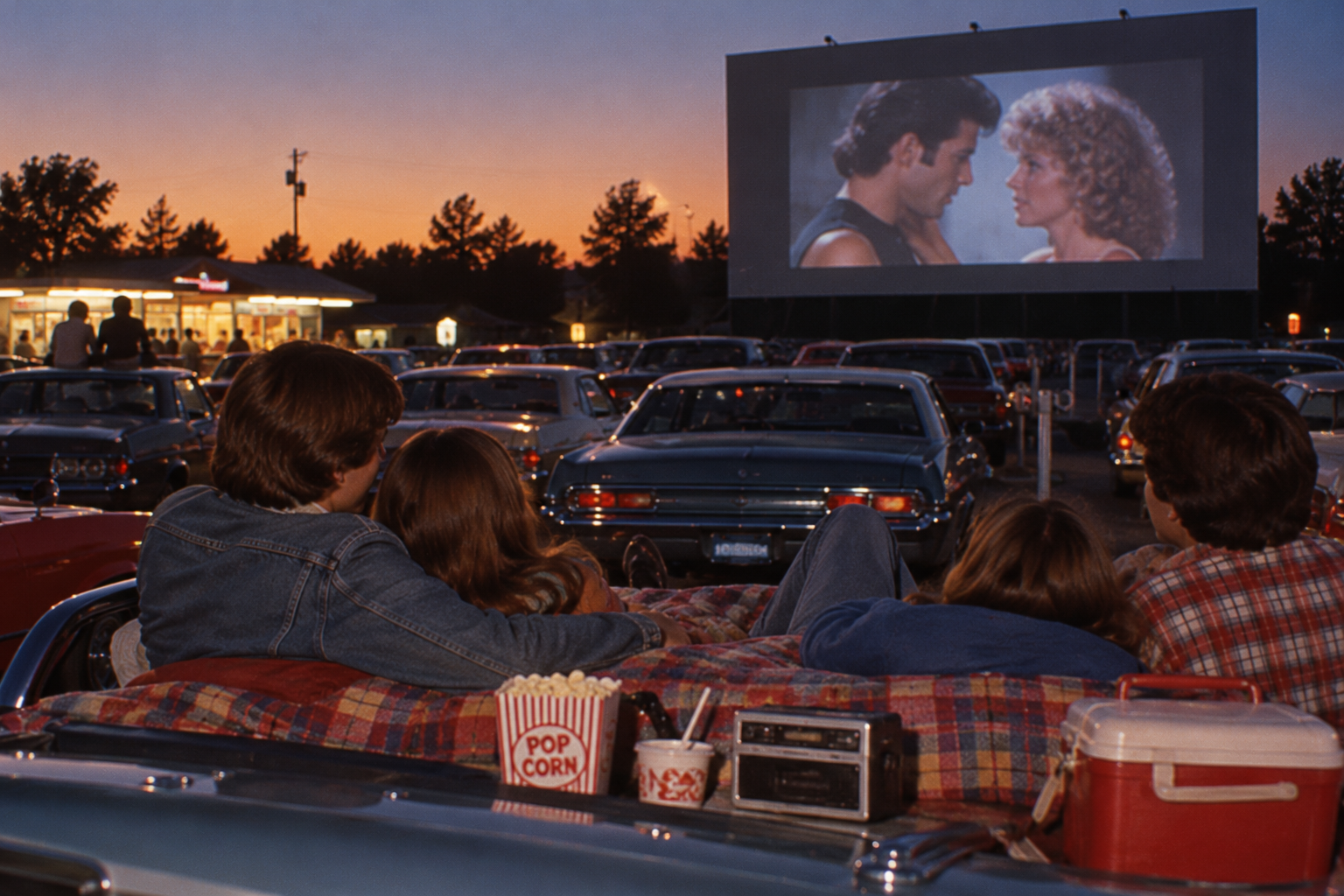
Going to the movies wasn’t completely free, but drive-in theaters offered many American families an affordable way to turn an ordinary evening into a special occasion. By 1958, the United States had nearly 5,000 drive-in theaters, and they had become a familiar part of American entertainment culture. Families could pile into the car, find a parking spot facing the enormous outdoor screen, and settle in for a movie without worrying quite so much about keeping younger children perfectly quiet. Some theaters offered double features, allowing moviegoers to watch two films during a single outing. Depending on the theater’s rules, bringing snacks from home could help keep the cost down even further. Kids might spend as much time looking around at the other cars or getting comfortable in the back seat as they did watching the movie.
When Having Fun Didn’t Require Spending a Fortune
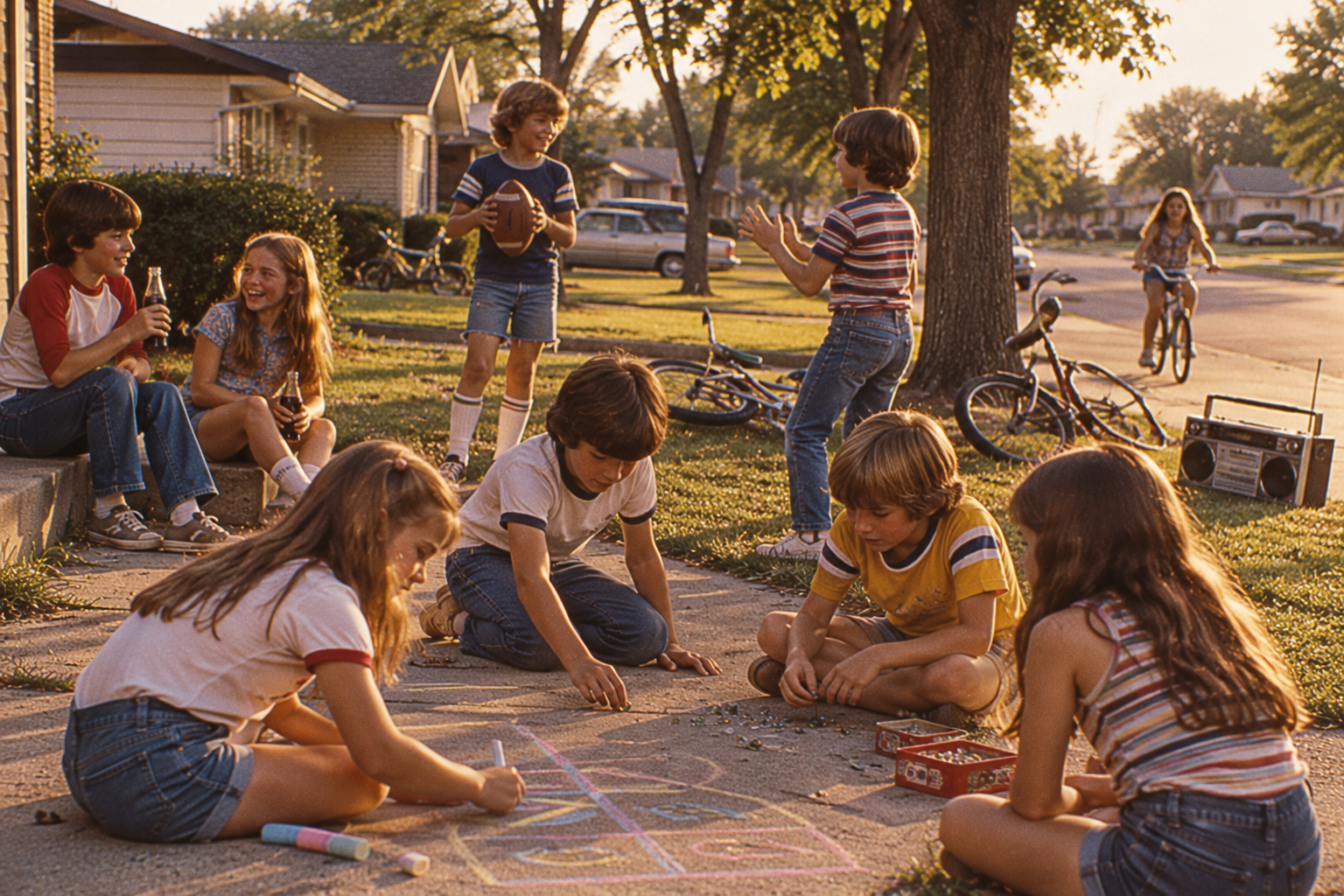
Looking back, it’s remarkable how many hours baby boomers could fill with activities that required little more than a few friends, some imagination, and whatever happened to be available. Whether it was riding bikes until dinner, listening to the same record for the tenth time, or spending an evening arguing over a board game, entertainment didn’t always mean buying something new.
Of course, not every family had the same resources, and plenty of these pastimes depended on having access to bicycles, radios, toys, or safe places to play. But many of those purchases lasted for years, and some of the best memories came from activities that cost absolutely nothing. Perhaps that’s why so many of these old-fashioned ways of having fun still hold up today. After all, a deck of cards, a good song, or an afternoon spent with friends doesn’t need much of a budget to be enjoyable.