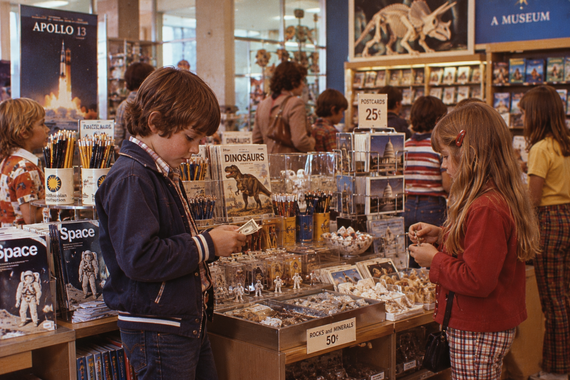
Sunday mornings in the 1960s had a rhythm of their own, with thick newspapers spread across the living room, bacon sizzling in the kitchen, and parents reminding everyone to get dressed for church. Many of the things families did on Sunday mornings reflected a time when stores were often closed, television choices were limited, and family traditions shaped the weekend. As HISTORY explains, Sunday closing laws also influenced how Americans spent their day. From reading the funny pages to gathering around the breakfast table, these 12 routines bring back memories of a very different Sunday morning.
Getting Dressed in Their Sunday Best
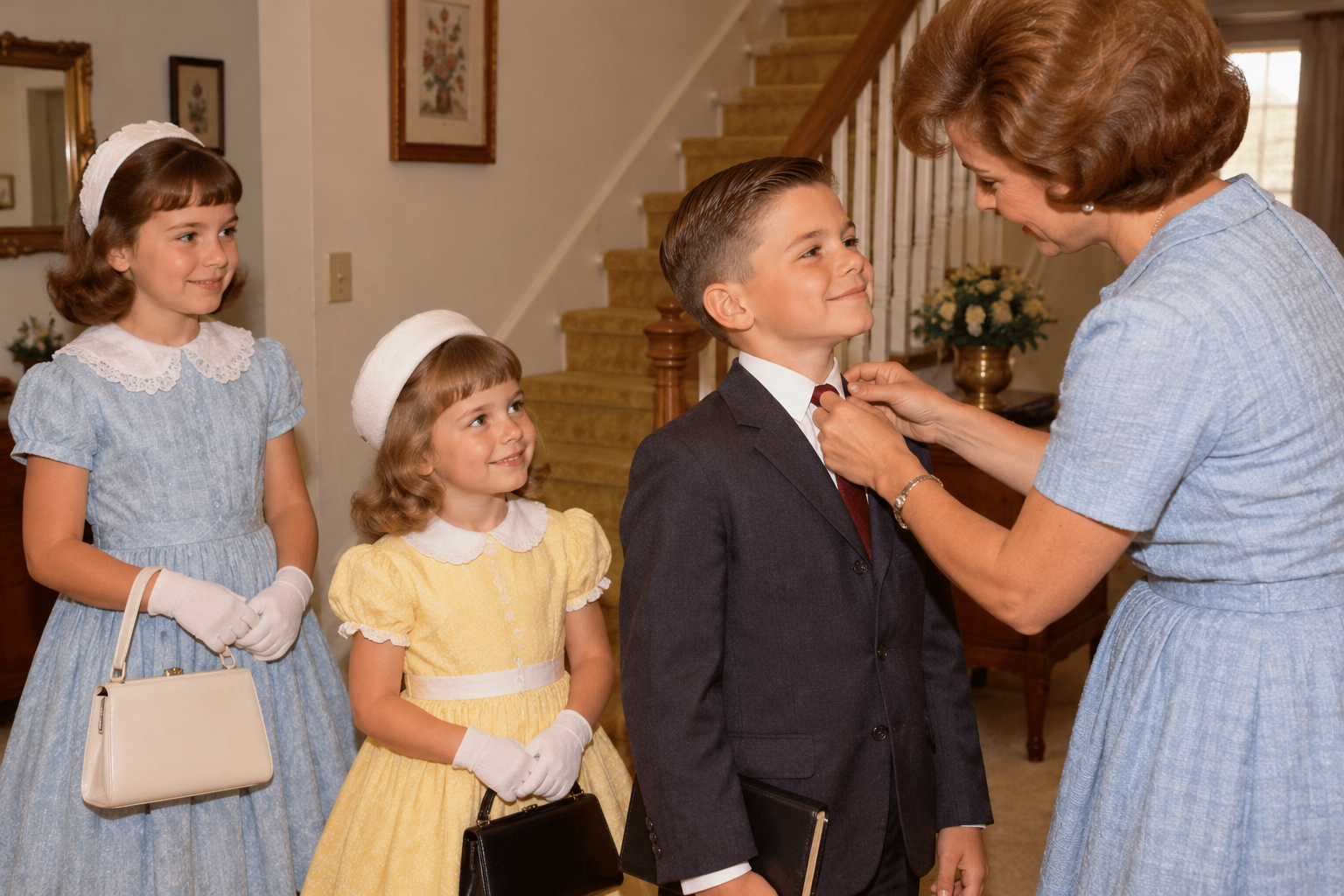
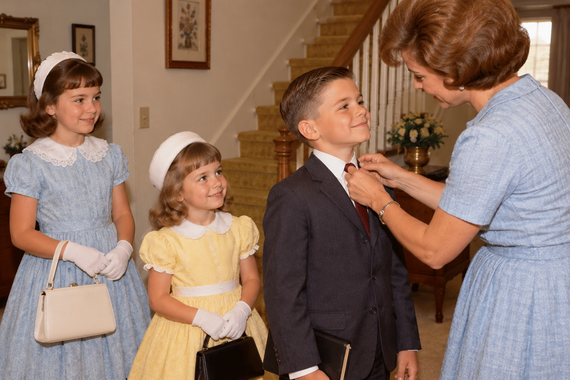
For many families, Sunday morning meant wearing clothes that rarely came out of the closet during the week. Girls put on dresses, boys wore pressed shirts and ties, and everyone was expected to have clean, polished shoes. Mothers might spend the morning fixing collars, straightening hems, and making sure nobody got dirty before church. Some children dreaded the stiff fabrics and uncomfortable shoes, but looking presentable was part of the ritual. And heaven help anyone who spilled breakfast on their good clothes.
Going to Church and Sunday School
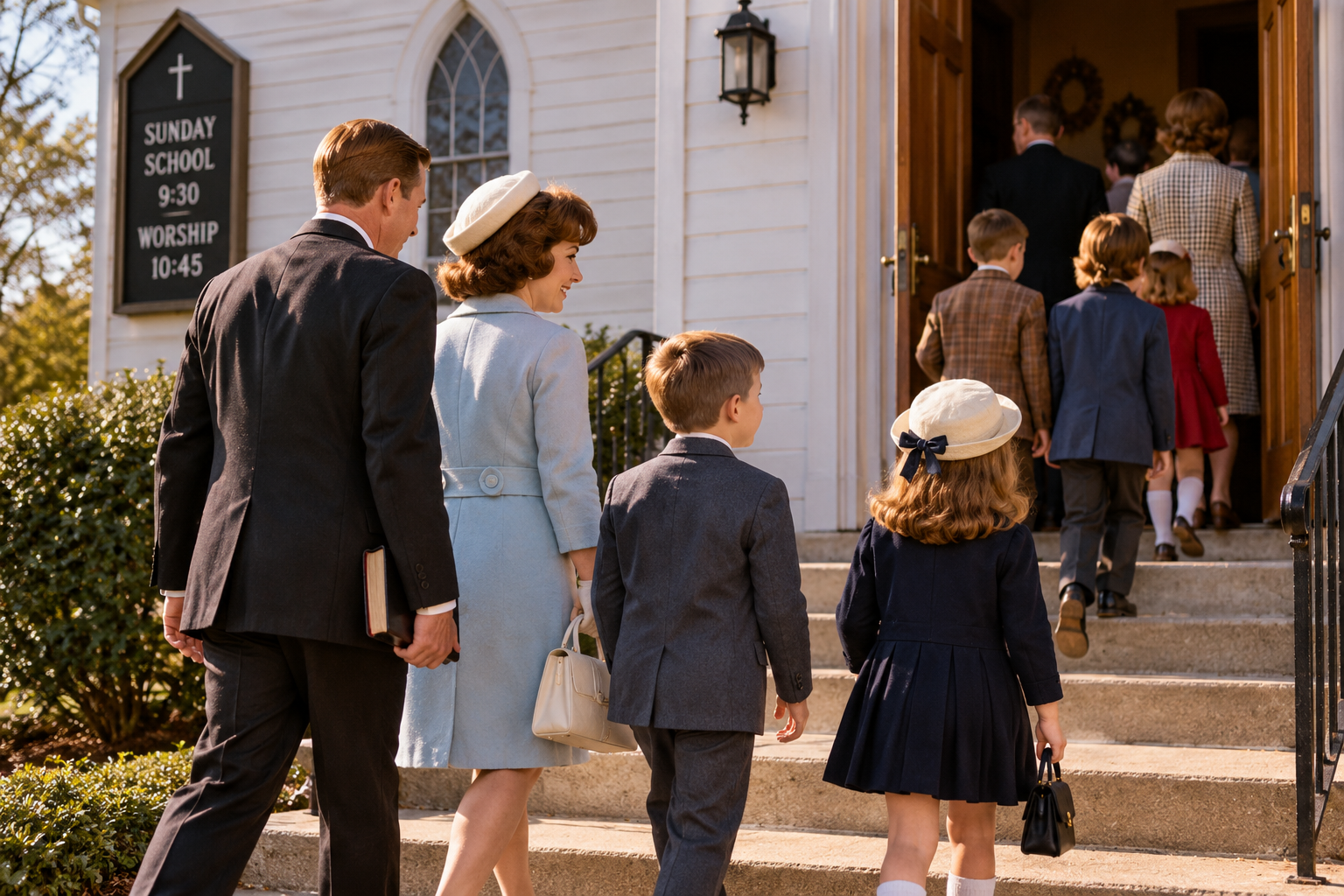
Church was a regular part of Sunday mornings for many American families in the 1960s. Parents attended services while children learned Bible stories, sang hymns, and worked on activities in Sunday school classrooms. There were collection plates, printed church bulletins, and the familiar sound of an organ filling the sanctuary. For kids, the service sometimes felt endless, especially when adults stayed afterward to socialize. Not every household attended church, of course, but for those that did, the weekly routine often shaped the entire day.
Fighting Over the Sunday Newspaper
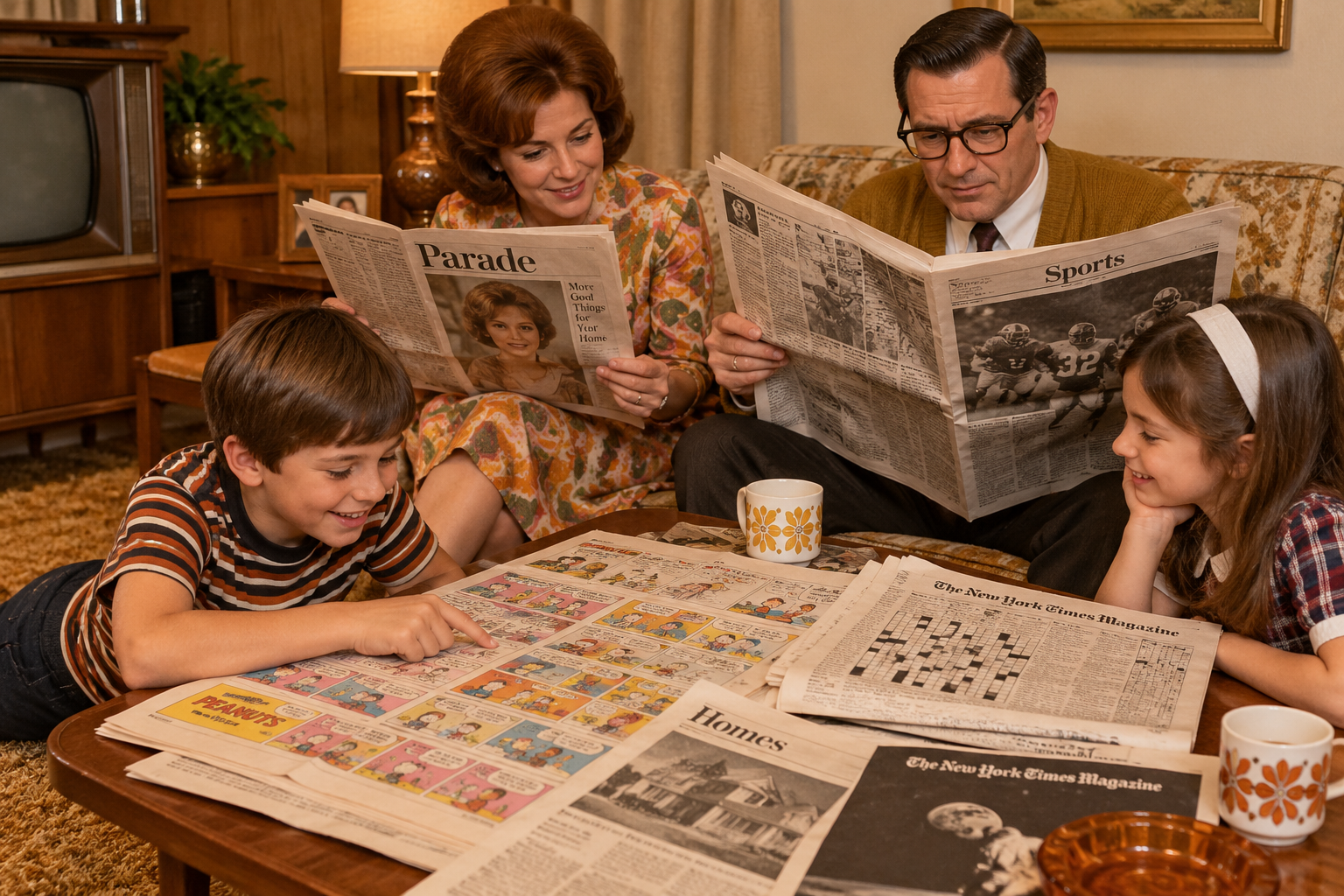
Before everyone had a screen of their own, the Sunday newspaper provided entertainment for the whole household. Dad might reach for the sports section, Mom might browse the advertisements, and the kids usually wanted the colorful comics. Peanuts, Blondie, and Dennis the Menace were familiar favorites, while crossword puzzles could keep someone occupied for hours. The paper was often so thick that its sections ended up scattered across the living room. And if somebody grabbed the comics first, everyone else had to wait their turn.
Sitting Down to a Big Sunday Breakfast
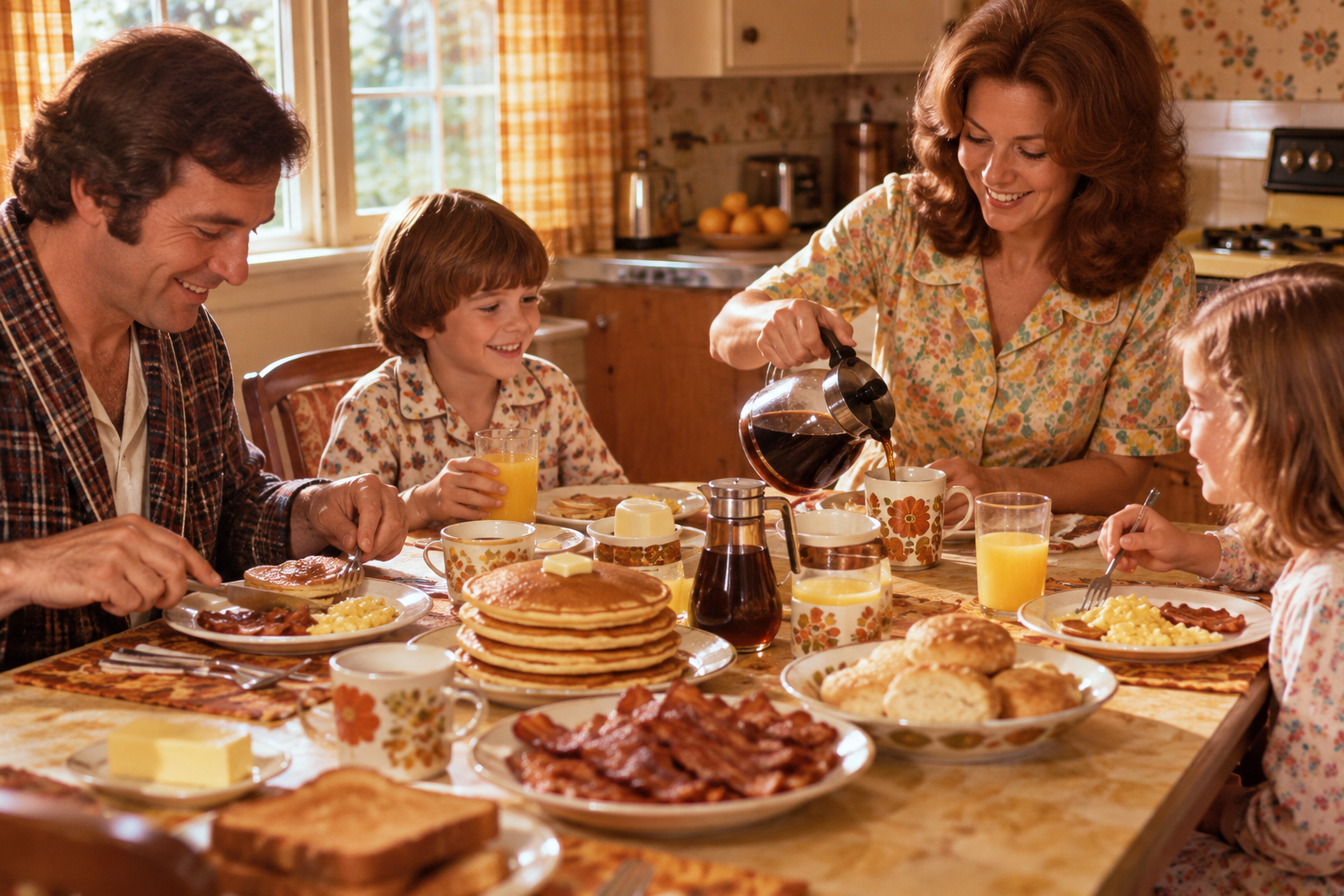
Weekday mornings often meant a quick bowl of cereal or toast before rushing out the door. Sundays were different. Families might gather around the kitchen table for pancakes, scrambled eggs, bacon, biscuits, or whatever special breakfast someone had time to prepare. Coffee brewed in a percolator, orange juice came out in small glasses, and the kitchen smelled like something worth getting out of bed for. Of course, preparing a big breakfast usually meant more work for whoever was cooking, and the dishes still needed washing afterward.
Watching Davey and Goliath on Television
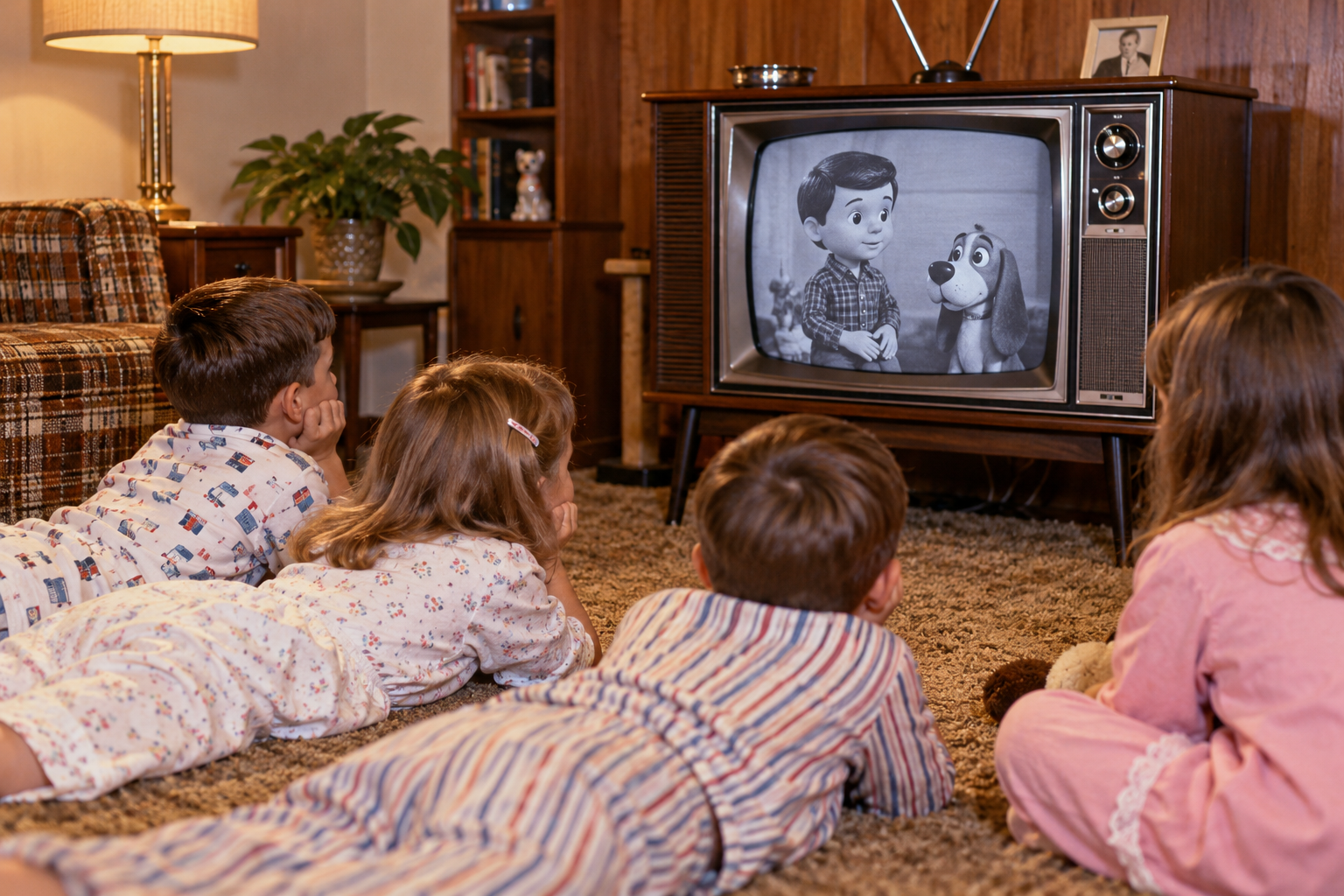
Sunday morning television was nothing like today’s endless selection of children’s shows. Kids watched whatever their local station happened to broadcast, which sometimes included religious programs, older cartoons, or educational entertainment. One familiar favorite was Davey and Goliath, the stop-motion series that debuted in 1961 and followed a young boy and his talking dog through everyday moral lessons. Children watched on bulky televisions with rabbit-ear antennas, sometimes adjusting the picture when reception became fuzzy. There was no pausing the program or watching another episode whenever they wanted.
Trending on Cheapism

Getting the Sunday Roast Ready
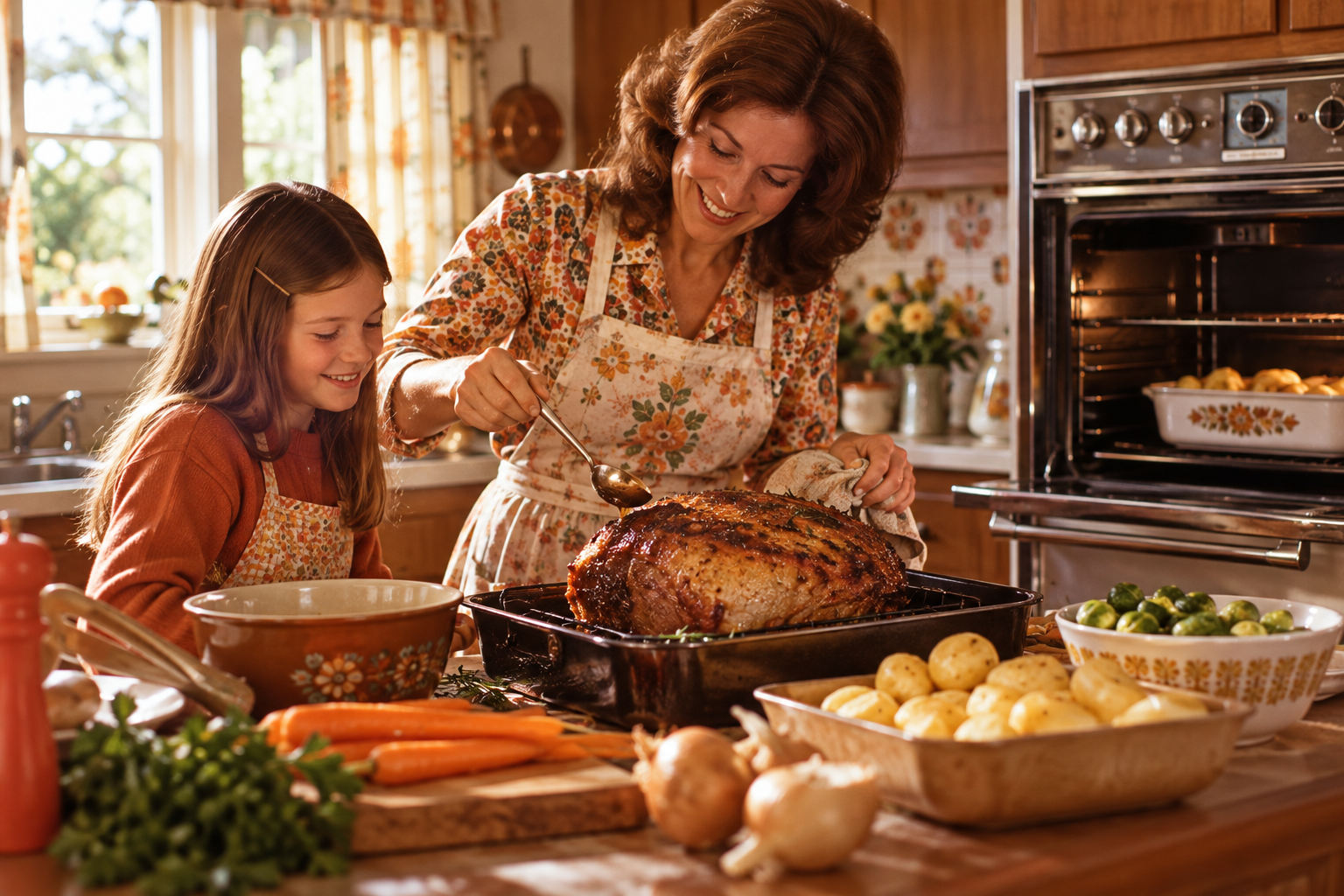
In households that served a big Sunday dinner, preparations sometimes began before the morning was over. A pot roast, chicken, or ham went into the oven while potatoes were peeled and vegetables prepared. The smell gradually filled the house, making it difficult for hungry children to wait until mealtime. Some families ate their main meal shortly after church, while others gathered later in the afternoon. Either way, cooking could take hours, and the responsibility often fell disproportionately on mothers and grandmothers rather than the whole family.
Clipping Coupons From the Newspaper
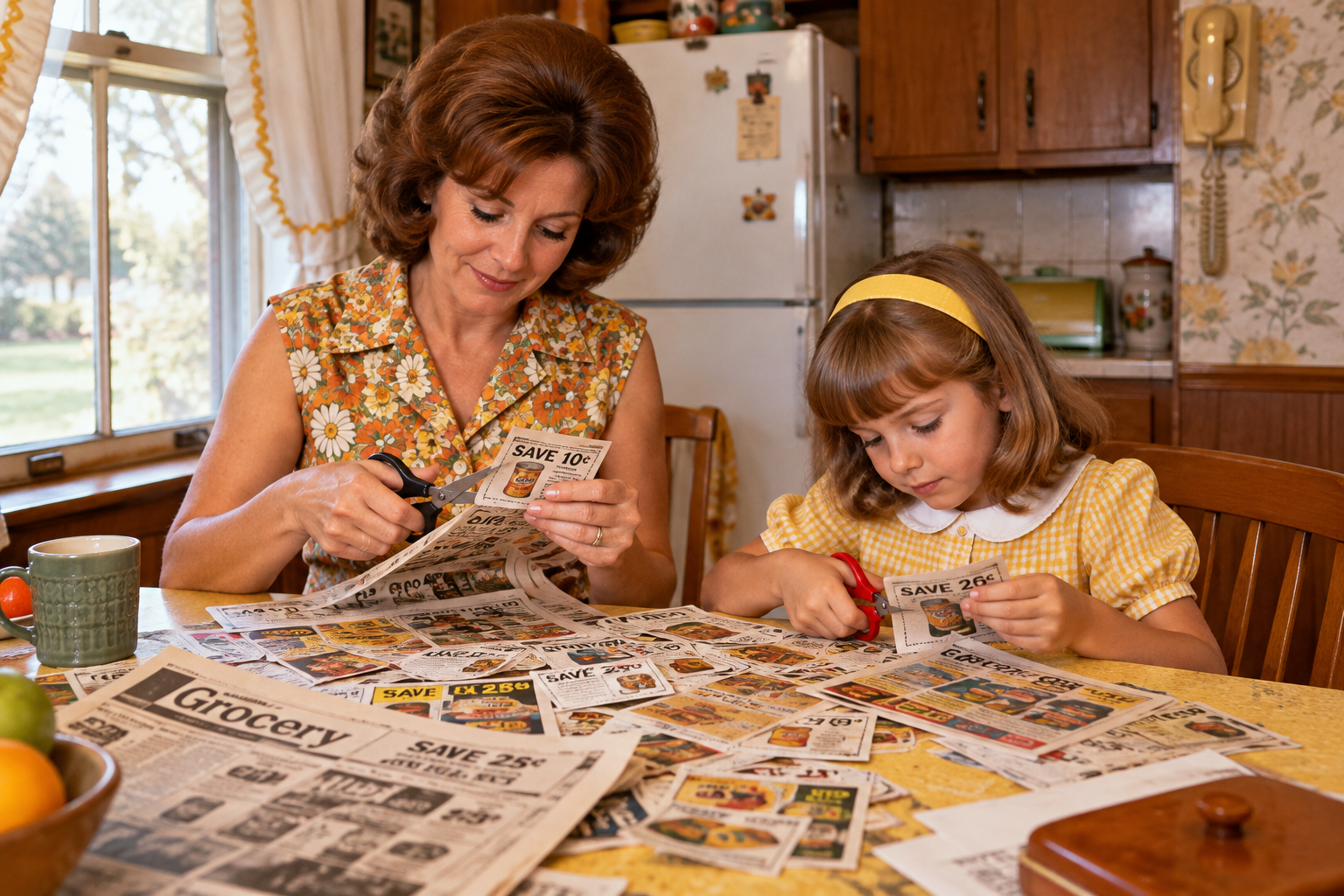
For parents trying to stretch the household budget, the Sunday newspaper was more than a source of news and comics. Grocery advertisements, store circulars, and coupons offered a chance to plan the week’s purchases. Someone might sit at the kitchen table with scissors, circling specials and saving coupons in an envelope or recipe box. Handwritten shopping lists helped keep track of what the family needed. With many stores closed on Sundays in parts of the country, the actual shopping often had to wait until another day.
Listening to Gospel Music on the Radio
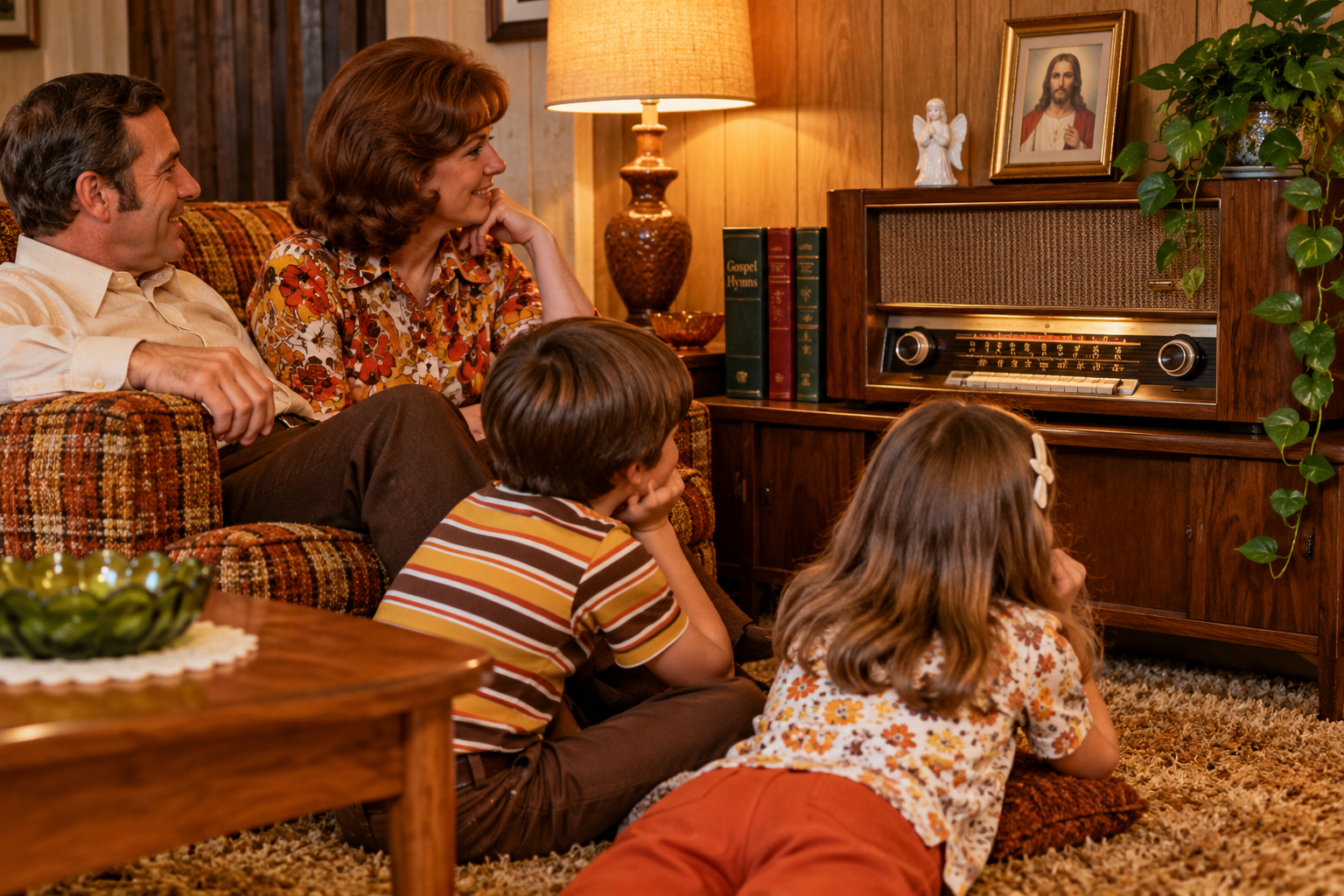
Long before playlists and streaming services, Sunday mornings had their own soundtrack. Depending on where a family lived, local radio stations might broadcast gospel music, church services, religious discussions, or community announcements. A small tabletop radio could play in the kitchen while breakfast was being prepared, or someone might tune in while getting ready for the day. Finding the right station sometimes required carefully turning the dial through bursts of static. For families who enjoyed these programs, the familiar voices and songs became part of the weekly routine.
Sign up for our newsletter
Cleaning Up Before Relatives Arrived
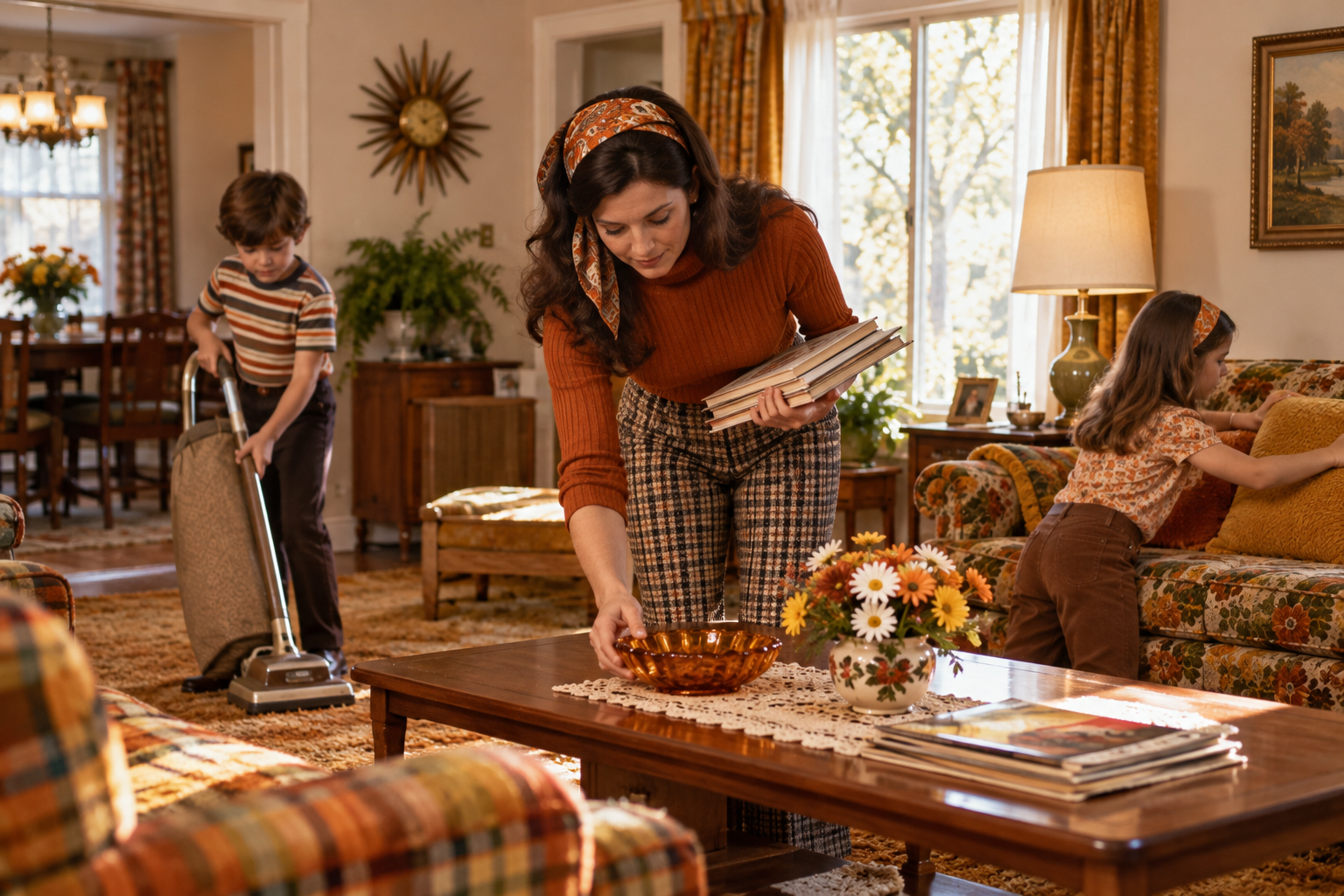
Sunday often meant company, especially when grandparents, aunts, uncles, or cousins lived nearby. Before anyone arrived, the house needed straightening, extra chairs were brought out, and children were reminded to put their toys away. Coffee might be prepared, along with cookies or something homemade for visitors. The living room was supposed to look its best, even if the rest of the house was less orderly. For children, the most memorable part might have been the warning not to touch anything until the guests had gone home.
Taking Family Pictures in Their Good Clothes
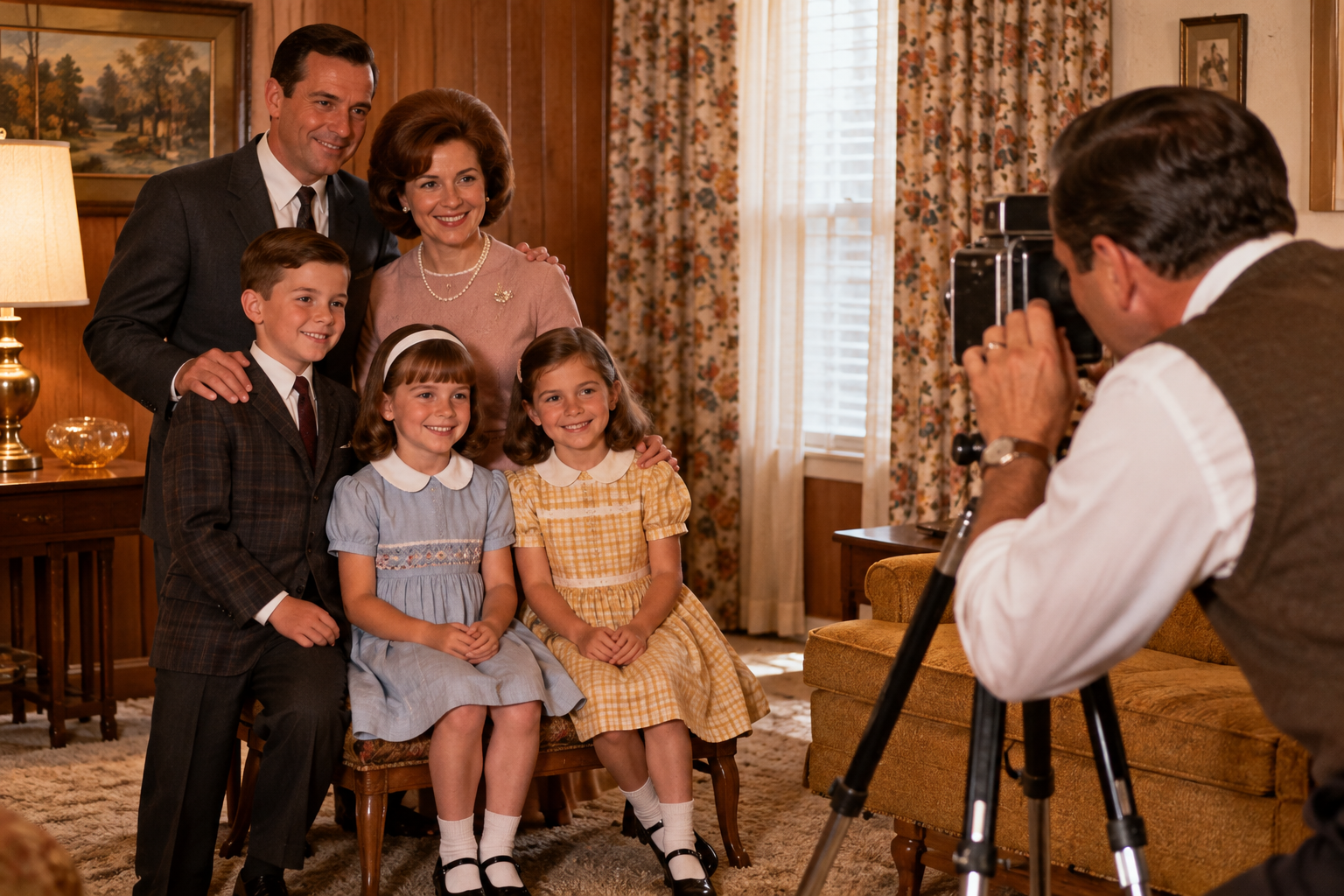
When everyone was already dressed nicely for church or a family gathering, Sunday offered a convenient opportunity to take a photograph. Parents might line the children up on the front steps, in the yard, or beside the family car. Kodak’s Instamatic camera, introduced in 1963, made taking snapshots easier for ordinary households. Still, film had to be developed, and nobody could immediately check whether someone had blinked. That made getting everyone to stand still and smile at the same time especially important.
Staying Home Because the Stores Were Closed
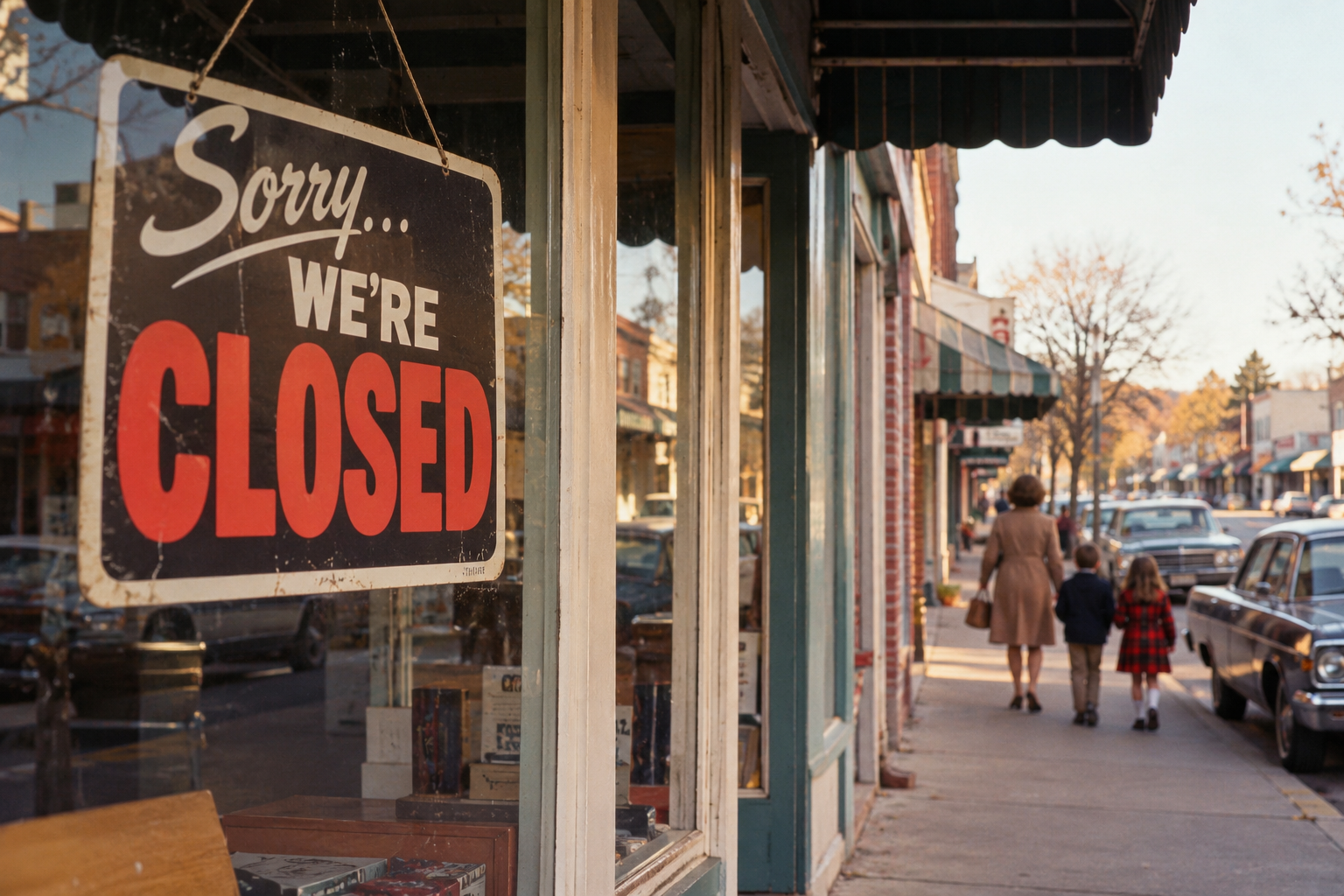
A Sunday shopping trip wasn’t always an option in the 1960s. Many communities had blue laws restricting certain business activities, while other stores simply followed the custom of closing for the day. The Supreme Court upheld certain Sunday closing laws in 1961, reflecting how widespread the restrictions remained. Families often handled major errands on Saturdays, leaving Sunday for church, meals, and visiting relatives. Not everyone enjoyed the limited choices, especially people who worked during the week, but quieter commercial streets were a familiar part of the weekend.
Going for a Sunday Drive

For some families, Sunday meant piling into the car for a leisurely drive after church or breakfast. There might not have been a particular destination, just a country road, a scenic overlook, or a stop for ice cream if the weather was nice. Children watched the scenery from the back seat, occasionally asking when they were going home. Without GPS or smartphones, the route might depend on a familiar road or a paper map. It was a simple way to spend time together, although restless kids didn’t always appreciate the scenery.