Walking into Kmart, Woolworth’s, or your neighborhood variety store in October was practically a tradition for anyone who remembers Halloween in the 1980s. One week, the shelves were filled with ordinary household supplies and back-to-school leftovers. The next, there were plastic monster masks staring down at you, cardboard skeletons hanging from the ceiling, and enormous bags of candy practically begging to be opened before Halloween night.
Of course, Halloween shopping looked a little different back then. There weren’t entire aisles dedicated to elaborate animatronic decorations or expensive costumes with movie-quality special effects. Instead, most families made do with inexpensive cardboard decorations, plastic pumpkins, and those unmistakable boxed costumes that somehow managed to be both uncomfortable and irresistible. And if you were a kid, simply wandering through the seasonal department was half the fun.
From glow-in-the-dark vampire fangs to the colorful candy boxes that defined the decade, here are 12 things you probably remember seeing in a store’s Halloween aisle during the 1980s.
Boxed Ben Cooper Halloween Costumes
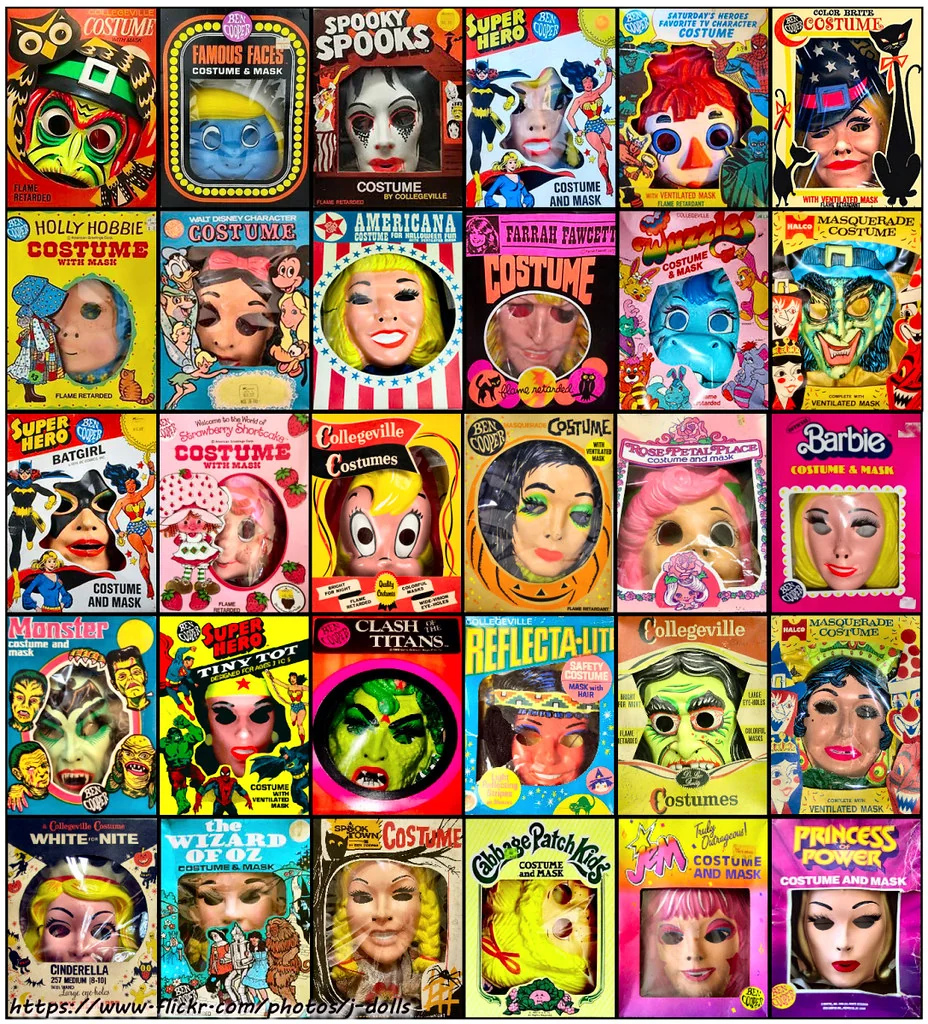
Before Halloween costumes came in resealable plastic bags, they arrived in colorful cardboard boxes with clear cellophane windows that let you peek at the plastic mask inside. Ben Cooper was one of the biggest names in children’s costumes, offering everything from superheroes to whatever cartoon characters happened to be popular that year. In the 1980s, that meant you might find Pac-Man, the Smurfs, Strawberry Shortcake, or Ghostbusters characters staring back at you from the shelves. Each costume typically came with a thin vinyl smock featuring a picture of the character printed across the chest, along with a molded plastic mask held in place by an elastic string. The masks were uncomfortable, the eyeholes never seemed to line up properly, and breathing through the tiny openings was practically a challenge. But none of that mattered when you finally spotted the costume you’d been hoping to wear.
Rubber Monster Masks Hanging on Hooks
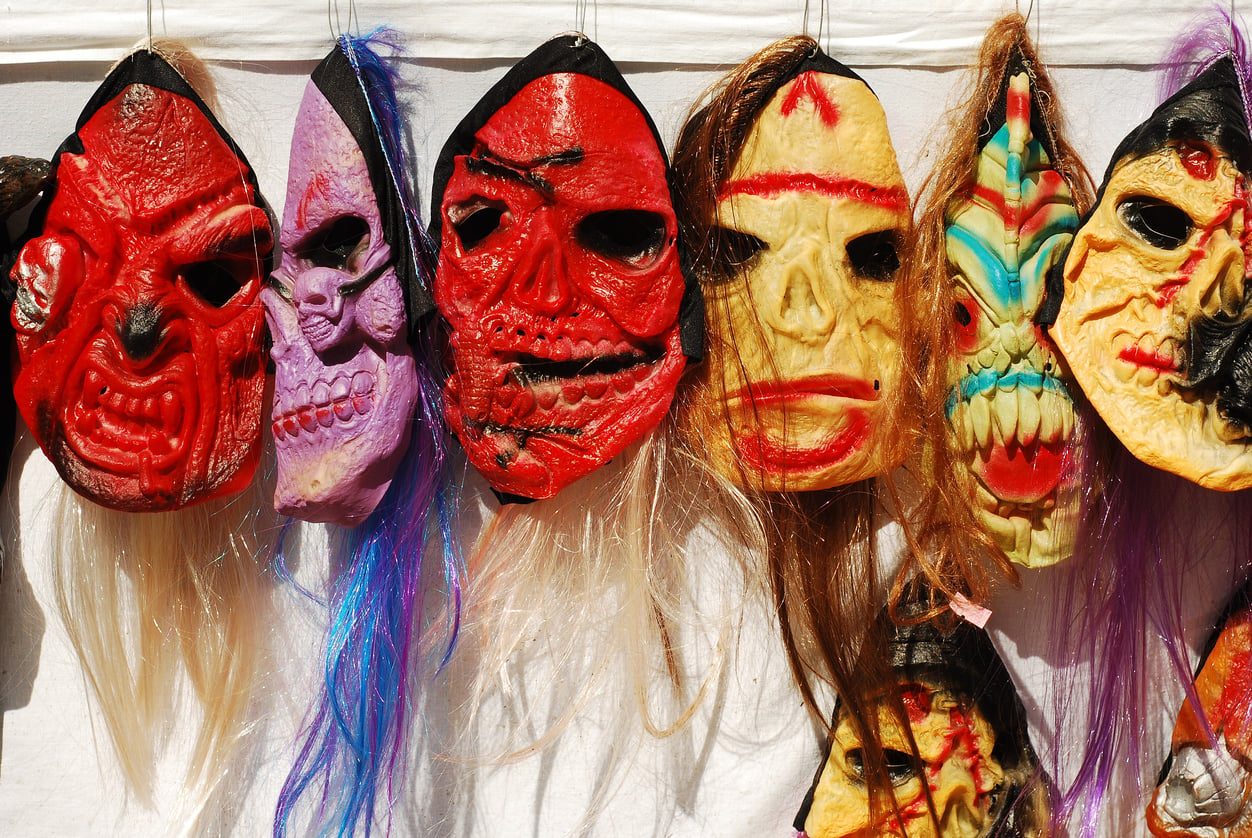
If the boxed costumes weren’t frightening enough, there was always the section filled with rubber monster masks. These were the ones that could genuinely scare a younger sibling, with grotesque vampire faces, bulging eyes, crooked teeth, and Frankenstein-inspired creatures hanging from hooks or sitting on display heads. Unlike the flimsy plastic masks included with children’s costumes, these heavier rubber versions covered more of your head and often looked surprisingly realistic, at least by 1980s standards. They also had an unmistakable rubber smell that seemed to linger long after you took them off. Trying one on in the store was an adventure of its own, especially when you realized how hot and uncomfortable it could get inside. Still, there was something irresistible about standing in front of an entire wall of monsters and deciding which one was the scariest.
Glow-in-the-Dark Vampire Fangs
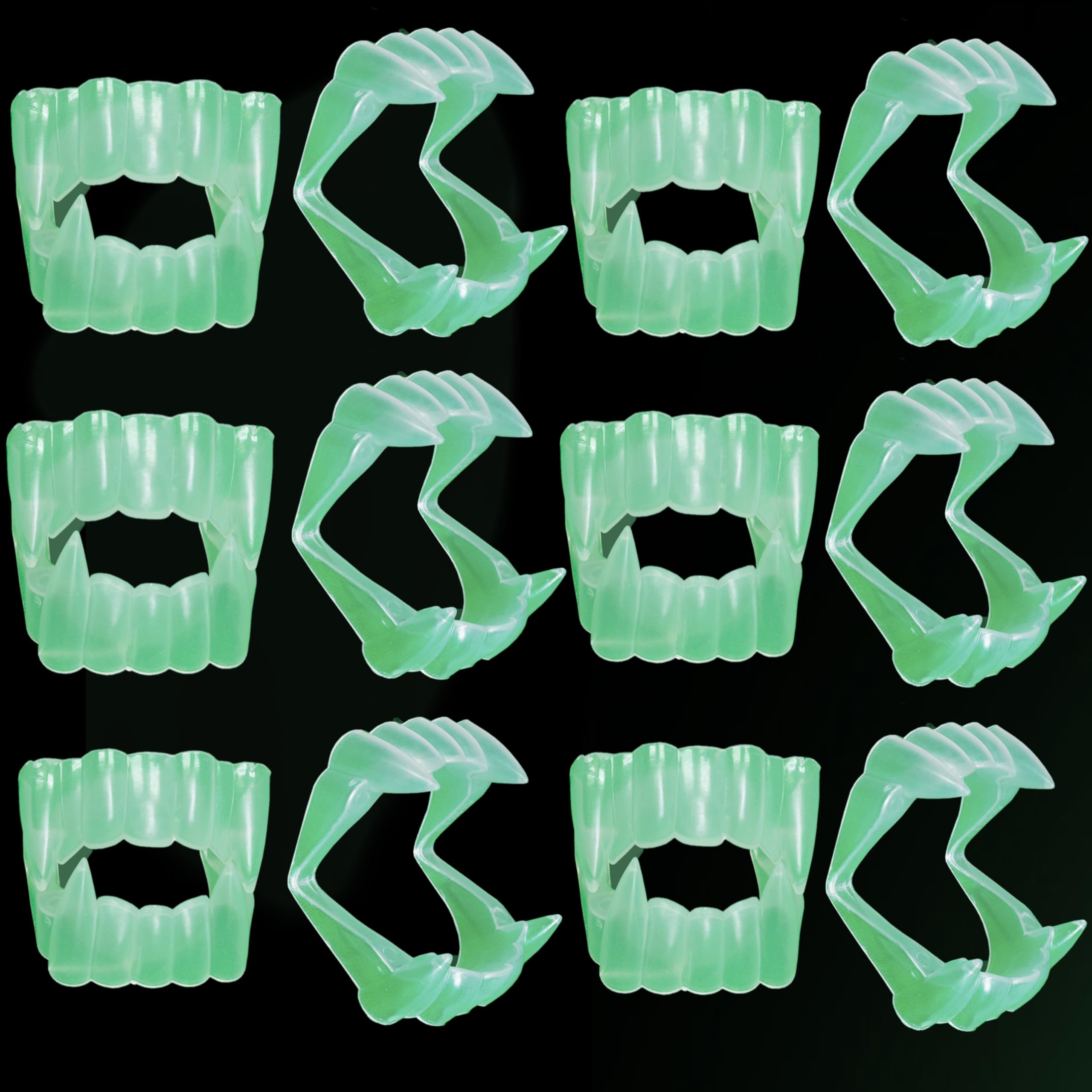
You didn’t need an elaborate costume to transform yourself into a vampire. Sometimes, all it took was a cheap little package of plastic fangs hanging near the Halloween makeup. Glow-in-the-dark versions were particularly exciting, promising a spooky effect that seemed almost magical to kids who had never seen anything like it. The teeth rarely fit comfortably, and trying to speak while keeping them in your mouth usually resulted in a lot of ridiculous noises. But that didn’t stop children from wearing them around the house for weeks before Halloween, occasionally running into a dark bathroom to see whether they actually glowed. They were inexpensive enough to qualify as an impulse purchase, which meant plenty of parents probably ended up buying a pair just to get their kids to stop asking.
Tubes of Fake Blood and Halloween Makeup
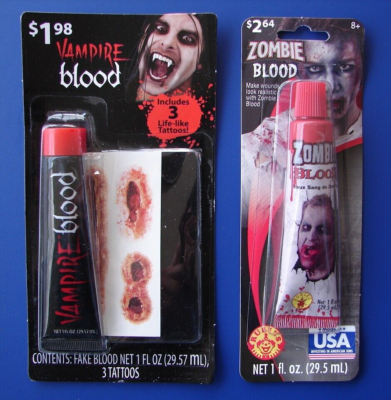
The Halloween makeup section was where ordinary kids could suddenly become vampires, zombies, witches, or whatever frightening creature they could imagine. There were little tubes of fake blood, inexpensive greasepaint kits, and packages of theatrical makeup that promised to make your costume considerably scarier. Brands such as Imagineering sold fake blood products during the decade, giving aspiring monsters a way to add a little extra drama to their appearance. Of course, applying the stuff was another story. A carefully planned vampire costume could quickly turn into a red, smeared mess, and getting all that makeup off afterward wasn’t always easy. Still, there was something wonderfully exciting about convincing your parents to buy a tube of fake blood and spending the afternoon experimenting in front of the bathroom mirror.
Beistle Cardboard Witches and Black Cats
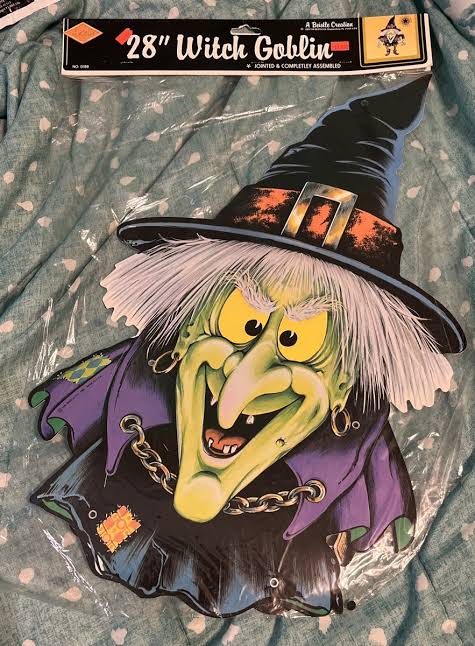
Long before elaborate Halloween decorations became commonplace, a few colorful cardboard cutouts were often enough to make a house look festive. Beistle, a company that had been producing Halloween decorations since the early 20th century, was known for its witches, black cats, jack-o’-lanterns, ghosts, and other seasonal designs. These inexpensive decorations were easy to find in variety stores and seasonal departments, usually displayed in flat packages or hanging from racks. Families could tape them to windows, bedroom doors, or kitchen walls without spending much money. The artwork had a distinctive old-fashioned charm, with grinning pumpkins, wide-eyed cats, and witches that somehow managed to look both spooky and cheerful. And because nobody wanted to buy new decorations every October, many families carefully packed them away after Halloween, only to discover the following year that a few corners had bent or the tape had pulled off some of the color.
Trending on Cheapism


Life-Size Jointed Cardboard Skeletons
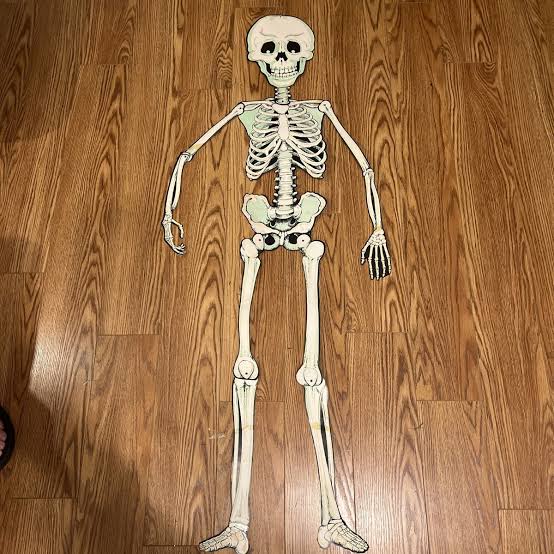
Few Halloween decorations were as versatile as those enormous cardboard skeletons with movable arms and legs. Held together by little metal fasteners, they could be arranged into almost any position, which made them especially entertaining for kids who wanted to turn the family home into a haunted house. Stores sold these poseable skeletons alongside other inexpensive paper decorations, and they were a familiar sight in Halloween displays throughout the decade. Some families hung them on front doors, while others positioned them in windows or had them sitting awkwardly in chairs. Their joints tended to loosen over time, and after a few years of use, the skeleton might have a bent leg or a missing finger. But that only seemed to add to its charm.
Melted-Popcorn-Style Plastic Halloween Decorations
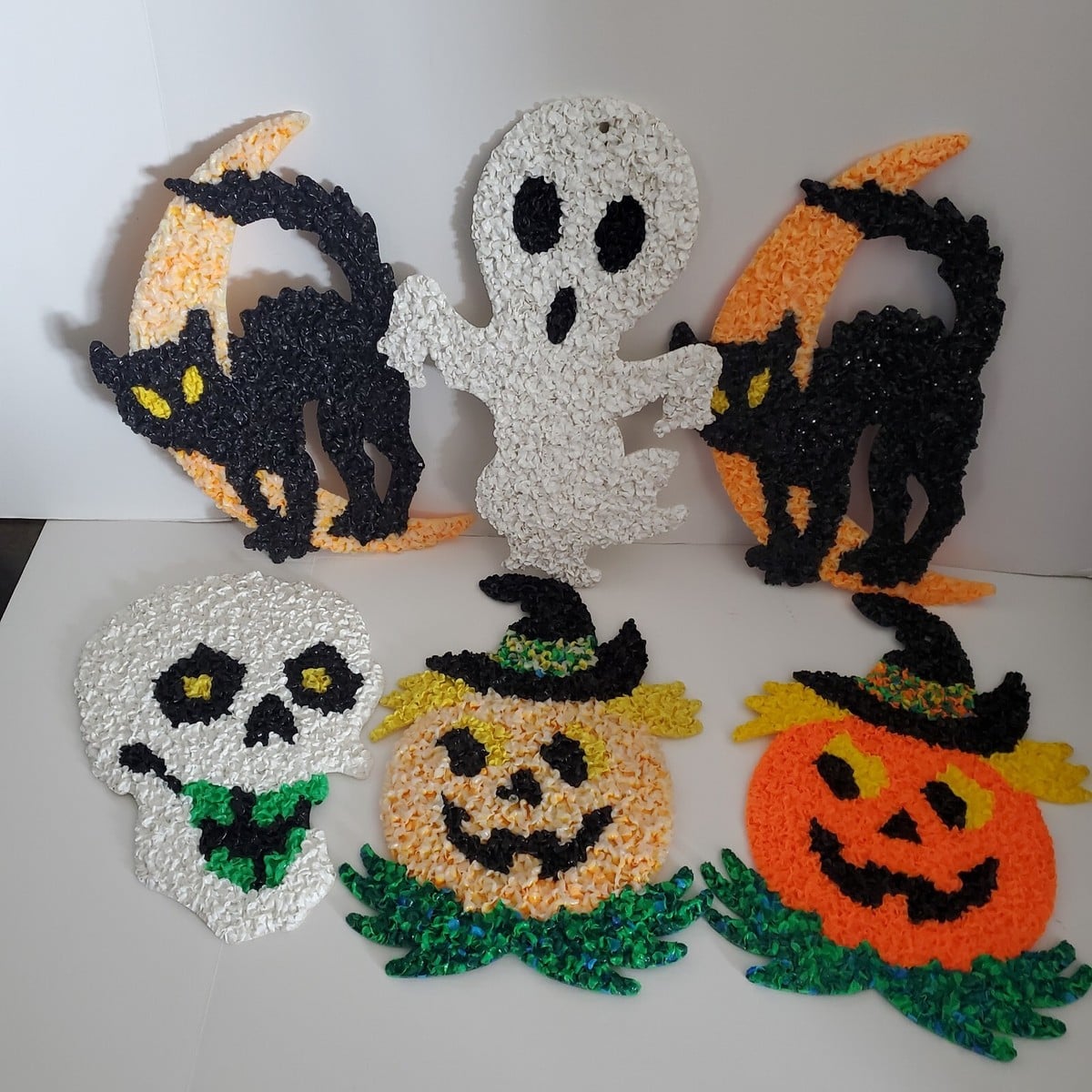
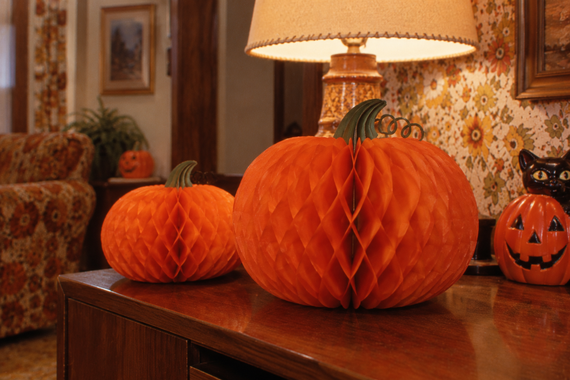
These colorful decorations had one of the strangest textures of any Halloween product from the era. Often called popcorn decorations, they were made from small pieces of plastic fused together to create a thick, bumpy surface. Stores carried them in the shapes of smiling pumpkins, ghosts, witches, and other familiar Halloween characters. Unlike flat cardboard decorations, these chunky plastic figures had a little more weight to them and could be used year after year without falling apart quite so easily. Their bright orange, black, white, and green colors made them especially noticeable on store shelves. Some families hung them in windows, while others displayed them on walls or doors. They weren’t particularly sophisticated, but their distinctive appearance made them instantly recognizable.
Light-Up Plastic Jack-o’-Lanterns
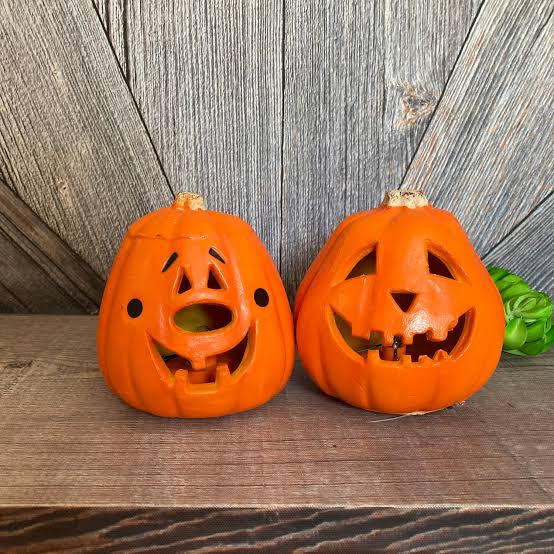
Not every Halloween pumpkin needed to be carved. During the 1980s, stores carried hollow plastic jack-o’-lanterns with cheerful or spooky faces that lit up from the inside. Often referred to as blow molds, these decorations were produced by manufacturers such as Empire Plastics, General Foam, and Union Products. Some were small enough to sit on a windowsill, while larger versions could brighten up a front porch or entryway. Once plugged in, the bulb inside illuminated the orange plastic, making the pumpkin’s face glow in the darkness. They were especially appealing to families who didn’t want to deal with carving and cleaning out real pumpkins every year. And unlike an actual jack-o’-lantern, which would eventually start to rot, the plastic version could be packed away and brought out again the following October.
Sign up for our newsletter
Orange Plastic Pumpkin Trick-or-Treat Buckets
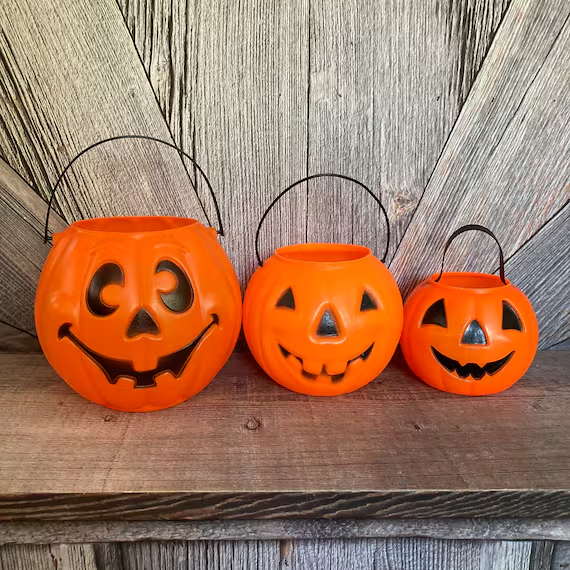
There was something incredibly exciting about spotting a stack of orange plastic pumpkin buckets in the Halloween aisle. These hollow containers, complete with black jack-o’-lantern faces and thin plastic handles, were practically synonymous with trick-or-treating during the 1980s. They were lightweight, inexpensive, and just the right size for younger children to carry from house to house. Of course, every kid dreamed of filling one completely with candy, even if that meant the handle started digging into their fingers halfway through the neighborhood. Some buckets had friendly smiling faces, while others looked a little more mischievous. And because they were made of plastic, they often survived multiple Halloweens, getting passed down to younger siblings or reused to hold decorations.
Printed Plastic Trick-or-Treat Sacks
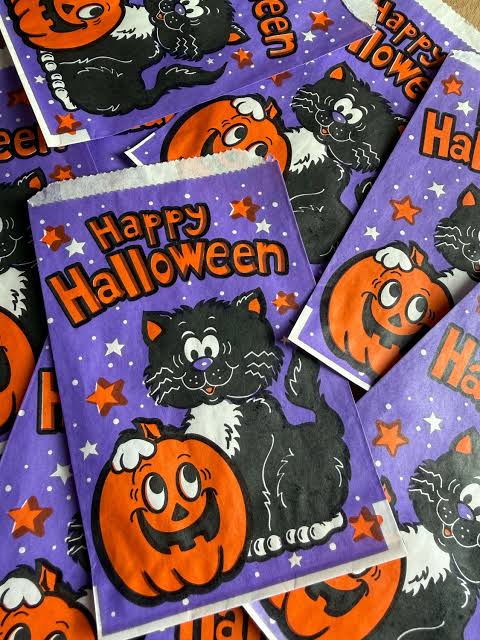
Not every child carried a pumpkin bucket on Halloween night. Stores also sold lightweight plastic trick-or-treat bags decorated with pumpkins, witches, ghosts, and colorful cartoon characters. Some retailers even gave them away as promotional items, which made them an especially convenient option for families who didn’t want to spend extra money on candy containers. Unlike rigid pumpkin buckets, these bags could expand as children collected more treats, making them appealing to ambitious trick-or-treaters who planned to visit every house in the neighborhood. The downside, of course, was that the thin plastic wasn’t always particularly durable.
Giant Bags of Fun-Size Chocolate Bars
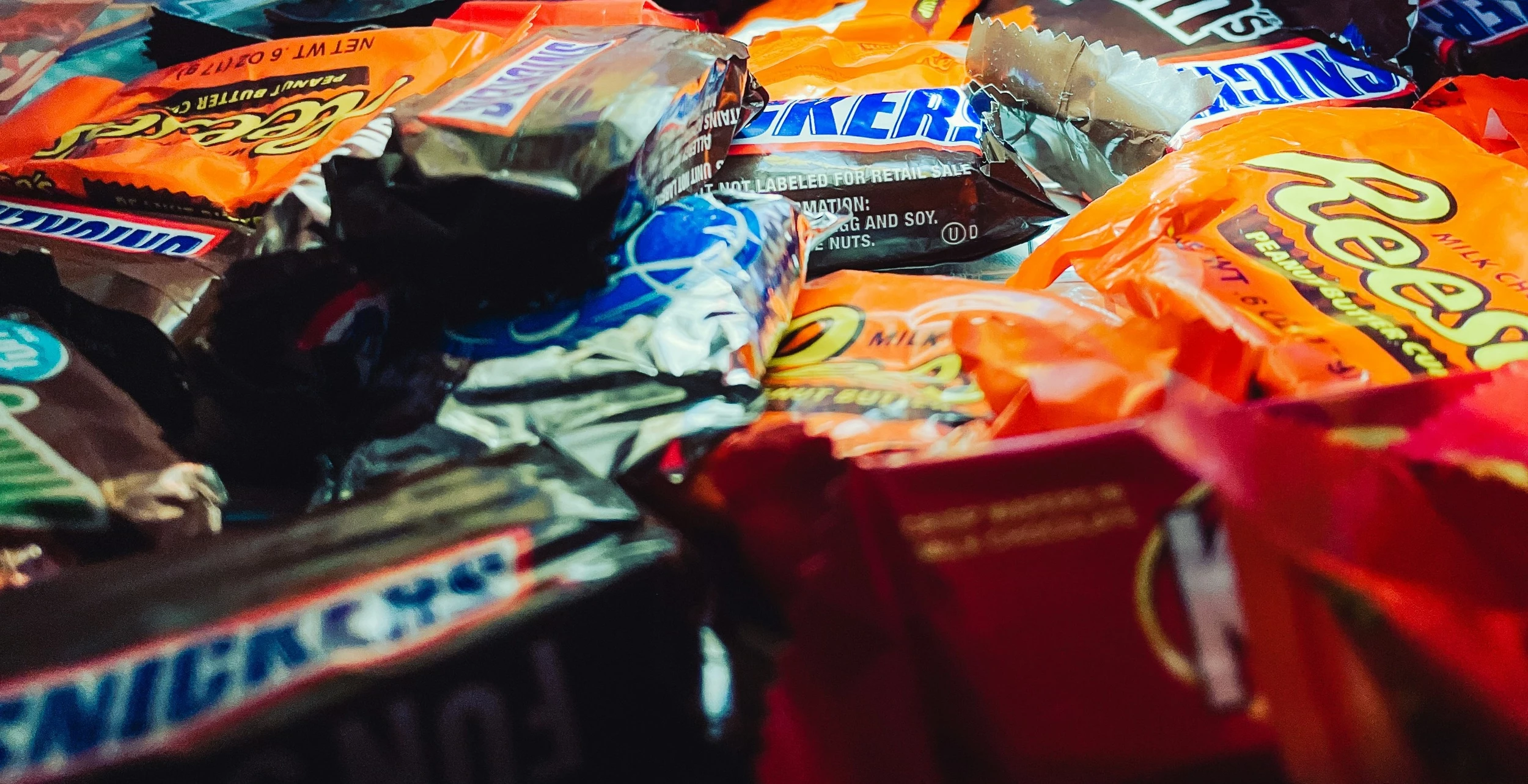
No Halloween in the 1980s shopping trip was complete without enormous bags of individually wrapped candy bars stacked on shelves or piled into seasonal displays. By then, fun-size assortments were already a familiar part of Halloween shopping, with miniature versions of Snickers, Milky Way, 3 Musketeers, and Hershey’s chocolate bars among the popular options. For parents expecting dozens of trick-or-treaters, buying a large assortment was considerably easier than picking out individual treats. For kids accompanying their parents to the store, however, those giant bags were a source of temptation. There was always the hope that someone might open one before Halloween, or that a few pieces would mysteriously disappear while the candy was being poured into a bowl.
Nerds, Reese’s Pieces, and Other Colorful ’80s Candies
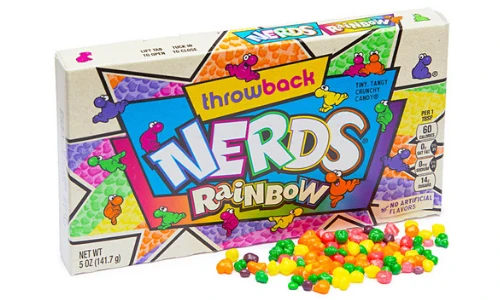
The 1980s introduced several candies that would become childhood favorites, and Halloween was the perfect excuse to try them. Nerds arrived in 1983 with their distinctive little boxes divided into two compartments, each containing a different flavor of crunchy candy. Reese’s Pieces had already been around for several years, but their appearance in the 1982 movie E.T. the Extra-Terrestrial gave them a major popularity boost. Other colorful treats, including Airheads and Sour Patch Kids, also entered the American candy market during the decade. While traditional chocolate bars remained Halloween staples, these brightly packaged candies brought something different to the seasonal shelves. For kids browsing the candy aisle, choosing between familiar favorites and exciting new treats could feel like a surprisingly important decision.
When the Halloween Aisle Was Half the Fun
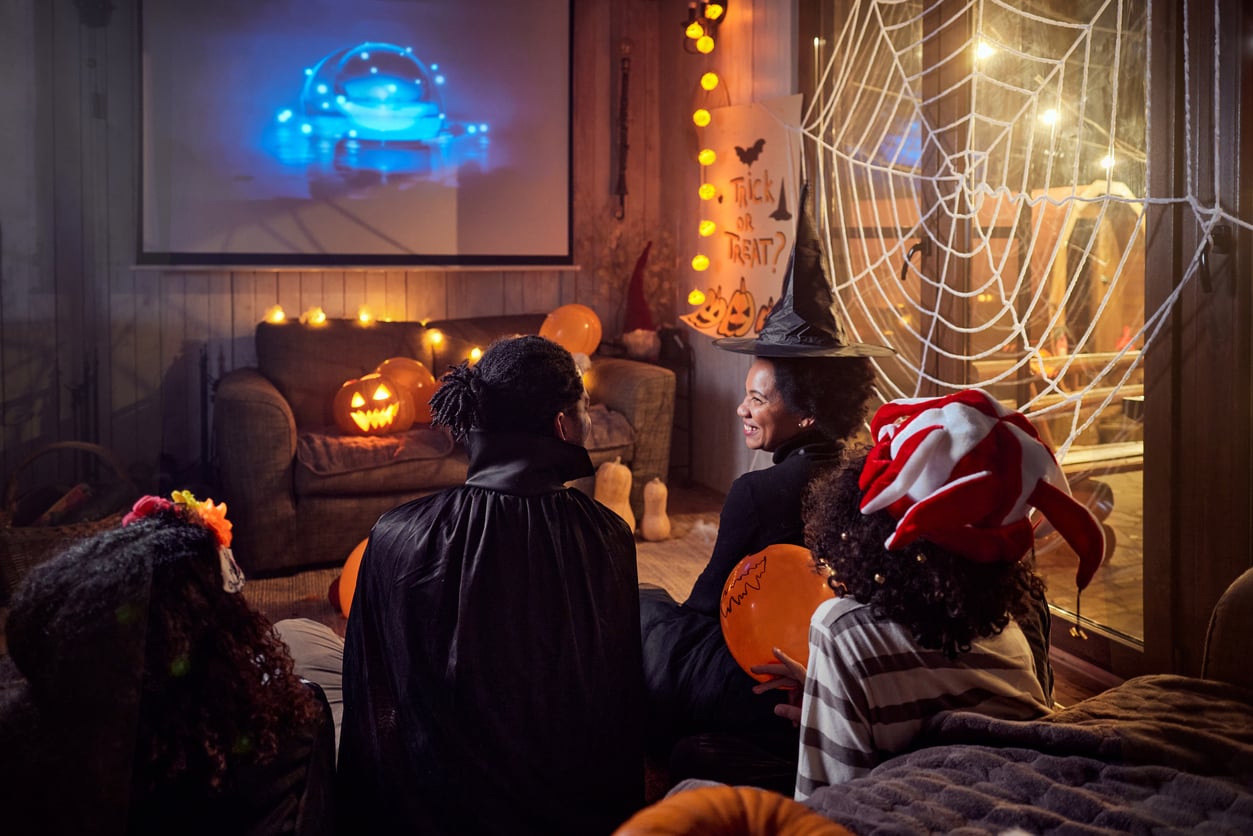
Looking back, part of what made Halloween shopping in the 1980s so memorable was how simple everything seemed. You didn’t need expensive decorations or elaborate costumes to get excited about the holiday. A cardboard skeleton, a cheap plastic mask, and a bag of candy were often more than enough. And for kids, wandering through the Halloween aisle at Kmart or Woolworth’s was an adventure in itself, even if their parents had no intention of buying anything. Those colorful displays, strange rubber masks, and glowing plastic pumpkins became part of the excitement leading up to October 31. Decades later, it’s amazing how a glimpse of an old Ben Cooper costume box or a bumpy plastic pumpkin can bring all those memories rushing back.