Growing up in the 1950s, ’60s, and ’70s meant getting used to sharing things, whether you liked it or not. If you wanted to watch television, you probably had to agree on a program with the rest of the family. If you needed a winter coat, there was a good chance you’d inherit one from an older sibling. And if you wanted to listen to your friend’s new Beatles record, borrowing it was considerably cheaper than buying your own copy.
For many American families, sharing wasn’t necessarily a conscious attempt to save money. It was simply how households operated when budgets were tight, possessions were expected to last, and buying something new wasn’t always the first solution. Of course, that didn’t mean everyone was thrilled about it. Arguments over the television, complaints about hand-me-down clothes, and negotiations over who got to borrow the family car were all part of the experience.
From library books and bicycles to holiday cooking equipment, here are 12 things Boomers shared instead of buying their own.
One Television for the Entire Family
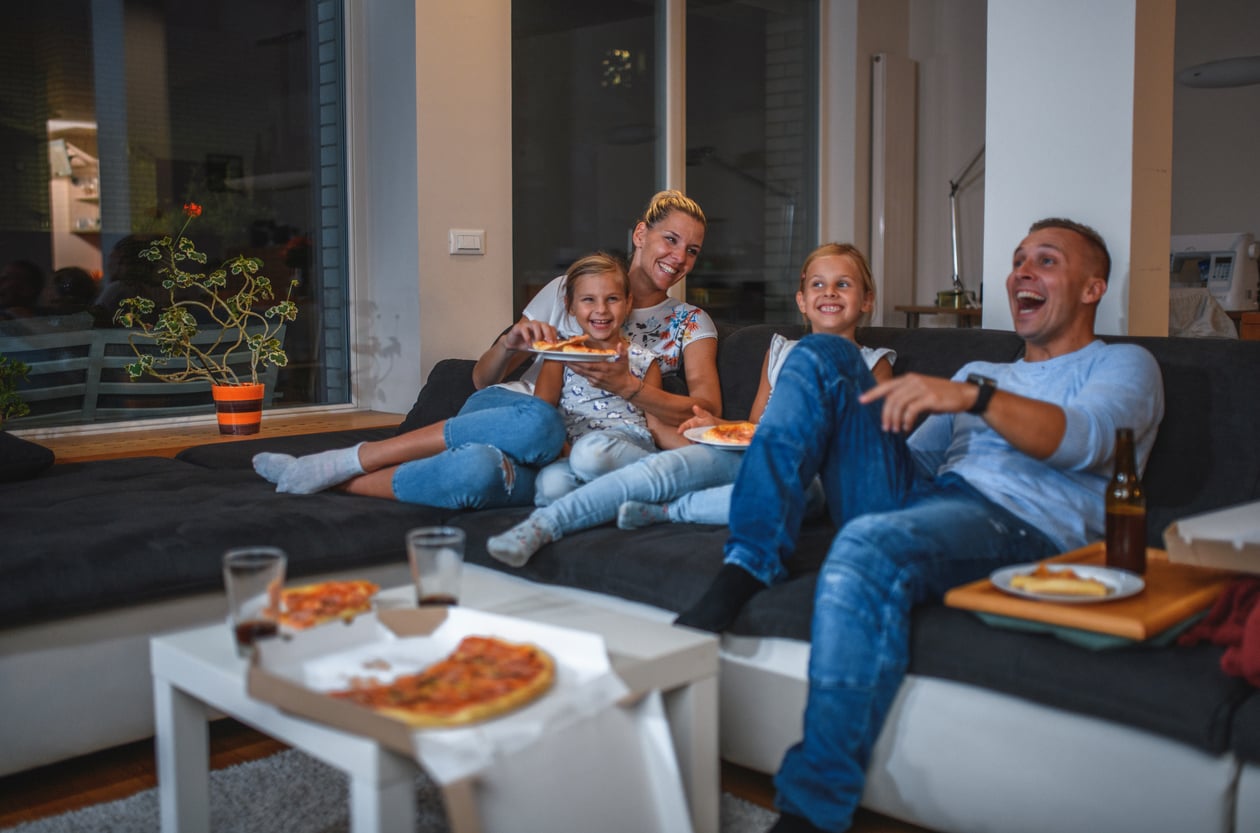
For plenty of Boomer kids, the living room television was the center of family entertainment, and everyone had to agree on what to watch. That could be a problem when the children wanted cartoons, Dad wanted to catch the evening news, and Mom had her heart set on a favorite variety show. With only one television in the house, somebody inevitably ended up disappointed. And since remote controls weren’t standard equipment in many homes, whoever sat closest to the set often became the unofficial channel changer. By 1960, nearly 90% of American households owned a television, according to the Smithsonian, but having a separate set in every bedroom was another matter entirely. For many families, sharing the TV meant learning the delicate art of compromise, or at least figuring out when it was your turn to choose.
Winter Coats and Other Hand-Me-Down Clothes

If you grew up with older siblings, there’s a good chance your winter wardrobe had already belonged to someone else. A perfectly good coat, sweater, or pair of dress shoes wasn’t going to waste simply because its original owner had outgrown it. Instead, it went straight to the next child in line, sometimes after a few adjustments to the sleeves or hem. Clothes could also circulate between cousins, neighbors, and family friends, particularly when several households had children of different ages. The National Park Service notes that American clothing was generally more expensive before the 1980s, making hand-me-downs a practical way to stretch household budgets. Of course, wearing a coat with your older brother’s name written inside the collar wasn’t always particularly exciting, especially when you were hoping for something brand-new.
A Single Family Car

Today, it’s not unusual for households to have multiple vehicles, but plenty of Boomer families had to coordinate their schedules around a single car. Dad might need it for work, Mom had groceries to buy, and the kids needed rides to school activities or visits with friends. Everything required a little planning, particularly in neighborhoods where public transportation wasn’t readily available. Once teenagers got their driver’s licenses, the negotiations became even more complicated. Borrowing the family station wagon for a date or a Friday night with friends often came with strict instructions about when to return, where you were allowed to go, and how much gasoline had better be left in the tank. During the energy crises of the 1970s, fuel expenses made sharing rides and limiting unnecessary trips even more important.
Books Borrowed From the Public Library
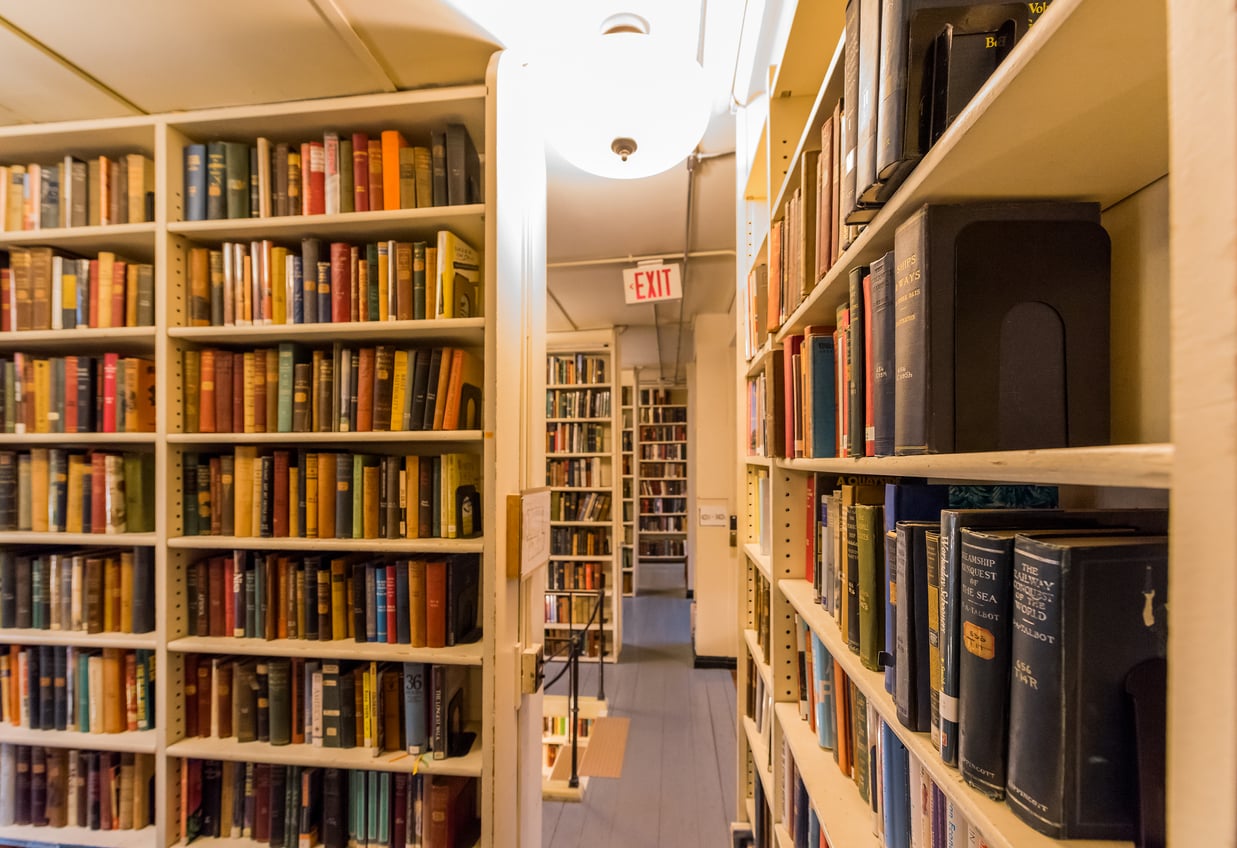
Before buying a new book was as easy as clicking a button, a trip to the public library was one of the best ways to keep yourself entertained without spending money. Boomer kids could wander through the children’s section, pull interesting titles from the shelves, and bring home a stack of books that would keep them busy for days. Of course, there were rules. Popular books might already be checked out, and everything had to be returned by the due date unless you wanted to risk a fine. Many libraries still used physical book cards and stamped due dates, long before computerized checkout systems became commonplace. And while waiting for your turn to read a particularly popular book could be frustrating, the arrangement meant that dozens of families could enjoy the same copy without everyone having to purchase it.
A Telephone Line Shared With the Neighbors
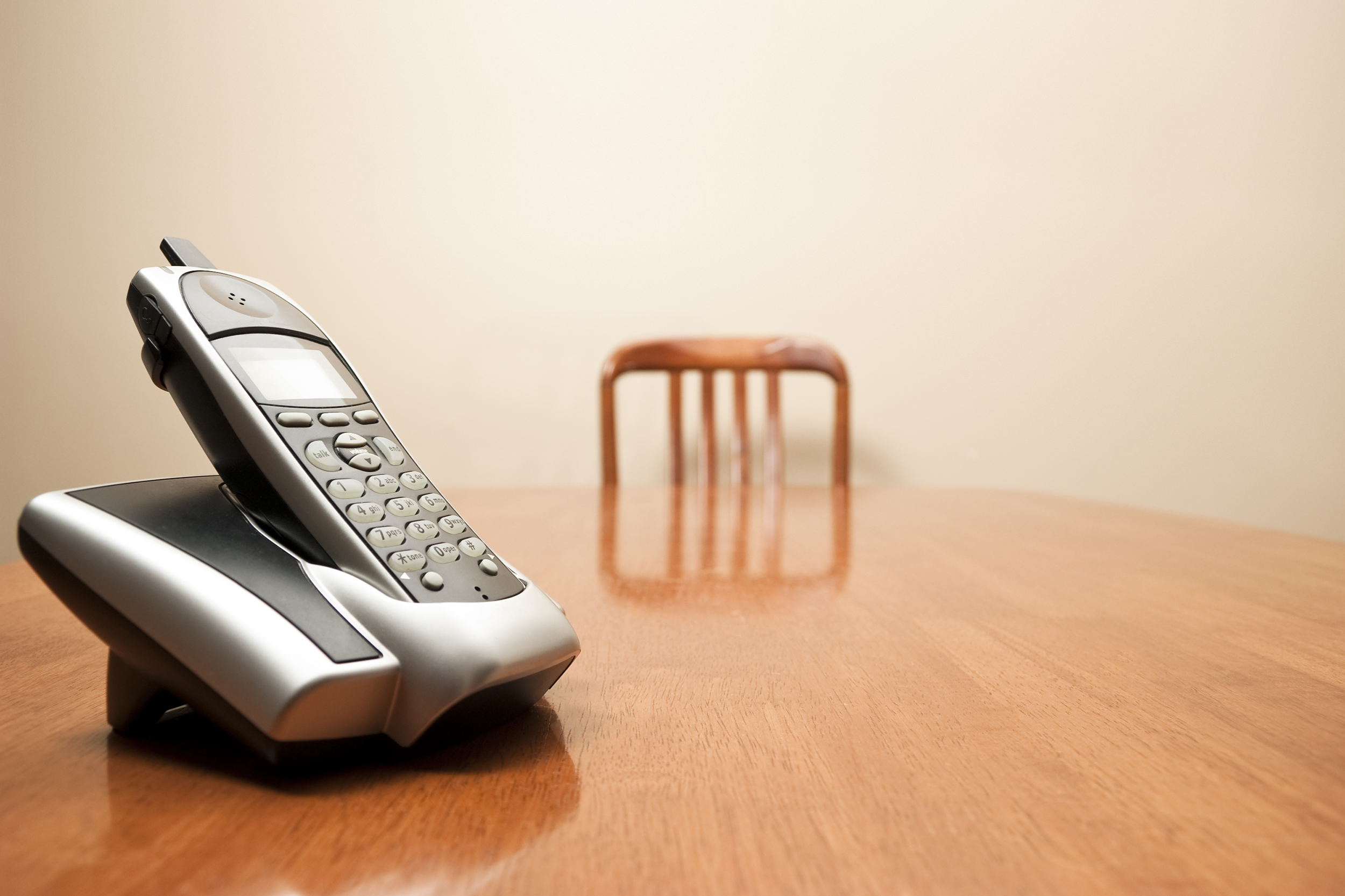
For some Boomers, particularly those who grew up in rural communities, sharing a telephone meant more than taking turns with siblings. Their household might actually have shared a telephone line with several neighbors. These arrangements, known as party lines, allowed multiple homes to use the same connection, although only one conversation could take place on the line at a time. Picking up the receiver sometimes meant discovering that someone else was already talking, and particularly curious neighbors could listen in on conversations that weren’t meant for them. Different ringing patterns identified which household was receiving a call, but privacy was never guaranteed. According to a 1965 AT&T report, approximately 27% of its residential telephone customers still had party-line service that year, down from roughly 71% in 1945. It was cheaper than having a private line, but it certainly required patience.
Trending on Cheapism


Bicycles That Passed From One Kid to Another

A sturdy bicycle could have a surprisingly long career in a household with several children. The oldest sibling might receive it as a birthday or Christmas present, ride it around the neighborhood for years, and eventually pass it down when they outgrew it. A few adjustments to the seat and handlebars, some air in the tires, and suddenly the bike belonged to someone else. By the time the youngest child inherited it, the paint might be scratched, the grips mismatched, and the banana seat considerably less impressive than it had been originally. But as long as the bicycle still worked, there was little reason to replace it. For kids who were desperate to have their own wheels, even a slightly battered hand-me-down could mean freedom to explore the neighborhood.
Board Games That Everyone Played Together
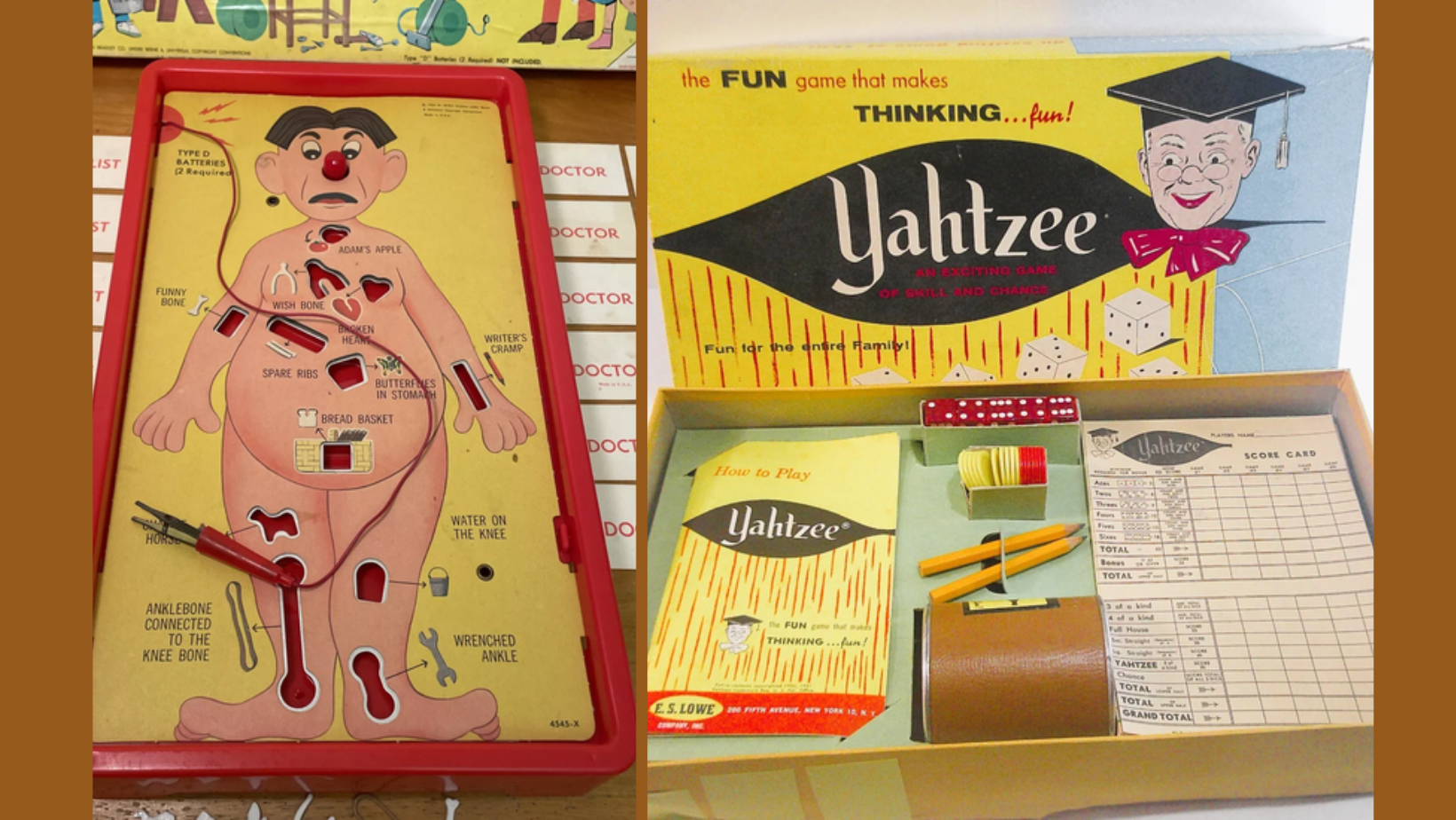
Before every family member had a personal screen to disappear into, a few well-loved board games could provide years of entertainment. Monopoly, Sorry!, Clue, and Scrabble were familiar fixtures in many households, and the same boxes came out whenever siblings, cousins, or neighborhood friends gathered around the kitchen table. There was no need for every child to own an individual copy when one game could entertain the entire group. Of course, the games weren’t always in perfect condition. Monopoly money disappeared, game pieces went missing, and someone inevitably accused another player of cheating. But that was part of the experience. A single board game could survive countless rainy afternoons, family vacations, and holiday gatherings, making it a pretty economical investment in entertainment.
Records Borrowed From Friends and Siblings

For teenagers growing up in the 1960s and ’70s, keeping up with the latest music could get expensive. There were always new albums to buy, and most kids didn’t have unlimited spending money. Fortunately, having a friend or older sibling with an impressive record collection could solve that problem. Borrowing an LP meant getting to hear an entire album without paying for it, and sometimes it helped you decide whether a record was worth purchasing yourself. Naturally, there were rules. You weren’t supposed to scratch the vinyl, leave fingerprints all over it, or lose the cardboard sleeve. And if you borrowed someone’s favorite Beatles, Rolling Stones, or Led Zeppelin album, returning it in perfect condition was practically a matter of friendship. For many teenagers, sharing music was just as much a social experience as listening to it.
Sign up for our newsletter
Sewing Patterns Passed Between Mothers, Aunts, and Friends
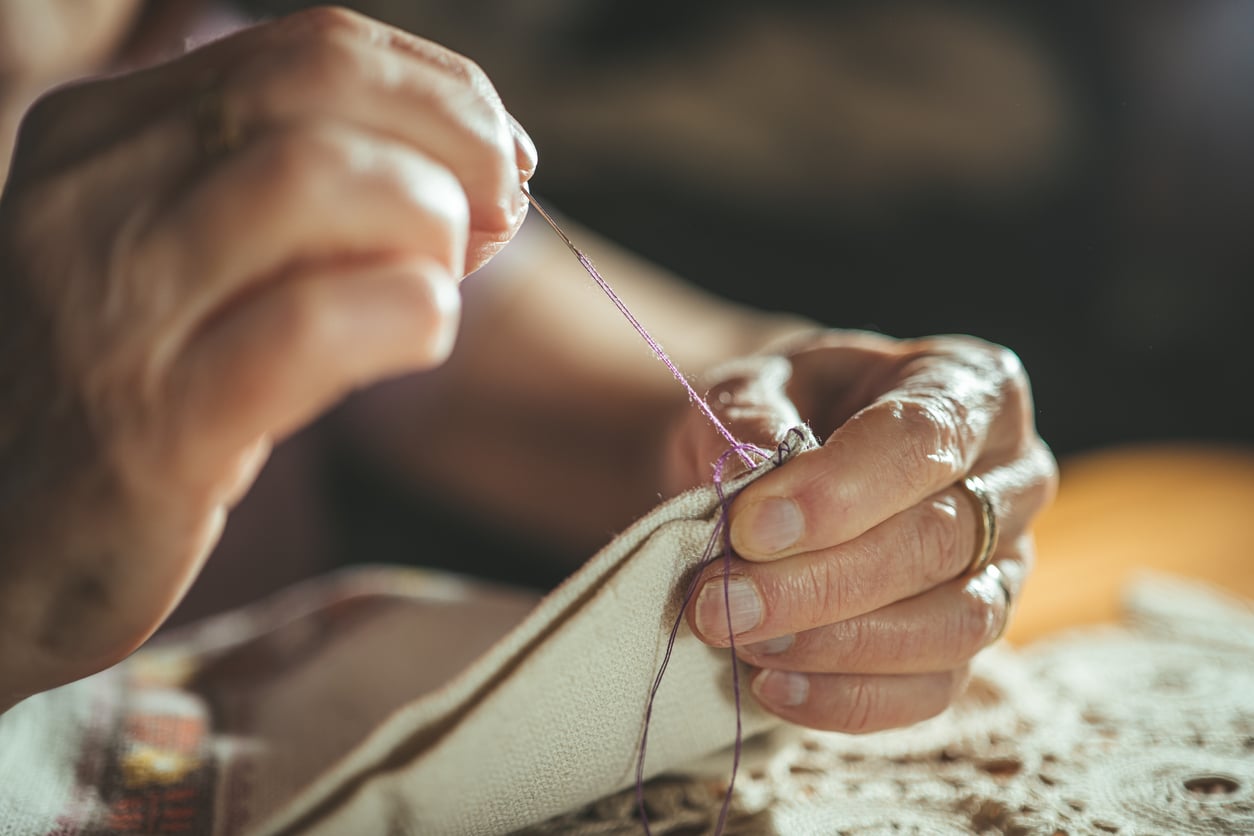
In households where sewing was a regular part of family life, paper patterns were often too useful to throw away after a single project. A mother might use the same dress pattern several times, changing the fabric or making small adjustments to create different outfits. Patterns could also pass between sisters, neighbors, and friends, especially when someone had children of similar ages. The delicate tissue-paper pieces were carefully folded back into their envelopes, sometimes with handwritten notes about sizing or alterations. Home sewing was a significant part of American consumer culture during the mid-20th century; one historical account reports that women and girls spent approximately $1 billion on sewing supplies in 1963. Sharing and reusing patterns helped make those purchases go further, although anyone who has ever tried to refold a complicated sewing pattern knows that the process wasn’t always easy.
Family Recipes Shared on Index Cards
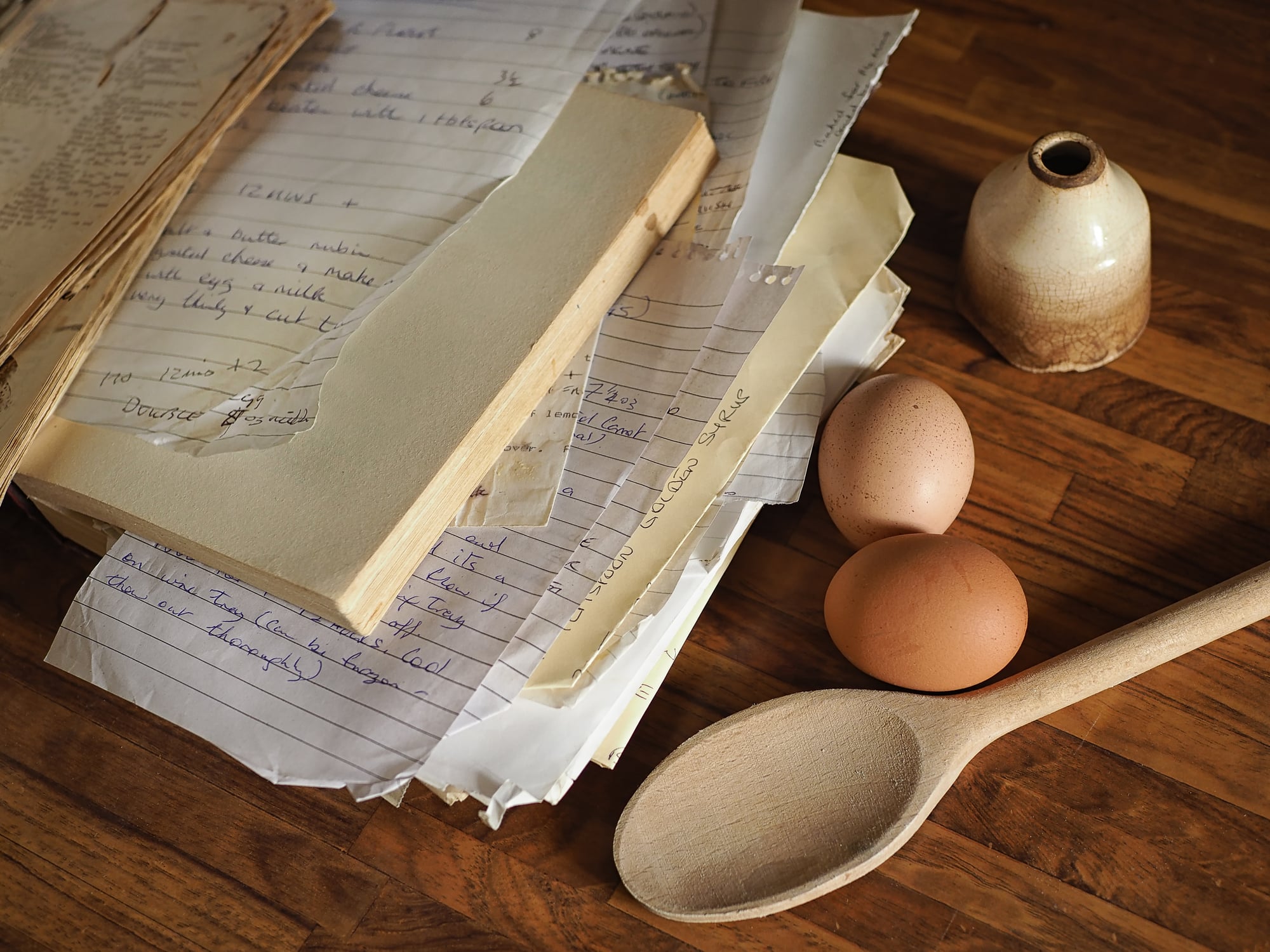
Long before anyone could search for a recipe online, some of the best dishes came from handwritten instructions passed between relatives and neighbors. If your aunt made an incredible chocolate cake or the woman next door had a casserole everyone loved, you might ask her to write down the recipe on an index card. Those cards often ended up in little wooden or metal recipe boxes, organized by category and covered in years of handwritten corrections, food stains, and personal notes. A recipe might circulate through several generations, with each person making small changes along the way. Community cookbooks offered another way to share favorite dishes, and the Library of Congress preserves examples assembled from recipes contributed by ordinary households, often to raise money for churches or charitable organizations. Sometimes the most valuable thing someone shared wasn’t a possession at all, but the instructions for making something delicious.
Car Rides to School, Work, and Activities

For Boomer families, sharing transportation often meant coordinating with neighbors, relatives, and other parents. One mother might drive several children to school activities or church, while another handled the trip home. Coworkers sometimes arranged carpools, particularly when they lived near one another or worked similar schedules. The system saved gasoline, reduced the number of separate trips, and made life easier for households that didn’t have multiple vehicles. During the 1970s energy crisis, carpooling became especially appealing as fuel prices and shortages created new headaches for drivers. A 1975 transportation study found that carpool participation at one suburban Michigan workplace increased from 22% in early 1973 to 36% in early 1974. For kids, however, the financial benefits weren’t nearly as interesting as figuring out who got to sit next to the window during a long series of neighborhood drop-offs.
Holiday Dishes and Cooking Equipment Shared Across the Family
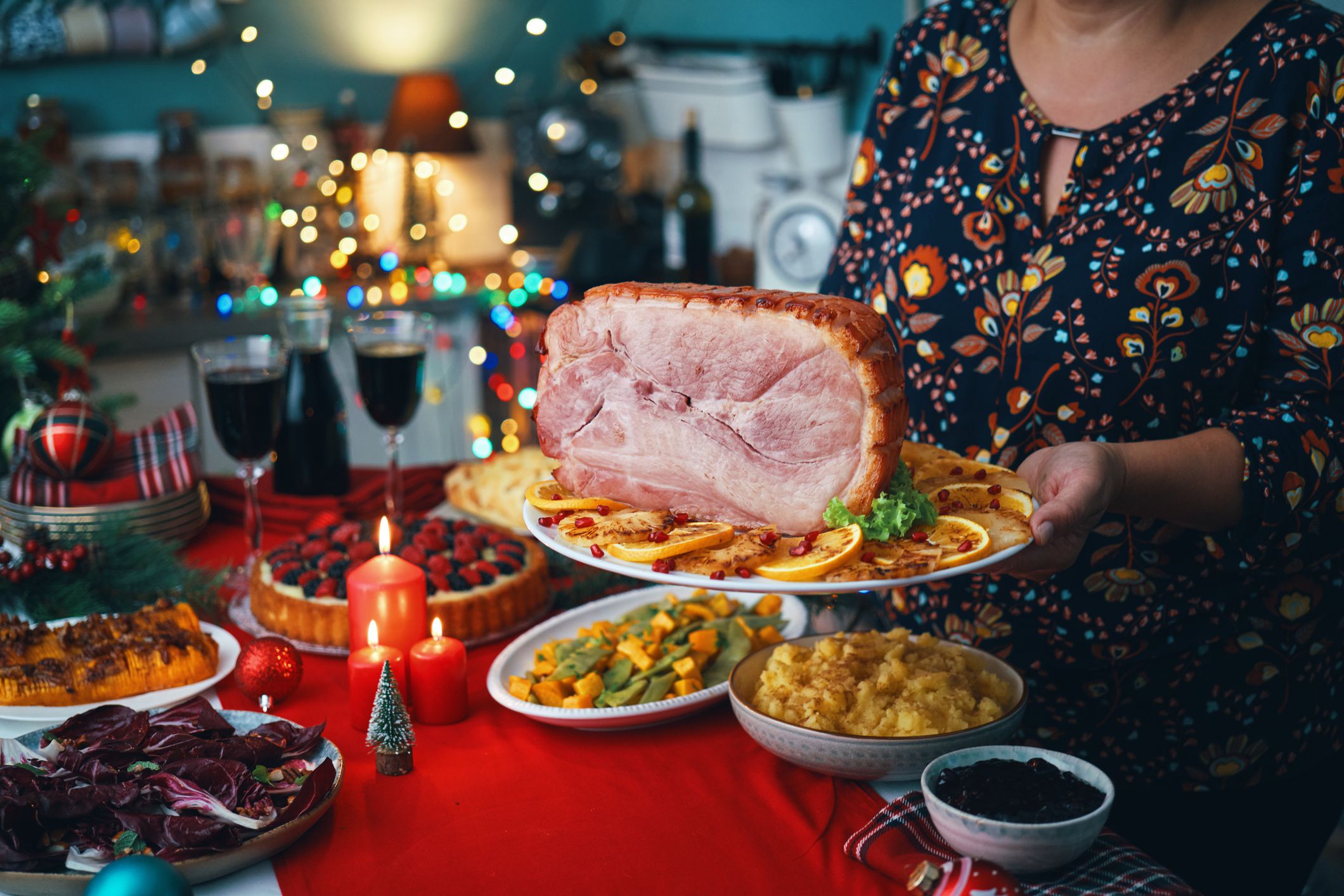
Not every household needed an enormous roasting pan, a fancy punch bowl, or enough serving platters to feed 20 people. But when Thanksgiving, Christmas, or another big family gathering rolled around, someone usually knew exactly where to find those things. Grandma might have the oversized roasting pan, an aunt could lend her best serving dishes, and another relative might arrive carrying a punch bowl that seemed to make an appearance at every family celebration. Instead of purchasing expensive equipment that would spend most of the year collecting dust, families simply borrowed what they needed from one another. Sometimes the same dishes circulated for decades, becoming as much a part of holiday traditions as the recipes themselves. And even today, borrowing a rarely used kitchen item can be a sensible way to save money and cupboard space.
When Sharing Was Just Part of Everyday Life
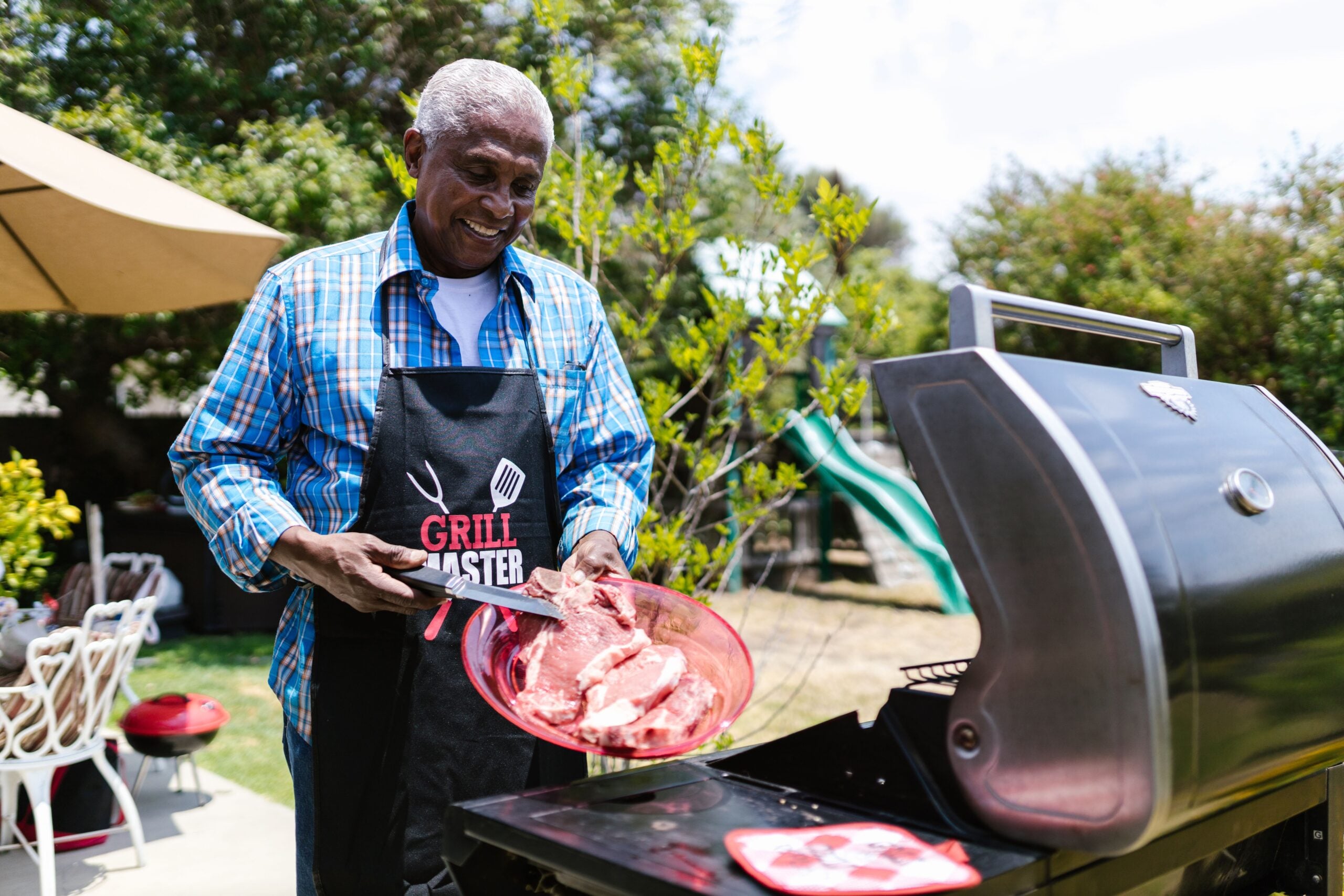
For many Boomers, sharing wasn’t a lifestyle trend or a carefully planned money-saving strategy. It was simply part of growing up in a household where possessions were expected to last, budgets had limits, and not everyone needed their own version of everything. Sometimes it meant wearing an older sibling’s coat or waiting your turn to watch television, while other times it meant borrowing something from a neighbor or passing a favorite recipe along to a friend. And although plenty of these habits are still common today, they offer a reminder that saving money doesn’t always require buying something cheaper. Sometimes it means making better use of what you already have, or what someone else is happy to share.