
The holidays are supposed to be a time for enjoying family traditions, catching up with loved ones, and maybe spoiling the grandchildren a little. But for retirees living on a fixed or relatively predictable income, the most wonderful time of the year can also become one of the most expensive. Between Christmas presents, family gatherings, travel arrangements, and all those little seasonal purchases that seem harmless at the time, holiday spending can get out of hand surprisingly quickly.
And the numbers aren’t exactly small. According to a 2026 NerdWallet survey, Americans planning to spend money during the holidays expect to shell out an average of $2,525 on gifts, travel, and other seasonal purchases. Of course, that doesn’t mean retirees should be spending anywhere near that amount. But it does illustrate how quickly holiday expenses can pile up, especially when you’re juggling everyday bills, healthcare costs, and retirement savings.
The good news is that a little planning can make a considerable difference. Rather than waiting until November or December to figure out how much everything will cost, retirees can start setting aside money, comparing prices, and deciding which traditions matter most. From gifts for the grandchildren to unexpected winter utility bills, here are 12 holiday expenses for retirees worth planning for now.
Gifts for Grandchildren and Extended Family

Buying Christmas presents for the grandchildren might be one of the best parts of the holiday season, but it can also become one of the biggest expenses. Between grandchildren, adult children, spouses, siblings, and other relatives, a seemingly reasonable gift budget can grow into several hundred dollars before you know it. And that’s before accounting for stocking stuffers, small surprises, and those extra presents you pick up because something was simply too cute to leave behind. The easiest way to keep things manageable is to decide on a total gift budget before shopping and divide it among the people on your list. Families with lots of children might also consider a gift exchange or a shared experience instead of individual presents for everyone. After all, spending time together can be just as memorable as another toy under the tree.
Holiday Airfare to Visit Family

For retirees whose children and grandchildren live in another state, spending the holidays together might involve considerably more than packing a suitcase. Airfare can become a major expense, especially when traveling around Thanksgiving, Christmas, or New Year’s, when popular routes and departure dates can be particularly expensive. And the ticket itself is only part of the equation. Checked baggage fees, airport parking, transportation to and from the airport, and meals during travel can all add to the final bill. Retirees who already know they’ll be traveling should start comparing flights and dates well in advance rather than waiting until the last minute. Being flexible about departure dates, considering nearby airports, and combining several family visits into one longer trip may help keep costs under control.
Groceries for Hosting Christmas Dinner

Hosting Christmas dinner might sound manageable when you’re imagining a beautiful ham, a few side dishes, and everyone gathered around the table. But once you start adding appetizers, desserts, beverages, extra ingredients, and enough food for unexpected guests, the grocery bill can become surprisingly expensive. Even familiar holiday recipes may require ingredients you don’t normally keep in the pantry, and buying everything during one enormous December shopping trip can put a serious dent in a retirement budget. One way to avoid the financial shock is to plan the menu early, estimate how many people will attend, and check which ingredients you already have. Shelf-stable items can often be purchased ahead of time when prices are favorable. And there’s absolutely nothing wrong with asking relatives to bring a side dish, dessert, or bottle of something to share.
Holiday Cards, Stamps, and Mailing Costs
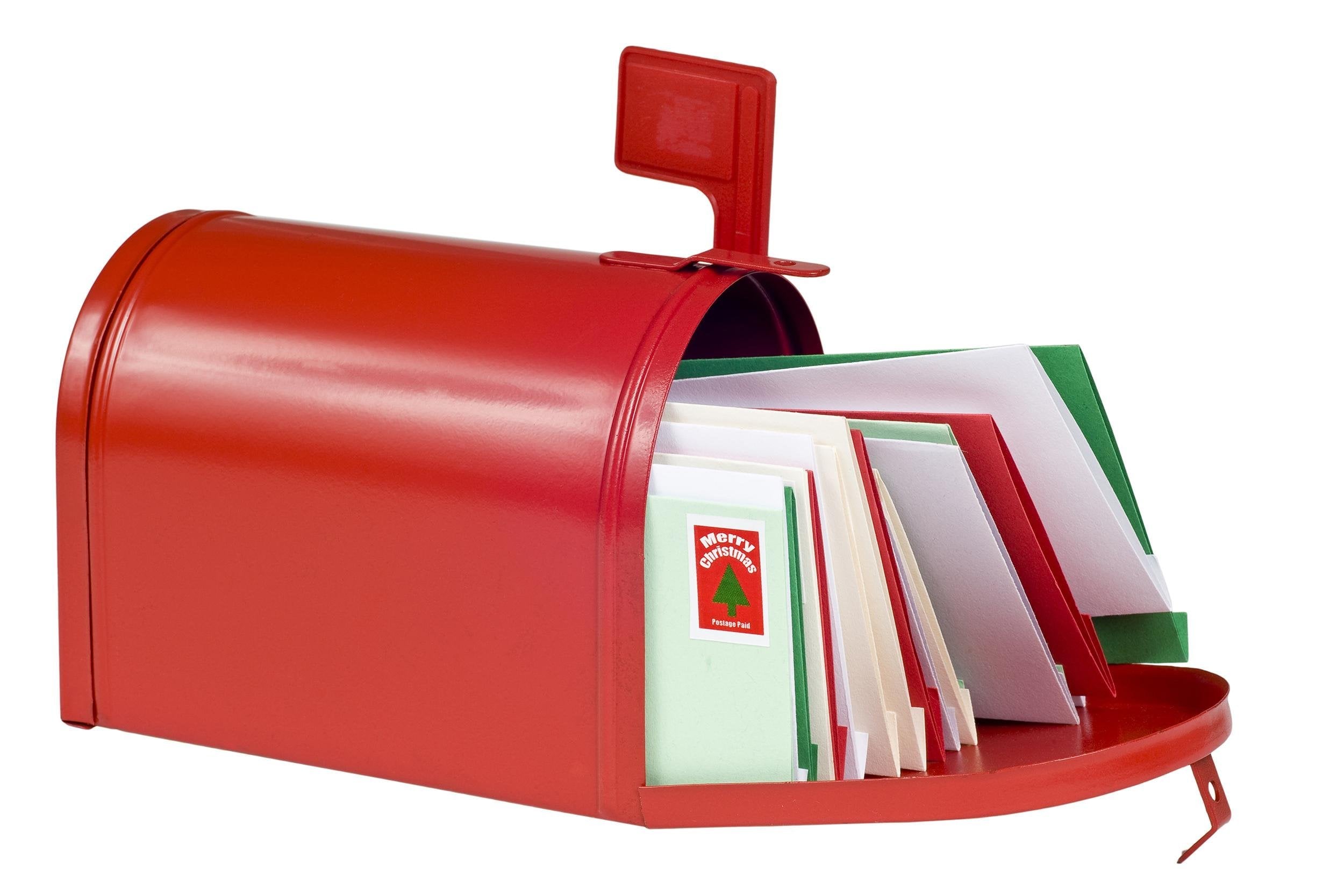
Sending Christmas cards might seem like a relatively inexpensive tradition, especially compared with buying gifts or hosting dinner. But the costs can add up when you’re mailing greetings to dozens of relatives and friends. Printed photo cards, envelopes, stamps, and personalized stationery can turn a simple holiday gesture into a noticeable expense. And if you’re also shipping presents to grandchildren who live across the country, postage and packaging can become another significant line item. Retirees who enjoy sending cards should review last year’s mailing list, estimate how much postage they’ll need, and decide whether everyone really needs a printed greeting. Sending digital cards to some recipients can help reduce costs without abandoning the tradition. For packages, comparing shipping options and planning ahead can also prevent expensive last-minute decisions.
Winter Heating Bills When Family Comes to Stay
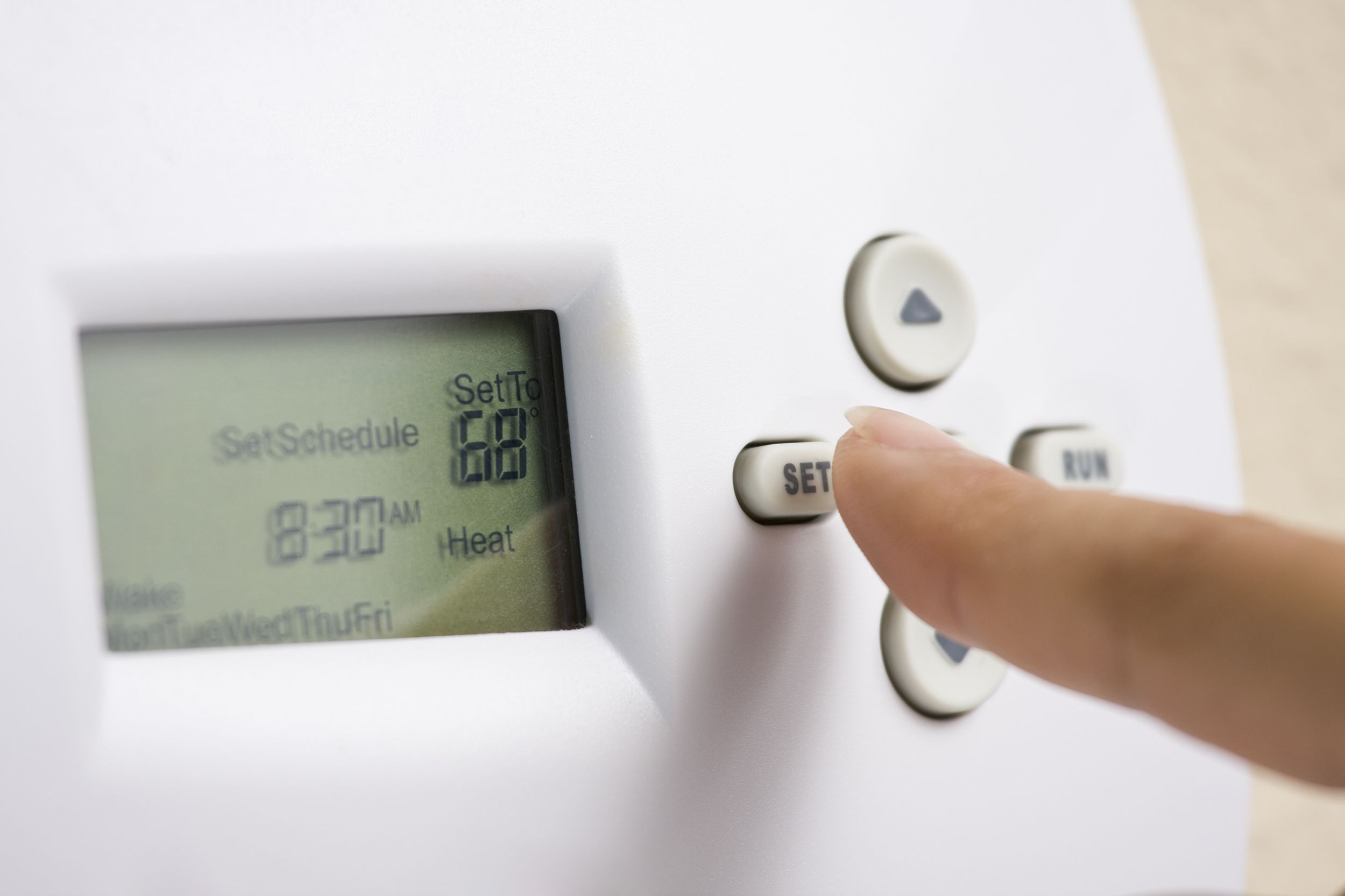
The holidays have a way of bringing everyone together under one roof, which is wonderful for family memories but not always so wonderful for utility bills. When children and grandchildren come to stay, the heating might run more frequently, the hot water heater gets a workout, and the washing machine seems to be running constantly. Add holiday cooking, extra lighting, and the usual winter temperature drops, and household energy expenses can climb higher than expected. For retirees living in colder parts of the country, those seasonal increases can be particularly difficult to absorb. Reviewing last winter’s utility bills is a good starting point for estimating what this year’s costs might look like. Weatherstripping drafty doors, using a programmable thermostat appropriately, and checking whether you qualify for local utility assistance programs may also help make those bills more manageable.
Trending on Cheapism


Gift Cards for Adult Children and Teenagers

When you have no idea what to buy a teenager or an adult child who already seems to own everything, gift cards can feel like the perfect solution. They’re convenient, easy to wrap, and eliminate the possibility of buying something that will end up gathering dust in a closet. The problem is that several $25, $50, or $100 gift cards can quickly add up to a much larger amount than originally intended. And because they don’t feel quite like traditional shopping, it’s easy to overlook how much you’re spending. Before heading to the store, retirees should decide exactly how much they want to give each person and stick to those amounts. It’s also worth being careful about where gift cards are purchased. The Federal Trade Commission recommends buying from trustworthy sellers, checking physical cards for signs of tampering, and keeping receipts in case something goes wrong.
Contributions to Family Holiday Celebrations

Just because you’re not hosting Christmas dinner doesn’t mean you’re off the hook financially. Many retirees contribute money toward family celebrations, whether that means helping pay for a catered meal, covering restaurant reservations, bringing groceries, or pitching in for a holiday party at someone else’s house. These contributions can feel relatively small individually, but when several family gatherings fall within the same few weeks, they can become a significant expense. And sometimes, the amount you’re expected to contribute isn’t entirely clear until the plans are already underway. Rather than waiting for an awkward conversation in December, it’s worth discussing expectations with relatives ahead of time. Offering to bring a particular dish, purchase dessert, or contribute a fixed amount can make it easier to participate without putting unnecessary pressure on your budget.
Holiday Decorations and Replacement Lights
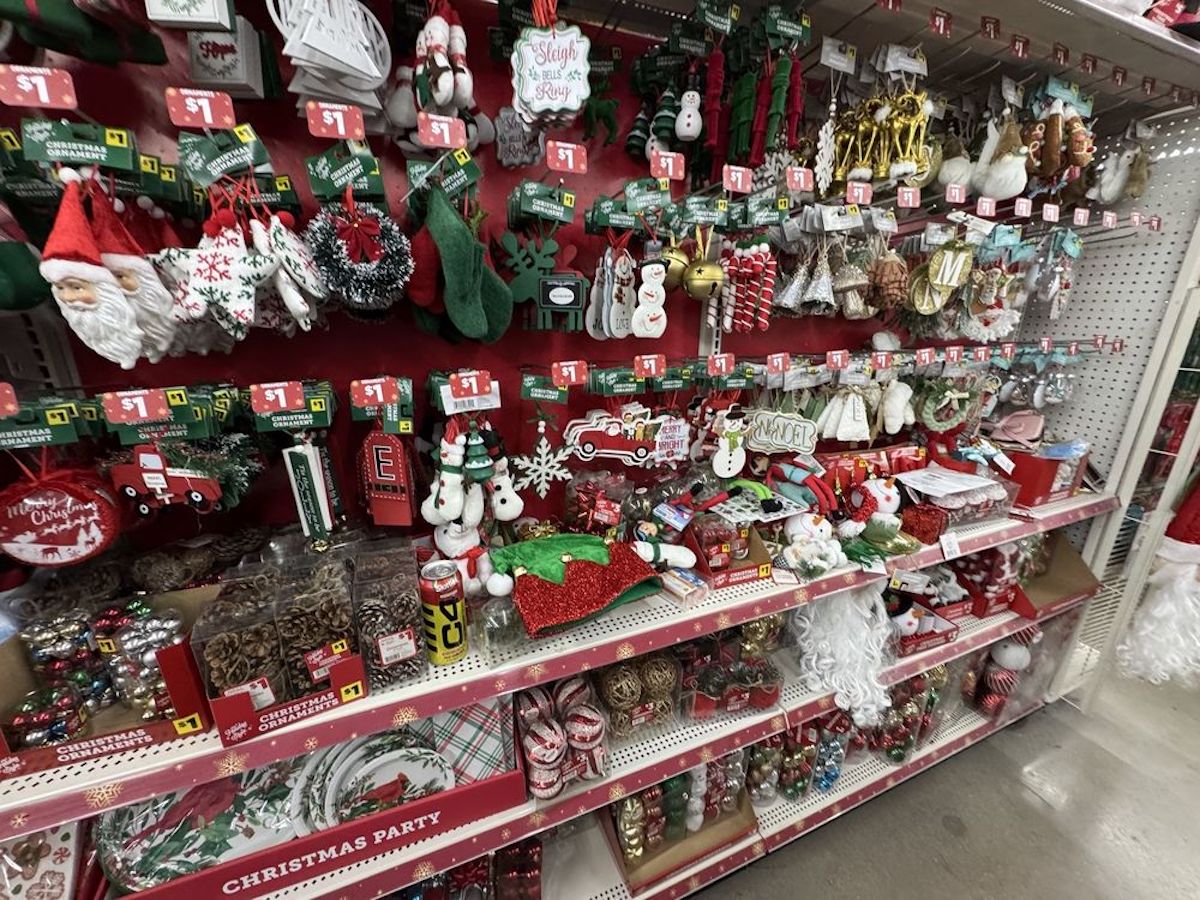
There’s something comforting about bringing out the same Christmas decorations year after year, especially when certain ornaments have been in the family for decades. Unfortunately, not everything survives another season in storage. String lights stop working, outdoor decorations break, artificial trees begin looking a little worse for wear, and suddenly you’re standing in a store wondering how replacing a few holiday essentials became so expensive. Fresh wreaths, poinsettias, and real Christmas trees can also add recurring costs that aren’t always included in a holiday budget. Before the shopping season gets underway, retirees should take inventory of what they already own and test their lights and decorations. Setting aside a small replacement budget can help prevent impulse purchases, particularly when stores start advertising supposedly irresistible holiday deals.
Sign up for our newsletter
Hotel Stays When Visiting Relatives

Not every family has enough space to accommodate overnight guests, which means retirees traveling for the holidays may need to book a hotel. And when a family celebration stretches across several days, those nightly rates can become a substantial expense. Even a reasonably priced hotel can end up costing considerably more once parking, taxes, resort fees, and meals are factored into the total. Holiday demand can also make finding affordable accommodations more challenging in certain destinations. Retirees planning to visit family should compare hotels, vacation rentals, and available loyalty discounts before committing to a reservation. It’s also important to check cancellation policies and look beyond the advertised nightly rate. Sometimes, a slightly more expensive hotel near your relatives can actually cost less overall if it eliminates parking charges or repeated transportation expenses.
Holiday Outings and Special Experiences With Grandchildren
Taking the grandchildren to see Christmas lights, visit Santa, or enjoy a special holiday performance can create the kind of memories that last for years. But these outings aren’t always as inexpensive as they first appear. Tickets for holiday train rides, theater productions, seasonal attractions, and special events can add up quickly, particularly when you’re paying for several children and accompanying adults. Throw in parking, snacks, souvenirs, and maybe a meal afterward, and an afternoon of holiday fun can become a surprisingly costly adventure. Instead of trying to squeeze every seasonal attraction into the calendar, retirees might choose one or two paid experiences that feel especially meaningful. Free community events, neighborhood Christmas light displays, baking cookies together, and watching favorite holiday movies at home can be just as enjoyable without requiring another expensive outing.
Year-End Charitable Donations

The holiday season often inspires people to give a little more generously, whether that’s donating to a local food bank, supporting a religious organization, contributing to a toy drive, or helping a favorite charity before the end of the year. For retirees who have supported certain causes for decades, these contributions can be an important part of the season. But donation requests tend to arrive from multiple directions in November and December, and responding to every appeal can stretch a limited budget further than intended. One way to maintain those traditions without overspending is to decide on an annual charitable giving amount and identify the organizations you most want to support. It’s also important to verify unfamiliar charities before sending money, particularly when requests arrive through unsolicited texts, emails, or phone calls. Generosity doesn’t have to mean saying yes to every appeal.
Credit Card Interest From Holiday Purchases

Perhaps the most frustrating holiday expense is one that doesn’t even show up until after the decorations have been packed away. When Christmas gifts, travel expenses, and family celebrations are charged to a credit card without a clear repayment plan, the resulting balance can continue generating interest well into the new year. For retirees who depend on Social Security, pensions, or scheduled retirement withdrawals, those extra monthly payments can make it harder to cover ordinary expenses. And while installment plans and buy now, pay later services might make purchases seem more affordable, they can also create additional payment obligations that are easy to underestimate. The safest approach is to establish a holiday spending limit based on money that’s actually available, rather than the amount of credit a lender is willing to extend. Keeping track of purchases as they happen can help prevent January from becoming an unpleasant financial surprise.
A Little Planning Can Make the Holidays Much Easier

The holidays don’t have to become a financial headache just because you’re living on retirement income. The key is remembering that seasonal spending involves much more than presents under the tree. Travel, groceries, heating bills, family outings, charitable donations, and all those smaller purchases can add up faster than expected when they aren’t part of the plan. By reviewing last year’s expenses, deciding which traditions matter most, and setting aside manageable amounts before December, retirees can enjoy the season without putting unnecessary pressure on their finances. After all, the best holiday memories usually have a lot more to do with the people around the table than how much money was spent getting everyone there.