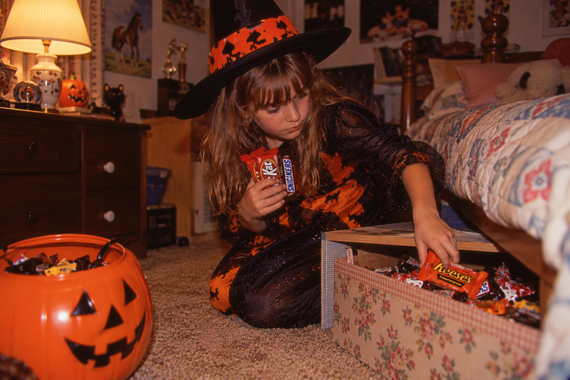
There was nothing quite like coming home from trick-or-treating in the 1980s, dumping an overflowing pillowcase or plastic pumpkin onto the living room floor, and inspecting your Halloween haul. There were the miniature chocolate bars everyone hoped to find, the little rolls of candy that seemed to multiply overnight, and the occasional full-size treat from that one generous neighbor everyone knew about. And, of course, there was the serious business of negotiating candy trades with your siblings.
The ’80s were a particularly exciting decade for candy lovers. Alongside longtime favorites like Snickers, Reese’s Peanut Butter Cups, and Tootsie Rolls, colorful newcomers like Nerds, Skittles, and Sour Patch Kids were finding their way into American candy aisles. Some became instant childhood favorites, while others took a few years to establish themselves as Halloween staples.
Of course, what ended up in your trick-or-treat bag depended on your neighborhood, and not every candy was equally popular everywhere. But whether you preferred chocolate, sour candy, or something that would keep you chewing for hours, chances are you’ll recognize plenty of these sweet memories. Here are 12 80s Halloween candy favorites that helped define trick-or-treating during the decade.
Reese’s Peanut Butter Cups
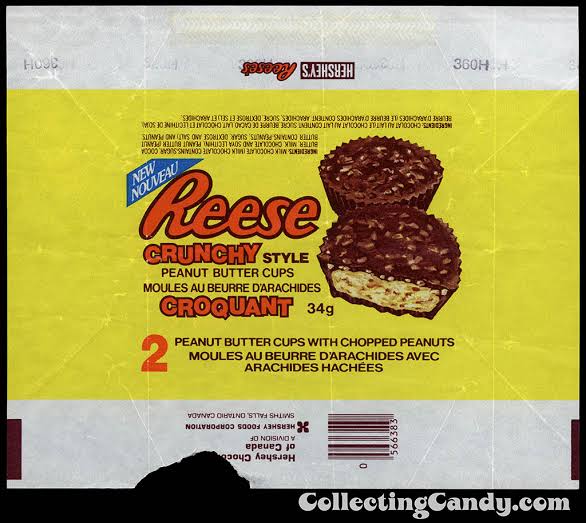
If you were lucky enough to find a Reese’s Peanut Butter Cup in your Halloween bag, you probably weren’t in a hurry to trade it away. The combination of creamy peanut butter and milk chocolate had already made Reese’s a favorite long before the 1980s, and those unmistakable orange wrappers were easy to spot among the miniature candy bars scattered across the living room floor.
For many kids, Reese’s cups were among the most desirable Halloween treats, especially when a neighbor handed out a full-size package instead of a miniature. There was something particularly satisfying about peeling back the brown paper cup and taking that first bite. And if you happened to have a sibling who didn’t like peanut butter? You might have just discovered the most valuable trading opportunity of the evening. Even today, the orange packaging is practically synonymous with Halloween candy.
Nerds
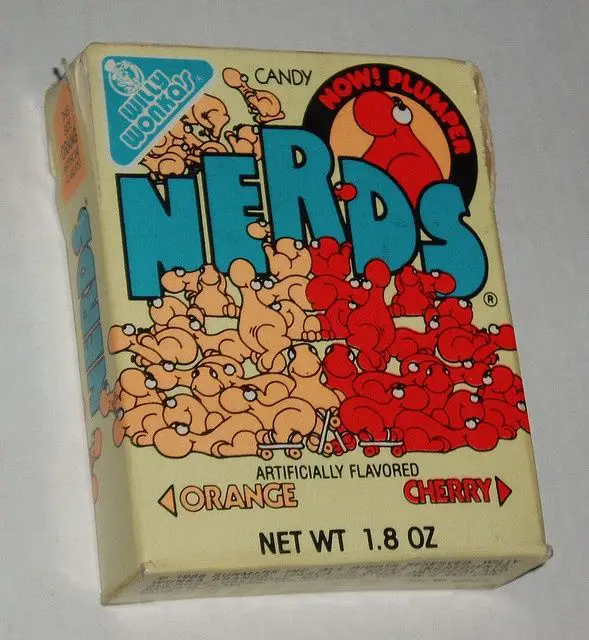
When Nerds arrived in 1983, they didn’t look much like the candy children were accustomed to finding in their Halloween bags. Instead of a chocolate bar or a roll of hard candies, you got a colorful little cardboard box filled with tiny, irregularly shaped pieces that were crunchy, sweet, and intensely fruity. Better yet, many boxes had two separate compartments, allowing you to choose between flavors or pour both into your mouth at once.
For ’80s kids, half the fun was figuring out how to eat them. Some carefully tipped a few pieces into their hands, while others poured an entire compartment straight into their mouths. The candy quickly made an impression, earning recognition from the candy industry in 1985, just two years after its introduction. And unlike chocolate bars that disappeared in a few bites, a box of Nerds could provide an entire afternoon of entertainment, provided you didn’t accidentally spill half of it onto the carpet.
Snickers
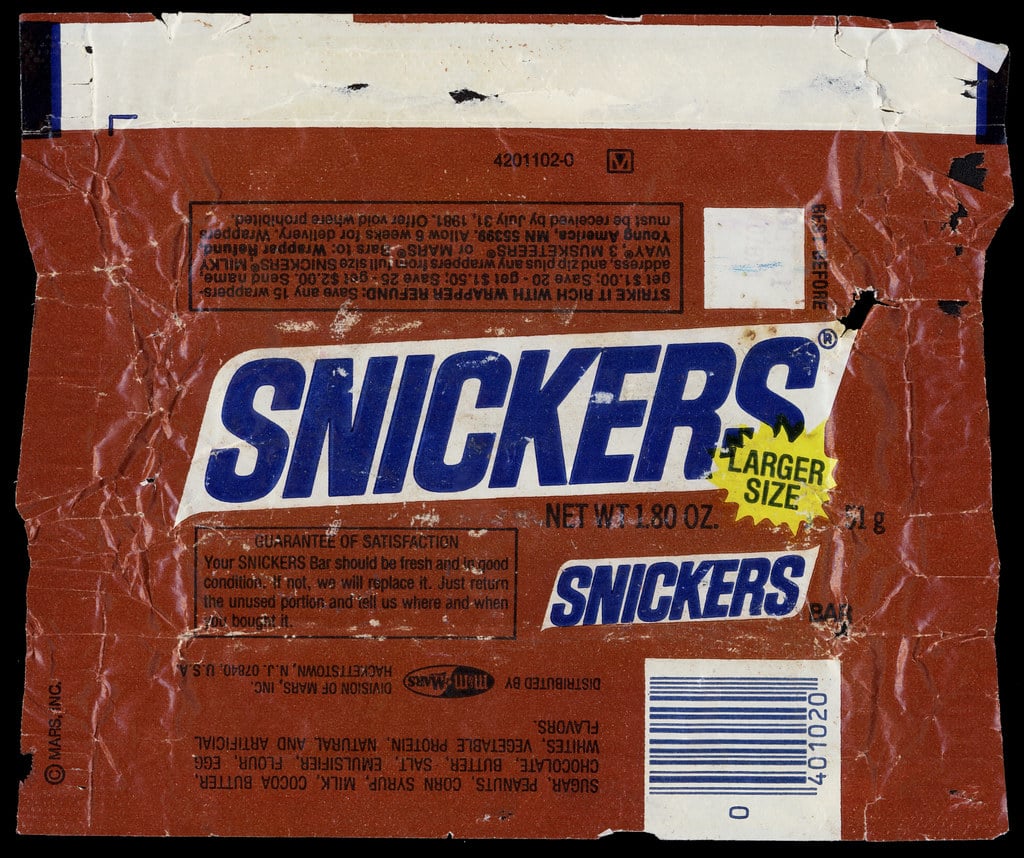
Some Halloween candies were exciting because they were new, but Snickers didn’t need any novelty to earn a place among the most coveted treats in an ’80s Halloween haul. With its familiar combination of peanuts, caramel, nougat, and milk chocolate, the candy bar offered something considerably more substantial than a handful of hard candies or a tiny roll of Smarties.
Miniature Snickers were a familiar sight in Halloween assortments, but finding a full-size bar was a completely different experience. That was the kind of candy you might immediately hide from your siblings or save for a special occasion. Of course, not every kid appreciated the peanuts, which made Snickers an interesting bargaining chip during post-Halloween candy trading. But for those who loved the combination of crunchy, chewy, and chocolatey textures, few treats could compete.
Reese’s Pieces
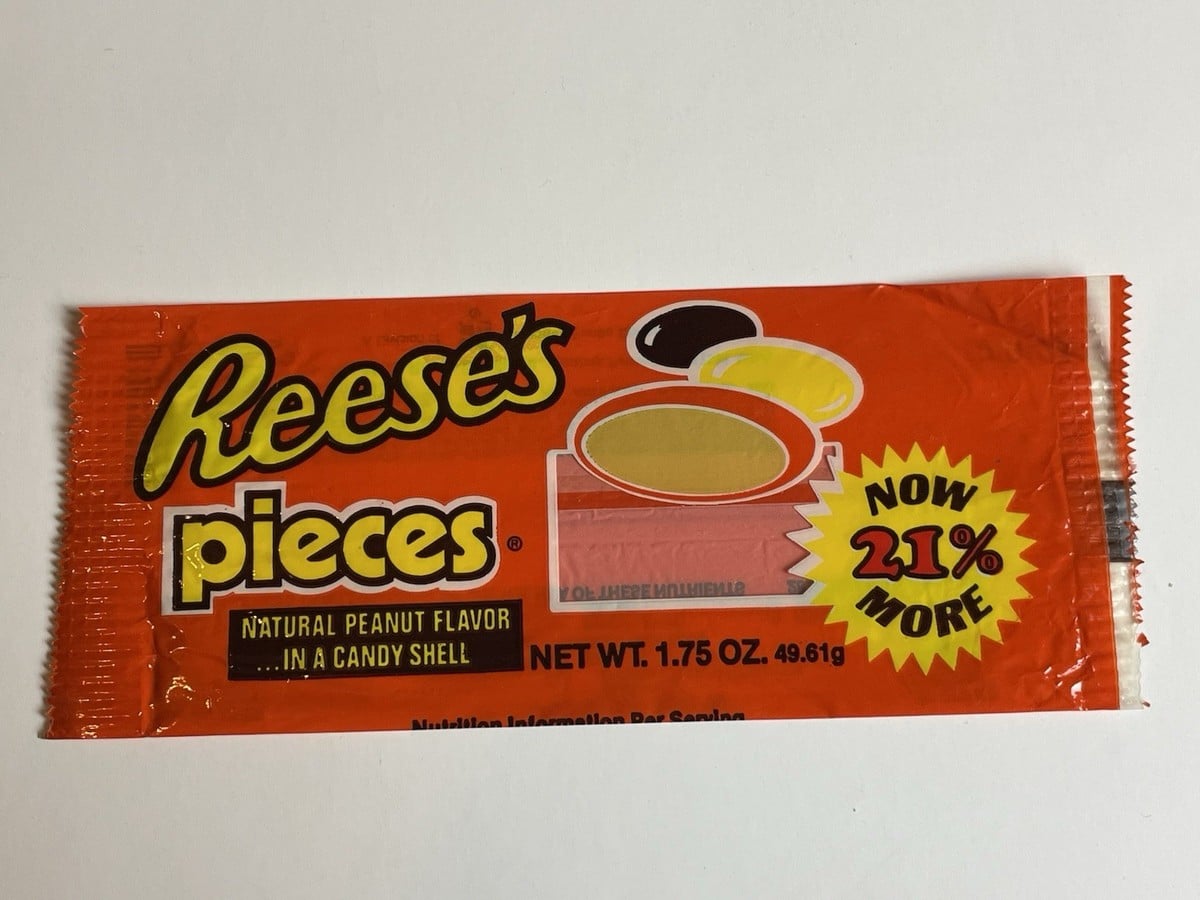
Although Reese’s Pieces first appeared in 1978, their biggest pop-culture moment came a few years later, when they were featured in the 1982 blockbuster E.T. the Extra-Terrestrial. Suddenly, those little orange, yellow, and brown candies had a connection to one of the most beloved movies of the decade, making them especially memorable for children growing up in the early ’80s.
Unlike Reese’s Peanut Butter Cups, Reese’s Pieces had a crunchy candy shell surrounding a peanut butter center, making them easy to eat by the handful. Their autumn-colored shells also happened to look perfectly suited to Halloween, even though they weren’t originally created specifically for the holiday. And for kids who had watched Elliott use the candy to lure E.T., finding a packet in their trick-or-treat bag might have felt like receiving a little piece of movie magic.
Skittles
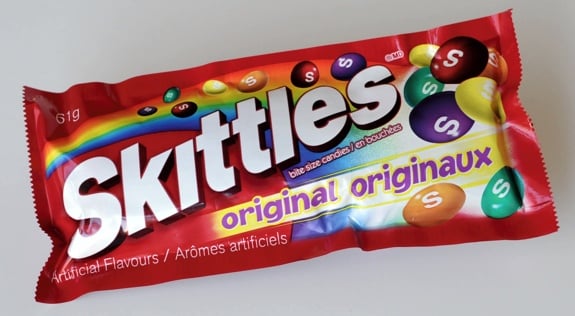
Chocolate might have dominated plenty of Halloween bags, but Skittles offered something completely different. Originally developed in Britain, the colorful fruit-flavored candies reached the American market in 1979 and became increasingly familiar throughout the 1980s. Their chewy centers and crunchy candy shells made them an appealing alternative to the usual miniature chocolate bars.
For children who preferred fruity candy, a little bag of Skittles was a welcome discovery. Some kids carefully separated the colors before eating them, while others simply poured a handful into their mouths and hoped for the best. And unlike a chocolate bar that might melt after spending an afternoon in a warm costume pocket, Skittles were relatively easy to carry around. By the end of the decade, their bright colors and distinctive texture had helped establish them as one of the era’s recognizable candy favorites.
Trending on Cheapism


3 Musketeers
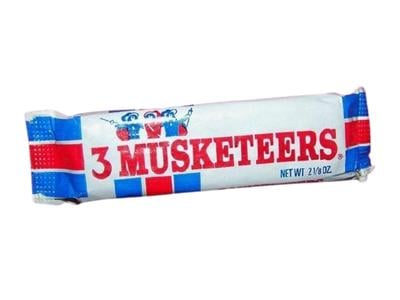
Not every kid wanted peanuts, caramel, or crunchy wafers in their chocolate bars. For those who preferred something a little simpler, 3 Musketeers was a dependable Halloween favorite. Its fluffy chocolate nougat center, covered in milk chocolate, gave it a softer texture than many of the other candy bars competing for space in a trick-or-treat bag.
By the 1980s, miniature versions of familiar chocolate bars were a regular part of Halloween candy assortments, and 3 Musketeers fit right in. The smaller pieces were easy to unwrap, eat, and trade, although anyone who particularly loved the candy probably wished the portions were a little bigger. There was also something satisfying about biting into that light, airy filling after working your way through a pile of harder, chewier treats. It might not have been the flashiest candy in the bag, but it certainly had its loyal fans.
Tootsie Rolls
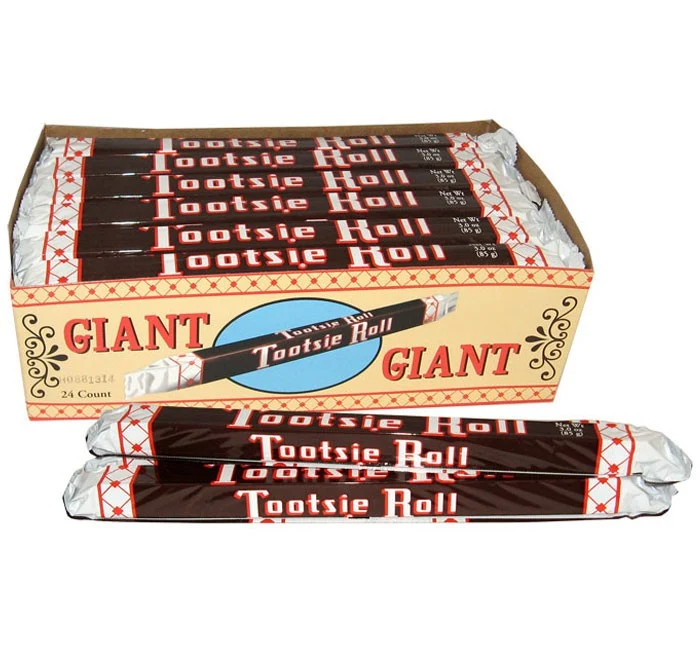
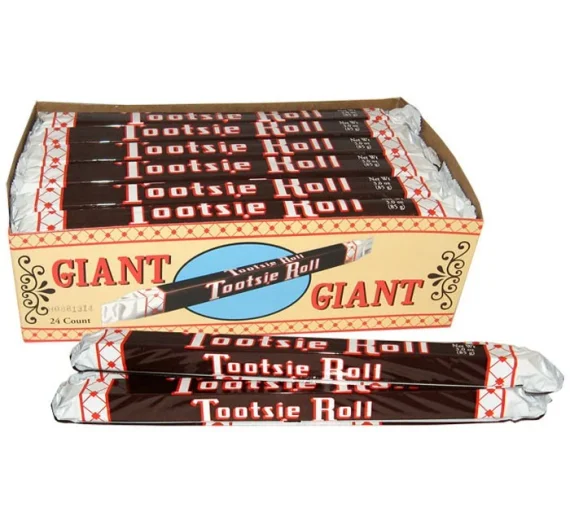
If there was one candy that seemed capable of appearing in practically every Halloween bag, it was the humble Tootsie Roll. These chewy, chocolate-flavored treats had been around since the late 19th century, but they remained a familiar part of American candy culture throughout the 1980s. And thanks to their individually wrapped miniature versions, neighbors could easily hand out several pieces at a time.
Of course, Tootsie Rolls weren’t always the most exciting discovery. Some children regarded them as filler candy, especially when compared with a full-size chocolate bar or a colorful box of Nerds. Others appreciated their long-lasting chew and the fact that they didn’t melt quite as easily as ordinary chocolate. Either way, there was a good chance you’d find a few lurking at the bottom of your Halloween bag long after the more desirable treats had disappeared. Somehow, they always seemed to outlast everything else.
Sour Patch Kids
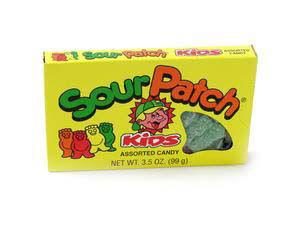
For children who grew up in the second half of the 1980s, Sour Patch Kids introduced a whole new kind of candy experience. Rather than delivering sweetness immediately, these little chewy figures started with a sharp, sour coating that could make your face scrunch up before giving way to a fruity, sugary center.
Sour Patch Kids entered the American market in 1985, making them a distinctly mid-to-late-’80s candy memory. Their playful human-like shapes and unusual flavor combination helped distinguish them from more traditional fruit chews, although they weren’t necessarily as common in Halloween bags as established chocolate brands. For kids who enjoyed testing how much sourness they could tolerate, however, they were irresistible. And once you got past that initial mouth-puckering sensation, it was surprisingly easy to keep reaching for another.
Sign up for our newsletter
Twix
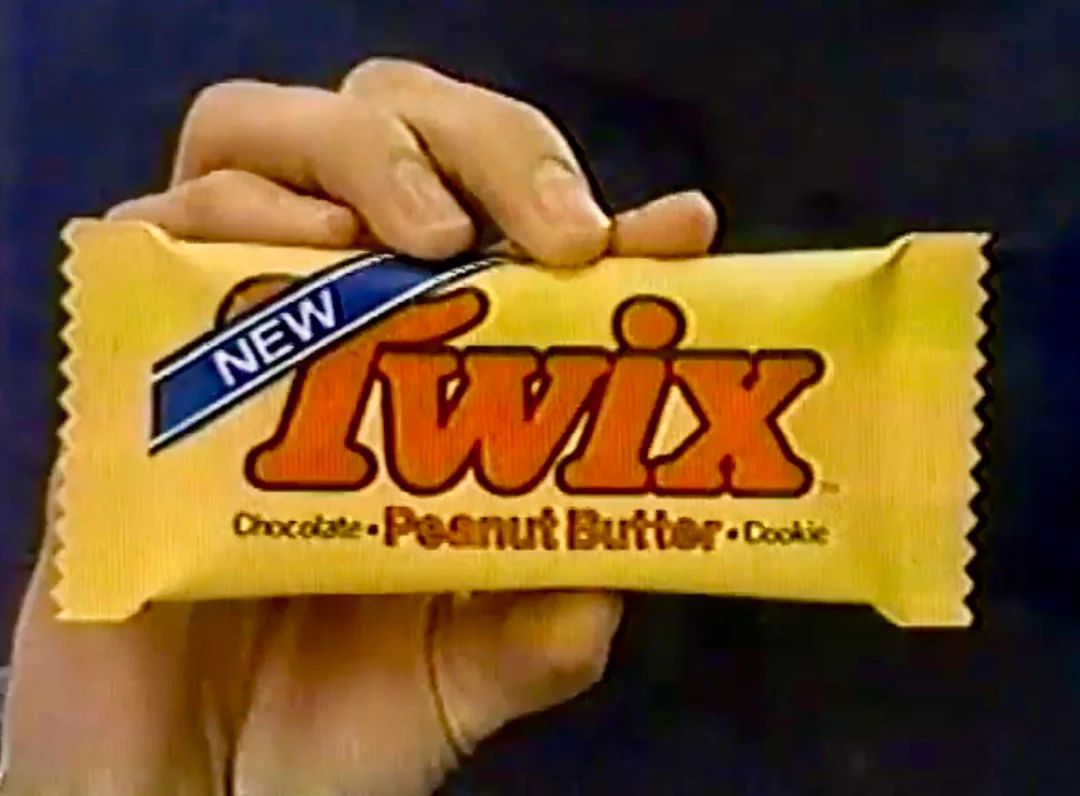
Twix arrived in the United States in 1979, just in time to become part of the candy landscape of the 1980s. Originally introduced in the United Kingdom, the candy offered a combination of crunchy biscuit, caramel, and milk chocolate that stood apart from the nougat-heavy bars already familiar to American children.
One of the best things about Twix was that a standard package contained two separate bars. For a kid sorting through a Halloween haul, that presented an important decision: Eat both immediately, save one for later, or use the second bar to negotiate a particularly favorable candy trade. Of course, miniature and fun-size versions didn’t always offer the same two-bar experience, but the familiar combination of cookie crunch and chewy caramel remained appealing. For anyone who preferred a little crunch with their chocolate, Twix was a particularly welcome addition to the Halloween pile.
Smarties
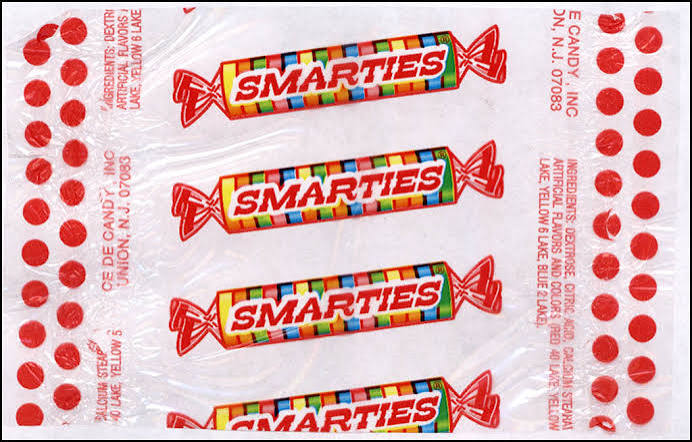
Every Halloween bag seemed to contain at least a few rolls of Smarties. Wrapped in their familiar transparent packaging, these tiny pastel-colored candy tablets were inexpensive, easy to distribute, and practically guaranteed to end up somewhere near the bottom of a child’s trick-or-treat haul. They weren’t exactly the kind of candy most kids rushed to eat first, but they were undeniably recognizable.
American Smarties had a powdery texture and a sweet-tart flavor that distinguished them from chocolate bars and chewy fruit candies. Some children ate them one at a time, while others unwrapped the entire roll and tipped everything into their mouths. And for anyone who grew up outside the United States, it’s worth remembering that American Smarties are completely different from the chocolate candies sold under the same name in countries like Canada and Britain. For ’80s American trick-or-treaters, however, those little pastel rolls were simply part of the Halloween experience, whether you loved them or not.
Charms Blow Pops
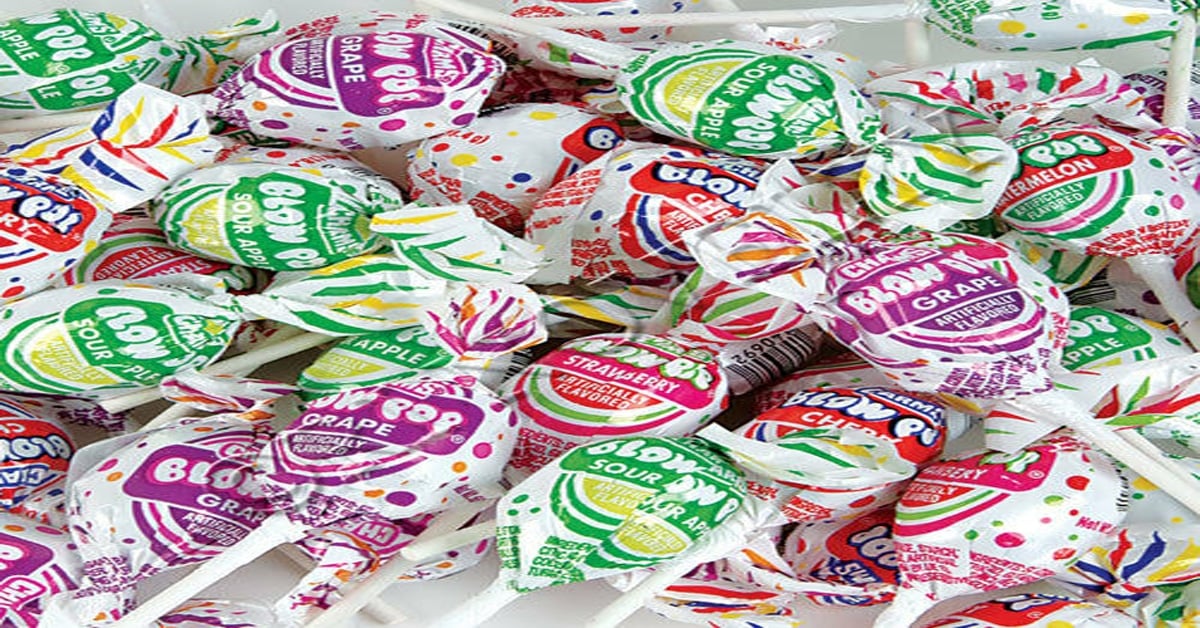
Why settle for a lollipop when you could have a lollipop and bubblegum in the same treat? That was the appeal of Charms Blow Pops, which had been around since the 1970s and were already well-established candy favorites by the time the 1980s rolled around. Their colorful wrappers and assortment of fruit flavors made them easy to recognize in a Halloween bag.
For many kids, the real excitement came from trying to reach the bubblegum center without biting through the hard candy shell. Some patiently worked their way through the outer layer, while others gave up after a few minutes and crunched straight into the middle. Either way, Blow Pops had one major advantage over miniature chocolate bars: They lasted considerably longer. And when you were trying to stretch your Halloween candy supply as far as possible, that was a pretty valuable quality.
Airheads
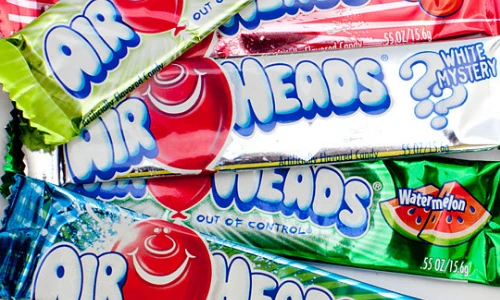
By the second half of the 1980s, candy aisles were becoming increasingly colorful, and Airheads fit right into the trend. Introduced in 1985, these individually wrapped, flat strips of chewy candy offered bold fruit flavors and a texture that was completely different from traditional chocolate bars, hard candies, or even ordinary taffy.
For kids encountering Airheads for the first time, part of the appeal was their unusual format. You could take small bites, stretch the candy, or fold it over before eating it. The brightly colored wrappers also made them stand out among the familiar brown and silver packaging of many chocolate treats. Although Airheads are more closely associated with late-’80s childhood than the beginning of the decade, they helped usher in the colorful, intensely flavored candy trends that would become even more prominent in the 1990s. And for children who preferred something fruity and chewy, they were a welcome change from another miniature chocolate bar.
When Halloween Candy Was Worth Trading
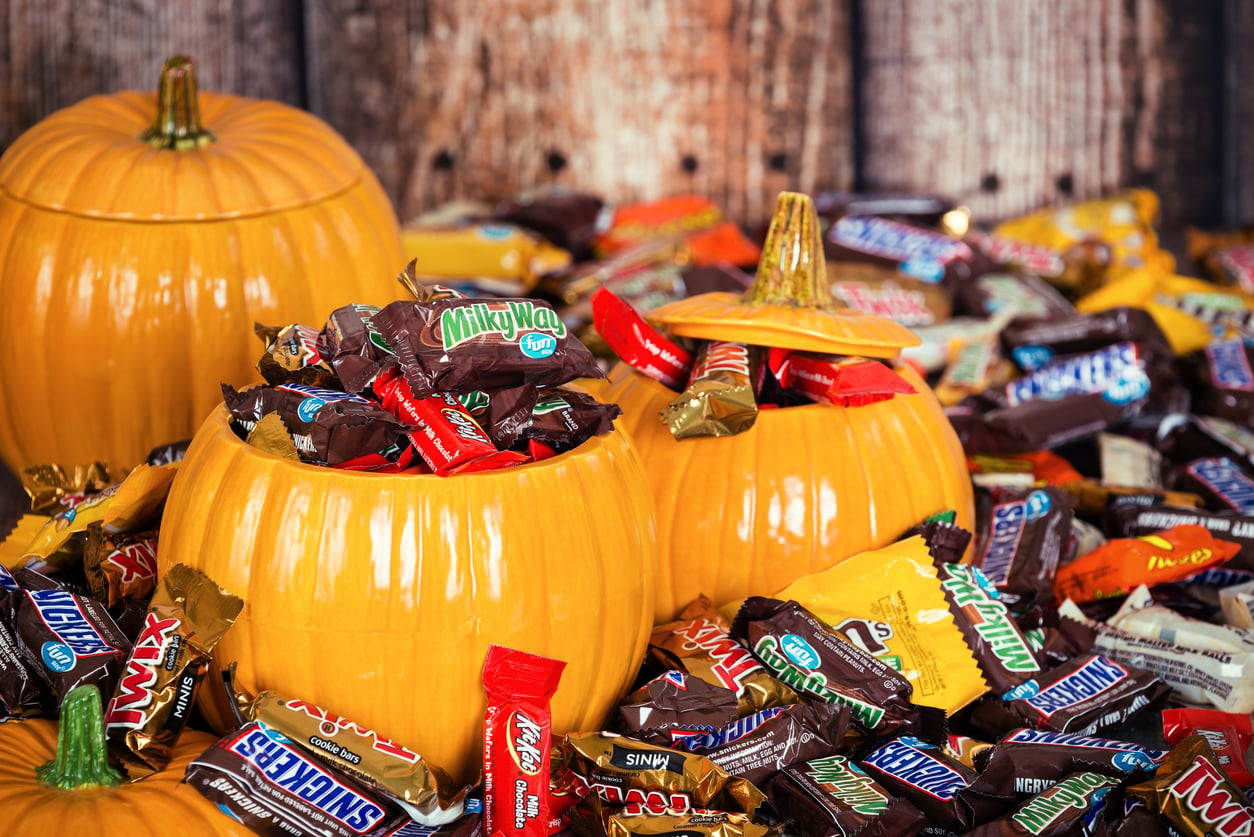
Looking back, Halloween in the 1980s wasn’t just about collecting as much candy as possible. It was about the excitement of discovering what each house was handing out, the disappointment of finding another roll of candy you didn’t particularly like, and the thrill of realizing you’d scored something worth trading for several other treats.
The decade brought together longtime favorites like Snickers, Tootsie Rolls, and Reese’s Peanut Butter Cups with colorful newcomers like Nerds, Skittles, Sour Patch Kids, and Airheads. Not every candy was equally common in every neighborhood, but together they helped shape the sweet memories of a generation. And while candy packaging, flavors, and Halloween traditions have changed over the years, the ritual of dumping your trick-or-treat bag onto the floor and deciding what to eat first remains pretty much timeless.