The appliances in your home can become an additional expense, not only when they break down or start to fail due to age, but also when they consume excessive amounts of electricity, gas, or water. Such costs can stem from how an appliance is installed, positioned, or programmed. Drawing on information from the Department of Energy, ENERGY STAR, and other sources, these energy-saving tips highlight common household appliances that are worth adjusting to help lower your recurring utility bills!
Refrigerators Set Colder Than Necessary
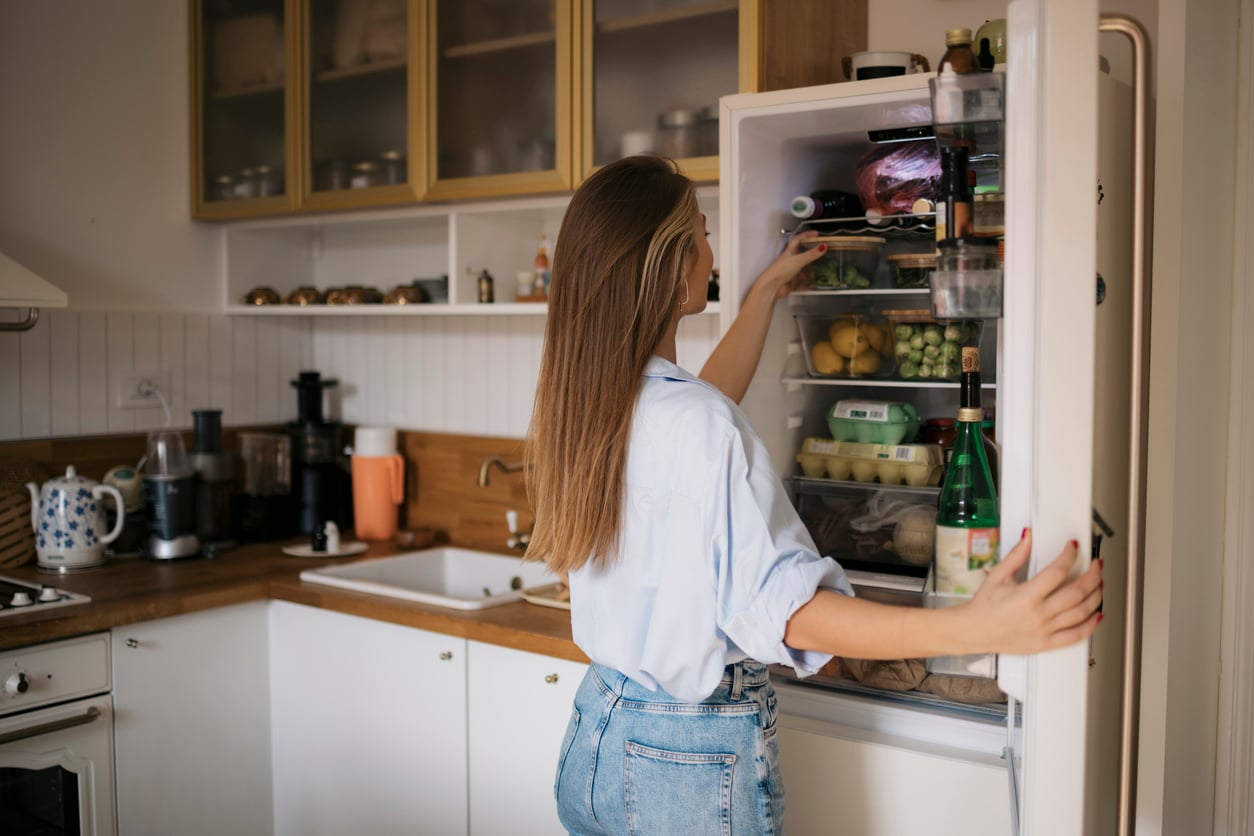
Setting a refrigerator colder than necessary causes it to use extra energy without improving food preservation. The Department of Energy recommends keeping the refrigerator between 36°F and 40°F. One of the simplest energy-saving tips is to use a separate appliance thermometer can help you verify the actual temperature instead of relaying on an unlabeled dial.
Freezers Running at Extremely Low Temperatures
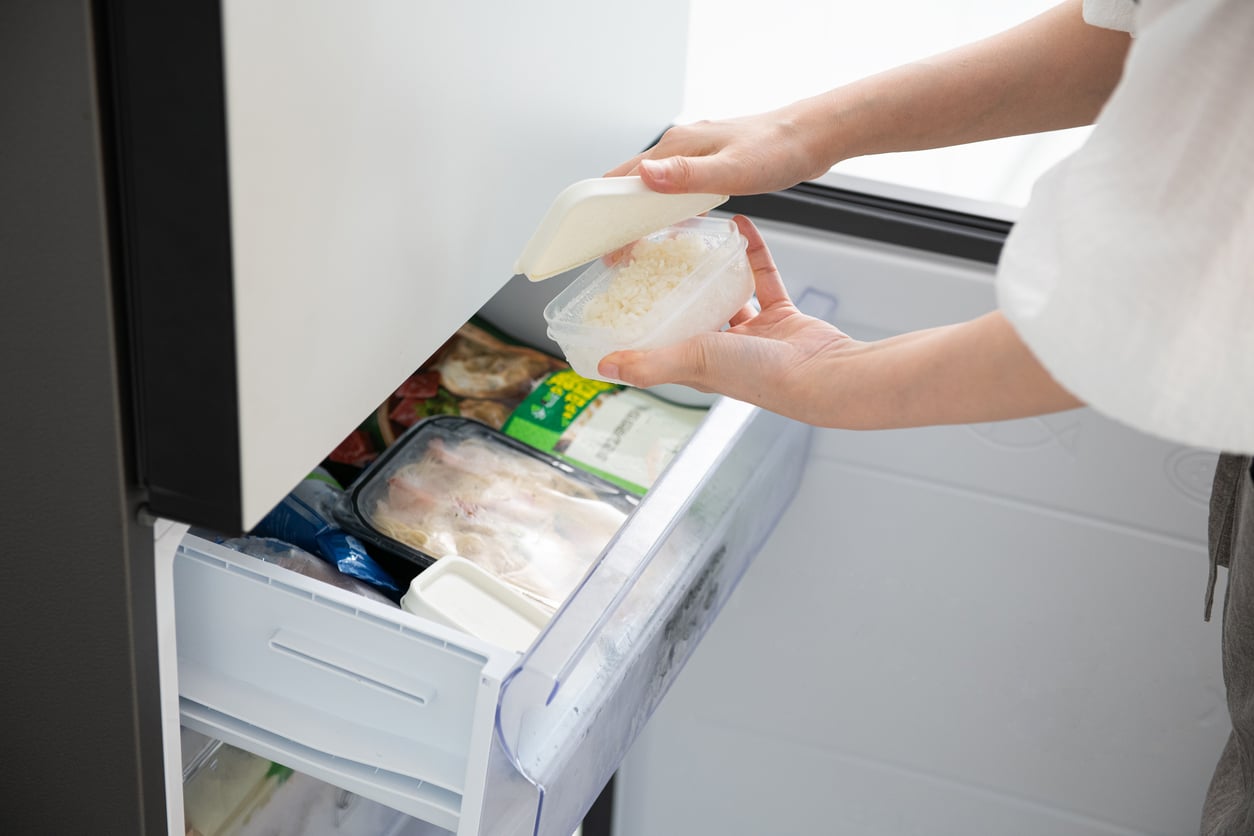
Food in the freezer does not benefit from an appliance that maintains an extremely low temperature. Doing so will consume extra energy without providing any real benefit. The Department of Energy recommends a freezer temperature between -5°F and 0°F, noting that unnecessarily low temperatures increase energy use. When storing routine long-term frozen food, 0°F is the standard target, making this one of the easiest energy-saving tips to follow.
Waters Heaters with the Temperature Turned Too High

Some water heaters can reach temperatures higher than what is necessary for household needs. This process of heating to such extreme temperatures can create a scalding hazard. For this reason, the Department of Energy recommends 120°F for household water heating, although specific circumstances may require higher storage temperatures or mixing valves. Because water heating is one of the largest household energy expenses, adjusting the thermostat is among the most practical energy-saving tips for reducing recurring utility costs.
Central Air Conditioners Installed with Leaky Ductwork
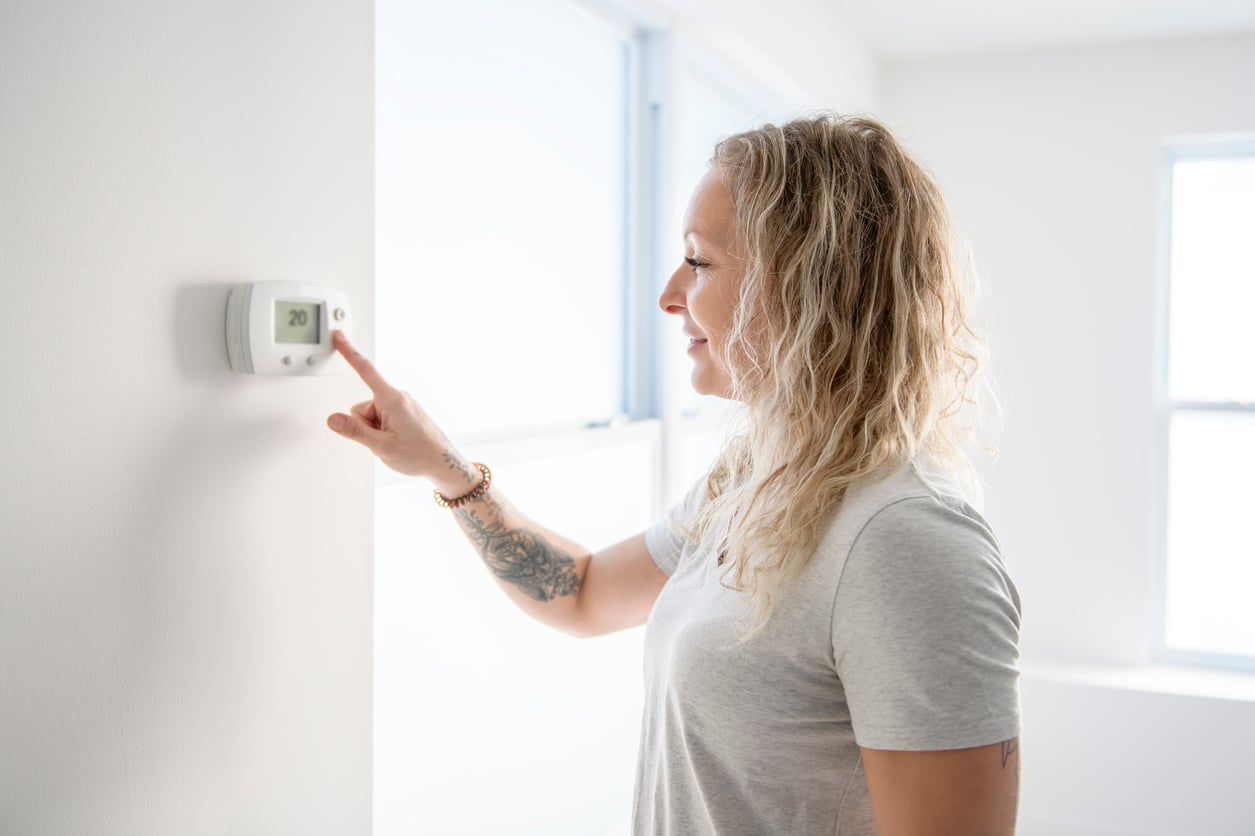
Central air conditioners can waste energy when cold air escapes through leaky ducts, or if the system has been improperly sized or charged with refrigerant. The Department of Energy recommends careful installation because leaking ducts can reduce efficiency and comfort. One of the most useful energy-saving tips is to have a qualified HVAC technician inspect the system rather than assuming the air conditioner needs replacement.
Window Air Conditioners with Gaps Around the Frame
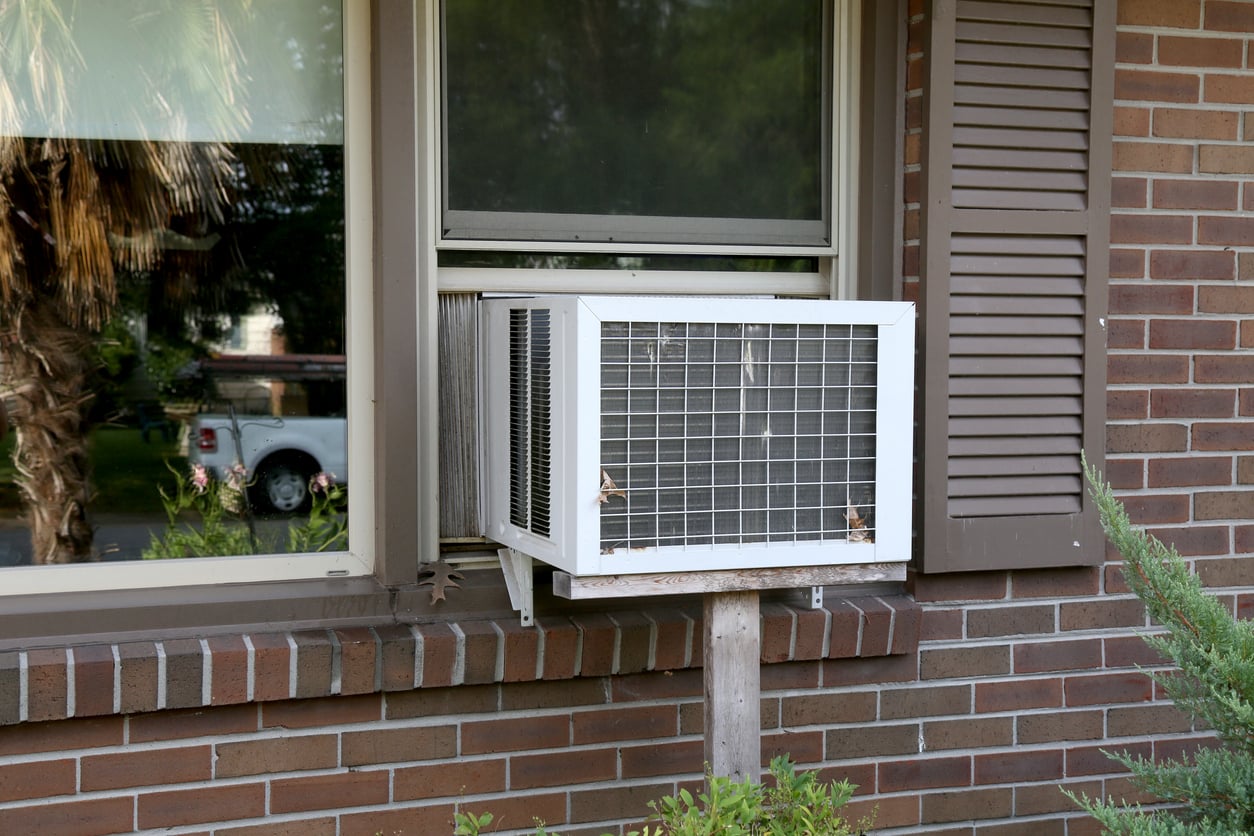
The purpose of an air conditioner is to bring a room to your selected temperature. If air escapes through any opening, the unit will have to work harder and remain on for longer. These energy-saving tips include following the manufacturer’s installation instructions and using the insulation materials supplied with the appliance when applicable, according to ENERGY STAR.
Trending on Cheapism


Washing Machines Left on the Hot-Water Setting
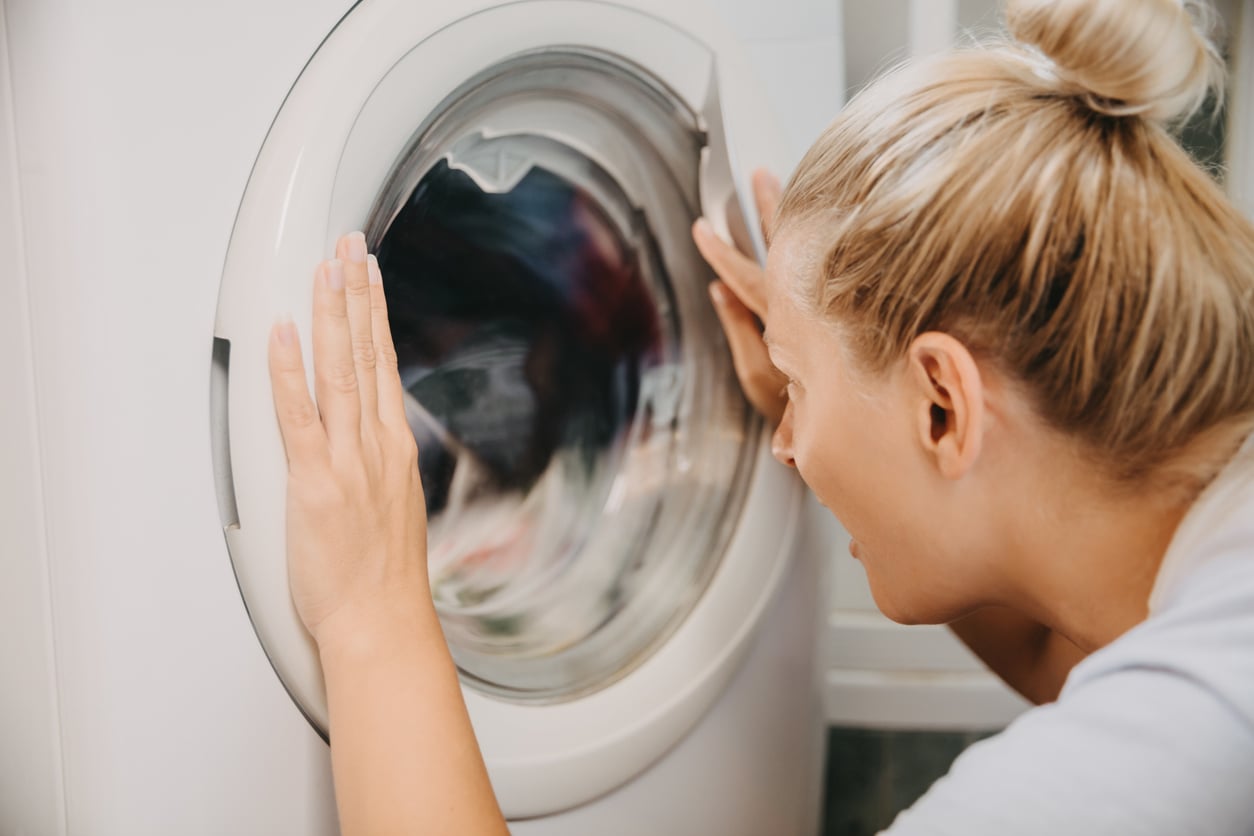
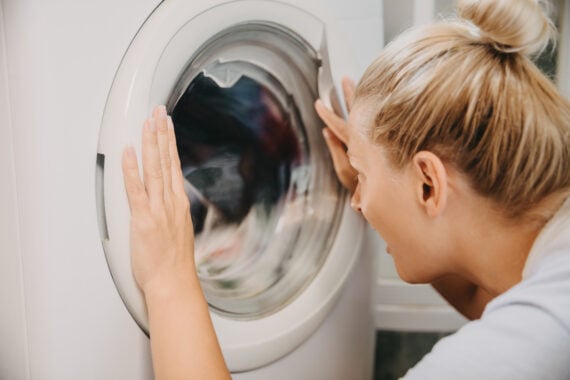
Water heating is one of the largest contributors to a household’s energy bill. Therefore, using hot water in washing machines when it is not necessary only increases the cost of the bill. One of the simplest energy-saving tips is to wash routine laundry in cold water whenever possible, while reserving warmer temperatures for specific stains or other situations that require them, according to ENERGY STAR.
Clothes Dryers Programmed to Run Longer Than Necessary
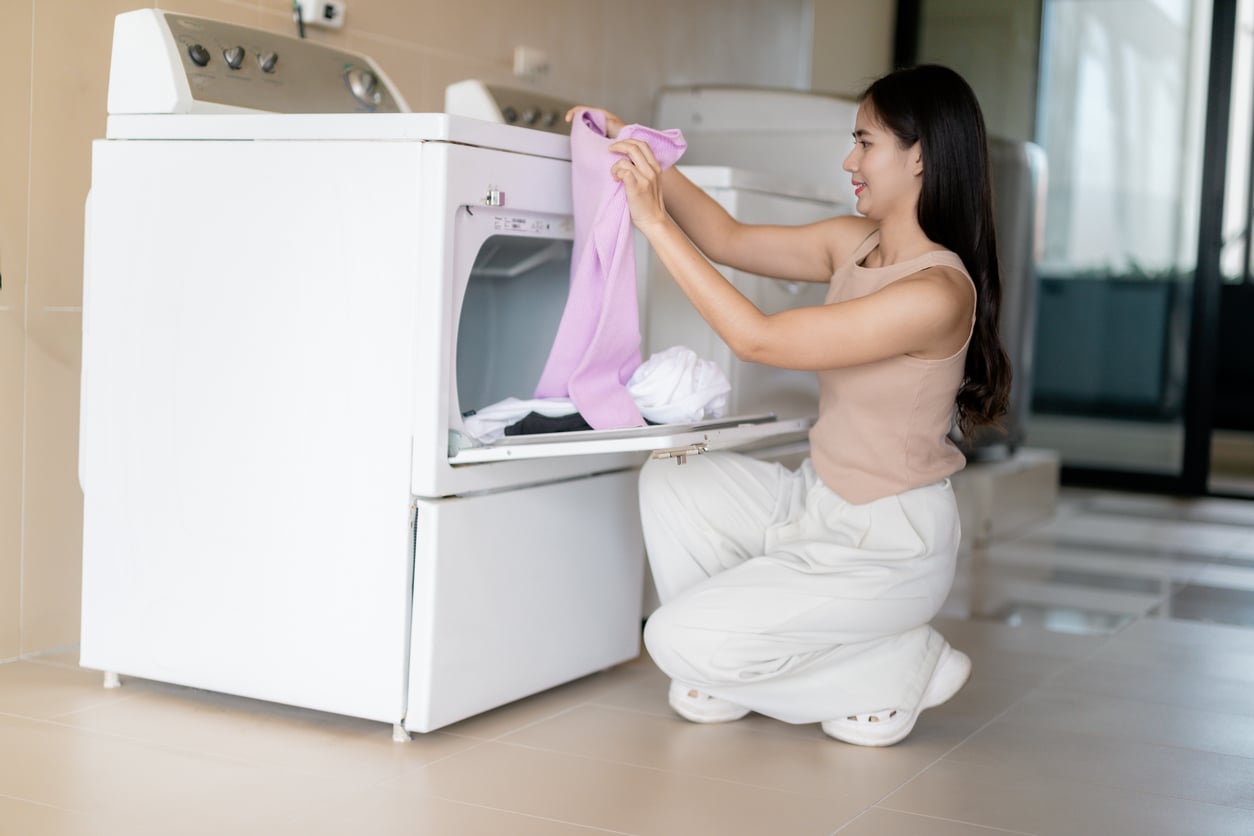
Not all loads you put in the dryer require the same amount of time to dry. Lightweight clothing is often dry well before the cycle ends, meaning the extra minutes result in a waste of electricity or gas. ENERGY STAR recommends using moisture-sensing cycles, if your machine offers them. This allows the dryer to stop automatically once the clothing reaches the appropriate level of dryness.
Dishwashers Using Heated Dry for Every Load
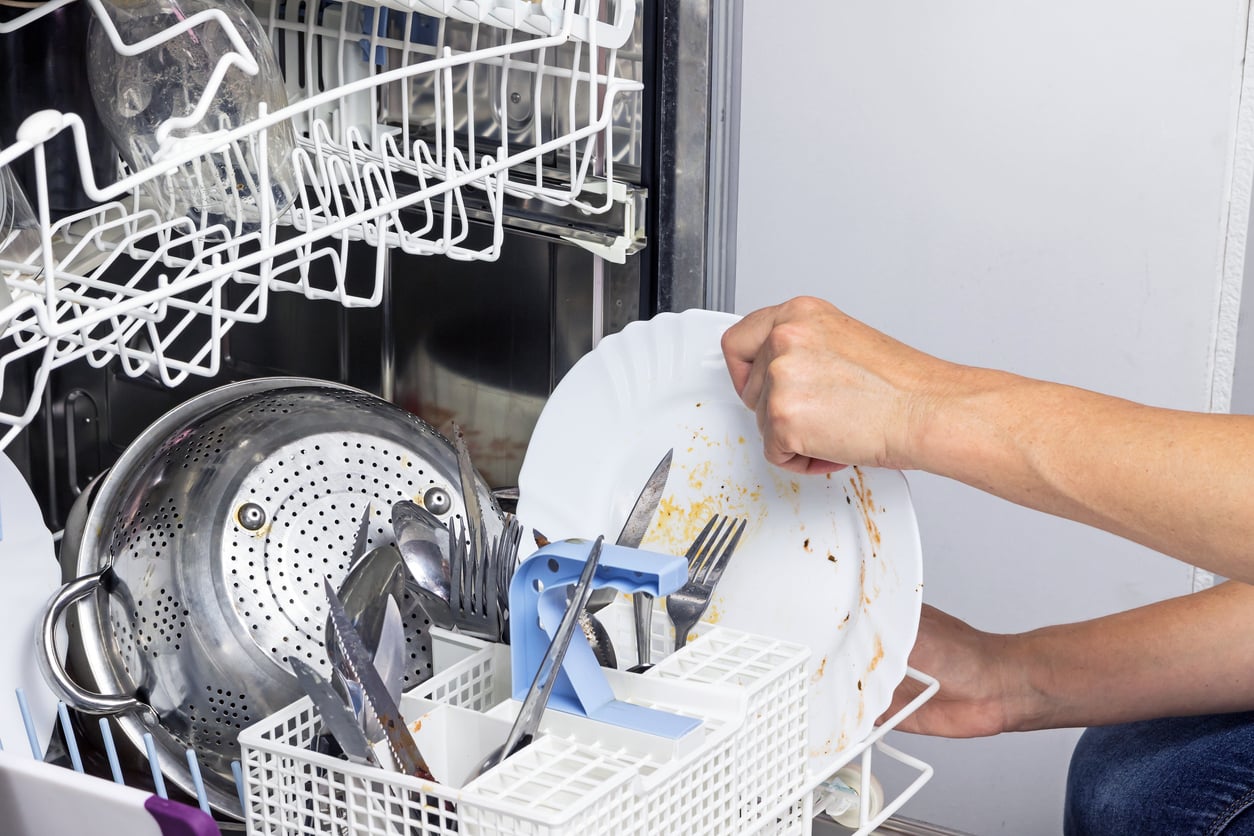
One of the issues is that dishwashers use heated drying, even though the dishes could easily dry without that process. The dishwasher’s heating element increases electricity consumption. One of the most effective energy-saving tips is to choose an air-dry or no-heat drying option where available, along with an appropriate wash cycle for the load, according to ENERGY STAR.
Sign up for our newsletter
Dehumidifiers with the Humidity Setting Too Low
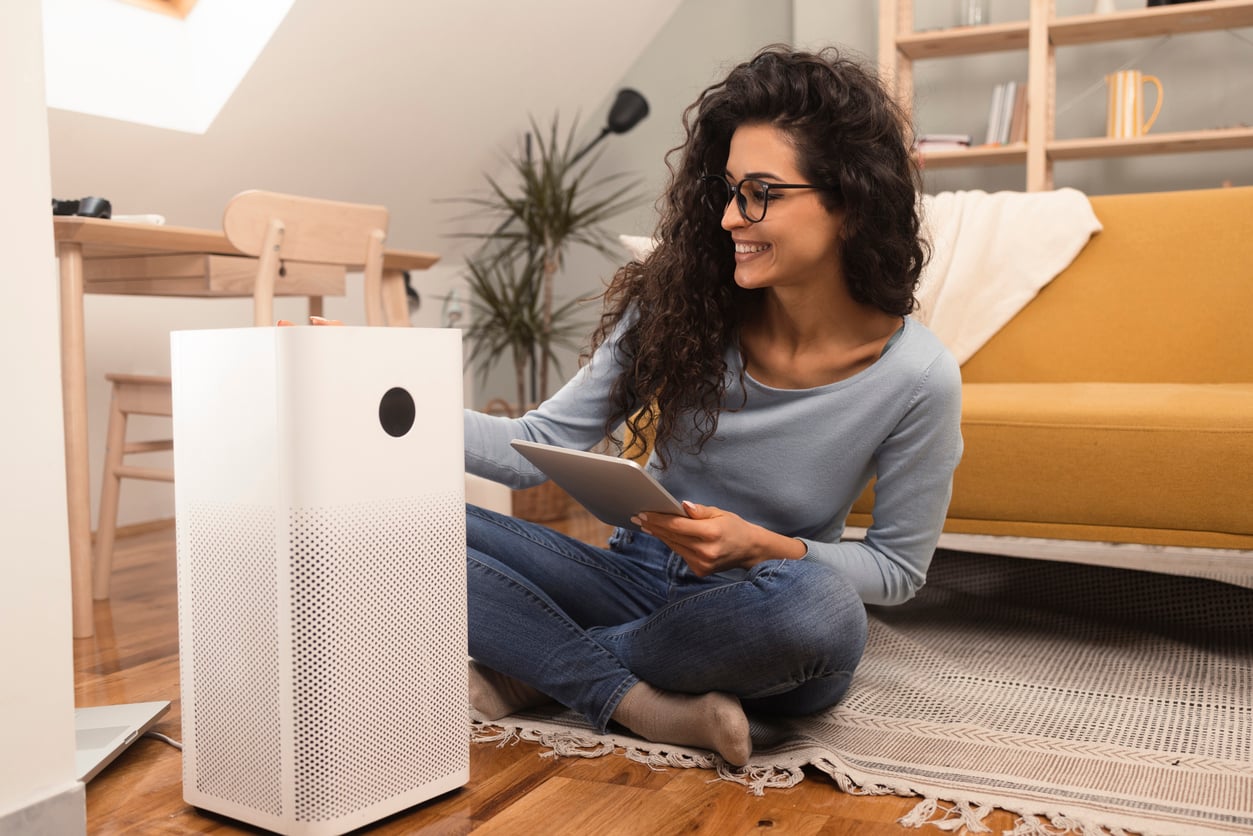
Some people set their dehumidifiers to a humidity level that is too low, which causes the unit to run longer than necessary and consume more energy. A relatively humidity level of around 30% to 50% is generally recommended indoors, although the ideal range depends on conditions, according to ENERGY STAR. These energy-saving tips include a dehumidifier with a built-in humidistat to maintain the selected level automatically.
Air Purifiers Placed Behind Furniture or Curtains
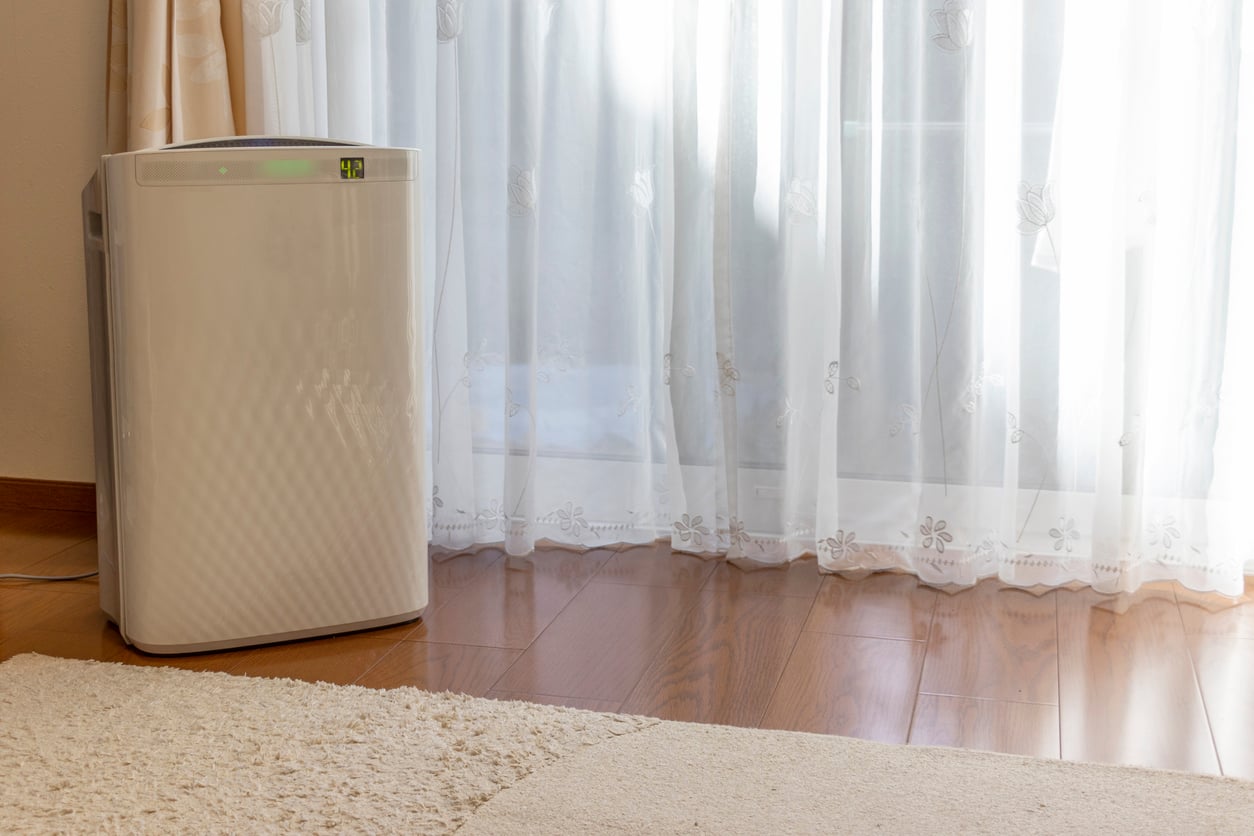
Air purifiers require airflow to function effectively, so placing one behind furniture or curtains is not the best choice. ENERGY STAR recommends positioning air purifiers according to the manufacturer’s instructions, while ensuring that the air intake and exhaust areas remain unobstructed. These energy-saving tips can help prevent airflow restrictions that may reduce an appliance’s effectiveness.
Ceiling Fans Left Running in Empty Rooms
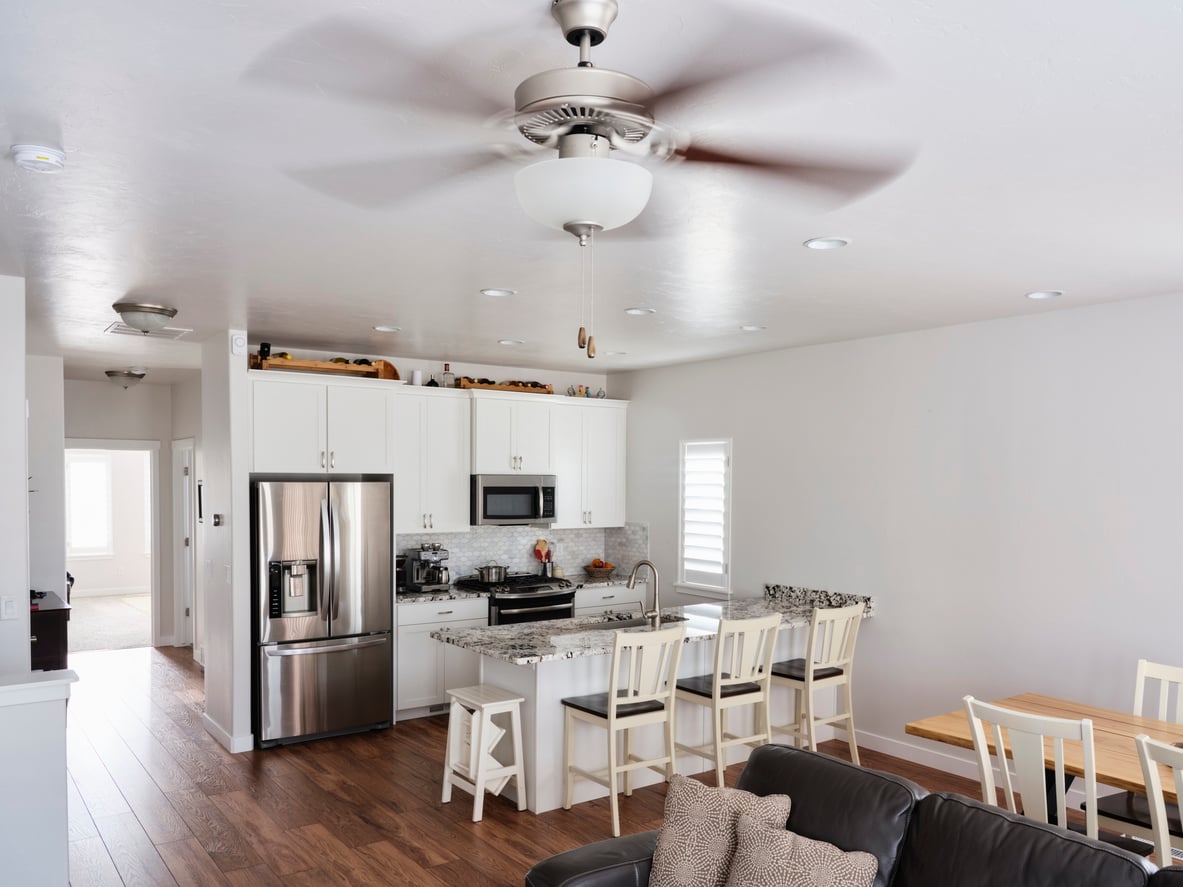
Some people hold the mistaken belief that a ceiling fan will cool a room even when no one is inside. That is not how fans work. Rather, they cool people through air movement; they do not actually lower the room’s temperature. One of the easiest energy-saving tips is to turn fans off when rooms are unoccupied. In winter, compatible ceiling fans can be reversed to circulate warm air trapped near the ceiling, potentially improving comfort.
Hot-Water Recirculation Pumps Running Around the Clock
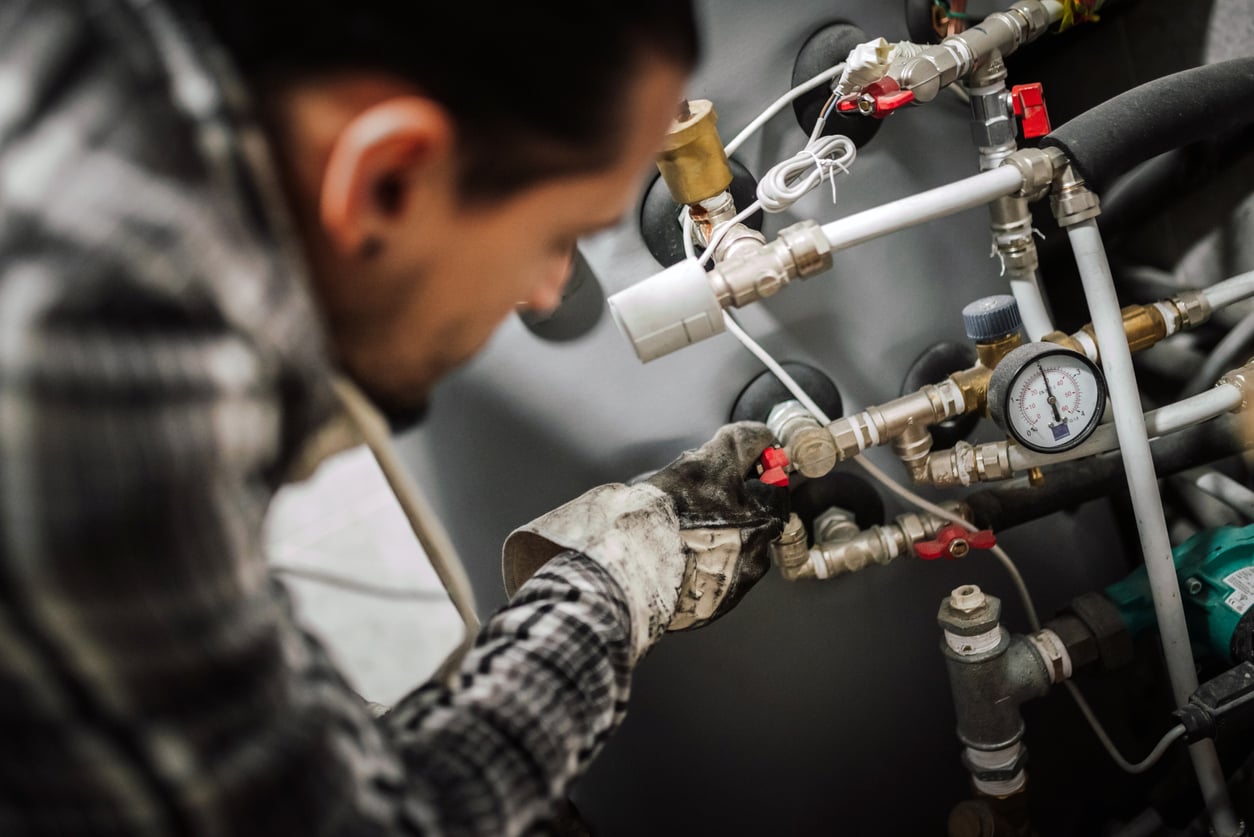
Some homes have recirculation pumps that keep hot water moving through the plumbing, ensuring that when faucets are turned on, hot water comes out quickly. Depending on the system and its controls, continuous operation can increase energy use and heat loss from pipes. ENERGY STAR explains that demand-controlled systems activate when hot water is needed rather than running continuously, potentially reducing wasted energy and water.
Conclusion

Even appliances labeled as efficient can end up being unnecessarily expensive due to incorrect settings, improper installation, or being placed in an unsuitable location. From cooling rooms and managing laundry to heating water, you can save a significant amount of money by controlling these appliances more effectively.