Some of the products people use at home run out too quickly because they pour, squeeze, or spray more than is actually needed. By gathering information from the American Cleaning Institute, Tide, and other sources, we’ve identified household products that end up costing you more money because people tend to use too much of them. Understanding how using too much product affects everyday expenses can help you save money on everything from dish soap to shampoo!
Laundry Detergent
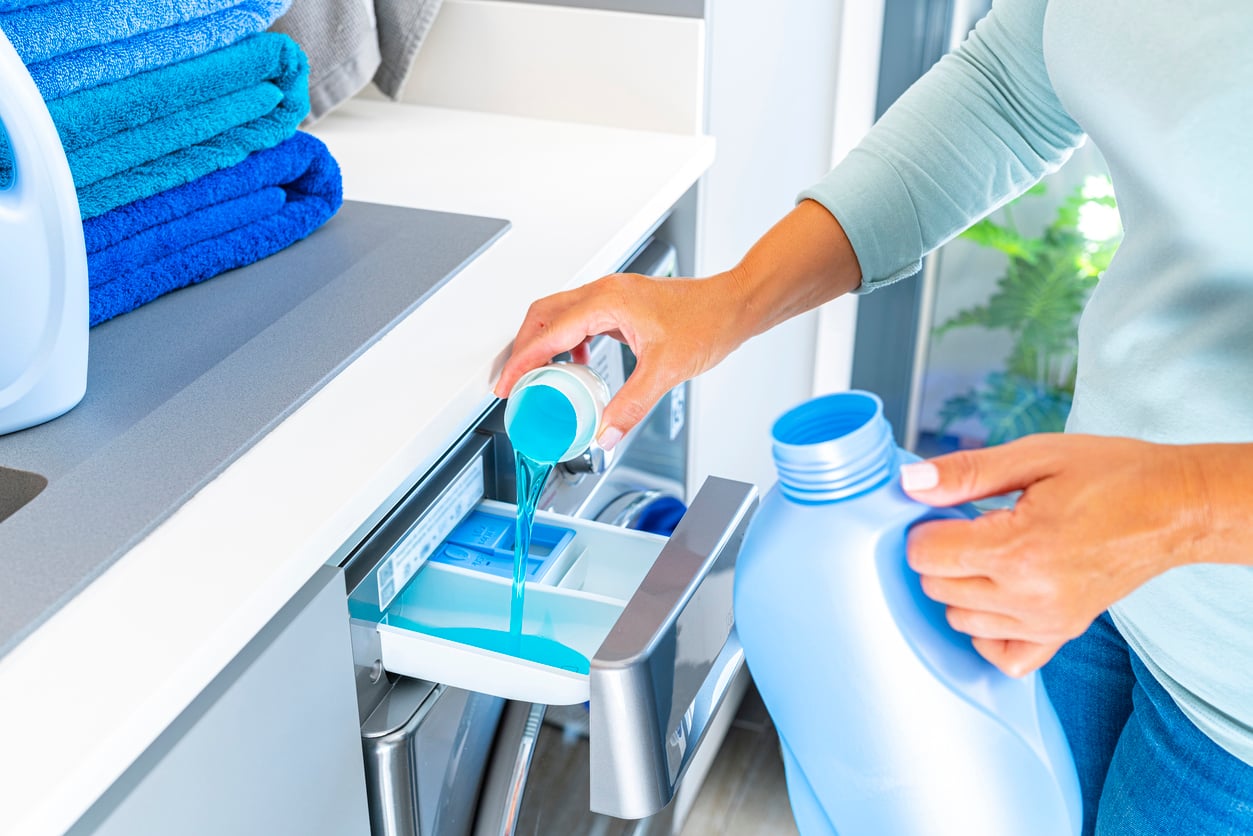
Many people might think that adding more detergent to a washing machine will ensure their clothes come out cleaner, but that is not the case. Excess detergent can lead to too many suds, poor rinsing, and unnecessary product consumption. According to Tide, the correct dosage depends on the load size, soil level, and water hardness. Using too much product can waste detergent without improving cleaning results, so follow the measurement lines on the container, and check if it’s a concentrated formula, instead of simply filling up the cap.
Liquid Dish Soap

Applying dish soap directly to your dishes, a sponge, or a cloth does not actually work better. Concentrated formulas are designed to clean most effectively when diluted in a sink or dishpan. The American Cleaning Institute notes that approximately one teaspoon of liquid dish soap per sinkful of water is often sufficient although it can vary with the product, water volume, and washing method. Avoid using too much product by following the recommended dilution instructions.
Shampoo
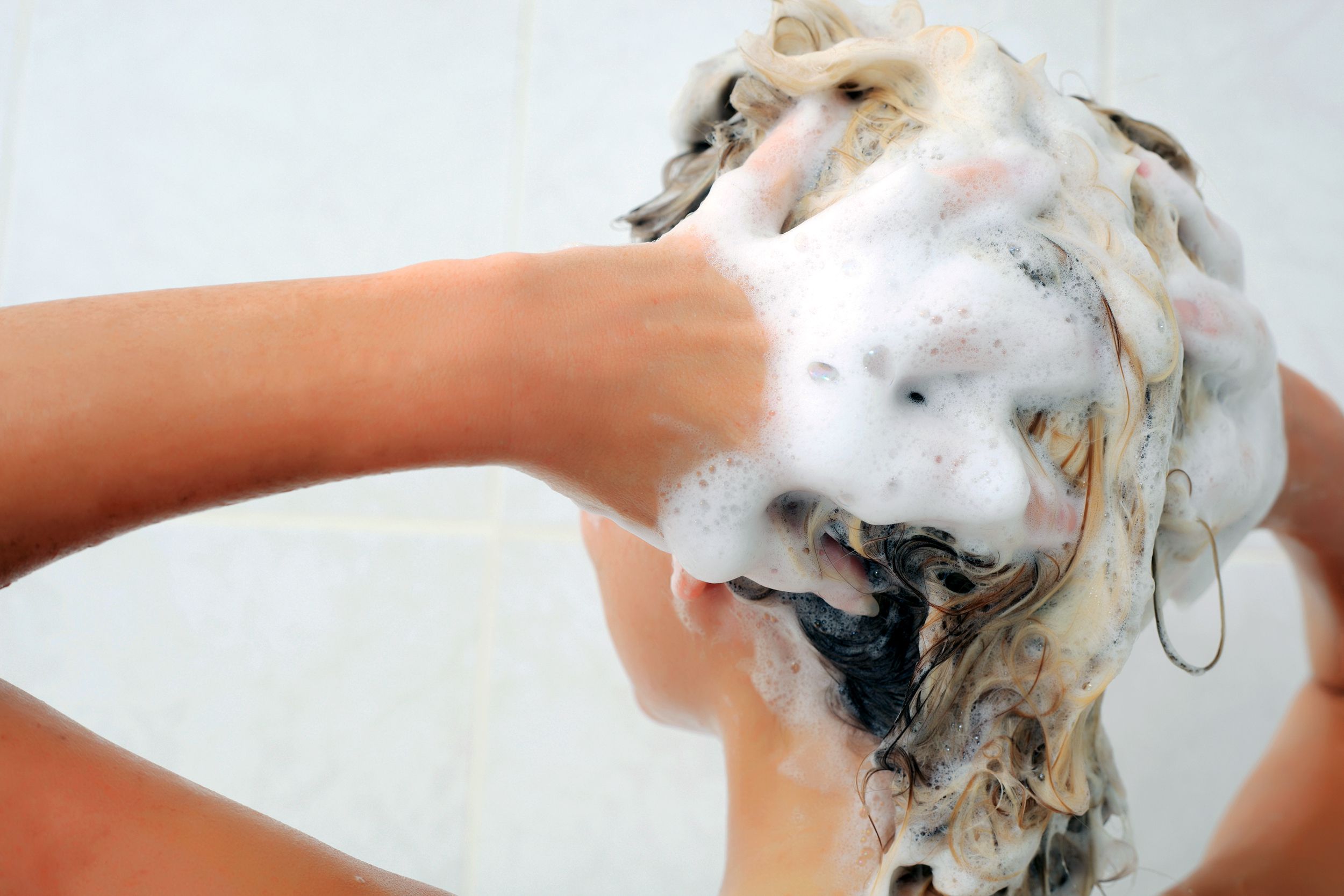
Applying a large amount of shampoo to your head won’t improve how well your hair gets cleaned. Instead, you’ll just be wasting product. The amount of shampoo you need depends on your hair’s length, thickness, and texture, as well as how dirty it is. Head & Shoulders suggests that about two teaspoons should be enough for many users, though individual needs may vary. Using too much product can empty your shampoo bottle faster without providing additional benefits.
Fabric Softener
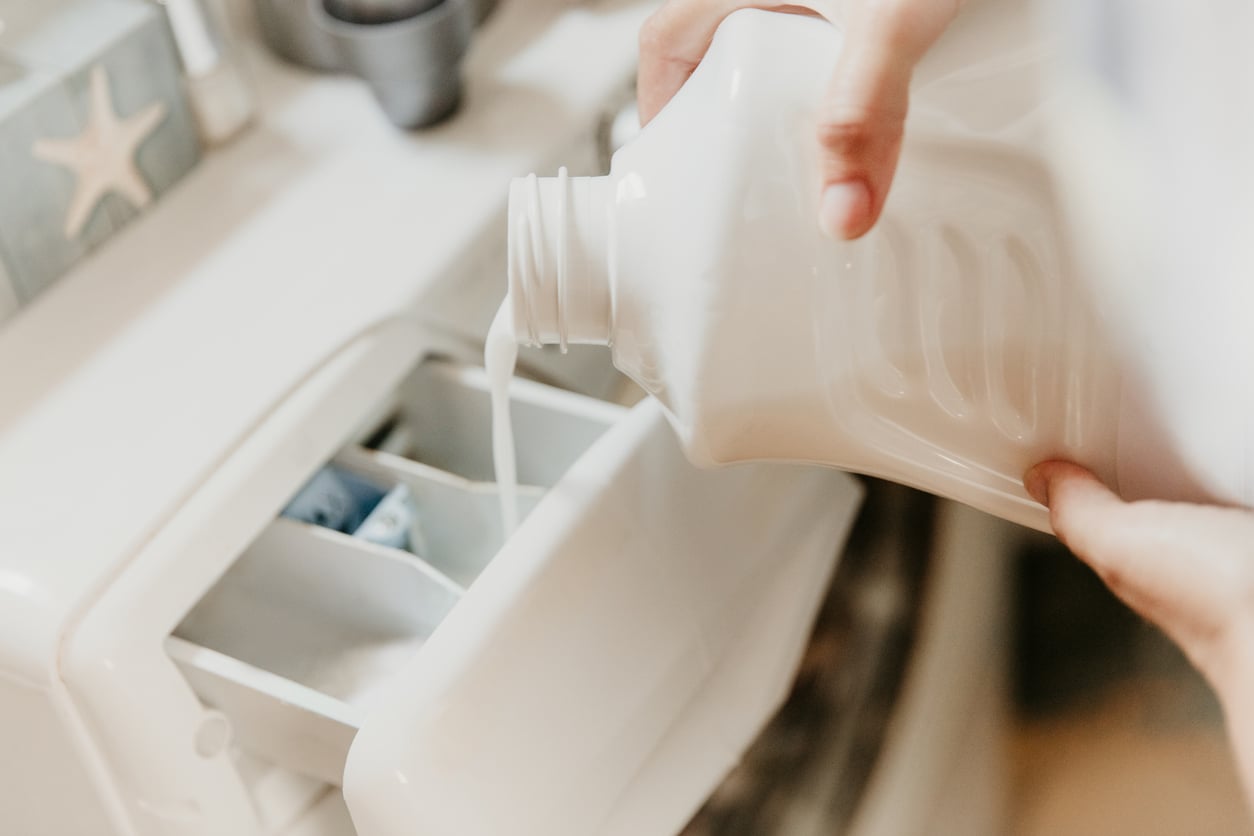
Filling the fabric softener dispenser beyond the recommended amount will not make your laundry any softer. Using too much product can leave residue on fabrics and in the washing machine. The American Cleaning Institute explains that fabric softeners work by conditioning clothing fibers, and therefore advises consumers to follow the dosage instructions.
Toothpaste
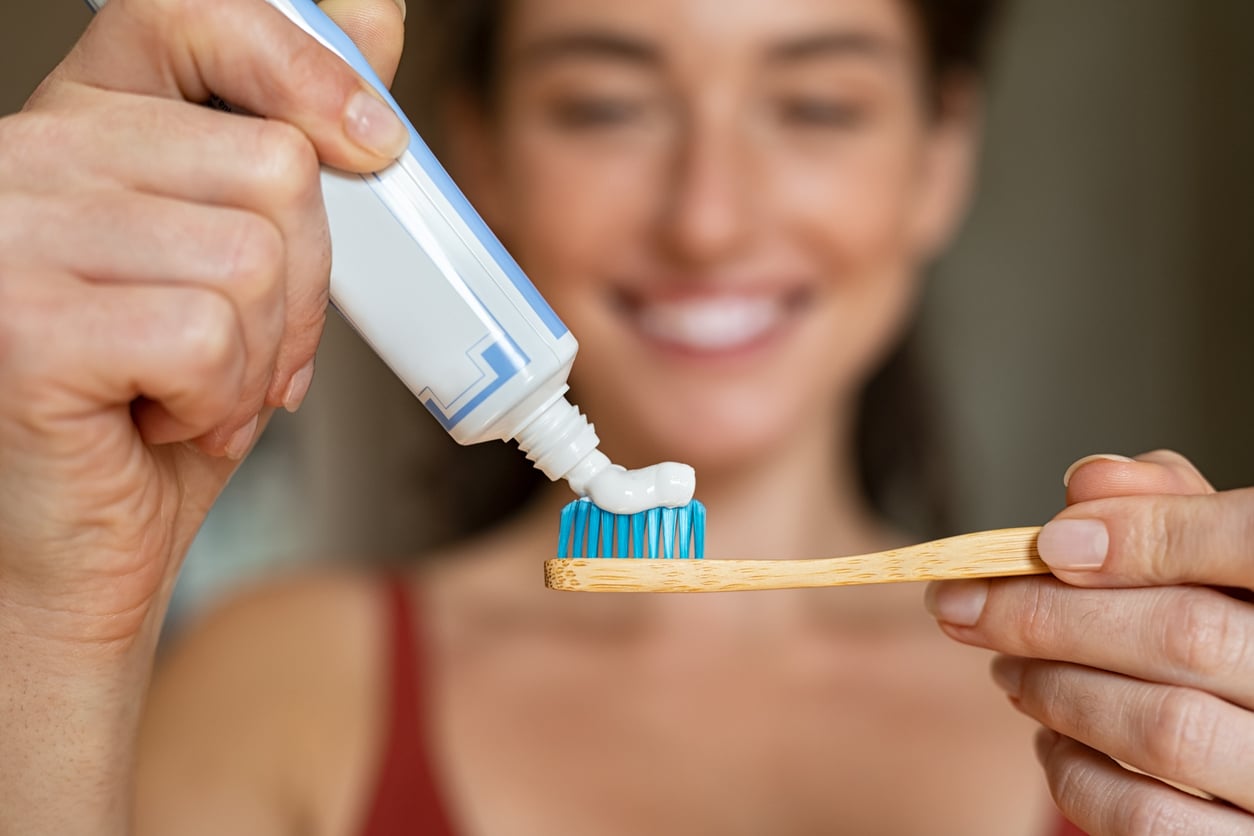
People are influenced by toothpaste commercials that show the product covering the entire toothbrush. However, that amount is not what is actually needed to brush your teeth effectively. Using too much product will only cause it to run out faster. The American Dental Association recommends using fluoride toothpaste and brushing for two minutes daily, and specifies that adults should use a pea-sized amount.
Trending on Cheapism


Dishwasher Detergent

The American Cleaning Institute recommends following the dishwasher manufacturer’s manual when adding detergent to the appliance, as the instructions take factors like water hardness into account. You do not need to fill the dispenser for every wash. Using too much product, whether gel, liquid, or powder detergent will not make dishes cleaner; it will simply waste money.
Facial Moisturizer

Some facial moisturizers are particularly expensive, and seeing them run out quickly because people apply unnecessarily thick layers is a problem. The amount of facial moisturizer you need depends on the product, your skin type, and your skin’s needs, not just on how much you happen to scoop out of the bottle. CeraVe suggests using a dime-sized amount of cream for the face. Avoid using too much product when a thinner layer is sufficient for your skin.
Mouthwash

When you pour mouthwash into an oversized bathroom cup, you might be using substantially more liquid than recommended. For the original Listerine antiseptic mouthwash, adults are advised to use 20 millimeters per rinse for 30 seconds. Any amount beyond those 20 milliliters is simply using too much product. To avoid this, use a measuring cup or a container with designated measurement markings.
Sign up for our newsletter
Leave-In Hair Conditioner
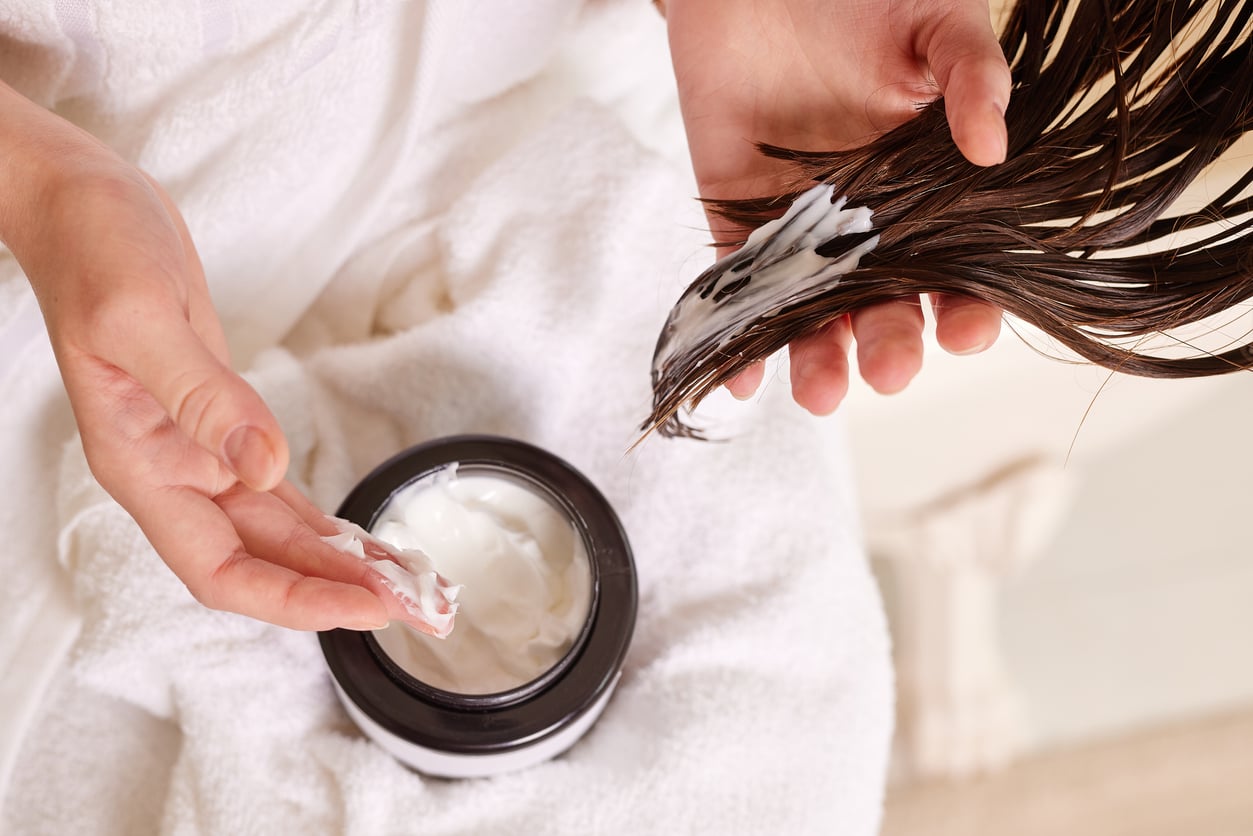
Many people use hair conditioner to improve their hair care, but they should be aware that applying large amounts of leave-in conditioner can make hair greasy or weigh it down, especially if they have fine or straight hair. The American Academy of Dermatology recommends applying a small amount only where the hair needs it, which is typically from the mid-lengths down to the ends. Using too much product can leave hair feeling heavy.
Baking Flour
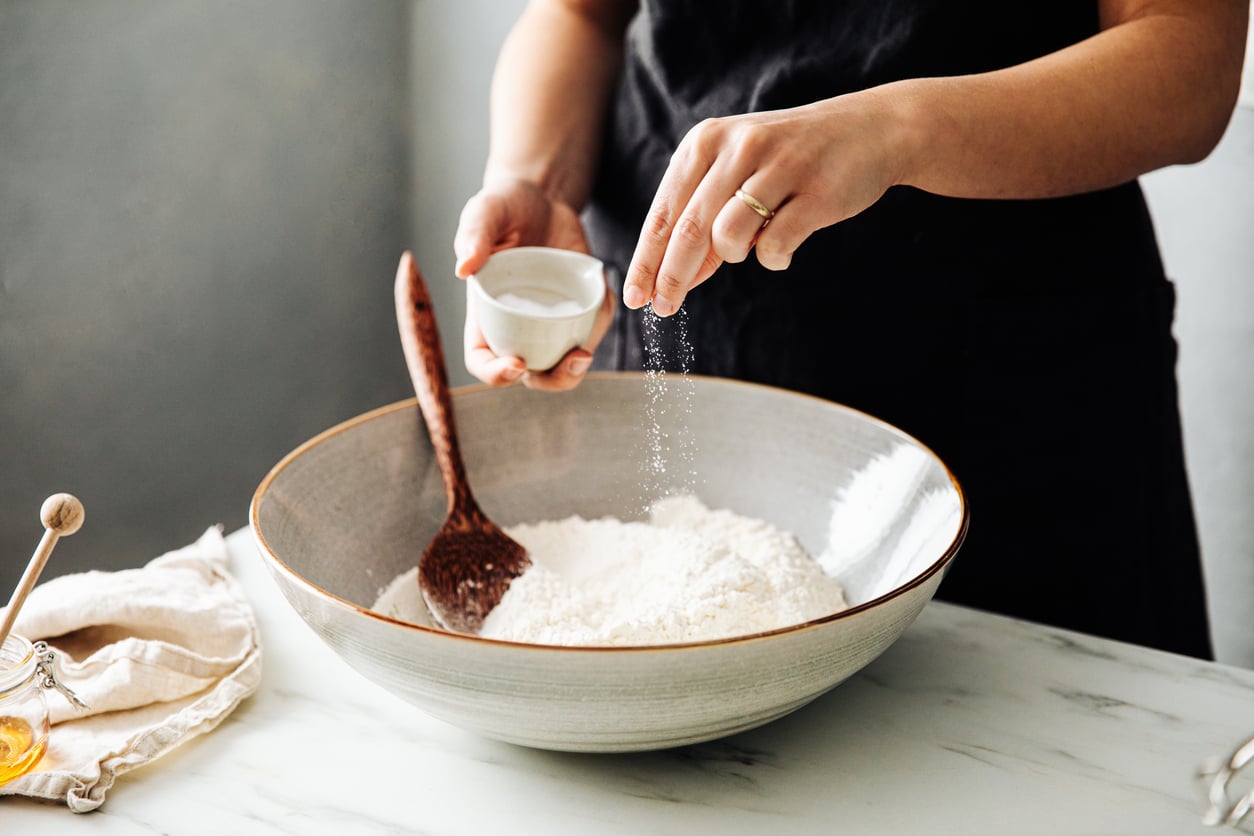
If you scoop baking flour directly from the bag using a measuring cup, you might end up with more flour than the recipe calls for. Focus on the exact amount required and use a proper measuring tool. King Arthur Baking explains that a cup of flour can weigh up to 160 grams when densely packed, compared to the standard weight of approximately 120 grams. Using the wrong amount can result in dry cookies and dense cakes, not to mention a waste of ingredients and money.
Concentrated Household Cleaners

Products labeled “concentrated”, such as household cleaners, are designed to be diluted with water according to the specified instructions. Therefore, adding an extra amount to the bucket will not improve cleaning performance. The EPA emphasizes the importance of following product-specific dilution and application directions for registered disinfectants.
Disinfecting Wipes
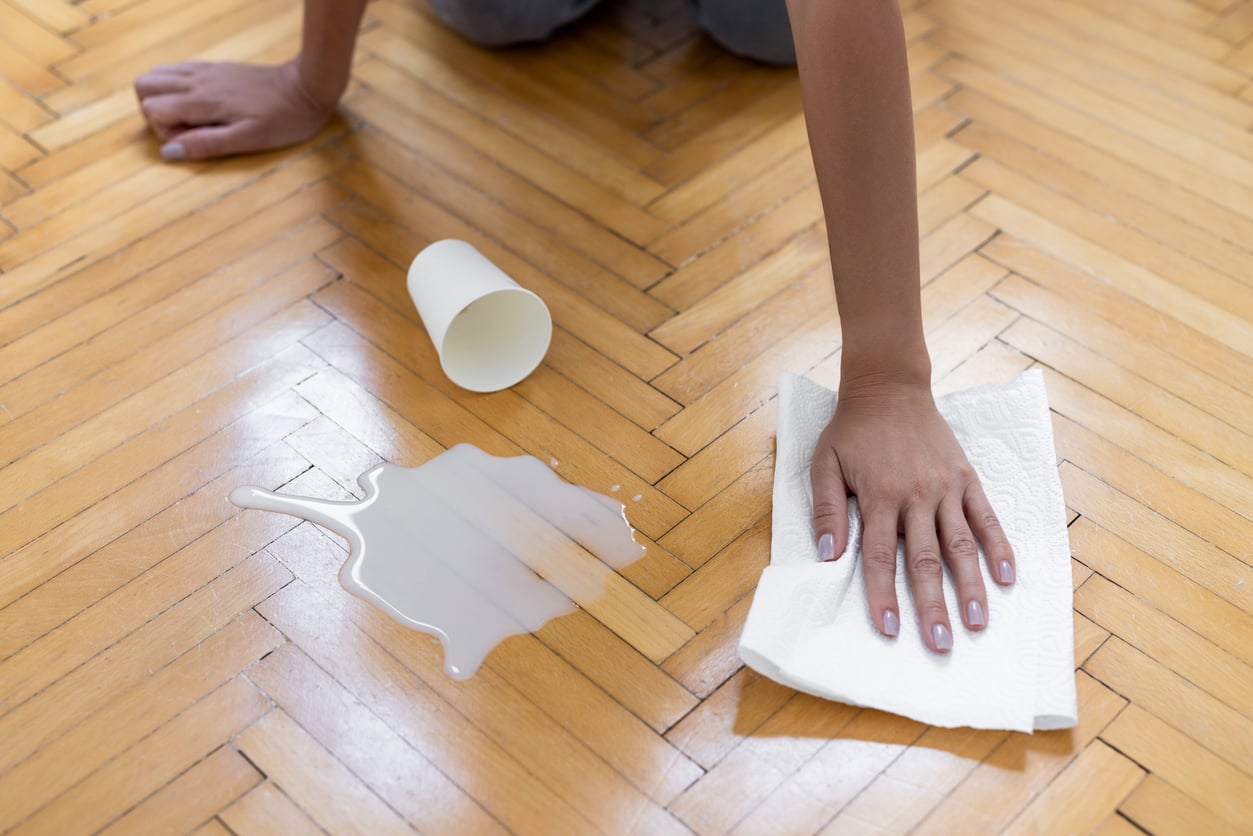
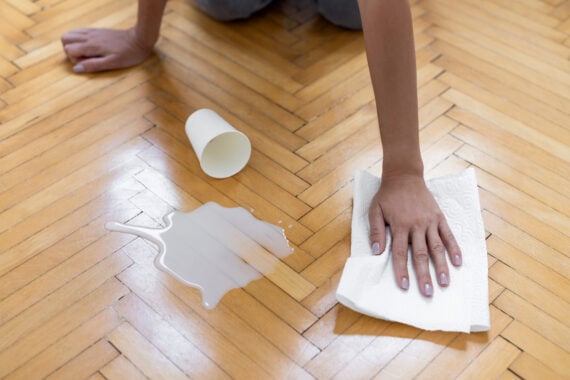
Some people use disinfecting wipes for every spill that occurs in their home, even though ordinary soap and water could easily clean it up. Clorox points out that it is important to distinguish between cleaning and disinfecting. Using too much product by reaching for disinfecting wipes unnecessarily can quickly deplete an expensive container.
Conclusion

In many cases, using more of a product than the amount indicated will not improve its cleaning, disinfecting, or cooking performance. Instead, you will simply be wasting your money. People should follow the measurements specified by the product itself, and a smart approach isn’t always about using less, but rather about using the correct amount.