
Rising housing costs, expensive groceries, childcare bills, and student debt are some of the issues that have made achieving financial independence difficult for many young Americans. By gathering information from sources such as Pew Research and AARP, we have identified several ways in which Baby Boomers are providing financial help to younger generations while navigating tough economic times!
Letting Adult Children Move Back Home to Save Money

One way Baby Boomers provide financial help to younger generations is by allowing them to move back into the family home. This way, they avoid paying rent and can use that money to pay off student debt or save up for a place of their own. Pew Research found that 64% of young adults living with a parent said the arrangement positively affected their finances.
Providing Free Childcare So Their Kids Can Keep Working

Many Baby Boomers provide financial help by serving as childcare providers for their grandchildren, especially when their own children have unpredictable work schedules and are also strapped for cash. A June 2026 AARP study found that grandparents who provide care contribute an average of approximately 511 hours annually. Besides, about 15% of grandparents provide care daily or nearly every day.
Helping With Down Payments on First Homes

Owning a home is becoming a goal that many young Americans are postponing due to their economic difficulties. This is where parents often step in with financial help, contributing toward down payments or other major home-buying expenses. The National Association of Realtors cited research finding that 74% of parents with children at home would consider or had already begun planning financial help for a future home purchase.
Paying for Groceries When Younger Families Are Stretched Thin

Another way Baby Boomers provide financial help to their children is by opting, instead of giving cash gifts, to buy groceries for them, prepare meals, or cover their entire weekly grocery bill. A survey conducted by Savings.com found that 83% out of parents who financially supported adult children in 2025 helped with food or grocery expenses, contributing an average of $220 monthly.
Keeping Grown Children on Family Phone Plans

Some Baby Boomers continue to provide financial help by paying for their children’s monthly cellphone plans. This way, their children don’t have to pay for an individual plan and can remain on the family plan. A survey from Savings.com found that 65% of parents financially supporting their adult children contributed to their phone bills, with average assistance of $63 monthly.
Trending on Cheapism


Contributing to Their Grandchildren’s Education Savings

Another way Baby Boomers find to help their children is by assisting their grandchildren. Some grandparents contribute money to 529 education savings plans, allowing funds to accumulate to help cover future tuition costs. This means that even relatively modest contributions made over several years can help younger families prepare for education expenses without having to rely entirely on student loans.
Helping Cover Car Payments and Transportation Expenses

Some Baby Boomer parents provide financial help by assisting their children pay for a car, insurance, and other transportation costs so that they can get to school or work. According to a survey featured on Savings.com, 44% of parents assist their adult children with car-related expenses, with an average expenditure of $218 per month.
Helping Pay Down Debt Instead of Giving Expensive Gifts

To provide financial help with debts such as student loans and credit cards, Baby Boomers are sending them money directly instead of buying them expensive gifts. A Bankrate survey found that 21% of adults who had received ongoing parental financial assistance reported help paying down or eliminating debt in 2024.
Sign up for our newsletter
Helping with Medical Bills and Health Insurance Costs

Much like with mobile phone plans, some Baby Boomers continue to cover their adult children’s medical expenses, such as insurance premiums, prescription costs, dental bills, or other healthcare-related outlays. According to a survey by Savings.com, 54% of parents providing financial support to adult children helped with healthcare or insurance expenses in 2025. While an AARP research found that 8% of grandparents helped pay medical, dental, or mental healthcare expenses for grandchildren.
Combining Households to Share Everyday Costs

Some families are adopting multi-generational living arrangements, where grandparents, parents, and younger adults share a single household instead of maintaining separate homes. Pew Research found that financial considerations are a major reason for multigenerational living. Among adults ages 25-39 living with a parent, 57% cited financial considerations as a major reason for living with a parent.
Giving Financial Help While They’re Still Alive

The financial help that some Baby Boomers provide to their children is given consciously, as a deliberate choice, rather than simply leaving them their assets as an inheritance in the future. According to a 2026 AARP study, passing down wealth remains an important goal for many Americans over 50. For some families, helping with housing and education today may be more immediately useful than a future inheritance.
Changing Their Own Living Arrangements to Stay Close to Family
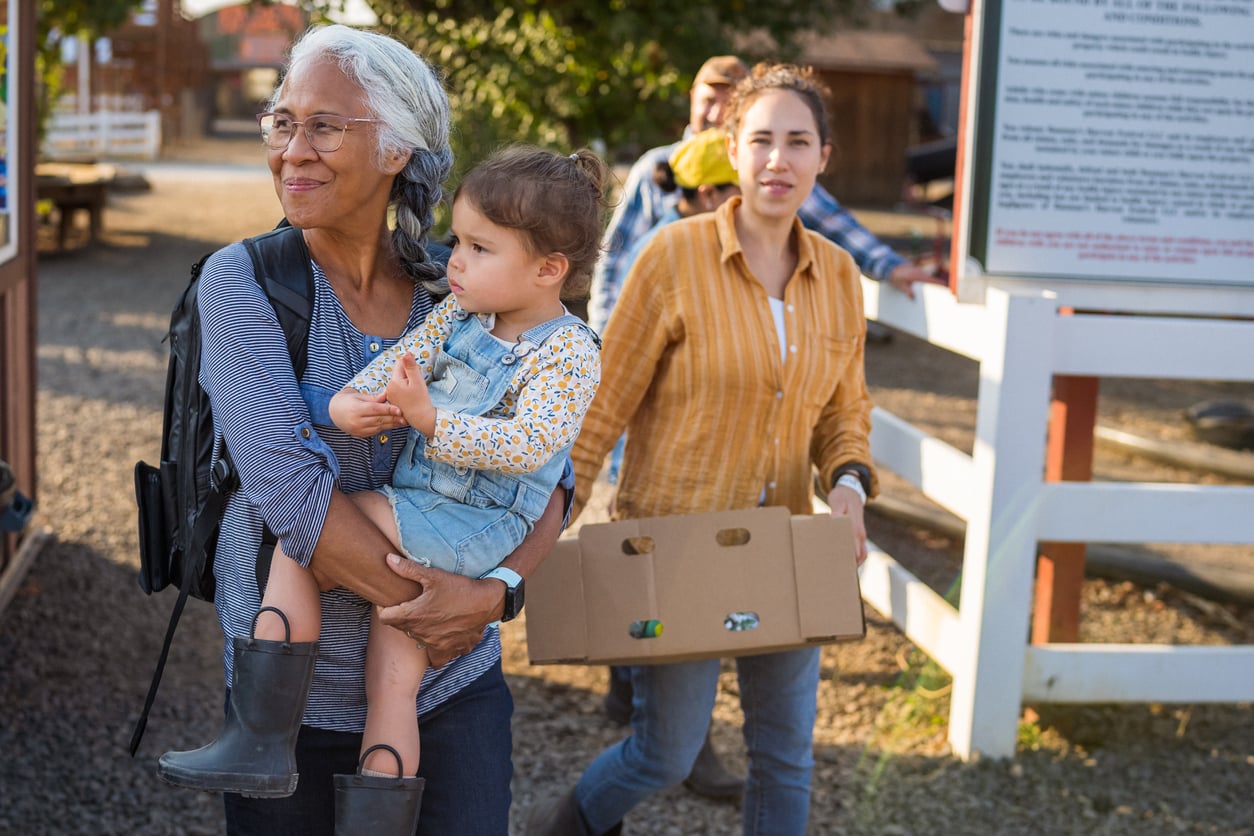
Another effort that Baby Boomers make is moving close to their adult children and adjusting their lifestyle to help them with their day-to-day lives. An AARP study found that found 28% of grandparents had made a major life change to live closer to family or to have family members live closer to them in 2026.
Conclusion

Baby Boomers are helping younger generations in any way they can, from financial gifts to helping with their grandchildren’s childcare, and even paying for their groceries once a month. AARP estimated that grandparents contribute more than $900 billion annually through unpaid caregiving and direct financial support combined.