If you grew up in a baby boomer household, chances are you remember at least a few things that seemed practically indestructible. Maybe it was your mother’s sewing machine, which had been making clothes and fixing hems for decades, or your father’s toolbox, filled with wrenches that looked almost as old as he was. Back then, buying something new often meant expecting it to last for years, if not a lifetime.
Of course, not everything made in the past was necessarily better. But plenty of older household products were built with sturdy materials, straightforward mechanical designs, and parts that could actually be repaired or replaced. Instead of throwing something away the moment it stopped working, families often tried to fix it first. And some of those purchases are still being used today.
From cast-iron skillets passed down through generations to heavy-duty thermoses that survived countless workdays, here are 12 products built to last that boomers still remember using for decades.
Singer Sewing Machines With Metal Components
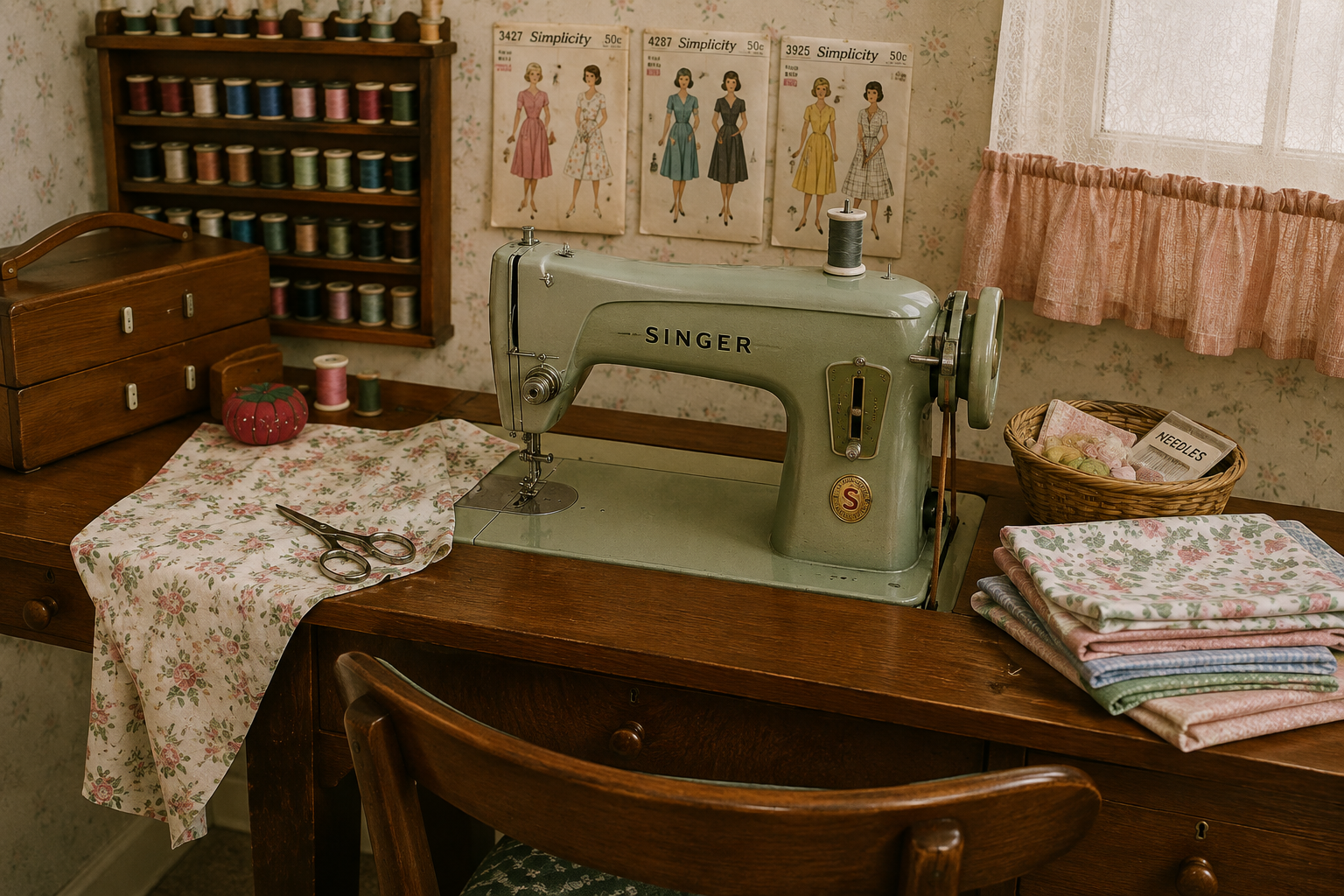
For many families, a Singer sewing machine was practically another member of the household. These machines handled everything from hemming school pants and making Halloween costumes to sewing curtains and repairing torn clothes. Models like the Featherweight 221, introduced in 1933, and the midcentury Slant-O-Matic were built around mechanical components that owners could clean, oil, and maintain themselves. Unlike many modern appliances that are difficult to repair at home, these machines came with detailed maintenance instructions and could often be serviced when something went wrong. It’s no wonder some vintage Singers are still stitching away decades after they were manufactured.
Pyrex Glass Baking Dishes
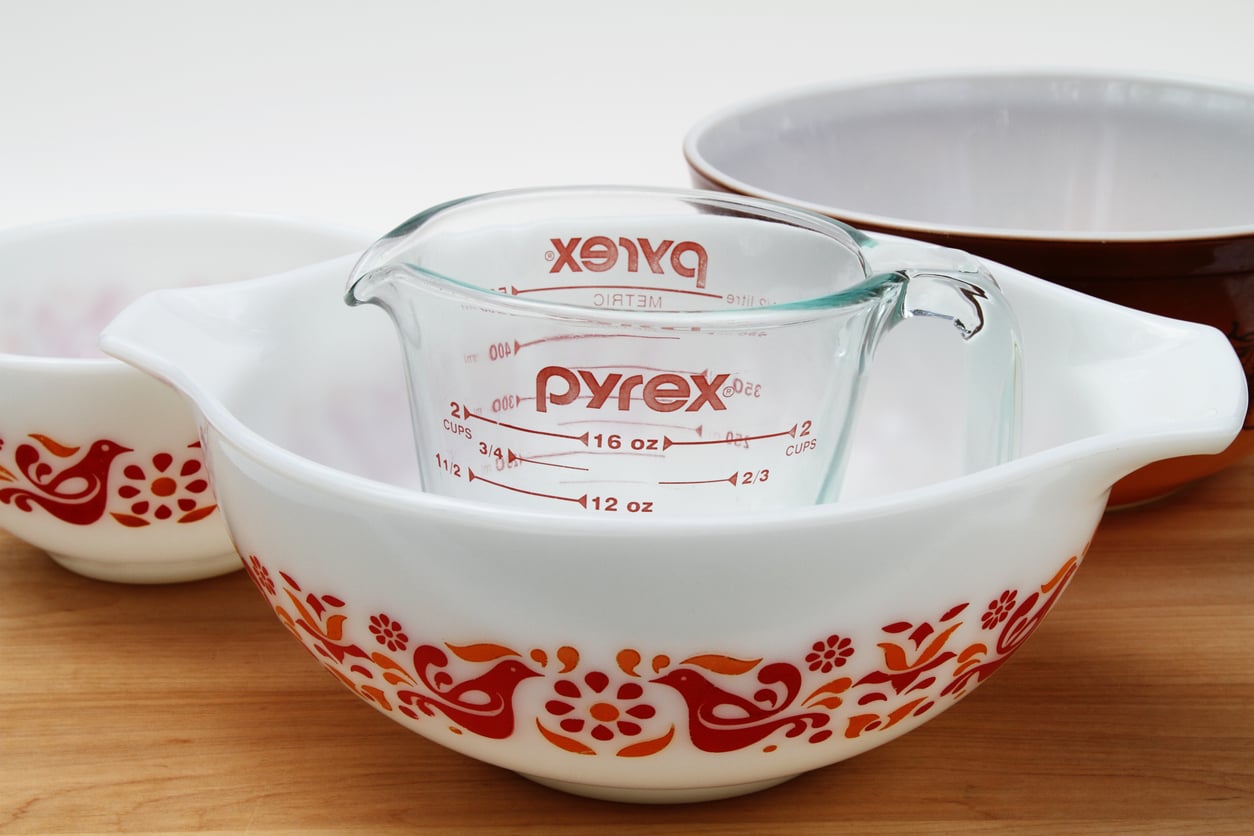
If your mother or grandmother had a collection of colorful Pyrex bowls and casserole dishes, there’s a good chance at least one of them is still sitting in someone’s kitchen cabinet. First introduced in 1915, Pyrex became a staple of American kitchens, especially during the 1950s, ’60s, and ’70s, when its patterned dishes were practically everywhere. These were the bowls used to mix birthday cakes, the casserole dishes brought to every family gathering, and the measuring cups that survived years of everyday cooking. Their durable glass construction and lack of complicated parts helped many pieces last for decades. Of course, even vintage Pyrex can break, particularly when exposed to sudden temperature changes, but plenty of well-cared-for pieces have outlived the kitchens they originally belonged to.
Sears Craftsman Wrenches and Socket Sets
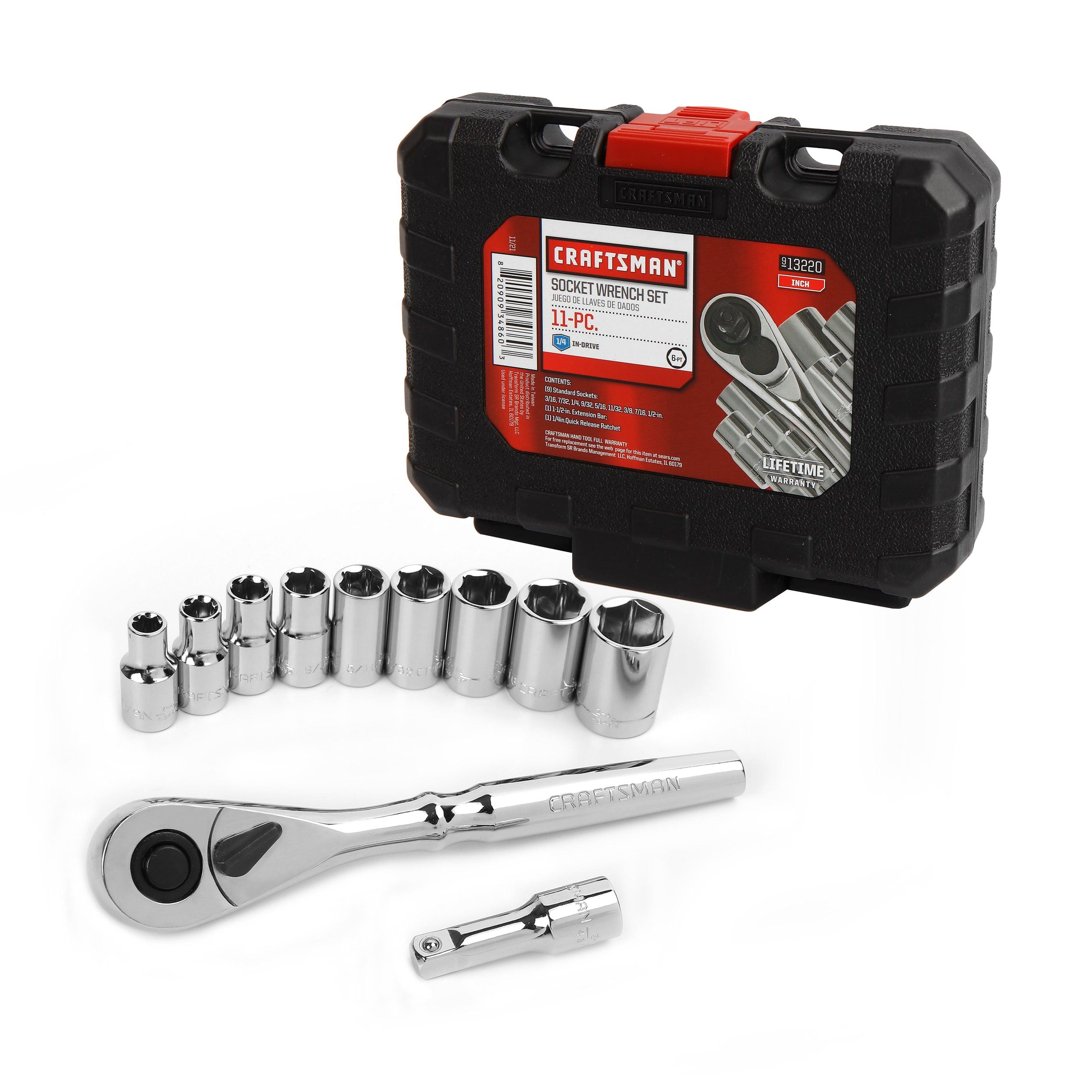
There was something reassuring about opening Dad’s old metal toolbox and finding the same Craftsman wrenches he’d been using since before you were born. Introduced by Sears in 1927, Craftsman tools became a fixture in American garages thanks to their sturdy construction and reputation for reliability. Many of the brand’s hand tools were made from forged steel, designed to withstand years of tightening bolts, fixing cars, and tackling household repairs. Craftsman also became known for its replacement warranties on covered tools, which encouraged owners to keep their equipment rather than replace an entire set. For plenty of boomers, a good socket wrench wasn’t something you bought every few years. It was something you expected to pass down.
KitchenAid and Sunbeam Stand Mixers
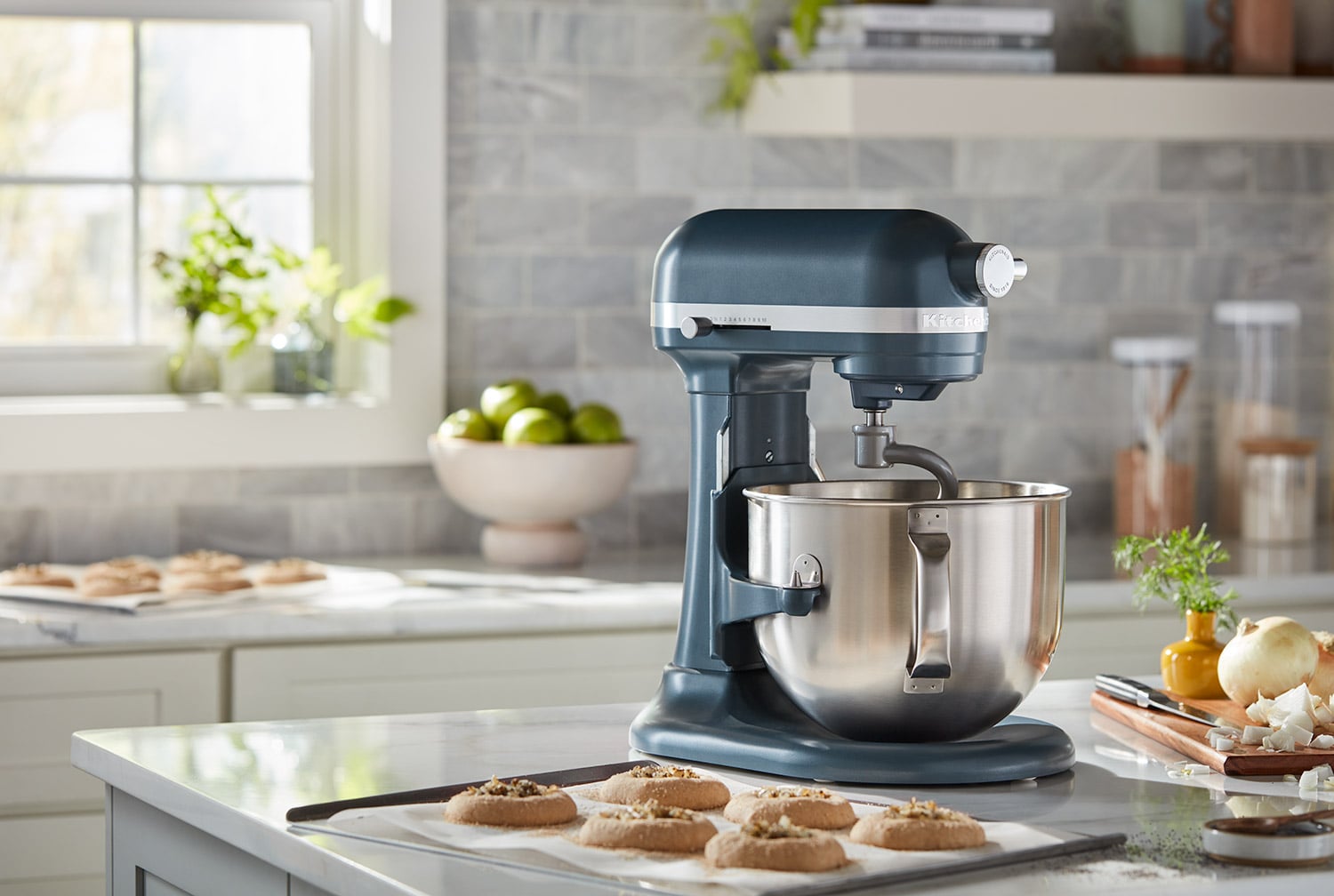
Long before every kitchen appliance came with a touchscreen or a dozen electronic settings, there were heavy stand mixers that did their jobs without much fuss. KitchenAid and Sunbeam Mixmaster models became familiar sights in American kitchens, especially during the 1950s and ’60s. These substantial machines were brought out for Christmas cookies, birthday cakes, homemade bread, and just about every other occasion that required serious mixing. Their weight wasn’t particularly convenient when you had to lift one onto the counter, but their sturdy motor-and-gear assemblies helped many models withstand years of use. And because some mechanical components could be serviced or repaired, a dependable mixer could remain in the family long after its original owner stopped baking.
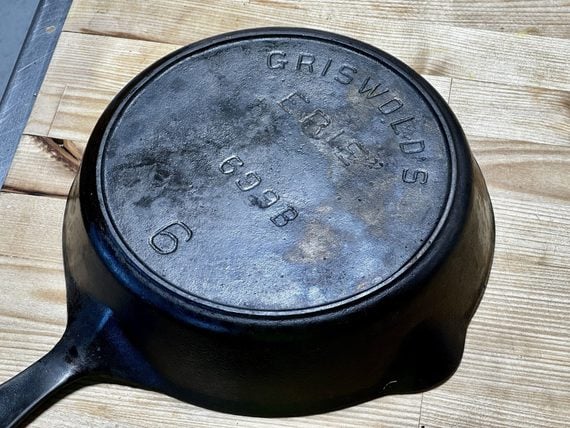
Lodge and Griswold Cast-Iron Skillets
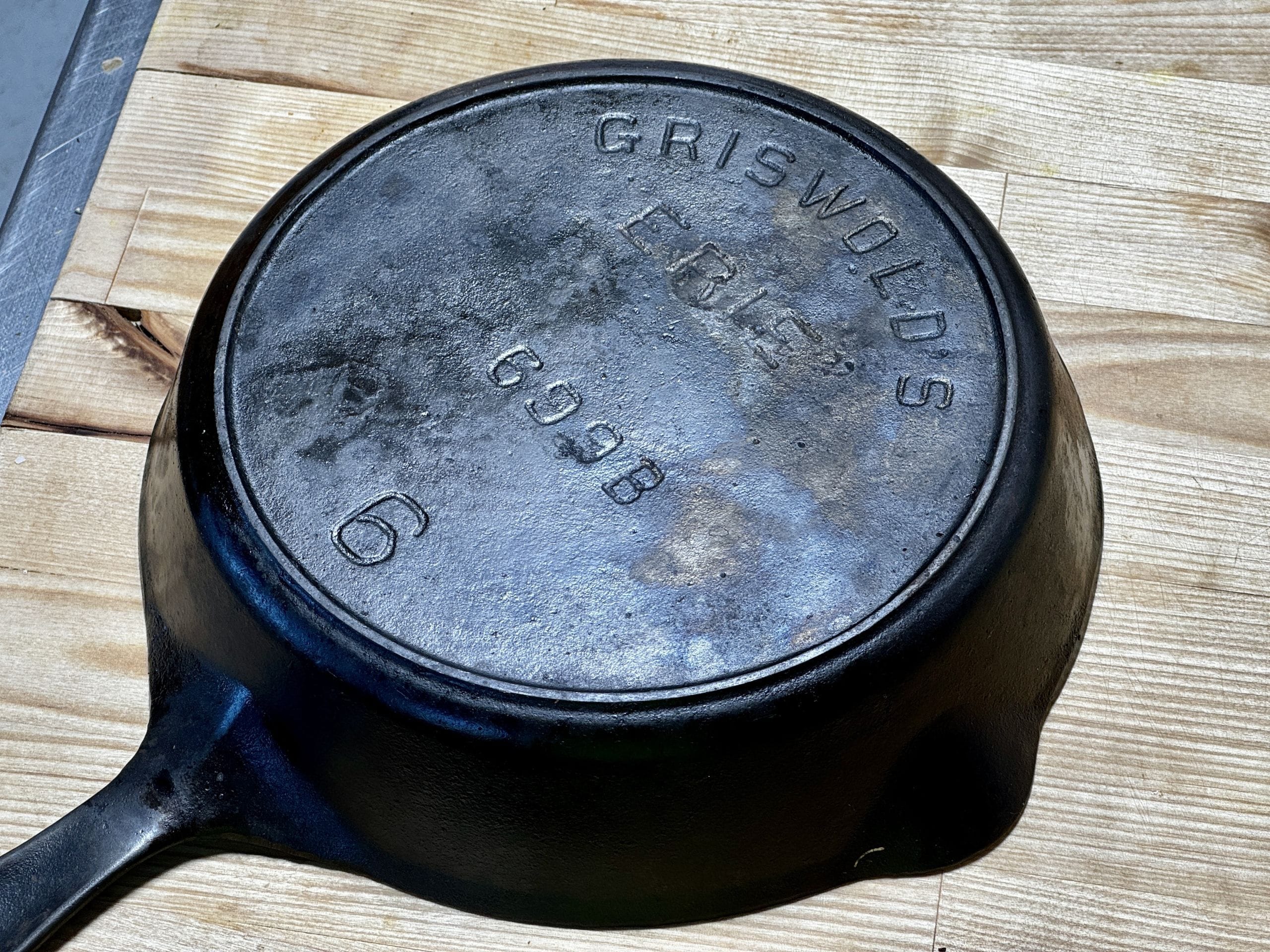
Some of the most durable things in a boomer household weren’t fancy appliances at all. They were the heavy black skillets that seemed to live permanently on the stove. Brands like Lodge, which traces its cast-iron manufacturing history to 1896, and vintage makers such as Griswold and Wagner produced cookware that could survive generations of frying bacon, making cornbread, and cooking family dinners. Unlike pans with delicate nonstick coatings, cast-iron skillets can often be restored even after years of neglect. A little cleaning, proper seasoning, and regular maintenance can bring an old skillet back into service. That’s why finding Grandma’s cast-iron pan in the back of a cabinet can still feel like discovering a family treasure.
Trending on Cheapism

Revere Ware Copper-Bottom Pots and Pans
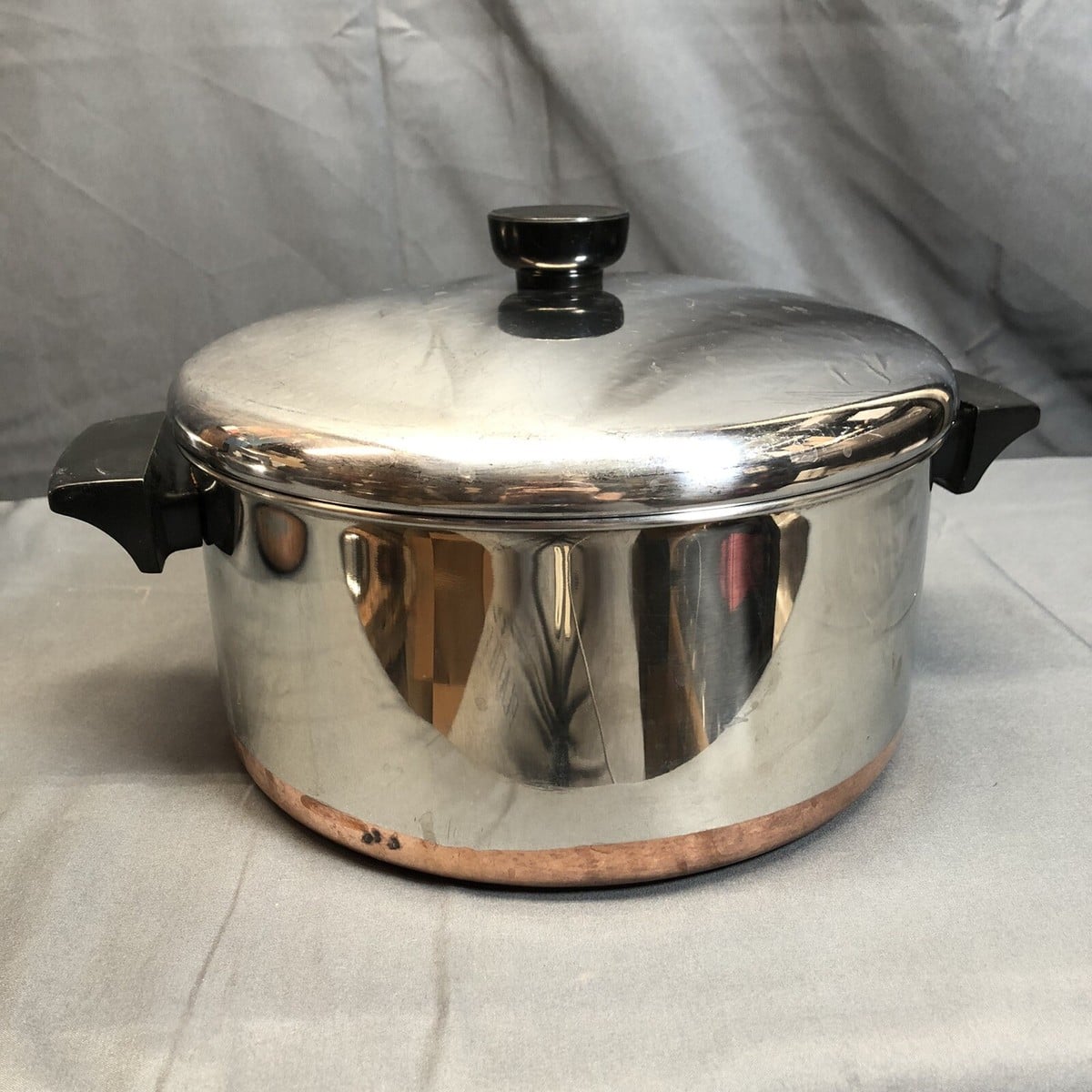
If you remember a set of shiny stainless-steel pots with copper-colored bottoms hanging above the kitchen stove, chances are they were Revere Ware. Introduced in 1939, the brand’s copper-clad cookware became especially popular in American households during the following decades. The pots were recognizable for their polished metal bodies, distinctive black handles, and copper bottoms that required occasional polishing to keep them looking their best. But these weren’t just attractive kitchen accessories. Their stainless-steel construction made them practical for everyday cooking, and the absence of fragile nonstick coatings meant owners didn’t have to worry about replacing them simply because a cooking surface wore out. Many families used the same set for years, and vintage Revere Ware remains familiar to collectors and home cooks today.
Stanley Steel Thermos Bottles
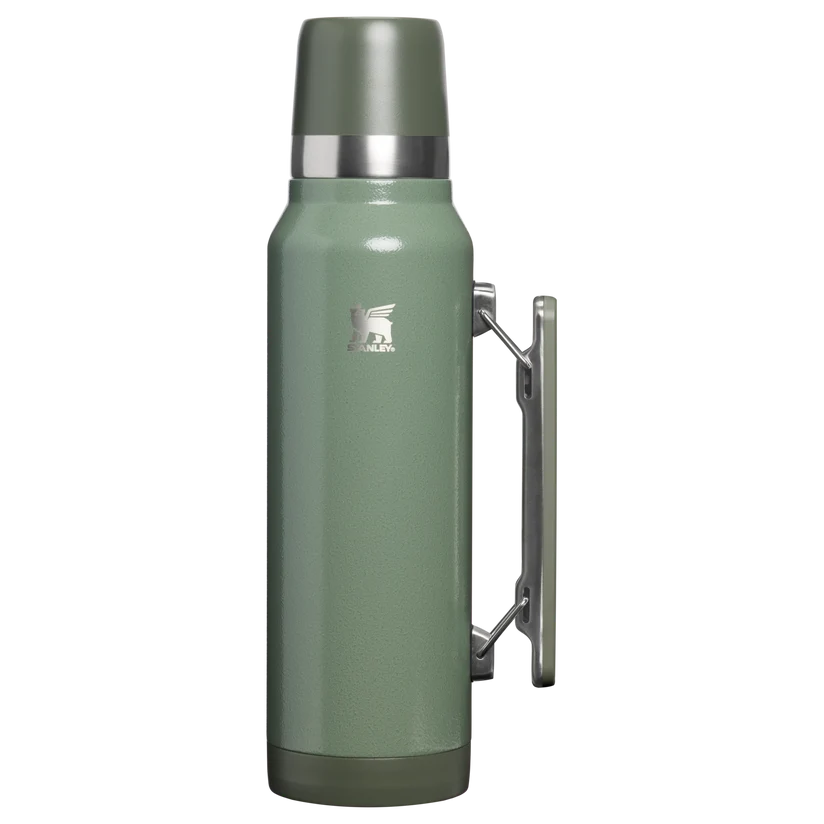
Before everyone carried a trendy insulated tumbler, there was the classic green Stanley thermos. Introduced in 1913, Stanley’s steel vacuum bottles became trusted companions for construction workers, factory employees, campers, and anyone who needed their coffee to stay hot throughout the day. For plenty of boomers, the sight of one tucked beside a metal lunch box meant Dad was heading off to work. These bottles were designed for repeated use, with sturdy steel construction and vacuum insulation that helped maintain the temperature of their contents. They could pick up scratches and dents over the years, but a well-maintained thermos might remain useful long after its original owner retired. Stanley still offers a limited lifetime warranty on covered stainless-steel vacuum products, although certain types of damage are excluded.
Corelle Dinner Plates and Bowls
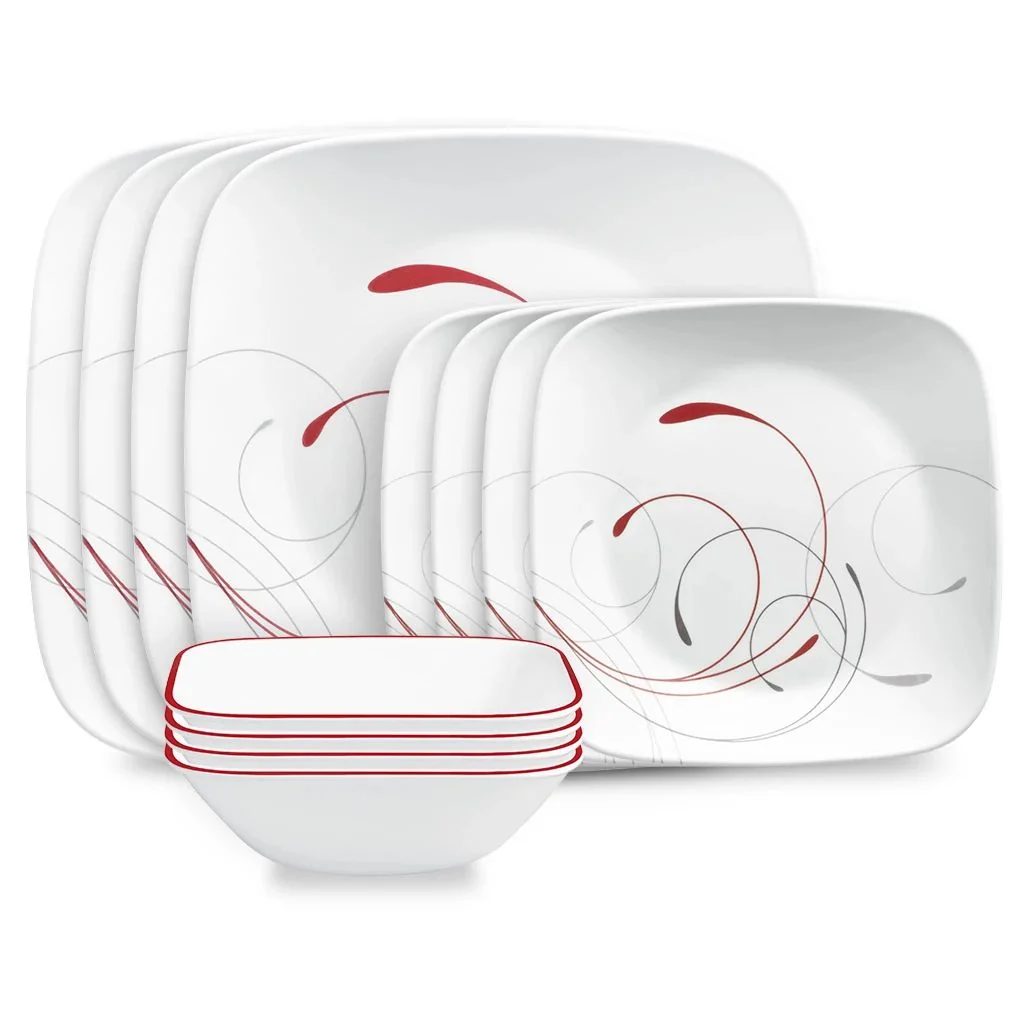
Remember those lightweight dinner plates with little flowers or geometric patterns around the edges? There’s a good chance they were Corelle. Introduced in 1970, Corelle dinnerware became a household favorite thanks to its thin, lightweight construction and resistance to everyday chips and breakage. Made from the company’s proprietary three-layer glass material, these dishes offered a practical alternative to heavier ceramic plates. Families could stack an entire set in a cabinet without taking up much space, and the plates were sturdy enough to handle years of breakfasts, school-night dinners, and holiday meals. They weren’t completely unbreakable, but many sets lasted long enough for children to grow up and recognize the same familiar patterns in their parents’ kitchens decades later.
Sign up for our newsletter
L.L.Bean Boots Bought for Years of Outdoor Use
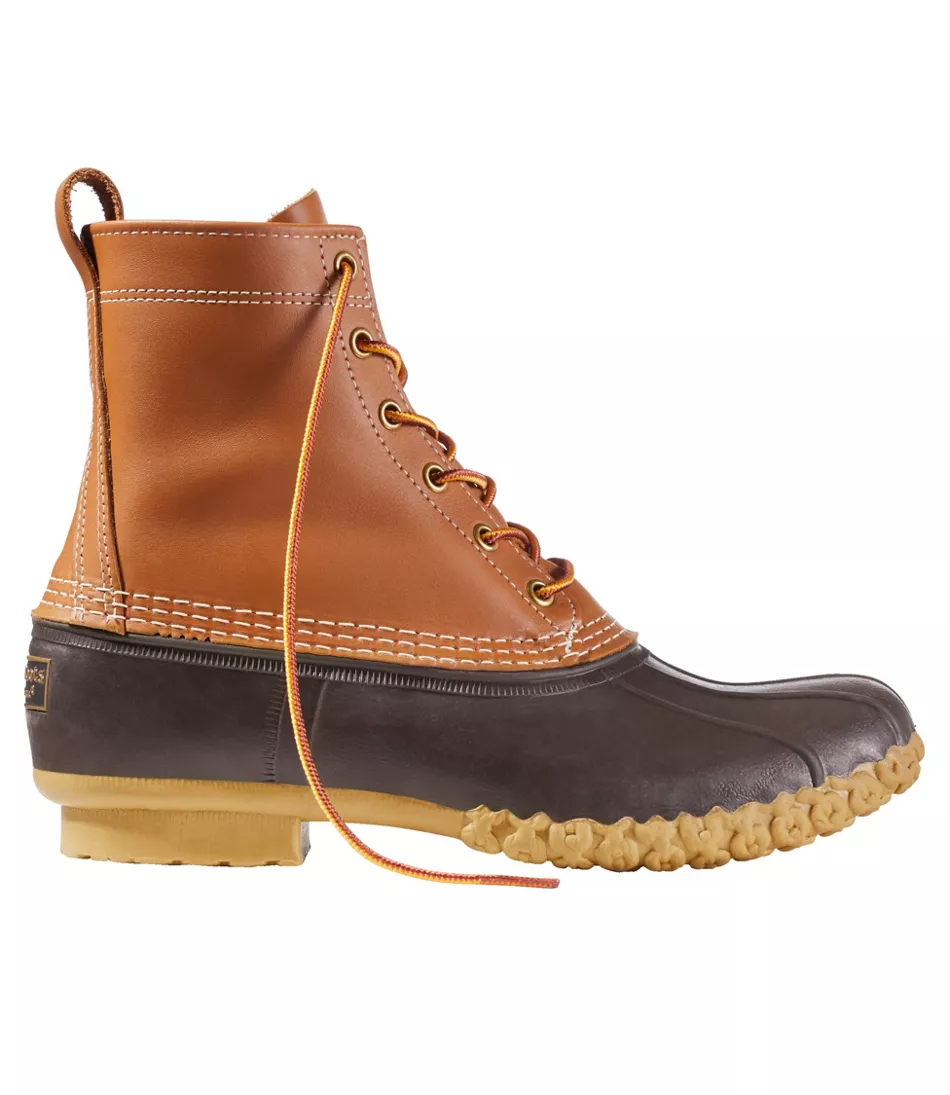
For families living in places with snowy winters, muddy trails, or plenty of rainy days, a dependable pair of boots was worth holding onto. L.L.Bean introduced its original Maine Hunting Shoe in 1912, combining leather uppers with rubber bottoms to help keep feet dry. The design eventually evolved into the familiar Bean Boot, which became a favorite among generations of outdoor enthusiasts. These weren’t necessarily the kind of shoes you bought to wear for a single season. Their practical construction made maintenance possible, and the classic design changed relatively little over the years. Interestingly, the earliest versions weren’t nearly as dependable: According to L.L.Bean, 90 of the first 100 pairs were returned because the rubber bottoms separated from the leather. Fortunately, the company improved the design, helping create a boot that became known for its longevity.
Weber Kettle Charcoal Grills
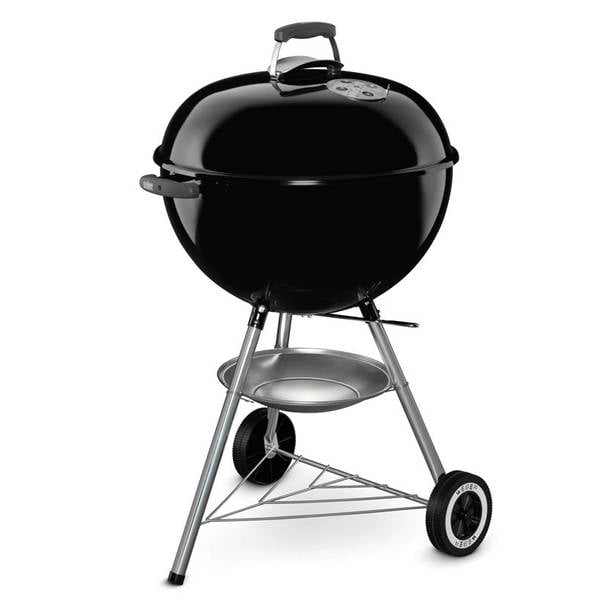
For many boomers, the smell of charcoal burning in the backyard meant summer had officially arrived. And there’s a good chance those hamburgers and hot dogs were cooking on a Weber kettle grill. First developed in 1952 by George Stephen, the distinctive rounded grill became a fixture of American backyard cookouts. Its design was relatively simple: a metal bowl, a fitted lid, adjustable vents, and a few sturdy legs. There weren’t electronic controls, complicated ignition systems, or countless moving parts to worry about. With proper care and replacement of worn components when necessary, a Weber kettle could remain useful for years. Some families held onto the same grill through countless Fourth of July celebrations, birthday parties, and Sunday afternoons spent cooking outside.
Estwing One-Piece Steel Hammers
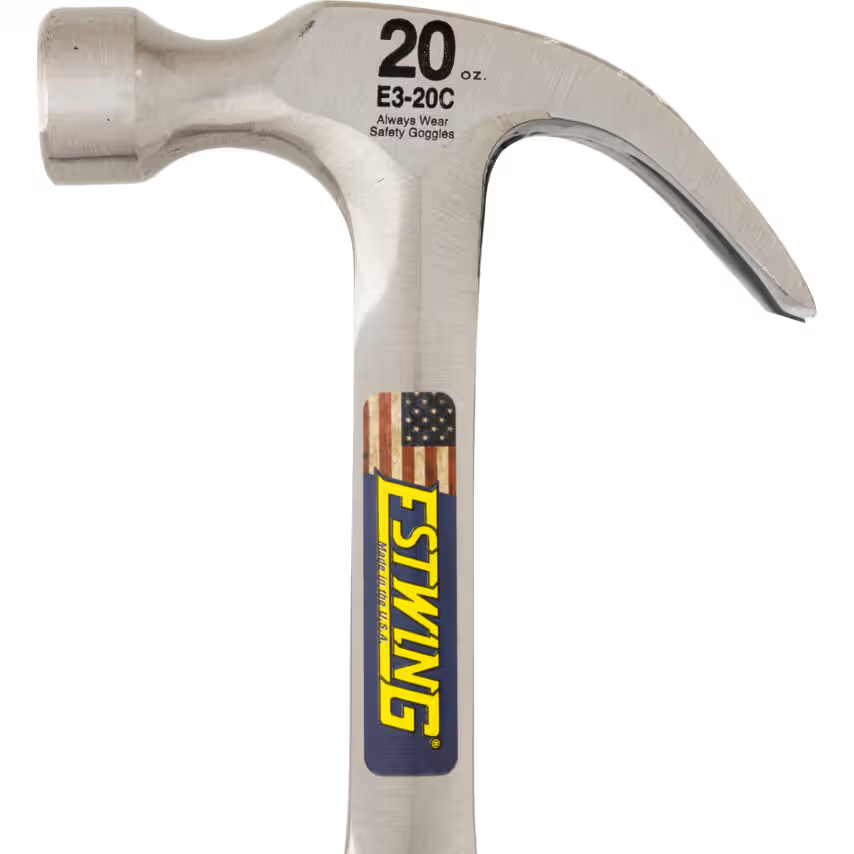
A hammer might not seem like an exciting purchase, but for anyone who grew up watching Dad tackle repairs around the house, a good one was practically indispensable. Estwing began making hand tools in Rockford, Illinois, in 1923 and became especially known for its one-piece steel hammers. Unlike traditional wooden-handled models, which could develop loose heads or split handles over time, Estwing’s design forged the head and handle from a single piece of steel. That eliminated one of the most common weak points in a conventional hammer. With their familiar leather or blue vinyl grips, these tools became fixtures in workshops and garages across the country. A well-used Estwing might have helped build a backyard deck, repair a fence, and hang hundreds of pictures without ever needing to be replaced.
Pendleton Wool Blankets
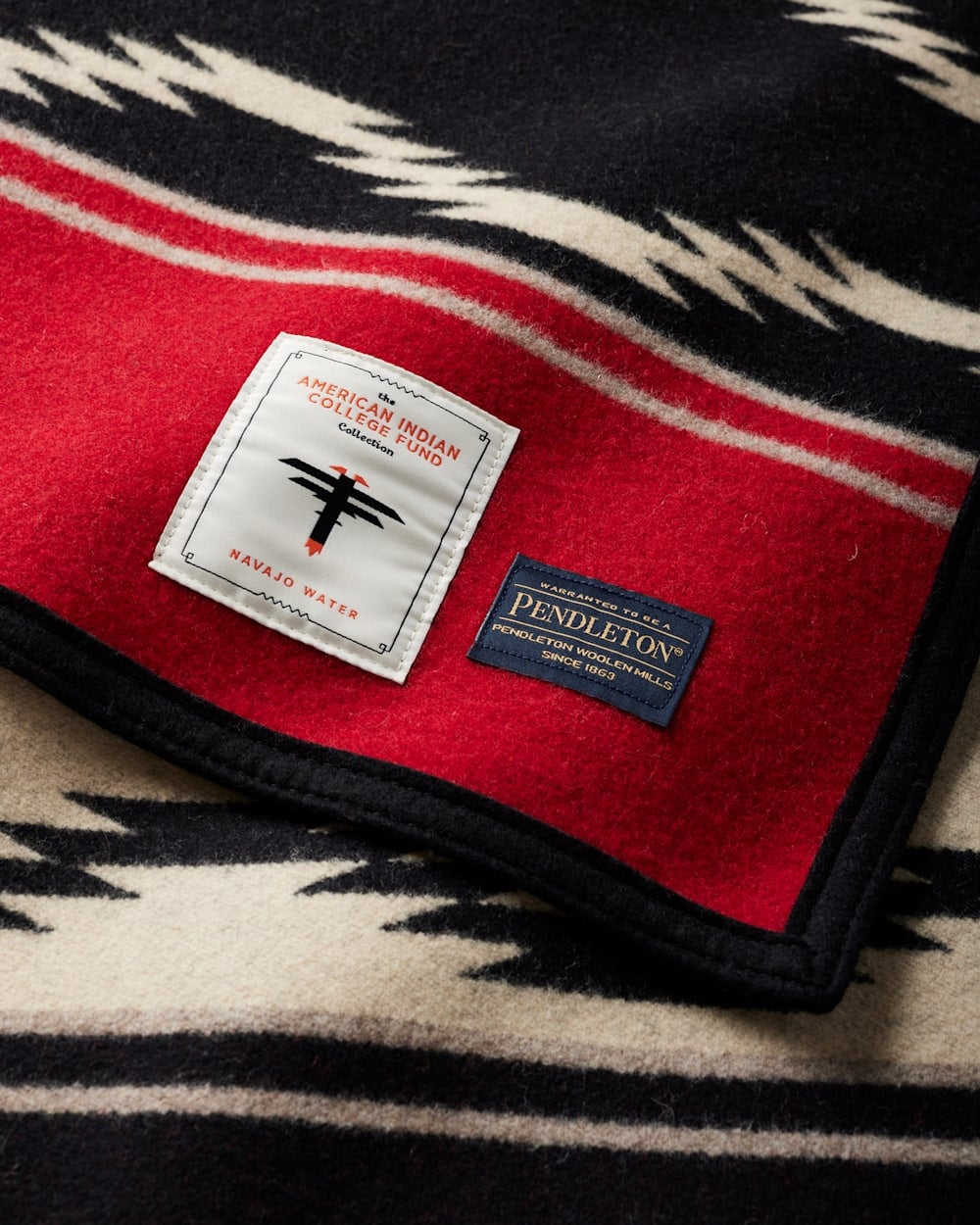
Long before inexpensive fleece throws became available at nearly every big-box store, a good wool blanket was something families took seriously. Pendleton blankets, particularly the company’s recognizable National Park designs, became prized possessions in many American households. The Glacier Park blanket debuted in 1916, and the brand’s heavy woven-wool blankets developed a reputation for warmth and durability. These were the blankets folded neatly at the foot of a bed, packed for camping trips, or stored carefully in cedar chests between winters. Their substantial fabric could withstand years of use when properly cared for, and their distinctive patterns made them recognizable across generations. For some families, a Pendleton blanket wasn’t simply bedding. It was something worth keeping and eventually passing along.
When Buying Something Once Was the Goal

Looking back, it’s easy to understand why so many boomers remember certain household purchases with such affection. A cast-iron skillet, a dependable sewing machine, or a sturdy set of tools wasn’t just something that worked well when it was new. It was something that could keep working for years with a little maintenance and care.
That doesn’t mean everything made decades ago was superior to what we can buy today. But these 12 products are reminders of a time when repairability, durable materials, and long-term usefulness were often major selling points. And if you’ve still got one of these old favorites tucked away somewhere, it might have plenty of life left in it.