If there’s one thing baby boomers learned growing up, it’s that the money-saving habits of boomers don’t always require some elaborate financial strategy. Sometimes, it’s as simple as bringing a grocery list to the store, waiting a few days before buying something you don’t really need, or checking whether the library has that book you’ve been eyeing. For many boomers, these habits were just part of everyday life, passed down from parents who knew how to make a dollar stretch.
Of course, times have changed. Grocery prices have climbed, subscriptions seem to multiply overnight, and it’s easier than ever to spend money without even leaving the couch. But while some old-fashioned money-saving tricks have lost their usefulness, others are just as effective today as they were decades ago.
From comparing grocery prices to fixing a leaky faucet before it becomes a bigger problem, here are 12 things boomers still do to save money that younger generations could learn a thing or two from.
Walking Into the Grocery Store With a Written List
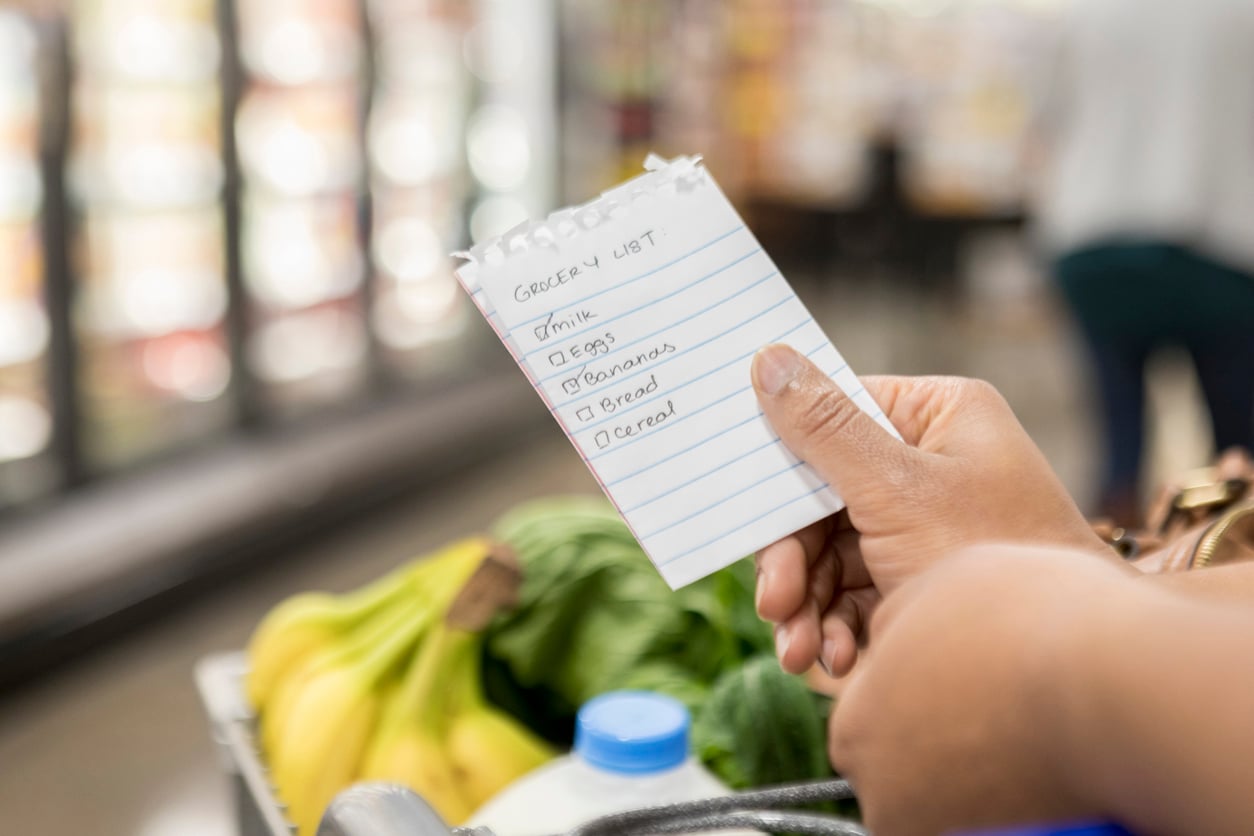
Before grocery delivery apps and digital shopping carts, plenty of families kept a handwritten grocery list stuck to the refrigerator or scribbled on the back of an envelope. And for many boomers, that habit never went away. Shopping with a list makes it easier to stick to what you actually need instead of tossing random snacks and unnecessary extras into your cart. It also helps prevent those frustrating second trips to the store because you forgot the one ingredient you needed for dinner. The USDA recommends planning meals and making a shopping list to help keep grocery spending under control. The trick is checking your pantry and refrigerator before heading out so you’re not buying things you already have.
Comparing the Price Per Ounce Instead of the Package Price

Experienced bargain hunters know that the biggest package on the shelf isn’t necessarily the best deal. That giant box of cereal might look like a bargain, but a smaller one could actually cost less per ounce, especially if it’s on sale. Boomers who grew up watching their parents compare prices often know to look beyond the flashy discount signs and check the unit price printed on the shelf label. The USDA recommends this strategy because it makes comparing different brands and package sizes much easier. It’s particularly useful for everyday staples like coffee, detergent, rice, and canned goods. Just remember that buying in bulk only saves money if you’ll actually use everything before it goes bad.
Planning Meals Around What’s on Sale That Week
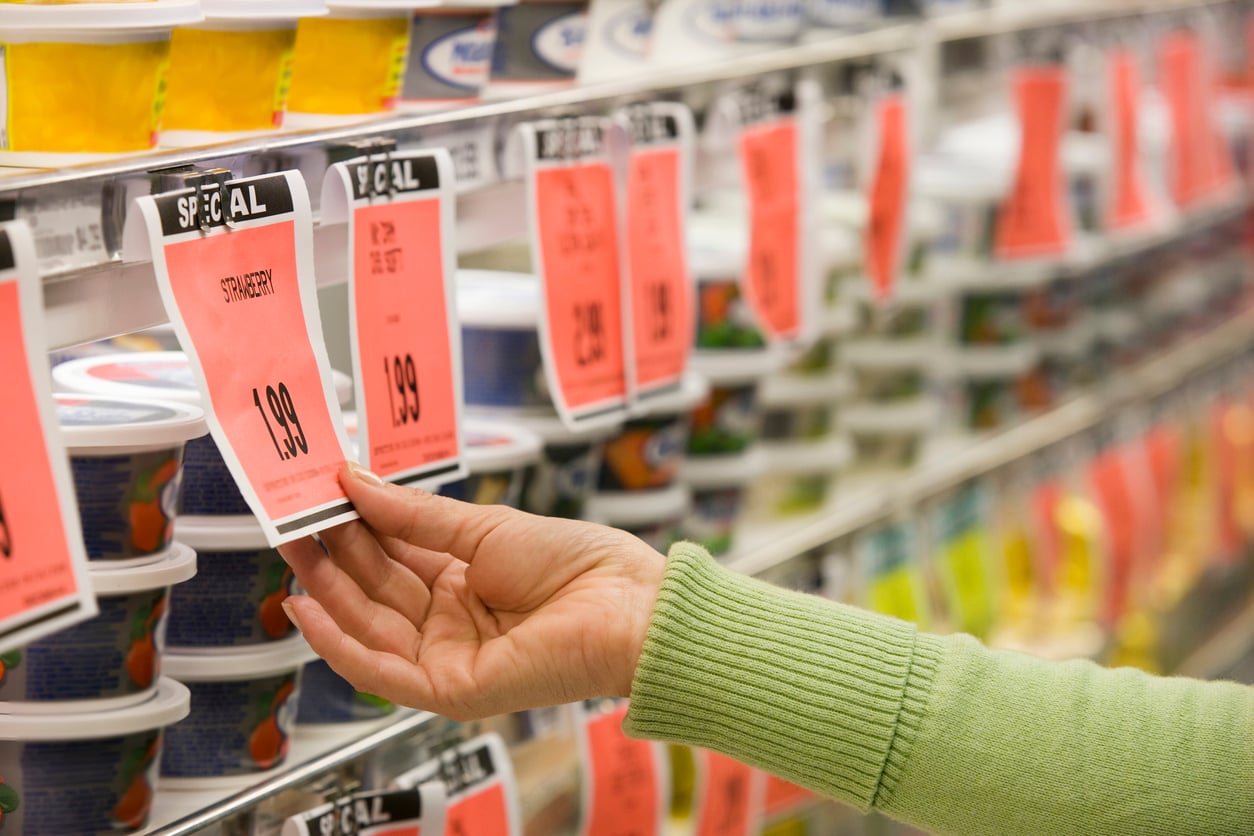
For some boomers, deciding what’s for dinner starts with the grocery store’s weekly sales flyer rather than a recipe. If chicken is on sale, chicken goes on the menu. If ground beef is expensive, maybe it’s time for a few meatless dinners instead. This approach was especially common in households where every grocery dollar mattered, and it remains a practical way to keep food costs down. The USDA recommends taking advantage of sale-priced produce and considering frozen or canned alternatives when they’re more affordable. Planning several meals around the same discounted ingredients can stretch your budget even further. After all, there’s no reason to pay full price for something when a perfectly good alternative is sitting a few aisles away.
Checking Secondhand Stores Before Buying Something New

Why pay full price for a perfectly good coffee table, winter coat, or set of dishes when someone else is practically giving one away? Plenty of boomers learned early on that buying used wasn’t something to be embarrassed about. Thrift stores, garage sales, estate sales, and consignment shops have long been reliable places to find useful household items without spending a fortune. The Environmental Protection Agency even recommends shopping secondhand as a way to save money while reducing waste. Of course, not everything is worth buying used, especially products with safety concerns or potential recalls. But for furniture, books, tools, and decorative items, a little patience can turn up bargains that make retail prices seem downright ridiculous.
Waiting Before Making a Purchase They Don’t Really Need

One old-fashioned money rule that still holds up? Just because you want something doesn’t mean you need to buy it right now. Many boomers grew up in households where larger purchases required careful consideration, and even smaller treats weren’t always automatic. That habit can be particularly useful today, when online retailers make it possible to spend hundreds of dollars with a few taps. Instead of immediately checking out, try leaving something in your shopping cart for a couple of days. You might realize you don’t actually need it, already own something similar, or would rather save the money for something else. The EPA encourages consumers to consider whether a purchase is truly necessary before buying. Sometimes, the easiest way to save money is simply not spending it.
Trending on Cheapism


Paying the Entire Credit Card Bill Whenever Possible
For financially cautious boomers, a credit card was often treated as a convenient way to pay for something, not an invitation to spend money they didn’t have. And while paying off the entire balance every month isn’t realistic for everyone, it’s one of the most effective ways to avoid unnecessary interest charges. According to the Consumer Financial Protection Bureau, cardholders with a qualifying grace period can generally avoid interest on purchases by paying their statement balance in full by the due date. Otherwise, an ordinary purchase can become considerably more expensive as interest accumulates. Setting up payment reminders and keeping credit card spending within your budget can make a meaningful difference, especially when interest rates are high.
Going Through Bills and Bank Statements Line by Line

Remember when paying bills meant sitting at the kitchen table with a stack of envelopes, a checkbook, and a calculator? Plenty of boomers still take that same careful approach to reviewing their finances, even if the paperwork has moved online. Going through statements line by line can reveal everything from unexpected price increases to forgotten subscriptions that have been quietly draining your bank account for months. The Federal Trade Commission warns consumers to watch for automatic renewals and recurring charges, particularly after free trials end. A monthly review might uncover a streaming service you haven’t watched in ages, a gym membership you forgot to cancel, or a billing error that deserves a phone call. It’s not particularly exciting, but neither is paying for something you don’t use.
Keeping a Separate Savings Fund for Predictable Expenses

Long before budgeting apps started dividing expenses into colorful categories, many families used envelopes, savings accounts, or even old-fashioned Christmas clubs to set money aside for upcoming bills. Boomers who grew up with these systems know that expenses like holiday gifts, car repairs, and property taxes aren’t exactly surprises, even if they don’t arrive every month. Setting aside a little money regularly can make those costs much easier to handle when the time comes. The Consumer Financial Protection Bureau recommends automatic savings transfers as a practical way to build savings over time. Whether you’re putting away $20 a month for holiday shopping or saving for a major home repair, having money ready can help you avoid reaching for a credit card when an expensive bill arrives.
Sign up for our newsletter
Borrowing Books, Movies, and Other Items From the Library
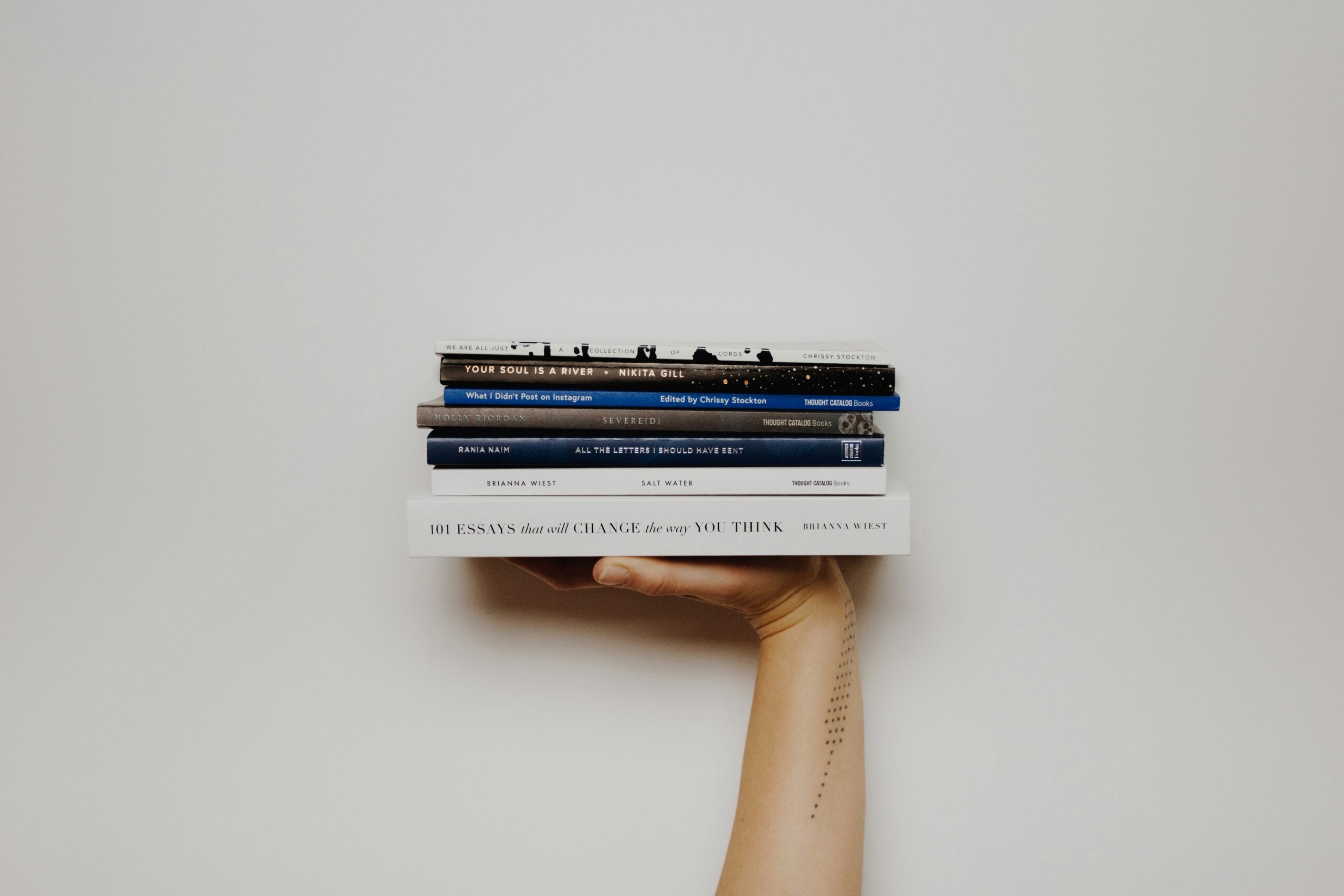
For many boomers, a trip to the public library was a regular part of growing up. Why buy every book you wanted to read when you could borrow it for free? That logic still makes plenty of sense, especially considering how expensive books, audiobooks, and entertainment subscriptions can get. And modern libraries offer considerably more than the shelves of paperbacks and encyclopedias people remember from childhood. Depending on where you live, your library card might give you access to e-books, digital audiobooks, movies, museum passes, free classes, and even tools or musical instruments. Before paying for another audiobook or purchasing something you’ll only use once, it’s worth checking what your local library has available. Your tax dollars are already helping support it, after all.
Washing Clothes in Cold Water and Drying Them on a Rack

Some money-saving habits are so simple that they’re easy to overlook, like washing clothes in cold water or hanging laundry to dry instead of automatically using the dryer. Plenty of boomers grew up in households where clotheslines and drying racks were everyday necessities, not trendy eco-friendly alternatives. And while modern appliances are more efficient than older models, these habits can still reduce household energy consumption. According to the Department of Energy, heating water accounts for a substantial portion of the energy used by washing machines, making cold-water cycles a practical choice for many everyday loads. Air-drying suitable clothing can save additional energy and may help certain fabrics last longer. Not every garment or laundry situation calls for cold washing, but making the switch when appropriate can help trim utility costs.
Fixing Small Water Leaks Instead of Ignoring Them
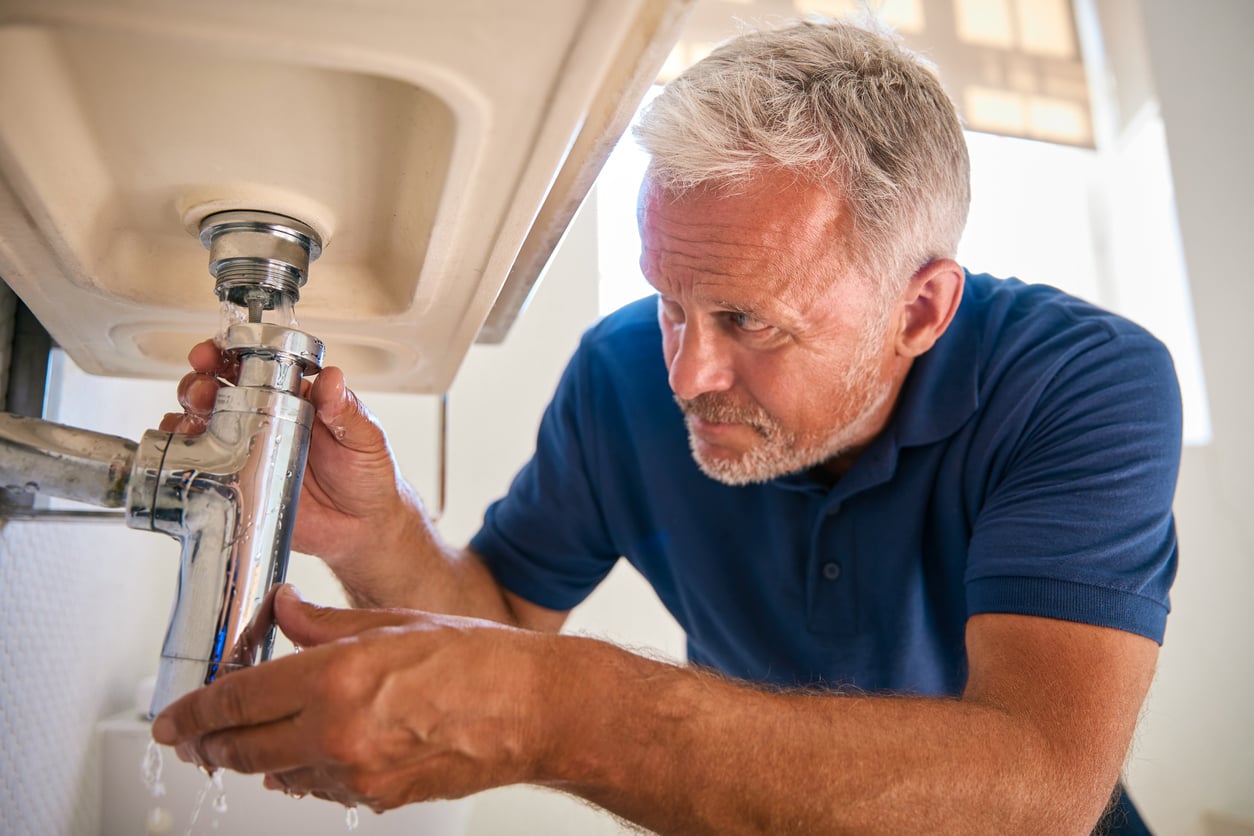
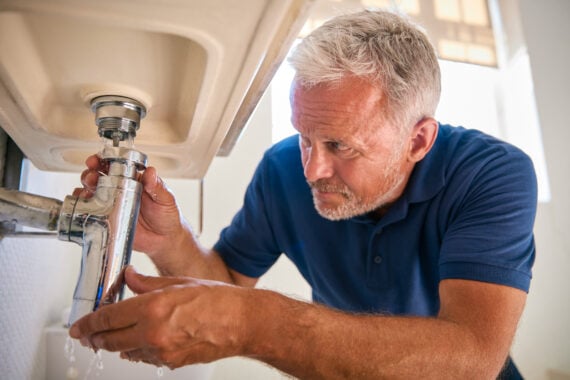
A dripping faucet might not seem like a financial emergency, but those little drops can add up faster than you’d expect. Boomers who grew up in households where nothing was wasted often know the value of taking care of small maintenance problems before they become expensive headaches. According to the EPA, fixing easily corrected household leaks can save homeowners about 10% on their water bills. Running toilets, worn-out faucet washers, and other minor plumbing issues can waste thousands of gallons over time if they’re ignored. One easy way to check for a toilet leak is to put a few drops of food coloring in the tank and see whether the color appears in the bowl without flushing. Catching a problem early could save money on both water and future repairs.
Borrowing or Sharing Something They’ll Only Use Once
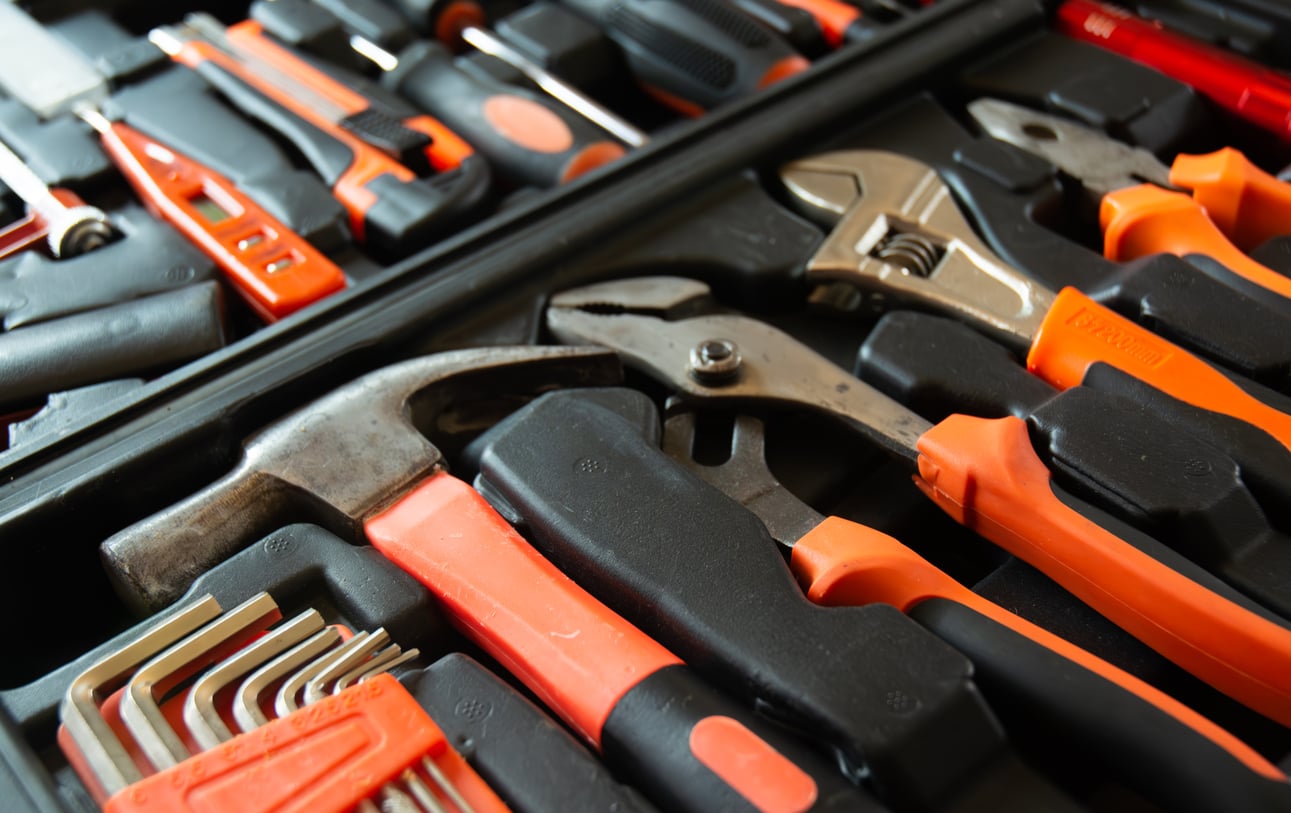
Need a ladder to clean the gutters, a folding table for a family party, or a special tool for a home improvement project? Some boomers know there’s no point buying something expensive if a neighbor or relative already has one sitting in the garage. Borrowing and sharing household items used to be a normal part of neighborhood life, and it’s a habit that still makes financial sense. The EPA recommends borrowing, renting, or sharing products that are only needed occasionally rather than purchasing them outright. After all, owning something means finding a place to store it, keeping it in working condition, and eventually replacing it. Before spending money on equipment you’ll use once or twice a year, asking around or checking rental options could save you a surprising amount.
Old-Fashioned Money Habits Still Have Plenty of Value

Not every financial lesson passed down from previous generations makes sense in today’s economy, but plenty of them have stood the test of time. Making a grocery list, comparing prices, reviewing bills, and borrowing instead of buying might not sound particularly exciting, but these habits can make a real difference when household expenses keep climbing.
And the best part? You don’t have to be a baby boomer to benefit from any of them. Sometimes, combining a little old-fashioned thrift with modern technology is all it takes to keep more money in your pocket.