Fast-food establishments have evolved over time to improve customer service and make fast-food ordering more efficient. Customers want their food served to them more quickly, with shorter ordering times. Meanwhile, the restaurants benefit by freeing up tables faster or speeding up the drive-thru service. Drawing on information from QSR Magazines, McDonald’s and other sources, we’ll reveal the changes that fast-food chains have implemented to increase speed and enhance the customer experience!
Menu Boards You See Before Reaching the Drive-Thru Speaker
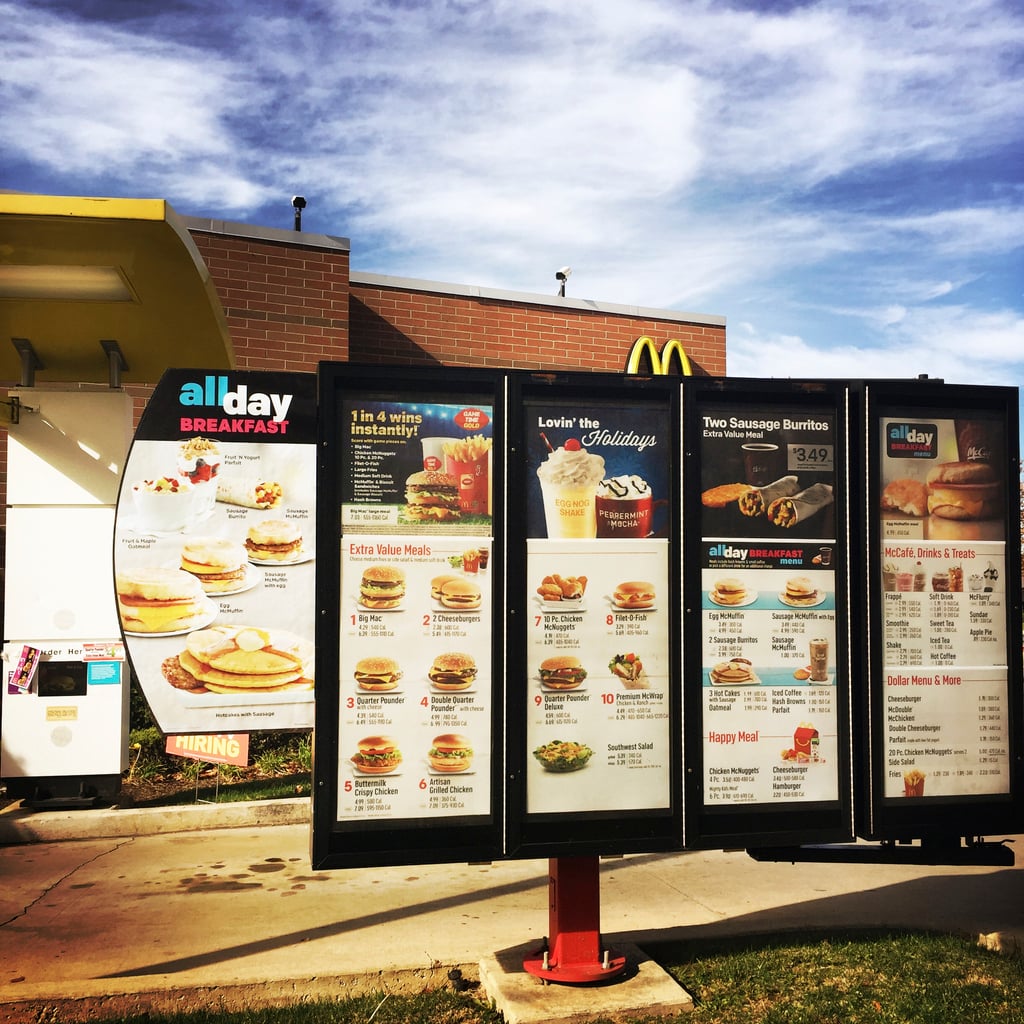
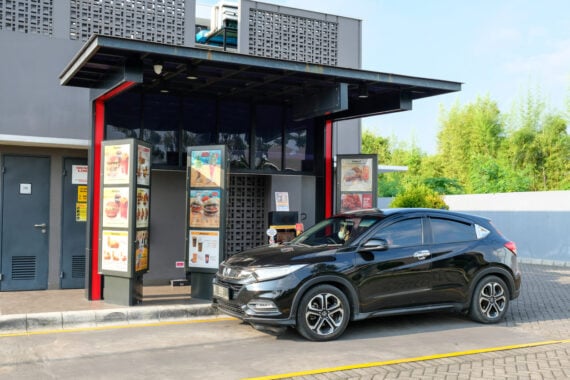
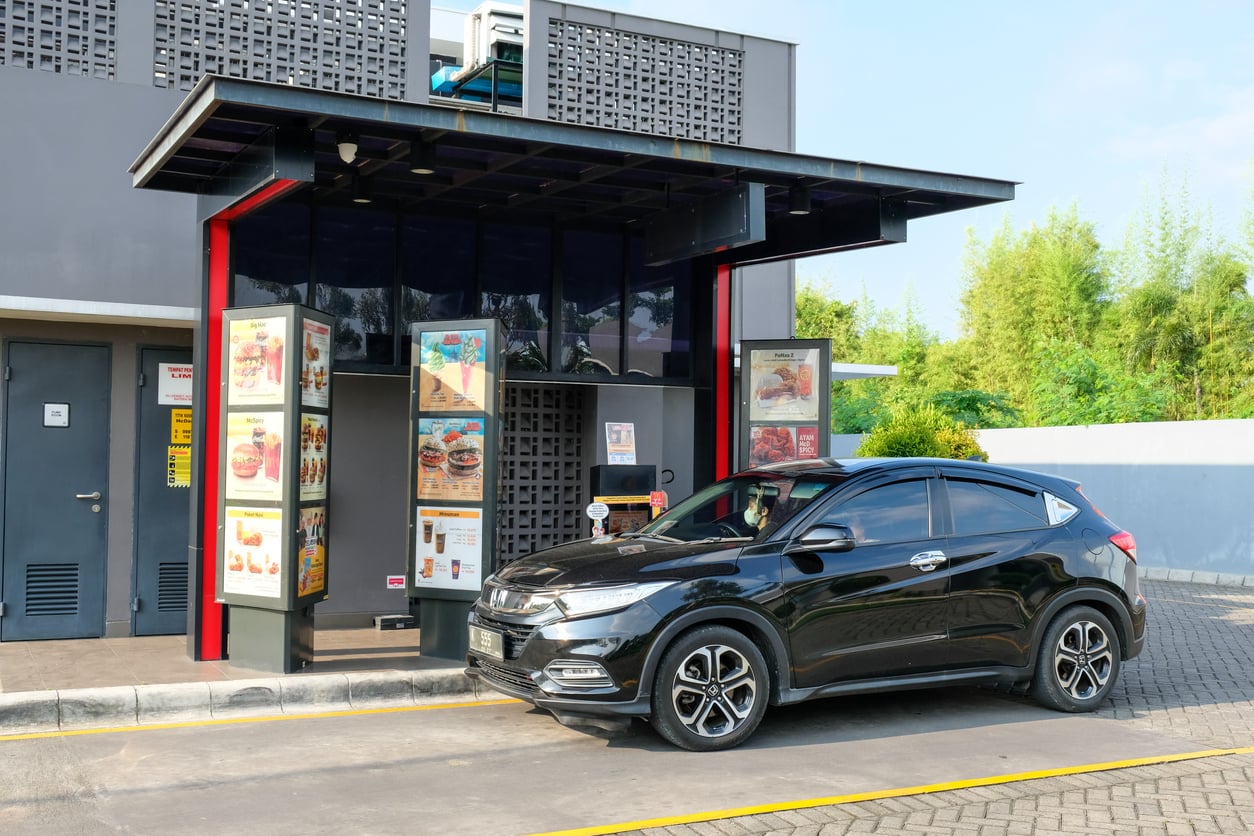
Many fast-food restaurants have installed a smaller menu board before the ordering station that customers were already accustomed to. This additional menu board allows customers to start deciding about what they want to order while they wait behind other vehicles. In 2021, QSR Magazine reported that companies such as Taco Bell, McDonald’s, and Wendy’s had implemented this feature. Knowing what they are going to order speeds up the drive-thru process.
Digital Menus That Change Automatically Throughout the Day
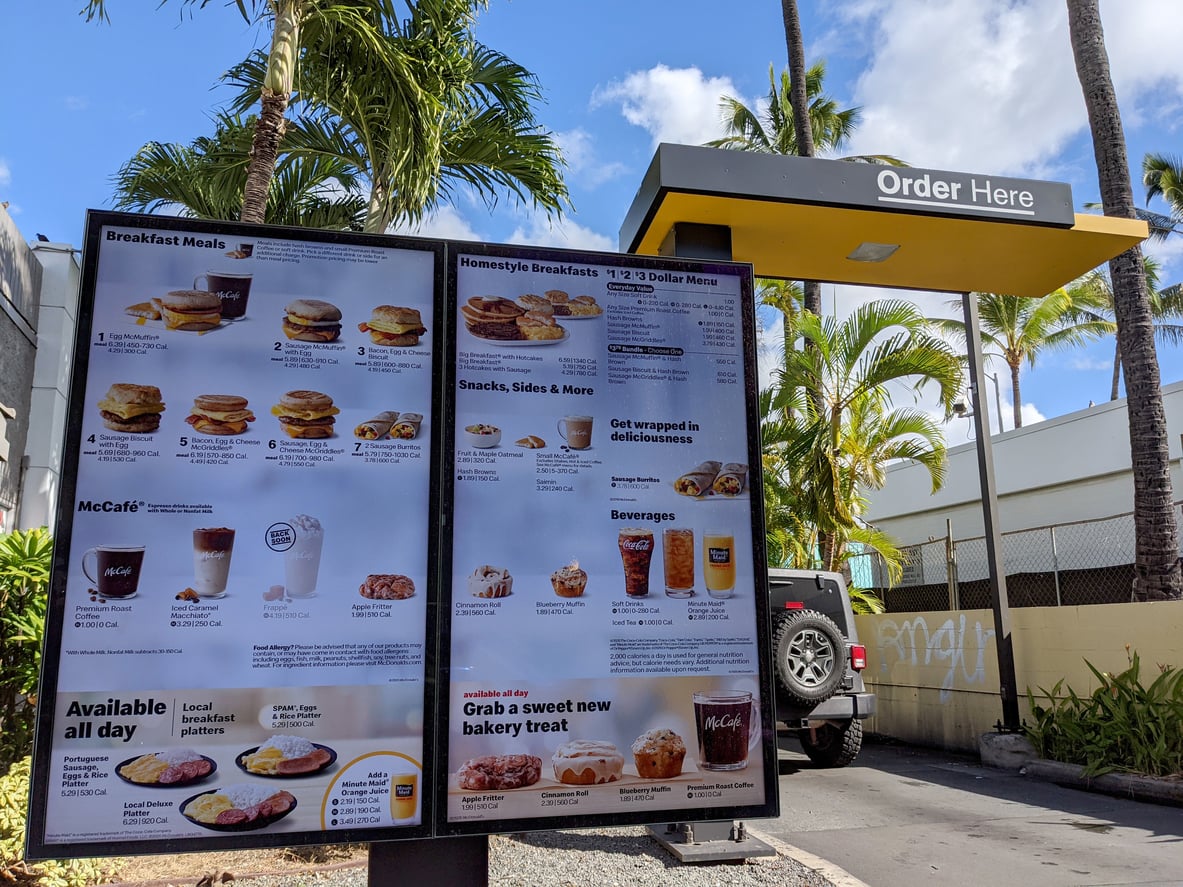
The transition from printed to digital menus has made fast-food ordering easier by reducing the confusion about items that are no longer available, such as breakfast options offered only during certain hours. A study by QSR Magazine revealed that digital menu boards at drive-thru lanes resulted in orders being completed 9.2% faster than when static boards were used.
Self-Service Touchscreen Ordering Kiosks
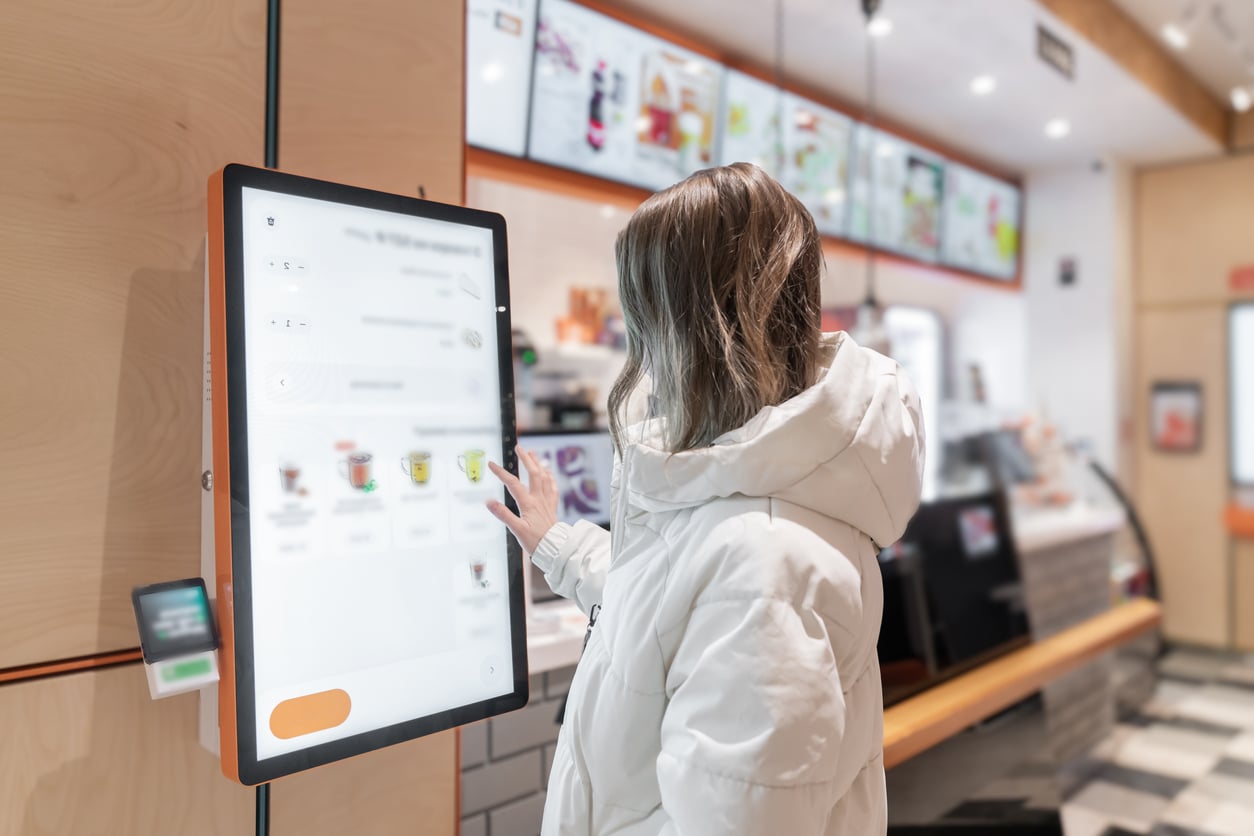
In the past, when you walk into a fast-food restaurant like McDonald’s, the only way to place an order was to wait for a cashier to assist you while you customize ingredients and pay for your meal. Nowadays, self-service touchscreen ordering kiosks offer another way to simplify fast-food ordering. Customers can place their orders and pay at these kiosks, receiving a receipt while their orders are sent directly to the kitchen.
Apps That Remember Your Favorite Orders
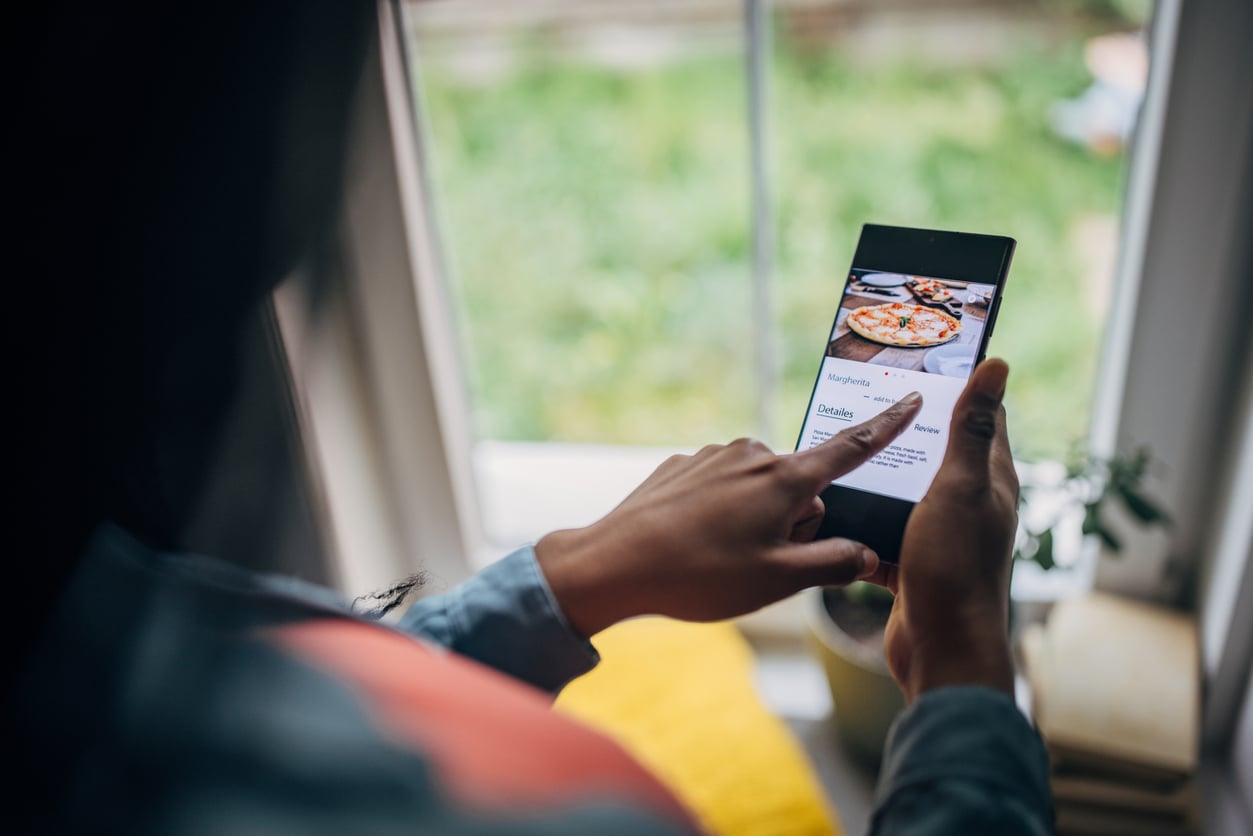
Food-ordering apps have made fast-food ordering more convenient by saving recent orders, preferred customizations and payment methods, making it easier to repeat those orders and saving the customer time. Starbucks and Panera have explicitly promoted the use of saved favorites as a way to make future ordering more convenient.
Ordering and Paying Before You Arrive
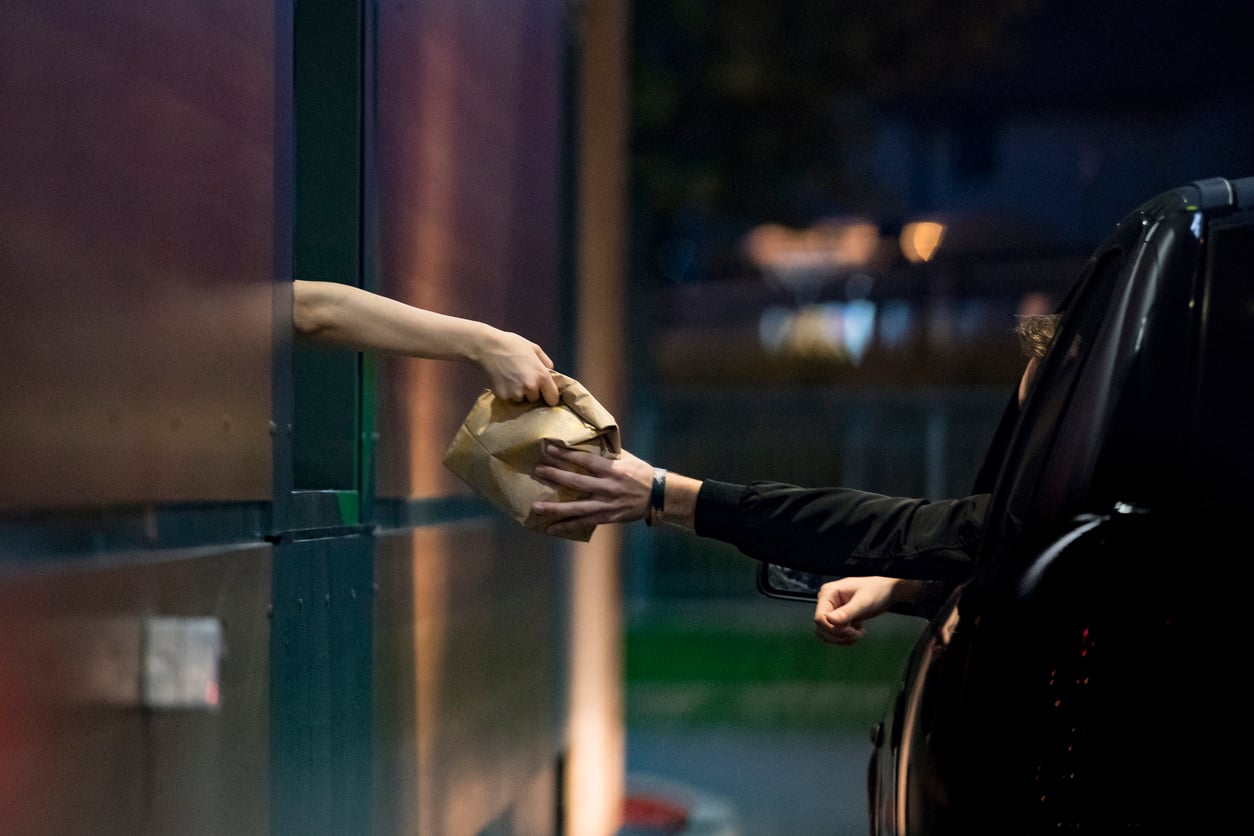
Another improvement fast-food chains have made to speed up fast-food ordering is mobile ordering. Customers select the items they want, customize them, and pay for them before arriving at the drive-thru. In this way, the transaction takes place before the customer reaches the counter, which reduces congestion in the restaurant and also means the customer spends less time waiting for their food.
Trending on Cheapism


Employees Taking Drive-Thru Orders with Tablets
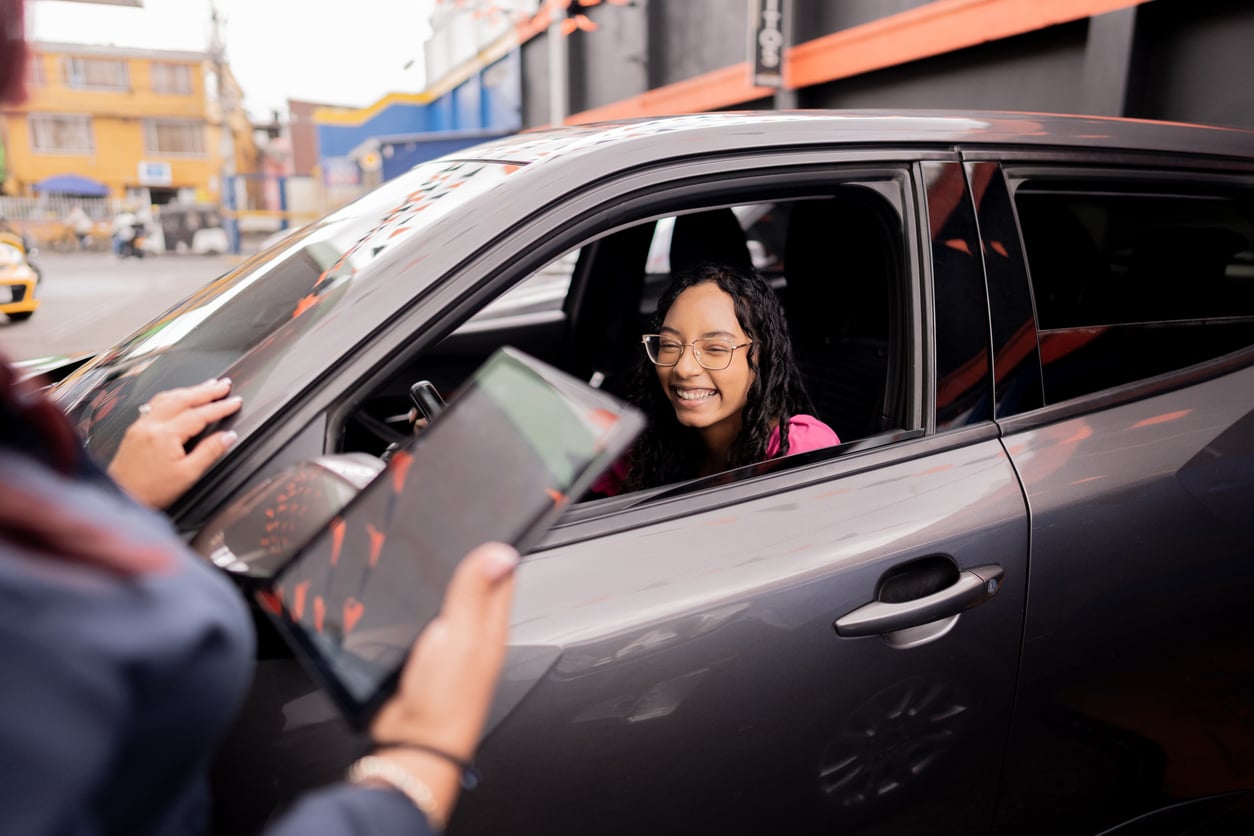
In addition to the menu boards located before the main drive-thru service window, fast-food chains have added staff who take orders using tablets as they approach waiting cars. Instead of waiting for customers to reach the fixed speaker, companies like Chick-fil-A are able to relay orders to the kitchen much sooner. This makes the process more efficient, reduces customer wait times, and lessens congestion in the drive-thru line.
Drive-Thru Screens That Display Your Order as You Speak
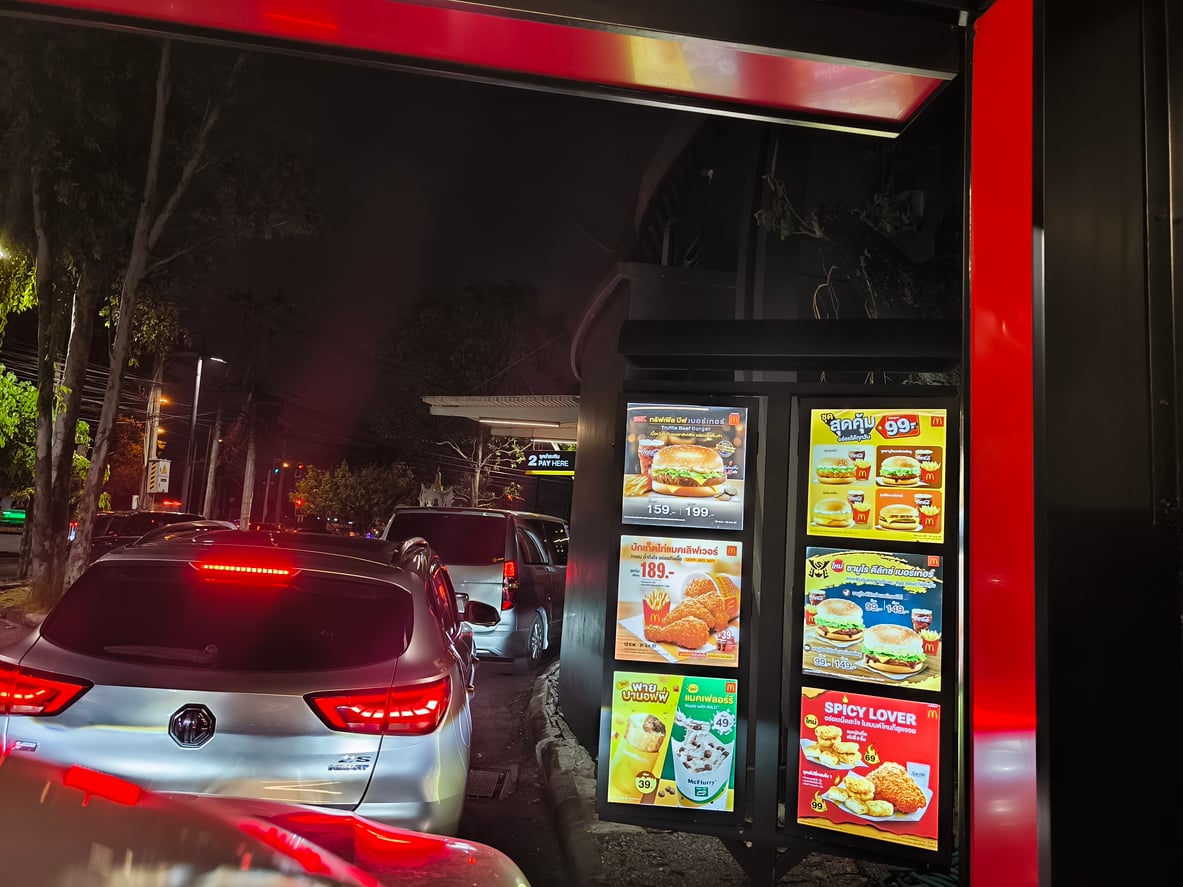
Order-confirmation screens are another innovation that improves fast-food ordering accuracy. These screens display the items entered by employees, including quantities, prices, and any customizations requested by the customer. This allows customers to spot any errors in their order well before they reach the pick window, thereby improving accuracy and avoiding delays.
Dedicated Drive-Thru Lanes for Mobile Orders
An alternative option offered by some fast-food chains, such as Chick-fil-A, is a dedicated lane for mobile orders to streamline fast-food ordering. Customers place their orders via an app, and upon arrival at the restaurant, they do not have to wait in the regular drive-thru line. Instead, they use a separate lane designed to be faster. A 2023 study by Chick-fil-A revealed that 85% of participants who used this mobile-order lane indicated that they would likely use the “Mobile Thru” service again.
Sign up for our newsletter
Apps That Know When You’re Getting Close to the Restaurant
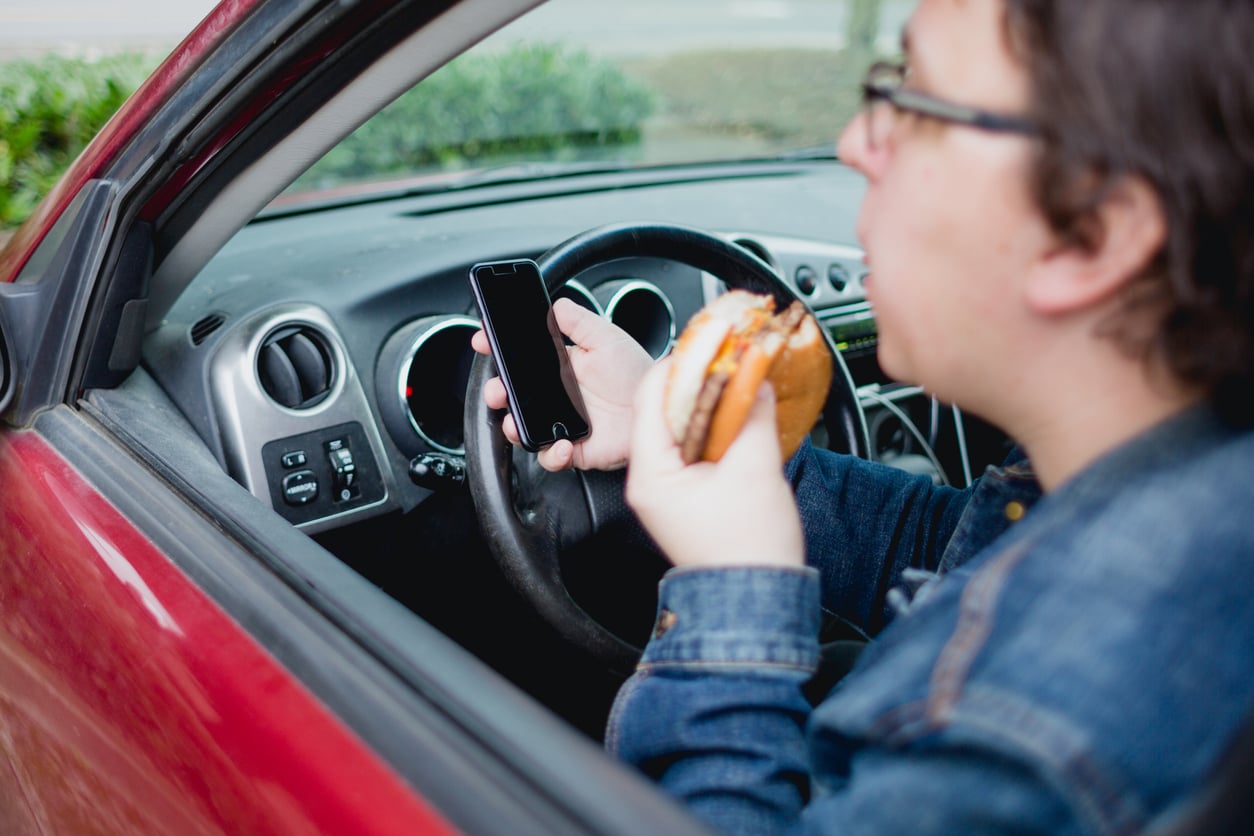
Some restaurants use the customer’s location to coordinate fast-food ordering and prepare meals so they are ready around the time customers arrive. Chick-fil-A is one such fast-food chain that has adopted this technology, known as geofencing, to coordinate mobile orders and reduce customer wait times. The chain itself has stated that, across 100 locations, it has managed to reduce the average time customers spend waiting by one to two minutes.
Multiple Drive-Thru Lanes Designed for Different Customers
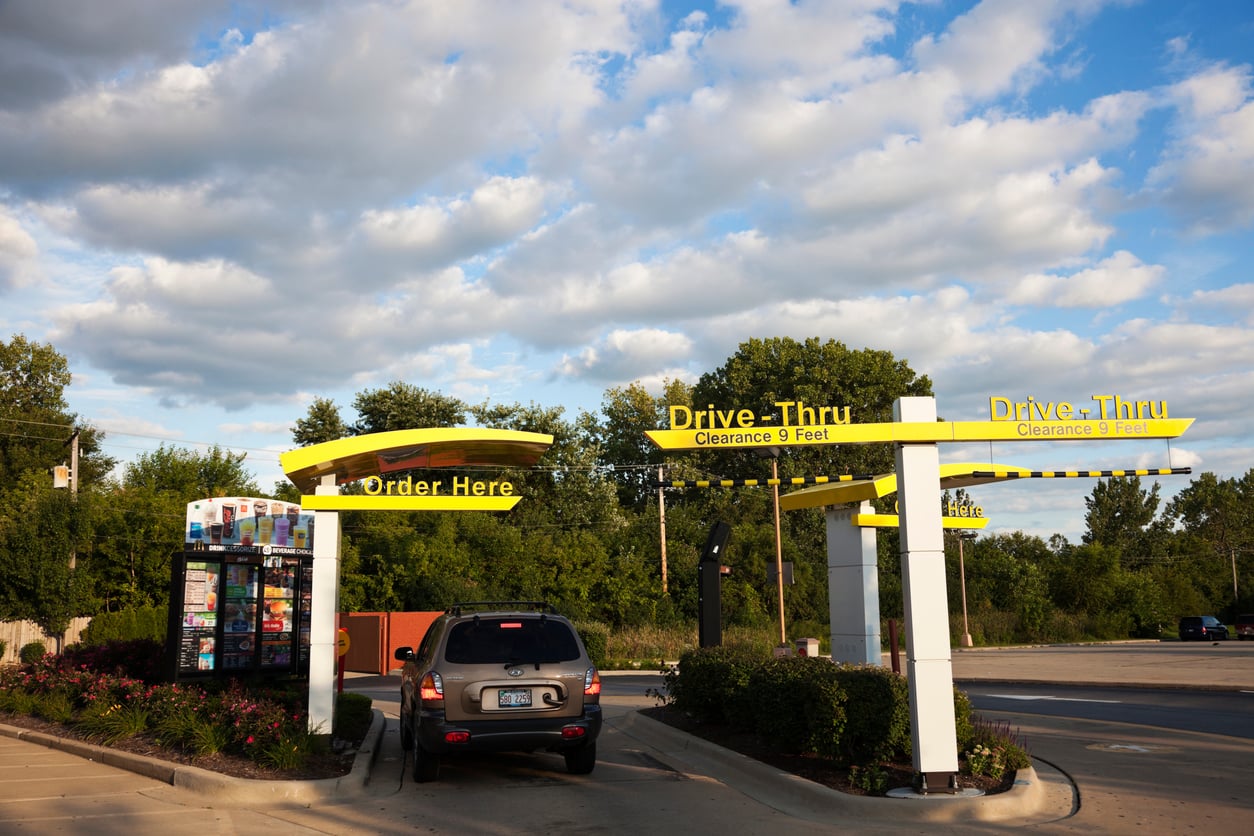
Traditional drive-thru used to consist of a single lane where people looking to order food on the spot shared the same space as those who had already placed orders via an app, or those who had sent a delivery driver to pick up their food. Taco Bell redesigned fast-food ordering at its Defy location in Brooklyn Park, Minnesota, by introducing four drive-thru lanes: three for mobile orders and delivery pickups and one for traditional orders.
Pickup Shelves That Eliminate Another Checkout Line
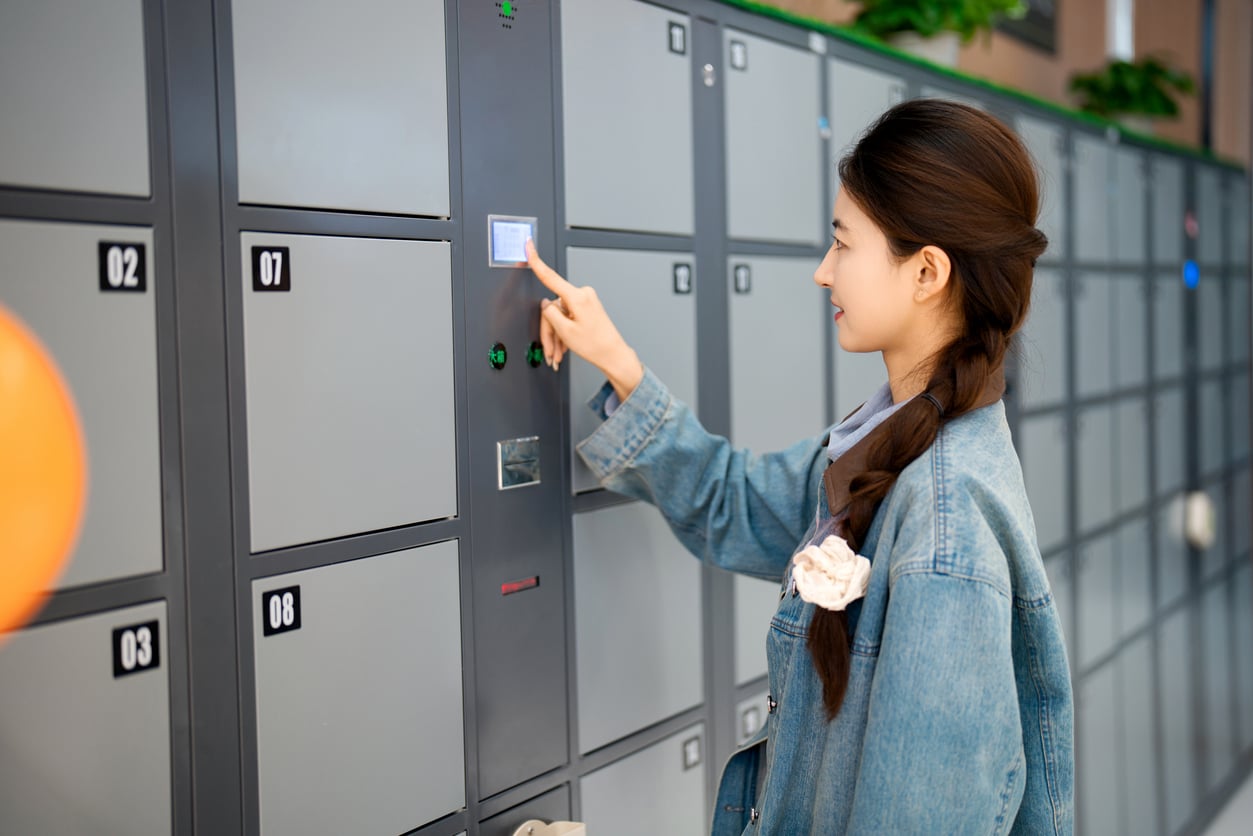
Pickup shelves offer another way to simplify fast-food ordering by eliminating the need to join a checkout line. Customers can order and pay for a meal digitally, then collect a labeled bag from a designated pickup shelf without having to go through a formal checkout process. Panera is one such chain that has implemented this “Rapid Pick-Up” system, that spares customers from having to join the ordering line upon arrival.
Drive-Thru That Let You Skip The Speaker Entirely
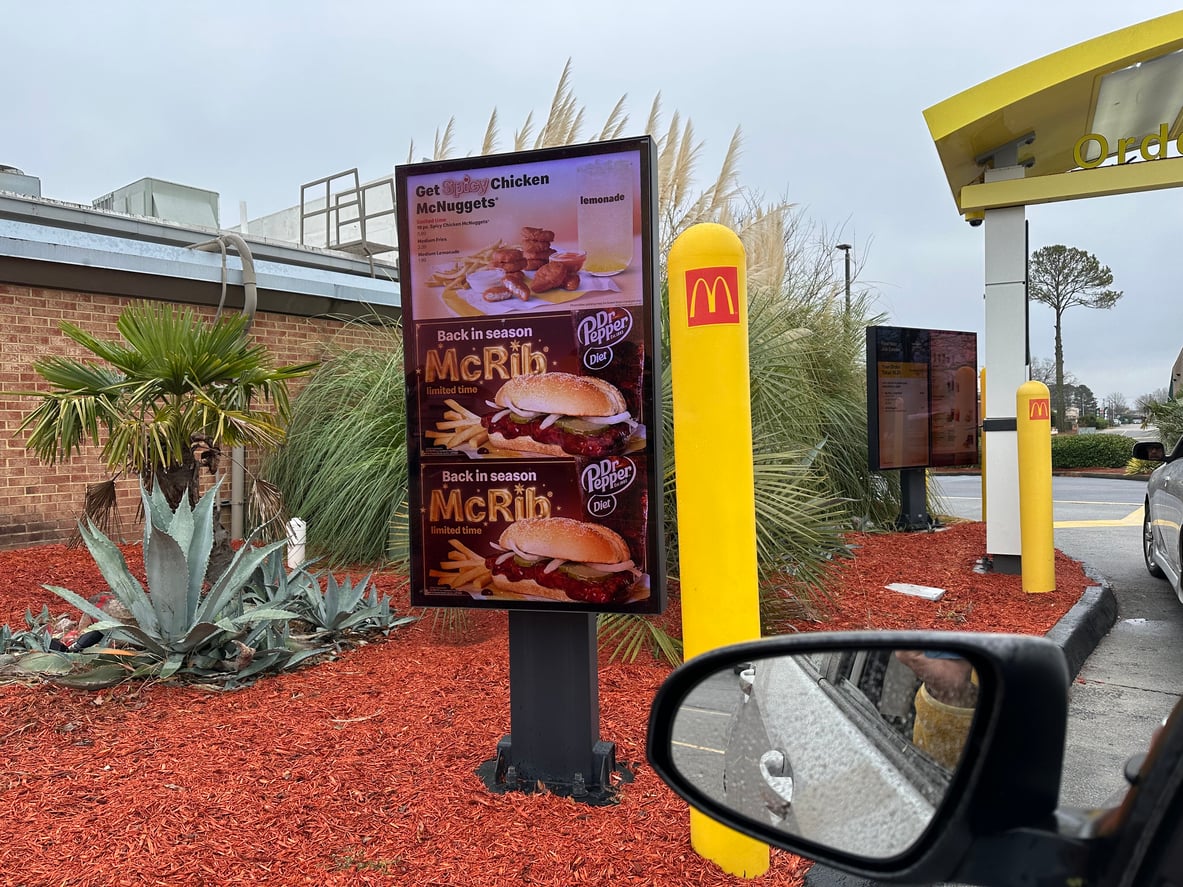
Skipping the speaker step can make fast-food ordering faster for customers who have already placed their orders in advance. Some restaurants allow customers to identify themselves when they arrive to collect their food. Panera uses its app to streamline the process, allowing customers to provide their names at the speaker instead of repeating their entire orders.
Conclusion
Fast-food chains have focused on speeding up the meal delivery process. These new alternatives reduce delays, improve accuracy, and help restaurants serve more customers. From menu boards and mobile ordering to dedicated pickup lanes, all these methods shorten the various stages of a customer’s visit to a restaurant.