Some of America’s most famous restaurant dishes weren’t created to impress diners. They started as practical solutions to everyday problems, from feeding hungry workers to stretching inexpensive ingredients and making meals easier to eat on the go. Over time, these humble creations became local favorites that generations of families still enjoy. According to New Orleans tourism, the city’s iconic po’boy sandwich is traditionally linked to a 1929 streetcar strike. From Pittsburgh’s French fry-stuffed sandwiches to Nebraska’s portable meat pies, here are 12 regional specialties with surprisingly resourceful beginnings.
Po’Boy Sandwich – New Orleans, Louisiana
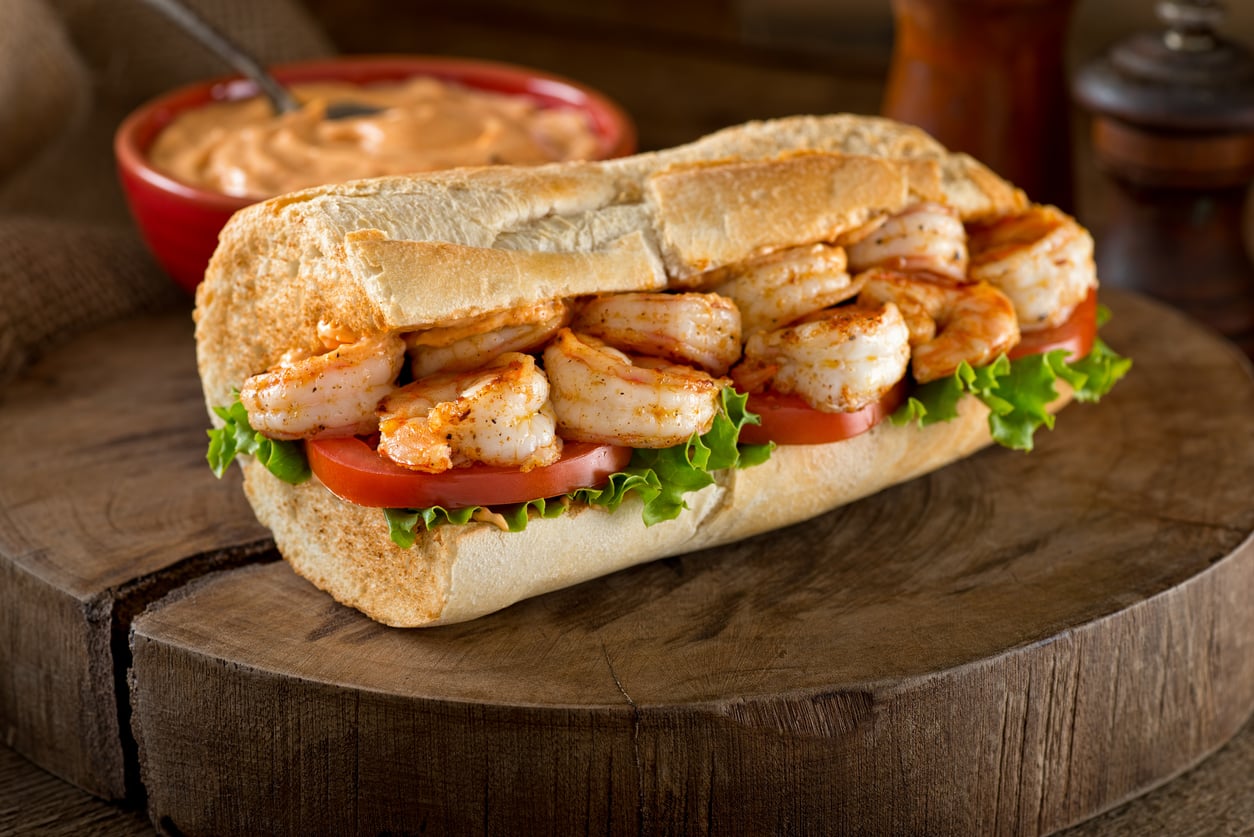
New Orleans’ famous po’boy is closely associated with the city’s 1929 streetcar strike. According to the traditional story, brothers Bennie and Clovis Martin, who operated a restaurant, provided free sandwiches to striking workers. The long French-bread sandwiches offered a substantial meal without expensive ingredients, and the nickname reportedly came from the brothers calling out when another “poor boy” arrived. Today, roast beef, fried shrimp, and fried oysters are popular fillings. The strike story isn’t the only account of the sandwich’s origins, but it remains central to its local identity.
Italian Beef Sandwich – Chicago, Illinois
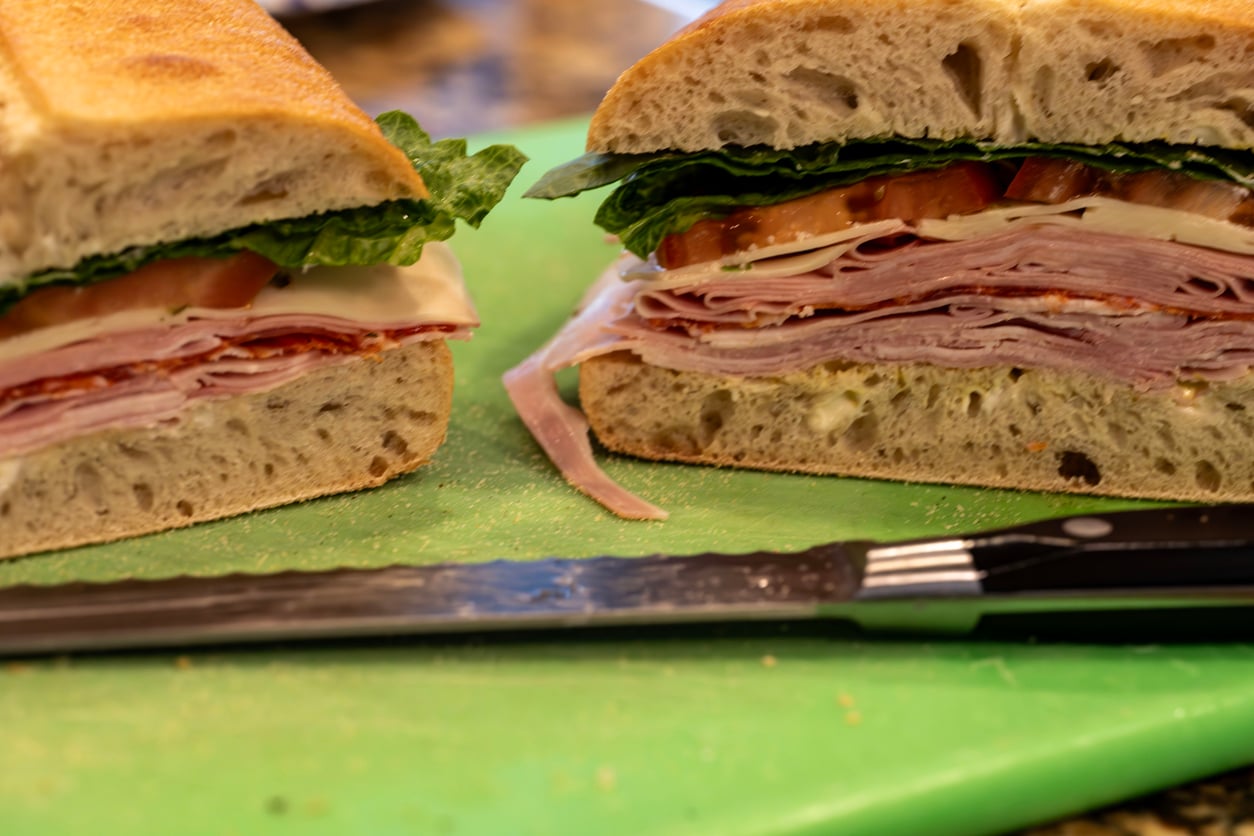
Chicago’s Italian beef sandwich grew from a simple challenge: making limited amounts of meat feed more people. Italian immigrant families reportedly served slow-cooked beef sliced paper-thin at weddings and gatherings, allowing modest portions to go further. Sandwich shops eventually turned the idea into a Chicago specialty, piling seasoned beef onto sturdy rolls with sweet peppers or spicy giardiniera. Customers can order their sandwiches dipped in the flavorful cooking juices. It’s a messy meal that often requires plenty of napkins, but that hasn’t stopped generations of Chicagoans from embracing it.
Primanti Bros. Sandwich – Pittsburgh, Pennsylvania
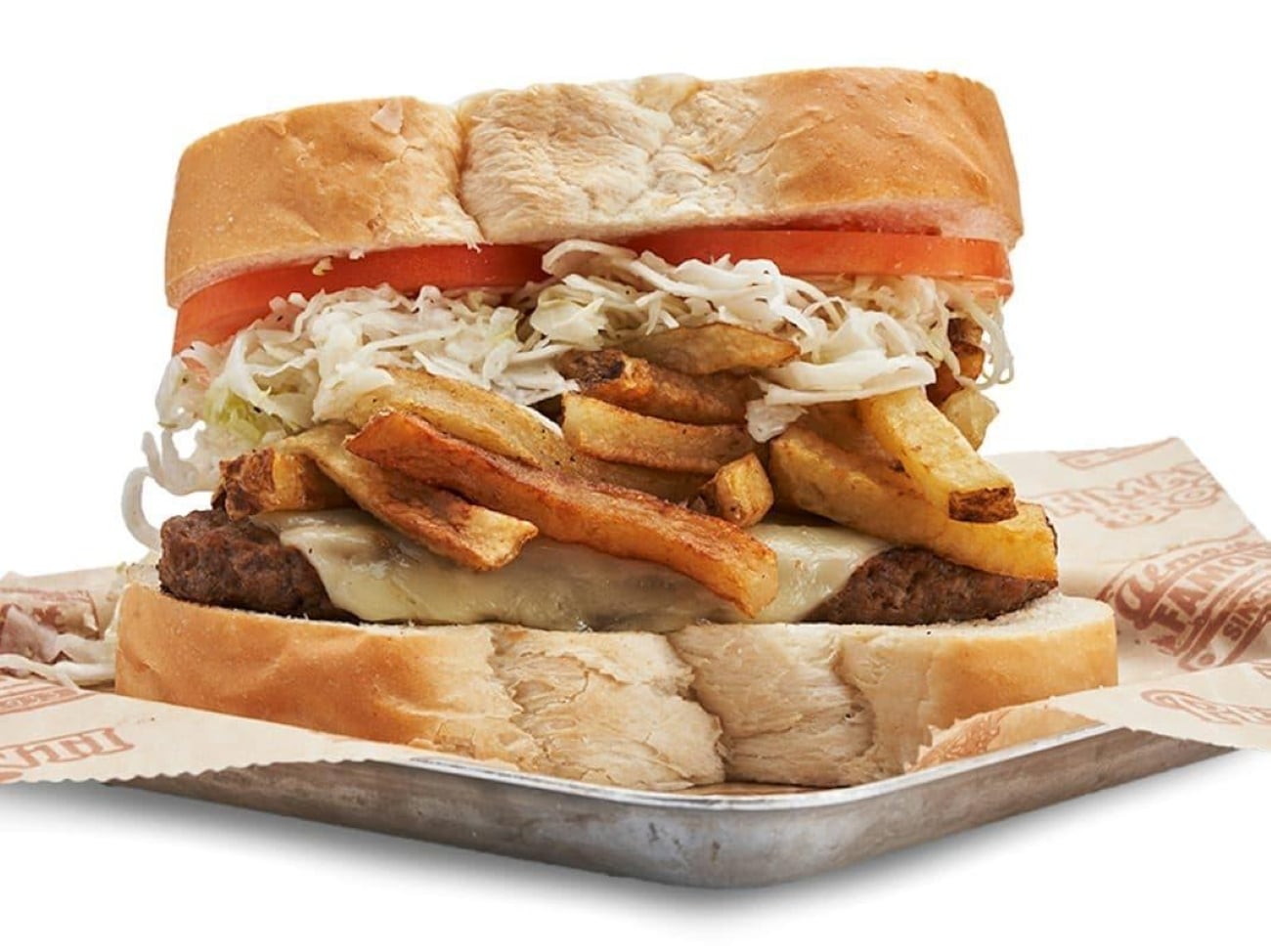
Pittsburgh’s famous French fry-stuffed sandwich traces its roots to the city’s busy Strip District during the Great Depression. Joe Primanti opened a storefront in 1933, serving truck drivers and workers who needed substantial meals without wasting time. According to the restaurant’s family history, an unexpected delivery of potatoes inspired the addition of fries directly inside the sandwich. Coleslaw eventually became another signature ingredient. The result was a complete meal between two slices of bread, although the precise invention story comes from family recollections rather than contemporary records.
The Hot Brown – Louisville, Kentucky
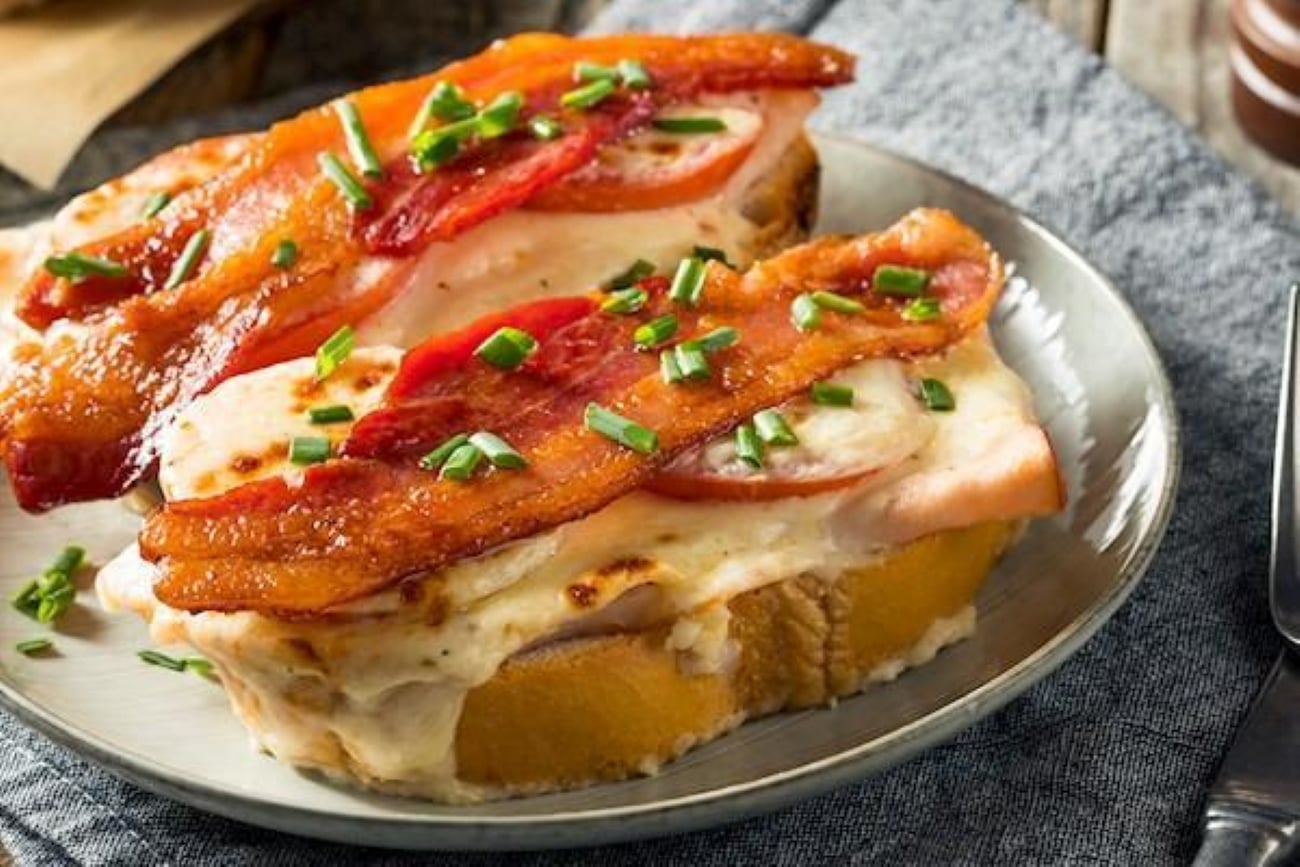
In 1926, chef Fred K. Schmidt faced a familiar restaurant problem at Louisville’s Brown Hotel: hungry guests wanted something different after an evening of dancing. Instead of serving the usual ham and eggs, he created an open-faced turkey sandwich covered in rich Mornay sauce. Bacon and a finishing trip under the broiler helped make the Hot Brown a local institution. Unlike many dishes born from thrift, this one was designed to satisfy late-night diners. It’s deliciously indulgent, though hardly a light lunch.
Muffuletta Sandwich – New Orleans, Louisiana
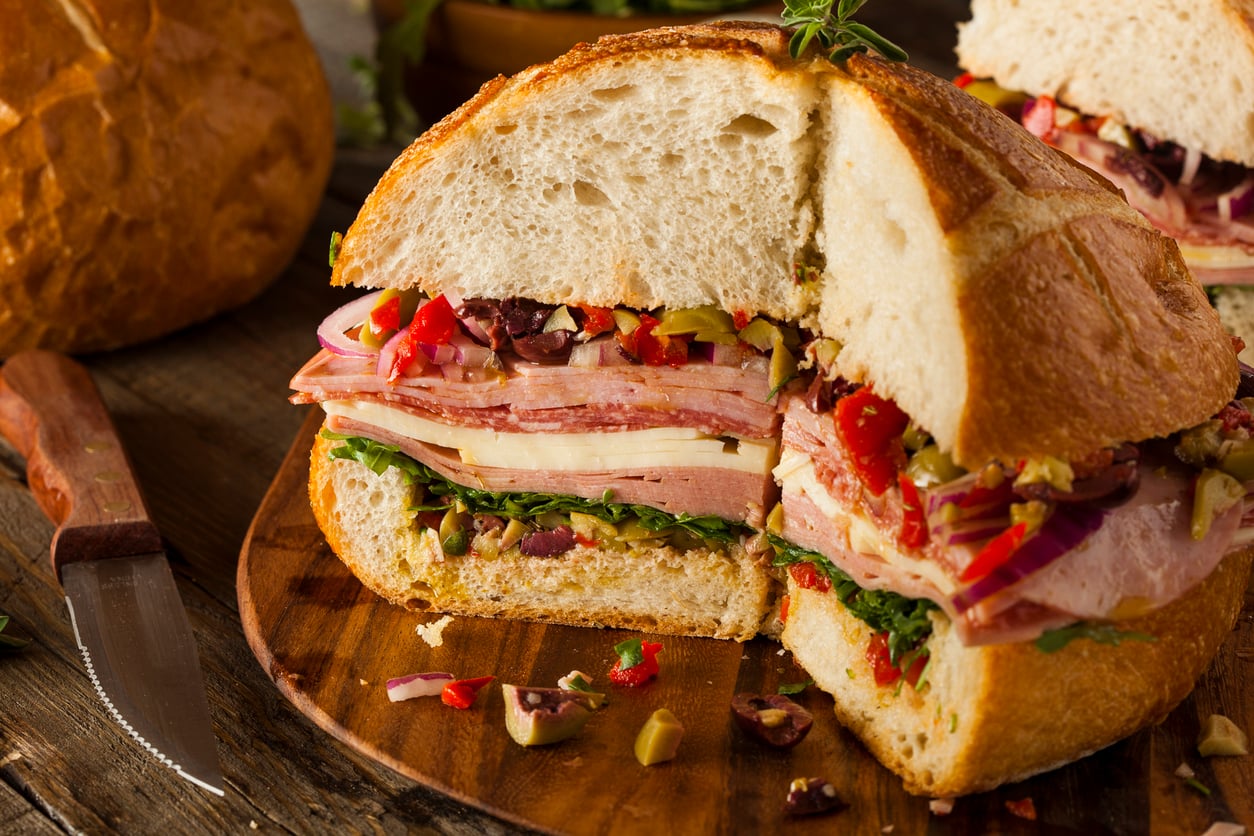
At New Orleans’ French Market, Sicilian immigrants once purchased bread, cured meats, cheese, and olives as separate lunch ingredients. According to local tradition, Central Grocery owner Salvatore Lupo made things easier by combining them into one enormous round sandwich. The muffuletta, associated with his shop since the early 1900s, features layers of Italian meats, cheeses, and a distinctive olive salad. It’s now a New Orleans staple, although one sandwich can easily feed more than one person. That generous size makes sharing a sensible option.
Trending on Cheapism

Garbage Plate – Rochester, New York
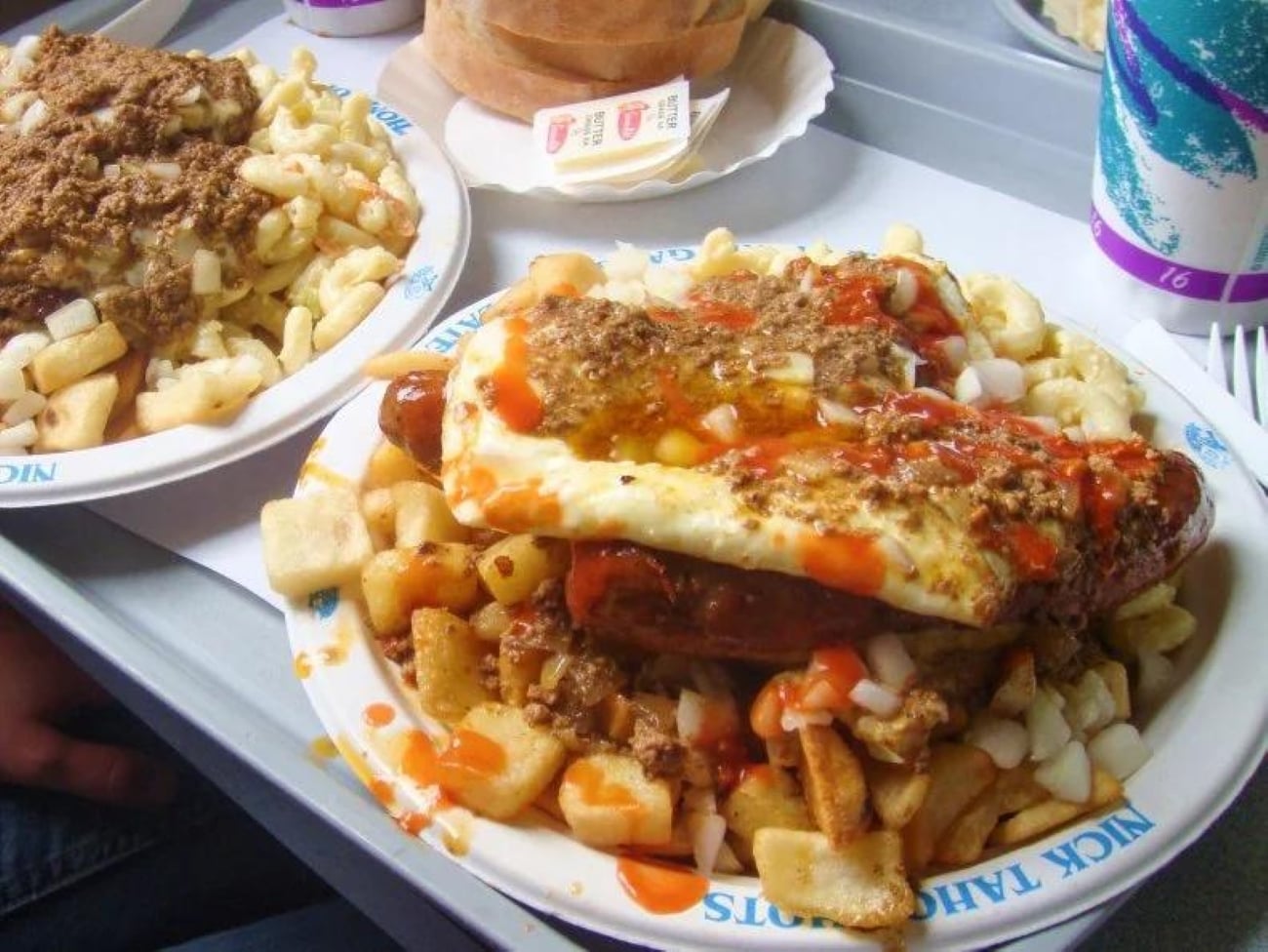
Rochester’s Garbage Plate proves that a filling meal doesn’t need an elegant presentation. The dish evolved from combination plates served at the restaurant now known as Nick Tahou Hots, bringing together inexpensive favorites such as potatoes, beans, hot dogs, and later macaroni salad. Modern versions often feature hamburgers or hot dogs topped with Rochester-style meat sauce, mustard, and onions. Local legend credits college students with inspiring the memorable name by asking for a plate containing all the “garbage.” Whatever its exact origins, the dish became a Rochester institution.
Cincinnati Chili – Cincinnati, Ohio
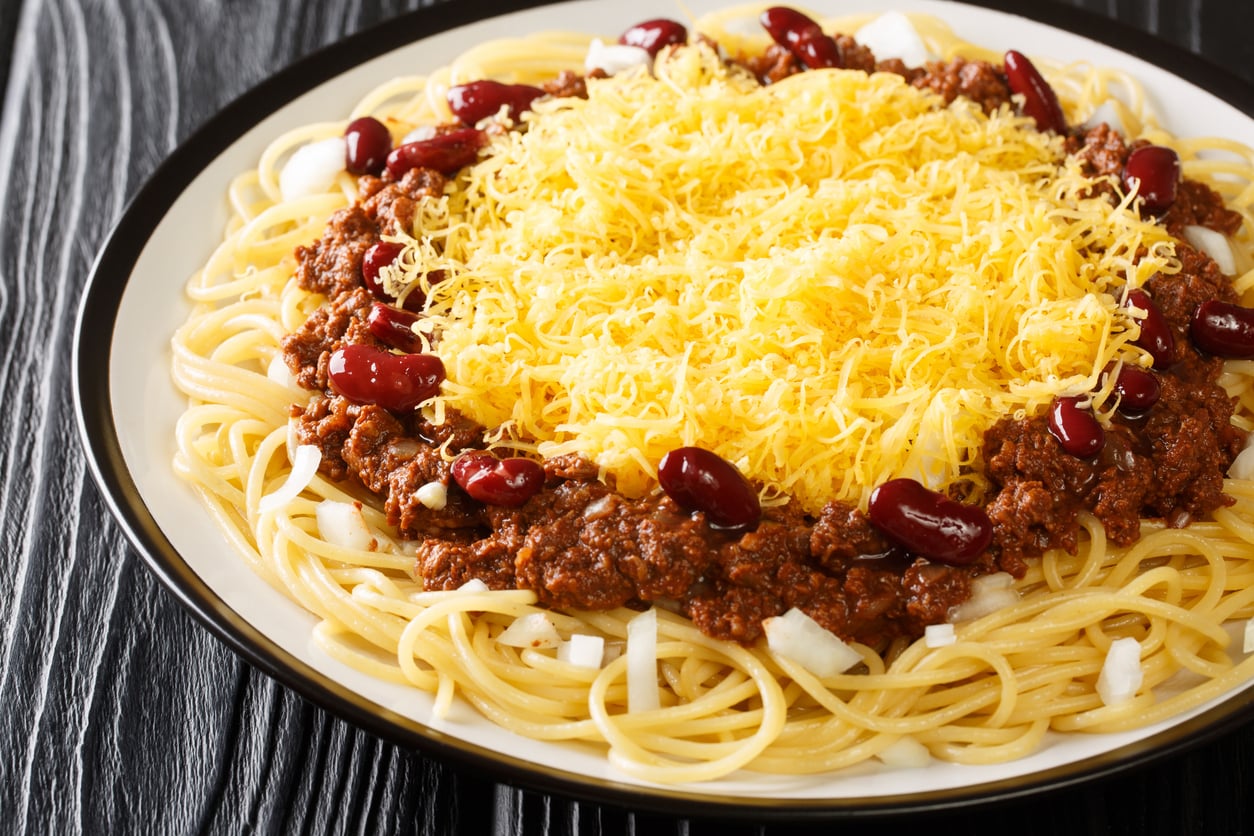
Cincinnati chili began when immigrant restaurateurs adapted familiar Mediterranean-style flavors to American dining habits. Brothers Tom and John Kiradjieff opened Empress Chili in 1922, serving their seasoned meat sauce over spaghetti and eventually helping establish a regional restaurant tradition. Unlike conventional Texas-style chili, Cincinnati’s version is usually thinner and commonly served with spaghetti, shredded cheese, onions, or beans. The city’s distinctive ordering system includes three-way, four-way, and five-way combinations. What began as an adaptation for local customers eventually became one of Cincinnati’s most recognizable foods.
Horseshoe Sandwich – Springfield, Illinois
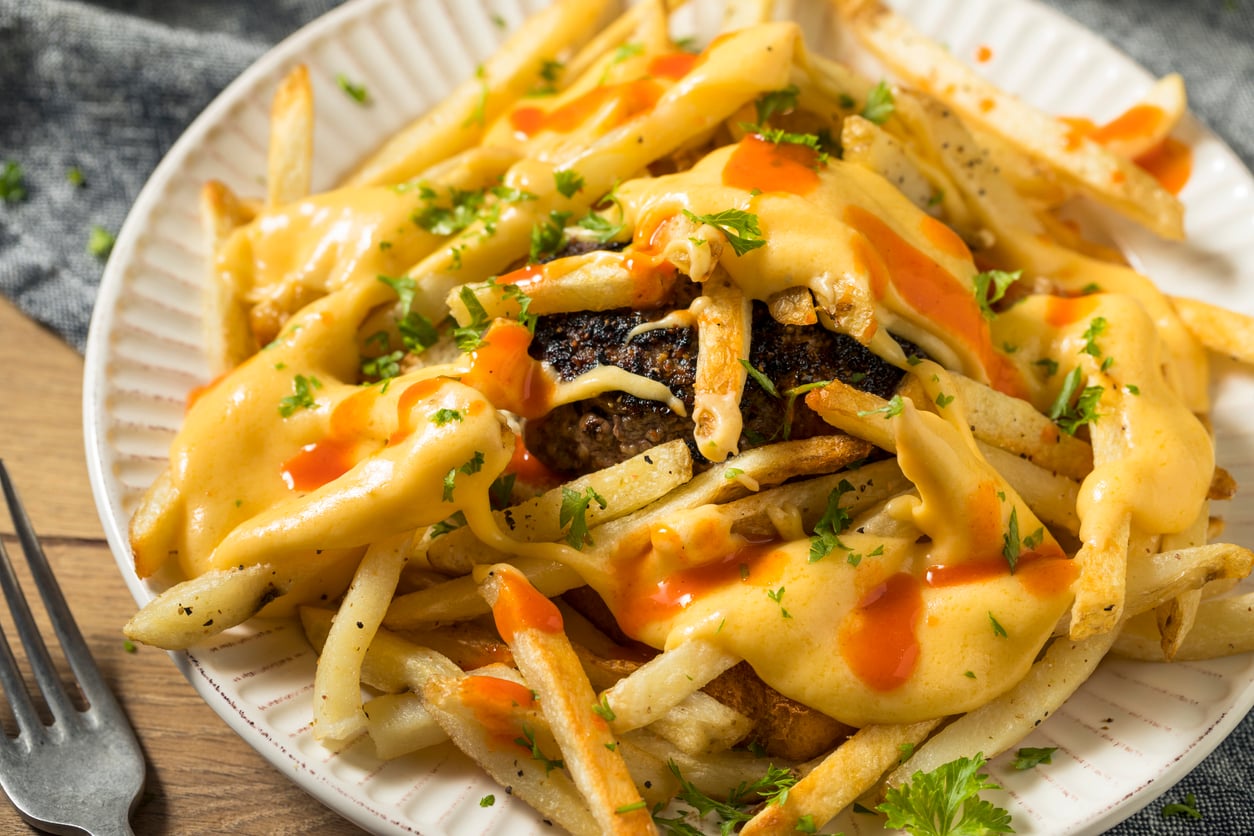
Springfield’s enormous Horseshoe sandwich began as a restaurant chef’s answer to a straightforward problem: creating a new lunch special. In 1928, Leland Hotel chef Joe Schweska reportedly developed the dish with help from his wife, Elizabeth. The original featured ham, toast, potatoes, and cheese sauce, with the ingredients arranged to suggest a horseshoe and its nails. Today’s versions often use hamburger patties and French fries, all covered in cheese sauce. Smaller appetites can look for a ponyshoe, a half-sized variation offered by some local restaurants.
Sign up for our newsletter
Philadelphia Cheesesteak – Philadelphia, Pennsylvania
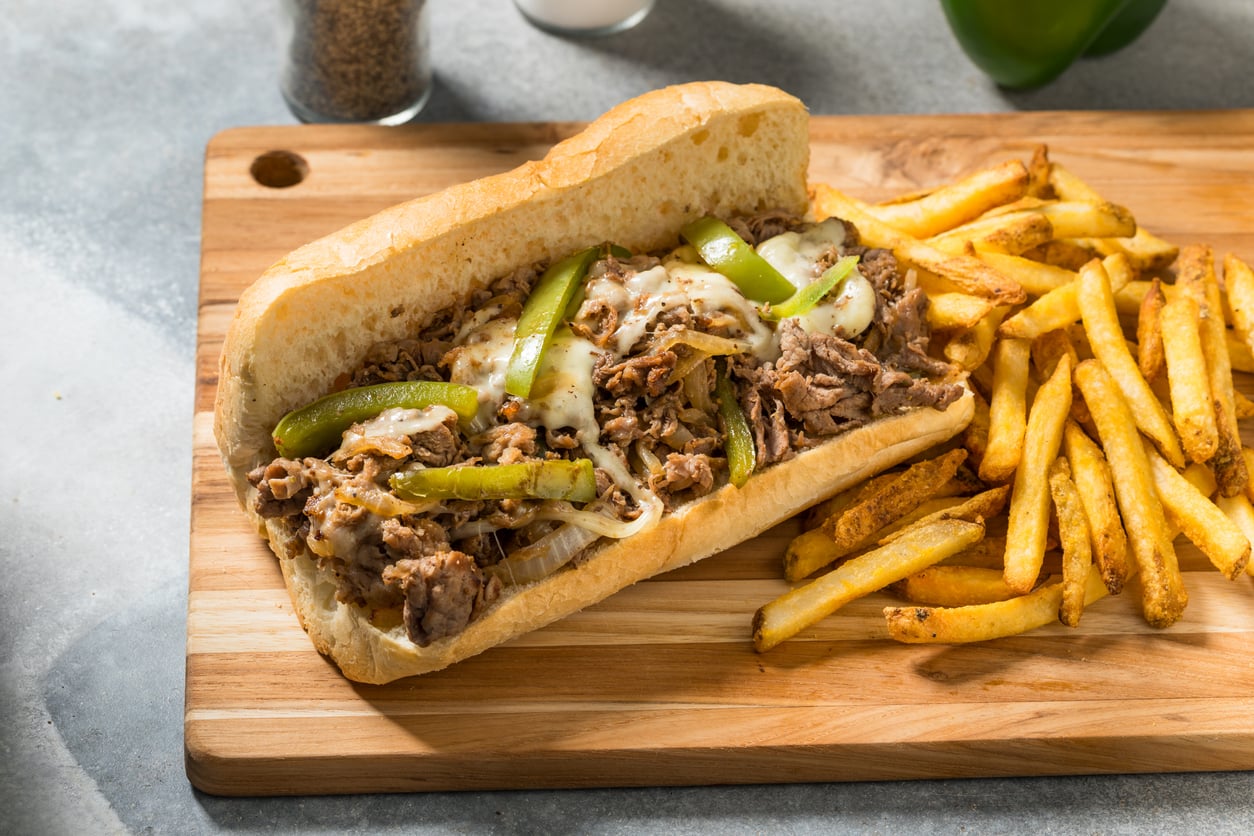
Philadelphia’s cheesesteak reportedly began when hot dog vendor Pat Olivieri decided to cook beef on his grill around 1930. According to the familiar story, a passing taxi driver requested the sandwich, and word spread among other drivers. The early sandwich was apparently served without cheese, which became a defining ingredient later. Today, thinly sliced beef, melted cheese, and optional onions fill long rolls at countless Philadelphia shops. The precise origin story is difficult to verify, but the sandwich’s connection to the city’s working-class food culture is unmistakable.
Pepper-and-Egg Sandwich – Chicago, Illinois
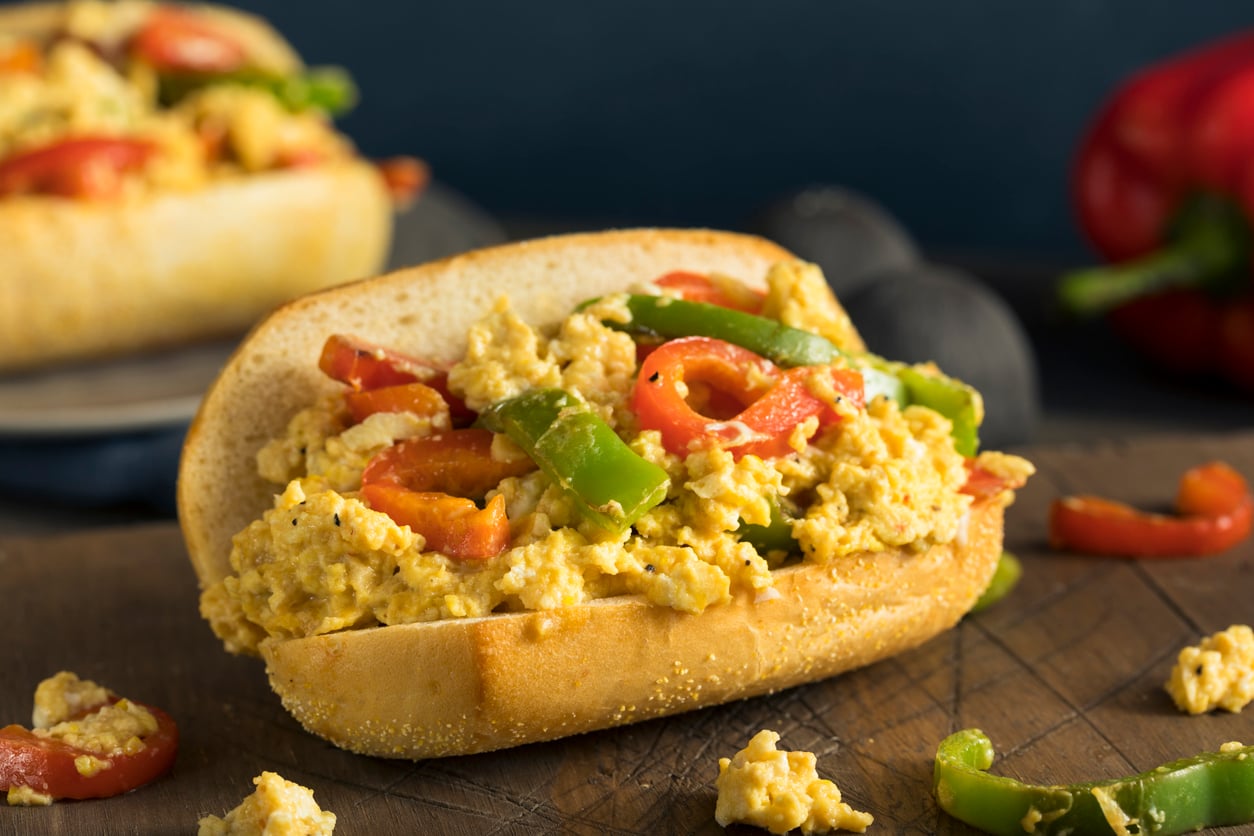
Chicago’s pepper-and-egg sandwich became a practical answer to Friday meals during Lent, when many Catholics traditionally avoid meat. Italian American cooks combined scrambled eggs and sauteed bell peppers inside crusty bread, creating an inexpensive, satisfying alternative to beef sandwiches. The tradition remains especially popular at Chicago sandwich shops during the weeks leading up to Easter. Some restaurants serve it year-round, while others bring it back seasonally. The ingredients are simple, but the sandwich has become a nostalgic favorite for generations of local families.
Runza Sandwich – Lincoln, Nebraska
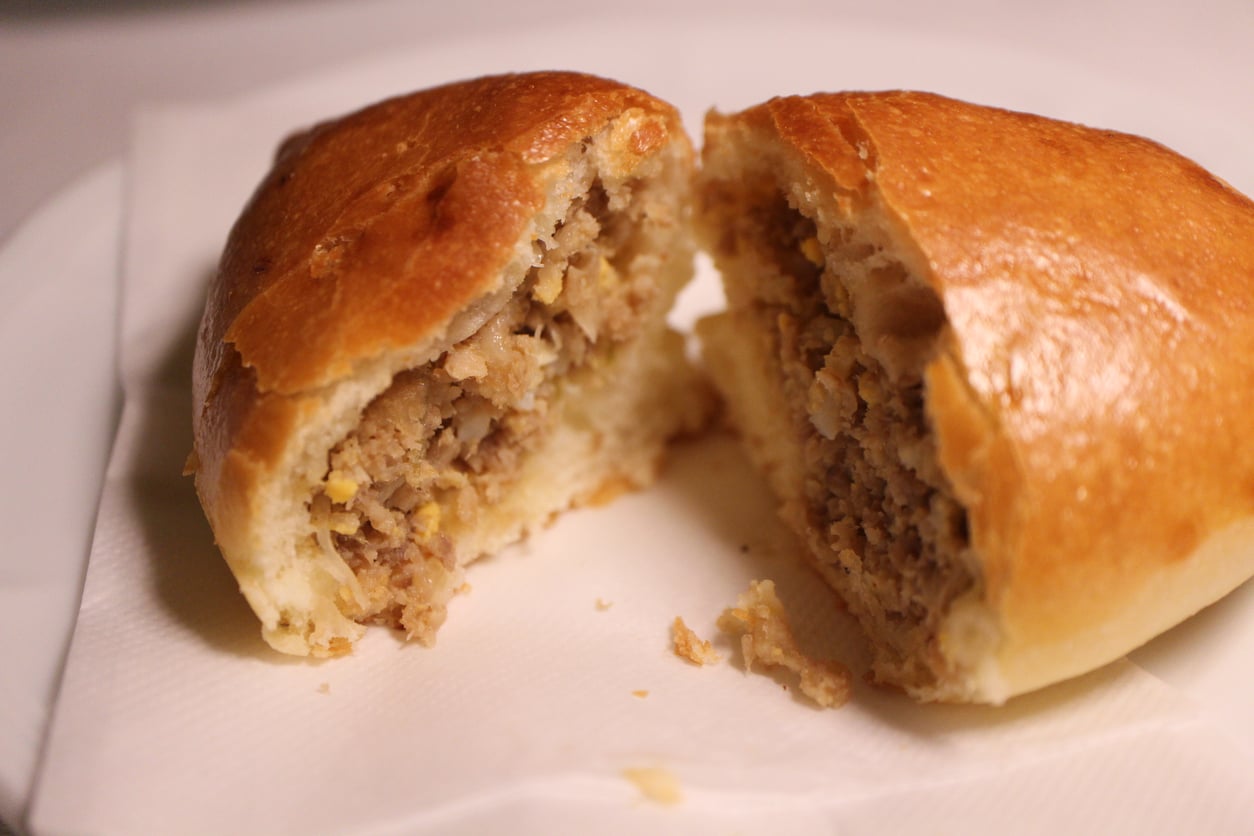
The Runza has roots in German-Russian immigrant cooking, where enclosing seasoned meat and vegetables inside bread dough created a portable, filling meal. Sally Everett and her brother Alex Brening opened the first Runza restaurant in Lincoln in 1949, introducing the baked sandwich to a wider audience. Its familiar filling combines ground beef, cabbage, onions, and seasonings inside soft bread. The chain eventually became a Nebraska favorite, particularly associated with football season. It’s a practical meal for eating on the go, though the original sandwich is more substantial than its simple appearance suggests.
Frito Pie – Santa Fe, New Mexico, and Texas
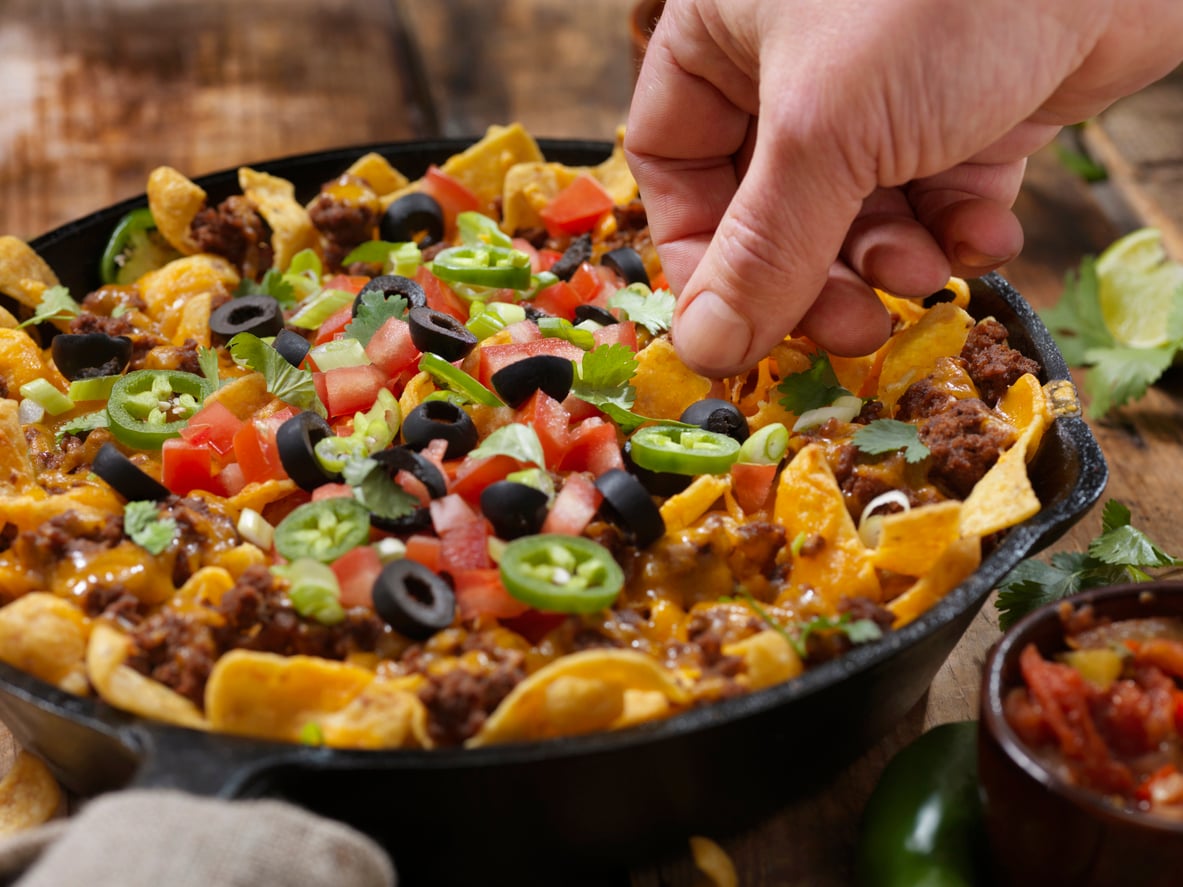
Frito pie turns inexpensive snack ingredients into a surprisingly filling meal. Corn chips are topped with chili, cheese, onions, and sometimes jalapenos, creating a dish that requires little preparation. Serving it directly in a chip bag made it especially convenient for concession stands, fairs, and people eating on the move. Both Texas and New Mexico claim important roles in its history, including Santa Fe’s famous Woolworth’s lunch counter. The precise invention remains disputed, but the dish’s simplicity helped make it a Southwestern favorite.