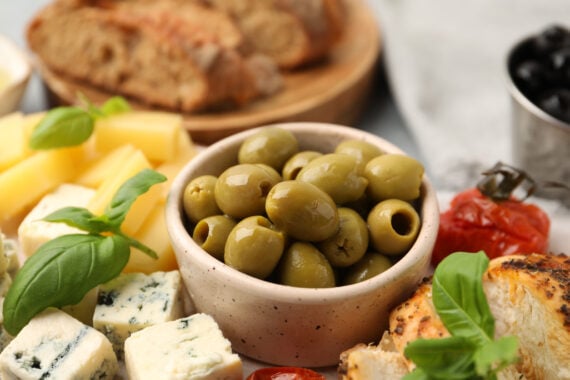

Fried chicken has long been one of America’s favorite comfort foods, but it also has deep roots as a budget-friendly meal. Long before restaurant chains turned fried chicken dinners into premium-priced menu items, home cooks were finding creative ways to turn inexpensive chicken into meals that could feed an entire family.
Many of the techniques that make fried chicken taste better today were originally born out of necessity. Families learned how to stretch grocery budgets, make tougher cuts more tender, and squeeze every bit of flavor from simple ingredients. Rather than relying on expensive products or specialty equipment, they used patience, planning, and practical kitchen knowledge.
With food prices continuing to climb, many of these old-school methods are making a comeback. The best part is that most of them cost little or nothing to implement. In many cases, they can actually produce better fried chicken than some of the more expensive shortcuts available today.
Buy Bone-In Chicken Instead Of Boneless
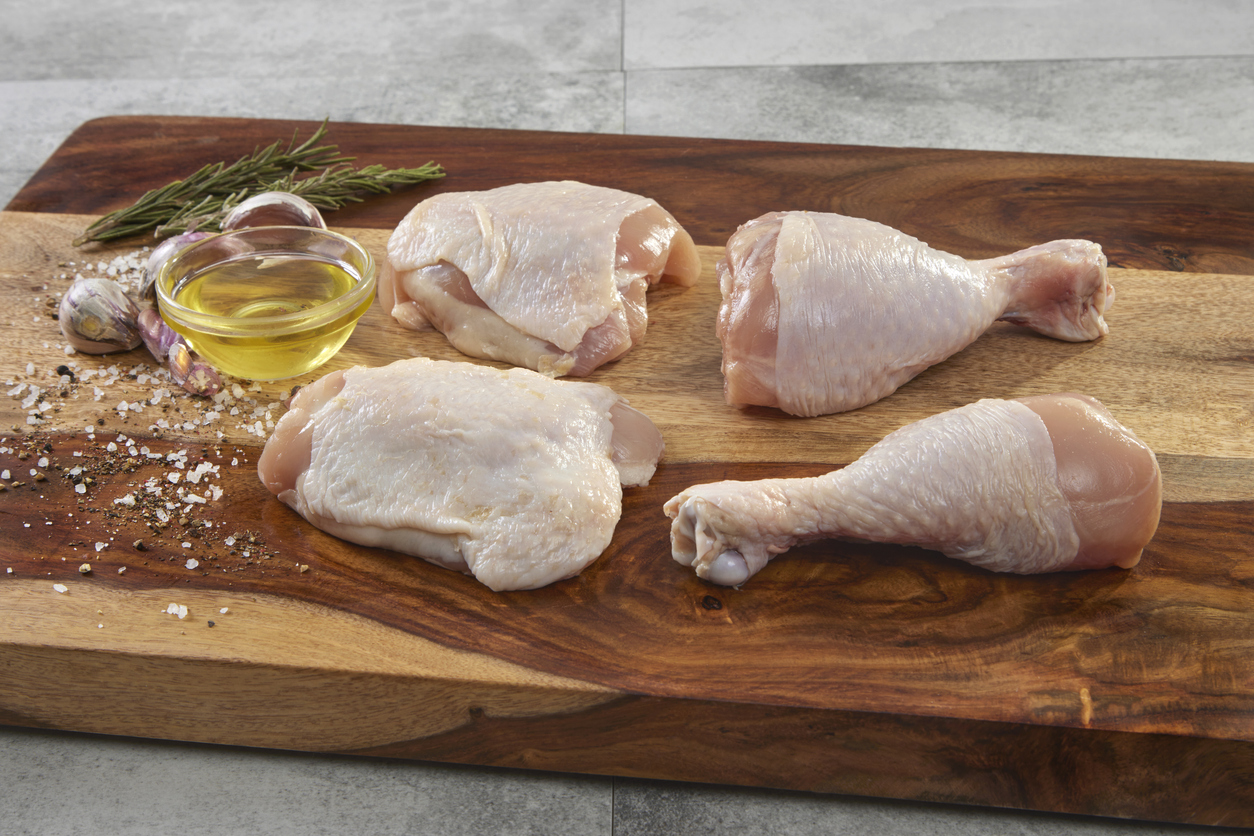
One of the oldest money-saving fried chicken tricks is also one of the simplest: buy bone-in chicken instead of boneless cuts. Thighs, drumsticks, and leg quarters are often significantly cheaper per pound than boneless breasts, making them a favorite among budget-conscious shoppers.
The bones do more than save money. They also help retain moisture during cooking, which can result in juicier fried chicken. That’s one reason so many traditional family recipes call for mixed chicken pieces rather than expensive boneless options.
Many experienced home cooks still consider thighs and drumsticks the perfect balance of affordability, flavor, and tenderness.
Soak The Chicken In Buttermilk Overnight
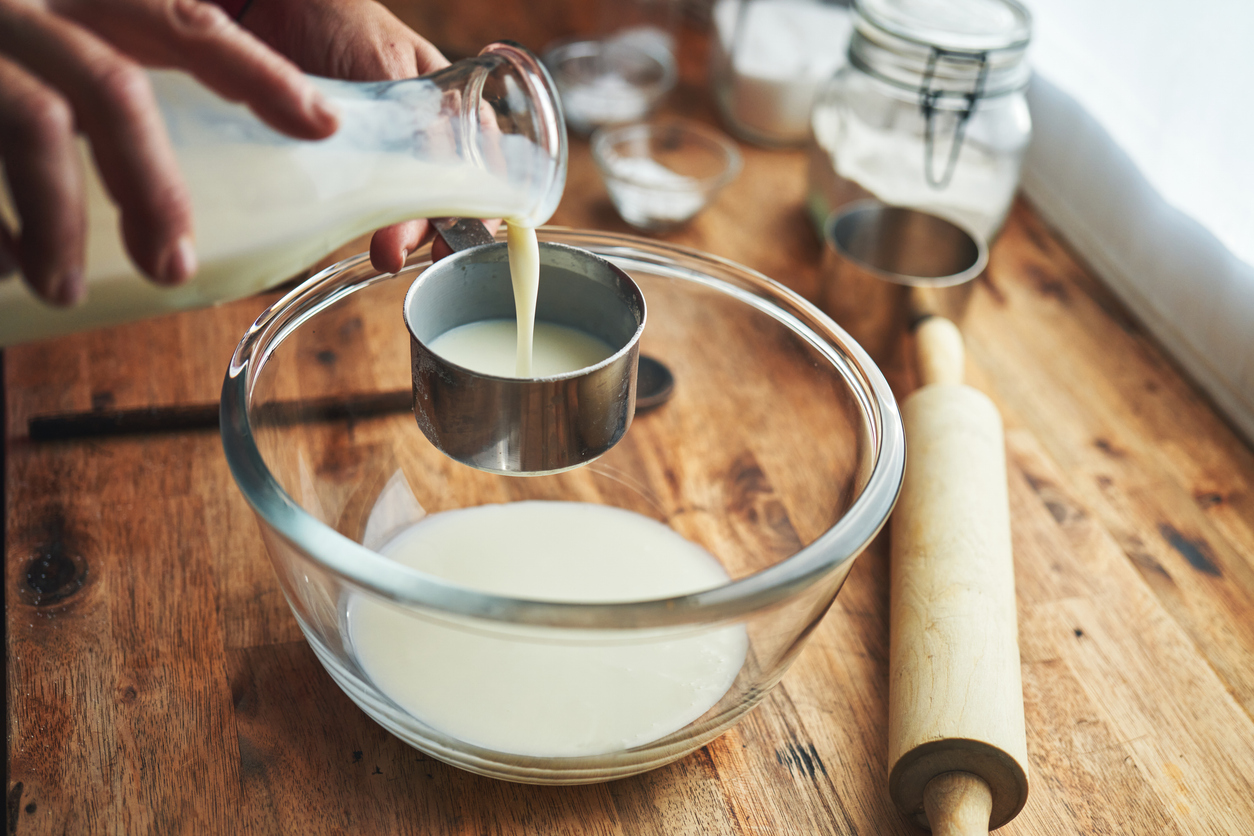
For generations, Southern cooks have relied on buttermilk marinades to improve fried chicken. The mild acidity in buttermilk helps tenderize the meat while allowing seasonings to penetrate beneath the surface.
The technique became popular because it could transform less-expensive cuts into flavorful, tender meals. Families would often let chicken soak overnight, using time instead of costly ingredients to improve the final result.
Even today, buttermilk remains one of the easiest and most effective upgrades for homemade fried chicken.
Use Salt Hours Before Frying

Long before the phrase “dry brining” entered the culinary vocabulary, home cooks knew that salting chicken several hours before frying made a difference.
Giving salt time to work its way into the meat helps season it more evenly and enhances moisture retention during cooking. Instead of flavor sitting only on the surface, the entire piece becomes better seasoned.
It’s a simple step that costs virtually nothing but can dramatically improve the finished product.
Save Bacon Grease For Added Flavor
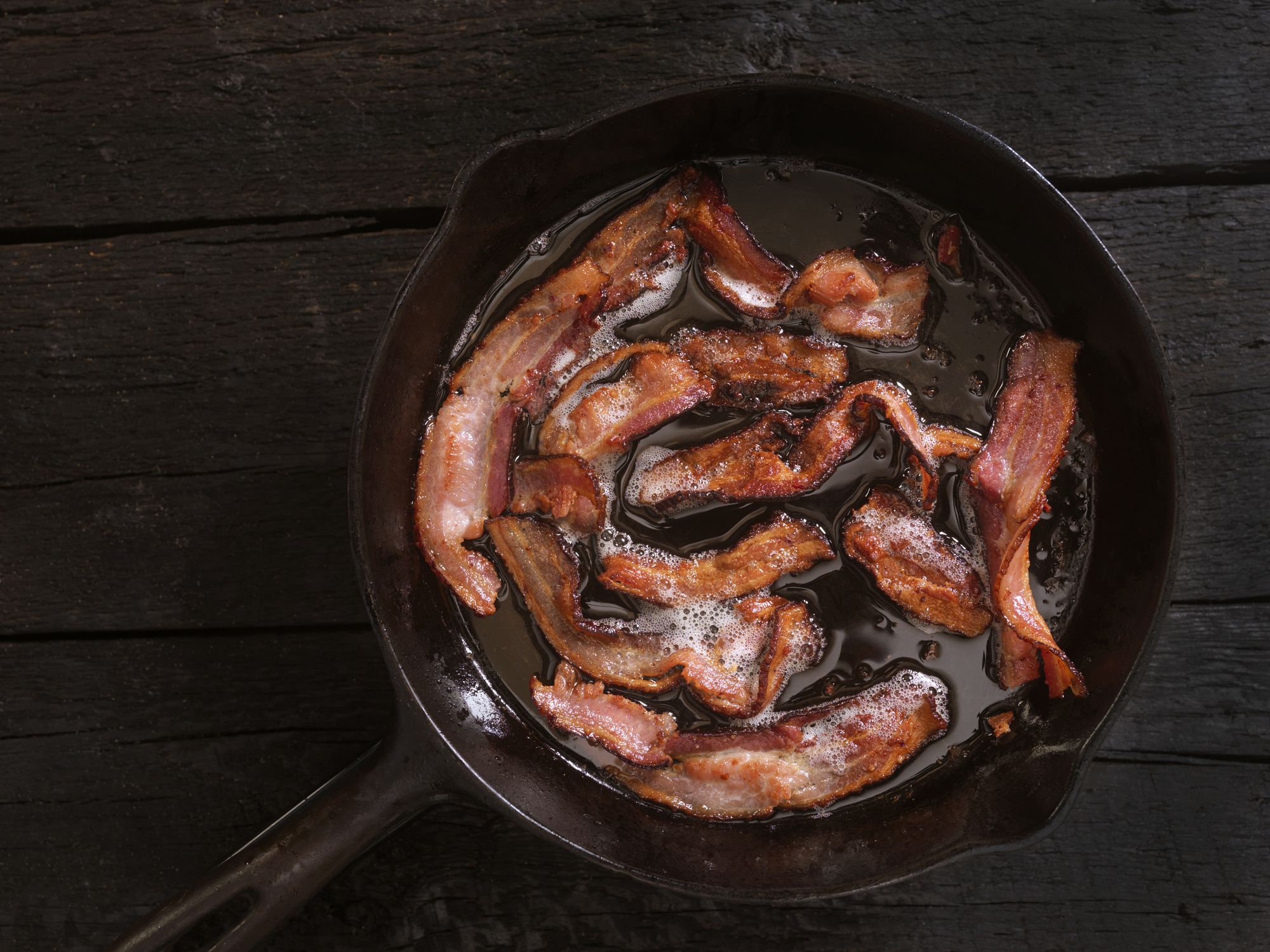
Previous generations rarely threw away useful ingredients, and bacon grease was often considered kitchen gold. Many households kept jars of rendered bacon fat specifically for cooking.
Adding a small amount of bacon grease to frying oil can provide an extra layer of savory flavor without requiring expensive seasonings or specialty ingredients.
The practice reflects a time when wasting food was strongly discouraged, and every ingredient was expected to serve multiple purposes.
Mix Flour With Cornstarch
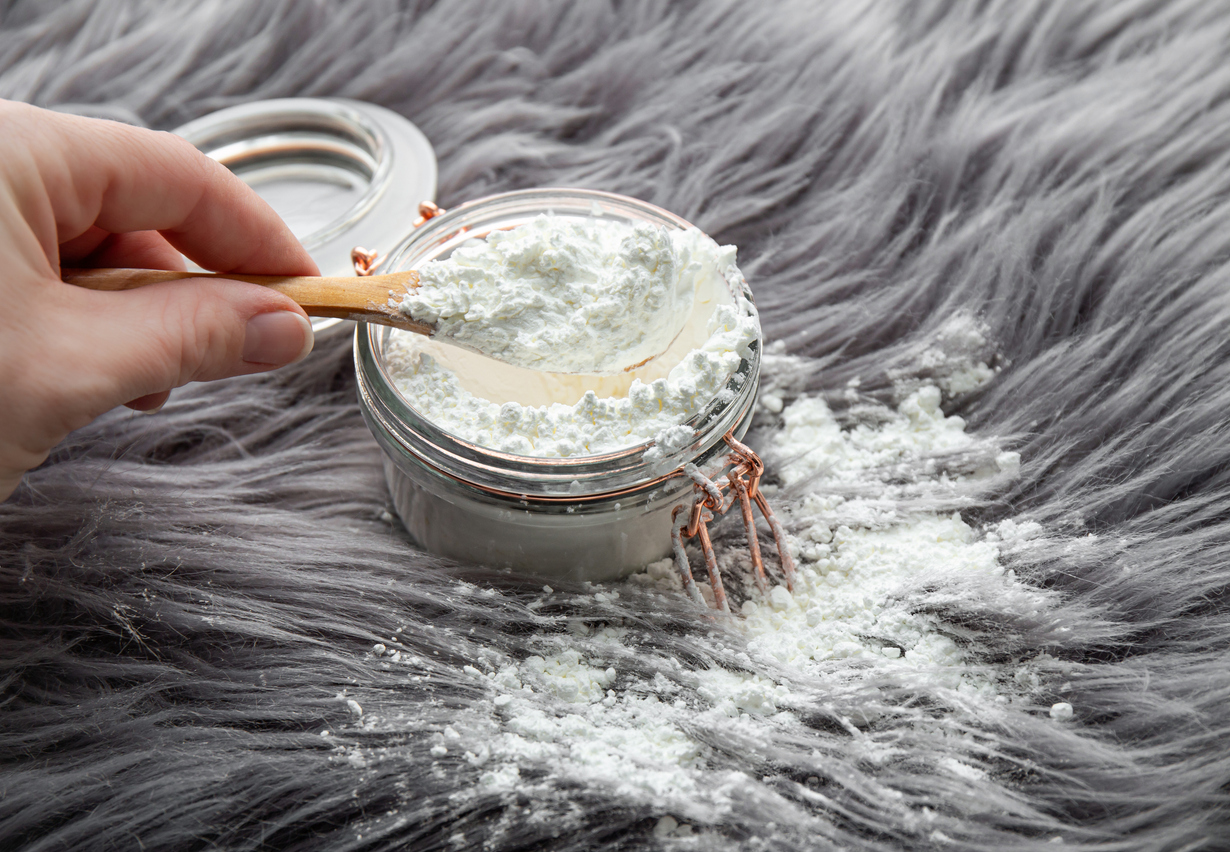
A crispy coating doesn’t require fancy breading blends. For decades, home cooks have mixed cornstarch into flour to create a lighter, crunchier crust.
Both ingredients are inexpensive pantry staples, making the trick particularly appealing for budget-minded families. Cornstarch helps reduce the heaviness that can sometimes come with an all-flour coating while encouraging extra crispness.
It’s still one of the most commonly recommended fried chicken techniques among experienced cooks.
Trending on Cheapism
Season The Flour, Not Just The Chicken
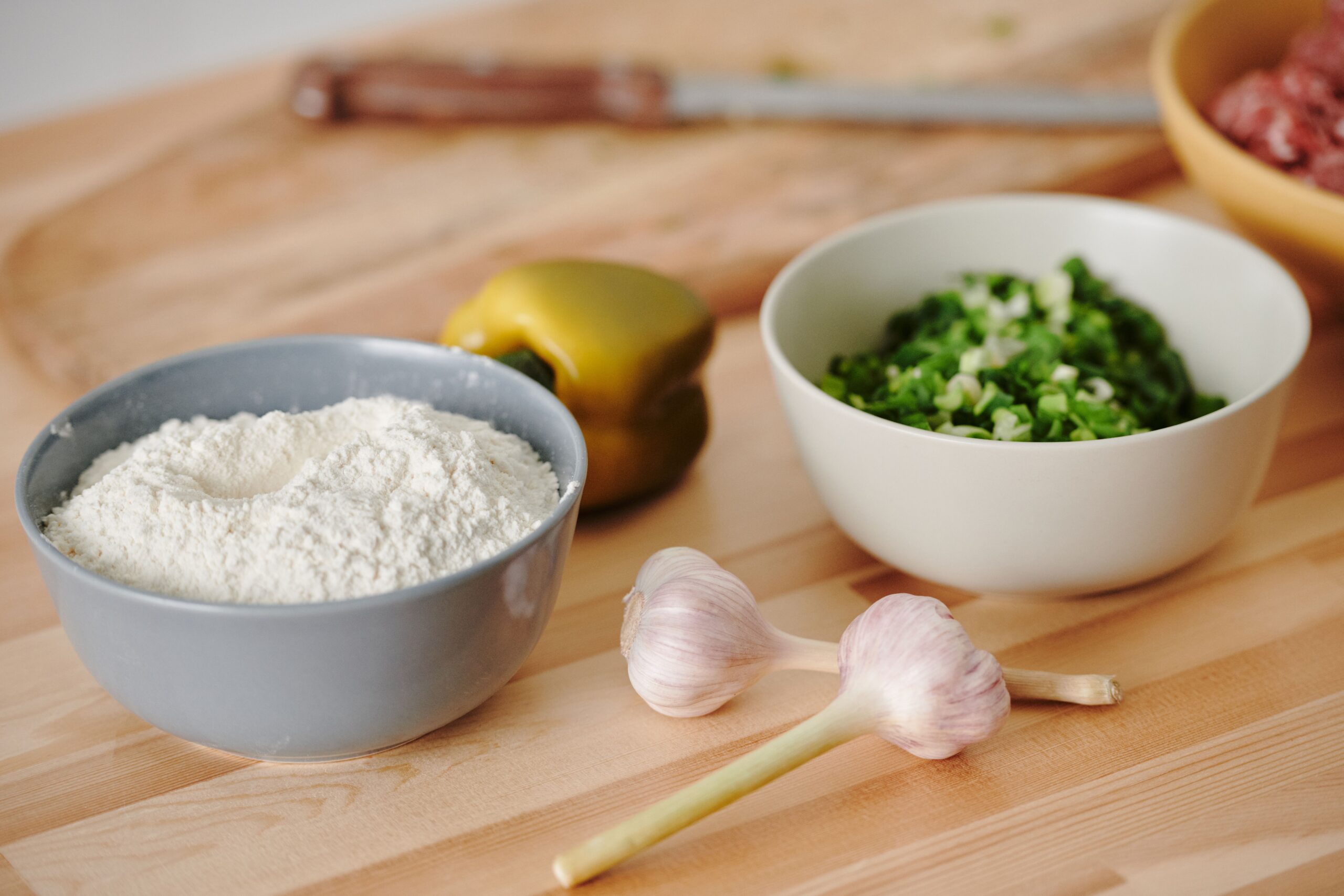
One mistake many beginners make is focusing all their seasoning on the meat while neglecting the coating.
Older fried chicken recipes frequently incorporated spices directly into the flour mixture. Paprika, garlic powder, onion powder, black pepper, and cayenne were common additions that ensured flavor was distributed throughout every bite.
Seasoning both the chicken and the coating creates a more balanced result than simply sprinkling extra spices on after frying.
Let The Coated Chicken Rest Before Frying
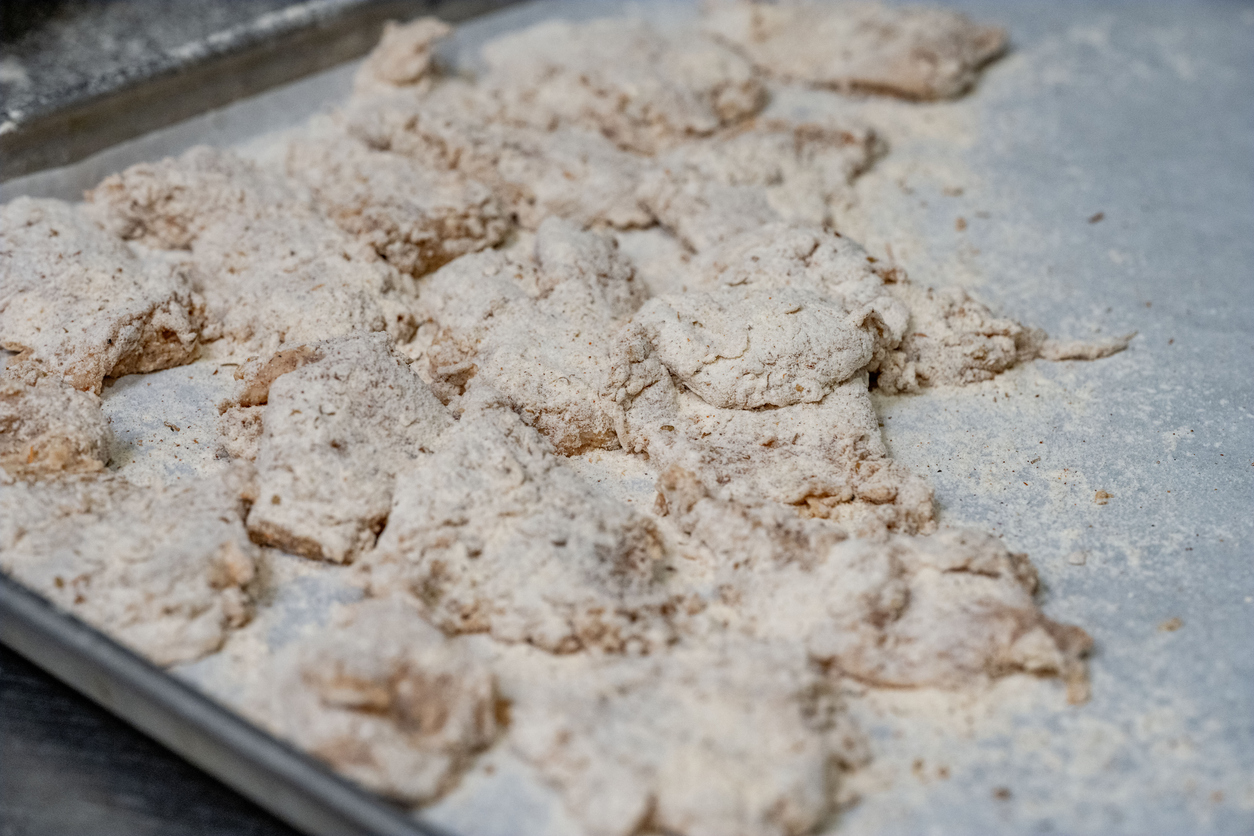
Many home cooks are tempted to move straight from breading to frying, but older recipes often recommend a brief resting period.
Allowing coated chicken to sit for 15 to 30 minutes helps the breading adhere more securely to the meat. As a result, less coating falls off in the fryer and the finished crust tends to be thicker and more consistent.
The only investment required is a little extra patience.
Reuse Frying Oil Carefully
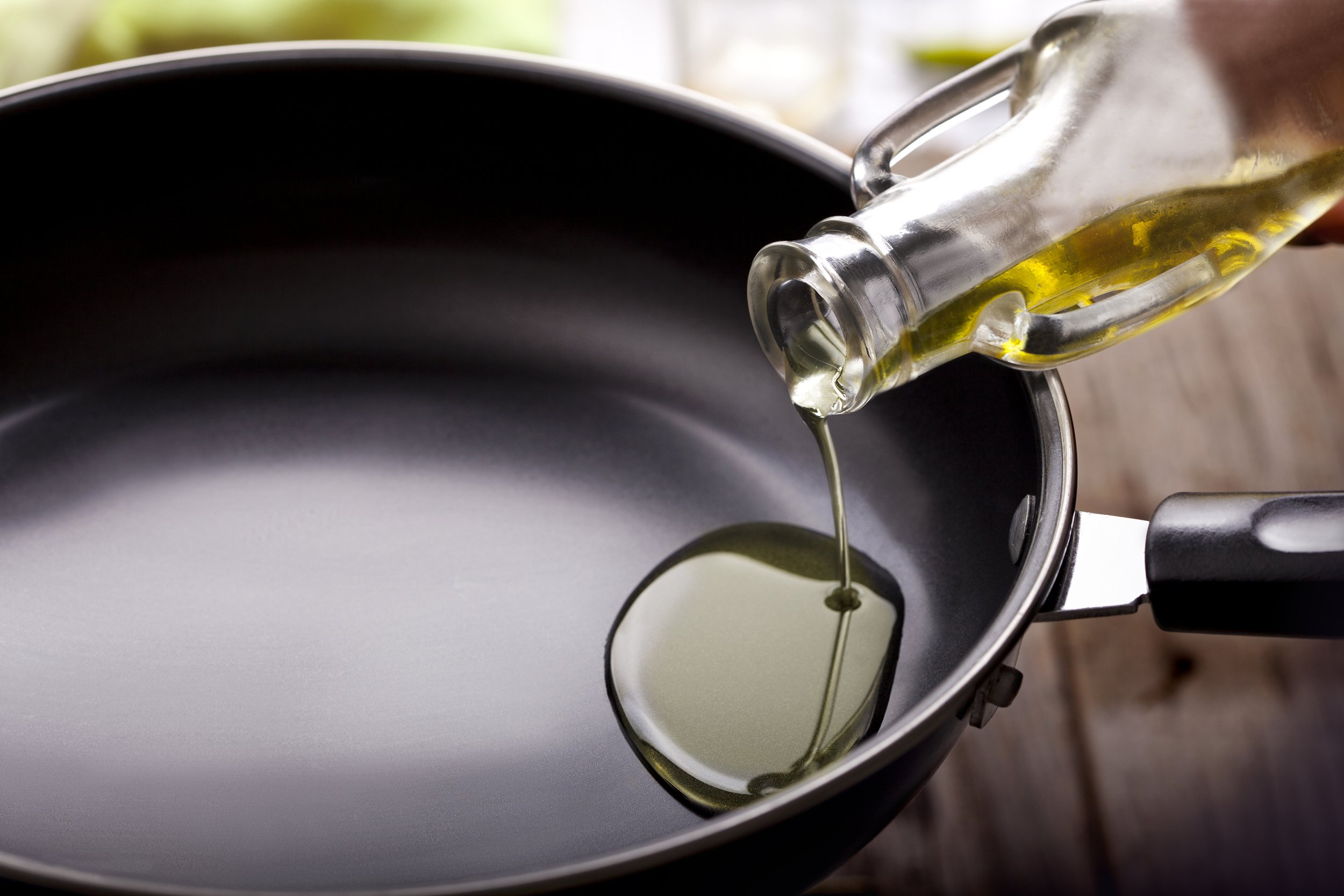
In earlier generations, cooking oil was rarely discarded after a single use. Instead, cooks strained the oil and saved it for future meals.
As long as oil is properly filtered and hasn’t degraded from repeated overheating, it can often be reused several times. This practice helped households reduce grocery expenses and get more value from every purchase.
Many experienced home cooks still follow this strategy today to keep cooking costs under control.
Sign up for our newsletter
Fry In Cast Iron
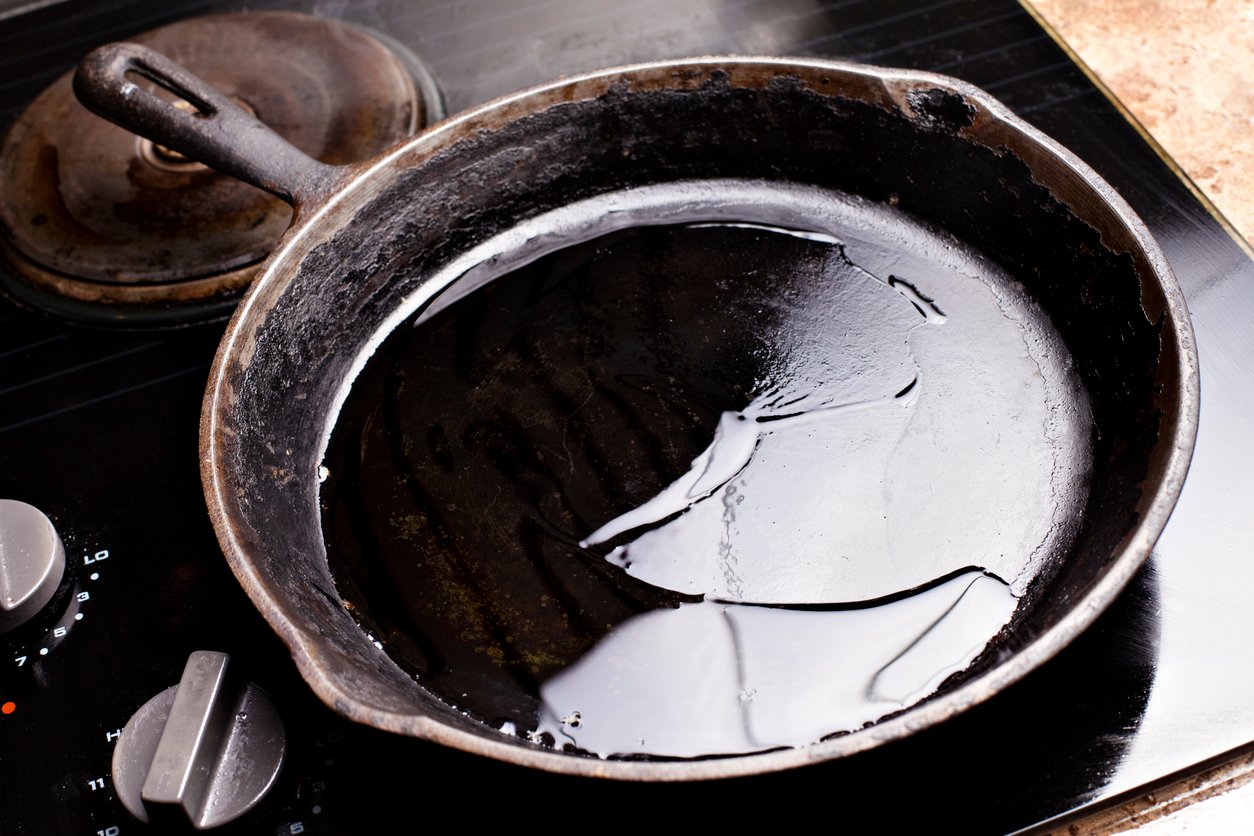
Cast-iron skillets have earned their legendary reputation when it comes to fried chicken. Their excellent heat retention helps maintain a more stable oil temperature throughout the cooking process.
Consistent heat contributes to crispier crusts and more evenly cooked chicken. It’s one reason cast iron remains a favorite among Southern cooks.
Many families used the same skillet for decades, making it one of the most economical kitchen investments possible.
Don’t Crowd The Pan
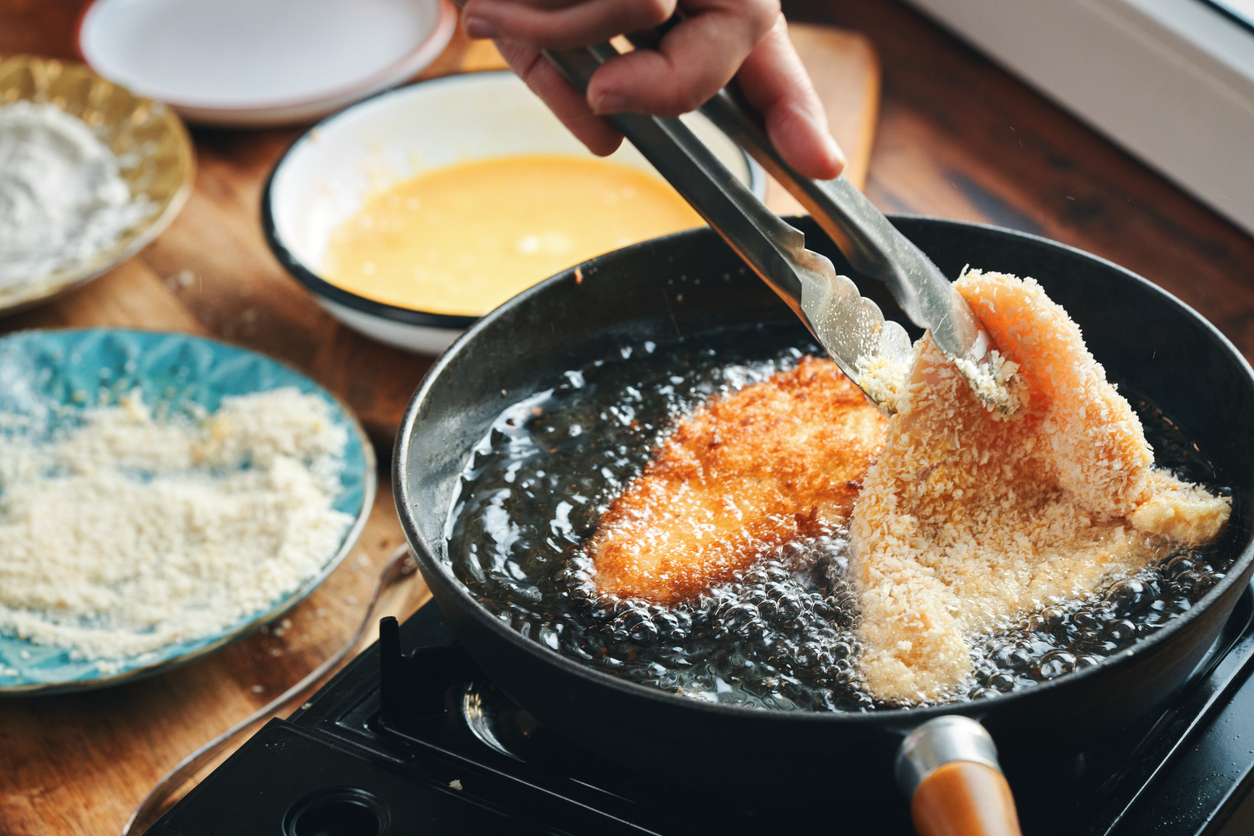
Trying to fry too much chicken at once is one of the fastest ways to ruin a batch. When the pan becomes overcrowded, the oil temperature drops rapidly. Lower temperatures can lead to greasy coatings and uneven cooking.
Experienced cooks learned long ago that smaller batches produce superior results. Although it takes a little longer, the payoff is crispier, better-tasting fried chicken.
Stretch The Meal With Biscuits And Sides
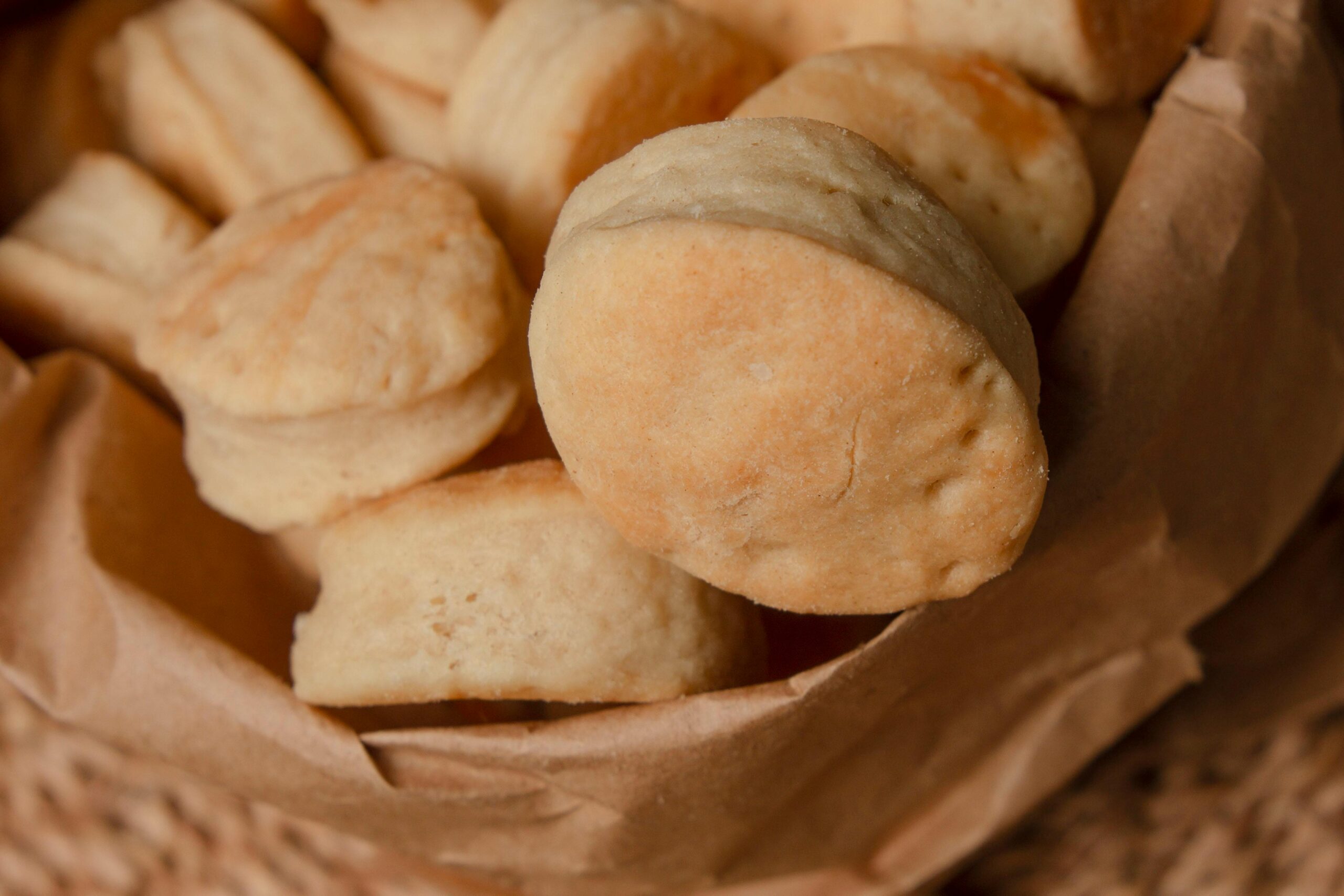
Part of the secret to affordable fried chicken wasn’t necessarily using less expensive chicken. It was serving it alongside filling side dishes.
Biscuits, mashed potatoes, rice, gravy, beans, and coleslaw helped families feed more people with fewer pieces of meat. These sides turned modest portions into satisfying meals.
The strategy remains one of the easiest ways to make a fried chicken dinner more budget-friendly today.
Save Leftovers For Sandwiches
Older generations rarely viewed leftover fried chicken as something to reheat and forget about.
Cold fried chicken was commonly packed into lunchboxes, served at picnics, or turned into sandwiches the next day. Extending one cooking session into multiple meals dramatically increased its value.
It’s a simple habit that can help reduce food waste while stretching grocery dollars further.
Buy Family Packs And Freeze Portions
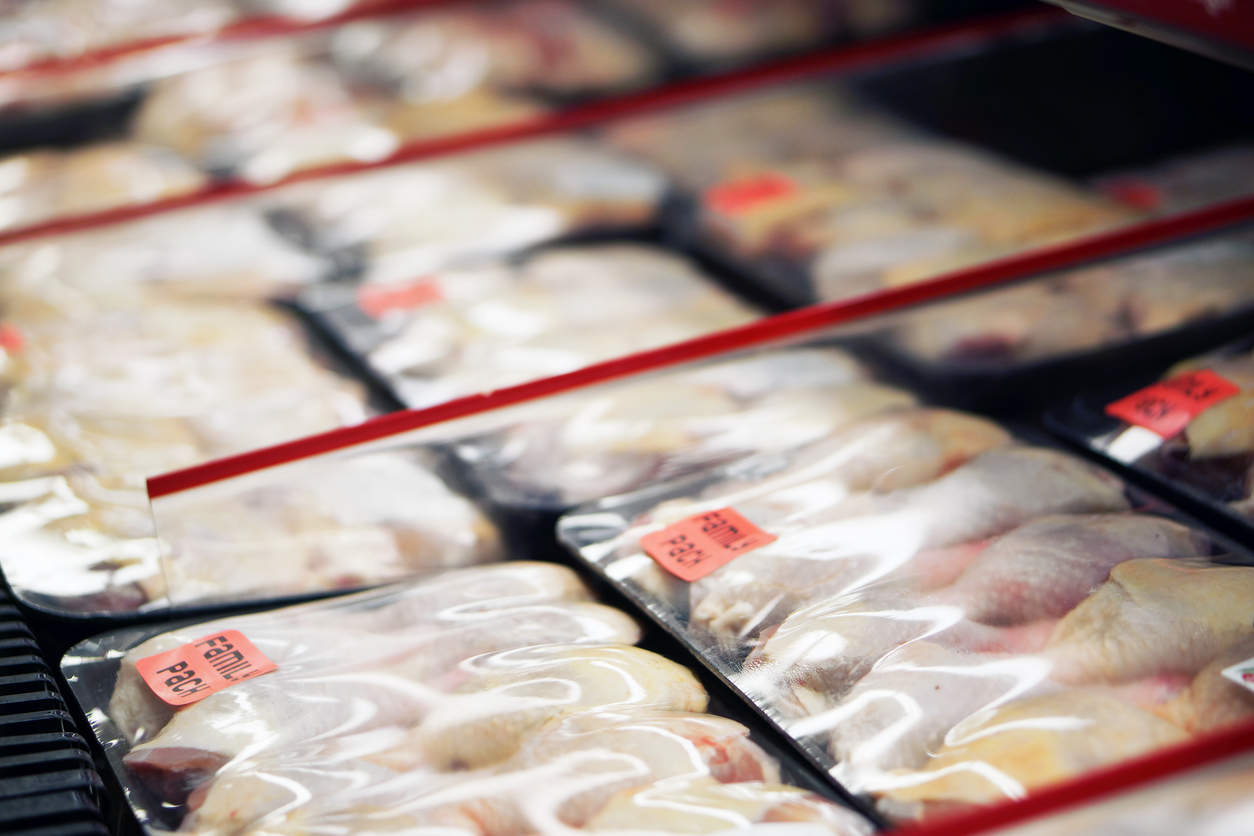
Bulk buying has long been a favorite tactic among budget-conscious shoppers.
Large family packs often cost less per pound than smaller packages. Many experienced cooks take advantage of sales by dividing the chicken into meal-sized portions and freezing them for later use.
This strategy allows households to capture savings without worrying about spoilage or waste.
Why These Old Fried Chicken Tricks Still Work
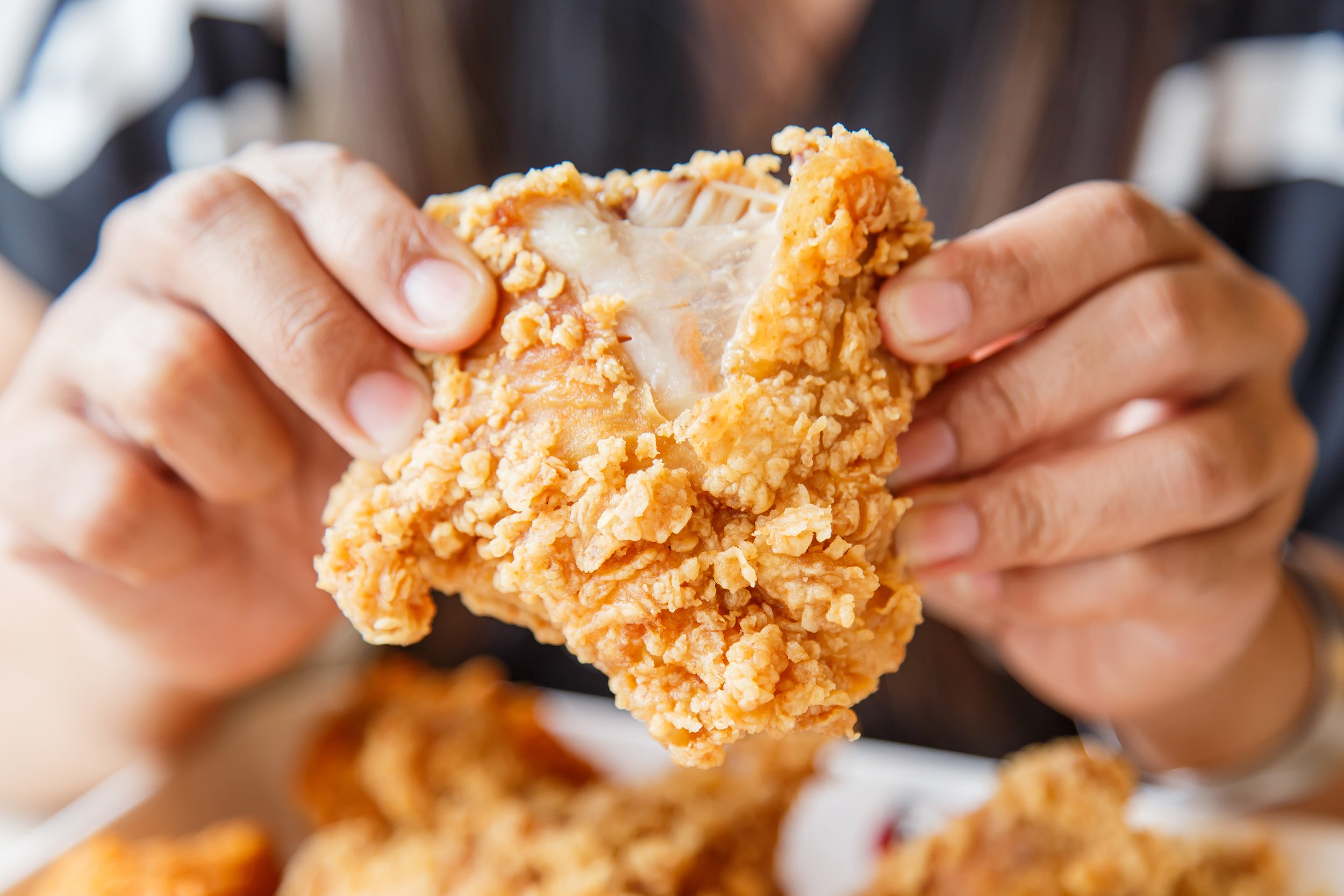
Most of these techniques were developed during times when families had little choice but to make every dollar count. Rather than relying on expensive ingredients or specialized equipment, they improved meals through planning, patience, and practical cooking knowledge.
What’s remarkable is how effective these methods remain today. Buying economical cuts, marinating overnight, seasoning properly, using cast iron, and avoiding waste often produce results that rival far more expensive approaches.
The larger lesson is that great fried chicken has never been about spending the most money. It’s about getting the maximum flavor, texture, and value from simple ingredients. Decades later, that philosophy remains just as useful as ever.