Trying local food is one of the best parts of traveling, but knowing what to order isn’t always straightforward. Across America, regional specialties come with unfamiliar names, unusual toppings, and ordering traditions that can leave first-time visitors confused. These regional foods that outsiders usually order wrong aren’t necessarily complicated, but a little local knowledge makes all the difference. In Philadelphia, for example, ordering a cheesesteak comes with its own vocabulary. From Chicago’s Italian beef sandwiches to Cincinnati chili, here’s how to avoid common ordering mistakes and enjoy these regional favorites.
Philadelphia Cheesesteak, Pennsylvania
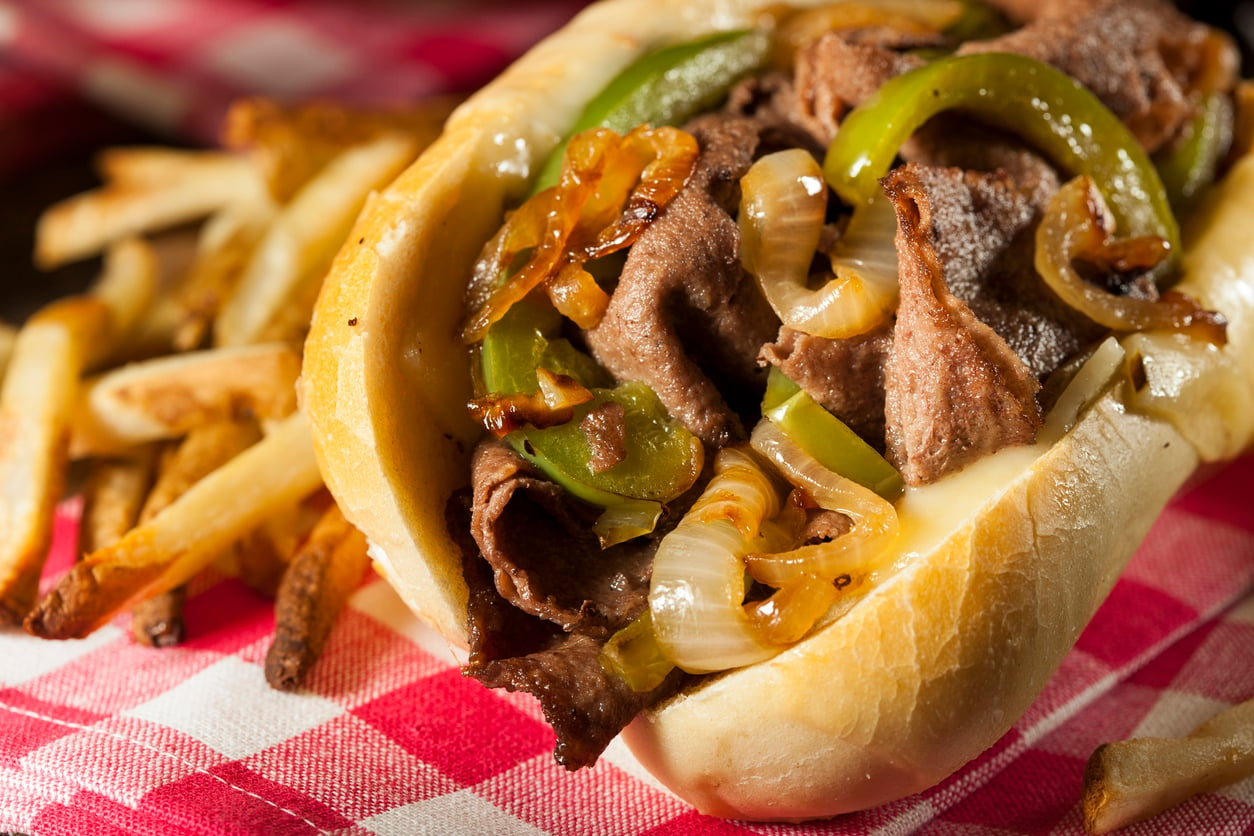
Walking up to a busy Philadelphia cheesesteak counter without knowing what you want can make ordering surprisingly stressful. At traditional shops such as Pat’s and Geno’s, the important decisions are your cheese and whether you want onions. “Whiz wit” means Cheez Whiz with grilled onions, while “provolone witout” means provolone without them. American cheese is another common option. The shorthand isn’t required everywhere in Philadelphia, but knowing it helps at busy counters. Decide before reaching the register, especially when there’s a line behind you.
Chicago Italian Beef Sandwich, Illinois
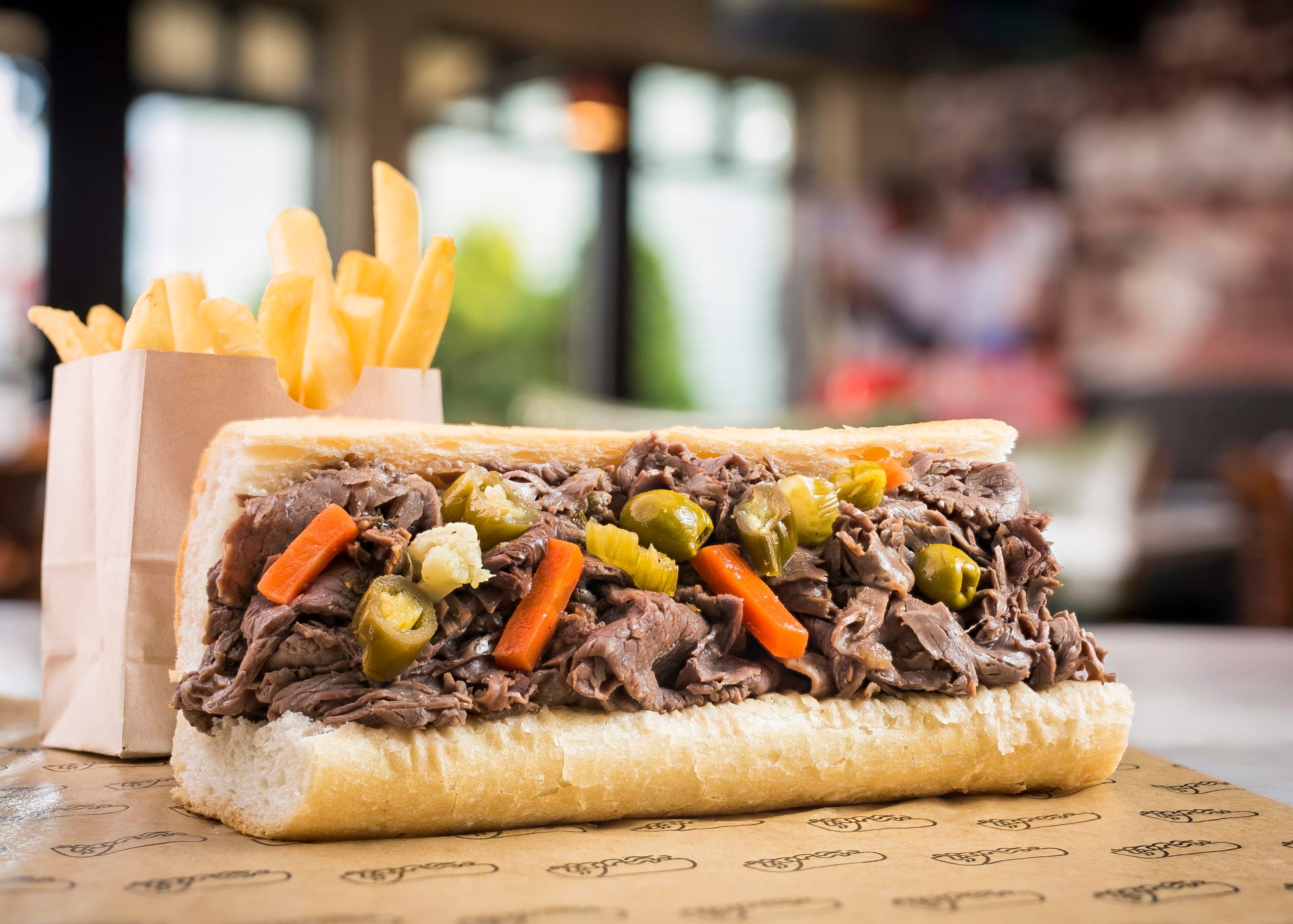
Ordering an Italian beef sandwich in Chicago involves more decisions than simply choosing your meat. First, decide whether you want sweet peppers, spicy giardiniera, or both. Then comes the question of how wet you want your sandwich. “Dry” means no extra beef juices, “wet” adds a splash, and “dipped” means the entire sandwich gets dunked in savory jus. A hot, dipped beef is a Chicago favorite, but it’s also incredibly messy. If you’re eating in the car, a less saturated version might be the smarter choice.
Cincinnati Chili, Ohio
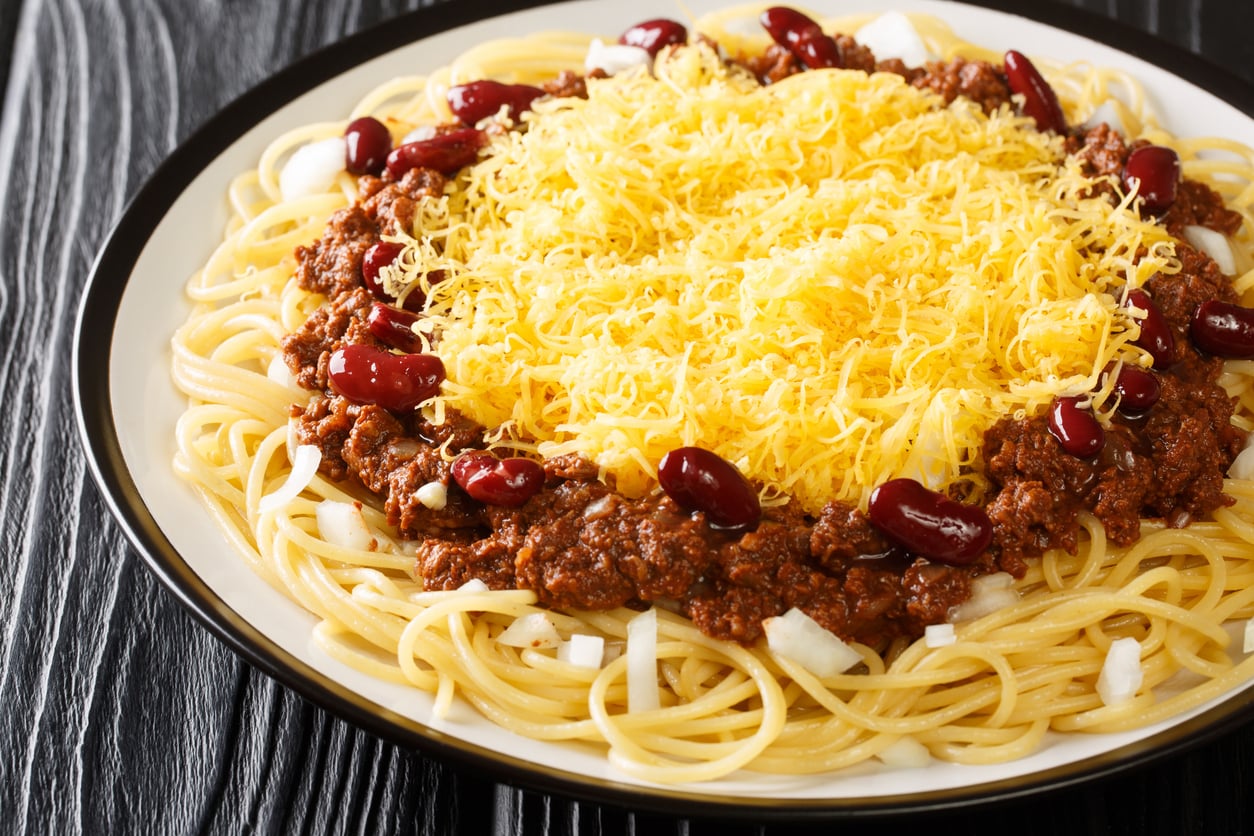
Anyone expecting a bowl of thick, Texas-style chili might be confused by Cincinnati’s version. Here, the signature dish is served over spaghetti and topped with shredded cheddar cheese. Ordering a “3-Way” gets you spaghetti, chili, and cheese. A “4-Way” adds either onions or beans, while a “5-Way” includes both. At Skyline Chili, you can also order a Cheese Coney, a hot dog topped with chili, mustard, onions, and cheddar. The flavors and thinner consistency are different from conventional chili, so don’t expect the usual bowl-and-spoon experience.
New Orleans Po’Boy, Louisiana
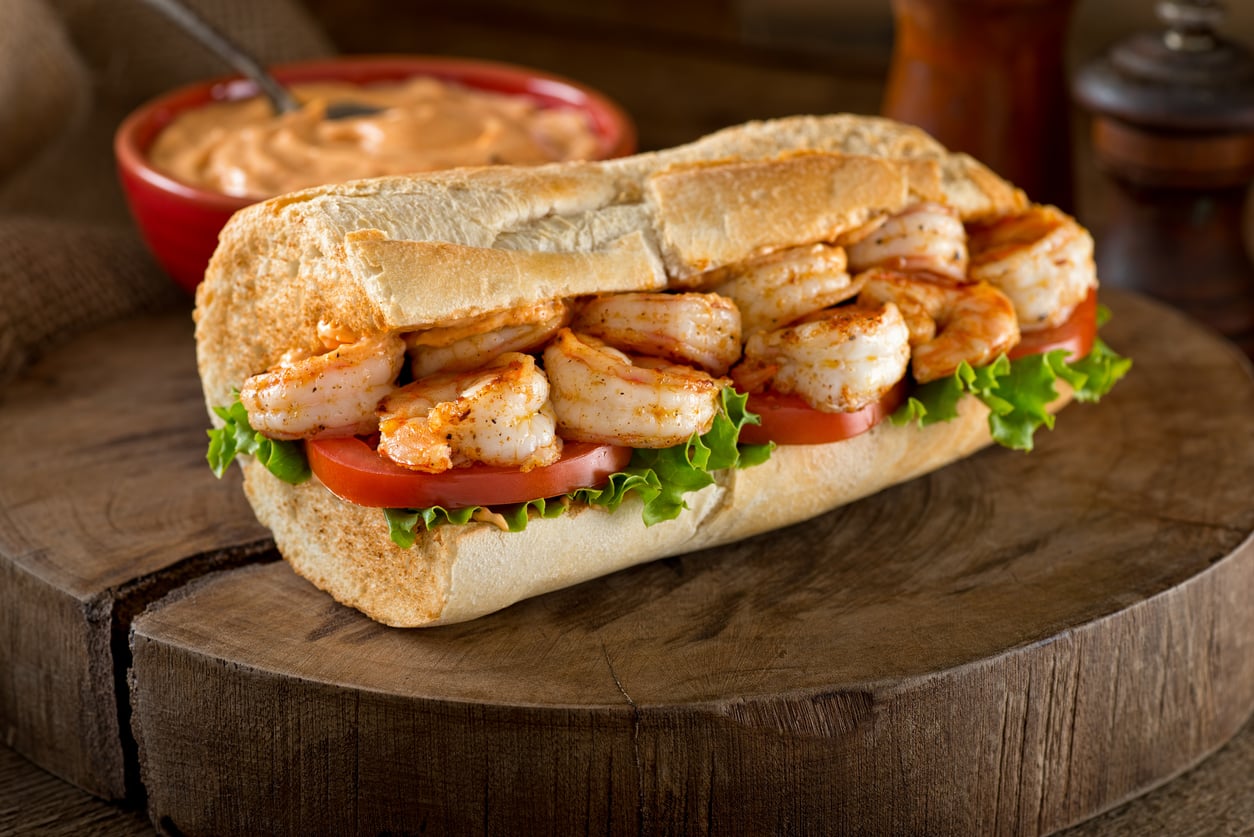
At a New Orleans sandwich shop, ordering a po’boy “dressed” has nothing to do with how fancy it looks. It means your sandwich comes with lettuce, tomato, pickles, and mayonnaise. Without that instruction, you might receive a simpler version, depending on the restaurant. Popular fillings include fried shrimp, oysters, and roast beef with gravy, all served on distinctive New Orleans French bread. Some shops offer different sizes, so check before ordering. A large, fully dressed po’boy can be a substantial meal, especially when it’s loaded with fried seafood.
New Mexican Enchiladas, New Mexico
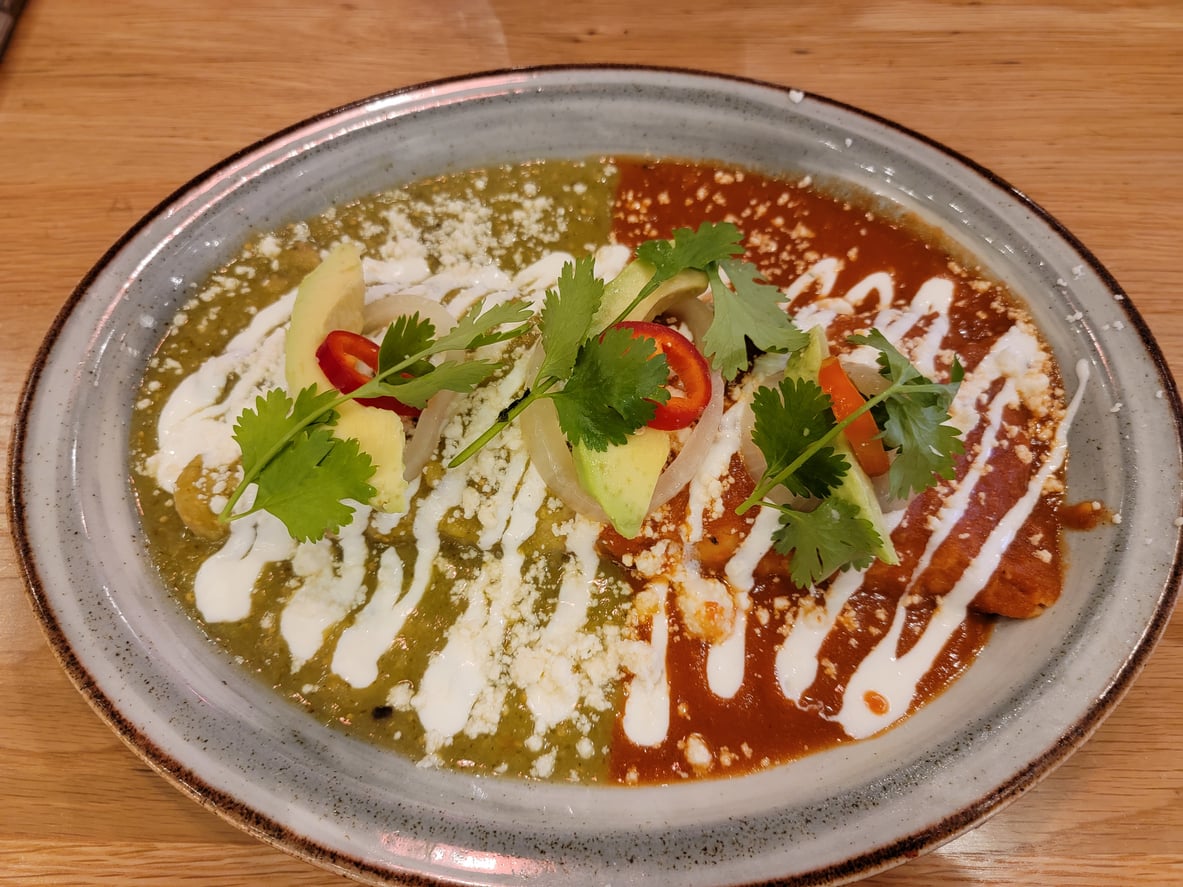
When a server in New Mexico asks “red or green?” they’re talking about chile sauce, not salsa. Red chile generally has a deeper, earthier flavor, while green chile can taste brighter and more vegetal. If you can’t decide, order your enchiladas “Christmas,” which means both sauces. It’s a familiar expression throughout the state, particularly around Santa Fe and Albuquerque. Don’t assume green is always milder or red is always hotter, though. Heat levels vary by restaurant, so asking before ordering can prevent an unexpectedly spicy meal.
Trending on Cheapism
Detroit Coney Dog, Michigan
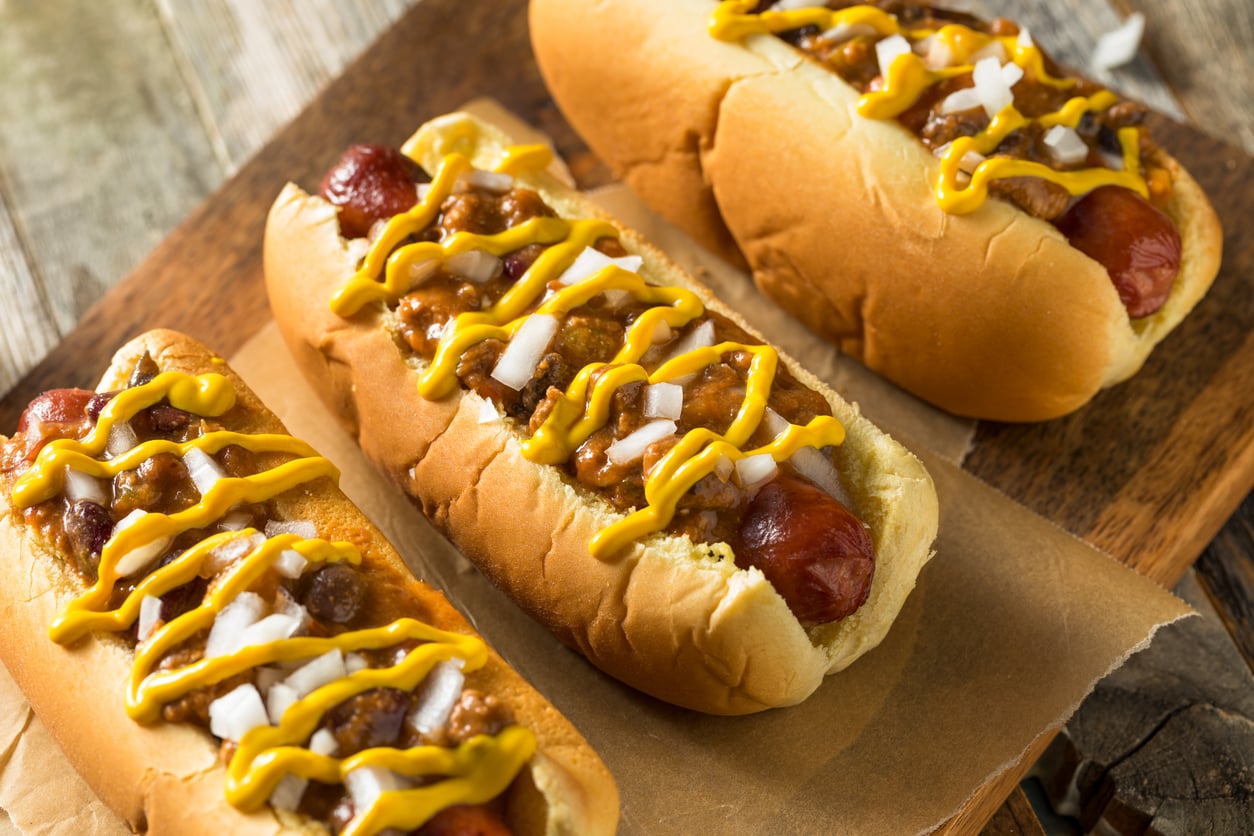
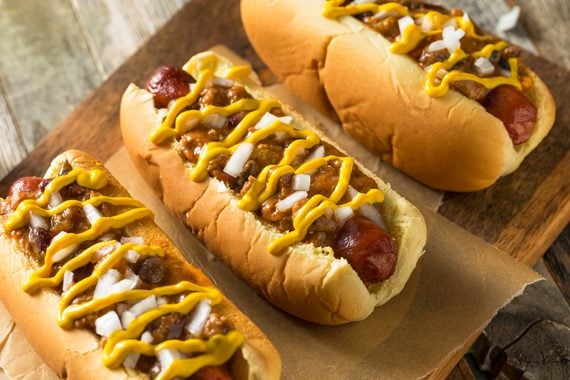
A Detroit Coney dog isn’t simply a regular hot dog covered in the kind of chili you’d eat from a bowl. The classic version features a beef frankfurter in a steamed bun, topped with beanless meat chili, yellow mustard, and chopped onions. Downtown institutions American Coney Island and Lafayette Coney Island have maintained a famous rivalry over their versions. Order a Coney if you want the traditional combination, but don’t confuse it with a plain chili dog. The toppings are part of what gives Detroit’s version its distinctive identity.
Rochester Garbage Plate, New York
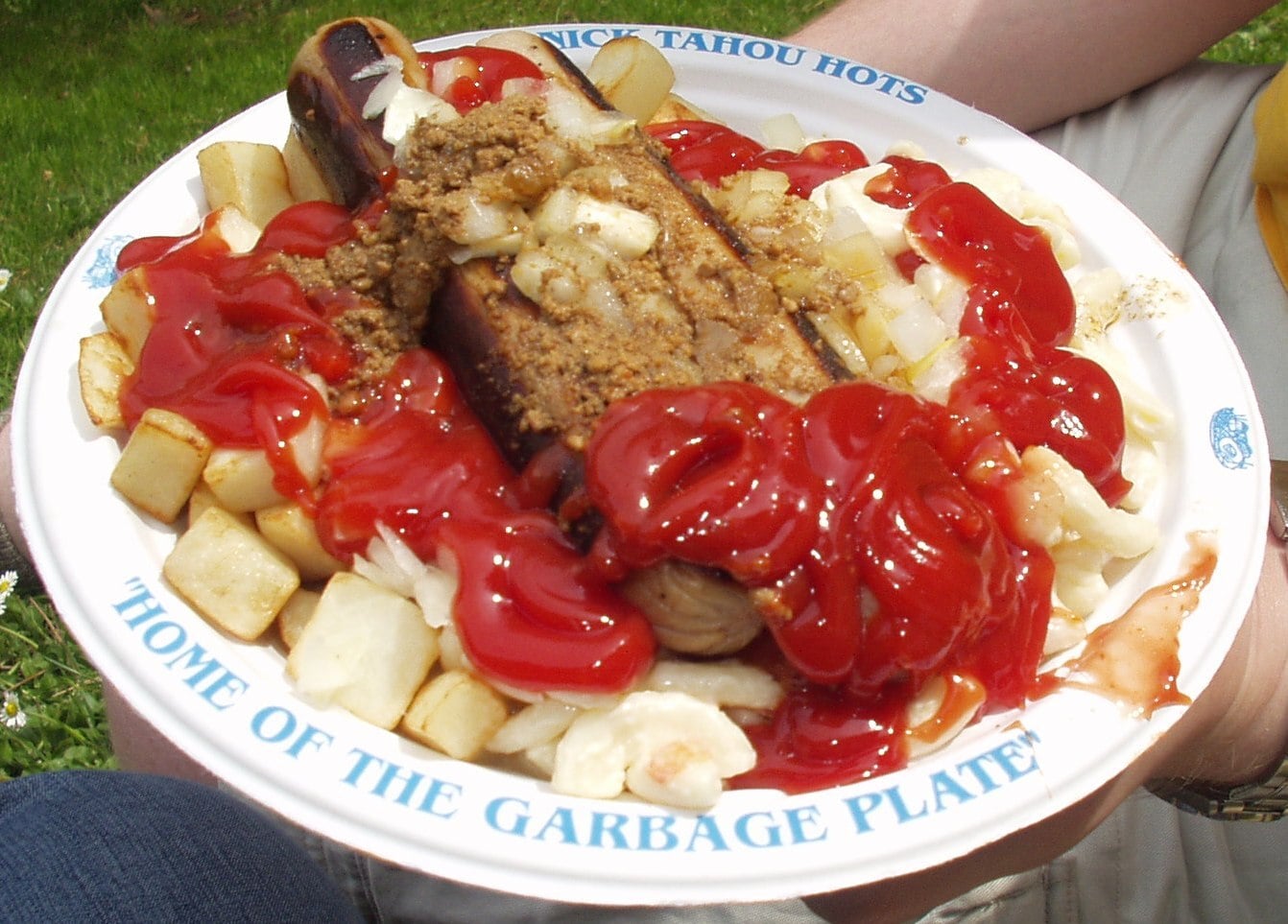
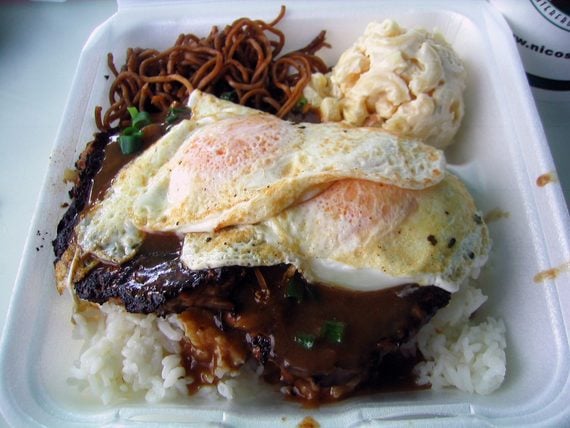
Despite its unusual name, Rochester’s Garbage Plate is a carefully assembled combination of familiar comfort foods. At Nick Tahou Hots, where the dish originated, customers choose a protein such as a cheeseburger, hamburger, or hot dog, along with sides such as home fries and macaroni salad. The whole thing is commonly topped with Rochester-style meat hot sauce, which isn’t the same as bottled pepper sauce. Mustard and onions are optional additions. Portions are substantial, so arriving hungry is advisable. Other restaurants serve similar plates under different names.
North Carolina Barbecue, North Carolina
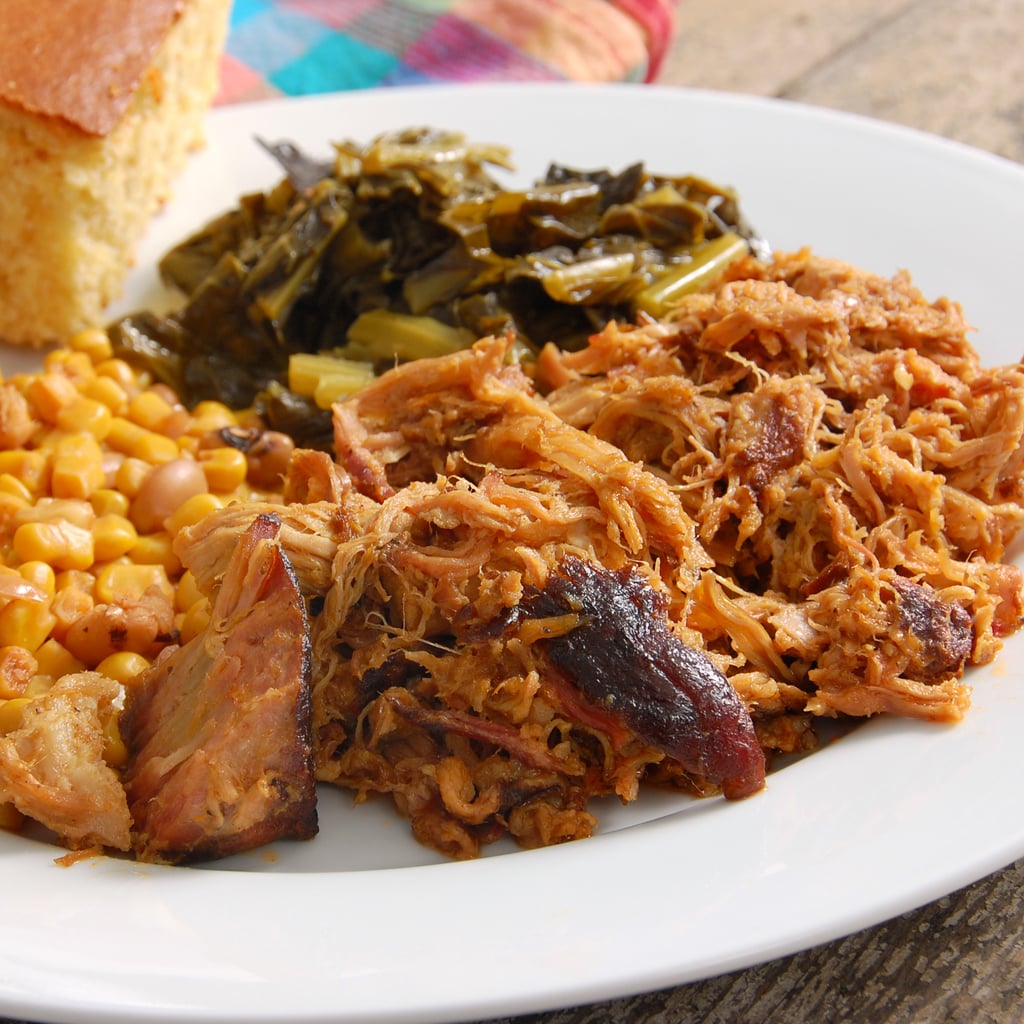
Ordering barbecue in North Carolina without knowing the regional differences can lead to an unexpected plate. Eastern-style barbecue traditionally uses whole-hog pork dressed with a vinegar-and-pepper sauce. Lexington-style barbecue focuses on pork shoulder, usually chopped or sliced, with a tangy vinegar-and-tomato sauce and red slaw. In Lexington, you may also be asked whether you want chopped or sliced meat and whether you prefer the browned outside pieces. Neither style resembles the thick, sweet barbecue sauce common elsewhere, so knowing the difference helps you order what you actually want.
Sign up for our newsletter
Wisconsin Friday Fish Fry, Wisconsin
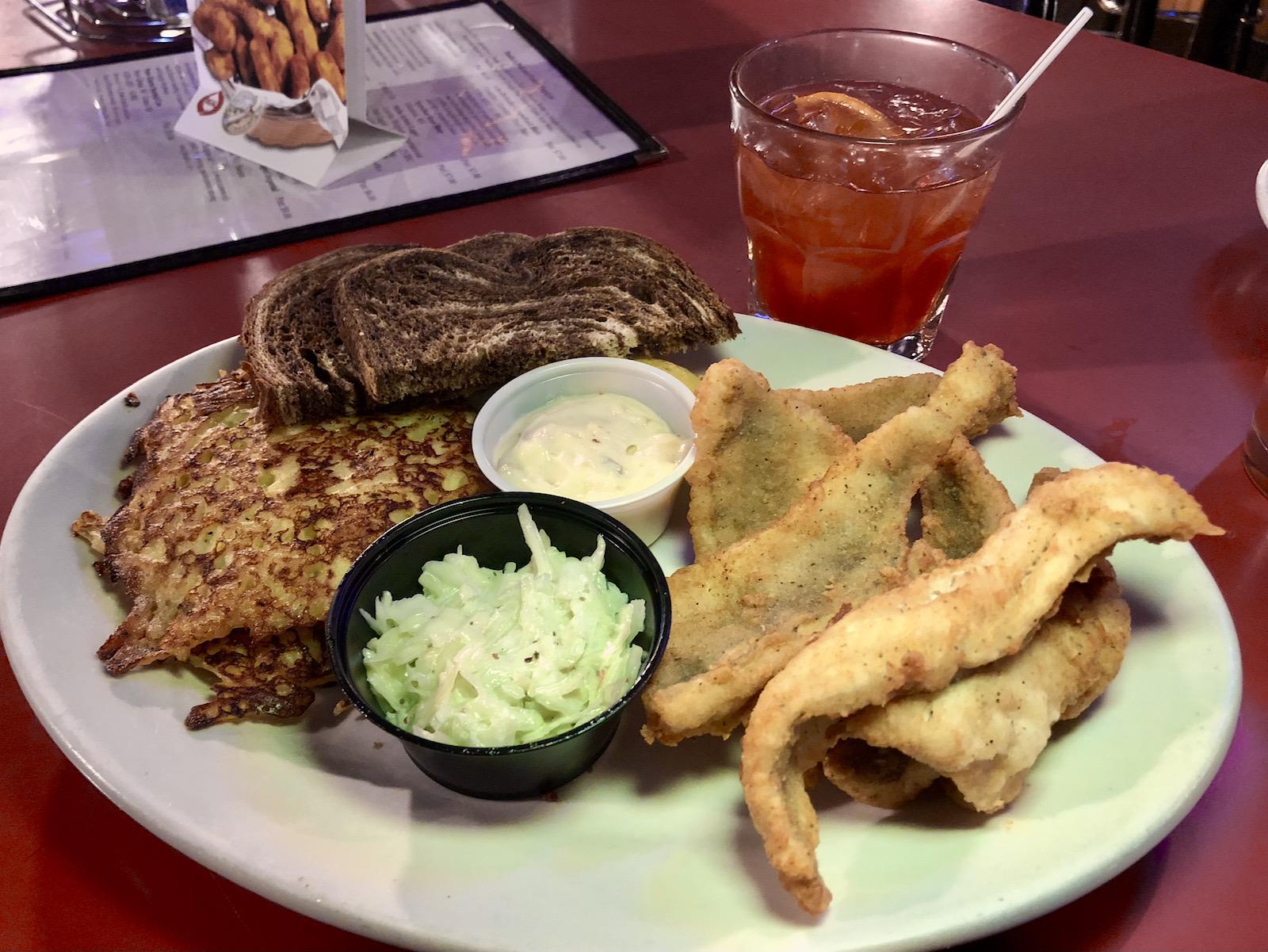
In Wisconsin, a Friday fish fry is more than a fried fish sandwich. Many taverns and supper clubs offer complete dinners featuring beer-battered cod, perch, or walleye, depending on the establishment. Traditional accompaniments can include coleslaw, rye bread, tartar sauce, and a choice of potatoes or potato pancakes. First-time visitors sometimes overlook these options and order the most familiar fish on the menu. Ask about the available varieties and preparations before deciding. Some restaurants offer fish fries only on Fridays, while others serve them throughout the week.
Buffalo Wings, New York
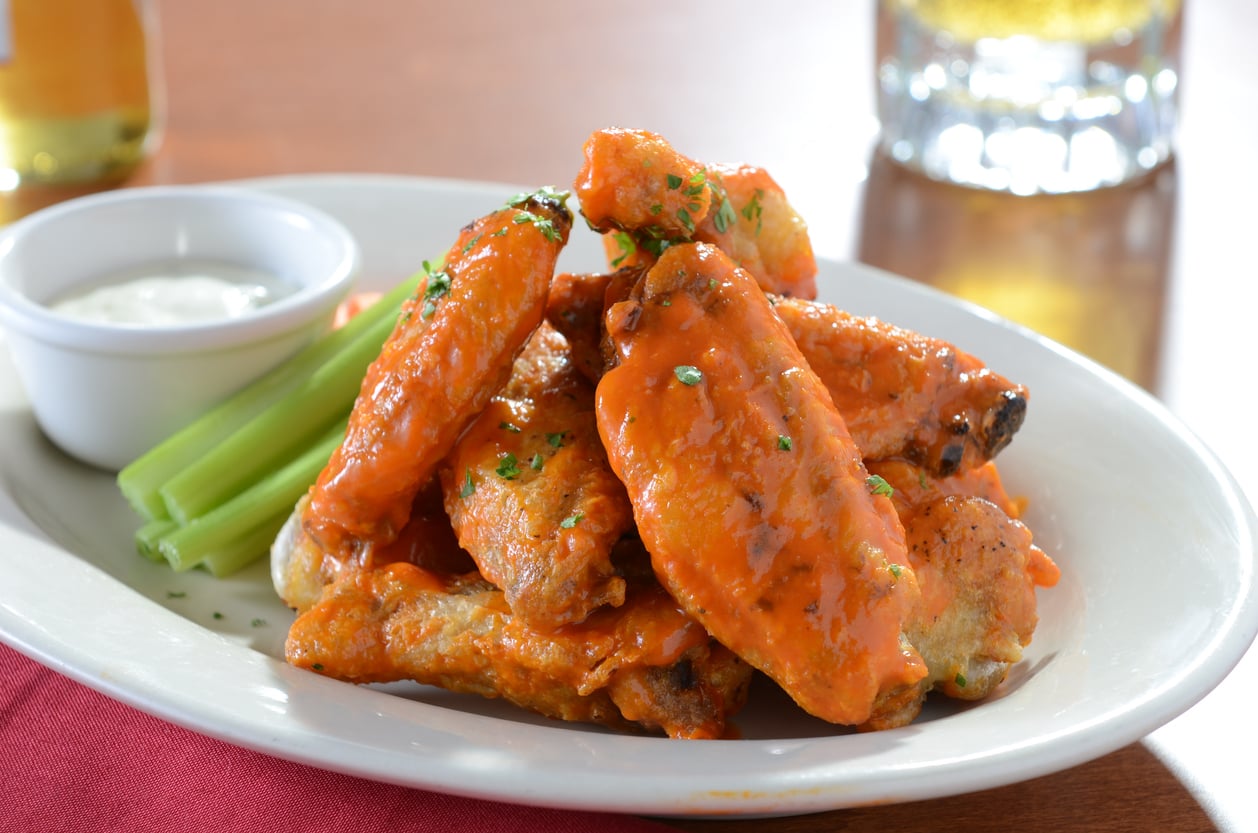
Order chicken wings in Buffalo and you might discover that ranch dressing isn’t the traditional accompaniment. Classic Buffalo-style wings are typically served with blue cheese dressing, along with celery sticks, although individual restaurants offer plenty of variations. You’ll also need to choose a sauce and heat level, which can differ considerably from one wing shop to another. Some local favorites offer garlic-Parmesan, barbecue, and other house specialties alongside traditional Buffalo sauce. There’s nothing wrong with preferring ranch, but trying the classic blue cheese pairing is part of the local experience.
New Orleans Muffuletta, Louisiana
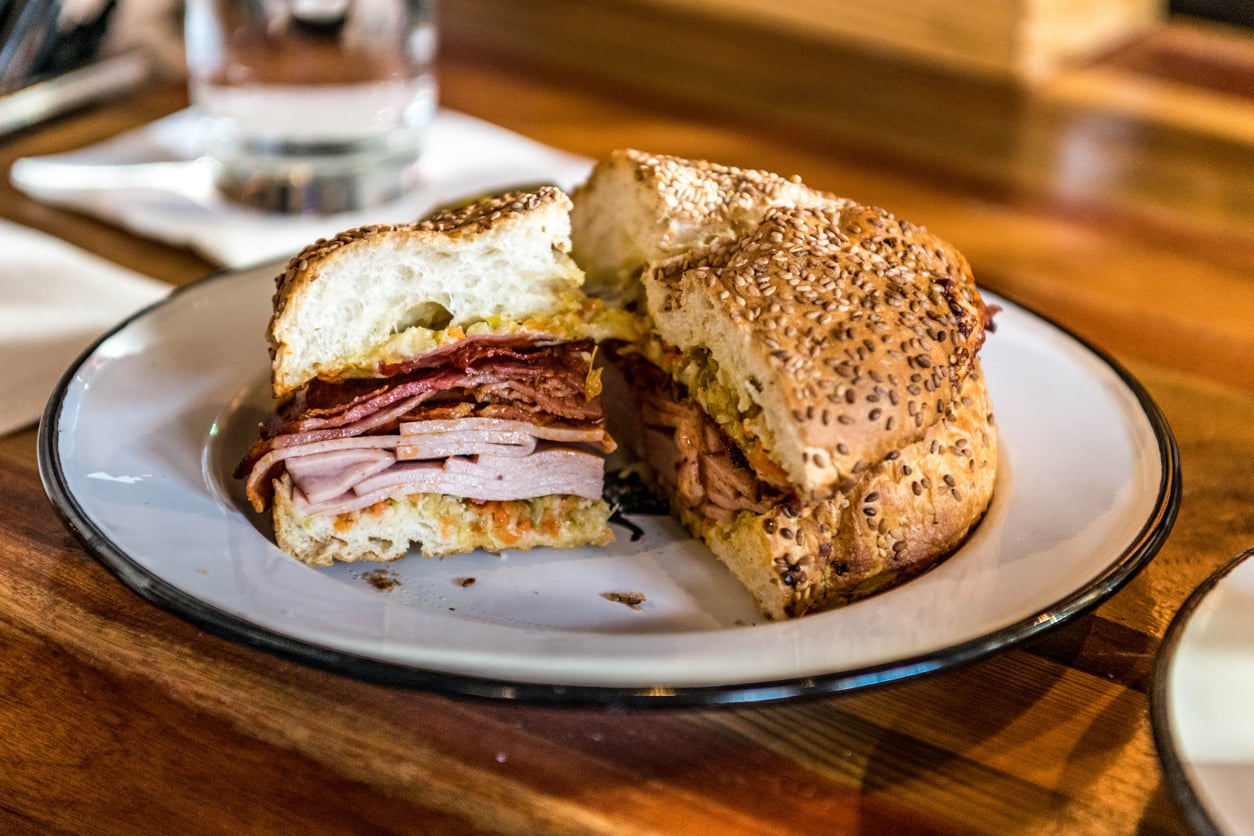
A whole muffuletta might sound like an ordinary deli sandwich until you see how big it is. This New Orleans specialty is built on a large, round loaf filled with Italian meats, cheese, and a generous layer of olive salad. At Central Grocery, the sandwich is sold in half and whole portions, and even a half can be filling. First-time visitors ordering for themselves may find that a whole sandwich is more food than they expected. Sharing one is a practical way to sample this classic without spending more than necessary.
Cafe du Monde Beignets, New Orleans, Louisiana
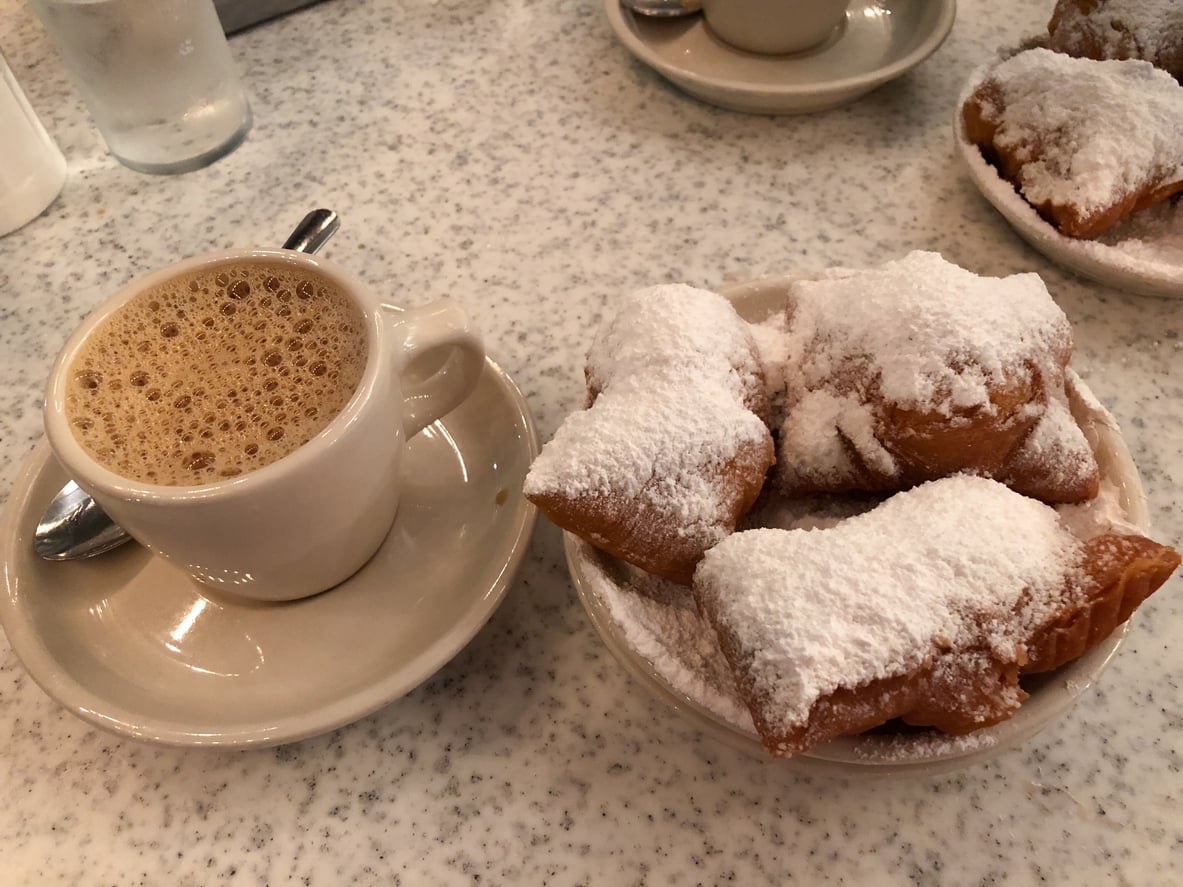
First-time visitors to Cafe du Monde sometimes overlook one important detail: a single order of beignets already includes three pastries. These square pieces of fried dough arrive buried beneath a generous coating of powdered sugar, so ordering three portions means receiving nine beignets. They’re traditionally paired with cafe au lait made with coffee, chicory, and milk, although other drinks are available. The pastries aren’t filled like some doughnuts, and they’re best enjoyed fresh. Expect a little powdered sugar to end up on your clothes, especially if you’re eating outdoors.