The sales model in fast-food restaurants has shifted. The number of customers who walk into fast-food restaurants and order at the counter has significantly decreased. A substantial share of fast-food business now takes place without customers ever stepping into the dining area. Drawing on information from QSR Magazine, Chick-fil-A, and other sources, we’ll reveal why customers are choosing not to enter or sit down inside fast-food restaurants!
The Drive-Thru Is No Longer Just an Extra Convenience
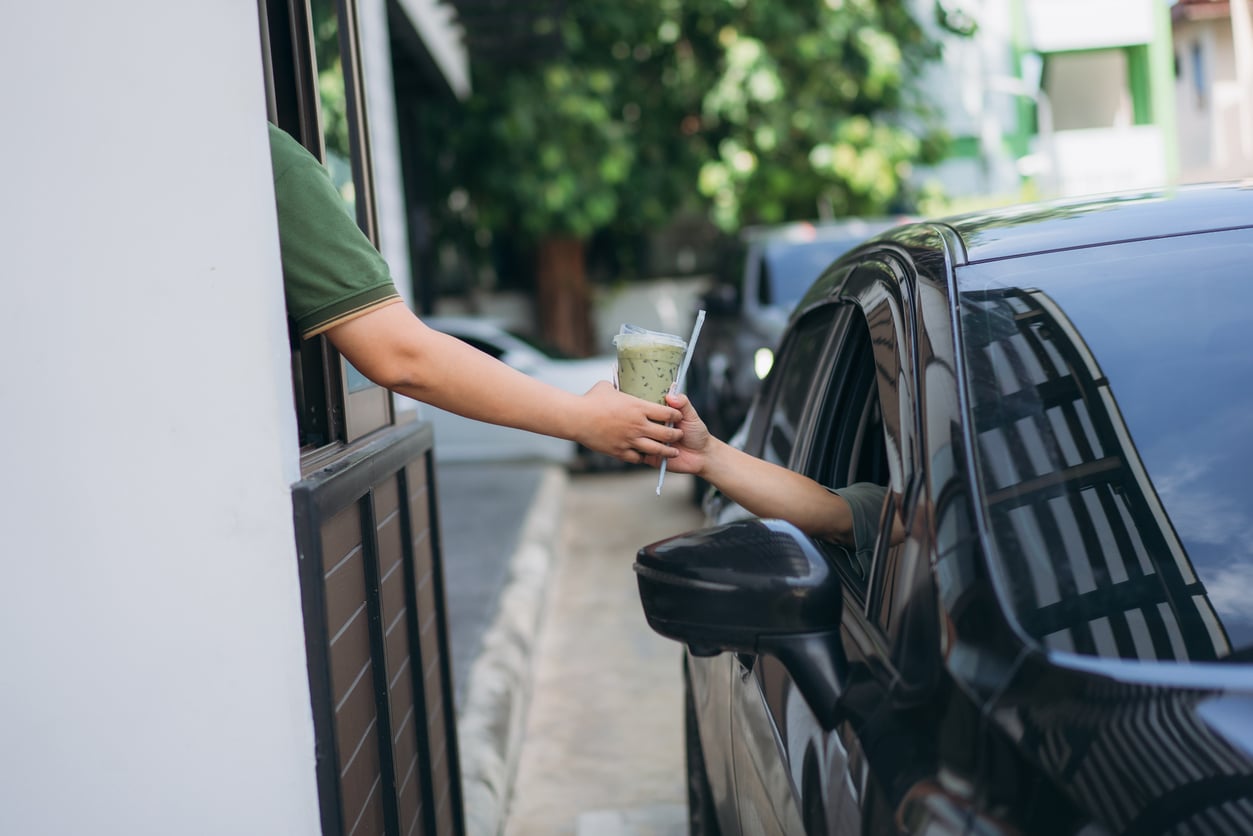
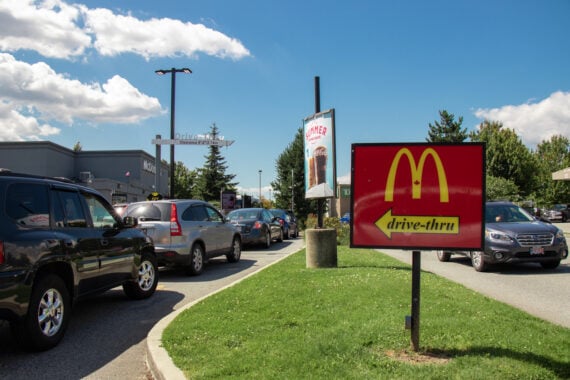
The drive-thru has become a fundamental part of the business model for fast-food chains. According to the National Restaurant Association, research from 2025 revealed that nearly 75% of restaurant traffic was linked to orders consumed away from the premises via takeout, delivery, or drive-thru. Consequently, many fast-food chains have invested in and expanded their dedicated drive-thru lanes and pickup areas.
Customers Will Order Ahead If They Can Skip the Line
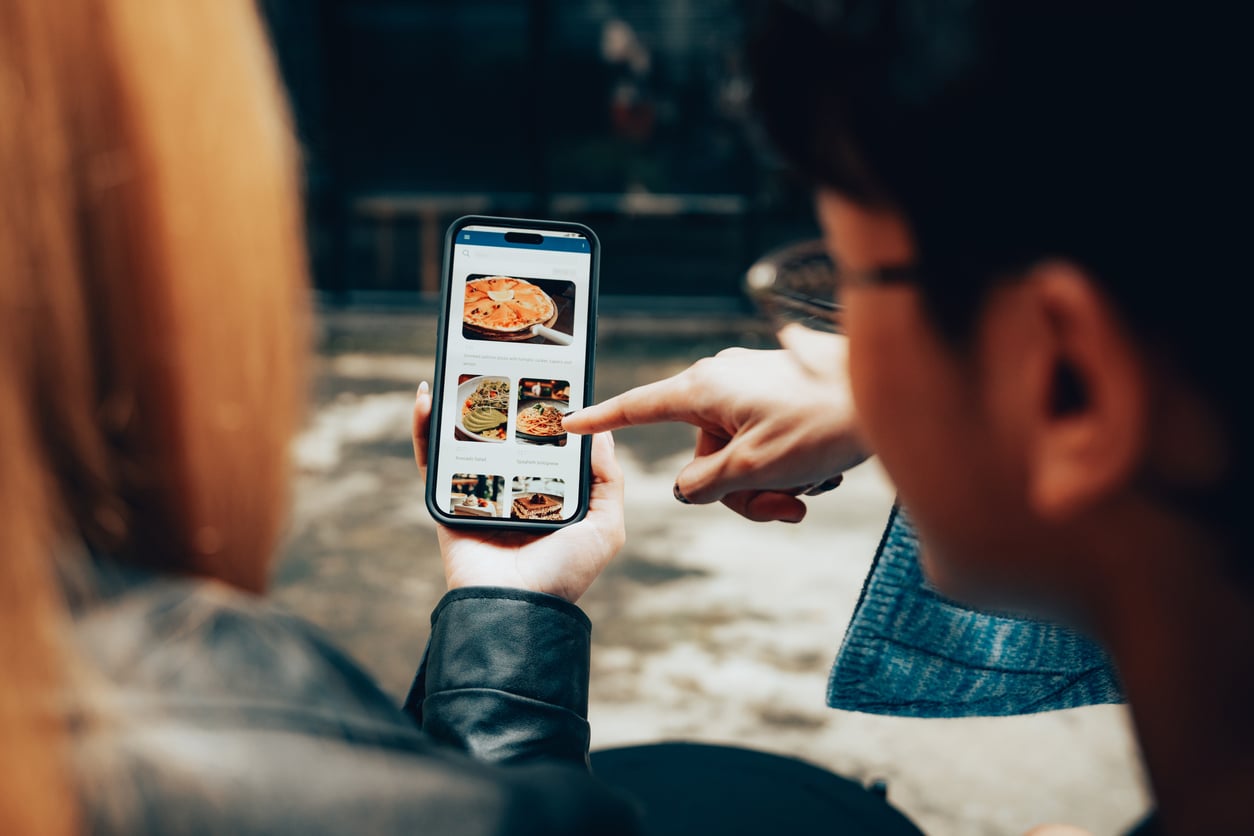
Some fast-food chains have leveraged mobile apps to allow customers to order their meals in advance, before even driving to the restaurant. This way, they avoid long waits in the drive-thru line behind people who haven’t yet placed their orders. Chick-fil-A has introduced its “Mobile Thru” method, where customers present a QR code and receive their meal through a service window.
Some Customers Want Their Food Without Even Speaking Into a Drive-Thru Speaker
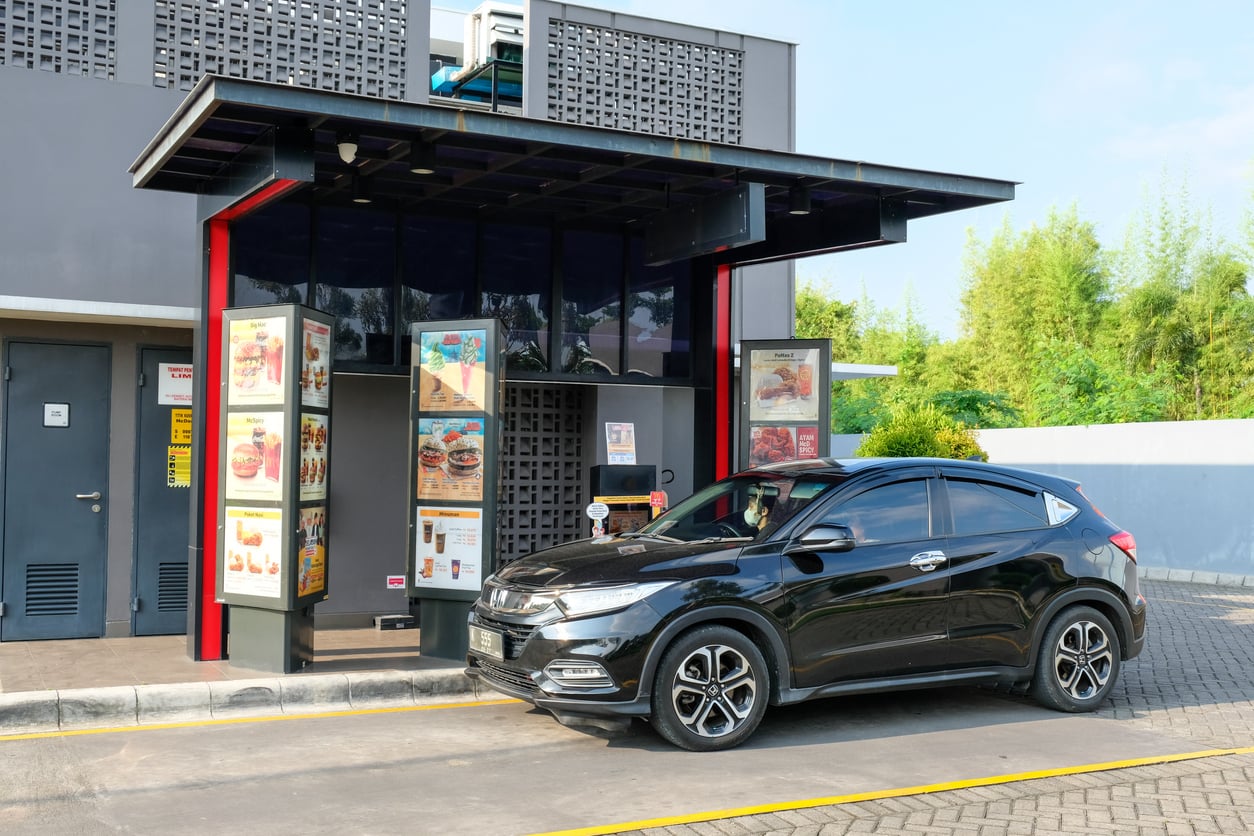
Because some customers have already placed their orders online, certain chains offer dedicated pickup options that reduce the need to order at a speaker. Some fast-food chains, such as Panera, have introduced a drive-thru pick-up option. This allows customers who placed their orders via an app or website to collect their meals without having to enter the restaurant. The process requires minimal interaction with either a speaker box or staff at the service window.
One Drive-Thru Lane Isn’t Enough for Every Kind of Order
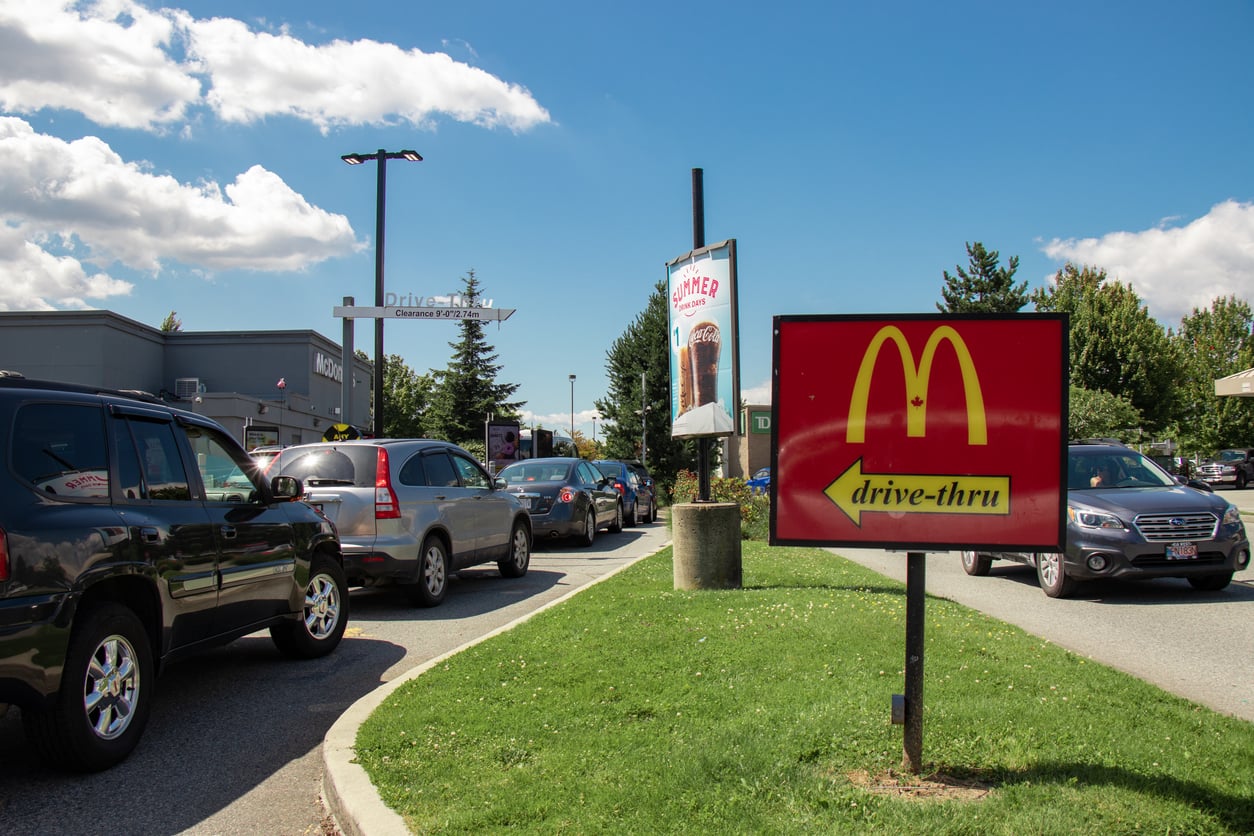
Another lesson that fast-food restaurants have learned from observing customer behavior is that the processes of ordering via a speaker, picking up prepaid meals, and collecting delivery orders each require a different approach. Consequently, Taco Bell has separated these tasks in a restaurant in Brooklyn Park, Minnesota, where mobile orders and delivery pickups are handled in separate pickup areas. The result was an average reduction of 1 to 2 minutes in meal fulfillment time.
Customers Don’t Always Want To Order at a Fixed Window
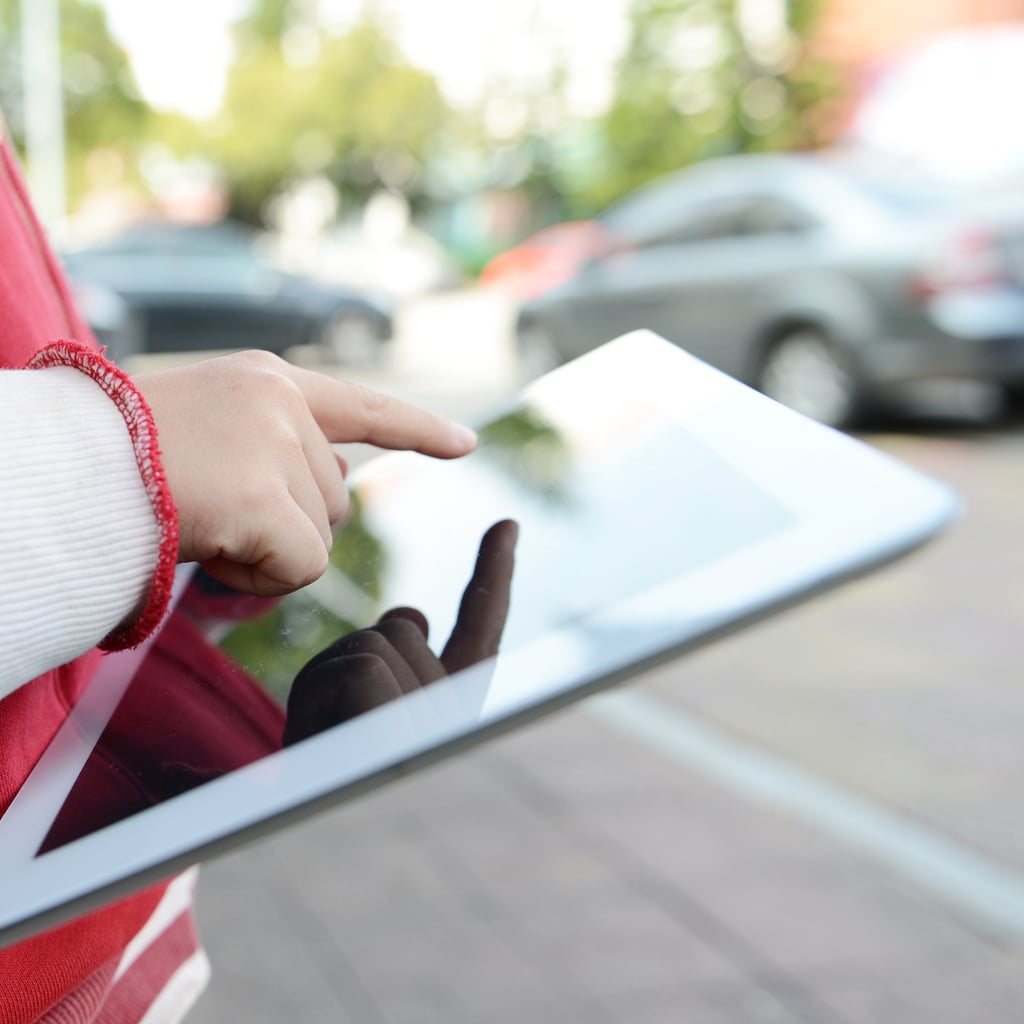
Drivers who have to wait a long time in drive-thru lines appreciate it when employees approach their vehicles instead of waiting for them to reach the speaker. In response, Chick-fil-A has developed an in-lane ordering system in which an employee takes orders using tablets in the drive-thru and sends them directly to the kitchen, significantly reducing wait times.
Trending on Cheapism

Customers Will Stay in Their Cars Even When There’s No Drive-Thru
Since not all customers want to go through the drive-thru, yet also prefer not to park and walk into the restaurant, some eateries have introduced the option to order via mobile phone. At Taco Bell, you can use a dedicated mobile drive-thru lanes instead of the traditional pickup process. The former is faster, as you’ve already given the kitchen a head start by placing your order before arriving at the location.
Restaurants Can Operate With Much Smaller Dining Rooms
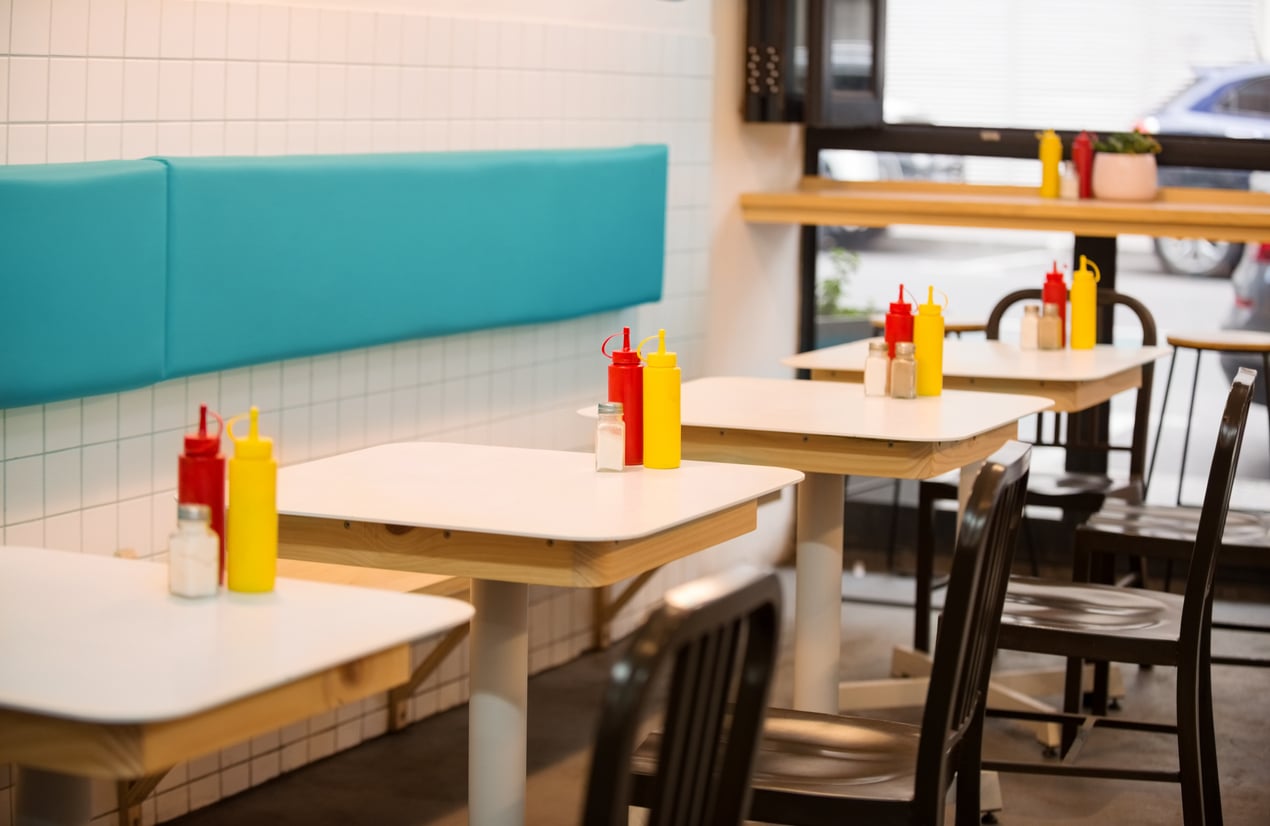
As customers increasingly opt to pick up their meals or have them delivered, a large dining room is no longer essential for many fast-food restaurants. Taco Bell has developed a “Go Mobile” format, with a footprint of approximately 1,325 square feet, significantly smaller than the 2,500 square feet typical of a standard restaurant. Consequently, these smaller-scale locations are designed specifically for “food-to-go” operations.
Some Fast-Food Restaurants Don’t Need Dining Rooms at All
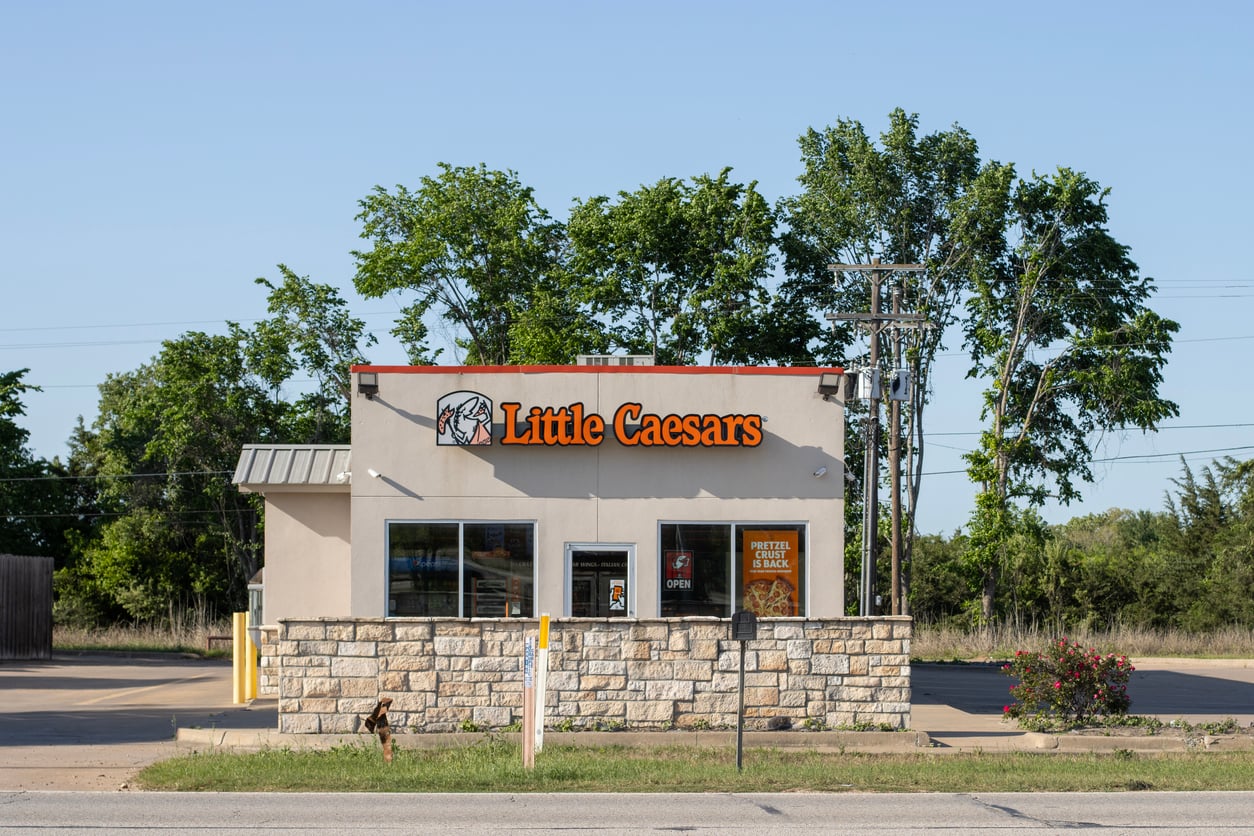
In certain fast-food restaurants, company analysis has shown that online orders far outnumber in-restaurant customers, leading them to transform their business model around pickup. Chipotle is one such example, having opened its first Chipotlane Digital Kitchen in Cuyahoga Falls, Ohio, in 2021. The smaller format eliminated indoor customer access and the traditional ordering line, while retaining drive-thru and walk-up pickup.
Sign up for our newsletter
Drive-Thru Convenience Can Matter More Than an Elaborate Restaurant Interior
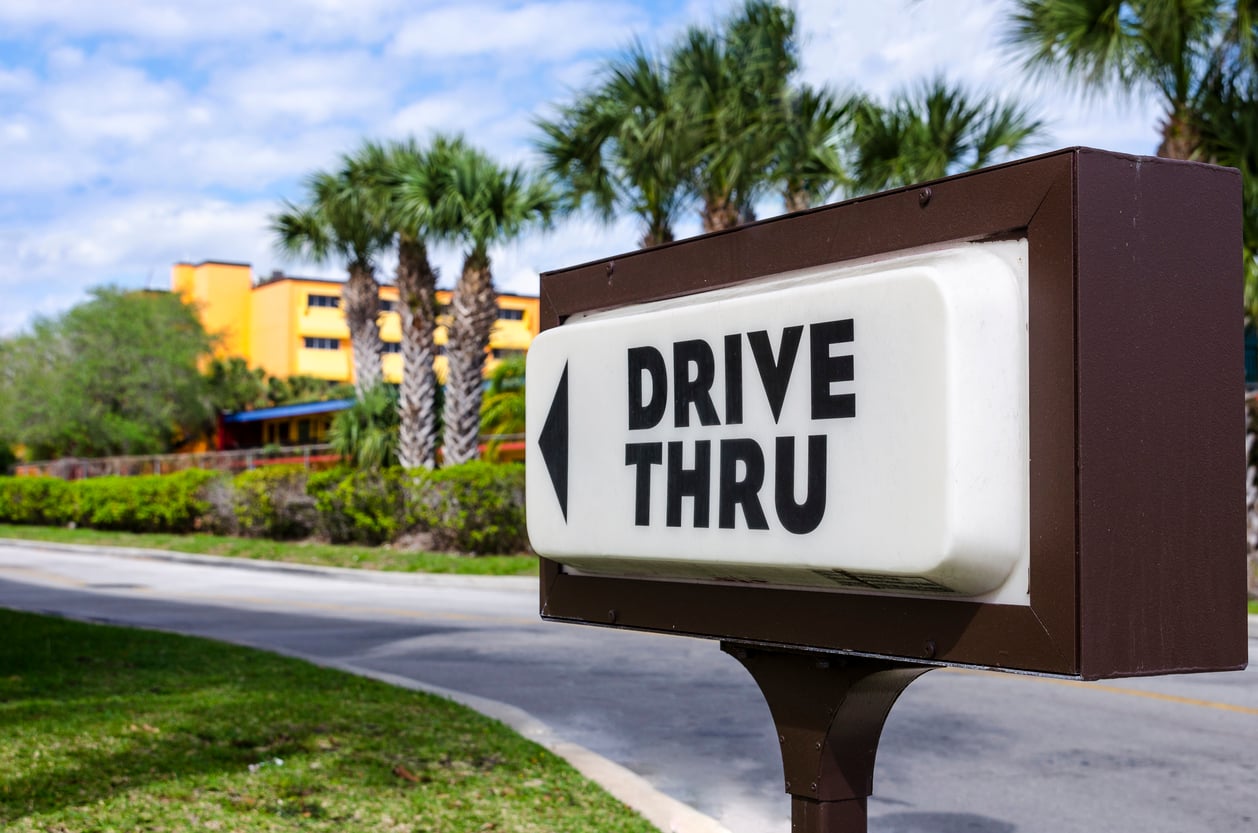
Another lesson that customers have taught fast-food restaurants is that they prioritize quick access and reliable pickup over dining-room amenities. Consequently, many fast-food operators have focused their attention on traffic flow and improving kitchen efficiency. In 2024, Chick-fil-A opened a four-lane, drive-thru-only restaurant south of Atlanta, featuring an elevated kitchen where a conveyor system delivers meals to staff below. The company stated that this new design in the new metro Atlanta restaurant can accommodate two to three times as many vehicles as a standard location.
Customers Expect the Pickup Process to Take Seconds, Not Minutes
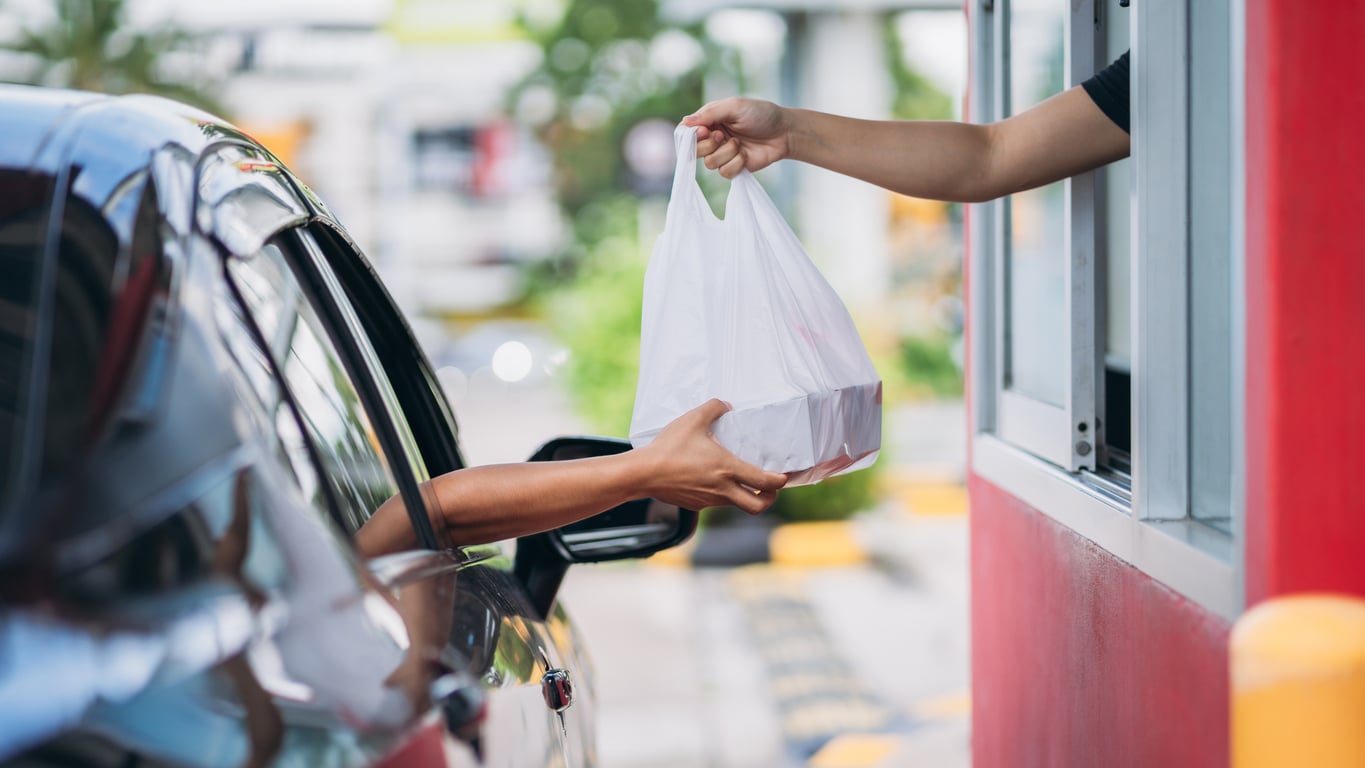
The option for customers to order in advance can turn into a source of frustration if, upon arrival, they have to repeat their information, wait at the counter, or navigate a parking lot packed with cars. For this reason, the fast-food chain Chipotle expanded its dedicated pickup lanes to more than 1,000 locations by the end of 2024. According to company executives, this change has reduced the average drive-thru wait time by 30 seconds, helping fast-food restaurants improve the pickup experience.
Faster Service Doesn’t Matter if the Order Is Wrong
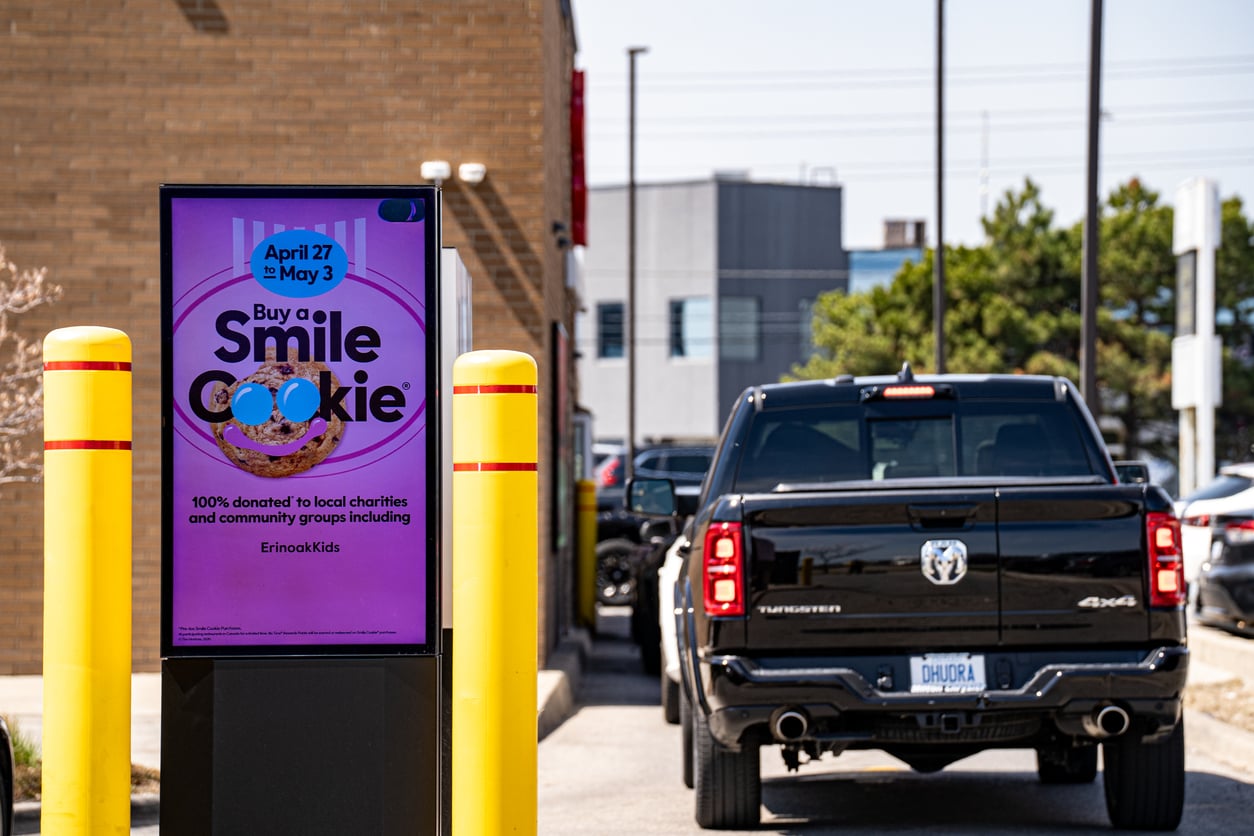
Shortening the meal-ordering process is pointless if what you receive is incorrect. Consequently, some fast-food restaurants have invested in technology to improve kitchen systems and employee interactions. A QSR Magazine study reported that in 2024, customer satisfaction was 17% higher when orders were accurate. The same study found out that clearer speaker communication was associated with shorter service times.
People Still Want Friendly Service, Even When They Never Enter The Restaurant
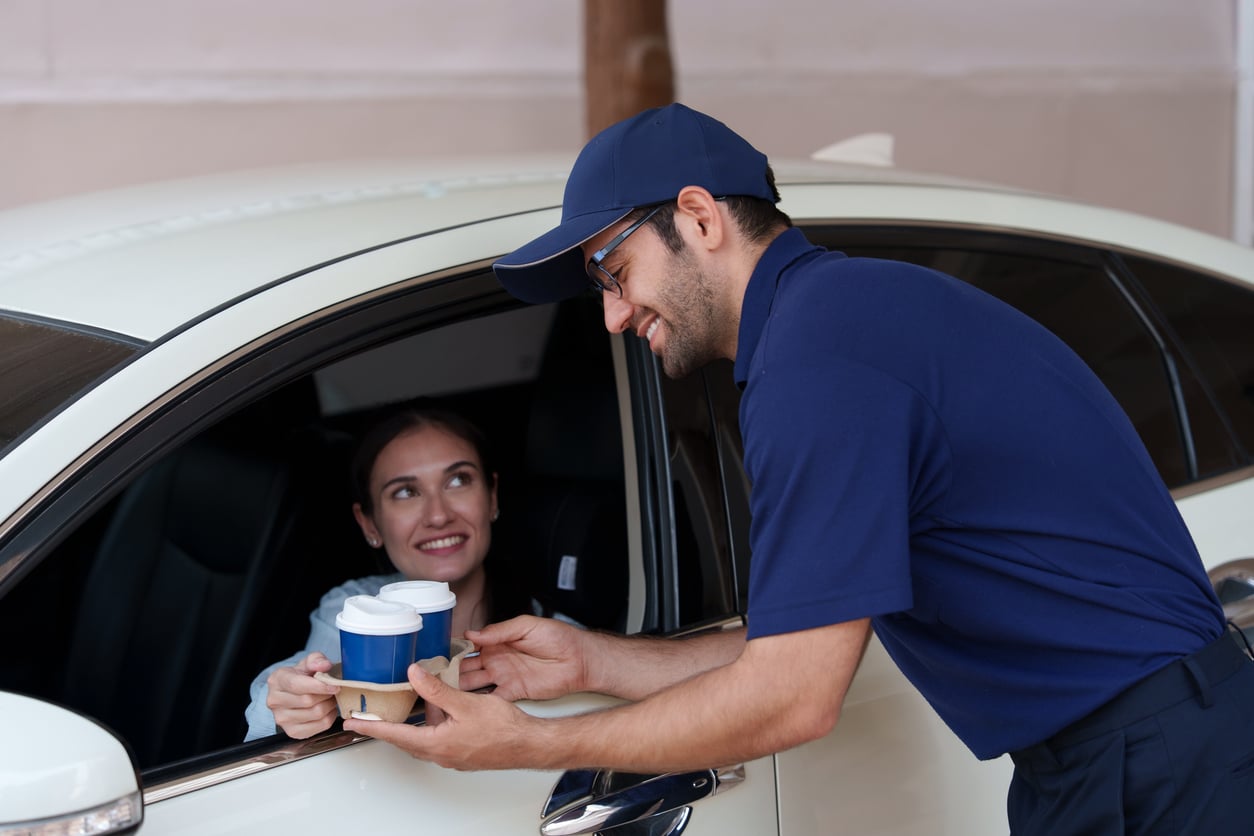
While the vast majority of customers prefer less interaction with staff, they do not necessarily want to eliminate all contact, according to Chick-fil-A surveys. Chick-fil-A has noted that its customers prefer to remain in their cars while still receiving helpful and welcoming service. Consequently, the company has focused on how its employees interact with customers, offering an example of how fast-food restaurants can balance efficiency with personal service.
Conclusion
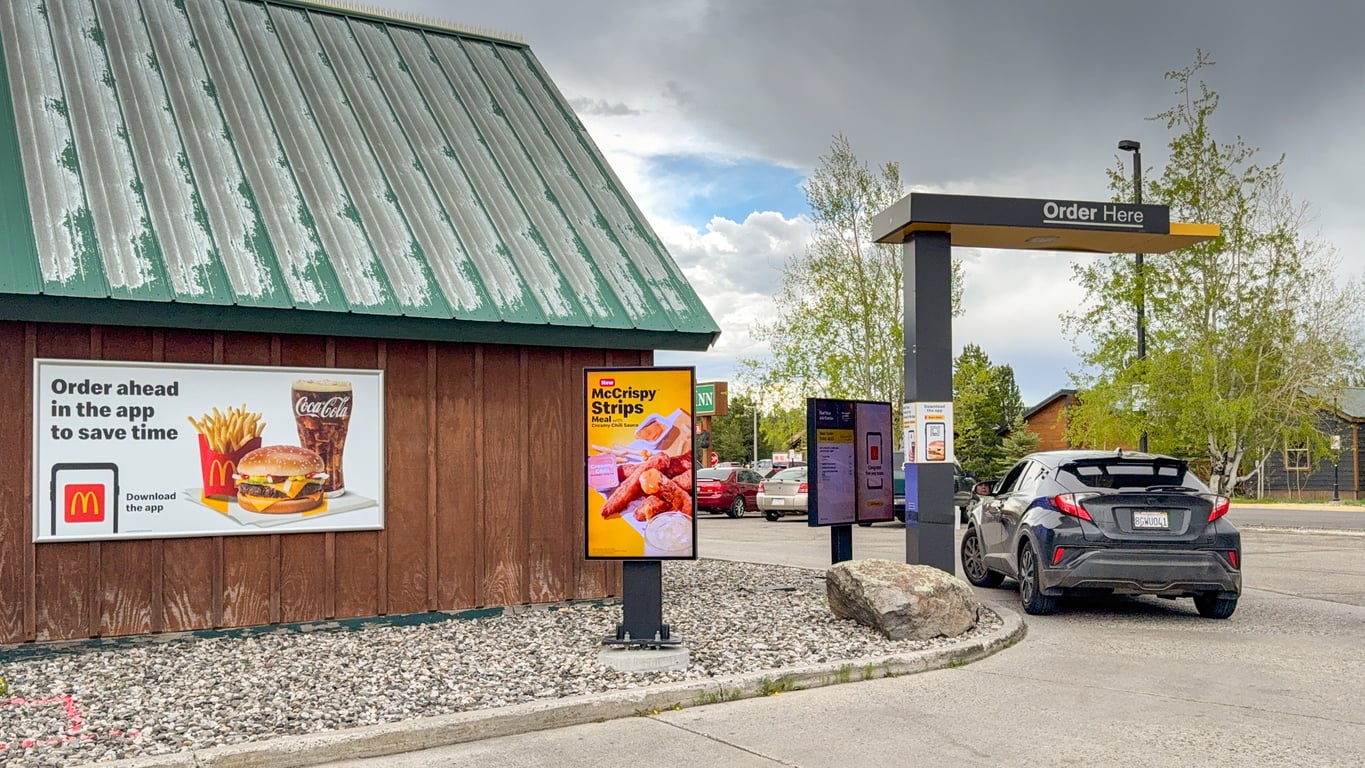
Customer preference for drive-thru, takeout, and mobile pickup options have prompted fast-food restaurants to rethink their business models, from the size of their locations to the number of drive-thru lanes they operate. While speed of service is important, factors such as order accuracy, reasonable prices, food quality, and friendly service also play a significant role in how customers evaluate these establishments.