Fast-food restaurants have changed the way they prepare food because their customers expect faster service and greater convenience. From redesigned burgers and breakfast sandwiches to pizzas, fast-food innovations have helped reduce cooking times and simplify service, among other adjustments. We’ll take a look at examples from McDonald’s, White Castle, and others, where the demand for faster meal service has driven these changes!
White Castle Sliders Got Five Holes to Cook Faster
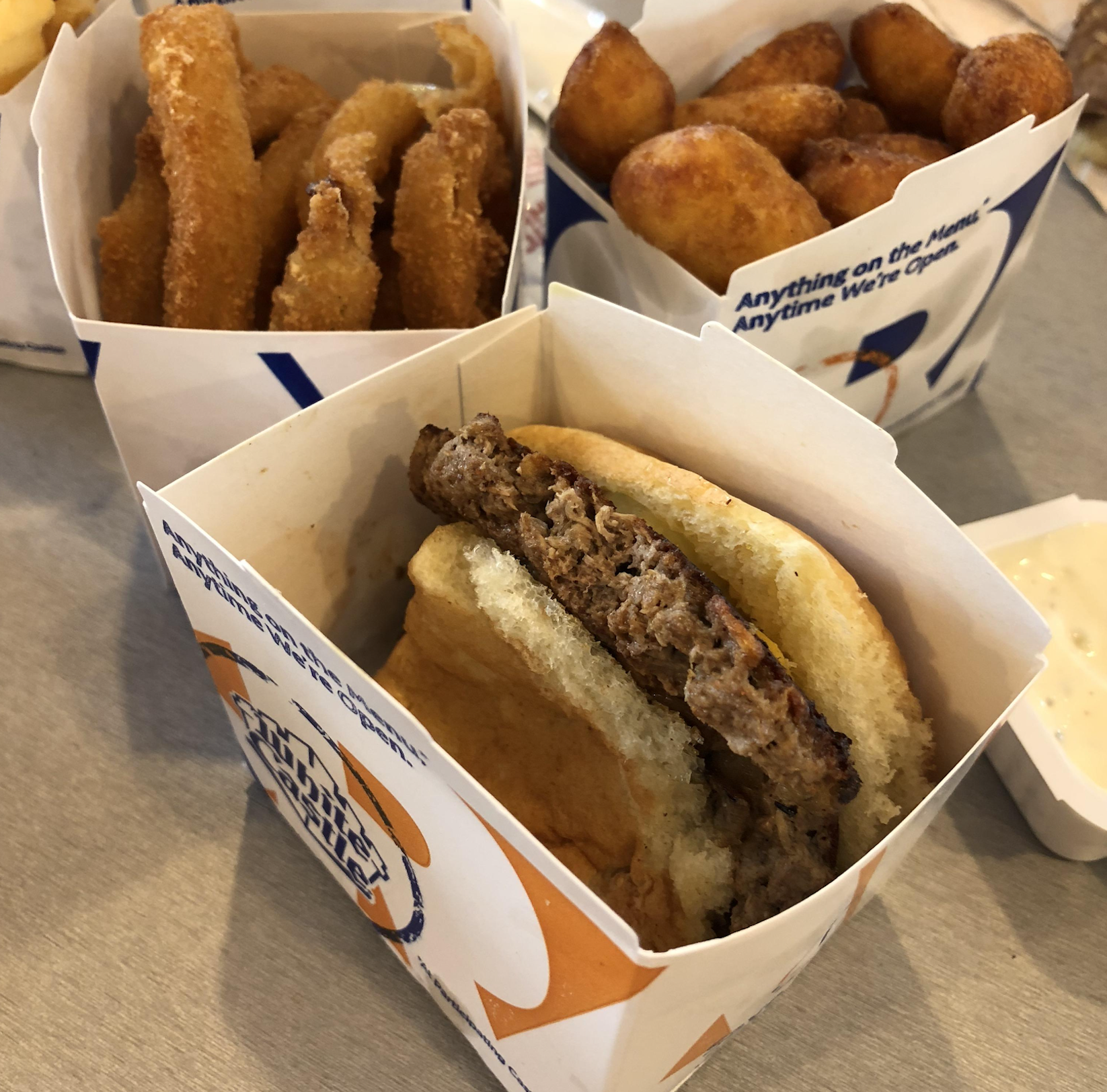
To cook its sliders more quickly, White Castle added five holes to their small, square hamburger patties. These holes allow steam to pass through the meat, enabling it to cook more efficiently. This modification, introduced in 1947 according to White Castle official webpage, is one of the fast-food innovations that changed burger preparation. Furthermore, this design allows the patties to cook on a bed of onions, eliminating the need to flip them on the grill, unlike the practice at other fast-food chains.
McDonald’s Hamburgers Became an Assembly-Line Product
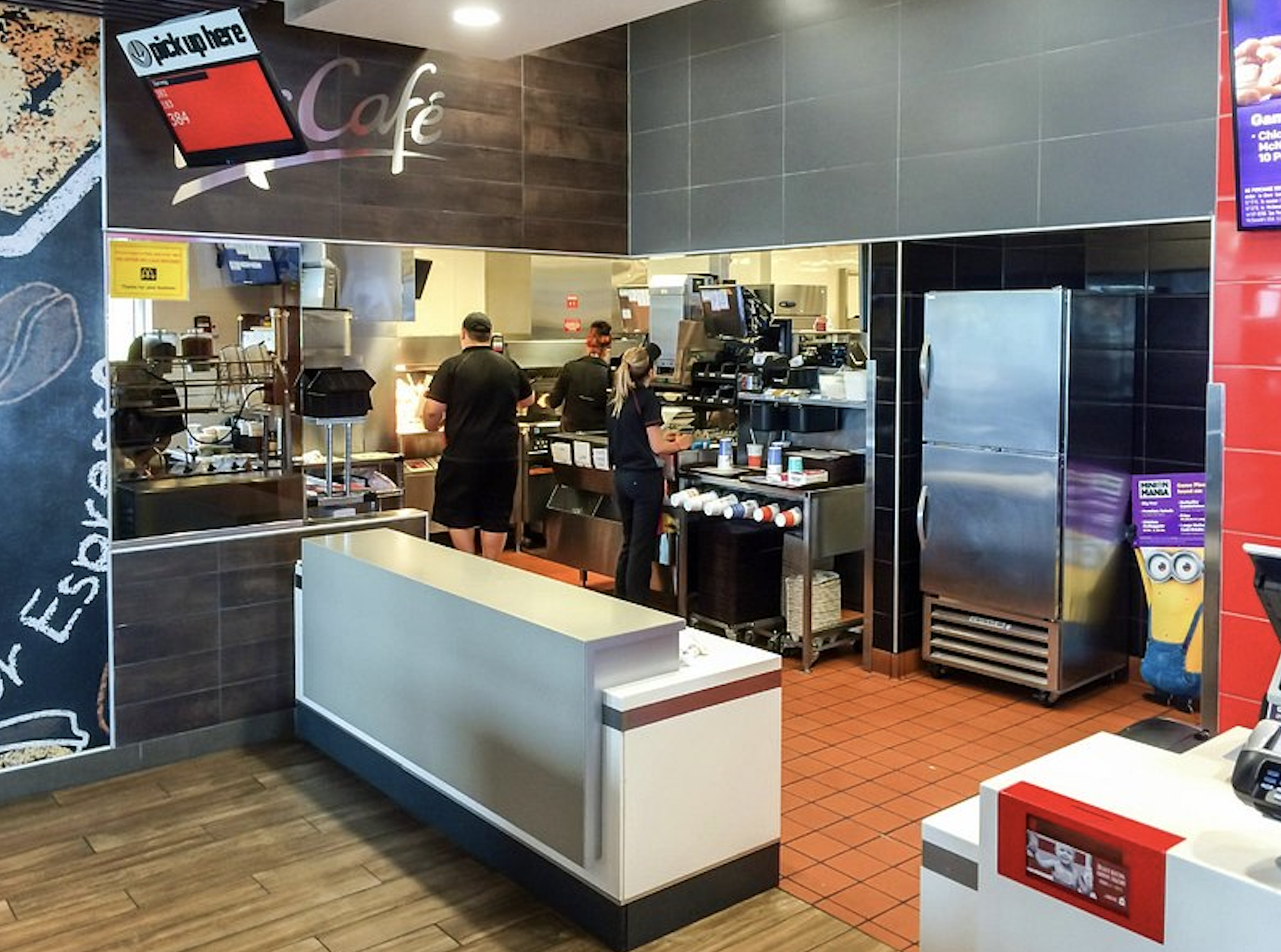
Brothers Richard and Maurice McDonald replaced a sprawling drive-in menu with a limited selection centered on inexpensive hamburgers, according to McDonald’s official website. The system standardized food preparation and assembly to produce burgers much faster than conventional short-order cooking. This approach became one of the most influential fast-food innovations in restaurant history.
French Fries Went From Freshly Cut to Frozen
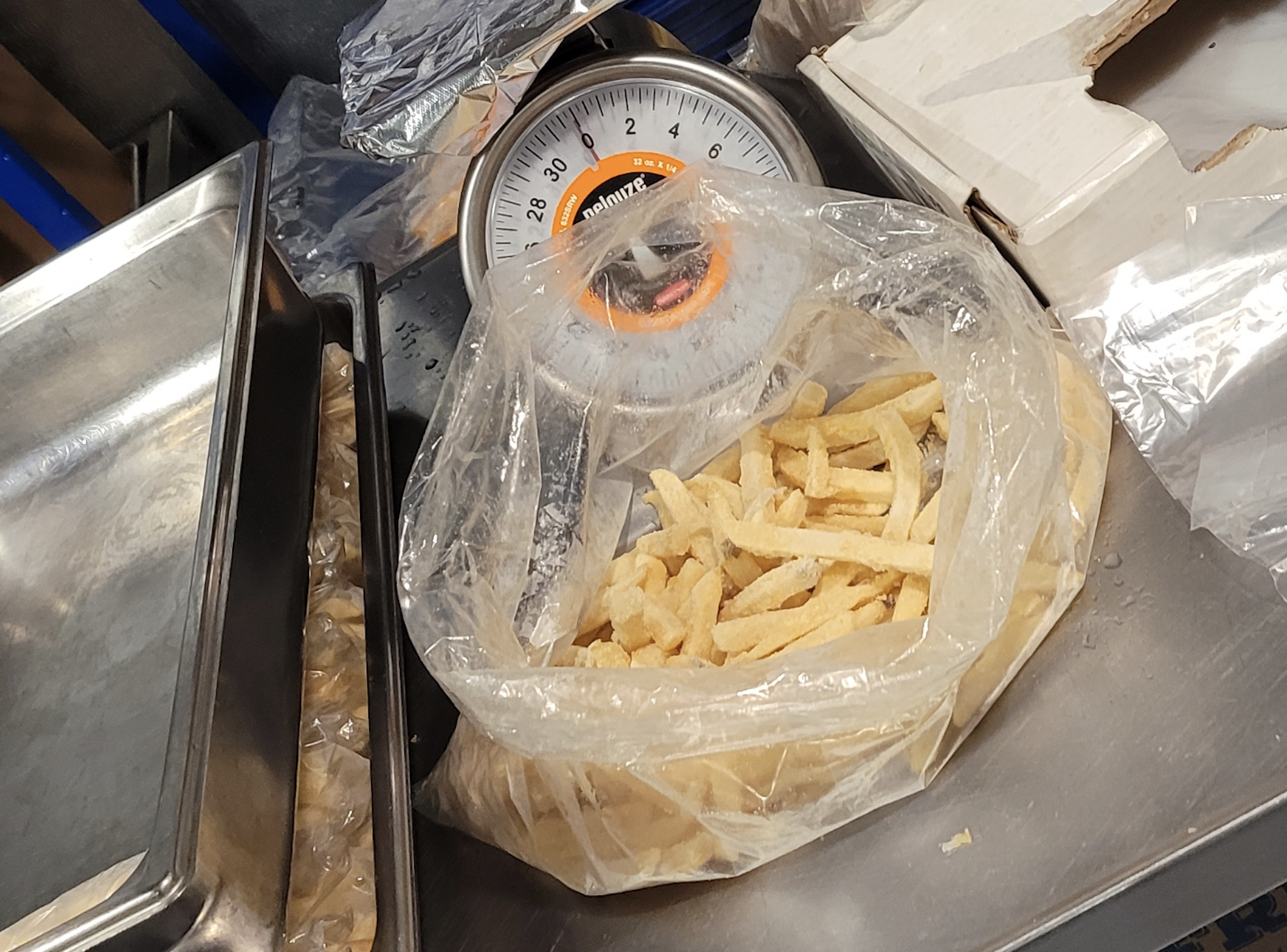
Early fast-food restaurants used to peel and cut their own potatoes, a process that required a certain amount of labor before cooking. However, in the early 1950s, partially prepared fries began to appear in fast-food establishments. These fries were much faster to cook and serve, making them an important example of fast-food innovations. J.R. Simplot helped develop industrially frozen French fries when pioneered the commercial frozen French fry, which could be cooked quickly.
Fried Chicken Started Cooking Under Pressure
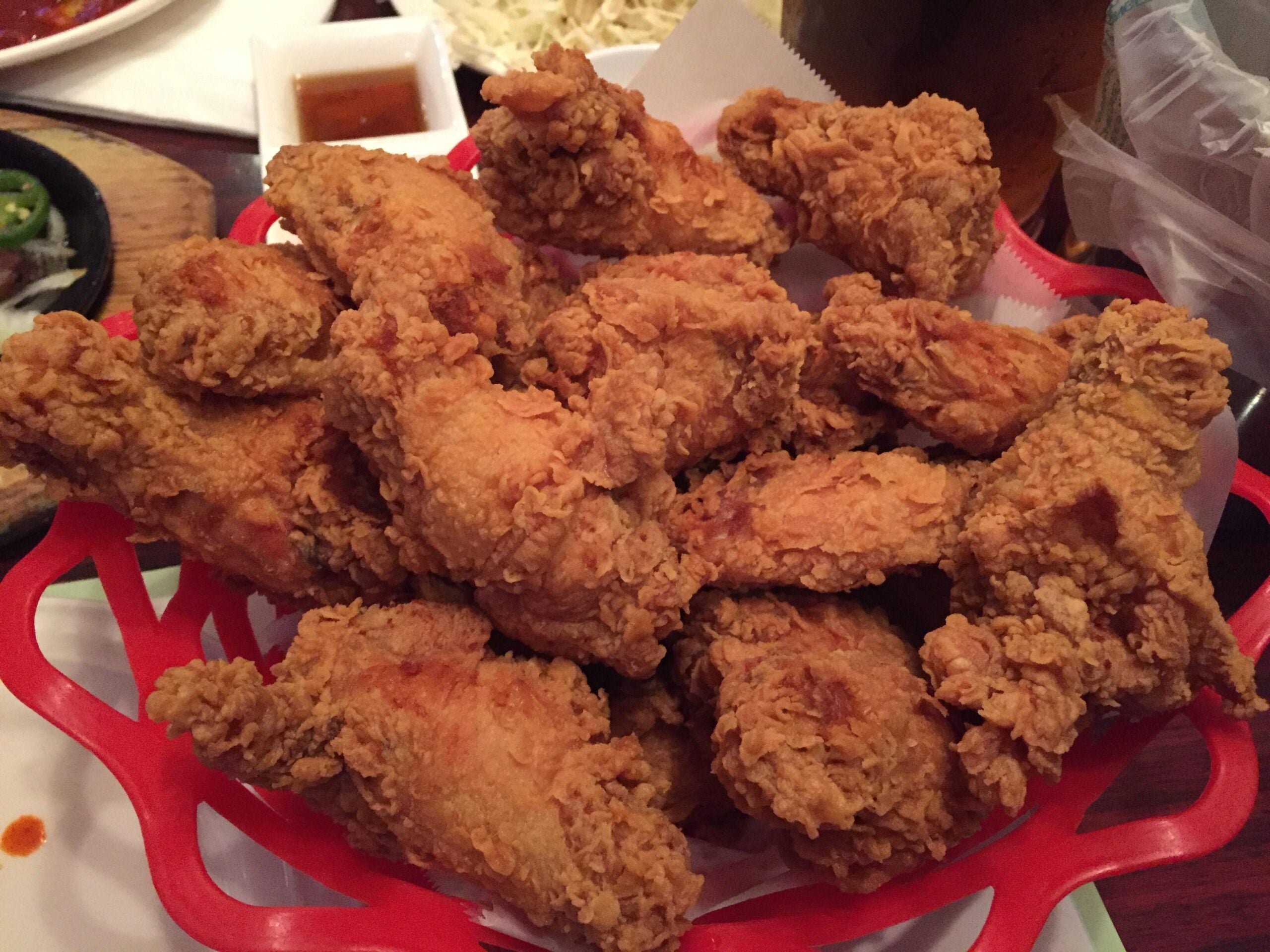
Colonel Harland Sanders used to cook fried chicken using more conventional methods, but this meant that customers had to wait a long time for their orders. It was then that Sanders experimented with pressure-frying chicken, a process that was much faster and helped retain the meat’s moisture. This combination of pressure, temperature, and breading became one of the fast-food innovations associated with faster chicken preparation.
Hard-Shell Tacos Were Redesigned for Rapid Assembly
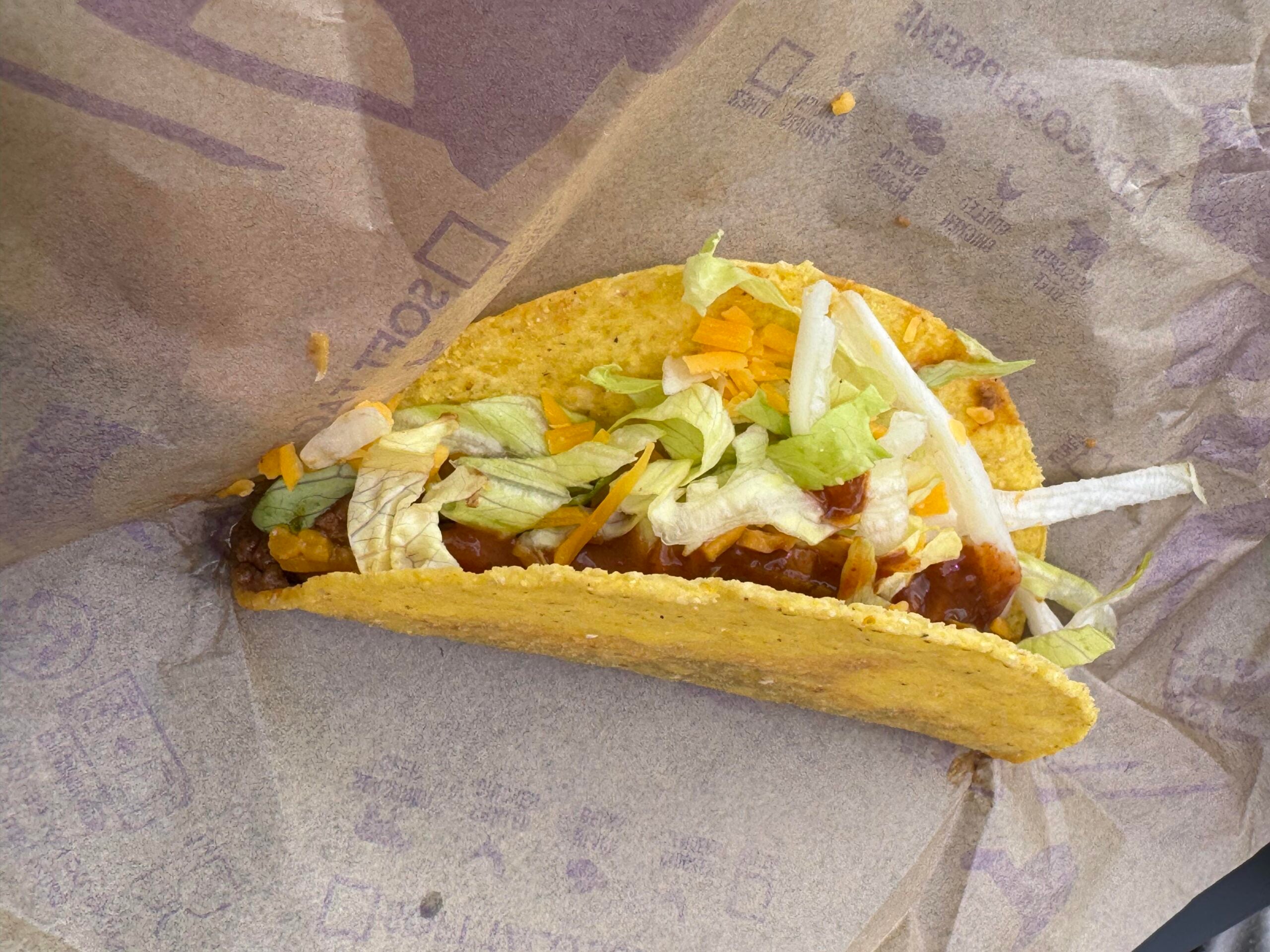
Hard-shell tacos were introduced to fast-food menus because they were faster to assemble, a solution devised by Glen Bell as he sought a way to prepare them as quickly as burgers. He experimented with frying tortillas into rigid, pre-formed shells that could be filled rapidly with meat, lettuce, cheese and sauce. This approach illustrate how fast-food innovations helped restaurants prepare Mexican-inspired menu items more efficiently using an assembly-line process.
Trending on Cheapism


Eggs Benedict Became the Handheld Egg McMuffin
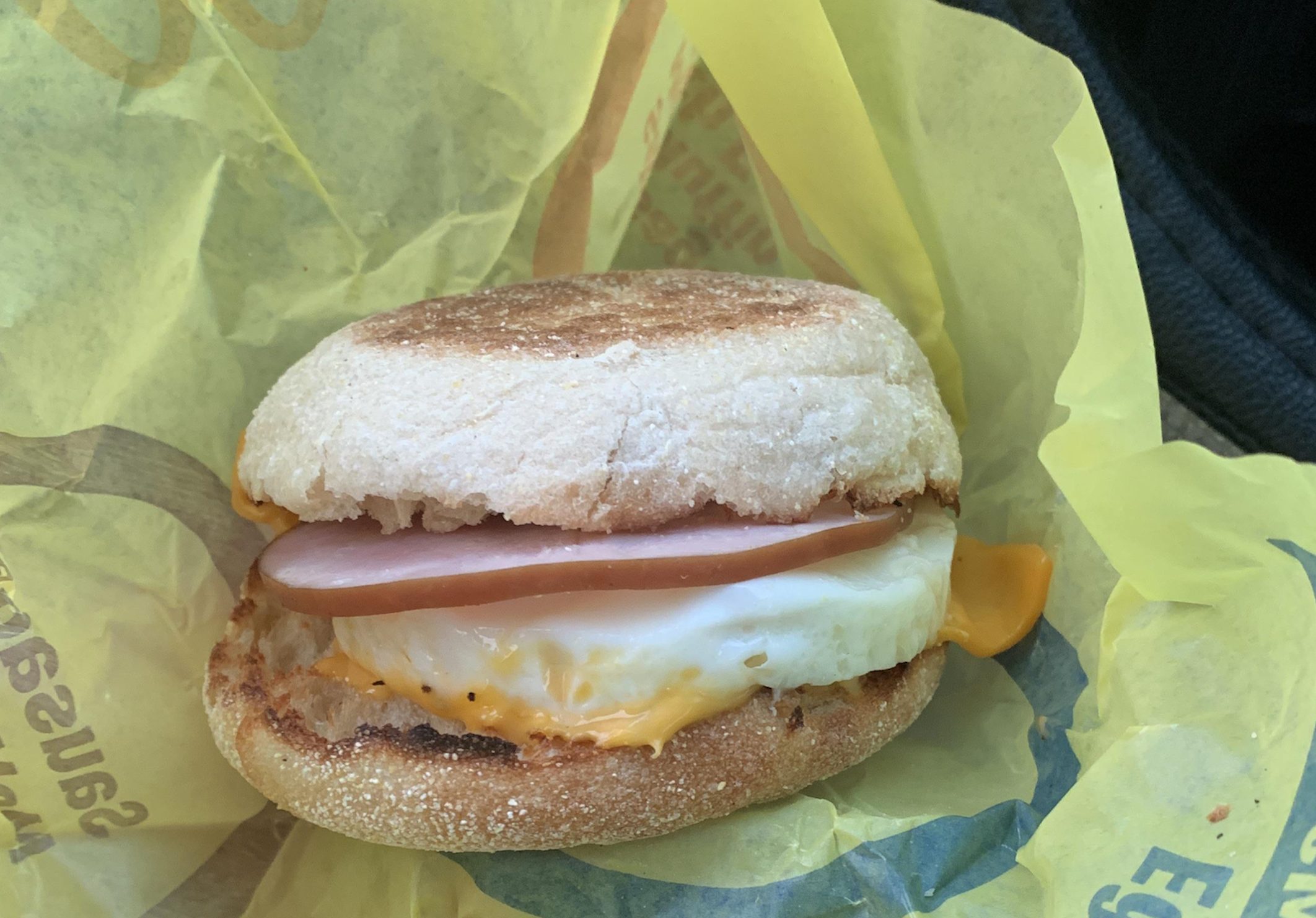
Herb Petersen developed the Egg McMuffin as a portable alternative inspired by Eggs Benedict. At McDonald’s locations, the hollandaise sauce was replaced with cheese, served together on an English muffin to achieve this new meal. The sandwich became one of the best-known fast-food innovations in breakfast service. Initially, the Egg McMuffin was an open-faced sandwich, but it later evolved into the familiar, handheld version known internationally.
Some Fast-Food Breakfast Eggs Became Pre-Cooked and Folded
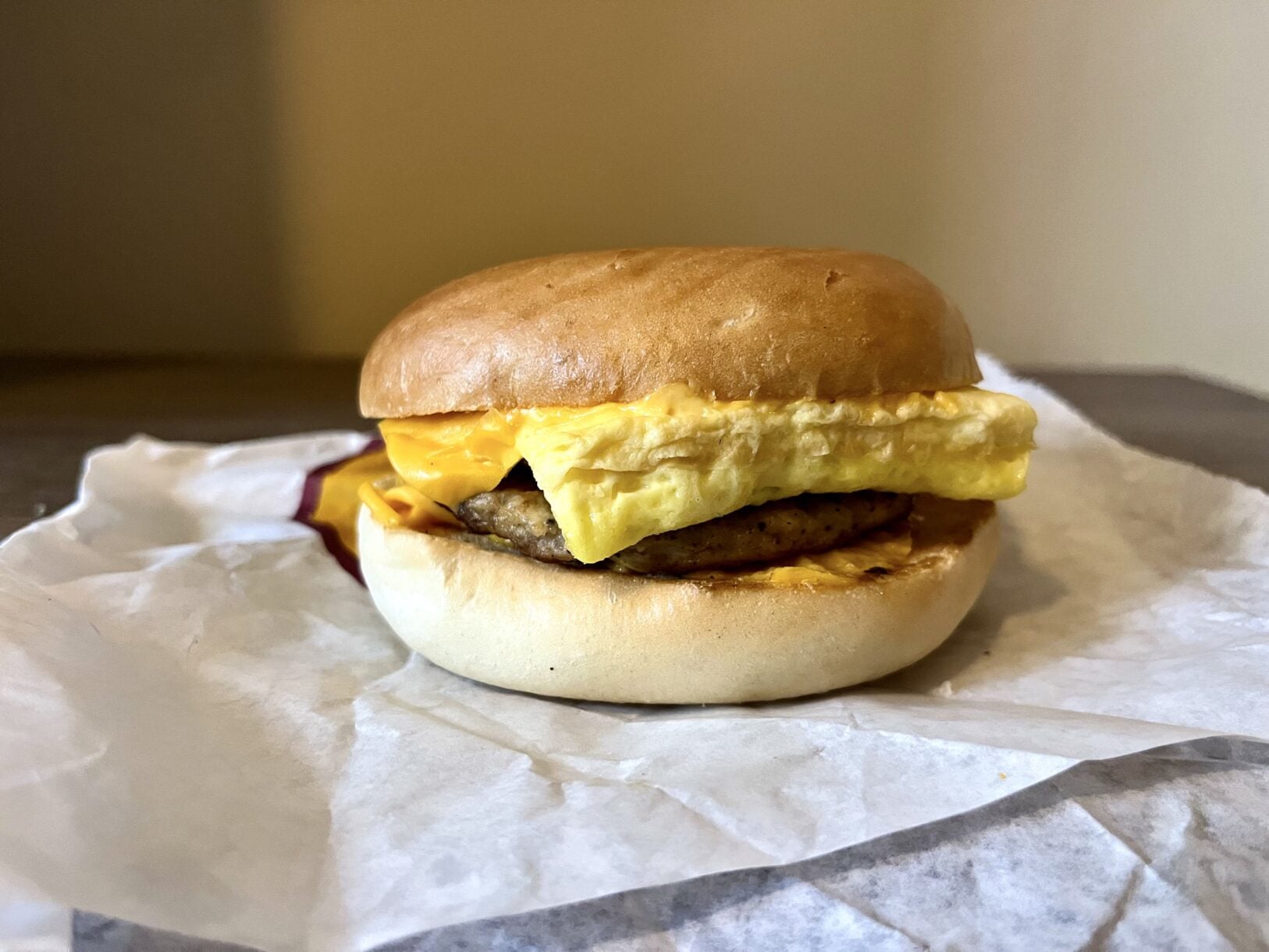
When you think about breakfast sandwiches containing eggs at fast-food restaurants, it’s not always the case that an egg was cracked onto a griddle to make them. McDonald’s explains that its folded eggs are prepared by suppliers, cooked, folded, and flash-frozen before arriving at their restaurants. These fast-food innovations help restaurants serve breakfast more consistently and quickly.
Chicken Nuggets Were Engineered for Mass Production
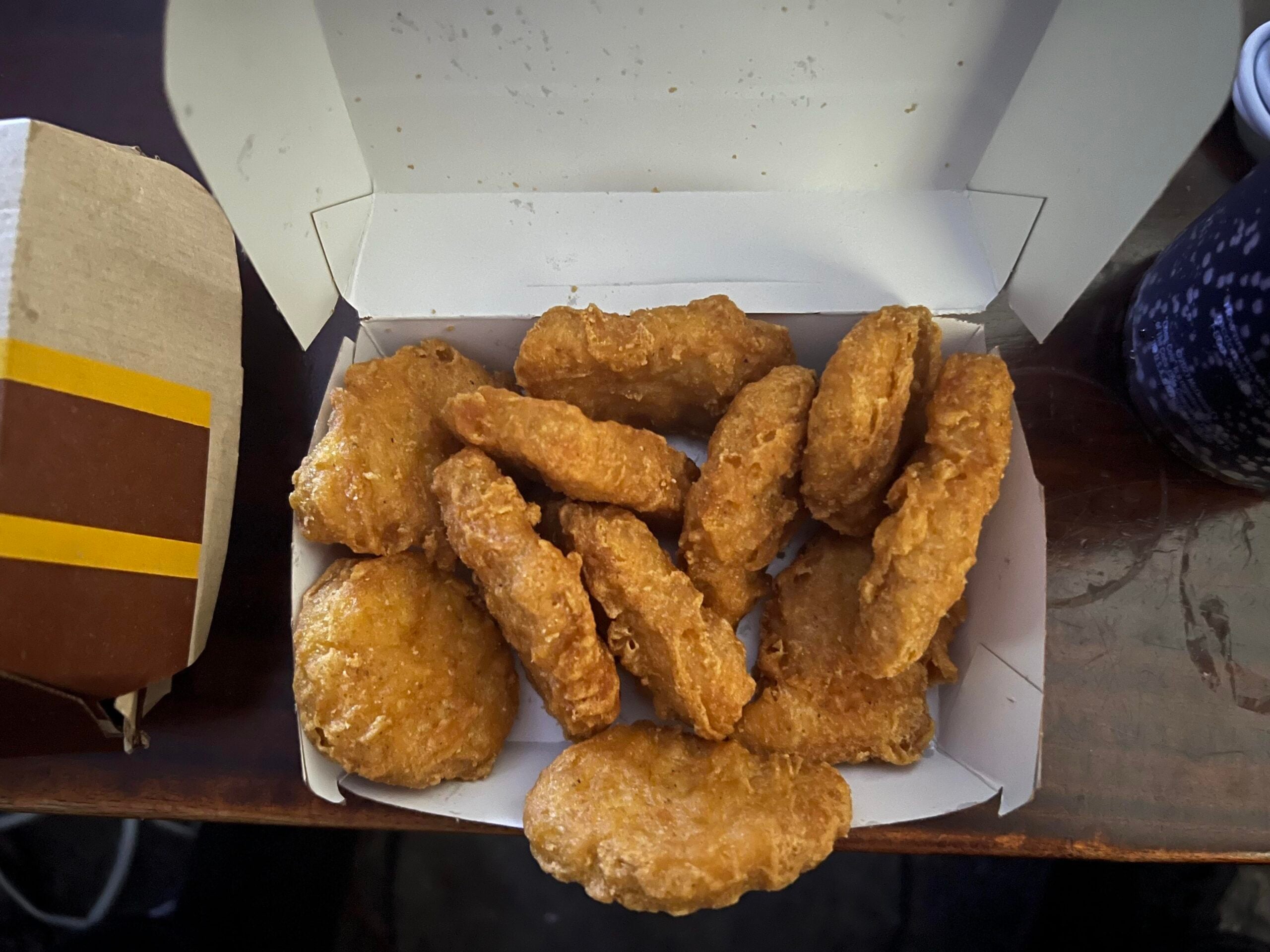
When developing Chicken McNuggets, McDonald’s sought machinery capable of mass-producing them. The challenge was that the small pieces of chicken were irregular, as they had been cut by hand. Consequently, McDonald’s developed standardized processing and breading systems, which made it possible to distribute the nuggets nationwide in 1983.
Sign up for our newsletter
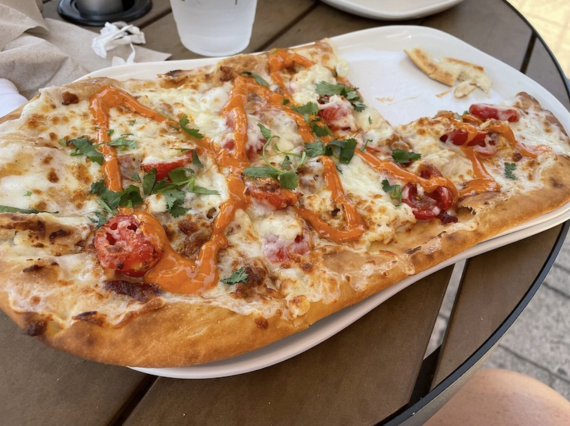
Pizza Became a Ready-to-Go Product Instead of a Made-to-Order Meal
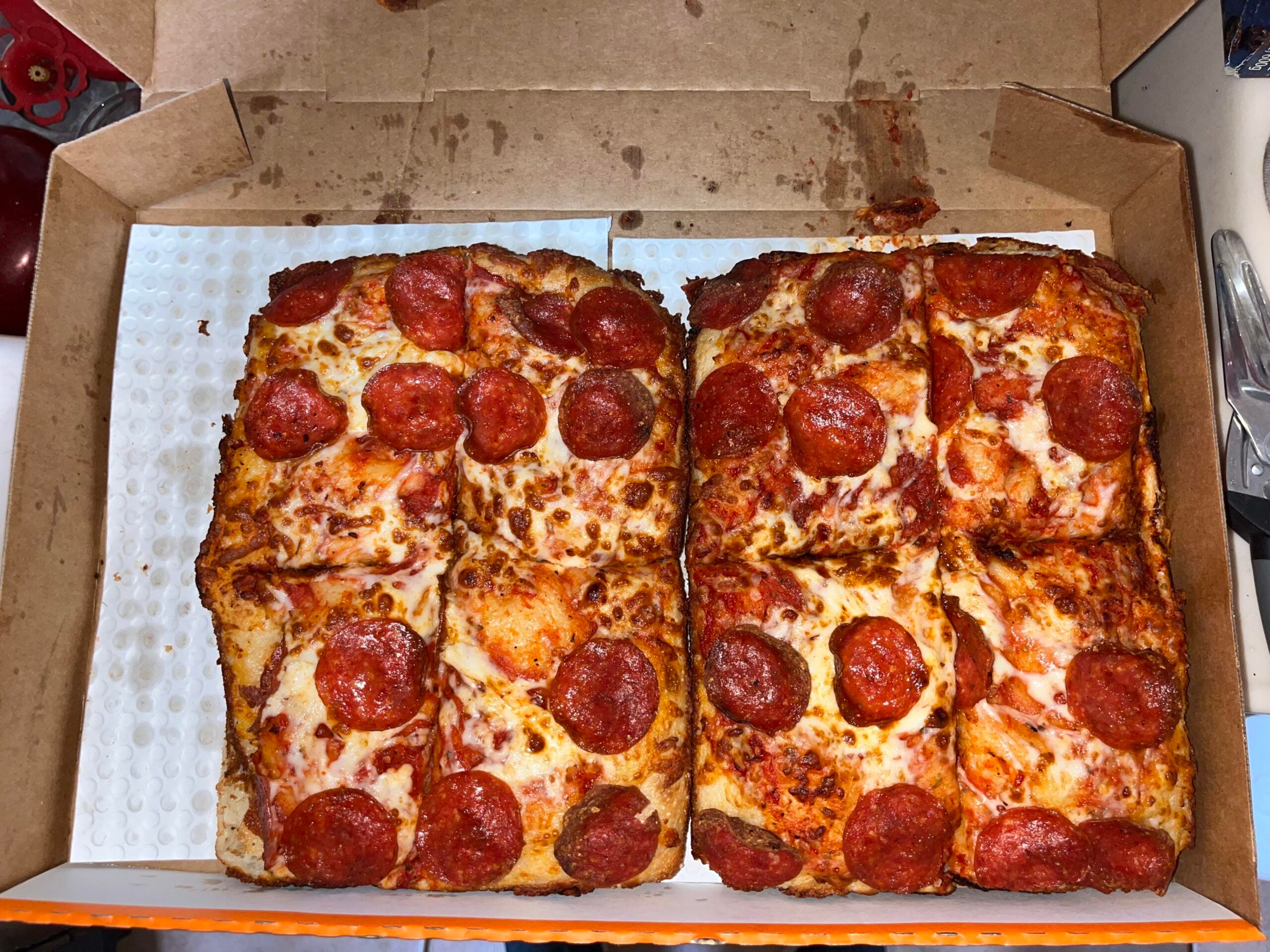
Little Caesars was the fast-food chain that developed the “Hot-N-Ready” system, making pizzas available for immediate pickup and thereby avoiding the wait for a freshly prepared pizza. The system required operational and recipe changes, as well as new kitchen equipment, staffing adjustments, and other modifications. These fast-food innovations helped establish a convenient grab-and-go pizza model. Court records document the development of this new system during the 1990s.
Breakfast Burritos Became a Drive-Thru Alternative to Plated Breakfast
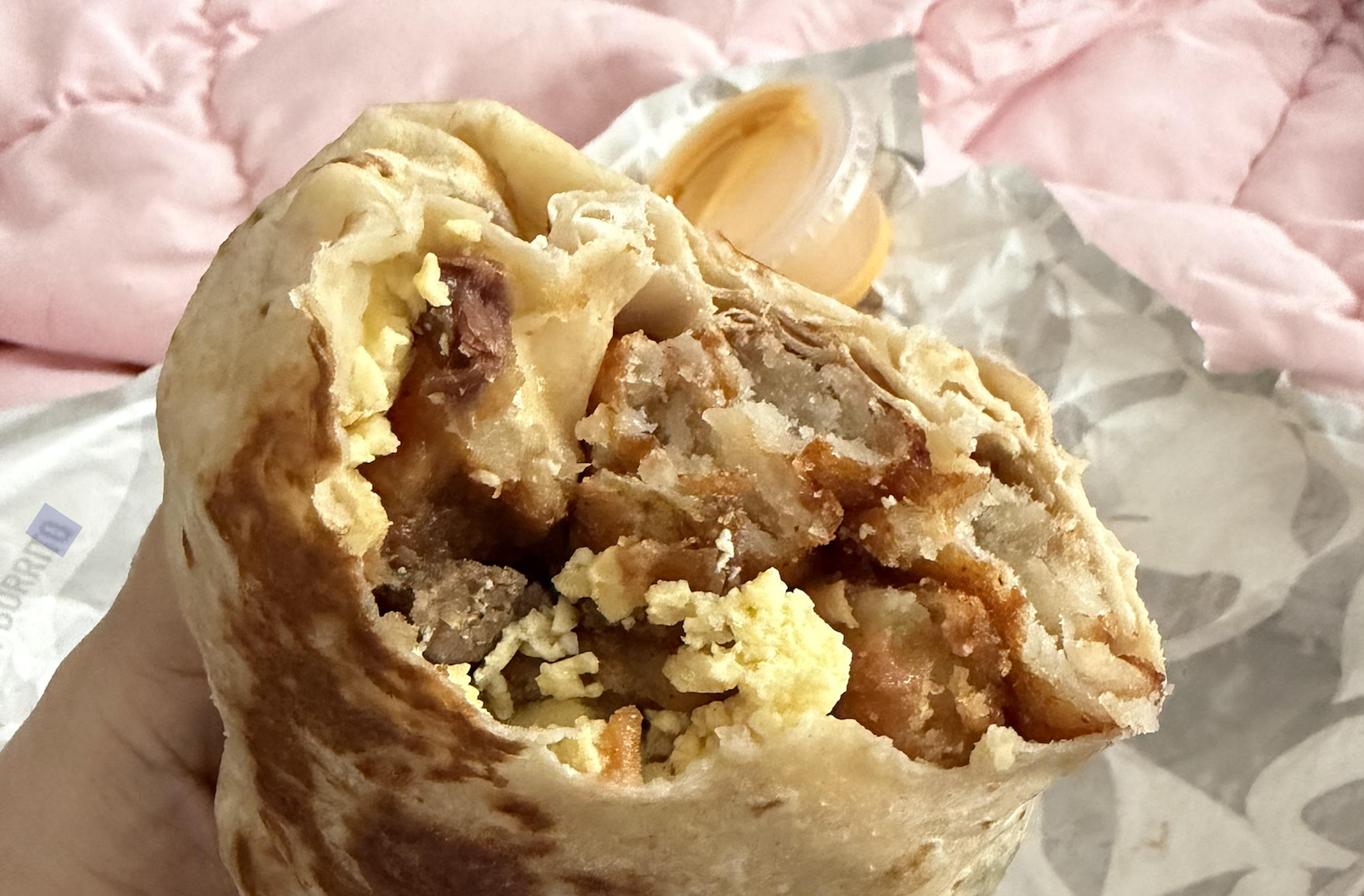
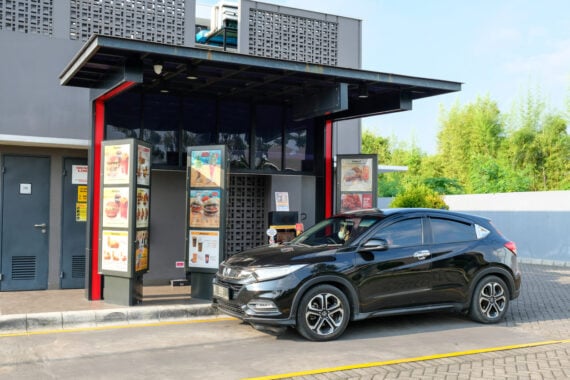
Fast-food chains decided to adapt breakfast burritos so they could be offered at the drive-thru, eliminating the need for them to be served on a plate. Scrambled eggs, meat, potatoes, and cheese, which were traditionally served on plates, became part of a new preparation method described in a 1990 Los Angeles Times article. By wrapping these ingredients, the process remained simple, kept the food warm, and made it easy to handle. These fast-food innovations made breakfast more portable and convenient.
The Crunchwrap Was Designed to Be Less Messy on the Go
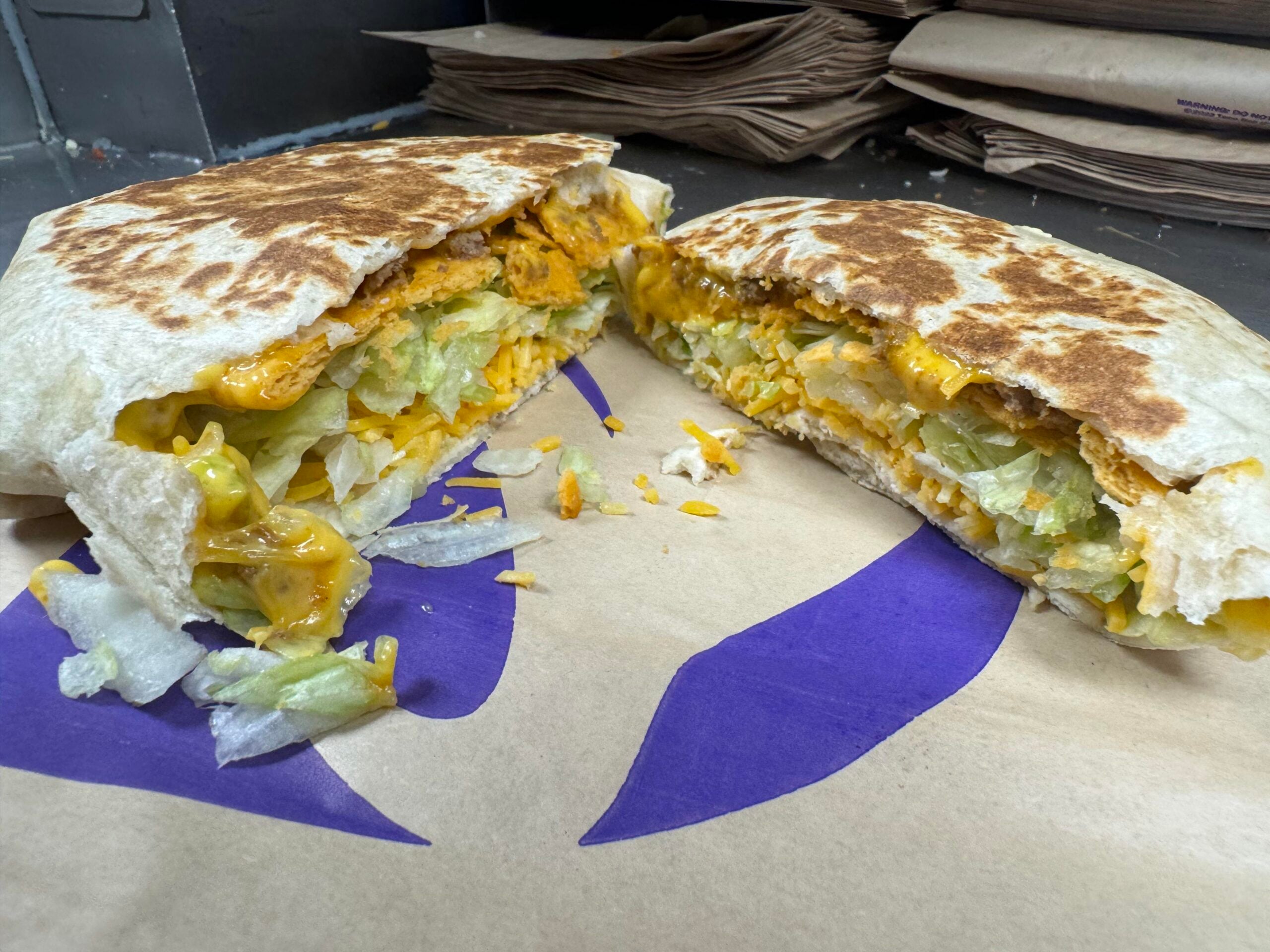
Taco Bell chose a hexagonal shape for its Crunchwrap to make it less messy to eat, allowing you to enjoy it without needing to sit at a table. The combination of a crunchy tostada and taco fillings is grilled and sealed to make it easier to consume. These fast-food innovations emphasize portability and help customers enjoy a meal with less mess, including when eating in a car.
Submarine Sandwiches Became Assembly-Line Meals
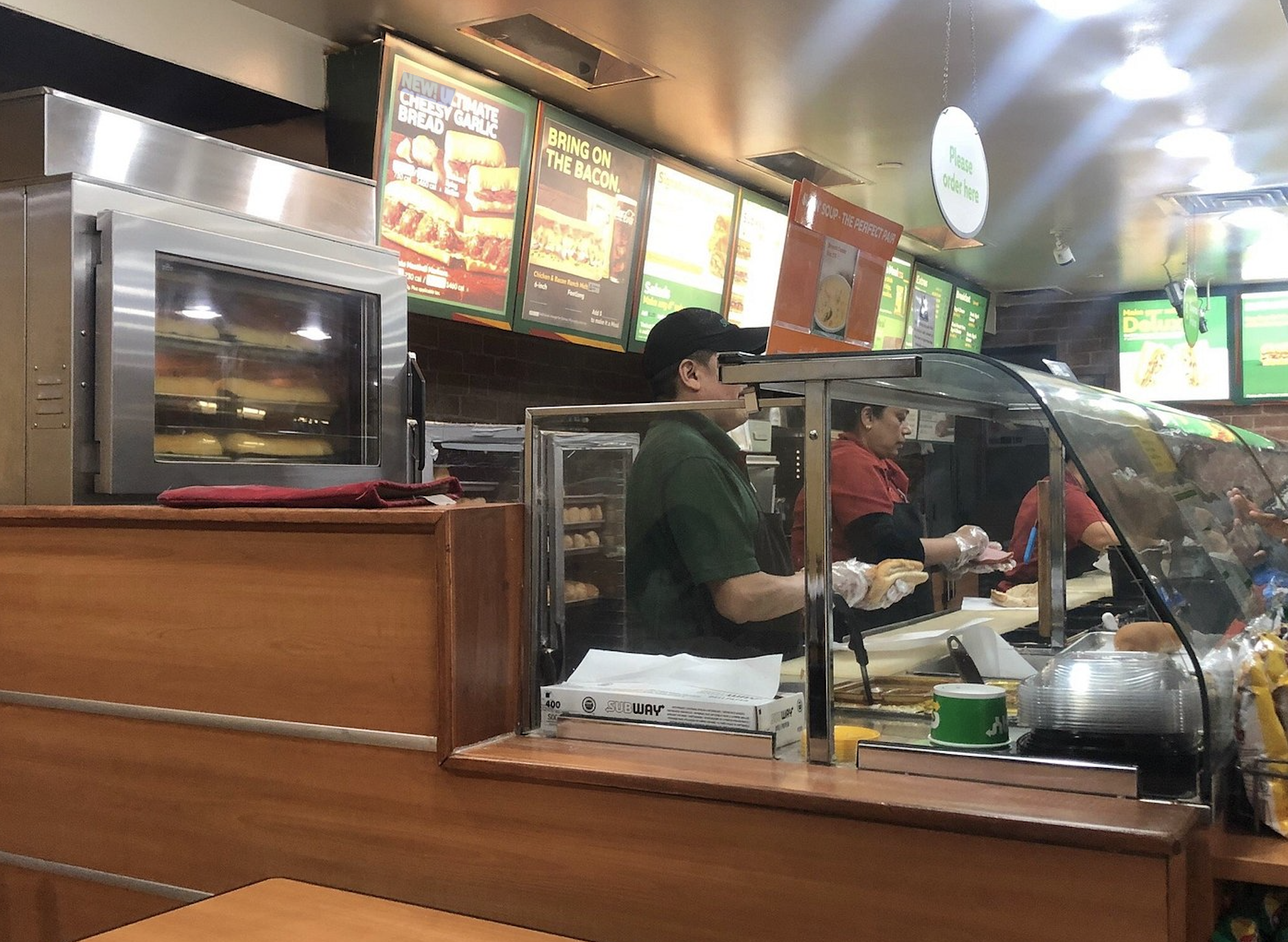
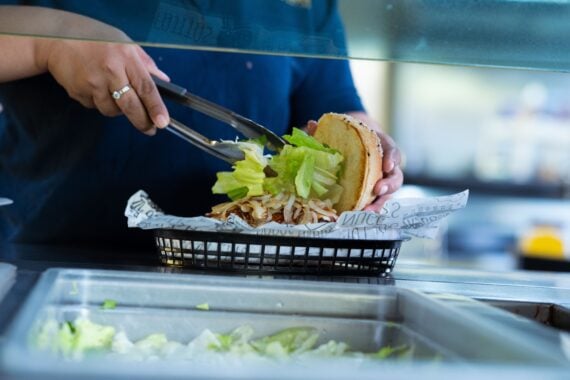
To ensure that submarine sandwiches could be part of an assembly-line meal, allowing them to be prepared more quickly and delivered to the customer with speed, Subway had to organize its preparation process around ready-to-use ingredients. This system is another example of fast-food innovations that enable Subway employees to rapidly assemble customized sandwiches, following a sequence of bread, filling, toppings, and condiments.
Conclusion
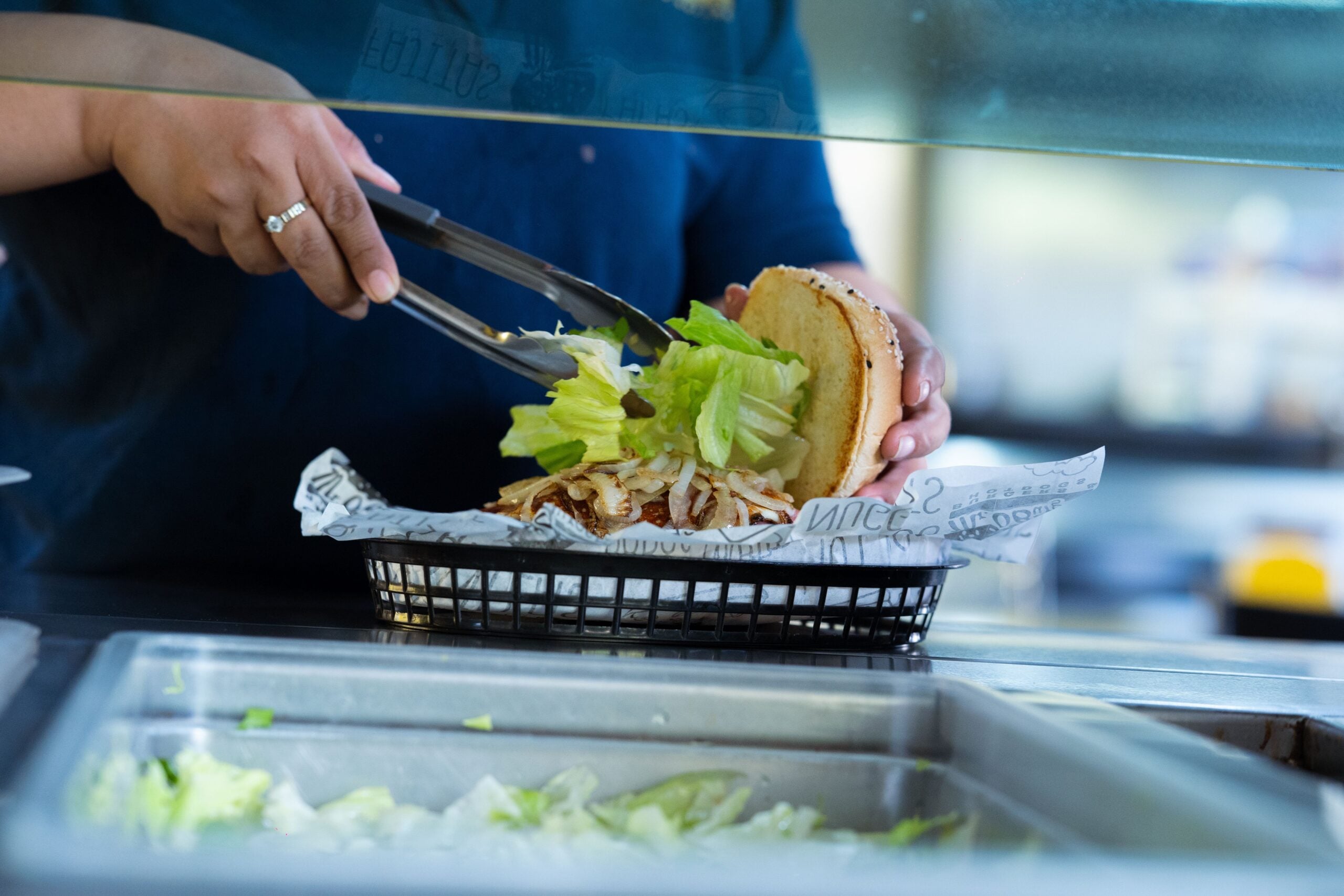
The way fast-food restaurants have accelerated their food delivery process isn’t just about cooking faster. They have modified the food preparation, product design, and presentation, all to ensure the process is as quick as possible. From innovations like White Castle’s perforated patties to Taco Bell’s preformed taco shells, these restaurants are constantly innovating to stay at the forefront of sales.