Just as people’s tastes evolve over the years, fast-food menus must also adapt to evolving customer preferences. Drawing on information from Restaurant Dive, Fast Company, and other sources, covering everything from discontinued items to revamped meal deals, we’ll reveal some of the changes in how Americans order at fast-food restaurants!
McDonald’s Is Moving Away From Complicated Value Deals
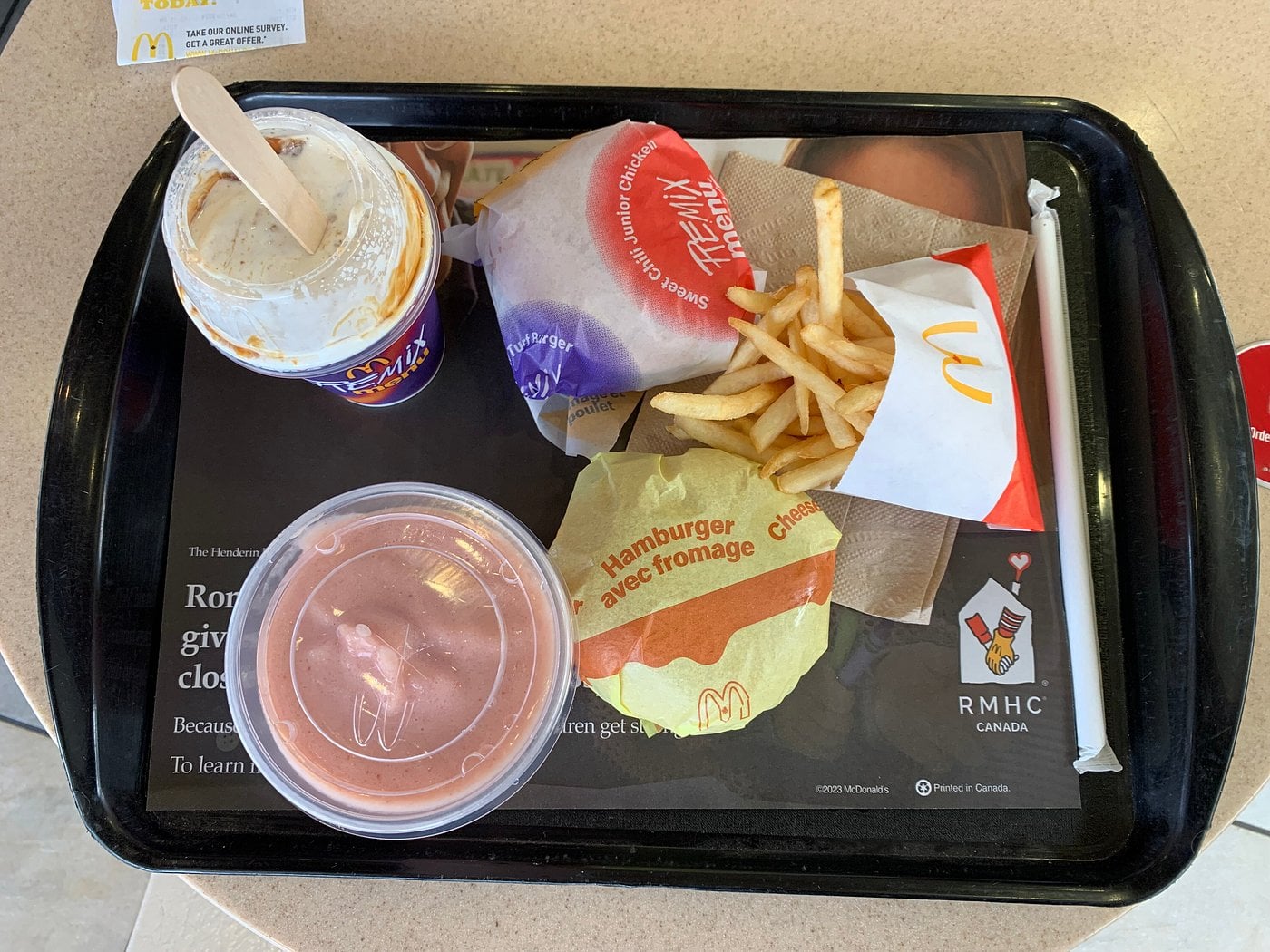
McDonald’s has recognized that customers are looking for straightforward and affordable options, rather than promotions that require additional purchases. For this reason, in April 2026, McDonald’s replaced its “Buy One, Add One for $1” promotion with a simplified McValue menu featuring 10 items priced under $3, alongside a $4 breakfast meal deal. These changes to fast-food menus reflect the challenge of providing value while keeping customers satisfied.
Carl’s Jr. Pulled Back From Plant-Based Burgers
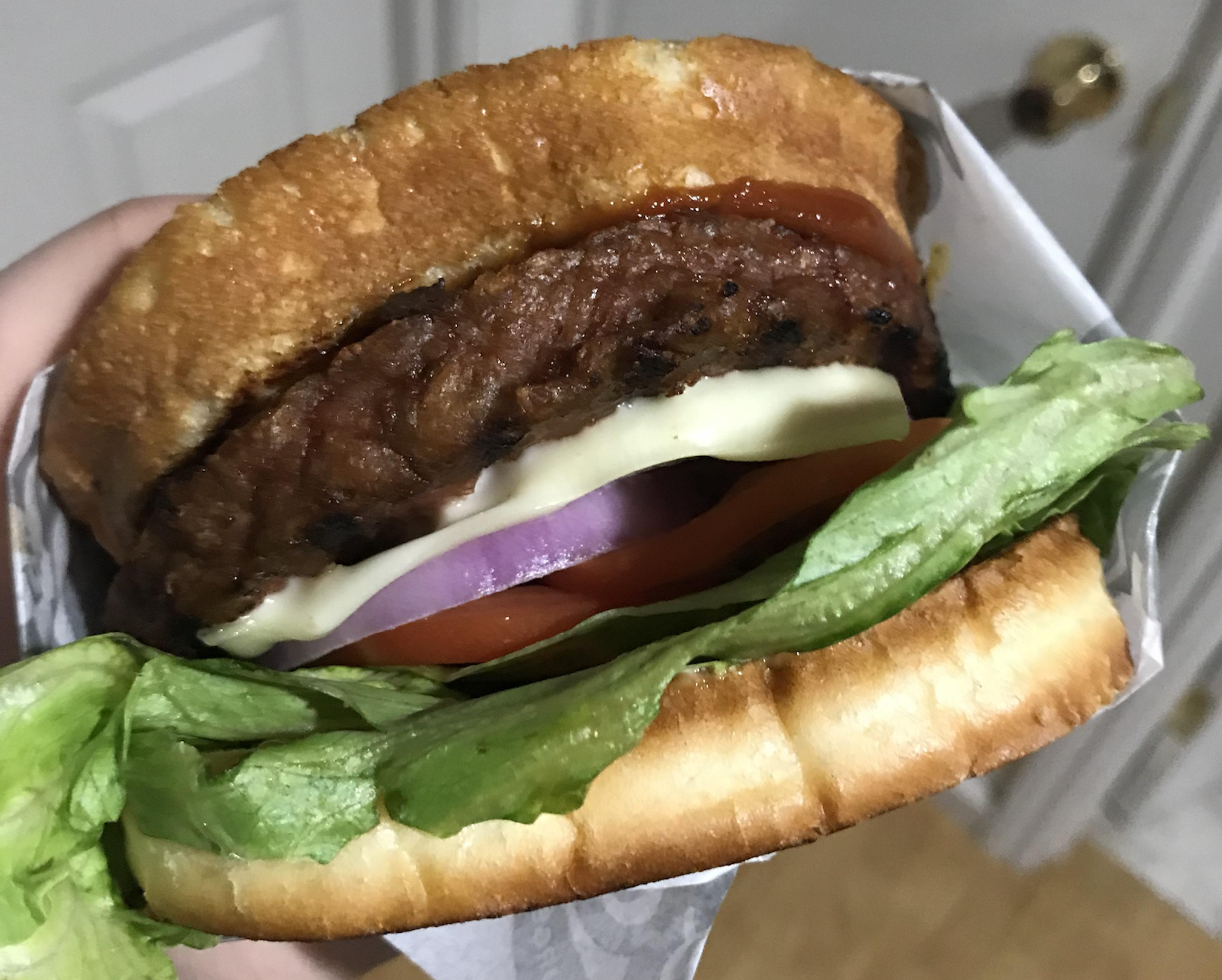
Carl’s Jr.’s “Beyond Famous Star” had a relatively short run, reportedly lasting from 2019 to 2024. This plant-based burger initially generated excitement among costumers interested in meat alternatives, but that interest did not hold up over time. The company has adjusted its offerings to reflect customer preferences, illustrating how fast-food menus can change as restaurants reassess their plant-based options. While they removed this specific plant-based burger, it will continue to offer meat-free burger options.
Del Taco Removed Its Beyond Meat Options
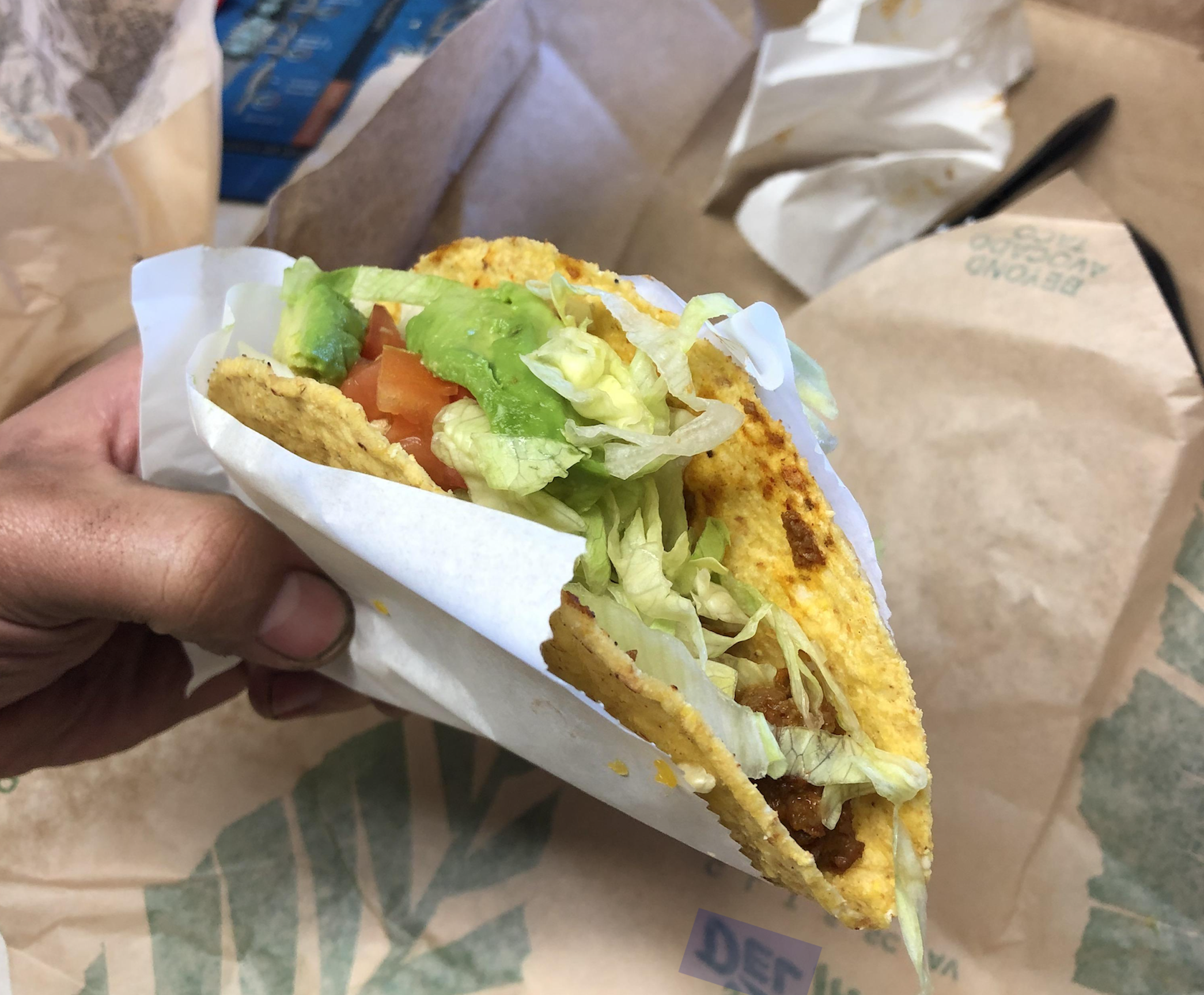
Del Taco was an early adopter of plant-based beef, introducing “Beyond Meat” options to its menu in 2019. By 2023, however, those offerings had reportedly been removed. This example illustrates how fast-food menus can shift when restaurants reassess their product strategies. The fast-food chain decided instead to focus on extra protein options. The chain did not release product-level sales figures establishing exactly how much demand had declined.
Taco Bell Gave Some Restaurants Permission To Stop Serving Breakfast
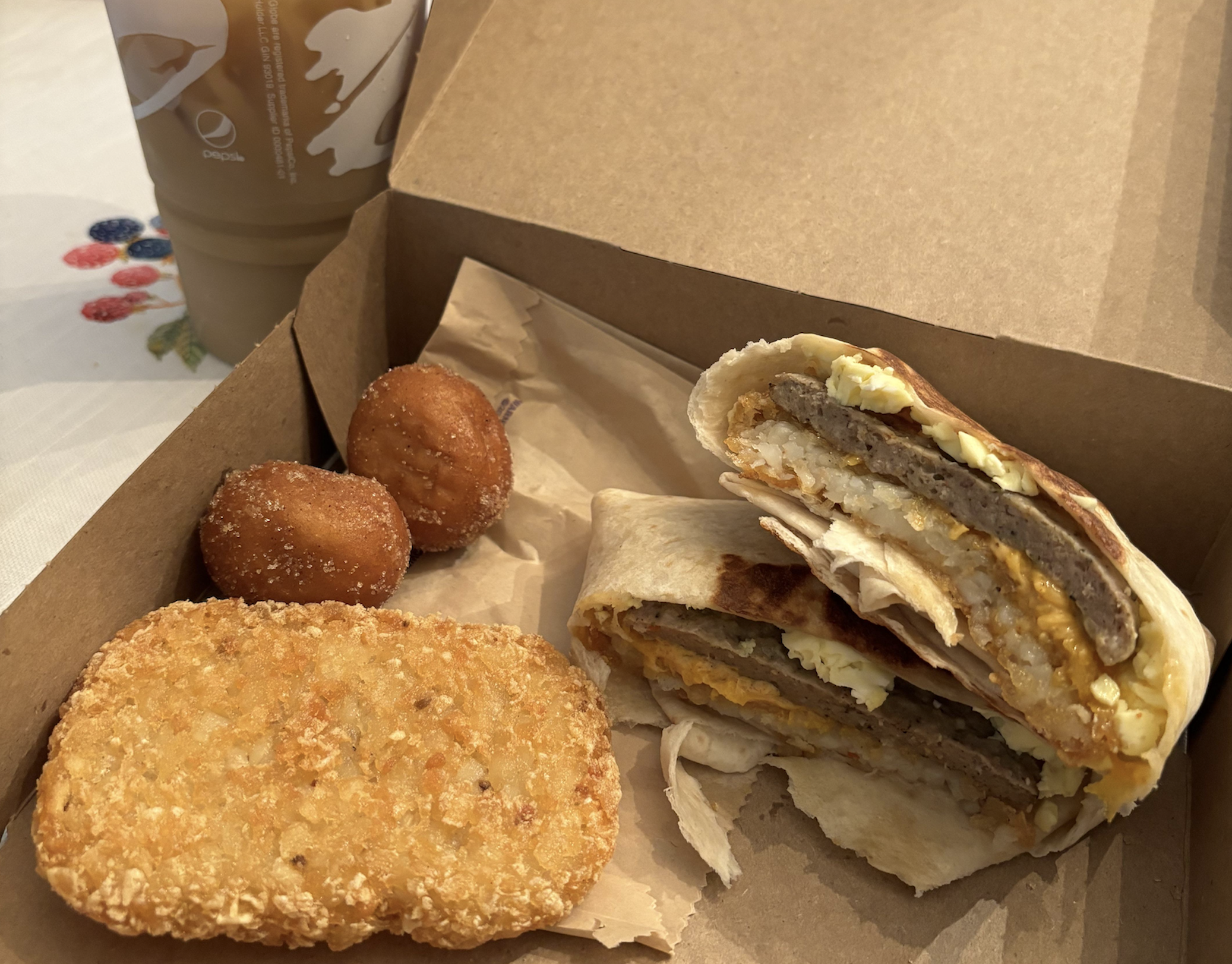
As of October 2024, Taco Bell executives allowed their franchises to discontinue breakfast service, though only a minority chose to do so. Breakfast service may not be profitable enough at some locations to justify the additional staffing and operating costs. These decisions show how fast-food menus can vary by location as operators concentrate on their busiest meal periods.
Wendy’s Breakfast Business Has Lost Ground
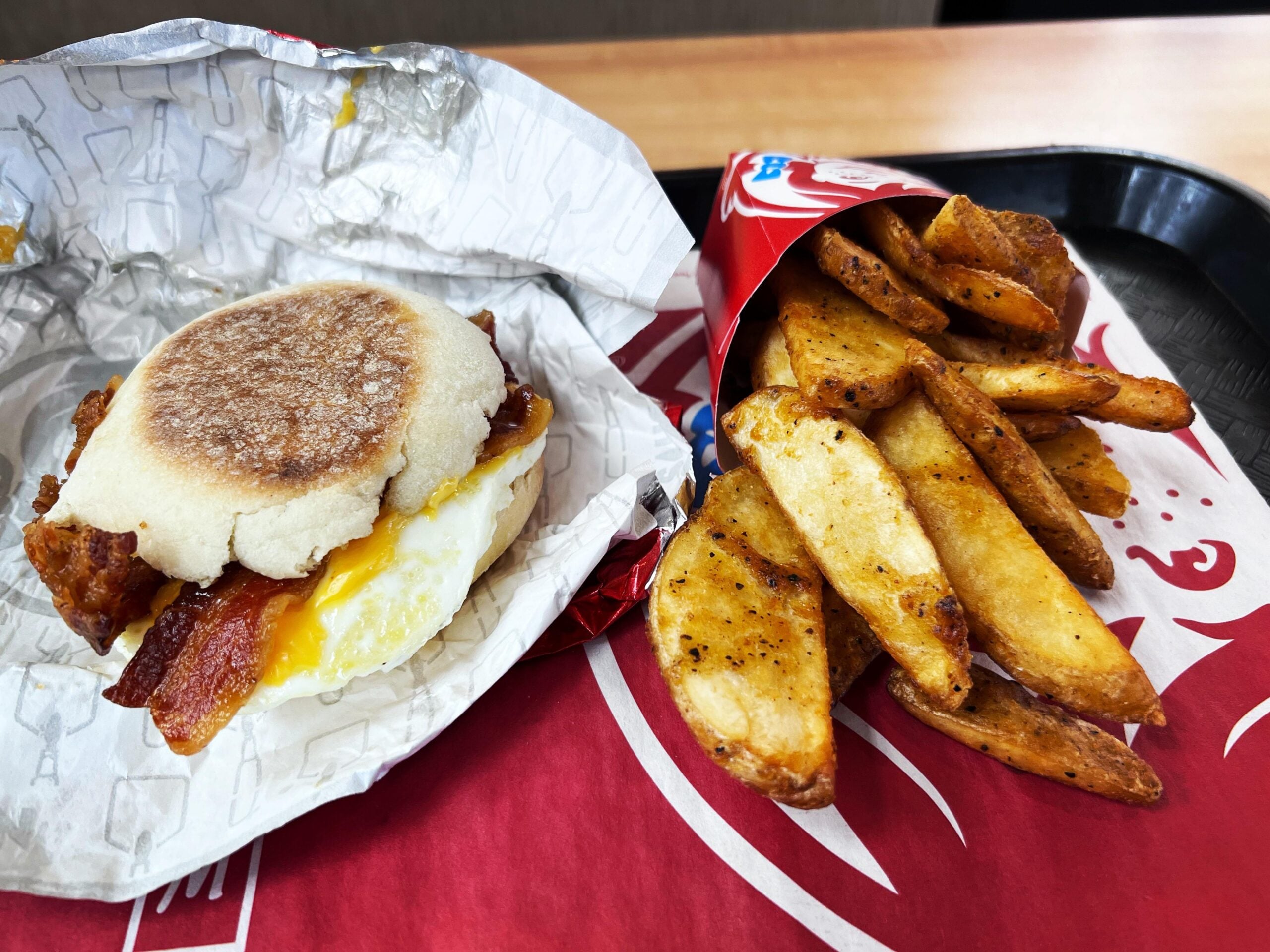
Like Taco Bell. some Wendy’s franchises were also permitted to stop offering breakfast service, a decision made following a review of the morning menu’s performance. During the second quarter of 2026, breakfast accounted for only 5% of Wendy’s sales, compared to approximately 8% during the same quarter in 2020. The figures highlight the challenges facing fast-food menus when customer demand changes. Wendy’s management has acknowledged that reducing breakfast service can affect customer traffic.
Trending on Cheapism


Starbucks Removed Less-Popular Frappuccino Varieties

In 2025, Starbucks began removing numerous slow-selling products, aiming to simplify its menu by 20%. The chain identified items with low customer demand, including specific drinks, and eliminated them, also addressing the complexity involved in their preparation and their overlap with other menu offerings. These removed items were replaced with new ones, with a focus on providing more efficient service.
Starbucks Dropped Specialty Drinks That Didn’t Sell Often Enough
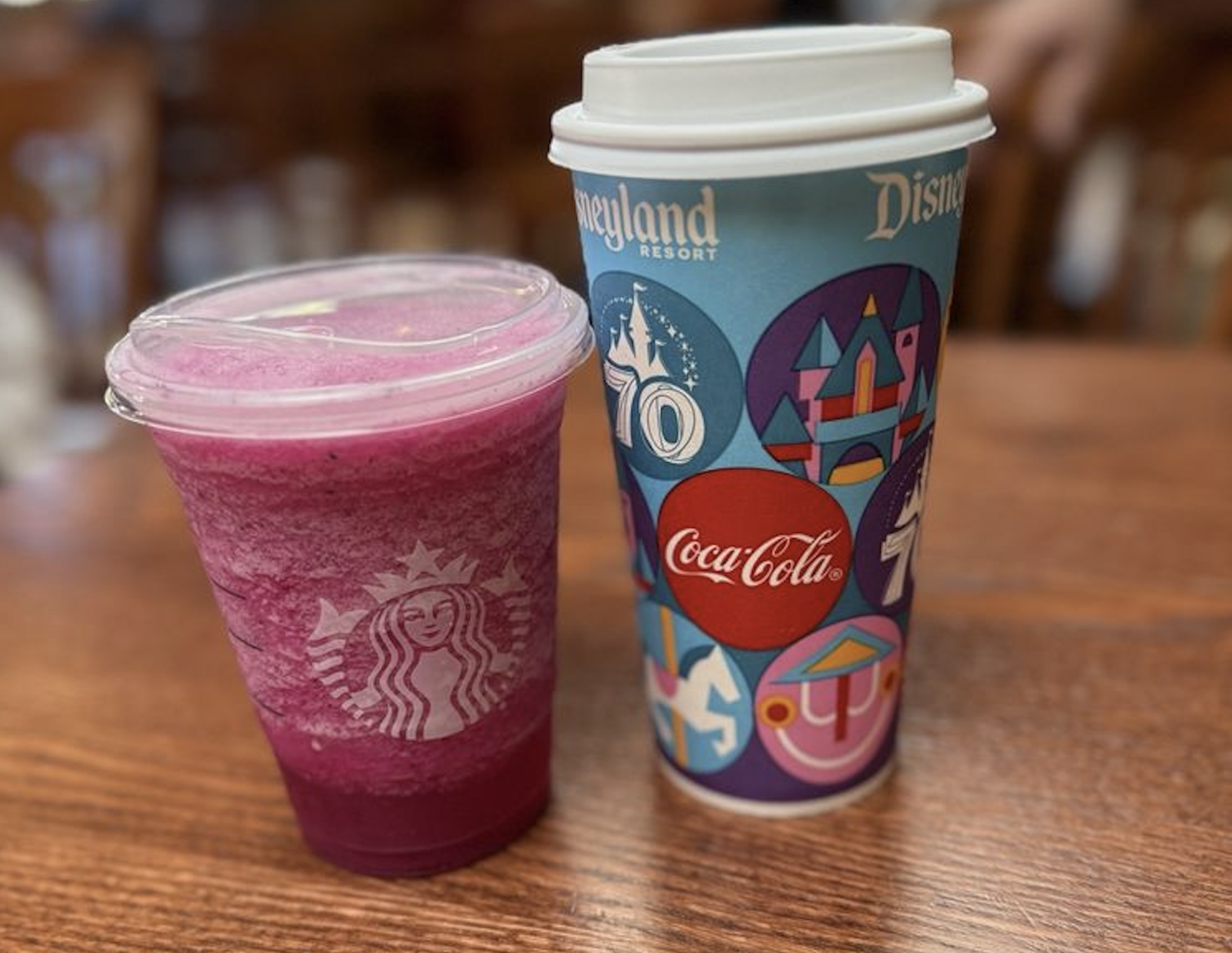
Starbucks also discontinued specialty beverages such as the “Royal English Breakfast Latte” and the “White Hot Chocolate.” Although these specialty beverages managed to attract a group of loyal fans, the purchase frequency was low and its preparation complex. This example shows how fast-food menus and coffeehouse menus can evolve when businesses prioritize popular products and simper preparation process.
Panera Eliminated Its Flatbread Pizzas
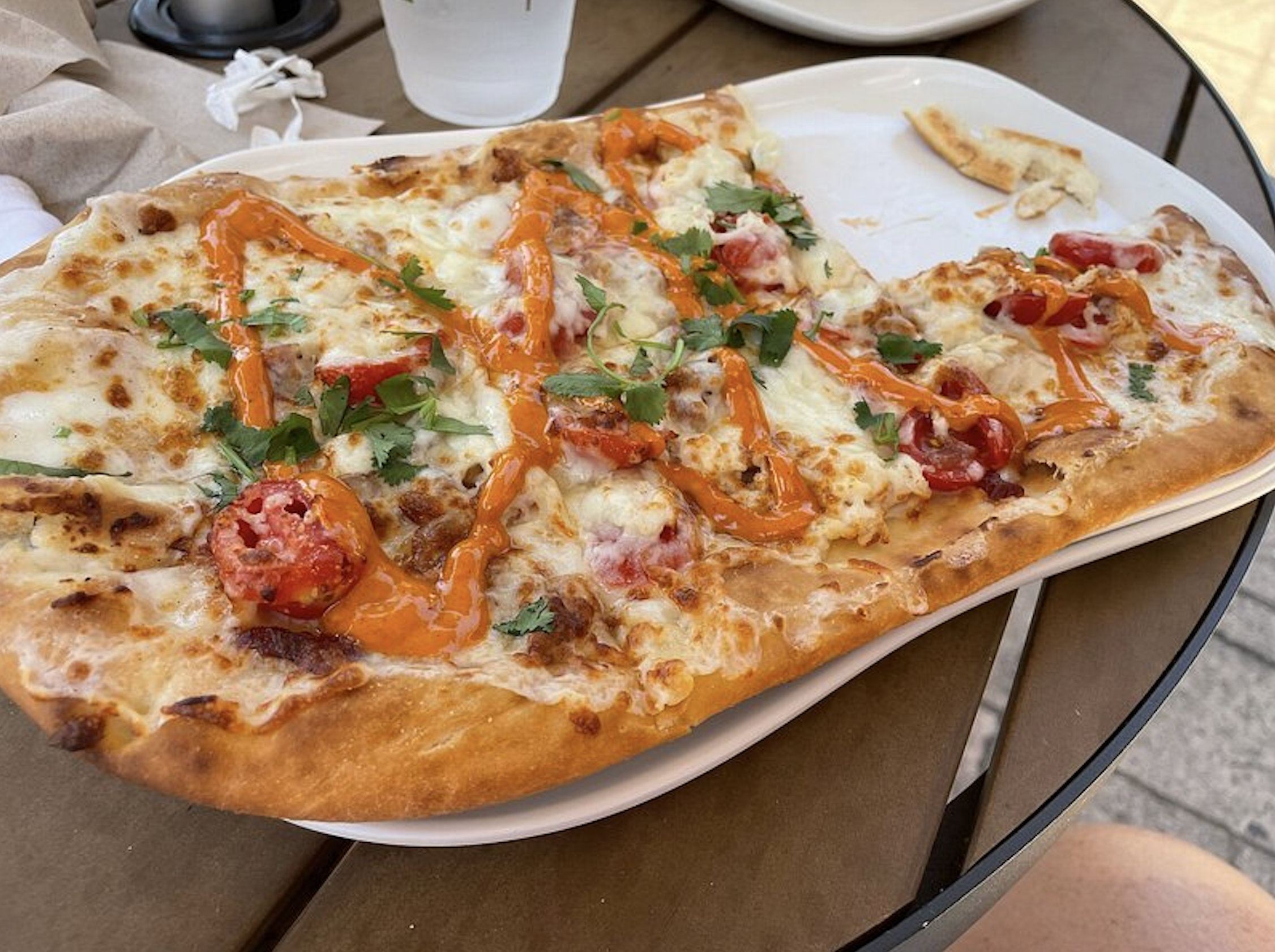
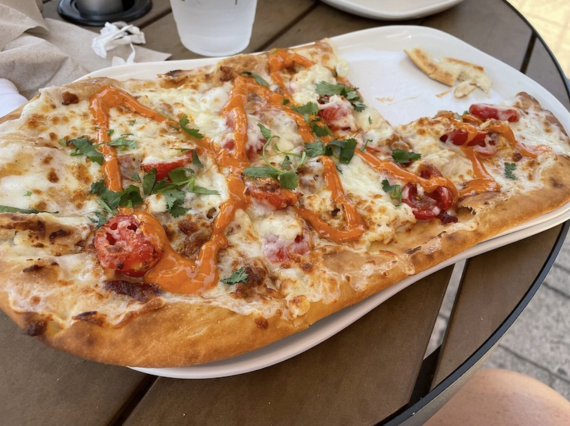
Panera is another fast-food chain that made changes to its menu, removing the flatbread pizza category in April 2024 to focus on sandwiches, soups, salads, and macaroni and cheese. Panera explained that its core products were more closely aligned with what customers expected from the brand, rather than expanding into other meal categories. Furthermore, management stated that they surveyed over 30,000 customers while developing the new menu, making it a strategic decision. The changes demonstrate how fast-food menus can be reshaped around a brand’s core identity.
Sign up for our newsletter
Panera Also Abandoned Its Grain Bowl Category
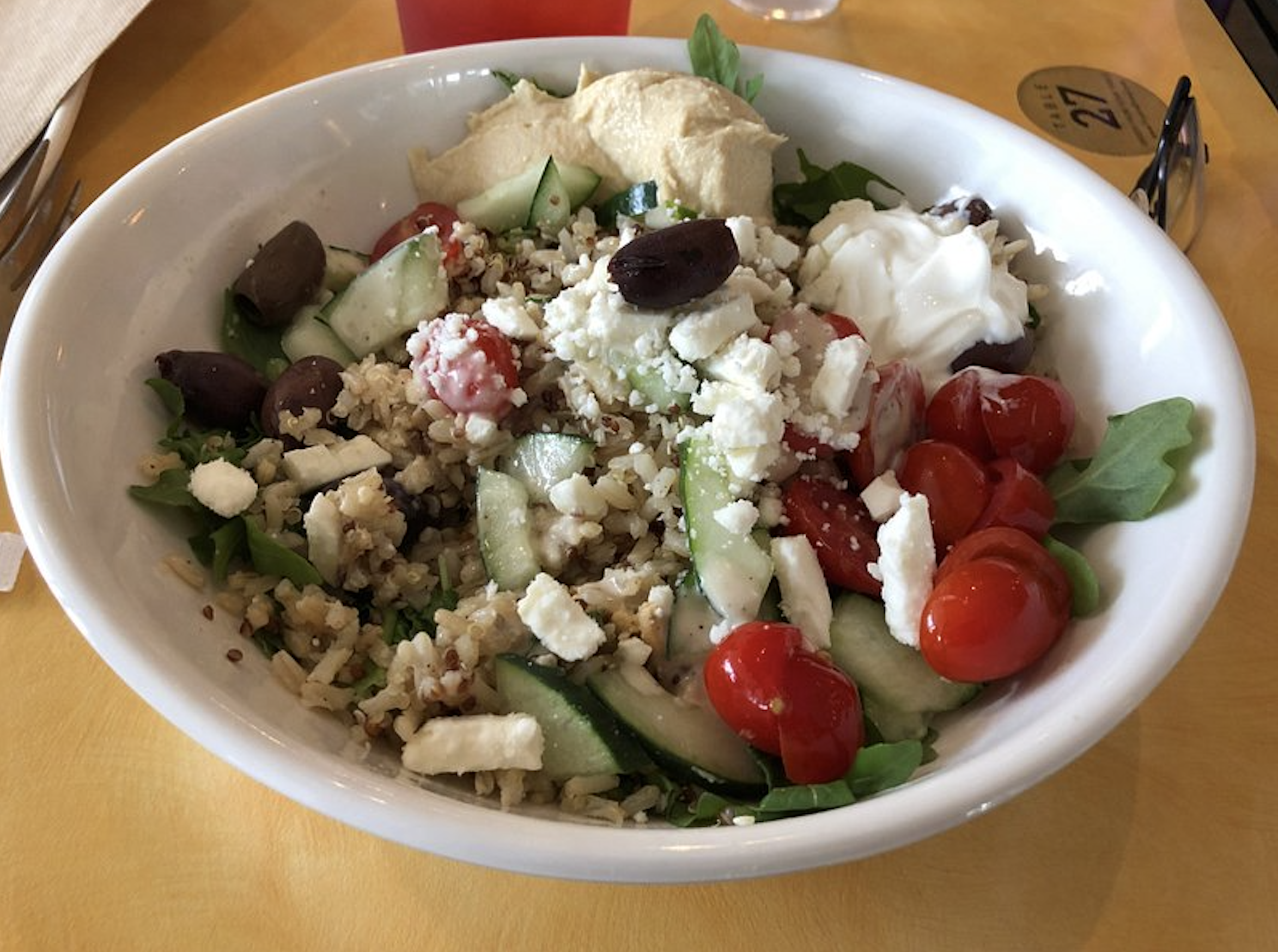
Grain bowls were also removed from the Panera menu in 2024, along with the broader category of rice- and grain-based entrées that had expanded the bakery-café’s offerings. Not all health-focused menu items prove to be commercially successful, which led Panera to shift its focus toward salads and sandwiches, according to their executive directors. However, Panera did not suggest that grain bowls were universally unpopular. Rather, the decision was driven by the desire to offer a simpler menu and enhance its overall value.
KFC Introduced Smaller Go Buckets
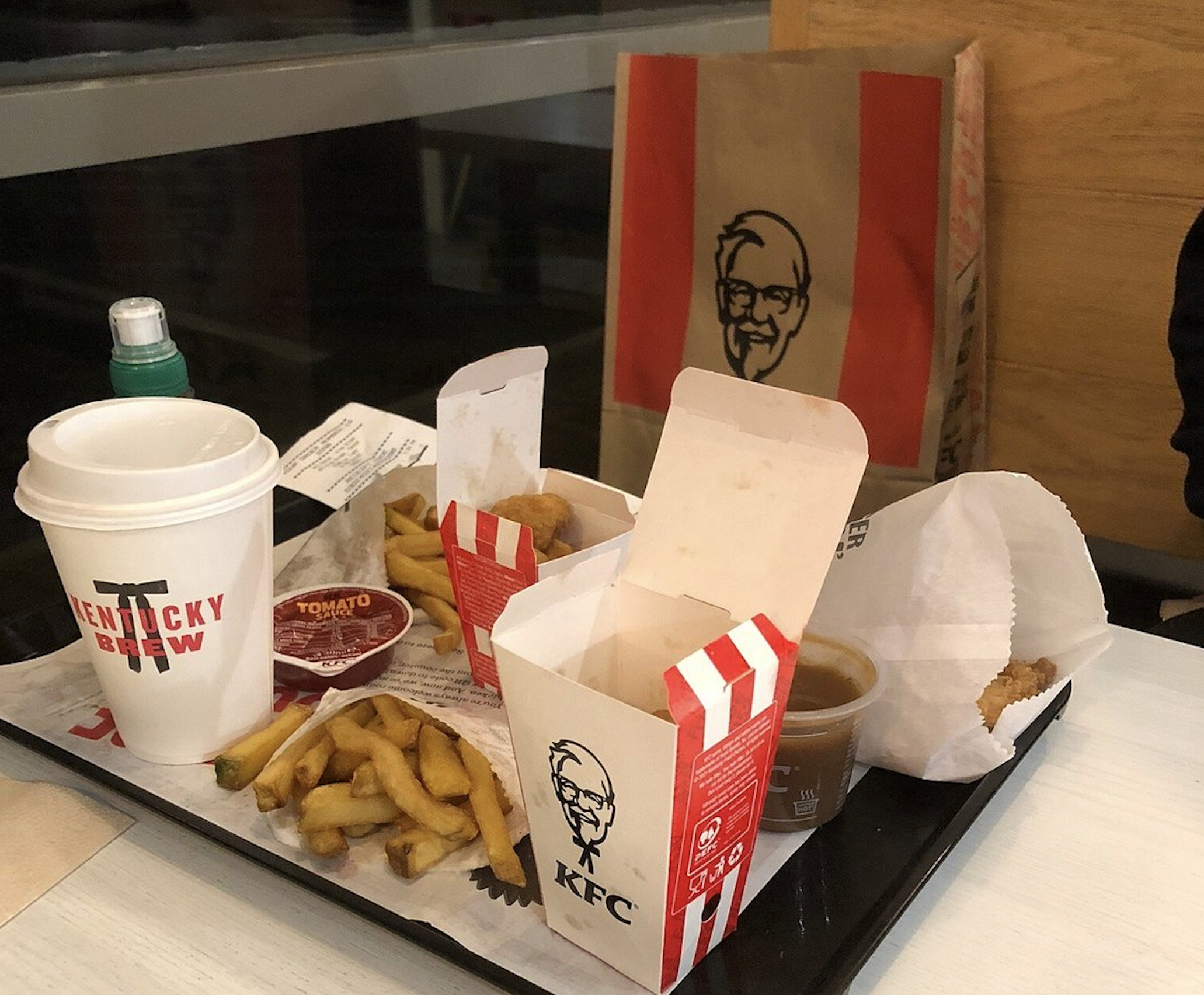
By designing smaller “Go Buckets,” KFC aimed to make them more convenient, encouraging customers to choose these portable, snack-sized meals. Since not every KFC customer wants a full chicken dinner or an expensive combo, the company introduced this option, allowing for smaller, more affordable orders. By providing different portion sizes, fast-food menus can accommodate more dining occasions and budgets.
Domino’s Added a Personal-Sized Pizza
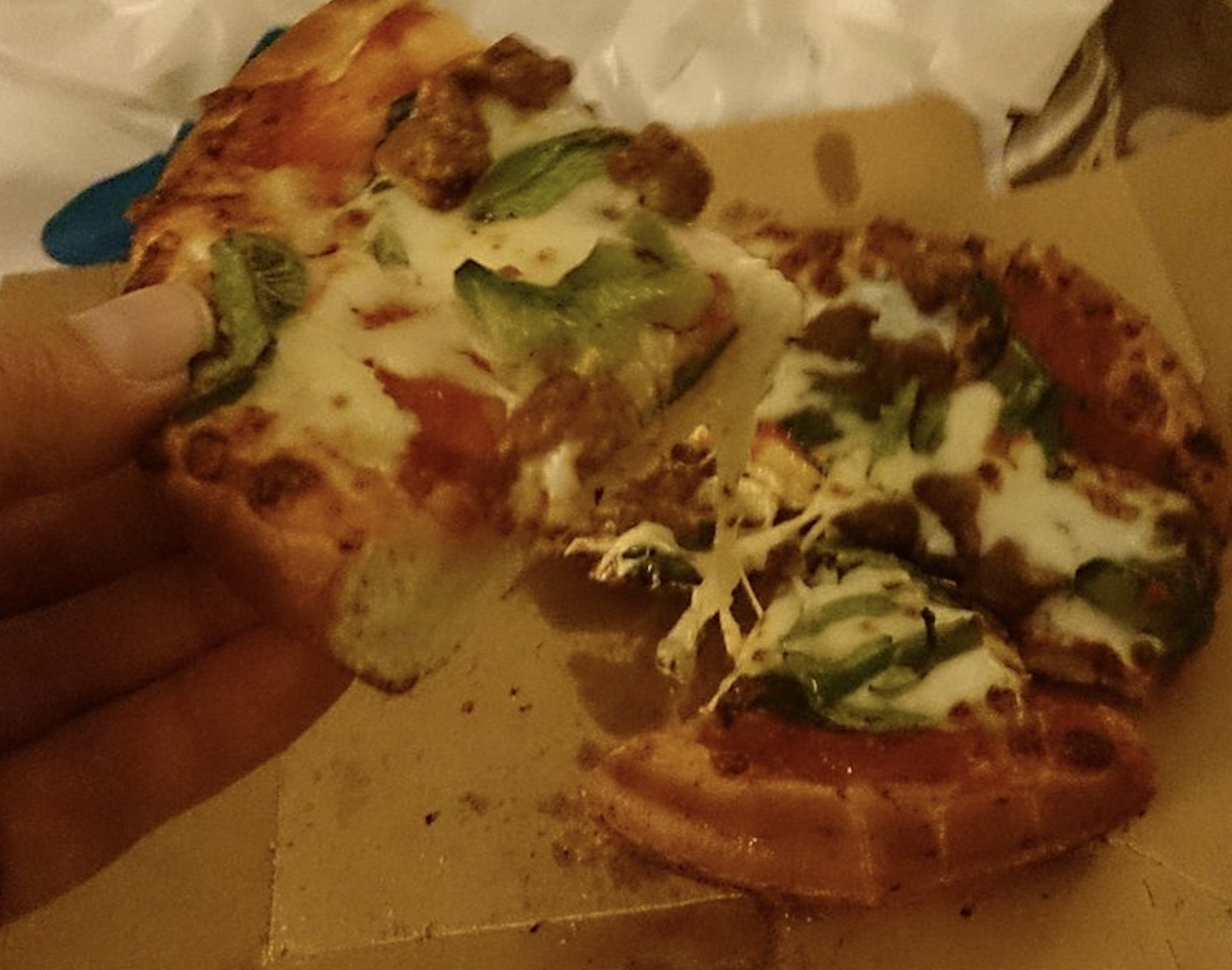
When Domino’s introduced a personal-sized pizza to its menu, the idea was to expand menu options for customers who did not want a full-sized pizza. Pizza chains are increasingly competing for individual meal occasions, rather than just for group or family orders. This approach shows how fast-food menus and quick-service pizza offerings can adapt to customers who want more flexibility in portion size.
McDonald’s Dropped Grilled Chicken Sandwiches After Weak Sales
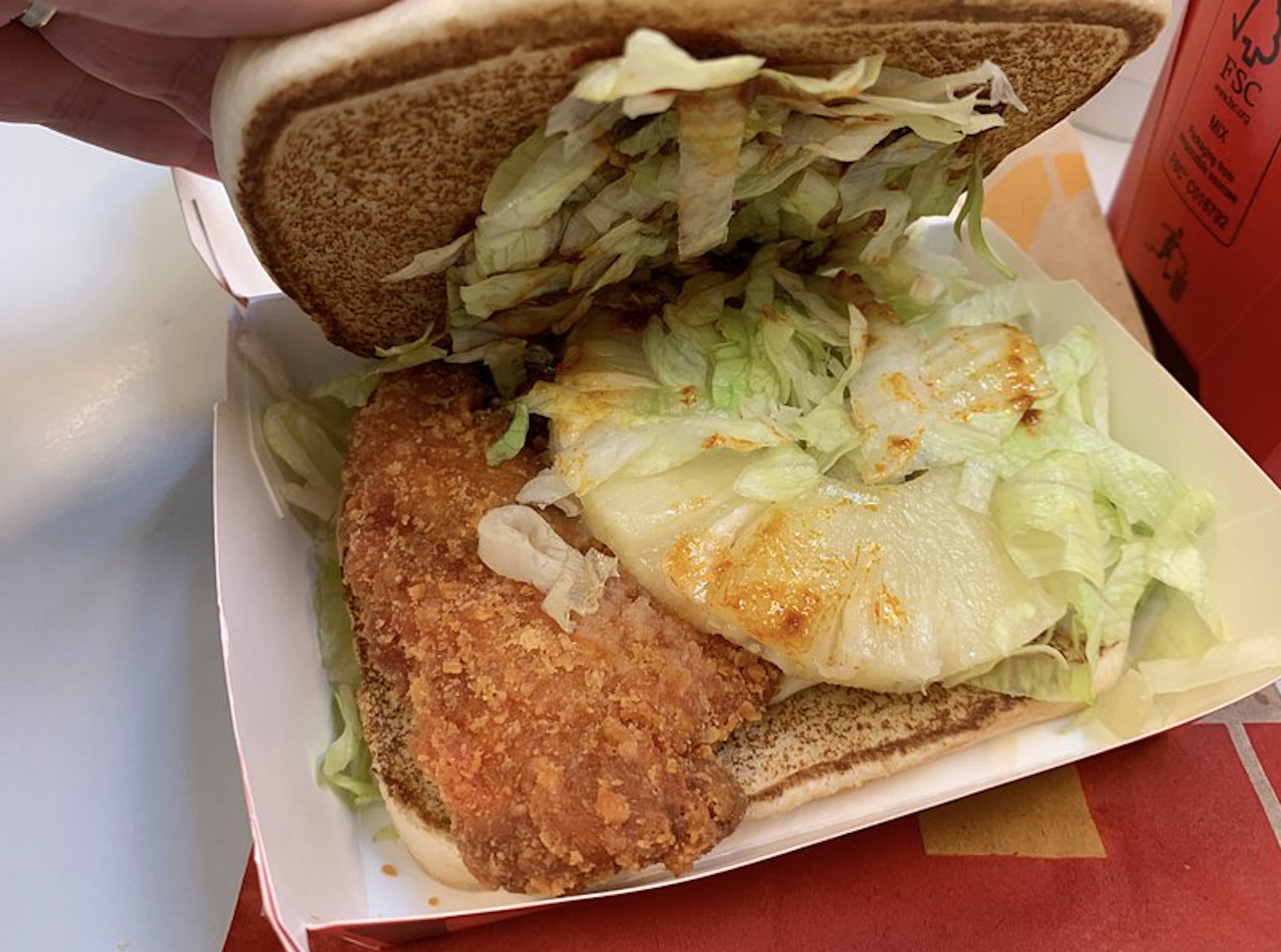
Due to the weaker sales of its grilled chicken sandwiches, McDonald’s decided to remove that option from the menu nationwide in 2020. Even though it was a healthier menu option, that does not guarantee that enough customers will choose it over meals like fried chicken or burgers. The decision illustrate how fast-food menus can change when a product no longer meets a restaurant’s commercial priorities.
Conclusion

Overall, changes to fast-food menus reflect a focus on value, familiar products, and different dining occasions. If certain meals fail to generate a sufficient number of orders, they will be removed. Customers are becoming increasingly selective about how they spend their money on fast-food meals. Therefore, the goal of these chains is to ensure that customers can find exactly what they are looking for in the marketplace.