Some foods are worth splurging on, but others seem to lose something when restaurants try too hard to dress them up. A towering burger with specialty toppings or fries covered in truffle oil might cost considerably more, but a higher price doesn’t guarantee more enjoyment. And with USDA data tracking how much Americans spend on food away from home, value matters when deciding whether a restaurant meal is really worth the extra cost. From cheeseburgers, pizza, doughnuts and soft serve, these are the foods people say taste better cheap than fancy.
Cheeseburgers
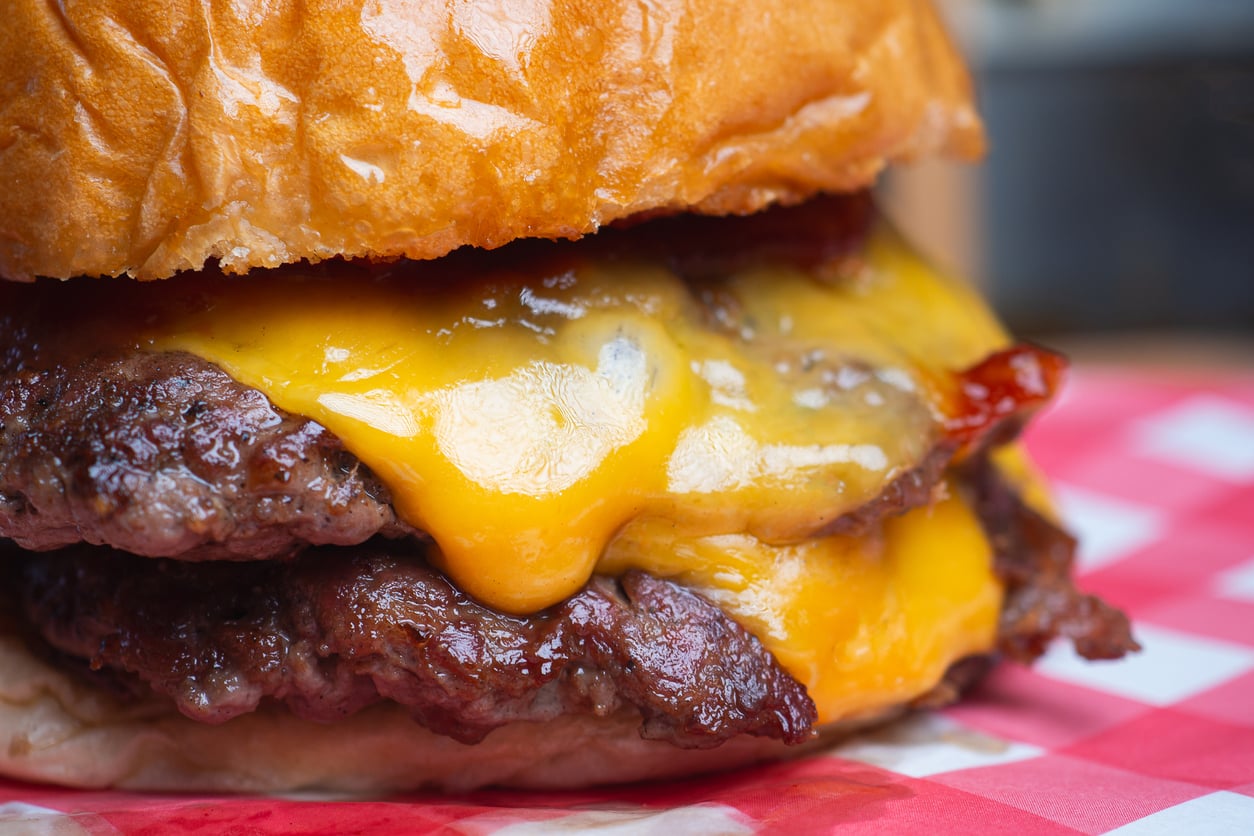
A cheeseburger doesn’t need an architectural blueprint. A thin, well-browned patty, melted cheese, pickles, onions, and a soft bun can deliver everything people want without bacon jam, specialty cheese, or a bun too tall to bite through. That preference has plenty of company: a 2025 Reddit discussion complaining that upscale restaurants “overthink” burgers attracted more than 1,400 upvotes. The point isn’t that cheap beef automatically beats premium beef. It’s that good browning, seasoning, proportions, and a properly melted slice of cheese can matter more than piling expensive ingredients on top.
Pizza
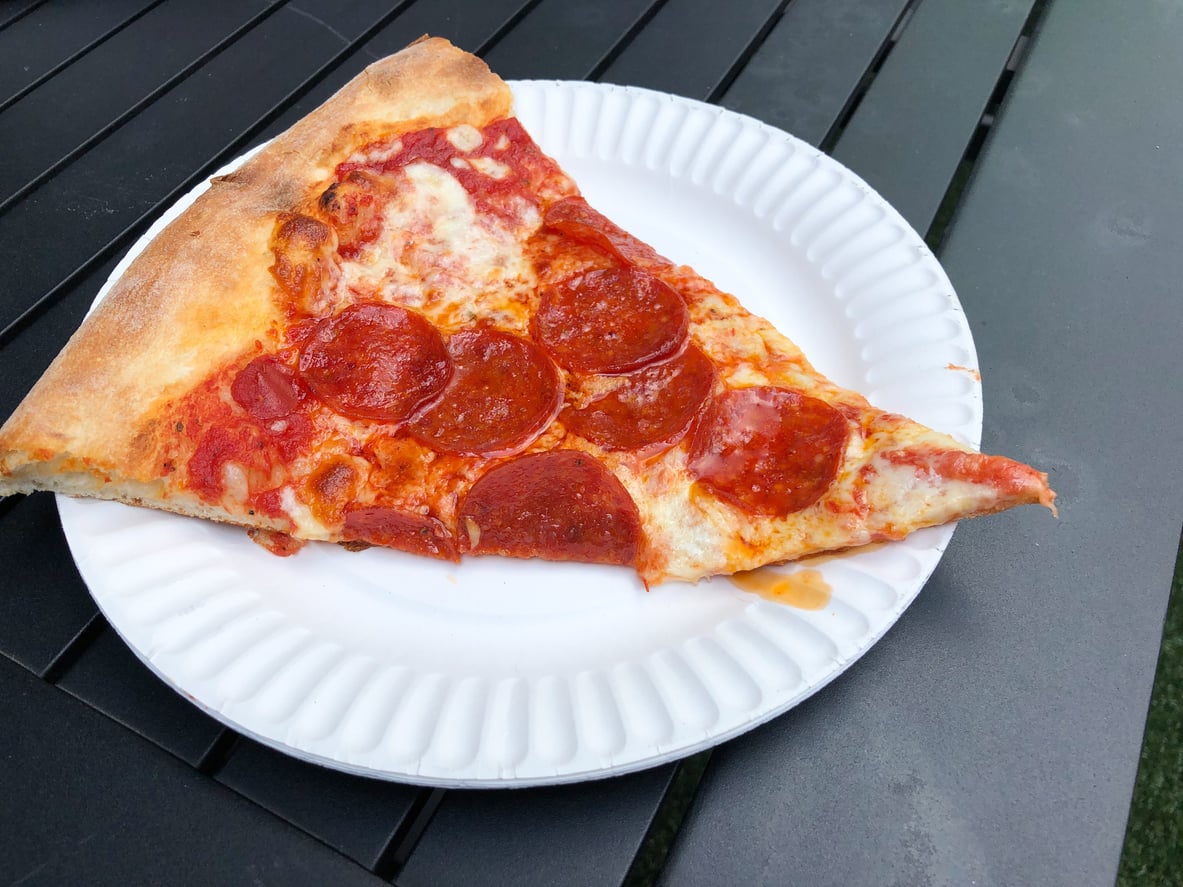
A plain cheese slice puts pizza’s fundamentals on display: crust, sauce, cheese, and heat. Adding toppings isn’t inherently a downgrade, but there is a practical reason restraint can help. King Arthur Baking warns that overloading a pizza adds weight and moisture, which can prevent the crust from browning properly and leave the bottom flabby rather than crisp. That’s a good argument for judging a pizza shop by its basics before ordering the most elaborate specialty pie. A freshly baked neighborhood slice doesn’t need imported meats and a long ingredient list to be satisfying.
Hot Dogs
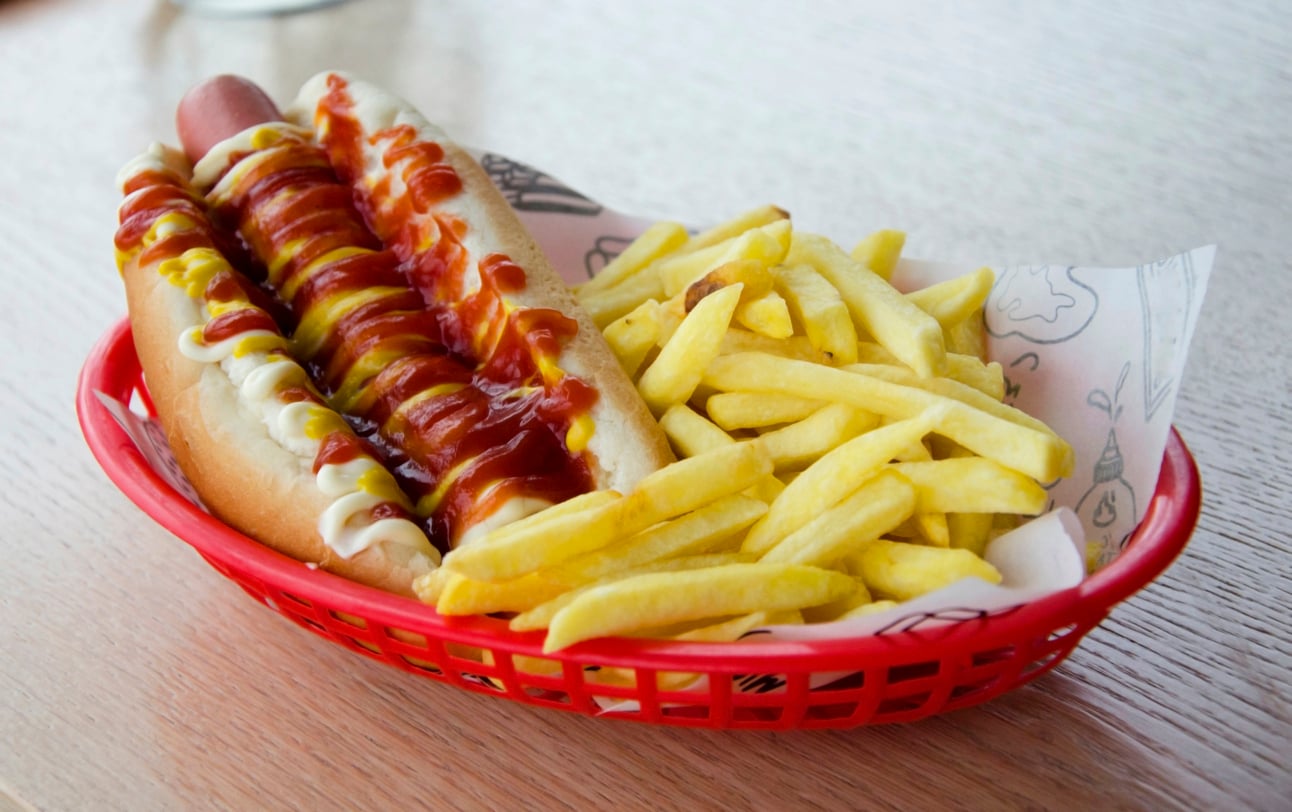
A hot dog has always been particularly good at turning inexpensive ingredients into something memorable. New York-style dogs with mustard and sauerkraut, Chicago dogs piled with their traditional toppings, and Coney-style dogs with chili show that plenty of personality can fit inside a bun without turning the meal into luxury dining. Premium versions certainly have their fans, but the price can climb quickly: a 2026 Food Network review of premium all-beef hot dogs praised their flavor while listing their price and saltiness among the drawbacks. Sometimes mustard, onions, relish, and a hot griddled dog are enough.
Tacos
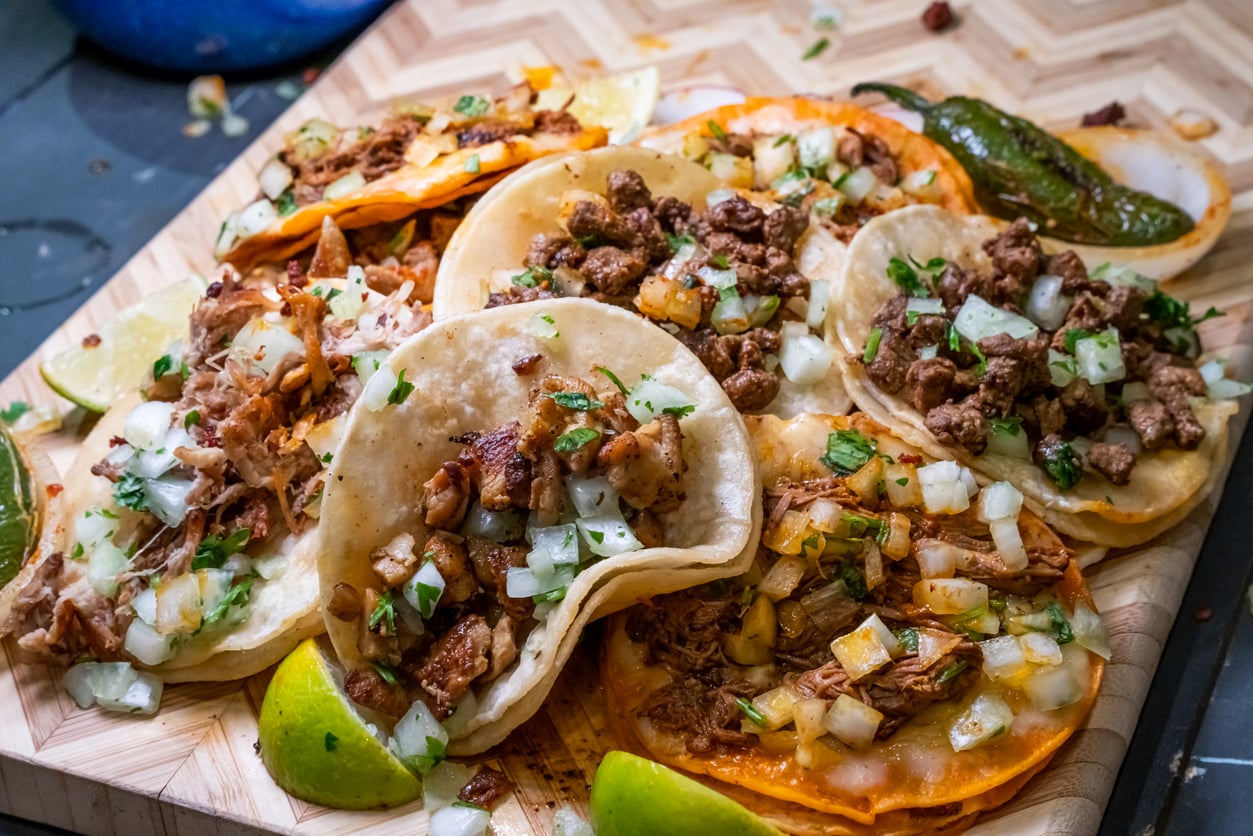
Tacos make an especially strong case for looking beyond price as a measure of quality. A warm tortilla filled with well-cooked meat, onion, cilantro, and salsa doesn’t leave much room for mediocre ingredients or technique to hide. It also doesn’t require luxury garnishes. Recent taco discussions show that diners are increasingly sensitive to price: in a 2026 Chicago thread, several commenters said roughly $3 to $4 was what they expected to pay for a taqueria-style taco, while a diner paying more than $5 questioned whether the meal was still good value. Prices vary enormously by city, of course.
Fried Chicken
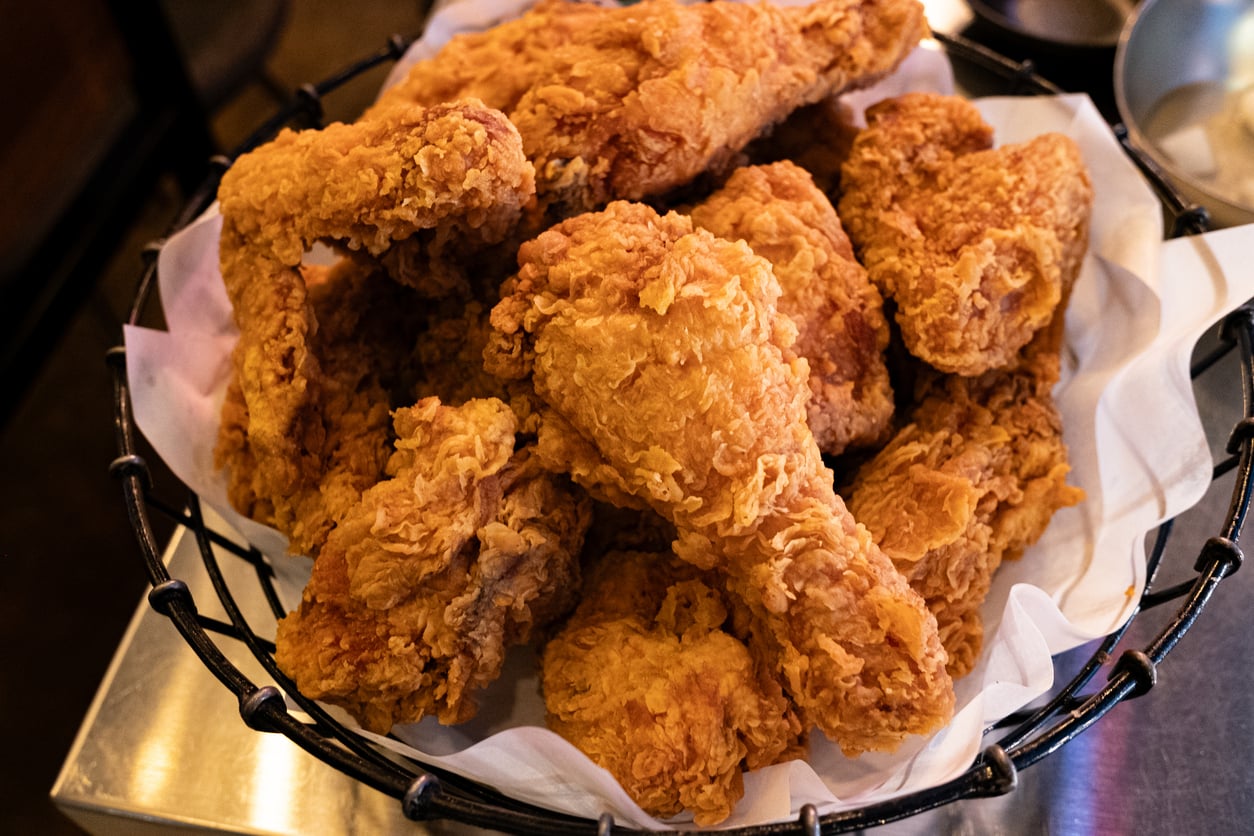
Great fried chicken depends more on what happens in the fryer than what happens during plating. The crust needs crunch, the meat needs seasoning and moisture, and ideally the chicken reaches you while it’s still hot. None of those things requires an upscale dining room. That’s why a simple neighborhood counter can compete surprisingly well with much pricier versions. One current New York review praises Bobwhite Counter specifically for simple, well-executed fried chicken with juicy meat and crunchy skin, and notes that a substantial meal there can still come in under $20. Fancy sauces are optional when the chicken itself is doing the work.
Trending on Cheapism
Grilled Cheese
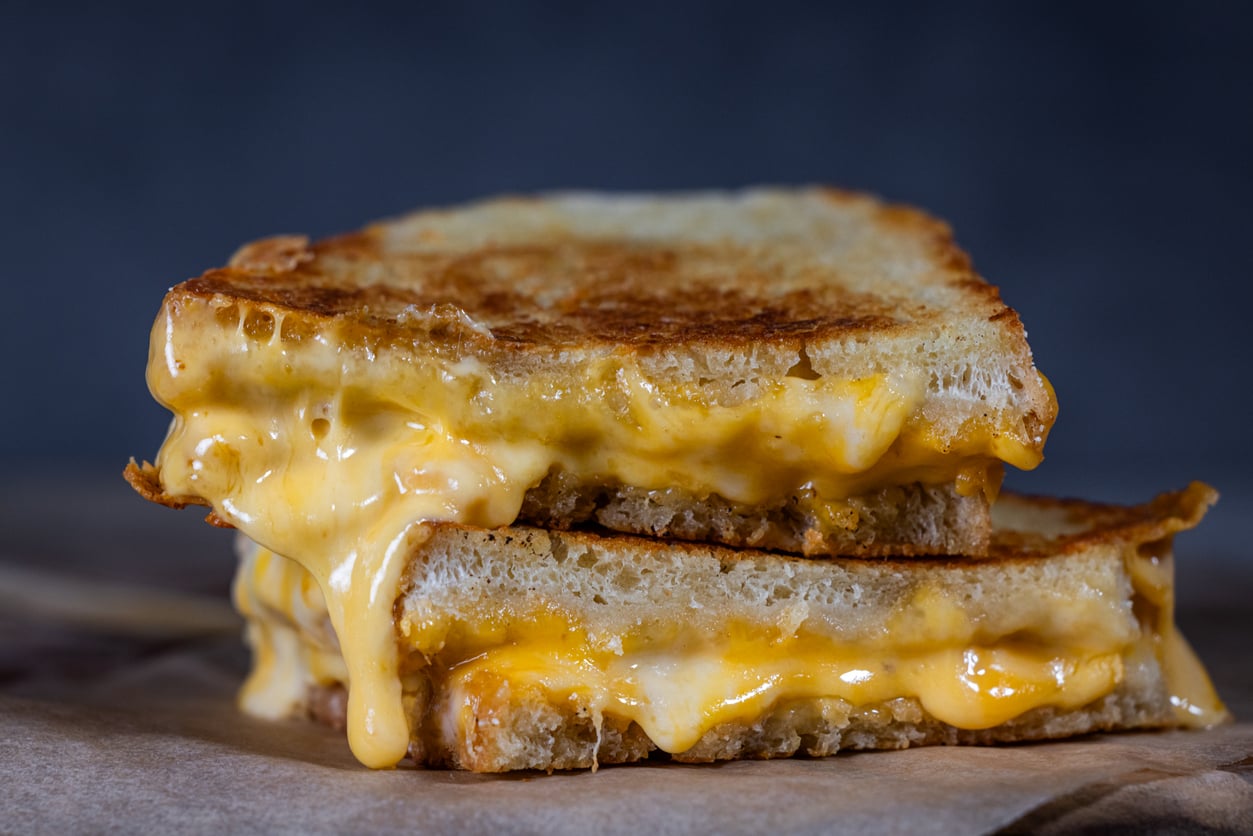
Few foods demonstrate the appeal of processed American cheese better than grilled cheese. Processed cheese is made with emulsifying salts that help create its smooth, homogeneous structure, one reason it behaves differently when heated than many natural cheeses. That practicality has plenty of nostalgic support, too: a 2025 Reddit post celebrating an uncomplicated grilled cheese drew hundreds of votes, with commenters defending combinations such as white bread and American cheese. Artisan bread and expensive cheeses can make a wonderful sandwich, but they’re not prerequisites. Crisp bread and evenly melted cheese remain the real assignment.
Pancakes
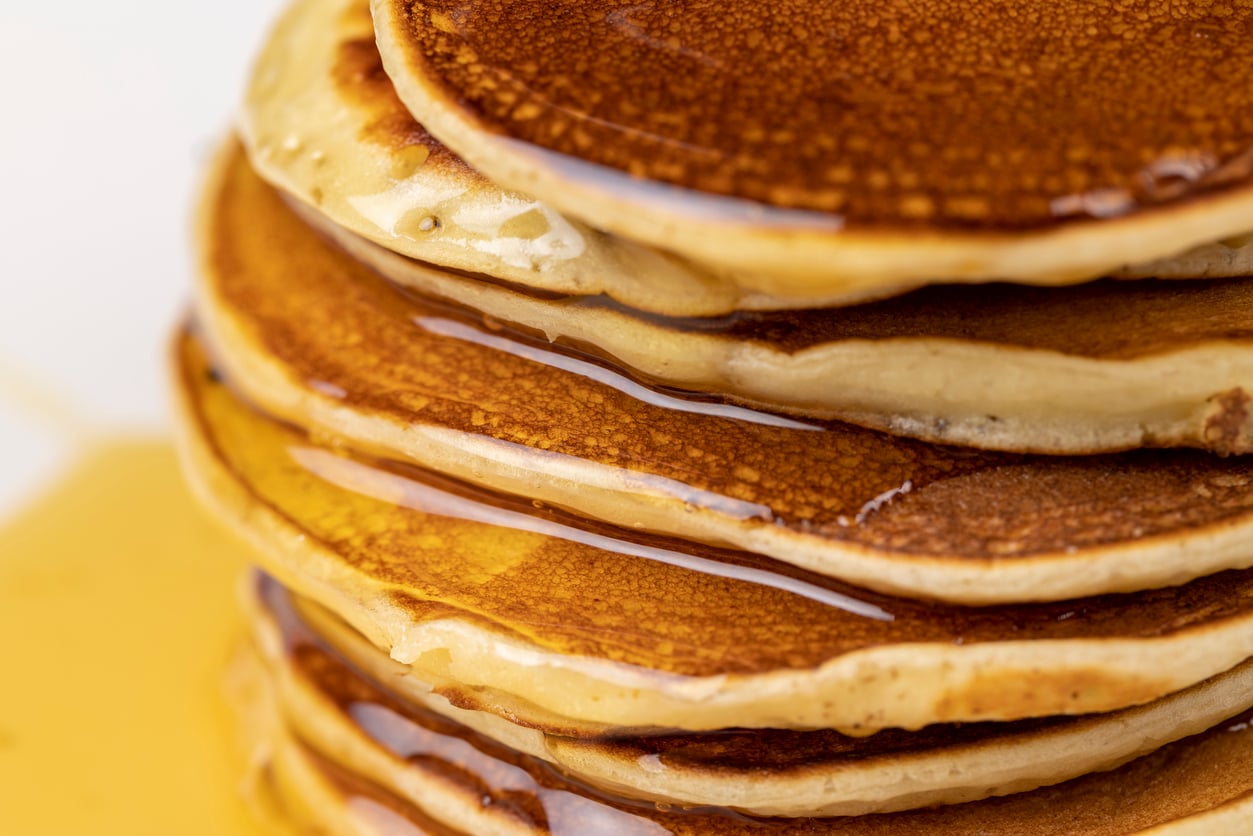
Pancakes start with humble ingredients, and part of their charm is how little embellishment they need. A warm short stack with butter and syrup can feel complete without candy, towering whipped cream, or three different sauces. Classic diner pancakes have enough of a following that King Arthur Baking published an entire guide to recreating their evenly golden, slightly malty character at home. That’s the useful lesson here: technique and timing can do more than an extravagant topping list. Fancy pancakes aren’t necessarily worse, but once the toppings overwhelm the pancake underneath, you’re arguably paying dessert prices for breakfast.
French Fries
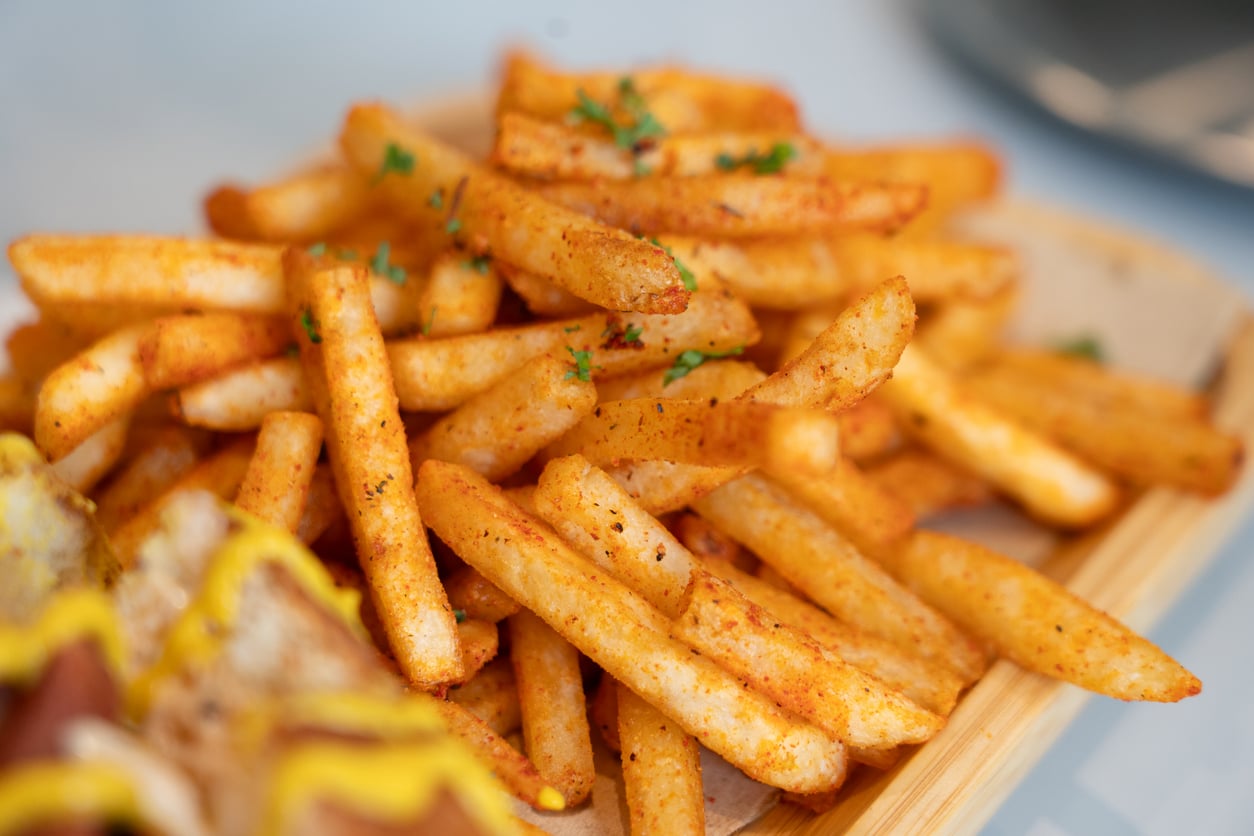
Fries have an unforgiving quality test: are they hot and crisp? Research on French-fry texture shows that crust formation and moisture are central to crispness, which helps explain why freshness and frying technique matter so much. Parmesan, specialty aioli, and truffle flavoring can be enjoyable additions, but none can rescue a limp fry. Truffle oil is also divisive; some diners specifically dislike the synthetic truffle flavoring commonly used in commercial settings. For people in the plain-fries camp, a freshly salted order straight from the fryer can be considerably more appealing than an expensive loaded version that’s been sitting around.
Sign up for our newsletter
Mac and Cheese
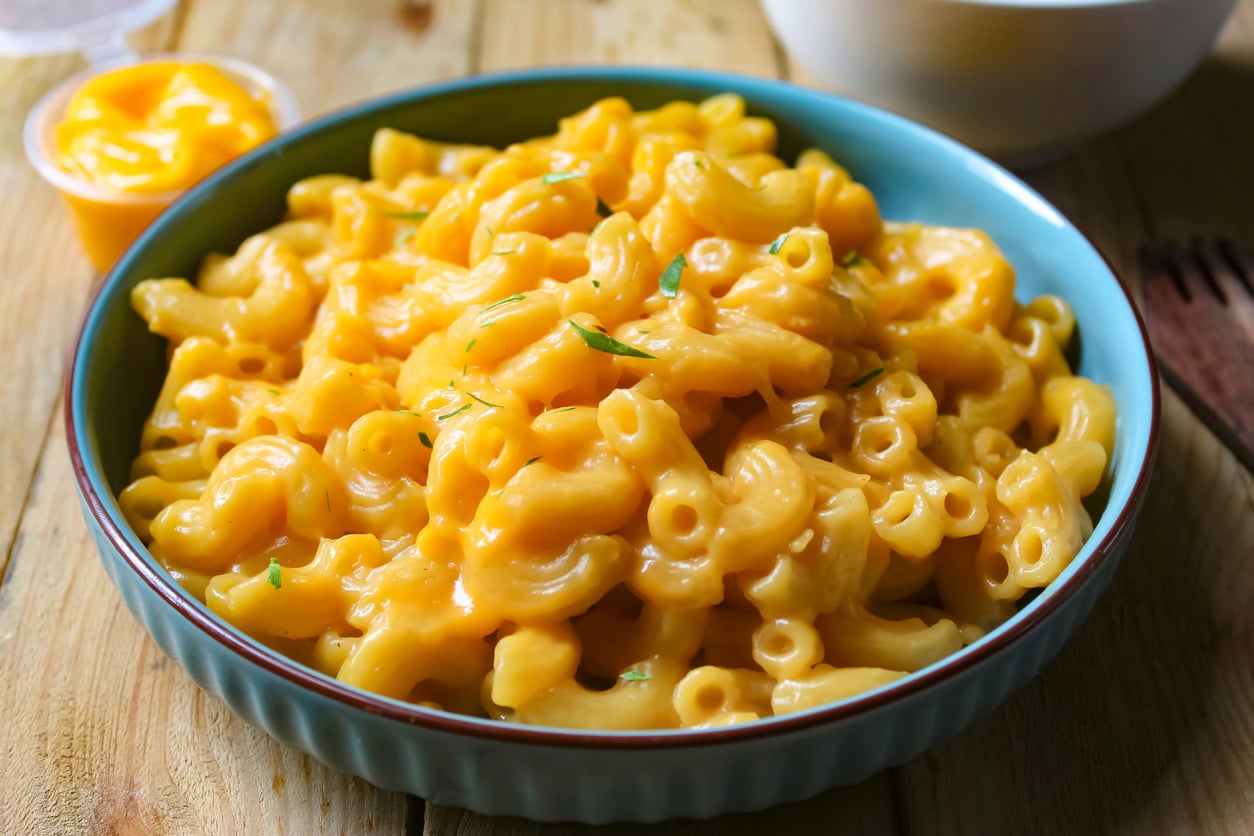
Mac and cheese is one of those dishes where nostalgia can be as important as pedigree. Some people want a baked version with browned edges; others genuinely crave the smooth, familiar stovetop kind they grew up eating. Lobster, truffles, premium cheeses, and other additions can turn it into a restaurant centerpiece, but they can also move it away from what someone wanted in the first place. The inexpensive version has a straightforward job: tender pasta, creamy cheese sauce, enough seasoning, and perhaps a browned top. Paying more makes sense when you enjoy the additions, not simply because they’re expensive.
Doughnuts
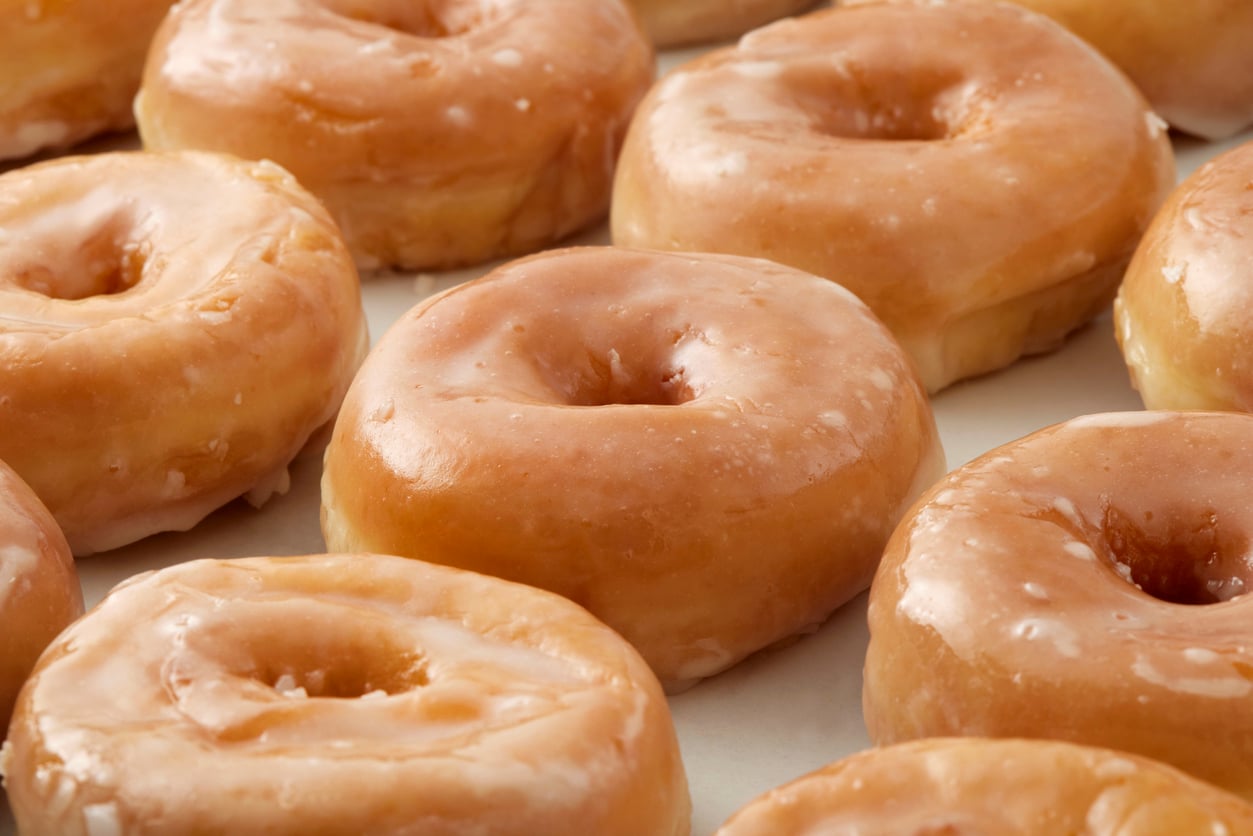
The doughnut case may come down less to price than to timing. Fried dough begins losing its ideal texture as it sits, so an inexpensive glazed doughnut that’s genuinely fresh can have an advantage over a more elaborate one that’s been waiting in a display case. That’s also why the simplest doughnut is a useful test of a shop: there are no cookies, cereal, thick frosting, or fillings to hide the dough itself. Boutique creations can be fun, but if you’re after a classic doughnut, fresh yeast-raised or old-fashioned versions can deliver plenty without becoming a $7 dessert project.
Breakfast Sandwiches
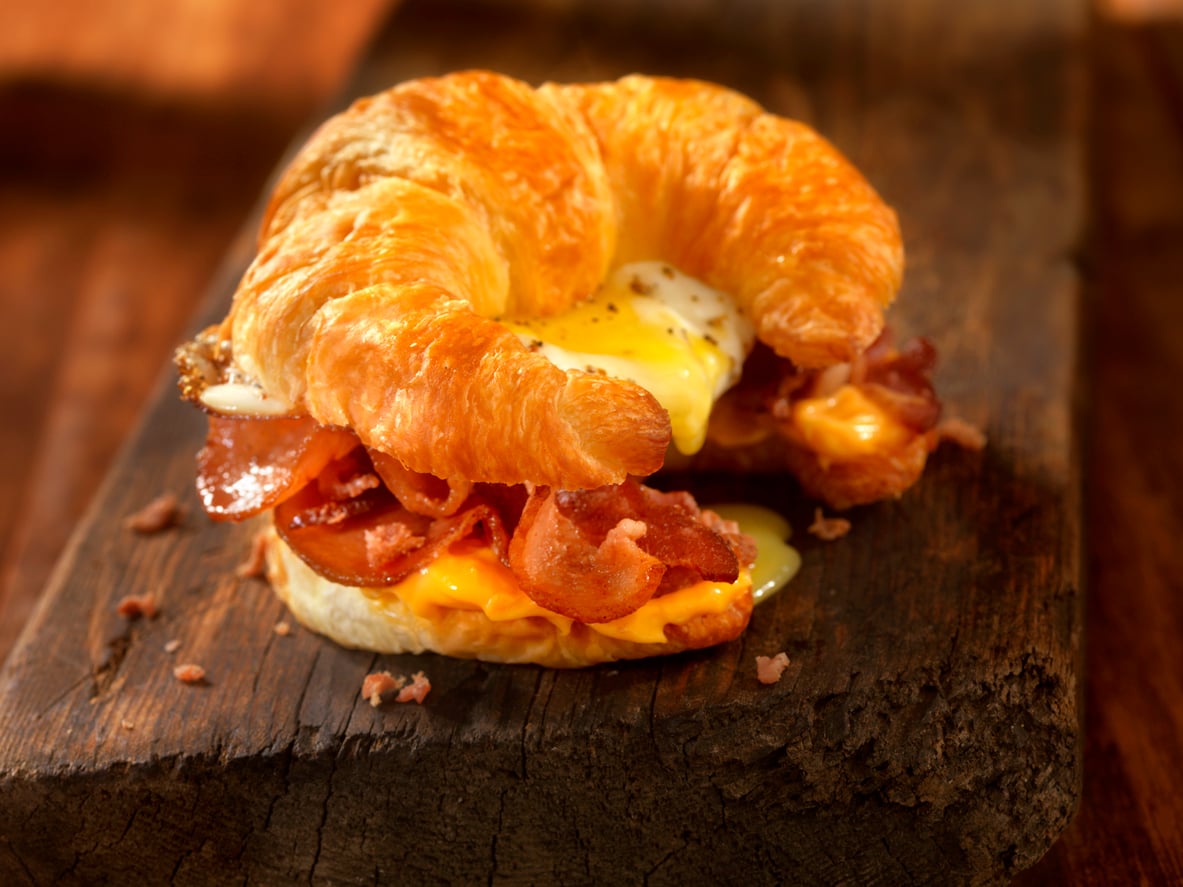
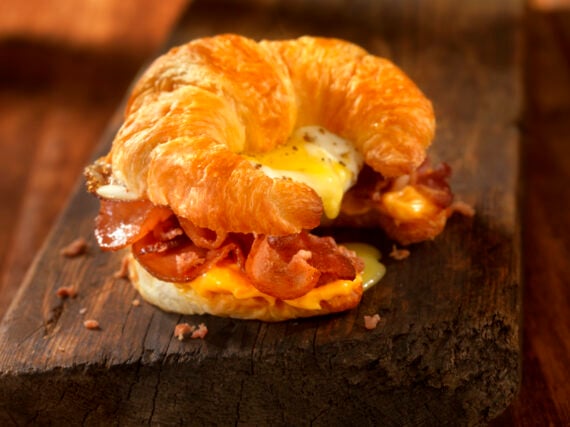
Egg, cheese, and bacon or sausage on a roll has survived countless attempts at reinvention for a reason. The basic formula is portable, filling, familiar, and difficult to improve merely by making the ingredients sound expensive. The classic New York bodega breakfast sandwich has long inspired exactly this defense; food writers have argued that upgrading the cheese and bread doesn’t necessarily improve what makes the original appealing. Modern destination breakfast sandwiches can be excellent, too, but they’re really a different experience. For a quick breakfast, hot egg, melted cheese, salty meat, and sturdy bread already cover a lot of ground.
Ice Cream

Premium ice cream absolutely has its defenders, so this may be the most debatable food on the list. In one discussion comparing inexpensive and premium supermarket ice creams, several commenters argued that pricier brands were worth buying because of their richness and flavors. But there’s an equally real affection for the opposite end of the spectrum: uncomplicated soft serve, vanilla scoops, and roadside cones that taste partly like summer vacation. Another discussion specifically attracted people who preferred the lighter texture of inexpensive ice cream. Sometimes what you’re buying isn’t culinary sophistication at all. It’s the pleasure of a cold vanilla cone that tastes exactly as you remember it.