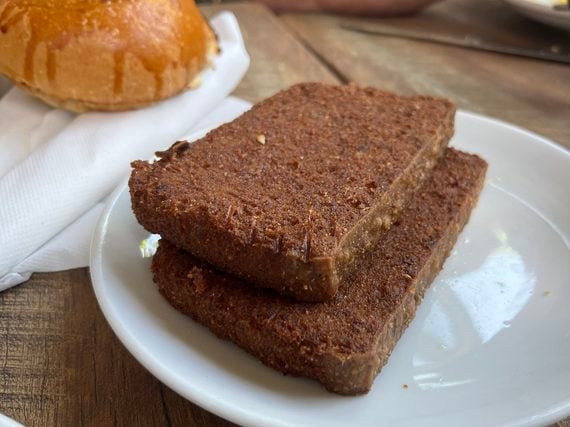
You don’t have to leave the country to discover that familiar dishes can come with completely different rules. Some Foods That Are Surprisingly Different across America include hot dogs, chili, pizza, barbecue, and even breakfast meats, with recipes shaped by generations of local culture and tradition. The Library of Congress notes that foodways can preserve recipes and practices passed down through families and communities. Here are 12 foods that might not be quite what you’re expecting when you order them in another state.
Hot Dogs
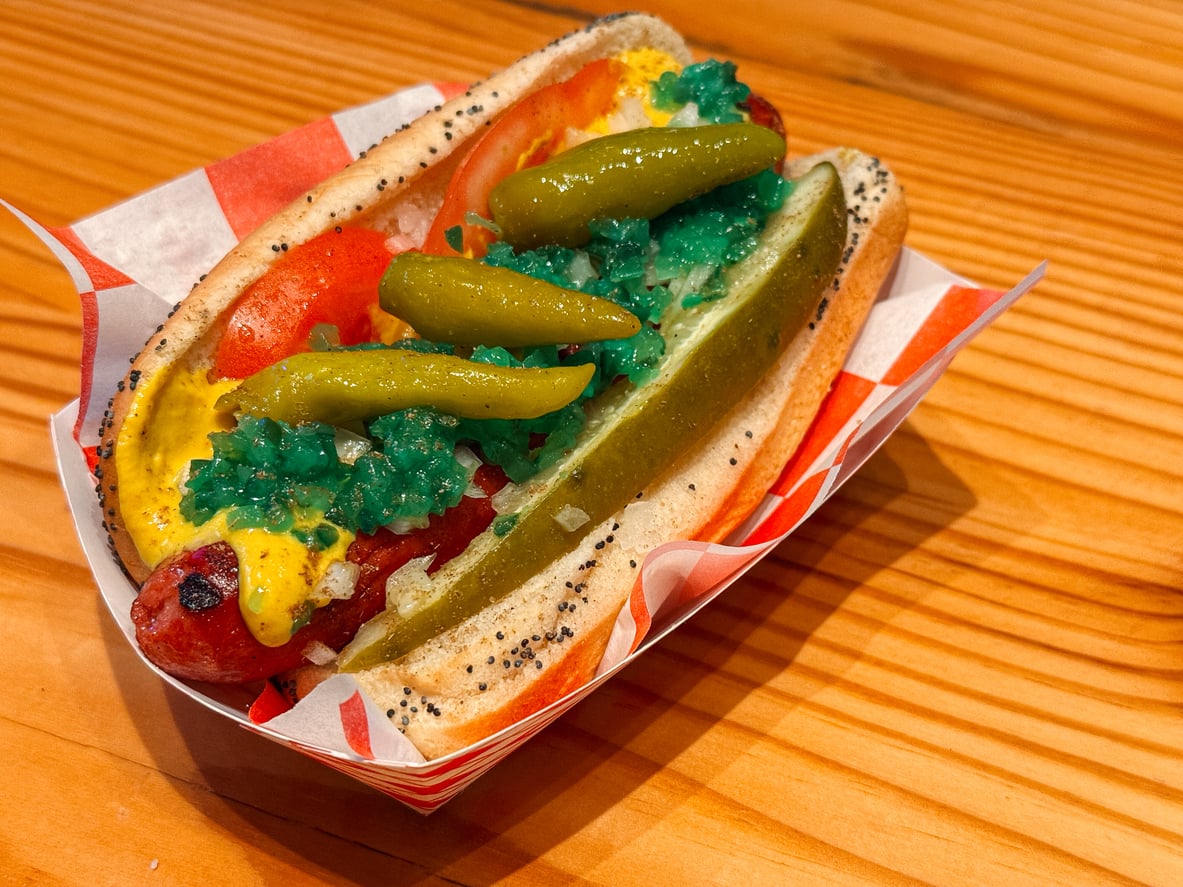
Order a hot dog in Chicago and you may get an all-beef frank on a poppy-seed bun loaded with mustard, relish, onion, tomato, a pickle spear, sport peppers, and celery salt. West Virginia’s regional version commonly adds chili sauce and coleslaw, while a Detroit Coney comes with beanless meat chili, diced onions, and yellow mustard. The basic frank and bun barely change, yet the finished meals look remarkably different. And in Chicago, traditionally, don’t ask for ketchup.
Chili
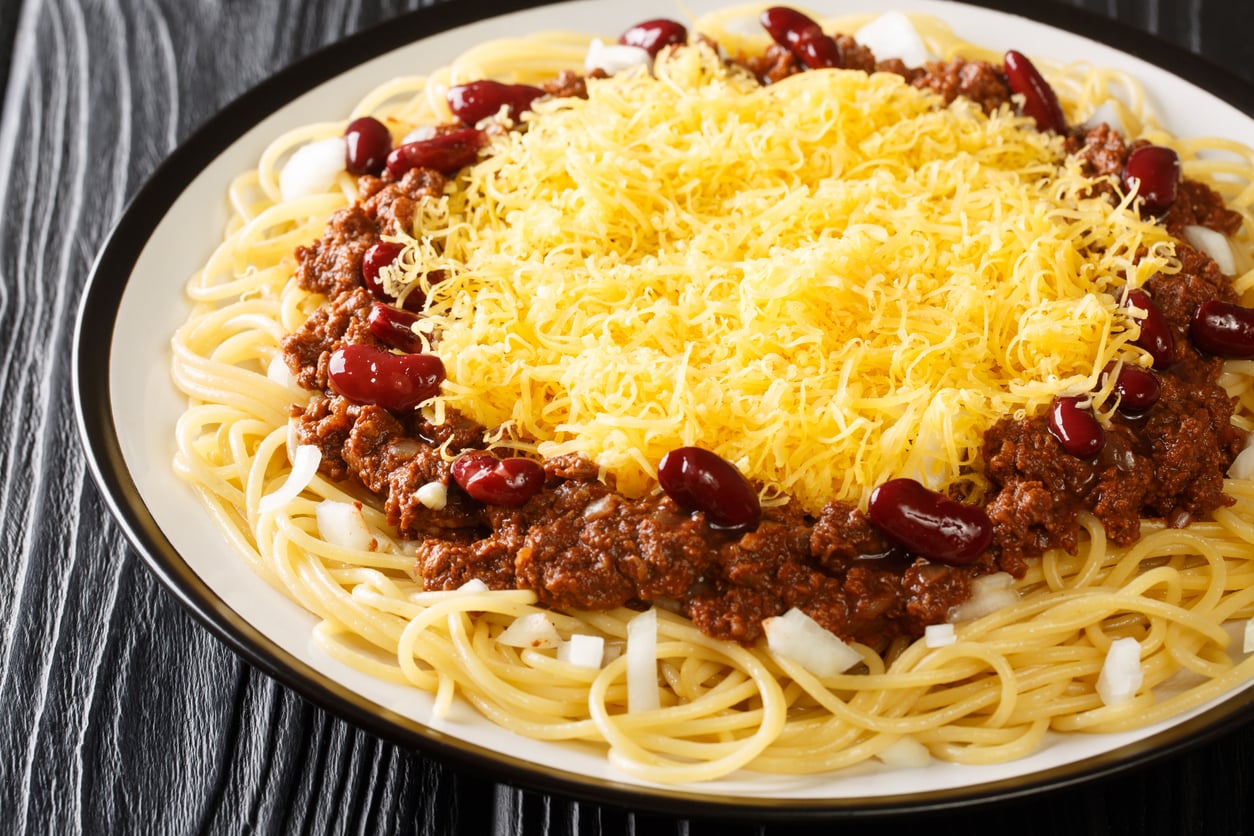
Texas chili and Cincinnati chili don’t merely use different recipes; they can feel like entirely different foods. Traditional Texas chili con carne centers on meat and chiles, with the no-beans question capable of starting an argument. Cincinnati chili developed from a Mediterranean-spiced meat sauce created by immigrant restaurateurs and is commonly ladled over spaghetti or hot dogs. Order a “three-way” there and you’ll get spaghetti, chili, and a mound of shredded cheese rather than the conventional bowl many visitors expect.
Pizza
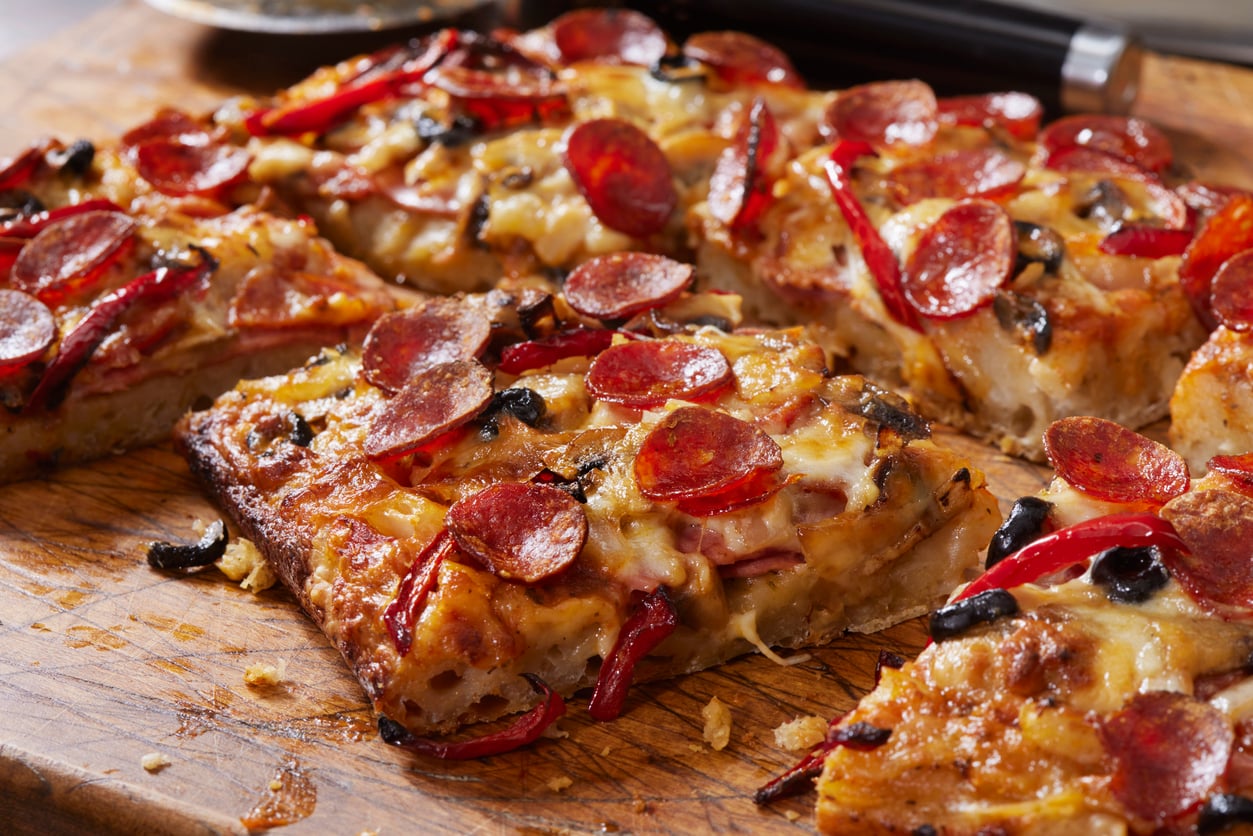
Few foods demonstrate American regionalism better than pizza. New York is famous for large, thin slices that can be folded in half. Chicago has towering deep dish, but locals also eat plenty of cracker-thin, square-cut tavern-style pizza. Detroit’s signature pies are rectangular with thick, airy crusts and crisp, caramelized cheese edges. St. Louis goes in another direction entirely with an exceptionally thin crust, square pieces, and Provel cheese. Ordering simply “a pizza” doesn’t narrow things down very much.
Barbecue
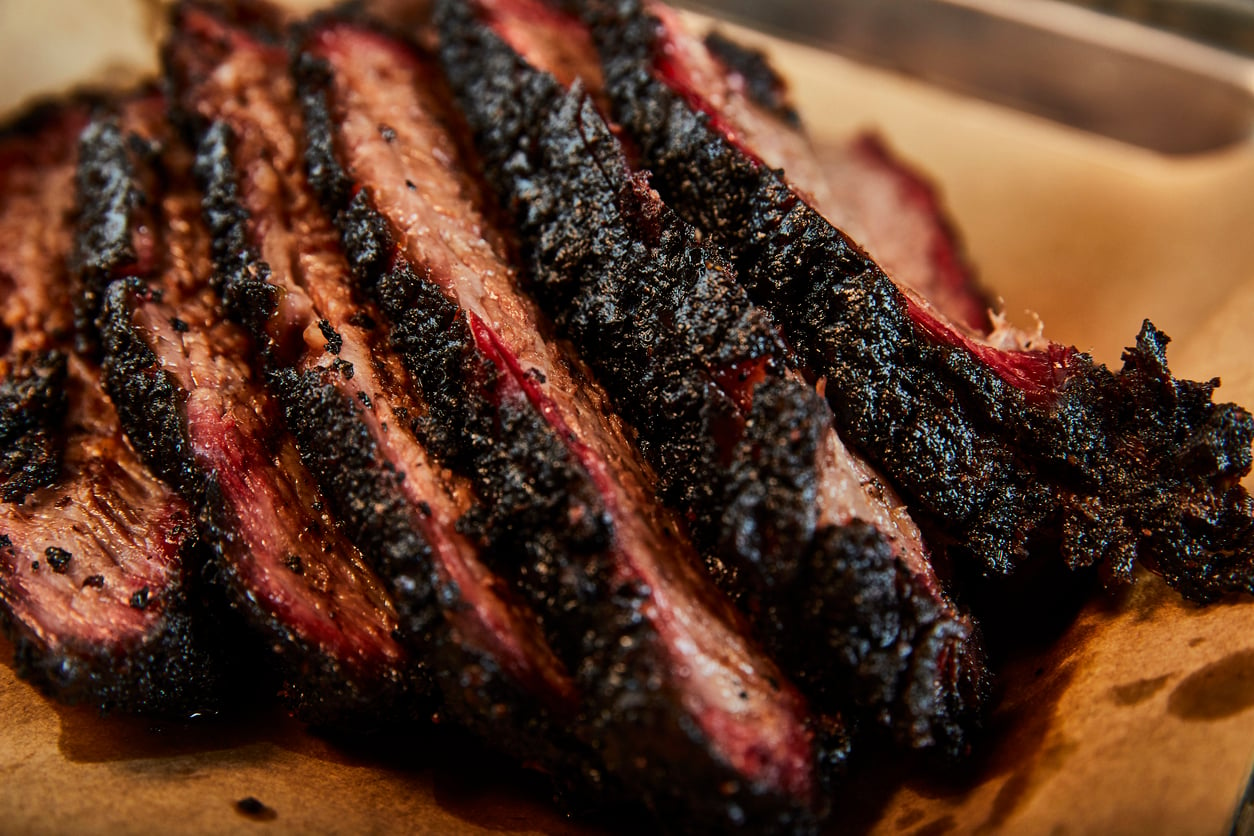
“Let’s get barbecue” means something different depending on where you’re standing. Texas is strongly associated with smoked beef brisket. Eastern North Carolina barbecue traditionally means whole hog dressed with a vinegar-and-pepper sauce, while the Lexington tradition focuses on pork shoulder with a tangy tomato-and-vinegar “dip”. South Carolina is particularly associated with mustard-based barbecue sauce, although several sauce traditions coexist there. Kansas City barbecue is broader still, embracing pork, beef, ribs, sausage, burnt ends, and thick, sweet-leaning sauces.
Burgers
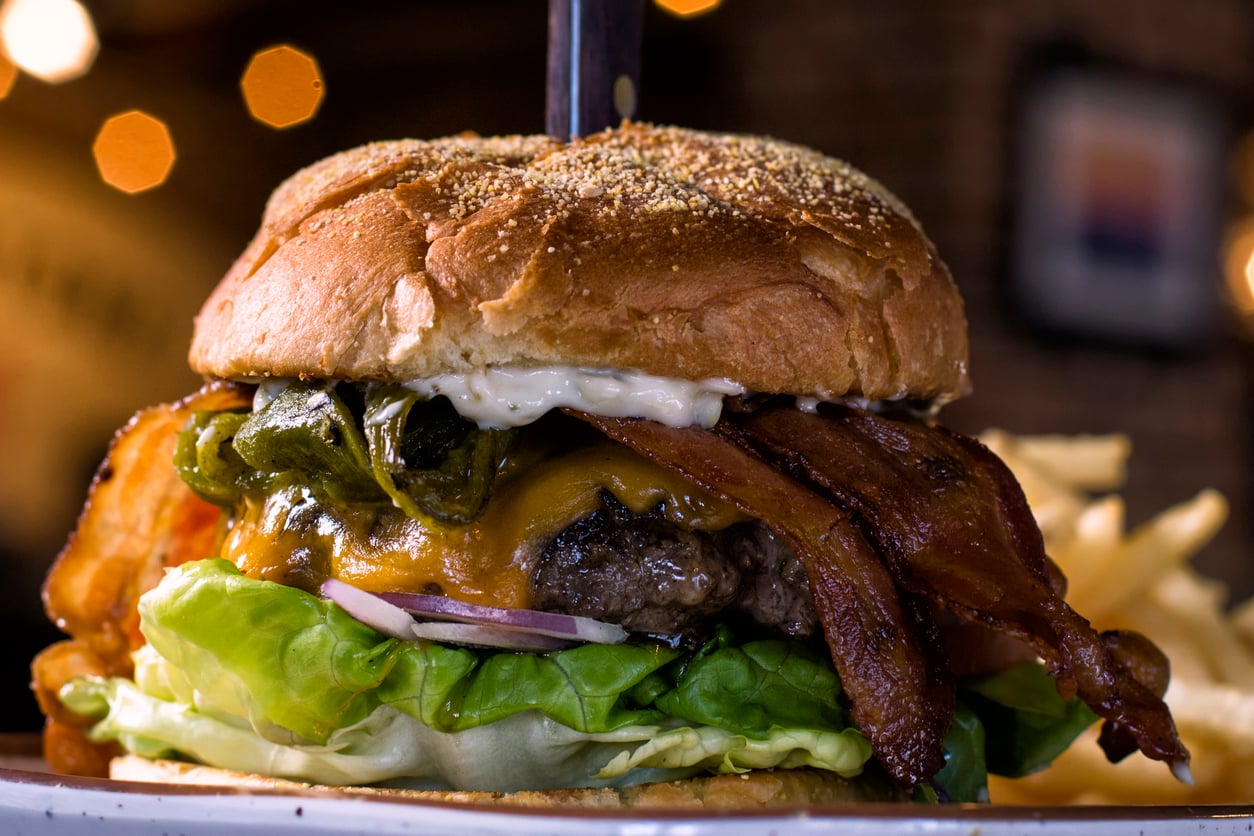
Regional burgers can change what’s happening inside the patty itself. In El Reno, Oklahoma, thinly sliced onions are smashed into beef on the griddle, a tradition that official state tourism traces to Depression-era efforts to stretch inexpensive hamburger meat. New Mexico has turned roasted green chile cheeseburgers into such an institution that the state maintains a Green Chile Cheeseburger Trail. Minnesota’s Juicy Lucy reverses the normal cheeseburger formula by sealing the cheese inside the beef, where it melts into a dangerously hot center.
Trending on Cheapism

Grits
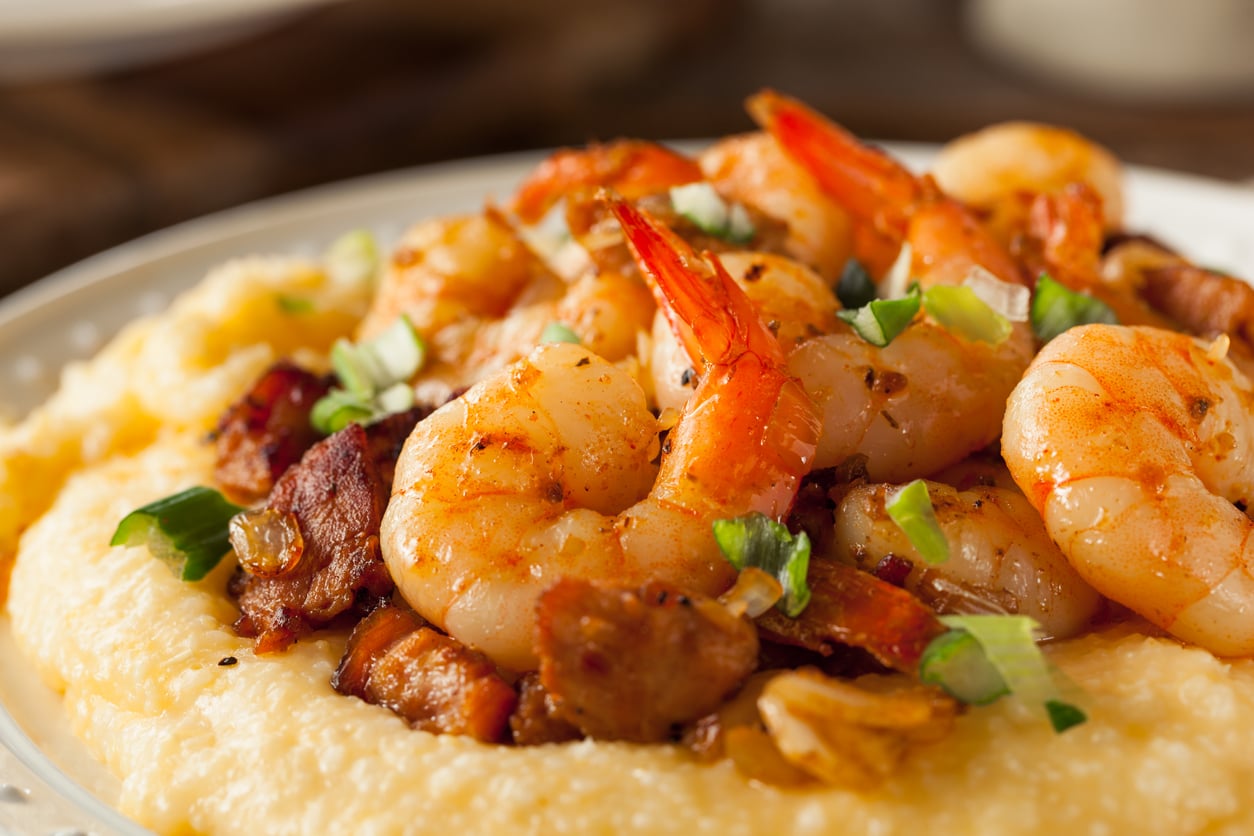
Grits inspire an unusually passionate argument for such a simple bowl of ground corn. Across the South, you’ll find savory versions enriched with butter or cheese, served beneath shrimp, or paired with eggs, bacon, sausage, and gravy. Then there’s the controversial sugar bowl. Plenty of Americans grew up eating sweetened grits, while plenty of others consider adding sugar practically unthinkable. Unlike some foods on this list, the divide isn’t neatly mapped by state. Family tradition may tell you more than a ZIP code.
Cornbread
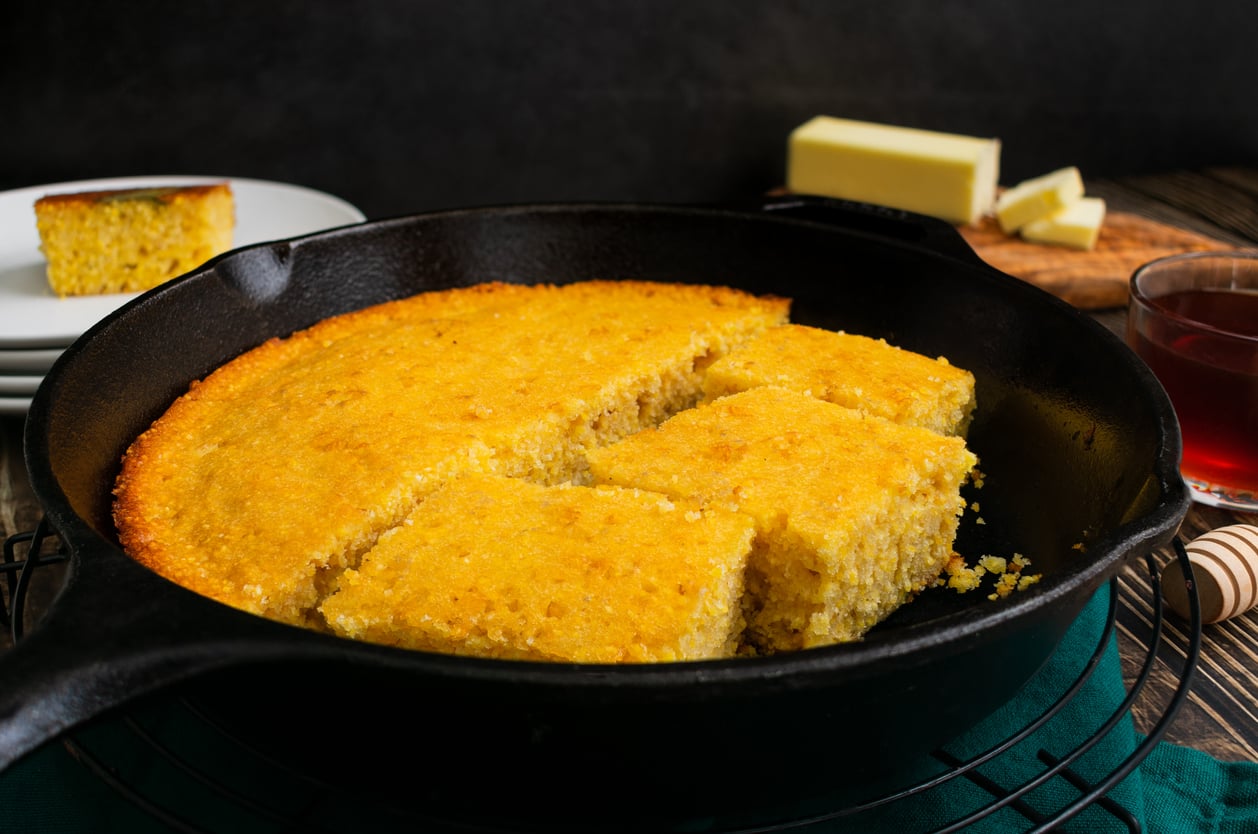
Cornbread can look familiar right up until the first bite. Many traditional Southern versions lean savory, use little or no sugar, and develop a crisp exterior in a hot cast-iron skillet. Sweeter, softer, more cake-like cornbread is common elsewhere. Even the cornmeal changes: white cornmeal has particularly deep roots in parts of the South, while yellow meal is common across much of the country. There’s no single recipe covering an entire region, but the sweet-versus-savory argument remains one of American cooking’s enduring divides.
Biscuits
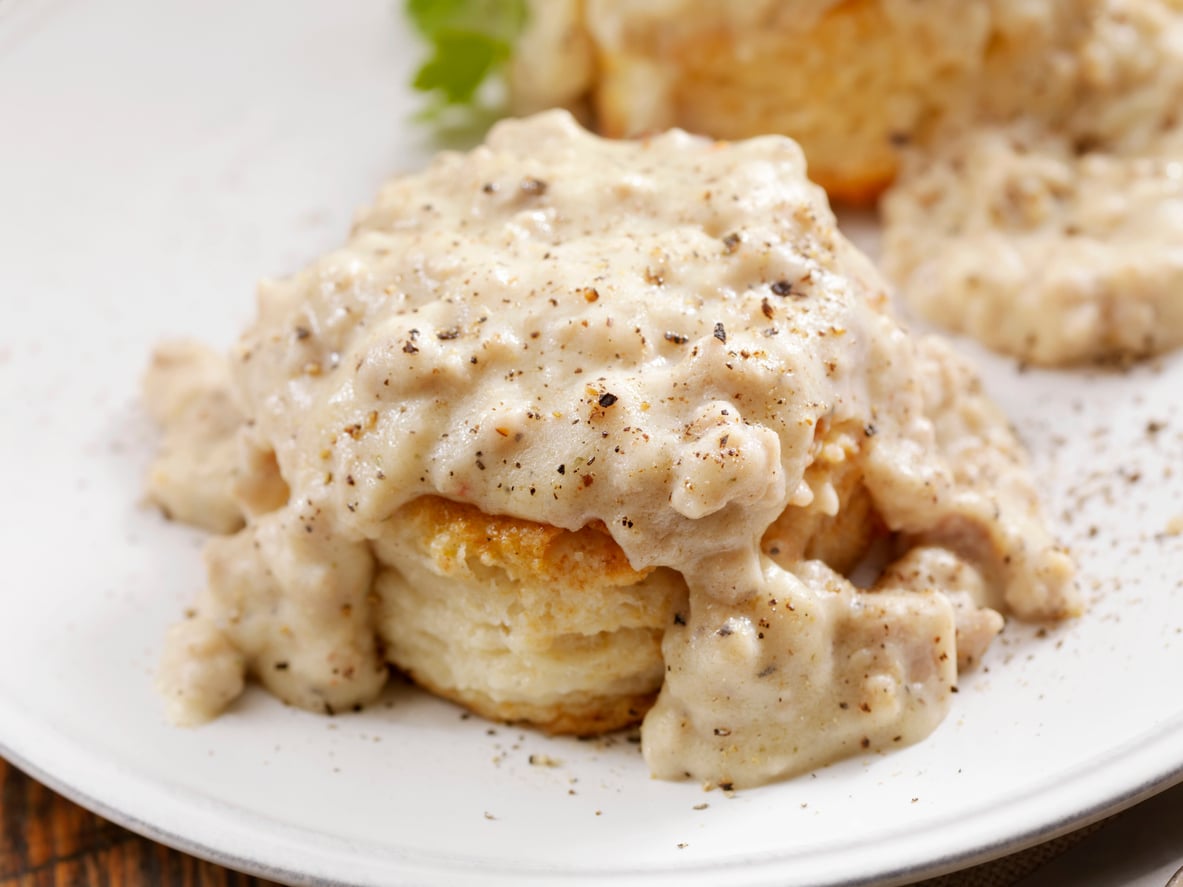
A biscuit can be a side dish, breakfast, dessert-adjacent treat, or the vehicle for an entire meal. Virginia’s country-ham tradition makes salty ham biscuits a familiar sight at gatherings. Head into Tennessee and biscuits can arrive stuffed with fried chicken or paired with sausage gravy, while Appalachian tables have long served them with apple butter, sorghum, preserves, or gravy. The biscuit itself may look similar, but what gets tucked inside or poured over it can turn the same baked good into a completely different meal.
Sign up for our newsletter
French Fries
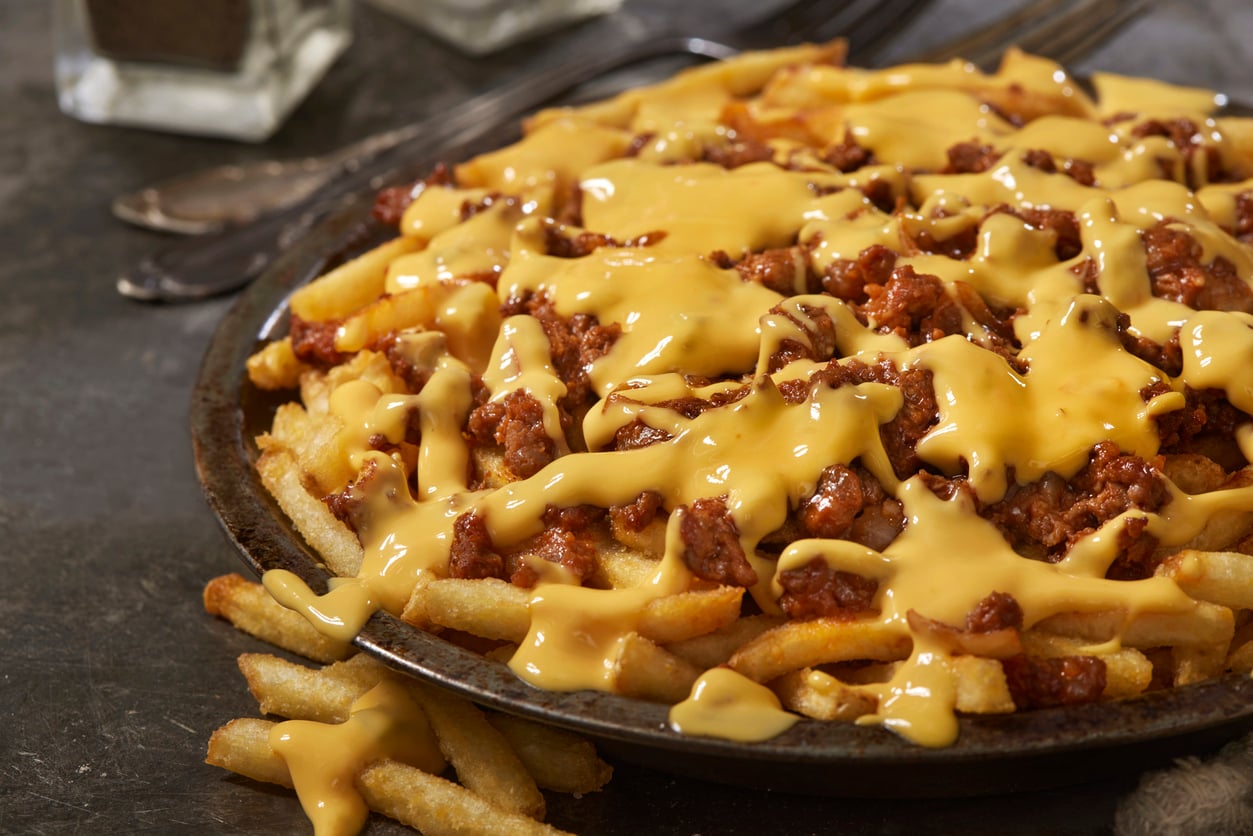
Utah diners have a condiment many outsiders encounter for the first time there: fry sauce, traditionally a creamy mixture built around mayonnaise and ketchup. New Jersey’s disco fries take the diner staple in a heavier direction by adding gravy and melted cheese. Then there’s Pittsburgh, where fries have escaped the side of the plate altogether. Primanti Bros. famously puts them directly inside sandwiches, while “Pittsburgh salads” served around the city replace ordinary croutons with a pile of hot french fries.
Pork and Meat Sandwiches
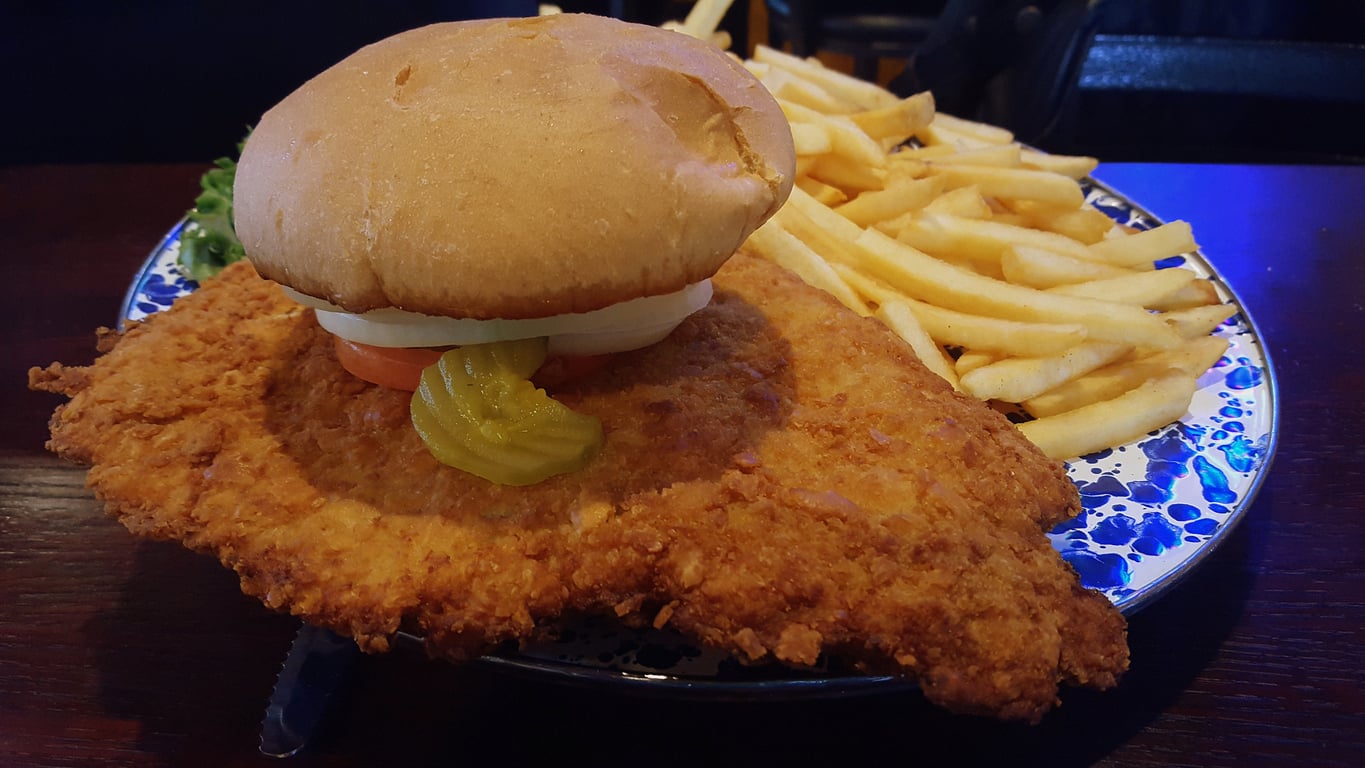
Indiana’s breaded pork tenderloin is hard to mistake for anything else: pork is pounded thin, breaded, fried, and placed on a bun that often looks ridiculously small beneath it. North Carolina barbecue sandwiches instead feature chopped or pulled pork, frequently accompanied by slaw, with the preparation changing between the state’s barbecue regions. In Iowa, another Midwestern sandwich tradition centers on loose seasoned ground beef piled onto a bun rather than formed into a patty. Same basic idea, meat plus bread, with wildly different results.
Breakfast Meats
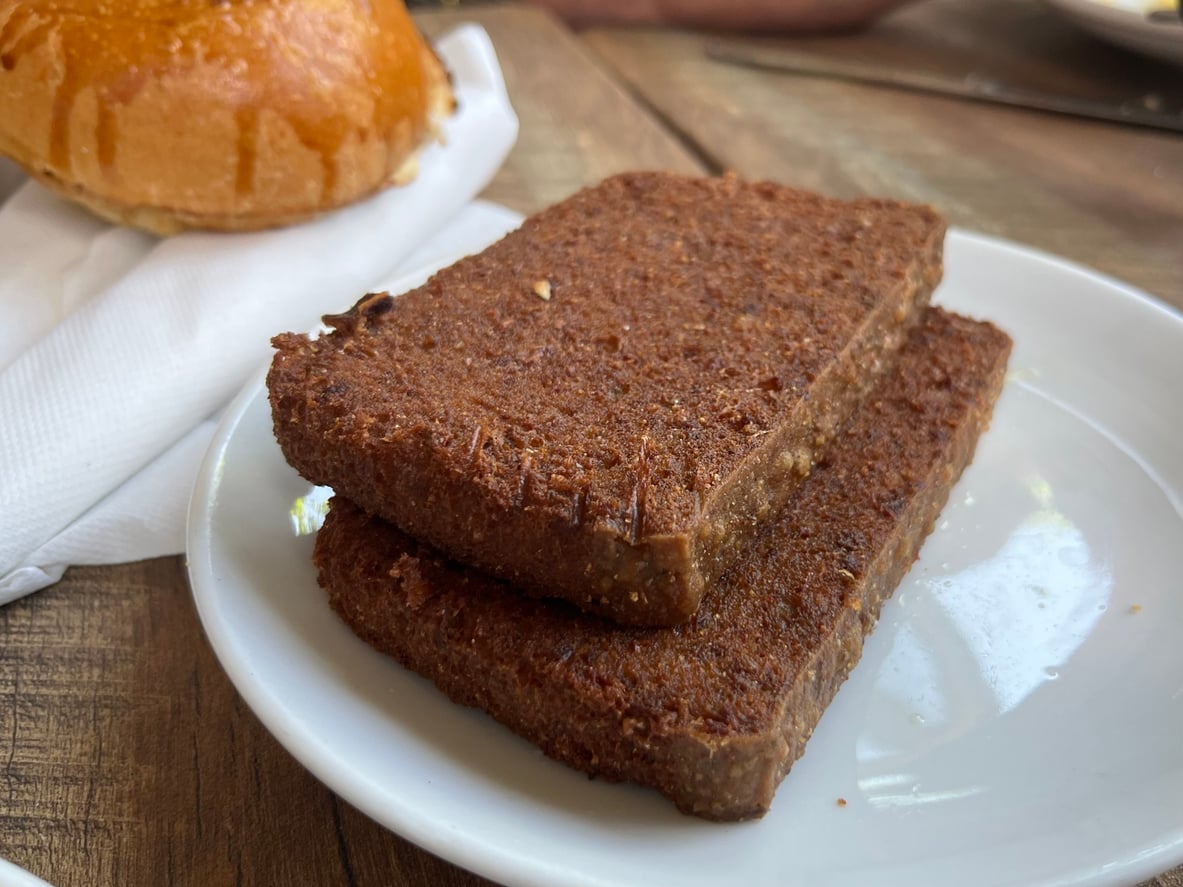
Travel through the Mid-Atlantic and Midwest and breakfast meat gets increasingly unfamiliar. New Jersey has pork roll, or Taylor ham depending on whom you ask, commonly fried and paired with egg and cheese. Pennsylvania Dutch country has scrapple, made with pork and grain, formed into a loaf, sliced, and fried crisp. Around Cincinnati and Northern Kentucky, the equivalent local obsession is goetta, which combines meat with steel-cut oats. All three grew from practical regional food traditions, yet each can be surprisingly difficult to find far from home.
Deli Sandwiches
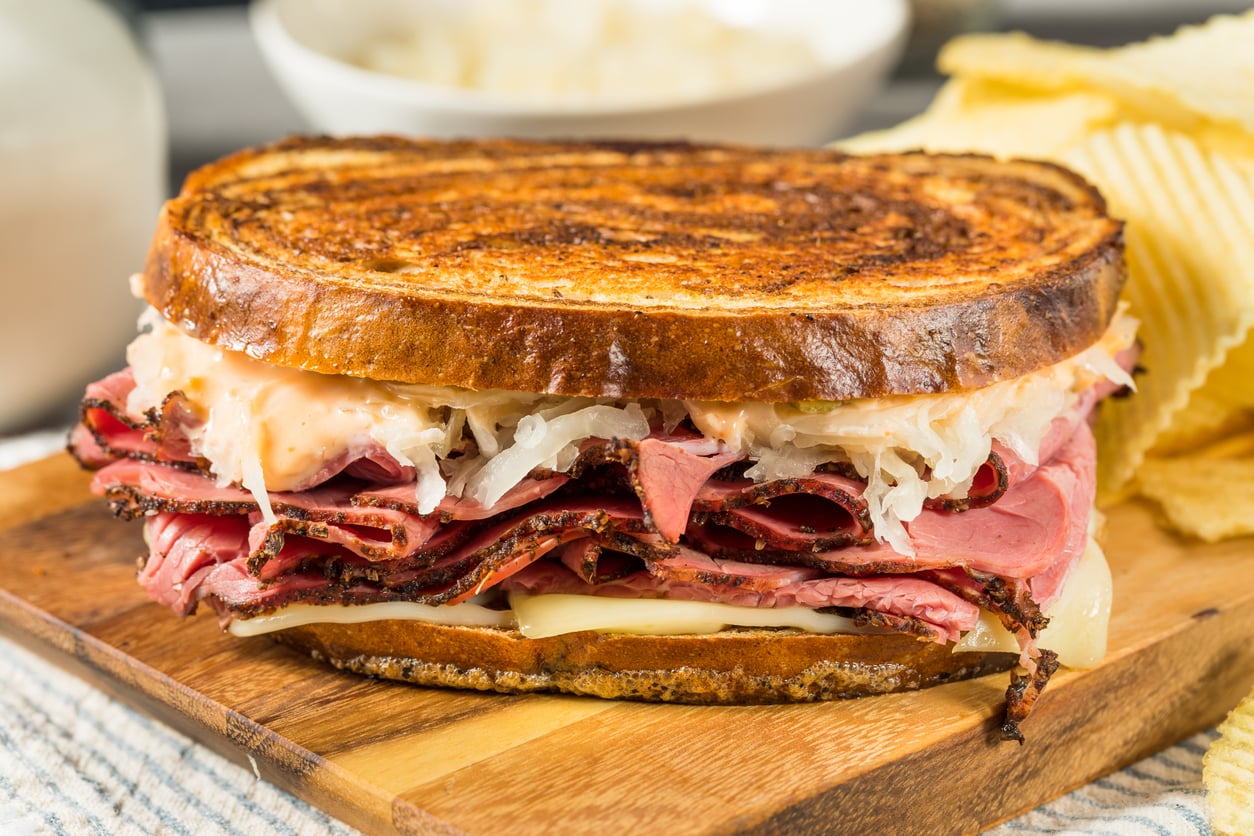
Even the American deli sandwich changes identity as you travel. New York’s Jewish deli tradition is closely associated with towering pastrami and corned-beef sandwiches on rye. New Orleans has the muffuletta, created at Central Grocery in 1906 and built from Italian meats, cheese, olive salad, and a large round loaf. Philadelphia counters with the hoagie, typically layering Italian cold cuts and cheese with lettuce, tomatoes, onions, and seasonings inside a long roll. They’re all deli sandwiches, but nobody would confuse one for another.