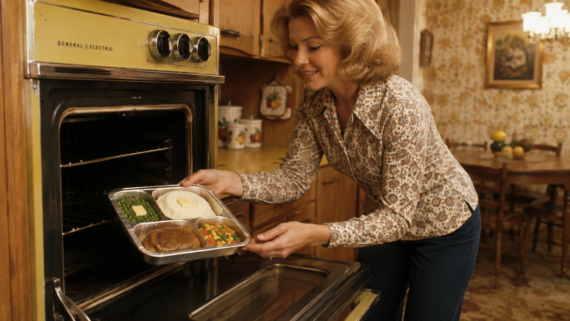
Few foods capture midcentury convenience quite like frozen TV dinners. A full meal portioned into its own little compartments, frozen solid, and ready to heat without dirtying a pile of dishes? It’s easy to see why the idea caught on.
Frozen dinners exploded in popularity during the 1950s, but they never really went away. Sure, foil trays have largely given way to microwave-safe containers, and plenty of recipes and packaging have changed. But walk down a freezer aisle today and you’ll still find old-school favorites like Salisbury steak, turkey and stuffing, fried chicken, lasagna, and meatloaf. Here are 12 frozen-meal brands and lines that have managed to stick around for decades.
Banquet Classic Dinners
Frozen-dinner roots: 1950s
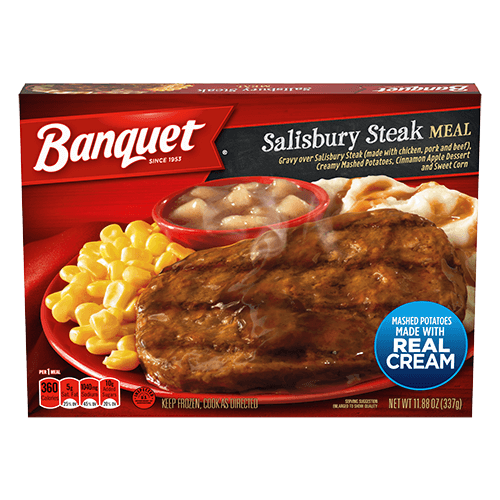
If someone asked you to picture an old-school TV dinner, there’s a good chance you’d imagine something resembling a Banquet meal. The brand has roots in the early days of frozen dinners, and its current Classic Dinners lineup still features the kind of comfort food you’d expect to find on a compartmented tray decades ago.
Salisbury steak with mashed potatoes, turkey, meatloaf, spaghetti and meatballs, and Swedish meatballs are among the familiar options. Of course, today’s packaging and microwave preparation are a far cry from waiting for an old foil dinner to heat in the oven. But the basic pitch — an inexpensive, no-fuss meal waiting in the freezer — hasn’t changed all that much.
Stouffer’s Classic Frozen Entrées
Frozen meals introduced: 1954
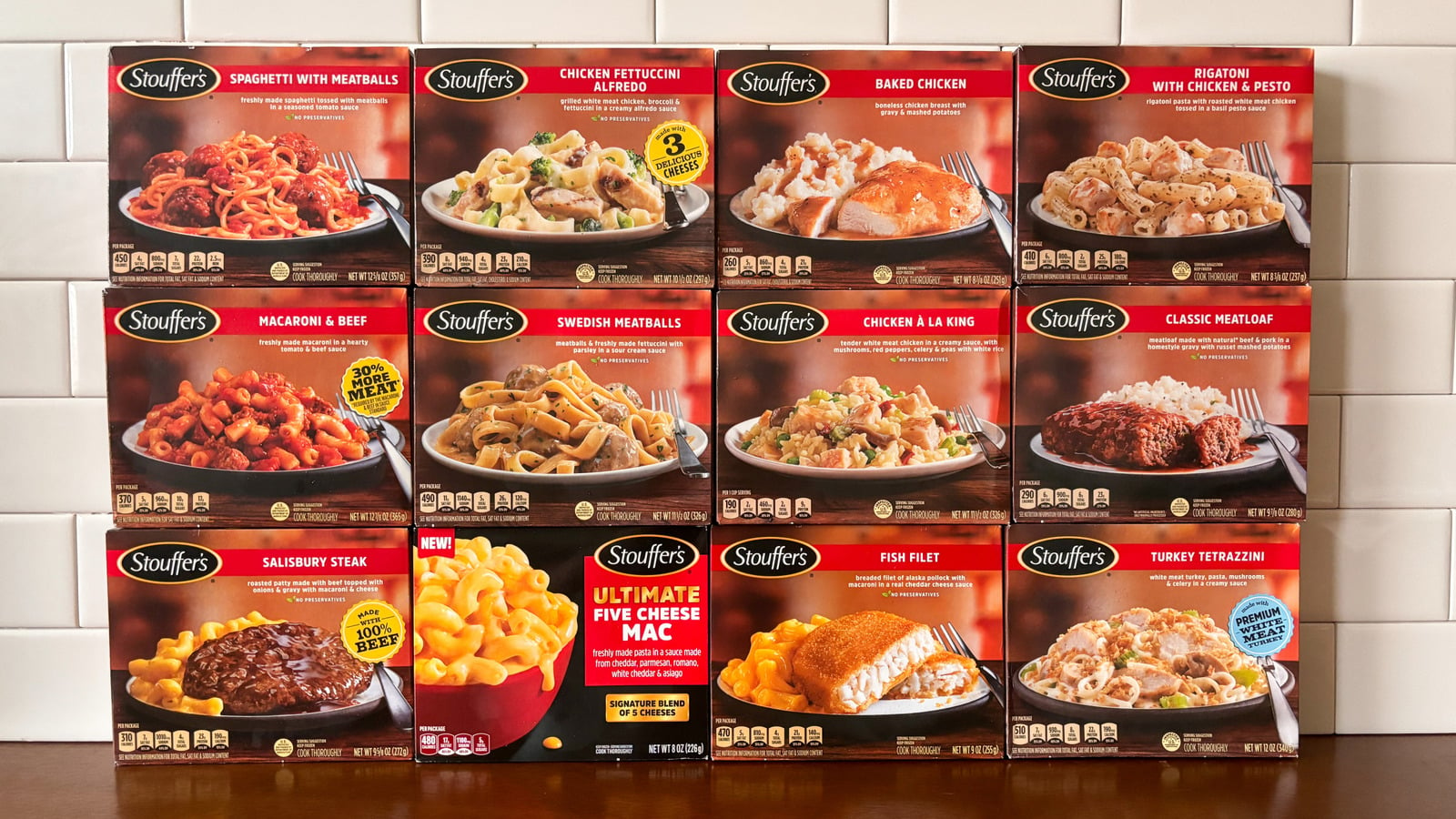
Stouffer’s took a different route into the freezer aisle. The company was already operating restaurants when it began making frozen entrées in 1954, allowing customers to bring versions of its dishes home and prepare them themselves.
That restaurant connection helped give Stouffer’s a different identity from the classic bargain TV dinner. Lasagna, macaroni and cheese, meatloaf, and Salisbury steak remain central to the brand’s comfort-food-heavy lineup today. And for generations of shoppers, that familiar red packaging has become almost as recognizable as the food inside.
On-Cor Family-Size Entrées
Founded: 1946
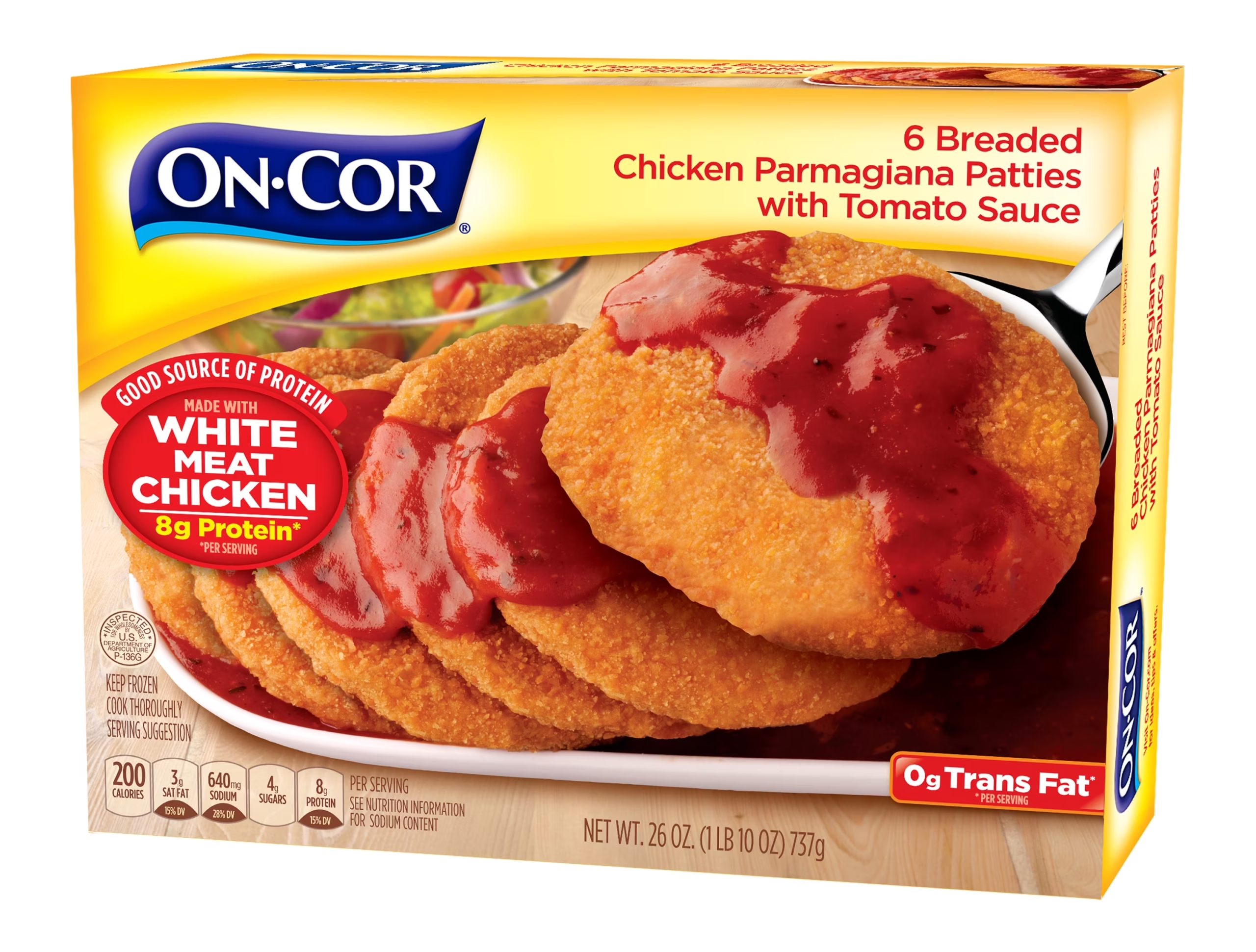
Not every old-school frozen dinner was designed for one person and a television set. On-Cor, which traces its history to 1946, made its mark with big heat-and-serve entrées meant to feed multiple people.
The company’s Salisbury steak, meat patties, pasta dishes, and other budget-friendly comfort foods became particularly familiar to Midwestern families. Think of On-Cor as the family-size cousin of the traditional TV dinner: Instead of everyone getting an individual tray, you heated one big entrée and divided it up yourself.
El Monterey Mexican Frozen Meals
Family business founded: 1964
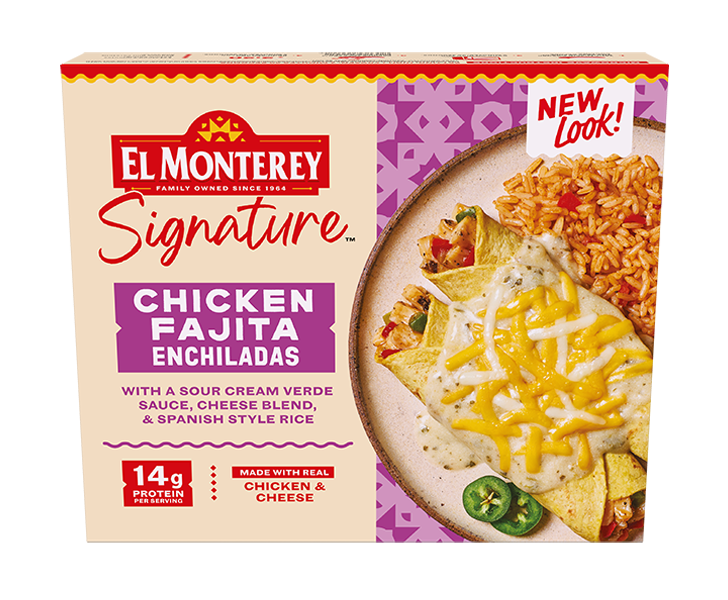
By the 1960s, frozen meals were expanding well beyond the familiar meat-potatoes-and-gravy formula. El Monterey’s family frozen-food business dates to 1964 and helped make burritos, enchiladas, chimichangas, and other Mexican-inspired foods familiar freezer-aisle staples.
The family-owned brand remains around today, with single-serving enchilada meals as well as burritos, taquitos, and chimichangas. For shoppers who grew tired of Salisbury steak and turkey dinners, frozen Mexican food offered a very different way to get dinner on the table quickly.
Celeste Pizza for One
Frozen-pizza roots: 1960s
Sometimes dinner doesn’t need vegetables, mashed potatoes, or even multiple compartments. Sometimes it’s just a little pizza.
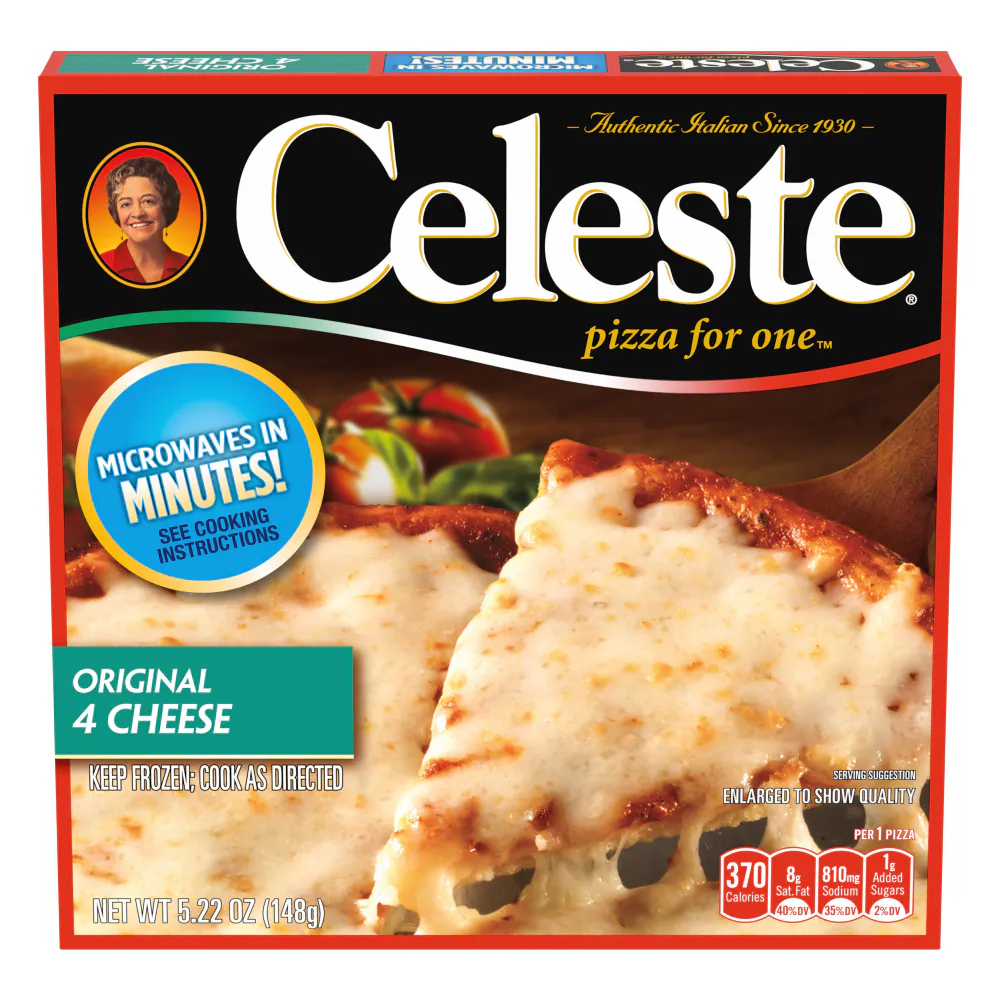
Celeste traces its roots to Celeste Lizio, an Italian immigrant who operated a Chicago-area restaurant with her husband before moving into pizza production in the early 1960s. Quaker Oats bought the business in 1969, and “Mama Celeste” later became a familiar face in national advertising.
The Pizza for One format has endured, too. The small, inexpensive pizza became an especially memorable freezer staple for kids and teenagers who wanted something they could prepare themselves — and it remains available decades later.
Trending on Cheapism
Hungry-Man Dinners
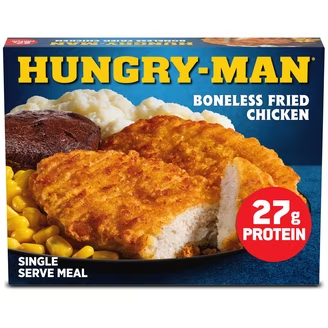
Introduced: 1970s
What happens when a standard TV dinner isn’t enough food? You make it bigger.
That’s essentially the enduring appeal of Hungry-Man, which emerged in the 1970s as an oversized take on the traditional frozen dinner. Rather than reinventing the concept, the brand leaned into larger portions and hearty foods.
Fried chicken, potatoes, gravy, turkey, and other meat-heavy comfort foods have helped define Hungry-Man’s identity. Portion size became part of the attraction, making the brand a memorable alternative to smaller frozen trays.
Lean Cuisine
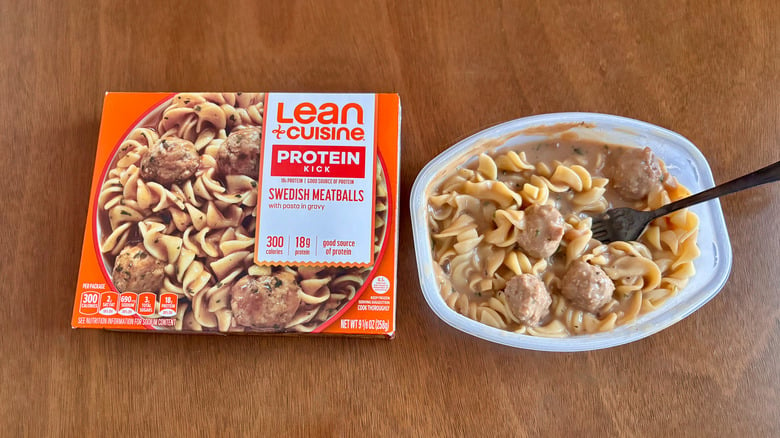
Introduced: 1981
By the 1980s, consumers weren’t only looking for convenience. Plenty were also counting calories, and frozen-food companies took notice.
Stouffer’s launched Lean Cuisine in 1981 as a separate frozen-meal line aimed at people seeking lighter alternatives to traditional frozen dinners. The brand became deeply associated with the diet-food culture of the 1980s and 1990s, when portion-controlled meals and low-fat foods were everywhere.
Lean Cuisine’s messaging and menu have evolved since then, but it remains one of the most recognizable names in single-serving frozen meals more than four decades after its debut.
Marie Callender’s Frozen Dinners and Pot Pies
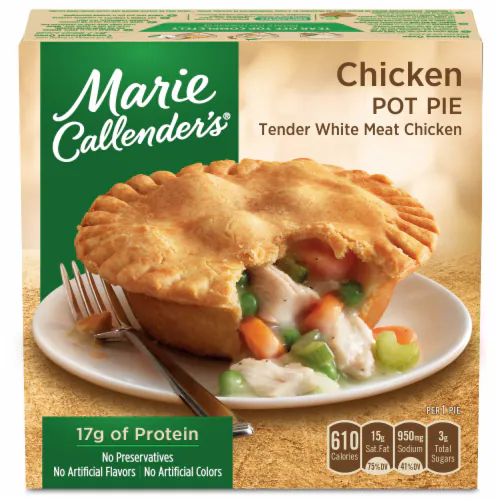
Brand roots: 1940s
Marie Callender’s story goes back to 1940, but don’t picture frozen dinners rolling off a production line back then. The broader brand began with pies and a Southern California family food business; frozen meals came later.
Today, however, the freezer aisle is a major part of the Marie Callender’s identity. Its lineup includes meat loaf and gravy, roasted turkey, Salisbury steak, spaghetti with meat sauce, country fried chicken, and, of course, those familiar pot pies. If you’re looking for frozen food that still channels the meat-and-potatoes spirit of a classic TV dinner, this lineup isn’t subtle about it.
Sign up for our newsletter
Healthy Choice
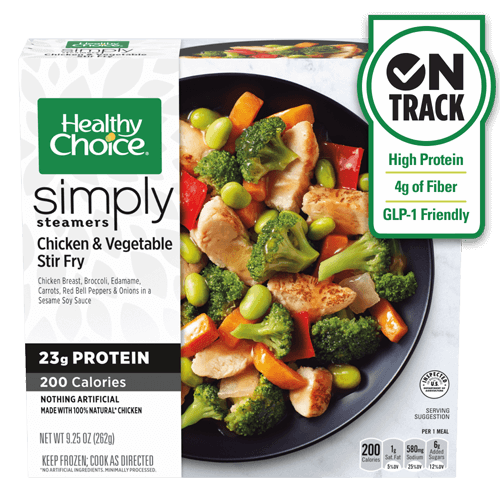
Introduced: 1989
Healthy Choice arrived in 1989, when frozen dinners were increasingly being marketed on more than convenience and price. Nutrition had become a selling point, too.
For anyone who remembers grocery shopping in the ’90s, Healthy Choice’s better-for-you positioning — and distinctive packaging — may trigger some serious supermarket nostalgia. The brand has since evolved to include products such as Power Bowls and steam-based meals, but it remains part of Conagra’s frozen-food portfolio decades after its introduction.
Michelina’s Frozen Entrées
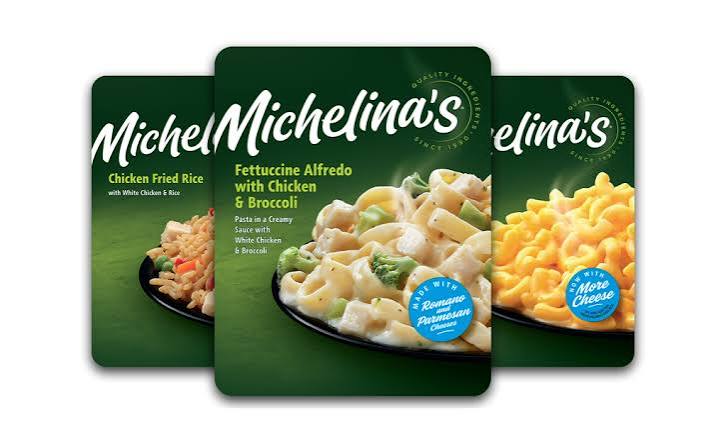
Brand era: Around 1990
Michelina’s carved out a particularly useful niche: cheap, simple frozen meals that could get a student, office worker, or budget-conscious shopper through lunch without much fuss.
Frozen-food entrepreneur Jeno Paulucci created the brand and named it after his mother. Michelina’s became particularly associated with inexpensive pasta dishes that could be microwaved right in their packaging.
The formula is still recognizable today. Lasagna, macaroni and cheese, Alfredo dishes, and other single-serving entrées remain part of the lineup, keeping Michelina’s firmly planted in the budget end of the freezer case.
Kid Cuisine
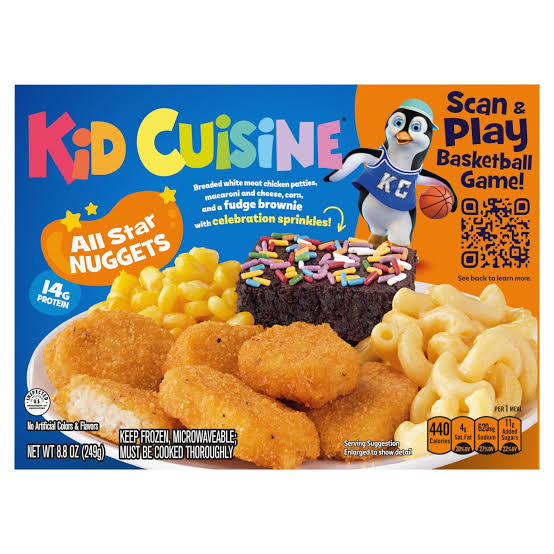
A freezer staple since the 1990s
For millennials, this one might unlock some memories. Kid Cuisine took the basic TV-dinner concept and asked an important question: What if we made the whole thing way more exciting to a kid?
The result was colorful packaging and kid-friendly foods like chicken nuggets, corn dogs, fries, macaroni and cheese, plus that all-important dessert compartment. Games, cartoonish branding, and the penguin mascot KC helped make the package part of the experience.
Kid Cuisine is still around, and today’s lineup includes chicken nuggets, popcorn chicken, mini corn dogs, and fish sticks. Even the current All Star Nuggets meal sticks to the familiar formula of chicken, mac and cheese, corn, and a brownie.
Boston Market At Home Frozen Entrées
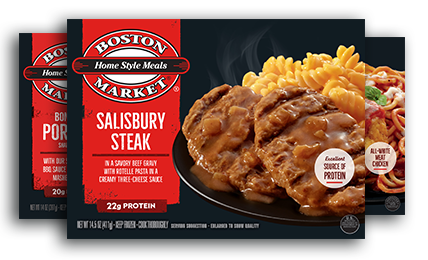
Frozen grocery line: decades old
Boston Market built its name around rotisserie chicken and homestyle sides before extending that comfort-food identity into grocery-store freezer aisles. The frozen line includes familiar dishes such as meatloaf, Swedish meatballs, chicken cordon bleu, country-fried beef steak, pasta, and chicken casseroles.
There’s an important distinction today: Boston Market At Home’s frozen-food operation is licensed and operated separately from the restaurant business. So even as the restaurant chain has faced difficulties and closures, the supermarket products have continued independently.
And if meatloaf with mashed potatoes doesn’t scream old-school TV dinner, we’re not sure what does.
TV Dinners Have Changed — But Not That Much
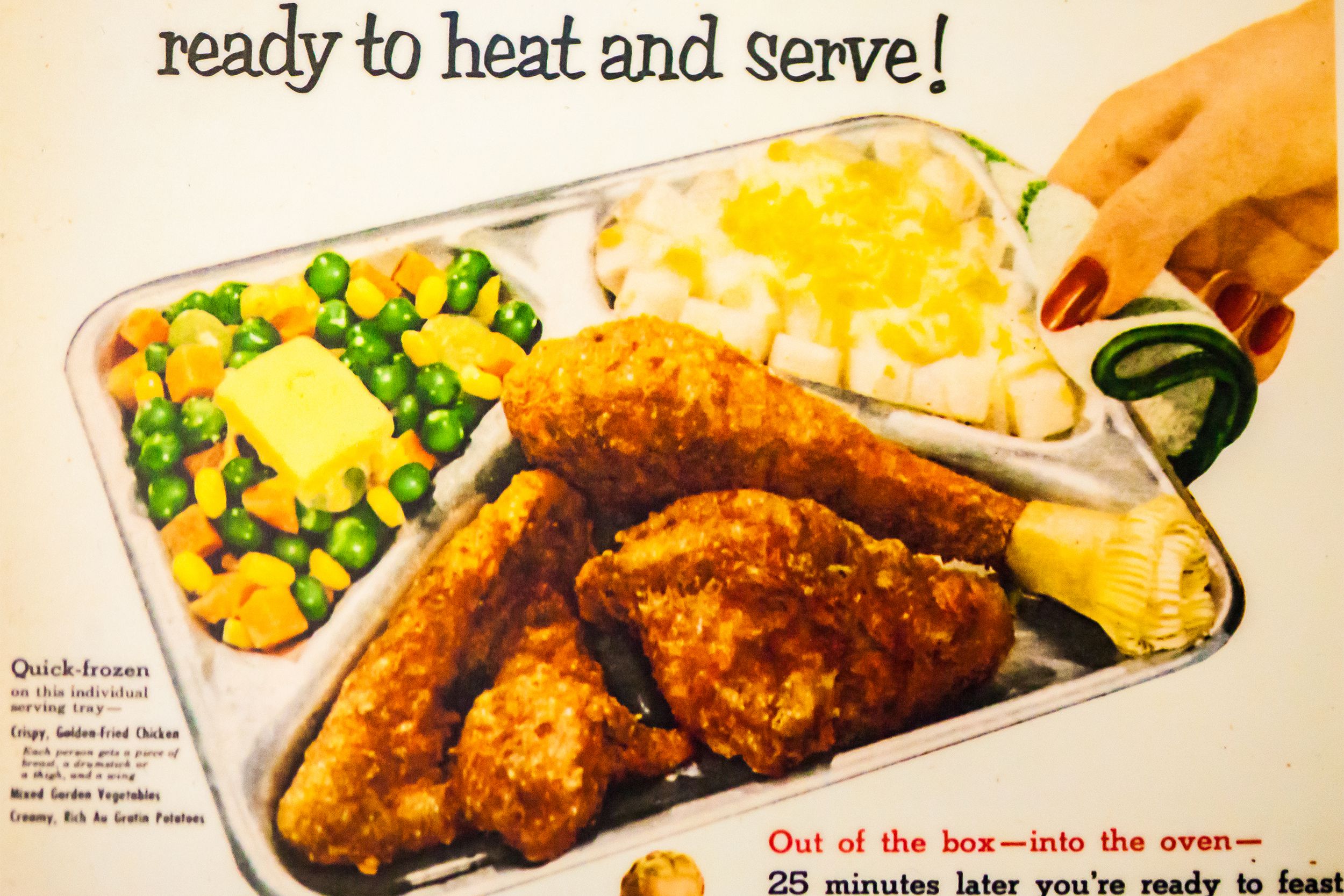
The days of waiting for a foil tray to heat in a conventional oven may mostly be behind us, but the food itself can look remarkably familiar. Salisbury steak, meatloaf, turkey and stuffing, fried chicken, lasagna, and other freezer-aisle standbys have survived generations of changing tastes.
What’s changed most is how frozen dinners are packaged, prepared, and marketed. Microwave-safe trays replaced foil, bowls joined compartmented dinners, and newer brands emphasized everything from calorie counts to larger portions. Yet the basic idea that made TV dinners popular in the first place is still going strong: When you don’t feel like cooking, there’s a hot meal waiting in the freezer.