Most restaurant kitchens have moved toward equipment that is faster, easier to control, and more consistent, but a few places are still cooking the old-fashioned way. The Smithsonian has documented how changing technology reshaped the way Americans cook and eat. These restaurants that still cook with equipment most kitchens abandoned years ago use everything from antique broilers and coal-fired ovens to steam cabinets, cast-iron waffle makers, and hand-tended barbecue pits – and the equipment is still making the food, not simply decorating the dining room.
Louis’ Lunch – New Haven, Connecticut
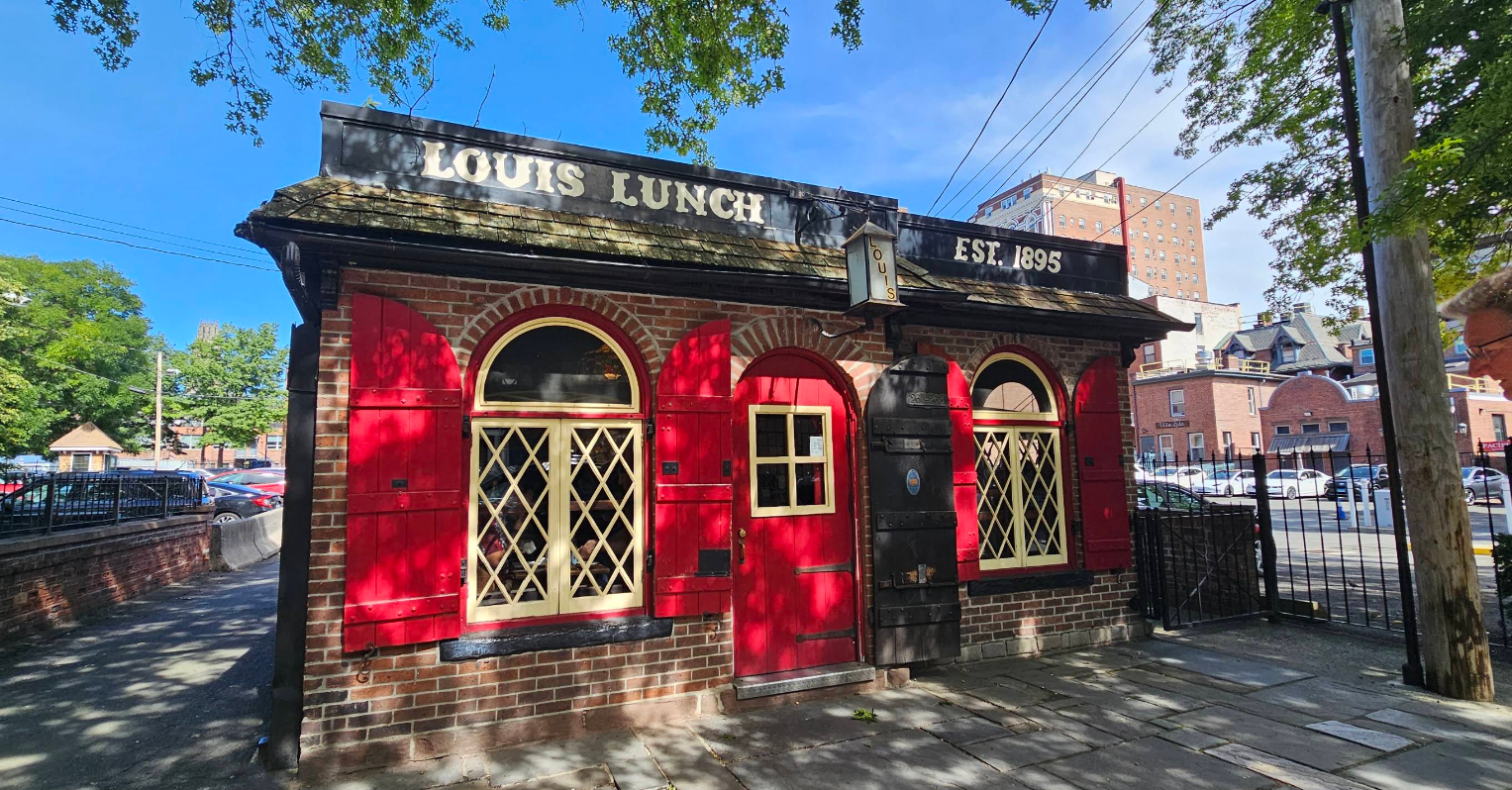
Louis’ Lunch doesn’t cook its famous burgers on a flat-top. Patties go into wire baskets that slide vertically between flames inside cast-iron gas broilers dating to 1898. The unusual setup lets fat drip away instead of leaving the beef cooking in it, and the finished burger arrives on toasted white bread rather than a bun. The restaurant also uses a 1929 radiant-gas toaster. It’s an impressively stubborn bit of kitchen history, right down to the restaurant’s well-known refusal to offer ketchup for the burger.
The Spot at Frank Pepe Pizzeria Napoletana – New Haven, Connecticut
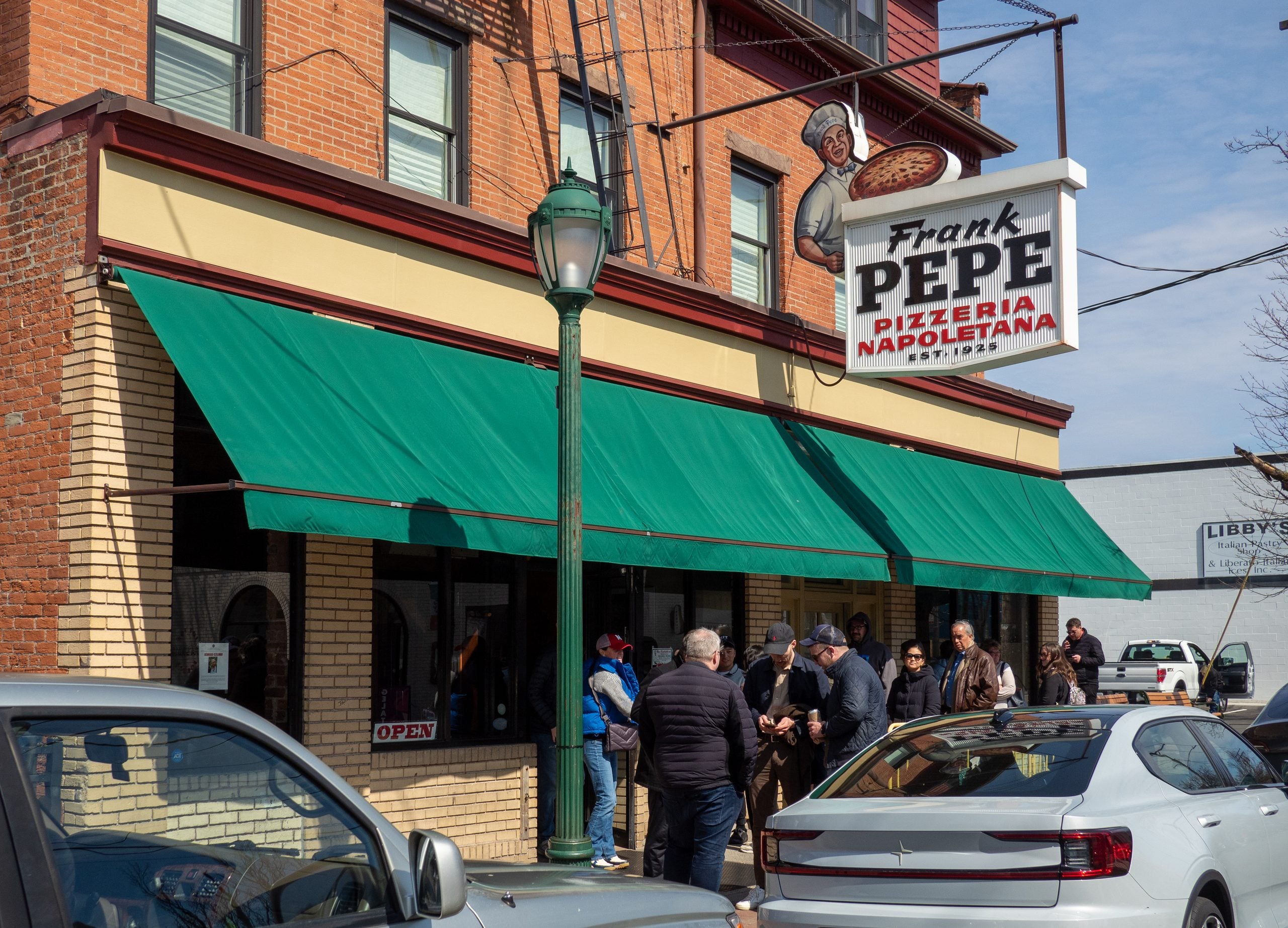
Frank Pepe opened his original pizzeria on Wooster Street in 1925, and the coal-fired oven from that first shop is still baking pizza at The Spot next door to the larger Frank Pepe location. It’s a massive old bakery-style bread oven, not a modern conveyor pizza oven. The dry, intense coal heat helps produce the blistering and char associated with New Haven pizza. Order the tomato pie or famous white clam pie, but remember that a little blackening around the crust isn’t necessarily a mistake here – it’s part of the style.
Ted’s Restaurant – Meriden, Connecticut
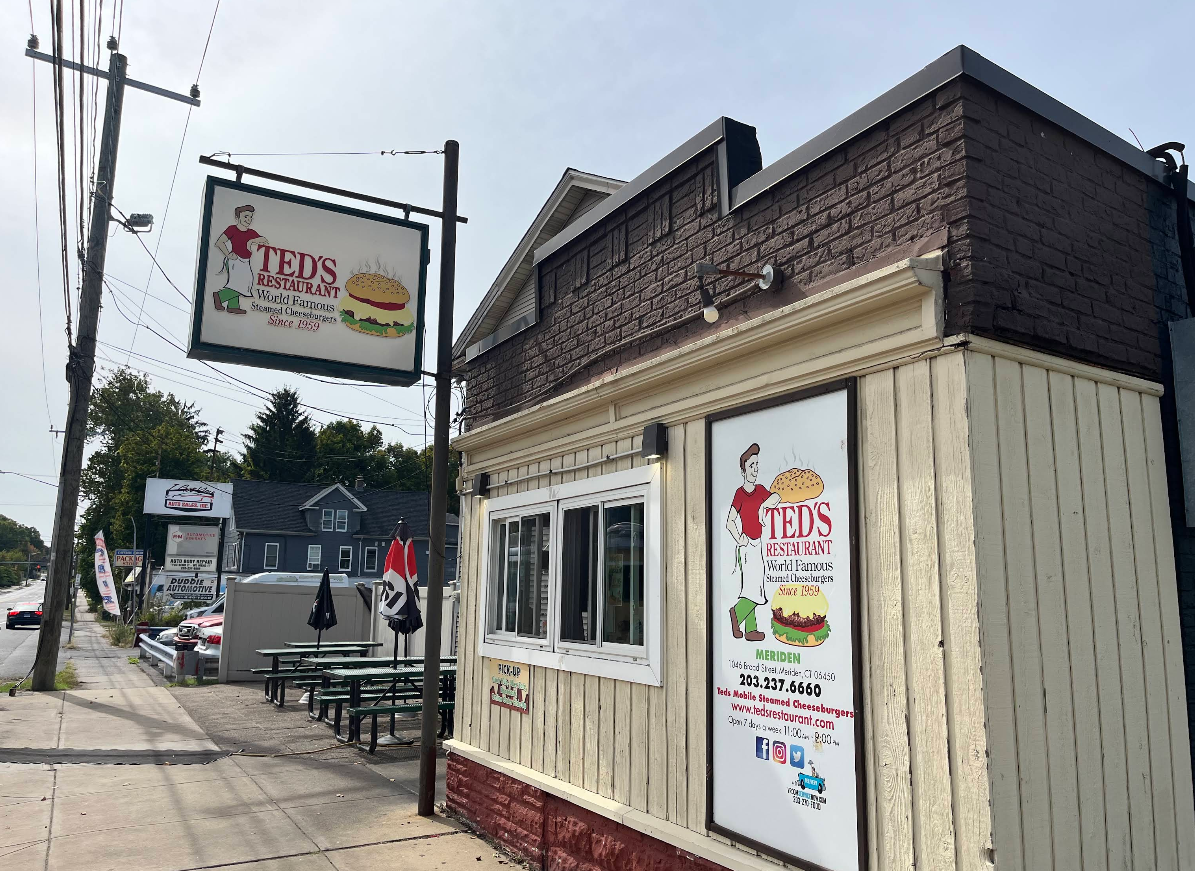
At Ted’s, the signature burger never touches a grill. Ground beef goes into rectangular trays that slide into a specially designed steam cabinet, while cheddar is steamed separately until it becomes soft enough to pour over the meat. The restaurant says the steam box and trays developed for its burgers are still being used today. The result is quite different from a crusty smashburger: soft, juicy meat and an unapologetically generous layer of molten cheese. It’s a surviving piece of central Connecticut food culture that can be surprisingly divisive for first-timers.
Totonno’s Pizzeria Napolitana – Brooklyn, New York
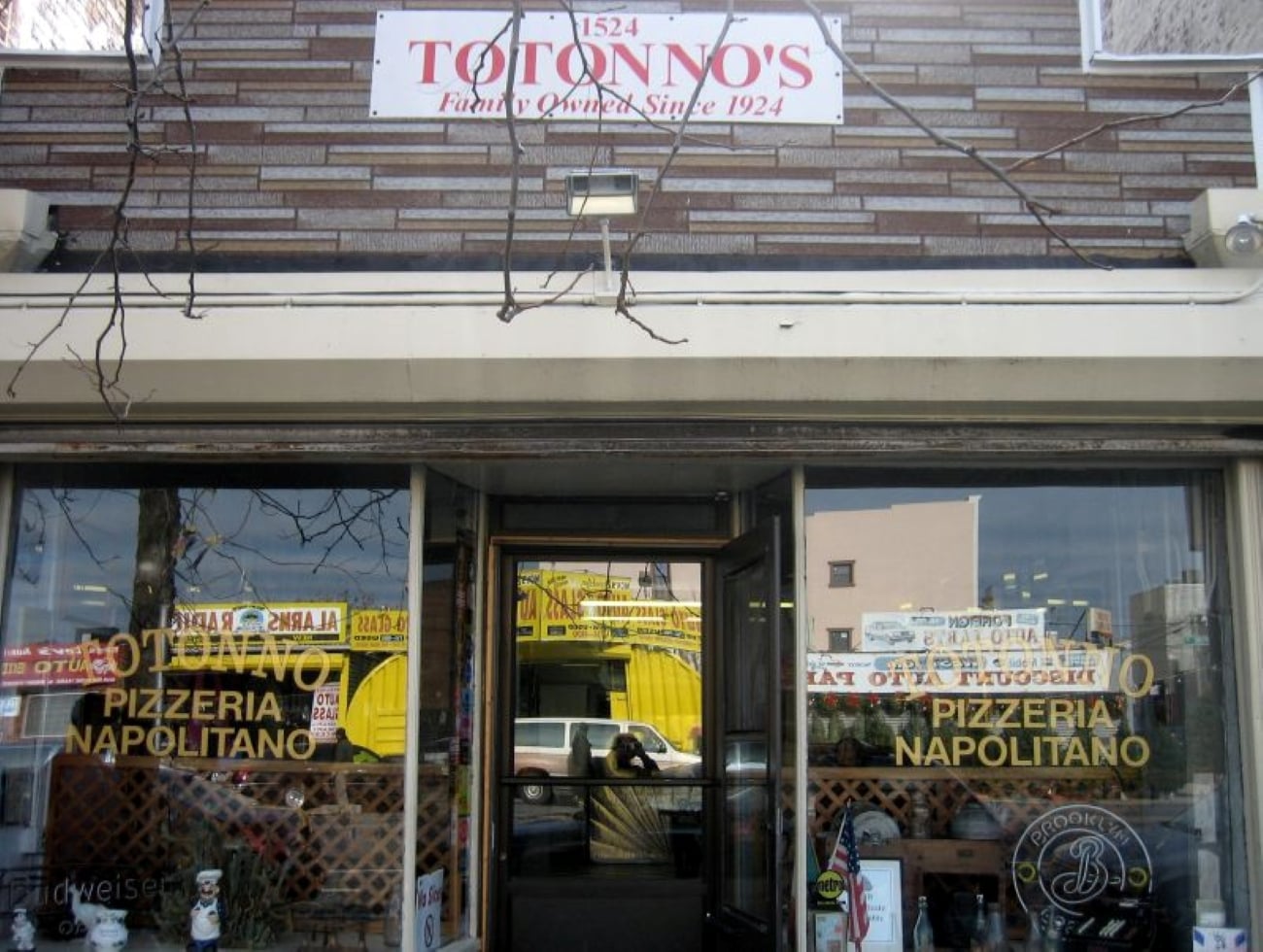
Totonno’s has been baking Coney Island pizza since 1924, using the kind of coal-fired oven that has become increasingly difficult to find in modern pizzerias. The fierce heat gives its thin pies the charred, blistered crust that devotees expect from old-school New York coal-oven pizza. There is a significant catch for anyone planning a pilgrimage: Totonno’s currently operates only on Saturdays and Sundays, from noon to 5:30 p.m., and is takeout and delivery only. This is one old restaurant where checking the hours before heading across town really matters.
Patsy’s Pizzeria – East Harlem, New York
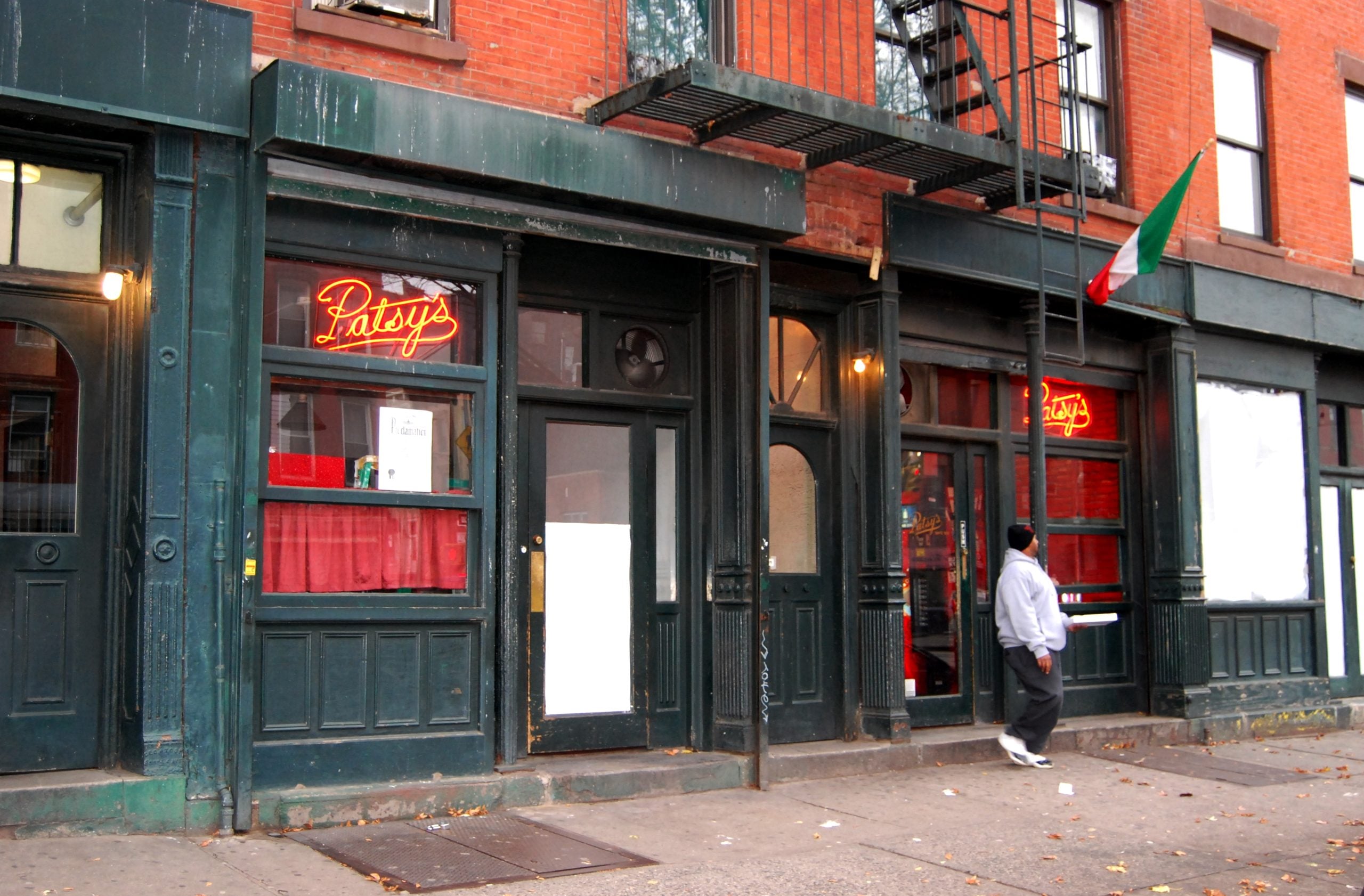
The original East Harlem Patsy’s opened in 1933 and remains associated with one of New York’s increasingly uncommon coal-oven pizza traditions. The oven’s intense heat allows the restaurant to turn out remarkably thin pies with dark spotting and crisp edges without simply drying out the entire crust. Make sure you’re looking for the historic First Avenue location, rather than assuming every restaurant carrying the Patsy’s name offers exactly the same experience. A plain cheese pie is the simplest way to see what the coal oven contributes without a pile of toppings getting in the way.
Trending on Cheapism
Tadich Grill – San Francisco, California
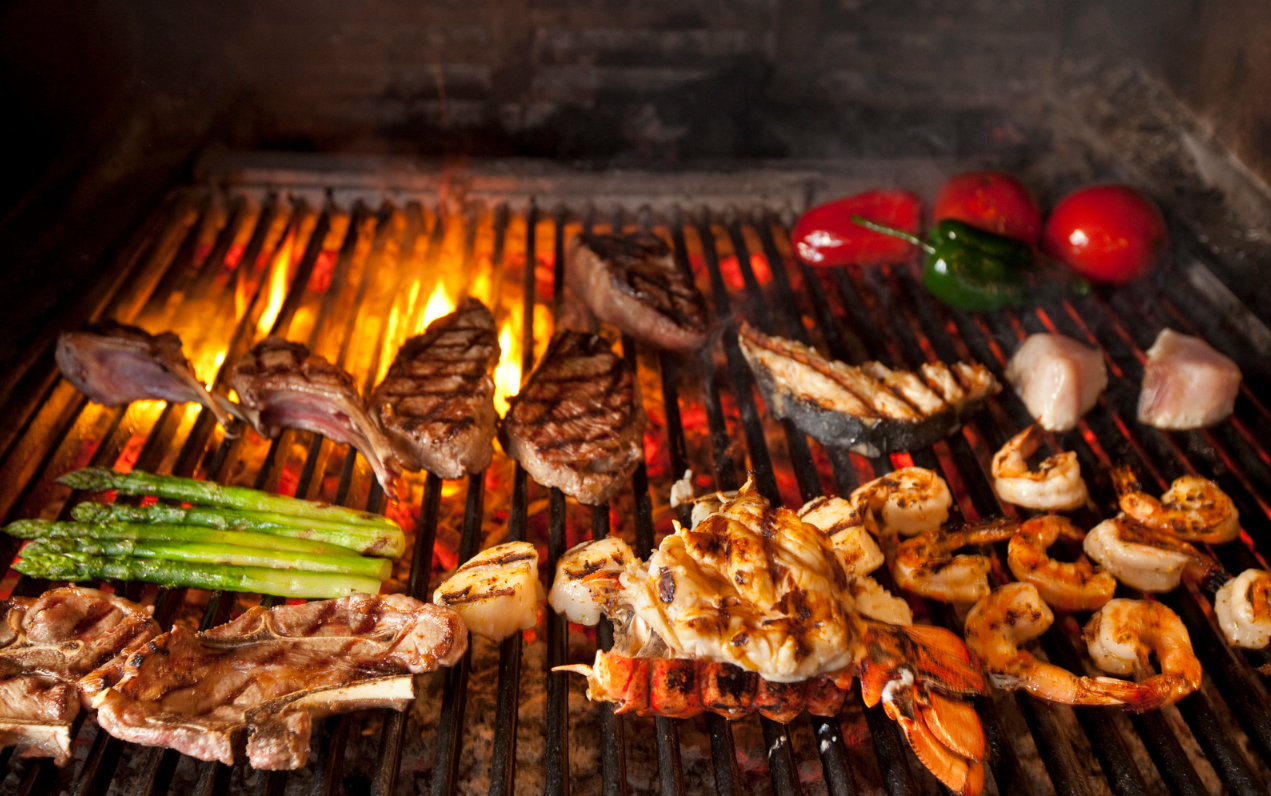
Tadich Grill’s kitchen still gives mesquite charcoal a job that most restaurants hand to gas or electricity. The San Francisco institution has long used mesquite broilers for seafood and meat, and its current menu continues to feature a dedicated selection of mesquite-charcoal-broiled dishes. Salmon, steaks, chops, and other items pick up both intense radiant heat and some of the character of the charcoal itself. The restaurant isn’t cheap – steaks can run well above $50 – but the cooking method is part of what distinguishes it from a generic modern steak-and-seafood grill.
Doe’s Eat Place – Greenville, Mississippi
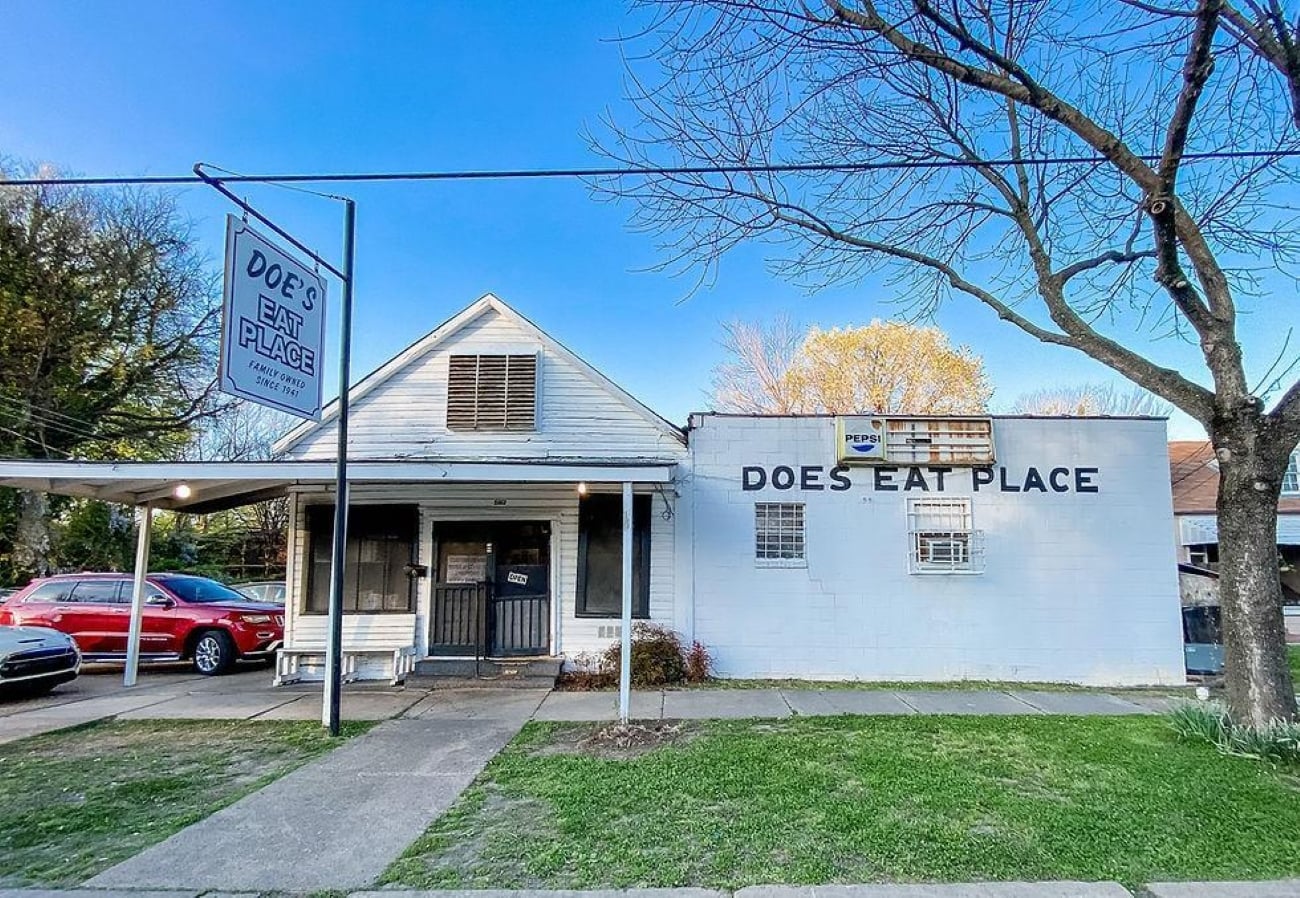
Doe’s is a useful reminder that preserving an old kitchen doesn’t mean absolutely nothing ever gets replaced. Customers still enter through the working kitchen, passing the broiler, stovetop, and cooks on the way to the dining room. Doe’s says its old broiler was finally replaced after roughly 50 years of service, and an aging tamale machine was retired to a museum. Heavy cast-iron skillets, however, remain part of the operation. Come for the enormous steaks and hand-cut fries, but don’t expect a pristine museum kitchen – this is old equipment being used because there’s dinner to cook.
Kreuz Market – Lockhart, Texas
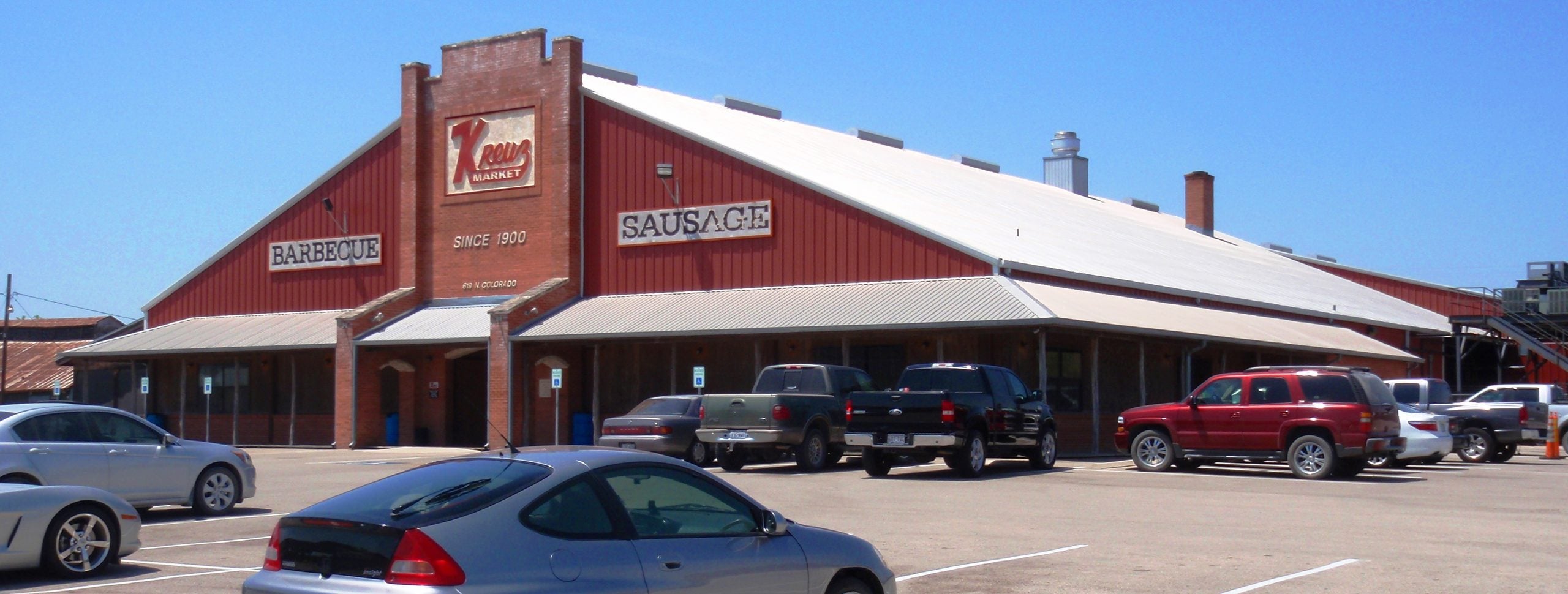
Modern barbecue operations can use digital thermostats, pellet feeders, gas assistance, and other tools to make temperature management easier. Kreuz Market goes in the opposite direction. Its barbecue is cooked with post oak using old-fashioned brick-pit methods that put much of the responsibility on the pitmaster rather than a control panel. Brisket, sausage, beef ribs, and other meats depend on people reading the fire and adjusting it as they go. It’s labor-intensive and decidedly low-tech, which is precisely why the equipment belongs in the conversation.
Sign up for our newsletter
Skylight Inn BBQ – Ayden, North Carolina
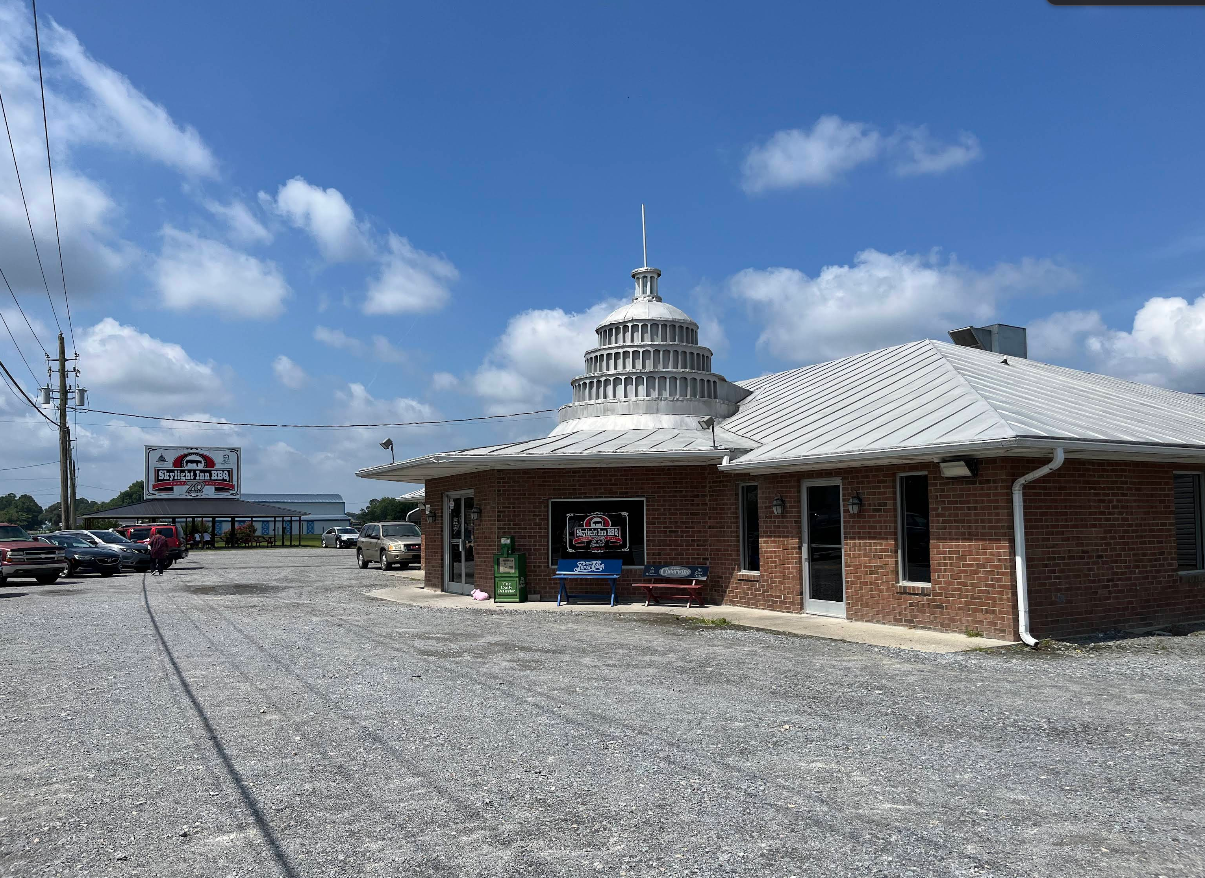
Skylight Inn has cooked whole hogs over wood since 1947, preserving an eastern North Carolina method that requires considerably more hands-on work than loading meat into a computerized smoker. The hogs cook over heat from wood rather than relying on an automated gas or pellet system, with the kitchen maintaining a process closely tied to traditional whole-hog barbecue. The finished pork is chopped together with bits of crisp skin and served with slaw and the restaurant’s distinctive cornbread. The equipment is simple; operating it consistently is the difficult part.
Scott’s Bar-B-Que – Hemingway, South Carolina
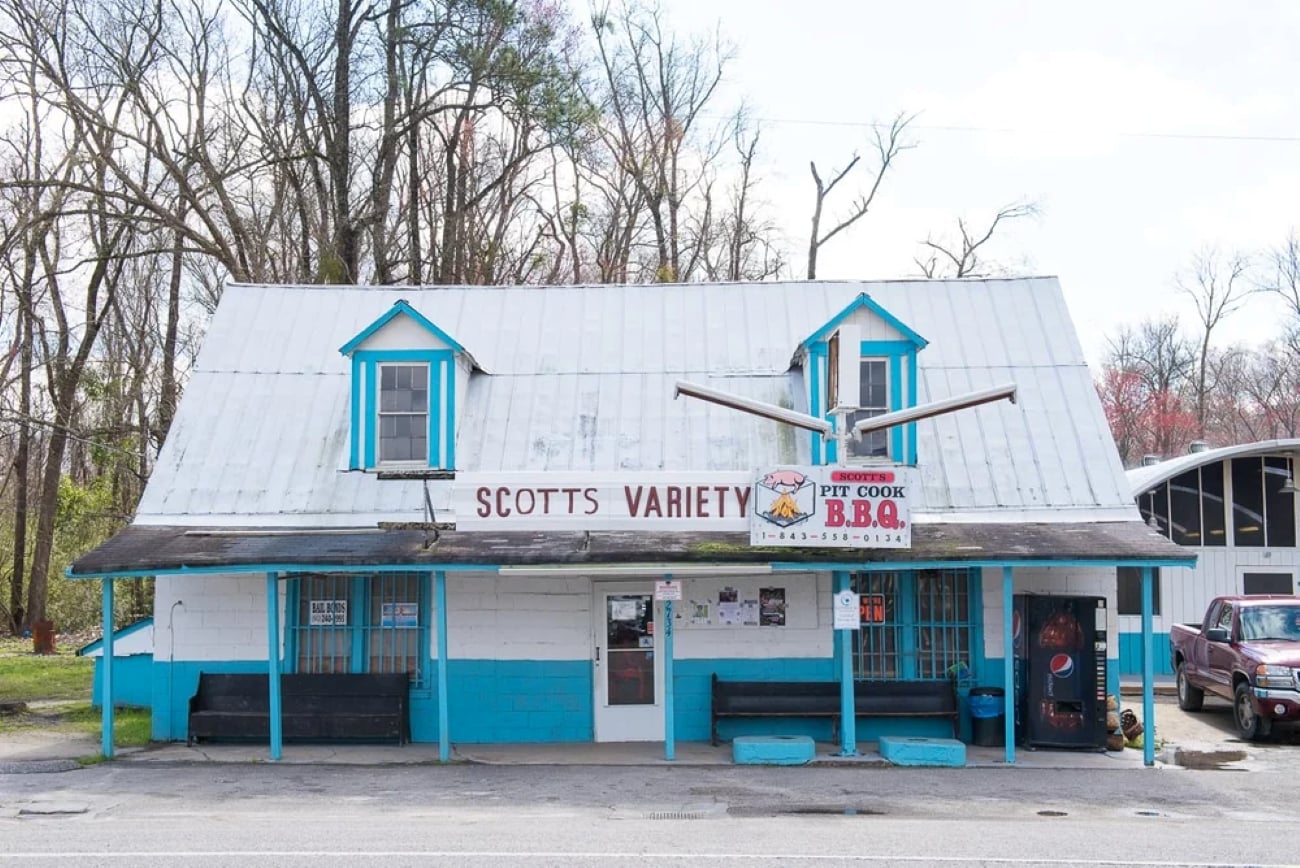
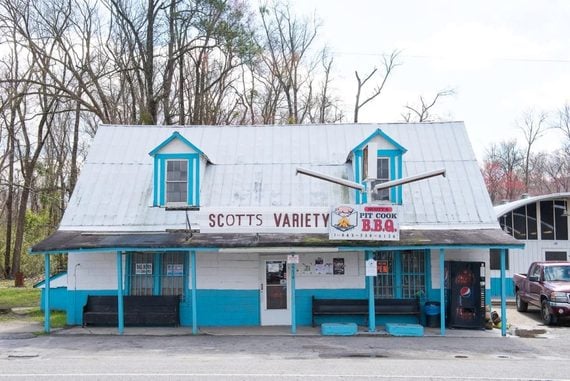
The cooking setup behind Scott’s looks closer to something assembled on a farm than a shiny restaurant smoker. Hardwood is burned down in homemade metal barrels fitted with old truck axles, which keep the wood elevated while embers fall below. Those glowing coals are then shoveled by hand beneath whole hogs cooking in pits. There isn’t a computerized thermostat deciding when more heat is needed; the crew has to make and manage its own bed of coals. It’s an unusually physical way to produce barbecue in an era of push-button commercial smokers.
Dyer’s Burgers – Memphis, Tennessee
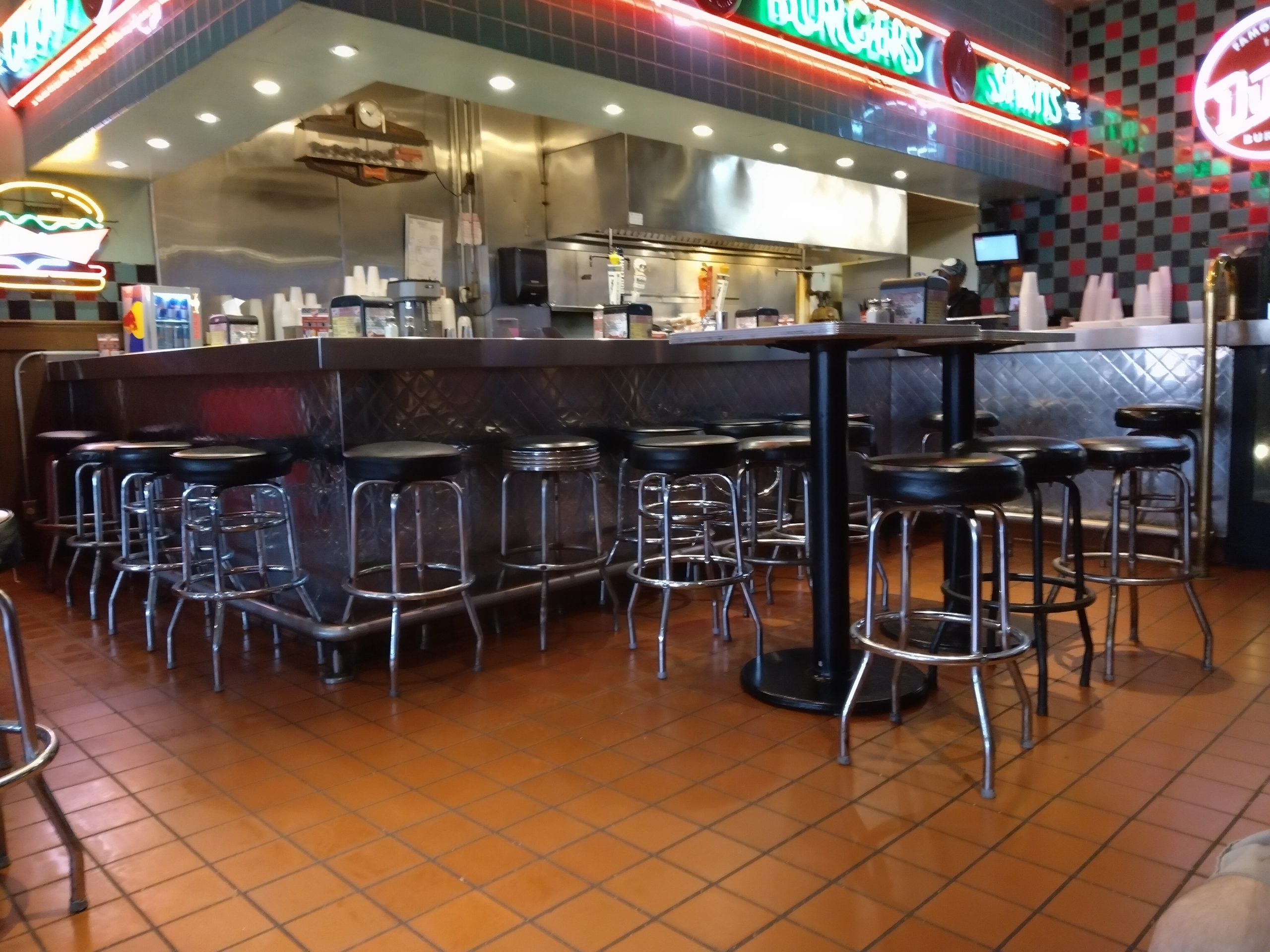
Dyer’s doesn’t grill its hamburgers. It essentially fries them. Thin patties go into skillets of seasoned cooking grease, a process the restaurant traces to founder Elmer “Doc” Dyer in 1912. The restaurant’s mythology centers on that grease, which it says is strained daily and has followed Dyer’s through its various Memphis locations. Whatever you make of the legend surrounding its age, the cooking method itself is decidedly unusual. The burgers emerge with crisp edges before getting cheese, pickles, onions, and mustard and landing on a soft bun.
Grand Central Oyster Bar – New York City
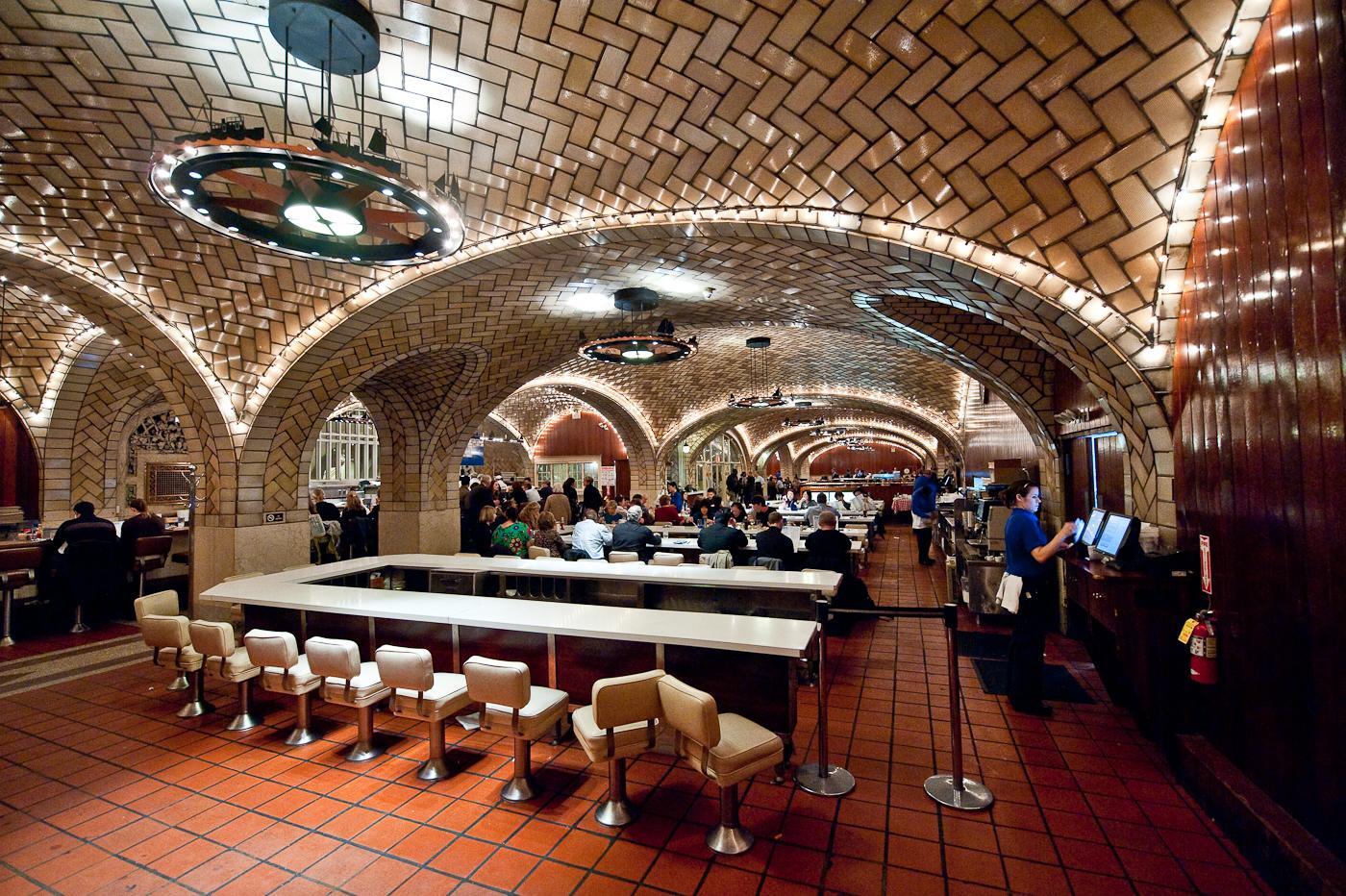
Grand Central Oyster Bar’s steam kettles are the kind of equipment most diners will never see in an ordinary restaurant kitchen. The century-old seafood institution still uses its original steam kettles to prepare shellfish stews and pan roasts, heating each order quickly and evenly without placing a saucepan directly over a burner. The oyster pan roast combines oysters, cream, butter, clam juice, sweet chili sauce, and toast. It’s certainly not universally adored – some modern reviewers find the dish underwhelming – but watching an old steam-kettle system produce lunch to order remains unusual.
El Charro Cafe – Tucson, Arizona
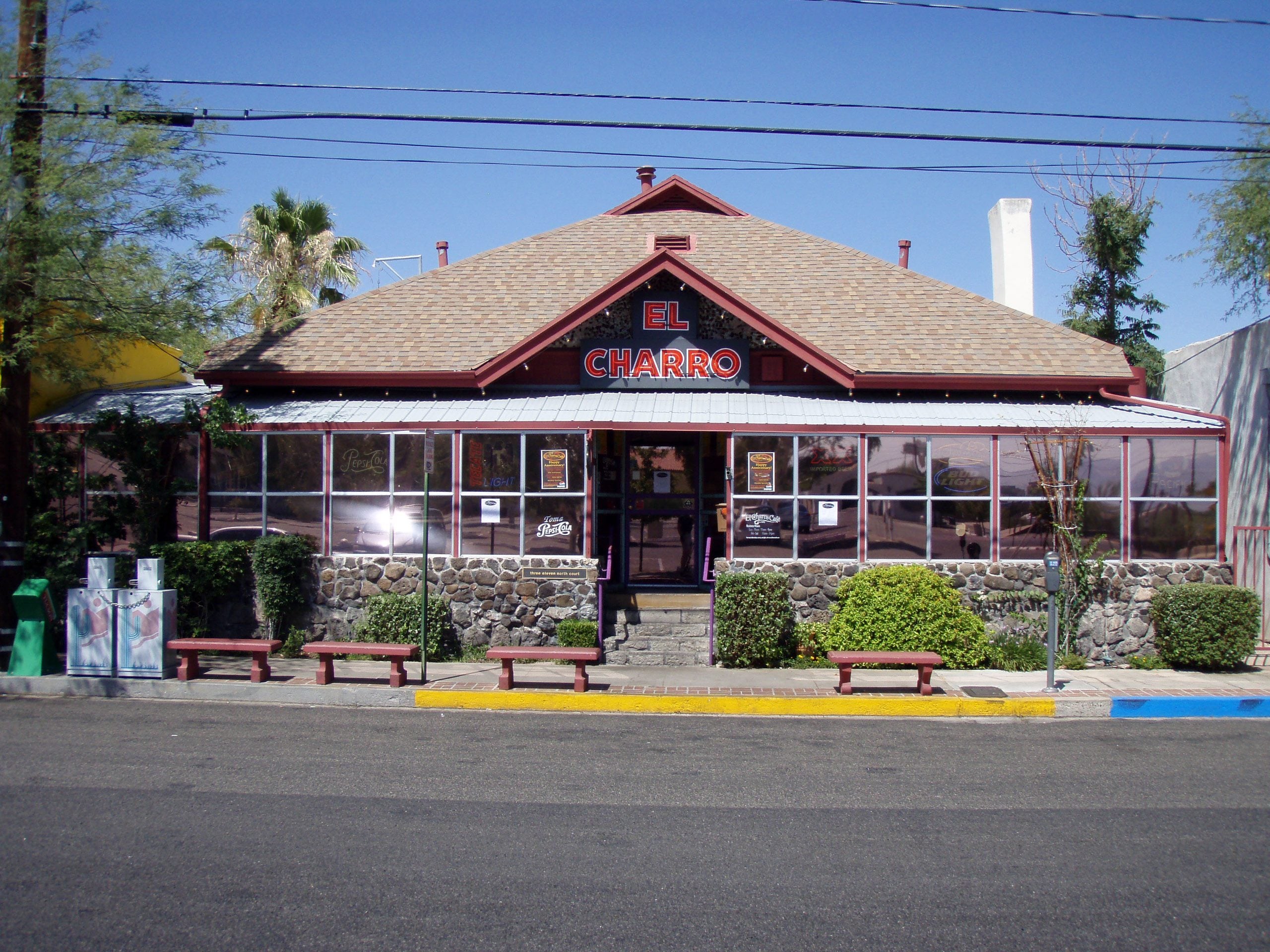
El Charro’s strangest piece of cooking equipment isn’t powered by gas or electricity. At its historic downtown Tucson location, the restaurant has preserved the Sonoran practice of making carne seca with help from the desert sun. Beef is dried in a screened rooftop cage, taking advantage of Tucson’s intensely hot, dry climate before making its way into tacos, burritos, and other dishes. A commercial dehydrator could make the process easier to control, but it would eliminate the most distinctive part of a method tied to the food traditions of the Sonoran Desert.
Salem Cross Inn – West Brookfield, Massachusetts
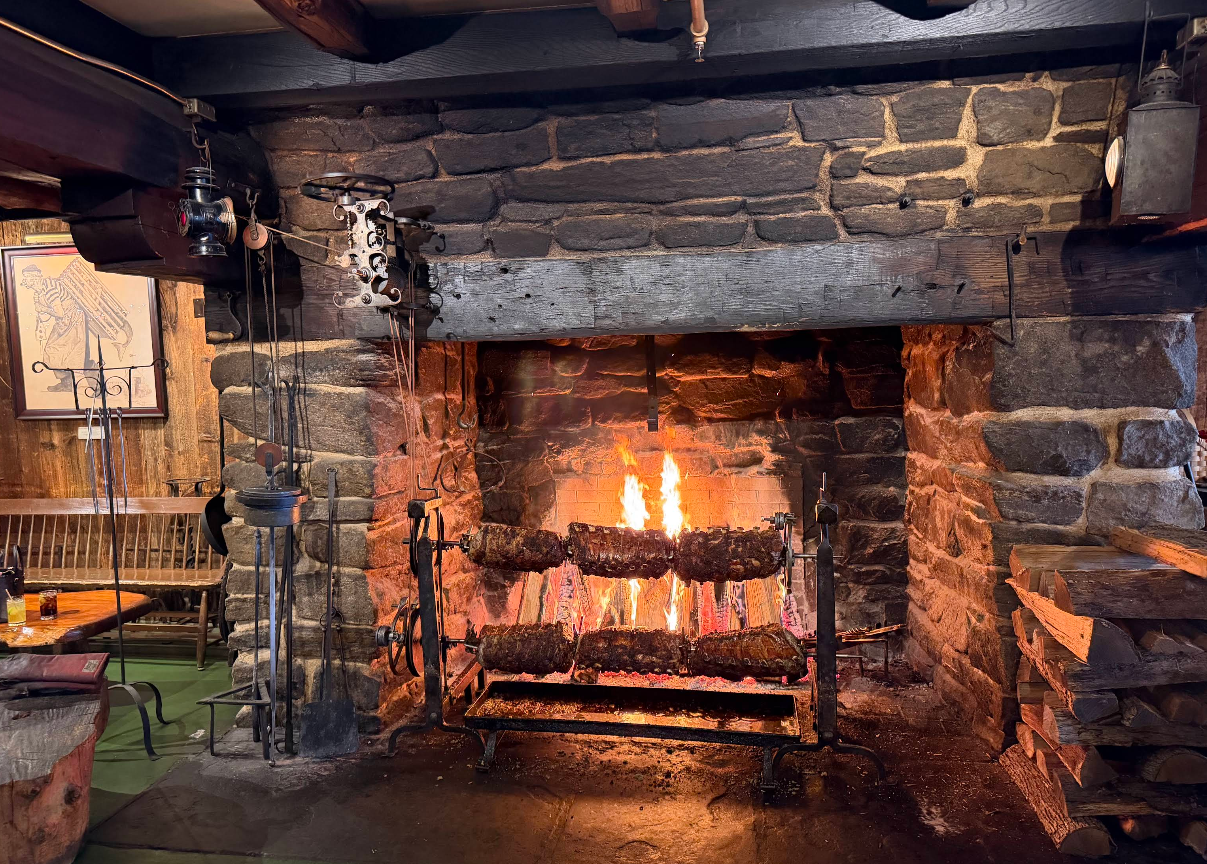
You can’t walk into Salem Cross Inn on an ordinary night and simply order dinner from its oldest cooking device. The restaurant’s remarkable roasting jack comes out for its seasonal Fireplace Feasts, held primarily from November through April. Dating to around 1700, the mechanical jack slowly turns prime rib in front of a fieldstone fireplace burning wild cherry logs. The inn calls it the only known authentic roasting jack of its kind still operating publicly in the United States. Fireplace Feast tickets currently cost $89, including tax and gratuity, and advance booking is necessary.
NetShed No. 9 – Gig Harbor, Washington
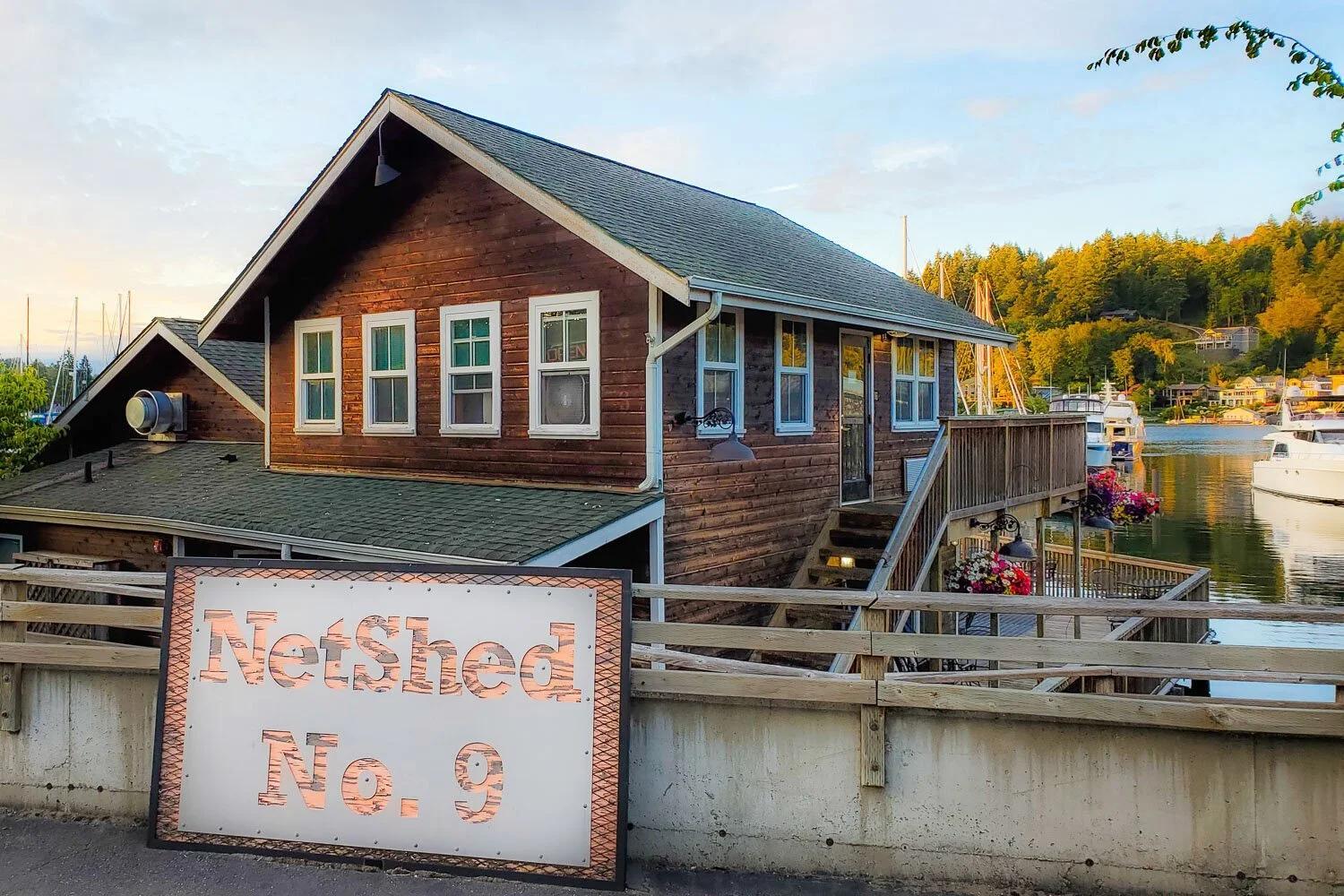
Most restaurant waffles come from thermostatically controlled electric irons designed to make consistency nearly foolproof. NetShed No. 9 takes a considerably older route. Its current menu says its American-style waffles are forged in 100-year-old cast-iron waffle makers, which hold substantial heat and require more attention than a modern countertop machine. The PB&J waffle pairs the crisp waffle with peanut butter whipped Chantilly, raspberry syrup, fresh raspberries, and roasted salted peanuts. At $14.95 on the current menu, it’s also one of the more accessible ways to taste genuinely antique cookware at work.
Brennan’s – New Orleans, Louisiana
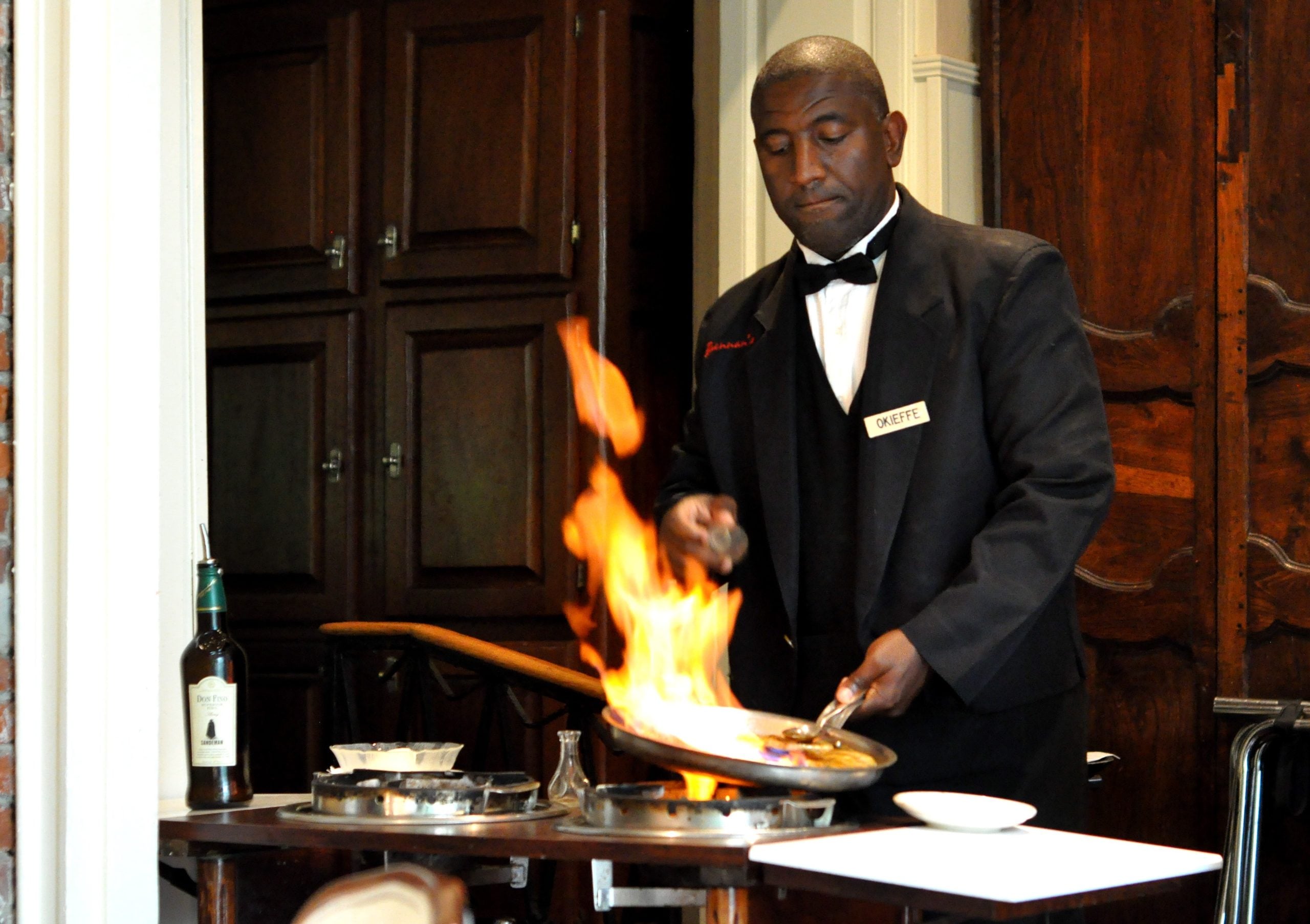
At Brennan’s, part of the kitchen still rolls right up to the table. The New Orleans restaurant continues classic French-style gueridon service, using a mobile cart and burner to finish dishes directly in the dining room. Its most famous example is Bananas Foster, created at Brennan’s in 1951 and still flambeed tableside with bananas, butter, brown sugar, cinnamon, liqueur, and rum before being served with vanilla ice cream. The current menu lists it at $14 with a two-person minimum. It’s dinner theater, dessert, and a surviving piece of old-school restaurant service all at once.