There’s something comforting about a plate of schnitzel, warm potato salad, and recipes passed down through generations. While restaurant trends come and go, some German Restaurants Across America continue serving the hearty dishes that made them neighborhood favorites decades ago. From century-old establishments to family-run kitchens, these spots keep German culinary traditions alive. And as Visit Milwaukee highlights, that heritage remains an important part of America’s food culture, especially in cities with deep German roots.
Mader’s Restaurant – Milwaukee, Wisconsin
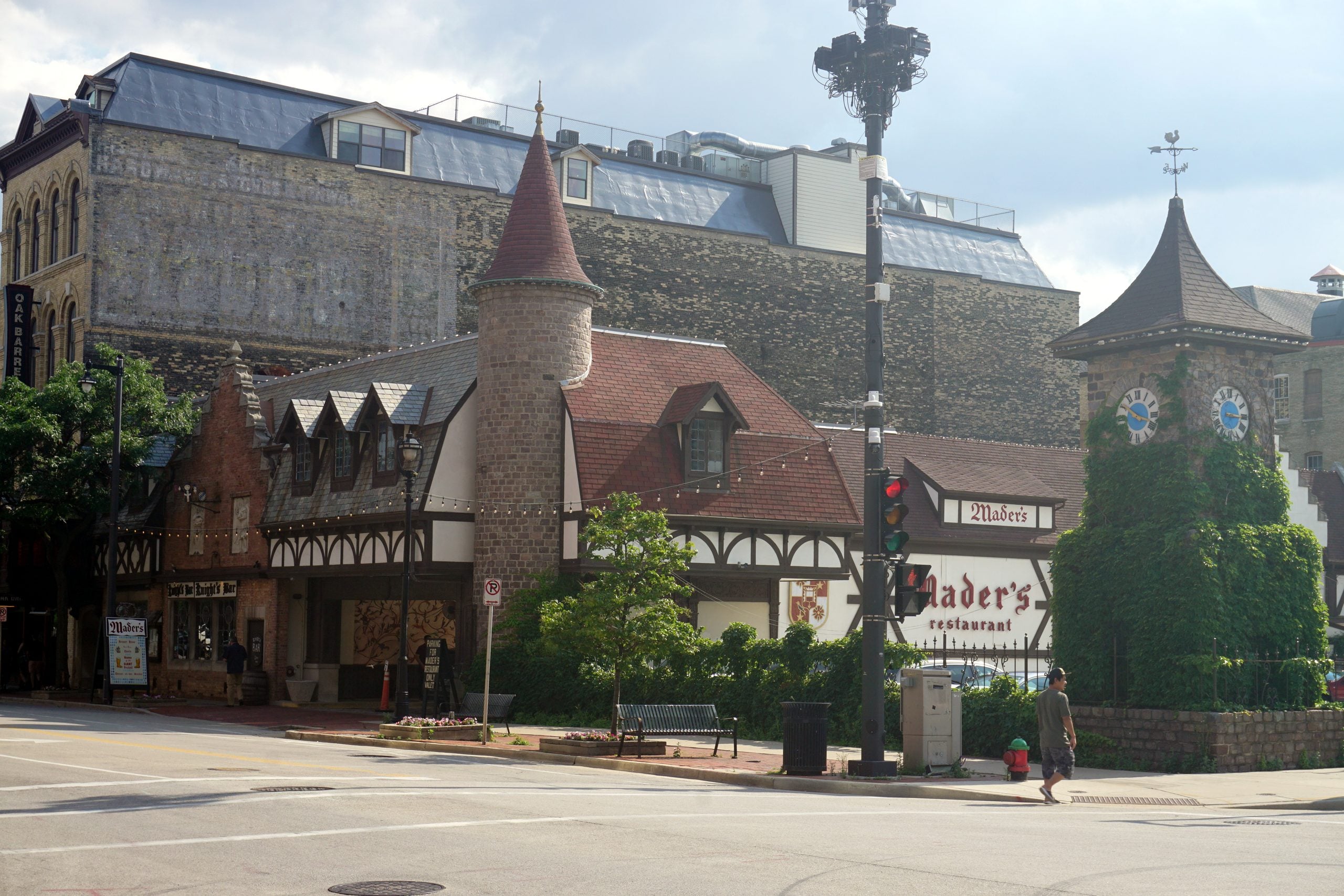
Milwaukee’s German heritage is alive and well at Mader’s, which has been serving diners since 1902. Founded by Bavarian immigrant Charles Mader, the restaurant has maintained its old-world character through generations of family involvement. The menu features German favorites, including sauerbraten, schnitzel, and Bavarian specialties, while the dining rooms are decorated with suits of armor and antique furnishings. It’s more of a special-occasion destination than a quick, inexpensive meal, but lunch portions offer another way to experience this longtime Milwaukee institution.
The Berghoff – Chicago, Illinois
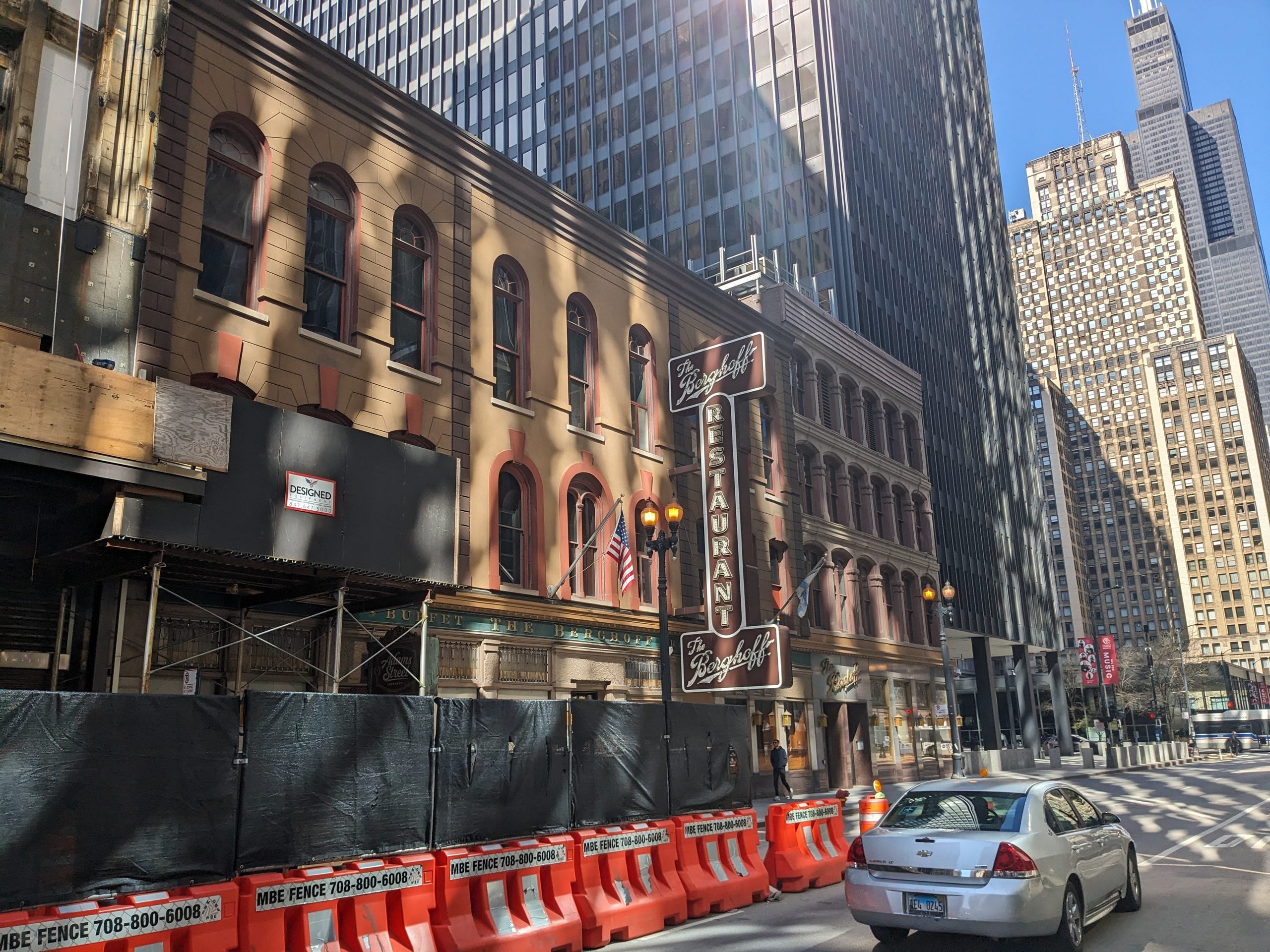
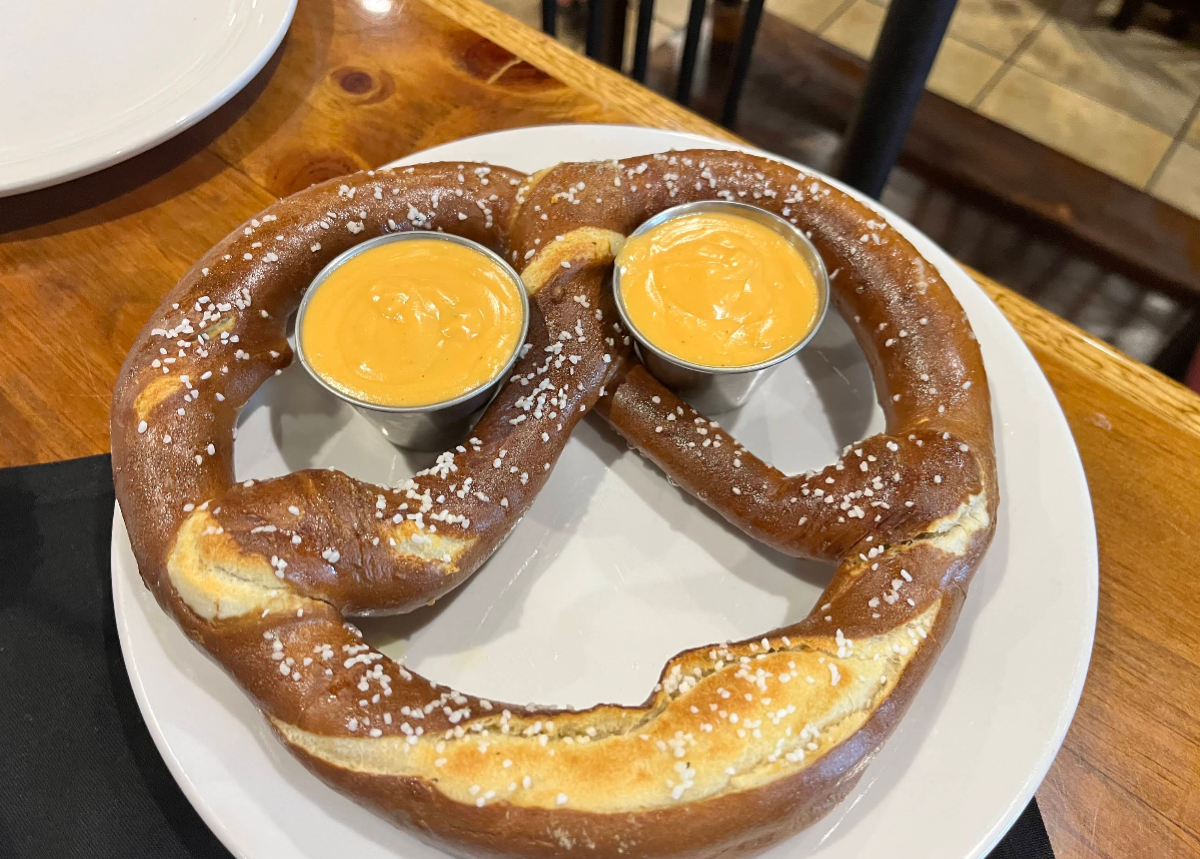
Opening in 1898, The Berghoff has witnessed more than a century of changes in downtown Chicago while keeping German cooking at the center of its identity. Diners can still order bratwurst, sauerkraut, potato pancakes, and other familiar specialties alongside contemporary American dishes. The restaurant also serves Bavarian pretzels with house-made beer cheese and traditional sides. One thing worth knowing is that the menu includes plenty of non-German options, and a 3.5% surcharge is added to checks, so the final bill may be higher than expected.
Schmidt’s Sausage Haus – Columbus, Ohio
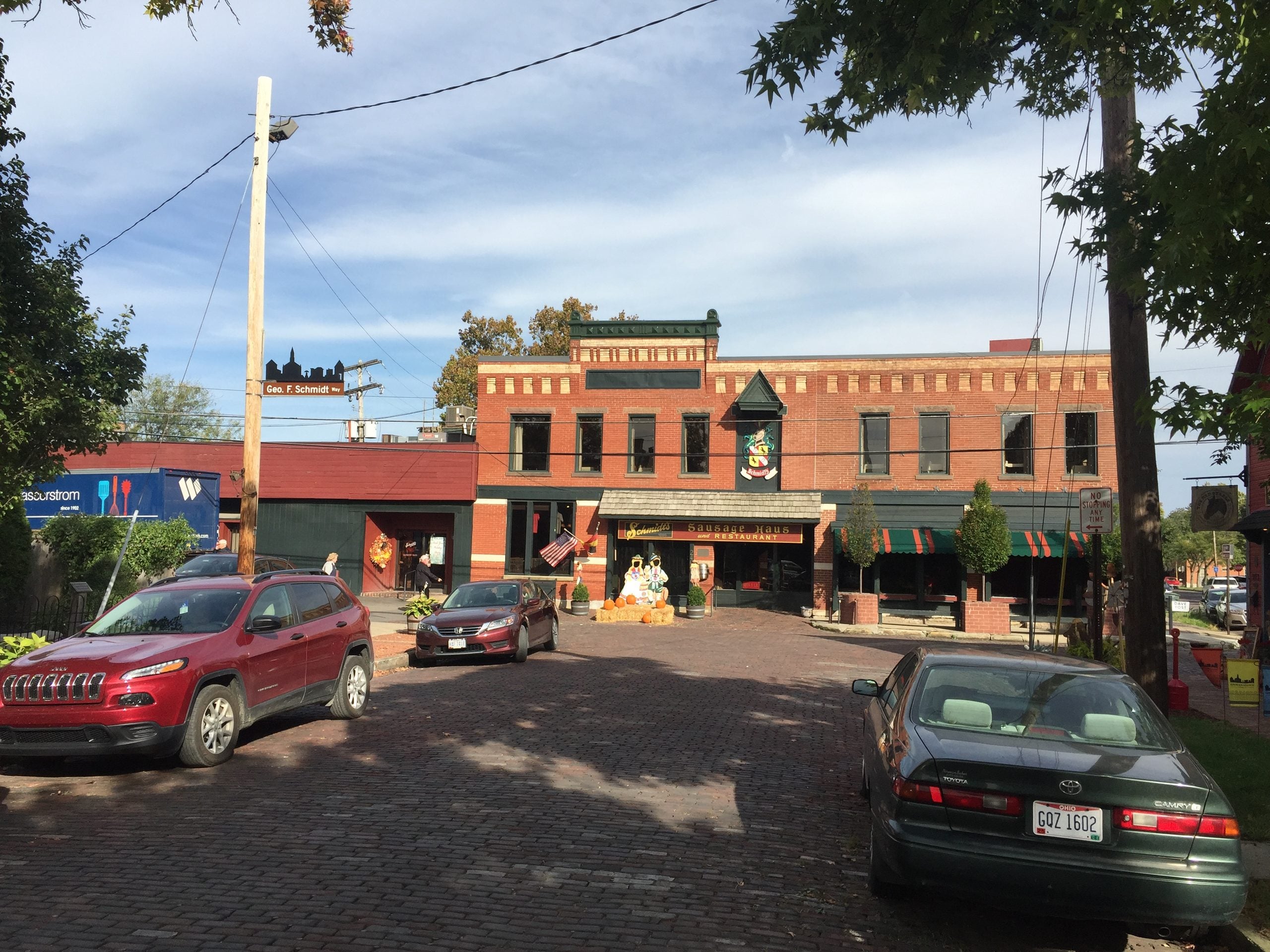
Few restaurants make sausage quite as central to the experience as Schmidt’s Sausage Haus in Columbus’ German Village. The family’s sausage-making roots stretch back to 1886, and its restaurant has been a neighborhood fixture for decades. The signature Bahama Mama, a spicy smoked sausage, remains a popular choice, while the sausage sampler lets diners try several varieties without committing to just one. Save room for the enormous cream puffs, which have become nearly as recognizable as the sausages. The restaurant doesn’t accept reservations, so busy periods can mean waiting.
The Rathskeller – Indianapolis, Indiana
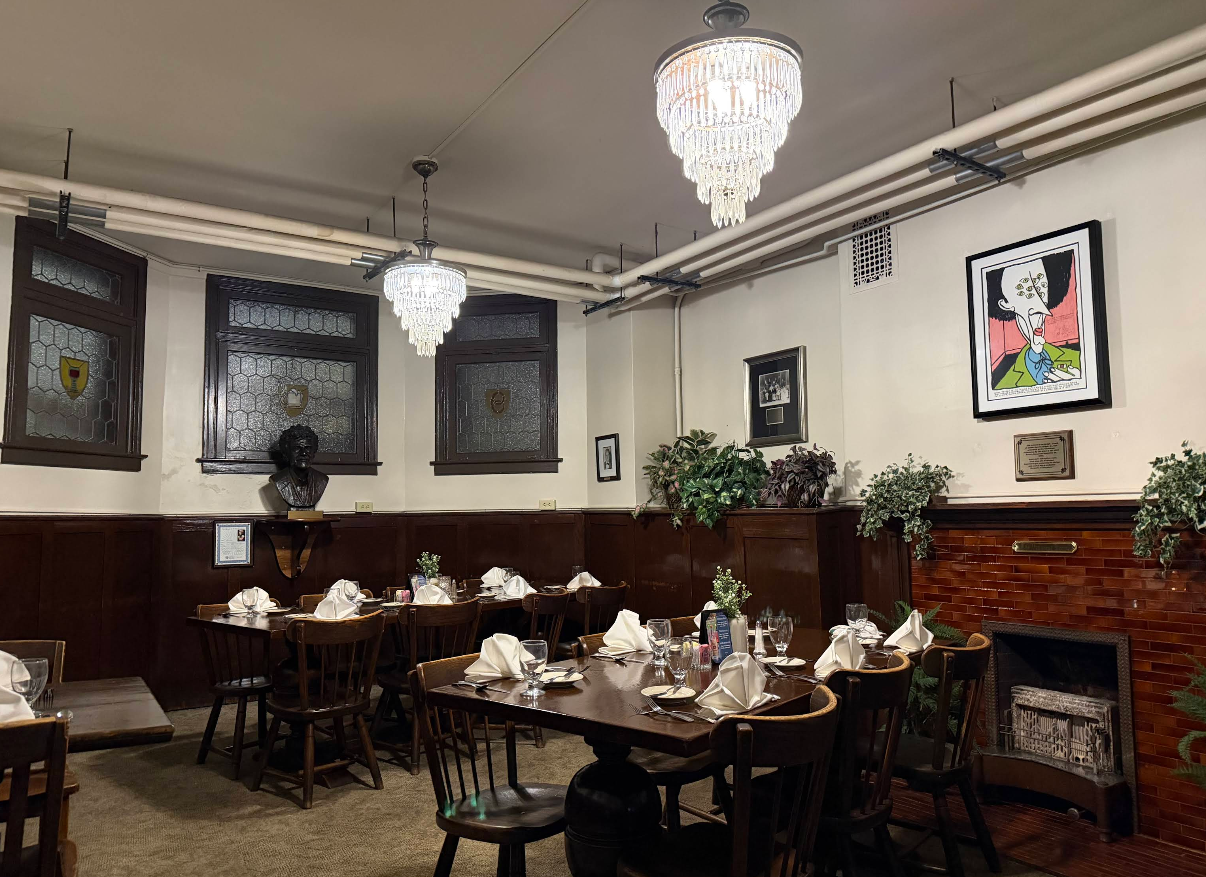
Housed inside Indianapolis’ historic Athenaeum building, The Rathskeller offers German cooking in a setting that feels far removed from an ordinary restaurant. The building dates to the 1890s, and its architecture reflects the city’s German-American heritage. The menu includes sauerbraten marinated for five days, beef rouladen, bratwurst, and several varieties of schnitzel. There’s also a beer garden and live entertainment on selected evenings. Traditional entrees generally cost around $30 or more, making this a better choice for a leisurely dinner than a budget lunch.
Kegel’s Inn – West Allis, Wisconsin
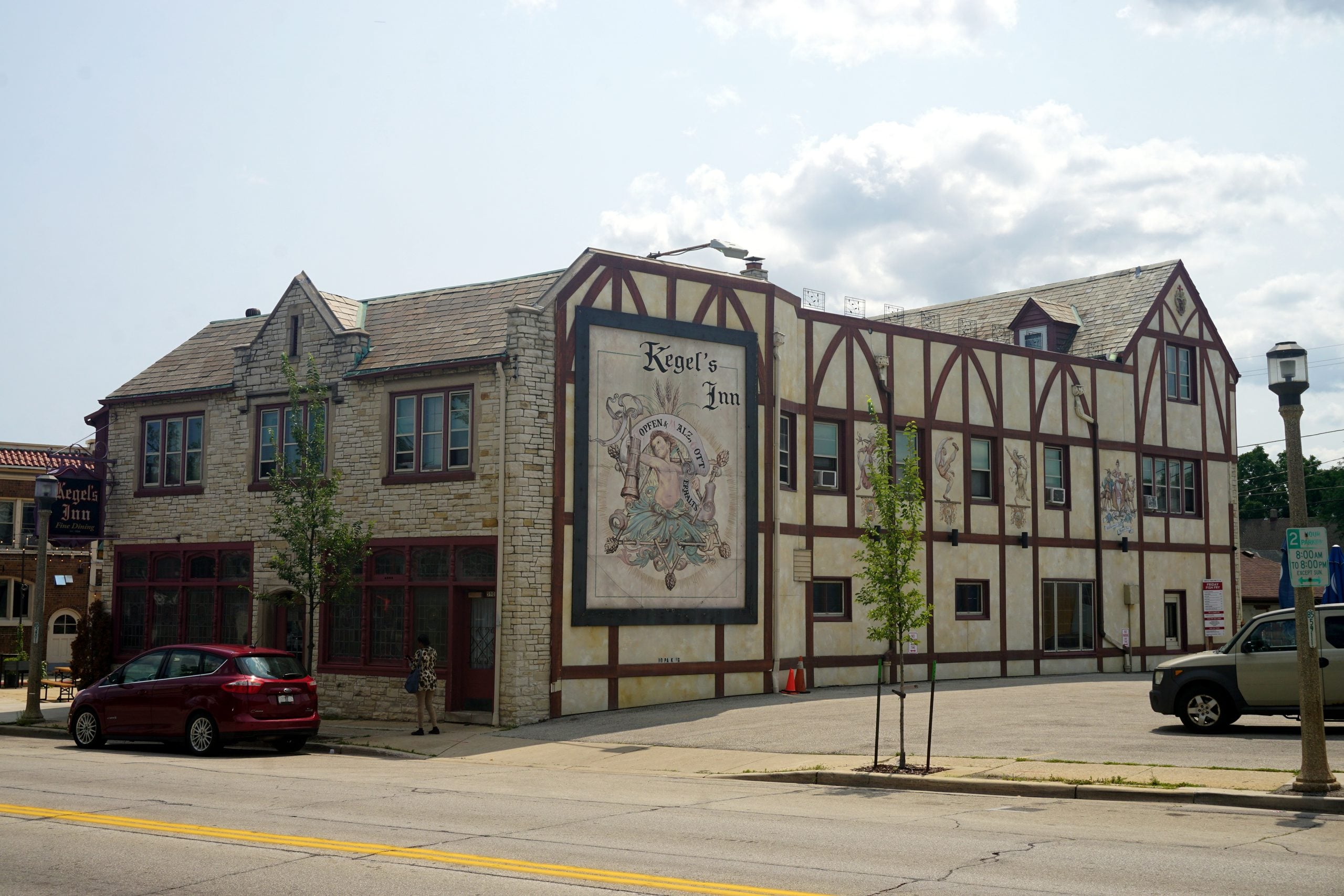
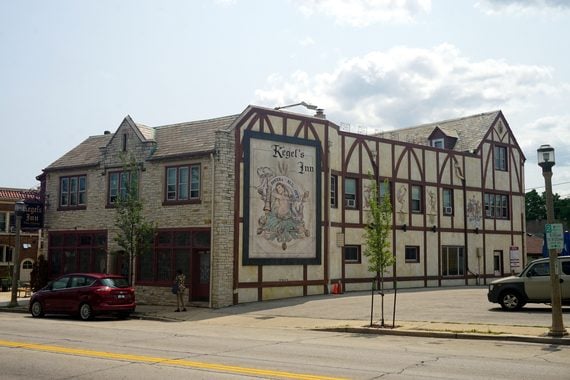
Kegel’s Inn began during Prohibition in 1924, operating as a soda parlor before developing into a German restaurant known for hearty meals and Wisconsin hospitality. Its historic building still features traditional details, while the kitchen serves schnitzel, house-made spaetzle, sausages, and other German specialties. The Friday fish fry has become a local tradition in its own right. However, visitors hoping for the full German menu should choose another day, since several classic entrees aren’t offered on Fridays. The beer garden provides another reason to visit when the weather cooperates.
Trending on Cheapism


Heidelberg Restaurant – New York, New York
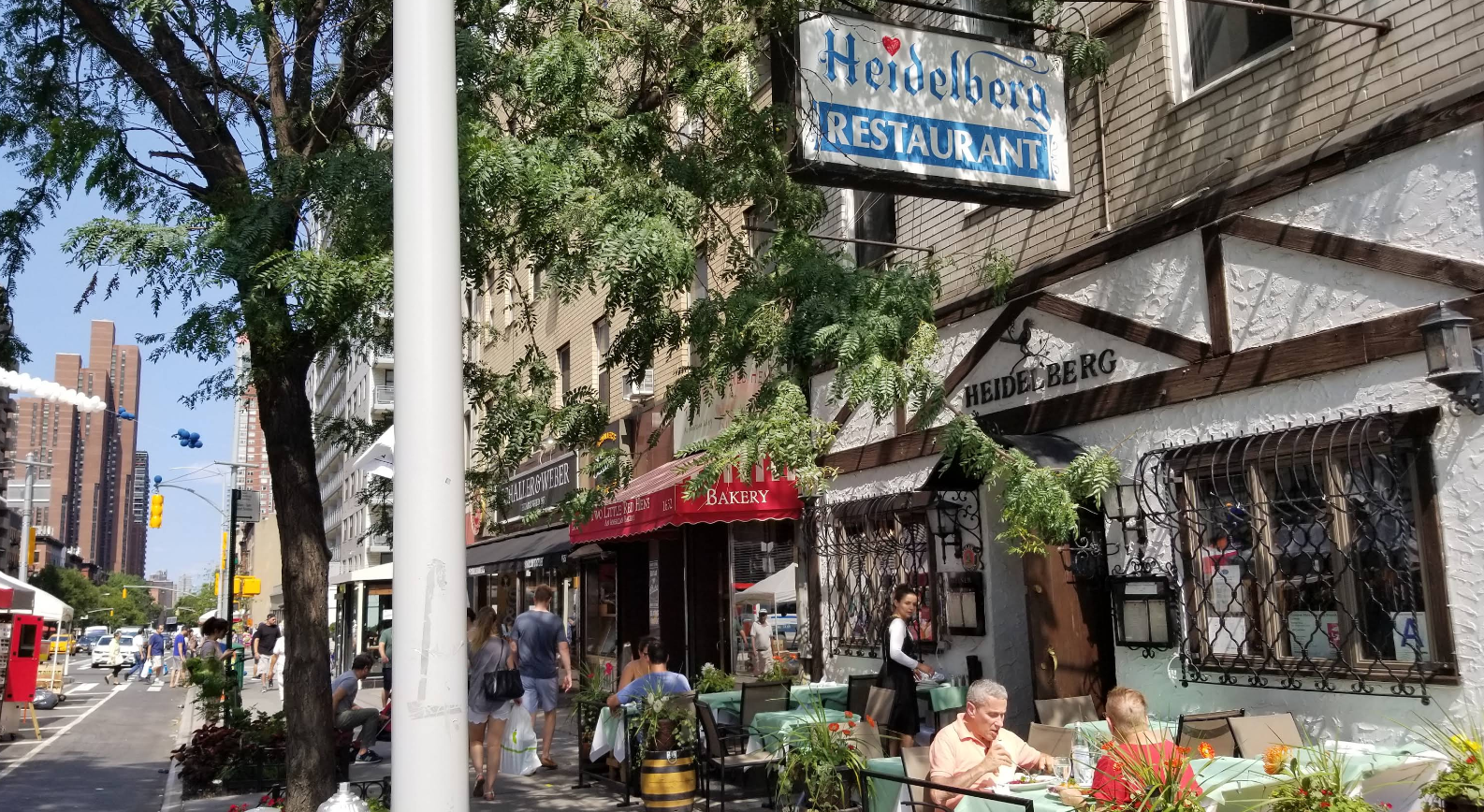
Manhattan’s Yorkville neighborhood once had so many German businesses that parts of the area were known as German Broadway. Most of those establishments have disappeared, but Heidelberg Restaurant continues serving the kind of food that made the neighborhood famous. The family-run restaurant traces its history back more than a century and retains an old-fashioned interior. Expect substantial portions of traditional German dishes, including sausages, pork specialties, and comforting sides. For diners interested in New York’s immigrant history, the setting is almost as significant as the meal.
Laschet’s Inn – Chicago, Illinois
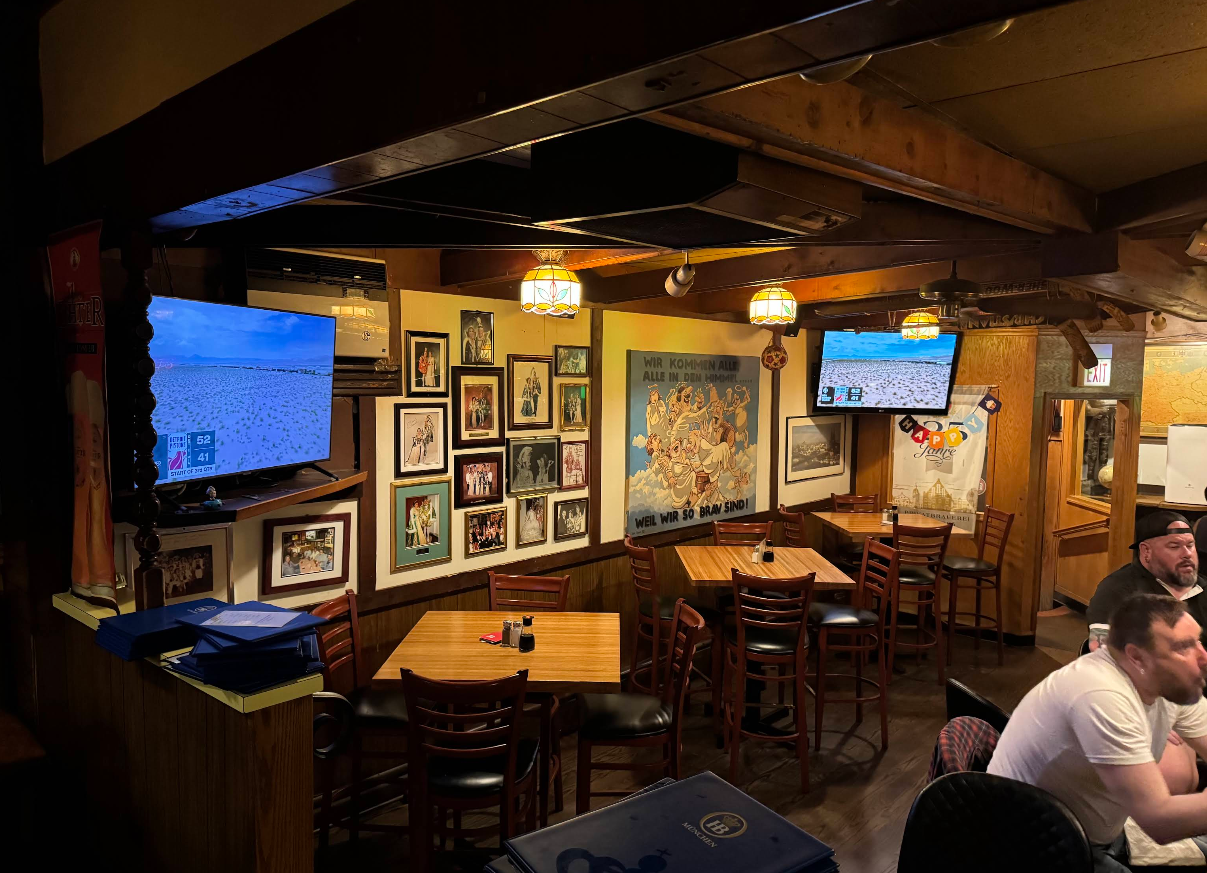
Laschet’s Inn offers a different kind of German dining experience from Chicago’s larger historic restaurants. The neighborhood tavern became a gathering place for German-American residents under Karl Laschet in the 1970s, and a full kitchen was added in 2000. Its menu continues to feature German comfort food, including schnitzel and other hearty specialties associated with home cooking. The atmosphere is more relaxed than formal, making it appealing for an unhurried meal. It’s worth checking the current menu and hours before visiting, especially if you’re hoping for a particular dish.
Cafe Berlin – Washington, D.C.
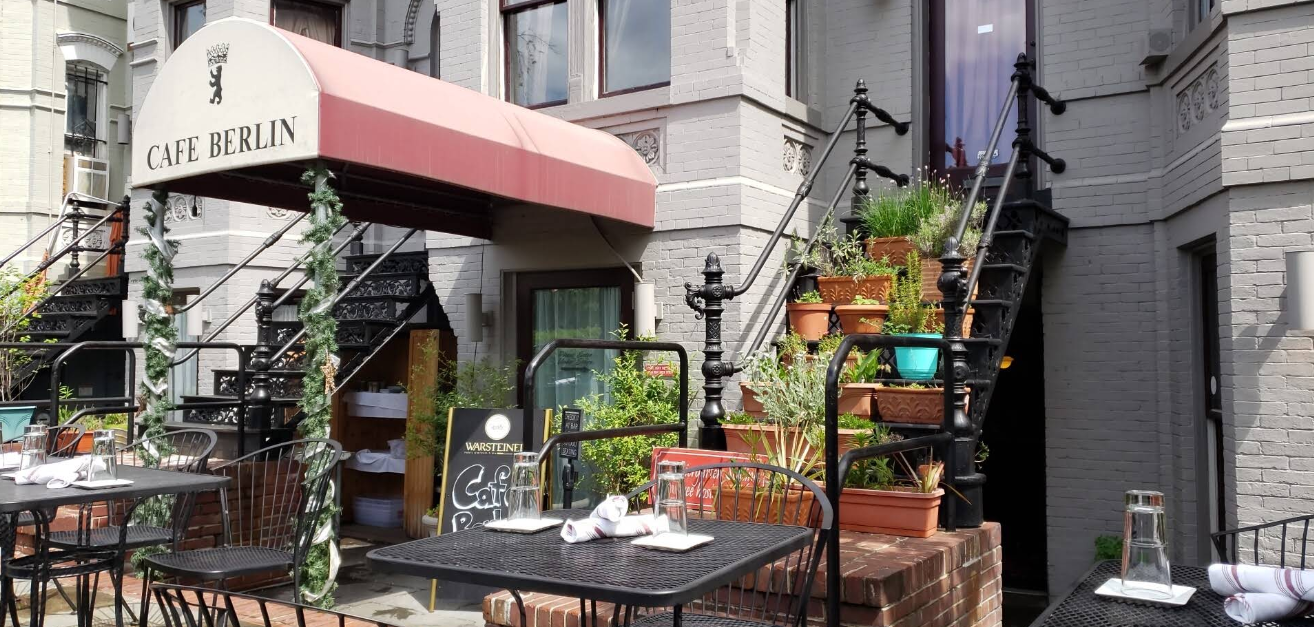
Just a short distance from the U.S. Capitol, Cafe Berlin has been serving German food since 1985. Its menu goes well beyond the usual bratwurst and pretzels, with dishes such as slow-braised sauerbraten, roasted pork shank, potato dumplings, and Swabian-style pasta pockets. Many items are prepared from scratch, and seasonal offerings keep the menu interesting without abandoning traditional cooking. Prices can climb for larger meat entrees, but smaller plates and happy-hour selections provide more affordable ways to sample the kitchen’s German specialties.
Sign up for our newsletter
Bavarian Inn Restaurant – Frankenmuth, Michigan
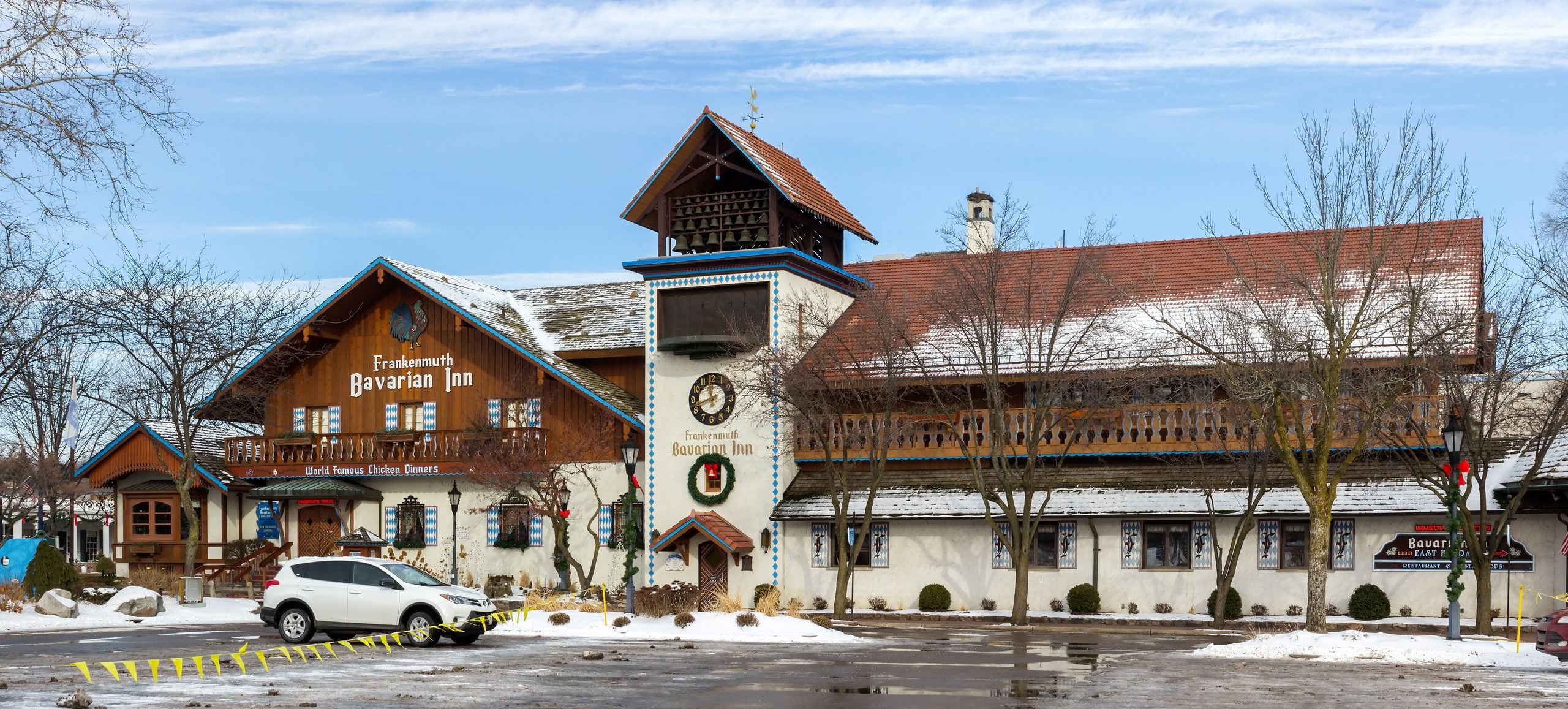
Frankenmuth has built much of its identity around Bavarian traditions, and the Bavarian Inn Restaurant plays a major role in that history. Its roots reach back to the 19th century, although the restaurant’s modern identity developed under the Zehnder family. The famous family-style chicken dinners are a German-American tradition rather than a classic Bavarian dish, but the menu also includes schnitzel and sauerbraten. The generous shared meals and old-fashioned dining rooms make it especially suitable for family gatherings. Just remember that the experience can be more elaborate than a quick restaurant stop.
Friedhelm’s Bavarian Inn – Fredericksburg, Texas
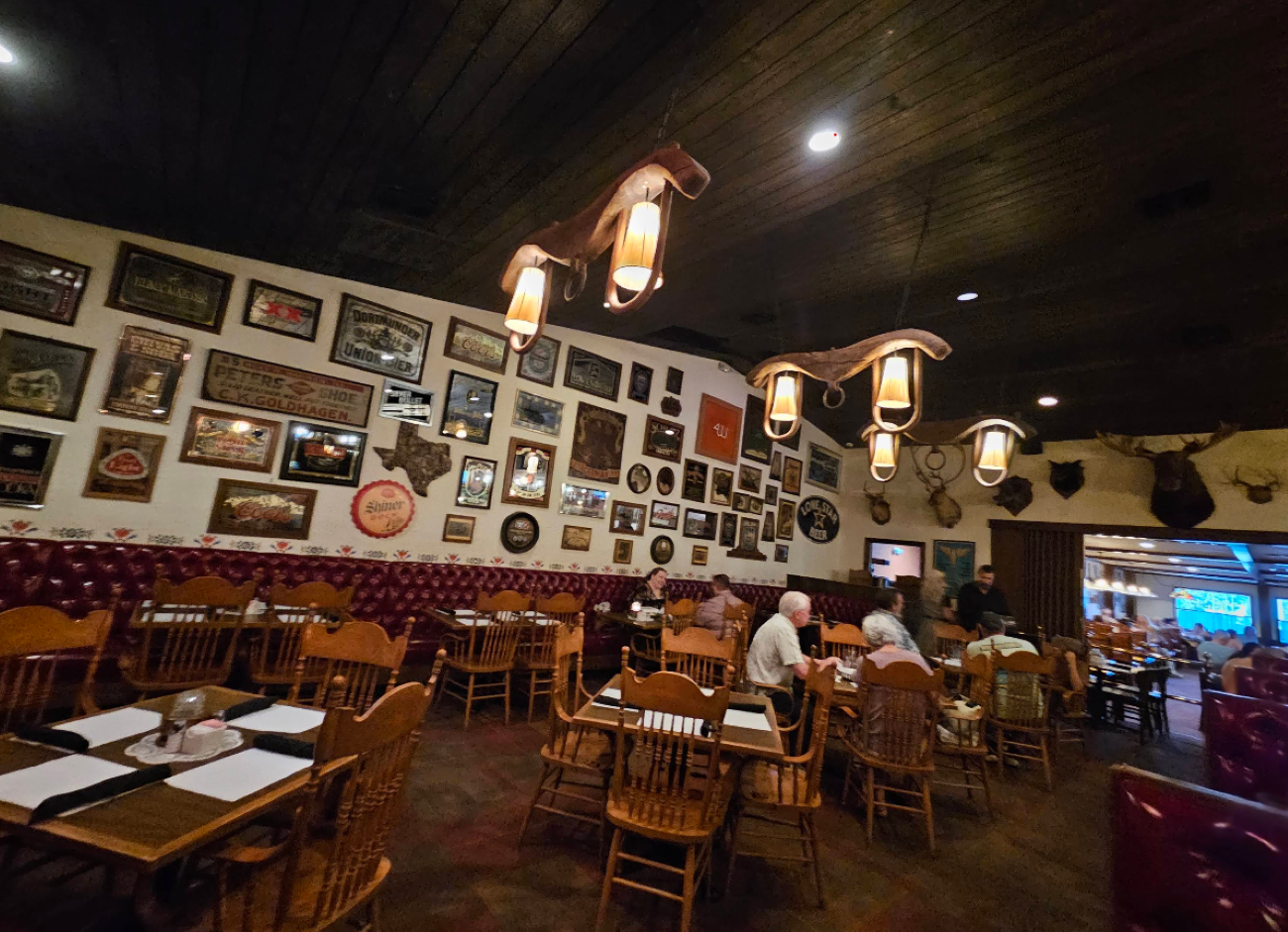
Texas Hill Country might seem like an unexpected place for Bavarian cooking, but Fredericksburg’s German roots run deep. Friedhelm’s Bavarian Inn has been serving traditional recipes since 1978, offering hearty meat dishes and German specialties in rustic dining rooms. The restaurant also serves steaks, reflecting the blend of German and Texas tastes found throughout the region. It’s a comfortable choice for travelers who want something different from barbecue or Tex-Mex. Keep in mind that the restaurant closes briefly between afternoon and evening service, and it’s not open every day.
Der Lindenbaum – Fredericksburg, Texas
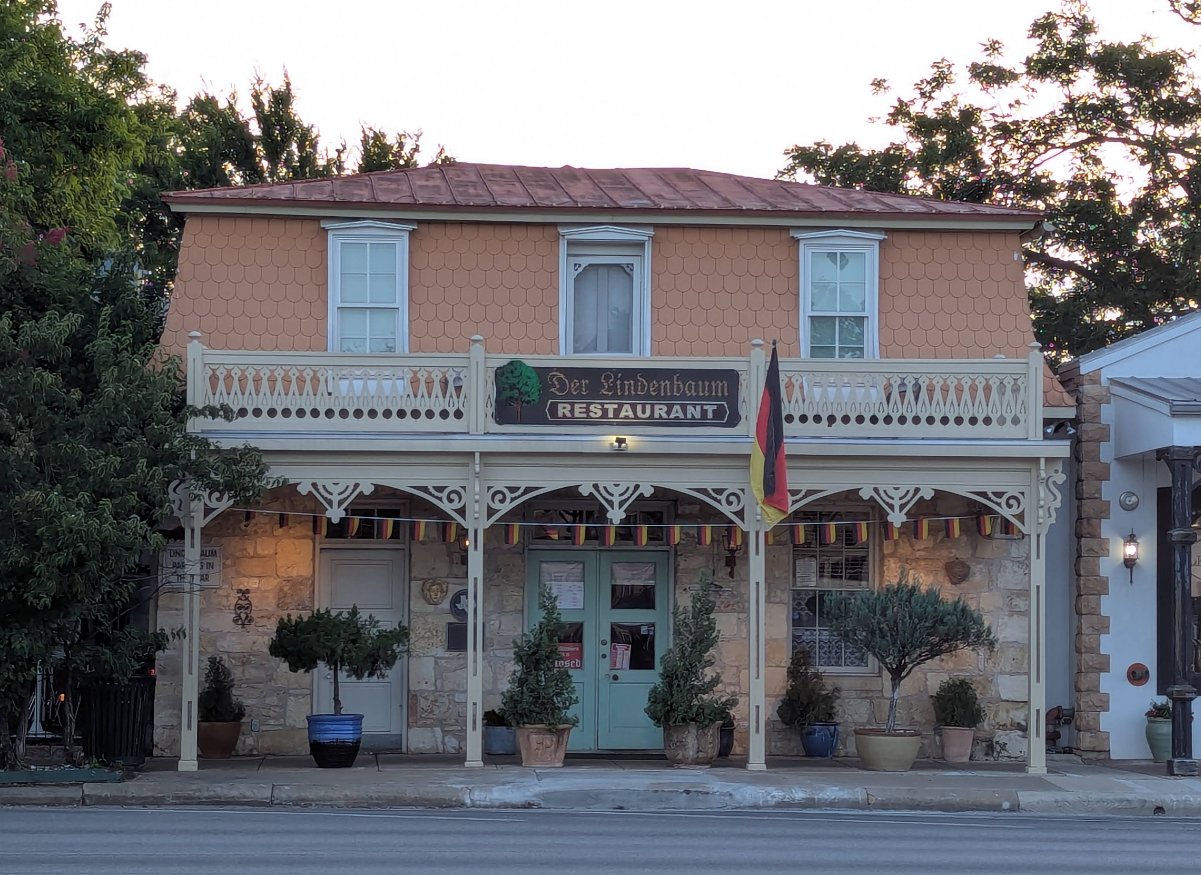
Der Lindenbaum takes a quieter approach to German dining than some of Fredericksburg’s more tourist-oriented restaurants. Located inside a historic limestone building, it began as a bakery before expanding into a restaurant serving traditional dishes. Schnitzel, sausage platters, beef goulash, and German potato salad remain central to the experience, while homemade cakes offer a sweet finish. Recent diners have praised the familiar flavors, although some mention a limited selection or slower service. For visitors looking for a straightforward meal without elaborate entertainment, its old-fashioned approach has appeal.
Bodensee Restaurant – Helen, Georgia
Helen may resemble a Bavarian village, but Bodensee Restaurant offers more than themed surroundings. Chef Aurel Prodan previously worked in Bavaria and Baden-Wurttemberg, bringing experience with German regional cooking to this family-owned restaurant. The menu includes schnitzel, sauerbraten, sausages, spaetzle, and red cabbage, with substantial portions suited to a leisurely lunch or dinner. Visitors frequently mention the traditional dishes and generous servings, although experiences with service can vary. The restaurant doesn’t currently accept reservations, so arriving early may help avoid a long wait during Helen’s busy Oktoberfest season.