Hotel guests choose their accommodations based on comfortable rooms, available amenities, and locations. For some, however, the reputation of the hotel’s restaurant is also a key factor in their decision. From kitchens that helped popularize iconic dishes to historic hotel restaurants that have shaped culinary trends, drawing on information from sources like Historic Hotels of America, we’ll reveal a selection of historic hotels renowned for their exceptional cuisine!
Omni Parker House – Boston, Massachusetts
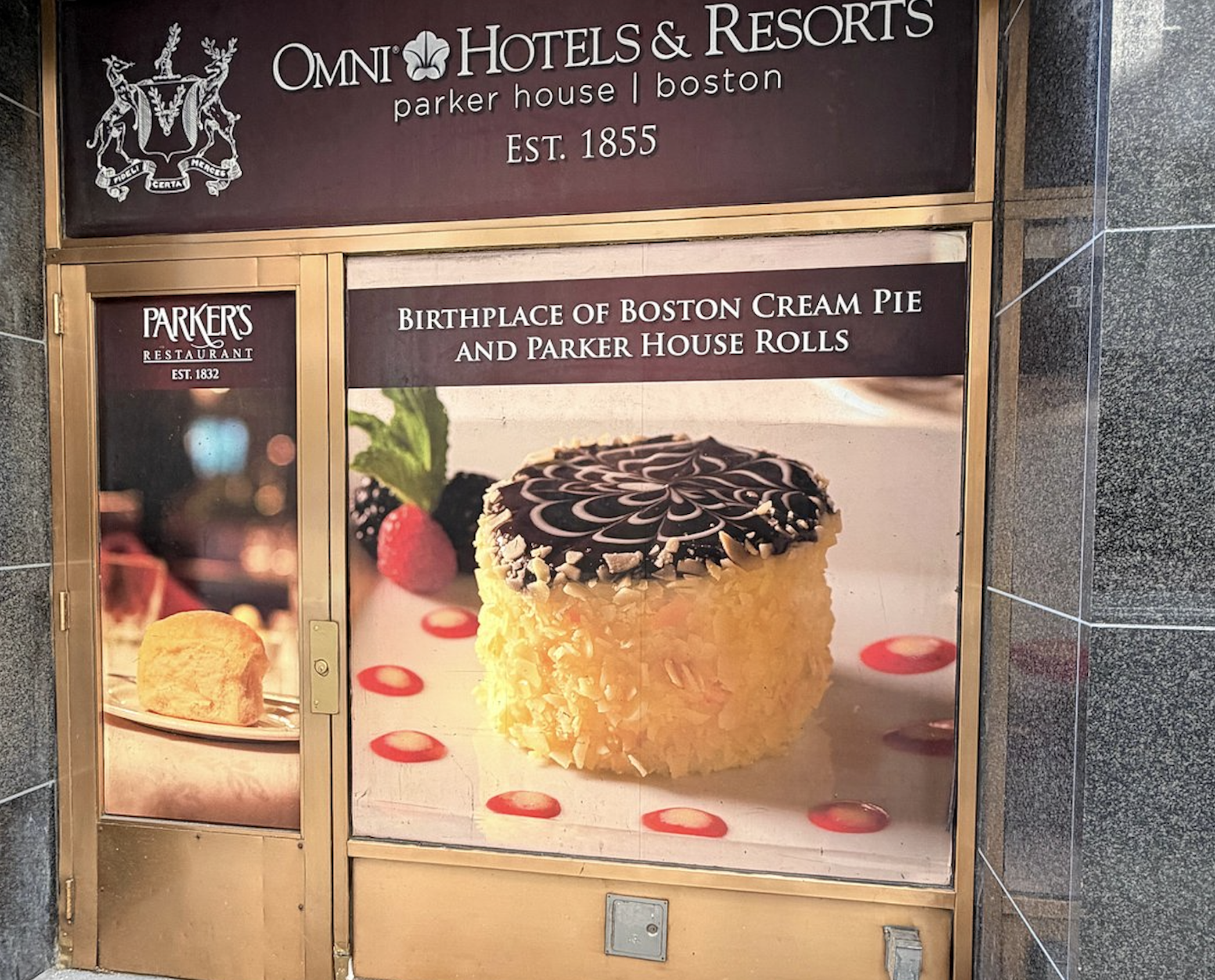
The Omni Parker House in Boston, Massachusetts, is the hotel where two American culinary classics were born. Parker House rolls and Boston cream pie are two major contributions to American cuisine that have come from this hotel since 1855. The original version of the Boston cream pie is a cake layered with custard and finished with chocolate. Meanwhile, one of these this historic hotel restaurants maintains the buttery dinner rolls much the same.
The Brown Hotel – Louisville, Kentucky
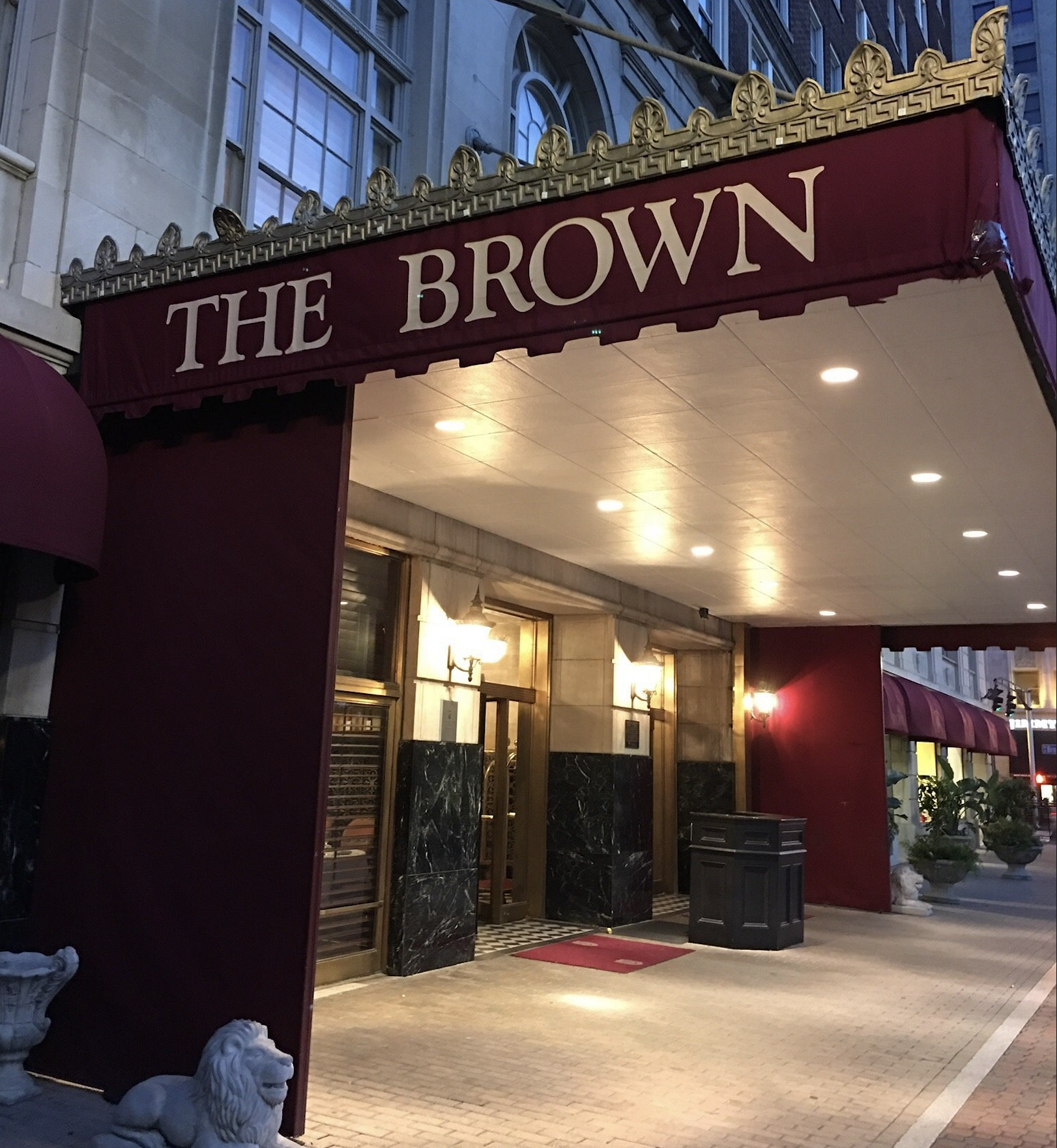
The original Hot Brown originated at The Brown Hotel in Louisville, Kentucky. This hotel became a social destination during the 1920s, and in 1926, Chef Fred Schmidt created the ‘Hot Brown’, an open-faced turkey sandwich topped with Mornay sauce, bacon, and tomato. The hotel reports having served more than 1.5 million ‘Hot Browns’ throughout its history. Among historic hotel restaurants, this establishment is famous for its contribution to American sandwich culture.
Palmer House – Chicago, Illinois
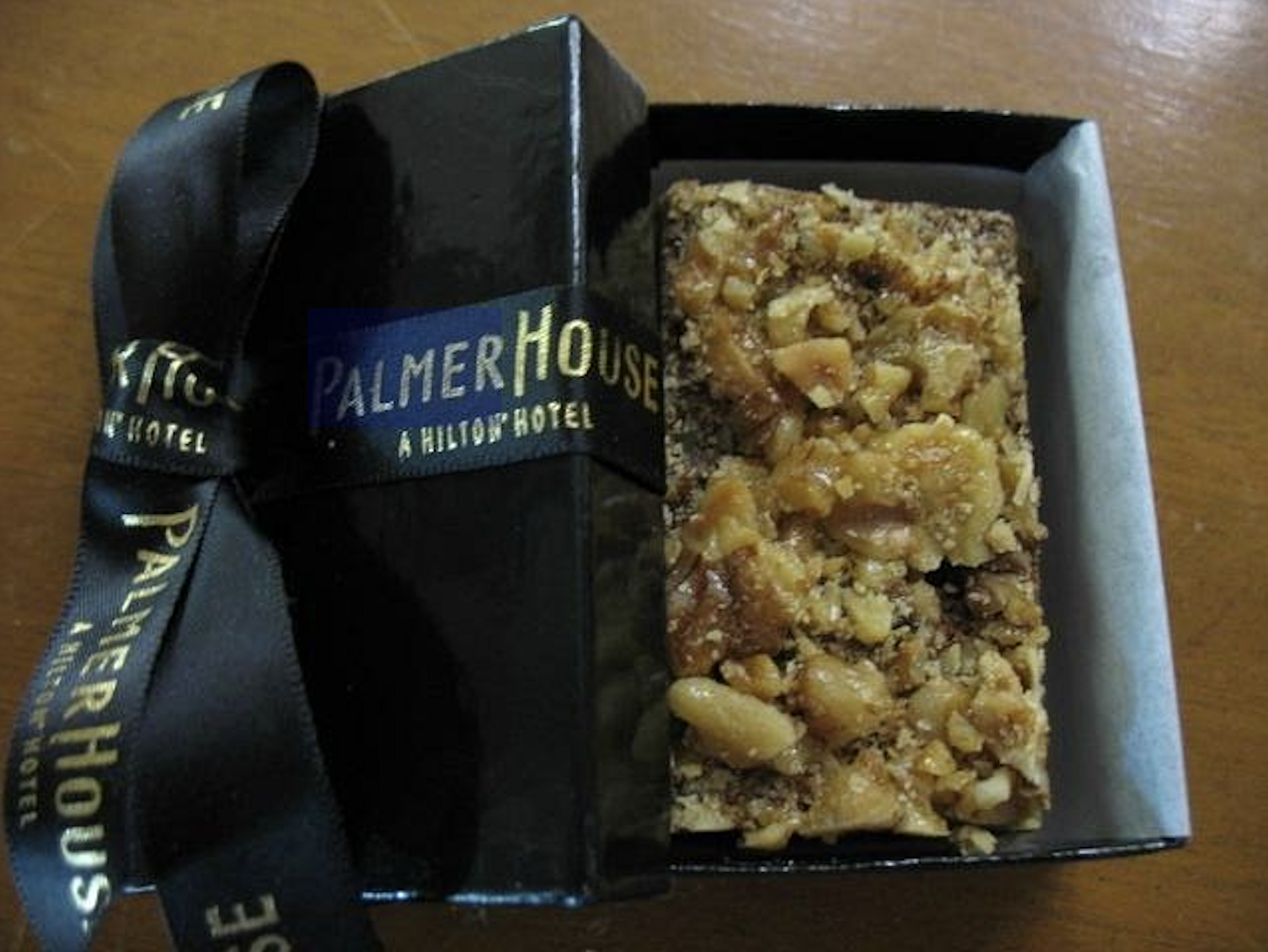
The hotel that contributed to the brownie craze was the Palmer House. This establishment in Chicago, Illinois, is linked to the 1893 World’s Columbian Exposition, for which Bertha Palmer requested the creation of a portable chocolate dessert suitable for event attendees. And thus, the first brownie emerged, featuring a dense chocolate base, walnuts, and a sweet apricot glaze. Even today, the hotel continues producing its historic version according to Historic Hotels of America.
Palace Hotel – San Francisco, California
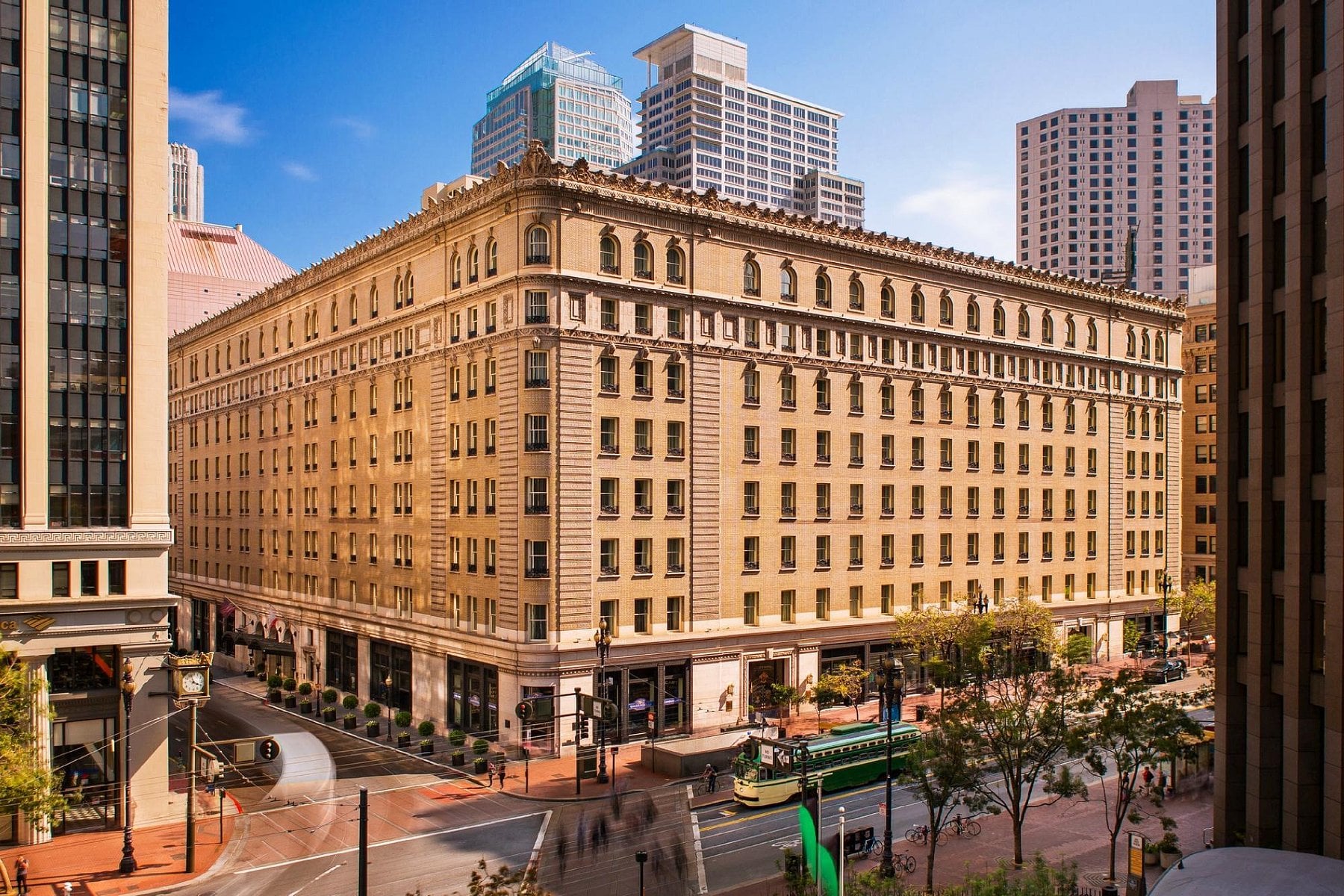
Green Goddess dressing was created at the Palace Hotel in San Francisco, California. The hotel’s Garden Court restaurant, which had to be rebuilt following an earthquake in 1906, was the restaurant where the dressing was created for a 1923 banquet honoring the actor George Arliss and then evolved into a crab salad. That original version was eventually replaced by a contemporary one, in which the dish incorporates fresh greens and Dungeness crab. The story of this creation helps distinguish historic hotel restaurants that have influenced American dining traditions.
Grand Hotel – Mackinac Island, Michigan
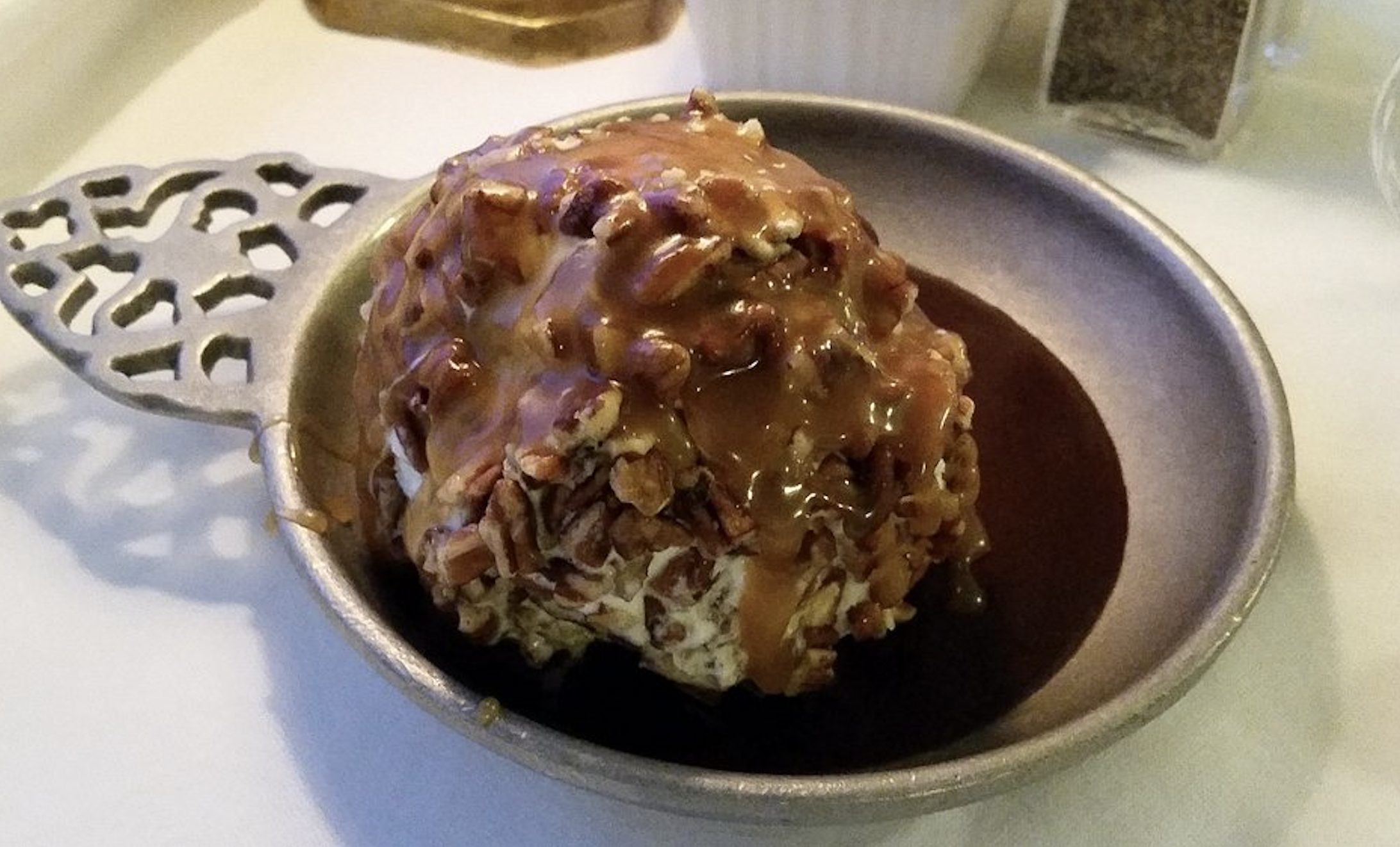
The Grand Hotel on Mackinac Island, in Michigan, is famous for its elaborate dining offerings, where meals are an integral part of the hotel’s luxurious experience. In 1947, the hotel’s kitchen introduced the ‘Grand Pecan Ball’, which was vanilla ice cream rolled in roasted pecans and topped with house-made chocolate sauce, a dessert that reportedly sells more than 60,000 units per year. It is another example of how historic hotel restaurants preserve distinctive culinary specialities.
Trending on Cheapism


The Broadmoor – Colorado Springs, Colorado
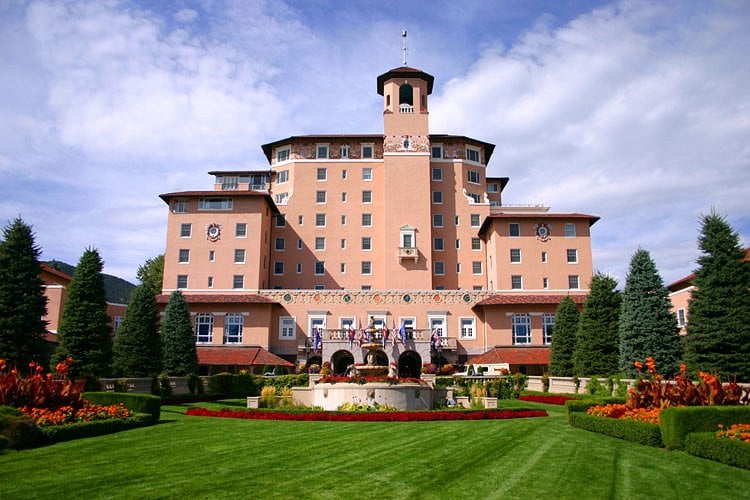
For over a century, The Broadmoor has showcased its culinary excellence, a legacy that includes the work of Chef Louis Stratta, who spent decades at the resort. His signature dishes, such as tableside Beef Wellington and flambéed Baked Alaska, remain signature dishes at the resort. The Broadmoor demonstrates how historic hotel restaurants can maintain distinctive dinning traditions while adapting their menus over time.
Hotel Du Pont – Wilmington, Delaware
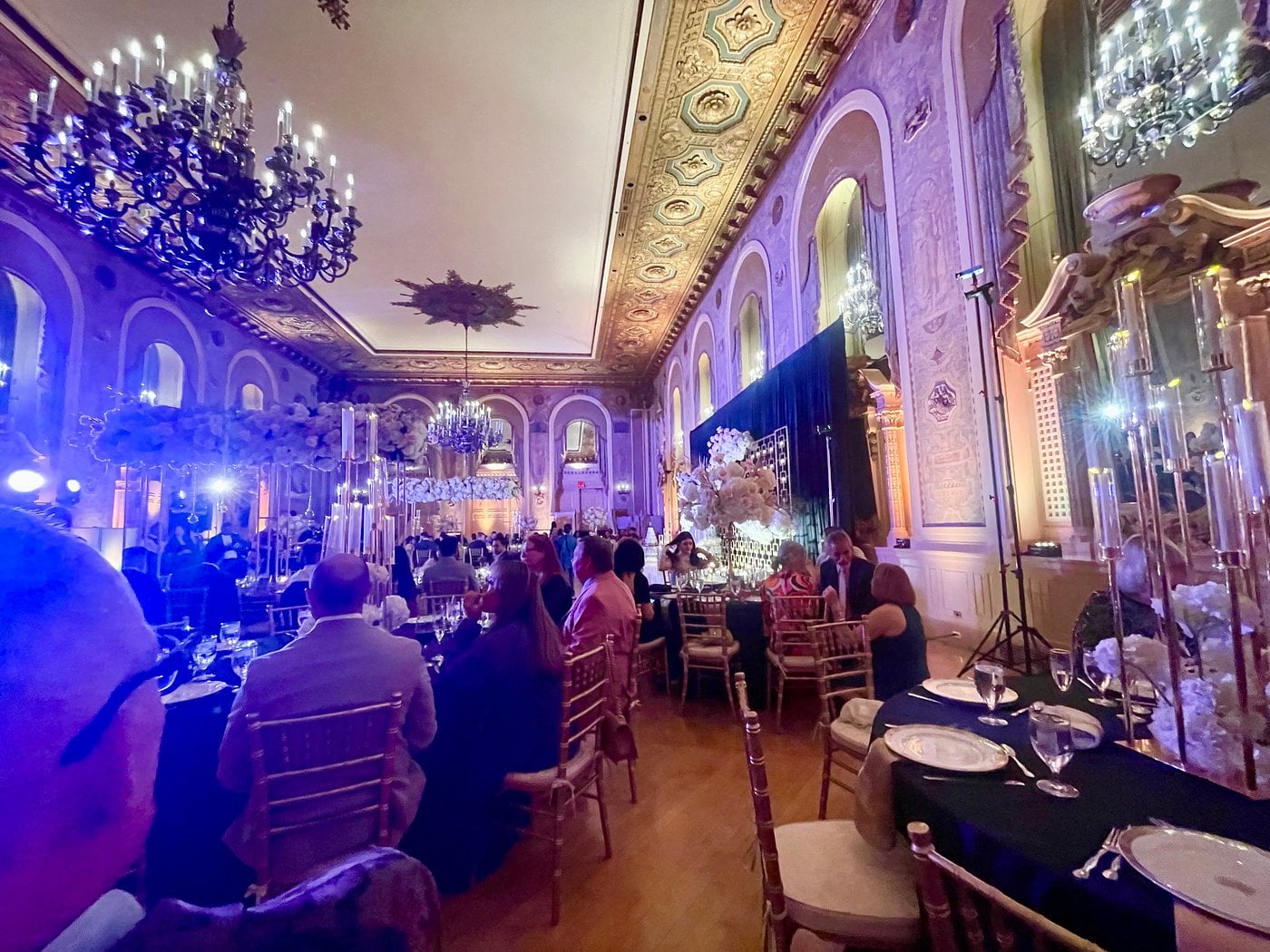
The Hotel Du Pont has built a reputation for formal dining and pastry traditions since opening its doors in 1913. Its restaurant, ‘Le Cavalier at the Green Room,’ sells more than 400,000 almond macaroons annually, made with a four-ingredient recipe that is deeply rooted in the hotel’s heritage. Other offerings, such as those from ‘Spark’d Creative Pastry,’ which include chocolate-dipped versions, are also among the most popular choices.
The Omni Homestead Resort – Hot Springs, Virginia
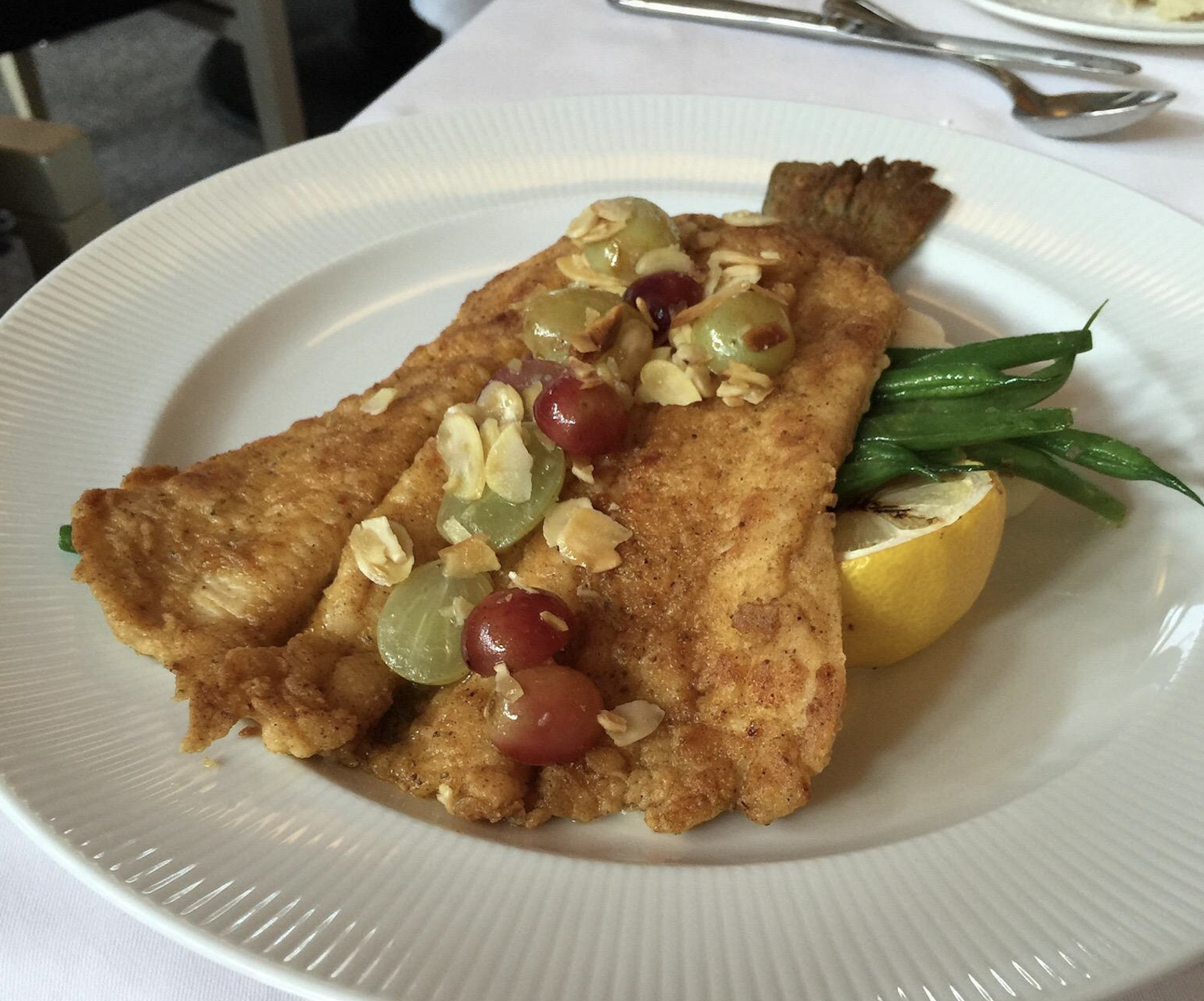
At the Omni Homestead Resort, mountain trout is prepared according to a tradition that emphasizes ingredients from the Allegheny Mountains of Virginia, along with locally raised trout. This cuisine is linked to local food suppliers. The dining experience there appeals to travelers who wish to discover historic resorts and regional American cooking. Like other historic hotel restaurants, the resort highlights the connection between local ingredients and traditional hospitality.
Sign up for our newsletter
Stagecoach Inn – Salado, Texas

The Stagecoach Inn is known for serving hushpuppies, a classic dish that started serving the meal in the 1940s, within a historic restaurant that first opened its doors in 1860. The establishment’s original owners would serve hushpuppies to customers while their ordered meals were being prepared, and as of 2025, the recipe remains a staple on the menu. Historic hotel restaurants like this one demonstrate how simple recipes can become lasting traditions.
Historic Hotel Bethlehem – Bethlehem, Pennsylvania
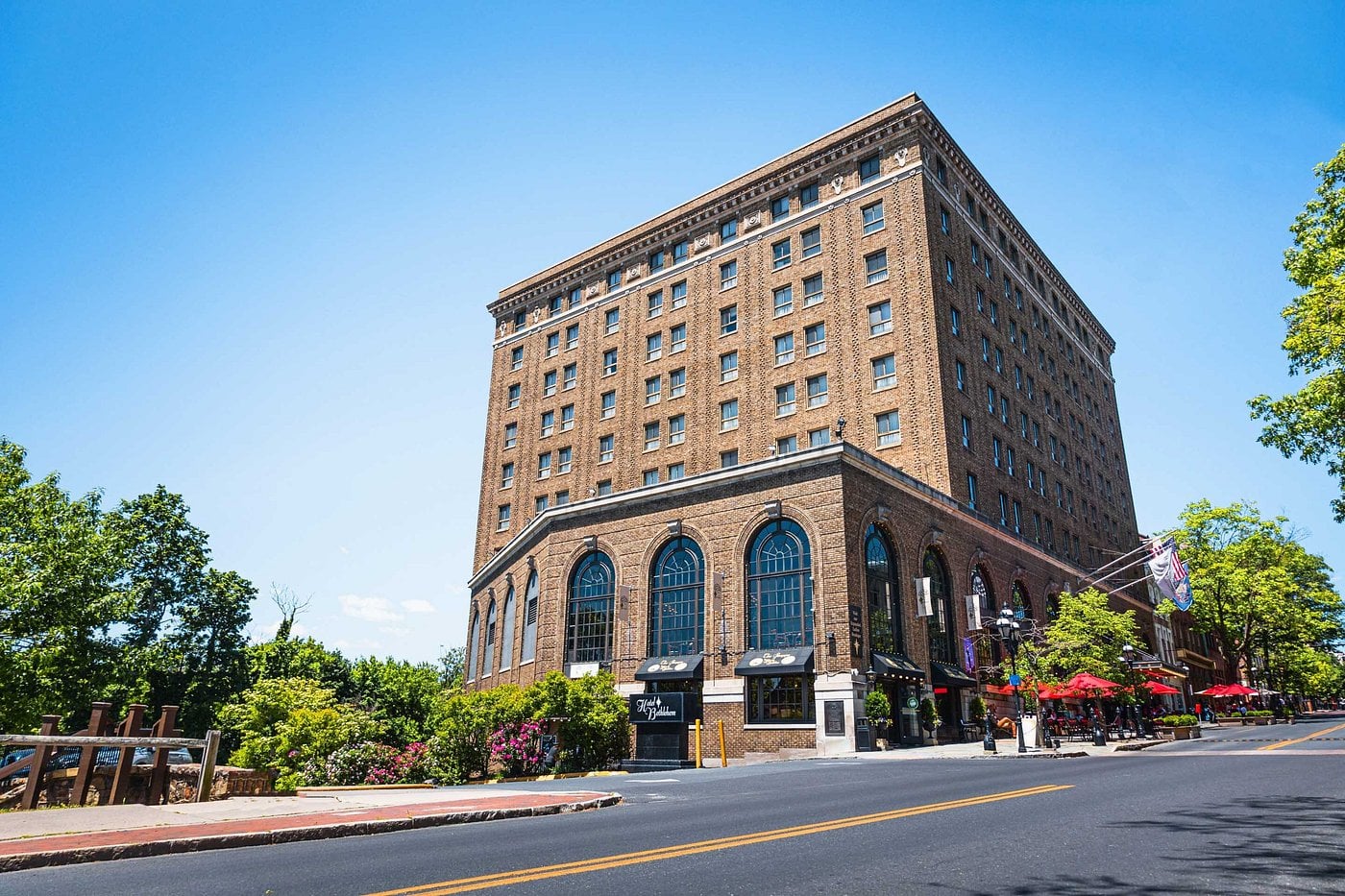
The Moravian Sugar Cake tradition originated when Moravian settlers arrived to the U.s. and then the Historic Hotel Bethlehem in Pennsylvania served them. This hotel, which opened its doors in 1922, embraced its community’s heritage through traditional recipes and regional food customs. This sweet, buttery, cinnamon-topped specialty has been served at the restaurant for over two decades. It is one of the regional specialities that helps distinguish historic hotel restaurants across America.
Omni Severin – Indianapolis, Indiana
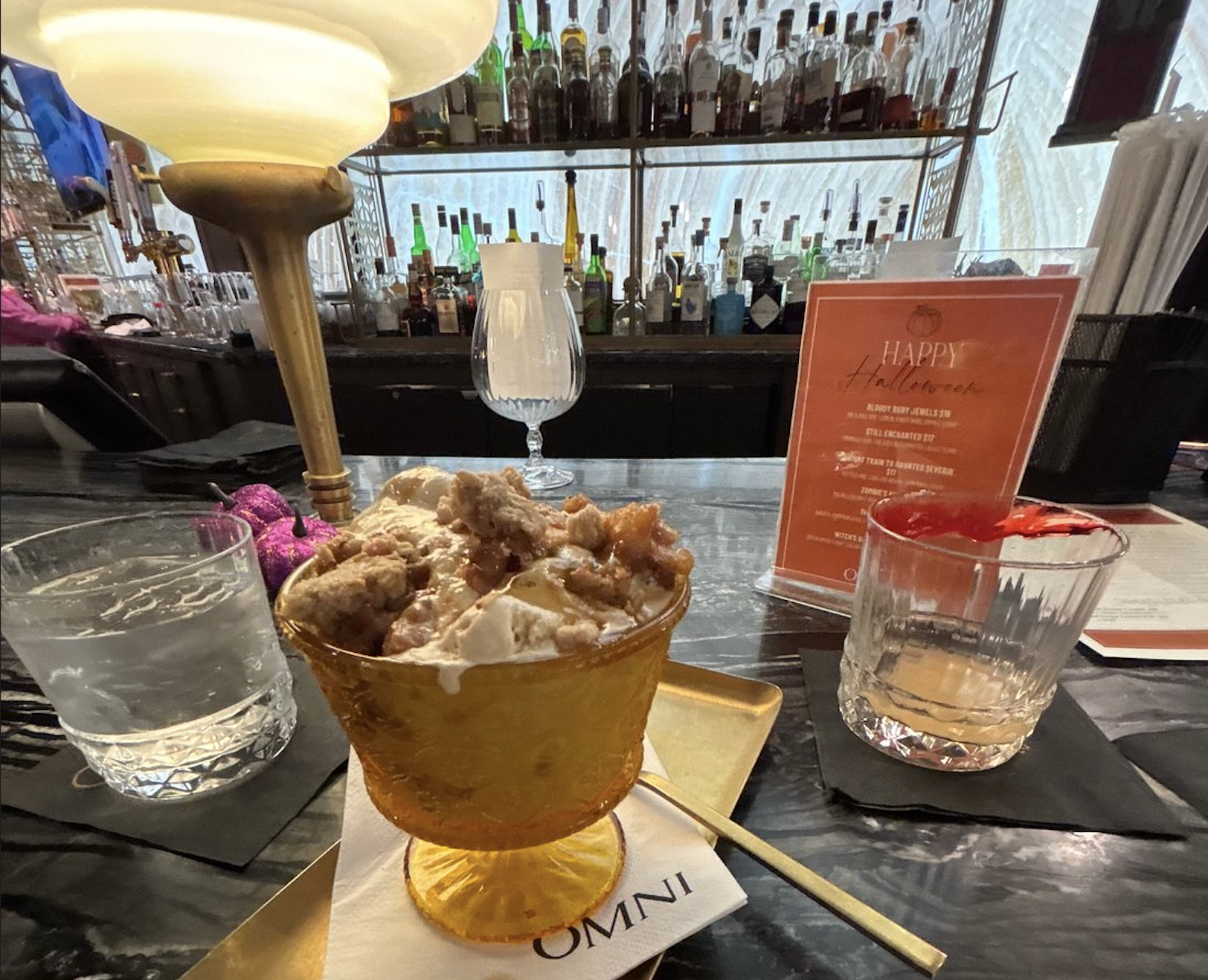
Indiana’s state pie continues to be served at the Omni Severin in Indianapolis. This sugar cream pie, a traditional dessert once made with inexpensive pantry staples, was adapted by the hotel, where it is now served with a bourbon caramel sauce, according to Historic Hotels of America. In 2009, it was honored with a resolution from Indiana State and named as the official state pie. This dessert adds another interesting chapter to the history of historic hotel restaurants.
French Lick Springs Hotel – French Lick, Indiana
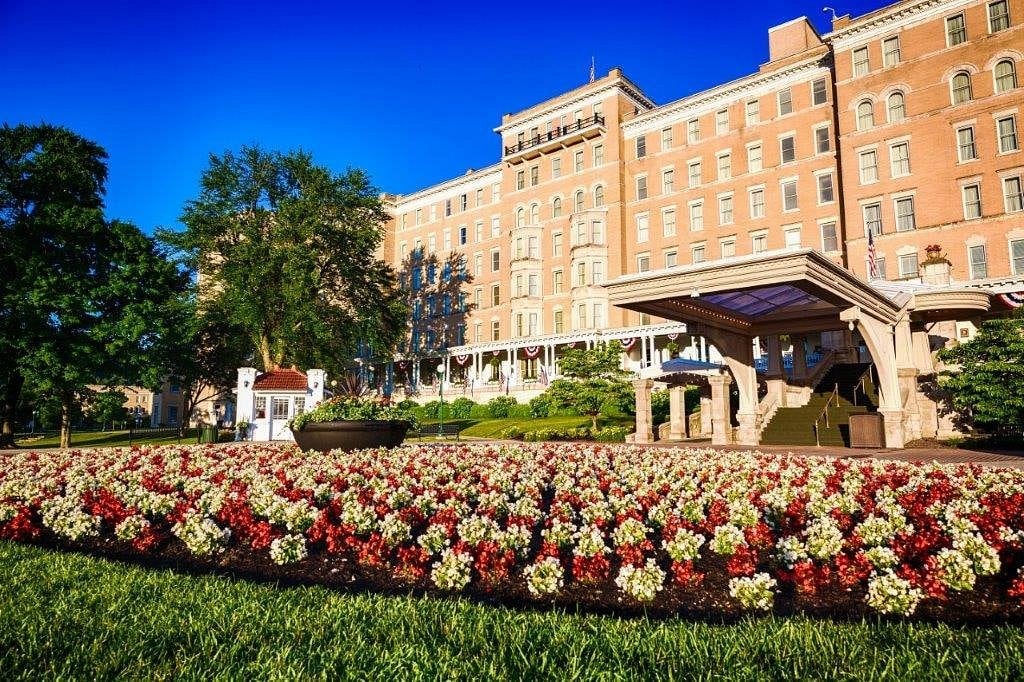
The history of food in the United States was changed by the preparation of breakfast drinks at the French Lick Springs Hotel in Indiana. In 1917, the hotel kitchen reported that it had run out of oranges for breakfast juice. In response, Chef Louis Perrin created a tomato juice beverage, an innovation that proved to be quite significant from that point on. Stories like this demonstrate how historic hotel restaurants have contributed unexpected innovations to American food culture.
Conclusion

Hotel restaurants in the United States have contributed these dishes to the nation’s food culture. From Boston cream pie to Palmer House brownies, these hotel kitchens have established well-known culinary traditions. Consequently, these historic hotel restaurants are often chosen as destinations specifically for the food they prepare.