Hotels might seem pretty straightforward: You check in, get your room key, and hopefully enjoy a good night’s sleep. But behind those neatly made beds and complimentary toiletries are some surprisingly strange traditions, unusual guest requests, and clever inventions. From missing floor numbers to forgotten pets and underwater bedrooms, these unusual facts about hotels reveal a side of hospitality most travelers never see. Even familiar features like minibars and room keys have interesting histories, as Hilton’s timeline of hotel innovations shows.
Some Hotels Have a 14th Floor but No 13th Floor
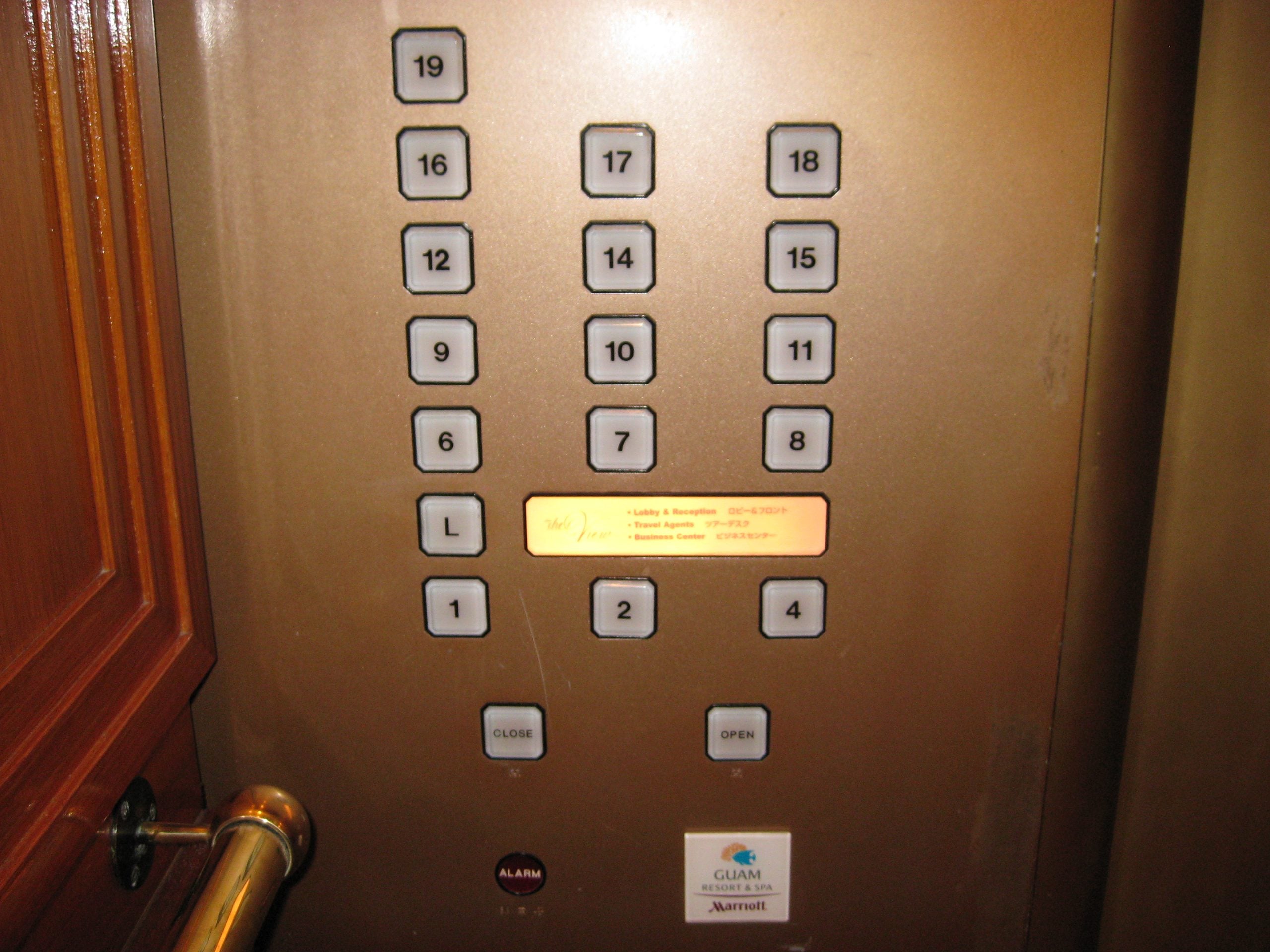
Ever noticed an elevator that jumps straight from floor 12 to floor 14? Some hotels deliberately skip the number 13 because of its long association with bad luck. The building still has a physical 13th level, but management simply gives it another number to avoid making superstitious guests uncomfortable. The practice is especially familiar in American high-rises, although plenty of hotels use ordinary numbering. So if your room is on the 14th floor, there’s a chance you’re actually sleeping just 13 stories above the ground floor.
Hotel Staff Once Found a Watch Worth Millions Left Behind
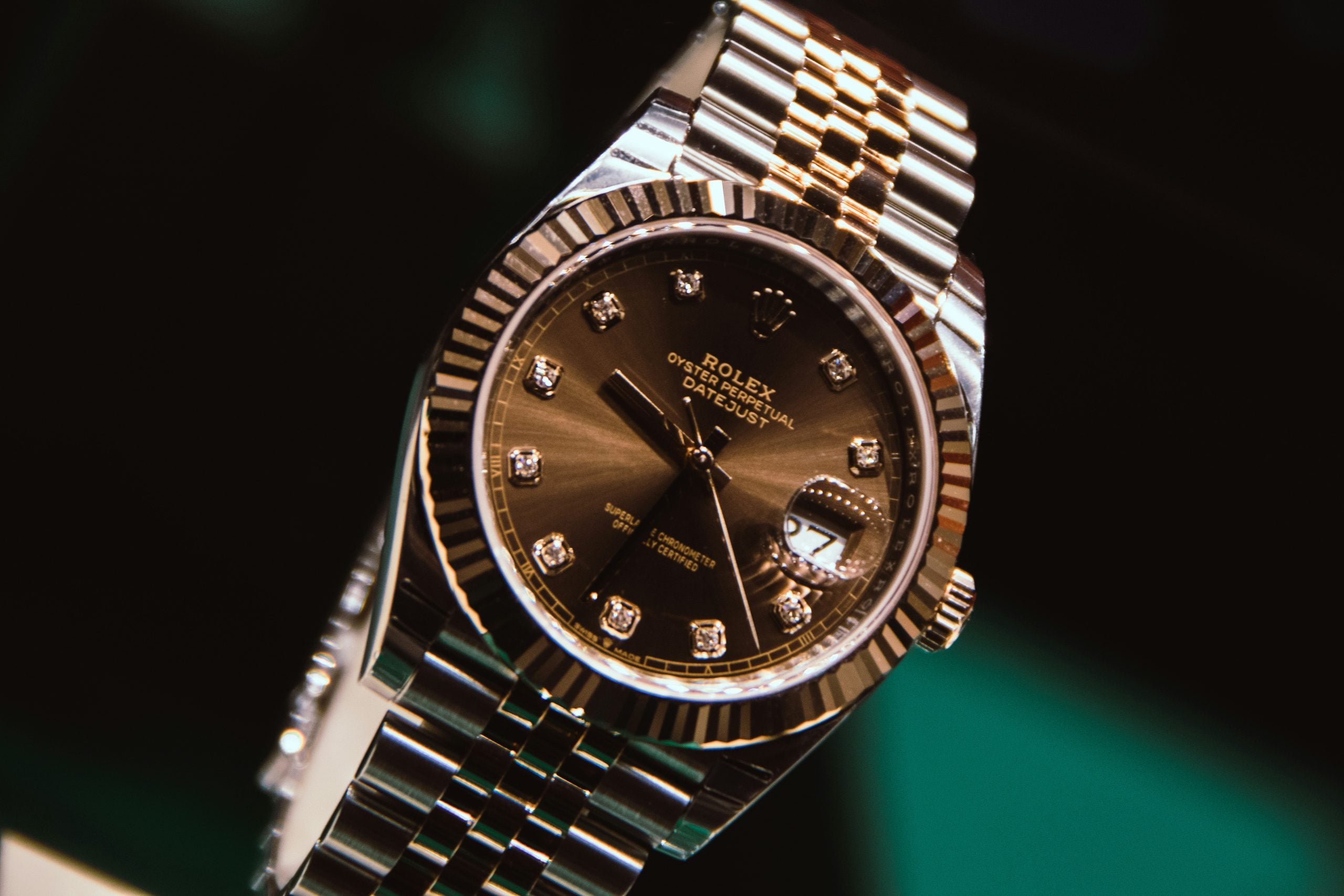
Forgetting a phone charger is one thing, but imagine leaving behind a watch worth millions. Hotels.com’s 2024 Hotel Room Innsights Report revealed that hotel employees had discovered an extraordinarily expensive timepiece among guests’ forgotten belongings. The survey, which included more than 400 hotels worldwide, also documented abandoned designer bags, a car tire, and even construction pipes. While the report didn’t identify every property involved, it offered a remarkable glimpse into hotel lost-and-found departments. Apparently, even travelers carrying expensive possessions can forget to check the room before leaving.
Hotel Minibars Only Became Popular in the 1970s
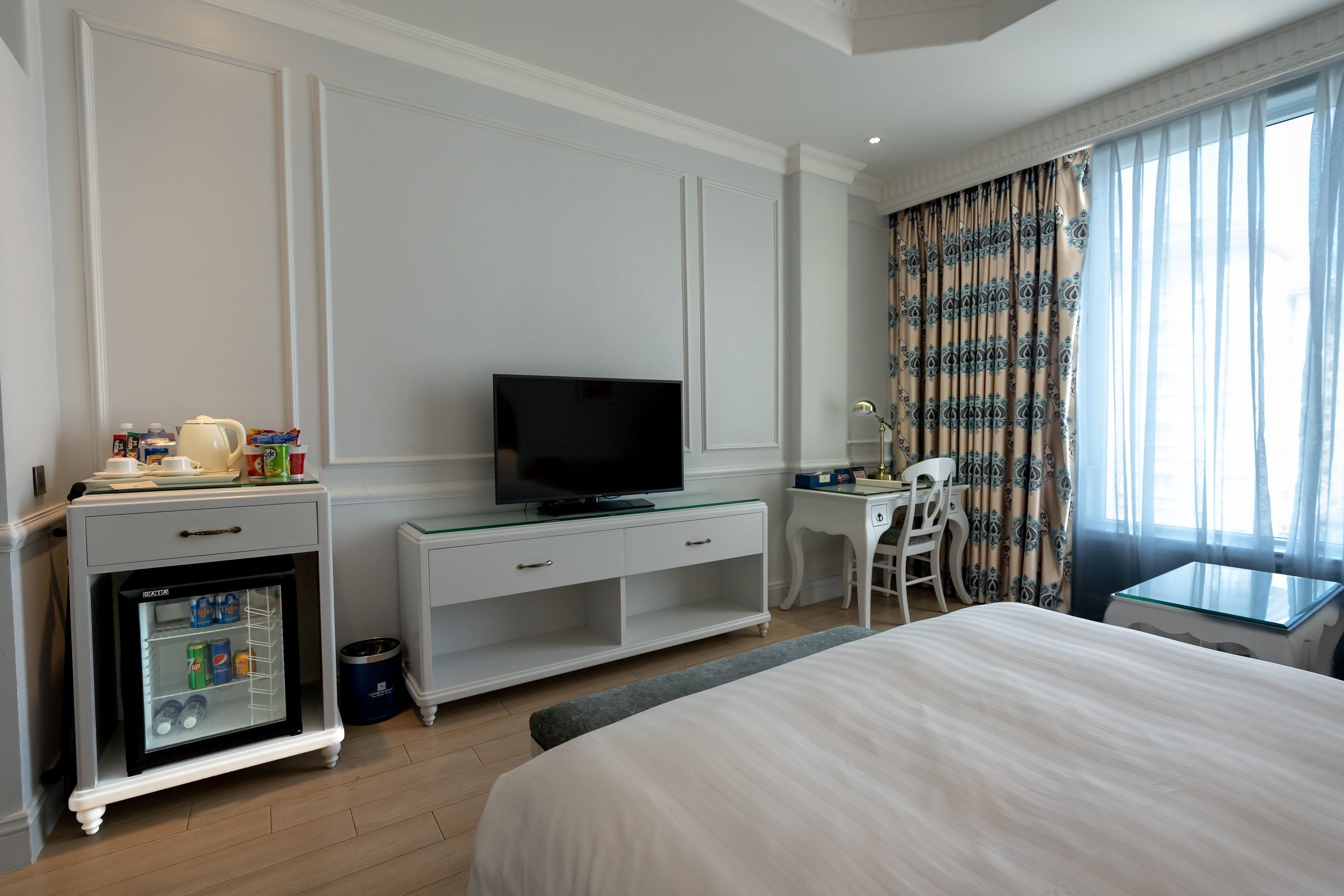
That tiny refrigerator filled with overpriced snacks and drinks is a relatively modern hotel convenience. Hilton credits its Hong Kong hotel with helping popularize the in-room minibar internationally in 1974. Before minibars became common, guests generally relied on room service, hotel bars, or nearby shops for refreshments. The invention gave hotels another way to earn money while offering travelers the convenience of late-night snacks without leaving their rooms. Of course, that convenience often comes with inflated prices, making the minibar worth checking carefully before opening anything.
Hotel Guests Have Actually Forgotten Living Animals
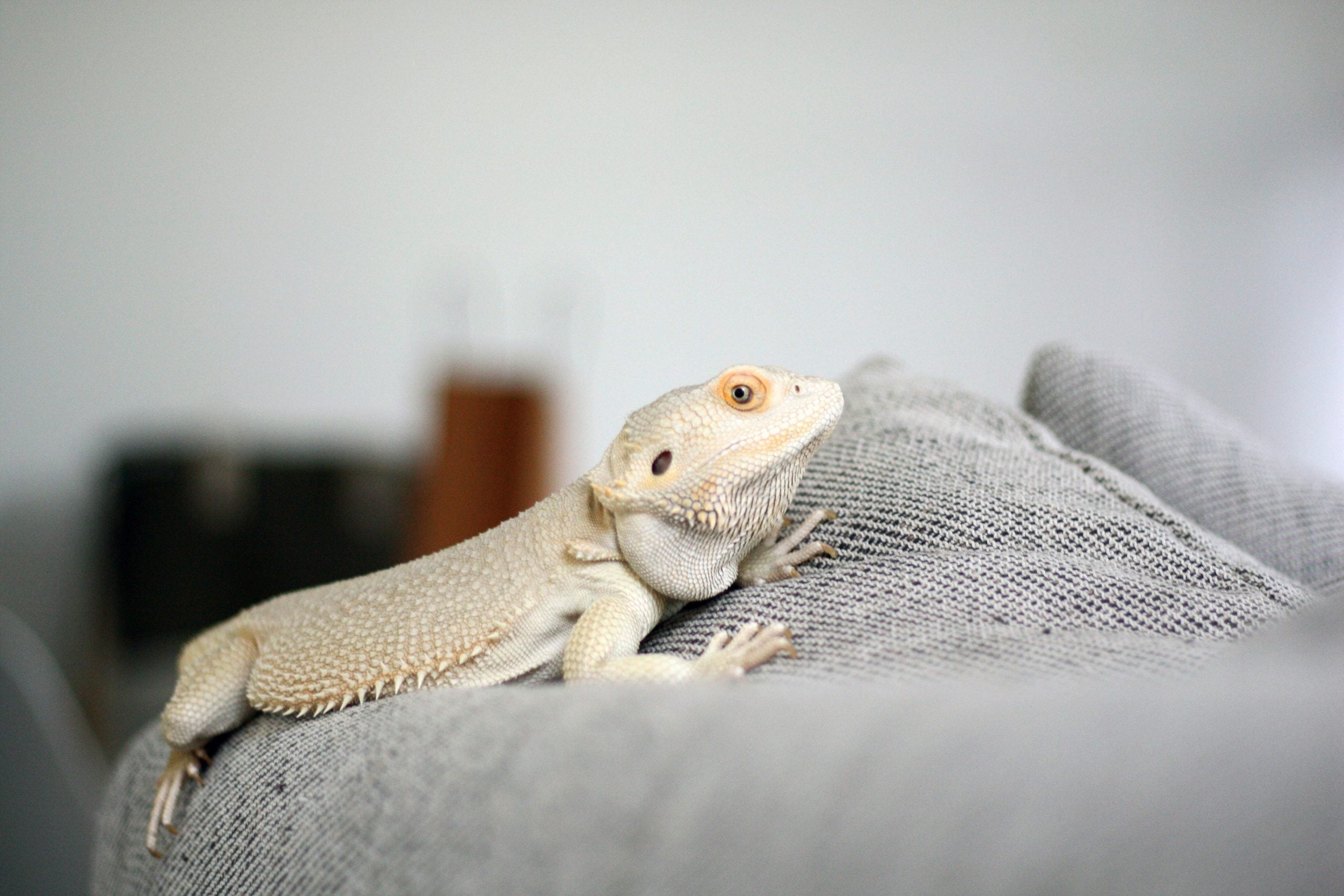
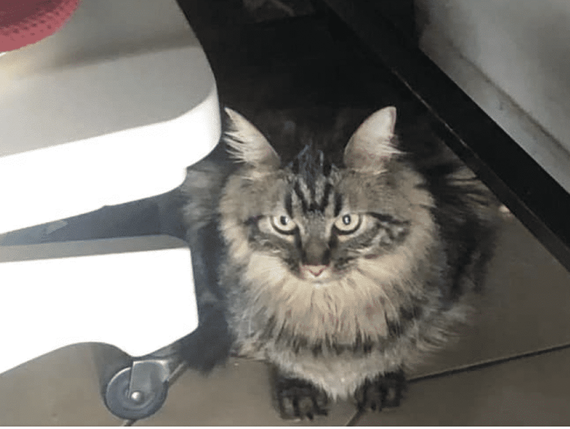
Hotel housekeepers expect to discover forgotten clothing, chargers, and toiletries, but occasionally they encounter something considerably more surprising. Hotels.com’s 2024 report documented a chick and a pet lizard left behind after guests checked out. Fortunately, both animals were reportedly returned to their owners. The same survey also mentioned unusual forgotten possessions, including dentures and full-leg casts. While these discoveries are hardly everyday occurrences, they demonstrate how unpredictable hotel lost-and-found work can become. Checking under the bed suddenly seems like a particularly sensible habit.
The Pina Colada May Have Been Invented at a Hotel
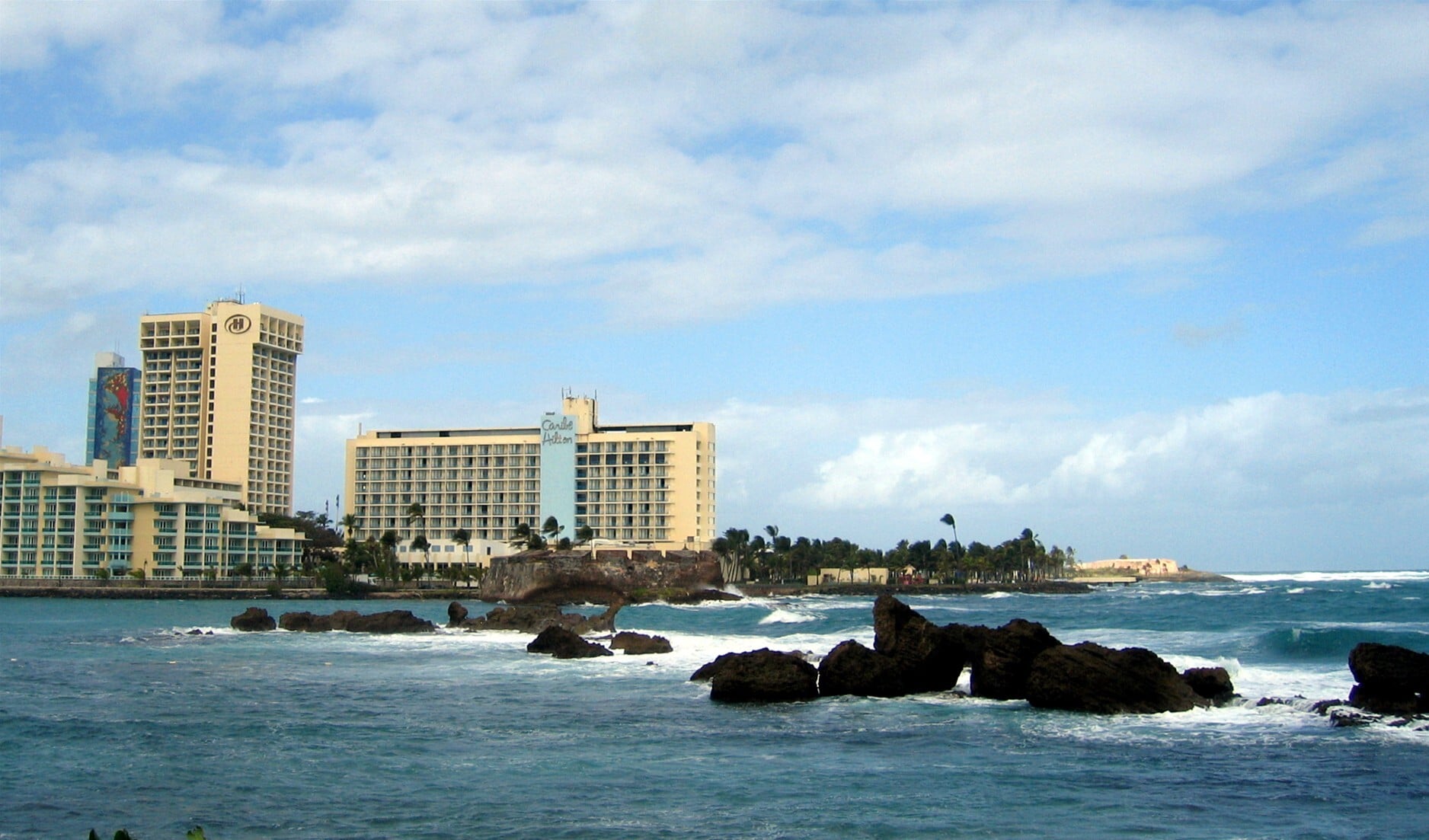
One of the world’s most recognizable tropical cocktails has a famous hotel connection. The Caribe Hilton in San Juan, Puerto Rico, credits bartender Ramon Marrero with creating the pina colada in 1954. According to Hilton, he spent months experimenting with rum, coconut cream, and pineapple juice before perfecting the recipe. Puerto Rico later recognized the pina colada as its official drink in 1978. Other bartenders have also claimed credit for the invention, so its exact origins remain disputed. Still, the Caribe Hilton has become closely associated with the cocktail’s history.
Trending on Cheapism


Someone Once Requested a Bathtub Filled With Evian Water

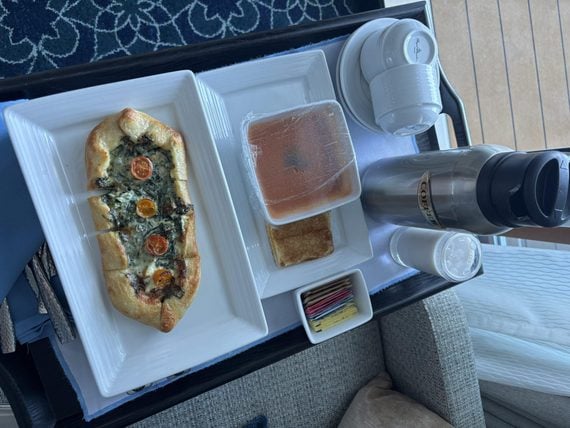
Room service usually means ordering breakfast, coffee, or perhaps a late-night sandwich. But Hotels.com’s 2024 report revealed a guest who requested an entire bathtub filled with Evian bottled water. Other unusual orders included two kilograms of bananas, burnt toast, and a hot dog topped with caviar. The report didn’t specify how every request was handled or what the guests ultimately paid. While luxury hotels sometimes accommodate extraordinary demands, travelers shouldn’t assume that every unusual request will be accepted, especially when it involves substantial costs or complicated arrangements.
Airport Hotels Were Once a New and Unusual Idea
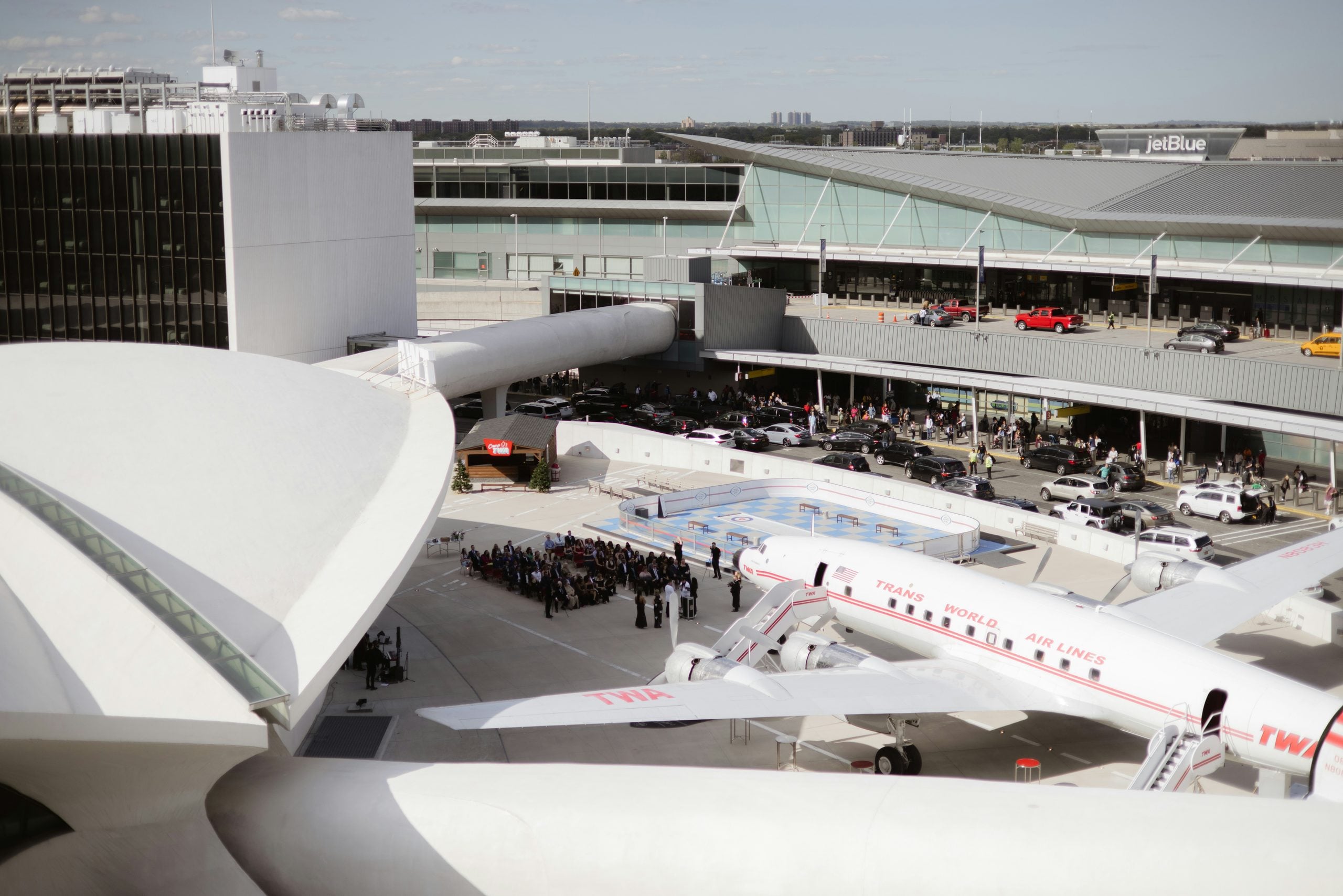
Today, booking a hotel near the airport seems perfectly ordinary, especially before an early flight. But the modern airport hotel became an important hospitality concept as commercial aviation expanded. Hilton credits its San Francisco Airport Hilton, opened in 1959, with helping pioneer accommodation designed specifically for air travelers. The idea made it easier for passengers and business travelers to stay close to terminals rather than commute from downtown. Airport hotels now serve millions of travelers, although convenience doesn’t always guarantee lower prices or quieter rooms.
Some Hotels Offer Guitar Concierges and Ancient Gardens
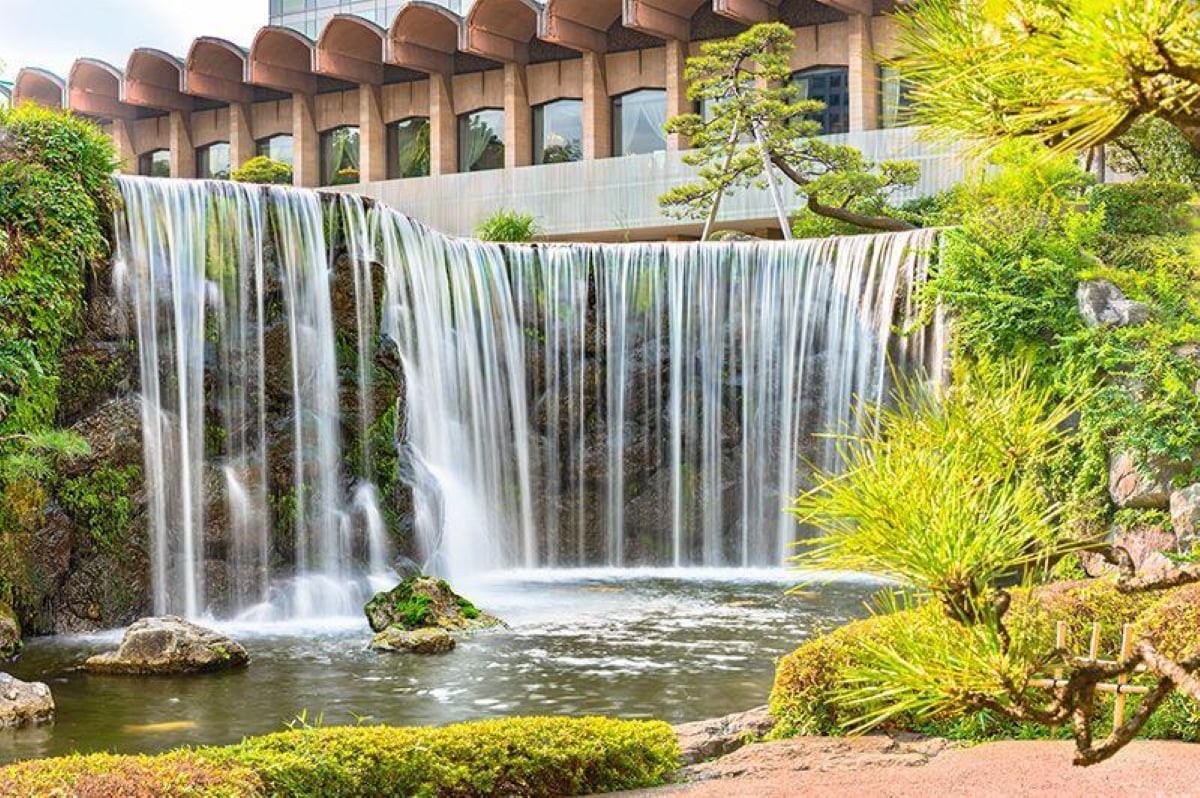
Forget the usual swimming pool and fitness center. Some hotels offer amenities guests might never think to request. Hotels.com’s 2024 research highlighted properties with guitar concierge services, elaborate video game setups, and access to a 400-year-old Japanese garden. These unusual features can reflect a hotel’s location, history, or efforts to attract particular travelers. However, they aren’t standard amenities, and some experiences may require advance arrangements or additional payment. Before booking an expensive hotel, checking its lesser-known services might reveal something more interesting than another complimentary bathrobe.
Sign up for our newsletter
Your Smartphone Can Sometimes Replace Your Hotel Room Key
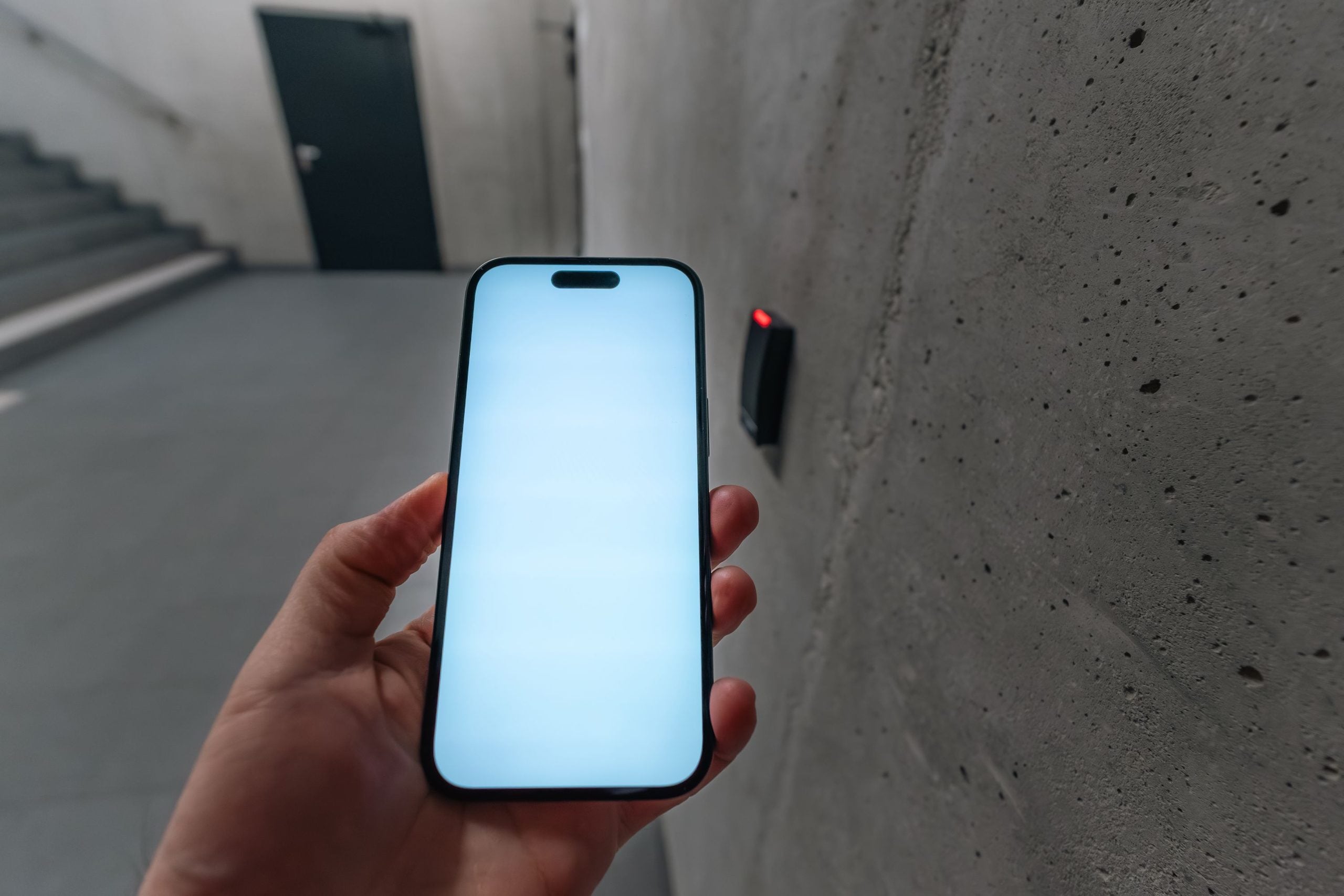
Remember when hotel keys were made of actual metal? After magnetic key cards became common, some hotel chains began taking things a step further. Hilton introduced its Digital Key technology in 2014, helping guests unlock participating hotel rooms using their smartphones. The system can make check-in more convenient and reduce the need to visit the front desk. However, digital keys aren’t available at every property, and compatibility or technical problems can still occur. Travelers who prefer traditional key cards can generally request one instead.
Hotels Can No Longer Hide Mandatory Resort Fees Until Checkout
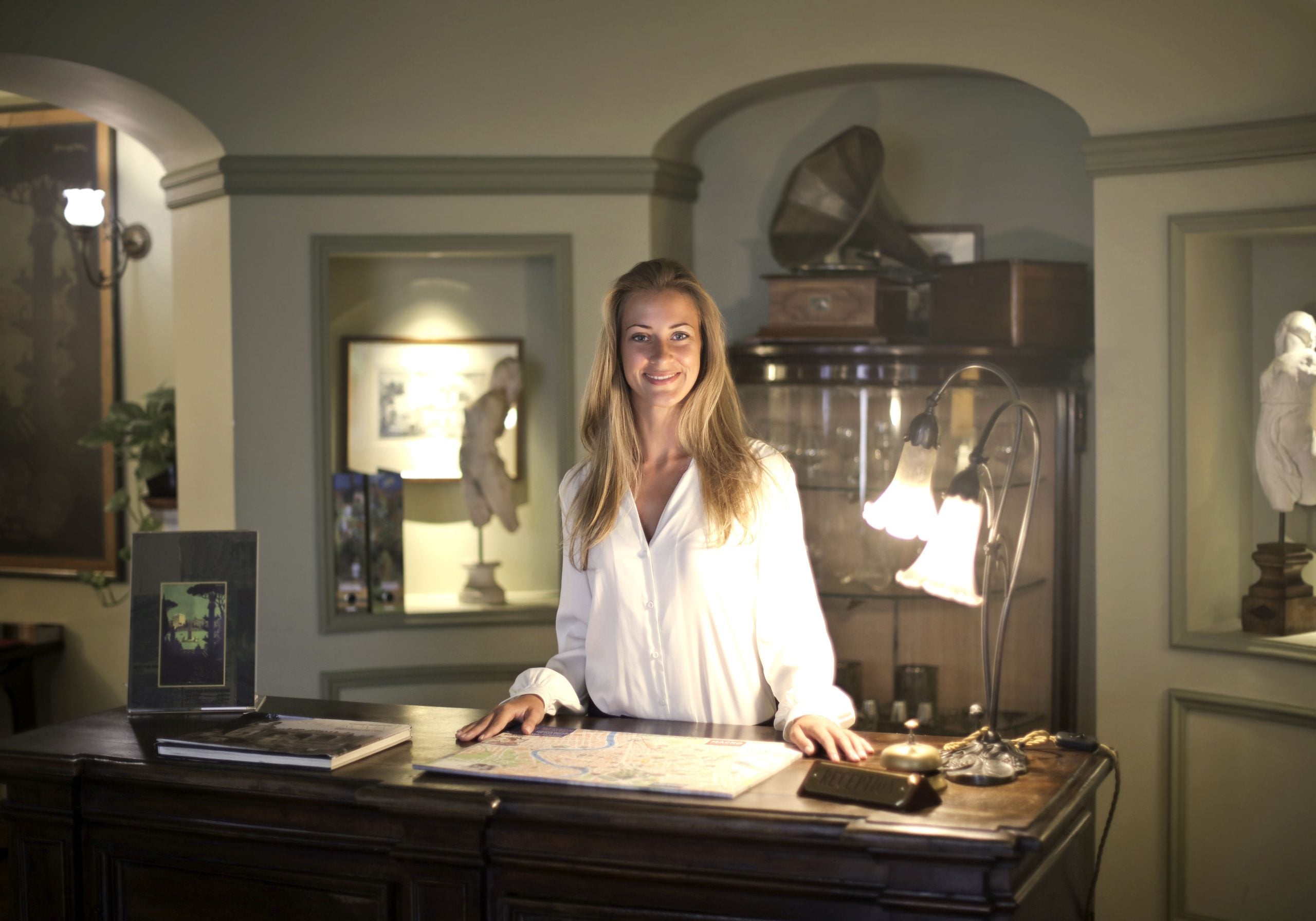
For years, travelers complained about hotel rates that looked affordable until mandatory resort or destination fees appeared later in the booking process. A Federal Trade Commission rule that took effect on May 12, 2025, changed how covered U.S. lodging businesses must advertise their prices. Mandatory fees generally have to be included in the upfront displayed total, although government taxes and optional extras can be disclosed separately. The rule doesn’t eliminate resort fees themselves. It simply makes the required charges more visible, helping travelers compare hotel prices without as many unpleasant surprises.
You Can Actually Sleep Underwater at a Luxury Hotel
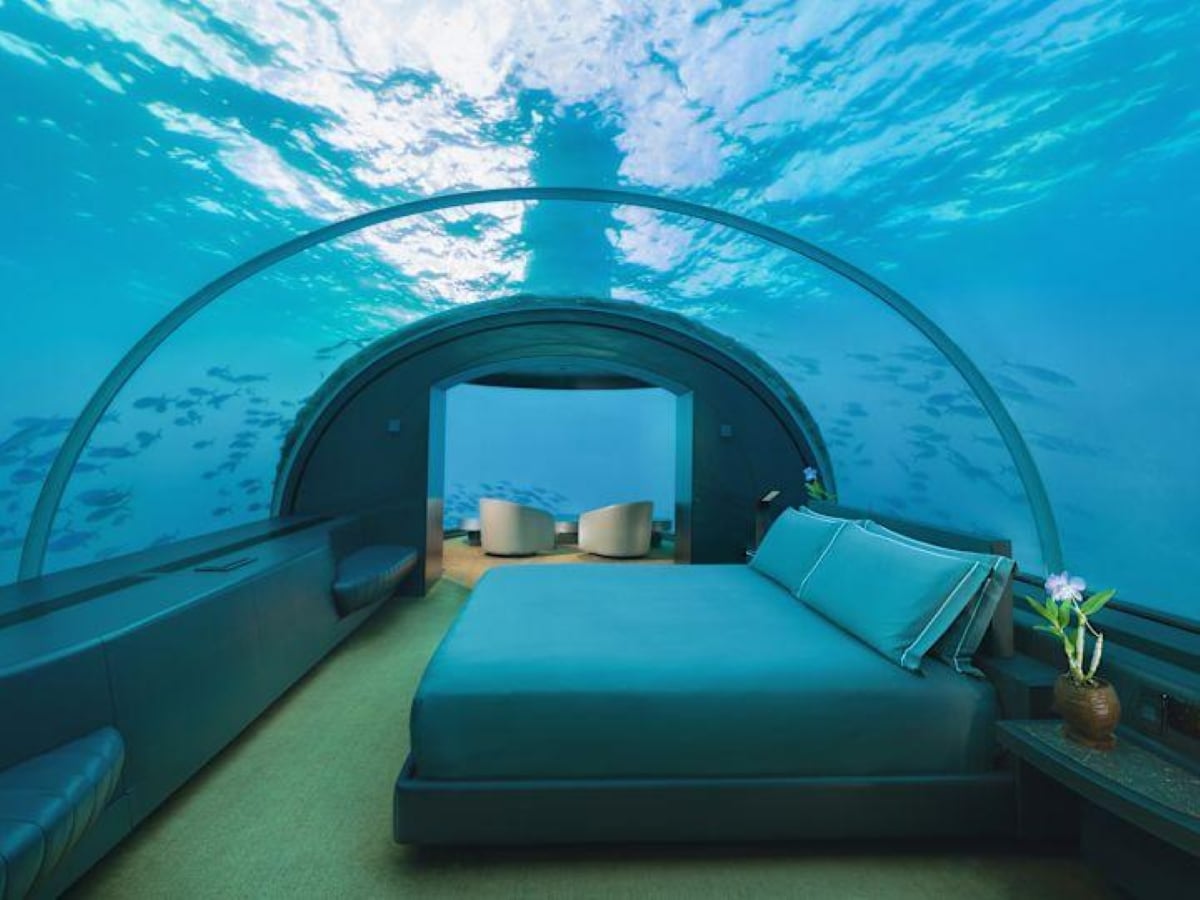
An ocean-view hotel room usually means looking at the water from a balcony. At Conrad Maldives Rangali Island, guests can experience something considerably stranger. The resort introduced The Muraka in 2018, a luxury residence featuring an underwater bedroom surrounded by views of marine life. The bedroom sits beneath the ocean’s surface, while the rest of the residence includes above-water living spaces. It’s an extraordinary concept, but hardly a budget-friendly getaway. Travelers should also understand that this is a specialized luxury residence, not a typical underwater hotel room.
Hotels Have Accessibility Obligations Beyond Wheelchair Ramps
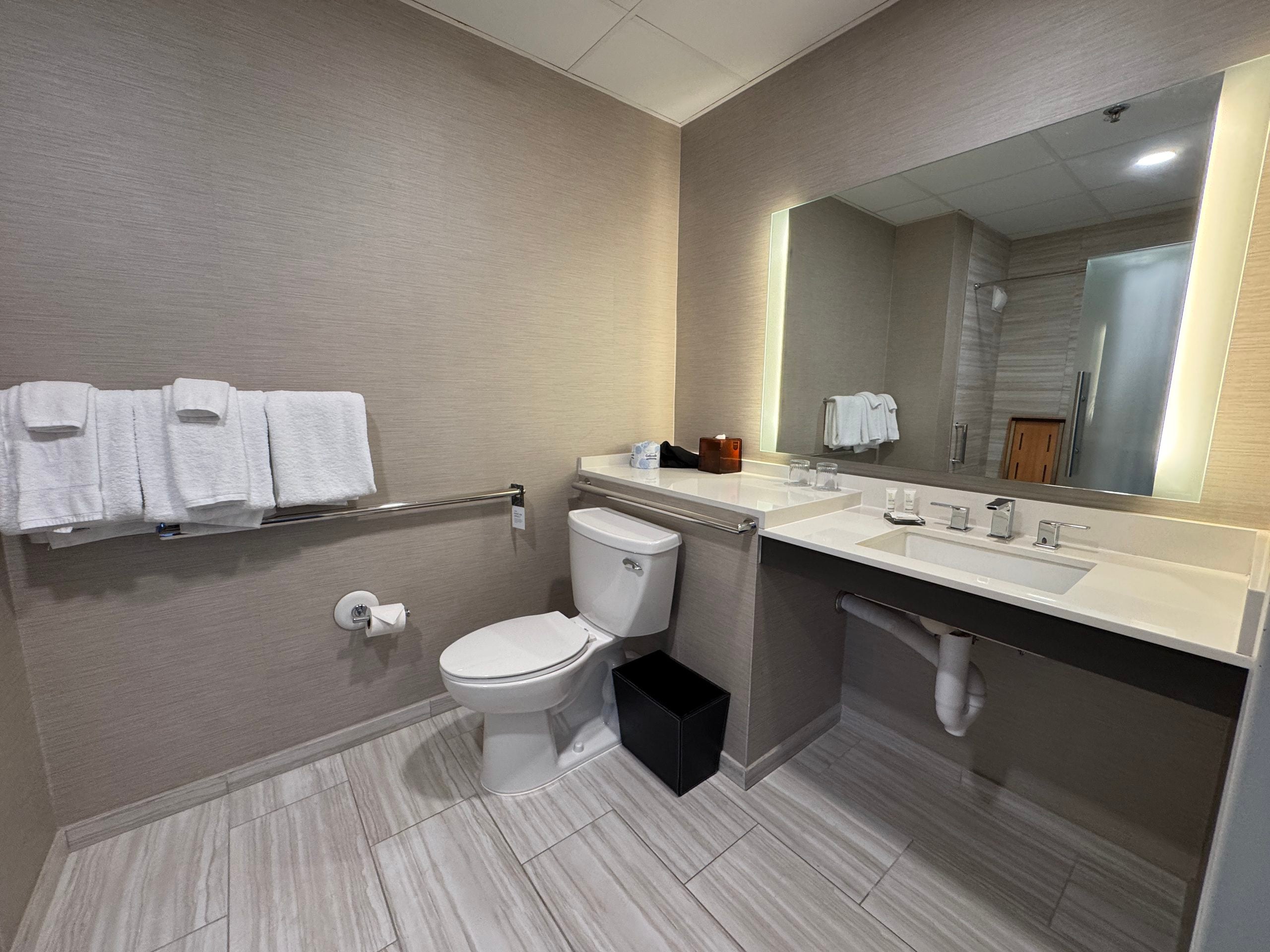
Hotel accessibility involves much more than installing a ramp near the entrance. Under the Americans with Disabilities Act, covered U.S. hotels must provide equal access to services and facilities for travelers with disabilities. Depending on the property and applicable requirements, that can include accessible guest rooms, communication assistance, appropriate signage, and accommodations for guests with hearing or visual disabilities. Hotels must also provide accessible room reservation information. Travelers with specific needs should confirm the available features before arrival rather than assuming that an advertised accessible room includes everything they require.