
Las Vegas might be famous for flashing casino lights, extravagant hotels, and all-night entertainment, but there’s much more happening behind the scenes. The city’s tourism industry supports billions in economic activity, attracts millions of repeat visitors, and fills hotel rooms at rates that would make many destinations jealous. According to the Las Vegas Convention and Visitors Authority, the numbers tell a surprisingly different story from the usual stereotypes. Here are 12 facts about Las Vegas tourism that might change how you see Sin City.
Las Vegas Welcomed More Than 38 Million Visitors in 2025

Las Vegas attracted approximately 38.5 million visitors in 2025, according to the Las Vegas Convention and Visitors Authority. That’s an average of more than 105,000 visitors every single day, enough to keep an enormous network of hotels, restaurants, and entertainment venues operating year-round. Yet the figure also represents a 7.5% decline from 2024, when more than 41 million people visited. Even a destination as recognizable as Las Vegas isn’t immune to changing travel habits, economic uncertainty, and visitors reconsidering how much they’re willing to spend.
Las Vegas Tourism Generates Nearly $81 Billion in Economic Activity
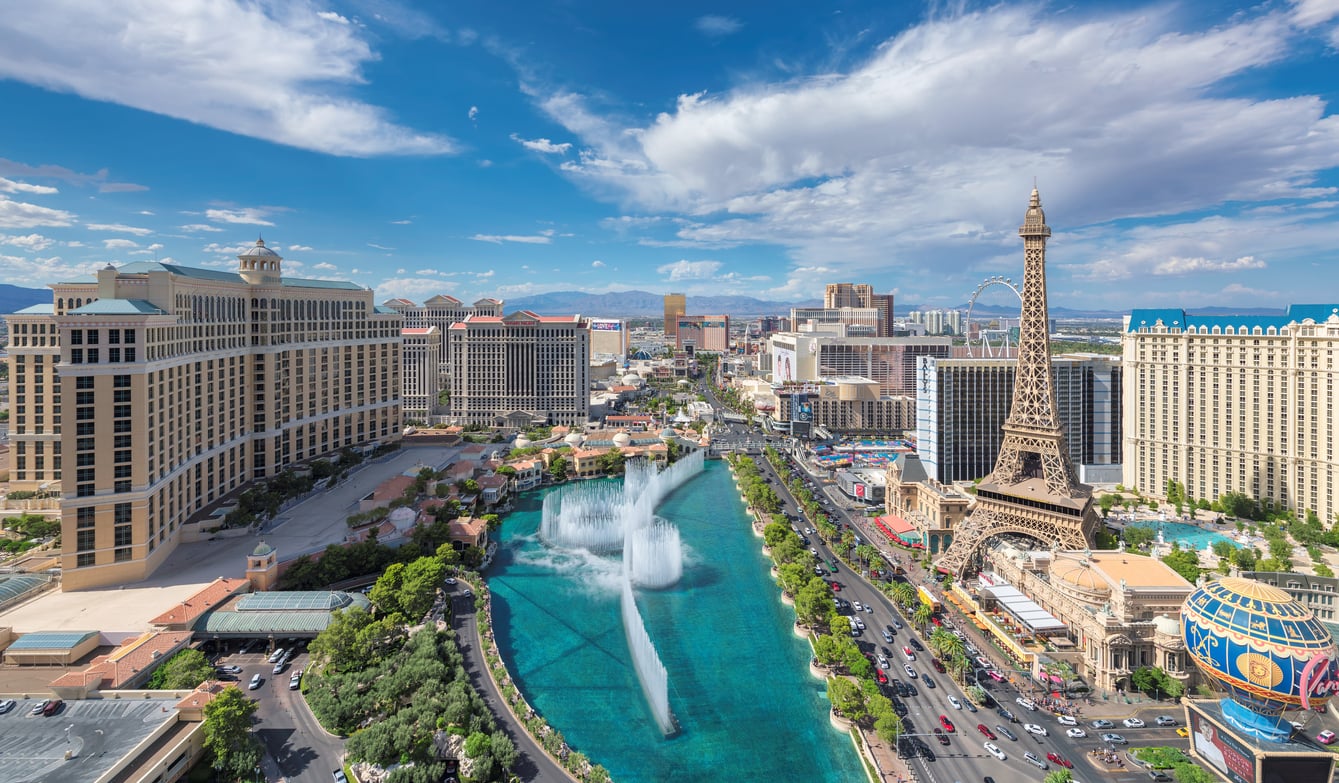
The money visitors spend in Las Vegas reaches far beyond casino floors and hotel check-in desks. In 2025, tourists spent an estimated $50.8 billion directly on accommodations, dining, entertainment, shopping, and other expenses. When the broader effects on local businesses and employment are included, the total economic impact reaches approximately $80.9 billion. That means tourism supports far more than the businesses visitors see along the Strip. Suppliers, transportation companies, and countless workers throughout Southern Nevada also depend on the steady flow of travelers.
Las Vegas Has Enough Hotel Rooms to Keep Someone Busy for 411 Years

Las Vegas had approximately 150,300 hotel rooms in 2025, making its accommodation industry enormous even by international standards. Here’s a strange way to picture that number: According to the LVCVA, staying one night in every hotel room would take more than 411 years. The massive inventory allows the city to accommodate conventions, sporting events, and vacationers simultaneously. But having so many rooms doesn’t guarantee cheap accommodations. Popular weekends, major events, and resort fees can still make a seemingly affordable hotel stay surprisingly expensive.
Nearly 6 Million People Visit Las Vegas for Conventions
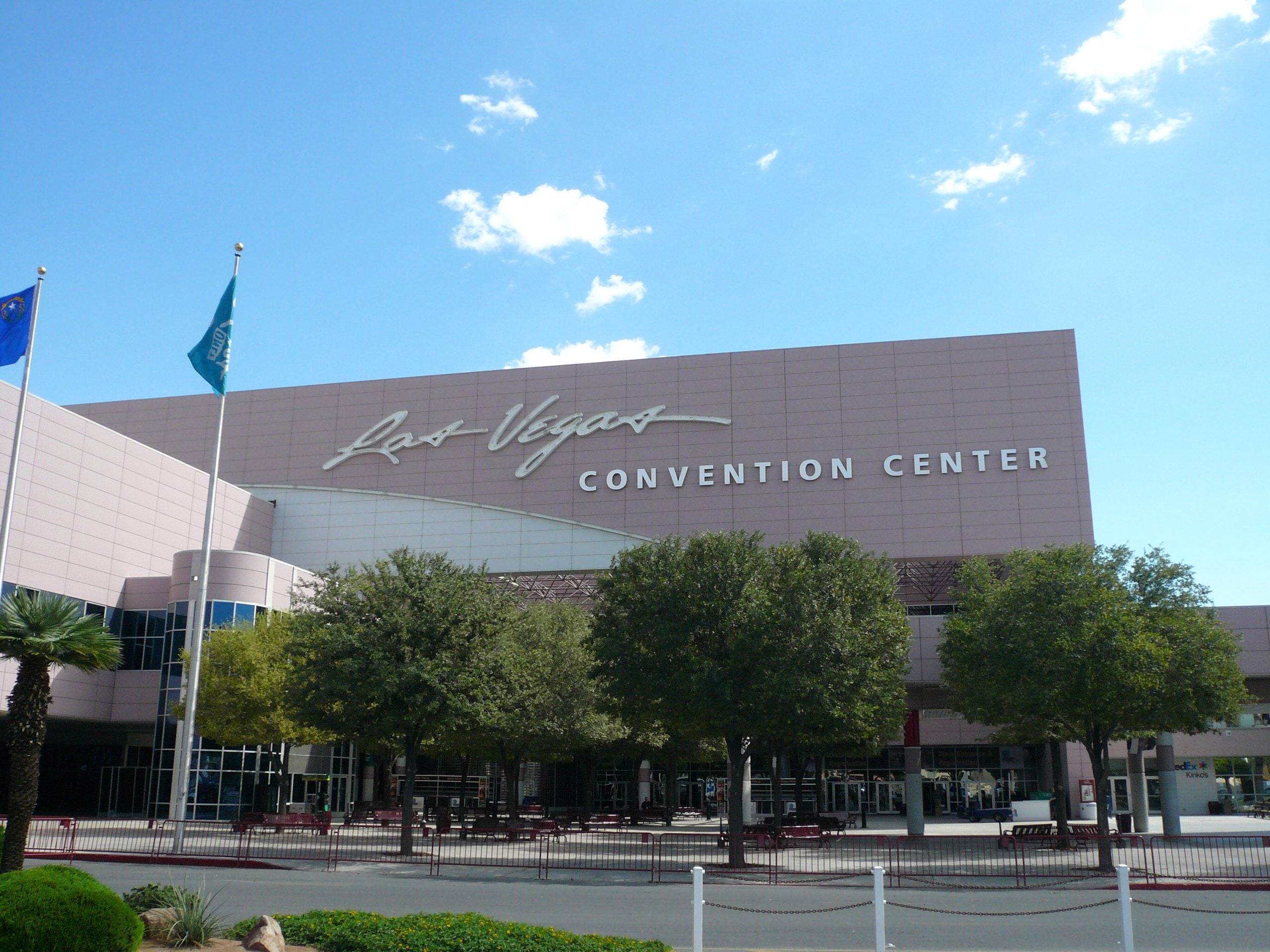
Not everyone arriving in Las Vegas is planning to gamble or celebrate a birthday. The city welcomed approximately 5.99 million convention attendees in 2025, showing just how important business travel has become. These visitors fill hotel rooms, book restaurants, use transportation services, and support an enormous convention industry. Interestingly, convention attendance remained relatively steady even as overall tourism declined. For vacationers, that means a major trade show can affect hotel prices and availability, even when there isn’t a famous concert or sporting event happening.
The Average Las Vegas Visitor Is 42.5 Years Old

Movies and advertisements often portray Las Vegas as a playground for twenty-somethings, bachelor parties, and wild weekends. The actual visitor population is considerably more varied. According to the LVCVA’s 2025 research, the average visitor was 42.5 years old. That makes sense when you consider the city’s restaurants, concerts, conventions, shopping centers, and sightseeing opportunities. Las Vegas attracts couples, families, retirees, and business travelers alongside younger vacationers. Its reputation for nonstop partying is only one part of a much broader tourism market.
Trending on Cheapism


The Average Gambling Budget Is $849 Per Trip

Despite Las Vegas’s reputation for high-stakes gambling, the average reported gambling budget among visitors who gambled was approximately $849 per trip in 2025. That’s still a substantial amount of money, but it challenges the image of every visitor casually risking thousands at the tables. Importantly, the figure represents a gambling budget, not the amount people actually lost or won. It also excludes visitors who didn’t gamble. For travelers watching their spending, setting a firm entertainment budget remains a practical way to enjoy the casinos without unpleasant financial surprises.
Almost 90% of Las Vegas Visitors Have Been There Before

You might imagine Las Vegas constantly attracting people eager to experience it for the first time. In reality, only about 10% of visitors in 2025 were first-timers, according to LVCVA research. That means roughly nine out of ten had visited before. The city depends heavily on people returning for favorite restaurants, annual conventions, concerts, gambling, and familiar vacation traditions. It also helps explain why resorts keep renovating and adding attractions. When most of your customers have already seen Las Vegas, giving them something new matters.
Las Vegas Hotels Are Busier Than the National Average

Even with more than 150,000 hotel rooms, Las Vegas manages to fill a remarkable share of them. In 2025, the city’s average hotel occupancy rate was 80.3%, compared with approximately 62.3% nationally. Hotels along the Strip averaged an even higher 83.2%, while weekend occupancy reached 88.8%. Those numbers help explain why finding a bargain can be difficult during popular travel periods. Midweek occupancy was lower at 76.6%, making weekdays worth considering for travelers who have flexibility and want to avoid the busiest weekends.
Sign up for our newsletter
Las Vegas Airport Handled Nearly 55 Million Passenger Movements
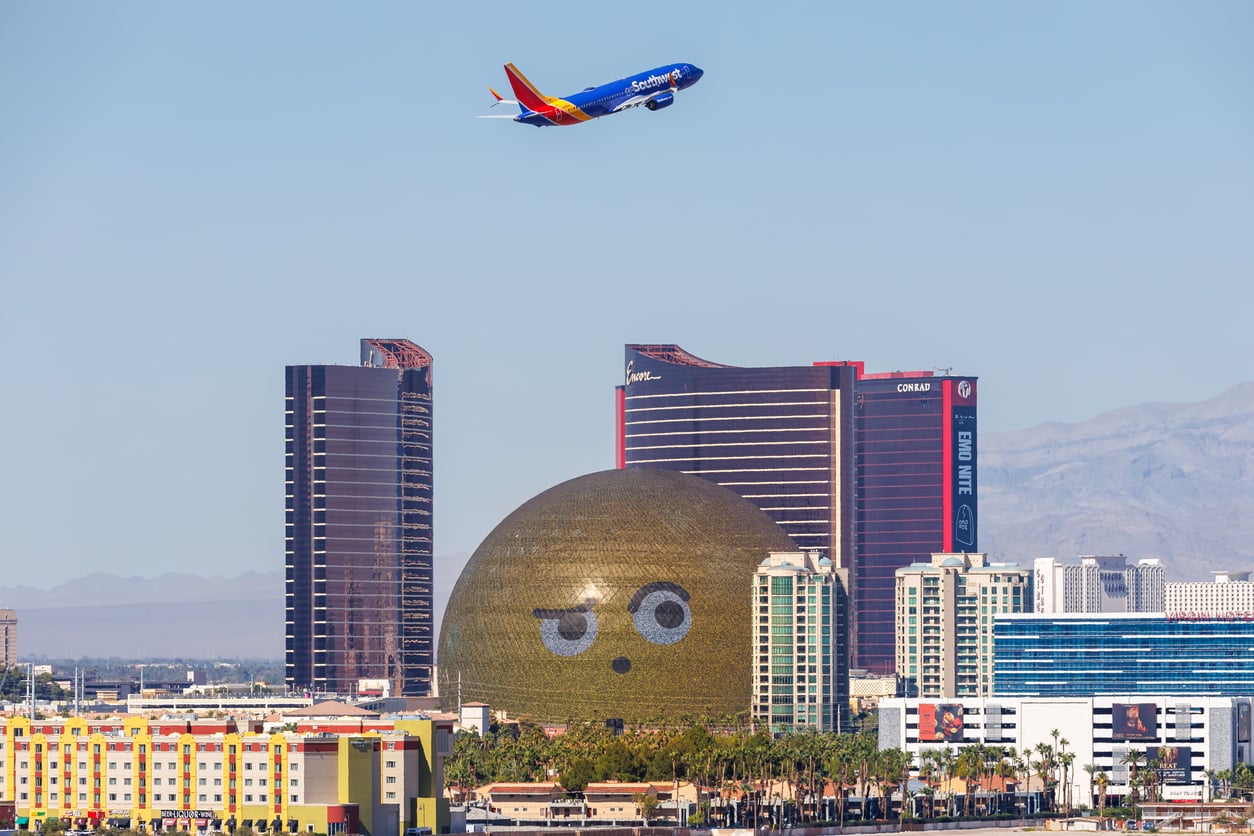
Harry Reid International Airport recorded approximately 55 million passenger movements in 2025, making it the airport’s third-busiest year on record. The airport connects Las Vegas with more than 170 markets, serving business travelers, vacationers, and local residents. However, those 55 million movements don’t represent 55 million individual tourists. A person flying into Las Vegas and departing later generally contributes two passenger movements, while residents also use the airport. The distinction matters when comparing airport traffic with the city’s much smaller annual visitor total.
Only About One in Five Visitors Attend a Show

Las Vegas is famous for elaborate stage productions, comedy acts, magic shows, and superstar residencies. Yet only about 21% of visitors attended a show during their 2025 trip, according to LVCVA research. That’s surprisingly low for a city so closely associated with live entertainment. Many travelers spend their time dining, gambling, shopping, attending conventions, or simply exploring the resorts. It also suggests that a memorable Las Vegas trip doesn’t necessarily require expensive theater tickets. Plenty of visitors find other ways to enjoy the city.
Nearly a Third of Las Vegas Visitors Come From Southern California

Las Vegas may attract international tourists, but a surprisingly large share of its visitors come from relatively close to home. Approximately 29% of visitors in 2025 were from Southern California, according to the LVCVA. The drive from Los Angeles and surrounding communities makes the city a convenient destination for weekend getaways and repeat trips. The Nevada-California border also recorded an average of more than 43,000 vehicles daily on Interstate 15. That traffic includes more than tourists, but it illustrates how important road travel is to the region.
Las Vegas Tourism Is Struggling Despite Its Enormous Popularity
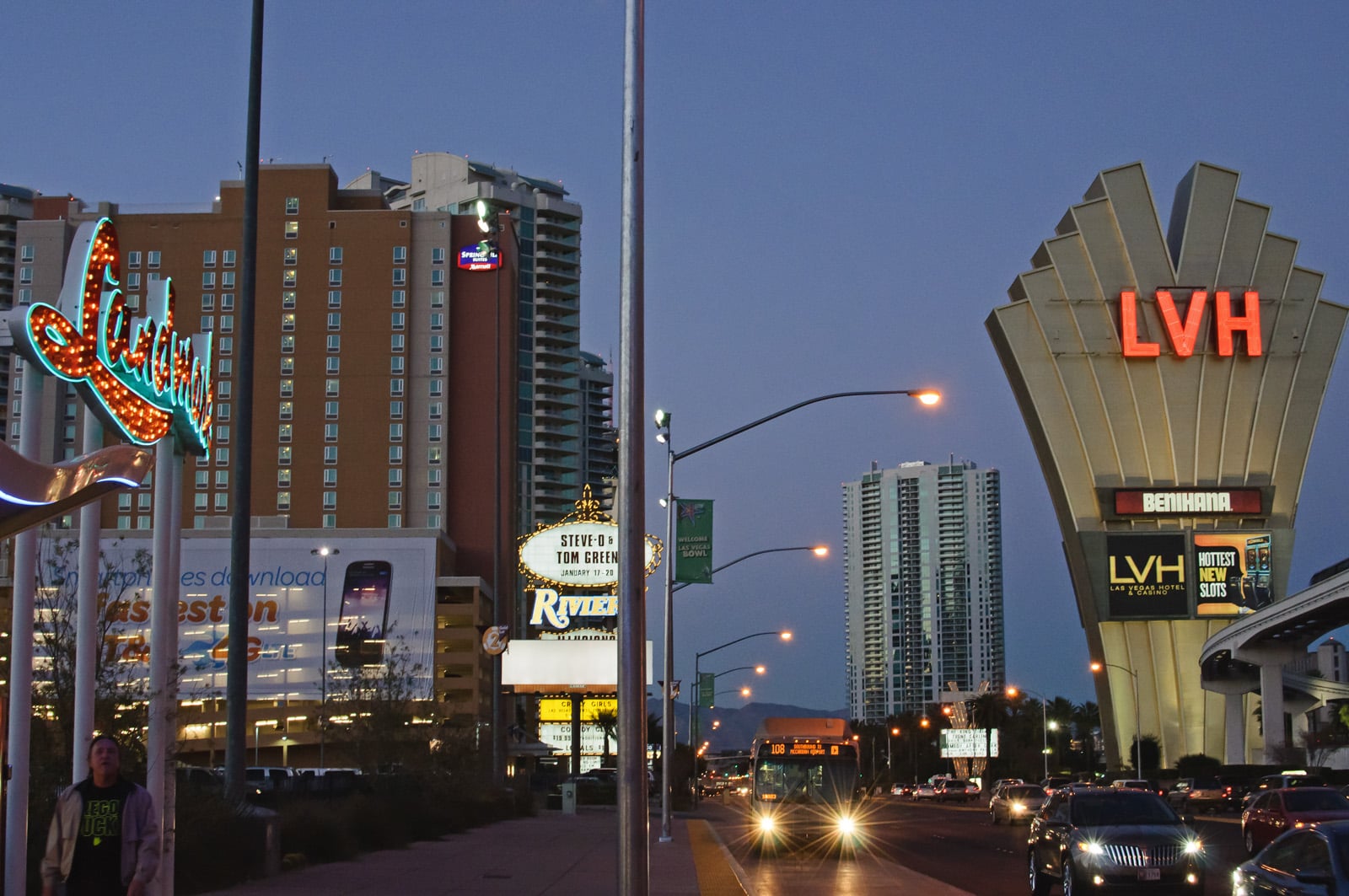
It’s easy to assume that Las Vegas tourism keeps growing when the Strip is packed with visitors and new attractions continue opening. But 2025 told a different story. Annual visitation fell 7.5% to approximately 38.5 million, well below the city’s 2016 record of around 42.9 million. International travel also faced challenges, including a decline in Canadian visitors. Economic uncertainty and greater attention to travel costs contributed to a difficult year. Even Las Vegas has to convince increasingly budget-conscious travelers that a vacation is worth the expense.