
Grocery shopping starts to look different once you pay closer attention to what you’re actually getting for your money. That family-size box isn’t always the better deal, a sale tag doesn’t necessarily mean the lowest price, and buying in bulk won’t save much if half of it ends up in the trash. With USDA data showing that grocery prices remain well above where they were just a few years ago, it makes sense that shoppers are becoming more deliberate about what goes into the cart. These grocery habits are less about extreme couponing and more about spotting better value, wasting less food, and making everyday purchases stretch further.
They Start Checking the Unit Price
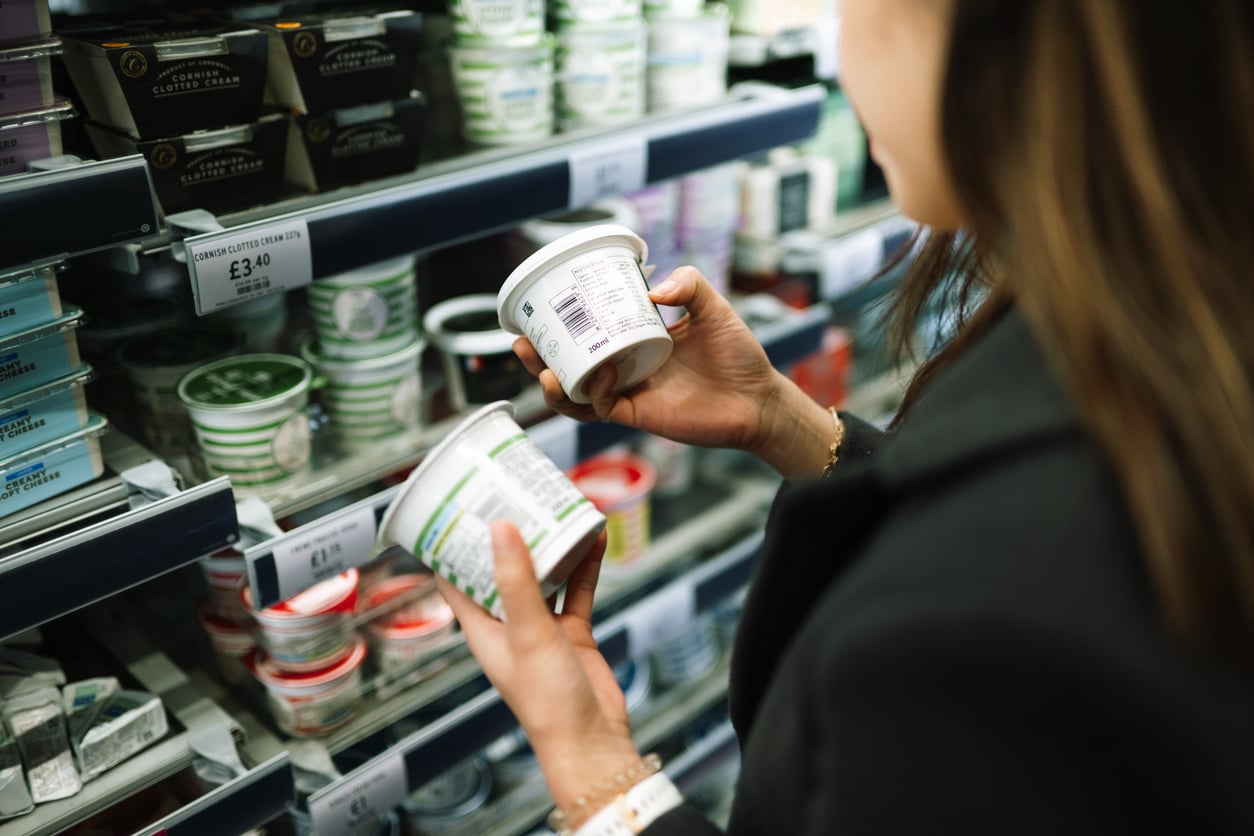
The cheapest-looking package isn’t necessarily the cheapest choice. Unit pricing breaks the cost down by ounce, pound, count, or another common measurement, making different package sizes much easier to compare. It’s particularly useful as manufacturers change package sizes without necessarily making the change obvious. The FTC specifically recommends checking unit prices as one way to spot the effects of shrinkflation. Not every store is required to display them, however, since unit-pricing rules vary by state. If the shelf doesn’t do the math, your phone calculator can.
They Stop Assuming Sale Signs Mean Bargains
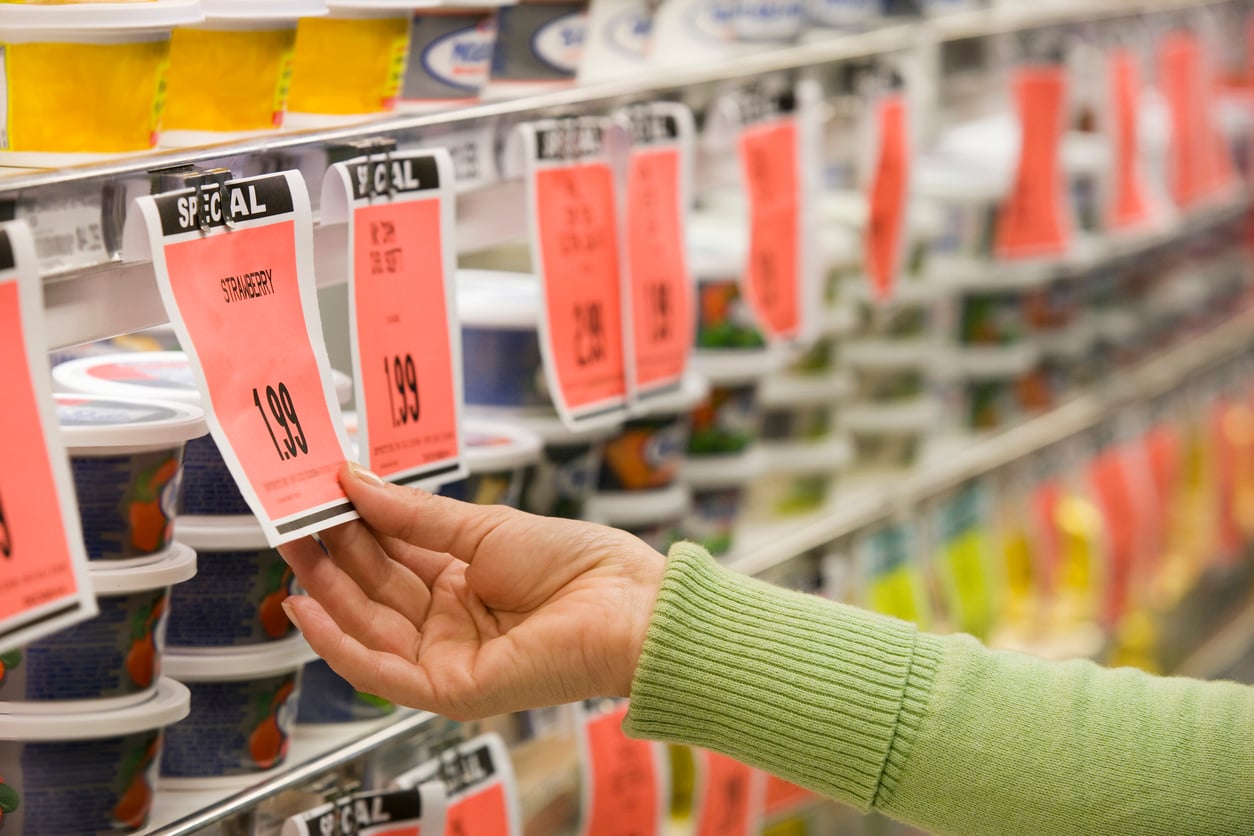
A bright sale tag is an invitation to look closer, not proof that you’ve found the lowest price. The competing store brand may still cost less, and a promotion such as “2 for $8” doesn’t necessarily mean you need two. Sometimes buying one gets the proportional discount; other promotions specifically require the full quantity. Read the fine print and compare the sale price with nearby alternatives before loading up. Loyalty programs add another wrinkle because some supermarket discounts are available only after signing up or activating a digital offer.
They Pay More Attention to Store Brands

Switching from familiar labels can take some convincing, but the price difference is increasingly difficult to overlook. Consumer Reports reported in 2026 that private-label groceries typically sell for 25% to 30% less than national-brand counterparts. That doesn’t mean every store-brand product is cheaper or tastes identical. A discounted name brand can sometimes win on price, and preferences matter with foods you’ve eaten for decades. Try switching one category at a time: flour, frozen vegetables, sugar or canned goods, and keep paying extra for brands you genuinely prefer.
They Learn What Goes on Sale Often
Once you’ve watched prices for a while, you begin recognizing the difference between an ordinary promotion and a price worth stocking up for. Frequently purchased packaged foods, frozen products and meat can appear in promotions repeatedly, although the timing varies by store and location. The useful habit isn’t memorizing some supposedly universal six-week sale cycle. It’s remembering roughly what you normally pay. When a pantry staple you regularly use drops noticeably below that price, buying an extra one or two can make sense. Buying six because the sign looks exciting usually doesn’t.
They Look in More Than One Part of the Store
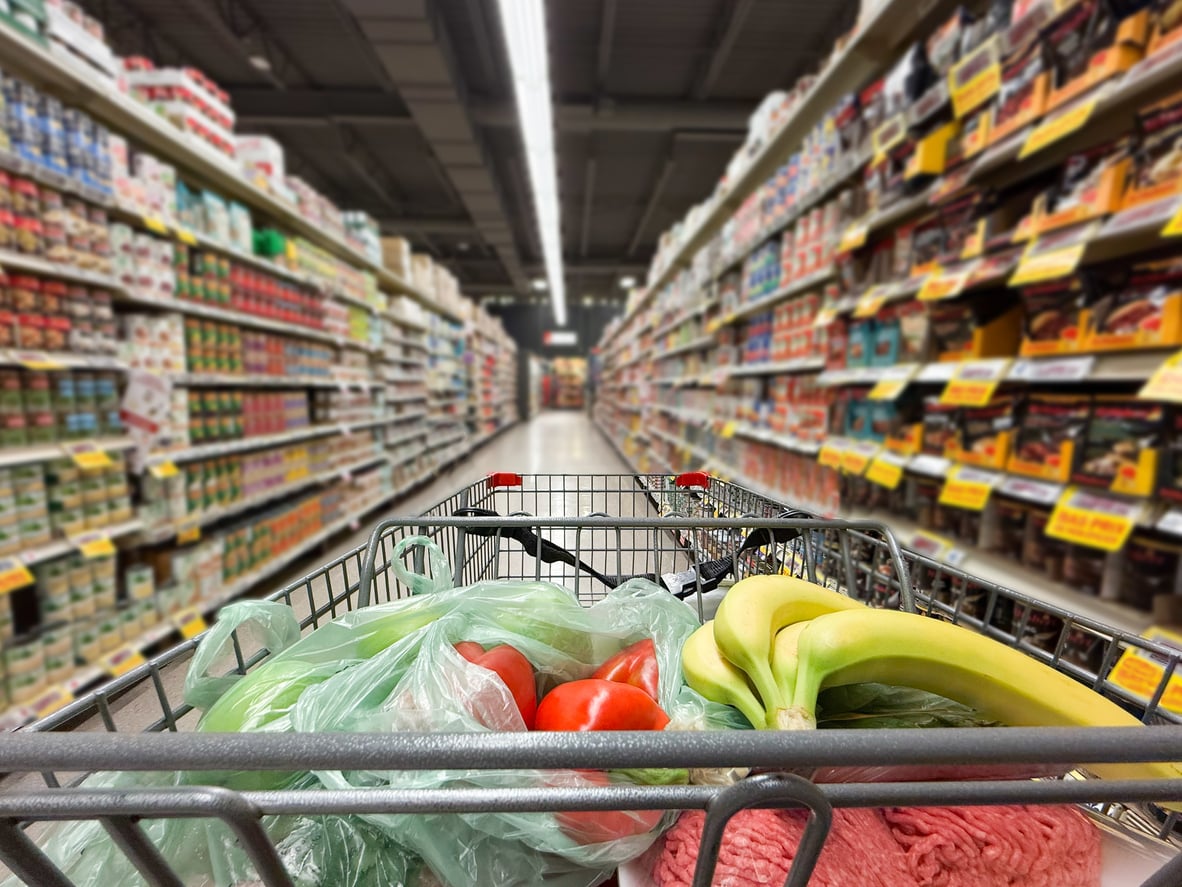
Supermarkets aren’t always arranged to make price comparison effortless. Similar ingredients can appear in different aisles, package sizes and forms, and the first version you encounter isn’t automatically the best value. Rice, tortillas, spices, nuts and cheese are good products to compare carefully when several versions are available. A block of cheese, for example, may make more sense than a convenience package if you’re willing to grate it yourself. The important part is comparing equivalent products by unit price rather than assuming something is cheaper simply because it’s packaged differently or sitting in another department.
Trending on Cheapism

They Buy Less Pre-Cut Produce
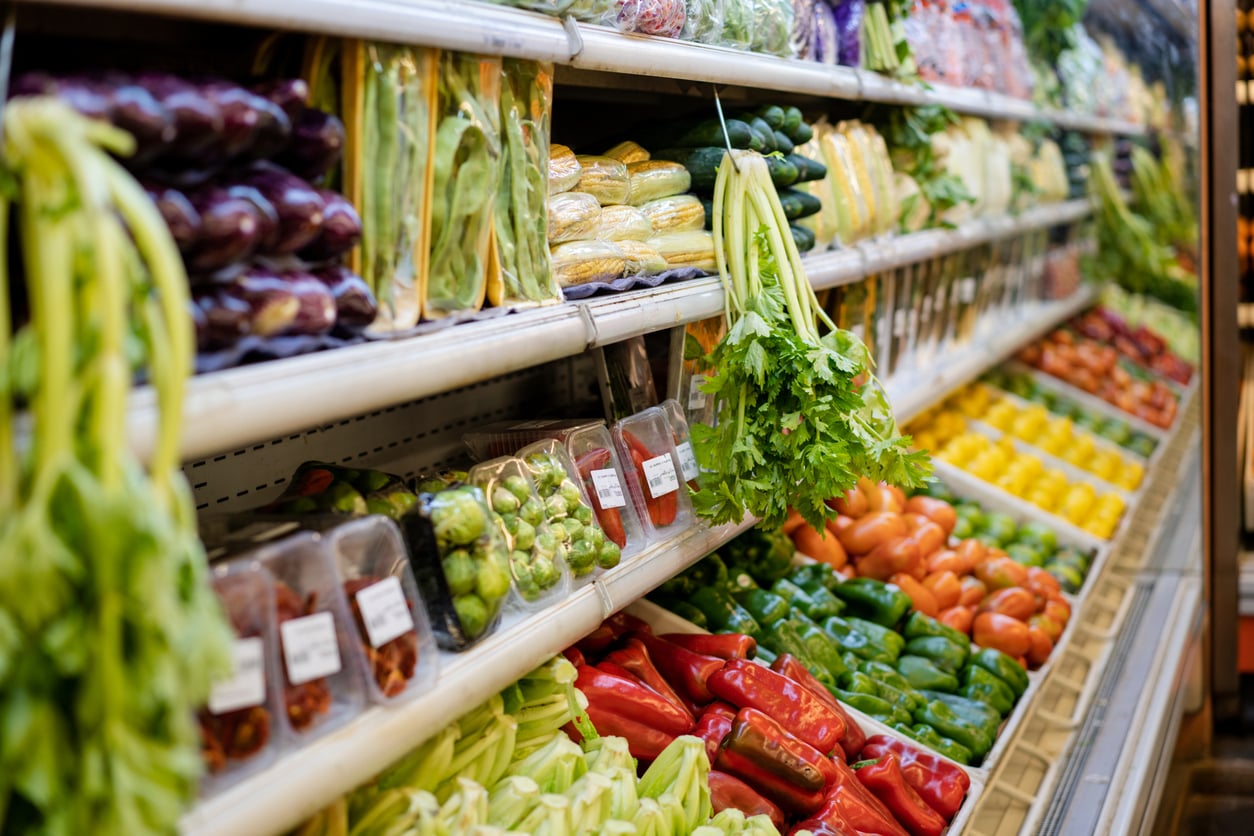
A container of chopped onions or sliced pineapple can save time, and sometimes that convenience is worth paying for. But once shoppers start looking at grocery prices closely, they’re more likely to notice exactly how much they’re paying someone else to do the chopping. Whole carrots, melons, onions and other produce may offer better value when you’re willing and able to spend a few minutes prepping them yourself. Don’t turn this into an absolute rule, though. Pre-cut vegetables that actually get eaten are better value than cheaper whole vegetables that eventually end up forgotten in the refrigerator.
They Get More Strategic About Meat
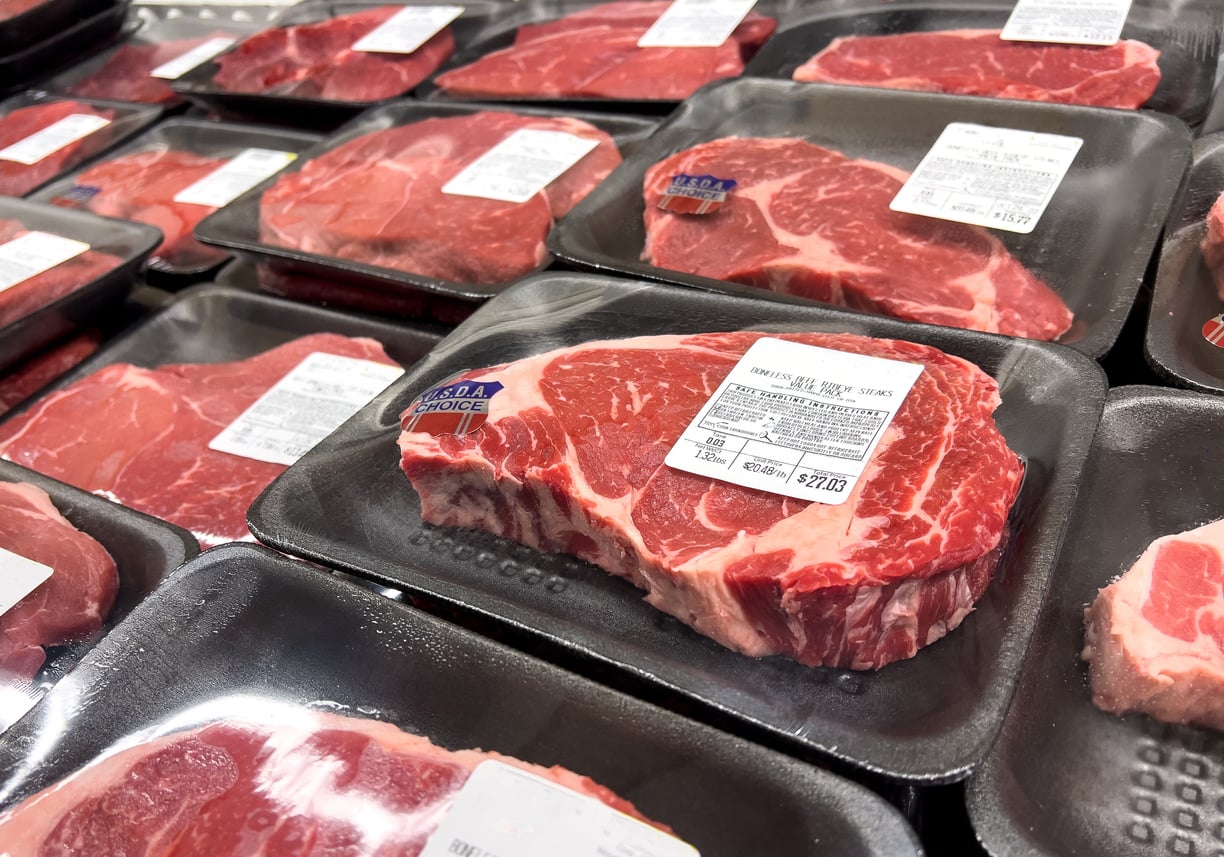
Meat can take a substantial bite out of the grocery budget, which makes portion size worth noticing. That doesn’t require eliminating it. Instead of building every dinner around a large piece of meat, shoppers can stretch smaller amounts through tacos, pasta, casseroles, soups or stir-fries alongside vegetables, beans or grains. A roast chicken can become dinner one night and sandwiches, soup or another meal afterward. There’s also room to compare cuts: the most convenient boneless option isn’t necessarily the best value. Just make sure any cheaper cut you buy actually fits the way your household cooks.
They Check the Refrigerator Before Shopping
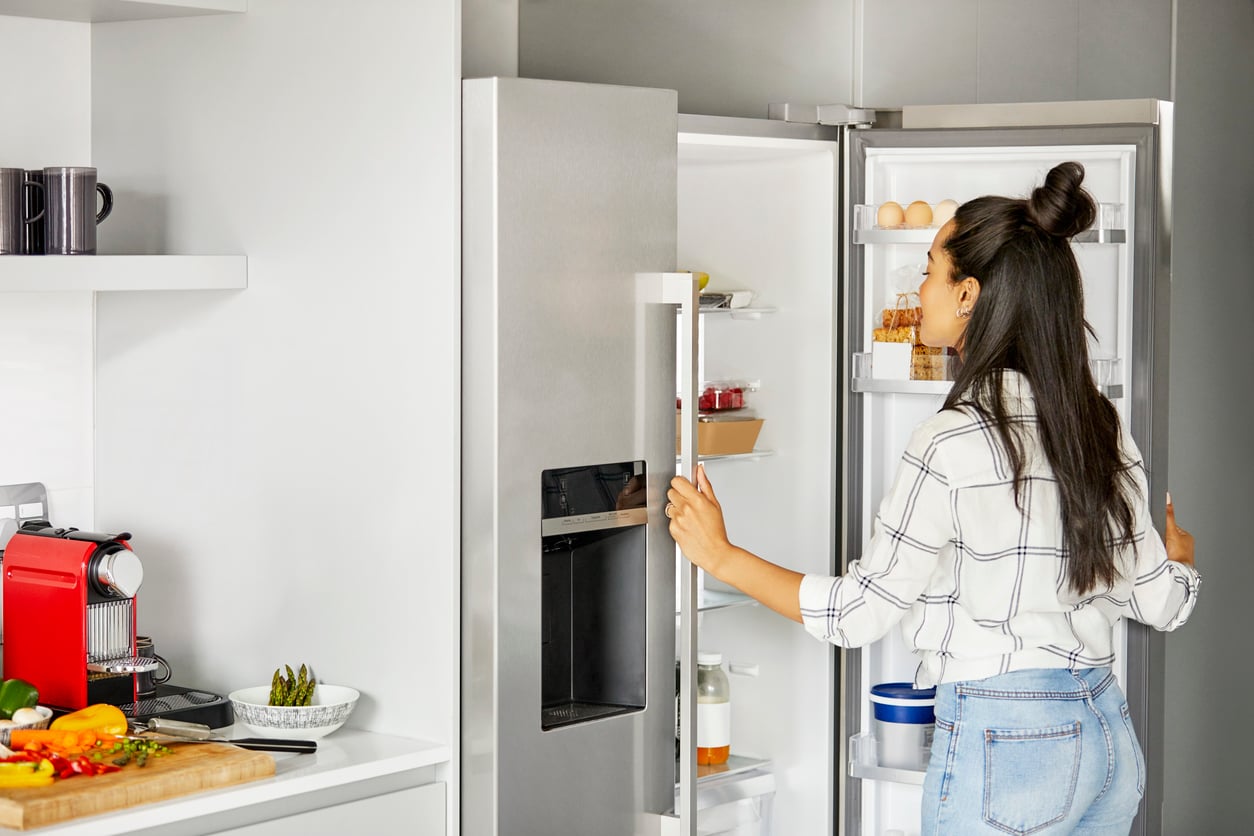
One of the easiest grocery savings happens before you leave home. The FDA specifically recommends checking the refrigerator while making a shopping list so you don’t buy something you already have. It also suggests creating a designated area for foods that are approaching the point when they need to be eaten. That can be as simple as an “eat first” section containing half a bell pepper, an open container of yogurt and last night’s leftovers. Saving 50 cents on another bag of produce doesn’t accomplish much if the vegetables already sitting at home end up in the trash.
Sign up for our newsletter
They Stop Stockpiling Foods They Barely Eat
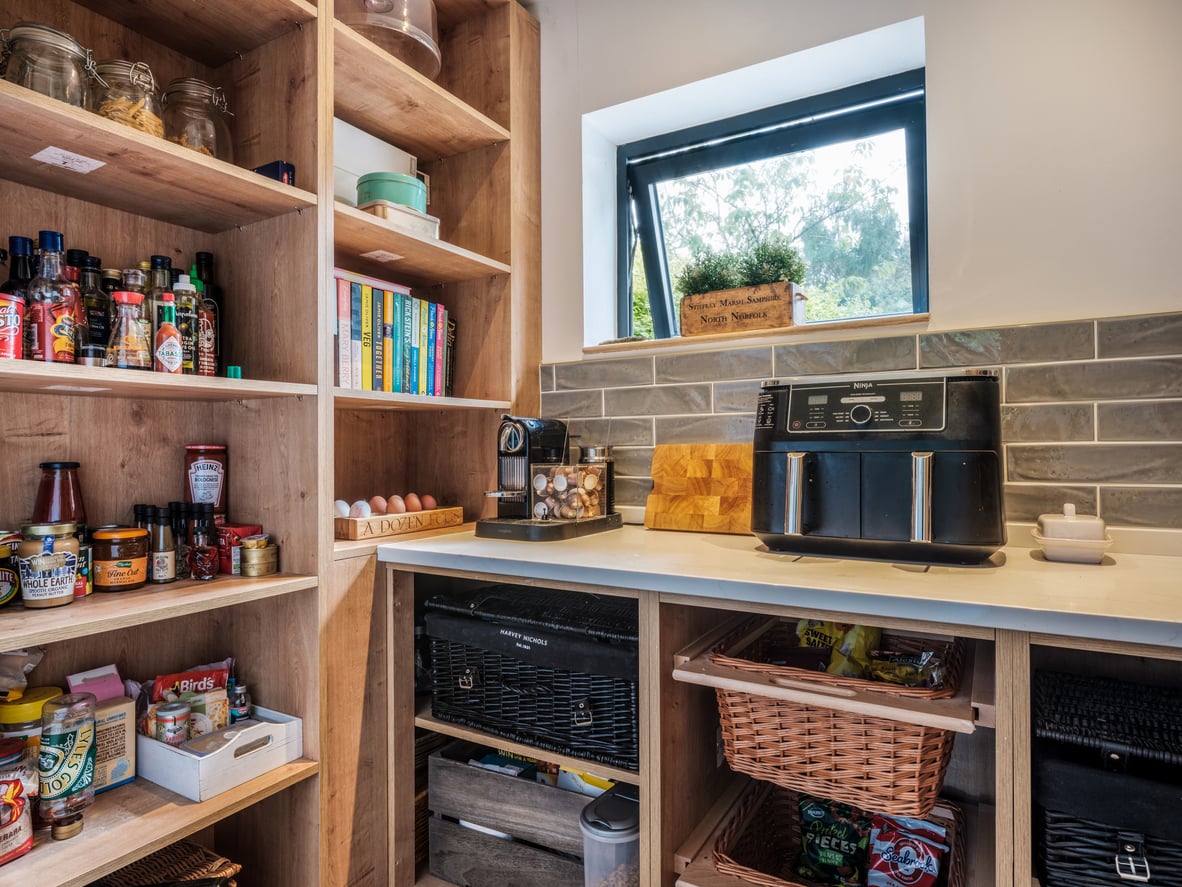
Bulk packages and stock-up sales make the savings obvious at checkout, but the calculation changes if half the purchase eventually gets tossed. FDA guidance specifically cautions against buying more food than you can use before it spoils and recommends being careful with bulk purchases, particularly foods with limited shelf lives. That’s worth remembering even with nonperishables. A giant box of snacks nobody particularly likes or six bottles of a condiment used twice a year aren’t bargains just because the unit price was low. Stockpiling works best with foods your household reliably goes through.
They Start Using the Freezer More
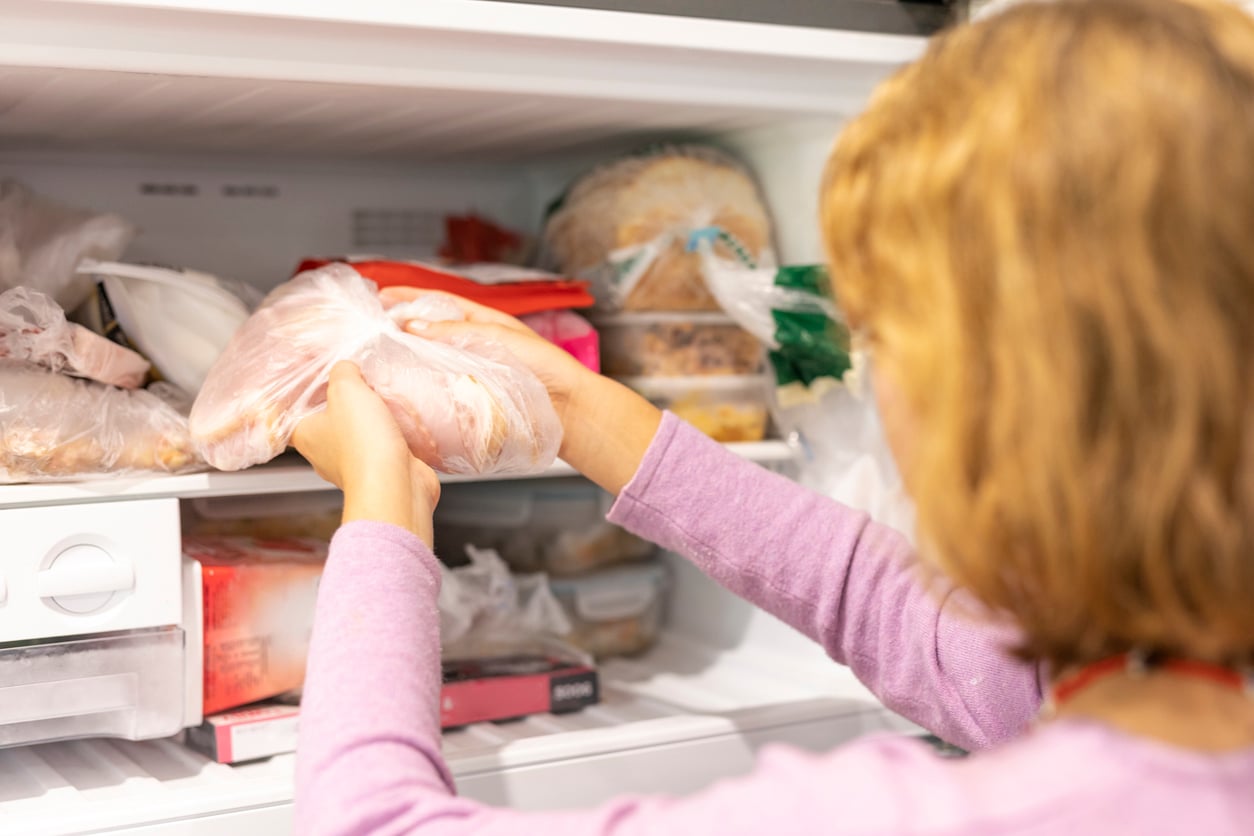
The freezer becomes a budgeting tool once you stop treating it as the place where mystery containers go to disappear. Bread, meat and many cooked meals can be portioned and frozen, giving you more time to use food purchased on sale and reducing the pressure to finish leftovers immediately. The FDA specifically recommends freezing foods before they go bad and points consumers to the FoodKeeper resource for storage guidance. Label packages with the contents and date, and freeze them in useful portions. A giant frozen block of chili isn’t nearly as convenient as several dinner-sized containers.
They Compare Stores Without Chasing Every Deal

Store loyalty is convenient, but it can be expensive if you assume one supermarket has the lowest prices on everything. A 2026 Consumer Reports comparison found a difference of more than 33% between the highest and lowest priced mainstream grocery baskets in each of the six cities it studied. But that doesn’t mean driving to four stores every Saturday makes sense. Transportation, memberships and your time have value too. One recent frugal shopper found exactly that after traveling farther for supposedly cheaper groceries and questioning whether the savings justified the trip. A better approach is knowing which few categories are worth buying elsewhere.
They Think About Cost Per Meal, Not Just Cost Per Item
Eventually, price-conscious shopping becomes less about finding the lowest number on a shelf and more about asking what a purchase will actually do for you. A $12 ingredient that contributes to four dinners may be more useful than a $5 convenience item that’s gone after one meal. Eggs, dried beans, pasta, frozen vegetables and a whole chicken can all stretch across meals depending on what your household eats. That’s the larger lesson behind these habits: value isn’t necessarily the cheapest thing in the cart. It’s buying food at a reasonable price, using what you buy, and getting enough enjoyment and meals from it to make the expense worthwhile.