Walking into HomeGoods with a shopping list is easy. Walking out without a throw pillow, Dutch oven, seasonal candle, and decorative bowl you absolutely did not plan to buy? That’s where things get complicated.
The off-price retailer is built around the thrill of finding something unexpected, and inventory changes constantly. HomeGoods says new furniture and decor arrive several times a week, often in batches of hundreds of items, which helps explain why two visits to the same store can look completely different.
But finding a bargain and actually saving money aren’t necessarily the same thing. From knowing when to shop to checking imperfect merchandise before you pay full price, these 12 HomeGoods shopping secrets can help you get more from your next treasure hunt.
Shop on a Weekday Morning
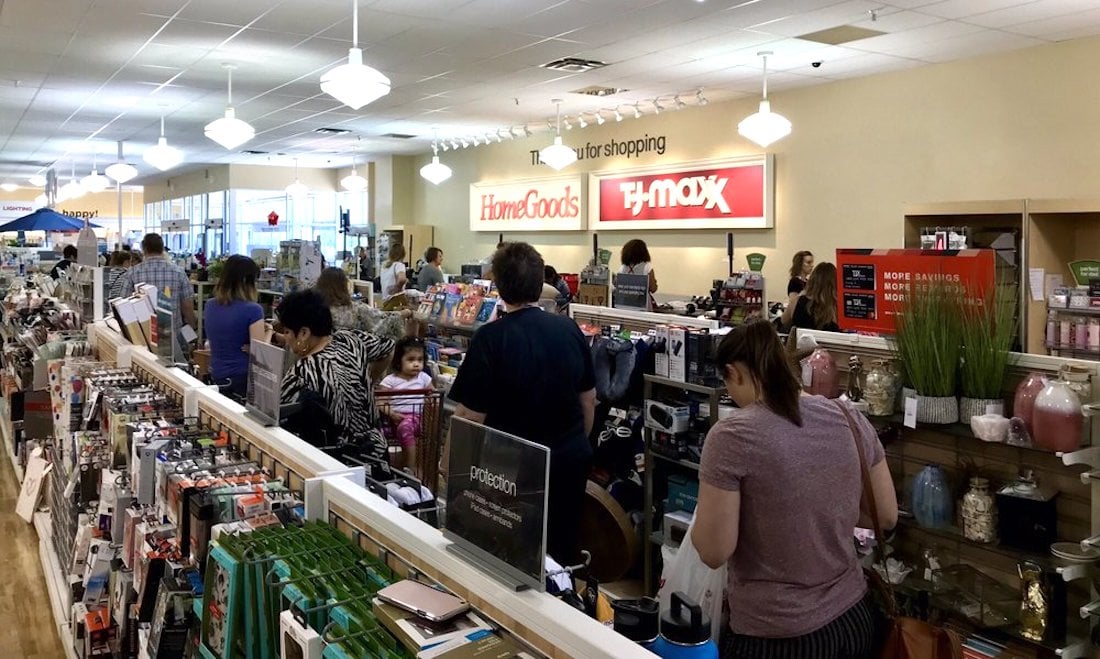
Saturday afternoon might be convenient, but it’s not necessarily the best time to tackle HomeGoods. Experienced shoppers and home experts recommend going during the week, when stores tend to be less crowded and easier to navigate. Good Housekeeping recommends arriving right around opening, while longtime HomeGoods experts have singled out Tuesday through Thursday as particularly good days.
Fewer shoppers don’t technically make the merchandise cheaper, but they give you more time to compare prices, inspect products, and think before tossing something into your cart simply because three other people are circling it.
Ask Your Store When Deliveries Arrive

There isn’t one magical nationwide “HomeGoods restock day.” HomeGoods says stores receive new and unexpected merchandise several times each week, and individual delivery schedules can vary.
That’s why one of the easiest tricks is simply asking an employee when your particular location usually receives and puts out merchandise. Then plan your visits accordingly. You’ll have a better shot at seeing fresh inventory before it’s been thoroughly picked over — particularly useful when you’re hunting for furniture, rugs, lamps, or matching pieces rather than casually browsing.
Don’t Expect Them to Have Another One in the Back

See a lamp you love but can’t find its twin? Don’t count on an employee disappearing into a magical stockroom and returning with another one.
HomeGoods says it doesn’t keep replenishment inventory in its back rooms. In fact, store managers may not even know exactly what’s coming until a delivery arrives. The company also doesn’t offer a merchandise-tracking service because inventory changes so quickly.
That doesn’t mean you should buy everything immediately. But if you’ve already compared the price, know you need the item, and would be disappointed if it disappeared, waiting for another identical one to emerge may not pay off.
Check Another HomeGoods Before Giving Up

The constantly changing inventory has an upside: A disappointing trip to one HomeGoods doesn’t necessarily tell you what you’ll find at another.
Because stores receive thousands of new items each week and HomeGoods doesn’t maintain a traditional catalog, selection can differ substantially between locations. If you have several stores within a reasonable distance, trying another location can be worthwhile for a planned purchase — especially before paying considerably more for a similar piece somewhere else.
Just don’t burn $20 worth of gas driving across town to save $10 on a vase.
Take a Second Lap Before Checking Out
HomeGoods is not exactly designed for surgical, get-in-get-out shopping. Merchandise is packed onto shelves, displays change constantly, and something worth buying can be hiding behind three objects you don’t care about.
Interior designers interviewed by Southern Living recommend making more than one pass through the store because it’s surprisingly easy to overlook something the first time.
A second lap can save money in another way, too: You may find a less expensive version of something already sitting in your cart. Before checking out, compare similar items from different aisles instead of assuming the first one you spotted is the best deal.
Trending on Cheapism

Look High, Low, and Behind Other Merchandise

The prettiest display isn’t necessarily where the best bargain is hiding. HomeGoods shelves can be packed several items deep, and less noticeable merchandise may wind up on bottom shelves or tucked behind larger pieces.
Experienced shoppers recommend searching those less obvious spots rather than limiting yourself to whatever is displayed at eye level. This can be particularly useful for items like cookware, storage, decorative accessories, and linens, where several similar products at different prices may be scattered through the same section.
Ask About a Discount on Damaged Merchandise

Found the perfect side table, except for a small scratch on the leg? Don’t automatically put it back — but don’t automatically pay full price, either.
Shopping experts recommend politely asking an associate whether a discount is available when merchandise has visible damage or an imperfection. Whether an adjustment is available can depend on the item and store, so don’t assume you’re entitled to one.
More importantly, inspect the damage carefully. A tiny cosmetic scratch you can live with is one thing; a wobbly chair or cracked piece of cookware isn’t a bargain just because somebody knocks a few dollars off.
Know That Coupons Aren’t Really the HomeGoods Game

Waiting for a 20%-off coupon to magically appear may leave you waiting a very long time. HomeGoods says it generally doesn’t run promotions, sales, or coupons in the traditional retail sense. Its off-price business model instead relies on buying merchandise opportunistically, including situations where designers overproduce or other retailers overbuy.
That makes price comparison more important. If you’re shopping for something substantial — a rug, chair, mirror, or piece of cookware — check what comparable products cost elsewhere rather than assuming the HomeGoods tag automatically represents the lowest possible price.
Sign up for our newsletter
Consider the TJX Rewards Card — But Only If It Makes Sense

Frequent shoppers have one official way to earn more back. The TJX Rewards credit card currently earns 5% back in Rewards on purchases across the TJX family of stores, including HomeGoods, with every 1,000 points earning a $10 Rewards Certificate. HomeGoods also advertises 10% off the first in-store purchase for new approved cardholders, subject to the program’s terms.
That can add up for someone who already shops there frequently and pays the balance in full. Carrying credit-card debt and paying interest, on the other hand, can wipe out those savings quickly. Don’t open a store card just because the cashier tells you how much today’s purchase could save.
Keep Your Receipt
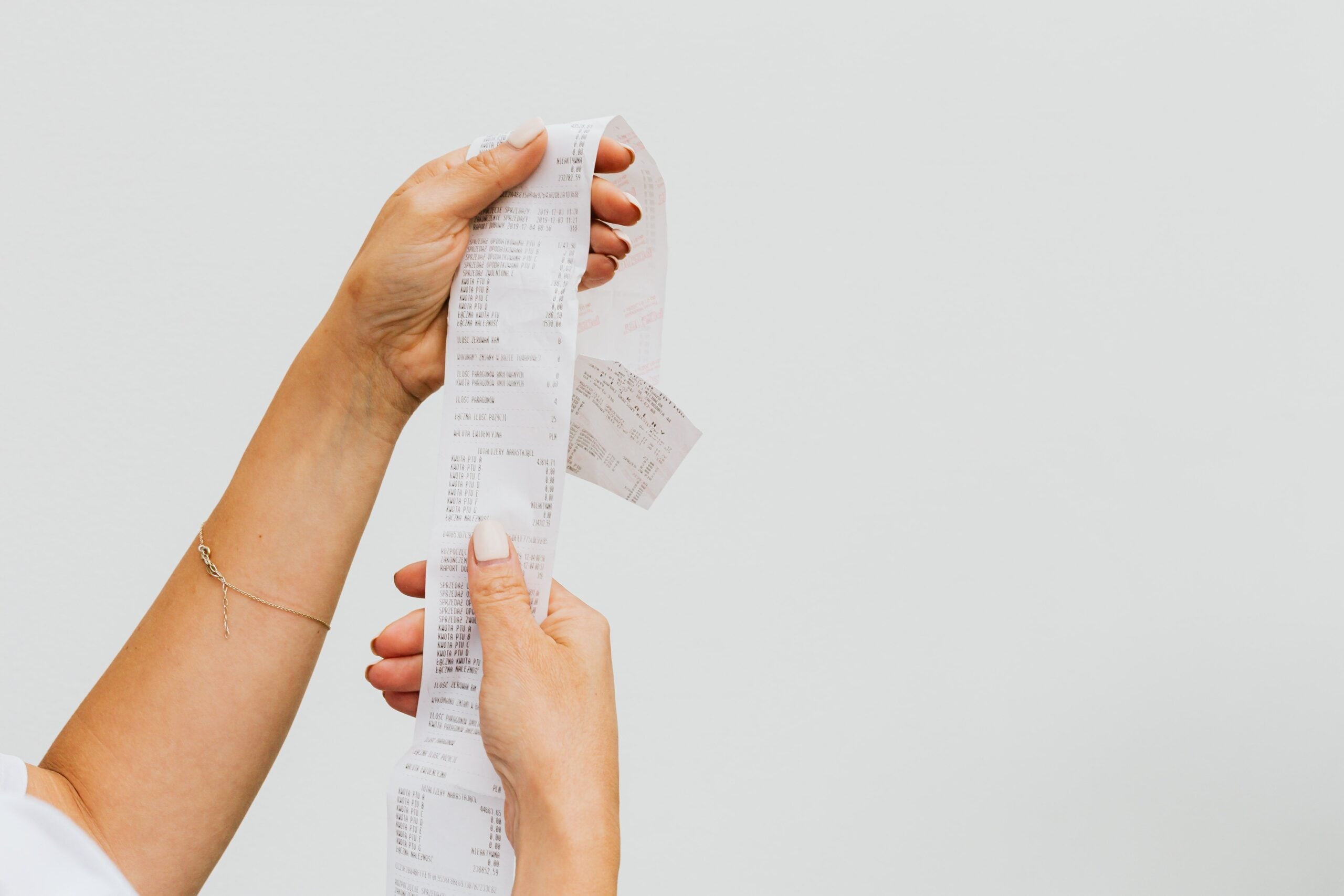
That crumpled receipt at the bottom of your bag can be more valuable than it looks.
HomeGoods generally allows in-store purchases to be returned within 30 days with a receipt for a refund or exchange, provided they meet the return requirements. Eligible returns made after 30 days or without a receipt generally receive merchandise credit instead, and non-receipted returns require identification and are subject to additional restrictions.
For bigger purchases, take a picture of the receipt as backup and keep the original somewhere safe until you’re certain the item works in your home.
Measure Before You Shop

A $250 accent chair isn’t much of a bargain if you get it home and discover it blocks half the doorway.
Keep basic measurements for rooms and empty spaces in your phone, including the width and height available for furniture, rugs, mirrors, shelving, and artwork. It’s also worth carrying a small tape measure if you’re seriously shopping for furniture.
HomeGoods’ rapidly changing inventory can create pressure to make a quick decision, but measurements let you make that decision based on something more useful than “I think it’ll fit.” You’ll also reduce the chance of paying for transportation or delivery only to discover your bargain has to go straight back.
Check Delivery Costs Before Falling in Love With Furniture

That oversized dresser might have a great sticker price. Getting it into your living room is another matter.
HomeGoods says delivery is available at most stores through third-party services, but availability, delivery range, scheduling, and costs vary depending on the provider, item size, and distance.
Before deciding whether a large furniture purchase is genuinely cheaper than alternatives, ask what it will cost to get it home. A bargain sofa can become considerably less impressive once a hefty delivery charge is added — particularly if another retailer includes delivery in its advertised price.
The Best HomeGoods Deal Is Something You Actually Needed
HomeGoods’ treasure-hunt format is part of what makes shopping there fun. It’s also what can turn a trip for bath towels into a cart containing $150 worth of “deals.”
The easiest way to save is to arrive with at least a rough list, know the measurements you need, and compare prices on bigger purchases. Shop frequently enough and you’ll probably see plenty of tempting products disappear — but you’ll also learn that something new will be on the shelves soon enough.
After all, HomeGoods says hundreds of new pieces can arrive in a single delivery and stores receive new merchandise several times a week. Missing out on one decorative pumpkin probably isn’t the emergency it feels like in aisle seven.