One of the reasons for higher monthly costs isn’t solely due to rising utility bills. Certain items, such as the appliances you choose for your home, may be consuming more electricity or water than is actually necessary. Drawing on information from the Department of Energy, the EPA, and other sources, we’ll highlight specific household items worth checking before you assume that rising bills are simply inevitable!
An Old Refrigerator with Worn Door Seals
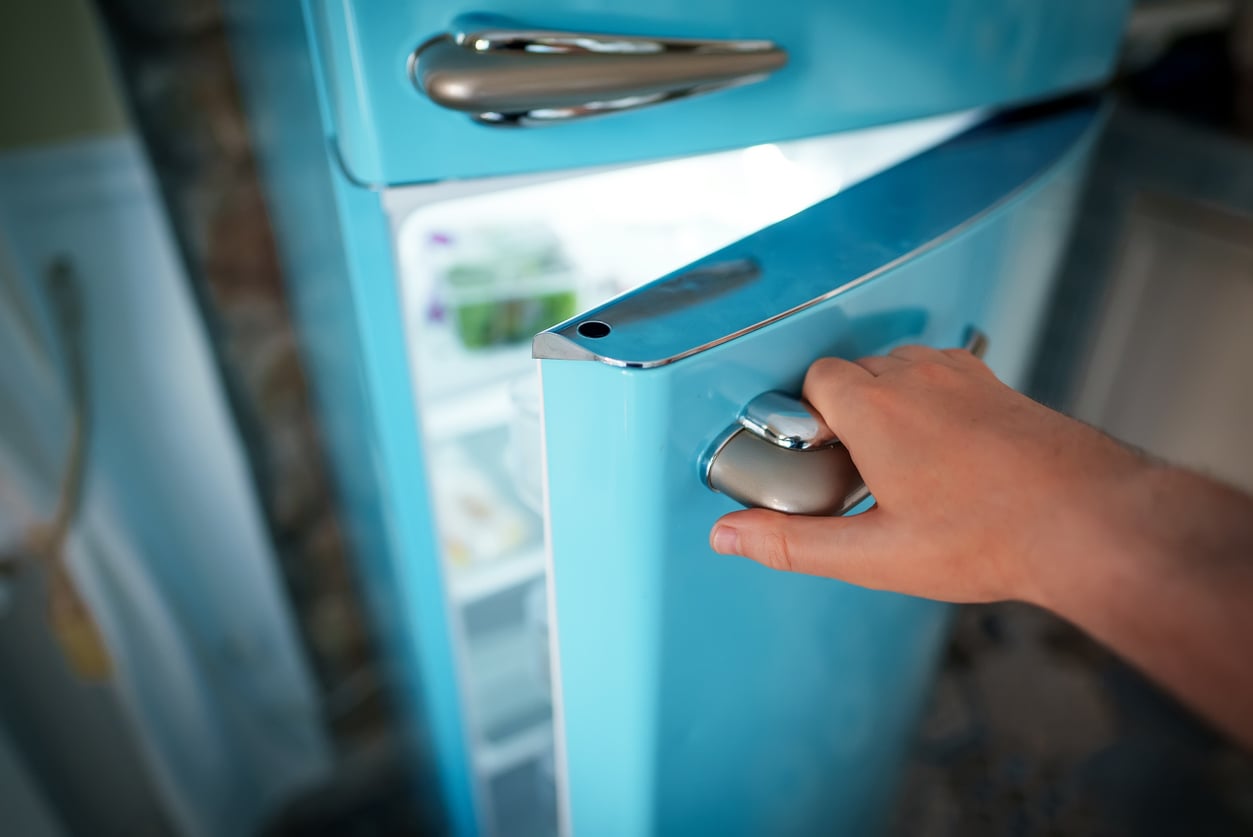
An old refrigerator can contribute to higher monthly utility bills when its door seals are worn. A damaged door gasket can allow warm air to seep in, forcing the refrigerator’s compressor to run longer than necessary to maintain a cold temperature. The Department of Energy recommends setting refrigerators to approximately 35-38°F and freezers to 0°F.
A Toilet That Keeps Running After Every Flush
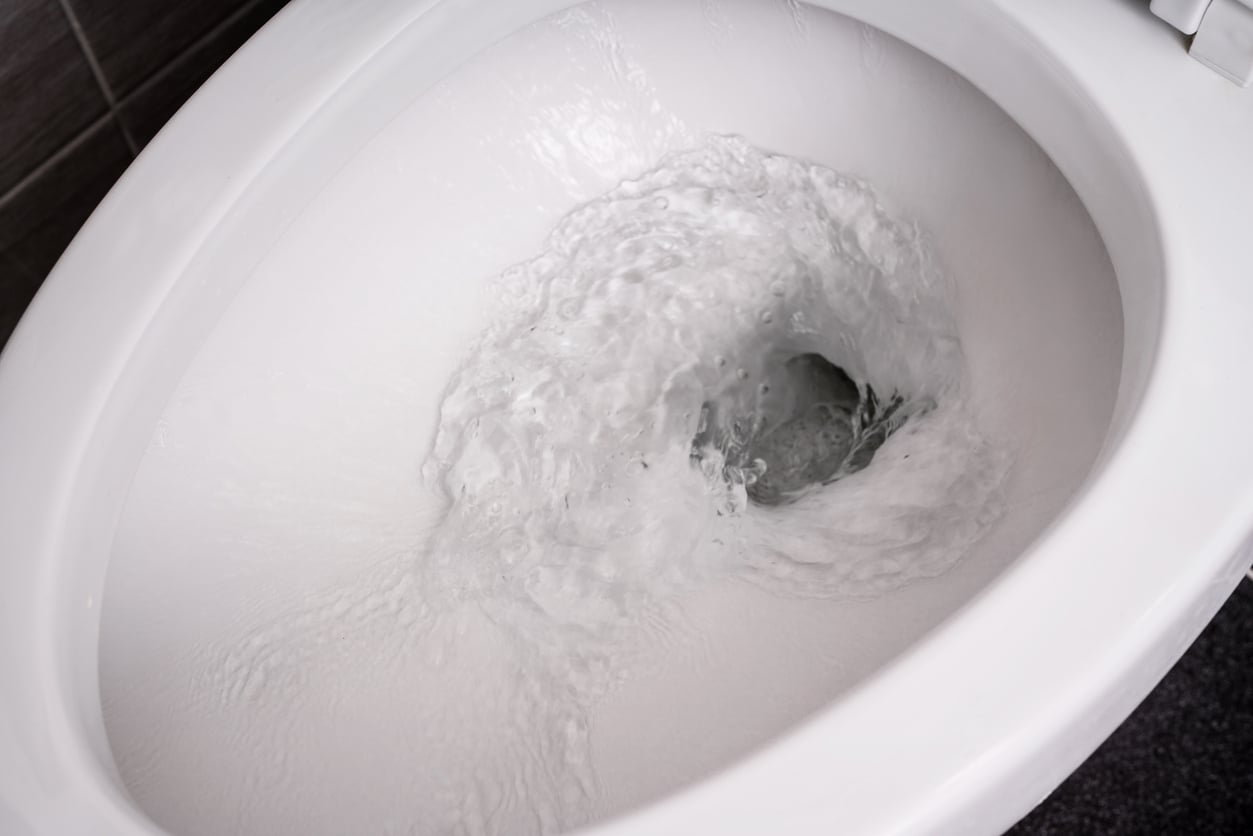
A toilet that continues running after being flushed wastes water and increases your utility bills. If a worn flapper or a leaking valve is affecting your toilet’s operation, it is best to fix it as soon as possible. To check for a leak, you can add some food coloring to the tank. If the color appears in the bowl after a few minutes, without the toilet having been flushed, then you have a problem.
A Furnace Filter That Hasn’t Been Changed in Months
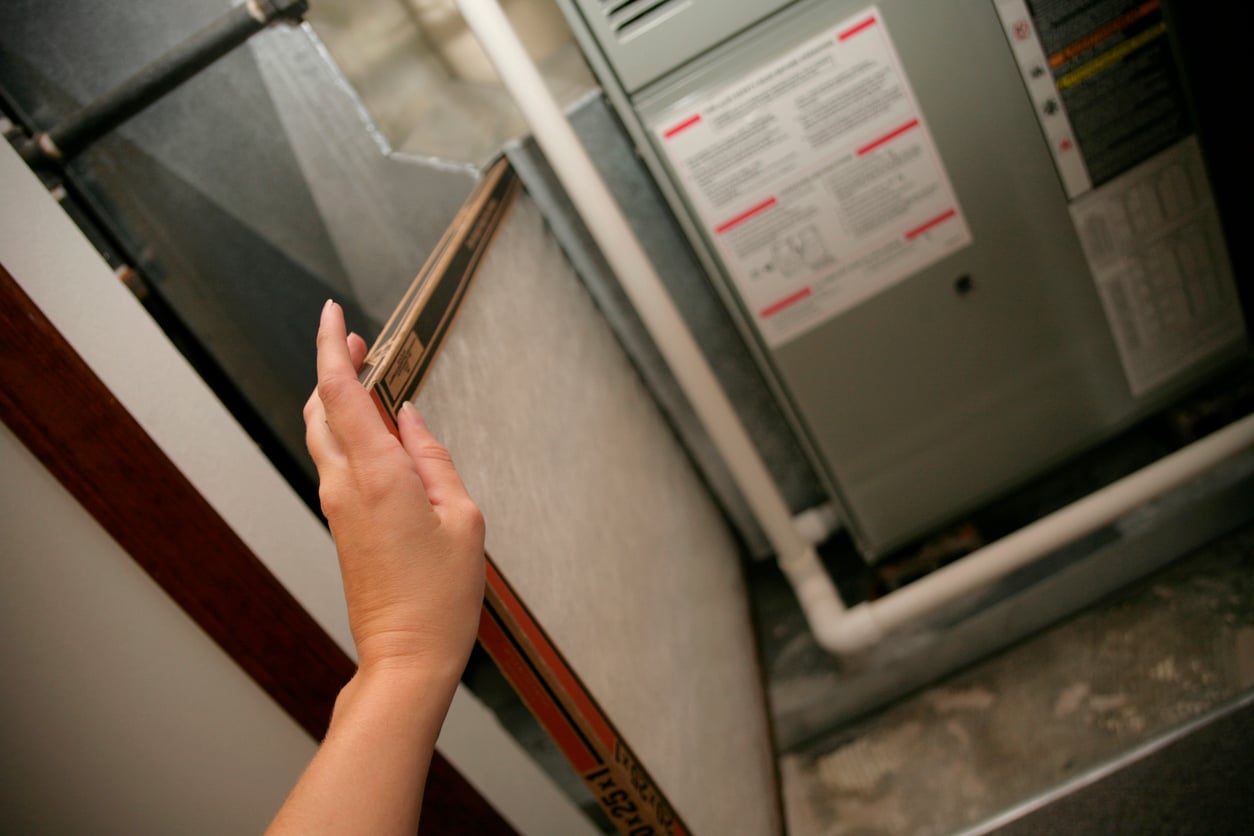
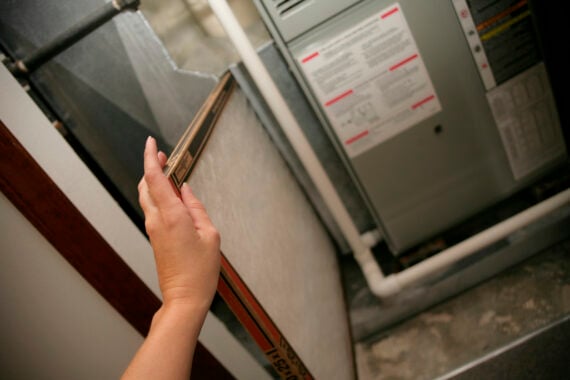
When an HVAC filter restricts airflow, often because it is clogged, the heating or cooling system must work longer to reach the desired temperature, potentially increasing your utility bills. Follow the inspection and replacement intervals recommended in the manufacturer’s manual. According to ENERGY STAR, it is recommended to check your filters monthly and replace them when they are dirty.
A Second Refrigerator Running Nearly Empty in the Garage
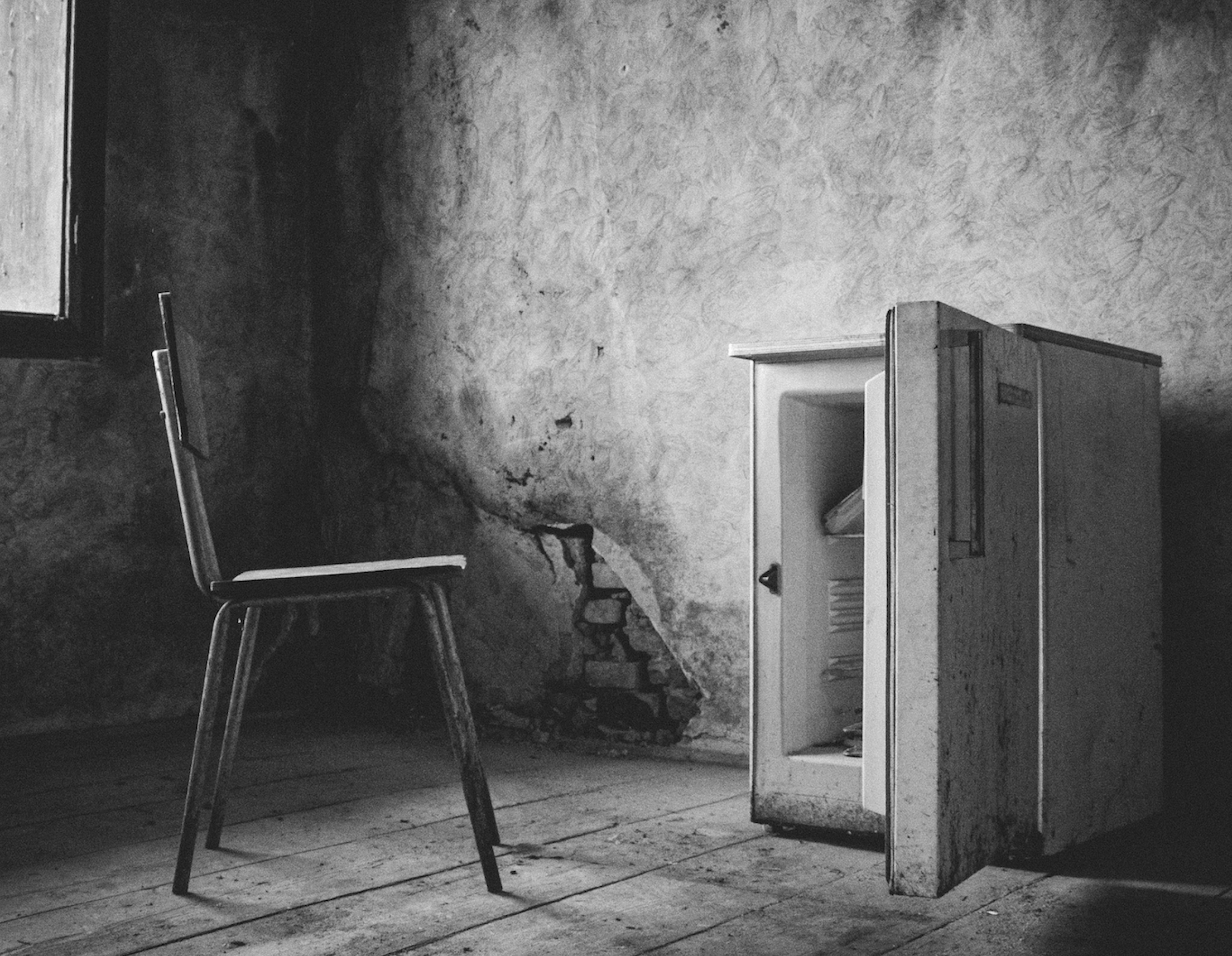
Keeping a spare refrigerator running constantly in the garage, especially when it contains only a few beverages or occasional leftovers, can increase your utility bill. Unplugging an unnecessary second refrigerator when it isn’t needed can help eliminate this ongoing expense. The Department of Energy recommends using an electricity monitor or the appliance’s EnergyGuide information to estimate the annual operating cost of this second refrigerator.
A Water Heater Set Hotter Than Necessary
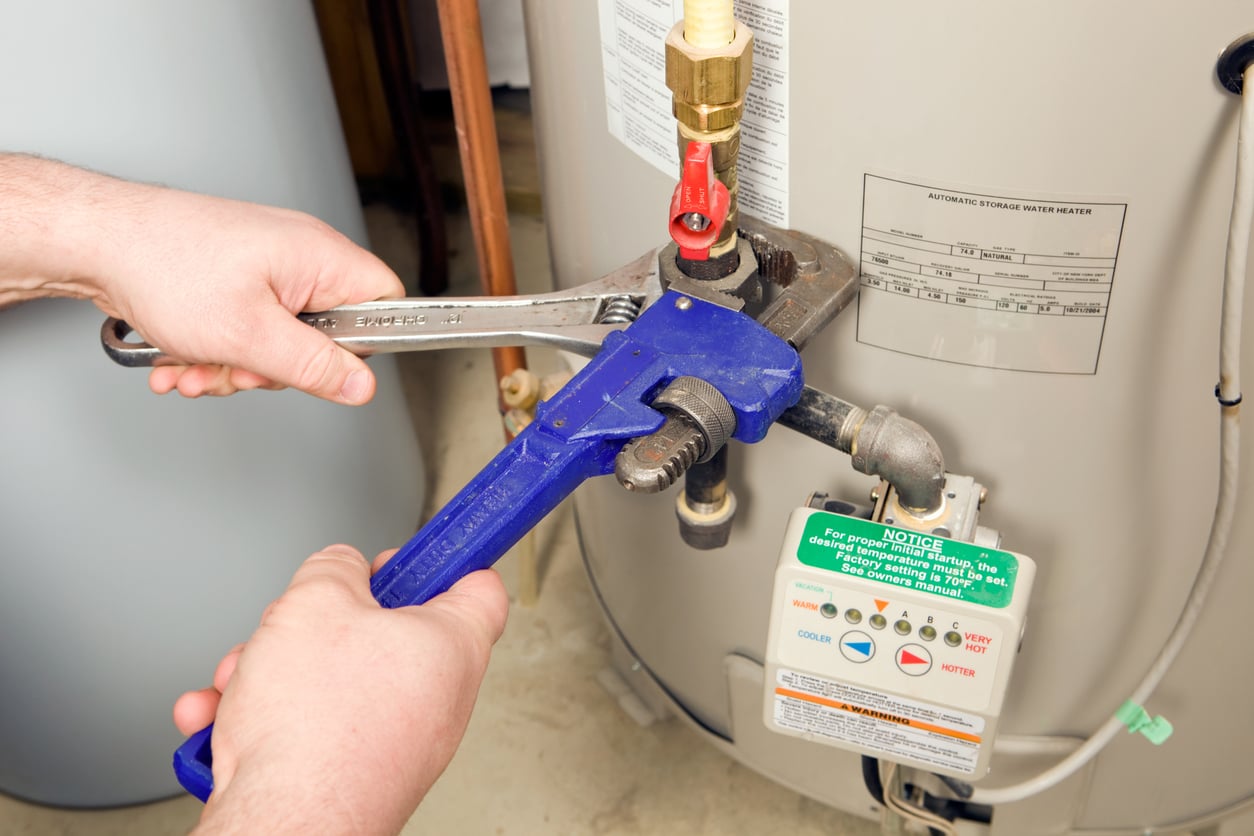
When a water heater is set to a temperature higher than necessary, you end up consuming more energy and increasing your utility bills. Heat is also lost as hot water travels through the pipes to the faucet. Check the heater’s settings and the manufacturer’s guide. The Department of Energy recommends setting the water heater to 120°F, even though some units are capable of reaching higher temperatures.
Trending on Cheapism


A Shower Head That Uses More Water Than You Realize
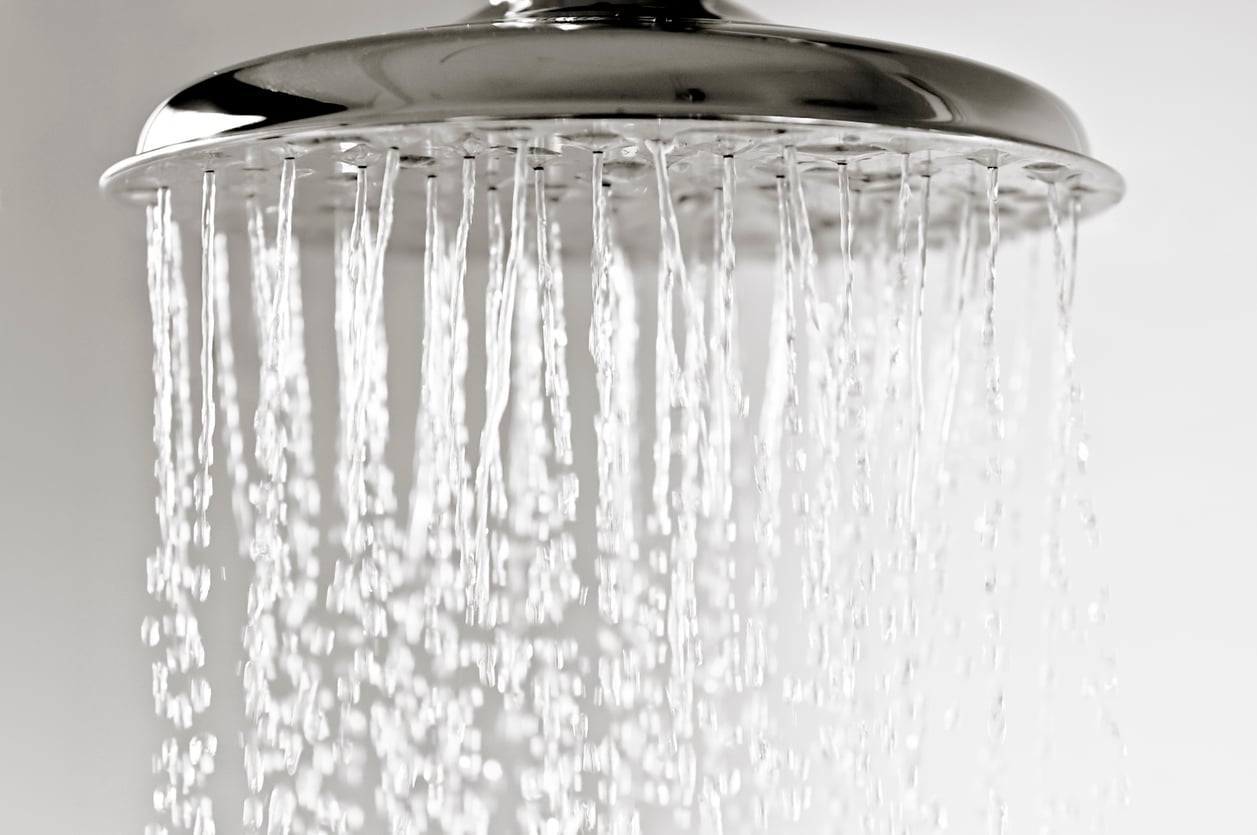
High-flow shower head use more water, which increases your consumption and, consequently, your monthly utility bill. Hot showers will increase your electricity bill due to the energy required to heat the water. Determine which shower head is most efficient for your bathing habits. Additionally, the EPA estimates that replacing a standard shower head with a WaterSense-labeled model can save a family approximately 2,700 gallons of water per year.
A Clothes Dryer with a Clogged Lint Filter or Vent
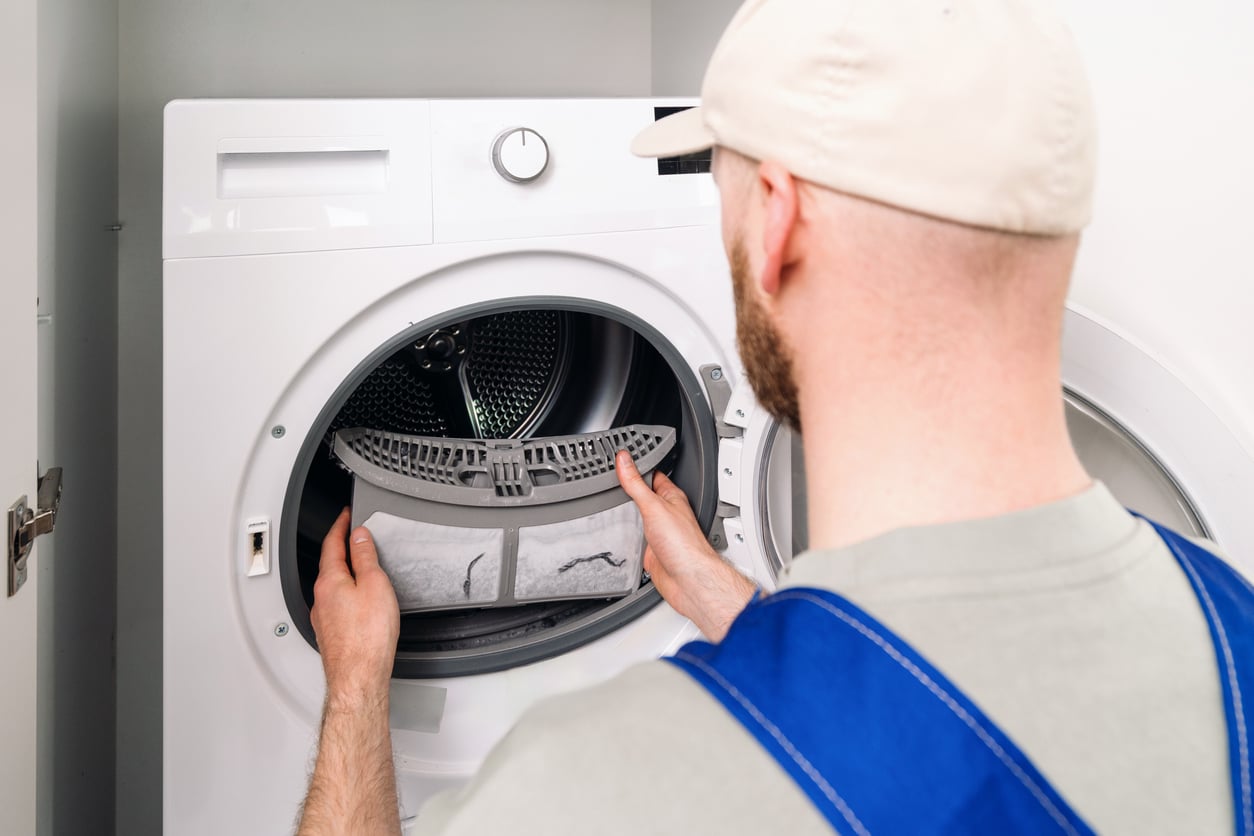
The drying cycles of a clothes dryer depend on the lint filters and vents being clean and free of clogs, as proper airflow helps the appliance operate efficiently and jeeps utility bills under control. It is recommended to clean the filter after every load, and the Department of Energy advises using an appropriate automatic moisture-sensing setting rather than routinely running a lengthy, timed cycle.
An Air Conditioner with Dirty Coils
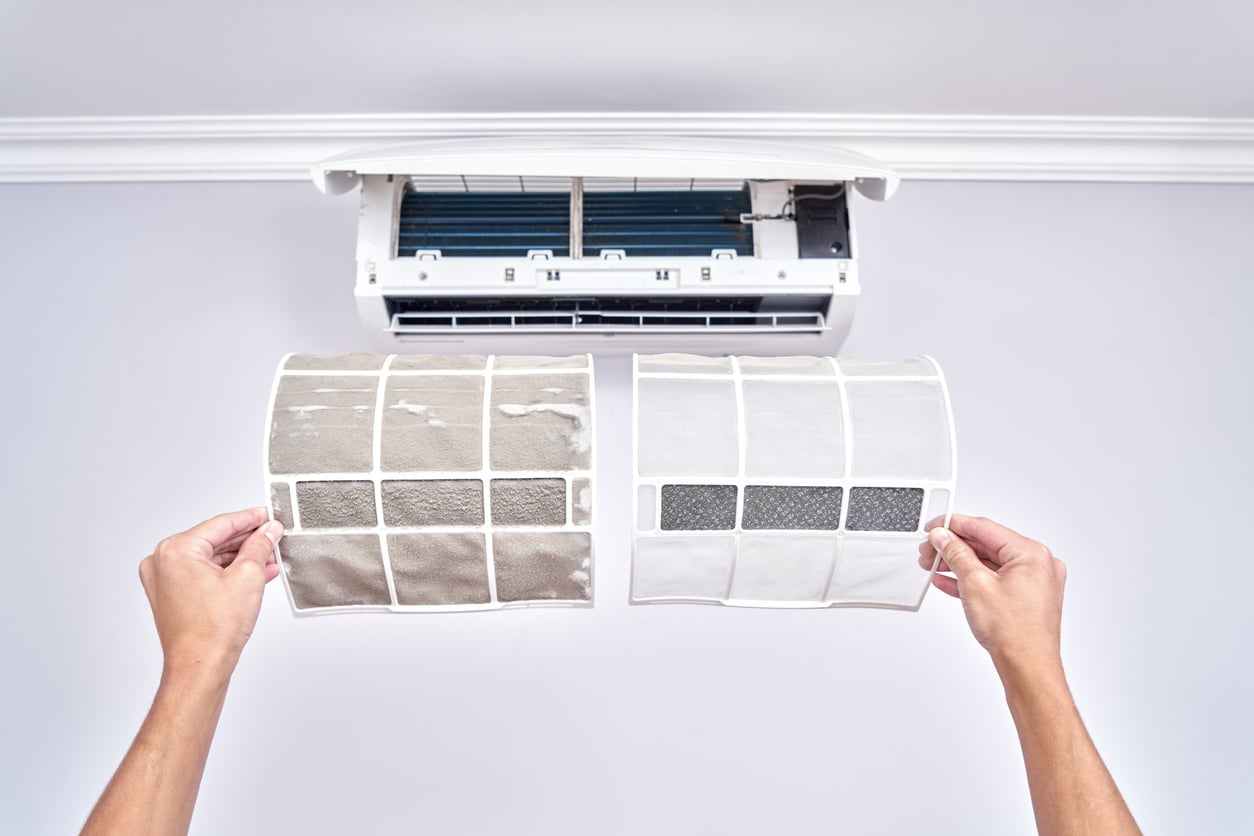
Another appliance that can increase your utility bills is the air conditioner, particularly if its coils are not clean. Dirt can accumulate on an air conditioner’s cooling coils, reducing heat transfer and causing longer runtimes, leading to a higher electricity consumption. Cleaning the surrounding area and keeping outdoor condenser units free of debris can also help improve airflow. ENERGY STAR notes that dirty cooling coils can also cause premature equipment wear.
Sign up for our newsletter
A Portable Space Heater Running for Hours
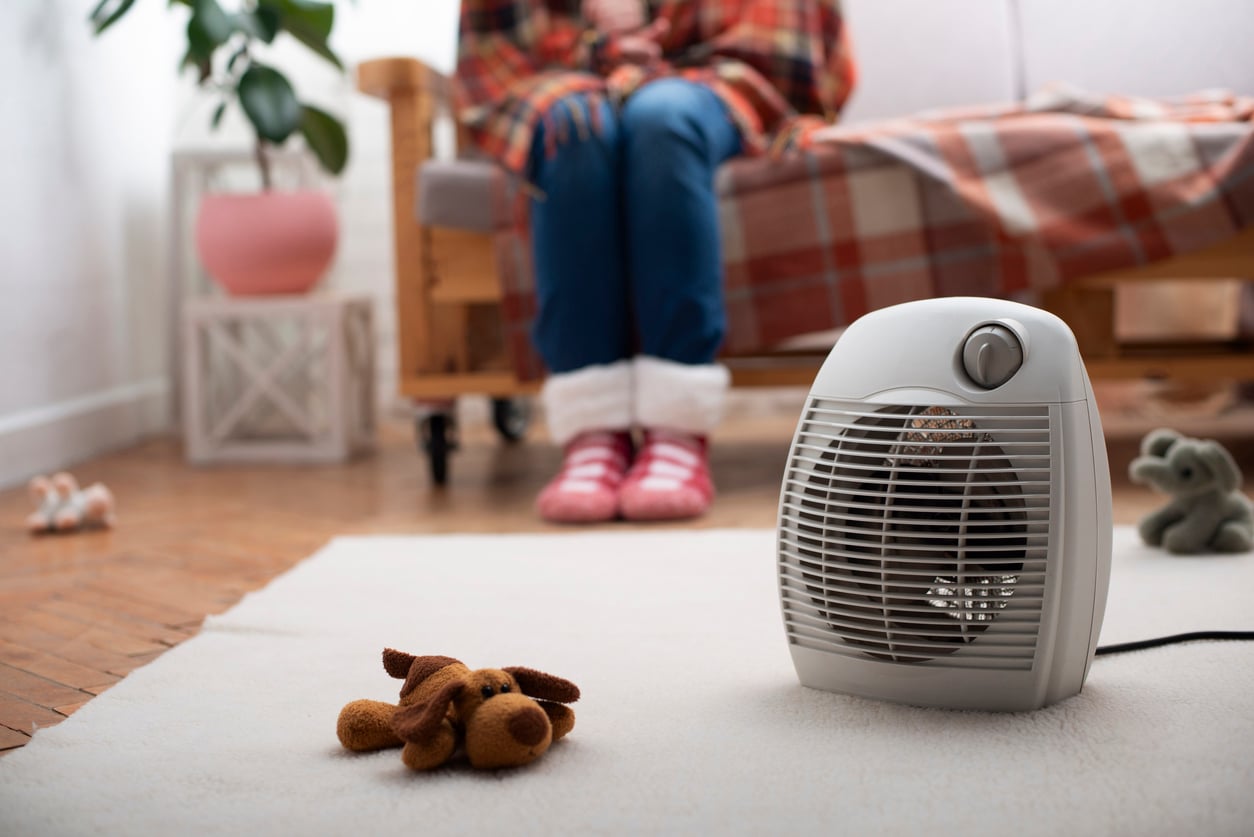
When an electric resistance heater runs for a long time, it can consume a significant amount of electricity and increase your utility bills. Compare its rated wattage and daily operating hours against your household’s electricity price. The Department of Energy recommends using space heaters selectively, rather than assuming they are cheaper than central heating.
A Leaky Outdoor Faucet or Garden Hose Connection
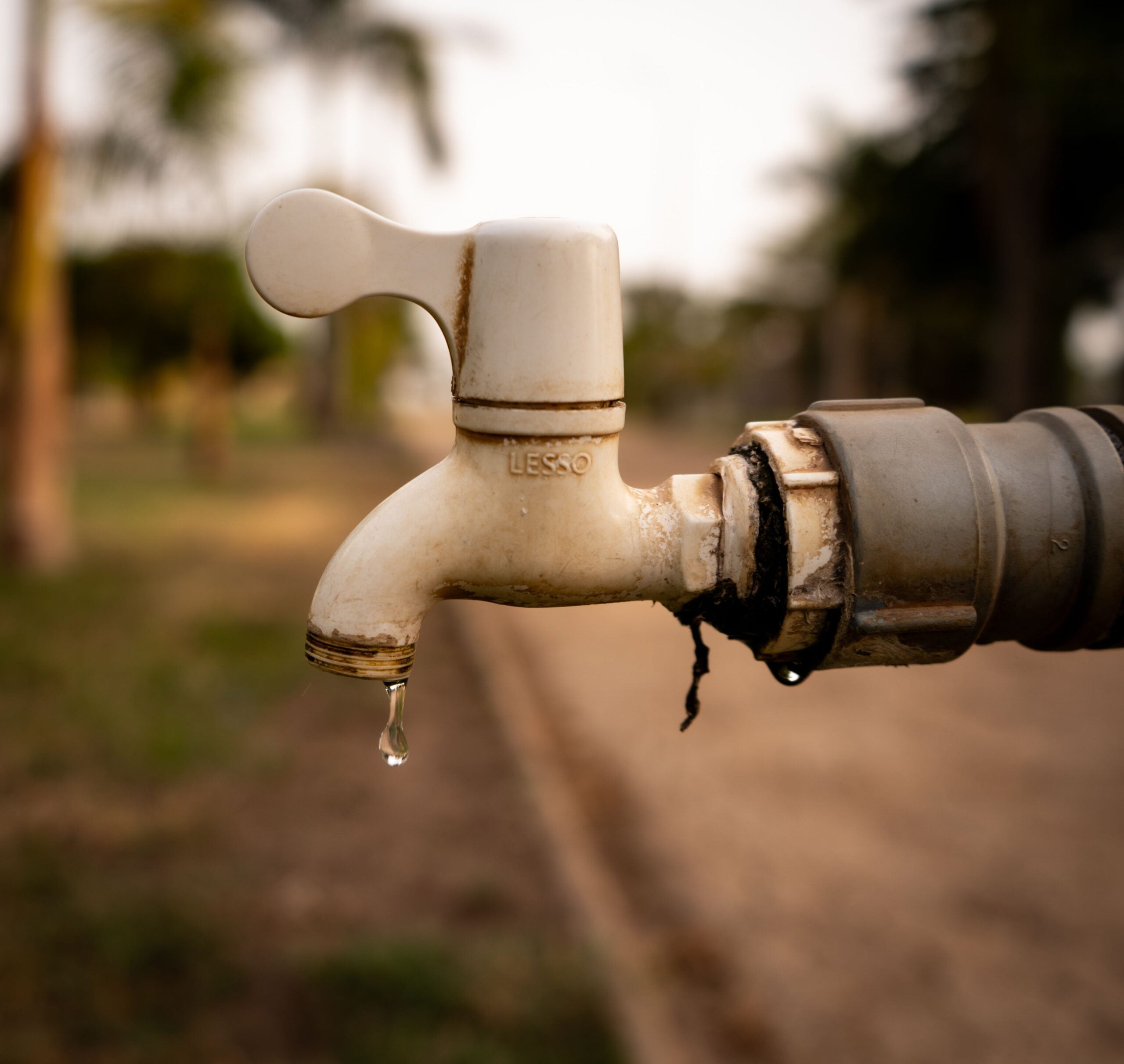
A dripping outdoor fixture might not seem like it’s losing enough water to warrant immediate attention, but this constant water waste will cost you money, even though the leak occurs outside your home. Check your hose connections, outdoor spigots, and other equipment to prevent leaks. The EPA recommends using WaterSense-labeled devices to put an end to this water waste.
An Automatic Sprinkler System That Waters Too Often
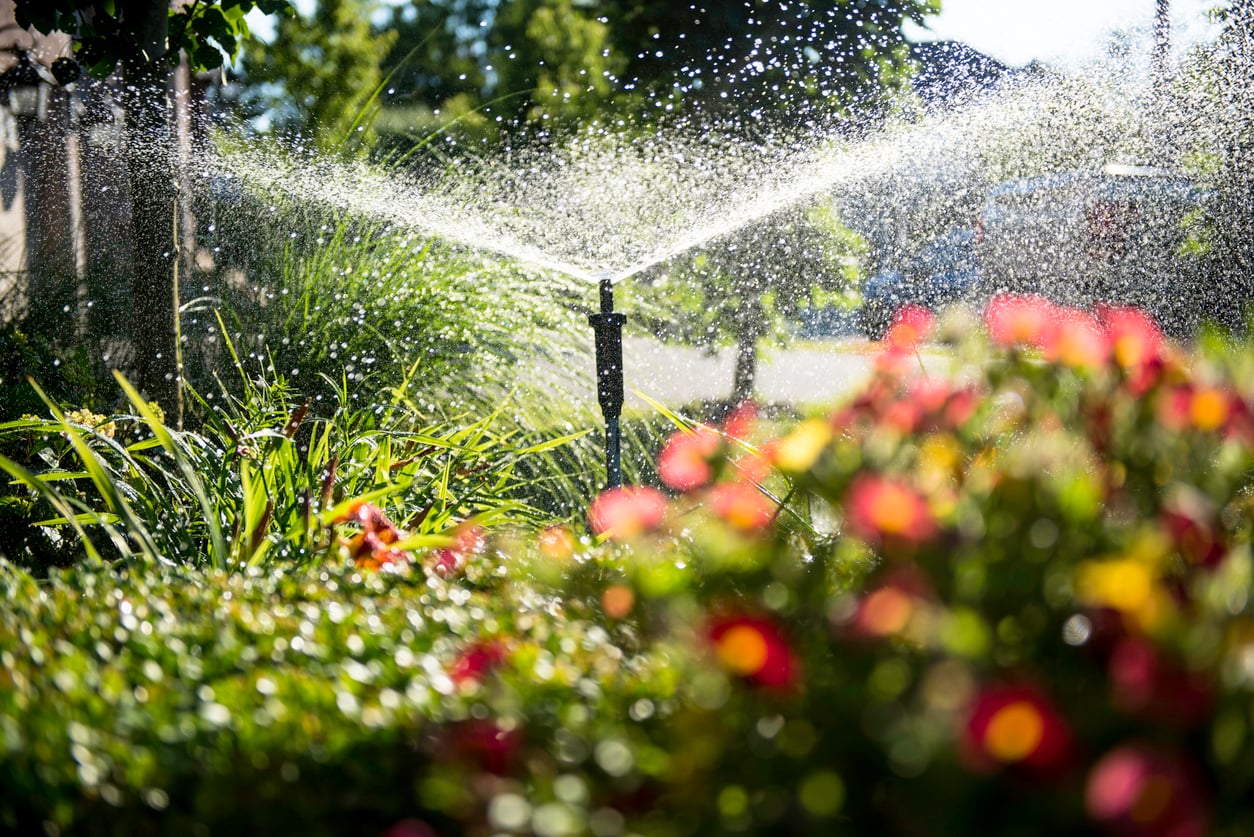
When an automatic sprinkler system waters too often, you’ll end up wasting water and potentially increasing your utility bills. Although these systems automate lawn watering, they can waste money if used incorrectly. Inspect the sprinkler heads and adjust the watering schedules according to the season. The EPA notes that improperly maintained irrigation systems can waste thousands of gallons of water per year.
Electronic Devices That Continue Drawing Standby Power

Some electronic devices, such as televisions, gaming equipment, entertainment systems, and more, continue to draw standby power even when they are not in use, potentially increasing your utility bills. Check for devices that are left plugged in 24 hours a day but are rarely used, and consider using advanced power strips to reduce standby electricity consumption, according to the Department of Energy.
Conclusion
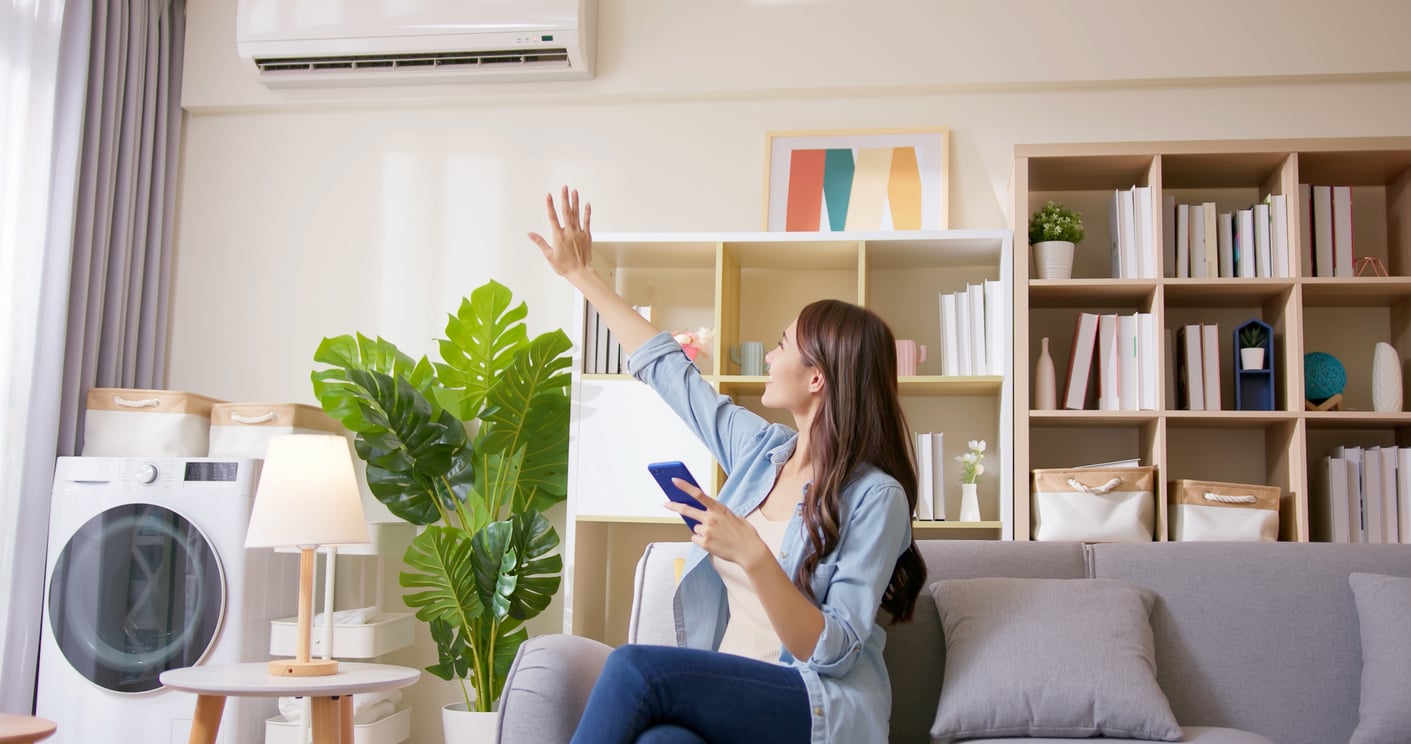
By making a habit of checking the electrical and water-consuming components in their homes, people can avoid unnecessary consumption and higher utility bills. A regular maintenance routine can help identify inefficient appliances early and prevent avoidable household expenses. From toilets and refrigerators to HVAC filters and irrigation systems, people need to pay attention to these items to avoid overpaying.