Europe may be famous for its medieval fortresses and royal estates, but travelers do not need a passport to explore impressive castles. Across the United States, you can find everything from Gilded Age mansions and eccentric stone towers to the oldest masonry fortification in the continental United States. Some were built by millionaires, others by determined individuals with unusual visions, and a few come with secret passageways, drawbridges, island settings, and stories every bit as interesting as the architecture.
Hearst Castle, San Simeon, California
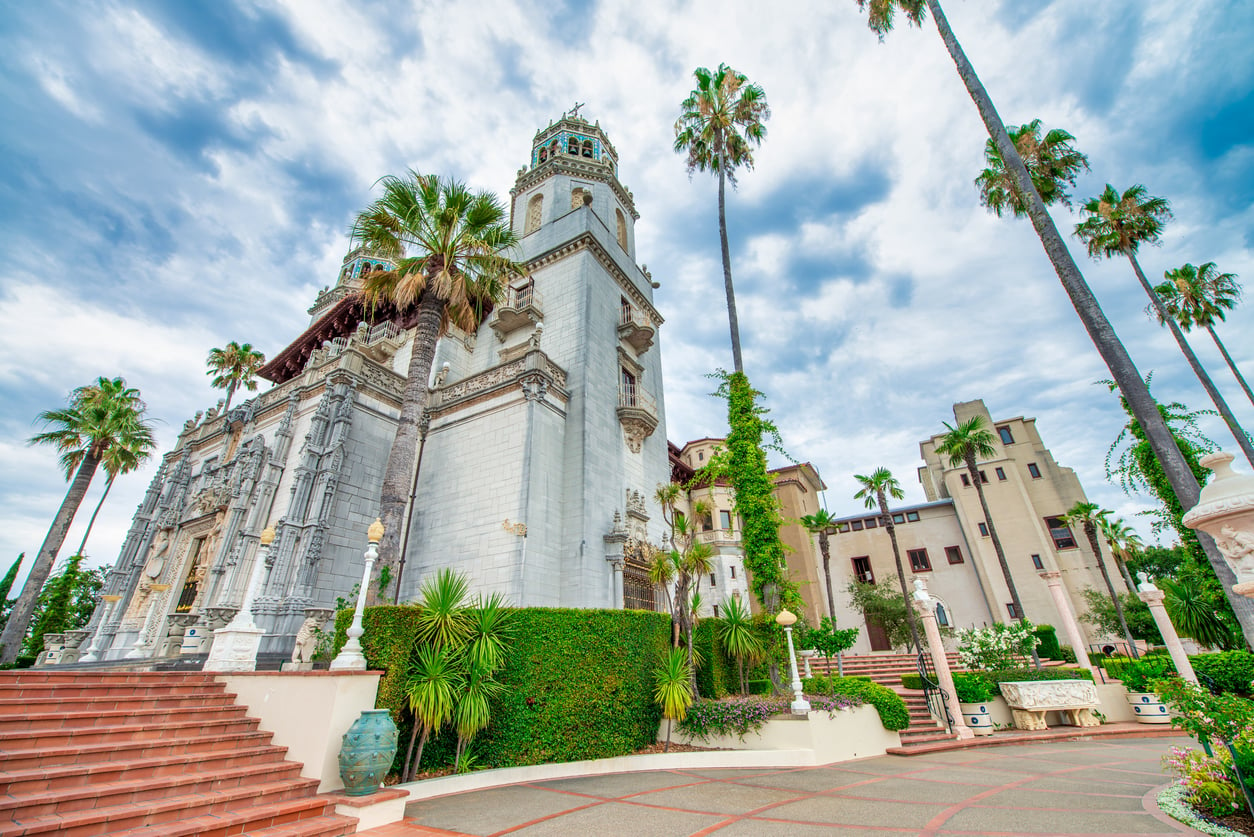
William Randolph Hearst and architect Julia Morgan spent decades creating this extravagant hilltop estate, which eventually grew to 165 rooms surrounded by gardens, terraces, pools, and walkways. The Neptune Pool and indoor Roman Pool may be its most recognizable features, but the enormous art collection and ornate rooms are just as impressive. The introductory Grand Rooms Tour currently costs $35 for adults. It involves about 140 steps, though an accessible version is available for visitors with mobility concerns.
Castello di Amorosa, Calistoga, California
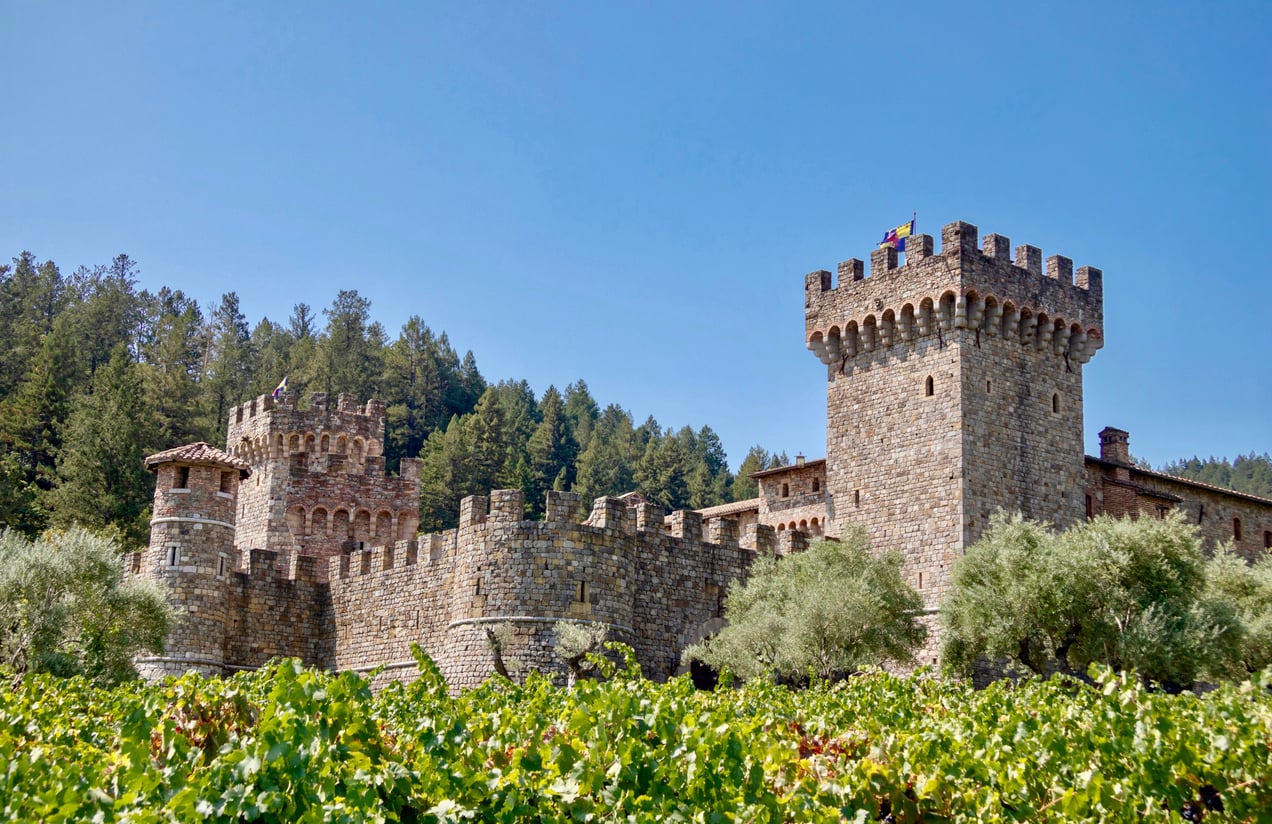
It looks centuries old, but Castello di Amorosa opened in 2007 after 15 years of construction. Owner Dario Sattui went unusually far with the illusion, employing medieval-inspired building techniques and incorporating hand-forged ironwork, massive Italian doors, towers, stone courtyards, and underground rooms into the 107-room winery. This is important to know before going: it operates as a Napa winery rather than a traditional museum, so entry is tied to reserved tasting or tour experiences and can get expensive.
Bishop Castle, Rye, Colorado
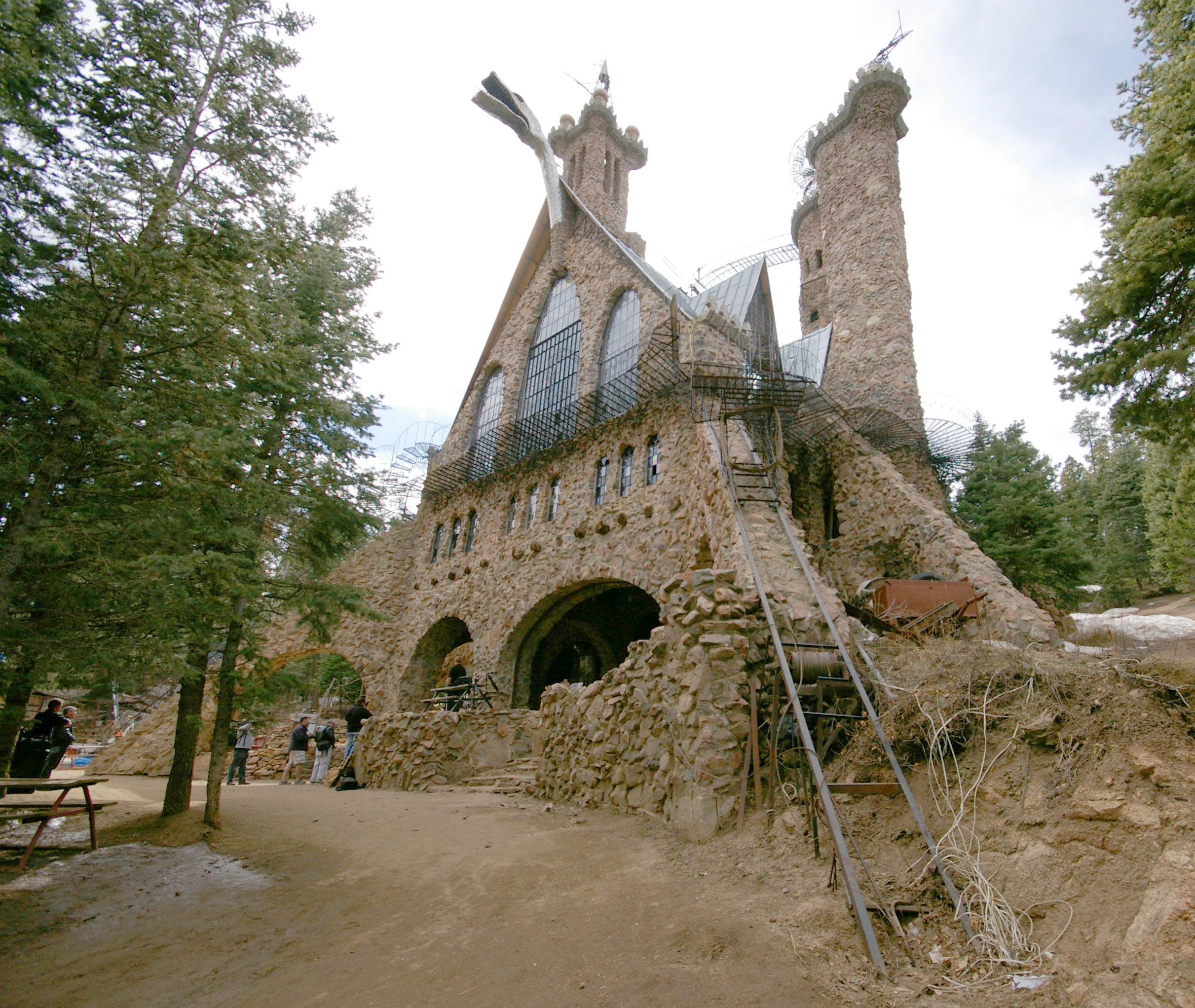
Bishop Castle started in 1969 as a modest stone cottage and became something far stranger. Jim Bishop spent decades largely building the sprawling stone-and-iron structure himself, adding towers, bridges, stained glass, elaborate metalwork, and a dragon-shaped chimney high in Colorado’s Wet Mountains. Admission remains donation-based, and visitors can enter daily from sun-up to sun-down. There is a major caveat: you enter at your own risk, and visitors frequently warn about high, exposed stairways and railings, especially with children.
Biltmore, Asheville, North Carolina
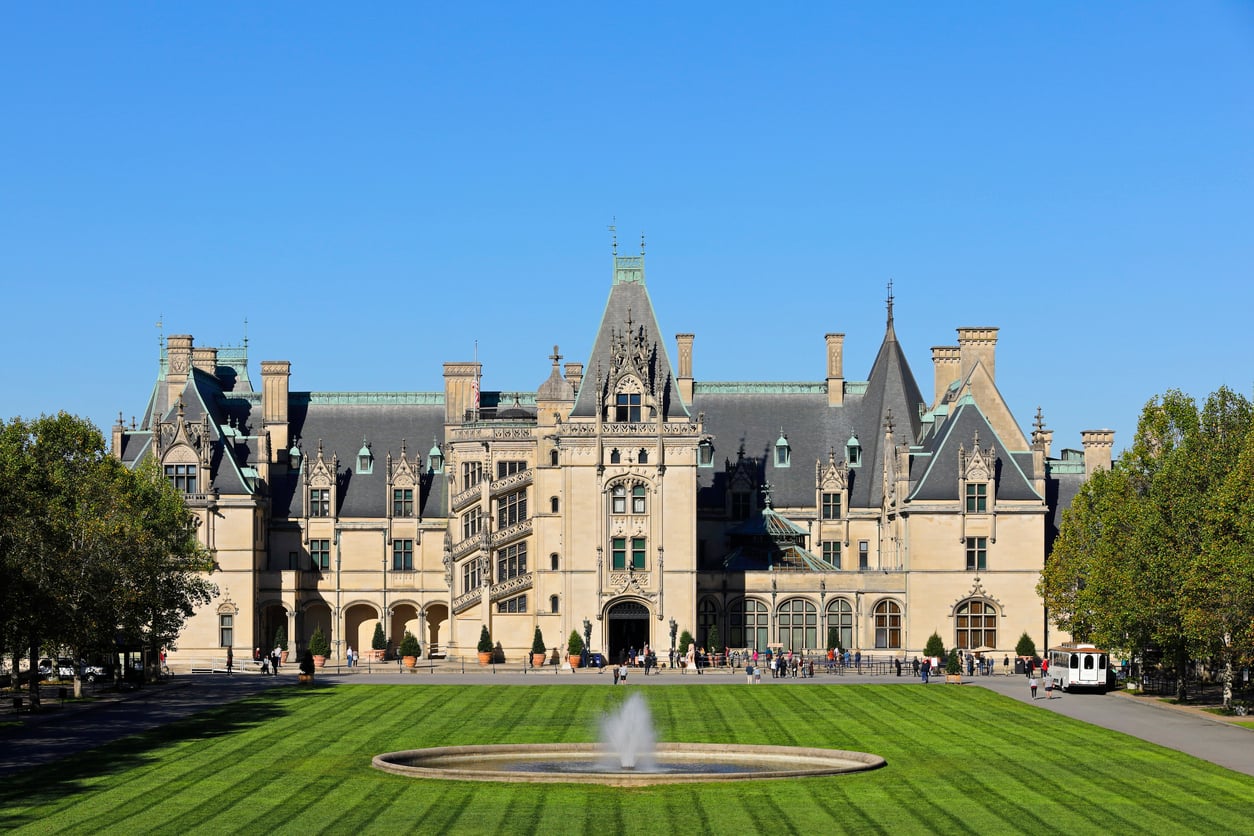
Biltmore is technically a French Renaissance-style chateau, but few American homes look more castle-like. George Vanderbilt opened the 250-room house to family and friends on Christmas Eve 1895. Inside are 35 bedrooms, 43 bathrooms, 65 fireplaces, and more than four acres of floor space. The surrounding estate spans roughly 8,000 acres, so Biltmore itself recommends at least a full day. The downside is cost: recent visitors consistently praise the architecture while debating whether today’s admission prices offer enough value.
Castillo de San Marcos, St. Augustine, Florida
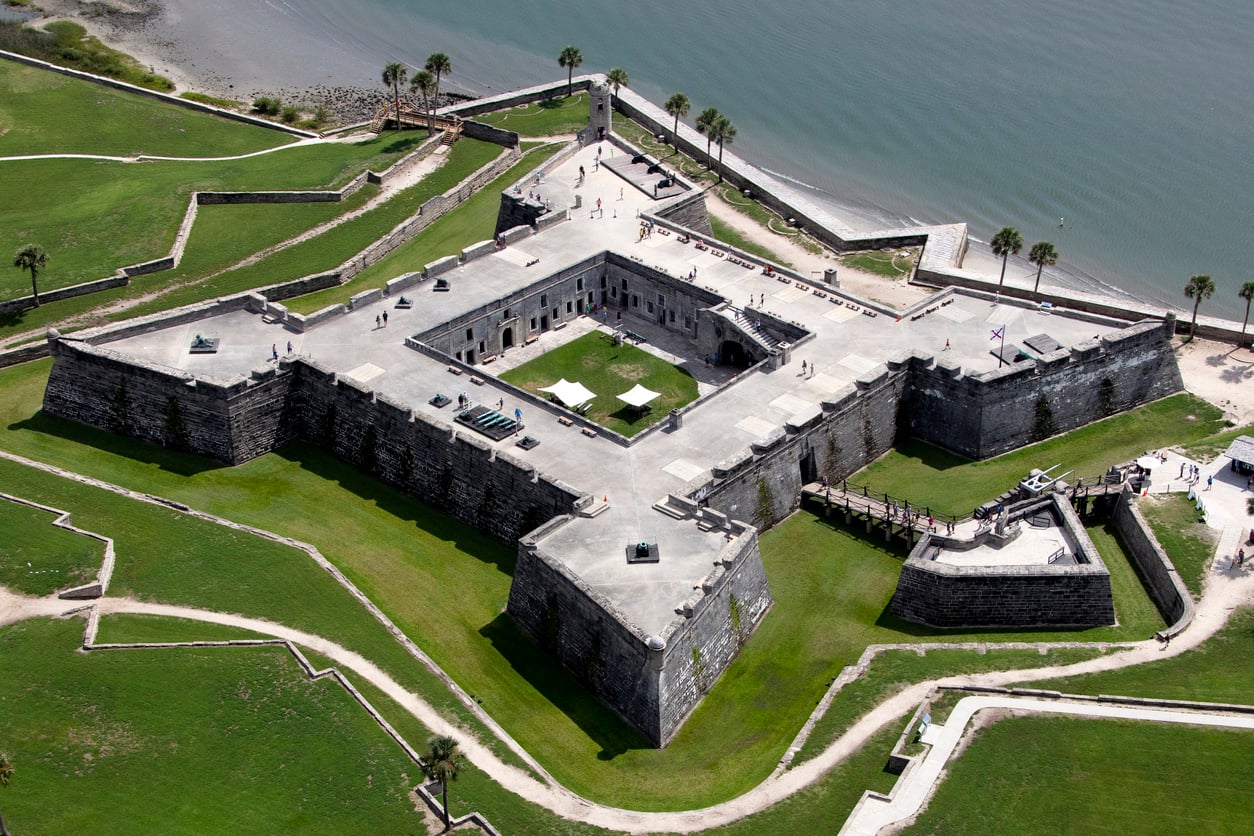
Unlike nearly everything else here, this was built to withstand actual attacks. Spanish authorities began Castillo de San Marcos in 1672, and the National Park Service calls it the oldest masonry fortification in the continental United States. Its coquina walls were unusually effective at absorbing cannon impacts rather than simply shattering. Visitors can cross the drawbridge, walk through historic rooms, and climb to the gun deck overlooking St. Augustine. Admission is currently $15 for adults 16 and older and remains valid for seven days.
Trending on Cheapism


Fonthill Castle, Doylestown, Pennsylvania
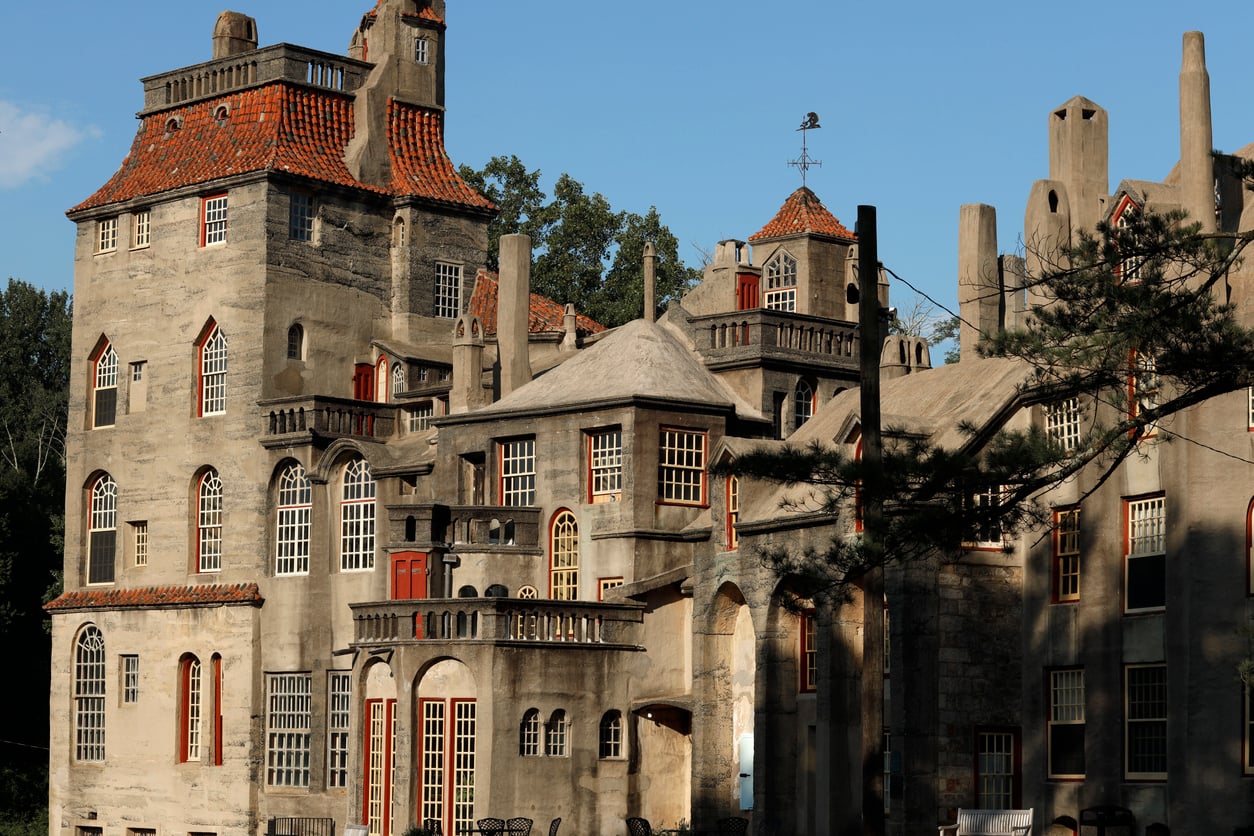
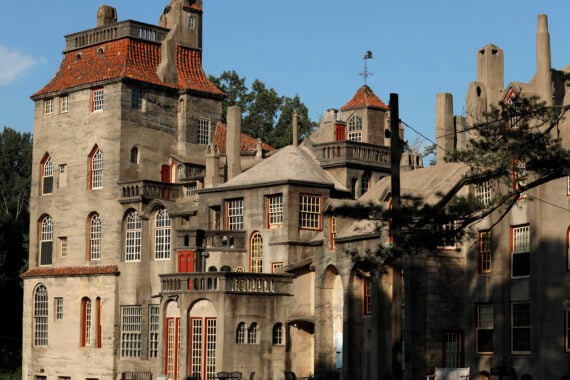
Archaeologist and tile maker Henry Chapman Mercer began building Fonthill in 1908, creating one of the strangest homes of its era out of reinforced concrete. Its 44 rooms, 18 fireplaces, and more than 200 differently shaped windows are impressive, but the handcrafted tiles covering walls, floors, and ceilings make the interior especially memorable. Regular admission is currently $20 for adults and $17 for seniors 65 and older. Be aware that steep stairs, narrow passages, and uneven surfaces make accessibility quite limited.
Loveland Castle, Loveland, Ohio
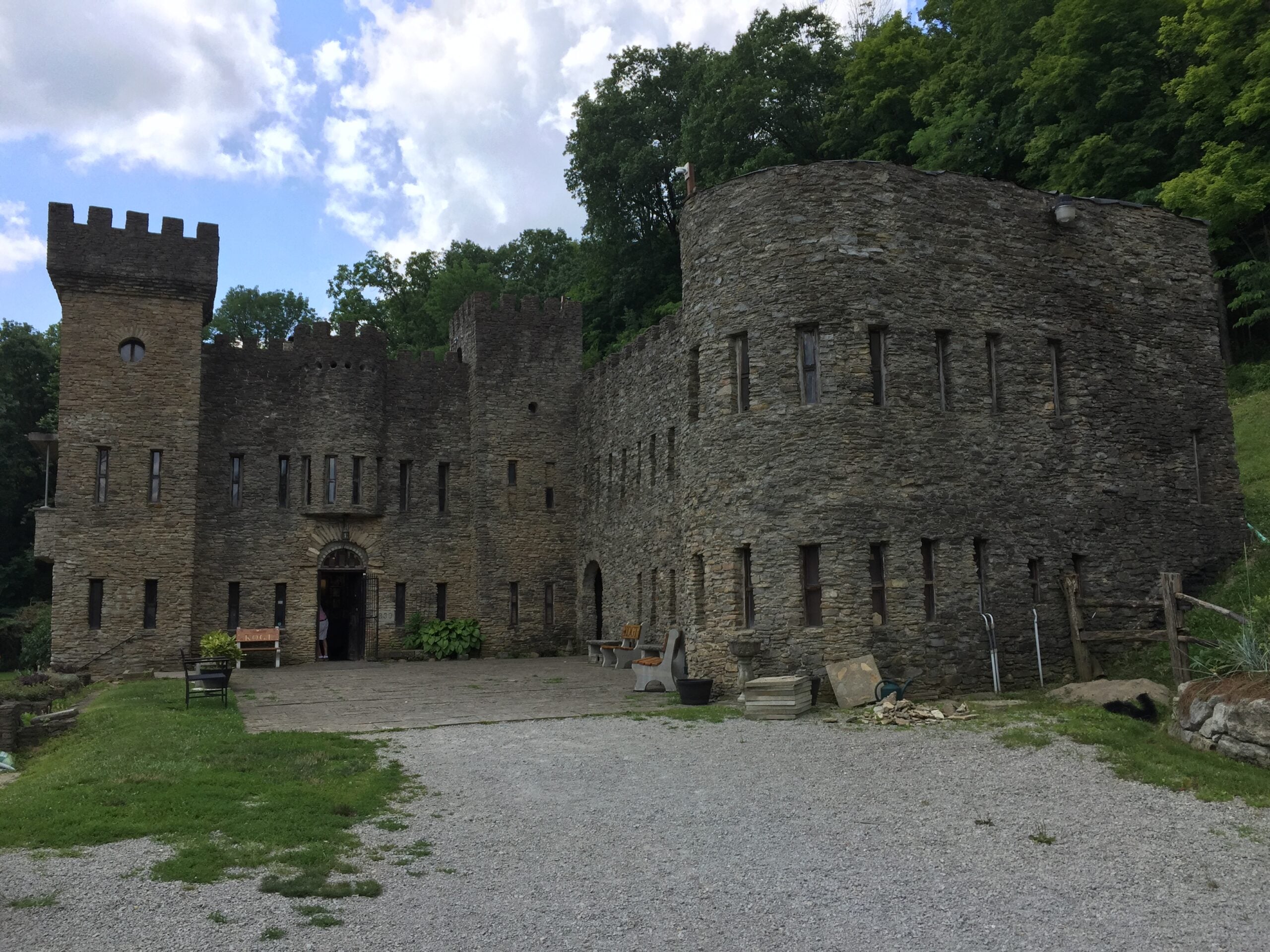
For a $5 admission, Loveland Castle is one of the better bargains on this list. Harry Andrews began Château Laroche in 1929 with help from members of his Knights of the Golden Trail, gradually creating a medieval-inspired stone castle beside the Little Miami River. Visitors can wander through towers, halls, gardens, weapon displays, and architectural details inspired by English, French, and German castles. It is open daily April through September and on weekends from October through March, with several holiday closures.
Gillette Castle, East Haddam, Connecticut
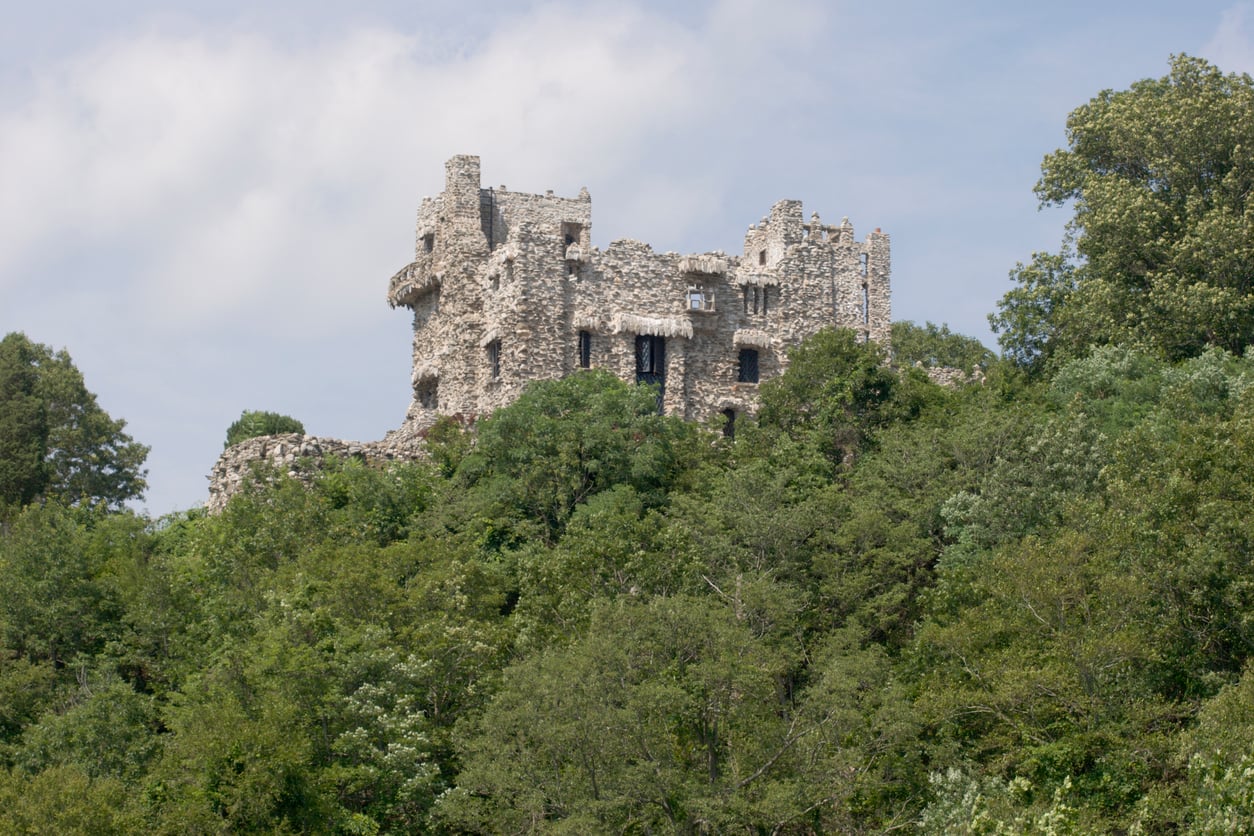
William Gillette earned fame playing Sherlock Holmes onstage, then created a home almost as eccentric as the character. His 24-room stone castle overlooks the Connecticut River and is filled with unconventional woodwork, built-in furniture, unusual doors, and details Gillette helped design himself. The surrounding state park is free, while a self-guided castle tour costs just $6 for ages 13 and older. Interior access is seasonal, and only the first floor is ADA accessible, so checking tour dates before making the drive is important.
Sign up for our newsletter
Hammond Castle Museum, Gloucester, Massachusetts
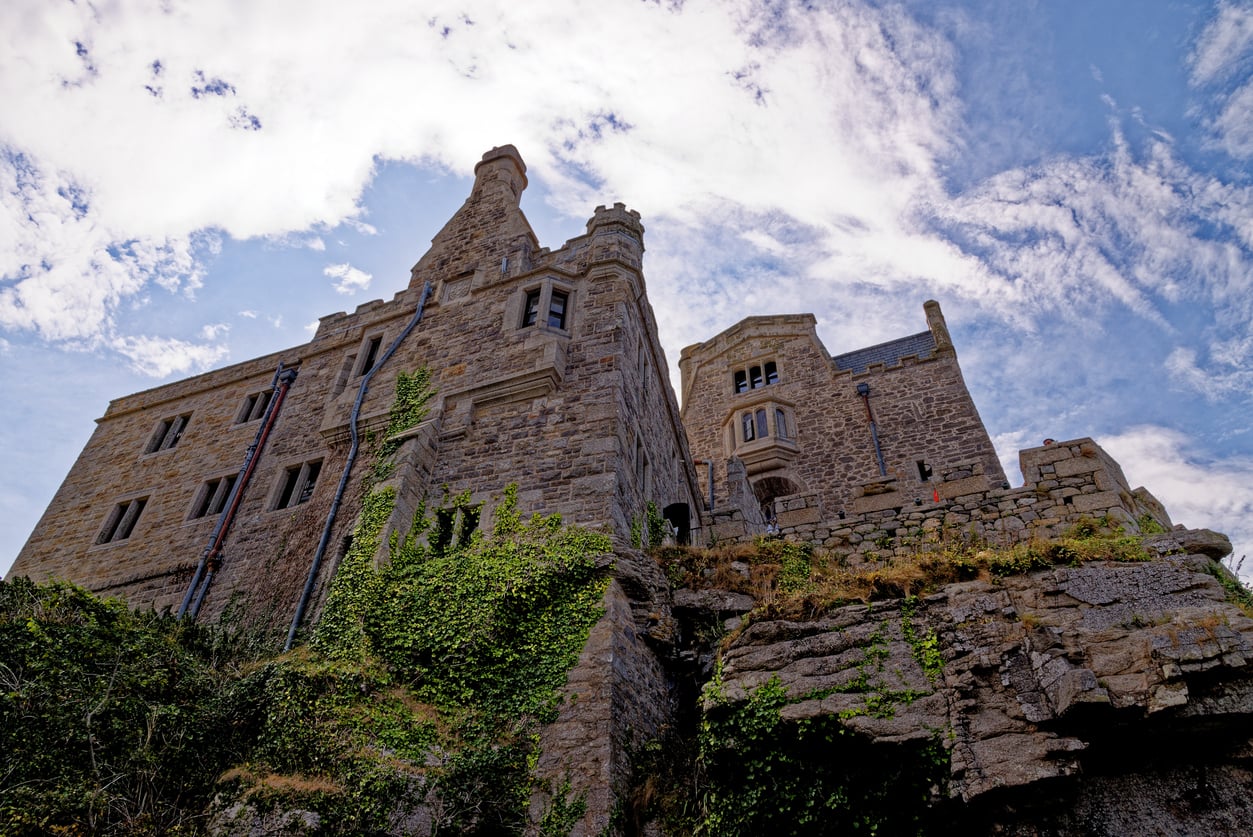
Inventor John Hays Hammond Jr. built this medieval-inspired seaside castle between 1926 and 1929 as both his home and a laboratory. Hammond, who accumulated more than 400 U.S. patents, filled the building with antiquities and architectural pieces while creating rooms that feel transported from Europe. The Atlantic setting adds considerably to the effect. In 2026, the museum is open from April 3 through January 3. Advance reservations are required in July and August because new street-parking restrictions have left the museum with limited on-site parking.
Boldt Castle, Alexandria Bay, New York
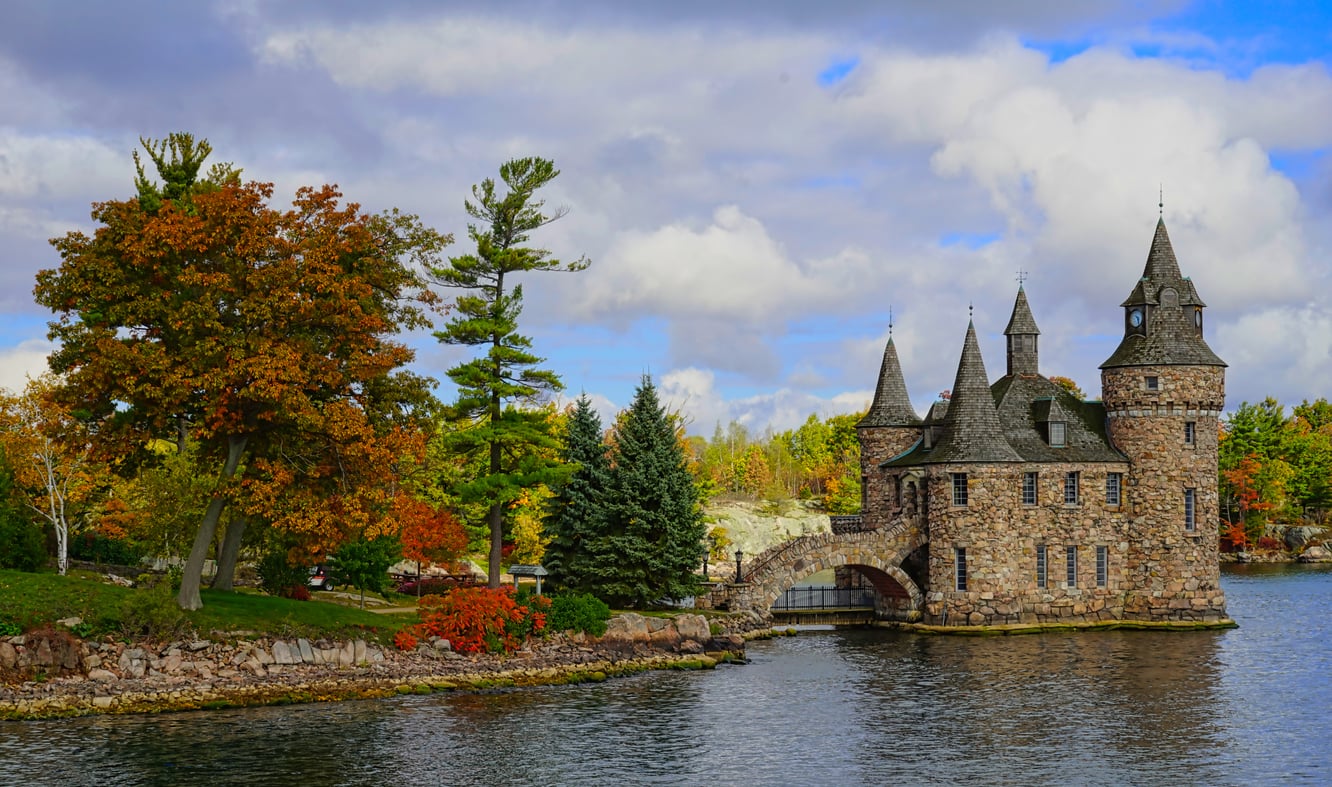
The story behind Boldt Castle is nearly as dramatic as the building. Hotel magnate George Boldt began the six-story, 120-room castle on Heart Island in 1900 as a tribute to his wife, Louise. When she died suddenly in 1904, he stopped construction and never returned. The unfinished property deteriorated for 73 years before restoration began in 1977. Recent visitors frequently praise the restored rooms and grounds, but remember that Heart Island is accessible only by tour boat or private boat, so transportation costs extra.
Singer Castle, Dark Island, New York
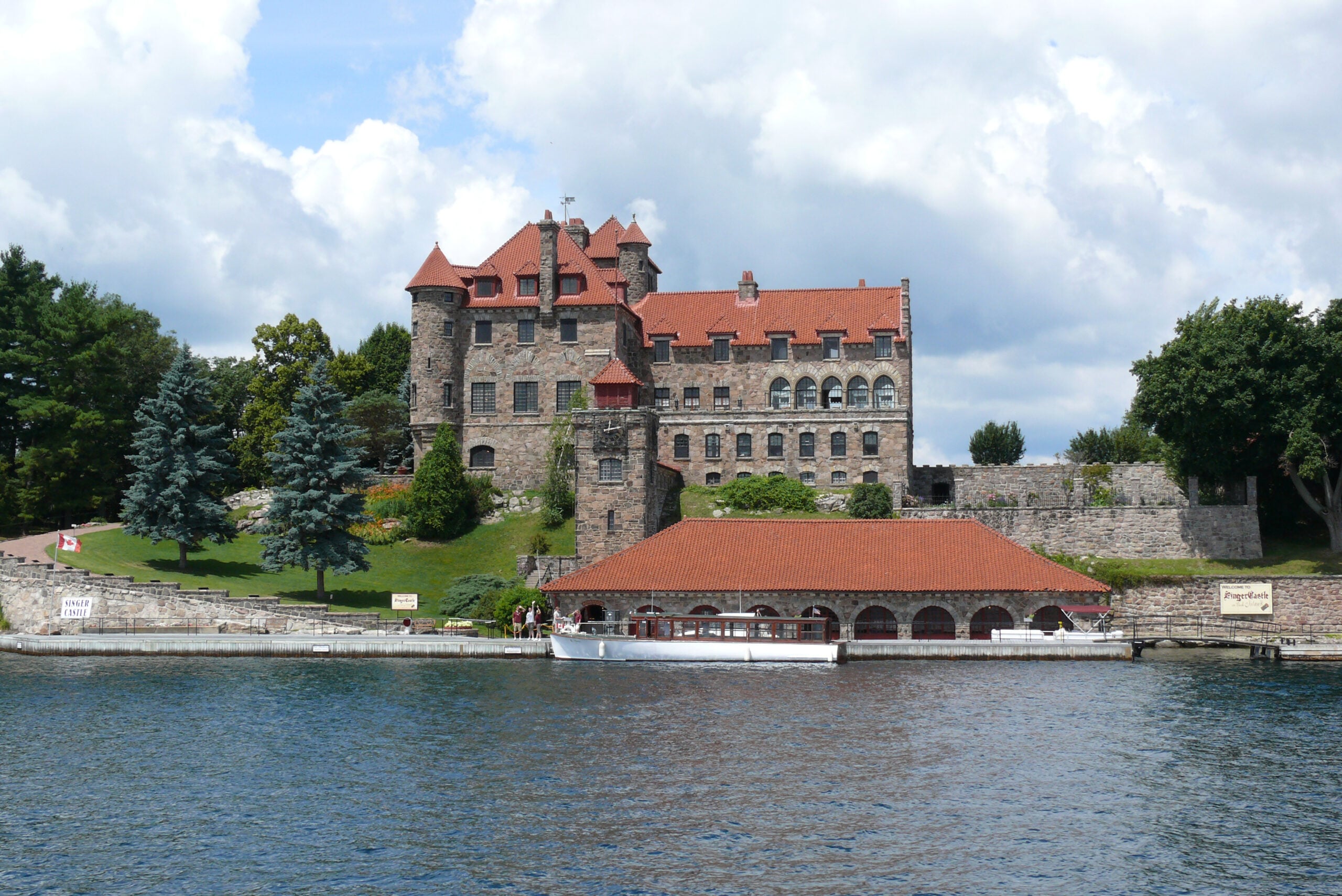
Singer Castle offers something Boldt does not: much of its original furniture remains inside. Built as the hunting retreat of Frederick Gilbert Bourne, who led the Singer Sewing Machine Company, the castle contains four visitor-accessible floors and entrances to several hidden passageways. Guided tours currently cost $14.75 for adults, although boat transportation is separate. It is a particularly intriguing stop for people who enjoy furnished historic homes, but mobility is worth considering – the full visit involves roughly 80 steps from the Great Hall.
Bannerman Castle, Beacon, New York
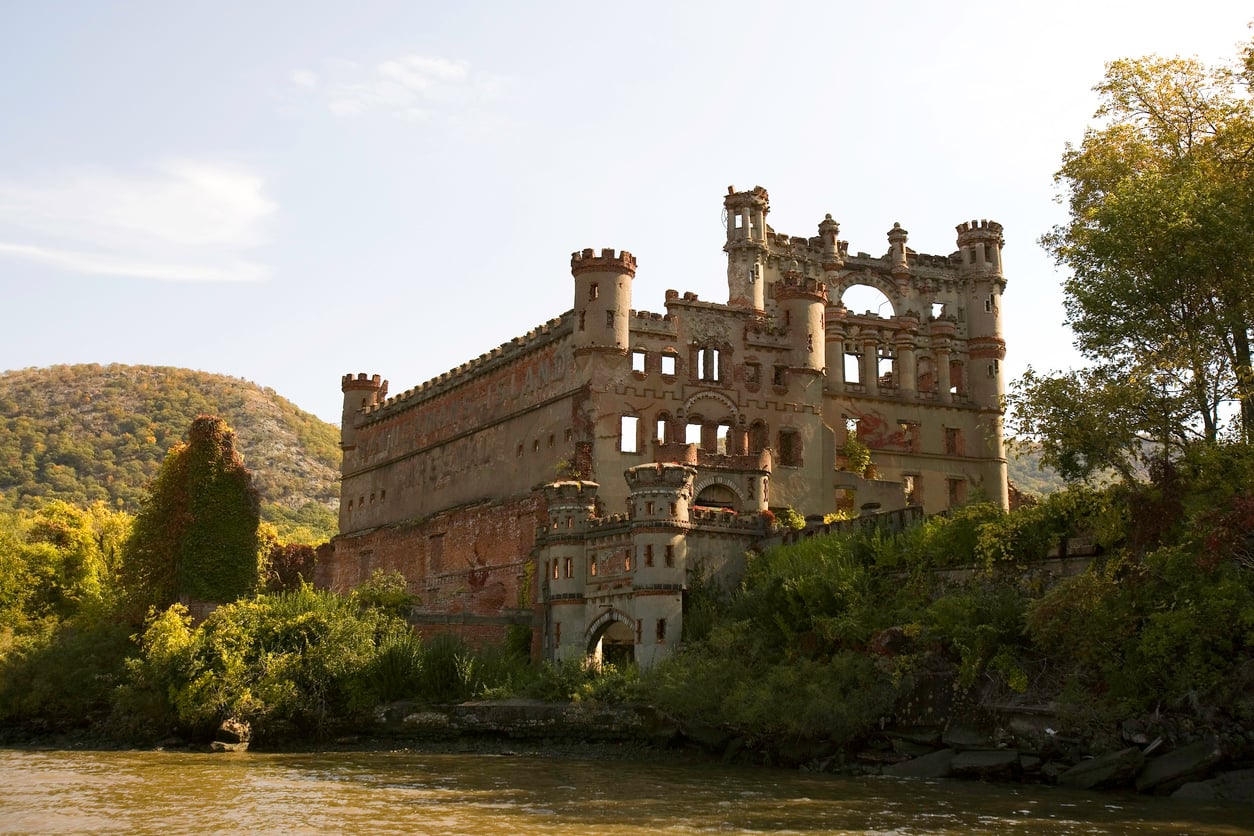
Bannerman Castle looks like an abandoned European fortress rising from the Hudson, but its story involves military surplus rather than royalty. Francis Bannerman VI bought Pollepel Island in 1900 after New York City regulations forced his business to find somewhere safer to store large quantities of military equipment and ammunition. The standard 2026 boat-and-walking tour from Beacon costs $45, with some weekday tours discounted to $40. Visitors should know that reaching the ruins requires climbing 72 steps, and the island is not wheelchair accessible.