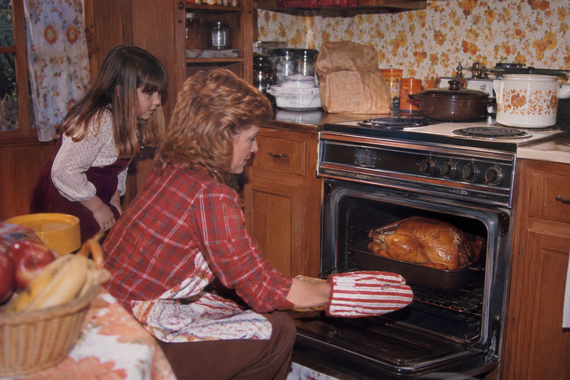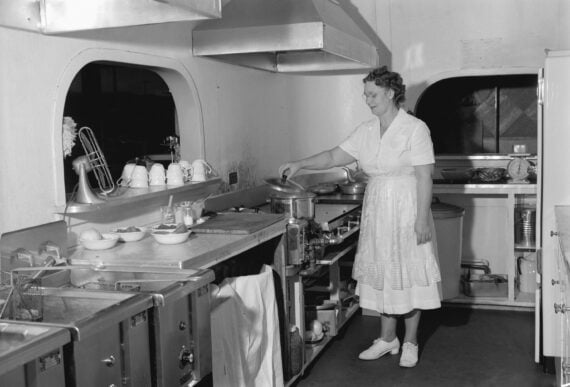
Kitchens looked different in the 1920s. A century ago, they featured far fewer electrical appliances, and even food storage was handled differently. The transformation that kitchens underwent made household tasks much more convenient for families. Drawing on information from the Smithsonian, the Museum of Modern Art, and other sources, we’ll reveal facts about kitchen history that highlight this evolution!
Refrigerators Replaced Iceboxes That Needed Regular Deliveries
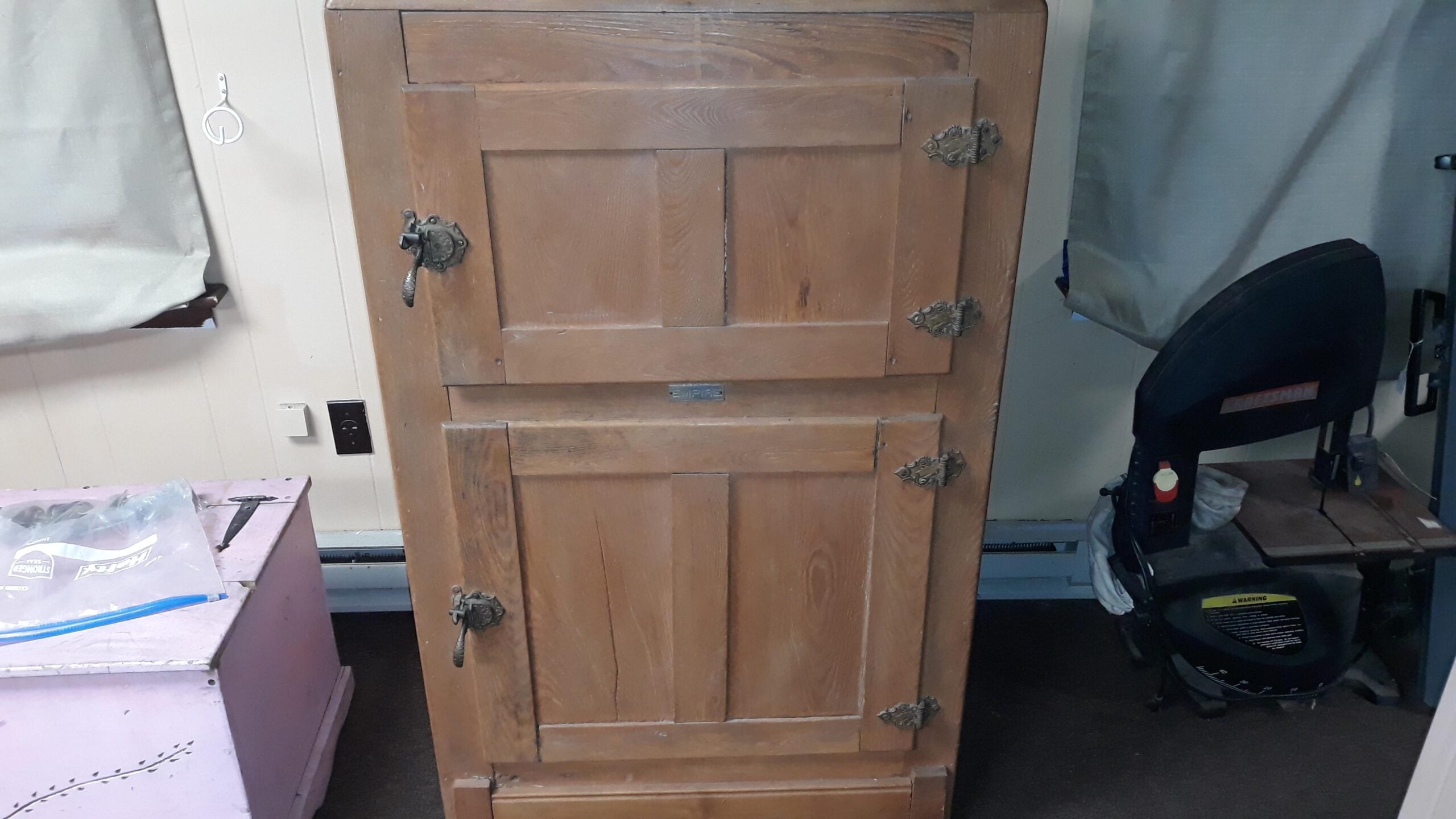
Insulated wooden iceboxes, used in the 1920s to store food and prevent it from spoiling too quickly, had to be regularly restocked with blocks of ice. This method provided no indication of the temperature at which the food was being kept. Electric refrigerators, which became increasingly common by the end of the decade, proved to be both convenient and affordable, transforming the way families preserved their food.
Kitchens Went From Workrooms to the Center of Family Life
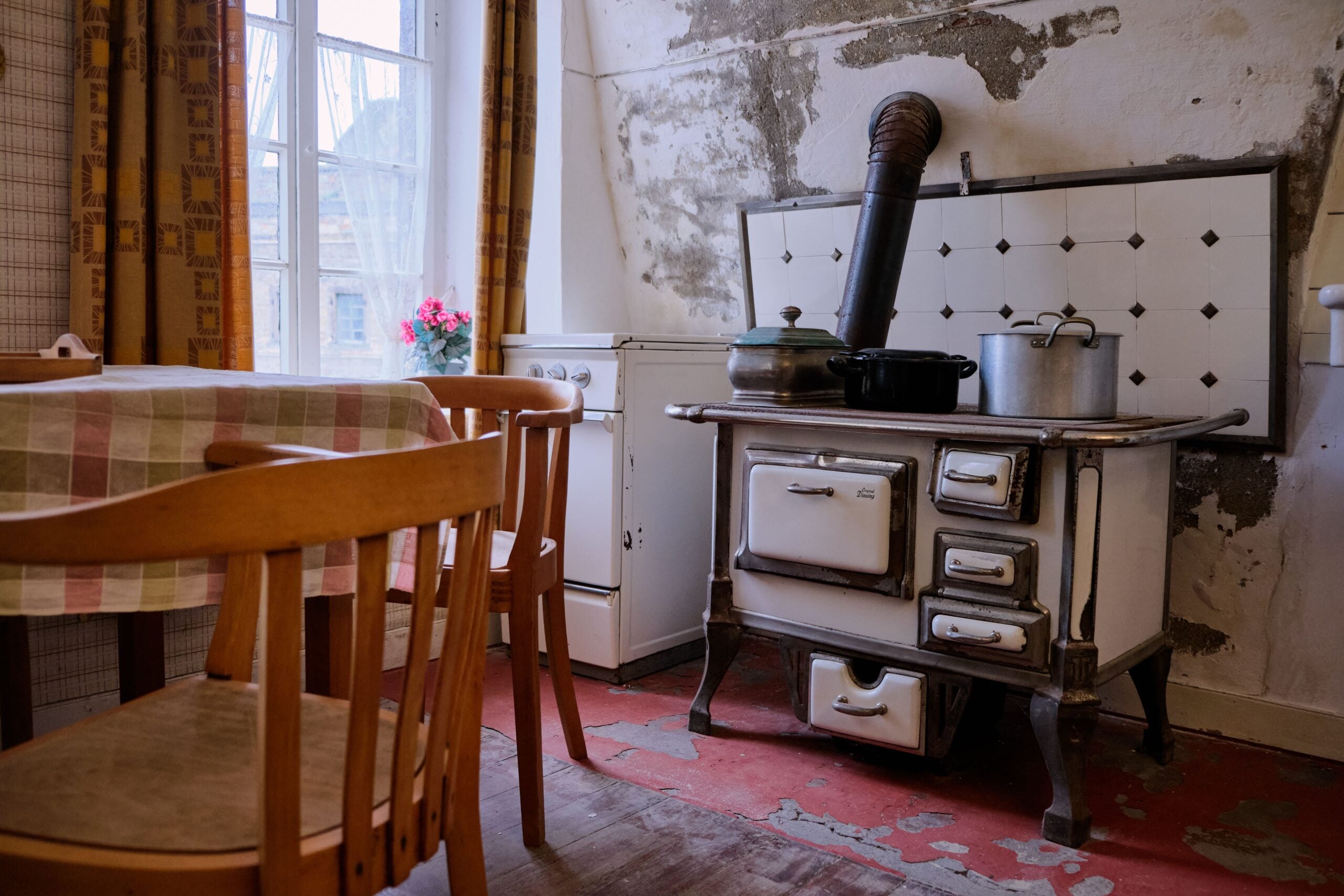
At the beginning of the 20th century, kitchens were functional and kept in separate, enclosed rooms, apart from formal dining and entertaining spaces. Following the Second World War, newly built homes began to integrate the kitchen into the dining room, and modern open-plan designs continued to evolve, according to the Smithsonian.
Kitchen Layouts Became Designed Around Saving Steps
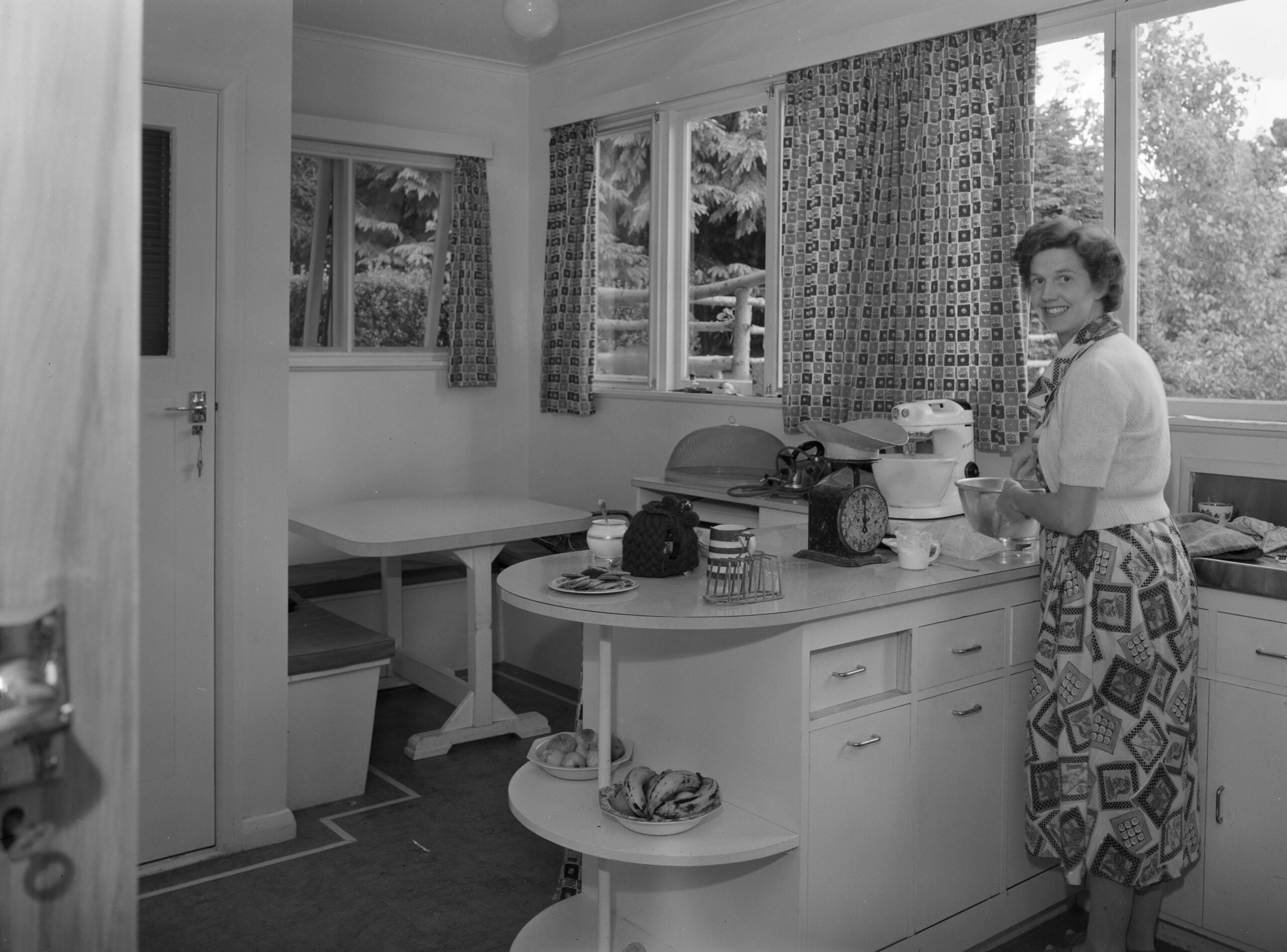
Early kitchens that appeared in homes, often more closely integrated with the dining room, were designed in an awkward way, requiring those cooking to move back and forth to reach sinks, stoves, and cabinets. Efficiency expert Lillian Gilbreth used time-and-motion studies to investigate and modernize kitchen layouts, introducing new ideas for organizing work areas. Her contributions helped shaped kitchen history by making household tasks more efficient and practical.
Wood-and Coal-Burning Stoves Gave Way To Modern Cooking Ranges
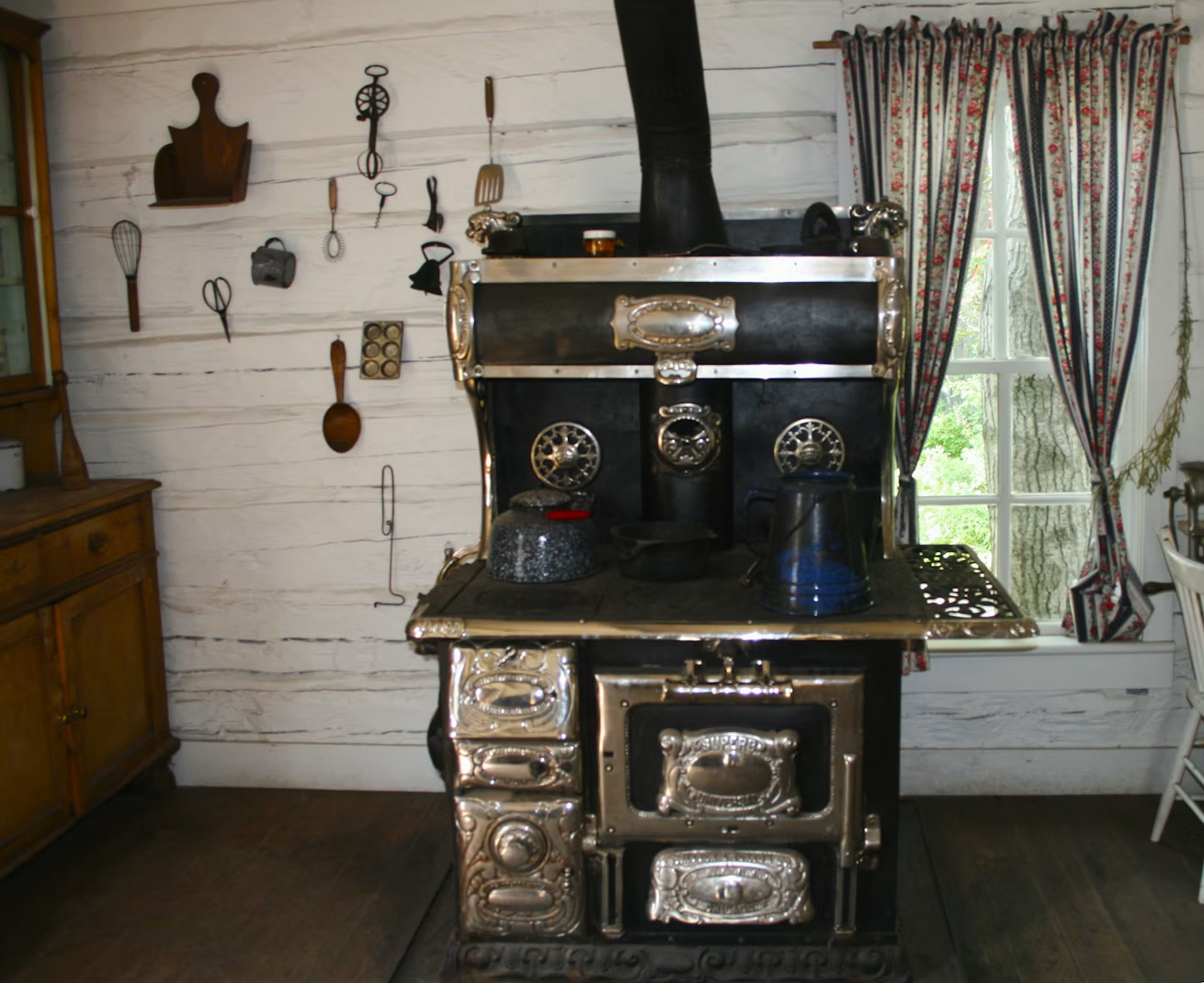
American households typically relied on wood or coal for their cooking stoves, which made cooking a labor-intensive task. People had to remove the ashes and judge the temperature manually. As gas and electricity became part of the kitchen, infrastructure expanded, allowing for the use of multiple burners at once. These developments represented an important step forward in kitchen history.
Built-In Cabinets Replaced Freestanding Kitchen Furniture
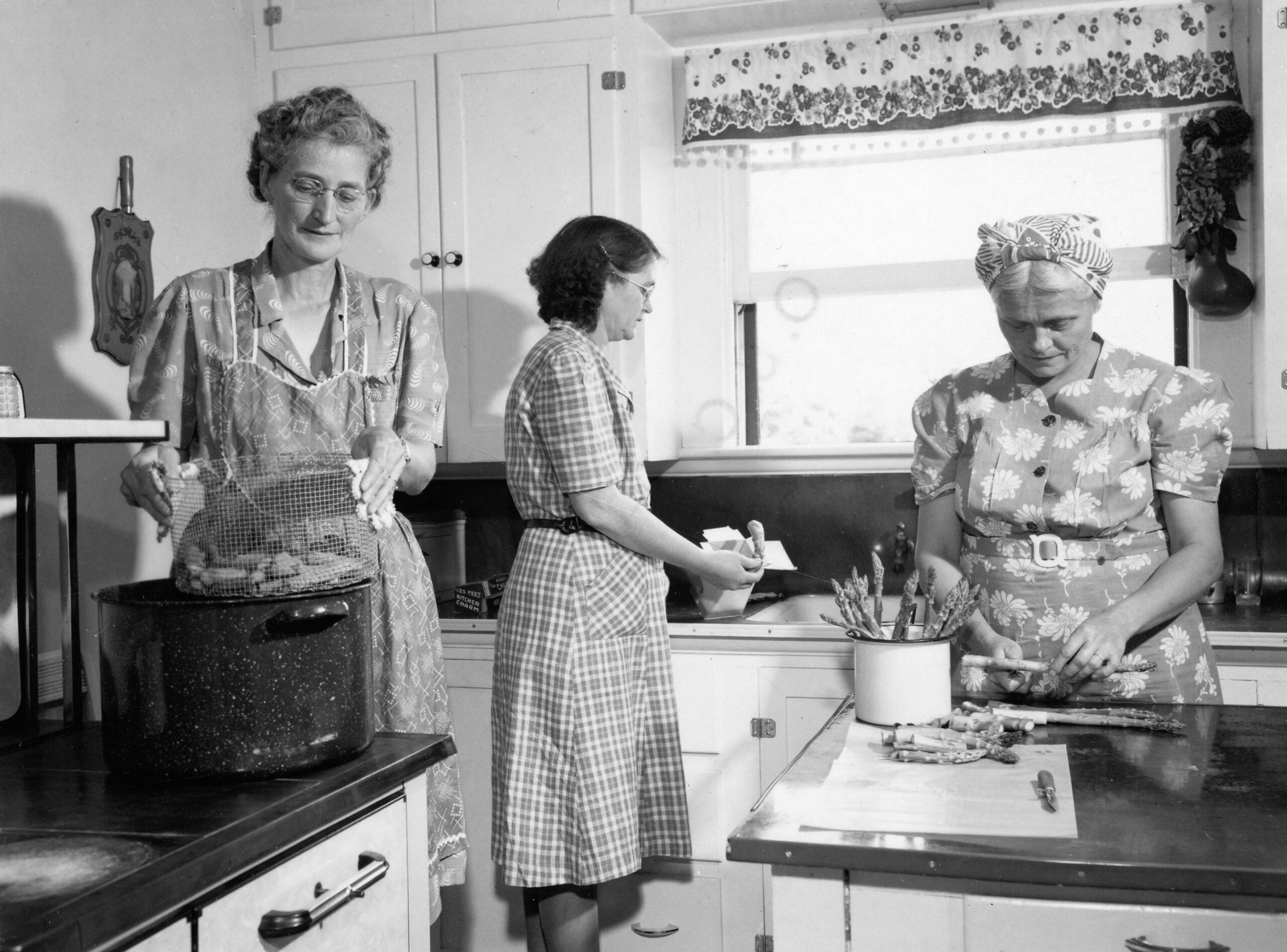
Early kitchen designs consisted of separate cupboards, worktables, shelves, and individual pieces of furniture. It was not until years later that they were modernized, with the introduction of fitted cabinetry and integrated countertops, creating more organized work surfaces and preparation areas. A notable early example of this was the Frankfurt Kitchen, which was introduced in 1926-1927 and featured a compact, systematically planned kitchen layout.
Trending on Cheapism


Dishwashers Turned a Daily Chore Into an Automated Task
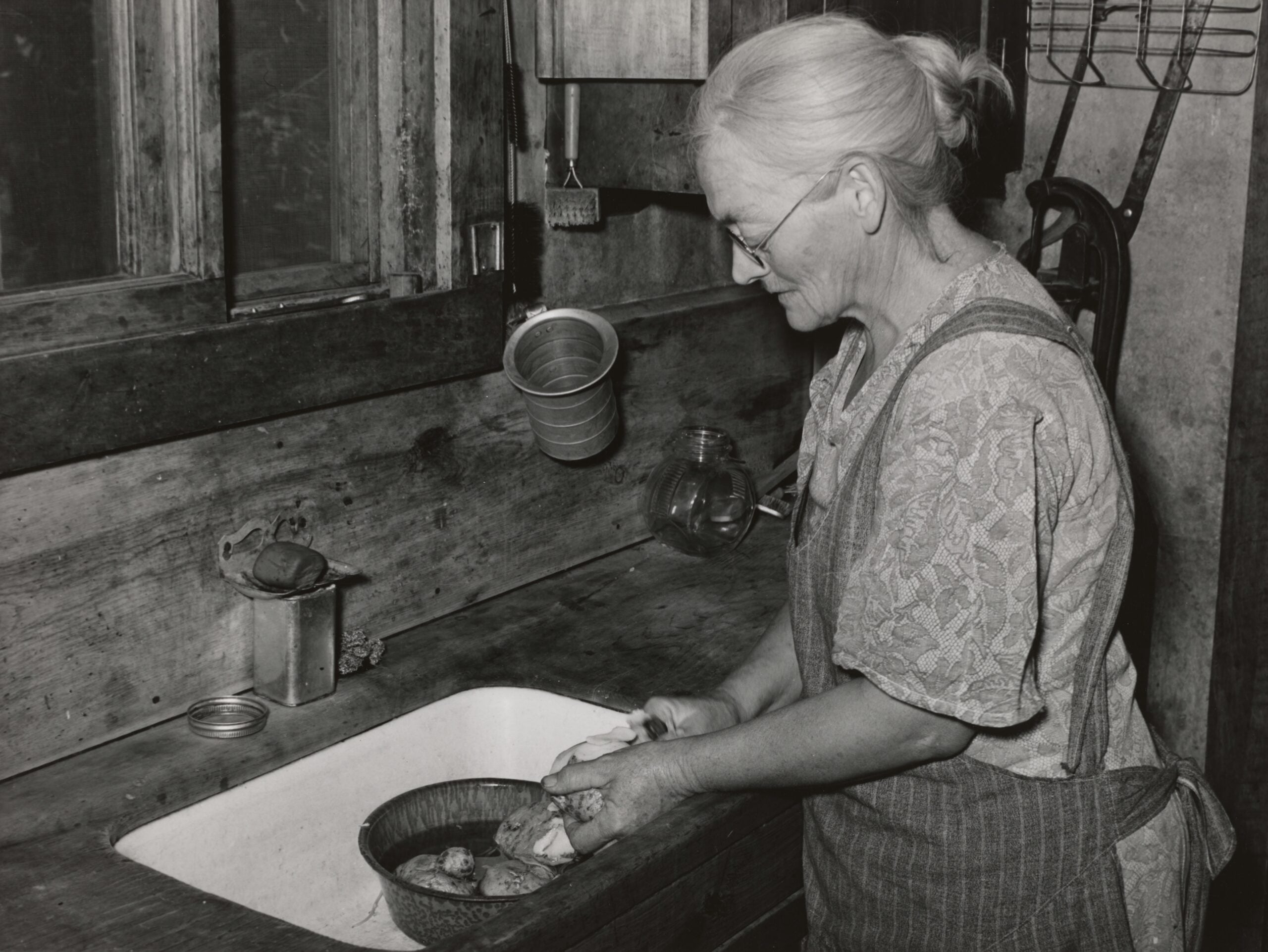
People used to wash dishes by hand, one by one, which was a time-consuming task. Automatic dishwashers changed the way people washed dishes, and the appliance became increasingly common in many modern American homes. Over time, dishwashers saw improvements in their spray systems, filtration, sensors, and even water efficiency, adding another chapter to kitchen history.
Microwaves Changed How Americans Reheated Food
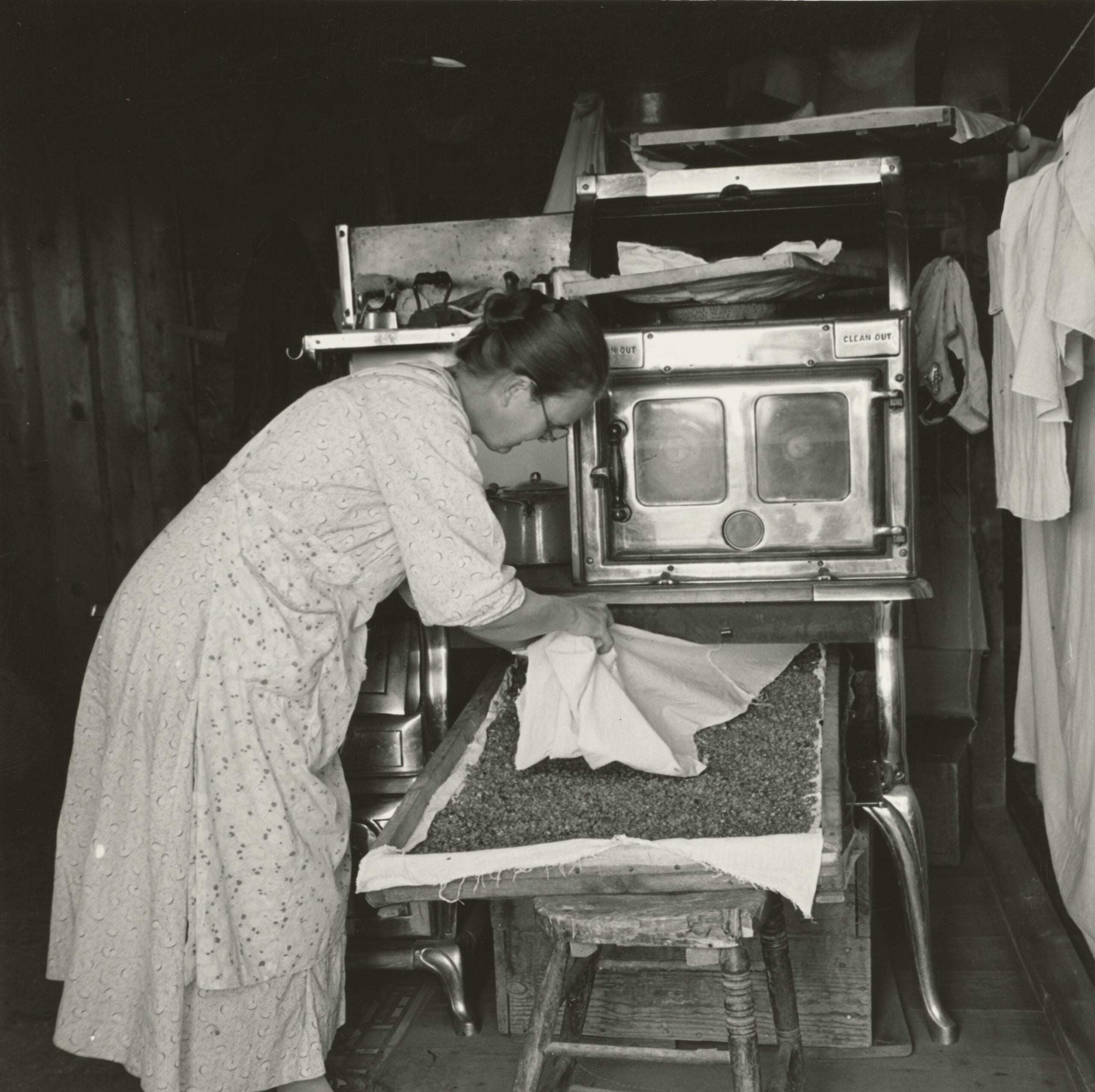
When the first microwave ovens appeared in the 1940s, they were quite bulky and expensive. Consequently, their popularity did not increase until their prices dropped after the 1970s. In their early years, microwaves were marketed as a replacement for conventional cooking methods, but they ultimately became the go-to choice for reheating leftovers, preparing frozen meals, and making popcorn. This technological development changed kitchen history forever.
Kitchen Colors Went From Plain Finishes to Wild Fashion Statements
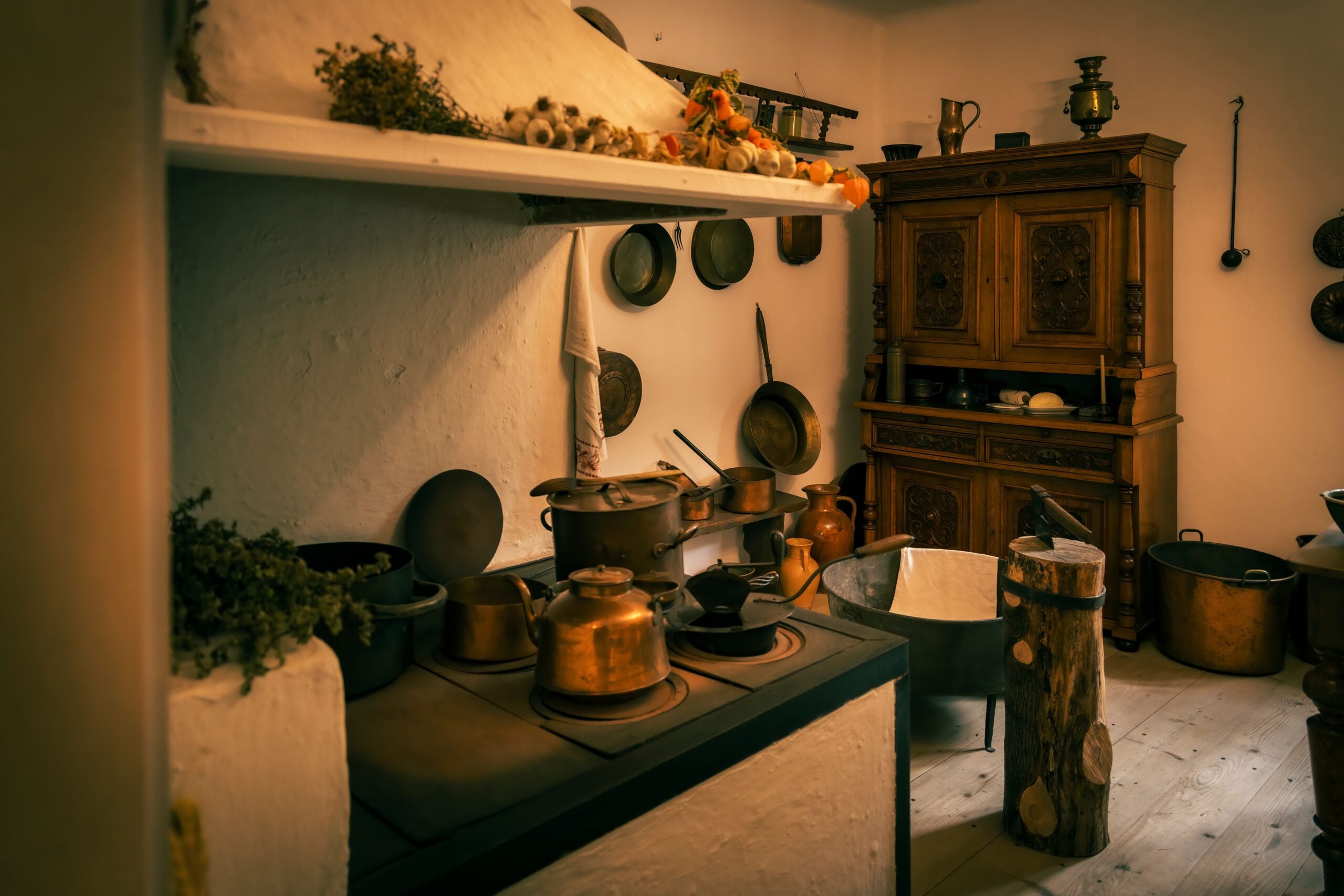
In their early days, kitchens featured practical finishes, but following the Second World War, appliances, cabinets, and countertops alike adopted a colorful design. By the 1950s and 1960s, kitchens showcased trendy colors such as avocado green, harvest gold, and copper tones finishes, according to the Smithsonian. These distinctive styles became recognizable elements of American kitchen history.
Sign up for our newsletter
Freezers Made Stocking Up and Frozen Dinners Part of Everyday Life
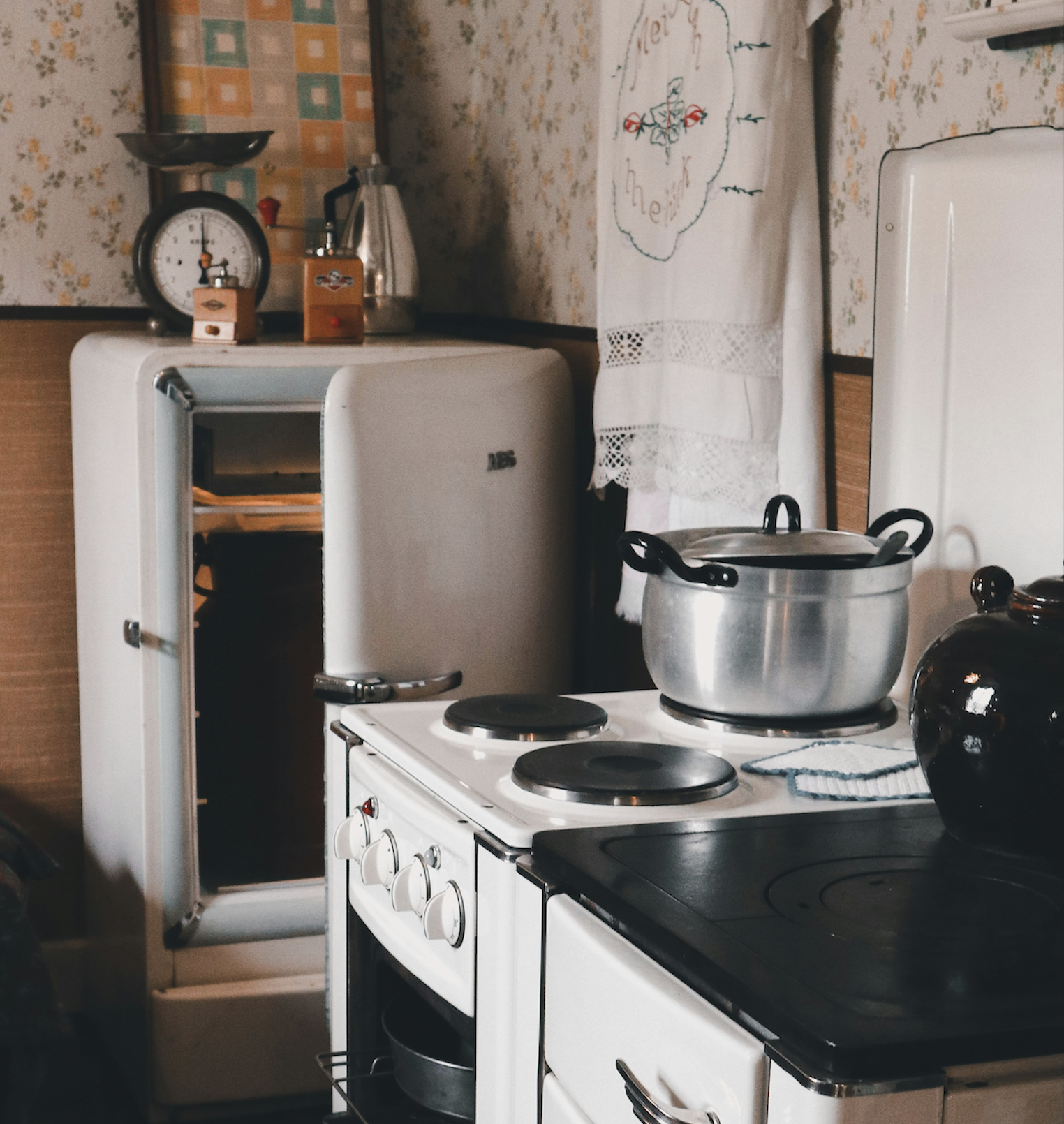
When the first kitchens were developed, people had to shop at the grocery store quite frequently. They would buy only the bare minimum because they lacked the means to properly store food in their kitchens. Later, with the advent of refrigerator-freezers and standalone freezers, the way vegetables, meat, and fully prepared meals were stored for extended periods completely changed people’s lives. This transformation became an essential part of kitchen history.
Plastic Food Containers Replaced Many Old Storage Methods
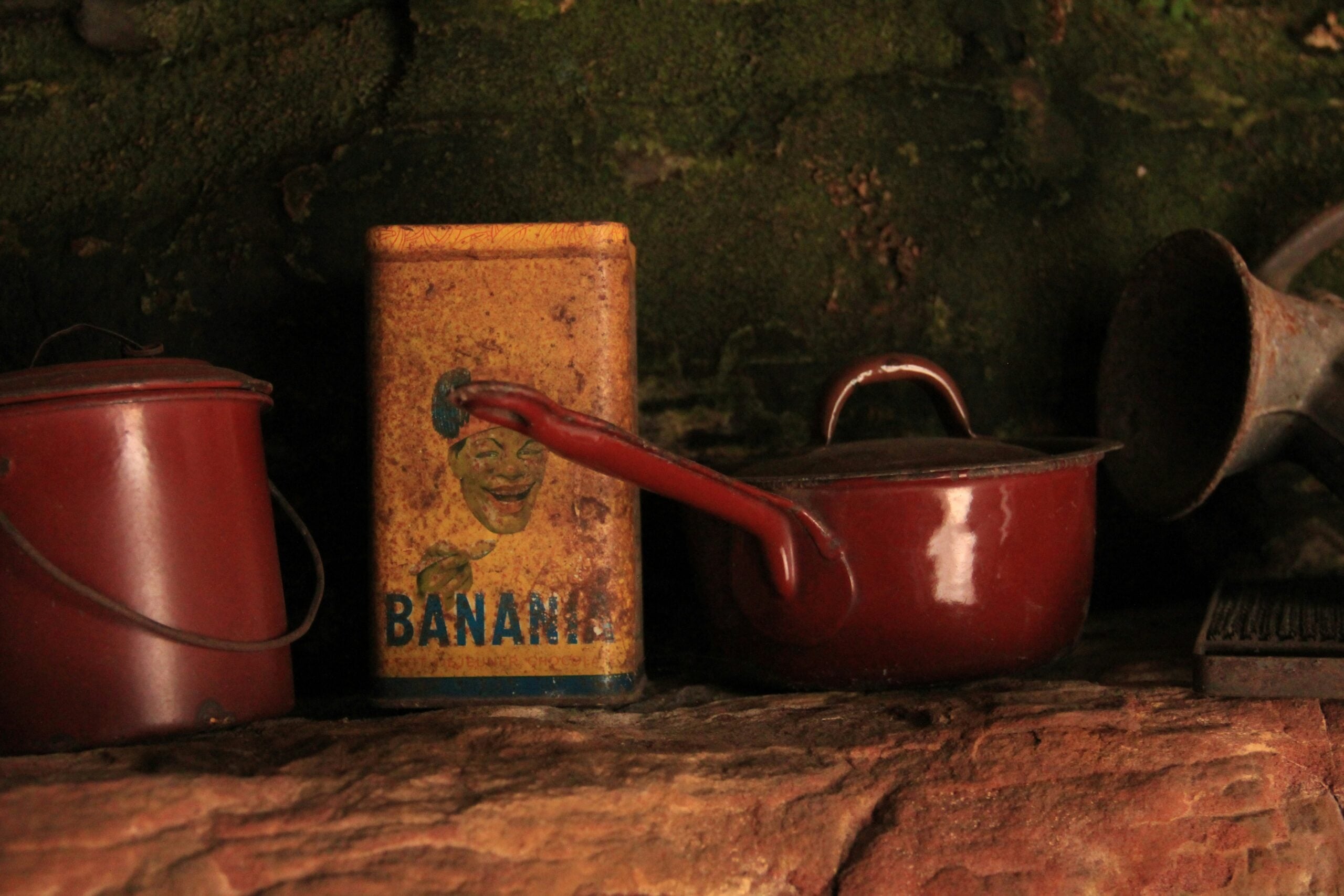
People used to store food in glass jars, ceramic crocks, metal tins, and similar containers. However, in the post-war period, lightweight plastic storage products emerged and became popular. Tupperware containers helped with organizing leftovers and refrigerating food, becoming so iconic that the brand name was adopted in many nations to refer to plastic containers in general. This innovation added a new dimension to kitchen history.
Electric Mixers and Food Processors Reduced Time-Consuming Preparation
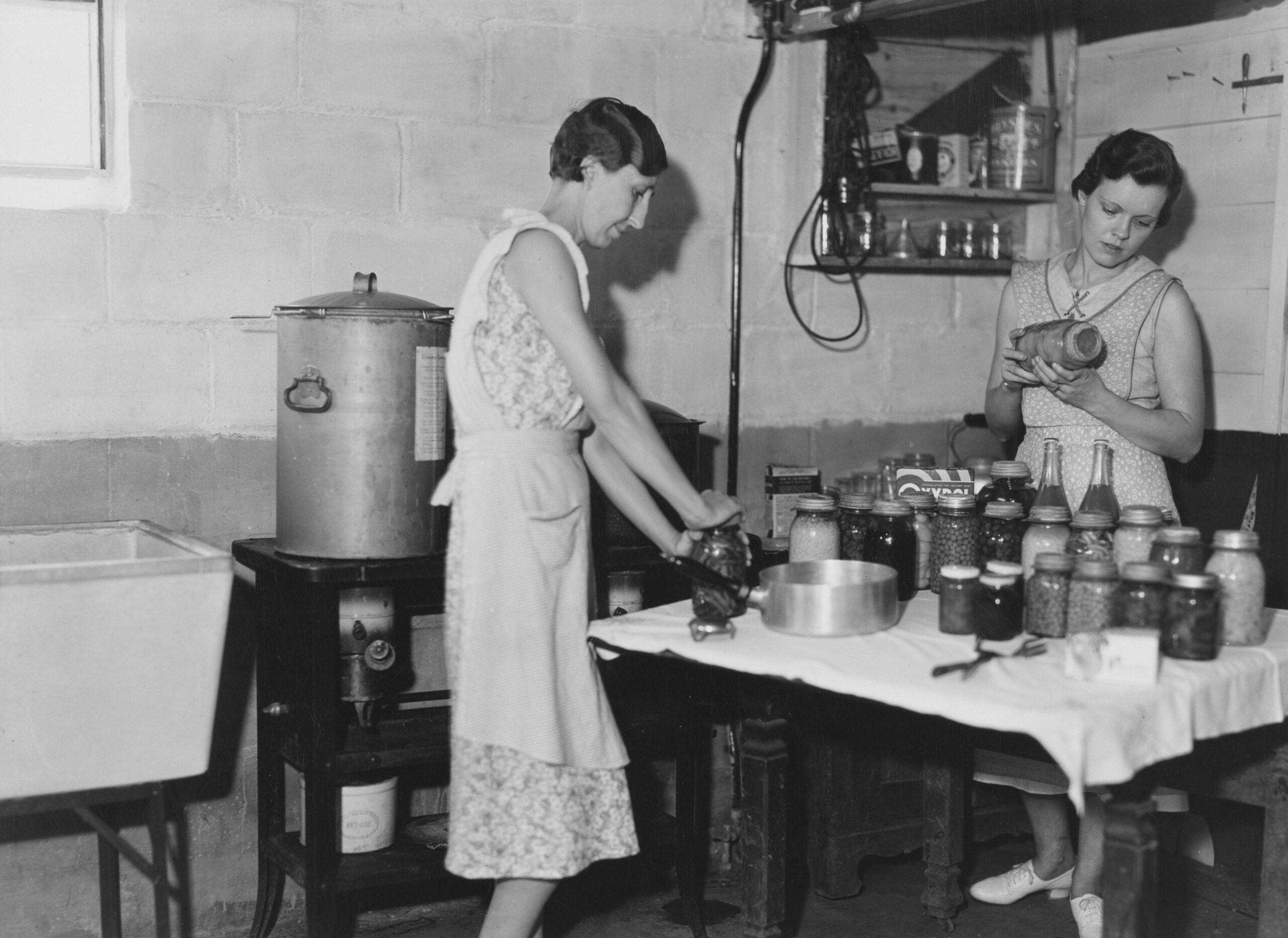
A hundred years ago, when people needed to mix cake batter, knead dough, whip cream, or chop ingredients, they only had hand-operated grinders, whisks, and beaters to perform the task. Electric mixers, blenders, and food processors transformed the way people cook, offering greater speed and consistency, a shift that gained momentum starting in the 1970s. These appliances represent another significant development in kitchen history.
Today’s Kitchens Can Cook With Magnetic Fields Instead of Flames
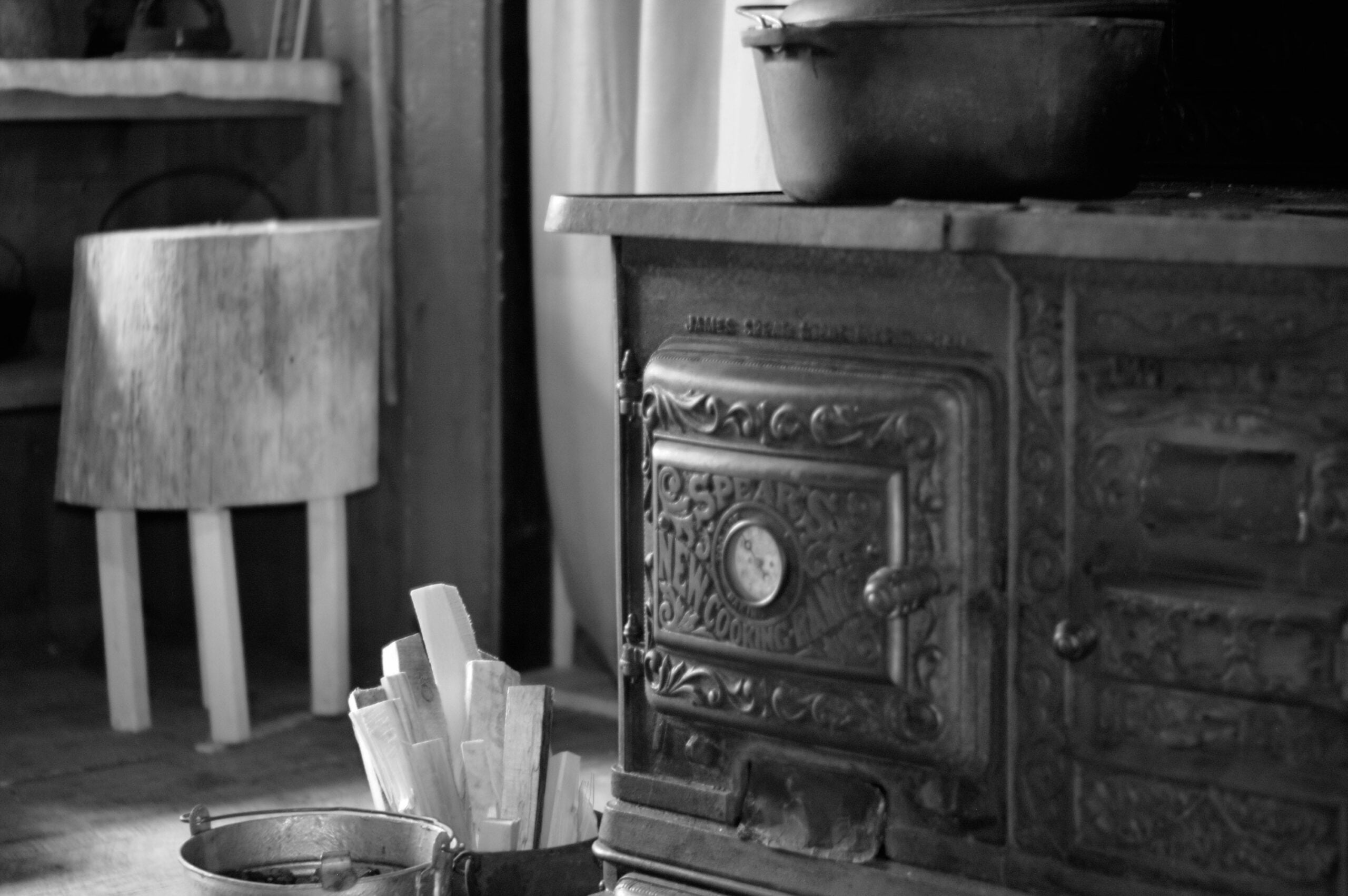
The way people cook in their kitchens has evolved significantly. Cooktops have transitioned from being powered by coal to gas or electricity, and now to electromagnetic induction. Furthermore, digital temperature controls, connected ovens, and automated appliance settings represent a major leap in convenience, reducing the number of tasks for those in the household. These innovations demonstrate just how far kitchen history has progressed.
Conclusion
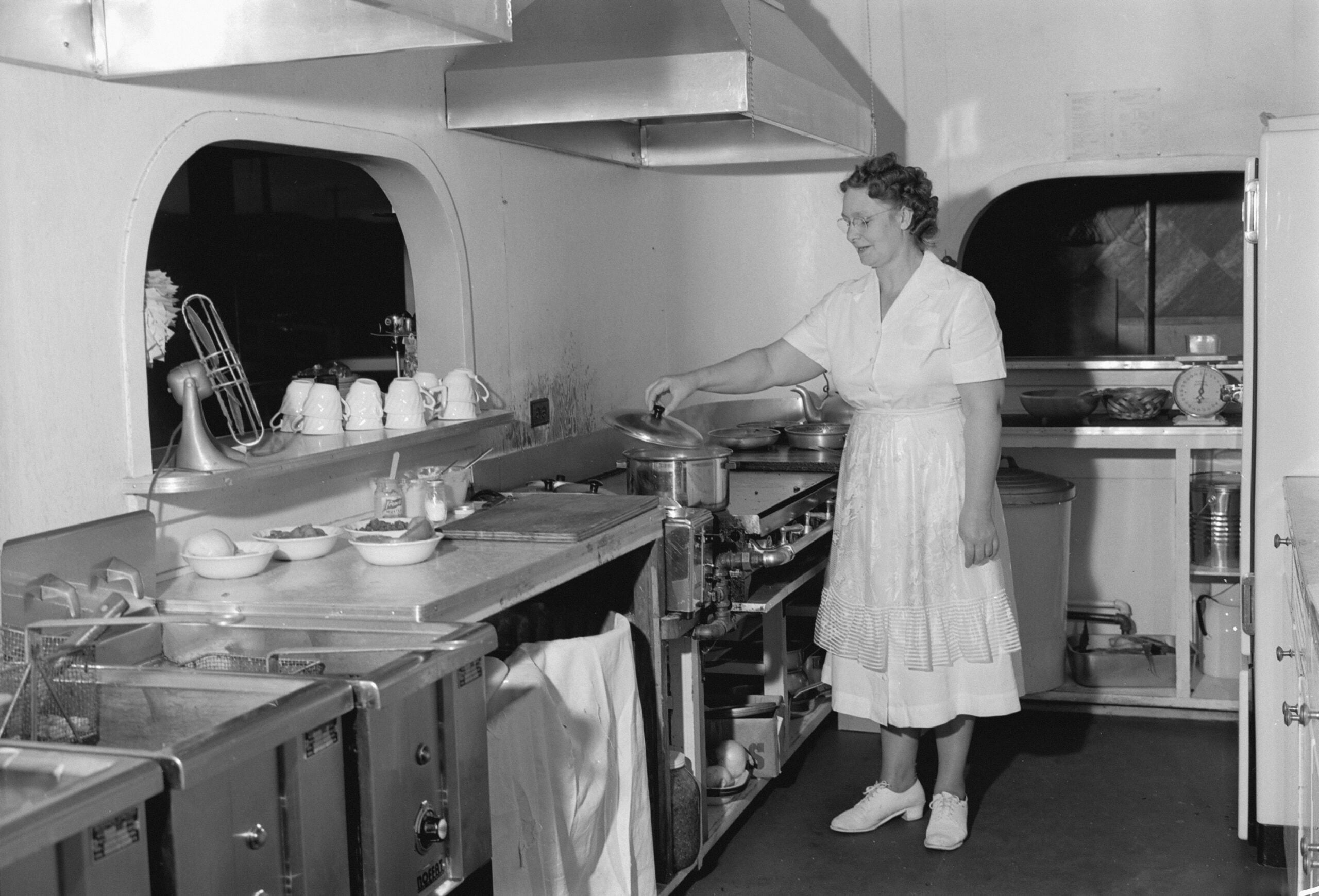
Kitchens in American homes have evolved from being tucked away in utility areas and serving only basic functions, to being the center of the house. Modern kitchens, featuring sophisticated technology, expansive space, and a central role in family life, have transformed people’s daily routines. This evolution reflect the remarkable journey of kitchen history over the past century.