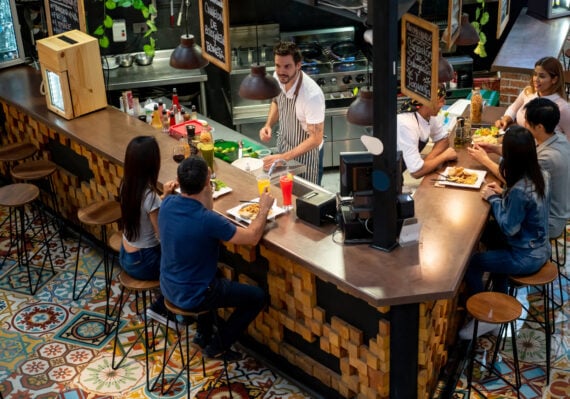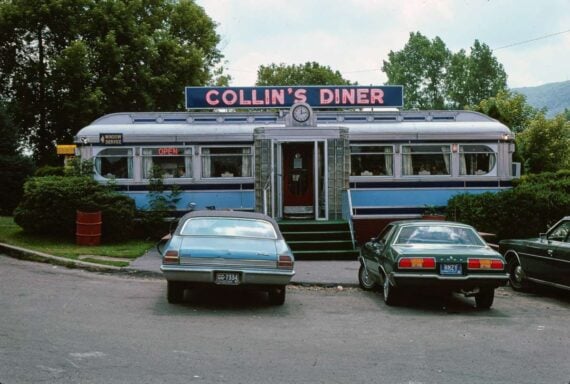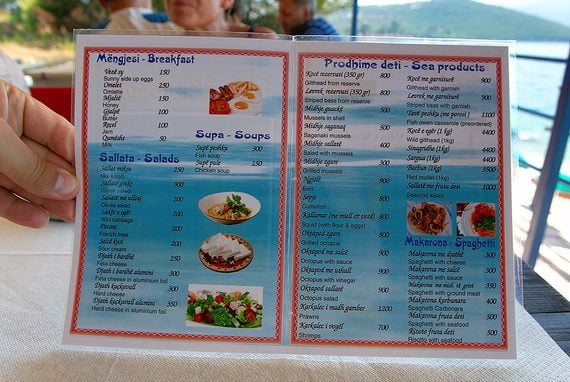
Ever sat down at a restaurant on vacation and wondered whether you’ve found a neighborhood favorite or a place designed to attract tourists? The answer might be hiding in the menu. From oversized combination platters to simple weekday lunch specials, certain menu choices can reveal a lot about who a kitchen expects to feed. As the National Restaurant Association highlights, value and changing dining preferences continue to shape restaurant menus. Here are 12 things to look for before deciding where to eat.
A Short Menu of Regional Specialties
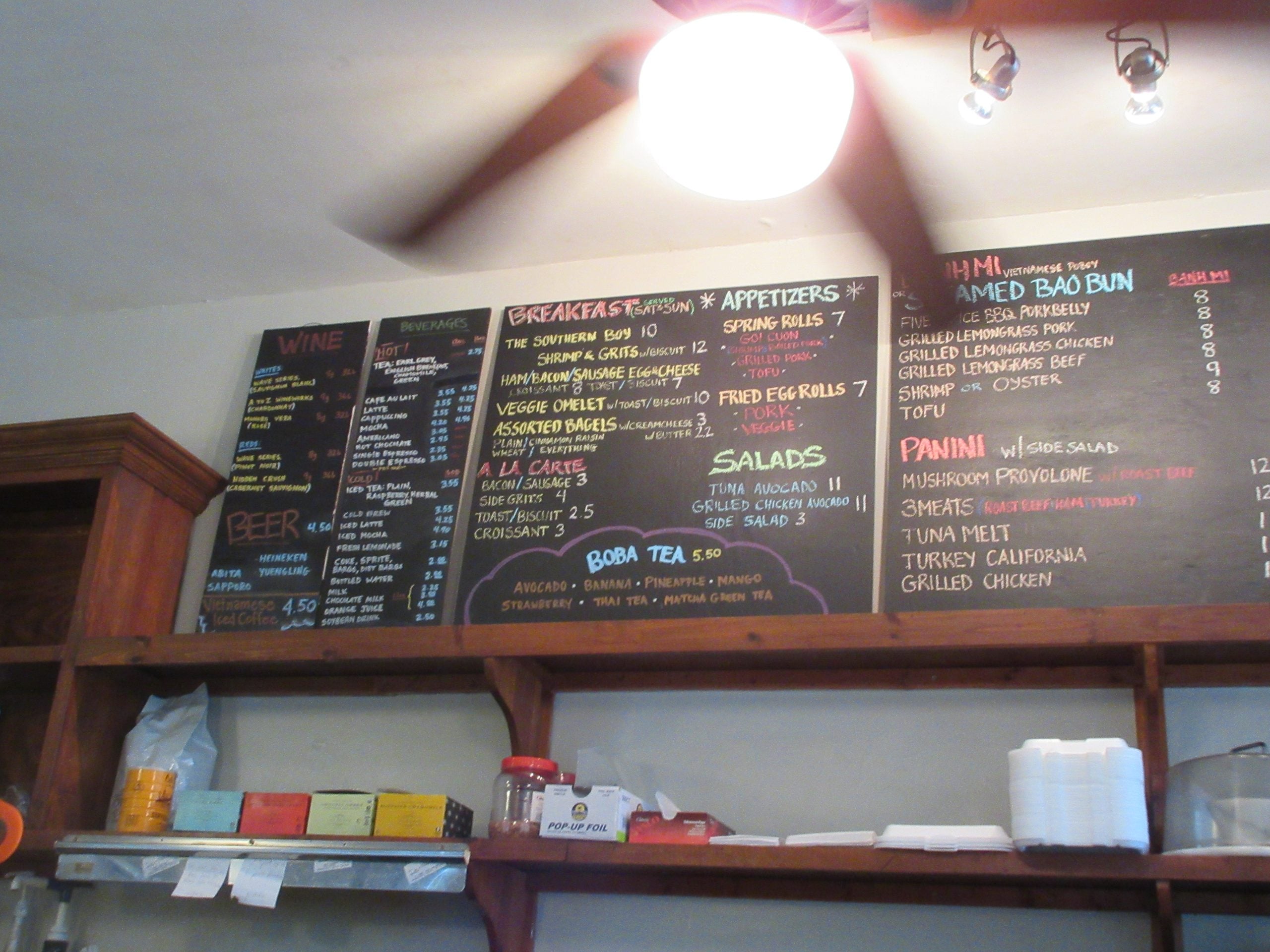
A restaurant serving five or six dishes it knows inside out can be more promising than one trying to offer everything under the sun. Look for regional specialties prepared in traditional ways, such as handmade pasta in Bologna or slow-cooked barbecue in Texas. A focused selection may suggest the kitchen has spent time perfecting its recipes rather than chasing every passing trend. Still, don’t assume a short menu guarantees quality. Some excellent family restaurants offer extensive selections, while tourist-oriented spots can specialize in just one dish.
A Menu Offering Every Cuisine Imaginable
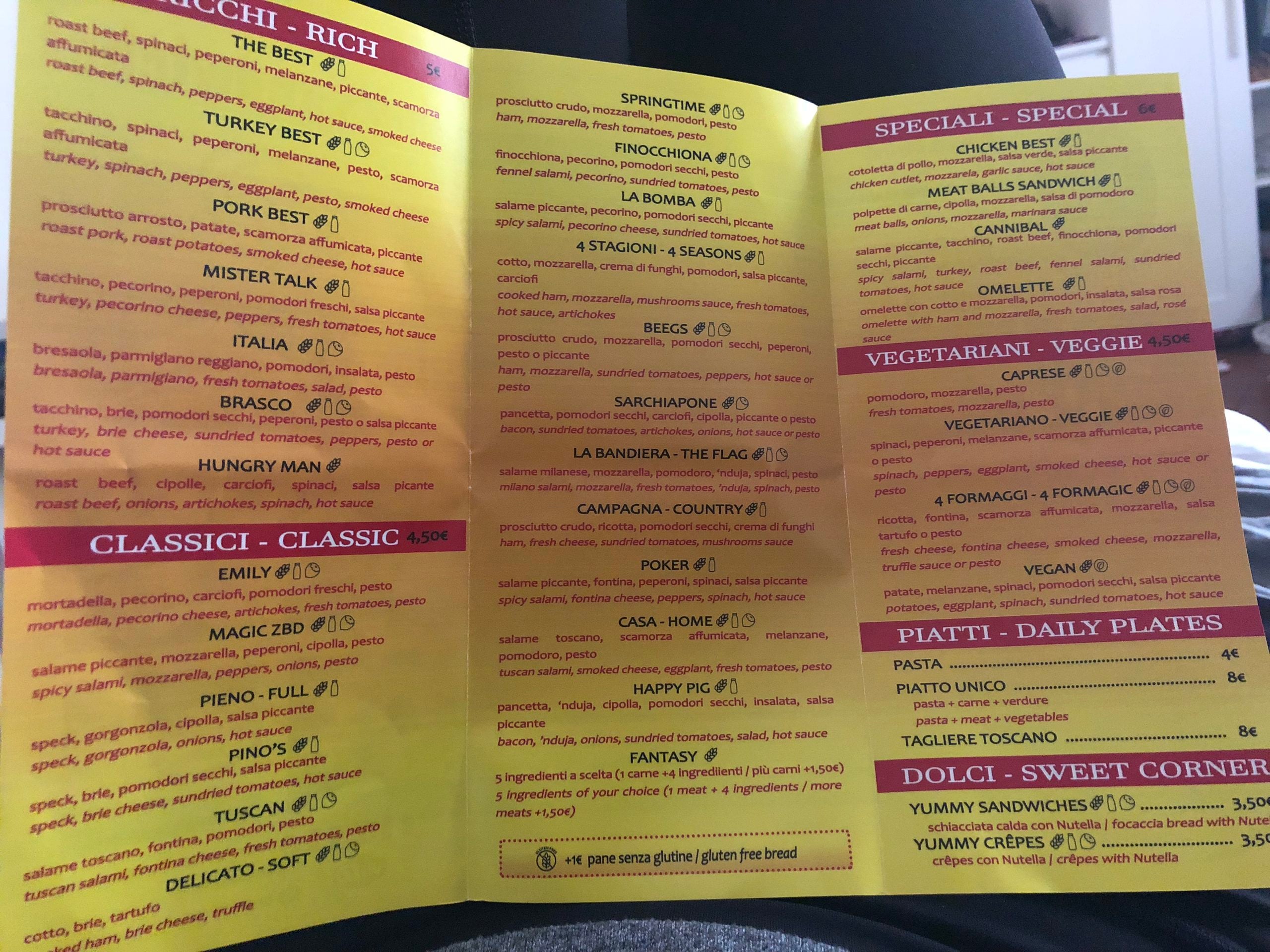
Pizza, sushi, burgers, tacos, and pasta all under one roof? Unless there’s a clear reason for the combination, such an enormous selection deserves a closer look. Restaurants near major attractions sometimes offer familiar dishes from several cuisines to accommodate visitors with different tastes. The downside is that maintaining consistent quality across so many preparations can be challenging. That doesn’t mean every large menu is suspicious, especially at established diners. But if nothing stands out as a specialty, checking recent food reviews before ordering might save you disappointment.
Daily Specials Featuring Seasonal Ingredients
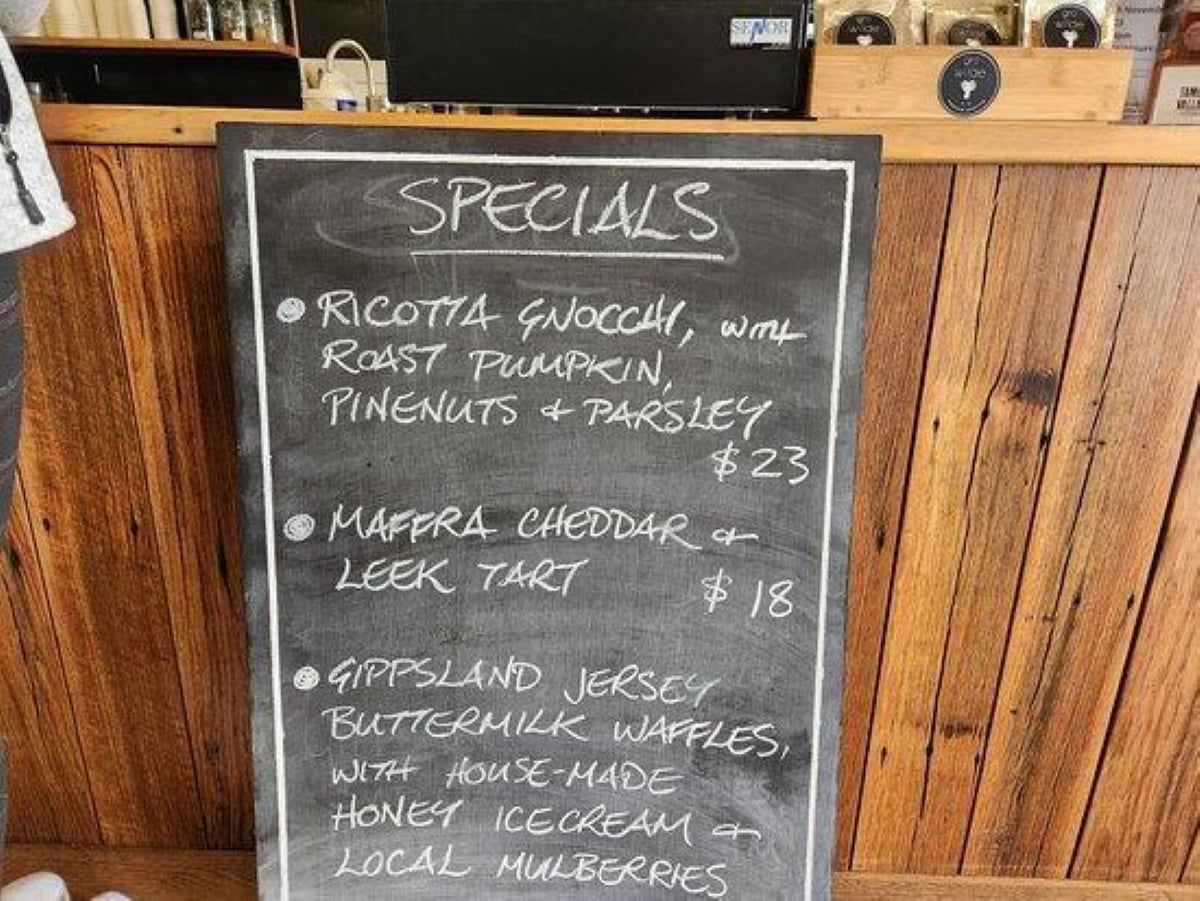
A chalkboard advertising today’s vegetable soup, fresh seafood, or a seasonal stew can tell you something about how a kitchen operates. Restaurants that regularly change their specials may be responding to available ingredients rather than relying entirely on a fixed menu. This can be particularly interesting in coastal towns or agricultural regions, where seasonal foods are part of local traditions. Of course, a handwritten special doesn’t guarantee freshness or local sourcing. Ask what’s in season and how the dish is prepared before assuming it’s worth ordering.
Tourist Sampler Platters With Everything Included
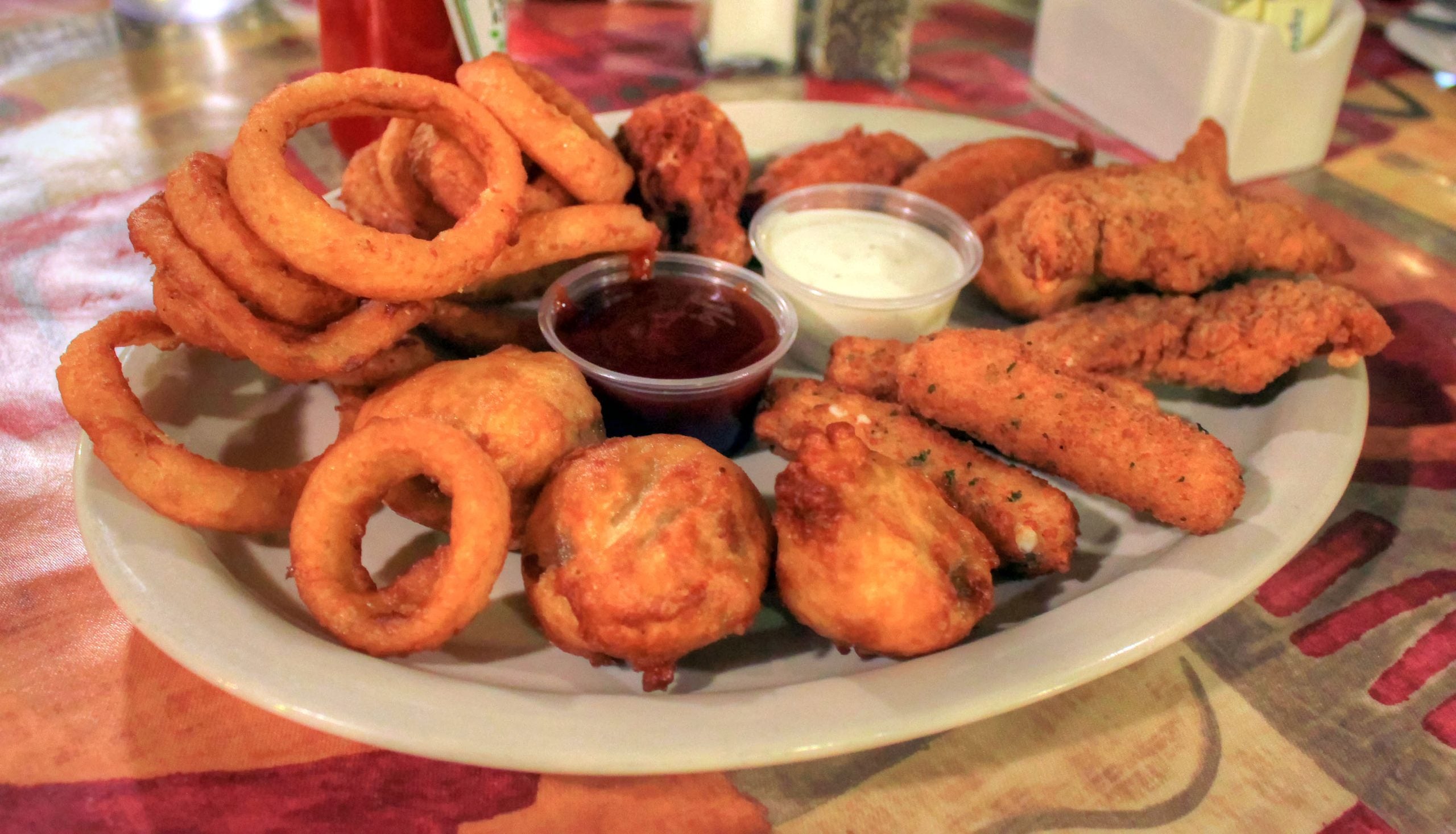
Ever noticed a menu offering a giant platter of every famous local specialty? These combinations can be convenient for first-time visitors, especially when you’re curious about several dishes but don’t want to order separate meals. However, they may also be designed around what tourists recognize rather than what regular customers typically eat. Before ordering, compare the platter’s price and portions with individual dishes. Sometimes the sampler is a reasonable deal. Other times, choosing one or two specialties provides a more satisfying meal without paying for extras you barely touch.
Affordable Weekday Lunch Specials
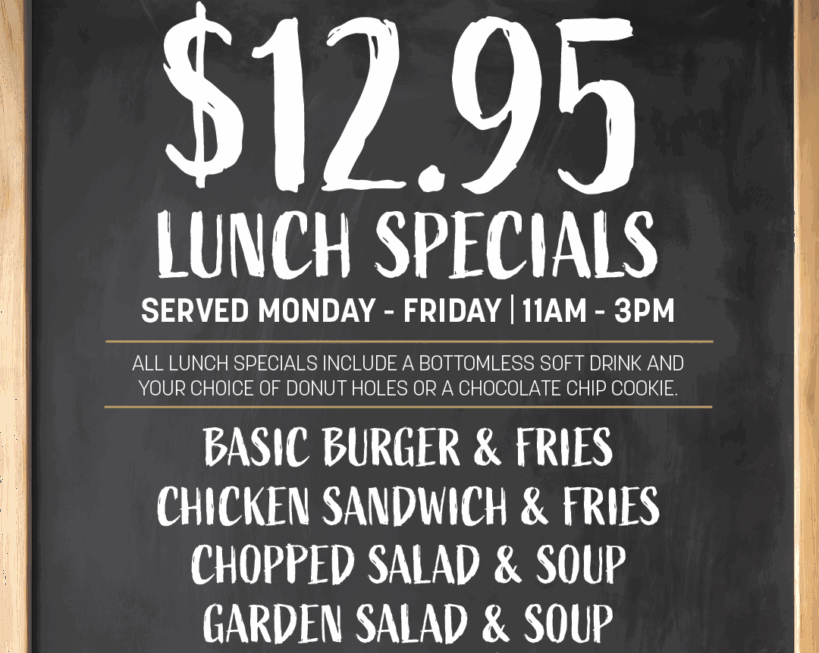
A reasonably priced lunch special can be a useful sign that a restaurant expects customers who eat there regularly. Office workers, neighborhood residents, and people running errands often want something filling without spending a fortune. Look for fixed-price lunches that include a main course, side, or drink. These deals can also be an excellent way to try a restaurant that charges considerably more at dinner. Just check the serving hours and what’s included, since some lunch specials offer smaller portions or exclude items that normally accompany the dish.
Trending on Cheapism


Famous National Dishes Without Regional Favorites
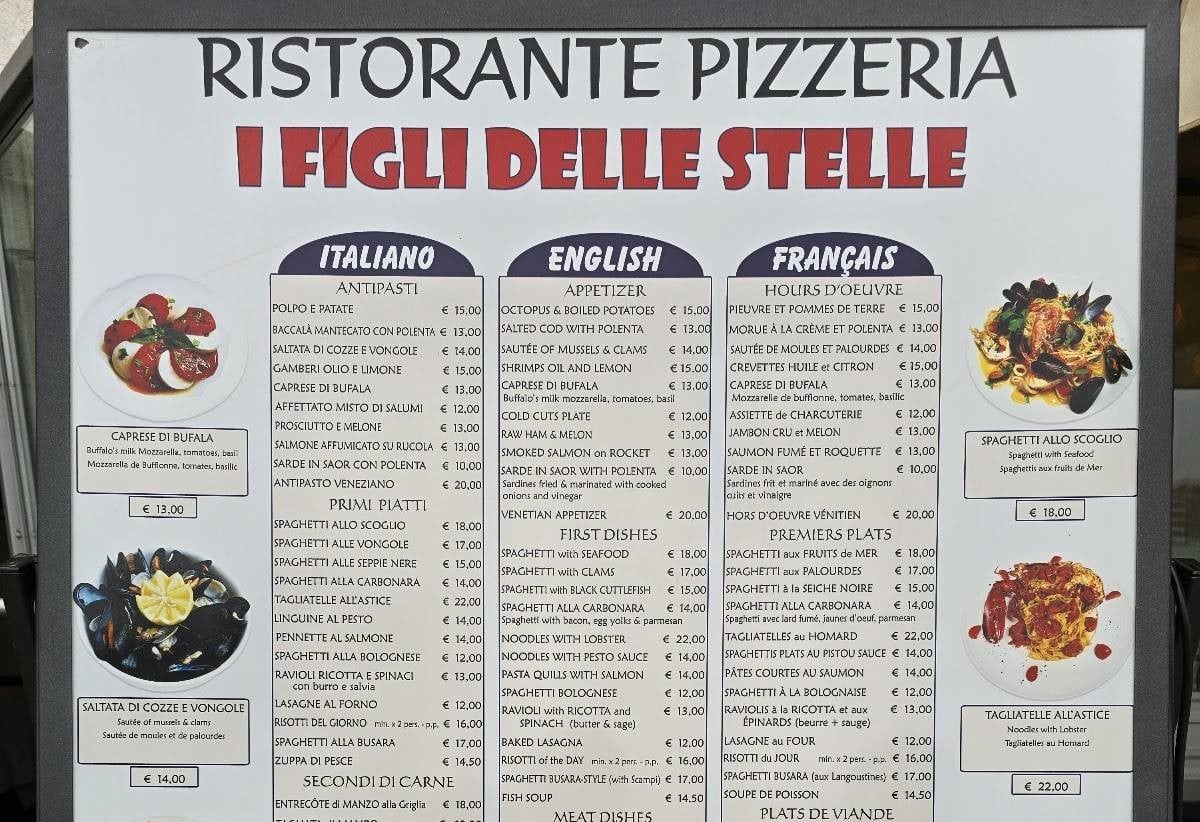
A restaurant in Italy serving only pizza and spaghetti, or one in Mexico offering nothing beyond tacos and burritos, might be catering to visitors who want recognizable favorites. There’s nothing wrong with those dishes, but they don’t tell the whole story of a region’s cooking. Look for specialties connected to the actual city or surrounding area, whether that’s a particular pasta shape, stew, or seafood preparation. A restaurant doesn’t need an unfamiliar menu to be authentic, but a few distinctive regional dishes can make the experience more interesting.
A Children’s Menu Full of Familiar Favorites
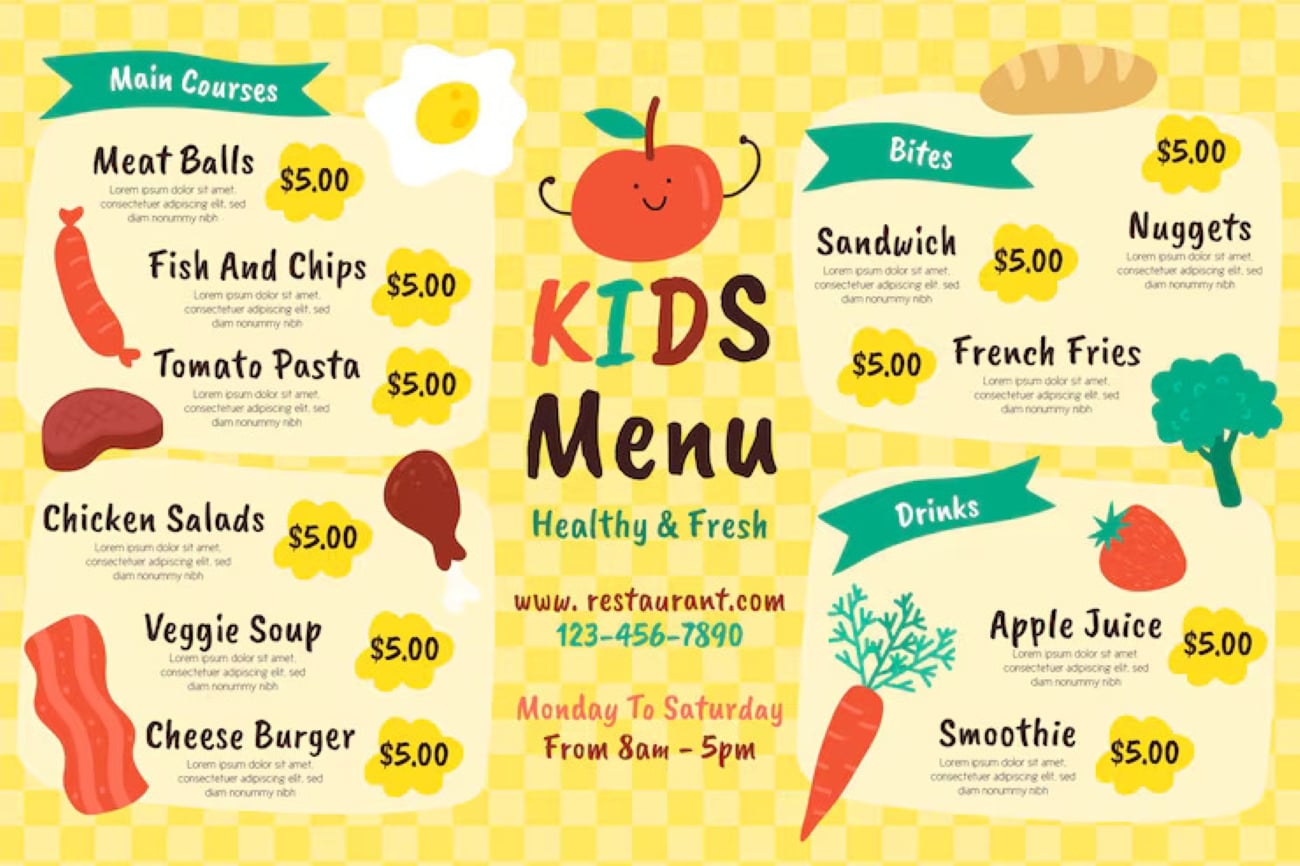
Chicken tenders, burgers, and plain pasta are lifesavers when traveling with picky eaters, and plenty of excellent restaurants serve them. Still, a children’s menu made entirely of internationally familiar dishes may suggest the restaurant is particularly focused on visiting families. If you’re hoping to introduce younger travelers to local food, look for smaller portions of the kitchen’s regular specialties. Some restaurants are happy to prepare a simpler version of a traditional dish. Just remember that accommodating children says more about a restaurant’s hospitality than the quality of its cooking.
Seafood Listed at Market Price
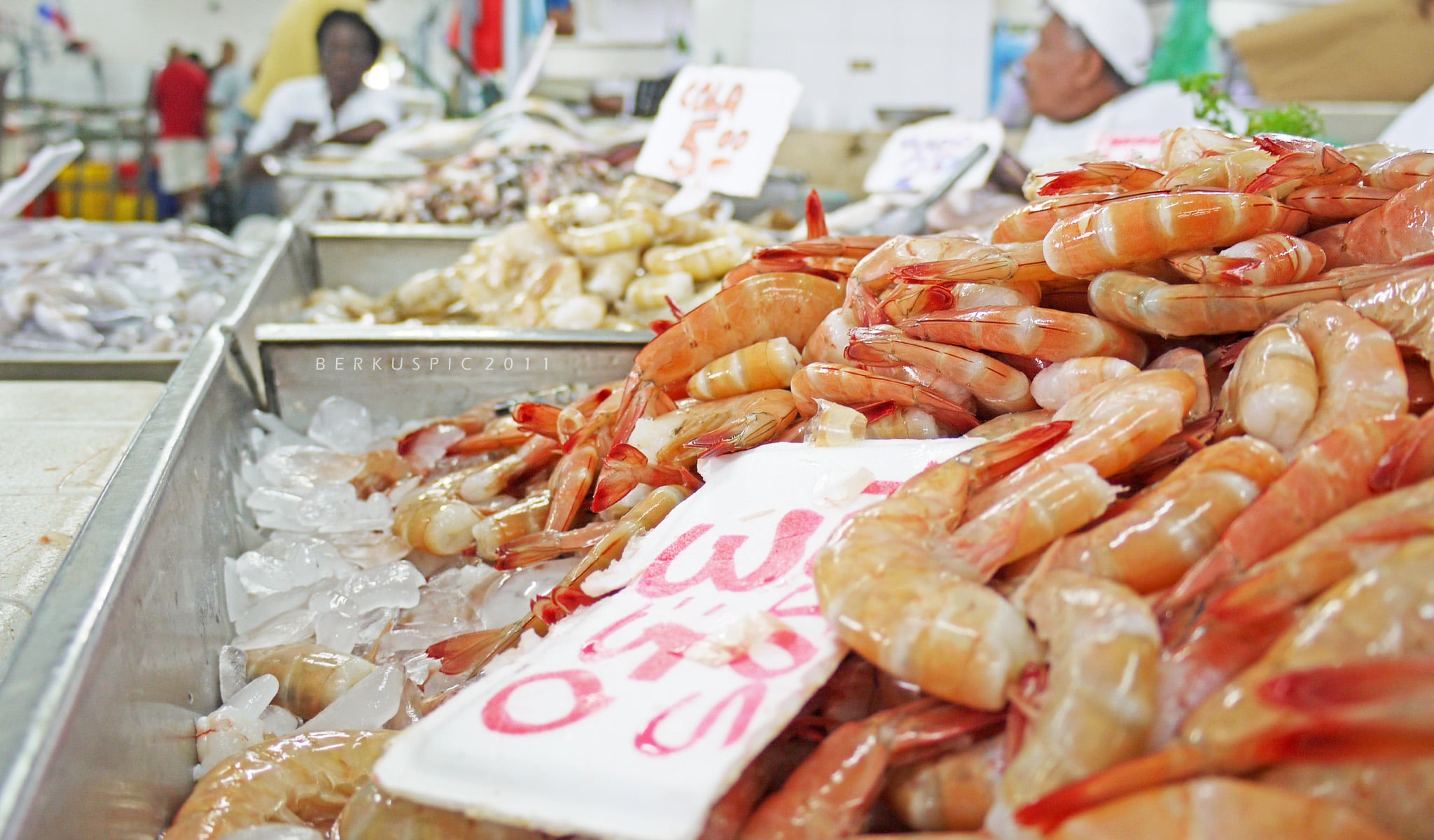
Seeing “market price” beside a fish or shellfish dish can mean the restaurant adjusts its prices as seafood costs change. That’s not necessarily a warning sign, particularly where catches and availability vary throughout the year. But it also doesn’t prove the seafood is fresh, locally caught, or reasonably priced. Ask which species is being served, where it comes from, and exactly what the dish costs before ordering. A good restaurant should be able to answer those questions without making you feel awkward about checking the price.
Sign up for our newsletter
Low Starting Prices With Expensive Add-Ons
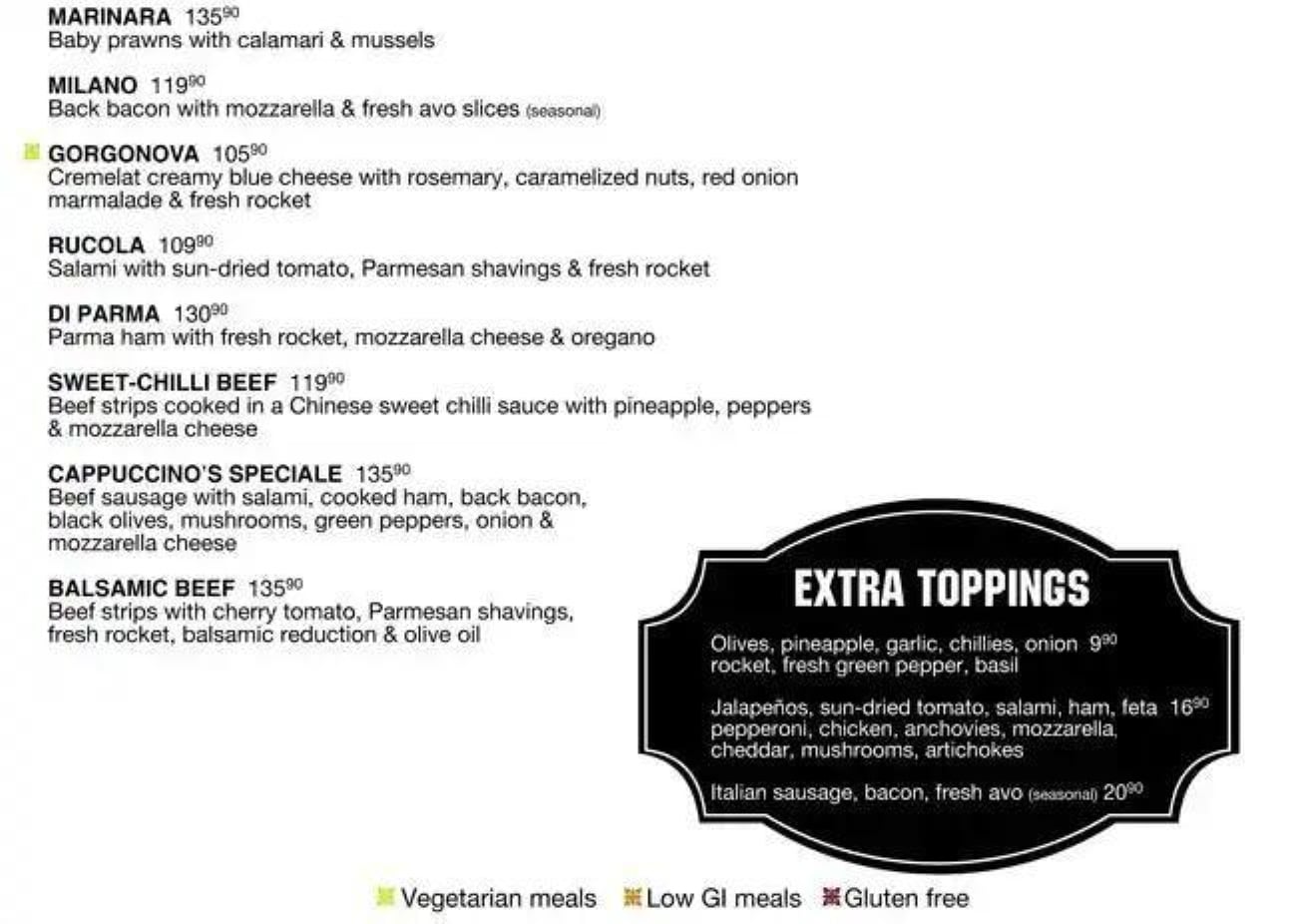
That reasonably priced entree can lose its appeal once you discover that vegetables, potatoes, sauces, and other accompaniments all cost extra. Some restaurants use an a la carte approach for perfectly legitimate reasons, but a long list of add-ons can make comparing prices difficult. Before choosing a meal, calculate what you’ll actually pay for everything you want. Also watch for service charges that may appear elsewhere on the menu. The important distinction isn’t whether extras exist, but whether the restaurant makes the full cost easy to understand.
Everyday Local Breakfast and Lunch Staples
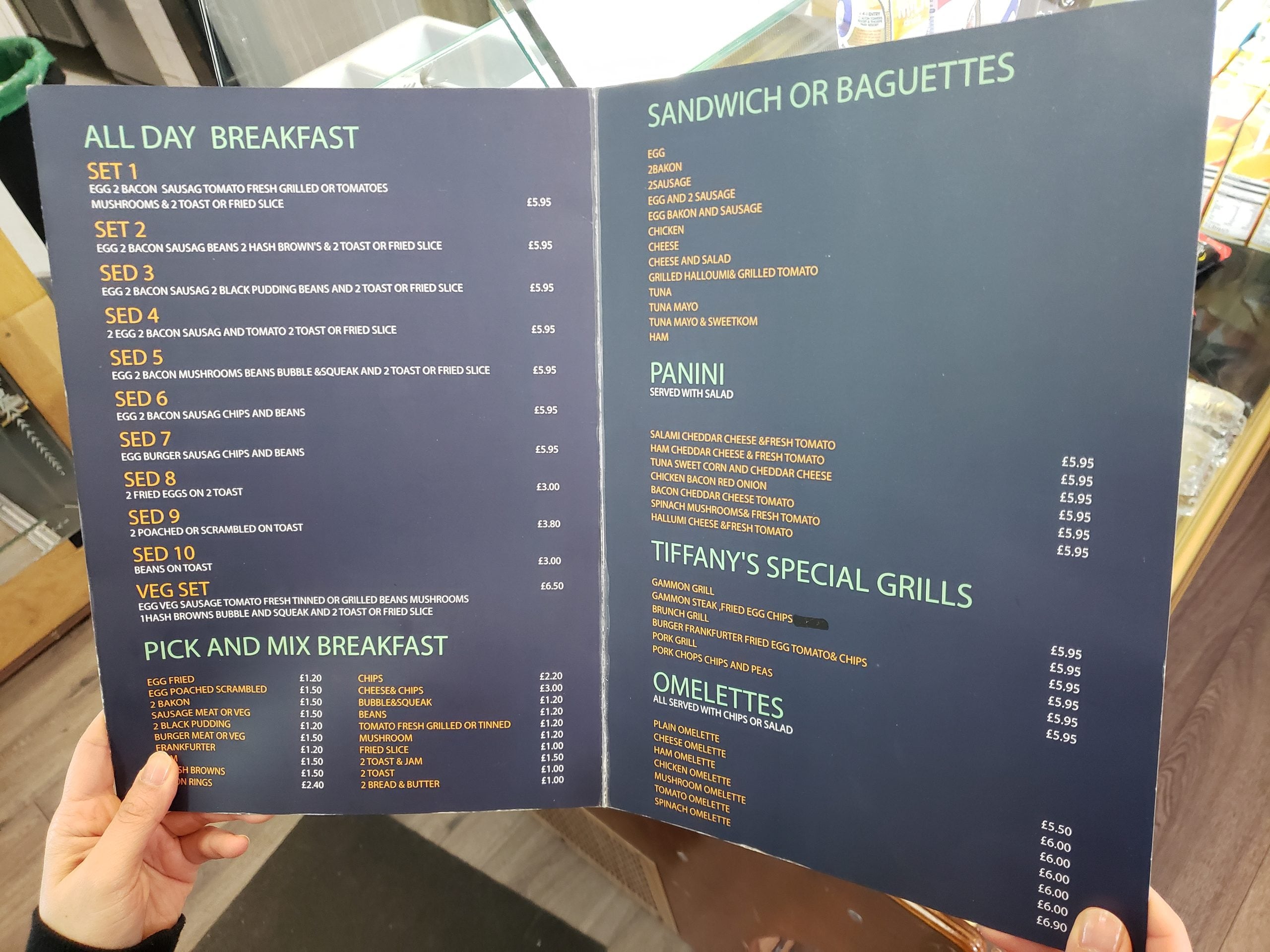
Sometimes the most revealing dishes aren’t the fancy ones. A neighborhood restaurant might serve regional breakfast breads, hearty soups, inexpensive stews, or sandwiches that local workers have been eating for decades. These everyday foods can offer a more interesting glimpse into local life than an elaborate dinner marketed as a traditional experience. Look for dishes available during ordinary breakfast or lunch hours, especially ones customers seem to order regularly. They won’t necessarily be cheaper, but they’re often worth considering when you want something beyond the usual vacation fare.
Menus Translated Into Several Languages
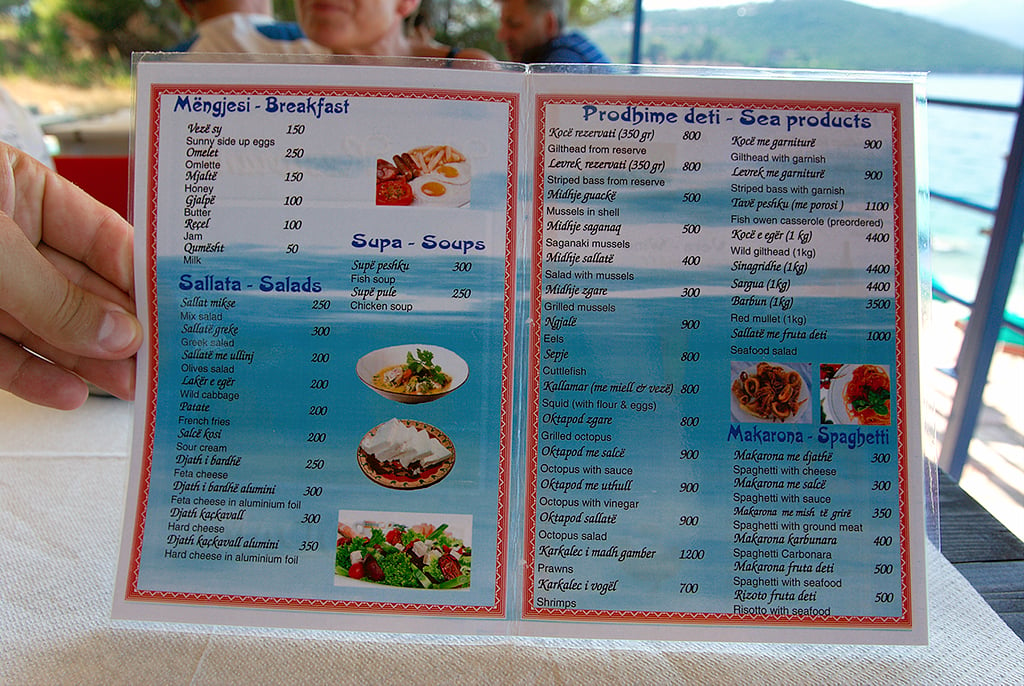
A menu available in English, French, German, and several other languages clearly makes life easier for international visitors. But that doesn’t automatically mean the restaurant is overpriced or inauthentic. In popular destinations, even long-established neighborhood favorites may provide translations to help travelers order confidently. Pay more attention to the food descriptions, prices, and specialties than the number of languages printed on the page. A multilingual menu with clear explanations can actually be a sign of thoughtful service, while confusing pricing deserves scrutiny in any language.
One Signature Dish That Keeps Customers Coming Back
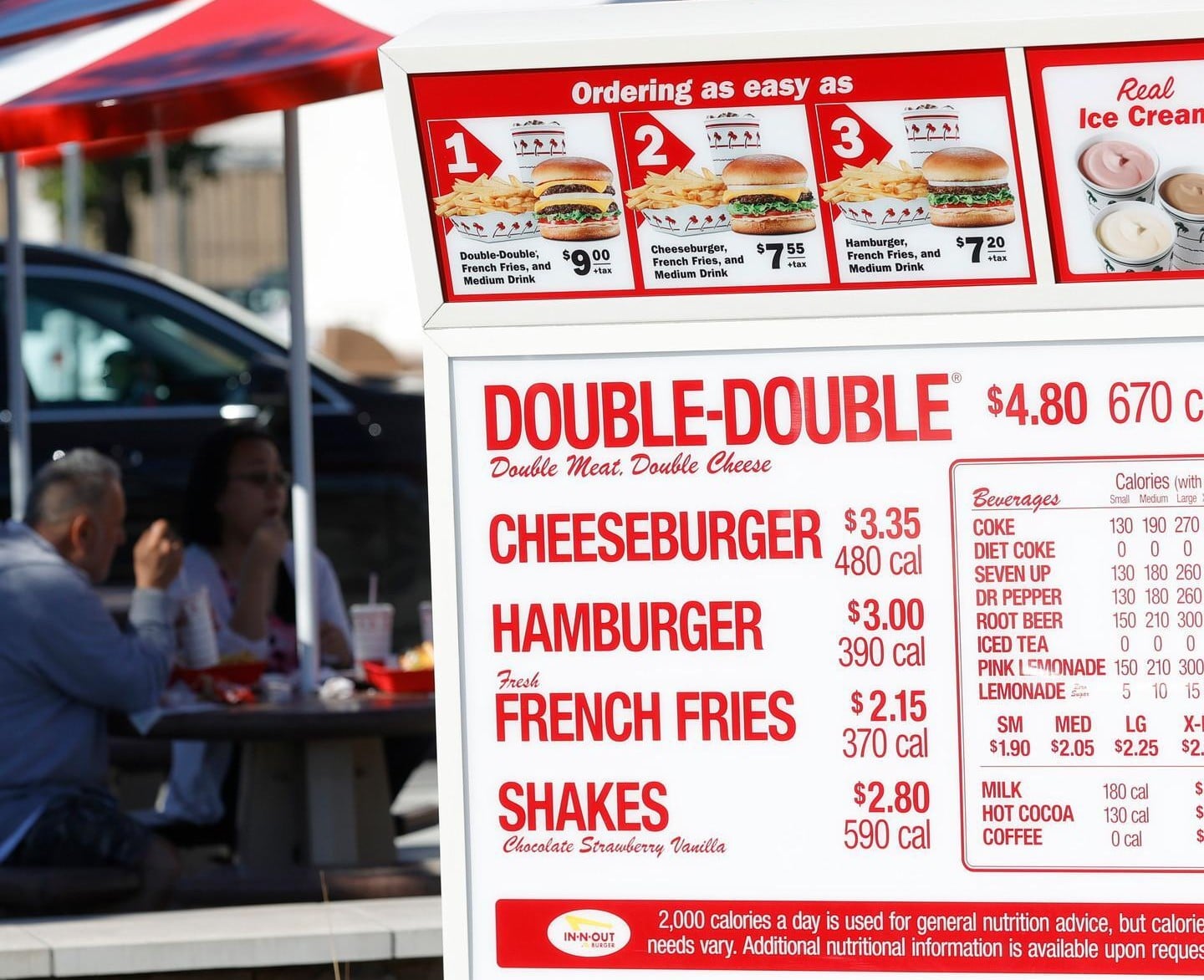
Some restaurants build their reputations around a single dish rather than an elaborate menu. Think of a noodle shop known for its broth, a barbecue joint specializing in brisket, or a seafood counter where fried fish is the main attraction. That kind of focus can suggest a kitchen has developed a recipe people specifically return to enjoy. Before visiting, read recent reviews mentioning the actual dish rather than just the atmosphere. A famous specialty isn’t automatically good, but consistent praise from repeat customers can be more useful than a flashy menu.