
Hotel brands are no longer just fighting over who has the biggest loyalty program or the most predictable rooms. Newer names are winning travelers with smarter layouts, better design, social lobbies, apartment-style stays, and locations that feel more useful than flashy. As Condé Nast Traveler notes in its coverage of Moxy Hotels, some modern brands are built around smaller rooms and bigger shared spaces, which can make city stays feel fresher without always paying luxury-hotel prices.
citizenM
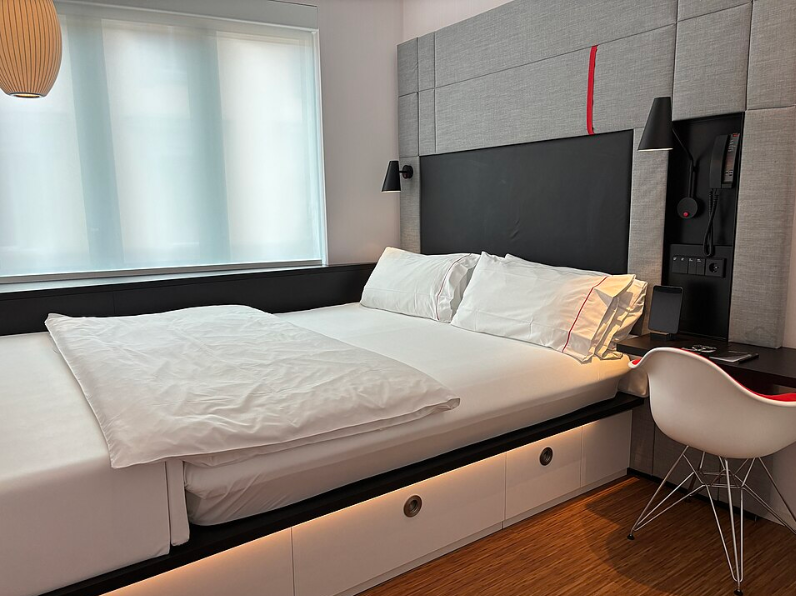
citizenM helped make the small-room, big-lobby hotel feel normal instead of like a compromise. The rooms are compact, but they usually come with strong beds, blackout shades, tech controls, and a modern look that feels more boutique than basic. The real selling point is the lobby, which often works like a stylish living room, workspace, and cafe. The downside is obvious: if you want a big bathroom, closets, or old-school hotel service, citizenM can feel tight and too self-service.
Moxy Hotels
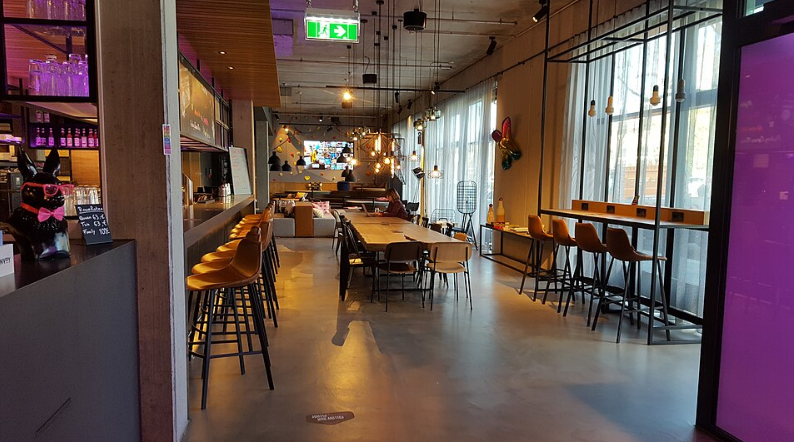
Moxy, backed by Marriott, is built for travelers who care more about location, energy, and social spaces than a large traditional room. Many properties put the bar, games, lounges, and casual gathering areas at the center of the stay, while rooms are kept smaller and more practical. That can work well in expensive cities where guests spend most of the day out. It is not ideal for travelers who want quiet lobbies, large desks, or a full-service feel. Some guests also find the playful style a little forced.
Graduate by Hilton
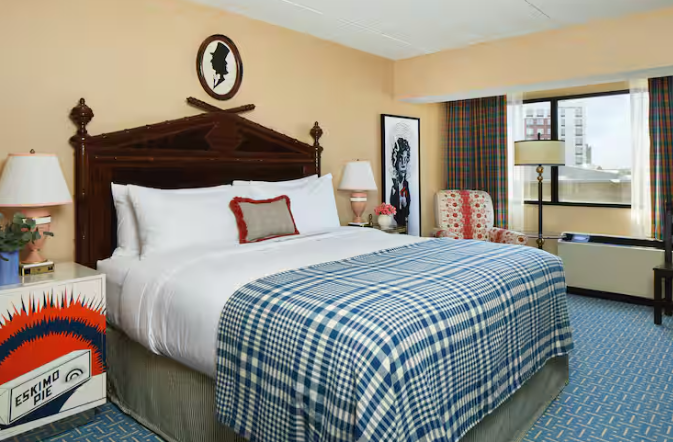
Graduate built a smart niche by focusing on college towns instead of copying the same downtown hotel formula. The properties usually lean into local school history, regional culture, sports traditions, and playful design, which makes them more memorable than a standard chain hotel near campus. Hilton’s 2024 acquisition gave the brand a bigger loyalty-program platform, but the personality is still the draw. The downside is timing: rates can jump hard during football weekends, graduation, parents’ weekend, and major university events.
Virgin Hotels
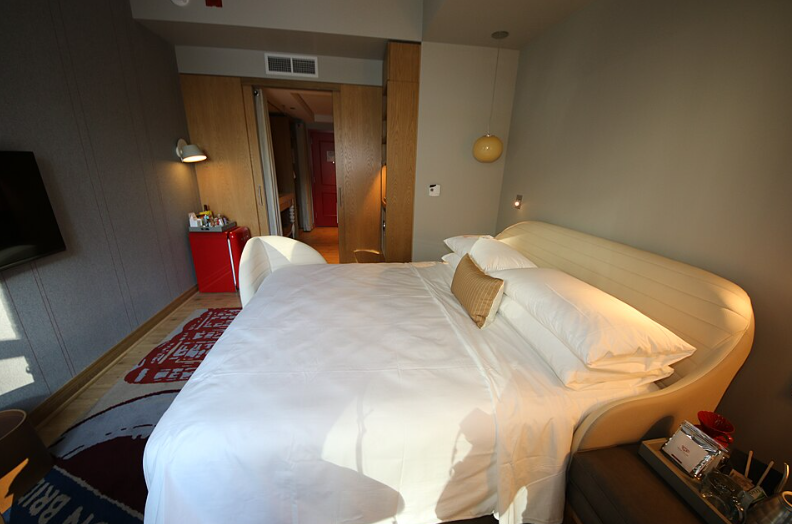
Virgin Hotels entered the market with a clear idea: upscale, but less stiff. Rooms are often designed with separate sleeping and dressing areas, and the public spaces usually matter more than they would at a traditional business hotel. Guests who like modern design, restaurants, lounges, and a little personality may find it more interesting than a standard big-chain stay. The catch is that Virgin is not a budget brand, and the energetic atmosphere may not suit travelers who want a quiet, predictable hotel.
Canopy by Hilton
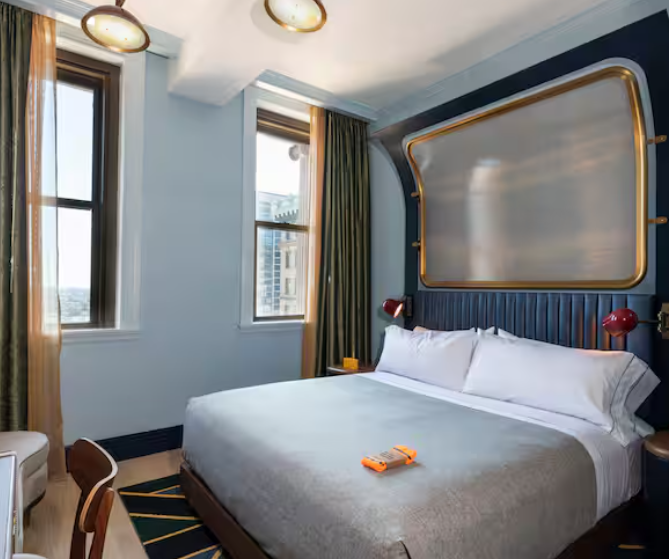
Canopy by Hilton is Hilton’s attempt to give travelers boutique-style local flavor without making them leave the Hilton system. Properties are usually designed around the surrounding neighborhood, with local art, food touches, and a more relaxed feel than a traditional Hilton. That makes it useful for travelers who want something less corporate but still want Hilton Honors points and brand consistency. The downside is that “local” can vary by property, and some Canopy hotels feel more distinctive than others.
Trending on Cheapism


Motto by Hilton
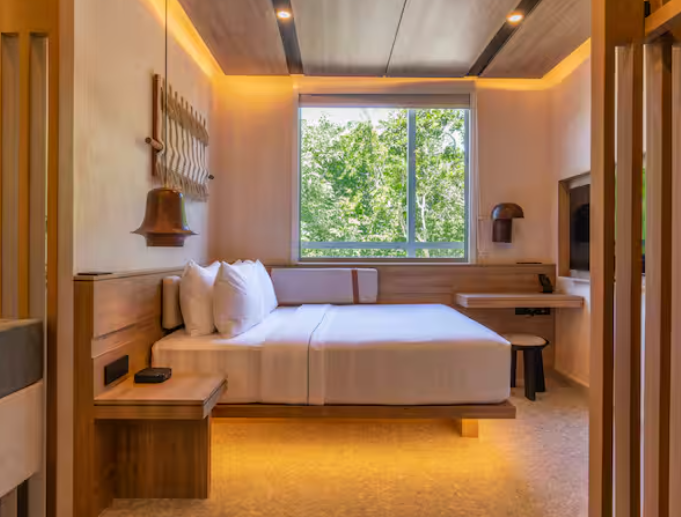
Motto by Hilton is aimed at city travelers who would rather pay for a good location than a large room. The rooms are compact, with flexible layouts and shared social spaces meant to make up for the smaller footprint. For short trips, concerts, weekend getaways, or sightseeing-heavy stays, that tradeoff can make sense. But it is not for everyone. Travelers who unpack fully, need a desk, travel with lots of luggage, or dislike small rooms may feel cramped quickly.
avid hotels
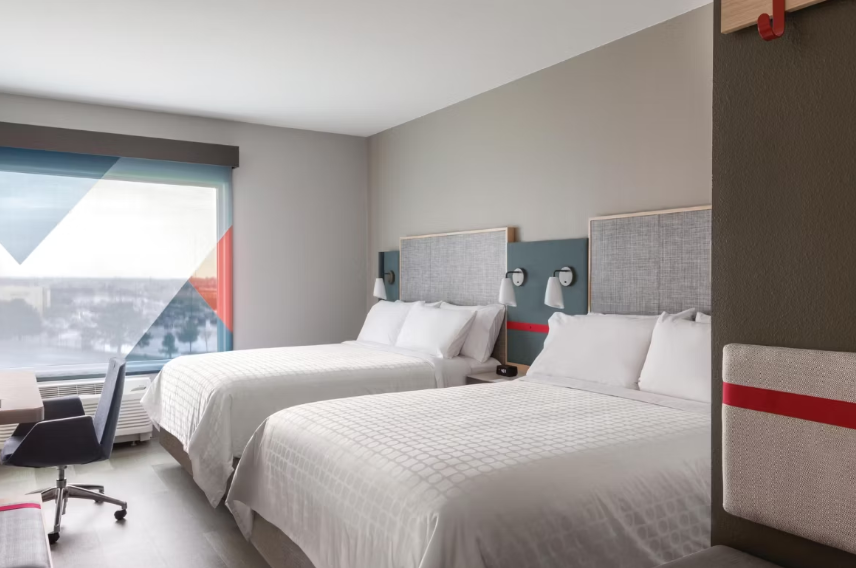
avid hotels by IHG is not trying to be trendy in the boutique sense. Its appeal is simpler: clean rooms, reliable beds, easy breakfast, good coffee, and fewer amenities that many travelers never use. That makes it a modern answer to older roadside and midscale chains that can feel dated or uneven. For road-trippers, airport stays, and one-night stops, the value is easy to understand. The tradeoff is that avid is intentionally limited-service, so do not expect a restaurant, big lobby scene, or much local character.
Tru by Hilton
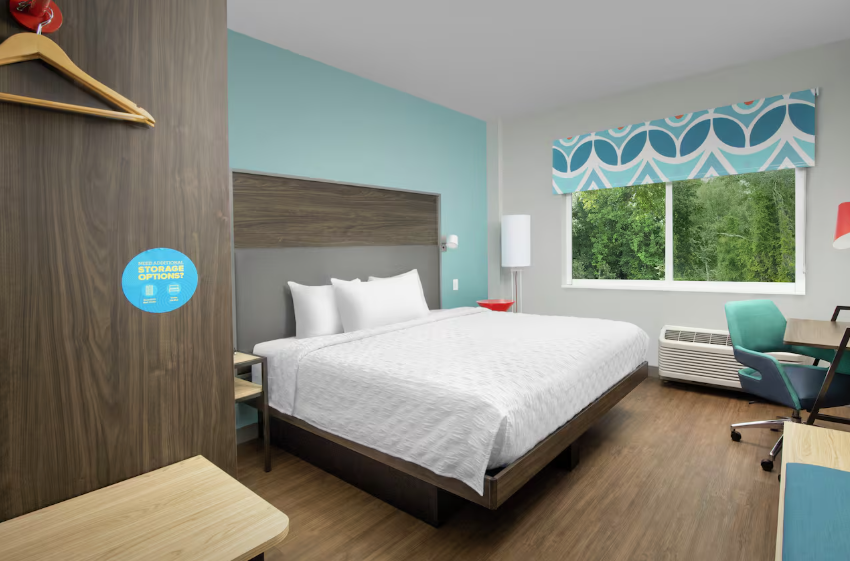
Tru by Hilton helped refresh the budget-to-midscale hotel stay by making common spaces brighter, more social, and less beige. The rooms are usually simple and compact, while the lobby has seating, games, work areas, and grab-and-go touches that feel more current than many older affordable chains. Families, road-trippers, and business travelers may like the consistency and Hilton points. The downside is that rooms can feel spare, storage is limited, and breakfast or noise levels can vary by location.
Sign up for our newsletter
Atwell Suites
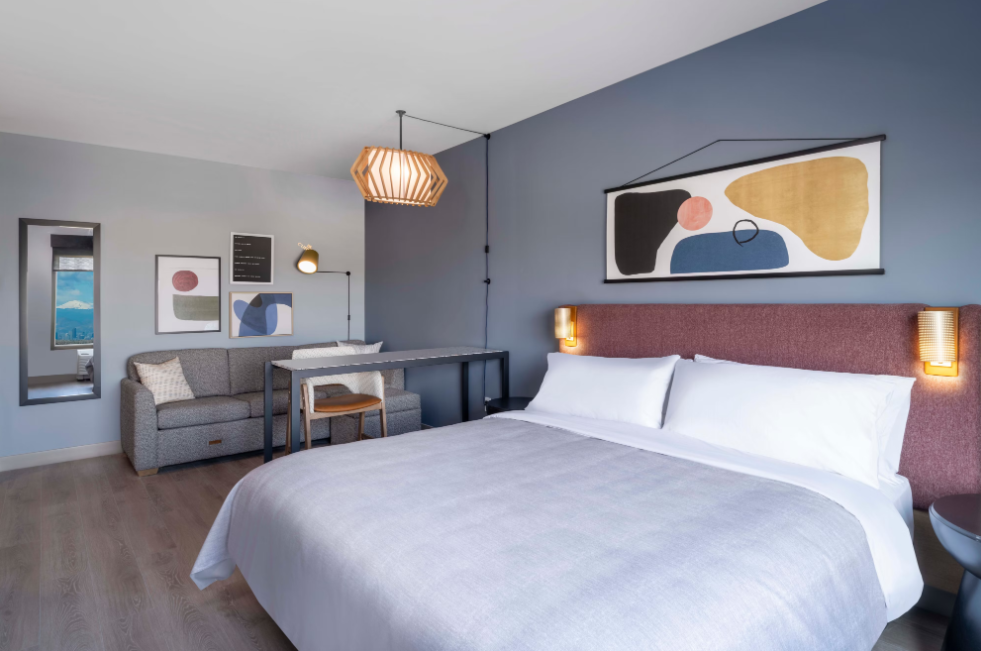
Atwell Suites by IHG sits between a regular hotel and an extended-stay property. The idea is useful for travelers who need space to work, relax, and stay a few nights without booking a full apartment-style hotel. Rooms and shared spaces usually emphasize flexible seating, productivity, and a more casual social setup. It is especially relevant now that many trips mix business, family visits, and remote work. The limitation is availability: the brand is still growing, so choices are not as widespread as older IHG names.
Placemakr
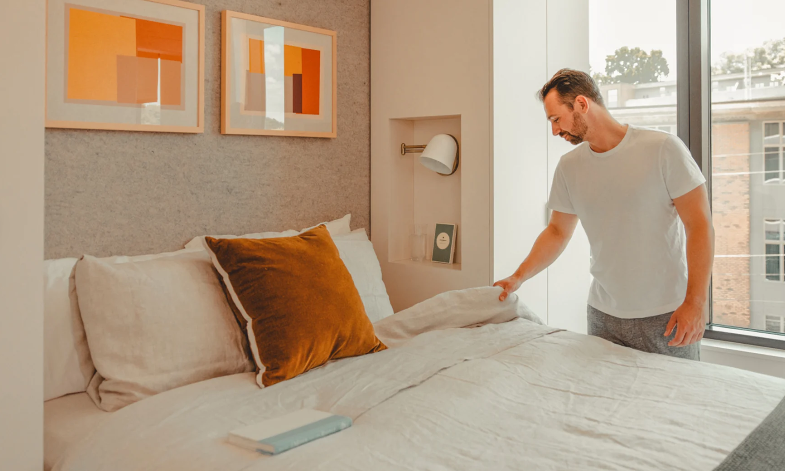
Placemakr is not a traditional hotel brand, and that is the point. It blends apartment-style accommodations with hotel-like services, often giving guests kitchens, living areas, laundry, and more room than a standard hotel. That can be a strong value for families, remote workers, medical visits, relocations, or longer city stays where eating every meal out gets expensive. The catch is that the experience can feel less like a full-service hotel. Depending on the building, staffing, parking, and check-in can be less traditional.
Tempo by Hilton
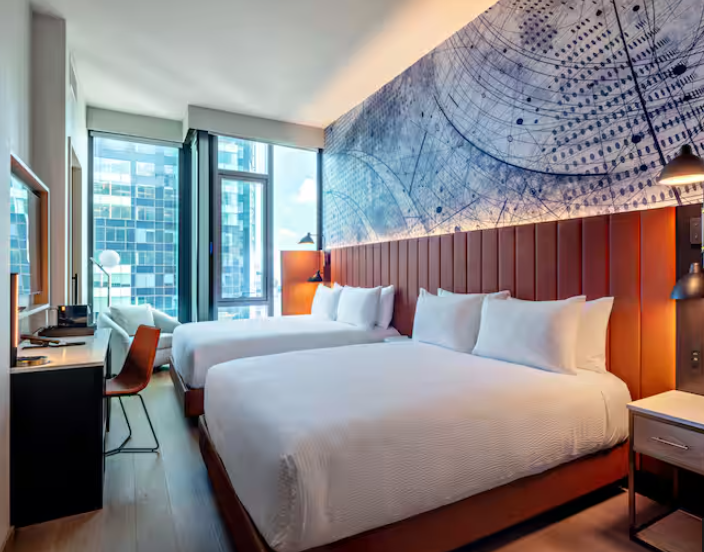
Tempo by Hilton is one of Hilton’s newer lifestyle plays, built around wellness, efficient rooms, work-friendly spaces, and modern design rather than old luxury signals. The first high-profile property in Times Square showed the concept clearly: fewer fussy room features, more attention to sleep, sustainability touches, and flexible routines for travelers who mix work and leisure. It can feel fresher than a traditional business hotel. The downside is price. In prime city locations, Tempo may still cost much more than value-minded travelers expect.
Spark by Hilton
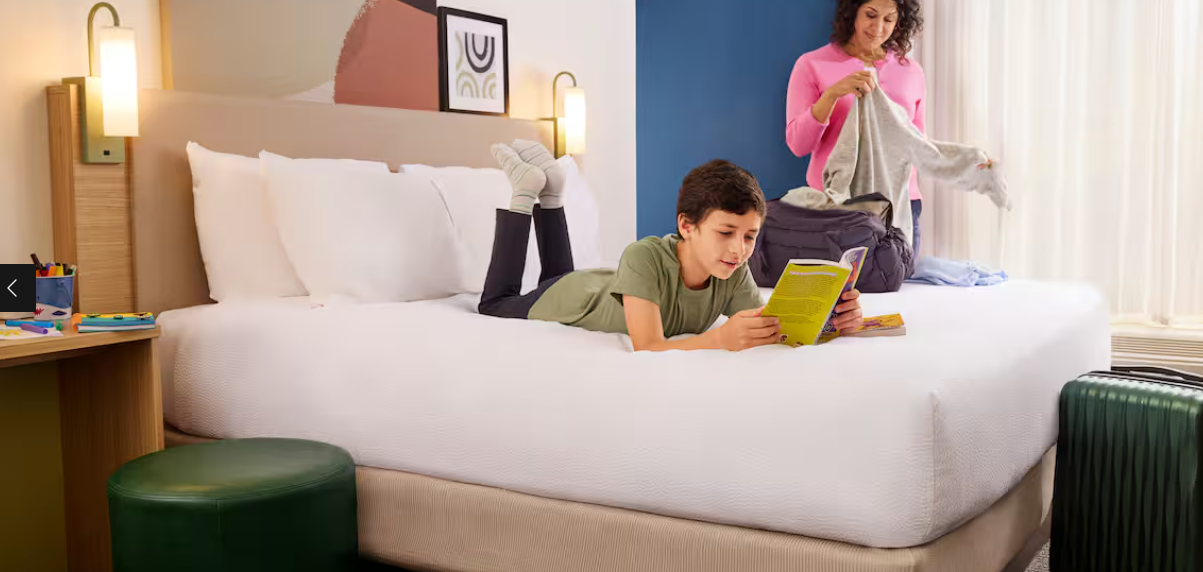
Spark by Hilton is newer and more practical than flashy. It is Hilton’s premium-economy conversion brand, meaning many properties are updated versions of existing hotels rather than brand-new builds. The promise is a cleaner, more consistent stay for travelers who want Hilton Honors access without paying for extra amenities they do not need. That can appeal to road-trippers and airport travelers. The risk is inconsistency. Because many properties are conversions, the building, room size, and overall feel may vary more than guests expect.