Some popular travel destinations earn their fame, while others can leave visitors wondering what all the fuss was about. Huge crowds, rising prices, tourist traps, and difficult logistics can turn a bucket-list stop into an exhausting experience. As Amsterdam’s official tourism policy shows, some famous cities are now actively trying to reduce tourism-related pressure. These destinations may still be worth seeing, but they are not always worth choosing automatically.
Venice Can Feel More Like a Queue Than a City
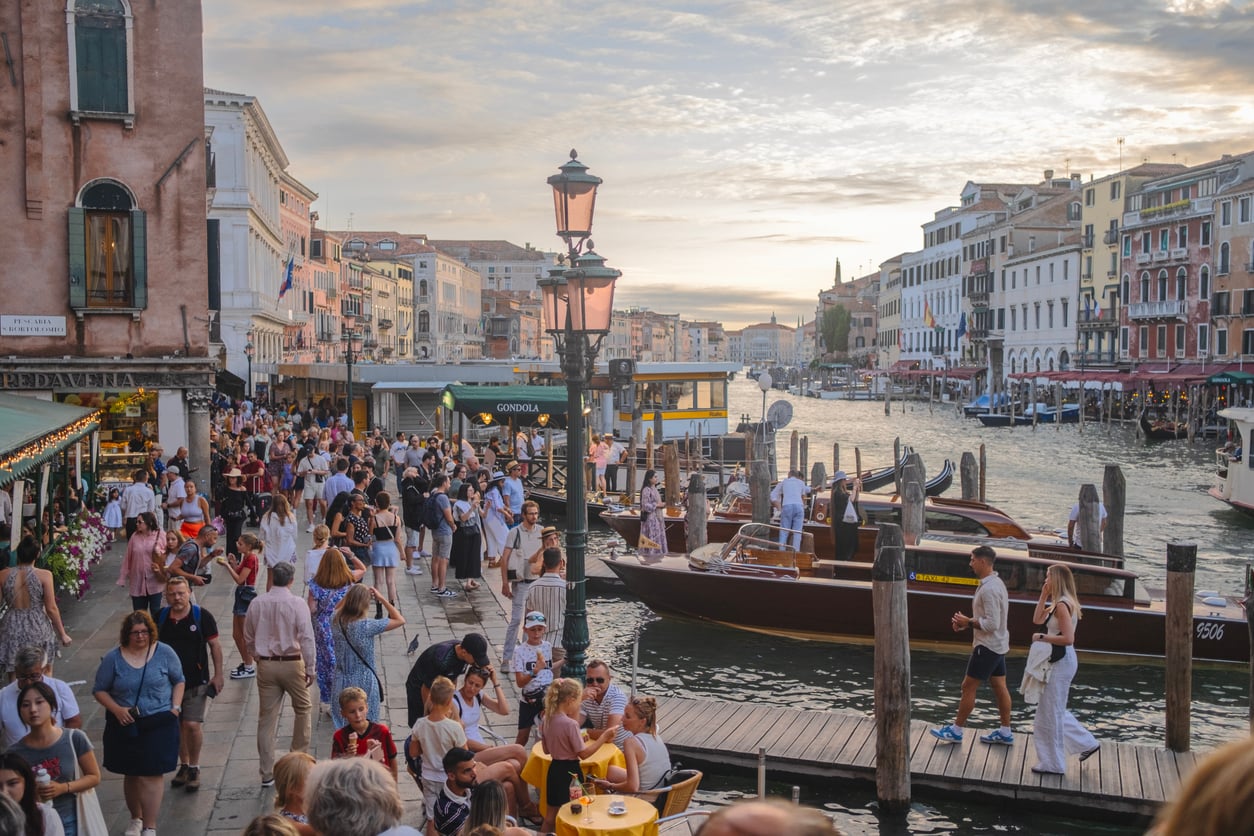
Venice remains extraordinary, but its most famous streets can become packed with day-trippers around St. Mark’s Square and the Rialto Bridge. During its 2026 access-fee trial, Venice charged eligible day visitors EUR 5 with advance booking or EUR 10 closer to arrival on designated dates. That program ended after July 26. Staying overnight, visiting early, and exploring Cannaregio or Castello can reveal a much calmer side of Venice.
Times Square Is Better as a Quick Stop
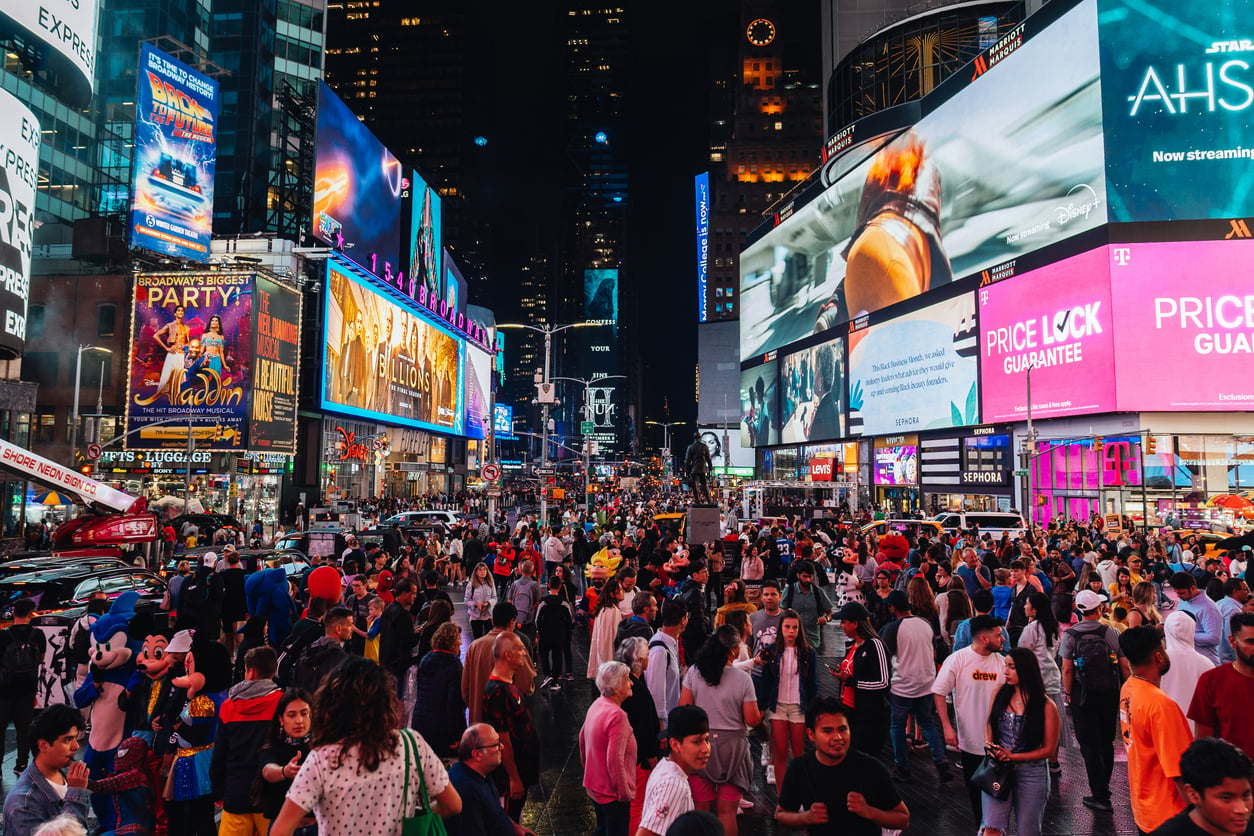
Times Square delivers the flashing billboards and New York spectacle people expect, but there is surprisingly little reason to linger. The surrounding blocks are dominated by advertising, souvenir shops, entertainment businesses, and heavily touristy restaurants. Recent travel commentary continues to describe it as impressive at first but quickly overwhelming. See it after dark, take the photo, then devote your time to Greenwich Village, Harlem or the Upper West Side
Santorini’s Famous Sunset Comes With a Crowd
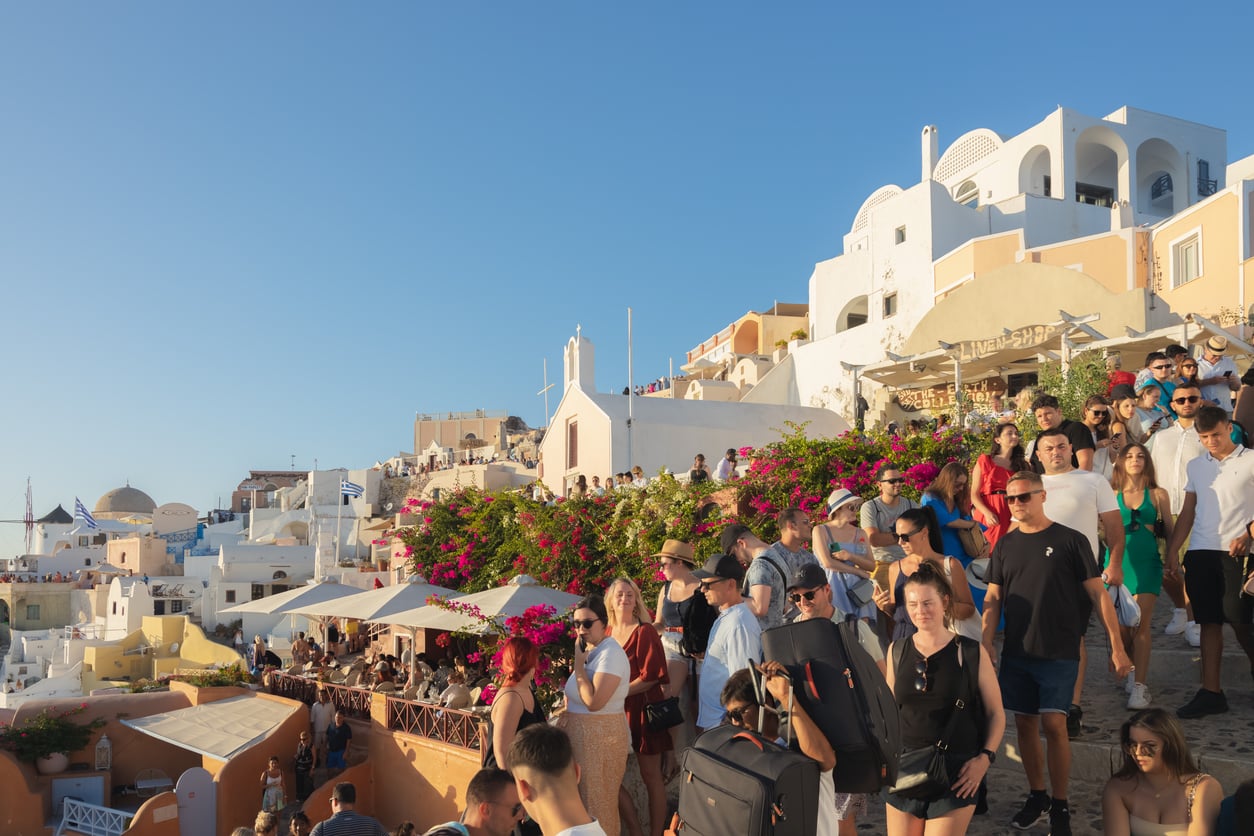
Santorini’s white villages and volcanic caldera deserve their reputation. The problem is fitting huge numbers of visitors into tiny Oia streets at roughly the same time. Authorities have been limiting cruise pressure to about 8,000 passengers per day, after earlier peak days could bring far larger crowds. Visitors who stay overnight have an advantage: Oia becomes much easier to enjoy before cruise excursions arrive and after they leave. Naxos and Syros offer appealing alternatives.
The Las Vegas Strip Is No Longer the Bargain It Once Was
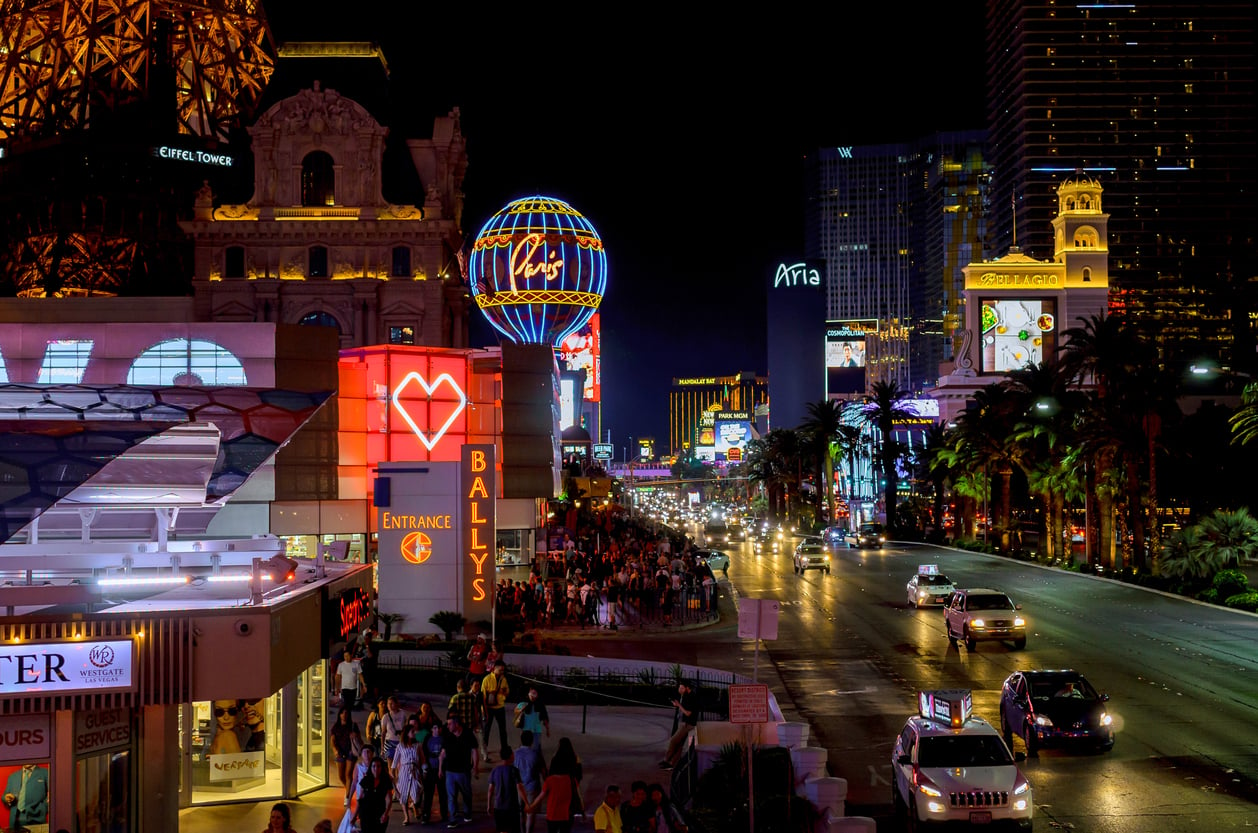
Cheap rooms once helped sell Las Vegas as an inexpensive escape. Today, the advertised room rate may be only the beginning. Resort fees at many Strip properties add roughly $40 to more than $60 nightly, while parking, drinks, restaurants, shows, and attractions can quickly raise the bill. Recent tourism coverage has also linked frustration over rising prices to weaker visitor demand. Downtown Las Vegas or a carefully planned Strip visit may stretch vacation dollars considerably further.
Barcelona Is Struggling With Its Own Popularity
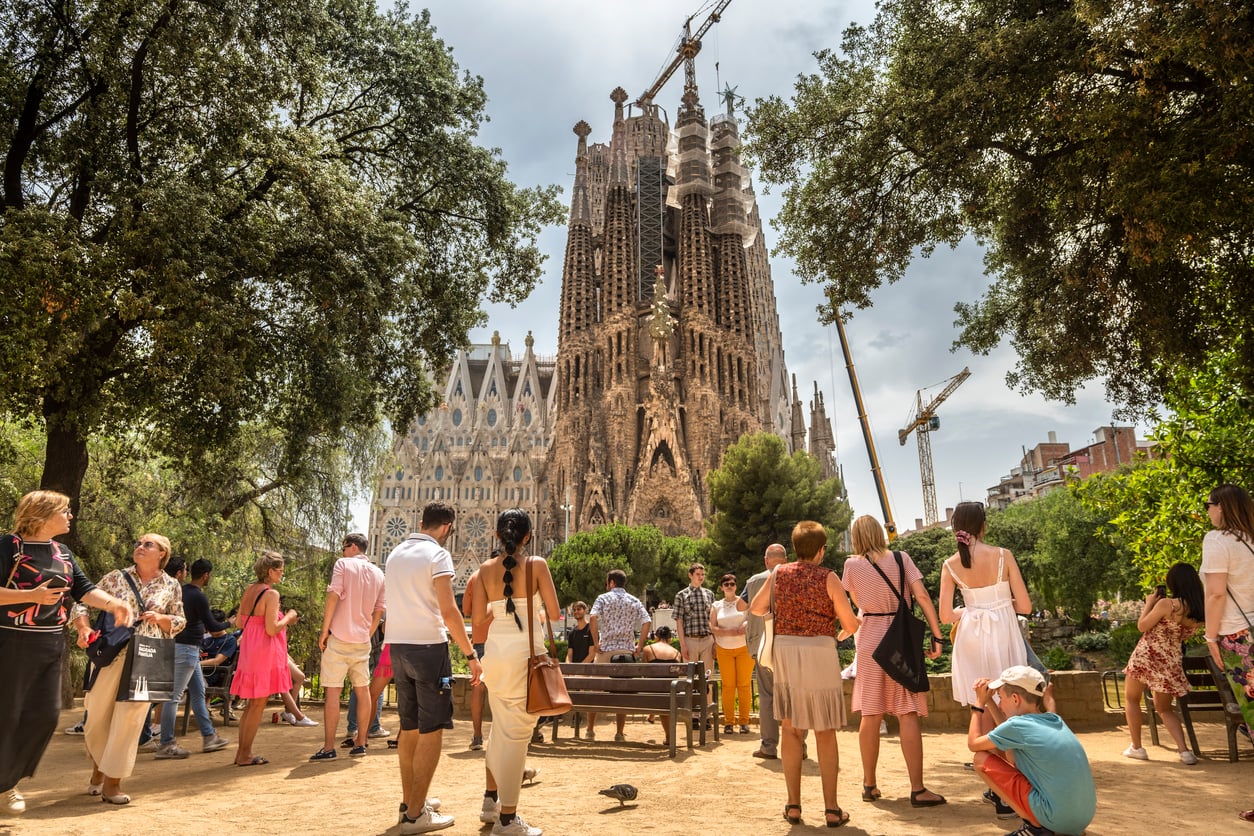
Barcelona is not asking for more tourists. Destination Barcelona recorded 26.1 million tourists across the city and surrounding region in 2025, while the city has appointed a commissioner for sustainable tourism and is moving to reduce tourist apartments. Barcelona is still magnificent, but La Rambla, the Gothic Quarter, and major landmarks can feel overwhelmingly visitor-oriented. Spending time outside the busiest center, traveling off-season, or adding Girona or Tarragona can produce a more relaxed Spanish trip.
Trending on Cheapism

The Amalfi Coast Can Be Surprisingly Hard Work
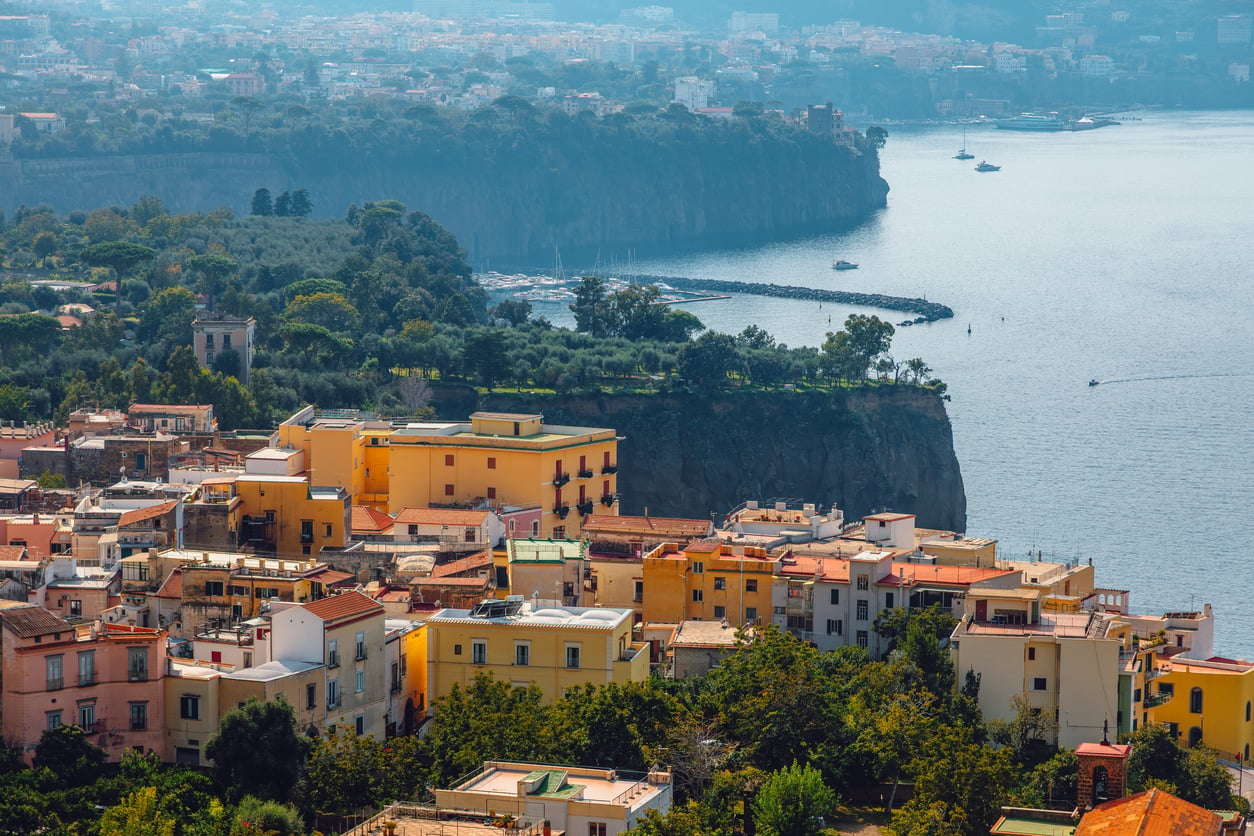
Positano photographs beautifully, but actually moving around the Amalfi Coast can involve packed buses, ferry lines, stairs, narrow roads, traffic, and expensive lodging. Traffic restrictions continue along the SS163 coastal road during busy periods, including rules tied to license-plate numbers. The coast is still worth experiencing, but staying in Salerno or visiting in May or October can make more sense than paying peak prices to spend much of a summer day navigating congestion.
Lake Como’s Tiny Villages Are Handling Enormous Crowds
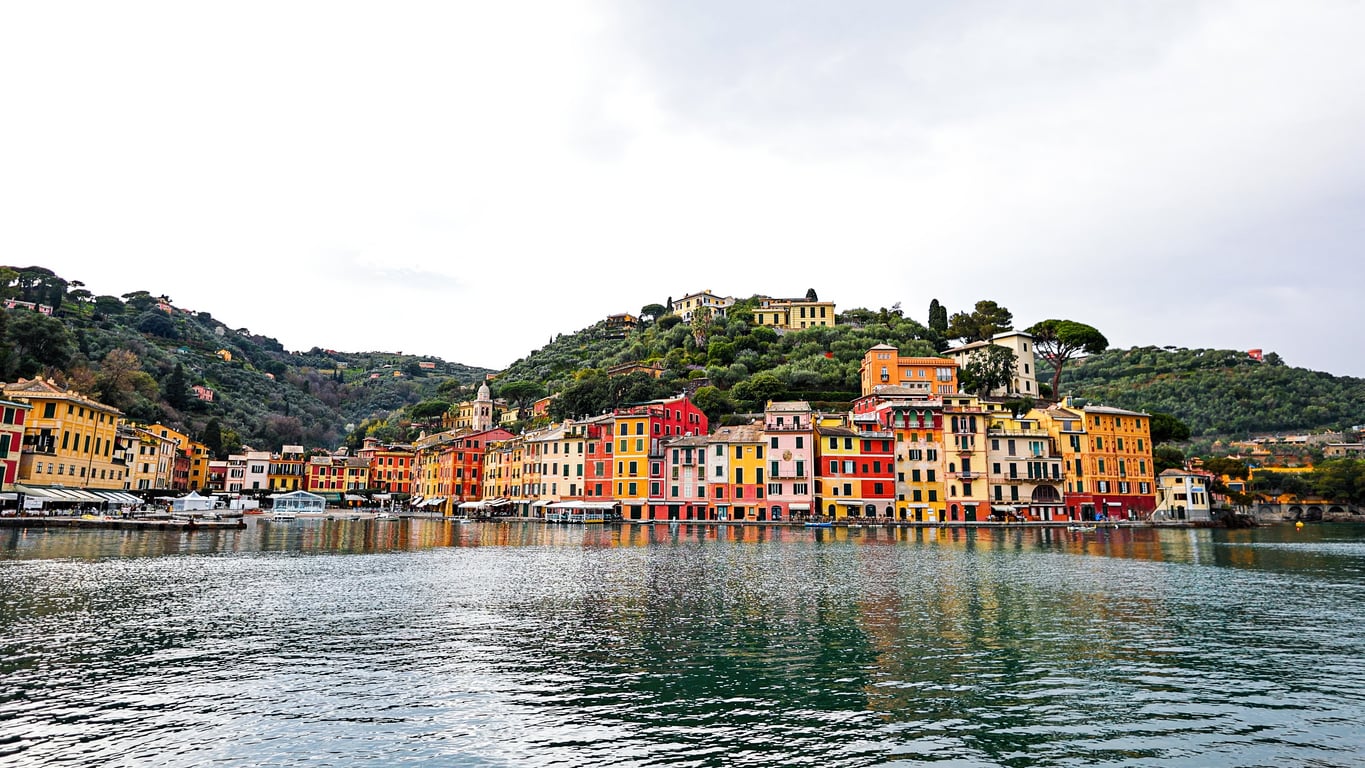
Lake Como itself is large, yet visitors frequently converge on the same small towns. Varenna has reportedly received as many as 17,500 visitors on a busy day, even though its historic center has only around 70 residents. The village now limits tour groups and has introduced additional visitor rules. Rather than abandoning Como completely, consider Menaggio, Lecco, or another less famous base and visit Bellagio or Varenna early before the main ferry and train crowds arrive.
Amsterdam Is Actively Trying to Slow Tourism Growth
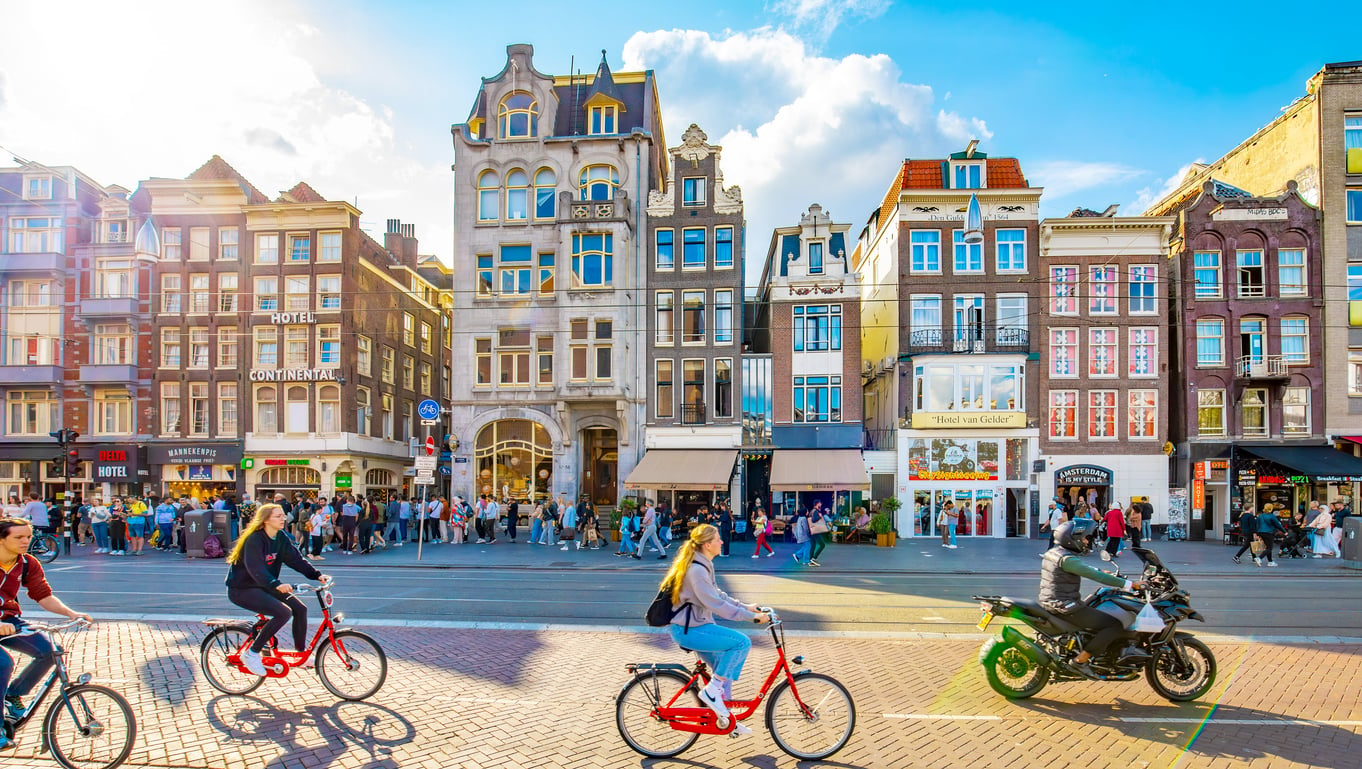
Amsterdam’s own tourism policy says the city wants to slow tourism growth and reduce nuisance, particularly in its compact historic center. Overnight visitors also face a municipal tourist tax equal to 12.5 percent of the lodging price. Amsterdam remains worth seeing, but Dam Square and the busiest parts of the center are not the whole Netherlands. Utrecht, Haarlem, Leiden, and Delft offer canals, historic architecture, and considerably less concentration of international visitors.
Sign up for our newsletter
Mykonos Charges a Premium for Being Mykonos
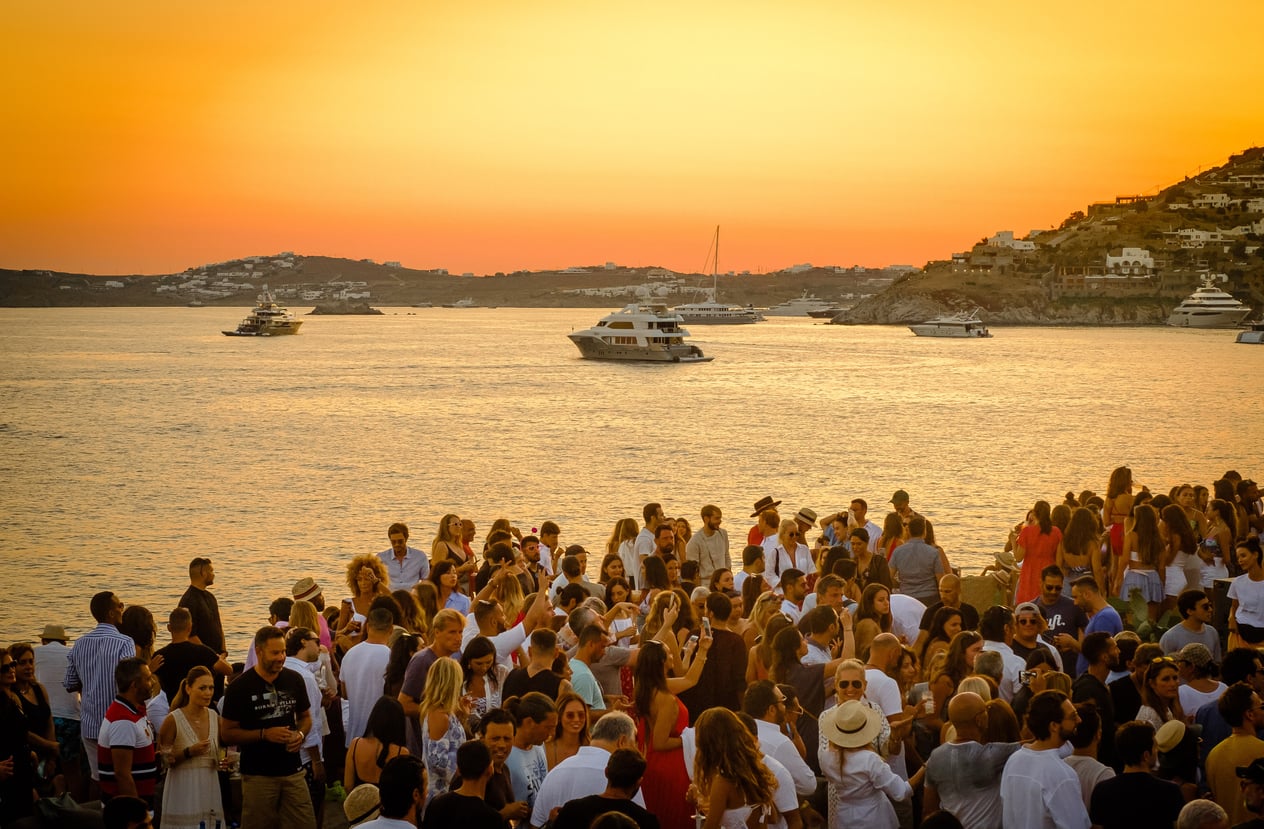
Mykonos delivers whitewashed streets, beaches, nightlife, and an unmistakable Cycladic setting. It also carries a luxury reputation that can make ordinary vacation expenses surprisingly high. Recent traveler reviews continue to complain about costly drinks, loungers, and dining. That does not make every business overpriced, but bargain hunters have easier options. Naxos offers excellent beaches and traditional villages, while Syros provides handsome architecture and a stronger year-round local community.
Disney World Now Rewards Serious Planning
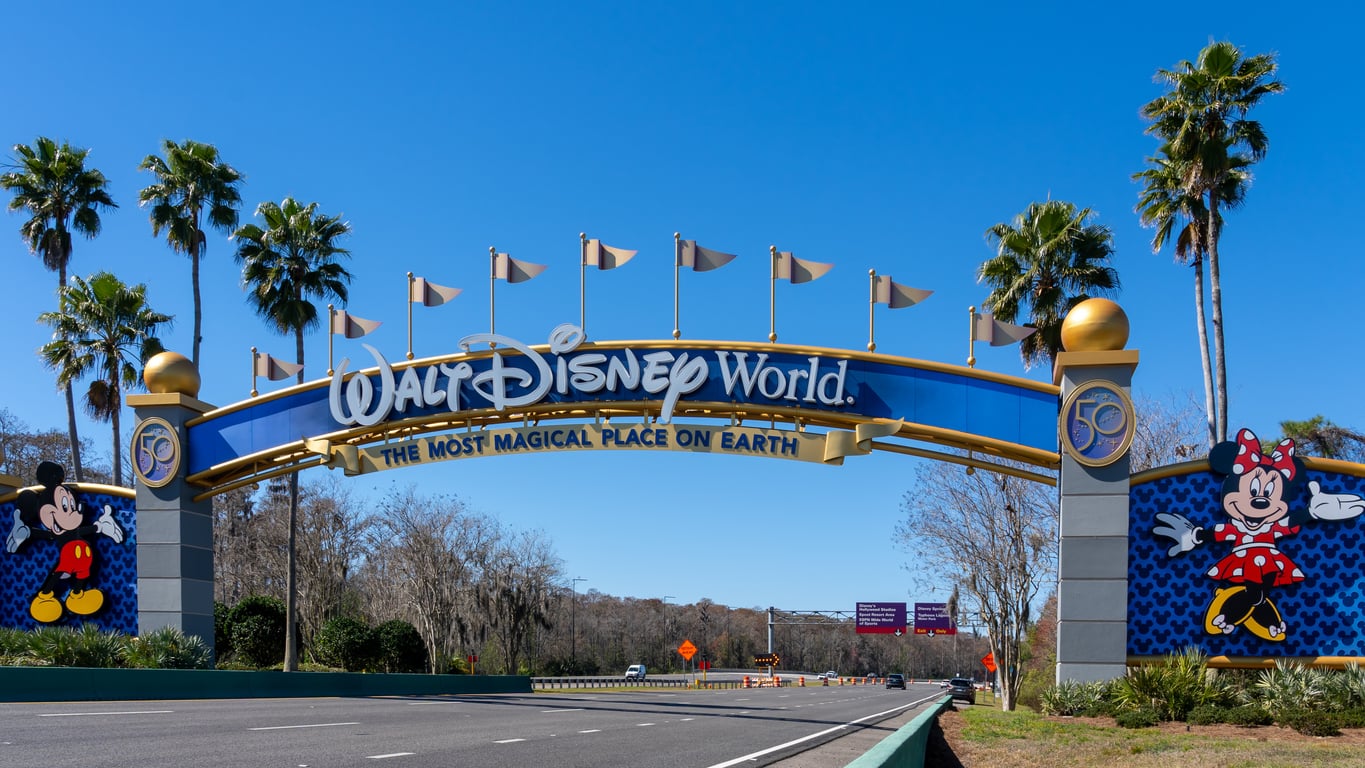
Walt Disney World can still produce unforgettable family memories, but spontaneous visits have become harder. Disney encourages visitors to use its My Disney Experience app, while optional Lightning Lane products allow guests to reserve access to shorter attraction lines. Tickets, lodging, meals, transportation, and line-skipping extras can turn several park days into a major expense. Families interested in rides rather than the Disney experience may find better value by comparing smaller regional parks before automatically booking Orlando.
Dubrovnik’s Old Town Has Very Little Room for Everyone
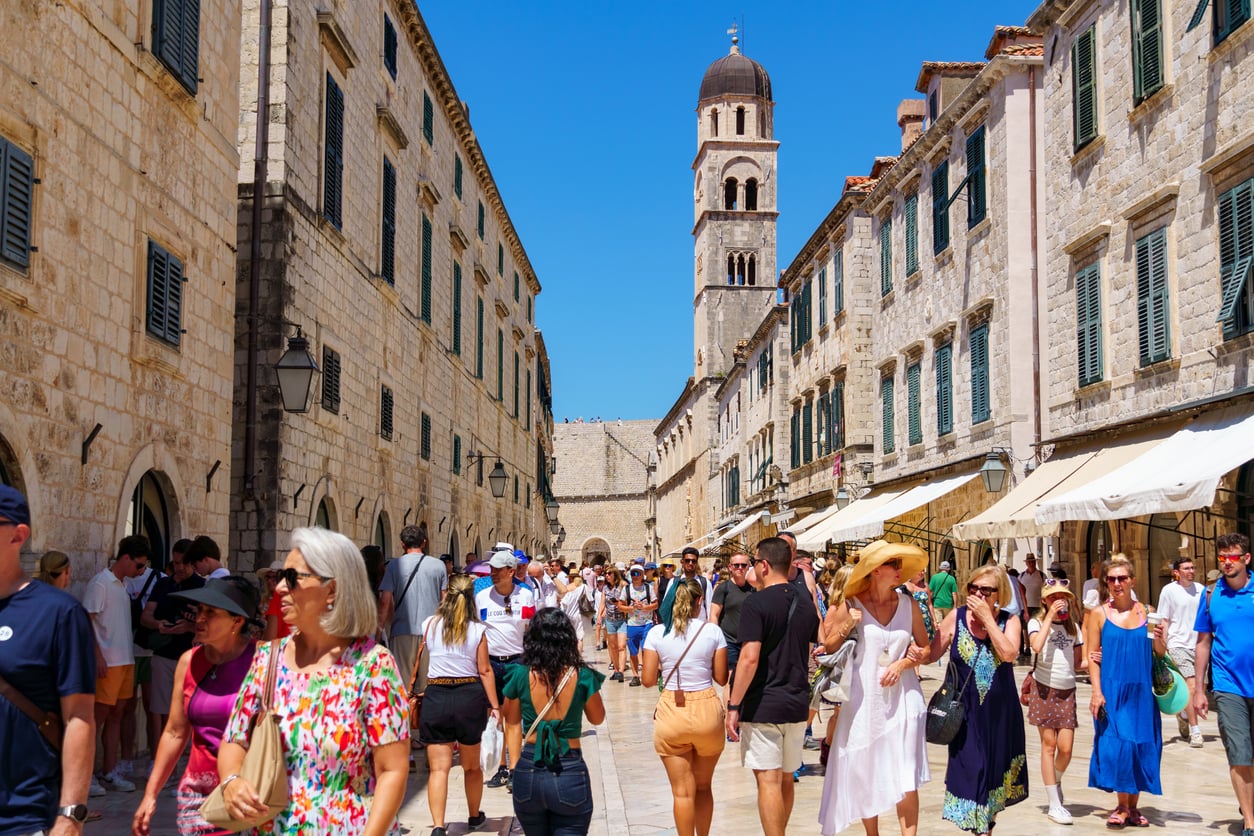
Dubrovnik’s walls, stone streets, and Adriatic views make its popularity understandable. Its historic core, however, has limited space for thousands of people arriving simultaneously. The city’s Respect the City program was created specifically to reduce the effects of overtourism, including better monitoring and management of visitor flows. Spending a night in Dubrovnik lets travelers enjoy the center outside peak excursion hours. Zadar, Sibenik, and Korcula can also deliver Croatian history and scenery with different crowd patterns.
Southern Bali Is Not the Peaceful Escape Social Media Suggests
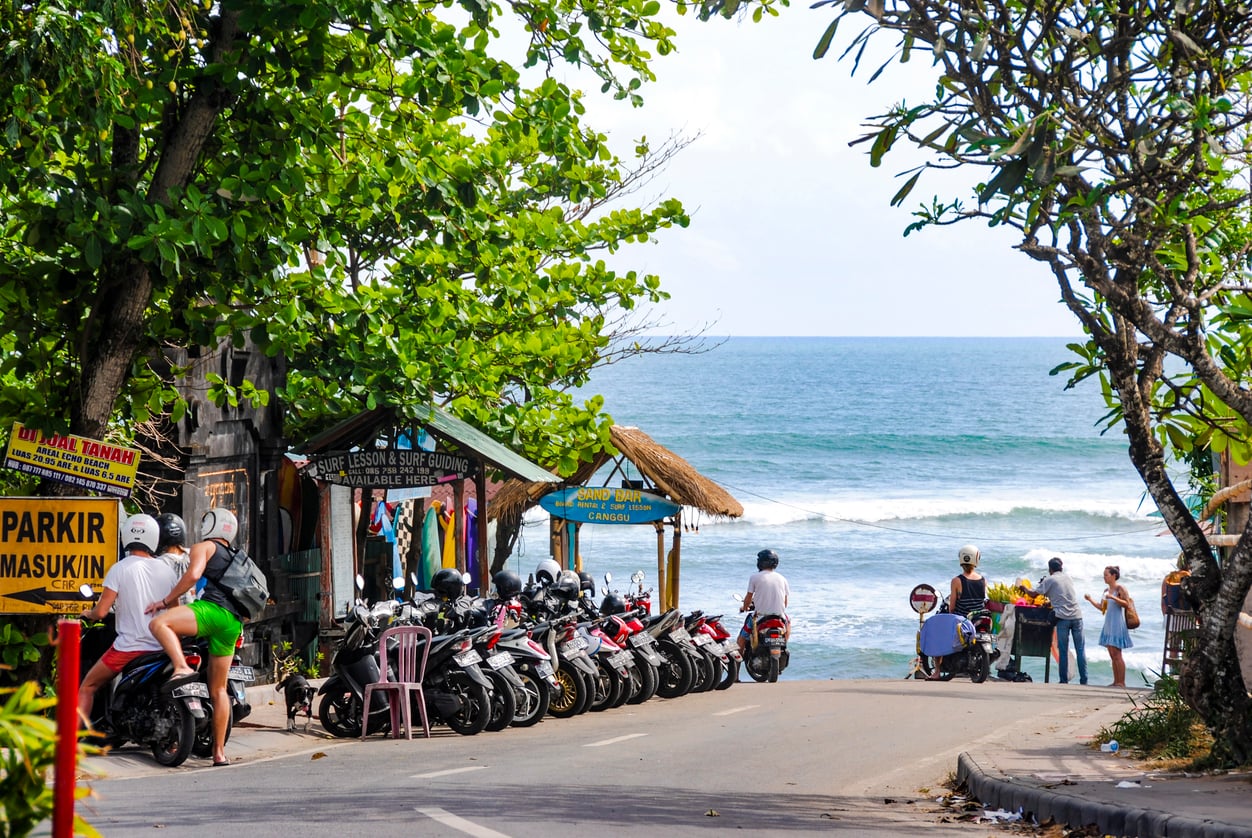
Images of Bali often emphasize temples, rice fields, beaches, and quiet retreats. In heavily developed areas such as Canggu and Seminyak, travelers may instead encounter traffic, nightlife, construction, and dense tourism development. Bali also requires most international tourists to pay an IDR 150,000 tourism levy, intended in part to support cultural and environmental preservation. Travelers looking for a quieter Bali experience should consider Sidemen, Munduk, or northern parts of the island.
Machu Picchu Requires More Planning Than Many Expect
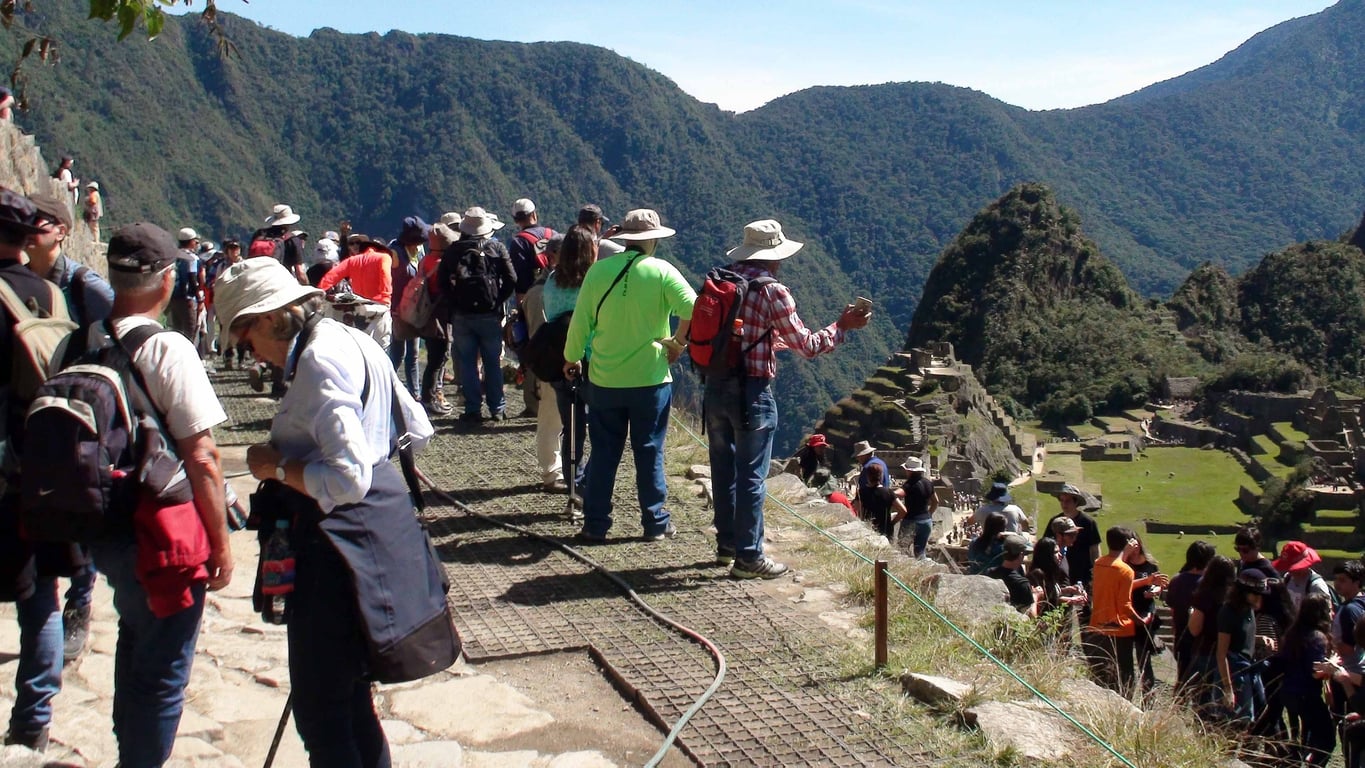
Machu Picchu absolutely deserves its historical importance, but visiting is no longer a simple matter of buying admission and wandering around. Peru uses defined visitor circuits and routes, with three main circuits grouping 10 routes, while tickets are sold through an official reservation system. The restrictions help protect the site but make planning important. Instead of treating Machu Picchu as a rushed photo stop, build it into a longer Sacred Valley trip that includes Ollantaytambo and other archaeological sites.
The Hollywood Walk of Fame Has More Fame Than Glamour
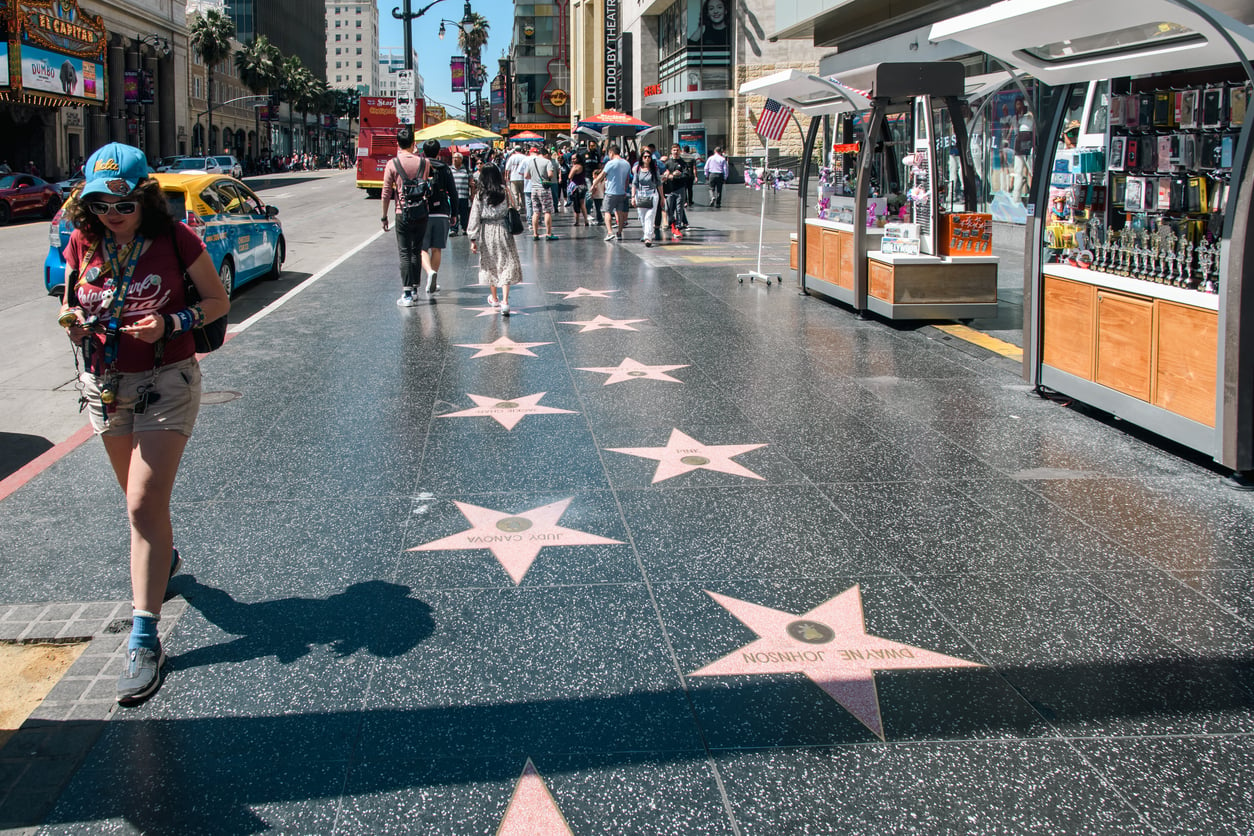
Hollywood Boulevard may be one of America’s most recognizable tourist names, yet visitors frequently find that the reality bears little resemblance to glamorous Hollywood imagery. The main attraction is essentially stars embedded in a busy sidewalk surrounded by souvenir businesses, costumed characters, traffic, and tourist-oriented entertainment. Los Angeles residents on travel forums frequently steer visitors toward Griffith Observatory, studio experiences, or the Academy Museum instead.
Fisherman’s Wharf Is Famous for Being a Tourist Trap
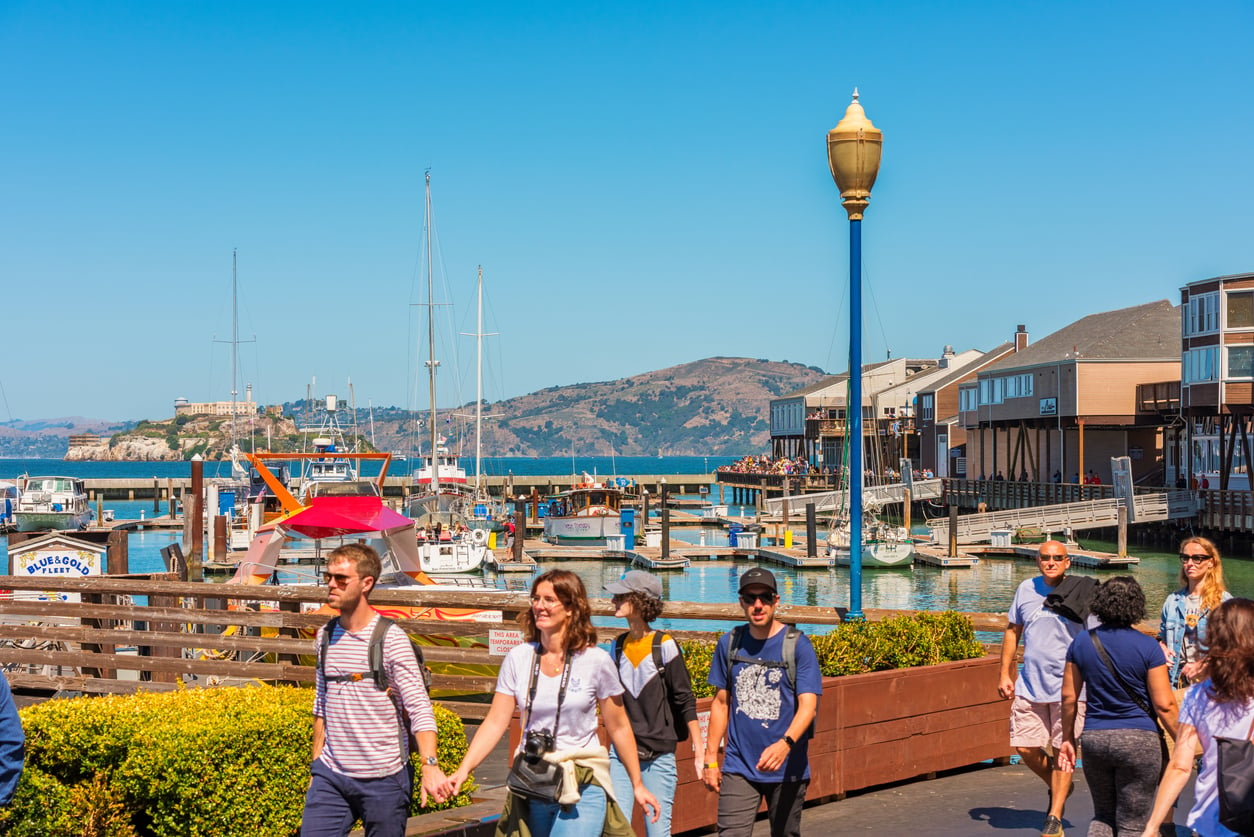
Fisherman’s Wharf has real attractions, particularly its waterfront setting and Pier 39’s sea lions. But a 2026 analysis of online reviews found Fisherman’s Wharf had more references to the phrase “tourist trap” than any other attraction studied. That ranking comes from a commercial review analysis rather than an official tourism authority, so it should be treated accordingly. See the waterfront, then continue toward North Beach, Chinatown, or the Embarcadero.
Tulum’s Bohemian Reputation Has Become Expensive
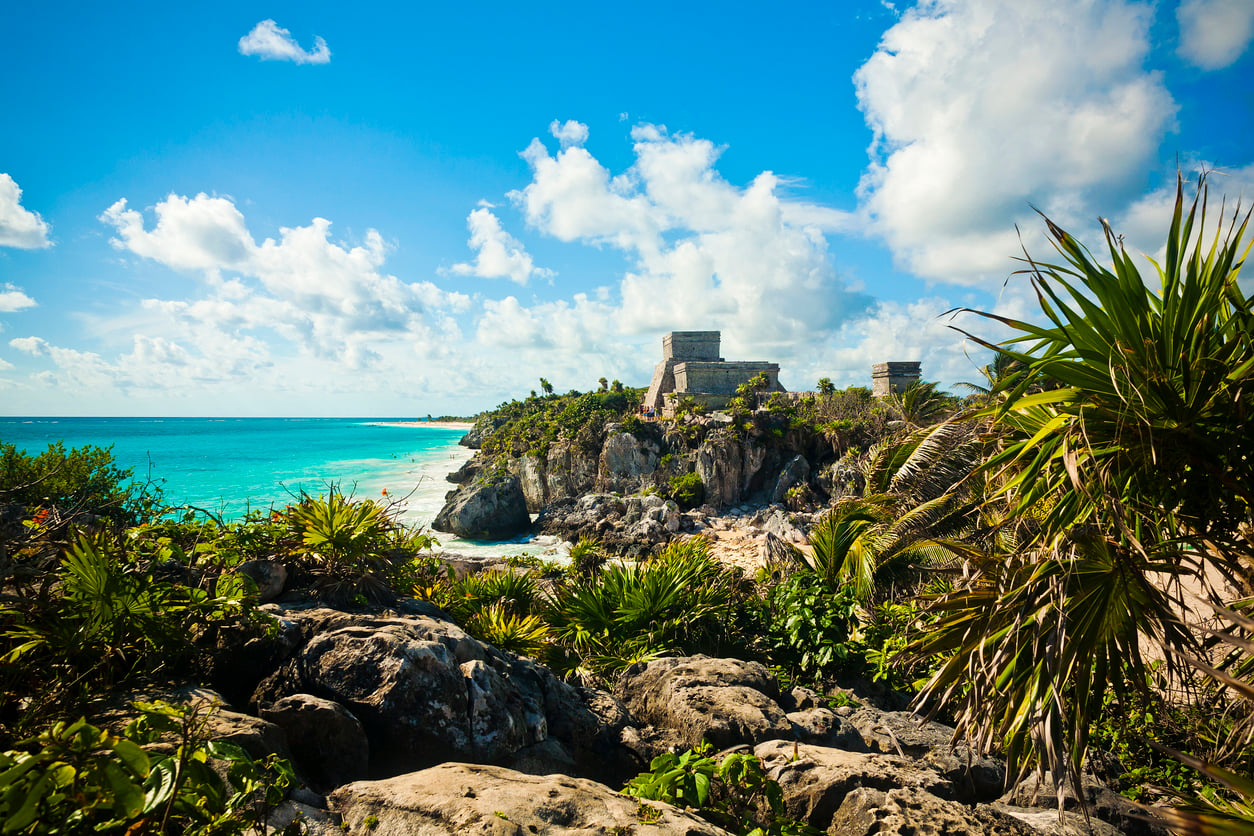
Tulum became famous for Caribbean beaches, Maya ruins, jungle hotels, and a relaxed image. Years of rapid tourism development have produced a more complicated reality. High prices and transportation costs have become recurring traveler complaints, while Tulum experienced a notable tourism slowdown in 2025 amid concerns about affordability, development, and beach access. The ruins remain worthwhile, but travelers interested primarily in Yucatan culture and cenotes may find Valladolid or other nearby communities more rewarding bases.
Mount Fuji’s Famous Climb Now Comes With More Rules
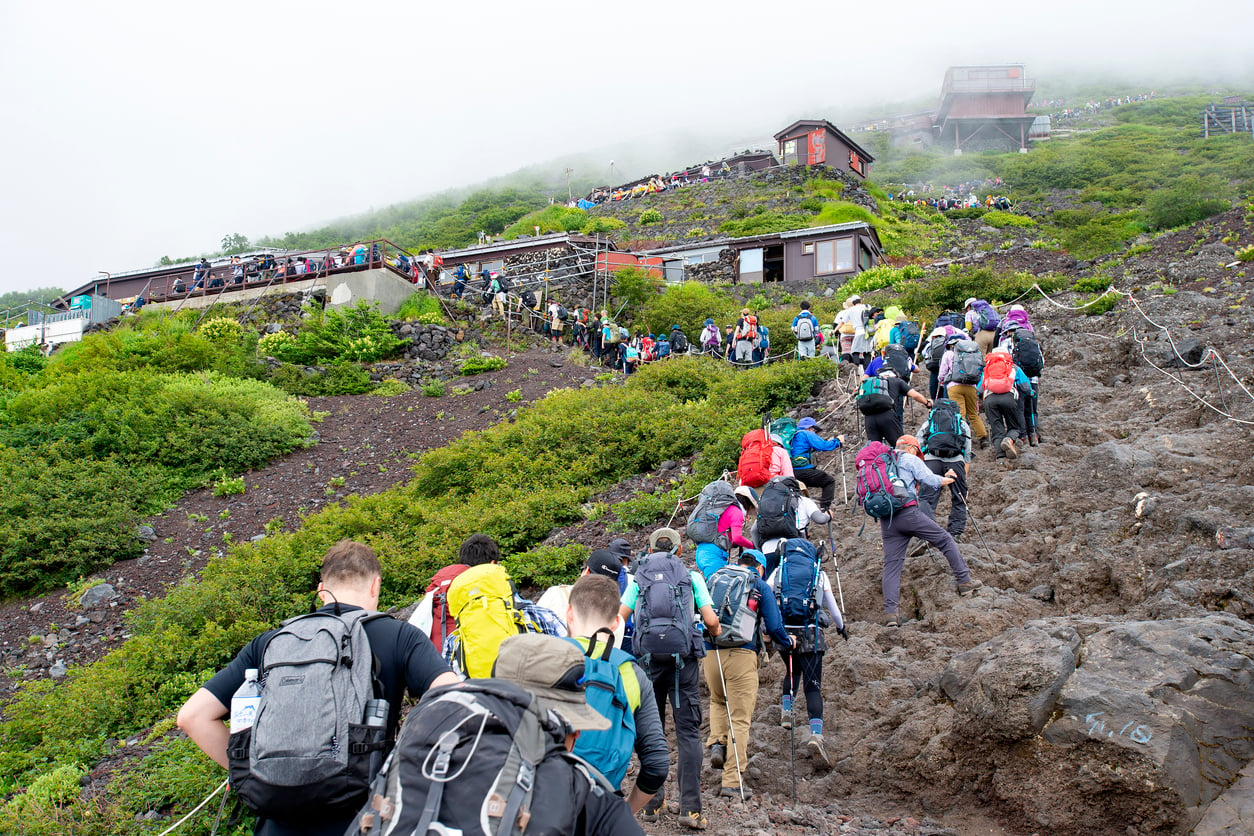
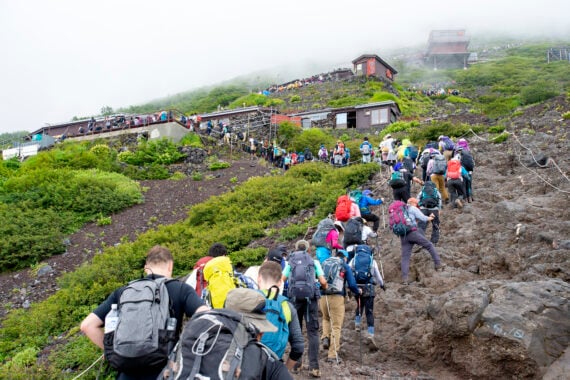
Climbing Mount Fuji is so popular that officials have introduced stronger controls. In 2026 the Yoshida Trail charges a 4000 yen hiking fee, limits most climbers to 4000 per day, and restricts passage between 2 p.m. and 3 a.m. for people without mountain hut accommodation. Those measures are designed partly for safety and environmental protection. Travelers who mainly want Fuji’s iconic appearance may actually enjoy it more from the Five Lakes region than from a crowded summit trail.
Clifton Hill Distracts From the Best Part of Niagara Falls
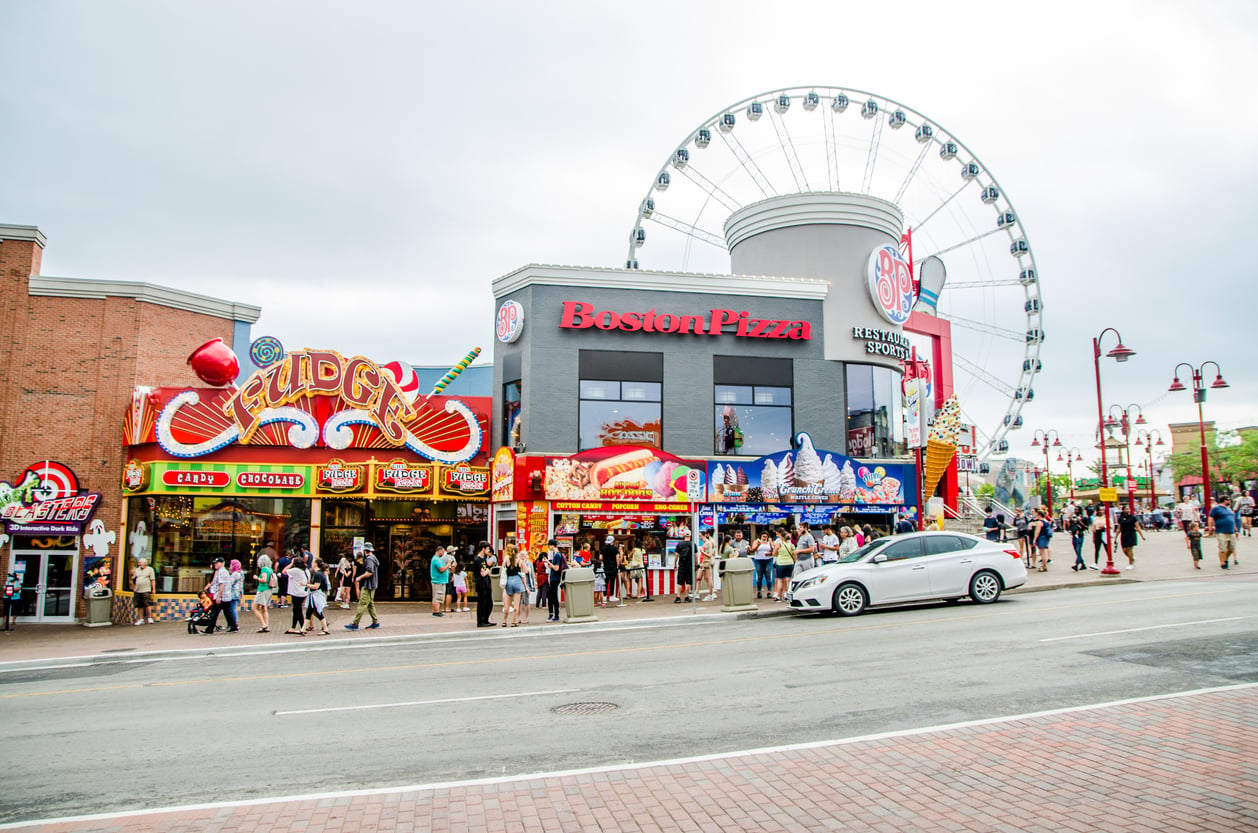
Niagara Falls itself is spectacular. Clifton Hill is another matter. One block from the falls sits a dense collection of arcades, wax attractions, themed entertainment, restaurants, and rides. Some families genuinely enjoy it, so calling the district universally bad would be unfair. But travelers expecting a nature-focused Niagara experience may wonder why they are spending so much time and money on attractions available in many tourist towns. Prioritize the falls and Niagara Parks before filling an afternoon on Clifton Hill.
The Eiffel Tower Should Not Become Your Entire Paris Trip
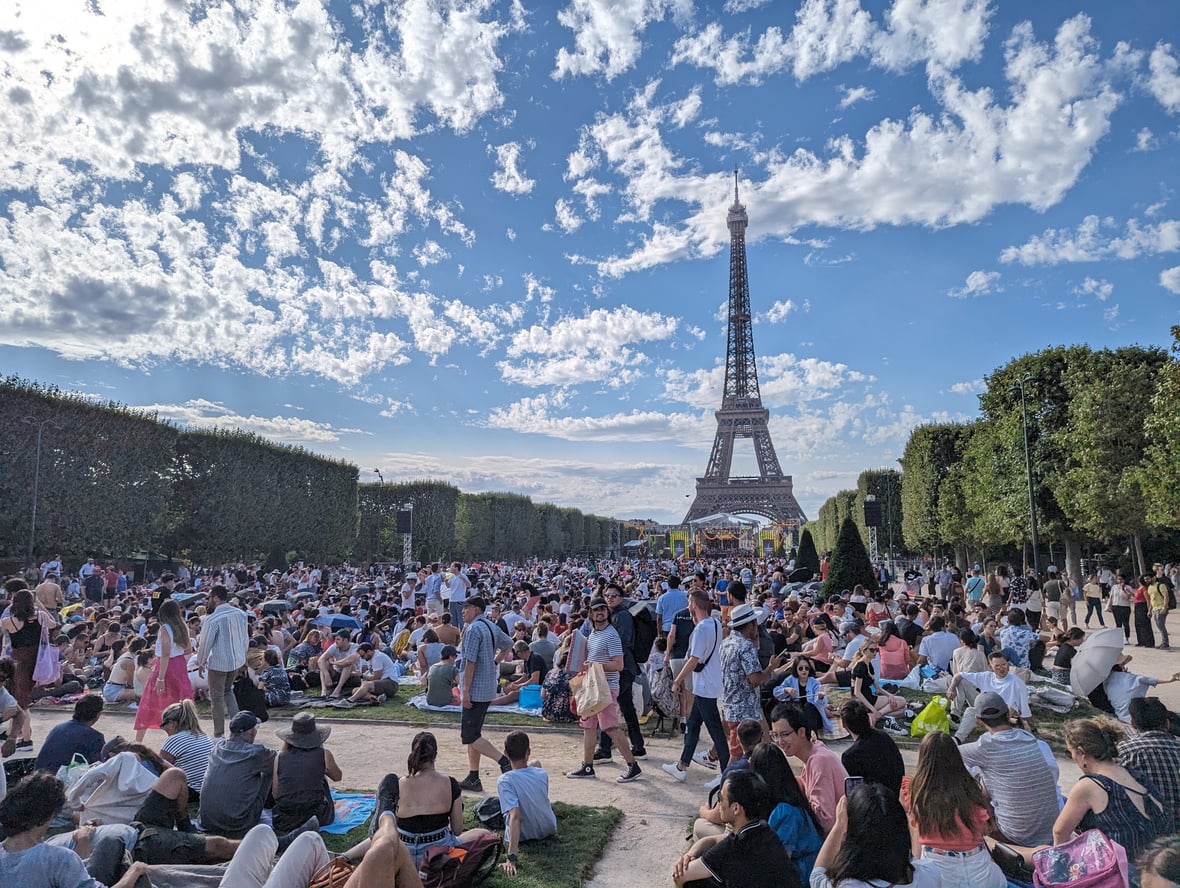
Seeing the Eiffel Tower for the first time is still a thrill, but basing an entire Paris visit around its immediate surroundings can mean crowds, lines, and touristy businesses. Adult tickets currently range from EUR 14.80 for stairs to the second floor to EUR 36.70 for elevator access to the summit. The tower itself advises that weekends are generally busiest. See it, certainly, but leave plenty of time for neighborhoods where ordinary Parisian life feels more visible.
Hallstatt Is Almost Too Photogenic for Its Own Good
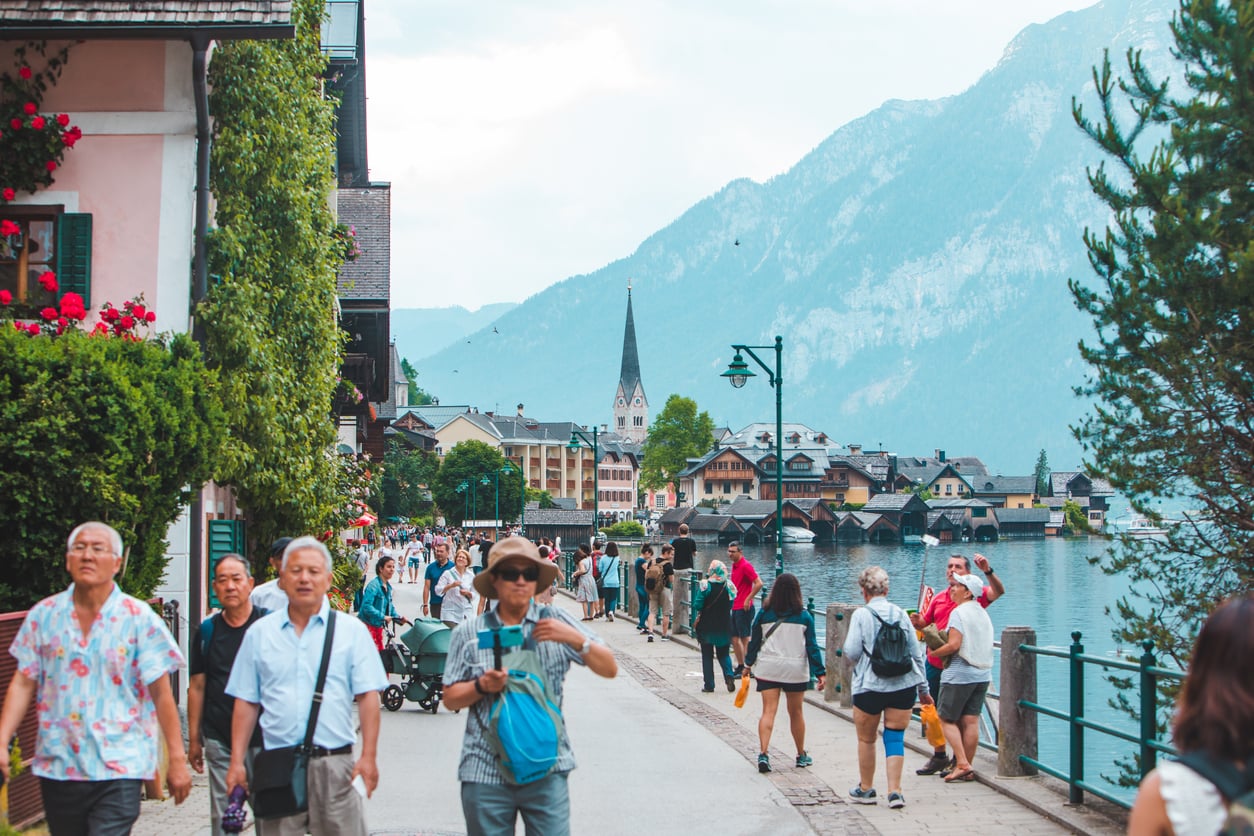
Hallstatt may be one of Europe’s clearest examples of social-media popularity overwhelming a tiny destination. The Austrian lakeside village has fewer than 1,000 residents yet has been reported to receive thousands of visitors on busy days, concentrating enormous foot traffic into a very small area. Its scenery remains beautiful, but arriving with busloads of day-trippers can undermine the peaceful alpine experience people expect.