Fast food in America once looked a lot different. Before McDonald’s, Burger King, and Wendy’s came to dominate seemingly every highway exit, dozens of regional chains were serving up burgers, fried chicken, hot dogs, tacos, and plenty of other cheap eats.
Some were hardly small operations, either. Burger Chef once had around 1,200 restaurants, Red Barn expanded into hundreds of locations, and Pup ‘N’ Taco became a familiar sight across Southern California. Others never conquered the country but became beloved fixtures in places like New York, Atlanta, Chicago, Utah, and the San Francisco Bay Area.
Eventually, competition, acquisitions, changing tastes, and some questionable business decisions caught up with them. Here are 12 nostalgic fast-food chains that once had devoted followings but have since disappeared.
Burger Chef
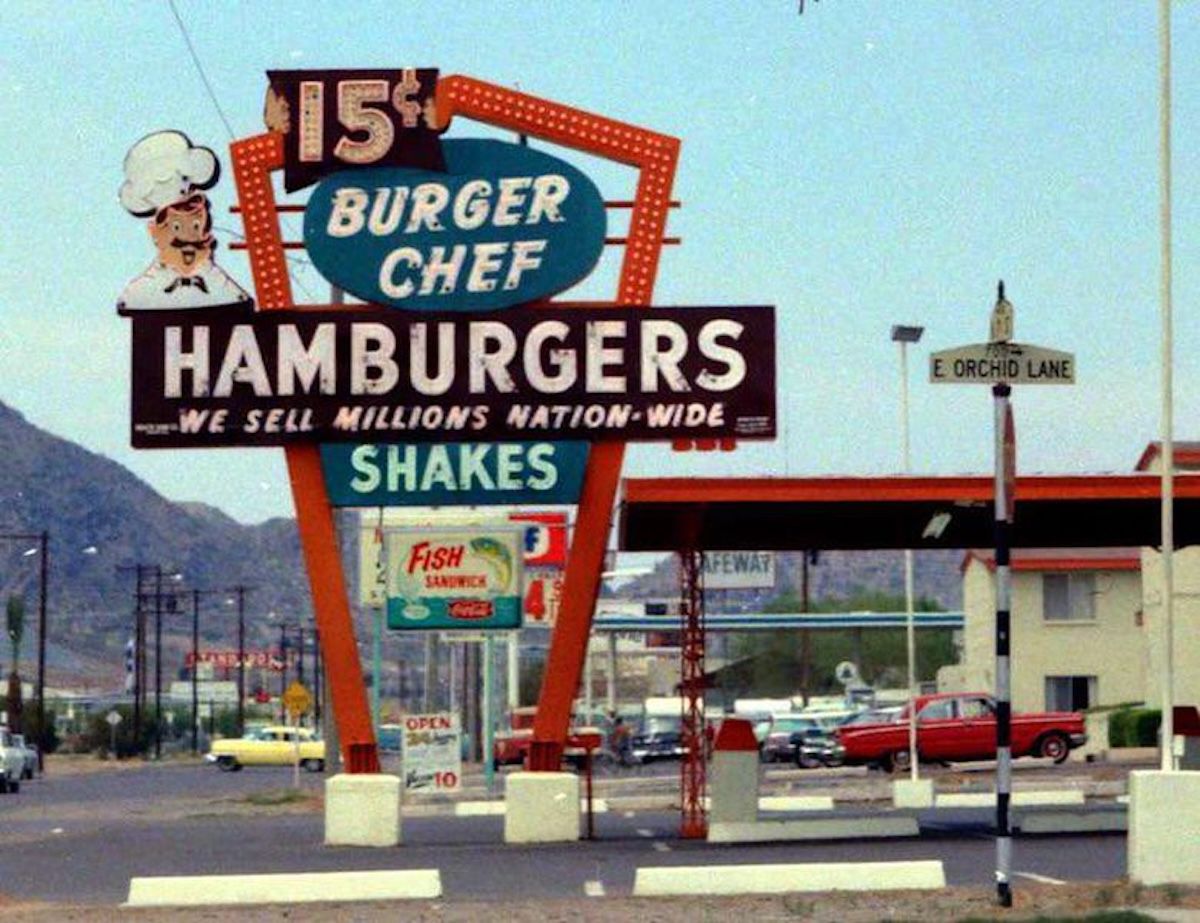
Anyone who remembers Burger Chef remembers a chain that once looked like a genuine threat to McDonald’s. Founded in Indianapolis, the burger joint grew to roughly 1,200 restaurants at its early-1970s peak. Customers came for burgers like the Big Shef and Super Shef and could pile on their own toppings at the self-service Works Bar. Burger Chef was also ahead of the curve with its Funmeal, a kids’ meal featuring stories, puzzles, and a toy that arrived years before McDonald’s introduced the Happy Meal. General Foods sold Burger Chef to Hardee’s owner Imasco in 1982, and many locations were converted. The last Burger Chef-branded restaurant closed in Tennessee in 1996.
Red Barn
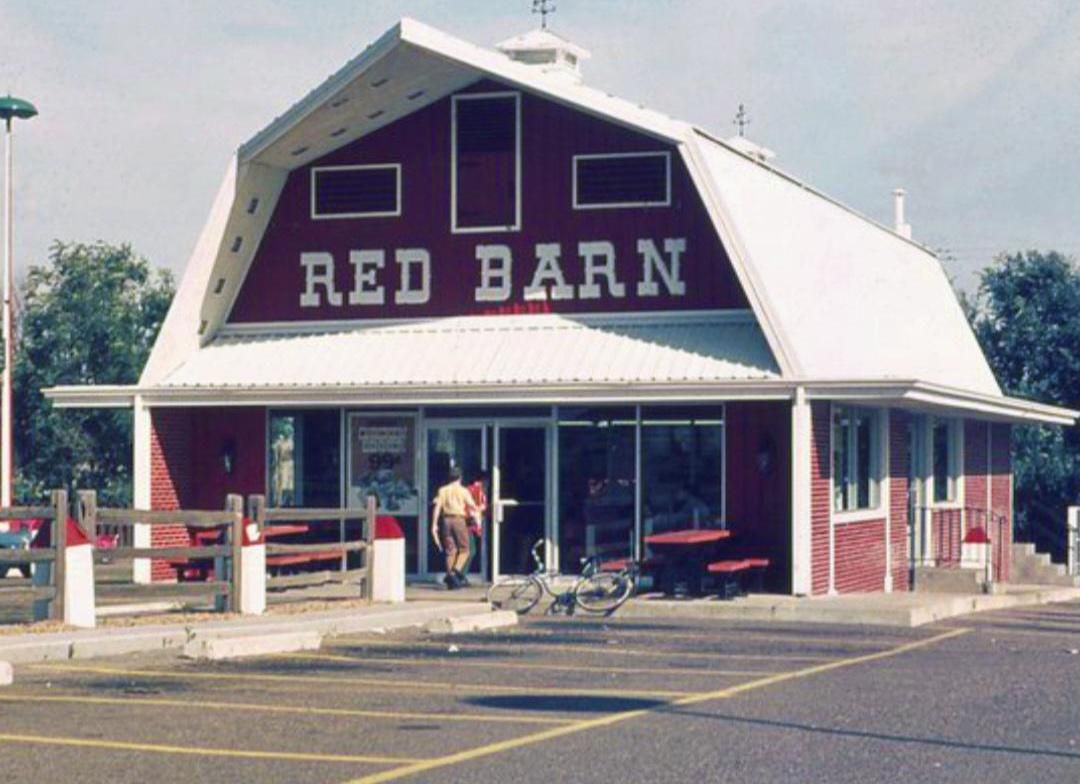
The name wasn’t just clever branding: Many Red Barn restaurants actually looked like enormous red barns. Founded in Springfield, Ohio, the chain eventually expanded to roughly 300 to 400 U.S. restaurants and became known for a surprisingly broad menu that included burgers, fried chicken, fish sandwiches, and even a self-service salad bar. Signature sandwiches included the Big Barney and Barnbuster. But multiple ownership changes and growing competition from much larger burger chains took their toll. Red Barn gradually dwindled until the remaining restaurants disappeared by 1988.
Pup ‘N’ Taco
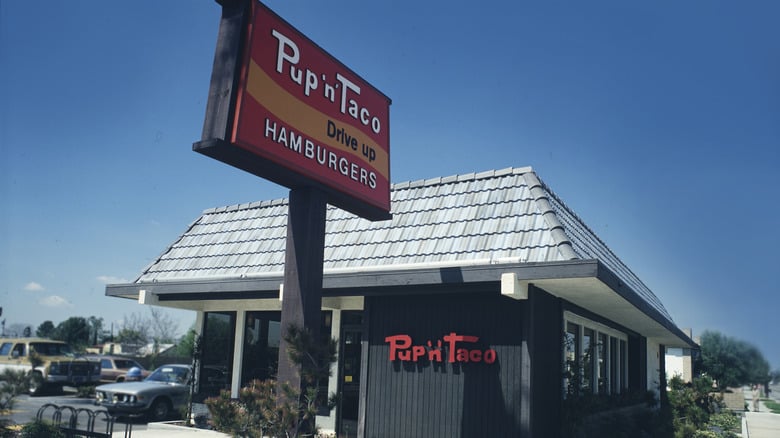
Can’t decide between a taco and a hot dog? Pup ‘N’ Taco didn’t think you should have to. The Southern California chain served both, along with tostadas, burgers, pastrami sandwiches, fries, and flavored drinks. The first restaurant carrying the Pup ‘N’ Taco name opened in Pasadena in 1965, and the business eventually grew to around 100 locations. Its run came to an abrupt end in California when Taco Bell acquired 99 Pup ‘N’ Taco restaurants in 1984. A handful of New Mexico locations weren’t included in the deal and continued under the Pop ‘N’ Taco name for a while longer, but those eventually disappeared too.
Wetson’s
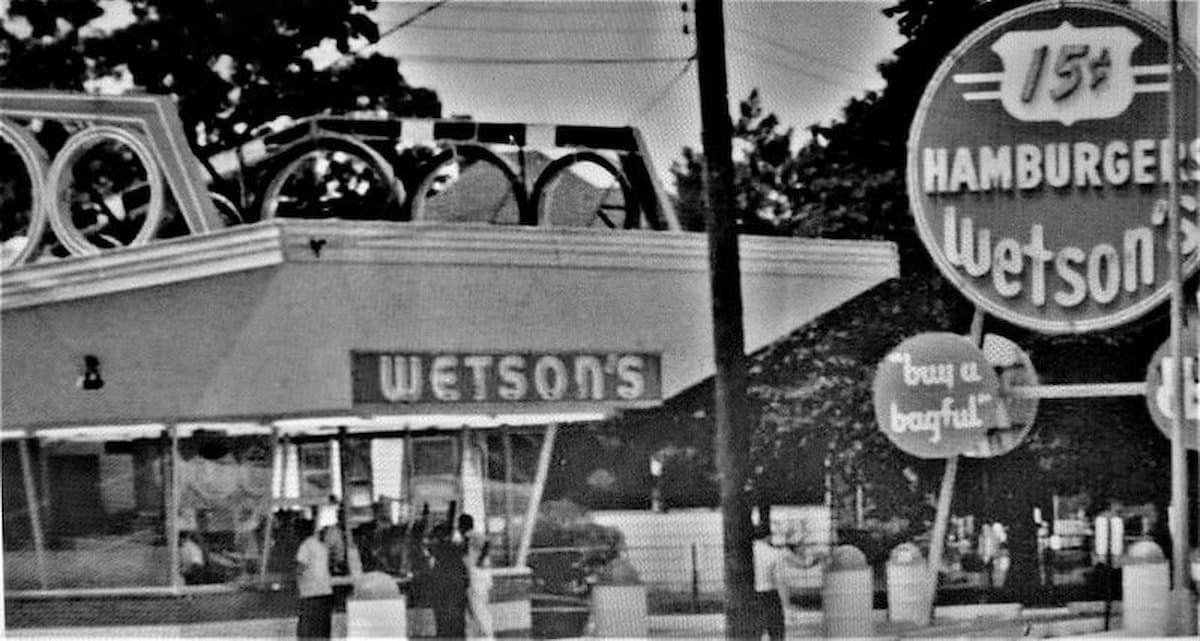
Before McDonald’s and Burger King were everywhere in metropolitan New York, there was Wetson’s. The regional burger chain peaked at around 70 locations and became known for its orange-circle signs, Big W burger, and prices that sound almost imaginary today: hamburgers for 15 cents and fries for a dime. Founder Herb Wetanson reportedly developed the idea after seeing the McDonald brothers’ operation during a California trip. But once the national burger giants pushed aggressively into New York, Wetson’s struggled to keep up. The company merged with Nathan’s Famous in 1975, and the Wetson’s name gradually vanished.
Sandy’s Drive-In
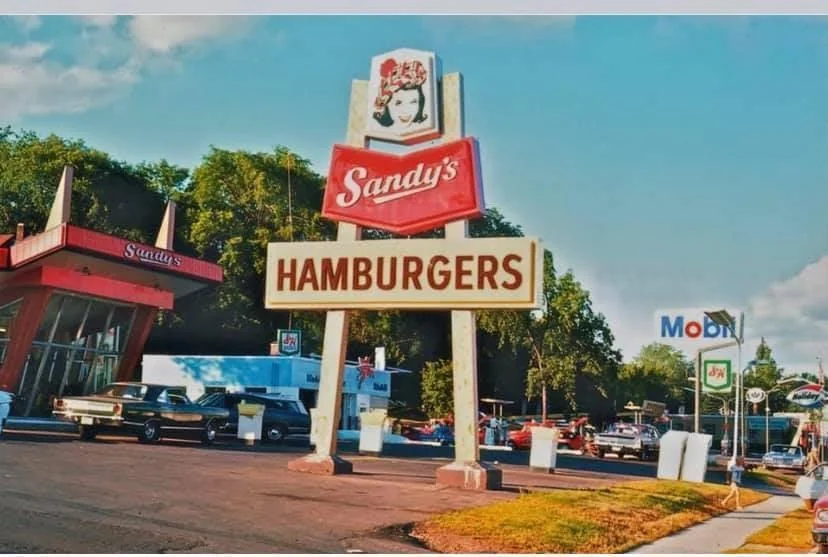
With plaid Scottish branding and a beret-wearing mascot, Sandy’s certainly didn’t look like every other burger chain of its era. Four Illinois businessmen founded the chain in 1956 after initially considering becoming McDonald’s franchisees themselves. Sandy’s ultimately grew to more than 120 restaurants, primarily across the Midwest, and even expanded into Canada and Belgium. Hardee’s acquired the business in the early 1970s as it sought to strengthen its Midwestern presence. Most Sandy’s locations were converted to Hardee’s shortly afterward, and the final restaurant carrying the Sandy’s identity followed suit in 1979.
Trending on Cheapism
Doggie Diner
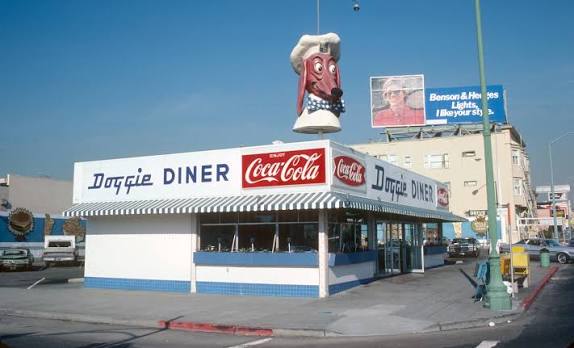
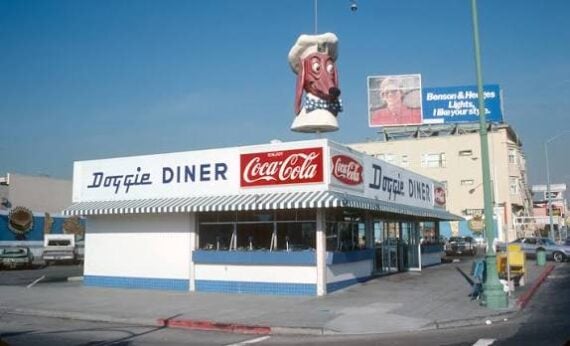
The food at Doggie Diner may have been fairly standard fast-food fare, but the restaurants were nearly impossible to forget. The San Francisco Bay Area chain became famous for enormous fiberglass dachshund heads wearing chef hats and bow ties that towered over its locations. Doggie Diner operated from 1948 until 1986 and had roughly 26 to 30 restaurants at its peak. Competition from national chains eventually helped push it out of business, but those wonderfully strange dog heads proved harder to kill. Surviving examples became pieces of Bay Area history, with one eventually receiving official landmark recognition in San Francisco.
D’Lites
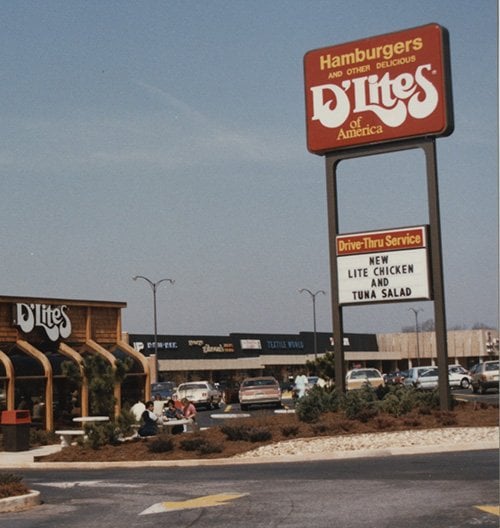
D’Lites was pitching lighter fast food decades before major chains started printing calorie counts on their menu boards. Founded in 1981, the Georgia-based chain offered reduced-calorie burgers made with lean beef, high-fiber buns, and lower-calorie cheese, along with salads and frozen yogurt. The idea initially caught on quickly, and D’Lites had more than 100 locations by 1985. Unfortunately, competitors soon started adding their own salads, baked potatoes, and lighter choices, making D’Lites less distinctive. Rapid expansion and struggling franchises created additional problems, and the company eventually entered bankruptcy proceedings. Remaining restaurants disappeared by the end of the 1980s.
Mighty Casey’s
For Atlantans who grew up in the 1980s and early ’90s, Mighty Casey’s offered a lot more than the usual burger-and-fries routine. Its unusually ambitious menu included chopped barbecue, Cajun wings, biscuits and gravy, hand-battered onion rings, elaborate hot dogs, and the Frosty Orange shake. One standout was the Grand Slam, a hamburger topped with ham, Swiss cheese, and special sauce. Regional rival Krystal acquired Mighty Casey’s in 1994, and most of its restaurants were subsequently converted into Krystal locations. The chain disappeared, but its eclectic menu has helped keep it alive in Atlanta fast-food nostalgia.
Sign up for our newsletter
Geri’s Hamburgers
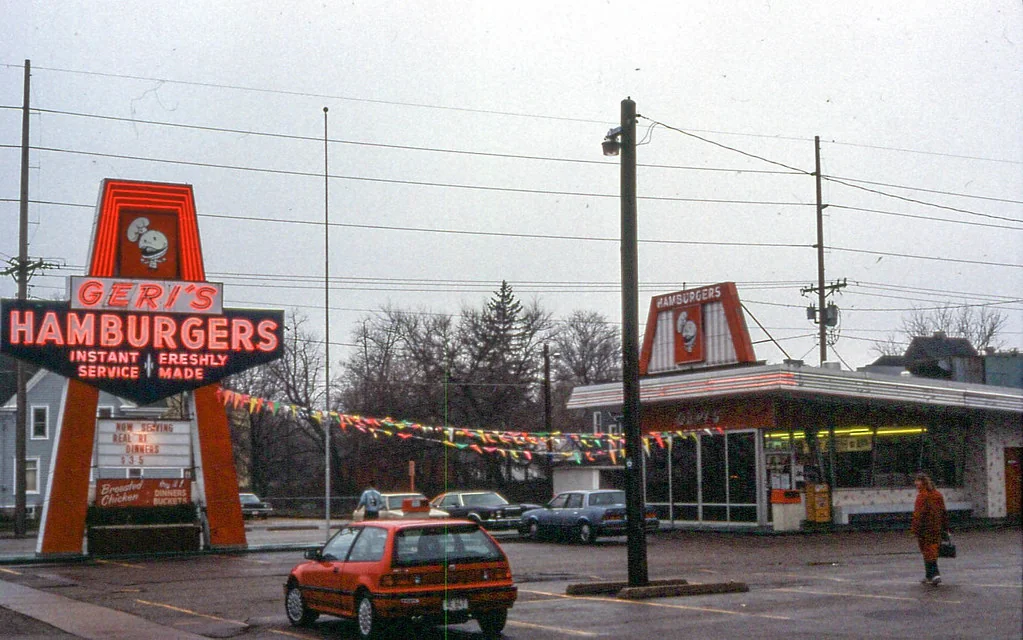
If old photos of Geri’s Hamburgers remind you of early McDonald’s, there’s a reason for that. Founded in 1962, the regional chain was modeled heavily on McDonald’s streamlined fast-food system, and one of Geri’s original owners had previously served as a McDonald’s vice president. Restaurants emphasized quick walk-up and takeout service and became particularly familiar around Rockford, Illinois, and parts of Wisconsin. The parent company folded in 1981, although several restaurants continued independently. The final Geri’s location in Beloit, Wisconsin, managed to survive until 1999.
Chicken George
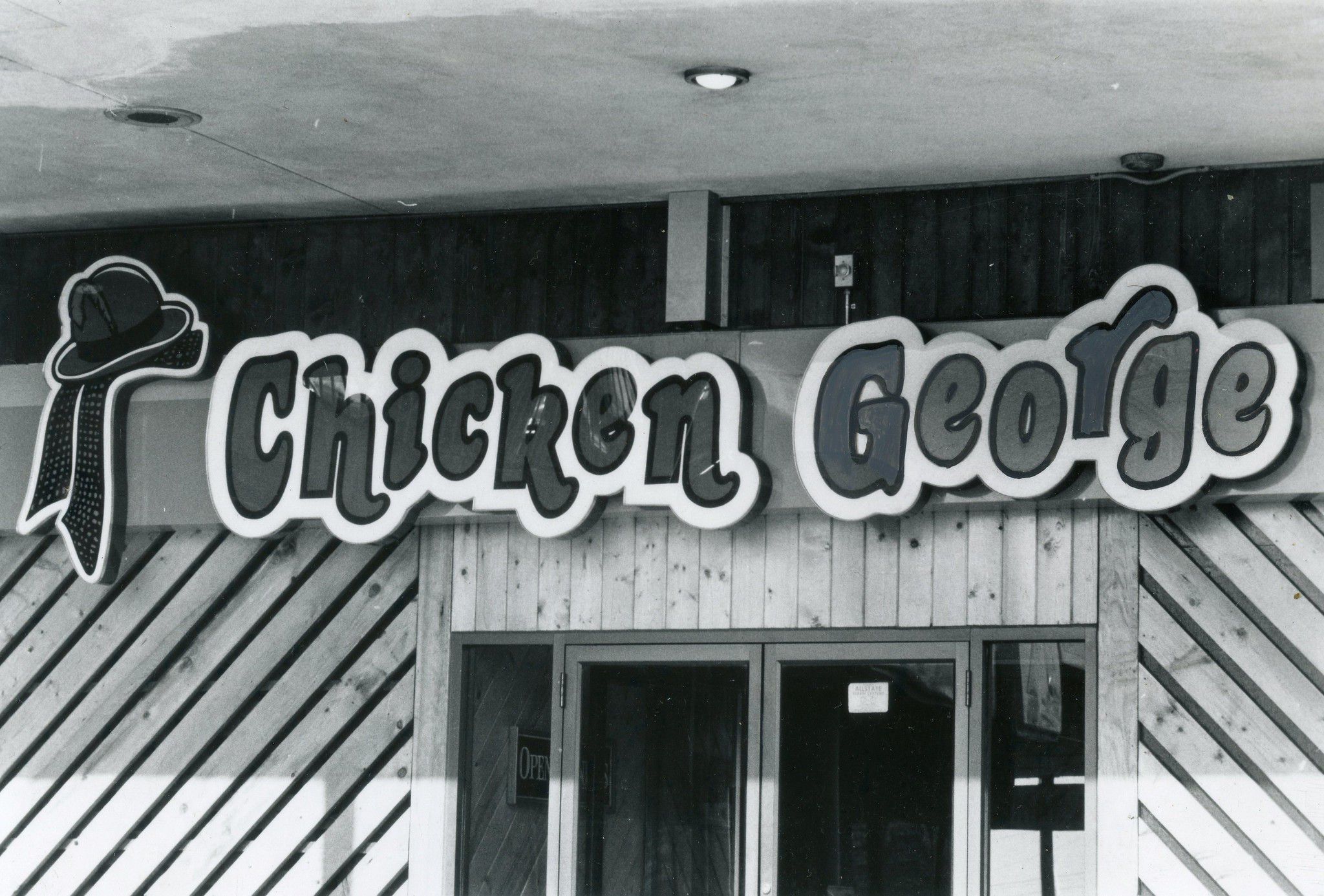
Chicken George became a Baltimore success story after entrepreneur Theodore Holmes opened the business in 1979. Despite its name, the menu went well beyond basic fried chicken, offering dishes including gumbo, fish and chips, chicken salad, greens, rice, biscuits, and fries. The company expanded through both corporate-owned and franchised restaurants and became one of the country’s most prominent Black-owned fast-food businesses during the early 1980s. Financial troubles eventually derailed its growth, however. The business went through bankruptcy proceedings and ownership changes before ultimately filing for Chapter 7 dissolution in 1991.
Yankee Doodle Dandy
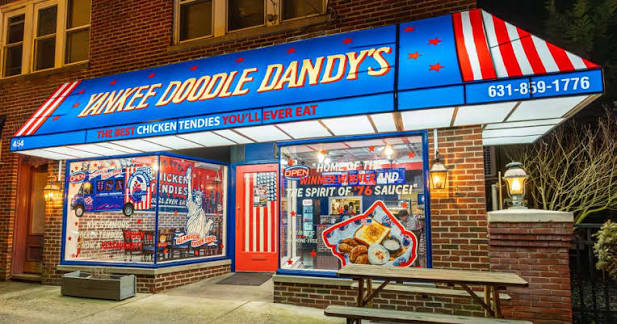
Few fast-food restaurants committed to a theme quite as enthusiastically as Yankee Doodle Dandy. The Chicago-area burger chain wrapped itself in red, white, and blue and leaned heavily into Revolutionary War imagery in its restaurants and advertising. Brothers Chris and Bill Proyce opened the original Yankee Doodle House in Bensenville, Illinois, in 1966, and the business eventually grew to around 27 restaurants by the mid-1970s. Burgers and roast beef sandwiches were among its staples. During the 1980s, however, its owners shifted their attention toward a casual-dining concept called Bailey’s Restaurant & Bar, and Yankee Doodle locations were gradually converted or closed.
Dee’s Drive-In
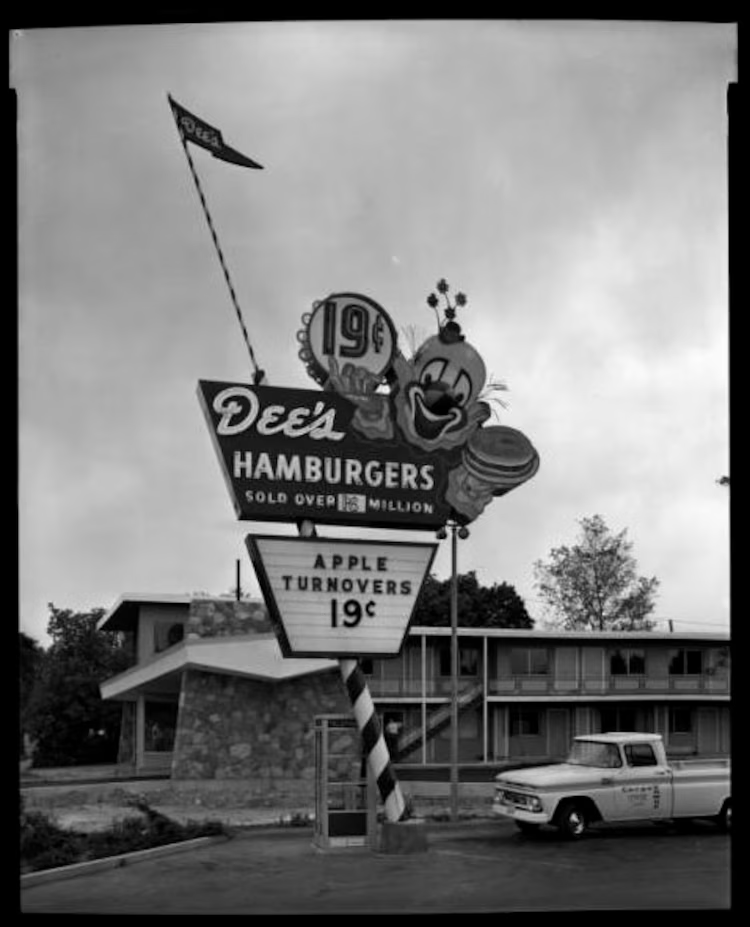
Dee’s Drive-In was once a homegrown Utah fast-food powerhouse. Founder Dee Frederick Anderson became interested in drive-ins after a trip to California and eventually built a chain that reached 53 locations. Early menus featured burgers, hot dogs, fries, apple turnovers, and soft drinks, while colorful Dee’s Clown signs became a familiar sight around Utah during the 1960s. In the late 1970s, the Anderson family sold the drive-in locations to Hardee’s, which converted them and brought the original chain to an end. Dee’s Family Restaurants were a separate but related operation, however, and some of those restaurants continued after Dee’s Drive-In itself disappeared.