A trip that’s supposed to be relaxing can quickly start feeling like work when every day is packed from morning to night. Some common vacation habits, from booking painfully early flights to changing hotels every couple of days, can leave travelers more exhausted than they expected. The CDC’s travel guidance notes that sleep loss and disrupted schedules can affect alertness and concentration while traveling. Sometimes getting more out of a vacation means doing a little less and leaving room to actually enjoy where you are.
Scheduling Something for Every Hour

An itinerary can look perfectly manageable from the kitchen table. On the ground, an attraction takes longer than expected, lunch runs late, a train is delayed, or somebody simply needs to sit down. Suddenly the whole day is behind schedule. Instead of booking activities back-to-back, choose one or two things that really matter and leave some breathing room around them. This is especially useful for travelers who tire more quickly from long periods of walking or standing. An unscheduled afternoon isn’t wasted vacation time.
Taking the Earliest Flight Just to Save Money
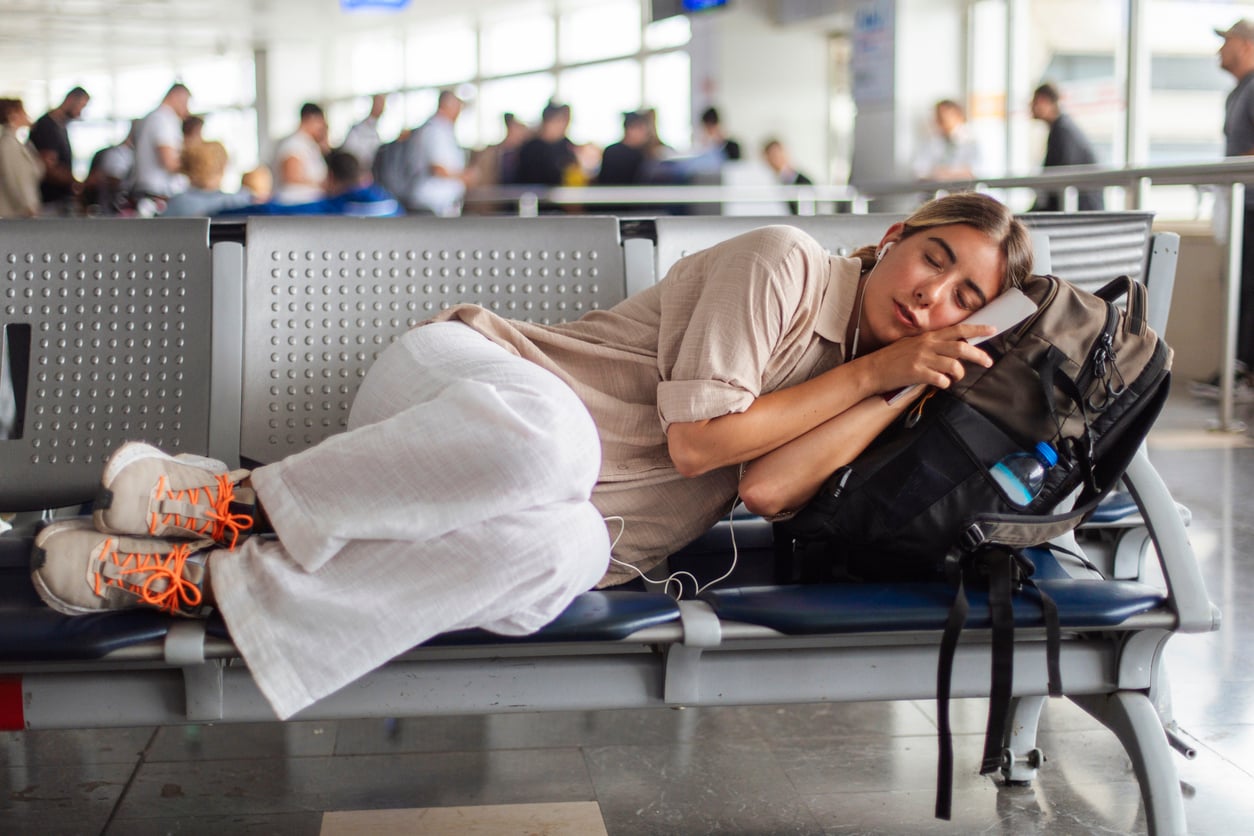
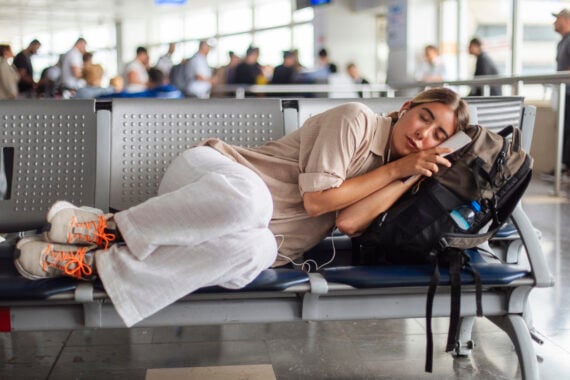
A cheaper 6 a.m. flight can come with a hidden cost: the alarm may go off at 2 or 3 in the morning once the trip to the airport and preflight time are factored in. That can leave the first vacation day running on very little sleep. CDC guidance notes that sleep loss can worsen jet-lag symptoms, including daytime sleepiness and difficulty concentrating. Before grabbing the lowest fare, compare the savings with a slightly later departure. Sometimes spending a little more buys something valuable, too: sleep.
Changing Hotels Too Often

A new hotel can put you closer to the next destination, but moving every night or two has its own cost. There’s packing, checking out, getting to the next property, storing luggage if the room isn’t ready, unpacking again, and figuring out a new neighborhood. Whenever the geography allows it, spending several nights in one place and taking day trips can remove some of those transitions. It also gives travelers time to learn where the nearest coffee shop, pharmacy, bus stop, and good neighborhood restaurant actually are.
Trying to See Every Major Attraction

FOMO can turn sightseeing into a checklist. A famous museum, monument, cathedral, market, and viewpoint may all sound essential while planning, but each can involve transportation, lines, security checks, crowds, and plenty of walking. Decide which attractions genuinely interest you instead of visiting somewhere simply because a guidebook says it’s a must-see. Skipping a famous sight in favor of an unhurried lunch or neighborhood walk isn’t necessarily getting less from the trip. Sometimes it’s what prevents sightseeing from becoming work.
Booking Dinner Across Town Every Night

That restaurant you’ve been reading about for months may absolutely be worth the journey. Doing it every night is another story. After hours of sightseeing, a long subway ride or expensive taxi across town can feel like one more obligation. Mix special destination restaurants with easy dinners close to the hotel, particularly after demanding sightseeing days. Another option is to schedule the big meal on the same day you’re already exploring that neighborhood. You’ll spend less time and potentially less money crisscrossing the city just to eat.
Trending on Cheapism


Refusing to Take a Break at the Hotel
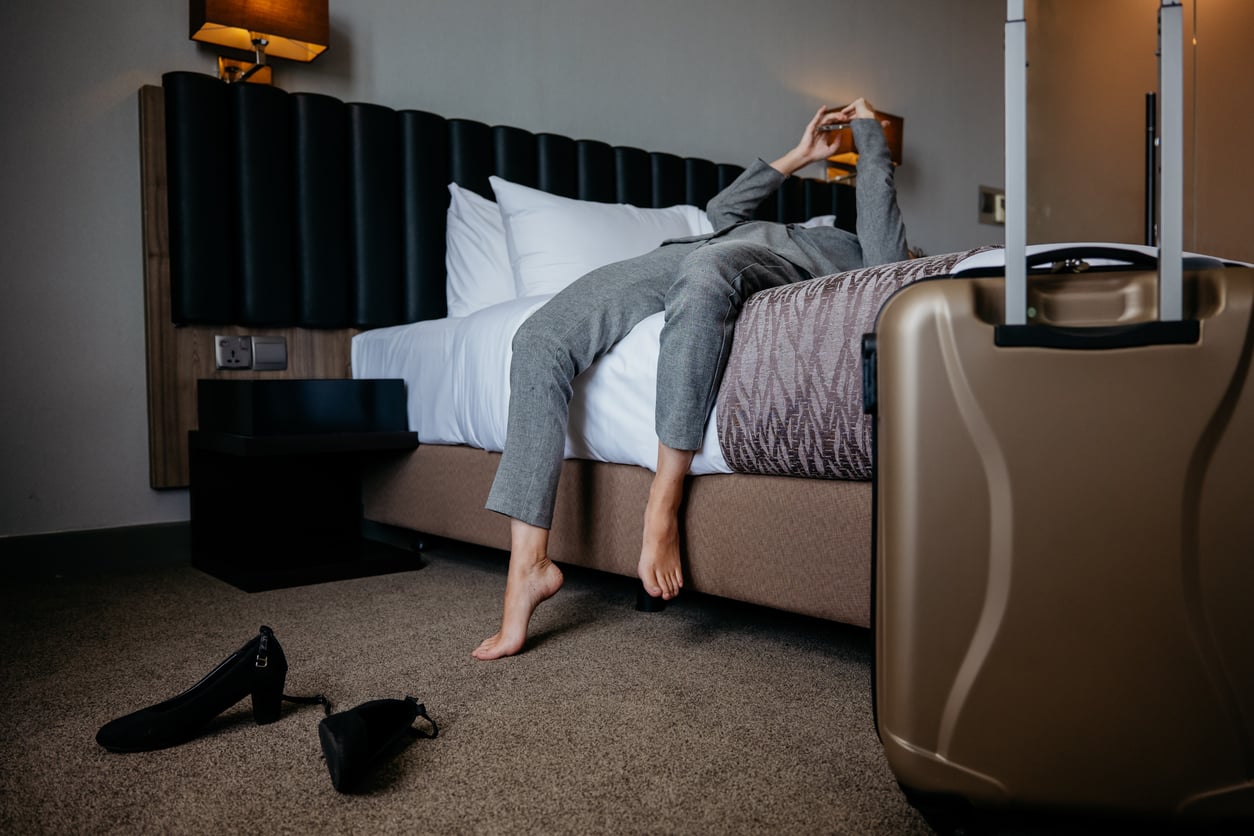
There’s a strange guilt that can come with returning to the hotel at 3 p.m. when you’ve paid good money to be somewhere exciting. But walking from breakfast until bedtime doesn’t earn anyone extra vacation points. A shower, short nap, coffee, or simply an hour with your feet up can make going back out for dinner much more appealing. CDC guidance on jet lag even recommends short daytime naps when needed to improve alertness, while cautioning that long naps can interfere with nighttime sleep. Rest can be part of the itinerary.
Wearing the Wrong Shoes for the Sake of Style

Vacation is a terrible time to discover that those attractive new shoes start rubbing after two miles. Sightseeing can mean hours of pavement, museum floors, stairs, hills, and cobblestones, often much more walking than people do during an ordinary day at home. Wear shoes you’ve already tested for extended periods and save less comfortable options for short dinners or evenings out. This becomes increasingly important when mobility or balance is a concern; comfort isn’t particularly glamorous until your feet hurt and there are four vacation days left.
Packing Too Much

The problem with overpacking doesn’t end when the suitcase zipper finally closes. Someone still has to lift that bag onto scales, trains, luggage racks, and rental-car trunks and drag it across stations, hotel corridors, or cobblestones. Recent AARP advice for travelers over 50 specifically recommends lightweight luggage and packing less to reduce that burden. A small collection of clothes that work together, plus doing laundry once on a longer trip, can be easier than hauling an outfit for every possible scenario from city to city.
Sign up for our newsletter
Driving Too Far Every Day on a Road Trip

A road trip can quietly become a highway trip when every destination requires another long day behind the wheel. Driving demands sustained attention, and NHTSA warns that adequate sleep is the only true protection against drowsy-driving risks. Rather than setting an arbitrary mileage rule, pay attention to how demanding each day actually is. Break up longer stretches with shorter driving days, scenic stops, or an extra night somewhere interesting. The town along the route doesn’t always have to be something you race through to reach the next hotel.
Staying Out Late Every Single Night

There’s nothing wrong with a late dinner, concert, or night out. String several of them together while also getting up early for tours and the sleep deficit can start following you around. Travel itself can already disrupt normal sleep, especially when time zones change; CDC notes that jet lag can cause daytime sleepiness, difficulty concentrating, and reduced physical and mental performance. Alternate bigger evenings with quieter ones when possible. You don’t have to see what every destination looks like at midnight to feel like you’ve properly experienced it.
Skipping Meals to Fit in More Sightseeing

Skipping lunch may seem like an easy way to squeeze in another museum, but a long sightseeing day still requires food and fluids. CDC travel guidance emphasizes hydration, particularly when dealing with jet lag, and recommends maintaining sensible eating habits while traveling. Build real meal breaks into the schedule instead of hoping you’ll find something whenever there’s an opening. Keeping a small snack in a day bag is also useful when transportation or an unexpectedly long attraction pushes lunch later than planned. Sightseeing is considerably less charming when everyone is hungry.
Treating the Last Day Like a Full Sightseeing Day

The temptation is understandable: you’ve paid for the trip, and there are still six hours before heading to the airport. But squeezing in another museum, shopping district, and restaurant can create a frantic finish involving luggage storage, transportation, airport timing, and constant clock-watching. Keep departure day lighter when possible. Have breakfast somewhere pleasant, take a short walk, or revisit a nearby favorite before collecting your bags. Ending calmly doesn’t mean wasting the final day. It means not arriving at the airport already exhausted.