Spaghetti and meatballs might be an American favorite, but there’s a whole world of pasta beyond the usual Italian restaurant menu. Across the country, regional pasta dishes have taken shape in neighborhood kitchens, immigrant communities, and local restaurants, often combining ingredients you wouldn’t expect. From spicy chicken riggies in upstate New York to buttery garlic noodles in San Francisco, these hometown specialties have stories worth discovering. As Saveur explores, American cooks have put their own spin on pasta for generations. Here are 12 lesser-known dishes worth trying.
Chicken Riggies – Utica and Rome, New York
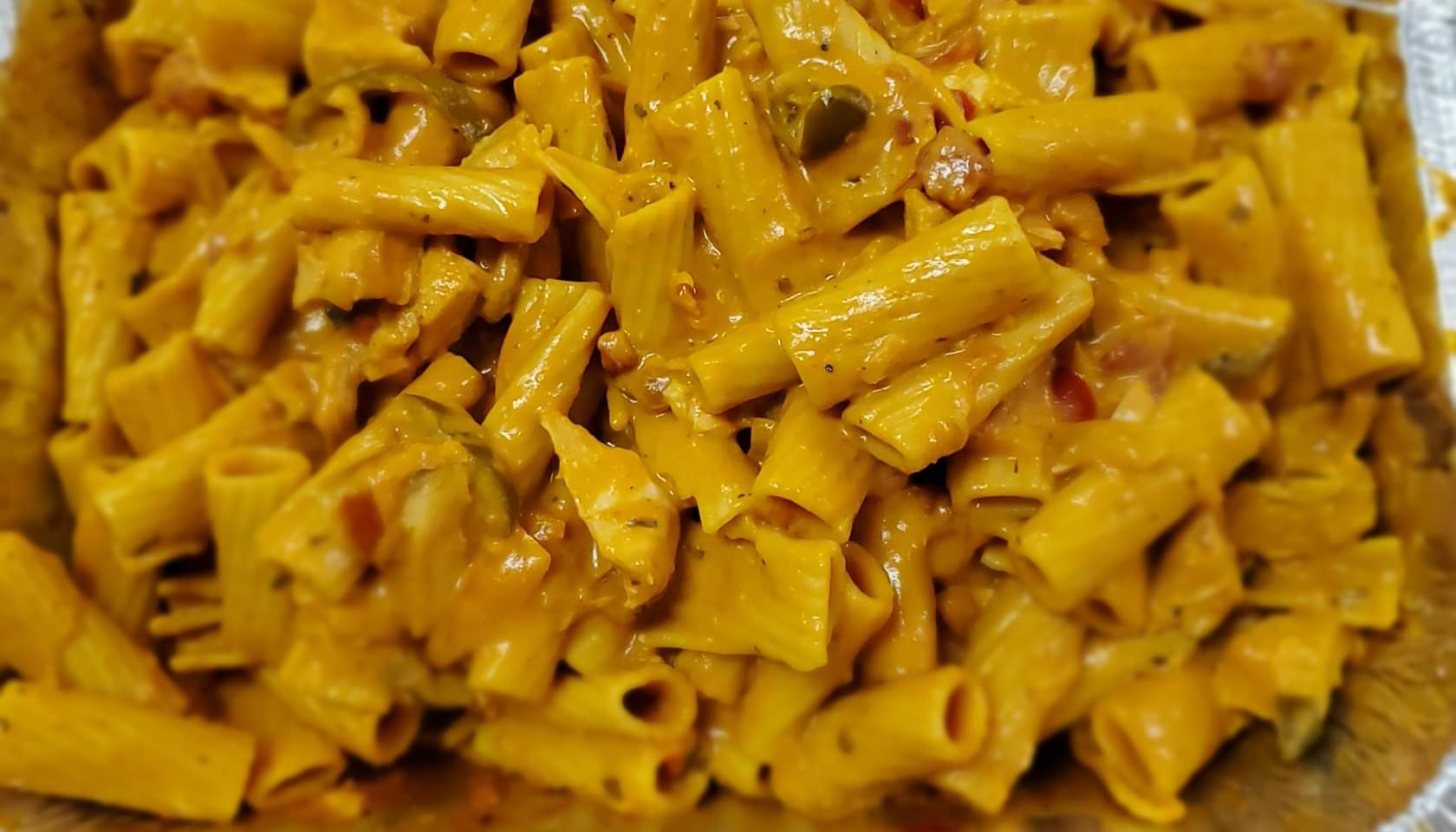
In central New York, chicken riggies are practically a hometown institution. The dish combines rigatoni, tender chicken, and a creamy tomato sauce with hot cherry peppers that provide a welcome kick. Some cooks add mushrooms, sweet peppers, or olives, depending on family preferences. Its origins are disputed, with several Utica-area restaurants connected to the dish’s early popularity. The name comes from a local nickname for rigatoni, and the finished pasta is especially satisfying for anyone who enjoys a little heat with their comfort food.
Toasted Ravioli – St. Louis, Missouri
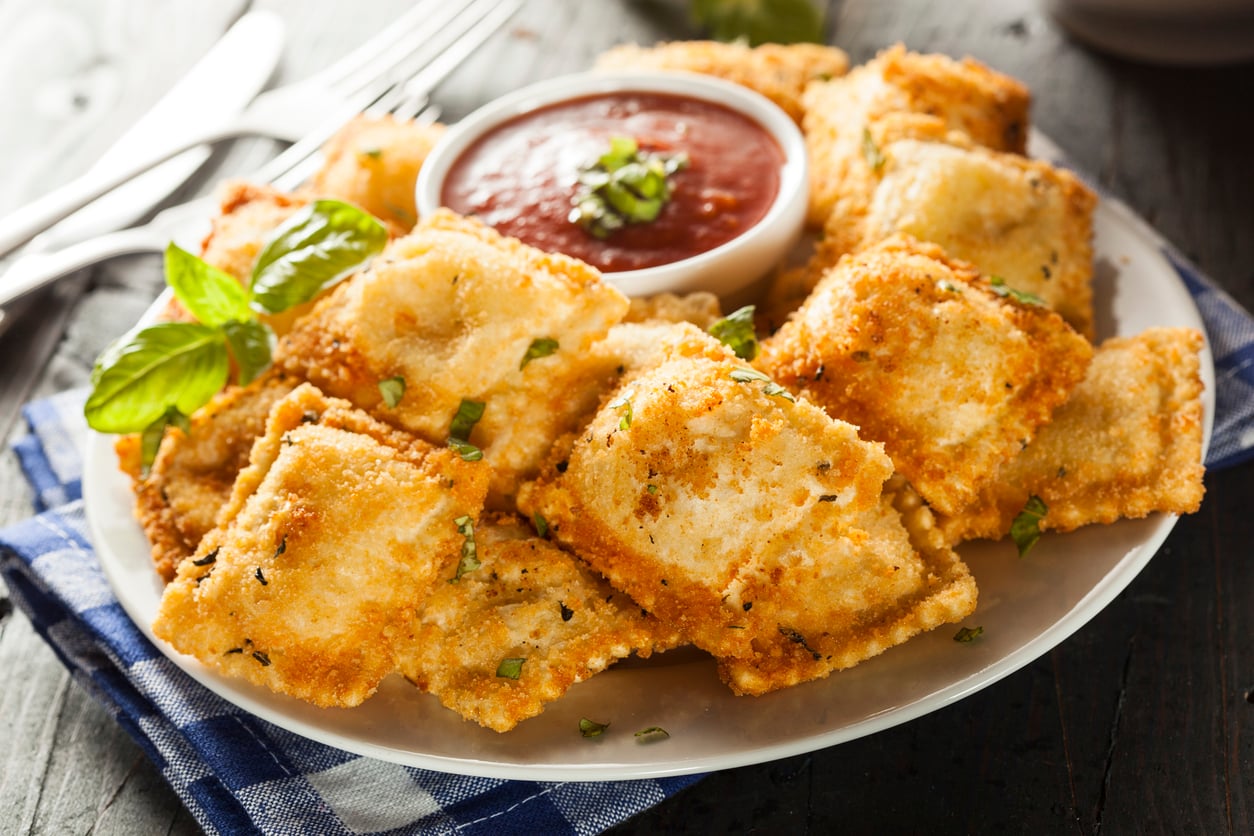
Despite the name, St. Louis toasted ravioli isn’t actually toasted. The stuffed pasta is breaded, deep-fried until golden, and served with marinara sauce for dipping. It’s a familiar appetizer in the city’s historic Italian-American neighborhood, The Hill, where several restaurants have claimed credit for inventing it. The popular story involves a cook accidentally dropping ravioli into hot oil, but historical evidence suggests fried ravioli existed much earlier. Whatever its beginnings, the crispy exterior and warm filling make it a decidedly different experience from traditional boiled ravioli.
Crawfish Monica – New Orleans, Louisiana
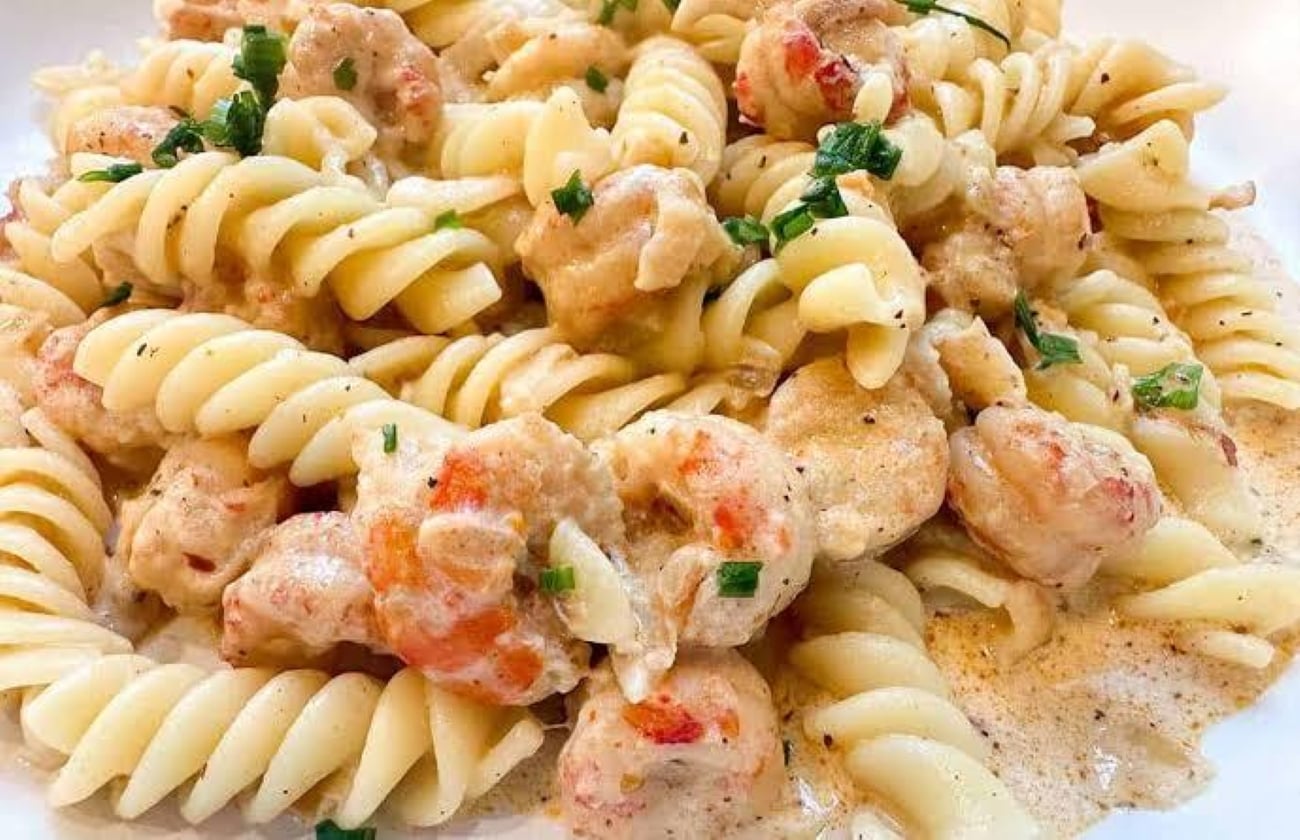
New Orleans has no shortage of memorable food, but Crawfish Monica is particularly associated with the city’s Jazz & Heritage Festival. This rich pasta dish combines spiral noodles with crawfish tails, butter, cream, and Creole seasonings. The result is a creamy, slightly spicy meal that brings together Louisiana seafood and Italian-style pasta. Unlike gumbo or jambalaya, it isn’t something visitors necessarily encounter on every restaurant menu. Its festival connections make it a special treat, although the generous amount of butter and cream means it’s hardly a light lunch.
Cincinnati Three-Way Chili – Cincinnati, Ohio
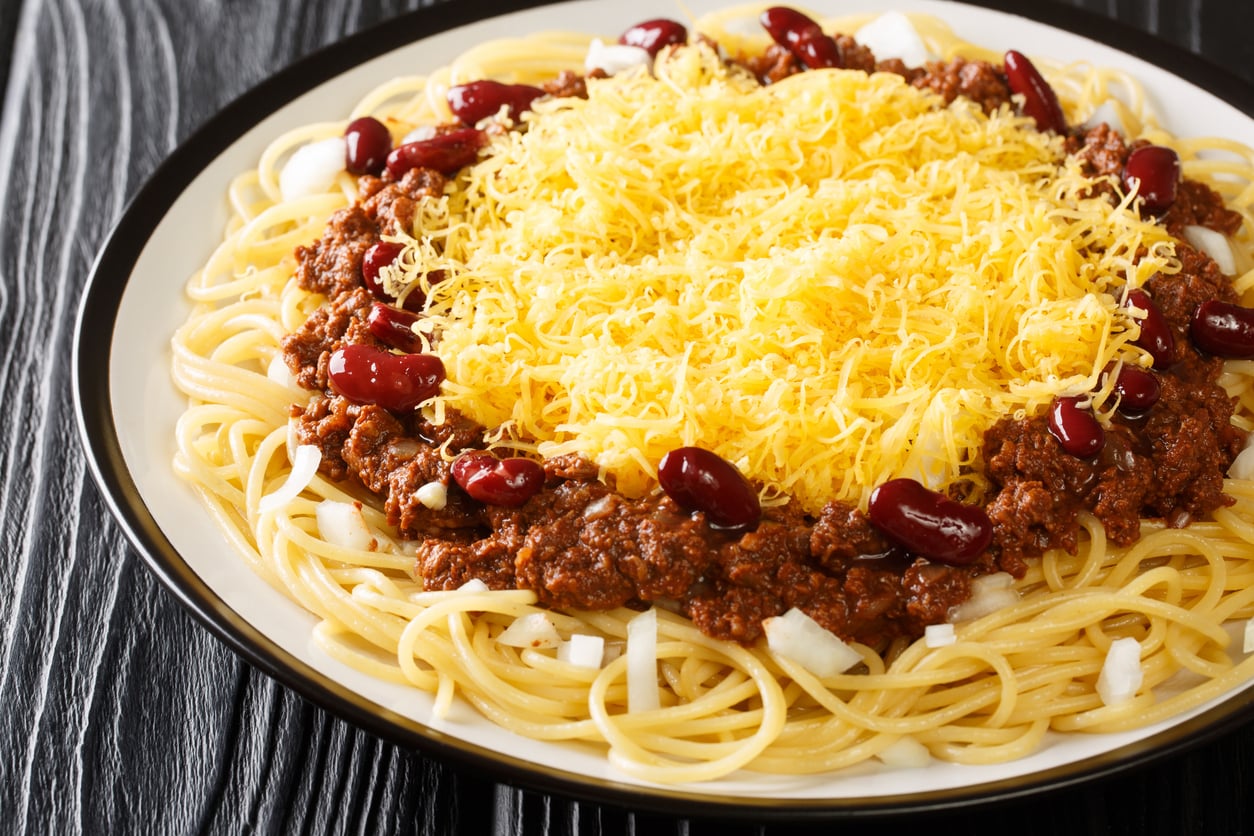
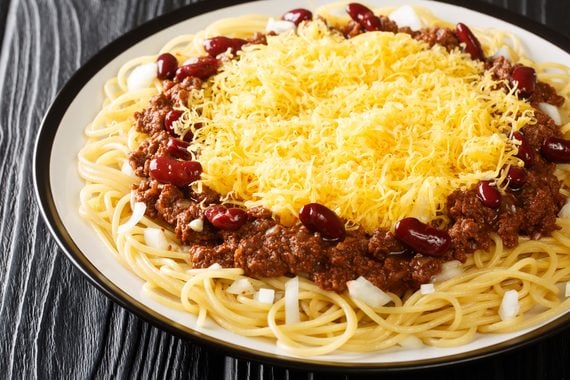
Order a three-way in Cincinnati and you’ll receive spaghetti topped with the city’s distinctive meat sauce and a generous mound of shredded cheddar cheese. The sauce is thinner and more warmly spiced than typical Texas-style chili, reflecting the influence of Greek and Macedonian immigrant cooking. Add onions or beans and you’ve got a four-way; add both and it becomes a five-way. Locals often eat it with oyster crackers and hot sauce. Visitors expecting a traditional bowl of chili might be surprised to find themselves reaching for a fork.
Johnny Marzetti – Columbus, Ohio
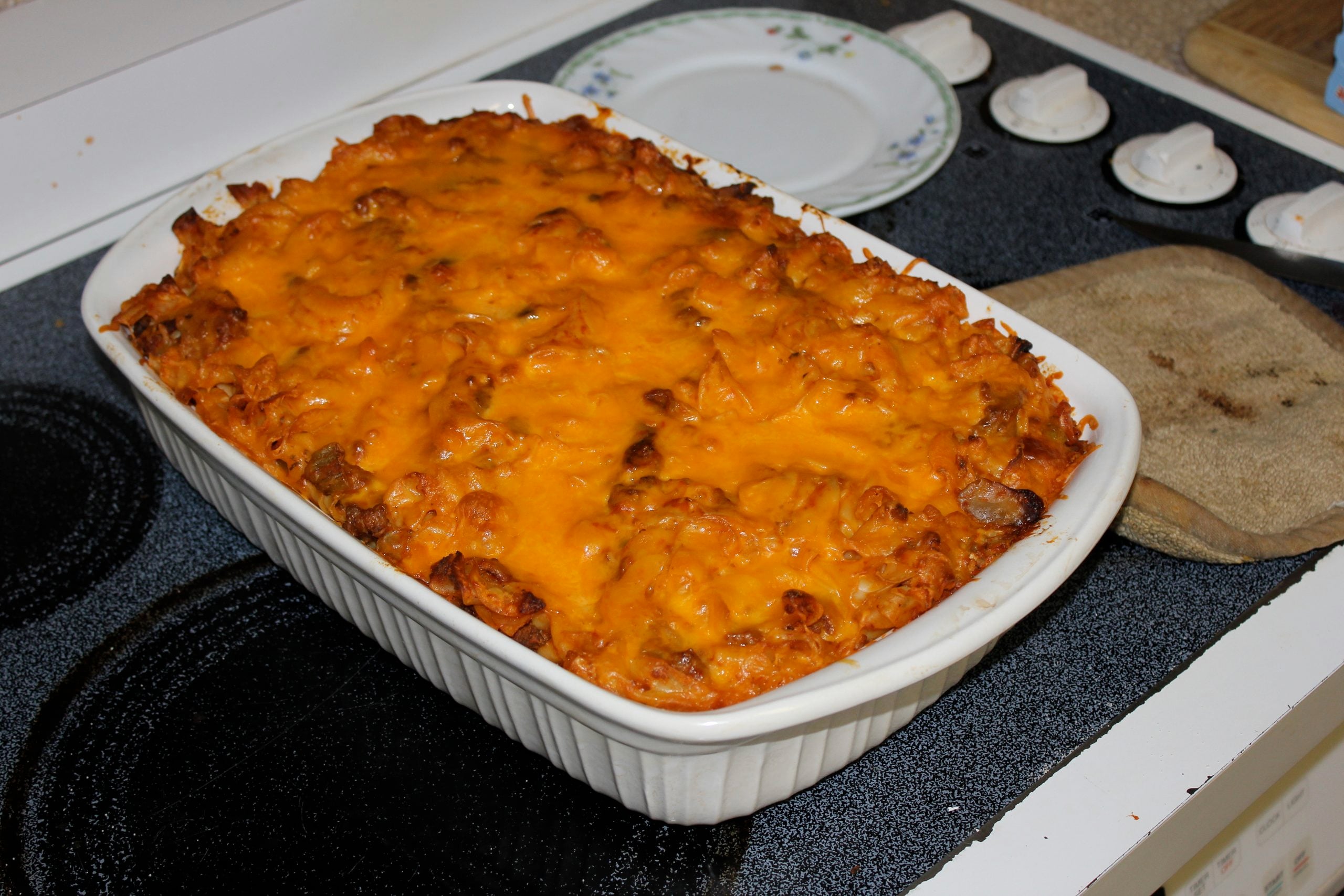
Long before elaborate baked pasta dishes became restaurant favorites, Columbus families were serving Johnny Marzetti. This economical casserole typically combines macaroni or another short pasta with ground beef, tomato sauce, and melted cheese. Its name is connected to the city’s Marzetti restaurant history, although the familiar story crediting restaurateur Teresa Marzetti isn’t conclusively documented. The dish became a fixture of school cafeterias, neighborhood diners, and family dinners throughout parts of the Midwest. It’s the sort of inexpensive, filling meal that can bring back memories of childhood.
Trending on Cheapism


American Chop Suey – New England
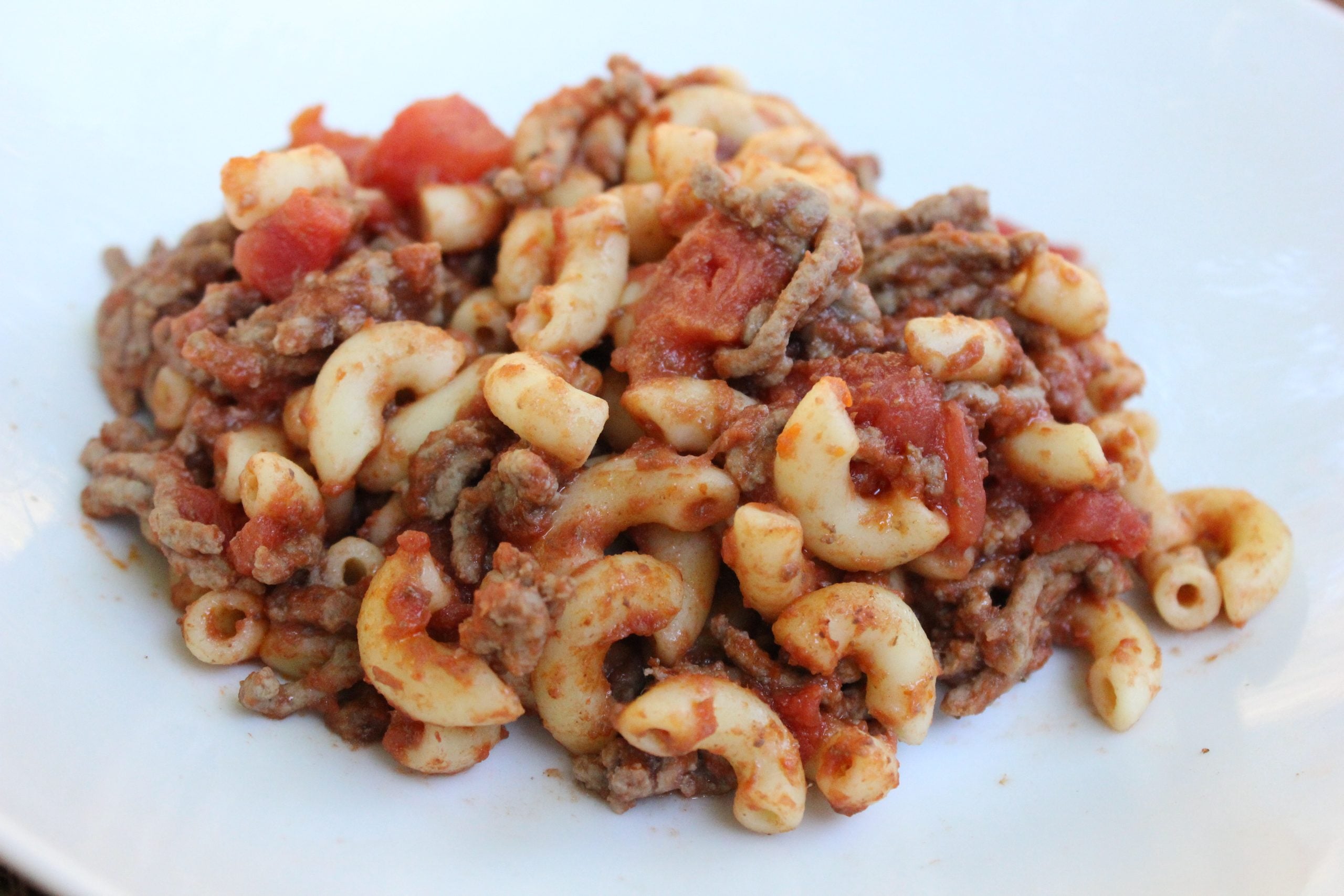
Despite its name, American chop suey has little in common with the Chinese American dish. This New England comfort food typically features elbow macaroni, ground beef, onions, peppers, and a tomato-based sauce. Some families bake it with cheese, while others serve it straight from the stovetop. Elsewhere in the country, similar recipes are often called American goulash. It’s an especially familiar dish in New England homes and school cafeterias, where inexpensive ingredients could feed a crowd without requiring much preparation or cleanup.
San Francisco Garlic Noodles – San Francisco, California
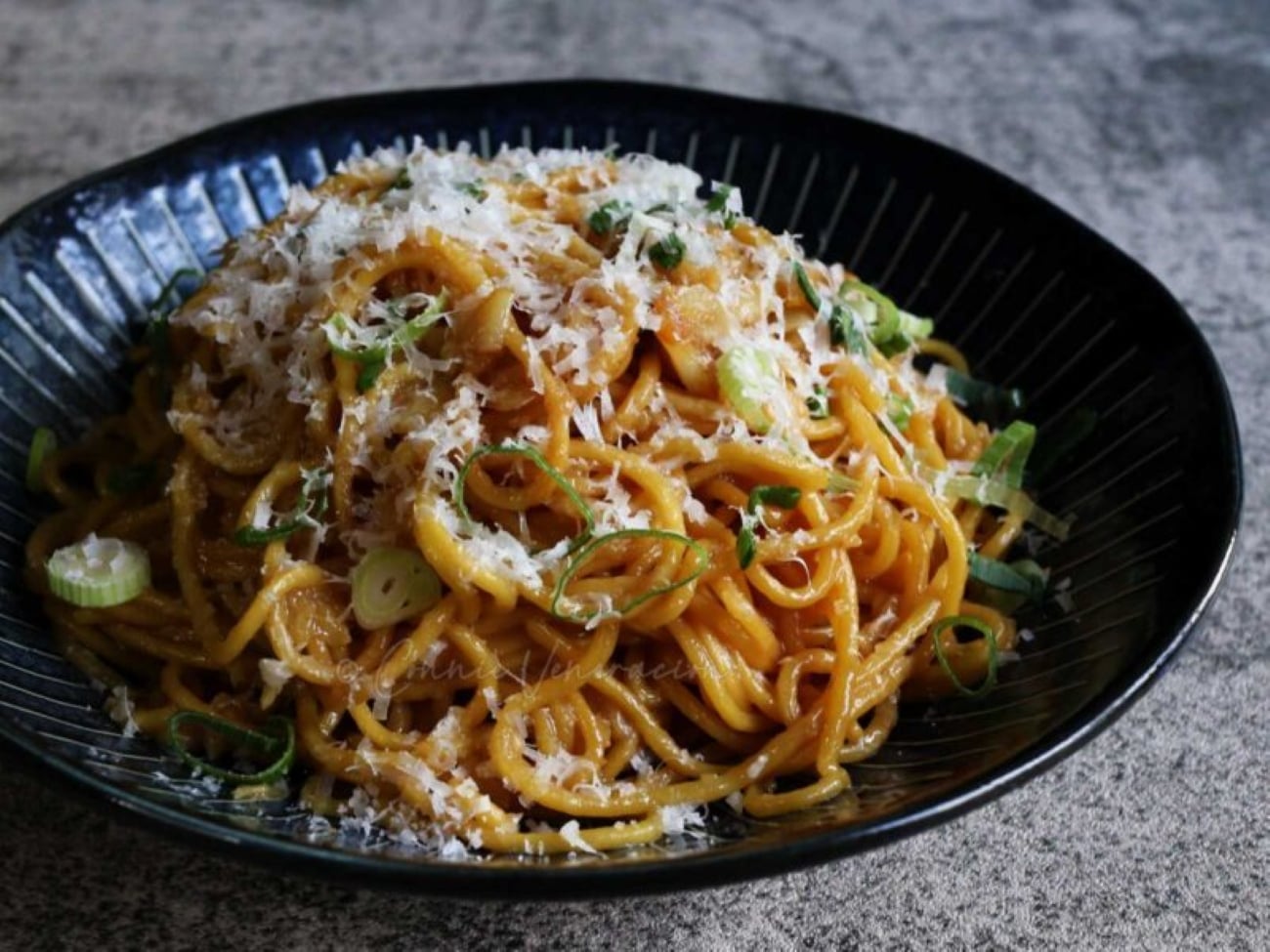
San Francisco’s garlic noodles prove that a simple combination of ingredients can become a regional favorite. Created by chef Helene An at Thanh Long around 1978, the dish combines noodles with butter, plenty of garlic, and savory seasonings influenced by Vietnamese and Western cooking. Restaurant versions often include oyster sauce, soy-based seasonings, or Parmesan, although the original recipe remains closely guarded. The noodles are famously served alongside roasted Dungeness crab. They’re rich, fragrant, and considerably more indulgent than the plain buttered noodles many Americans grew up eating.
Saimin – Hawaii
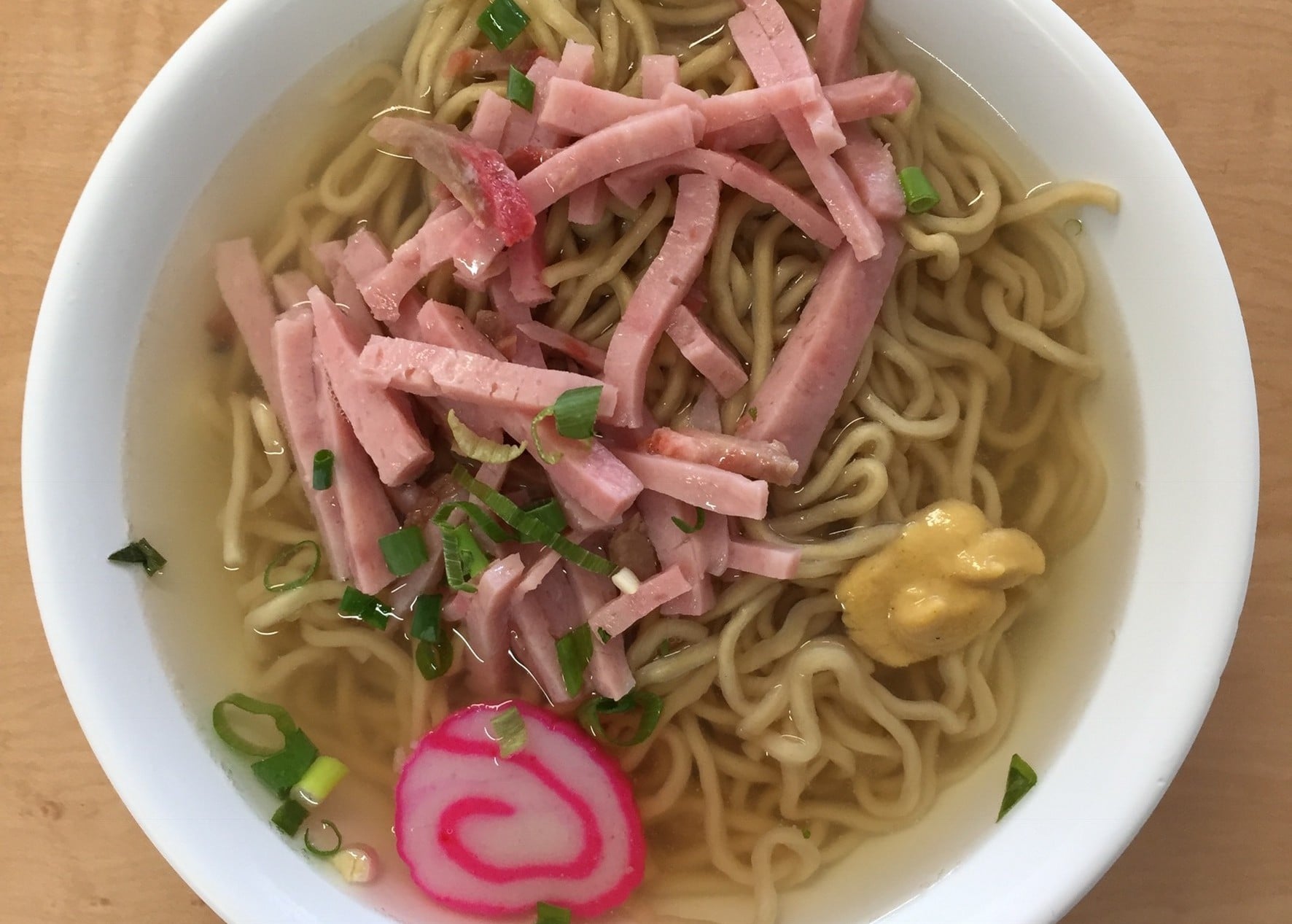
At first glance, saimin might resemble Japanese ramen, but this Hawaiian noodle soup has its own history. Developed through Hawaii’s multicultural plantation communities, it features curly, slightly chewy noodles served in a delicate broth. Common toppings include green onions, fish cake, pork, and sometimes Spam. Neighborhood saimin stands have been part of local food culture for generations, offering an affordable and comforting meal. Unlike heavier noodle soups, traditional saimin often relies on a relatively light broth, although recipes and toppings vary from one restaurant to another.
Sign up for our newsletter
Ya-Ka-Mein – New Orleans, Louisiana
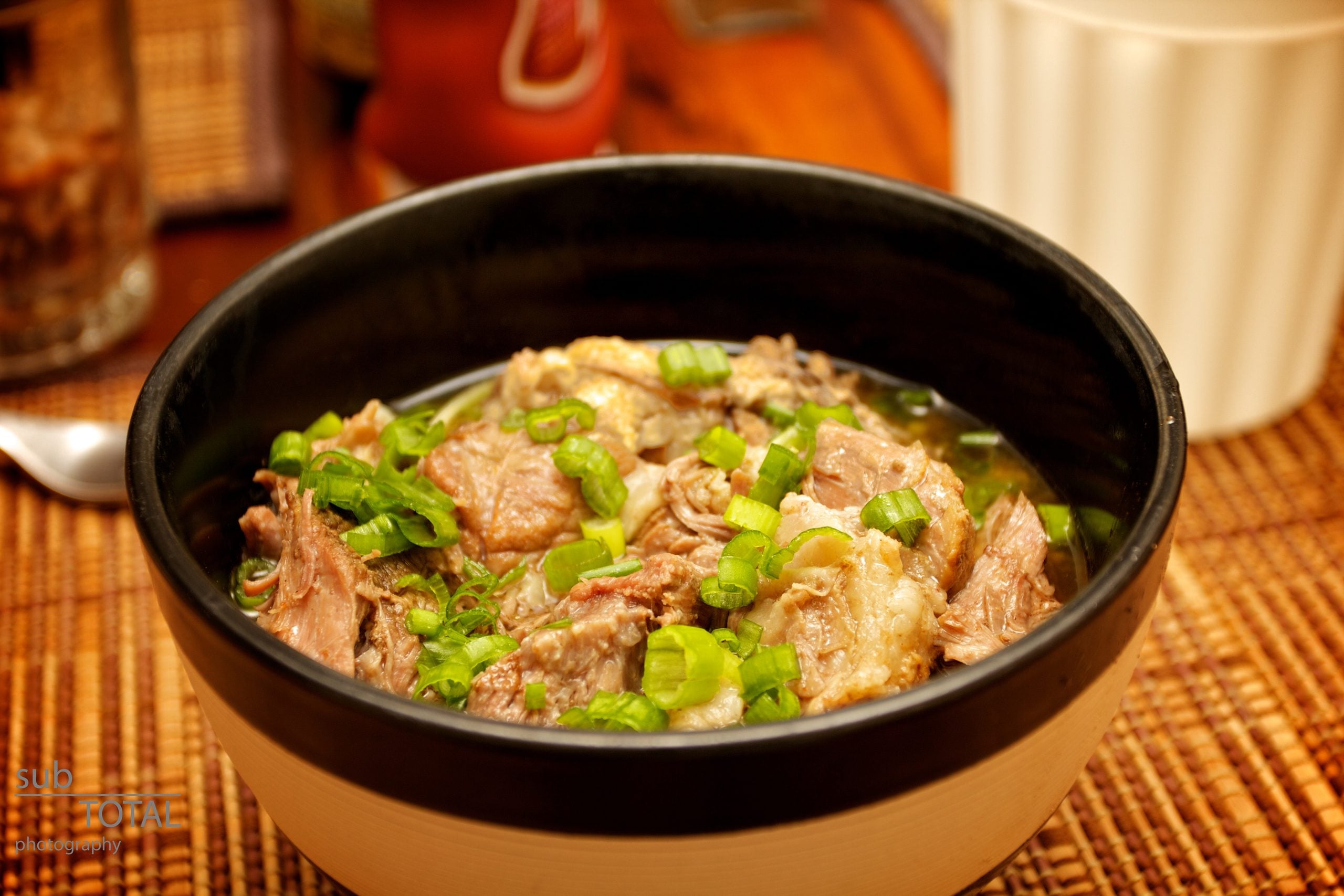
Another lesser-known New Orleans specialty, ya-ka-mein is a hearty noodle soup with a fascinating mix of culinary influences. Often prepared with spaghetti, beef, seasoned broth, green onions, and hard-boiled eggs, it’s closely associated with the city’s African American food traditions. The dish is sometimes nicknamed Old Sober because of its reputation as a hangover remedy, although there’s no reason to treat it as a medical cure. Its exact origins remain uncertain, and recipes vary widely. For many locals, it’s a familiar comfort food rather than a novelty.
Fideo Loco – San Antonio, Texas
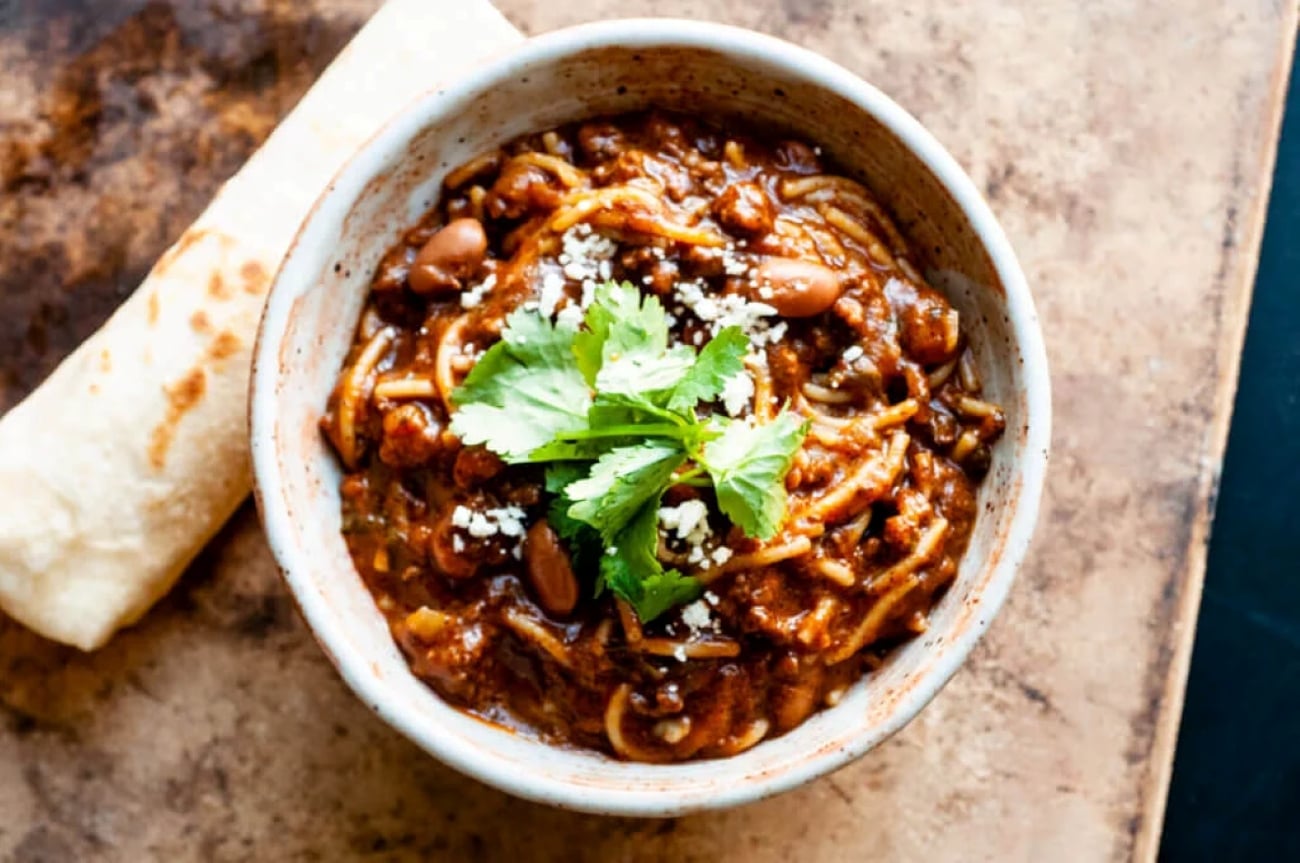
Fideo loco is the kind of practical home cooking that turns inexpensive pantry ingredients into a filling meal. Popular in San Antonio and South Texas, it begins with short, thin noodles that are toasted before being simmered in a tomato-seasoned broth. Ground beef, pinto beans, potatoes, or other ingredients may be added to make the dish heartier. The name means crazy noodles, but there’s nothing particularly complicated about the preparation. Families have their own versions, and the dish remains closely connected to South Texas home kitchens and neighborhood restaurants.
Green Chile Mac and Cheese – New Mexico
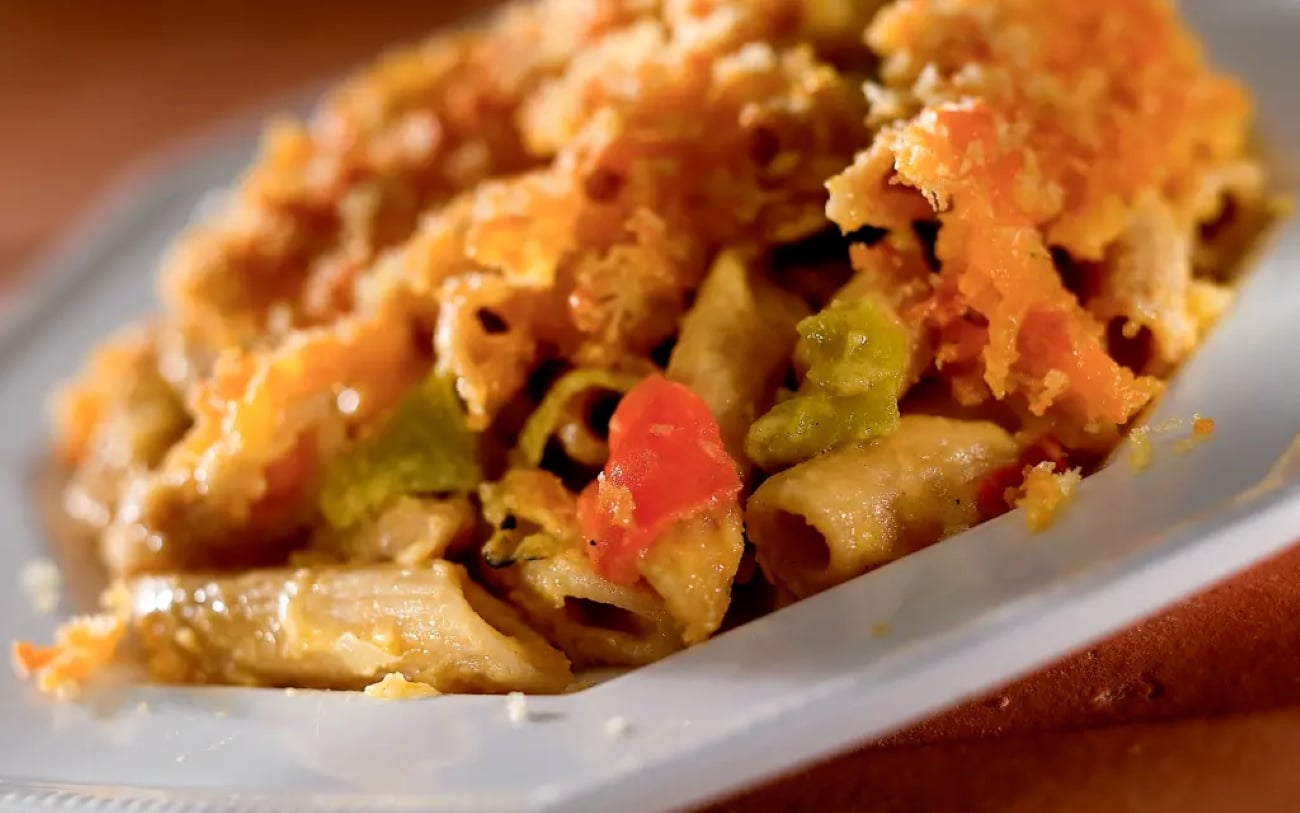
Macaroni and cheese gets a distinctly Southwestern makeover in New Mexico, where roasted green chiles are a major part of local cooking. Adding chopped Hatch or other New Mexico green chiles to a creamy cheese sauce brings a smoky, slightly sweet flavor and varying levels of heat. Some versions are baked with a crunchy breadcrumb topping, while others stay creamy and stovetop-friendly. It’s a familiar comfort food with a regional twist, although anyone sensitive to spice should ask about the peppers before digging in.
Pasta Milanese – New Orleans, Louisiana
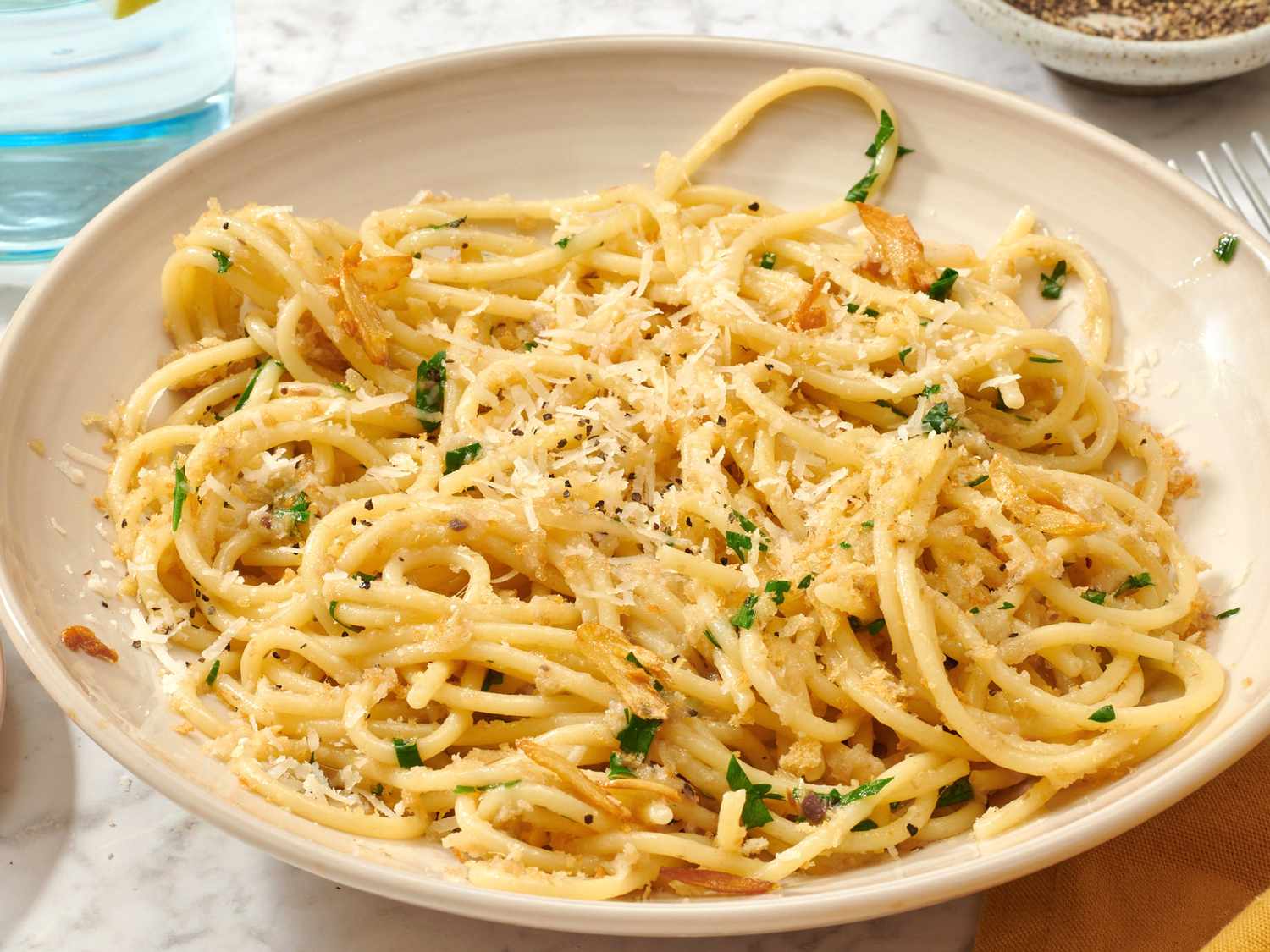
Pasta Milanese holds a special place in New Orleans’ Sicilian American St. Joseph’s Day celebrations. The dish typically combines pasta with a tomato-based sauce flavored with anchovies, raisins, and pine nuts, then finishes with seasoned breadcrumbs instead of grated cheese. Those crumbs symbolize sawdust, honoring St. Joseph’s traditional association with carpentry. Its sweet and savory combination might surprise anyone expecting ordinary spaghetti with red sauce. Although the recipe has Sicilian roots, its connection to New Orleans’ annual celebrations has made it a distinctive part of the city’s food traditions.