Americans may have a passion for burgers, pizzas, and diners, but regional restaurant traditions make some parts of the country impossible to replicate elsewhere. From Wisconsin supper clubs to Hawaiian plate lunches, we’ve gathered information from the Miami Herald and Discover Lancaster, among others, to reveal these unique dining concepts found across the United States!
Wisconsin Supper Clubs – Wisconsin and the Upper Midwest
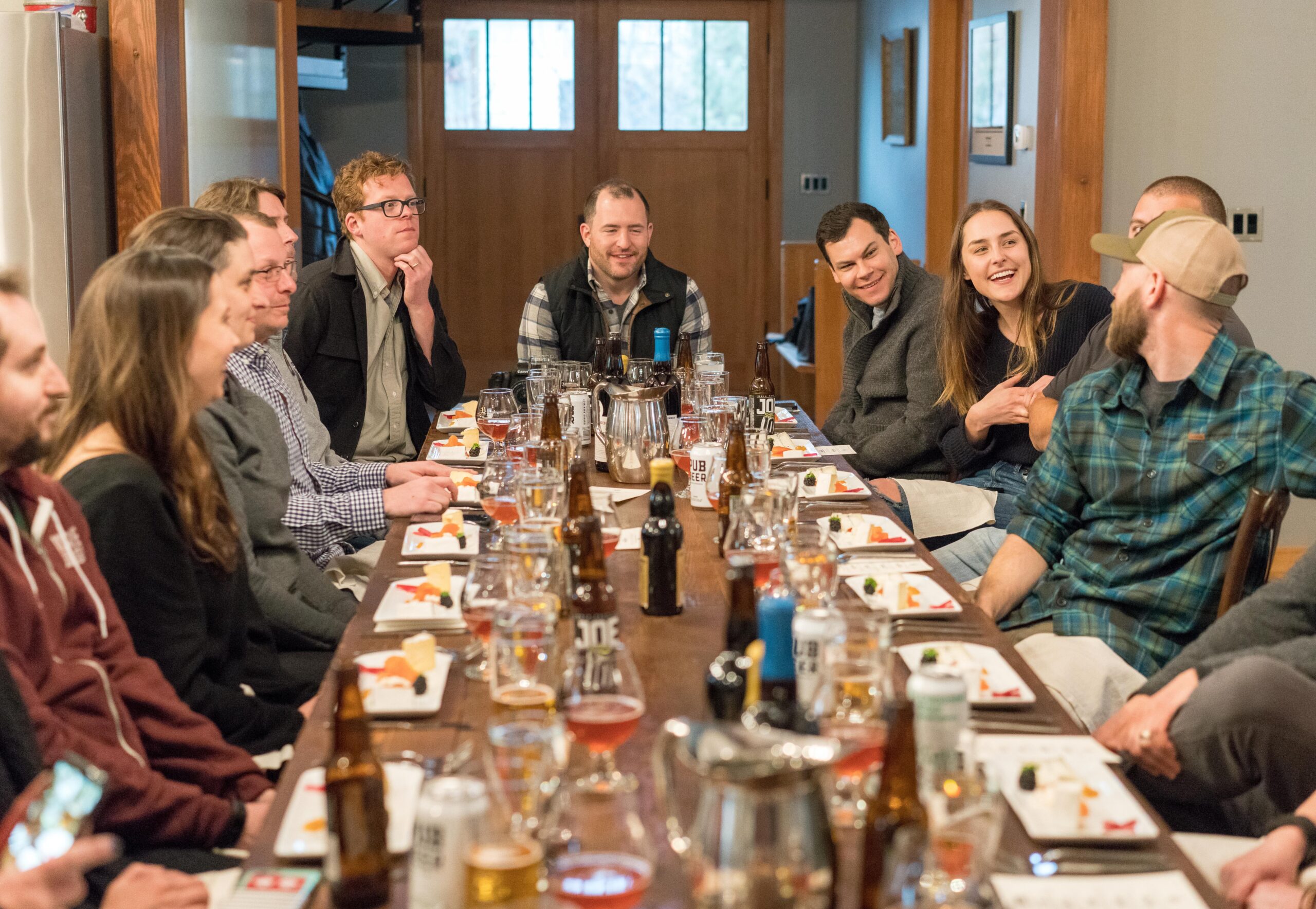
A traditional Wisconsin supper club is one of the regional restaurant traditions that focuses on an entire dining experience rather than just a quick meal. Guests enjoy cocktails at a bar before moving to the dining room to feast on prime rib, fried fish, relish trays, and classic desserts. Outside of Wisconsin and parts of the Upper Midwest, you may not find this type of culinary experience elsewhere in the United States.
Meat-and-Three Restaurants – Tennessee and the Southern States
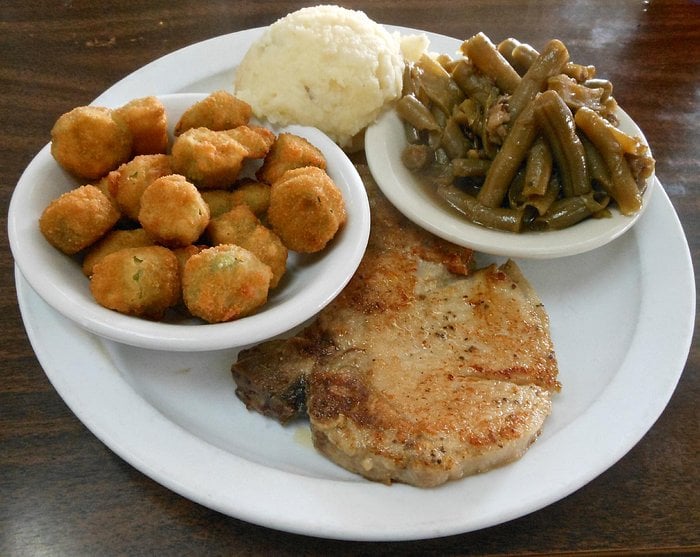
What distinguishes meat-and-three restaurants from others is that, instead of choosing a conventional entrée with predetermined sides, customers select one meat and three accompaniments, as one of the regional restaurant traditions. Typical offerings include items such as fried chicken, meatloaf, collard greens, macaroni and cheese, and mashed potatoes. This dining format is popular in the Southern United States, particularly in Tennessee, though it is less common in other regions.
New England Clam Shacks – Maine and Coastal New England
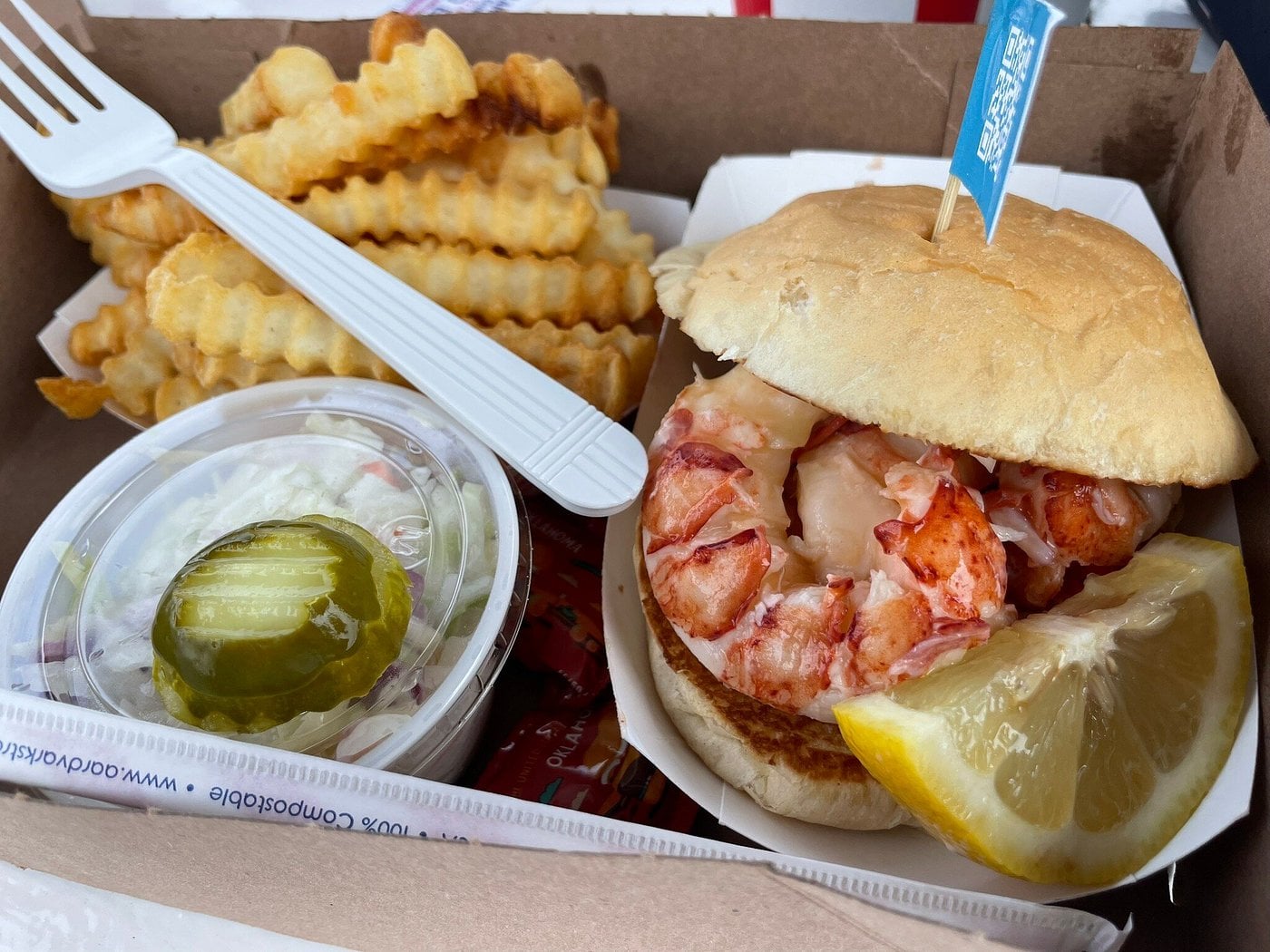
Clam shacks are regional restaurant traditions that are a fundamental part of the culinary culture of Maine and coastal New England. However, these feature whole-belly clams, lobster rolls, chowder, and basket of seafood are not typically found in other coastal cities across the nation. Some of these classic seafood shacks in Maine and coastal New England operate only on a seasonal basis. These regional restaurant traditions highlight the South’s love of hearty home-style cooking and customizable comfort-food meals.
Texas Icehouses – Houston and South Texas
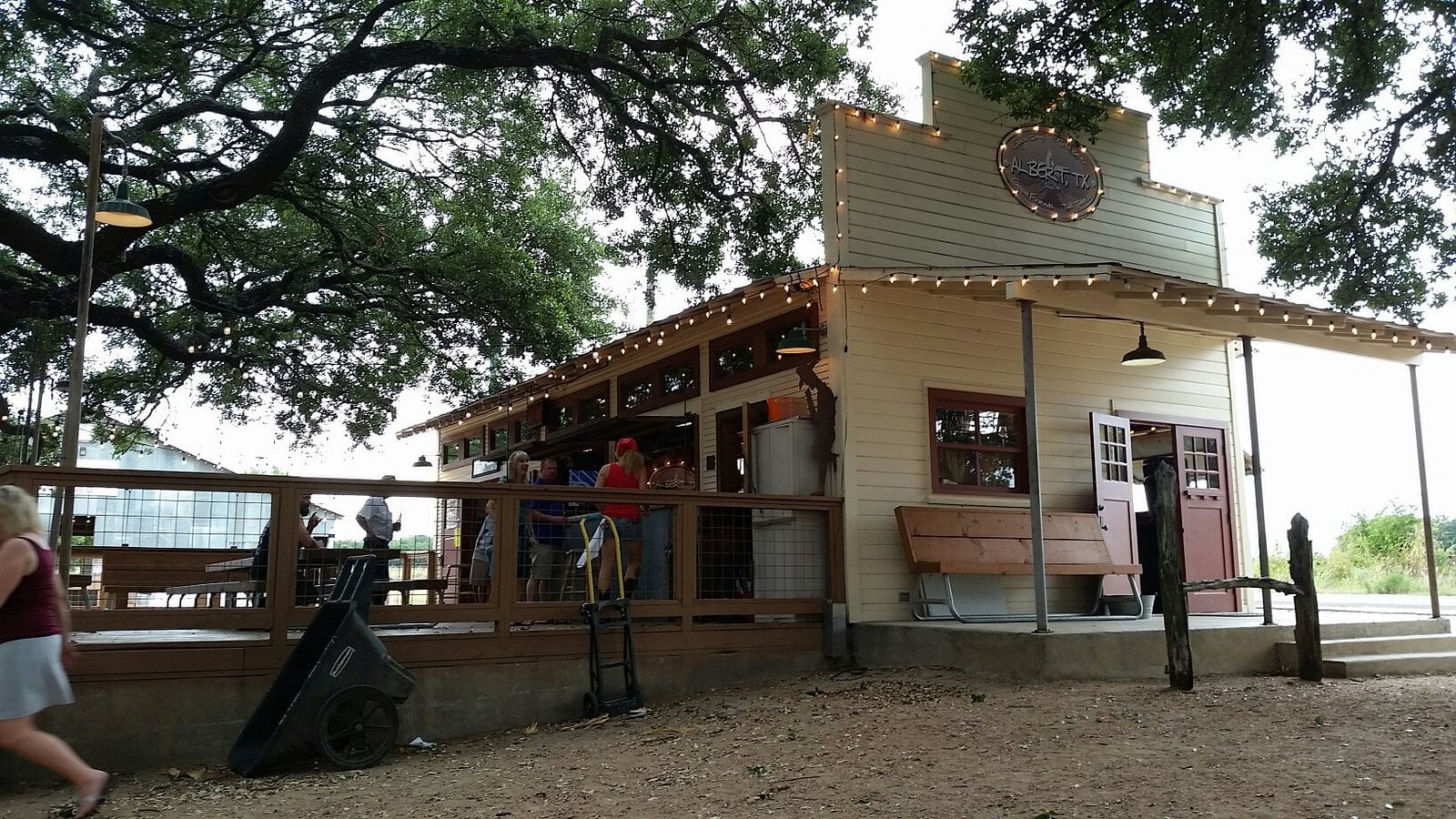
Traditional Texas icehouses are regional restaurant traditions that evolved from businesses selling blocks of ice into casual, open-air neighborhood gathering spots. There, you can find food trucks, drinks, and simple food in a relaxed outdoor setting. You can enjoy this experience in Houston and throughout South Texas, but it is not something you will find in many other cities across the country. Such regional restaurant traditions preserve the casual, communal spirit of Texas while adapting to modern tastes and dining habits.
Hawaiian Plate Lunch Counters – Hawaii
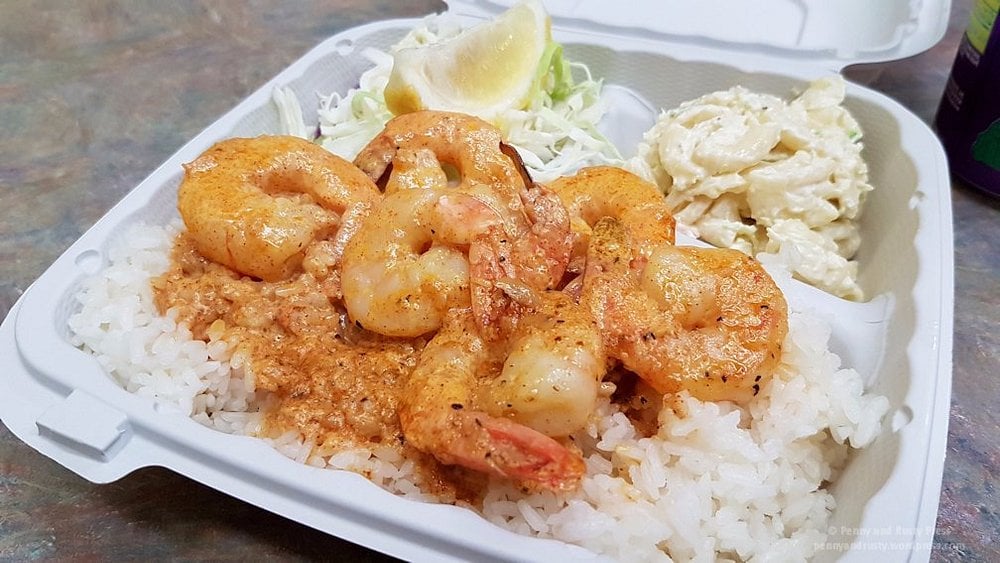
A traditional Hawaiian plate lunch is one of Hawaii’s best-known regional restaurant traditions, typically consisting of a protein served with rice and macaroni salad. Restaurants offer dishes like chicken katsu, kalua pig, and loco moco, local favorites that reflect Hawaii’s multicultural heritage. Outside of the state, it is rare to find this unique blend of Japanese, Chinese, Filipino, and Portuguese influences. These regional restaurant traditions reflect the many cultural influences that have shaped Hawaii distinctive food scene.
Trending on Cheapism

Okazuya Delicatessens – Hawaii
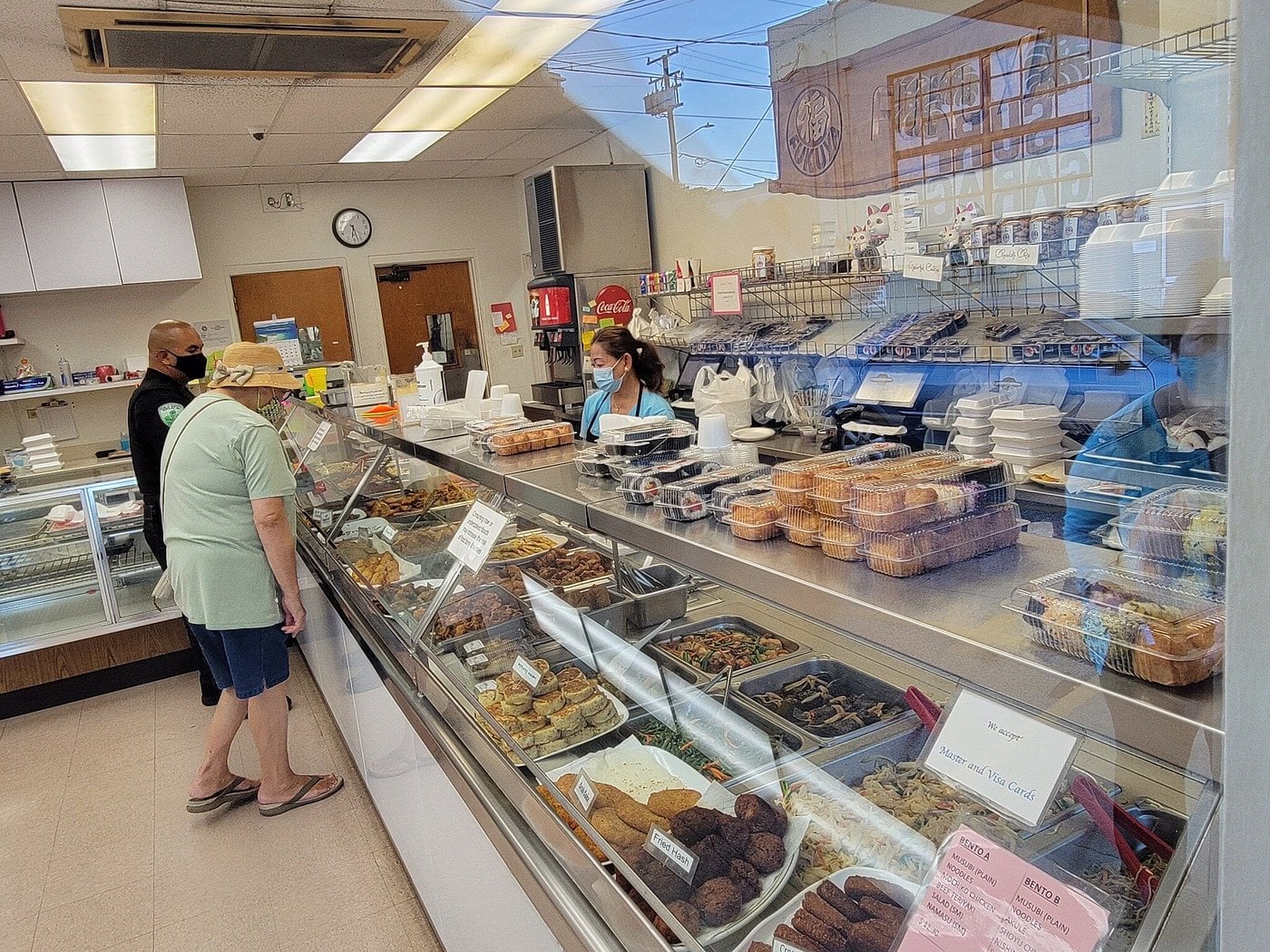
Okazuya delis are regional restaurant traditions in Hawaii that feature ready-to-eat display-style cases where customers select takeout dishes. These okazuya shops are deeply connected to Hawaii and to the preparation of items such as the cone sushi, musubi, and fried noodles.
Southern Fish Camps – North Carolina and Northern South Carolina
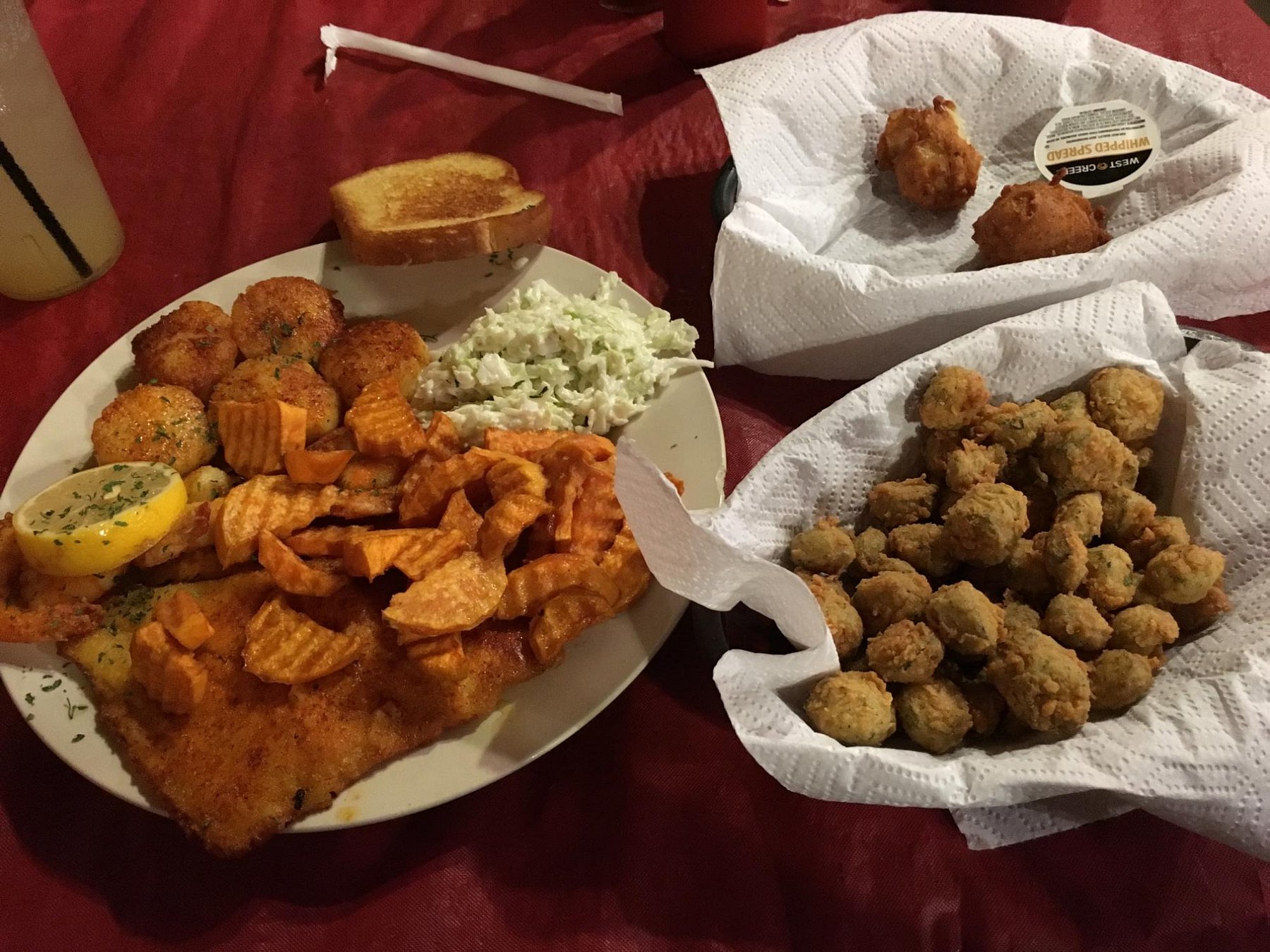
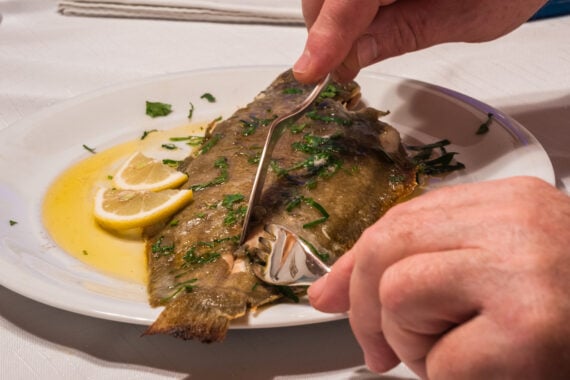
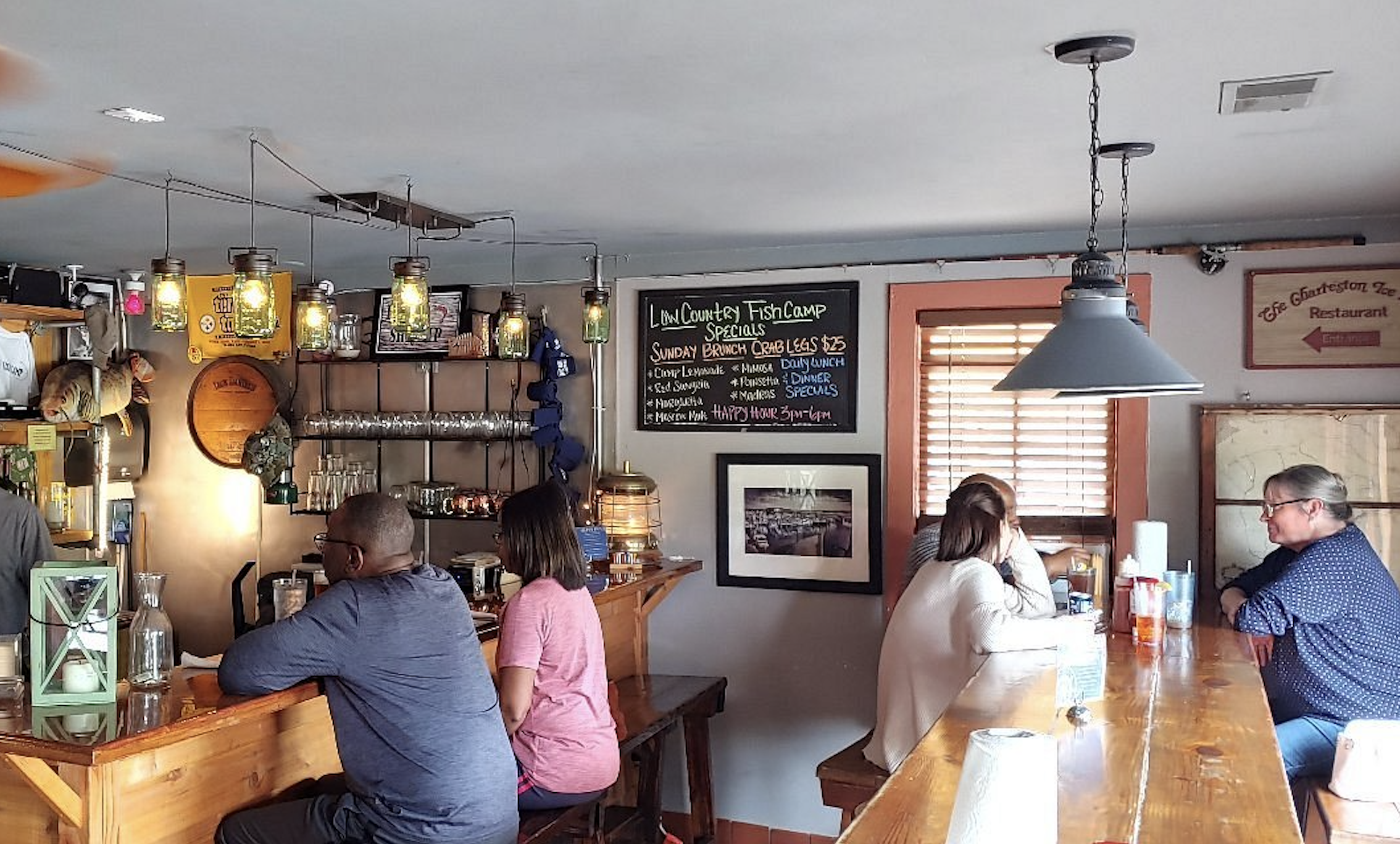
Fish camps are regional restaurant traditions in North Carolina and northern South Carolina that are not places where one can camp. They serve generous portions of fried catfish, flounder, shrimp, hushpuppies, and coleslaw in informal dining areas. Over time, these fish camps evolved into casual gathering spots located near southern waterways.
Traditional Crab Houses – Maryland and the Chesapeake Bay
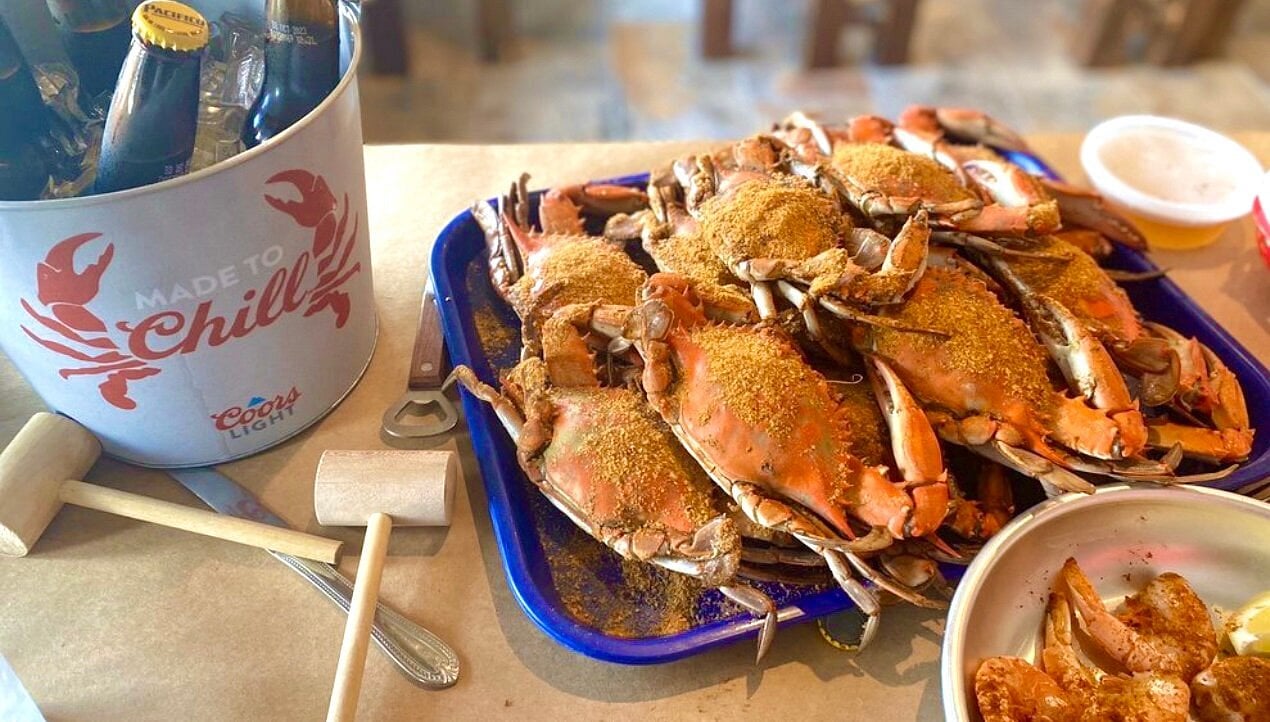
In Maryland and the Chesapeake Bay, traditional crab houses often serve steamed blue crabs directly onto paper-covered tables as one of the regional restaurant traditions. There, diners use mallets and small knives to crack the shells, extract the meat, and enjoy a slow, messy, communal meal. Unlike many other seafood dining experiences in the United States, this format is uniquely associated with the blue-crab culture of Maryland.
Sign up for our newsletter
Teriyaki Takeout Shop – Seattle and Western Washington
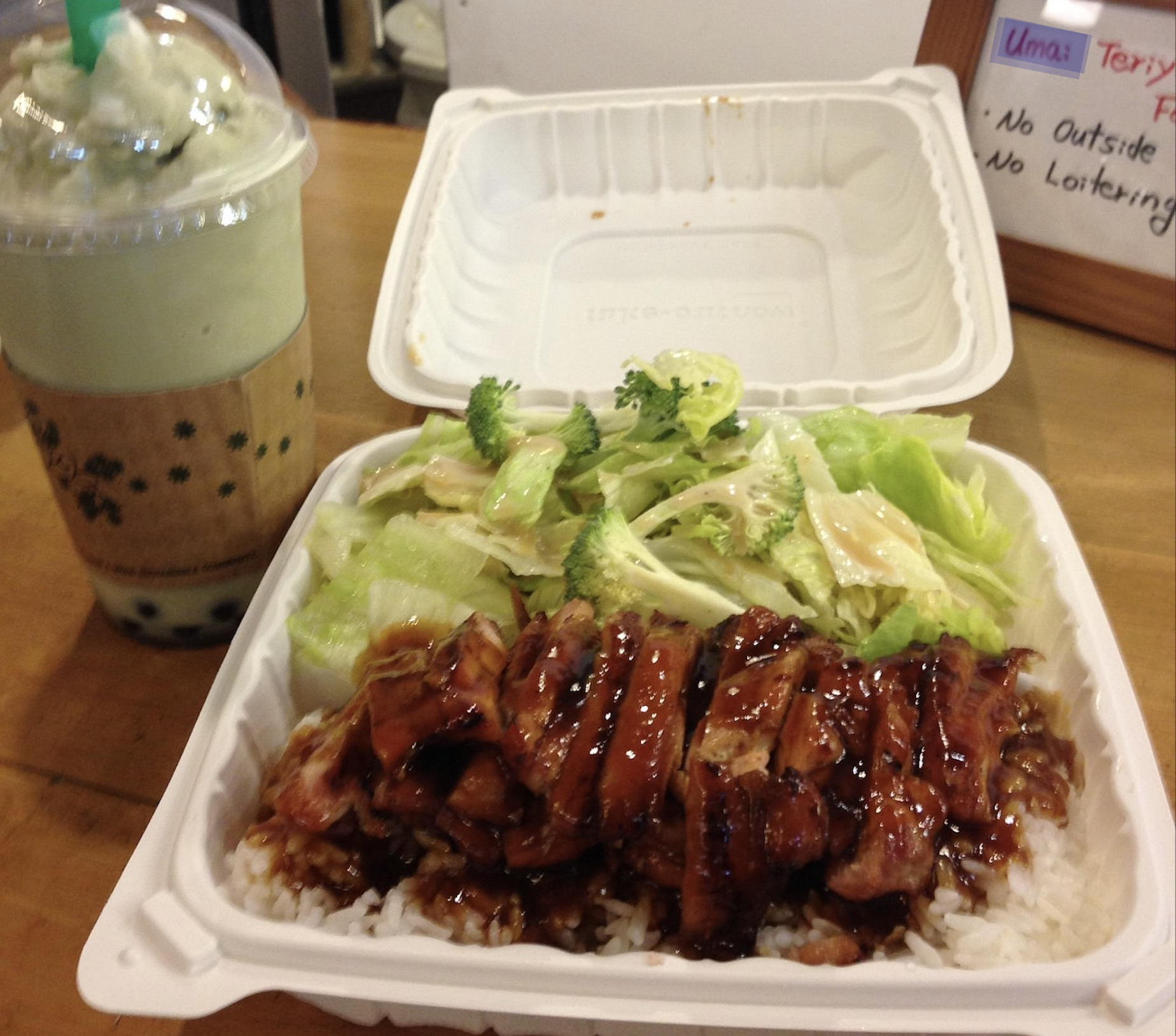
Seattle-style teriyaki restaurants in Seattle and Western Washington specialize in grilled chicken or beef, marinated in a sweet and savory sauce and served with rice or salad. These are small establishments that operate primarily as takeout spots, which distinguishes them from traditional Japanese sit-down restaurants. This business model spread throughout Seattle and its surrounding communities beginning in the early 1970s.
Cuban Coffee Windows – Miami, Florida
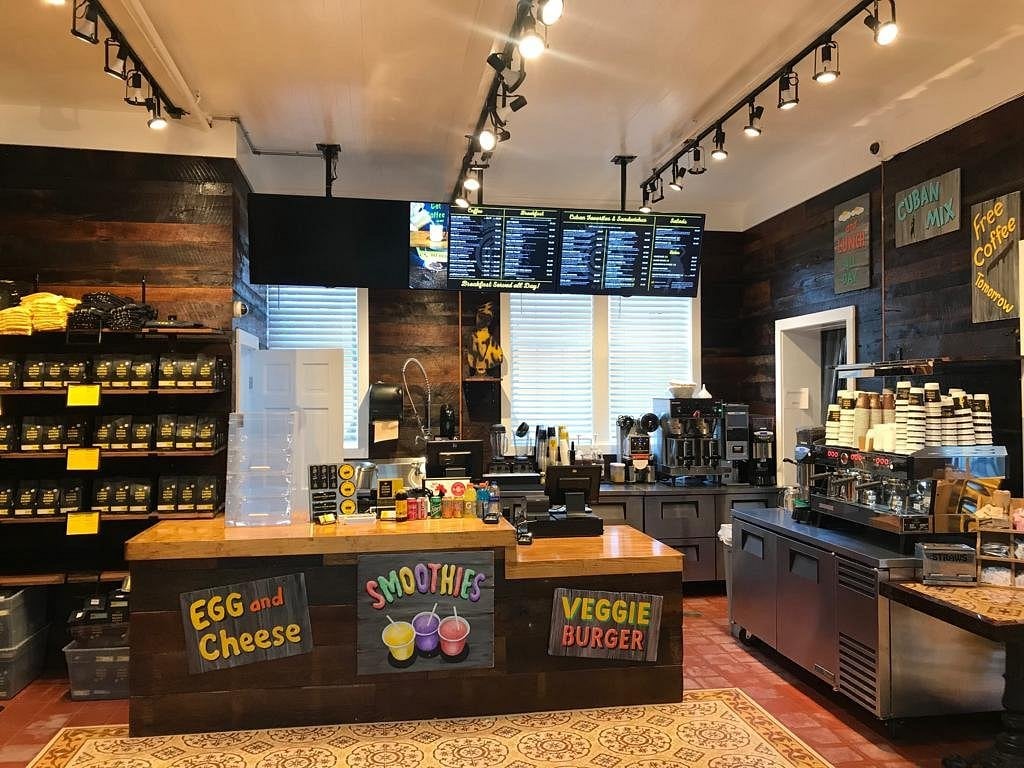
Cuban coffee windows are highly regarded in Miami, Florida. These are small service windows, designated for walk-up customers, that offer Cuban coffee, pastries, croquettes, and other quick bites, according to the Miami Herald. Customers often gather on the sidewalk, while a few others may step inside the café. This format grew out of the sense of community inherent in Cuban-American culture, a dynamic not typically found in other types of cafés.
Pennsylvania Dutch Smorgasbords – Lancaster County, Pennsylvania
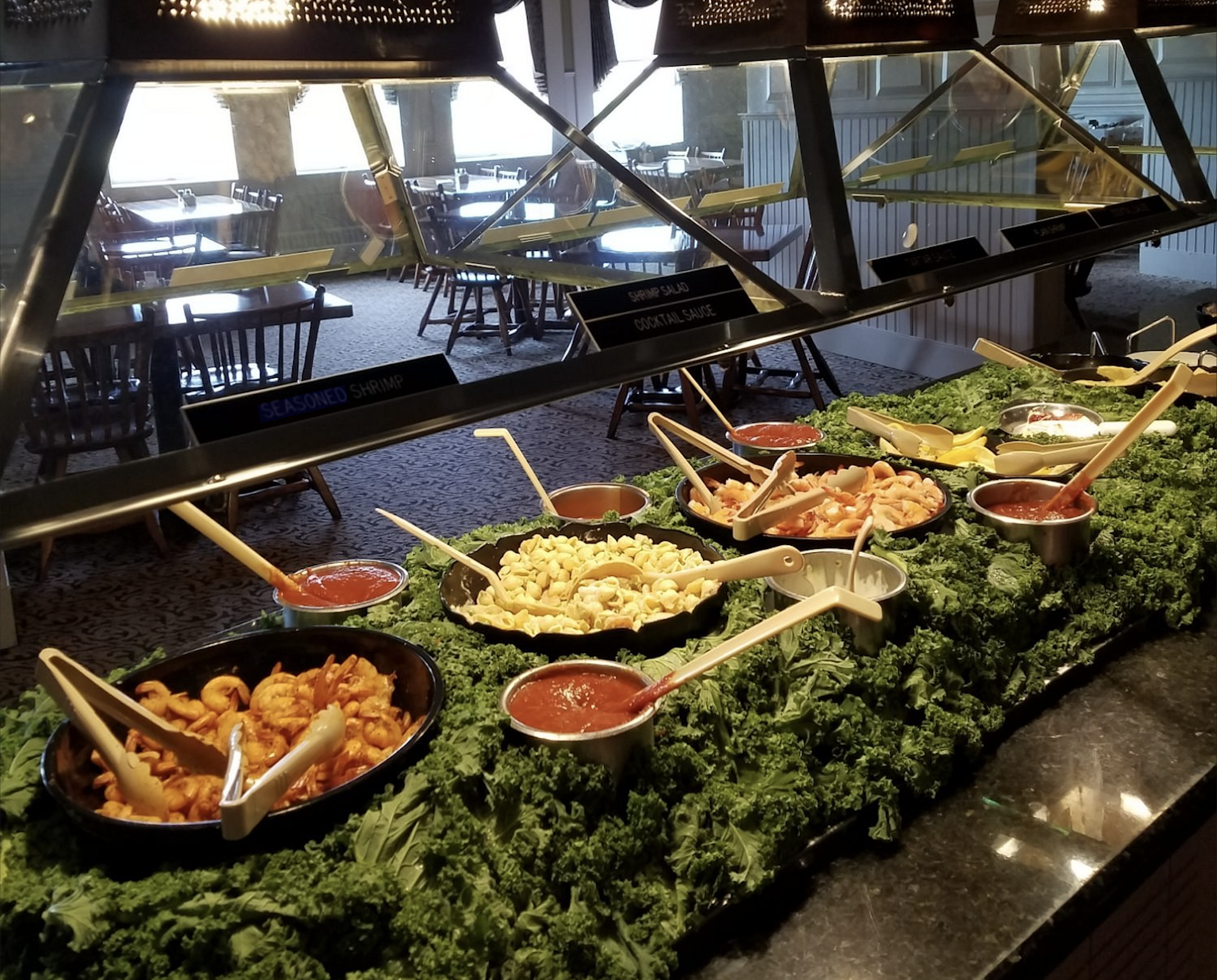
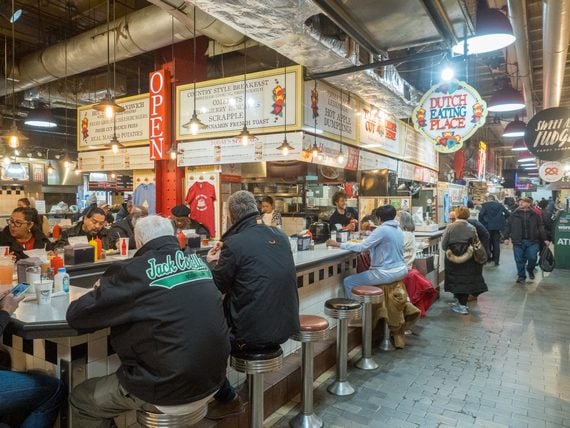
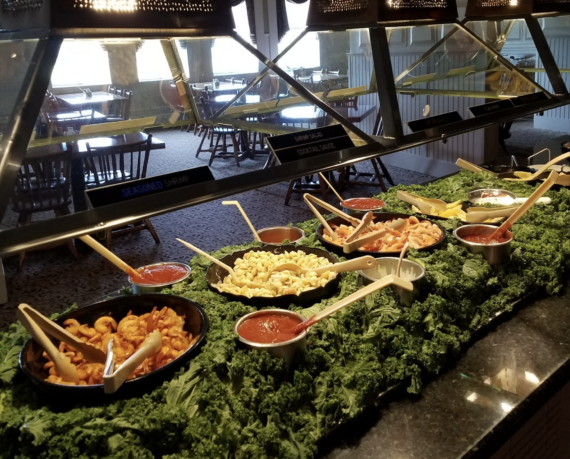
The enormous buffet-style restaurants found throughout Pennsylvania are based on Dutch-inspired cuisine. In these establishments, you can find fried chicken, ham loaf, buttered noodles, mashed potatoes, chow-chow, and traditional desserts. What sets these buffet apart from those found across the nation is their Dutch-inspired food and Lancaster County dining traditions.
Kolache Bakeries and Roadside Stops – Central Texas
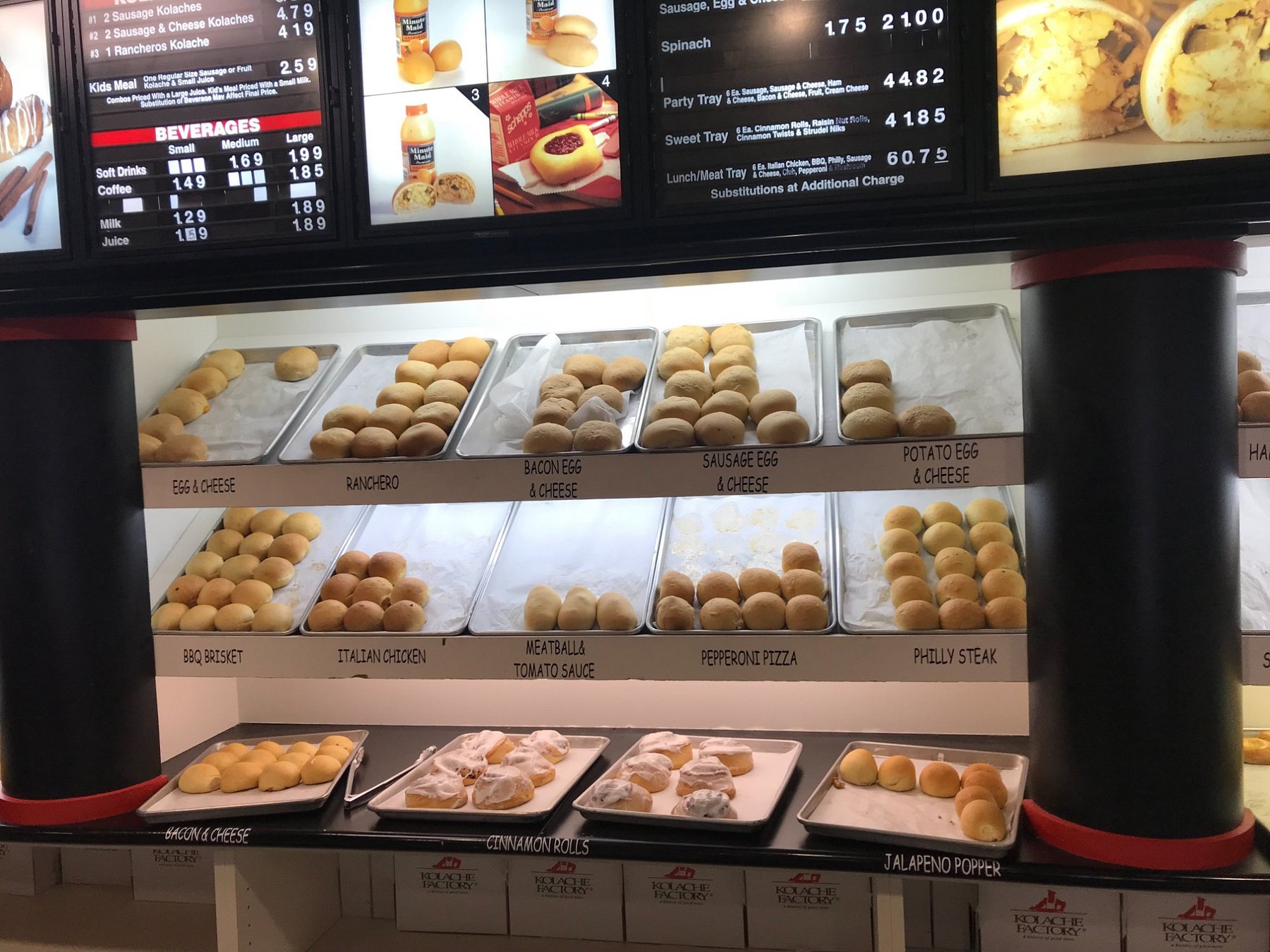
Central Texas bakeries are regional restaurant traditions known for specialize in kolaches that are pastries introduced by Czech immigrant communities over the years. These shops sell these traditional pastries, filled with fruit or cheese, which set them apart from other types of baked goods. While there are bakeries throughout the United States, they do not typically offer these specific products.
Conclusion
This vast array of regional restaurant traditions sheds light on the immigration that the United States has experienced over the years. Local ingredients blend with the cuisines of other cultures, seen in concepts like the Hawaiian plate lunch, which stands apart from any other regional food, creating a culinary variety that serves as a major draw for travelers.