Just like individual grocery shopping, restaurants aim to source the most affordable ingredients while still achieving the best possible results when preparing their dishes. In the process, some restaurants may hide mediocre ingredients beneath heavy sauces, breading, or potent seasonings. Since food quality depends on these ingredients, we’ll share a few tips, drawing on insights from Serious Eats, to help you evaluate the quality of the dishes that arrive at your table!
Maryland Crab Cakes
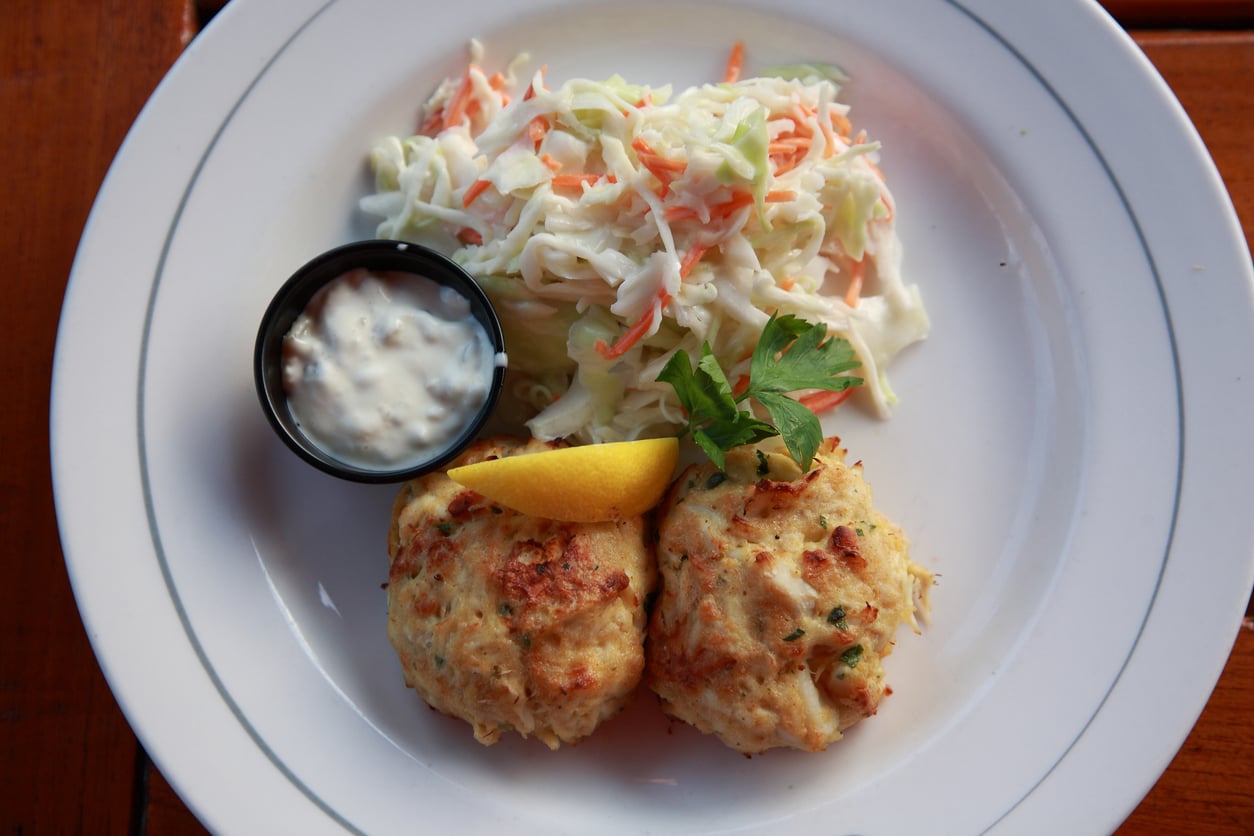
You know a Maryland-style crab cake is of good quality when the natural sweetness and texture of the crab stand out, and it doesn’t contain excessive breadcrumbs. Versions made with cheap ingredients will include extra filler to stretch a relatively small amount of expensive crabmeat. For better food quality, pay attention to the proportion of crab to filler. Serious Eats uses half a cup of panko for an entire pound of blue crab lump meat in its recipe.
Fresh Oysters on the Half Shell
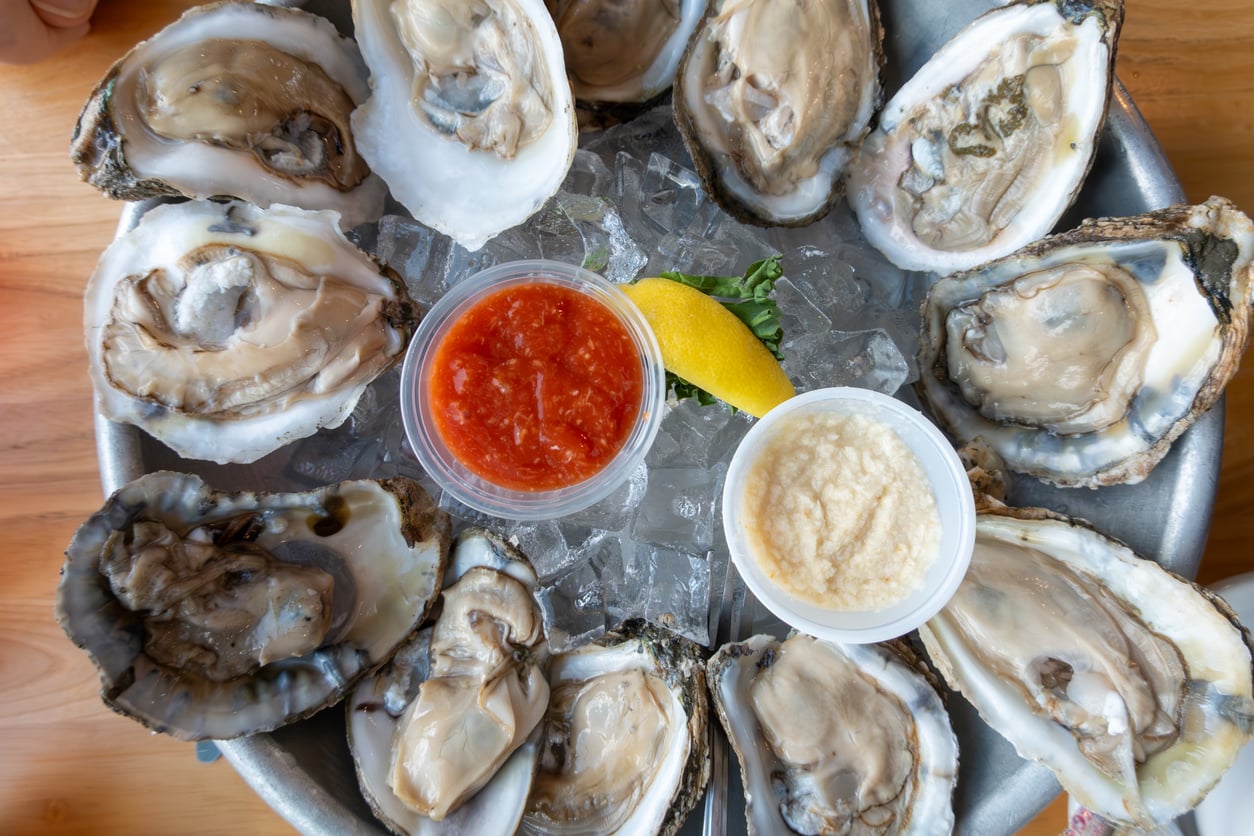
The flavor and texture of a good oyster depend largely on the oyster itself, which should have undergone careful handling and proper refrigeration to ensure quality. This dish is typically served with lemon, mignonette, or cocktail sauce. However, if the oyster’s characteristics, such as its brininess, sweetness, mildness, or even creaminess, seem off, it could indicate a problem with food quality or freshness.
Sashimi
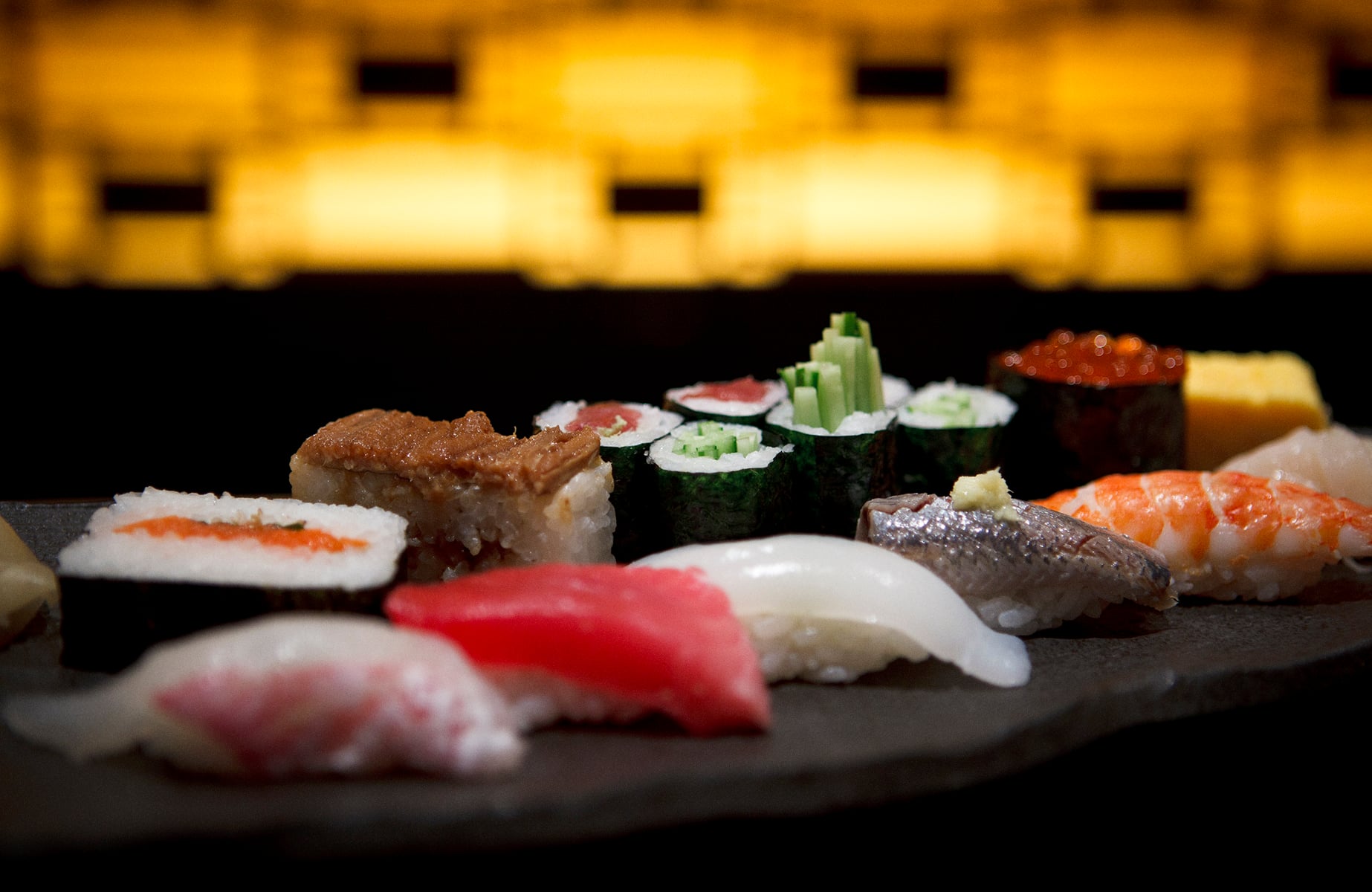
Sashimi consists of sliced seafood, prepared without breading, heavy sauces, or cooking that might mask its texture. This clean seafood flavor complements the firm texture of the fish. When evaluating food quality, don’t rely solely on the phrase ‘sushi-grade’ as a proof of quality because it is not an officially standardized U.S. grading designation.
Seared Sea Scallops
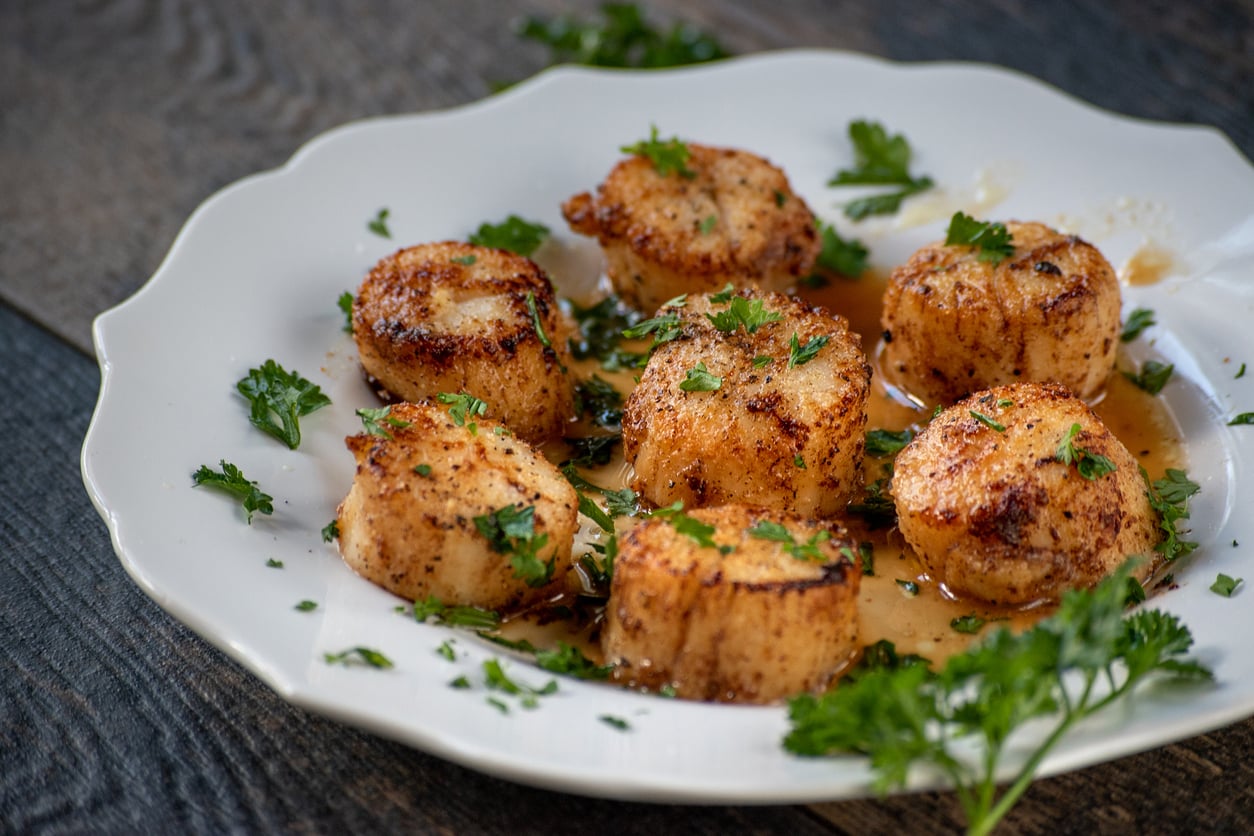
Another dish to examine for signs of poor food quality is seared sea scallops. When prepared correctly, scallops should have natural sweetness and a delicate texture, with a browned exterior while remaining tender on the inside. Excess moisture or an unusually dry appearance may indicate handling or preparation problems.
Caprese Salad
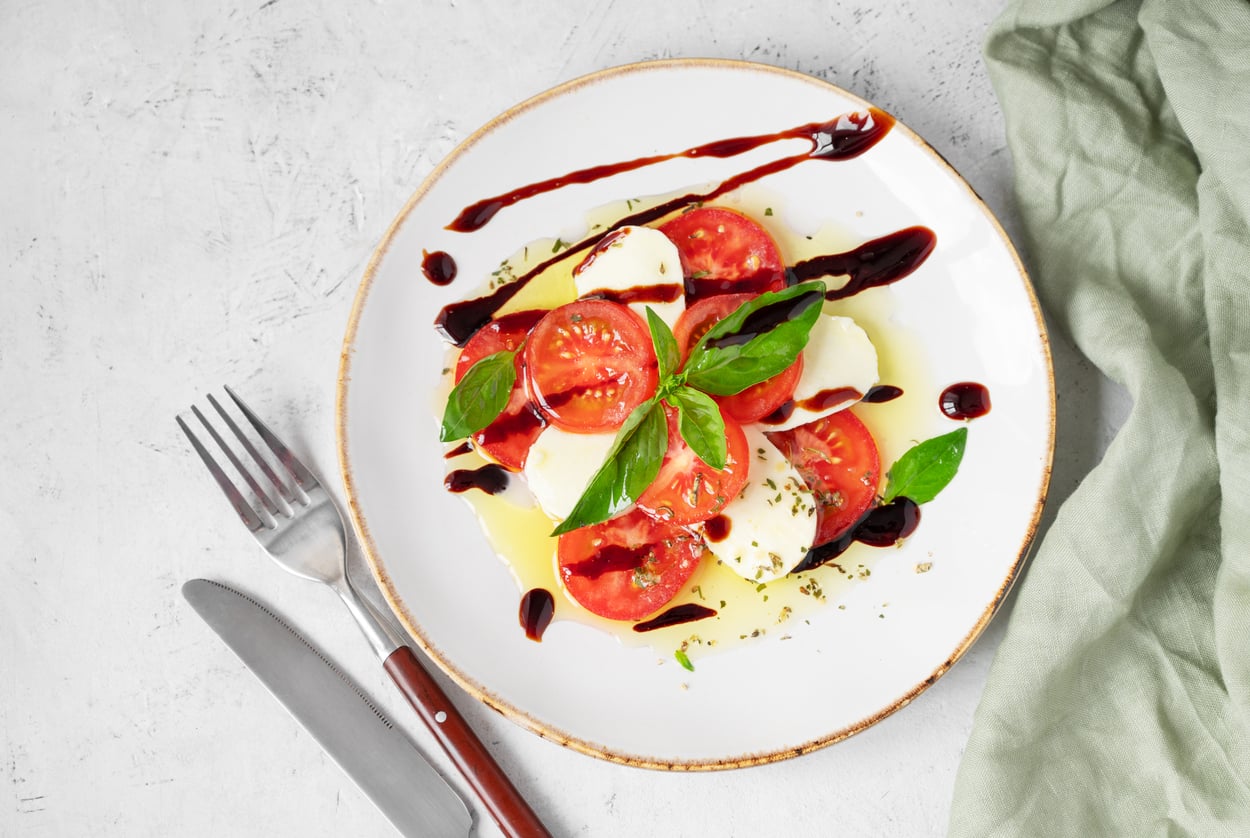
A Caprese salad should feature fresh tomatoes, mozzarella, basil, olive oil, and salt. The flavor of the dish should come from the tomatoes, basil, and creamy mozzarella, so it shouldn’t require much dressing. To preserve food quality, Serious Eats recommends selecting high-quality, in-season ingredients rather than relying on elaborate additions.
Trending on Cheapism


Cacio e Pepe
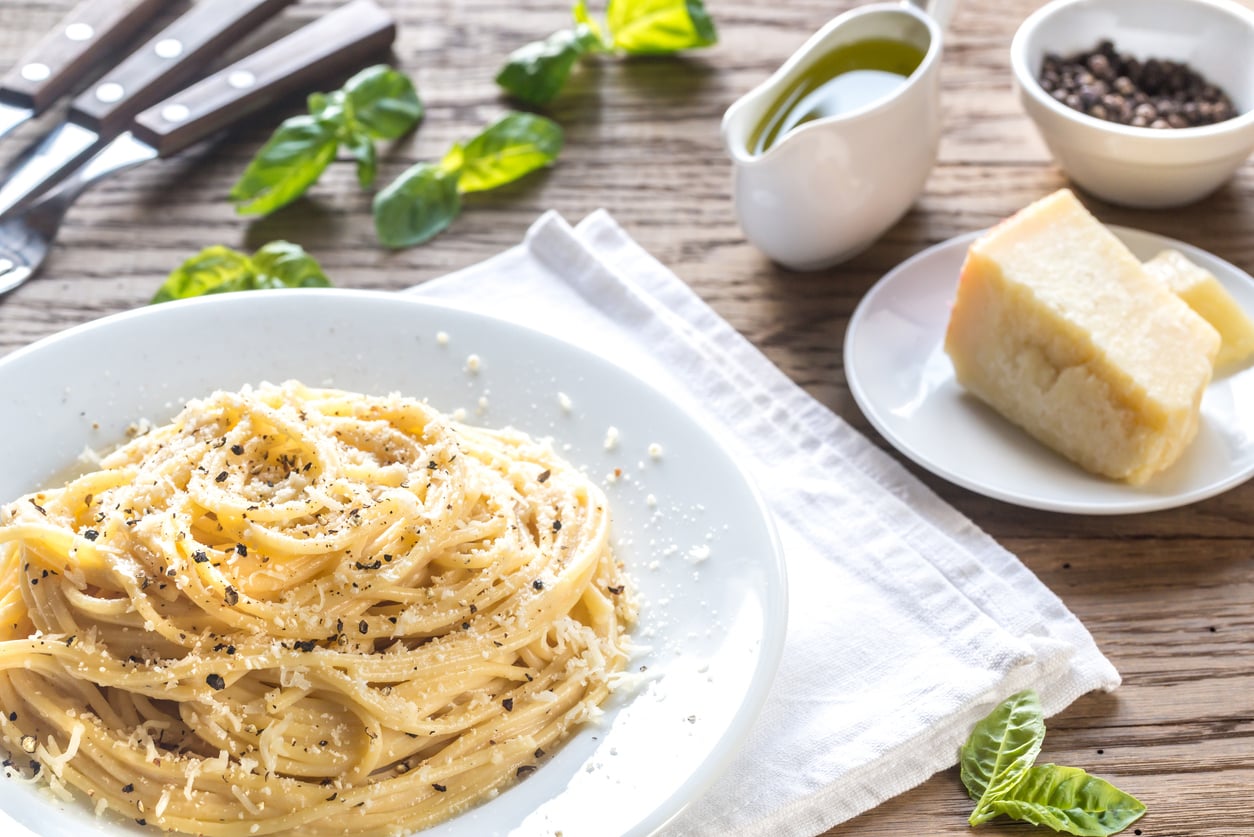
Cacio e Pepe is a classic Roman pasta dish centered on Pecorino Romano, black pepper, and a silky sauce that requires careful preparation. The sauce in this dish should be smooth, without separating into an oily puddle or forming large clumps of cheese. Good food quality depends on both the ingredients and the cooking technique, as even excellent cheese and pepper cannot compensate for a sauce that fails to emulsify properly.
A Simply Grilled Steak
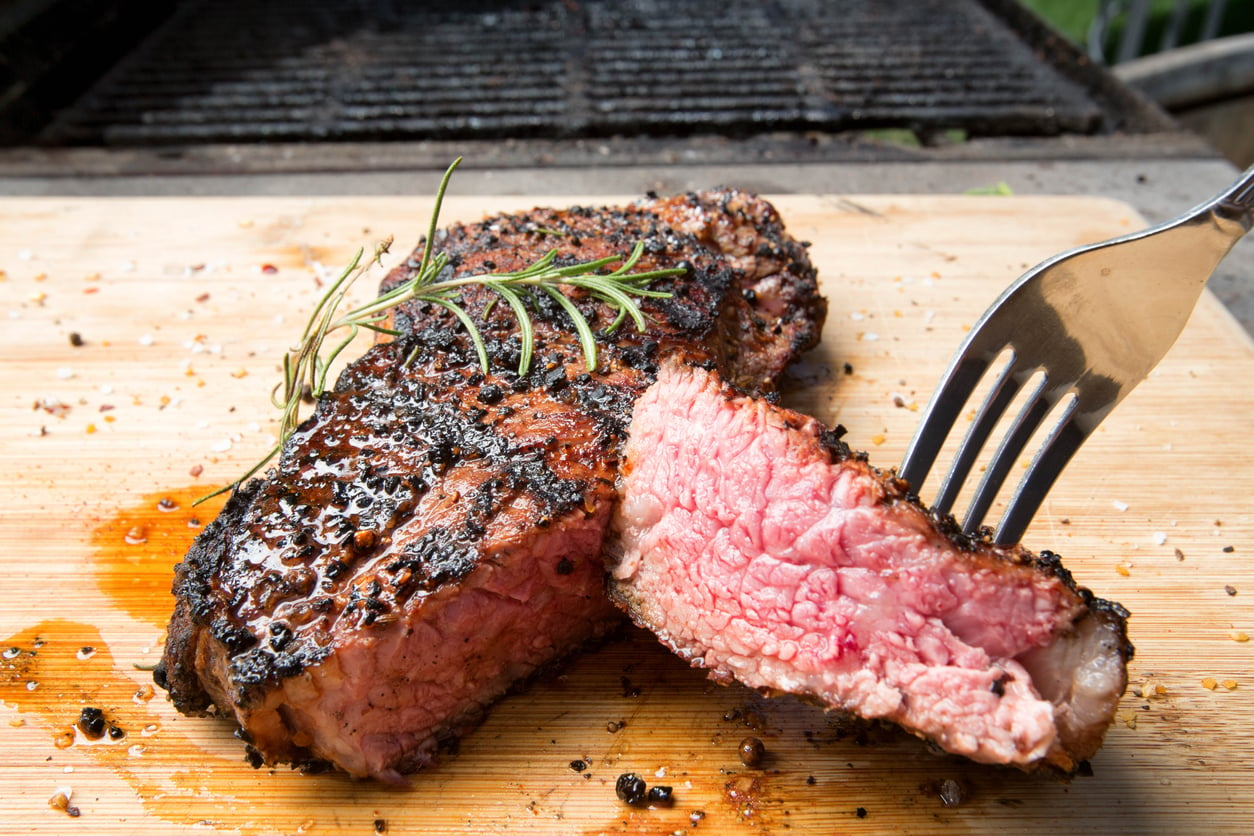
A well-prepared grilled steak should be seasoned only with salt, pepper, and a bit of butter. The dish should highlight the flavor of the beef, featuring a browned exterior and a texture appropriate for the specific cut ordered. It is not a dish that should be served with heavy sauces. Choosing USDA Prime or high-quality Choice beef can support excellent food quality, but proper storage and cooking are also essential.
Traditional Lobster Rolls
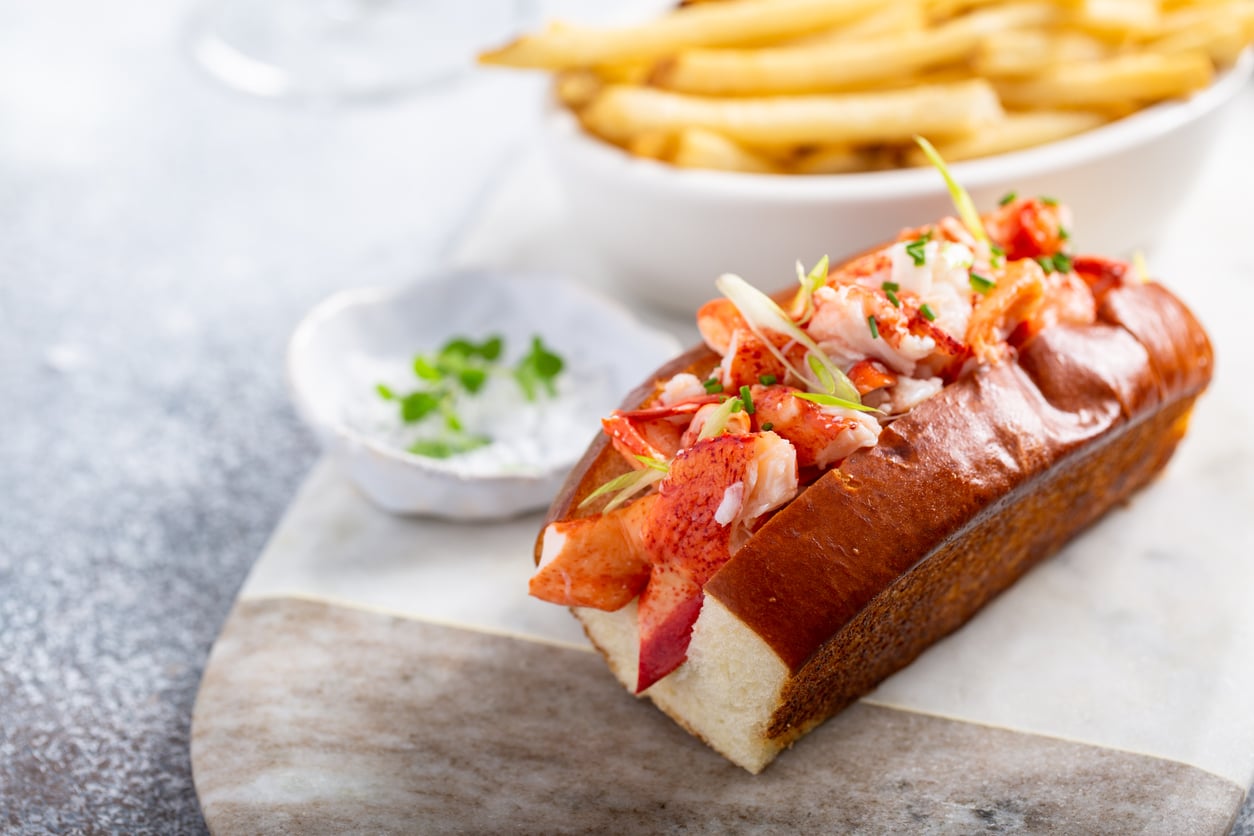
To identify a high-quality lobster roll, you should be able to see distinct pieces of lobster rather than an indistinct mixture of seafood. The sweet flavor of the lobster should stand out, complemented by butter, or a subtle dressing, and a soft bun. To assess food quality, ask how the lobster roll was prepared. A generous filling does not guarantee quality of the lobster is poorly prepared.
Sign up for our newsletter
Margherita Pizza
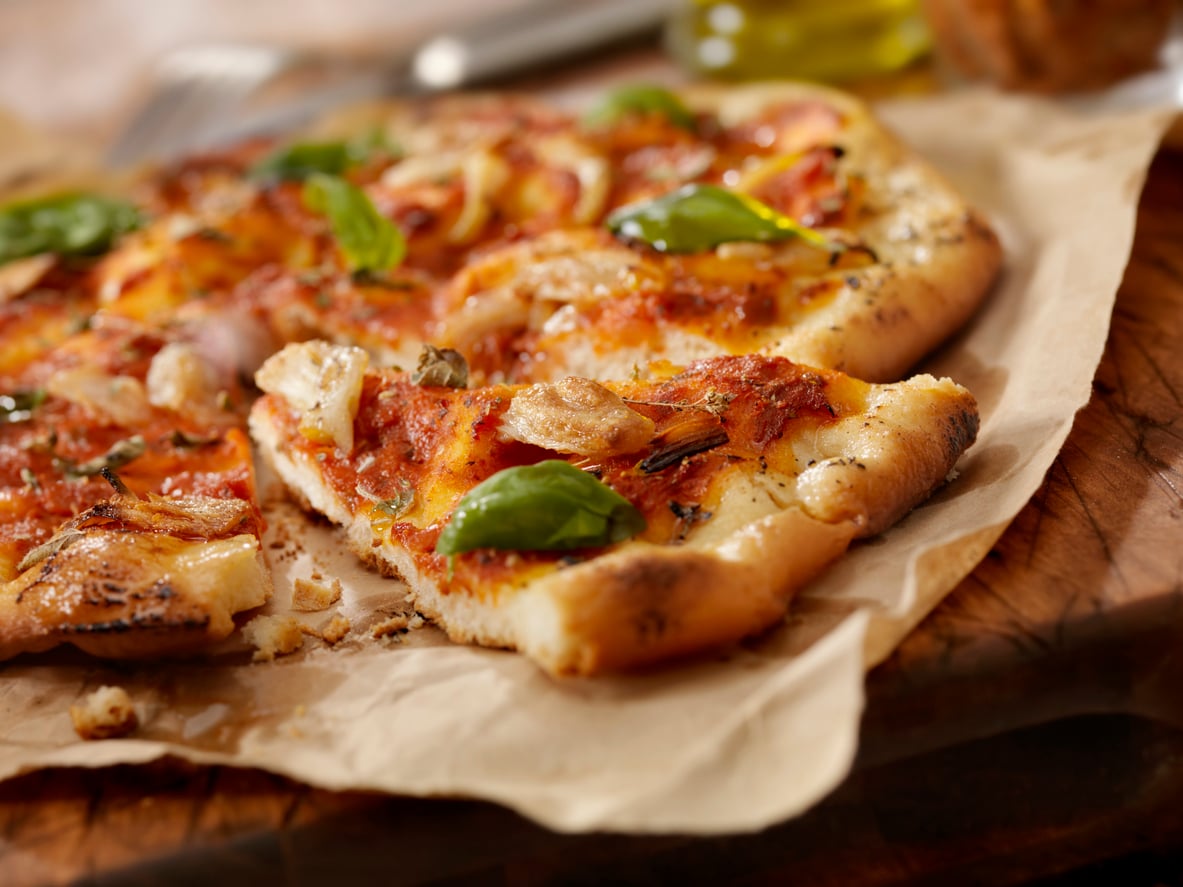
A Margherita pizza relies on ingredients such as dough, tomato, mozzarella, basil, and olive oil. The balance between components like cheese, tomatoes, and crust is crucial to its preparation. Good food quality is evident in a flavorful crust and a balanced combination of sauce and cheese, with toppings that overwhelm the pizza. And if the center of the pizza appears overly wet, it could be due to an excess of moisture or poor preparation.
Butter Croissants
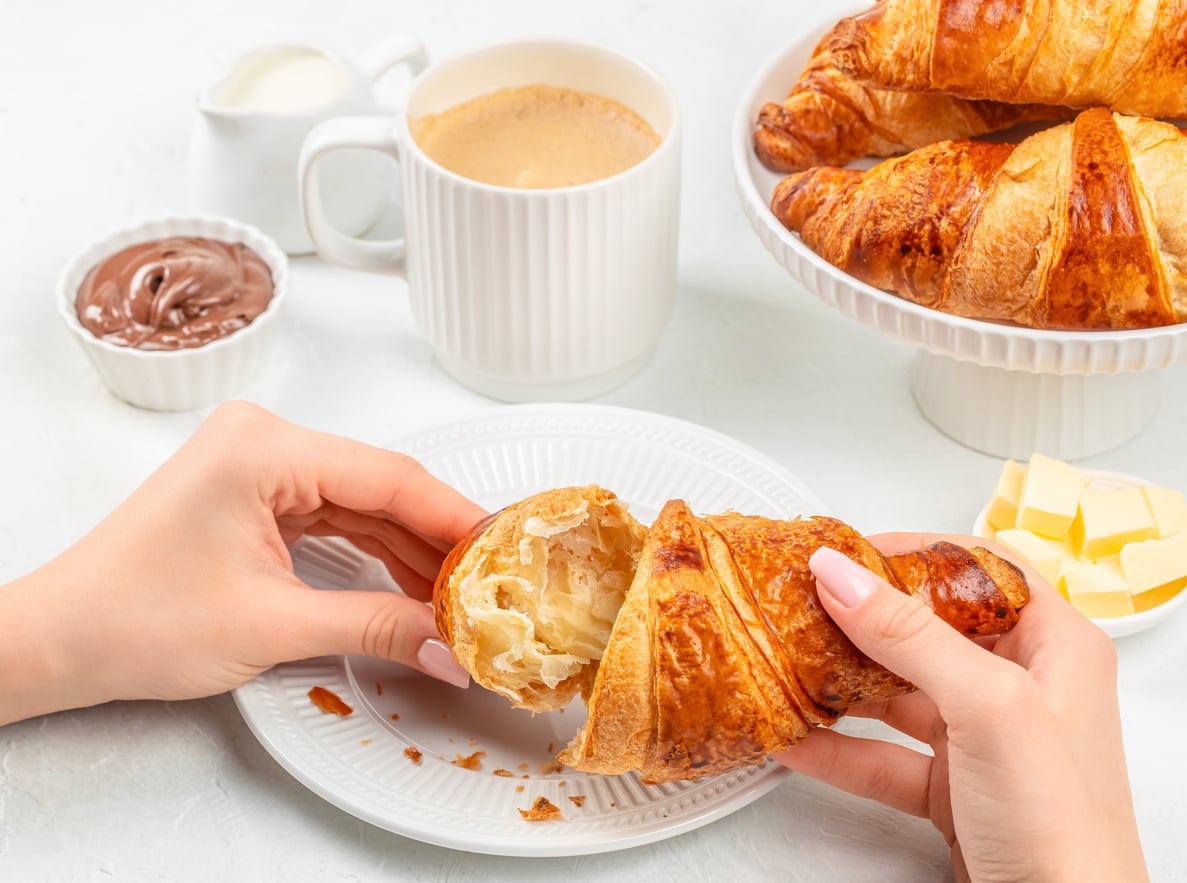
A croissant with a flaky exterior, delicate interior, and pronounced buttery flavor is often a sign of good preparation and food quality. If the texture is dense and bread-like, it is an indication of issues with lamination, proofing, or baking. King Arthur Baking explains that laminated pastry achieves its flaky structure through alternating layers of dough and butter.
Sole Meunière
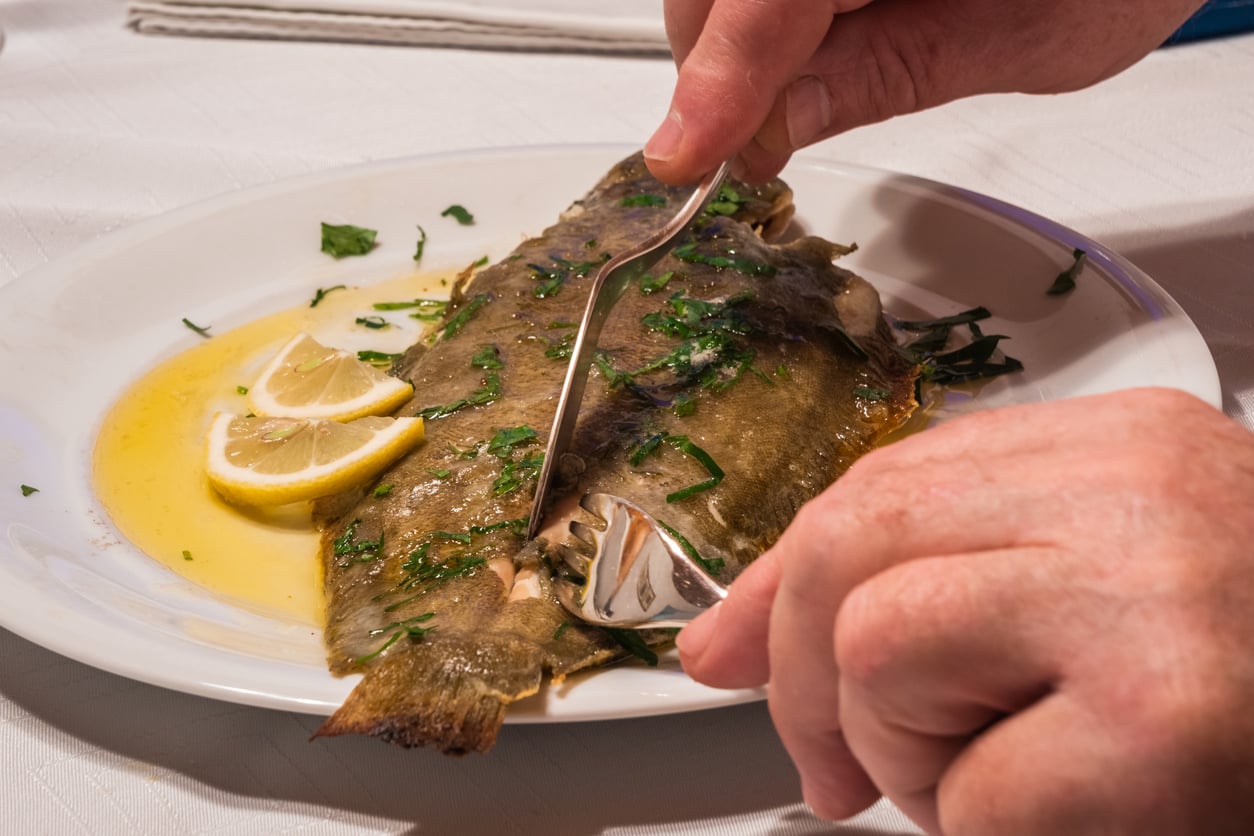
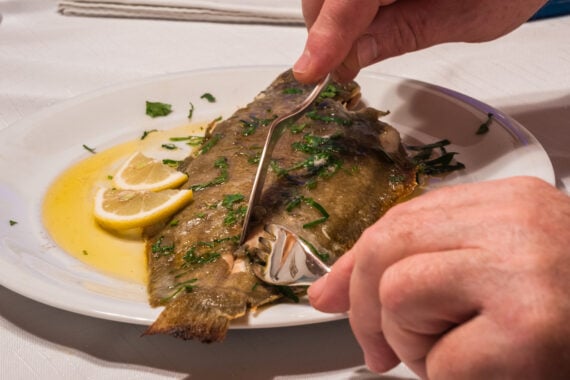
The classic French fish dish, Sole Meunière, is prepared with flour, butter, lemon, and parsley. The flavors of the fish and butter are very prominent in this dish, owing to its simple preparation. The fish should appear delicate and moist, with a lightly browned exterior. If you find the dish greasy or overwhelmingly acidic, it may indicate problems with the preparation or balance of flavors.
Plain Vanilla Ice Cream
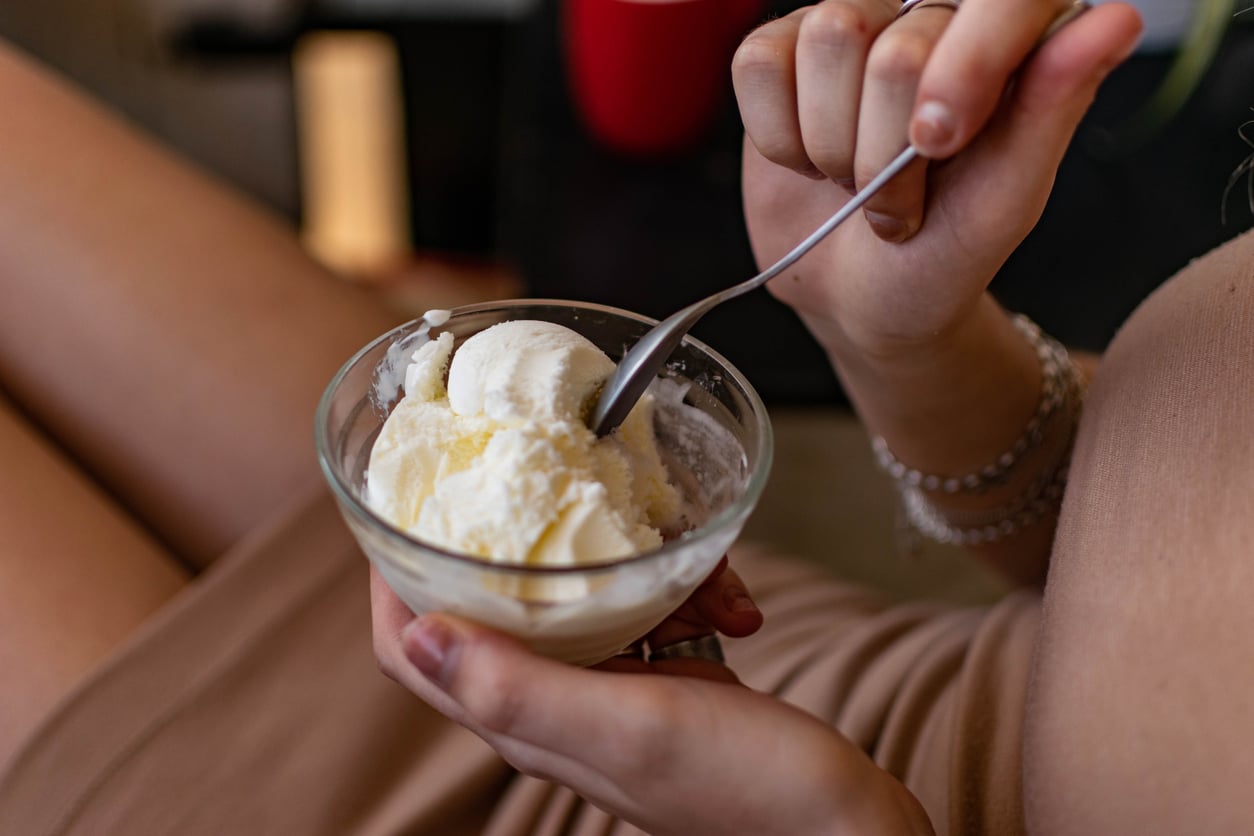
The dairy base and vanilla extract or other vanilla flavoring contribute to vanilla ice cream’s flavor. Its texture can also vary if the preparation process is altered in an undesirable way. A good vanilla ice cream should taste creamy and balanced, with a pleasant vanilla aroma and a smooth texture, rather than being excessively icy or gummy.
Conclusion
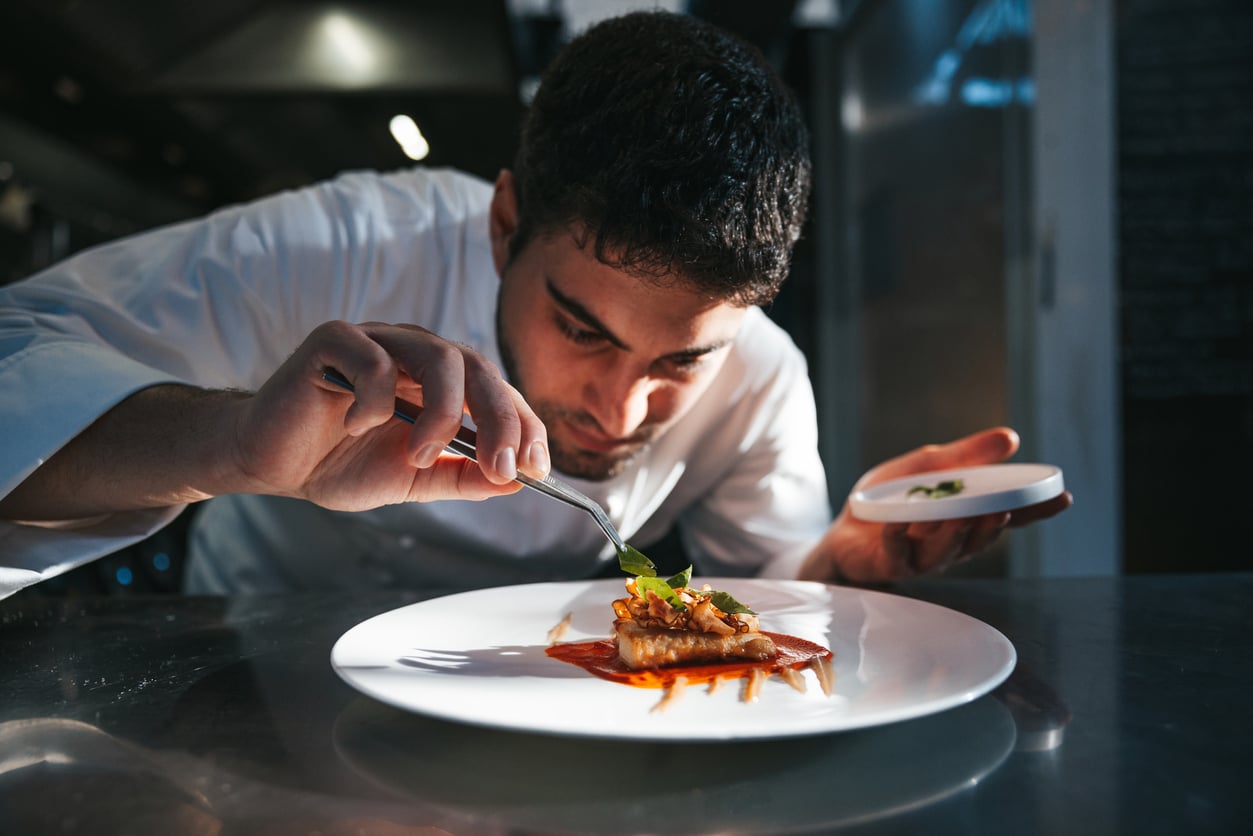
Some of the best restaurants that prepare these dishes focus on simple preparation, allowing the quality of the ingredients to define much of the dining experience. Crab cakes, scallops, and caprese salads are examples where any substitutions or improper preparation, even when using basic ingredients, become immediately apparent. Understanding the quality of each ingredient and its role in the kitchen is far more important than simply using expensive ingredients, that do not guarantee a delicious meal.