Restaurants are constantly striving to satisfy their customers’ requests. They evaluate consumer preferences and adjust menu offerings to keep them appealing. We have gathered information on fast-food chains, such as McDonald’s, Taco Bell, and others, that have removed certain menu items only to bring them back later. These fast-food comebacks reveal how brands respond to customer preferences and generate interest in their menus!
Making Customers Want Something More by Taking It Away
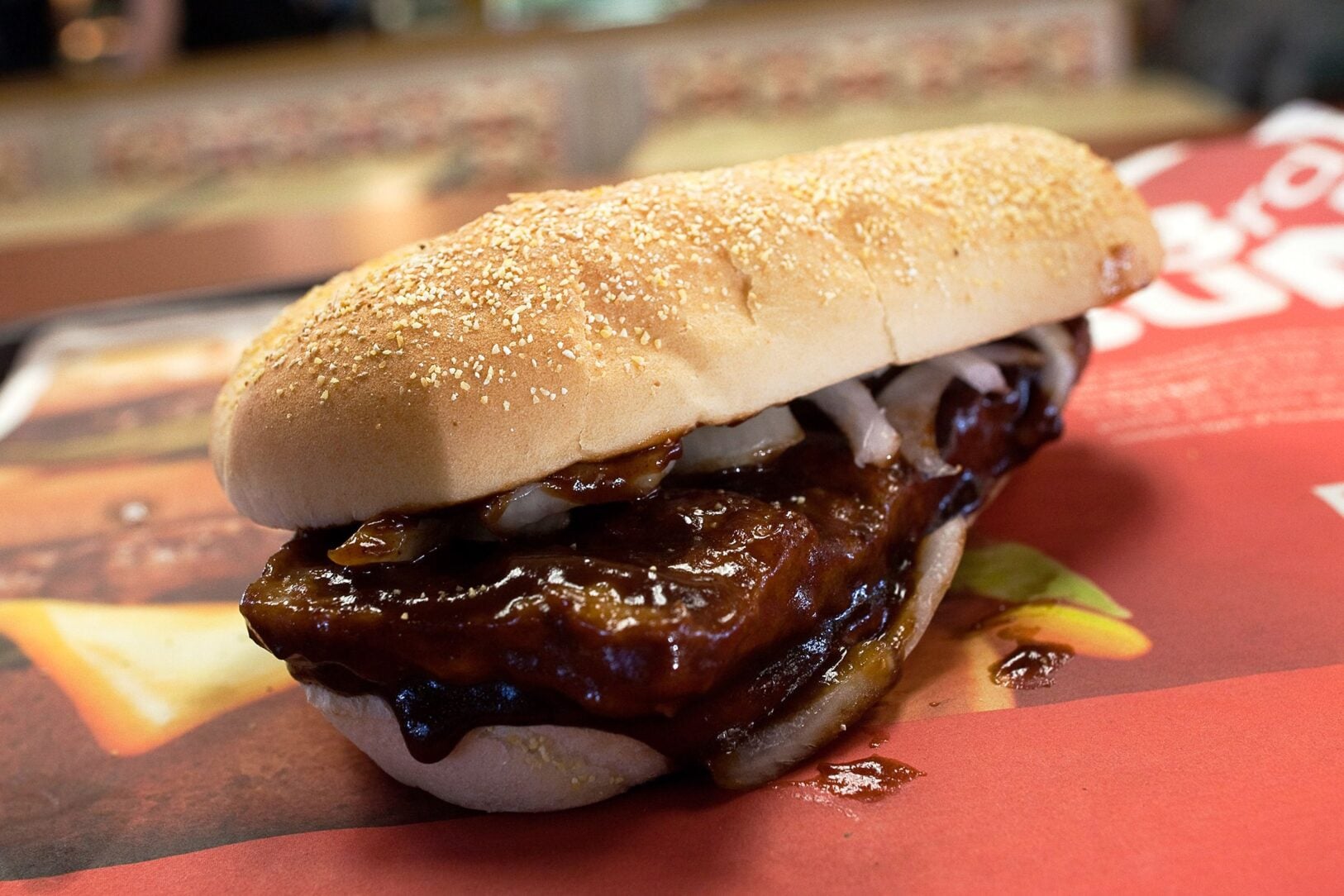
When a fast-food chain introduces limited-time menu items, it creates a sense of urgency among customers, prompting them to order their favorite sandwich or dessert before it disappears once again. A prime example is the McDonald’s McRib, which periodically returns to the menu for a limited time, fueling a heightened desire for what is otherwise just an ordinary barbecue sandwich. These fast-food comebacks help turn ordinary menu items into anticipated events.
Bringing Back Nostalgia Without Inventing Anything New
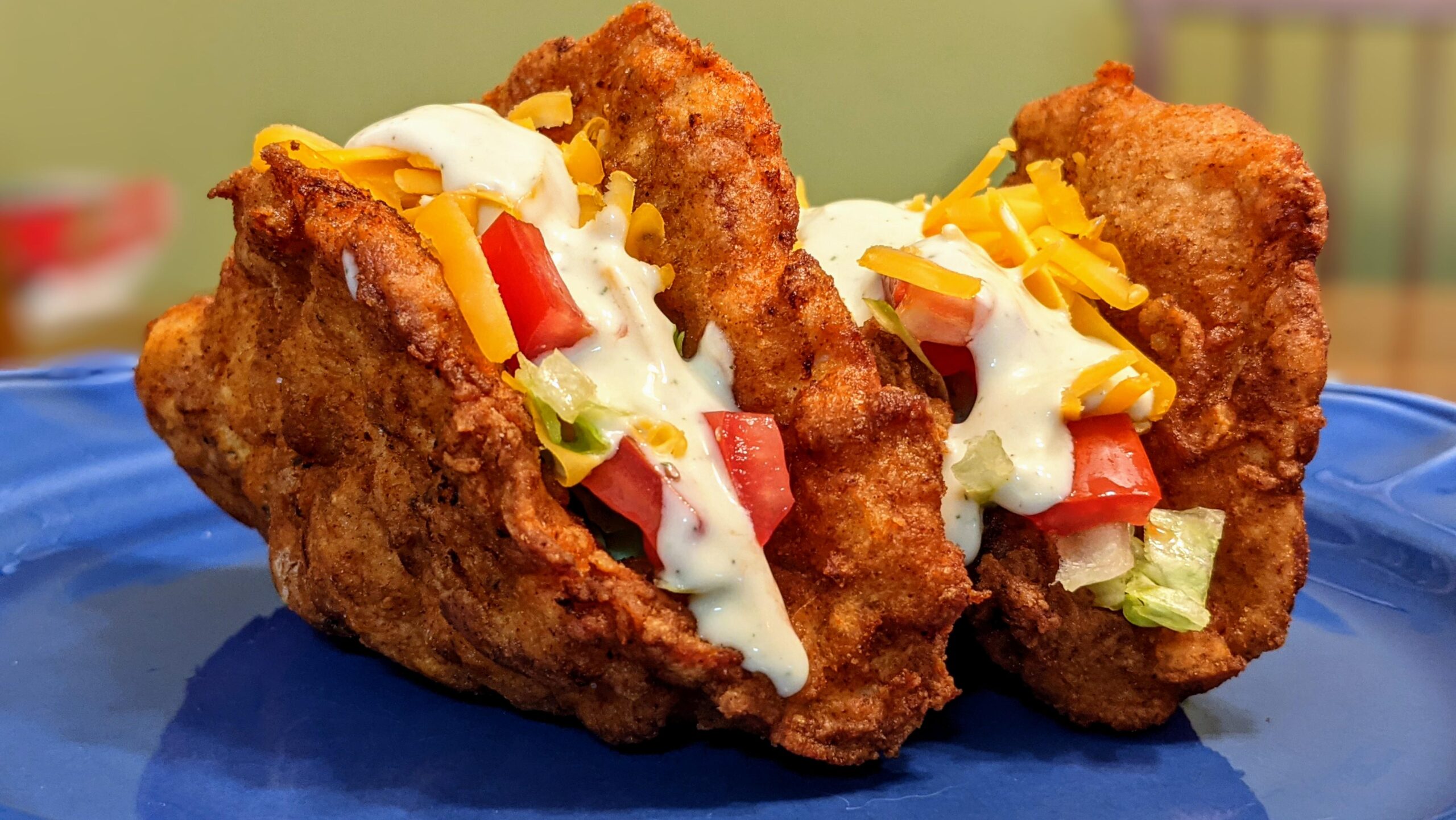
Another reason why fast-food chains remove an item from their menu only to bring it back later is to evoke nostalgia for a particular dish, without having to invent something new. Customers often associate discontinued food items with their childhood, linking them to memories from that time. These fast-food comebacks can appeal to those emotions. Taco Bell has achieved this with the Naked Chicken Chalupa, a menu item that returned in 2026, having been unavailable since July 2021.
Getting Free Publicity From Customers Begging for a Comeback
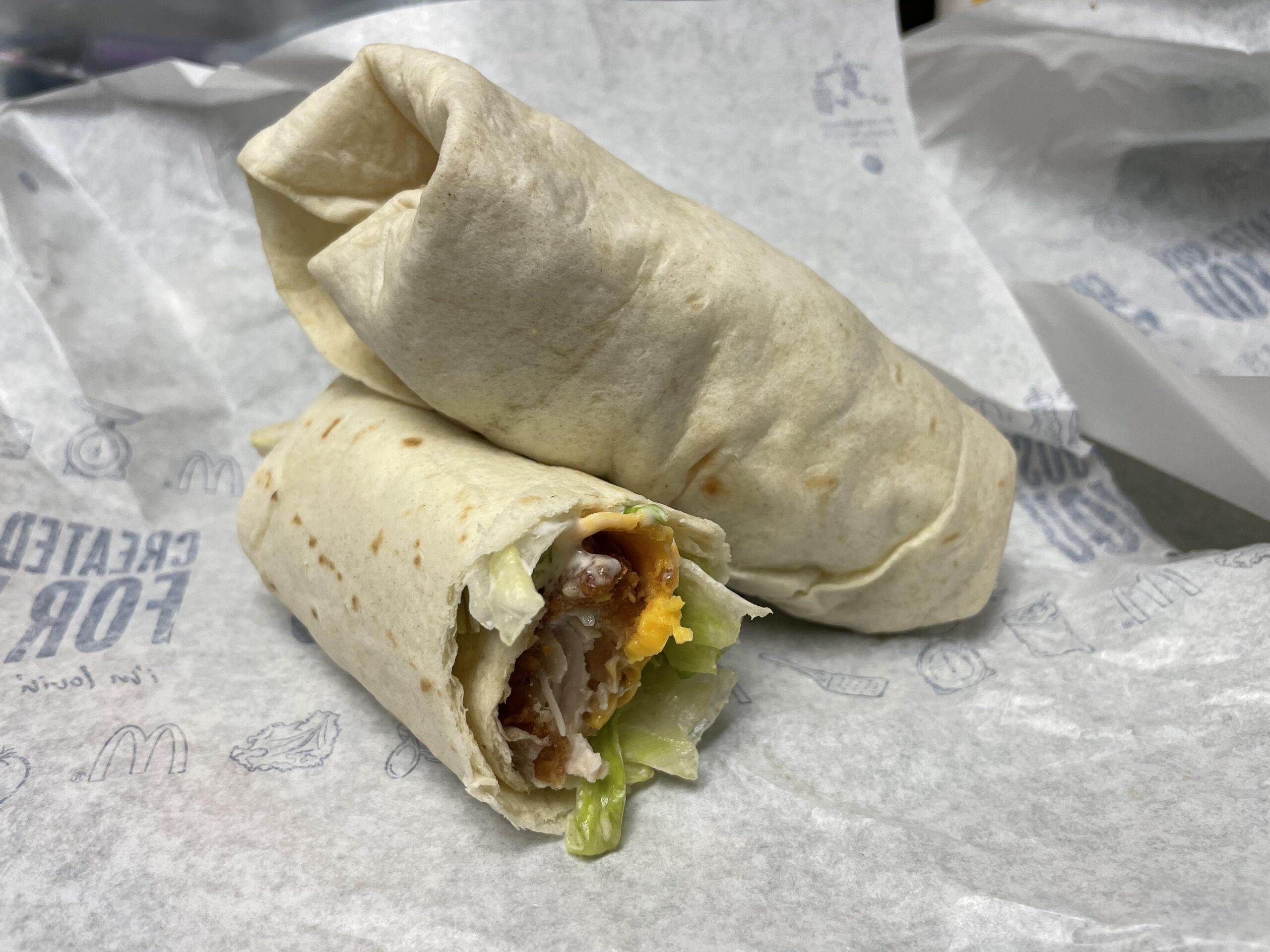
When fast-food chains remove a menu item that is still consumed by customers, even if it has passed its peak in sales, it often leads people to call for its return. Requests, complaints, and social media posts regarding these discontinued items generate free publicity for the company, sometimes for months or even years. Such fast-food comebacks can be driven by customer demand, as illustrated by the McDonald’s Snack Wrap in the United States, which returned in July 2025 following years of customer requests and social media activity.
Using Old Favorites to Boost App Downloads and Loyalty Memberships
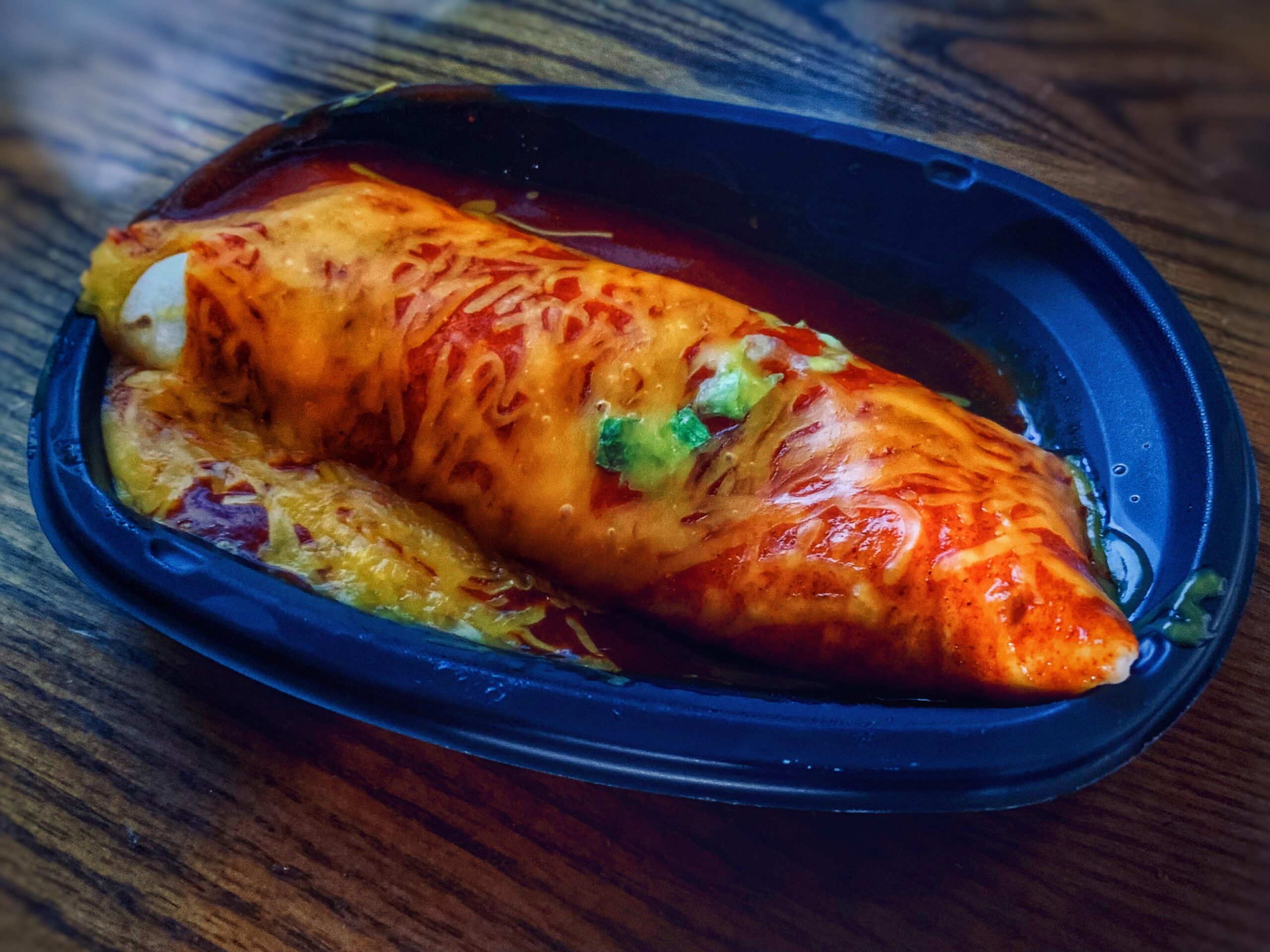
One strategy fast-food chains use encourage customers to engage with a promotional campaign is to feature previously discontinued menu items in loyalty programs or app-based offers. In 2022, Taco Bell allowed loyalty members to vote on whether the Enchirito or the Double Decker Taco should return. These fast-food comebacks can also reward loyalty customers, as the early access Taco Bell customer’s received to the Beefy Crunch Burrito in 2026.
Testing Whether Customers Actually Want Something Back Permanently
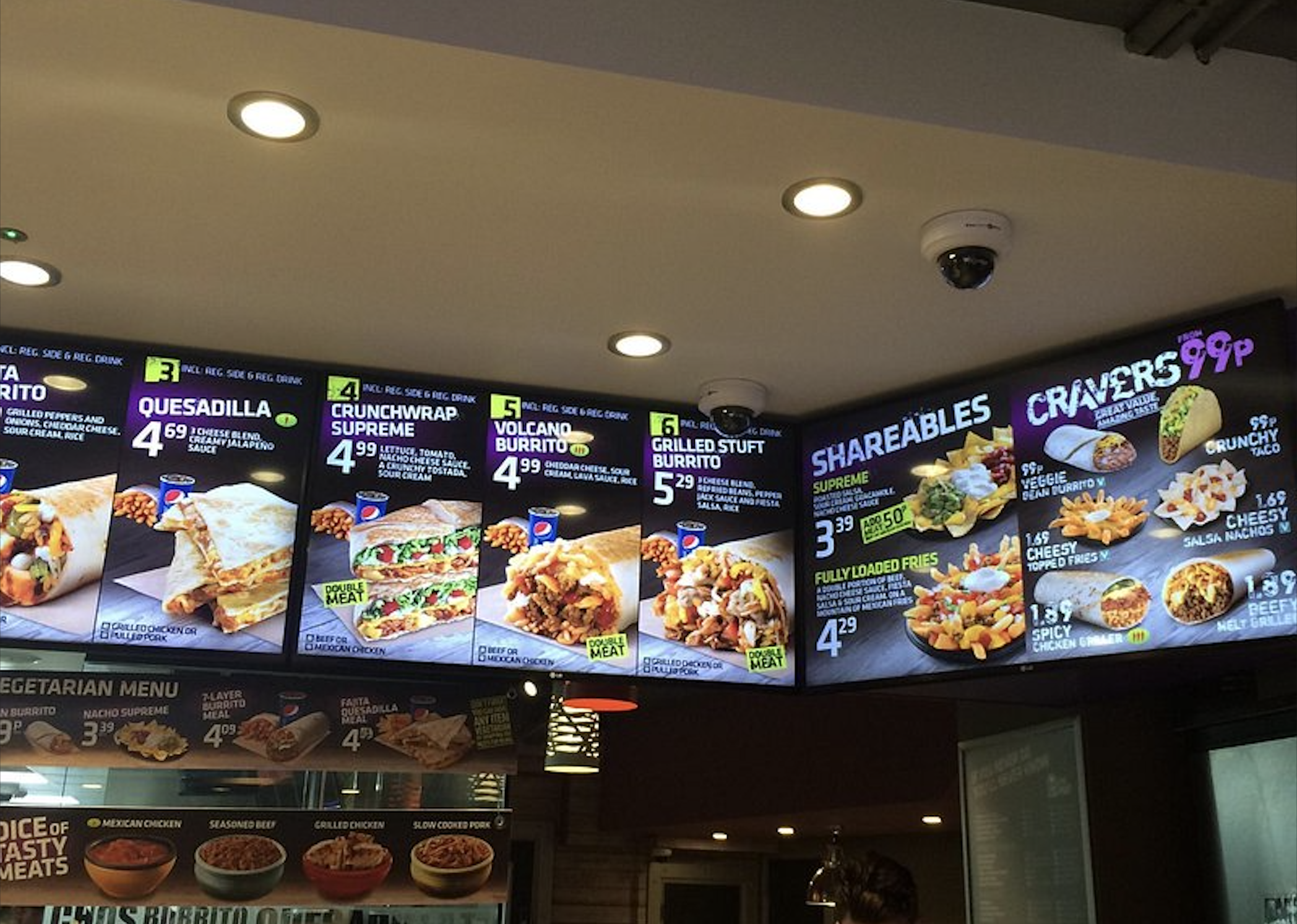
Fast-food chains don’t want to miss out on sales, so they constantly evaluate what their customers want. This is why, when they bring back a meal for a limited time, it gives them the chance to gauge how much their customers truly desire that item, because, at times, the enthusiasm expressed on social media or through petitions doesn’t actually translate into real sales. Taco Bell has orchestrated many such short-term comebacks to satisfy its customers requests.
Trending on Cheapism


Creating an Excuse for Customers to Visit More Often
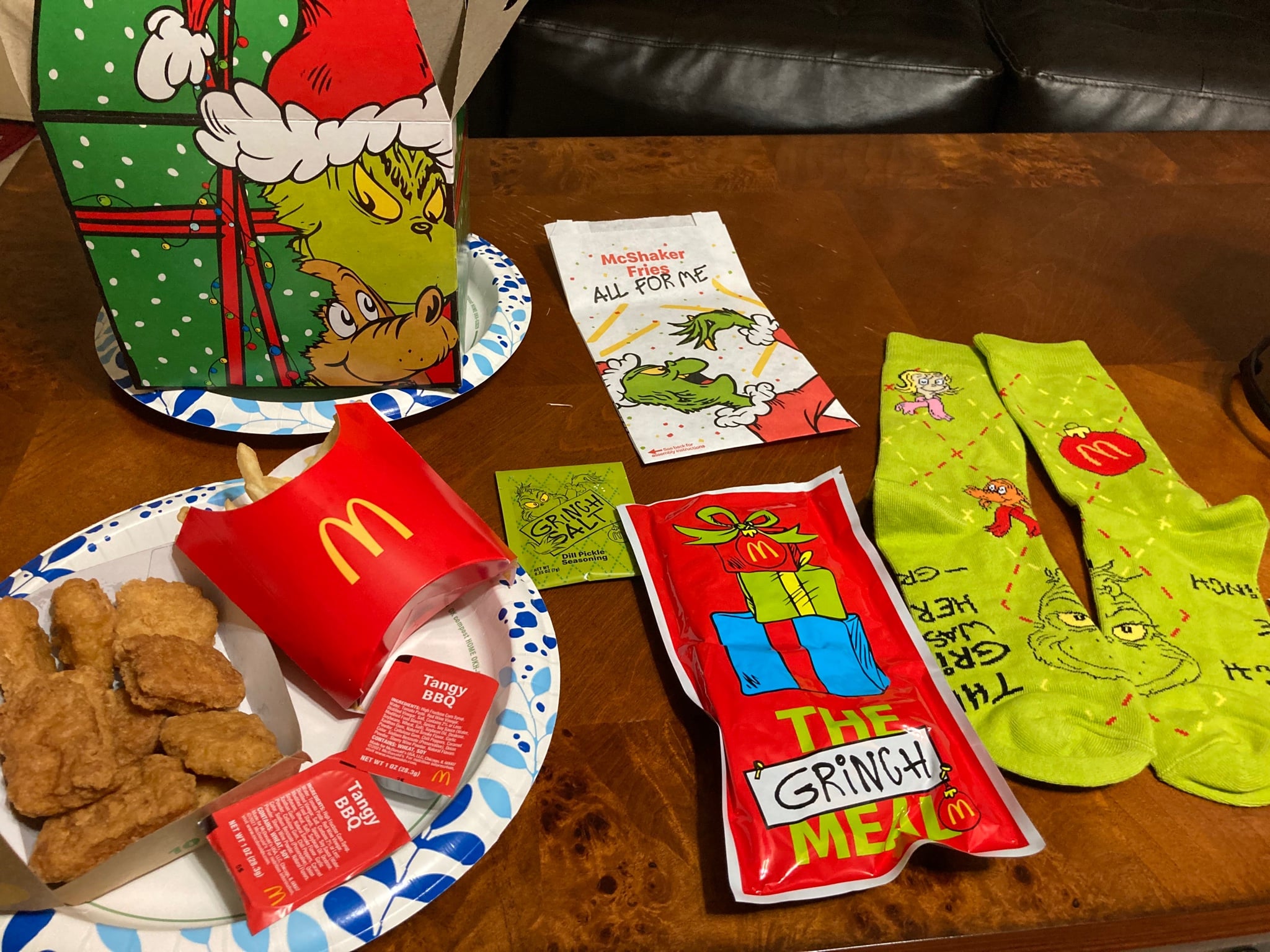
When customers consider what to order at a fast-food restaurant, they typically gravitate toward their favorite dish. Since this habit can lead to fewer reasons to visit more frequently, bringing back a familiar product can create a fresh reason for them to return. These fast-food comebacks can also boost engagement by giving customers something new to anticipate.
Making a Familiar Menu Feel New Again
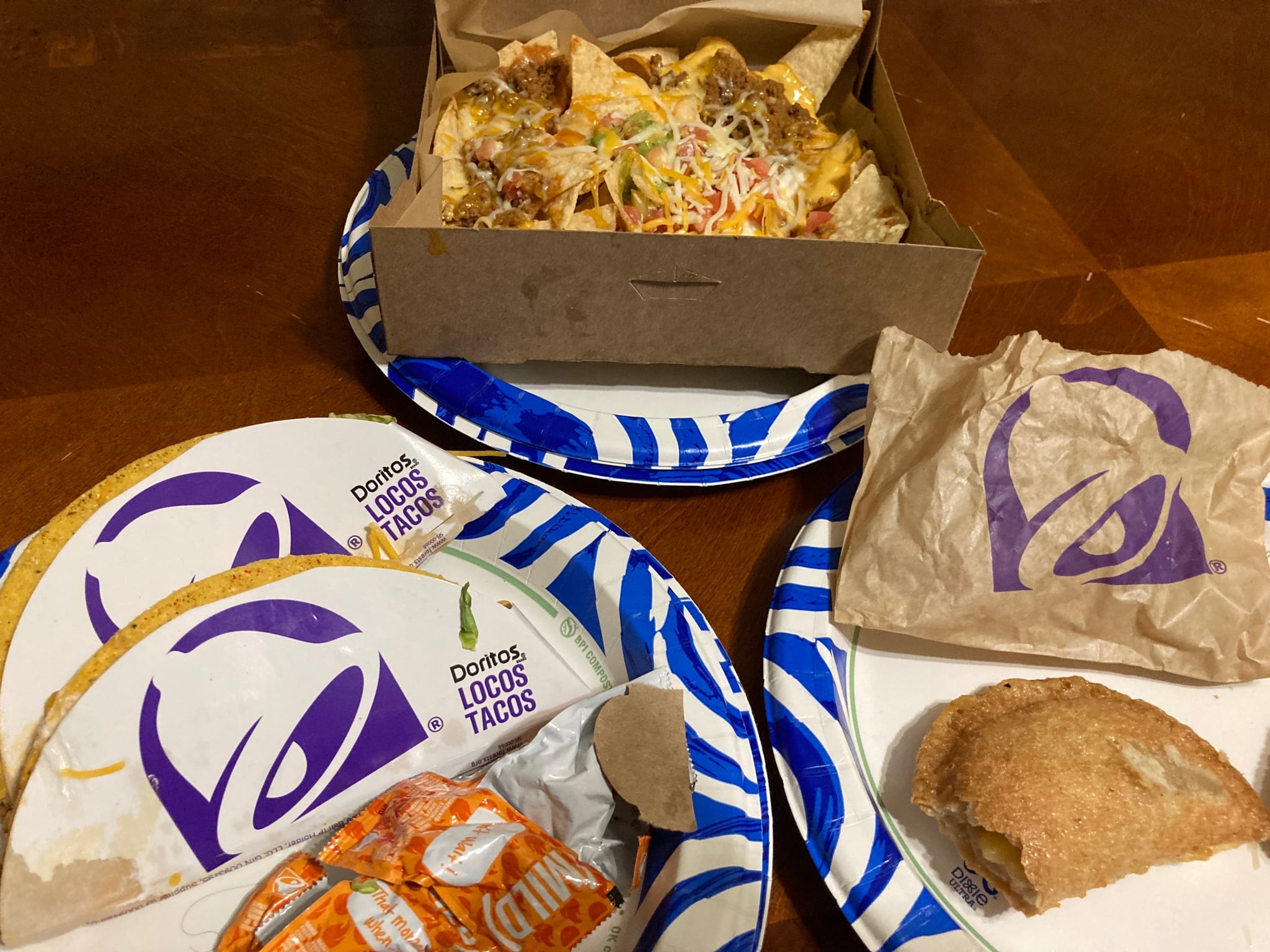
QSR Magazine has explained that limited-time offers can serve as an effective long-term strategy when repeated, helping to drive additional customer visits to restaurant locations. These fast-food comebacks can break the monotony of a standard menu by bringing back familiar products as special promotions. For instance, Taco Bell’s ‘Decades Menu’ has been used to promote products associated with the brand’s past.
Bringing Back Foods Only When Ingredients Make Financial Sense
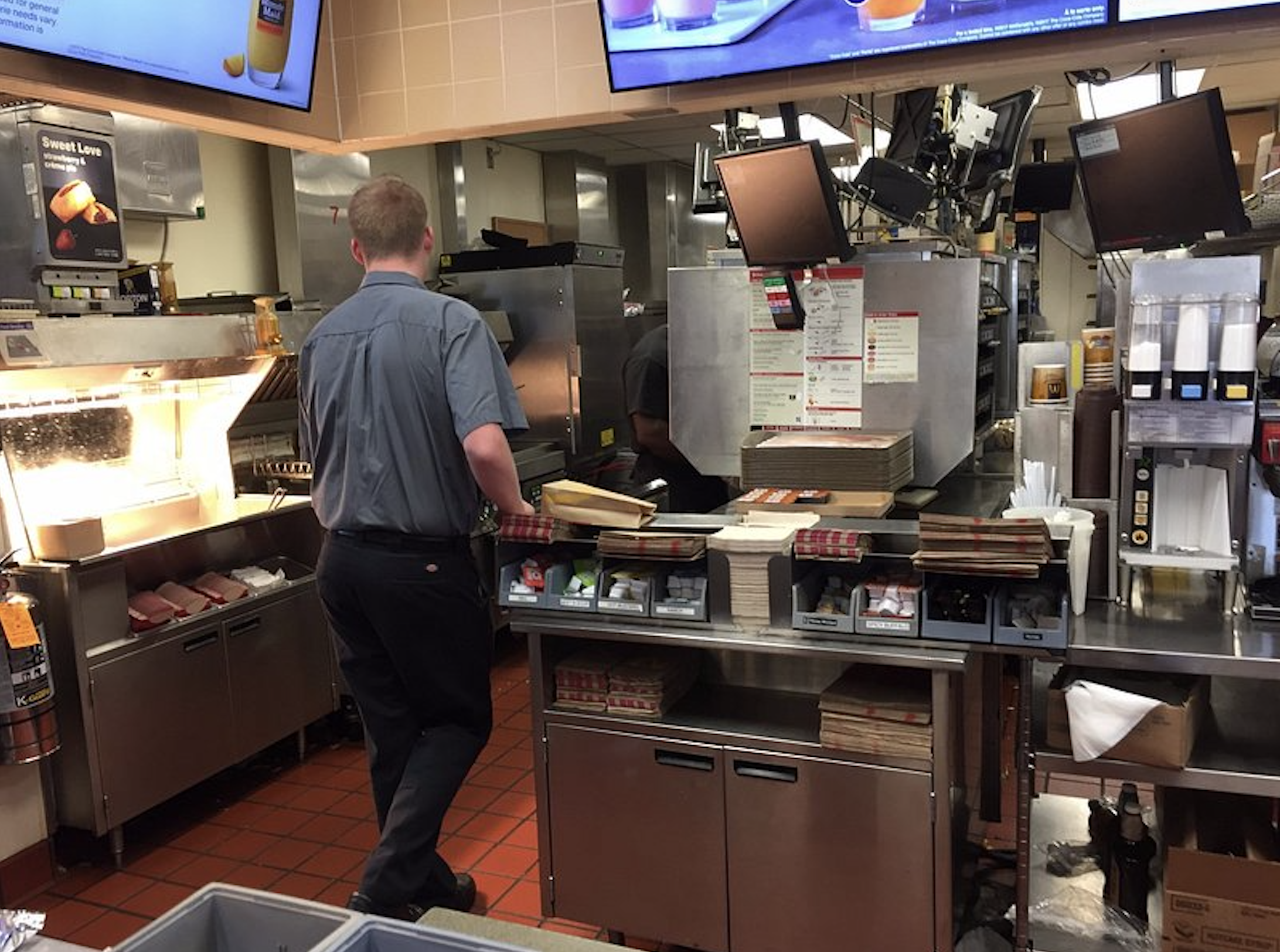
Another way fast-food businesses can streamline their menus and reduce operating costs is to prioritize ingredients that are economically and versatile while avoiding specialty products needed for only one dish. This approach helps businesses plan purchases, reduce the need to stock certain ingredients year-round, and take advantage of favorable prices. Such cost considerations can also influence which products are selected for fast-food comebacks.
Sign up for our newsletter
Keeping Restaurant Kitchens From Getting Too Complicated
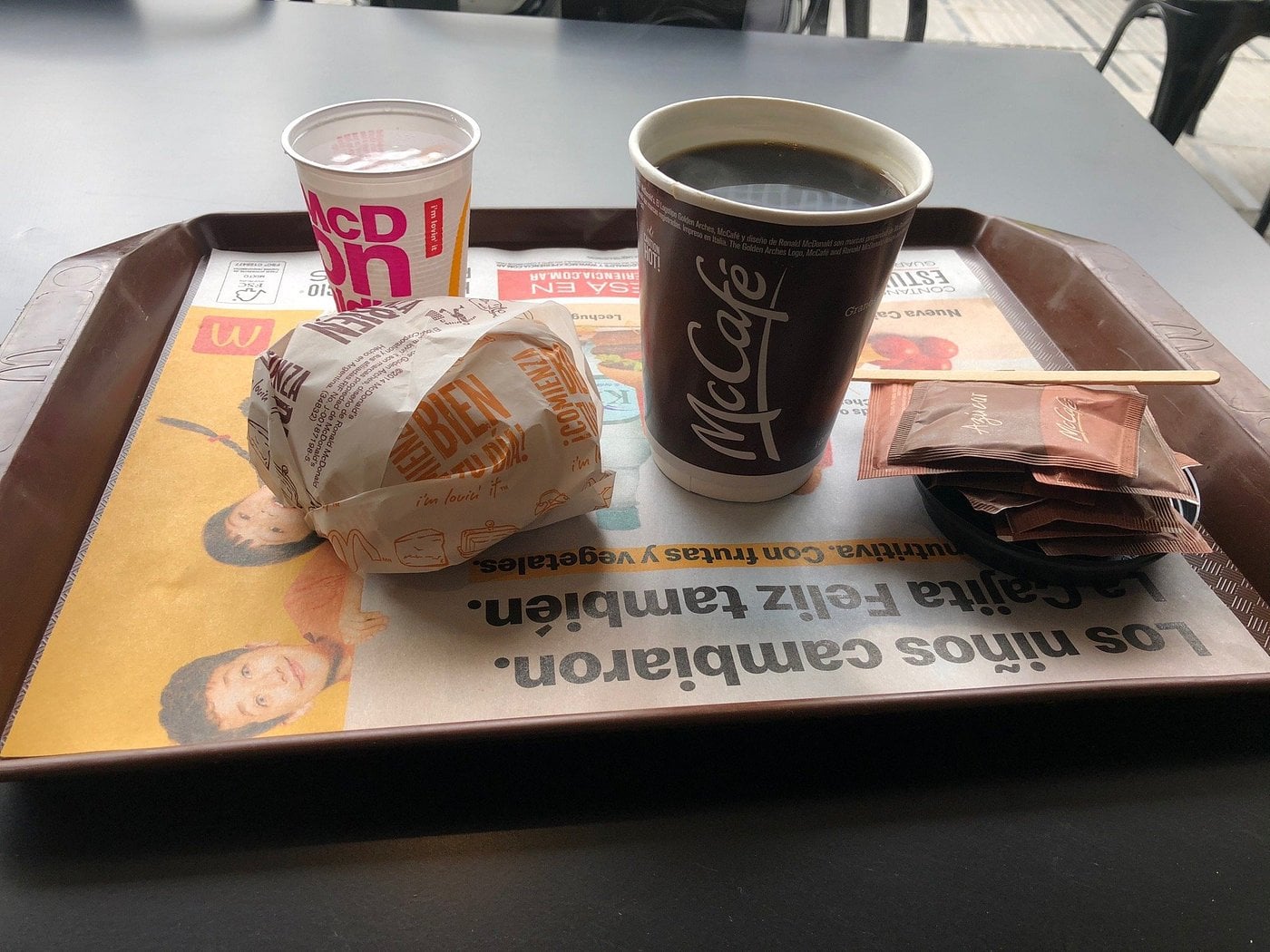
Ingredients require storage space and staff who know how to handle and reorder them when they run out. Removing lower-volume products simplifies kitchen operations. Fast-food comebacks allow a chain to reintroduce a menu item as a promotional offering without committing to keeping it available indefinitely, although the necessary ingredients and preparation processes must still be managed.
Getting Customers to Spend More Than They Normally Would
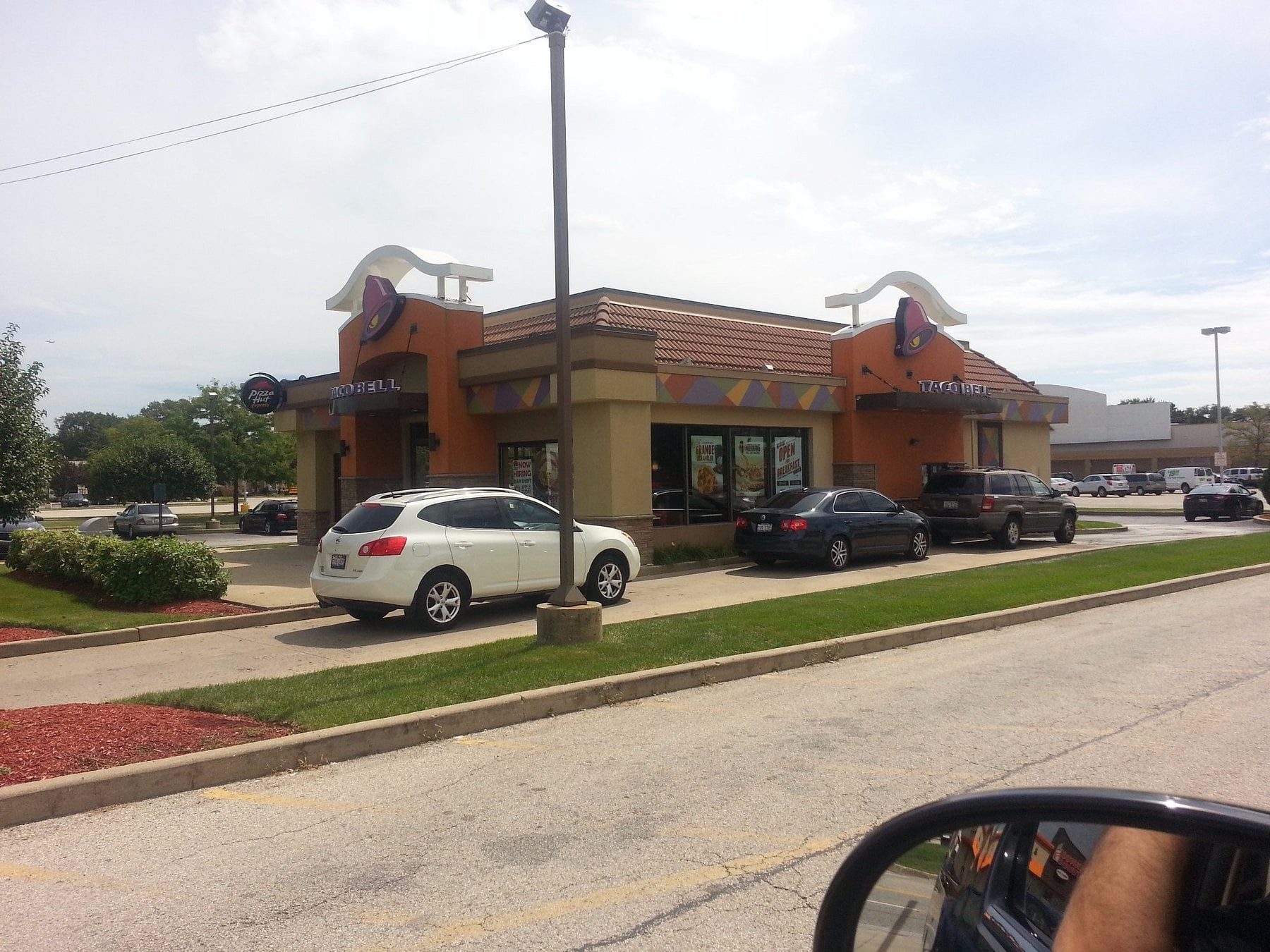
When fast-food chains decide to bring a meal back to the menu, it can prompt customers to increase their order size, add another menu item, or return to the restaurant specifically for the meal. This level of appeal isn’t just about the price or the promoted food itself. Fast-food comebacks can also tap into the desire created by a meal’s temporary absence and the realization that it might disappear again.
Turning Seasonal Products Into Annual Traditions
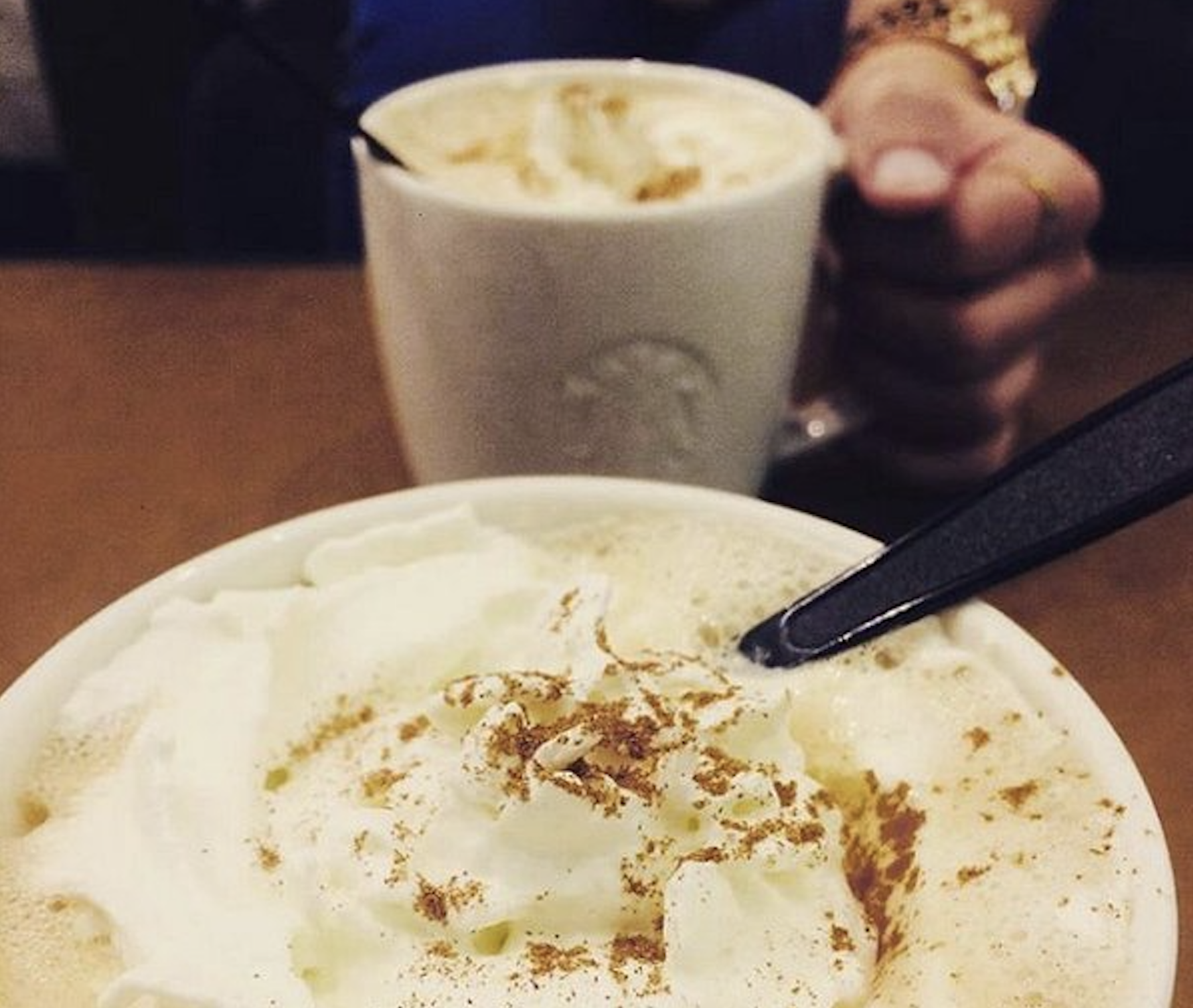
Fast-food executives may decide to turn a meal item into an annual tradition, encouraging customers to associate it with a specific time of year. Removing it after a few weeks can sustain anticipation until it returns. These fast-food comebacks are exemplified by McDonald’s Shamrock Shake and Starbucks’ Pumpkin Spice Latte, a seasonal drink that has appeared as early as August in some years.
Letting Customers Feel Like They Convinced the Company
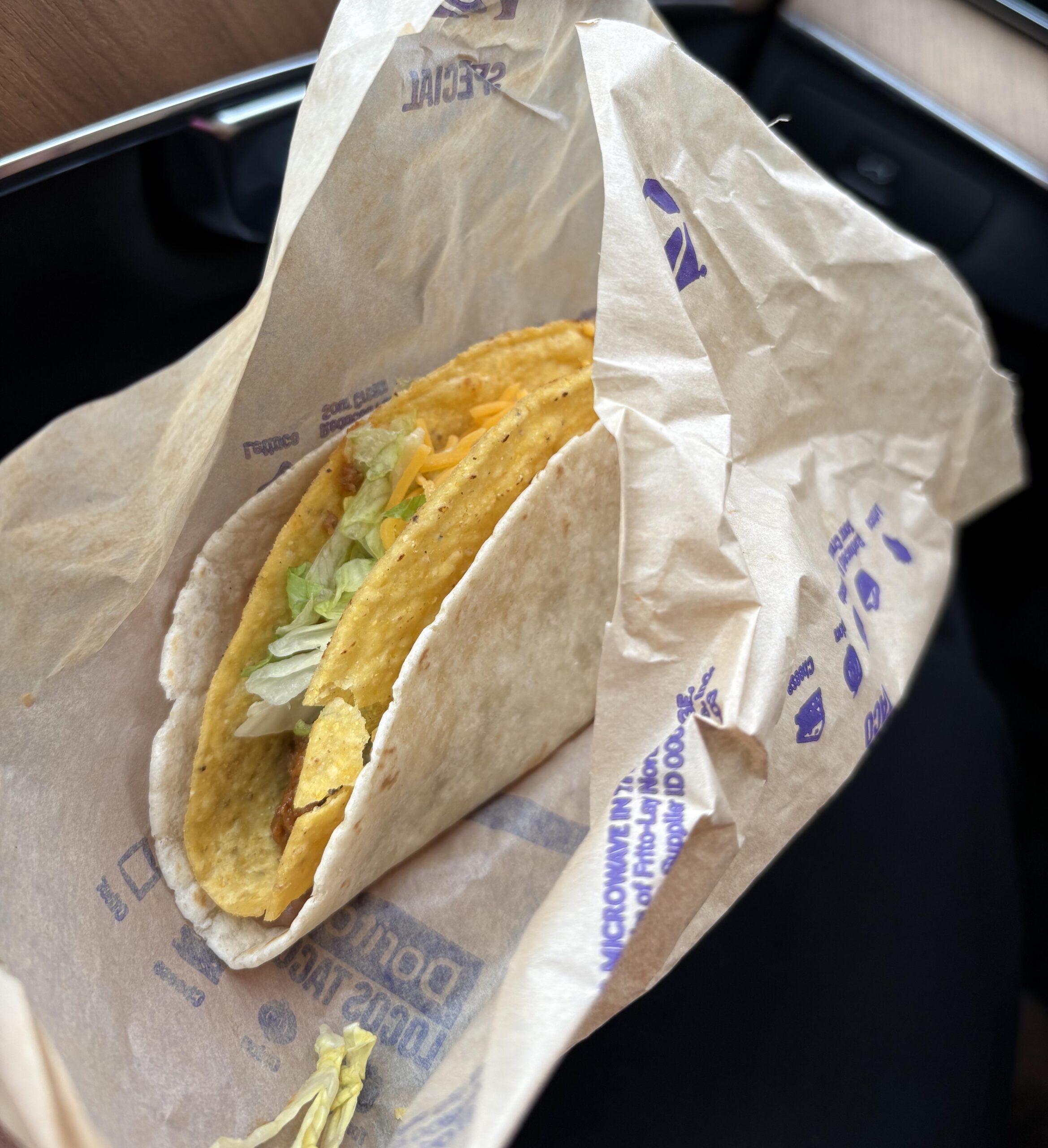
When fast-food chains decide to involve customers in a campaign to vote for discontinued food items to be brought back to the menu, they foster a sense of participation. By bringing back the item that receives the most votes, the brand strengthens its relationship with its fans. These fast-food comebacks give customers a voice in menu decisions. Taco Bell did this, as previously mentioned, with the vote between the Enchirito and the Double Decker Taco.
Conclusion
For all these reasons, fast-food favorites are not always removed from the menu due to a lack of customer demand. In fact, removing a meal from the menu at the right time can be far more valuable to a company, as it allows for the possibility of bringing it back later. Limited-time comebacks generate significant publicity and encourage customers to return to the fast-food establishment time and again. Therefore, a meal’s popularity does not necessarily guarantee its permanent place on the menu.