You can find a burger joint or pizza place almost anywhere in America, but some dining experiences are much harder to come by outside their home regions. From old-fashioned supper clubs to seafood shacks and family-style dining rooms, these restaurants have their own menus, customs, and ways of bringing people together. As Travel Wisconsin’s guide to supper clubs shows, some dining traditions are just as much about the experience as the food itself. These 12 regional restaurant styles offer a glimpse into the local food cultures that make different parts of the country unique.
Wisconsin Supper Clubs – Wisconsin
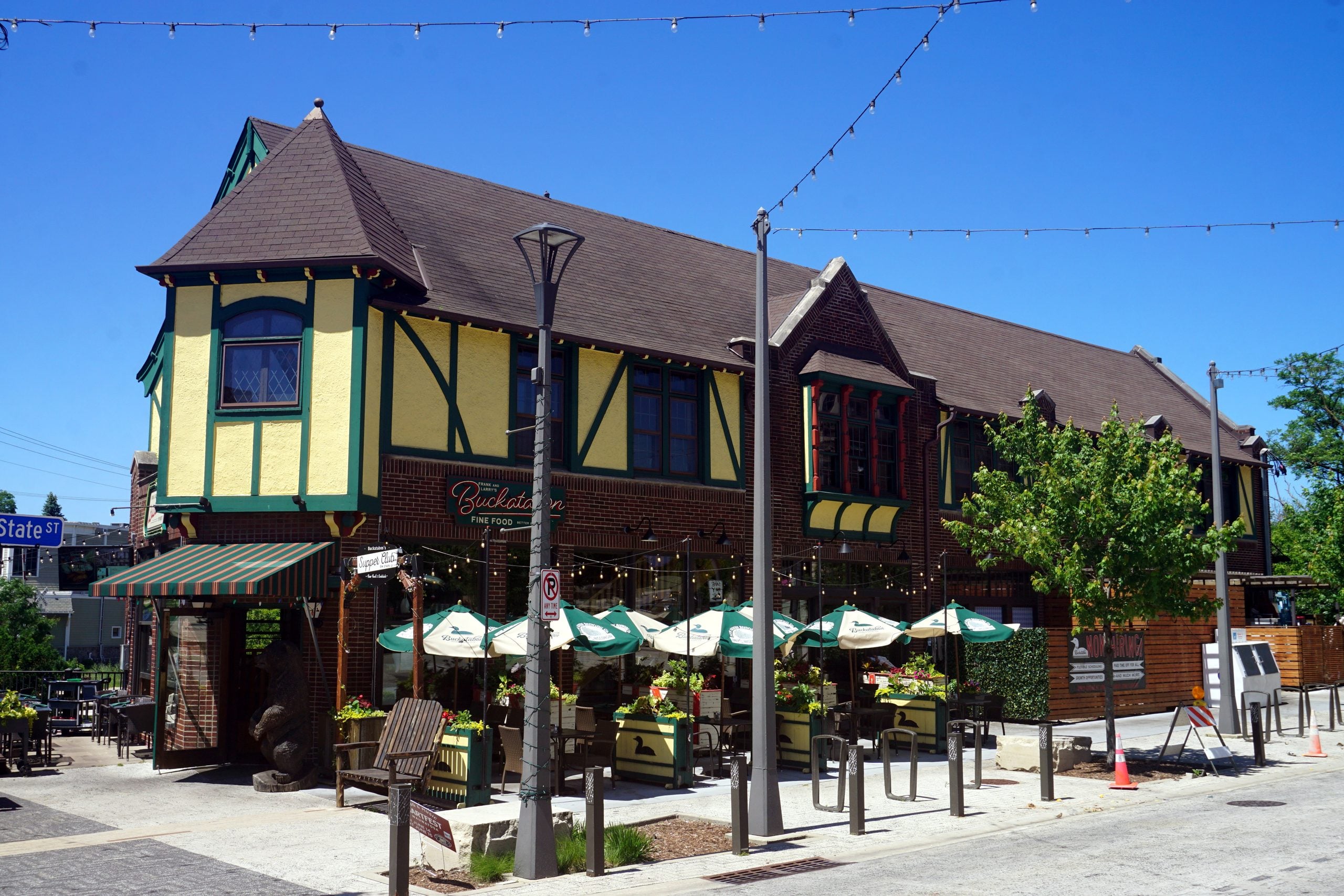
Dinner at a Wisconsin supper club isn’t something you’re supposed to rush. Guests often start with a brandy Old Fashioned at the bar before settling in for prime rib, steak, or a Friday fish fry. Some places still serve complimentary relish trays with pickles, vegetables, and other small bites. The atmosphere tends to be cozy and a little old-fashioned, with regulars returning for the same weekly specials. Places like Schwarz’s Supper Club in St. Anna preserve the tradition. Just don’t expect a particularly quick dinner, especially on busy weekends.
Nashville Meat-and-Three Restaurants – Nashville, Tennessee
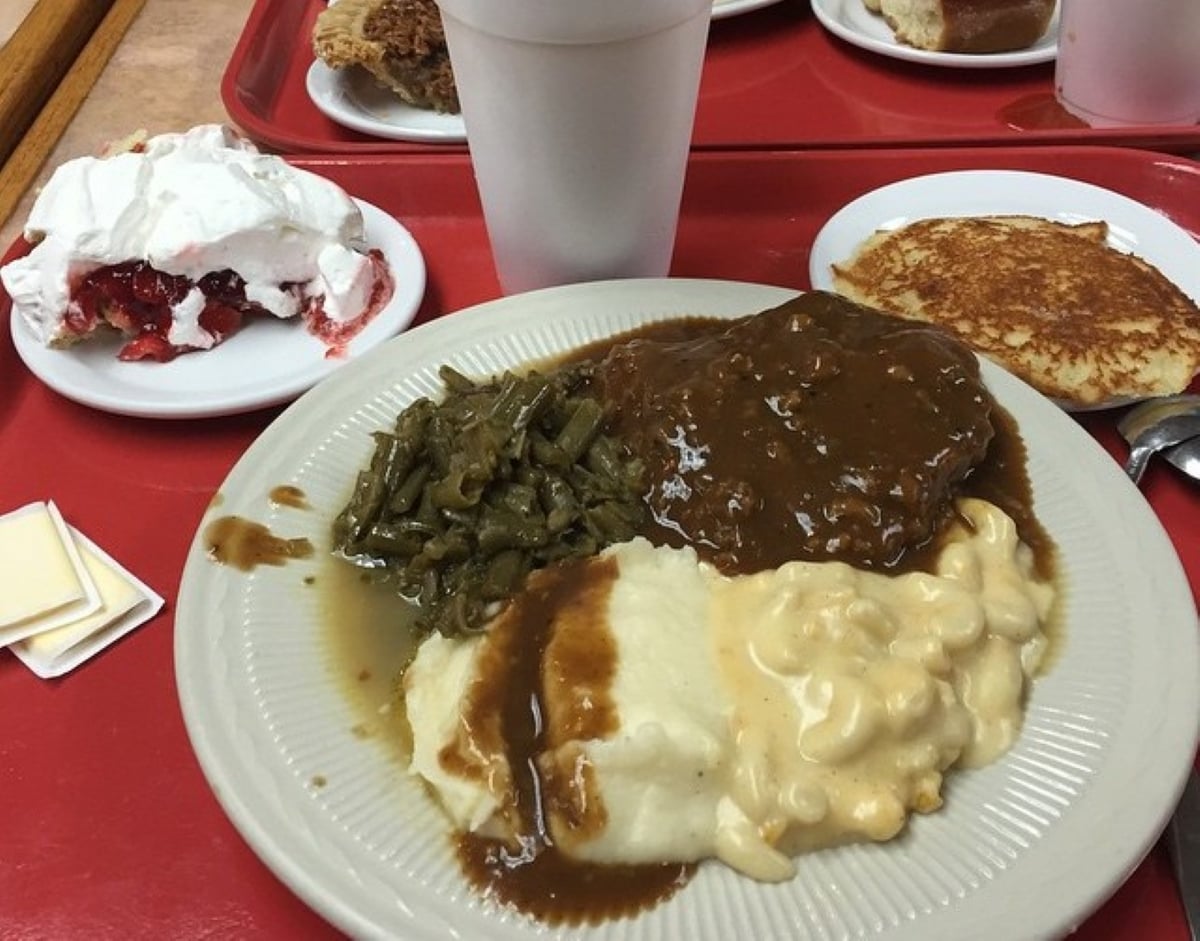
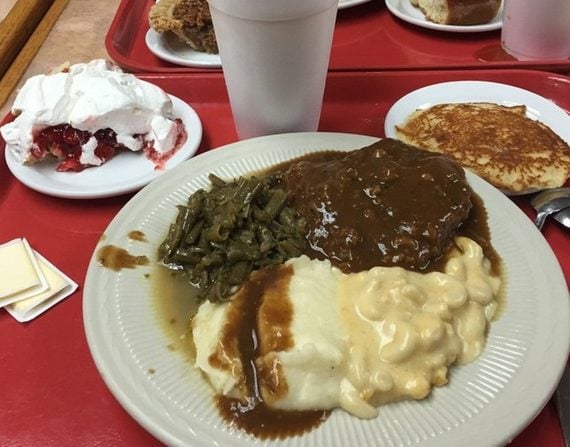
At a Nashville meat-and-three, ordering lunch is refreshingly straightforward. Choose one main dish, then pick three sides from a changing selection of Southern favorites. Fried chicken, meatloaf, green beans, macaroni and cheese, and cornbread are common choices. The food is often displayed cafeteria-style, making it easy to see what’s available before ordering. Arnold’s Country Kitchen is a familiar example of the tradition. Portions can be generous, and the daily specials keep regulars coming back. The downside is that popular dishes may sell out before the lunch rush ends.
Rhode Island Clam Cake Shacks – Rhode Island
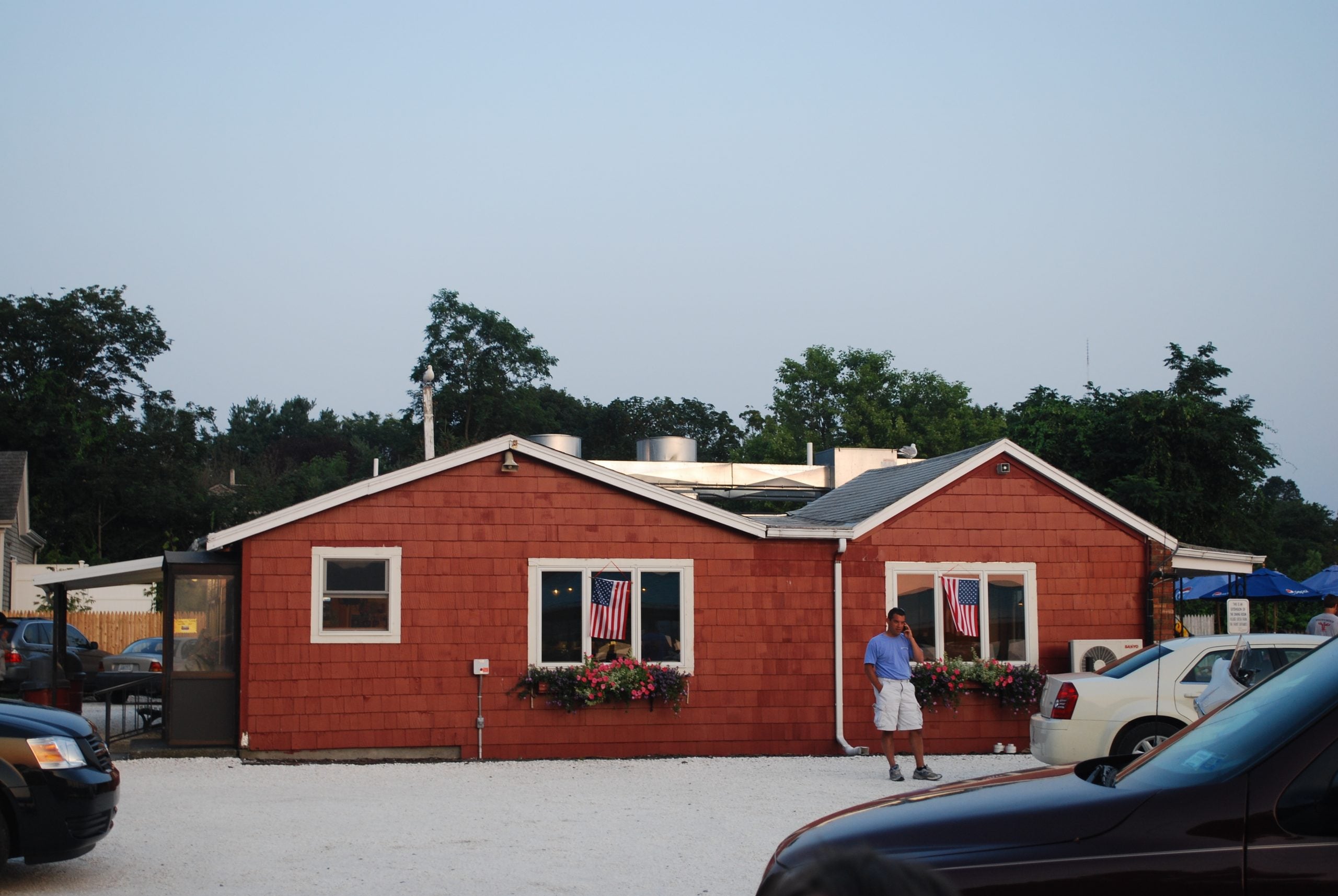
If you order clam cakes in Rhode Island, don’t expect flat seafood patties. These are round, golden fritters filled with chopped clams, usually served alongside a cup of chowder. Small waterfront restaurants and takeout windows have made the combination a summer tradition for generations. Evelyn’s Drive-In in Tiverton has been serving seafood near Nanaquaket Pond since 1969. The appeal is simple: casual food, outdoor tables, and no need to dress up. Just be prepared for seasonal crowds, limited seating, and the occasional wait at the counter.
Basque Family-Style Restaurants – Bakersfield, California
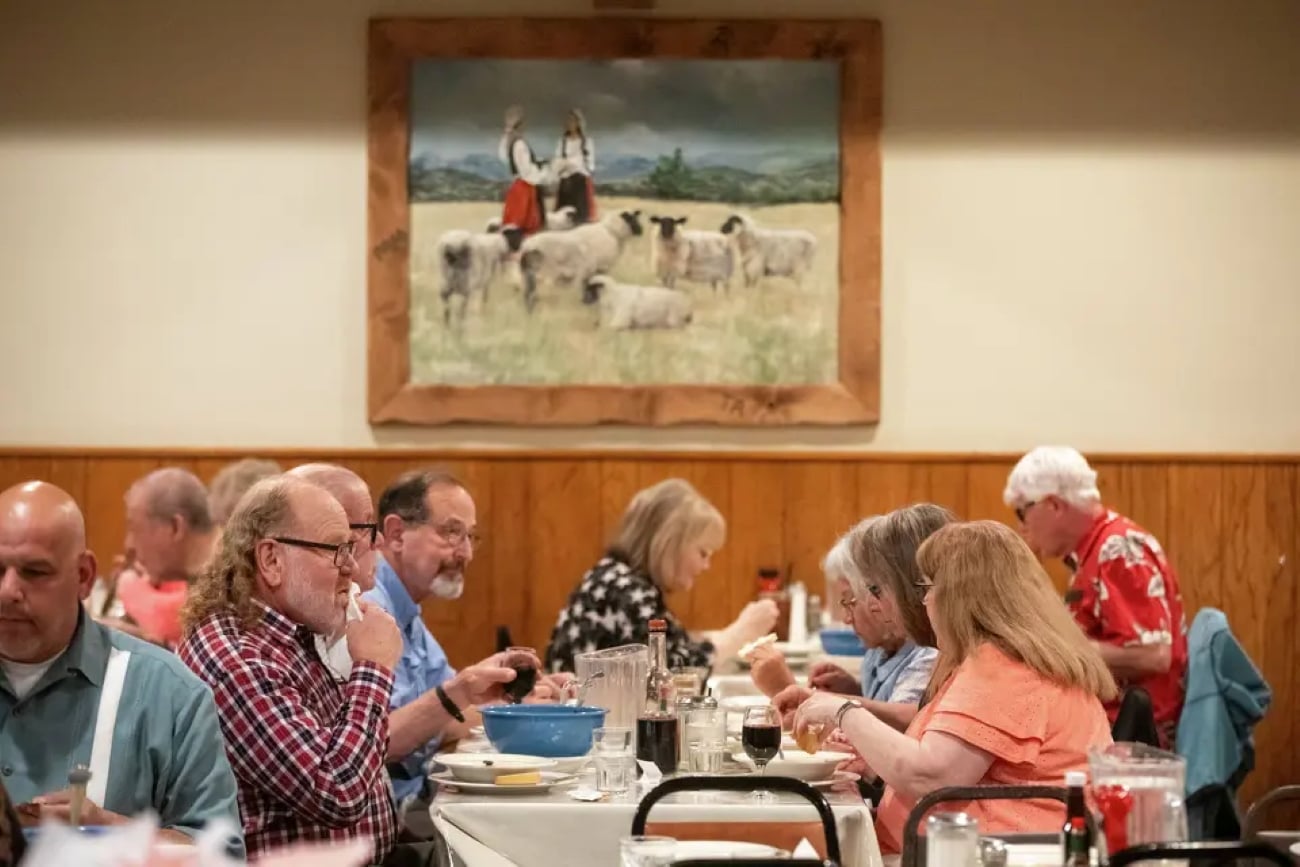
Bakersfield’s Basque restaurants offer a dining experience that feels more like a big family gathering than an ordinary restaurant meal. Traditional establishments often serve soup, salad, beans, bread, vegetables, and a main course, with several dishes shared around the table. The tradition grew from the area’s Basque immigrant community, particularly people connected to sheep ranching. Wool Growers is one of the city’s longstanding examples. It’s a good choice for diners who enjoy hearty meals and trying several dishes, although the amount of food can be overwhelming if you’re expecting a light dinner.
Hawaiian Okazuya Counters – Honolulu and Hilo, Hawaii
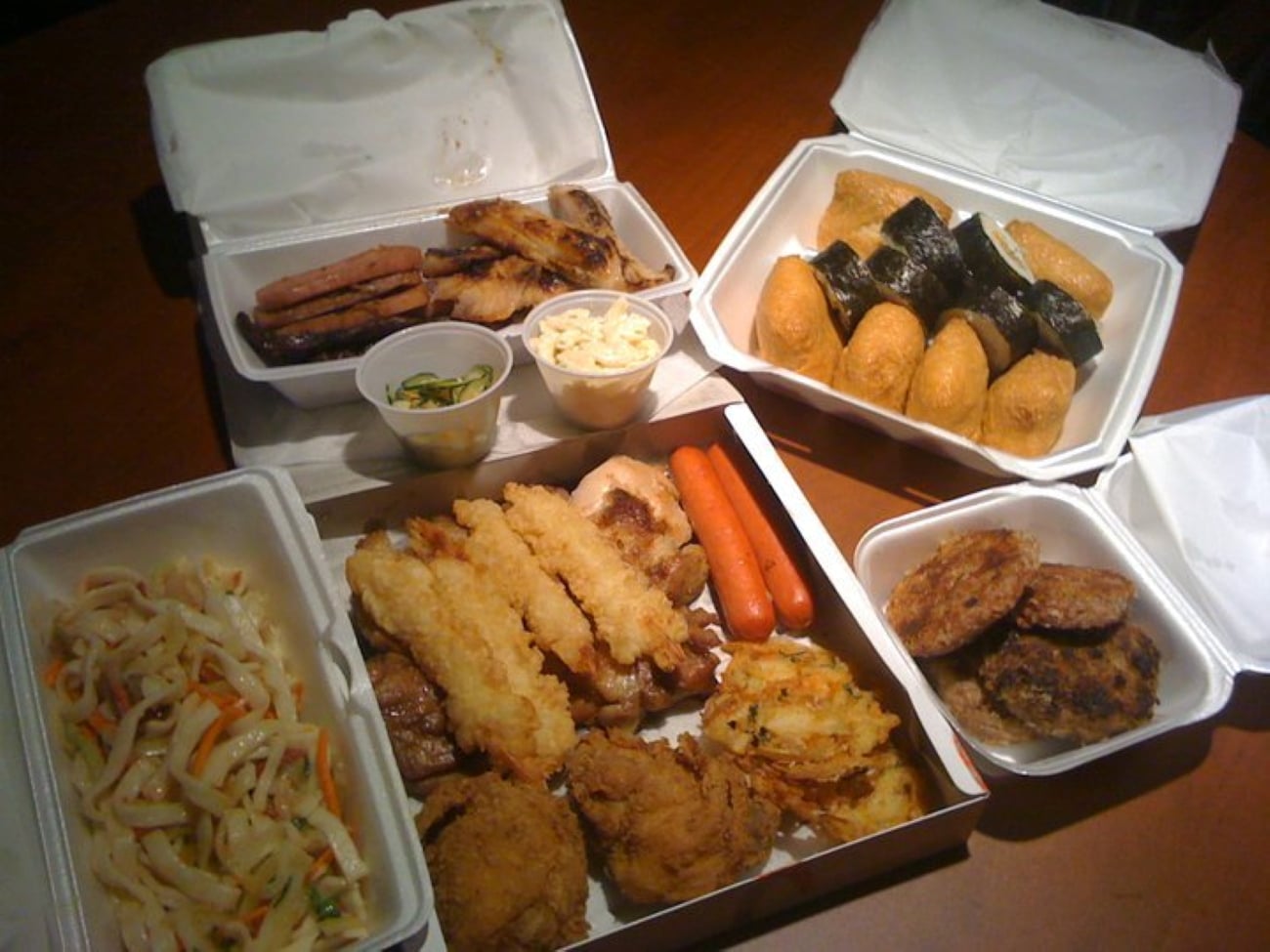
An okazuya isn’t quite a deli, cafeteria, or traditional restaurant, although it borrows a little from all three. These Japanese-influenced Hawaiian food counters let customers build their own meals by choosing individual prepared dishes. You might find cone sushi, fried chicken, noodles, musubi, and other local favorites displayed side by side. Kawamoto Store in Hilo and Gulick Delicatessen in Honolulu are examples of the tradition. The freedom to mix and match makes lunch interesting, but popular items can disappear quickly, and some old-fashioned counters close once they’ve sold out.
Trending on Cheapism


Cajun Boudin Shops and Meat-Market Counters – Acadiana, Louisiana
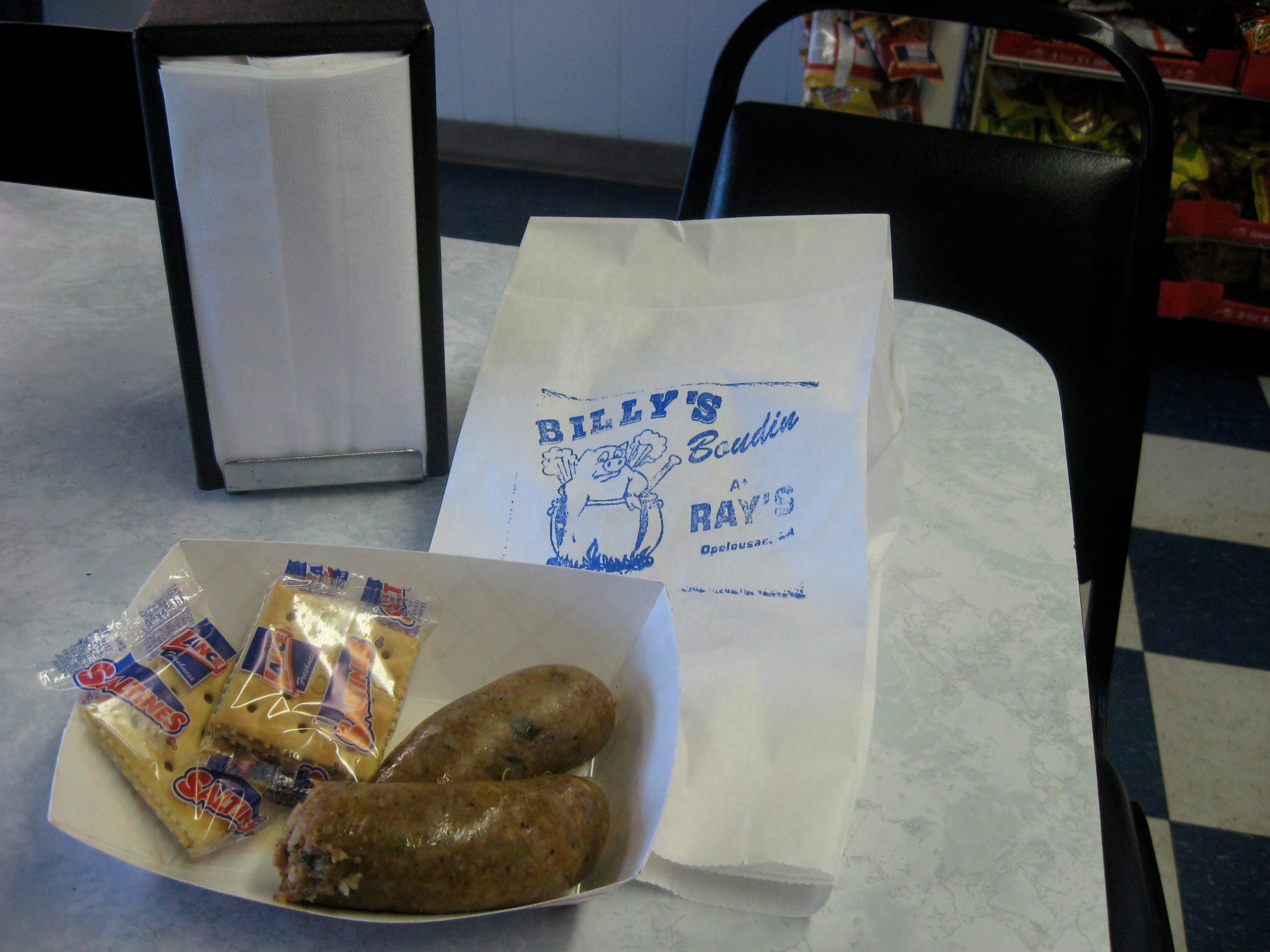
In Louisiana’s Cajun country, some of the most interesting places to eat look more like grocery stores or butcher shops than restaurants. Around Scott and Lafayette, customers stop at meat-market counters for warm boudin, cracklins, smoked sausage, and other ready-to-eat specialties. Boudin usually combines seasoned pork and rice inside a sausage casing, making it an easy snack to take on the road. The Best Stop Supermarket and Billy’s Boudin are familiar names in the area. There’s often little emphasis on dining-room atmosphere, and the spice level can surprise first-time customers.
Mississippi Delta Hot Tamale Stands – Mississippi
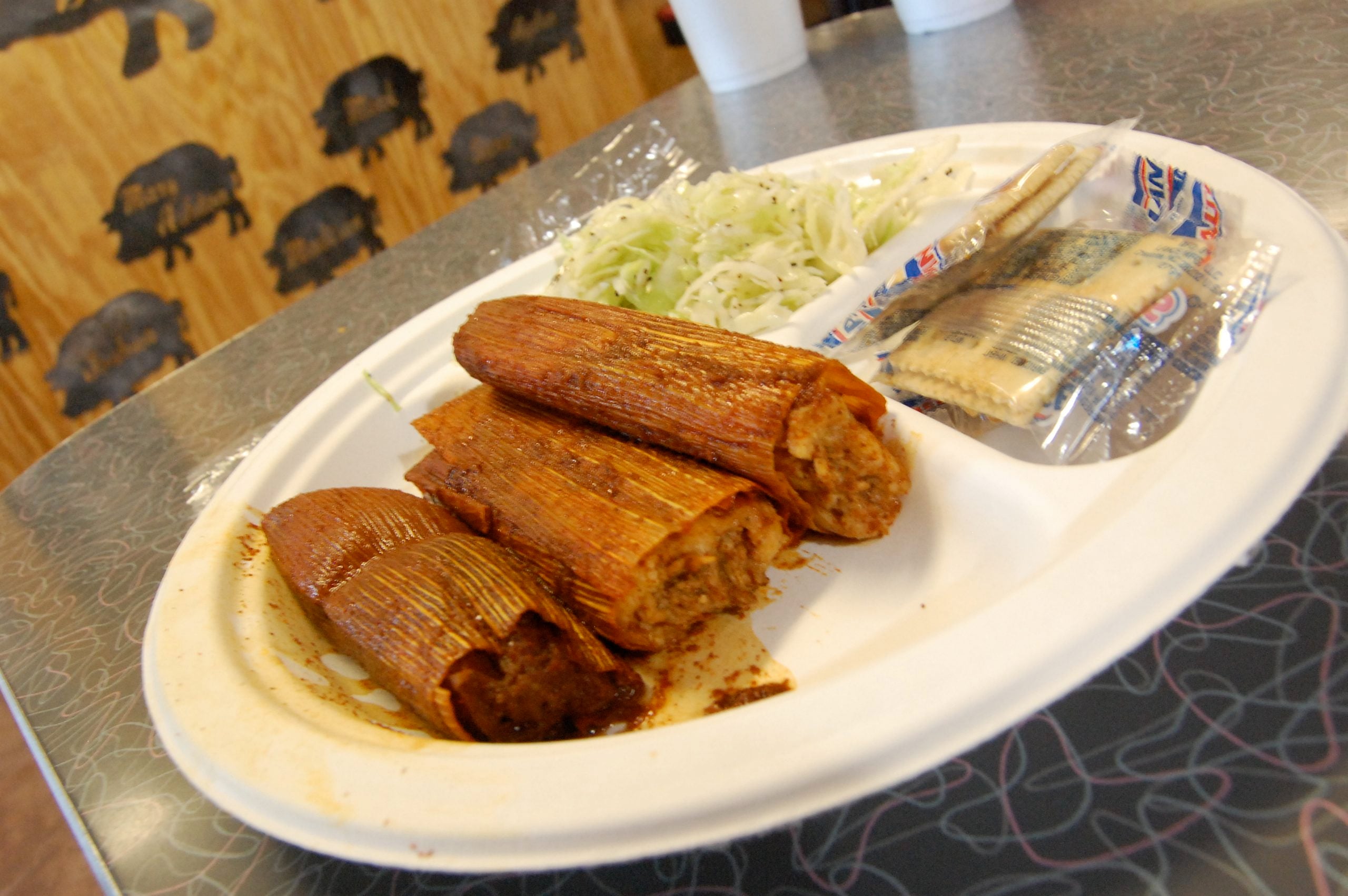
Hot tamales are so closely connected to the Mississippi Delta that they have their own regional food trail. Unlike the larger tamales found in many Mexican restaurants, Delta versions are often smaller, more heavily seasoned, and simmered in a flavorful liquid. Small stands and neighborhood restaurants traditionally sold them by the bundle, sometimes wrapped for customers to take home. Greenville’s Doe’s Eat Place is one longstanding example. The tradition reflects generations of cultural exchange and local entrepreneurship. Don’t expect every shop to use the same recipe, since preparation varies considerably across the Delta.
Pennsylvania Dutch Smorgasbords – Lancaster County, Pennsylvania
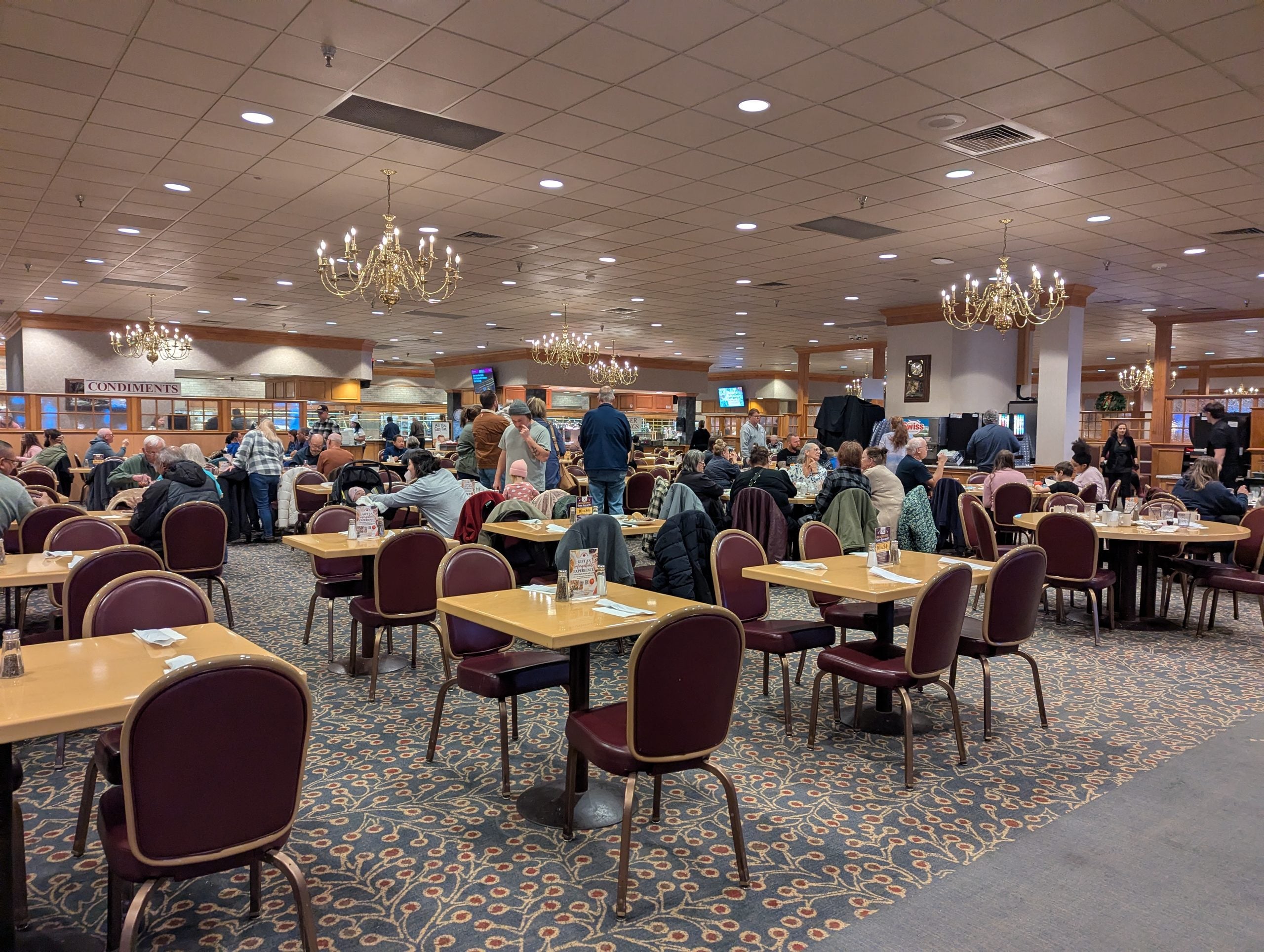
Lancaster County’s smorgasbords take the ordinary buffet in a distinctly Pennsylvania Dutch direction. Instead of concentrating on familiar national-chain favorites, these restaurants serve regional comfort foods such as ham loaf, chicken pot pie, buttered noodles, chow-chow, and shoofly pie. Shady Maple Smorgasbord in East Earl is one of the area’s recognizable examples. The appeal is being able to sample several traditional dishes without committing to a single entree. However, these meals aren’t necessarily inexpensive, especially for lighter eaters who won’t get much value from an all-you-can-eat spread.
Sign up for our newsletter
Upper Peninsula Pasty Shops – Michigan
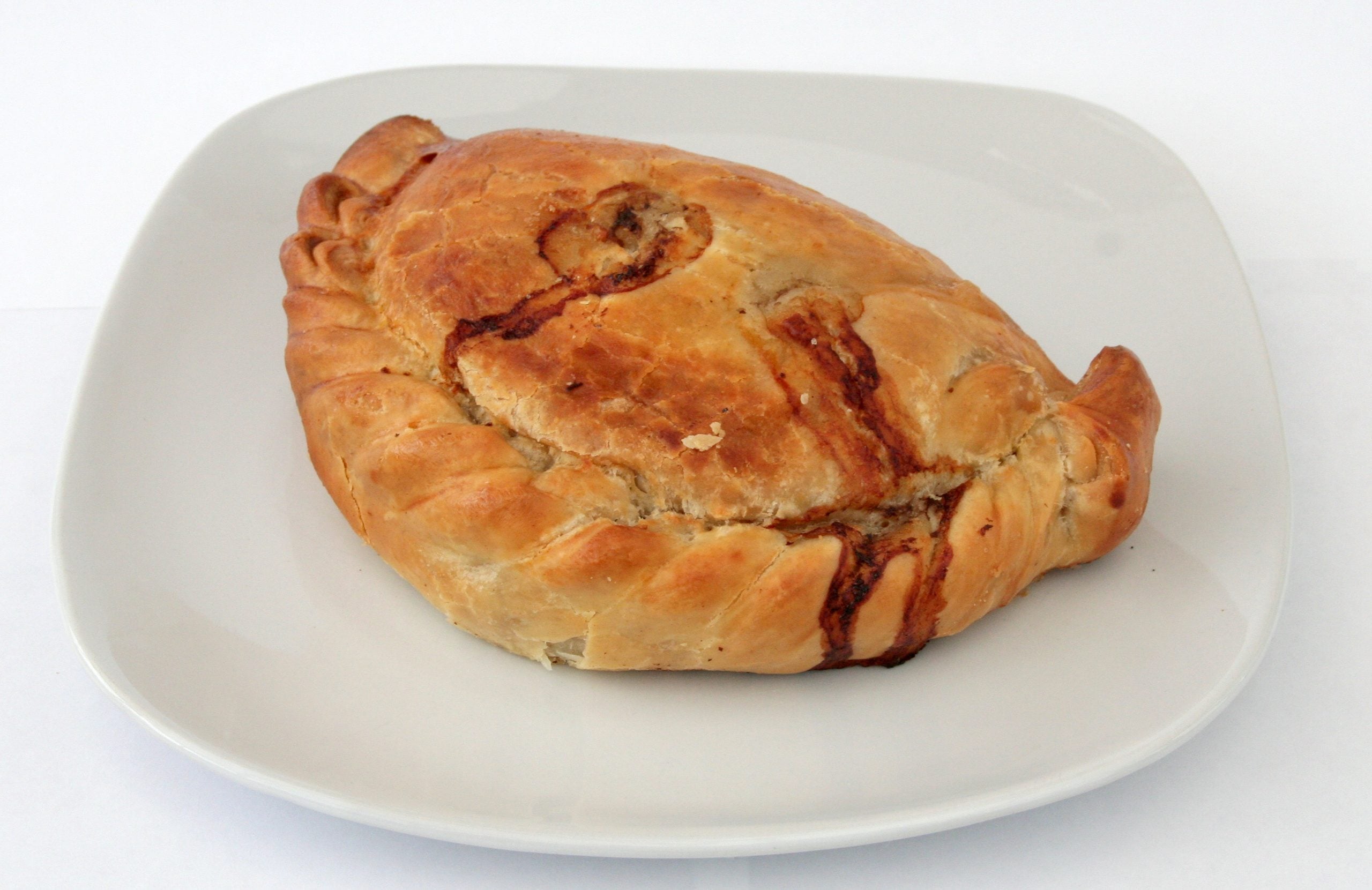
In Michigan’s Upper Peninsula, a pasty shop can provide an entire lunch wrapped in pastry. These sturdy handheld meals typically contain beef, potatoes, onions, and rutabaga, reflecting the food traditions of Cornish miners who settled in the region. Shops such as Muldoons Pasties in Munising specialize in the dish, with customers stopping in for a quick meal or taking frozen pasties home. Some people eat them with ketchup, while others prefer gravy, a debate that can get surprisingly serious. They’re filling and convenient, although the thick pastry can make them a heavy lunch.
Czech Community Dining Halls – Wilber, Nebraska
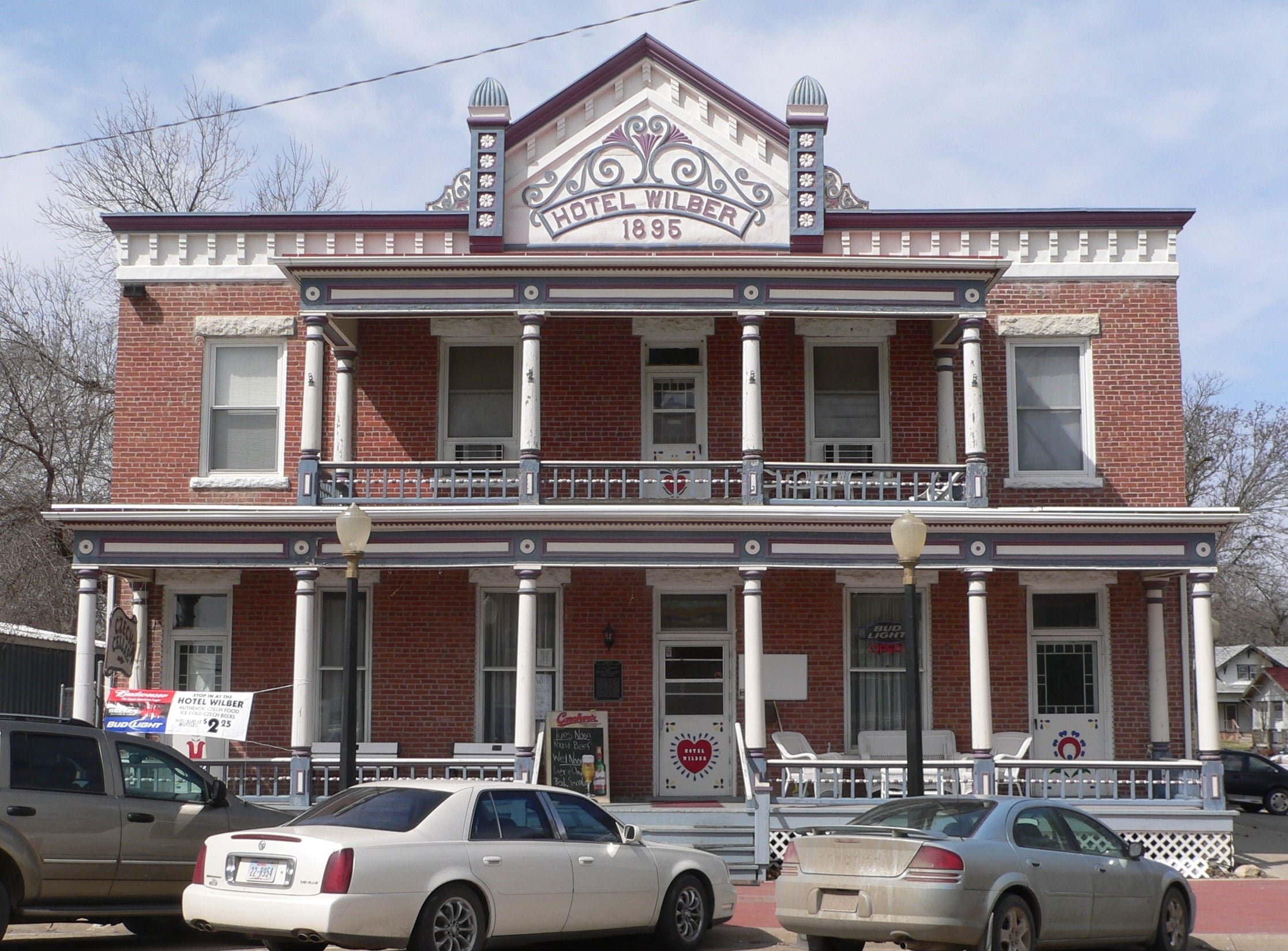
Not every memorable regional dining experience happens in a conventional restaurant. In Wilber, Nebraska, Czech heritage celebrations bring people together for traditional meals served in community dining halls. Roast pork, dumplings, sauerkraut, and kolaches are among the foods associated with these gatherings. Volunteers and local organizations help preserve recipes and customs passed down through generations. The Wilber Czech Festival is a particularly recognizable example. The experience is as much about sitting down with neighbors as it is about eating. The catch is that these meals are generally tied to scheduled events rather than available year-round.
Door County Fish Boil Restaurants – Door County, Wisconsin
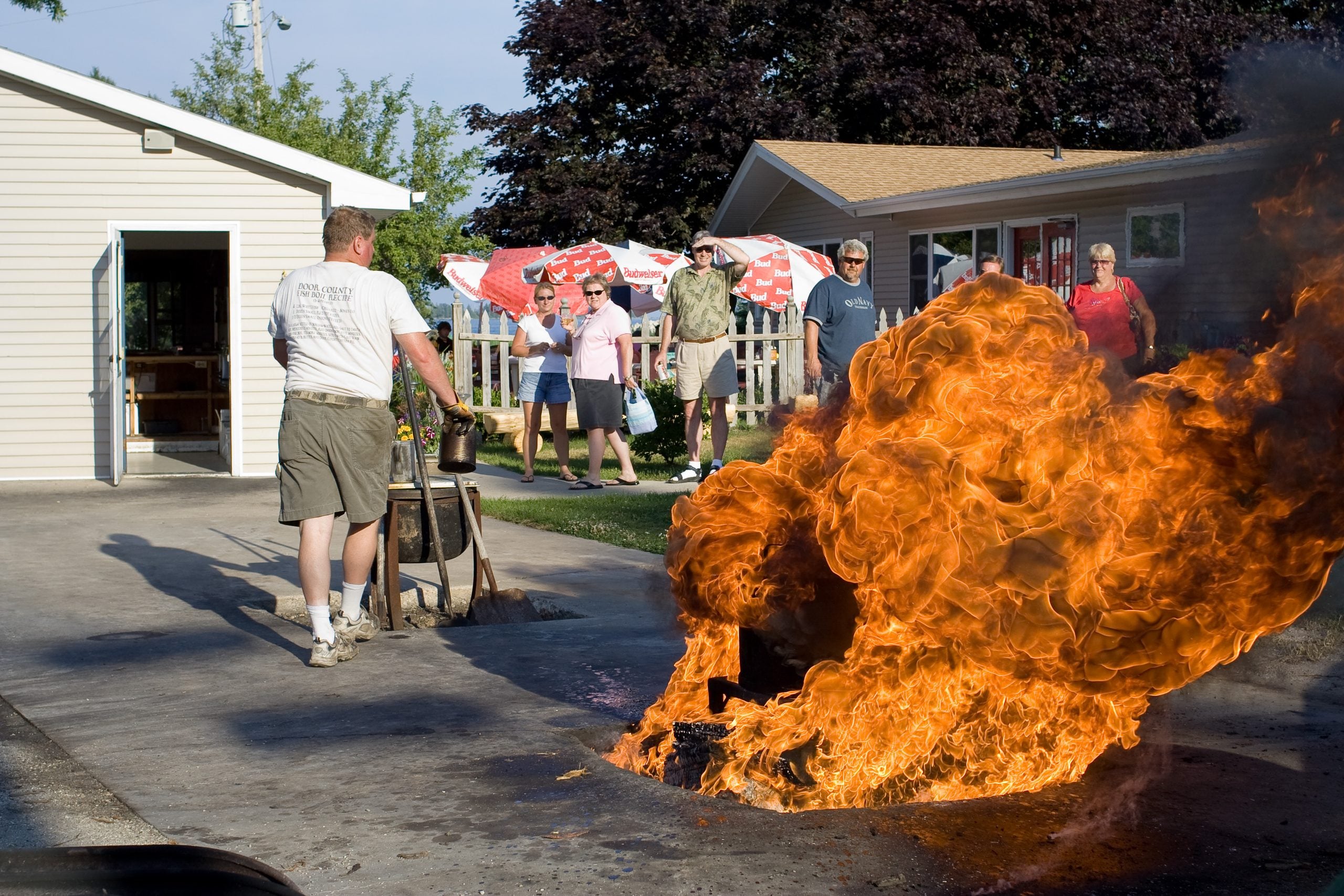
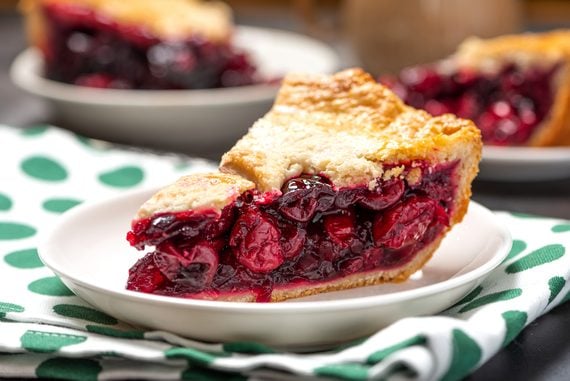
Dinner comes with a show at a traditional Door County fish boil. Guests gather around an outdoor fire while whitefish, potatoes, and onions cook in a large kettle. Near the end, the boil master adds fuel to create a dramatic flare-up that sends the water spilling over the pot. The food is then served as a hearty dinner, often followed by cherry pie. The Old Post Office Restaurant in Ephraim is known for preserving the tradition. It’s an experience worth planning around, but fish boils may require advance reservations and aren’t offered every night.
New Mexican Chile-Centered Diners – Albuquerque and Santa Fe, New Mexico
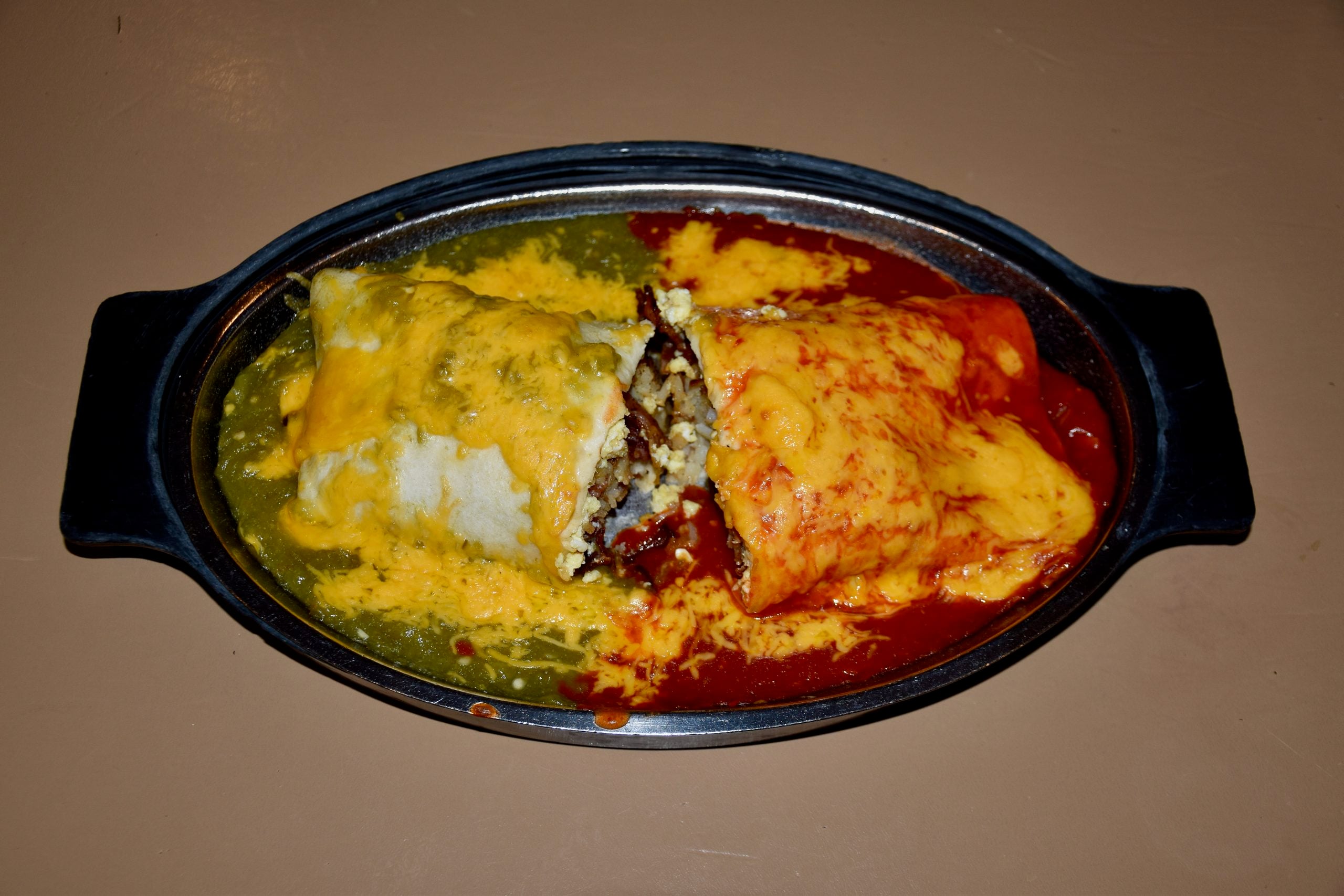
At a traditional New Mexican restaurant, one of the first questions you might hear is whether you want red or green chile. The choice applies to everything from enchiladas and burritos to breakfast plates, and ordering “Christmas” means getting both sauces. Unlike restaurants where chile is simply an optional topping, these sauces are central to the meal. Neighborhood favorites such as Duran Central Pharmacy in Albuquerque reflect this distinctive dining culture. The flavors can be rich and satisfying, but visitors unfamiliar with New Mexican chile should ask about the heat before ordering.