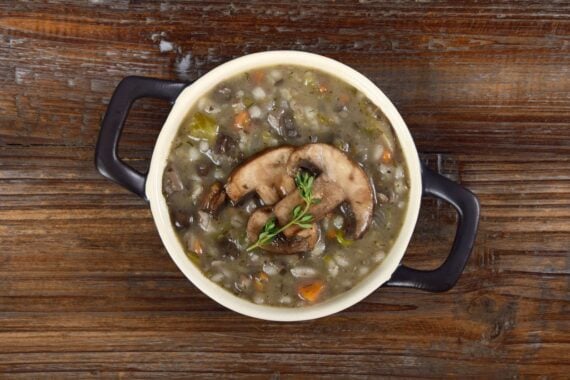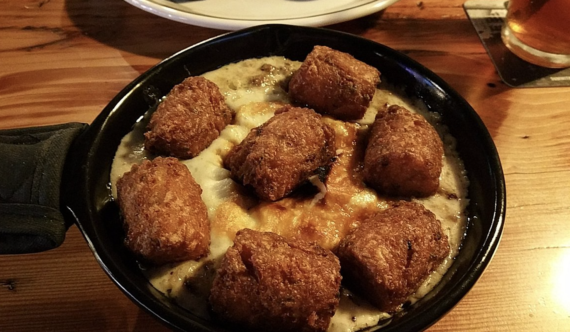
Many of the distinctive regional dishes that developed in the United States emerged during long, arduous winters. These dishes relied on practical ingredients, were rooted in immigrant traditions, and had to be affordable. Drawing on information from Explore Minnesota and Visit Cincy, among others, we’ll introduce you to regional winter foods that are truly perfect for enjoying in cold weather!
Wisconsin Booyah: The Giant Community Stew
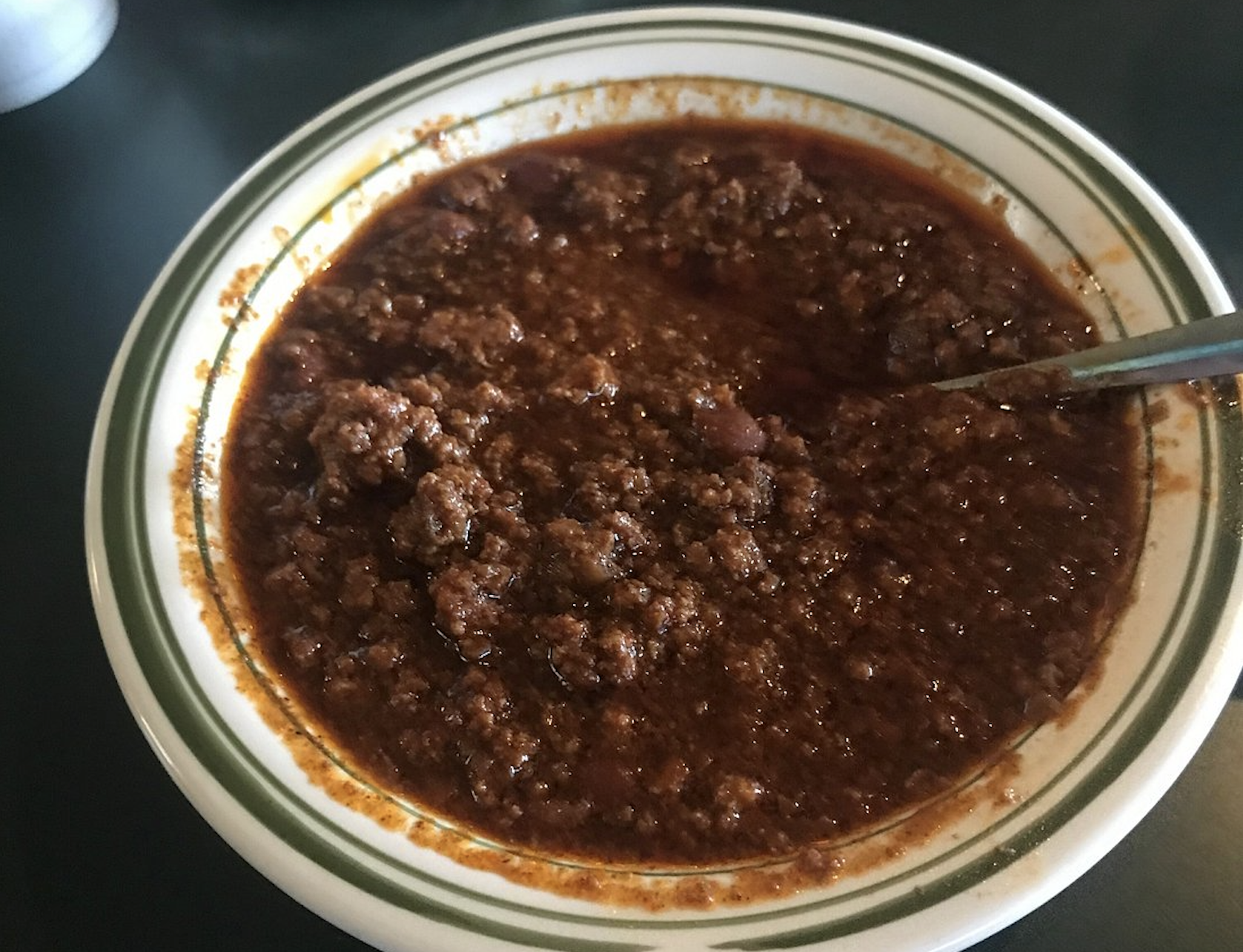
Booyah is a substantial stew made with chicken or other meats, along with vegetables and broth, which requires a long cooking time. It is typically prepared in large kettles for community gatherings or fundraisers associated with northeastern Wisconsin. Given these enormous batch sizes, it makes sense that it is prepared in communities where people frequently come together, as it is a long-standing tradition.
Minnesota Wild Rice Soup: A Bowl Built Around a Northern Ingredient
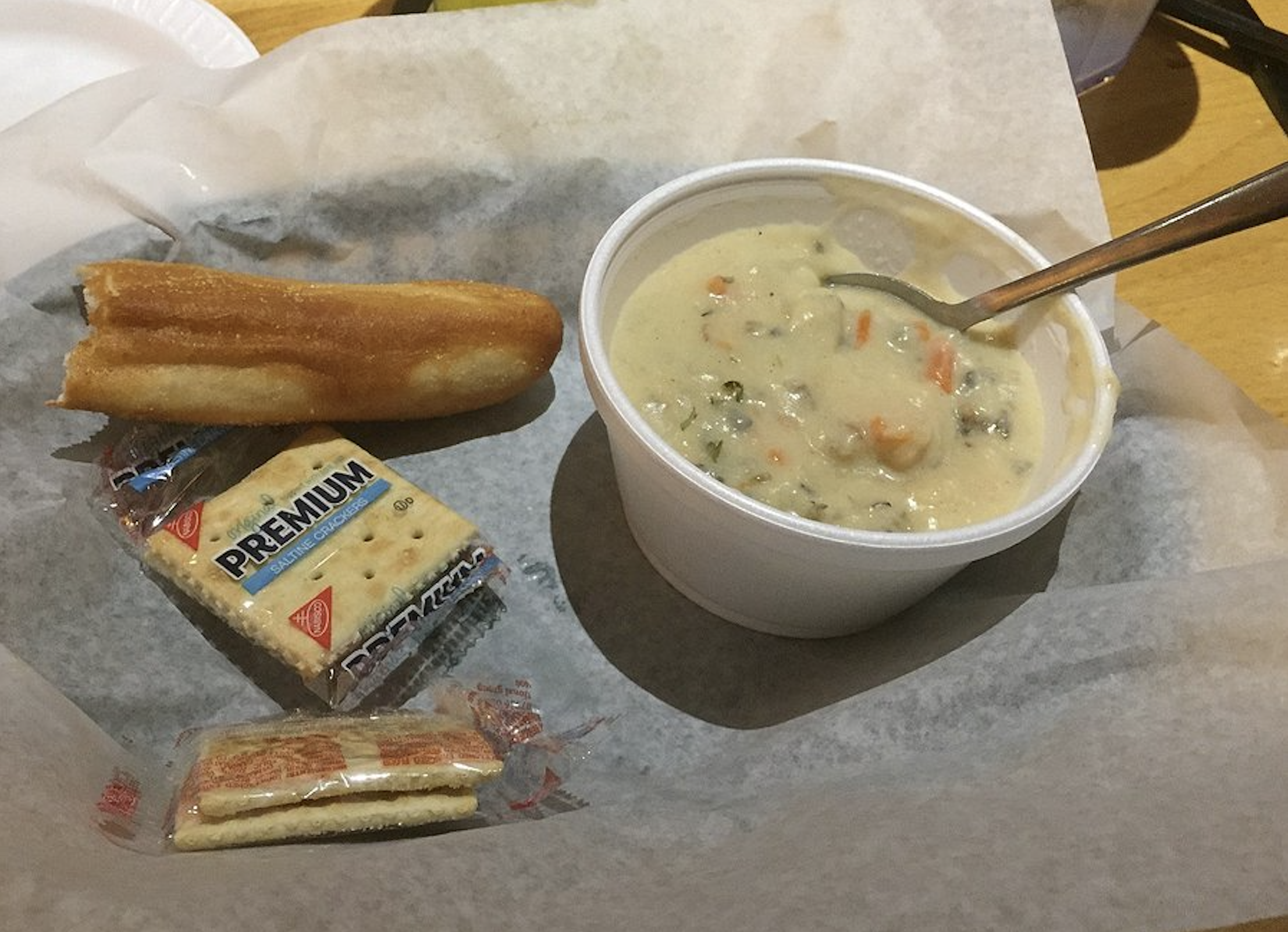
Indigenous communities in the Great Lakes region have long harvested wild rice. It is an ingredient used in Minnesota wild rice soup, lending it a distinctive nutty flavor and chewy texture. There are also creamier versions, containing chicken, mushrooms, vegetables, or broth, that are hearty, calorie-dense, and perfect for braving the winter. It’s one of Minnesota’s most recognizable regional winter foods.
Pennsylvania Dutch Chicken Pot Pie: The Version Without a Crust
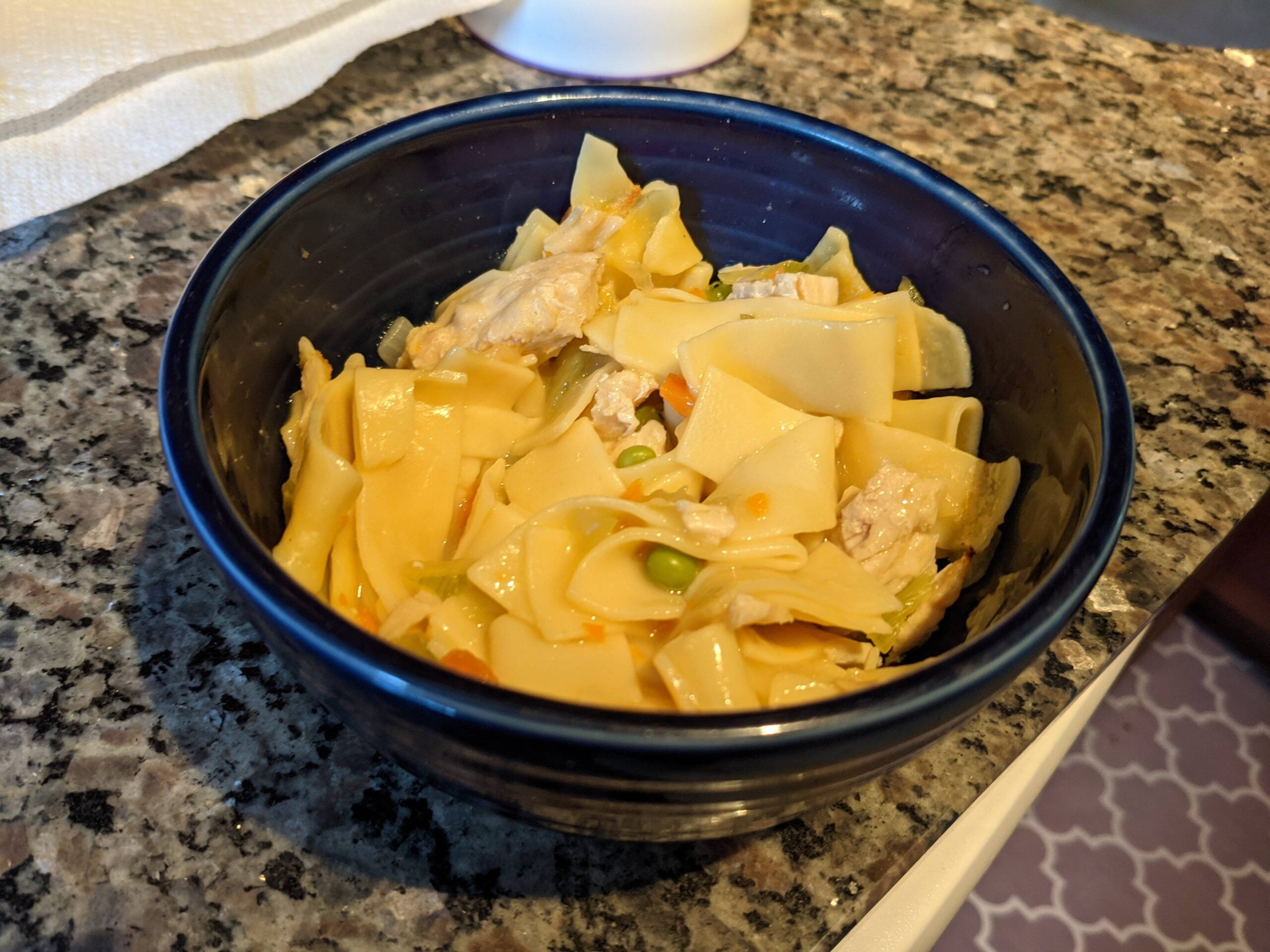
Pennsylvania Dutch chicken pot pie is a comforting, thick stew made with chicken, broth, potatoes, vegetables, and large squares of homemade noodles. Unlike a baked pie with a pastry crust, this version is cooked in a single pot, making it ideal for cold days due to its hearty, concentrated nature. Its unusual preparation, that may come as a surprise to visitors, makes it one of the more distinctive regional winter foods.
New Mexico Pozole: Hominy, Chile, and Hours of Slow Cooking
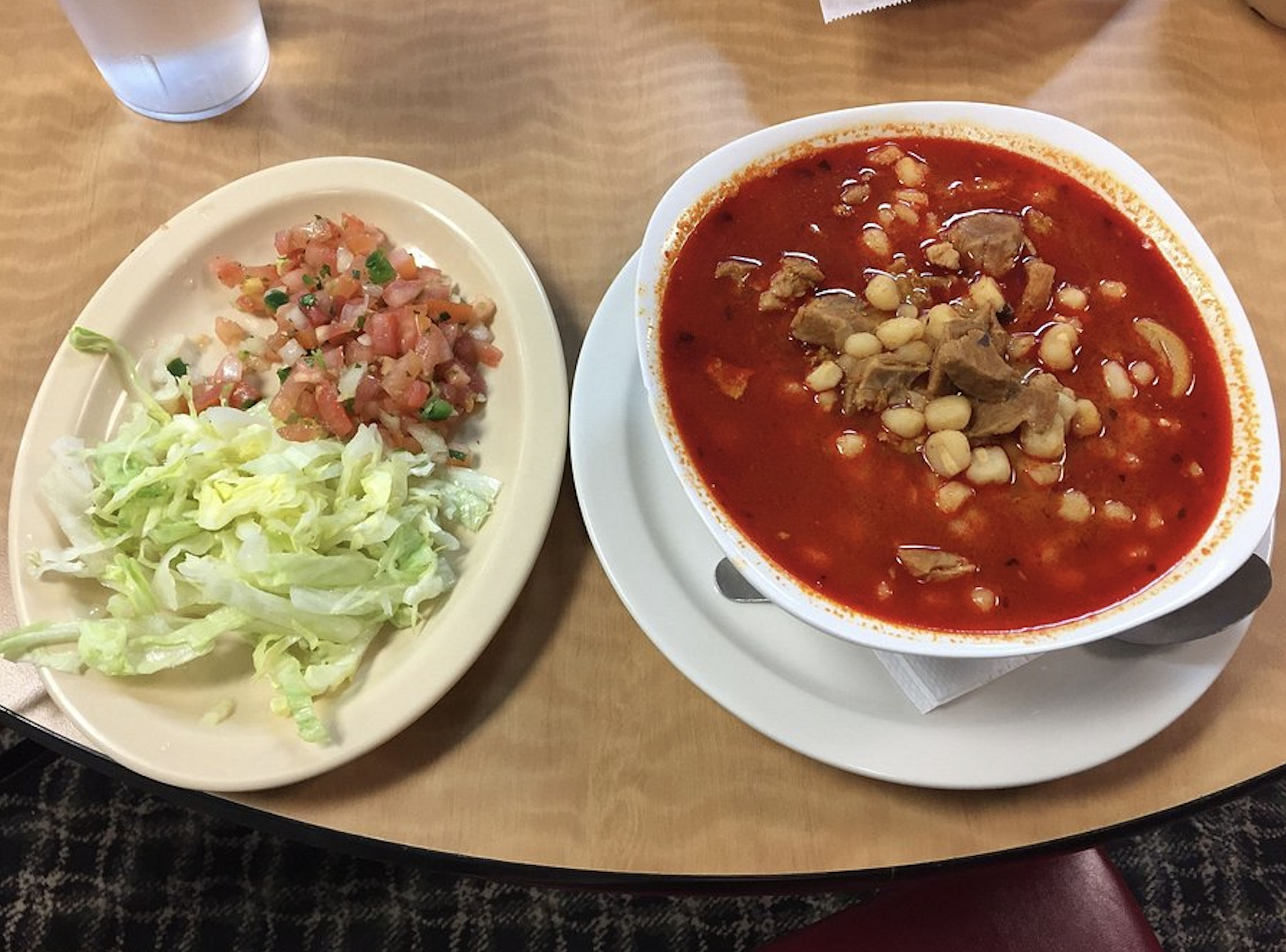
Another dish, a stew, that effectively combats the cold during winter days is pozole, a hearty stew with deep roots in Mexican food traditions. Pozole was also adopted by New Mexico food traditions where the red chile variations are also enjoyed in this slow-cooked, rich, chile-infused broth dish which is frequently enjoyed during holiday gatherings too. Its warming qualities have made it one of the regional foods enjoyed in Mexican-American communities.
Louisiana Gumbo: The Dish That Rewards a Long, Slow Afternoon
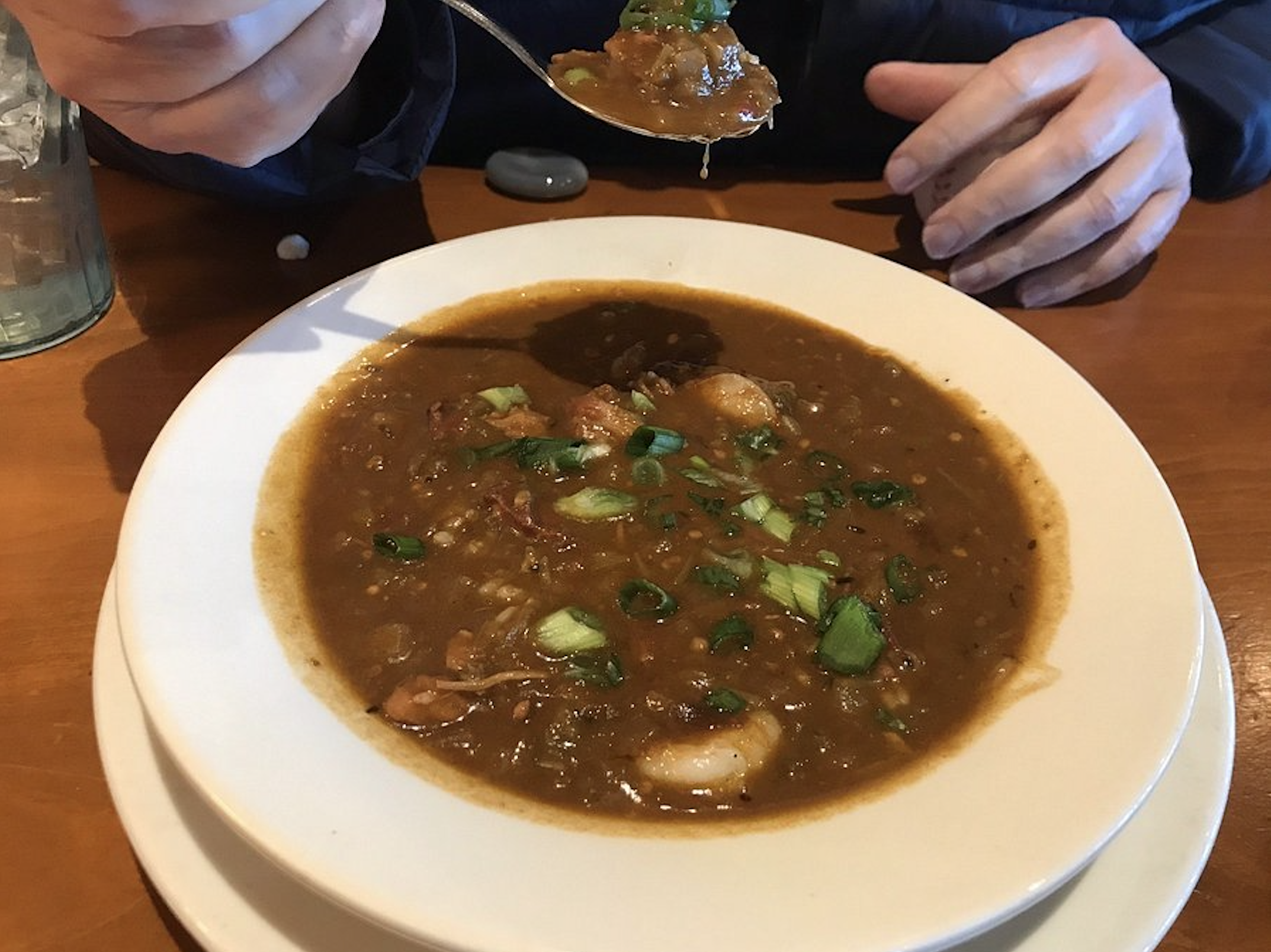
A Louisiana-style gumbo incorporates ingredients and techniques influenced by African, Indigenous, and French traditions, as well as other culinary influences from Louisiana. Gumbo can be prepared with seafood, chicken, sausage, or a combination of these, often prepared with a roux that can range from light to dark, alongside with aromatic vegetables. Its long simmering process makes it one of the most recognizable regional winter foods in the South.
Trending on Cheapism


Maine Baked Beans: The Old-Fashioned Meal That Takes Most of the Day
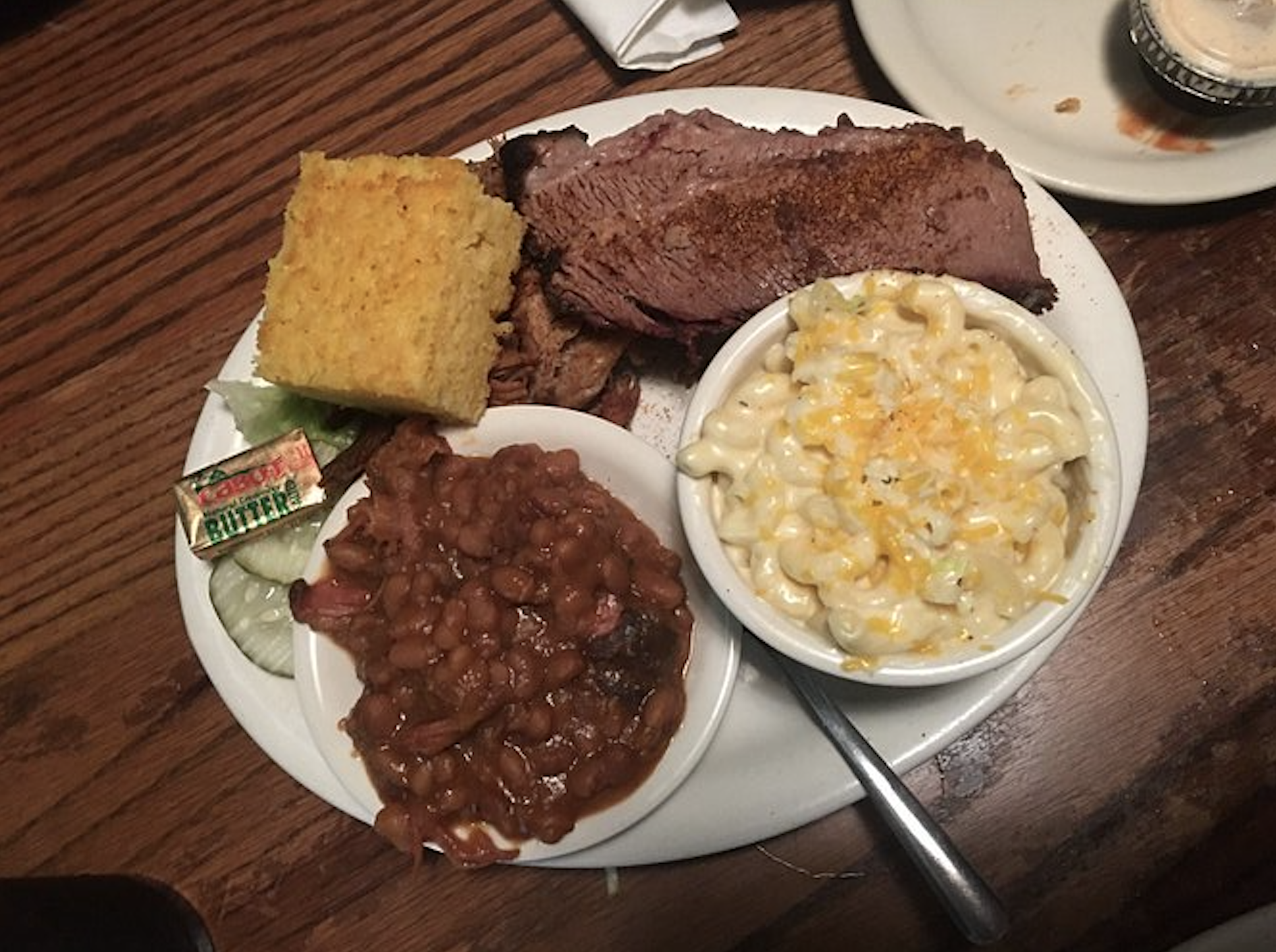
Traditional Maine’s bean-hole beans require a slow-cooking process, incorporating molasses, salt, pork, and seasonings. One historic preparation method involves placing a pot in a pit of hot coals, where the beans cook slowly for hours. This bean-hole technique is a distinctive part of Maine’s culinary heritage, making the dish one of the most enduring regional winter foods in New England.
Upper Peninsula Pasties: Michigan’s Portable Mining Meal
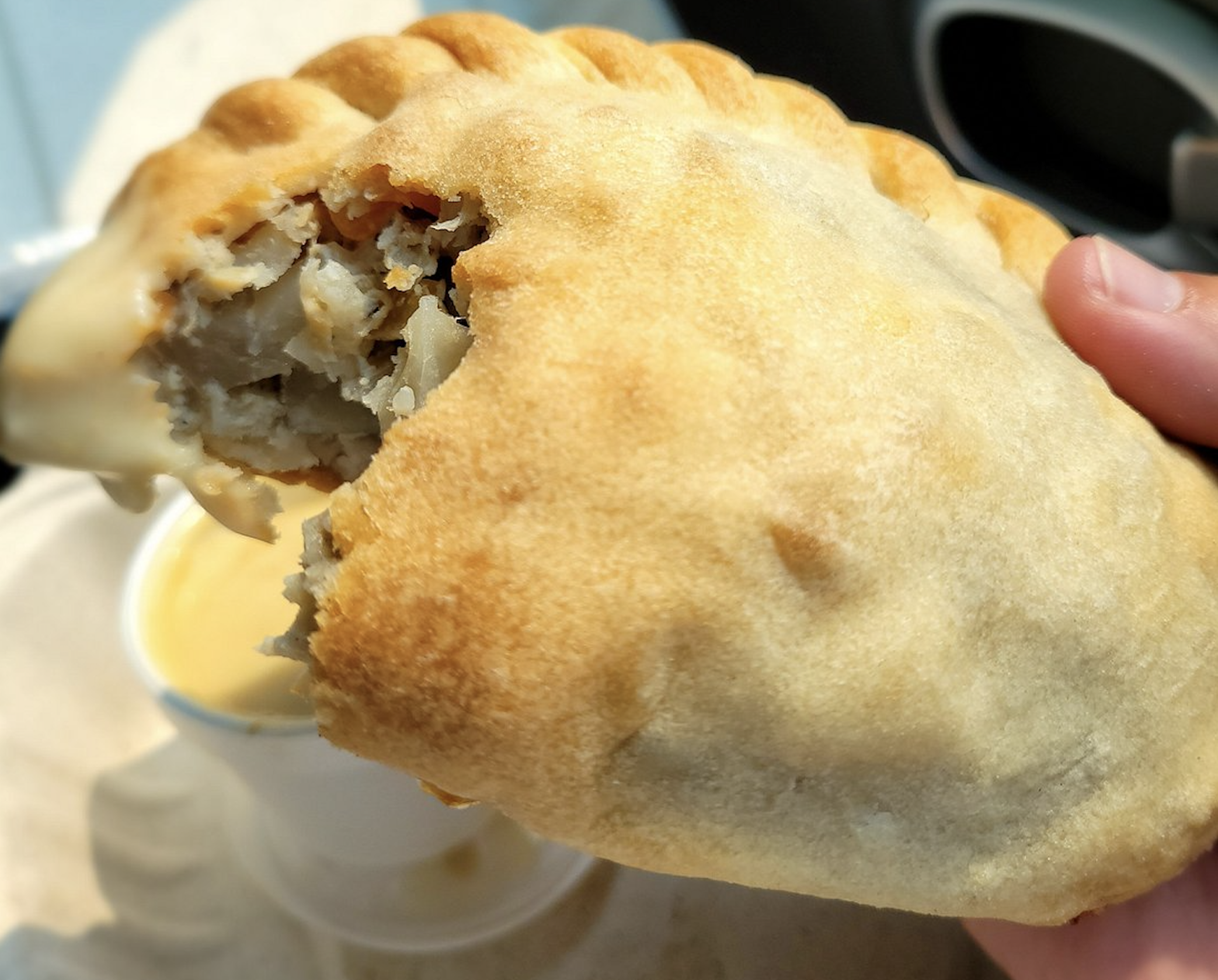
Cornish immigrants brought their mining traditions to Michigan’s Upper Peninsula, where pasties become a popular meal among miners. This dish consists of meat and vegetables wrapped in a substantial pastry crust. This served as a filling, portable meal for industrial workers, helping them endure the cold days, but it eventually evolved into a regional staple enjoyed by people of all social classes. Today, they remain some of Michigan’s best-known regional winter foods.
Cincinnati Chili: Spiced Meat Sauce Piled Over Spaghetti
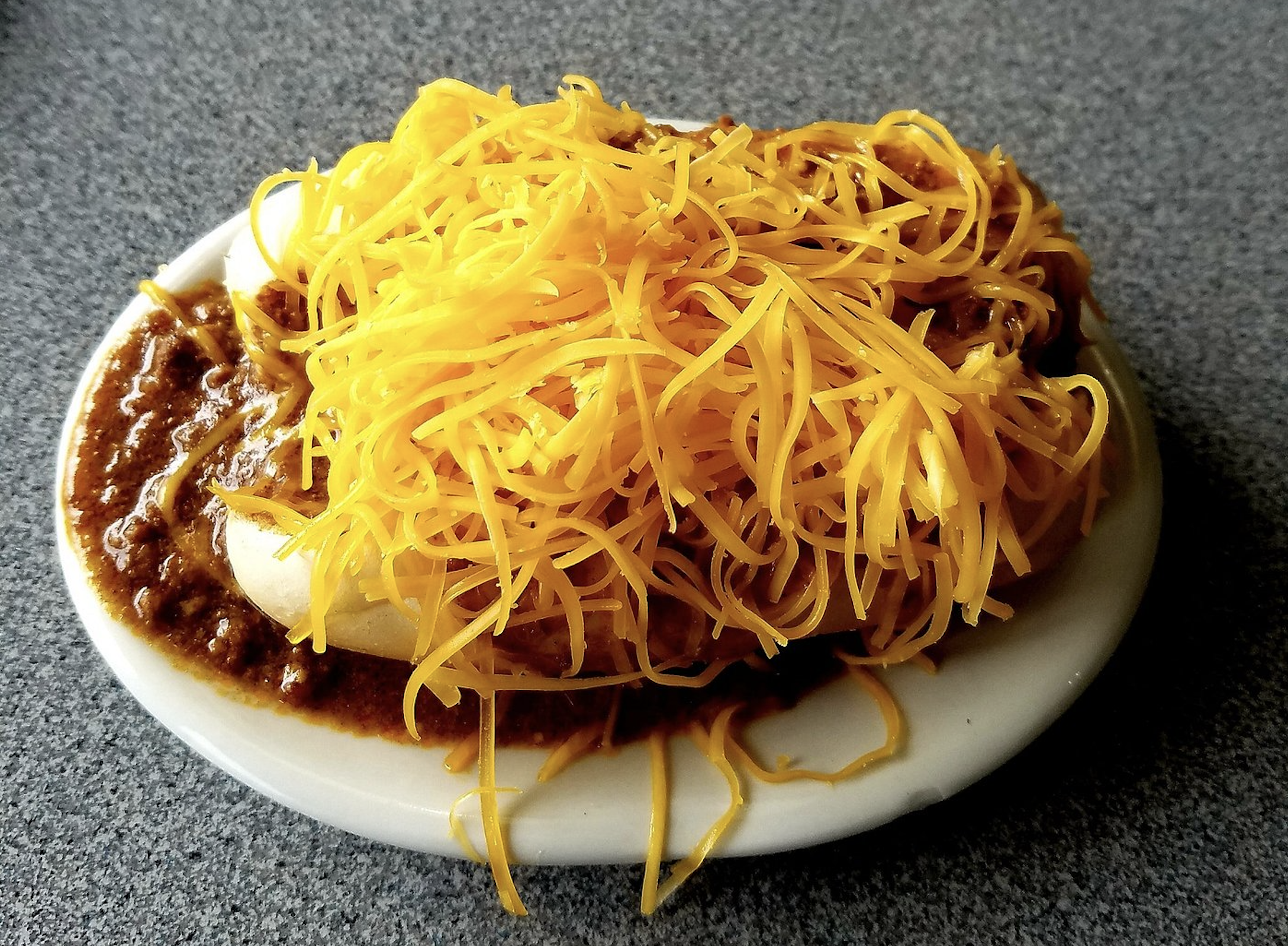
Cincinnati chili reflects Greek and Macedonian immigrants influences in its preparation of a seasoned meat sauce served over spaghetti or a hot dog, rather than being presented like conventional Southwestern-style chili. This dish can be ordered with various toppings, such as shredded cheese, onions, and beans, making it a substantial meal for winter days, according to Visit Cincy. Its usual preparation makes it one of Ohio’s most distinctive regional winter foods.
Sign up for our newsletter
Kentucky Burgoo: A Hearty Stew With Community Roots
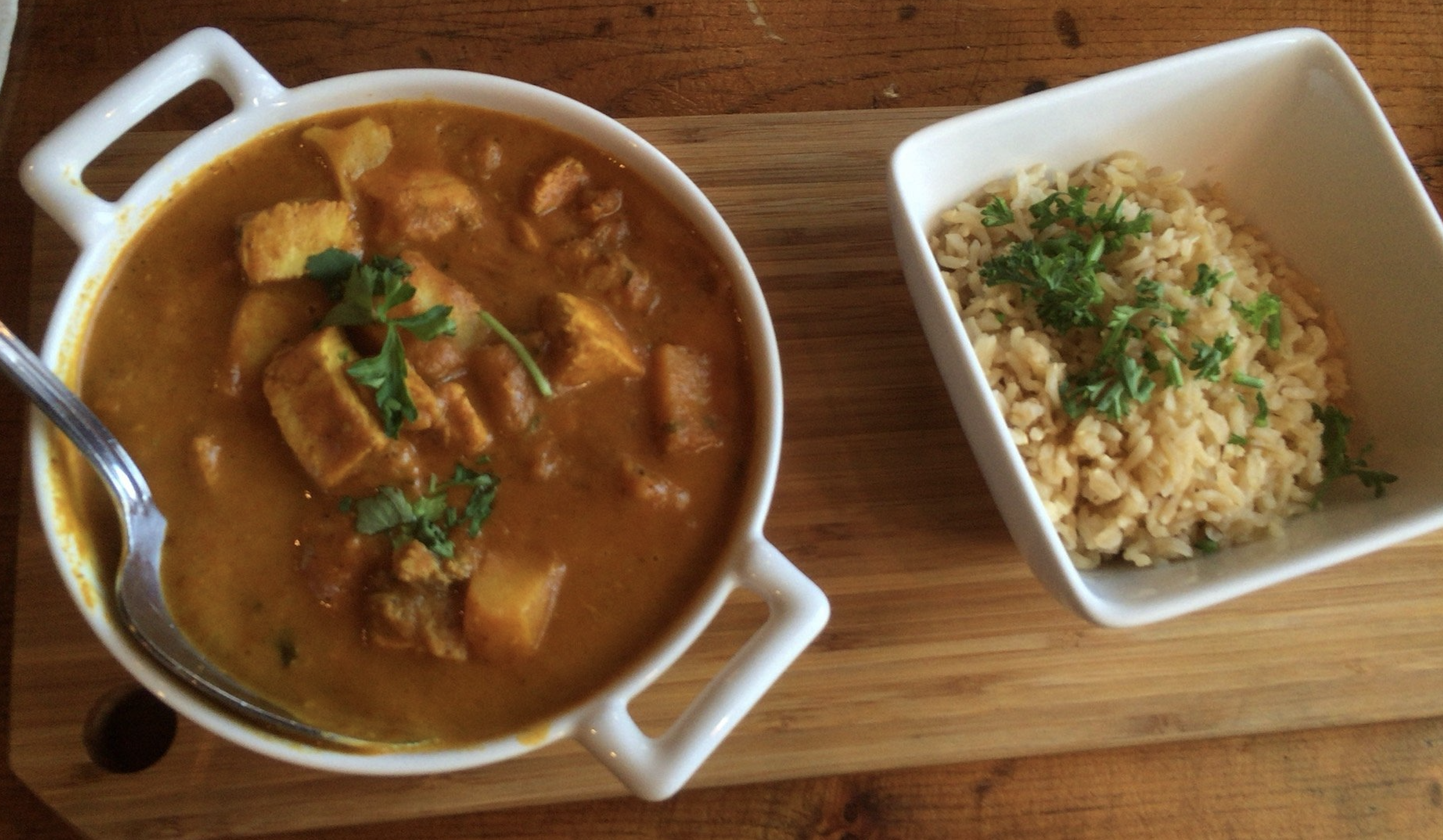
Burgoo is prepared in the state of Kentucky for barbecue gatherings, political events, and large community meals, as it is a hearty stew closely linked to community and socializing. The dish typically features various combinations of meats and vegetables, always requiring a long simmering time, which results in a thick, substantial stew capable of feeding a large number of people. Its communal history, which origin remains unknown, explain why it remains among Kentucky’s traditional regional winter foods.
Georgia Brunswick Stew: Barbecue’s Hearty Companion
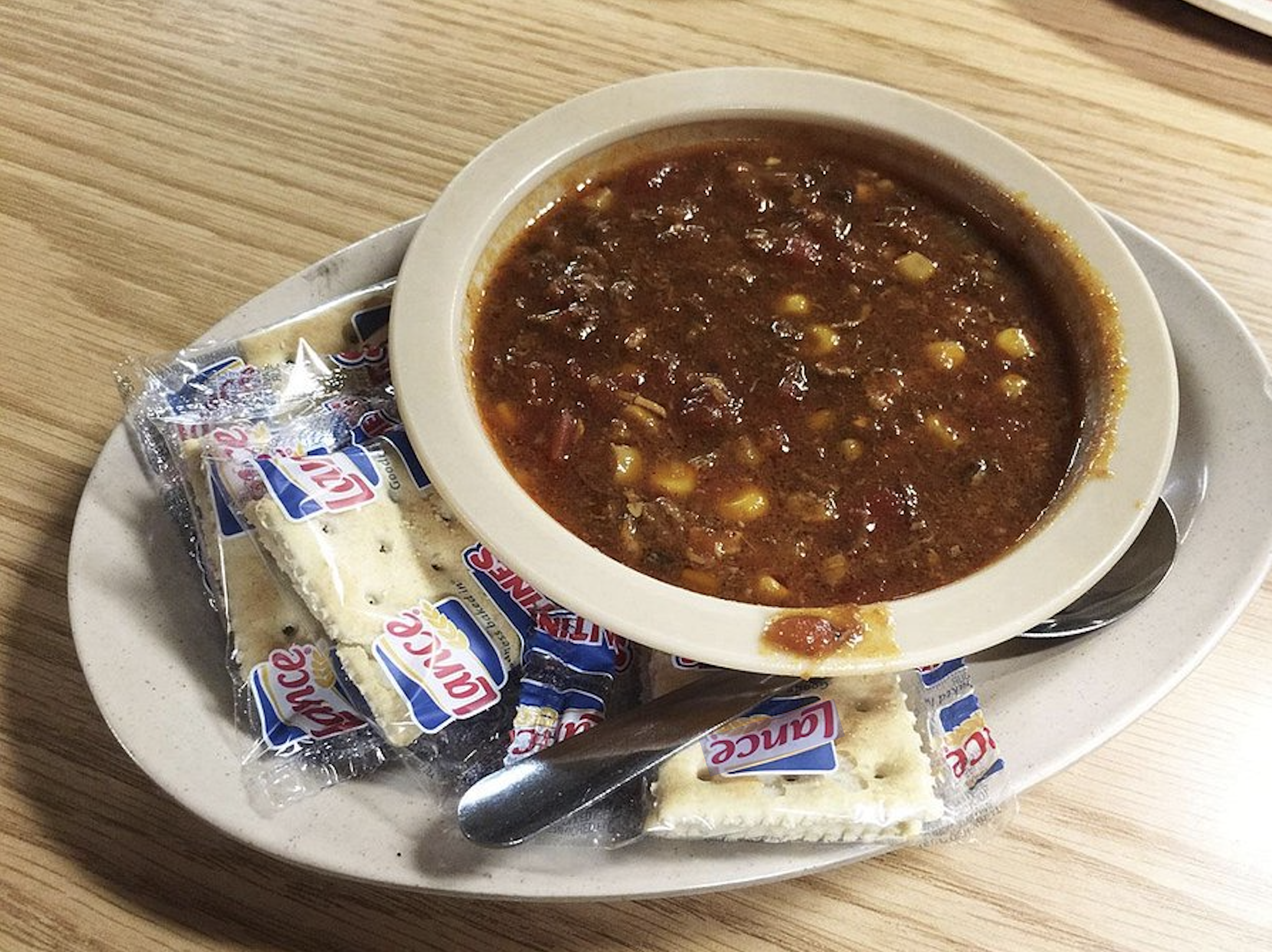
Another stew that appears on this list is Georgia Brunswick stew, which combines meat, tomatoes, vegetables, and seasonings. Both Georgia and Virginia claim historical connections to its origins, although Georgia has officially designated it as its state stew. It is often served alongside barbecue during cold weather. Its slow-cooking process and substantial ingredients make it one of the South’s most recognizable regional winter foods.
Oklahoma Chili: A Route 66 Tradition That Has Lasted Generations
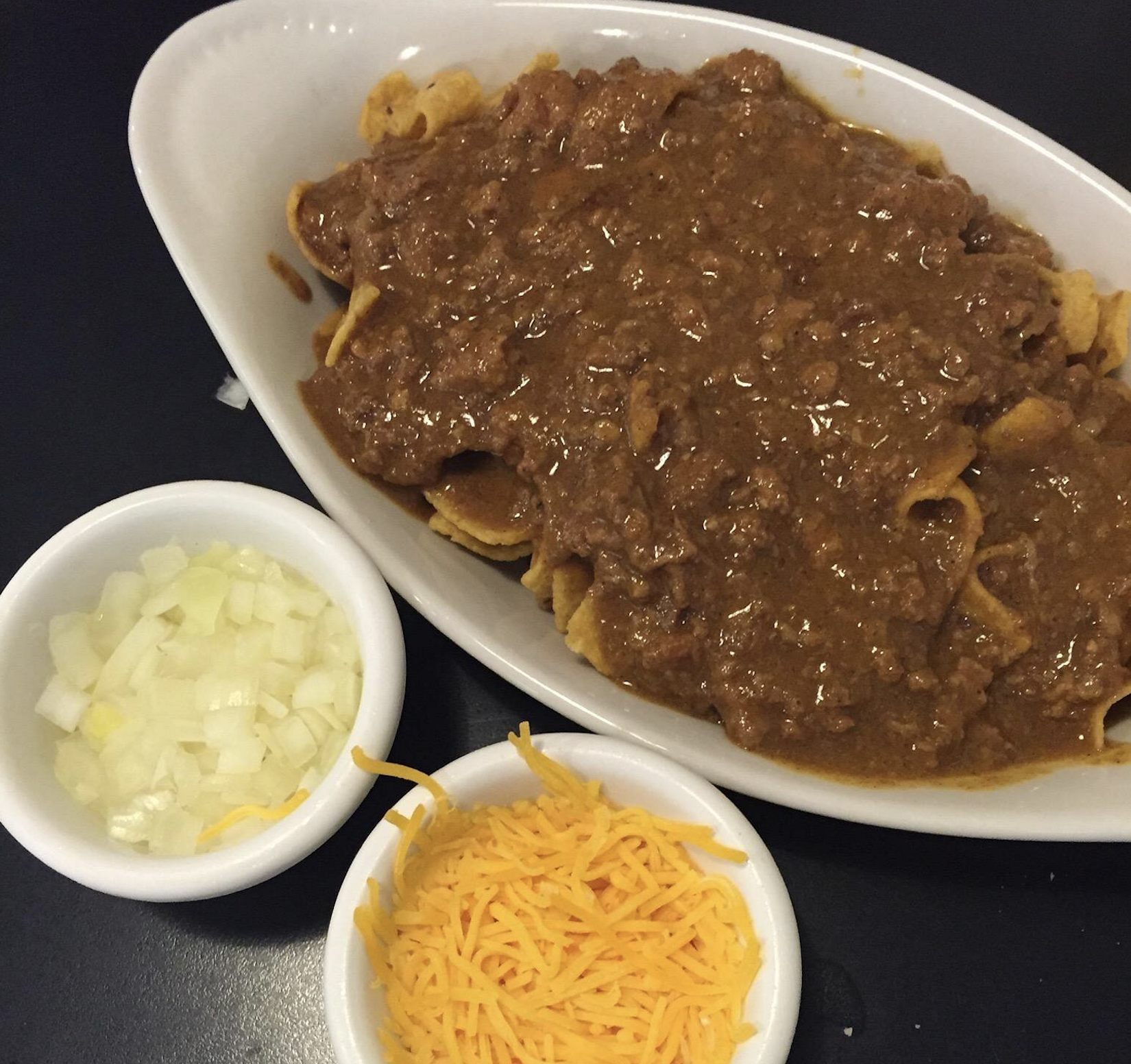
In Oklahoma’s old-school chili parlors, hearty, chili-topped dishes are served to travelers, a practice deeply rooted in the local restaurant tradition. One such establishment is Ike’s Chili House in Tulsa, which serves chili over fries, adding a versatile twist to a classic staple that it’s also served on burgers in other restaurants. This longstanding restaurant tradition has helped preserve Oklahoma’s distinctive regional winter foods.
Minnesota Hotdish: The One-Pan Meal Designed to Feed a Family
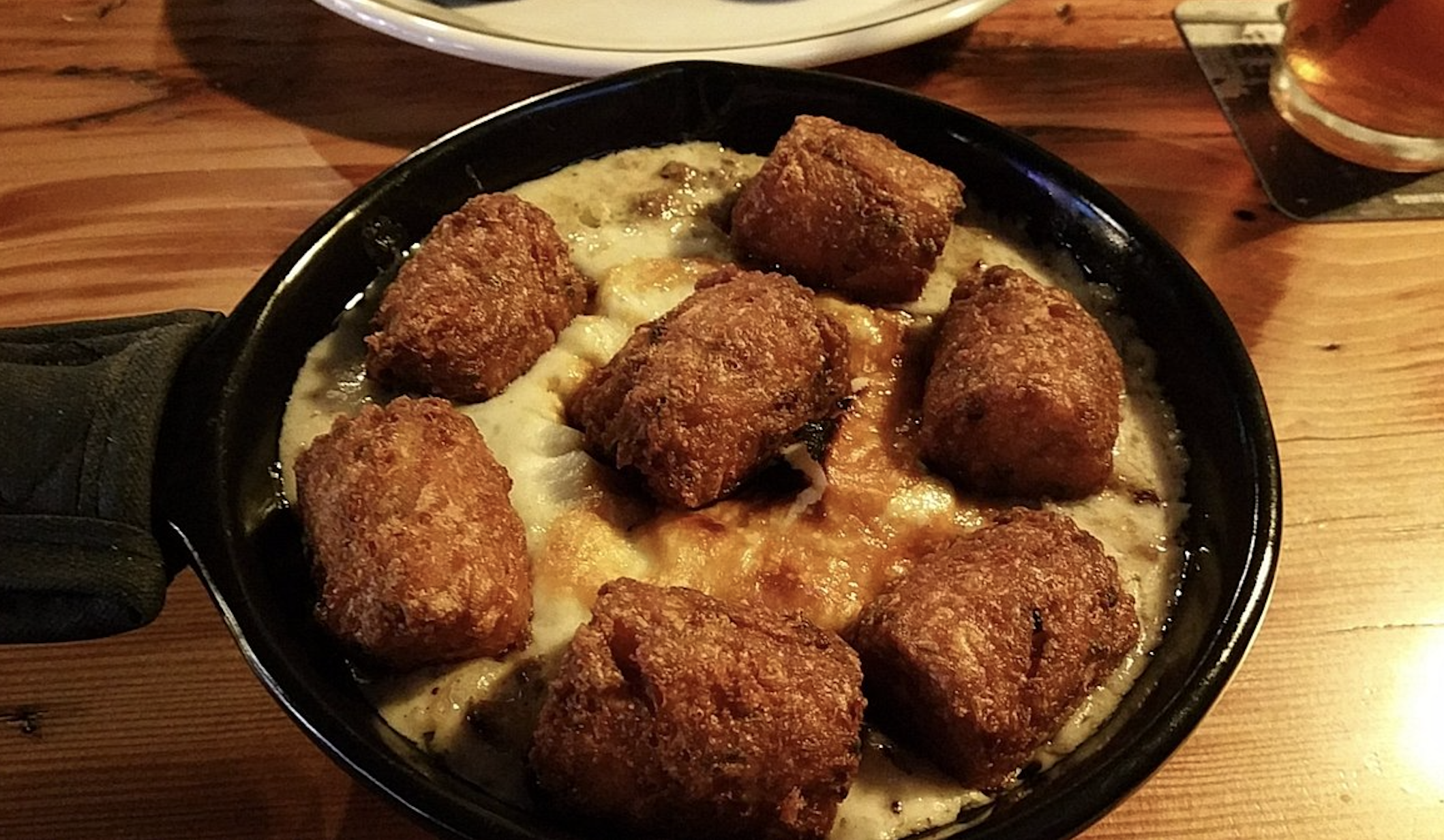
The classic Minnesota dish known as hotdish consists of proteins, vegetables, a starch, and a creamy or savory binding ingredient, all combined into a baked casserole. It reflects a practical Midwestern tradition centered on the need to satisfy many appetites using convenient, accessible ingredients. Hotdish remains culturally significant in Minnesota, frequently appearing at community gatherings, potlucks, and family dinners. It is also one of the most familiar regional winter foods in the Midwest.
Conclusion
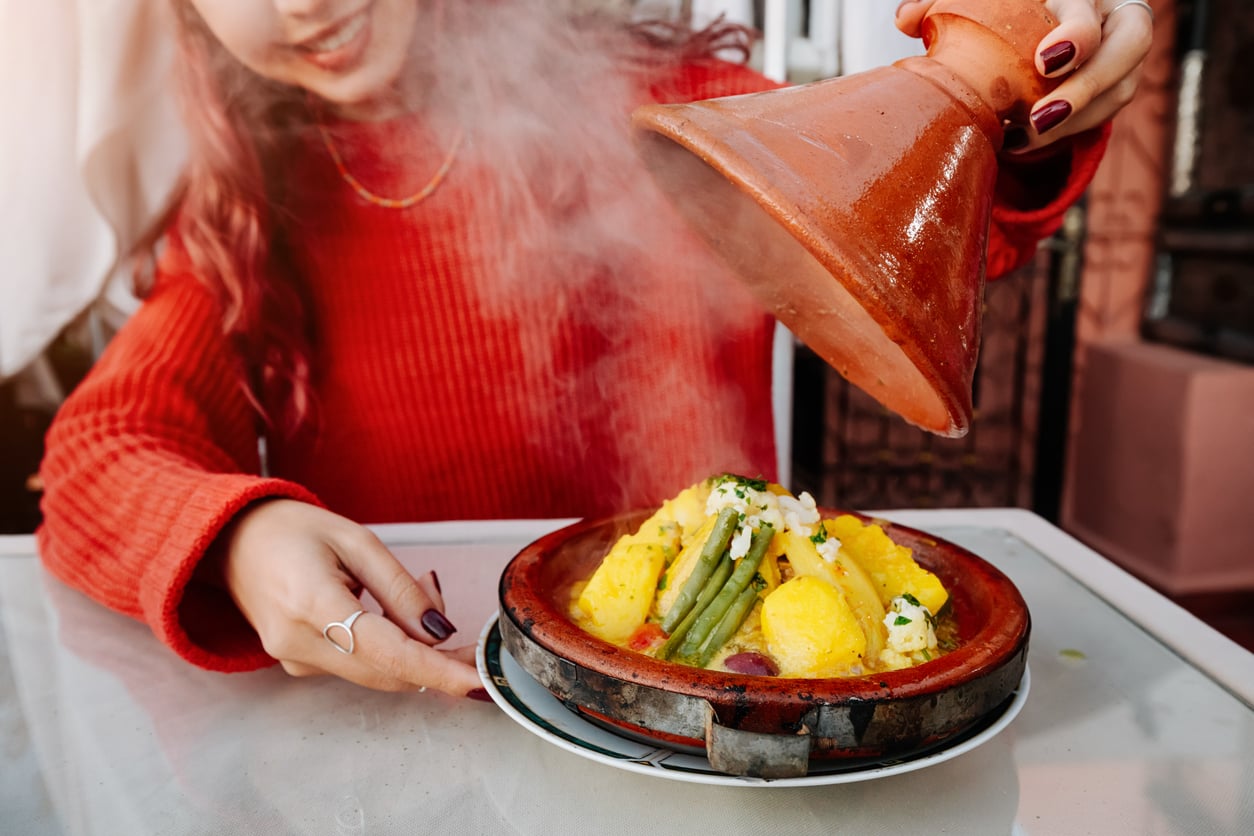
These regional winter foods from the United States reveal insights into immigration, geography, and household economics across different areas. Some of these dishes began as practical meals before evolving into important regional staples, an evolution that explains their enduring popularity. Perhaps most striking, however, is the history that lies behind each of these regional dishes.