A crowded dining room and an attractive menu don’t necessarily guarantee a good meal. Sometimes, it’s the smaller details that tell you more about what to expect from a restaurant. The Michelin Guide emphasizes ingredient quality, cooking techniques, flavor, and consistency when evaluating food. From knowledgeable servers to house-made sauces, here are 12 restaurant signs that usually suggest you’re in for a satisfying meal worth your money.
The Menu Has a Clear Specialty
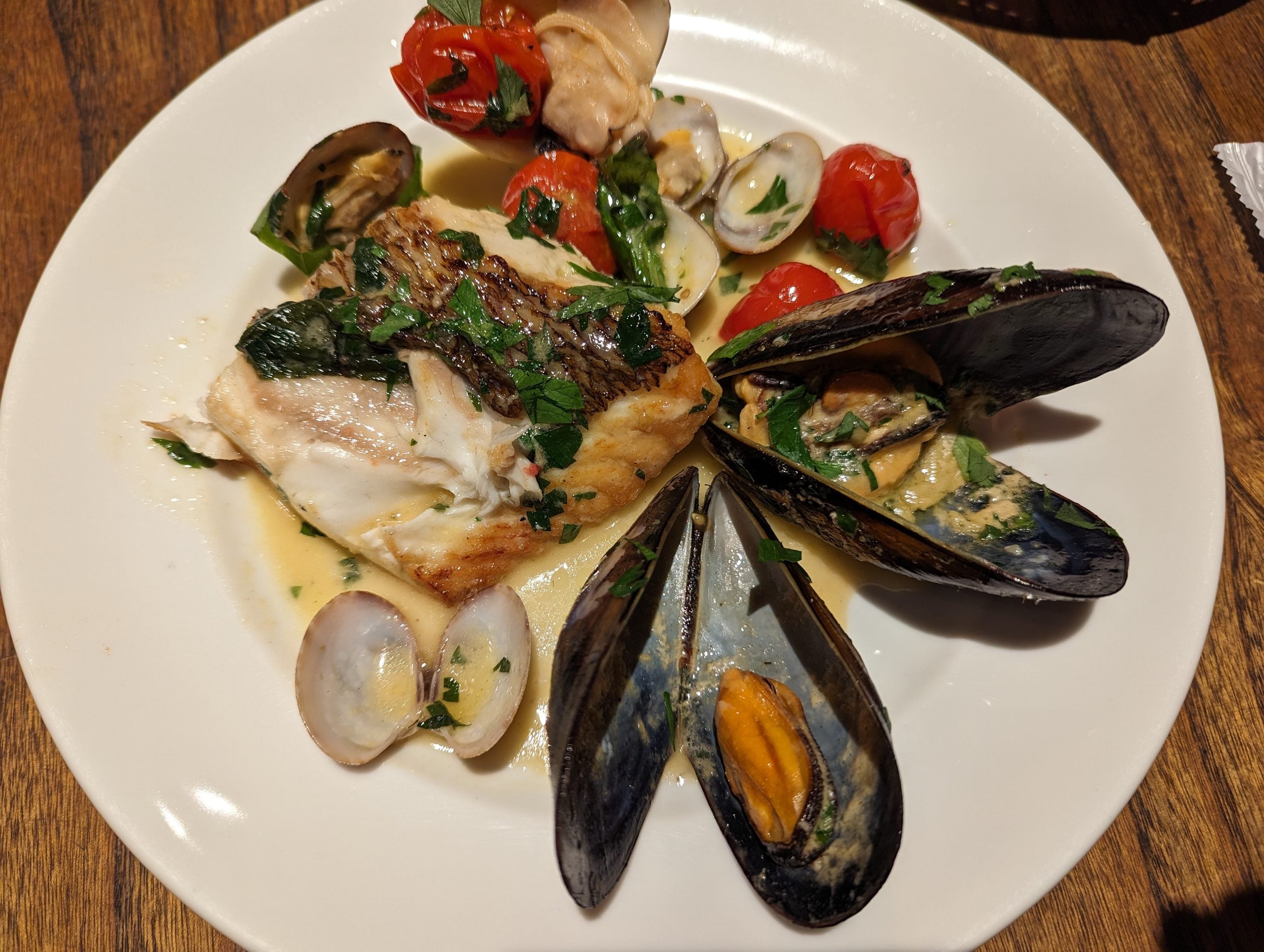
A restaurant doesn’t need to offer something for every possible craving. In fact, a place that concentrates on a particular cuisine or cooking style can be more promising than one that seems to be serving everything imaginable. Think of a neighborhood Italian restaurant specializing in handmade pasta or a barbecue joint known for slow-smoked meats. A focused menu gives you a better idea of where the kitchen’s strengths lie. That doesn’t mean a lengthy menu is automatically bad, but a clear culinary identity is encouraging.
The Staff Can Explain How a Dish Is Prepared
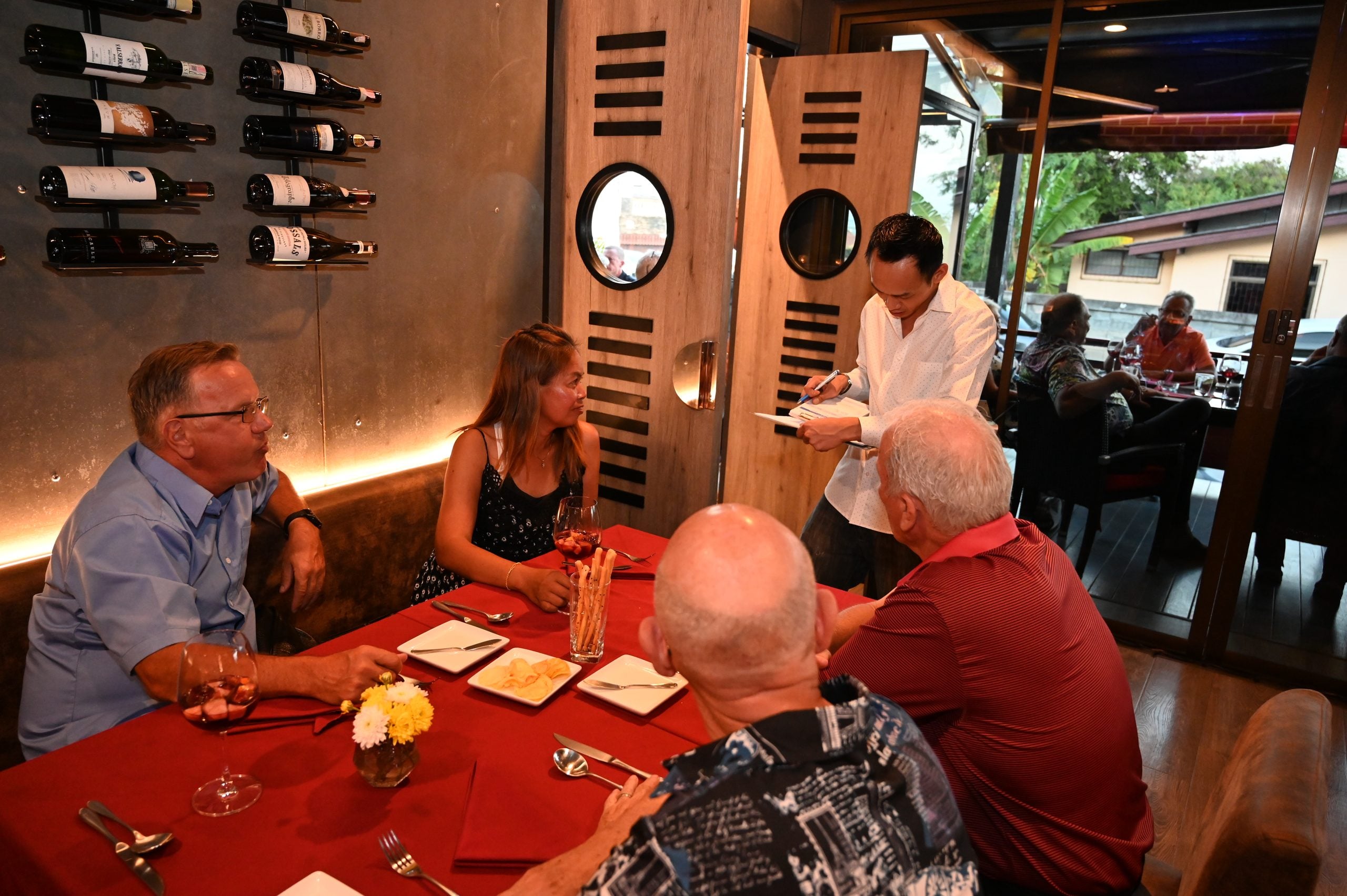
Ask your server what makes the house meatloaf special or how the kitchen prepares its fish. A detailed answer about ingredients, seasoning, or cooking methods is much more useful than being told that everything is delicious. Knowledgeable servers can also steer you toward dishes that suit your appetite and preferences. Equally reassuring is a server who admits they don’t know something and checks with the kitchen. You want honest information about your meal, not someone simply trying to sell the most expensive item.
The Seasonal Specials Actually Change With the Seasons
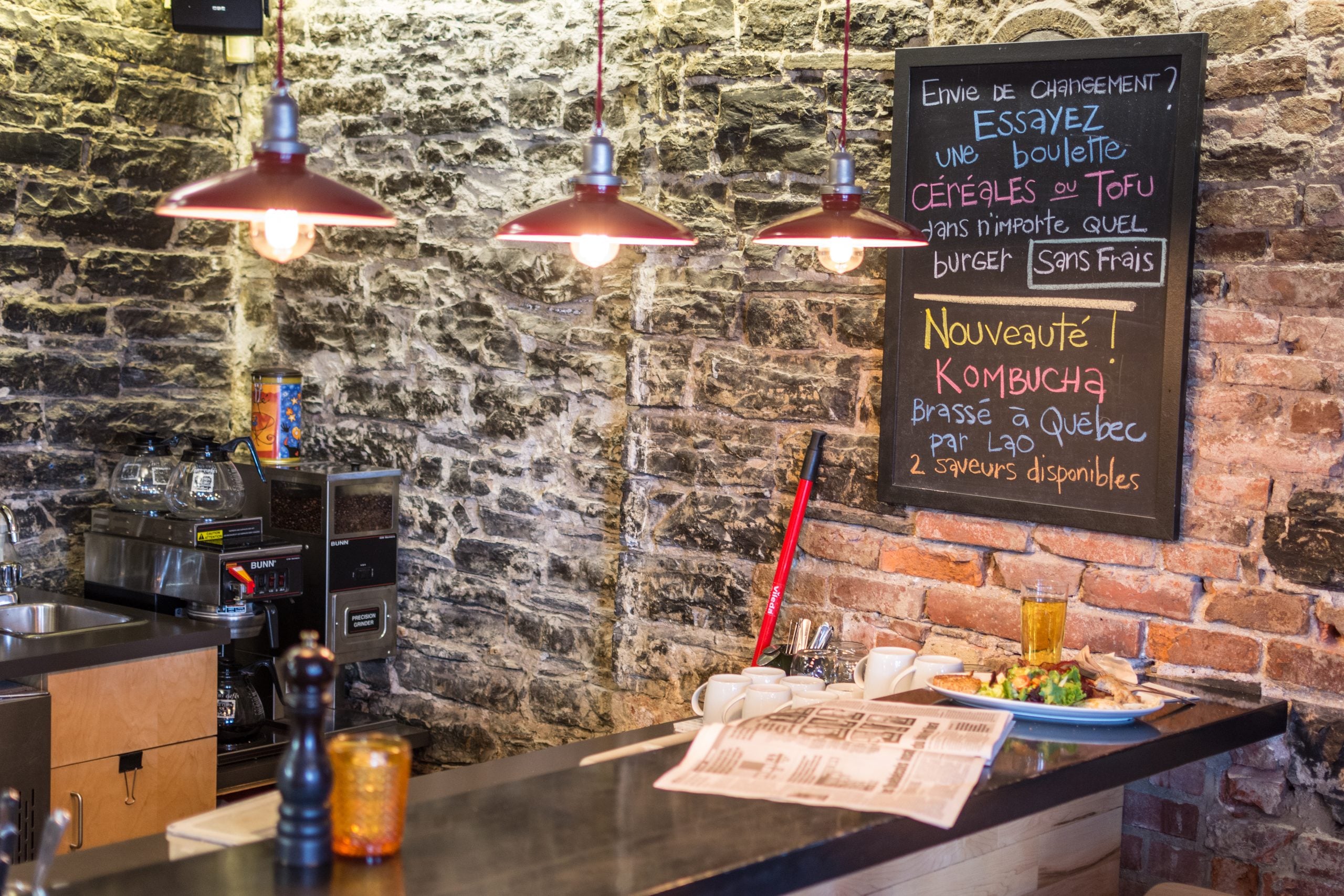
A restaurant offering asparagus in spring, fresh tomatoes in summer, or butternut squash in fall may be taking advantage of ingredients when they’re particularly appealing. Seasonal specials can also provide an interesting change from the regular menu. Look for specific descriptions of what’s available rather than vague claims about farm-fresh cooking. Local ingredients aren’t necessarily superior to those sourced elsewhere, but a kitchen that responds thoughtfully to seasonal availability gives diners another reason to return throughout the year.
Regular Customers Keep Recommending the Same Dish
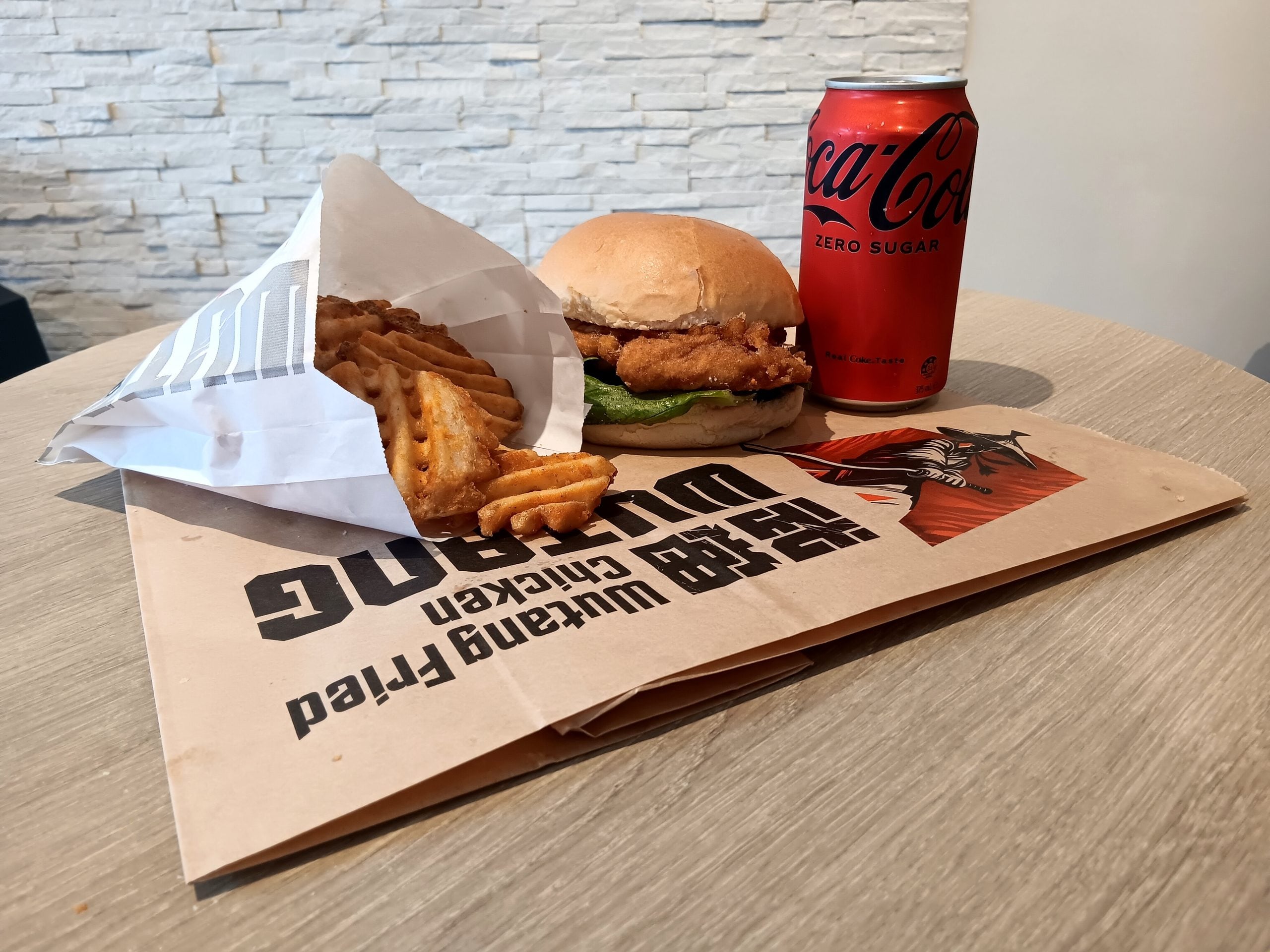
When several customers independently rave about a restaurant’s fried chicken, homemade lasagna, or coconut cream pie, it’s worth paying attention. A dish that brings people back repeatedly may be one the kitchen has spent years perfecting. Check recent reviews for specific recommendations rather than relying entirely on the overall star rating. A restaurant with modest surroundings and a loyal following for its signature dish may offer a more satisfying meal than a beautifully decorated establishment praised mainly for its atmosphere.
The Restaurant Makes Some of Its Own Sauces and Dressings
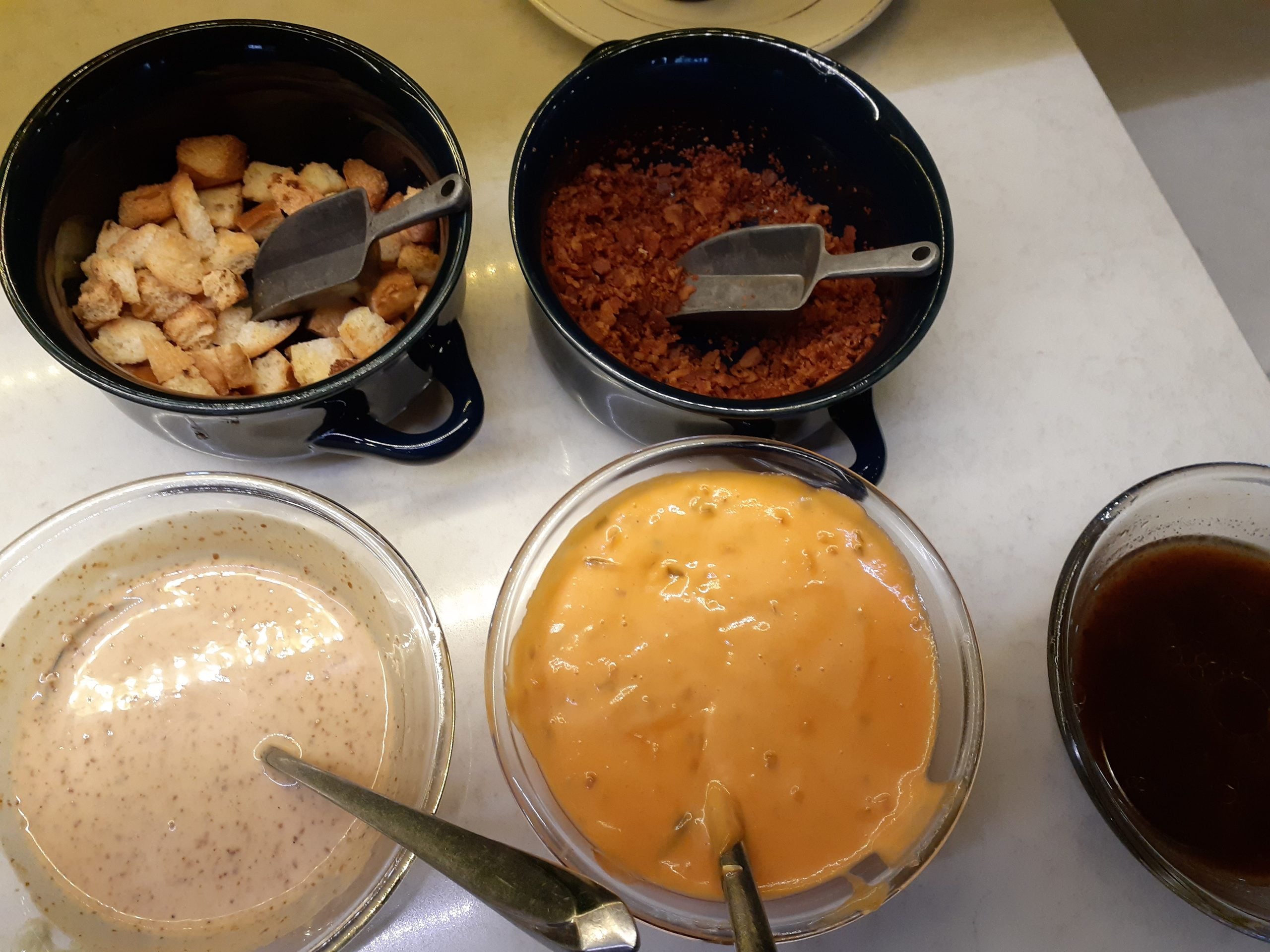
Sometimes, the smallest details make the biggest difference. A diner that prepares its own gravy, a sandwich shop with a distinctive house dressing, or a Mexican restaurant serving freshly prepared salsa gives customers something they might not find elsewhere. Ask which items are actually made in the kitchen if you’re curious. Restaurants don’t need to make everything from scratch to serve excellent food, but a few thoughtfully prepared house specialties can show that the kitchen puts effort into developing its own flavors.
Trending on Cheapism

Certain Dishes Are Prepared to Order
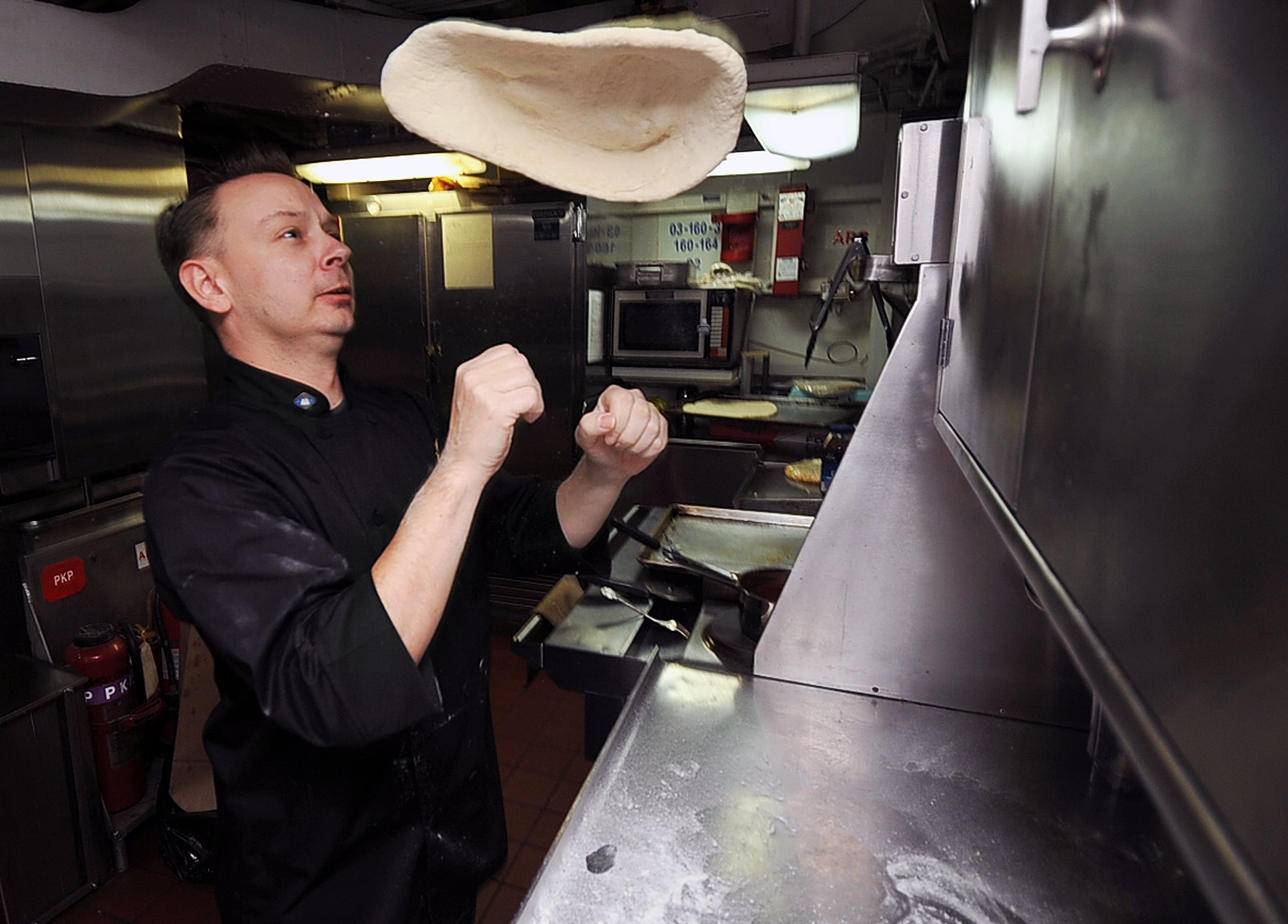
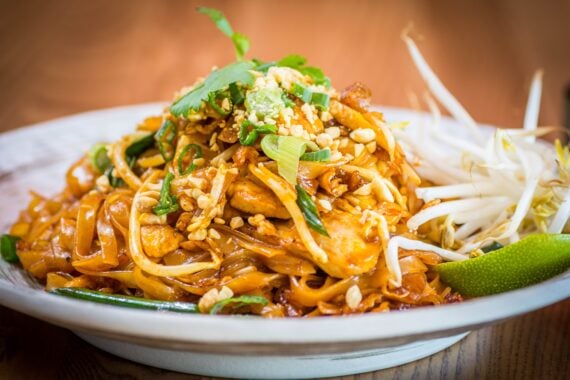
There’s something reassuring about hearing the sizzle of a burger hitting the grill or watching someone stretch pizza dough after you’ve placed your order. Foods that depend on crispness, texture, or precise cooking can benefit from being finished just before serving. Of course, soups, stews, and slow-cooked meats often require considerable advance preparation, so not everything needs to be made on the spot. A kitchen that understands which dishes benefit from last-minute cooking is more promising than one that simply reheats everything.
The Menu Tells You What’s Actually on the Plate
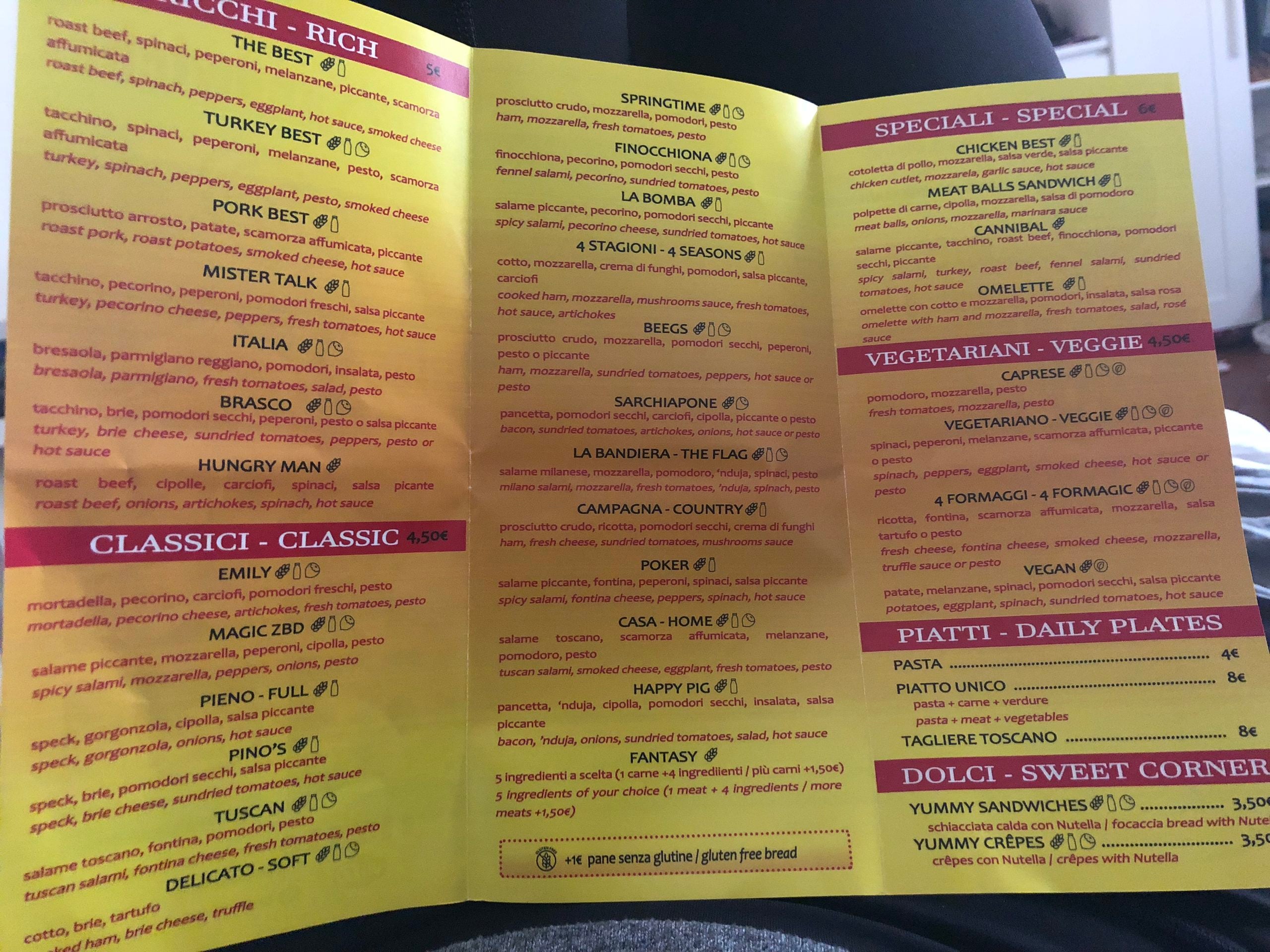
Fancy descriptions can make ordinary dishes sound impressive without telling you much about what you’re ordering. A menu that identifies the main ingredients, cooking method, and accompanying sides is far more helpful. Knowing that your chicken comes with roasted garlic potatoes and a lemon butter sauce makes it easier to decide whether the meal is worth the price. Straightforward descriptions can also reflect confidence in the food itself. A good meal doesn’t need a paragraph of flowery language to make it sound appealing.
Even the Side Dishes Get some Attention
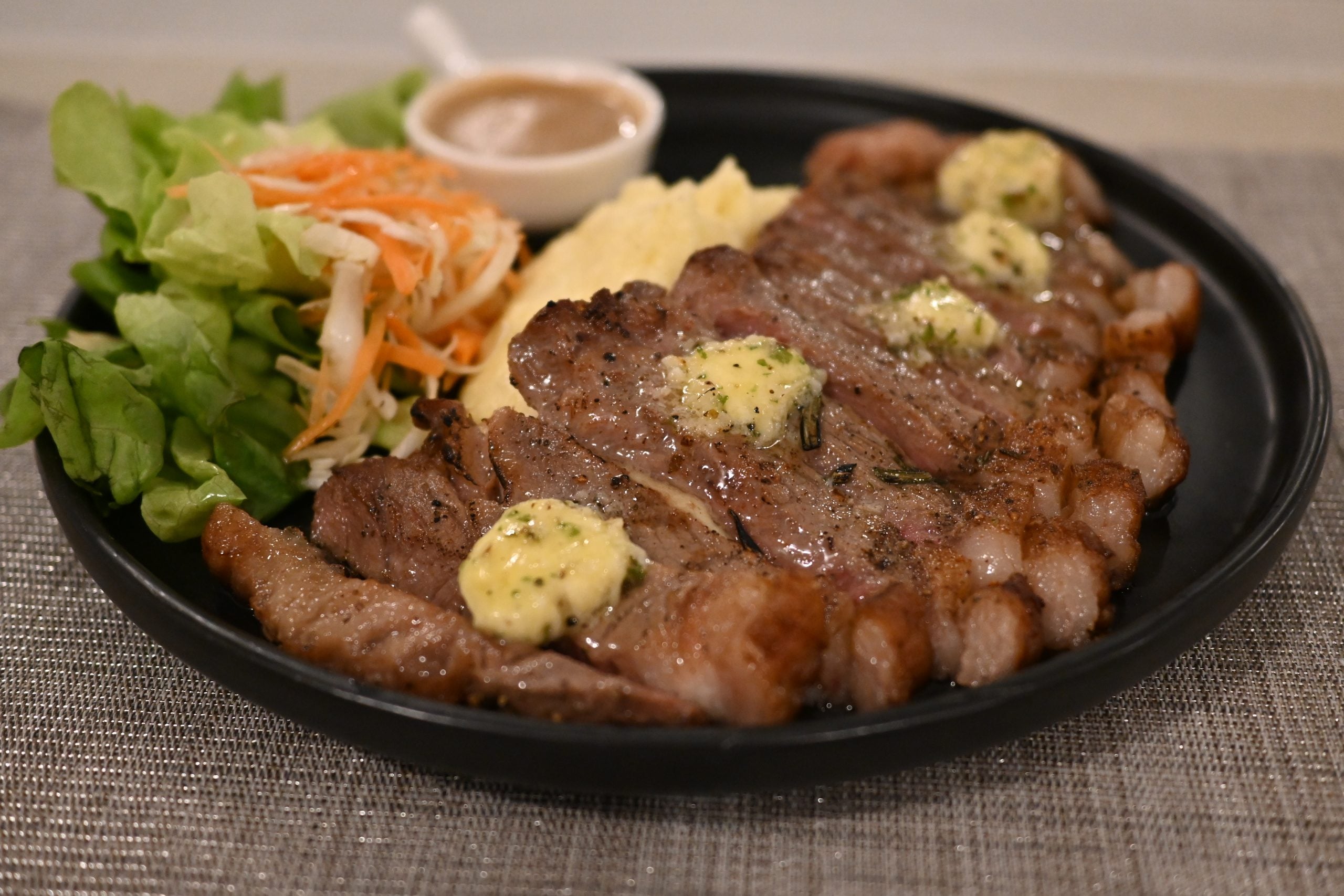
A beautifully cooked steak can lose some of its appeal when it’s served with watery vegetables or bland mashed potatoes. Pay attention to the less glamorous parts of a meal, such as the bread, coleslaw, rice, vegetables, and accompanying sauces. Well-seasoned green beans or properly prepared home fries can be just as memorable as the main dish. A restaurant that puts thought into the entire plate, rather than concentrating exclusively on the most expensive ingredient, may offer a more satisfying dining experience.
Sign up for our newsletter
Hot Food Arrives Hot and Cold Food Arrives Cold
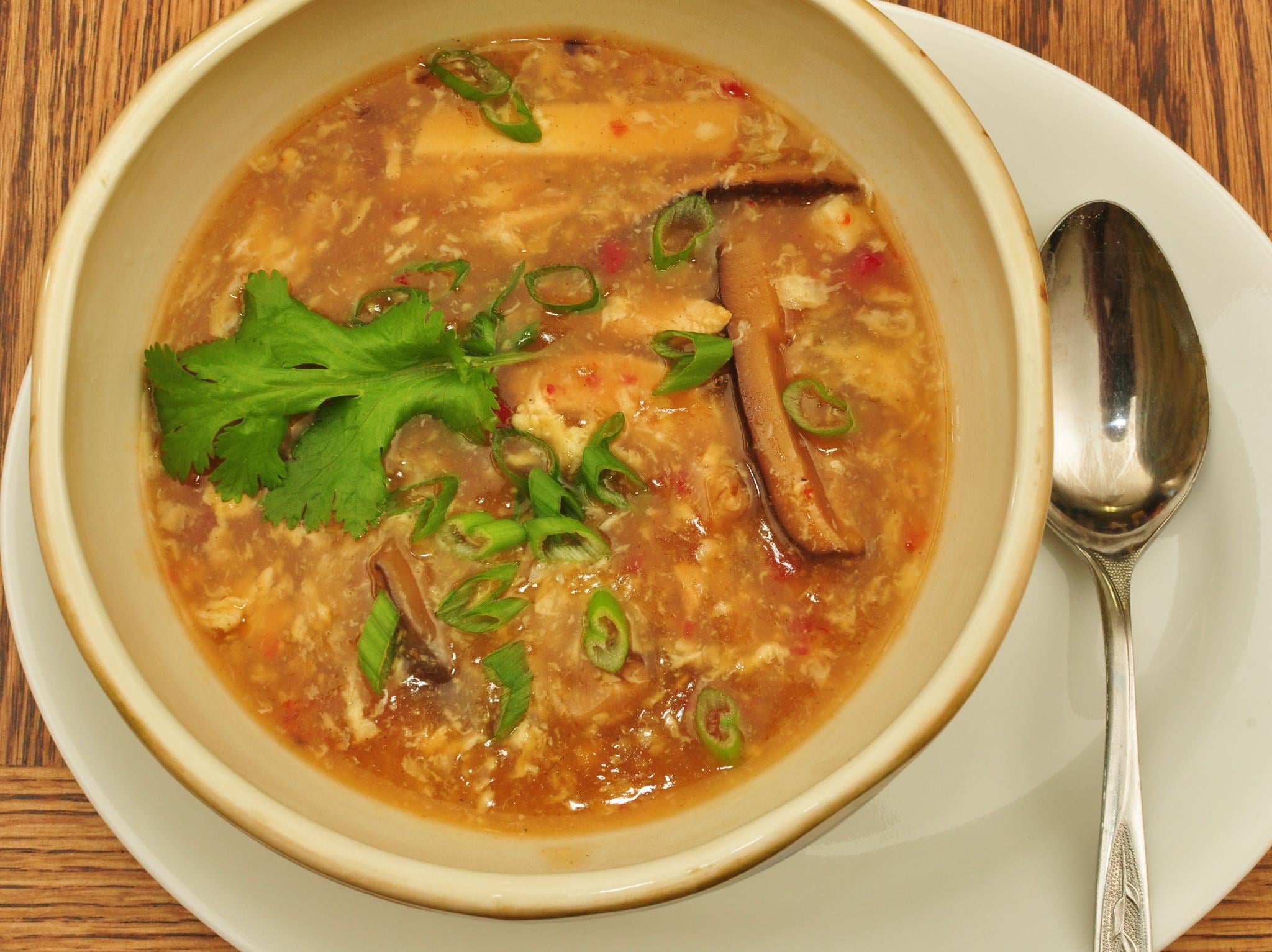
Nobody wants a bowl of lukewarm soup or a salad that’s been sitting somewhere warm. Serving food at the appropriate temperature matters for both enjoyment and safety. French fries should arrive hot and crisp, while dishes intended to be served chilled should still be cold when they reach the table. Proper temperatures can suggest that the kitchen and serving staff are coordinating well. At buffets, pay particular attention to foods that appear to have been sitting out without adequate heating or refrigeration.
The Restaurant Has a Good Recent Health Inspection Record
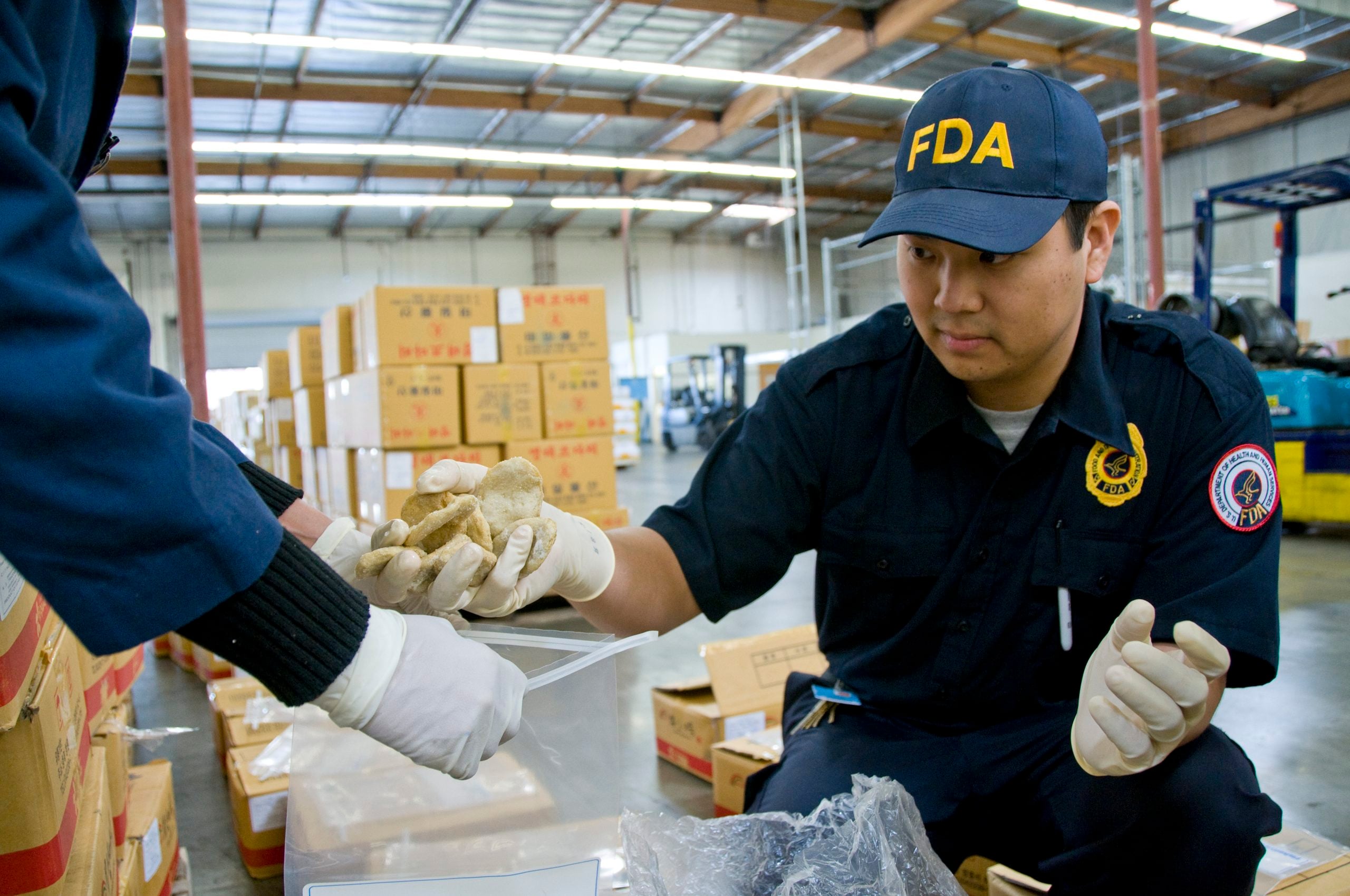
A spotless dining room might look reassuring, but an official health inspection can reveal things customers can’t easily see. Depending on the local reporting system, inspection results may provide information about food storage, sanitation, and safe preparation practices. Look for a recent satisfactory inspection or check the local health department’s records before visiting. A good inspection score won’t tell you whether the pot roast is delicious, but proper food handling is an important foundation for an enjoyable meal that doesn’t leave you regretting your restaurant choice.
Independent Food Critics Recognize Its Quality and Value
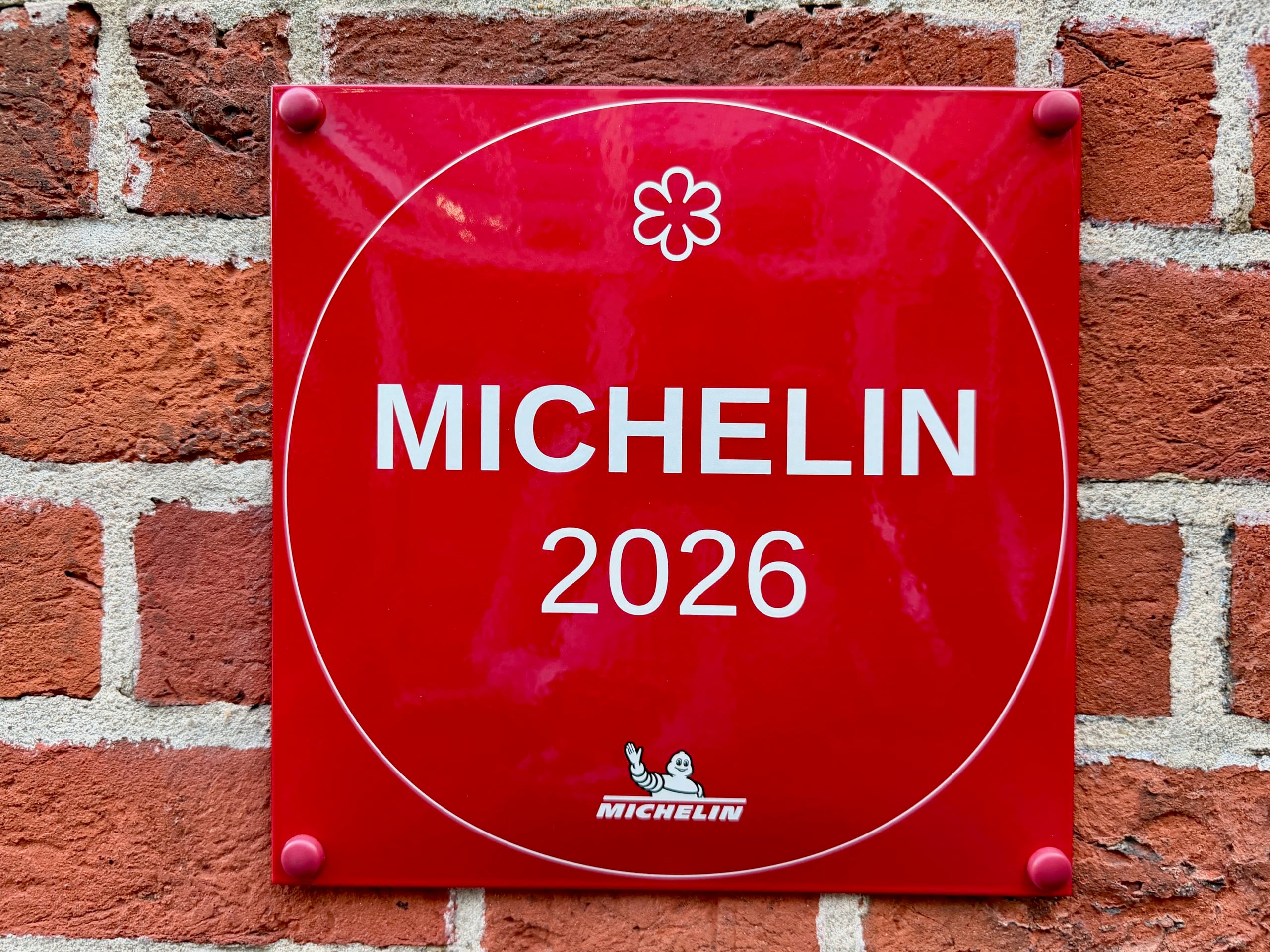
You don’t need to eat at an expensive restaurant to enjoy cooking that has earned professional recognition. Michelin’s Bib Gourmand distinction, for example, highlights restaurants offering good food at moderate prices. Local newspaper food critics and established regional dining publications can also introduce you to worthwhile neighborhood establishments. Check how recently the restaurant was reviewed and whether the recommendation still reflects its current menu. Plenty of excellent places never receive awards, but credible recognition can be a useful starting point when exploring an unfamiliar town.
The Food Earns Consistent Praise Over Time

One glowing review from three years ago tells you relatively little about what will arrive at your table tonight. Look for recent accounts from customers who have visited more than once and continue to enjoy the food. Consistent comments about properly cooked meals, satisfying portions, and dependable flavor can be especially encouraging. Pay attention to repeated complaints, too, particularly if they mention changes in ownership or declining quality. A restaurant doesn’t need to reinvent its menu constantly when it already knows how to deliver a reliably enjoyable meal.