Going to school in the 1970s wasn’t just about learning multiplication tables, memorizing historical dates, or trying to survive gym class. For many American students, school rules in the 1970s covered everything from how you dressed to how you walked through the hallways. Depending on where you went to school, having hair that was considered too long, talking between classes, or showing up a few minutes late could land you in trouble.
Of course, school rules weren’t the same everywhere, and the 1970s were actually a time when many traditional expectations were being challenged. Students pushed back against restrictive dress codes, questioned disciplinary practices, and demanded greater freedom to express themselves. Still, plenty of schools maintained strict policies that might surprise students today.
From mandatory gym uniforms to detention and even corporal punishment, here are 12 school rules kids in the 1970s were expected to follow.
Boys Could Be Told Their Hair Was Too Long
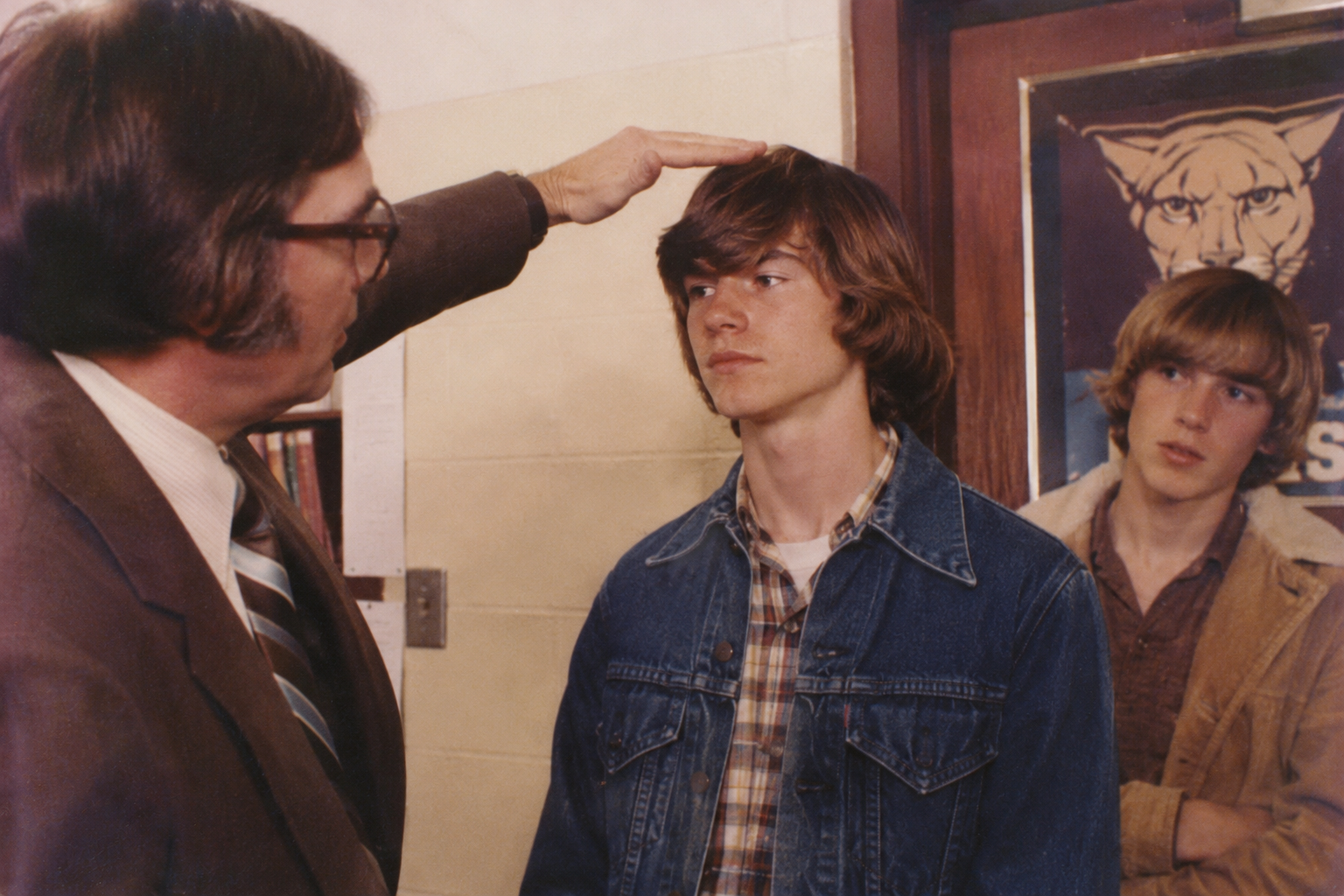
Long hair might have been fashionable among rock stars and teenagers in the 1970s, but that didn’t mean every school principal approved. Some American schools still enforced grooming policies that restricted how long boys could wear their hair, sometimes requiring it to stay above the collar or away from the ears and eyes.
Naturally, these rules didn’t sit well with students who wanted to imitate their favorite musicians or embrace the decade’s changing fashions. Disputes over hair length even made their way into courtrooms, as students challenged whether schools had the right to regulate their appearance. Depending on the district, a haircut that seemed perfectly normal outside school could become a disciplinary issue inside the classroom.
Students Were Expected to Follow Strict Dress Codes
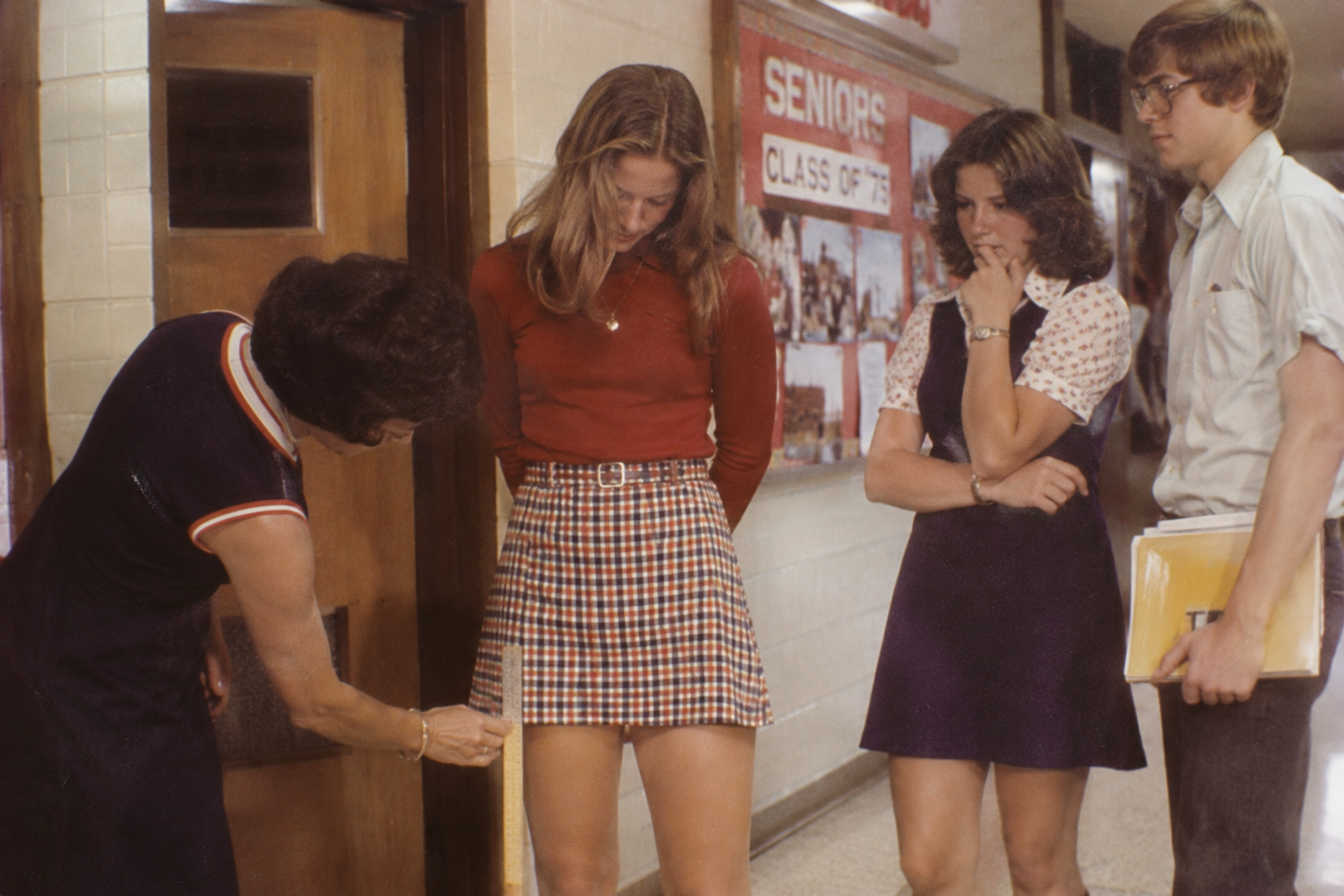
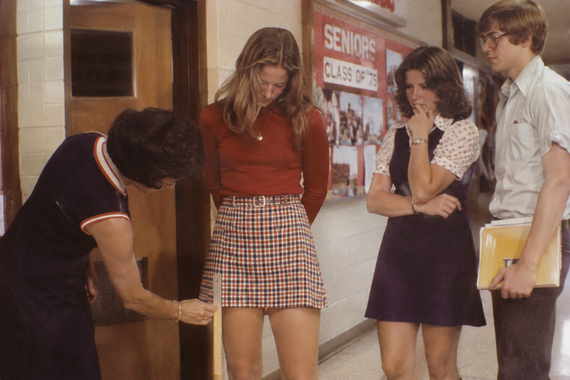
Before jeans, T-shirts, and sneakers became everyday classroom staples in many schools, students often faced detailed rules about what they could wear. Depending on the district, dress codes could regulate skirt lengths, footwear, and clothing styles, with administrators deciding what counted as appropriate school attire.
By the early 1970s, however, students were increasingly questioning these restrictions. Some schools relaxed their policies, while others continued enforcing traditional standards. A 1972 yearbook from Lincoln Northeast High School in Nebraska even documented students criticizing outdated dress codes. For teenagers eager to express themselves through fashion, getting dressed for school could sometimes feel like a battle with the administration.
Walking Through the Hallway Required a Written Pass
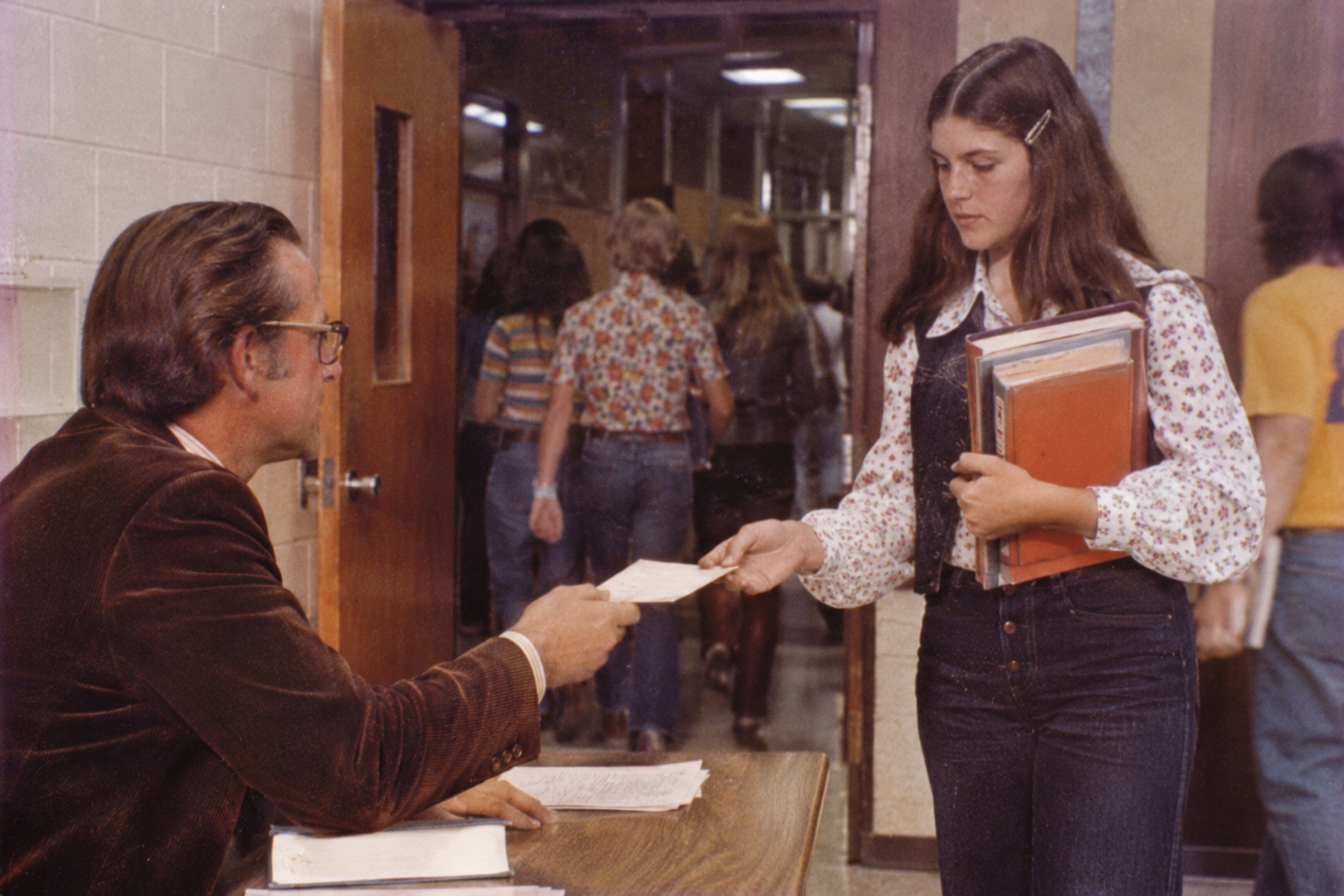
Need to use the bathroom or visit the school office during class? In many 1970s schools, you couldn’t simply get up and leave. Students were expected to ask their teacher for permission and carry a hall pass proving they had a legitimate reason to be outside the classroom.
These passes might be handwritten slips of paper, laminated cards, or other objects designated by the school. According to a 1975 handbook from Northville High School in Michigan, students needed written permission to be in the hallway during instructional periods, and passes were supposed to be issued only under exceptional circumstances. Getting caught wandering without one could mean an uncomfortable conversation with a teacher or administrator.
Talking With Friends Between Classes Had Limits
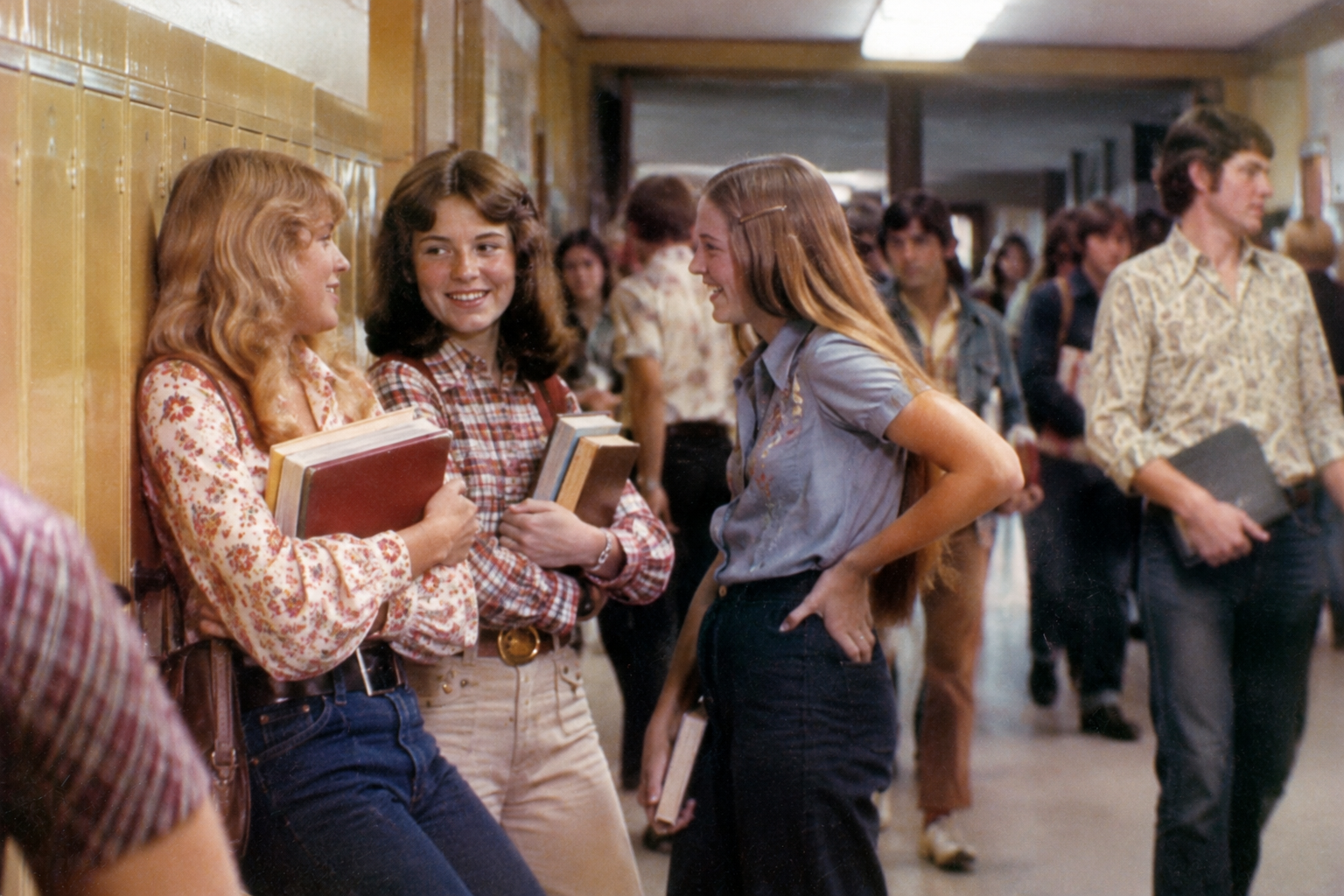
The few minutes between classes might have seemed like the perfect opportunity to catch up with friends, but some schools had other ideas. Hallways were supposed to be used for getting from one classroom to another, not standing around chatting or making unnecessary trips to your locker.
Northville High School’s 1975 student handbook specifically instructed students not to stop and talk with friends in the hallway. Considering that students also had to collect textbooks, navigate crowded corridors, and reach their next classroom before the bell, there wasn’t much time to waste. If you wanted to finish telling your friend what happened over the weekend, you might have to wait until lunch.
You Couldn’t Just Walk Out of Study Hall
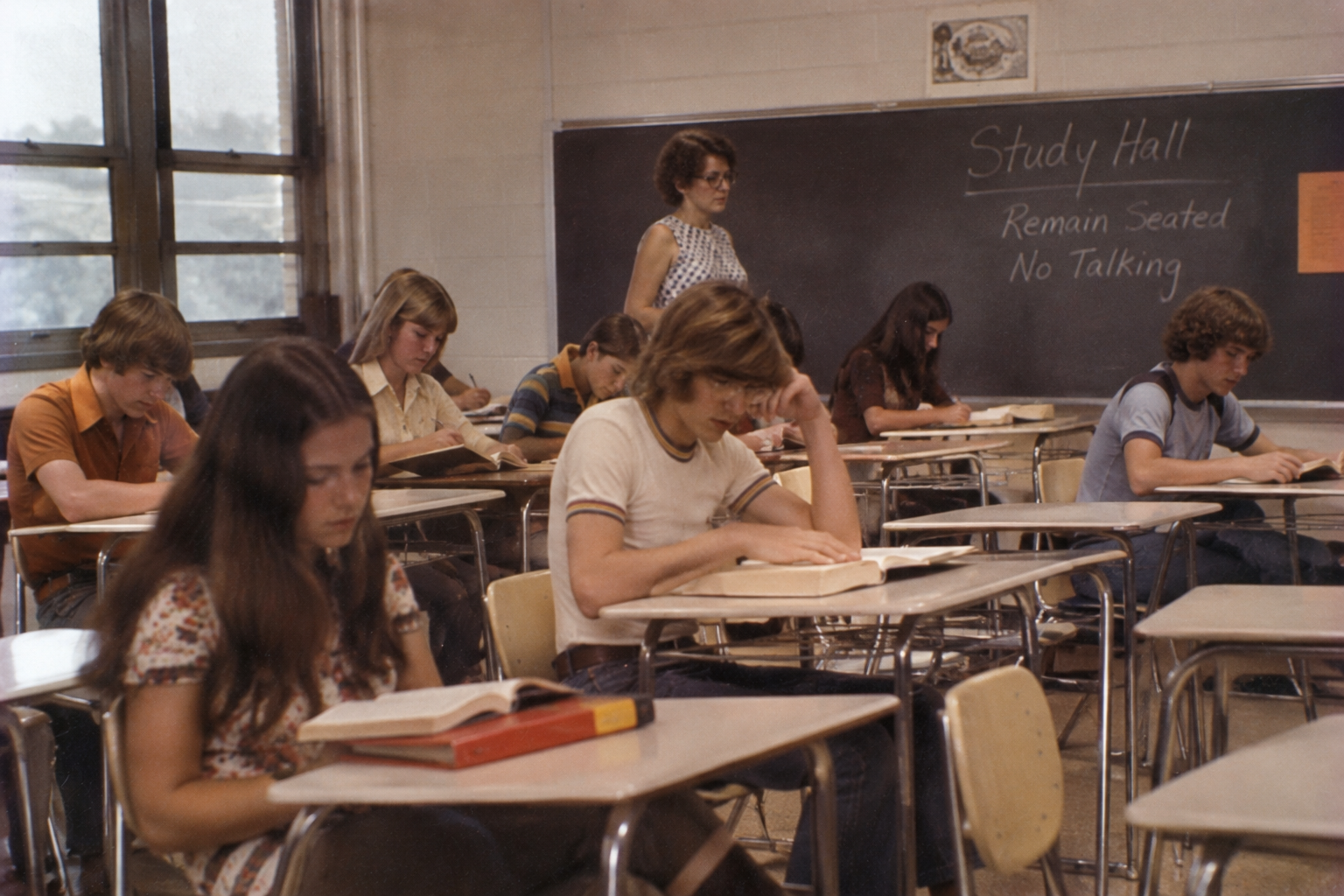
Study hall might sound like a relaxing break from regular classes, but in many 1970s schools, it came with its own set of expectations. Students were generally supposed to remain seated, work quietly, and avoid disturbing anyone else. Even though there wasn’t necessarily a teacher delivering a lesson, the period was still supervised.
Want to visit the library, borrow something from another student, or leave the room? You often needed permission first. Historical school handbooks show that some schools treated study hall almost like a regular classroom, complete with rules about talking and moving around. For students hoping to use the time to socialize, that could make the period feel considerably longer than expected.
Trending on Cheapism


Physical Education Could Be Mandatory, Including Changing Clothes
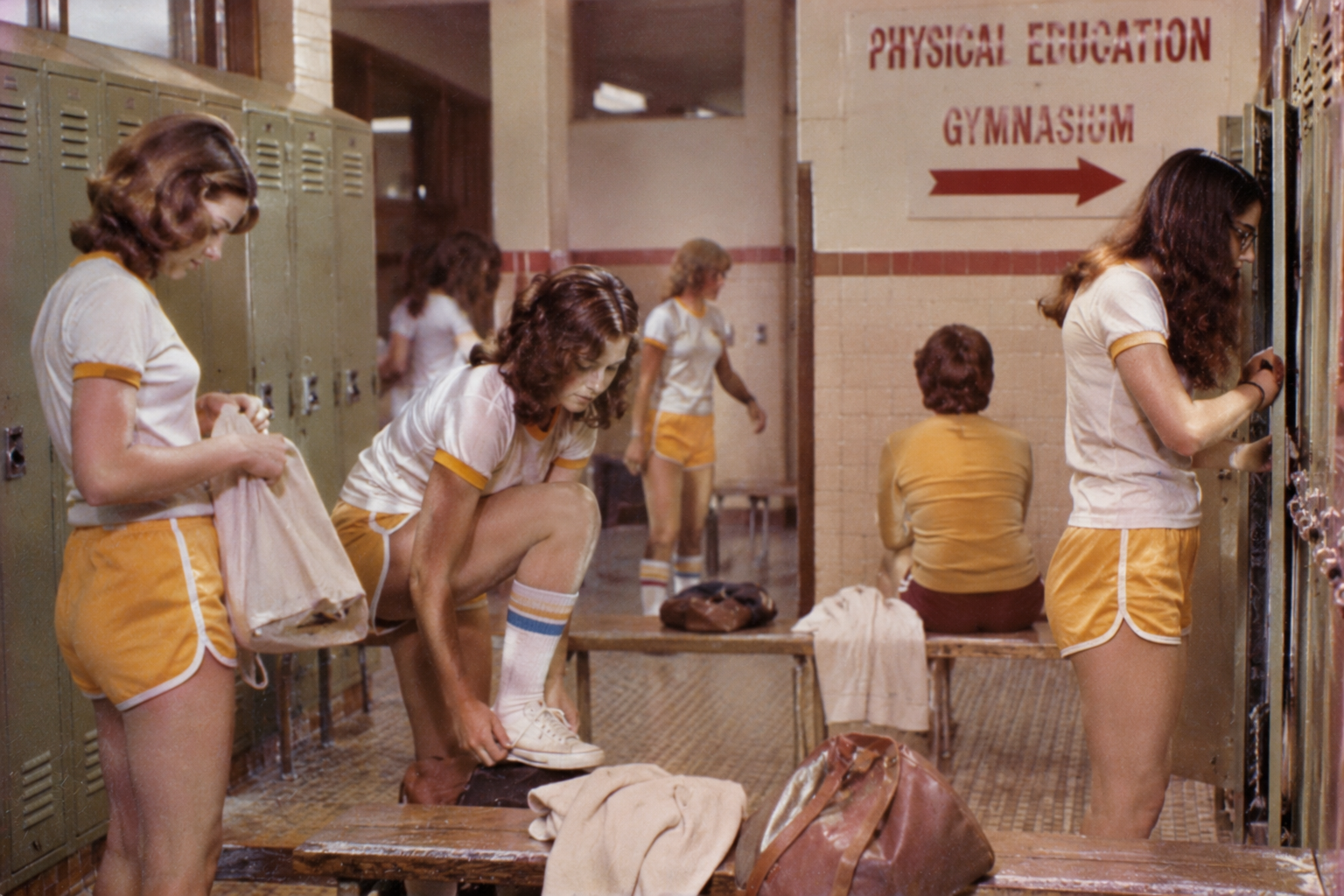
For many students in the 1970s, gym class wasn’t something you could simply skip because you didn’t feel like participating. Schools often required physical education, and students were expected to change into designated gym clothes before class began.
Depending on the school, that might mean wearing a specific uniform, bringing athletic shoes, or following strict locker-room procedures. Forgetting your gym clothes could result in disciplinary consequences or affect your participation grade, even if you were otherwise prepared for the day. And if you weren’t particularly athletic, having to change clothes and participate in front of your classmates could make gym one of the more dreaded parts of the school schedule.
Detention Could Mean Staying After School
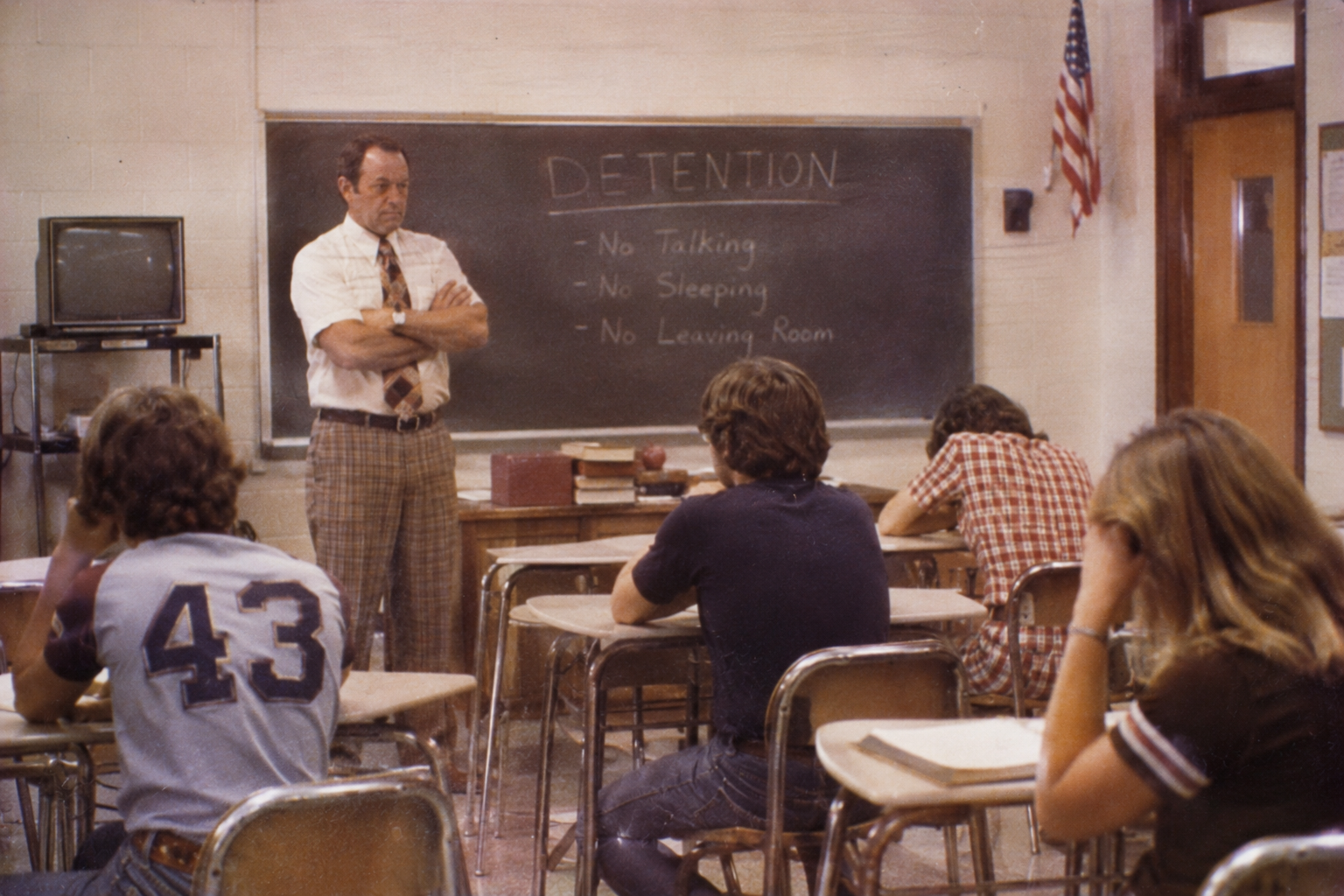
Getting caught talking during class, repeatedly arriving late, or refusing to follow a teacher’s instructions could earn you one of the most dreaded punishments of the school day: detention. Depending on the school’s policies, that might mean spending your lunch period or an extra hour after school sitting quietly under supervision.
After-school detention could be particularly inconvenient. While your friends headed home, you might find yourself sitting in an otherwise empty classroom, watching the clock and wondering when you’d finally be allowed to leave. And because staying late could mean missing the school bus, your parents might have to rearrange their schedules to pick you up. Detention certainly wasn’t unique to the 1970s, but it was a familiar consequence for students who broke the rules.
Some Schools Still Used Corporal Punishment
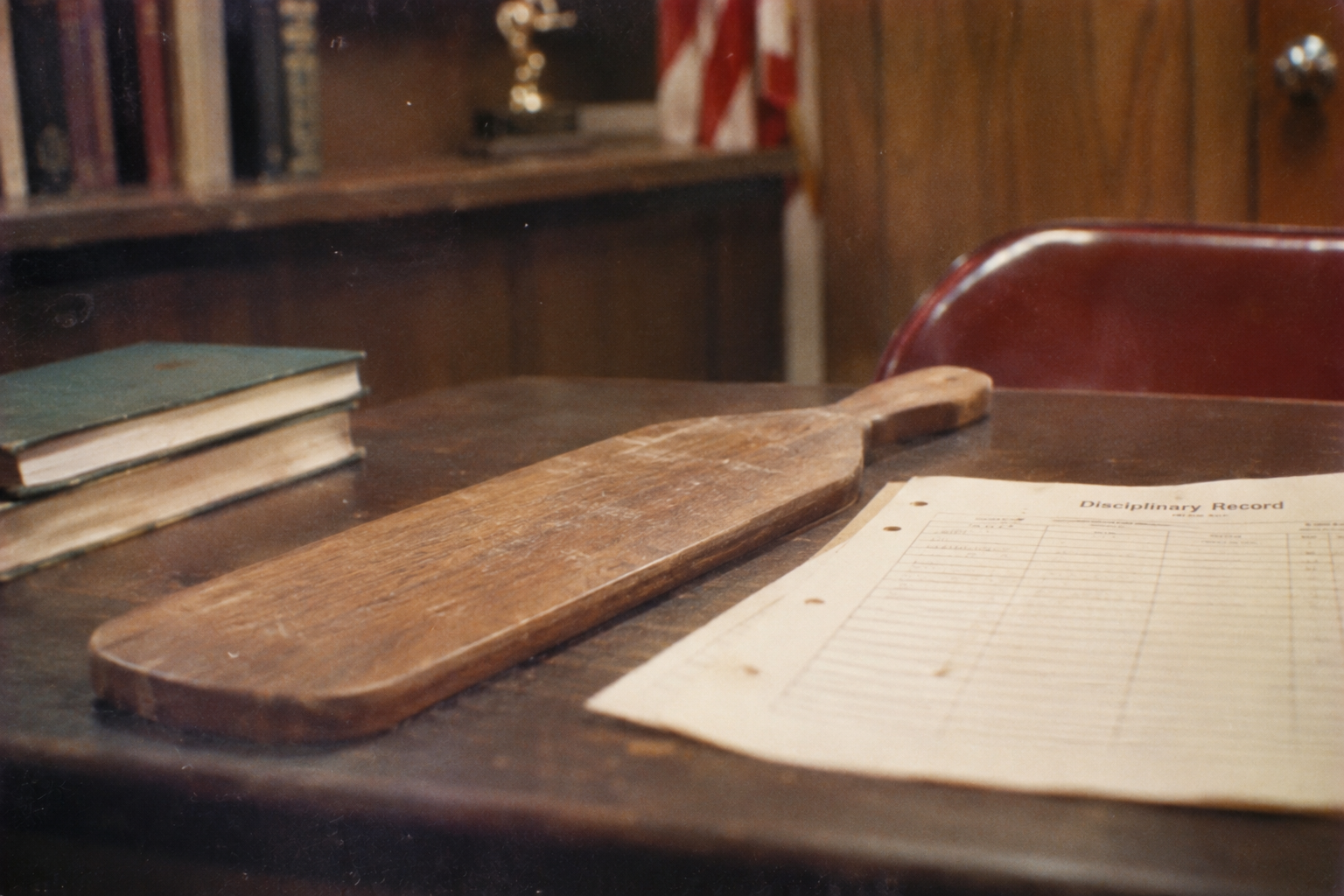
One of the more troubling aspects of school discipline in the 1970s was the continued use of corporal punishment in some American public schools. Depending on the state and district, administrators or teachers could be permitted to physically punish students for misconduct, including through paddling.
The practice was controversial even at the time. In 1977, the U.S. Supreme Court ruled in Ingraham v. Wright that the Eighth Amendment’s prohibition on cruel and unusual punishment did not apply to corporal punishment in public schools. The decision did not require schools to use physical punishment, and state laws and local policies continued to differ. While many schools have since abandoned the practice, its prevalence in parts of the country during the 1970s reflects a very different approach to student discipline.
Sign up for our newsletter
Students Were Expected to Show Formal Respect to Teachers
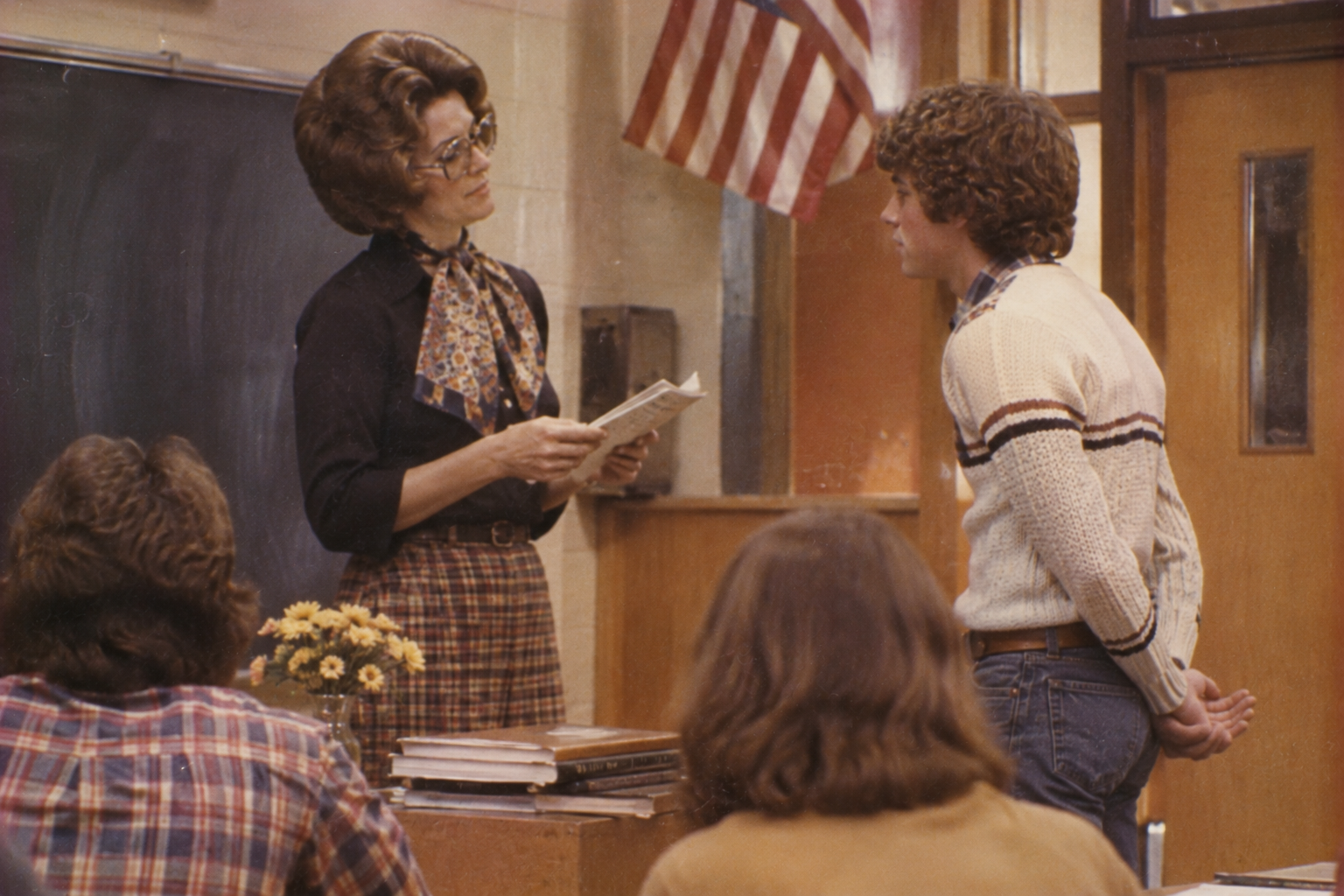
Calling a teacher by their first name or questioning their instructions wasn’t necessarily going to go over well in a 1970s classroom. Many schools placed considerable emphasis on showing respect to adults, following directions promptly, and speaking politely to teachers and administrators.
In some regions, students were expected to address adults with phrases like “Yes, ma’am” or “No, sir,” while talking back could quickly lead to disciplinary action. Of course, expectations varied from school to school, and plenty of students challenged authority during the decade. Still, traditional ideas about classroom behavior remained influential, and teachers often had considerable discretion when deciding whether a student’s response was disrespectful.
Being Late to Class Could Have Immediate Consequences
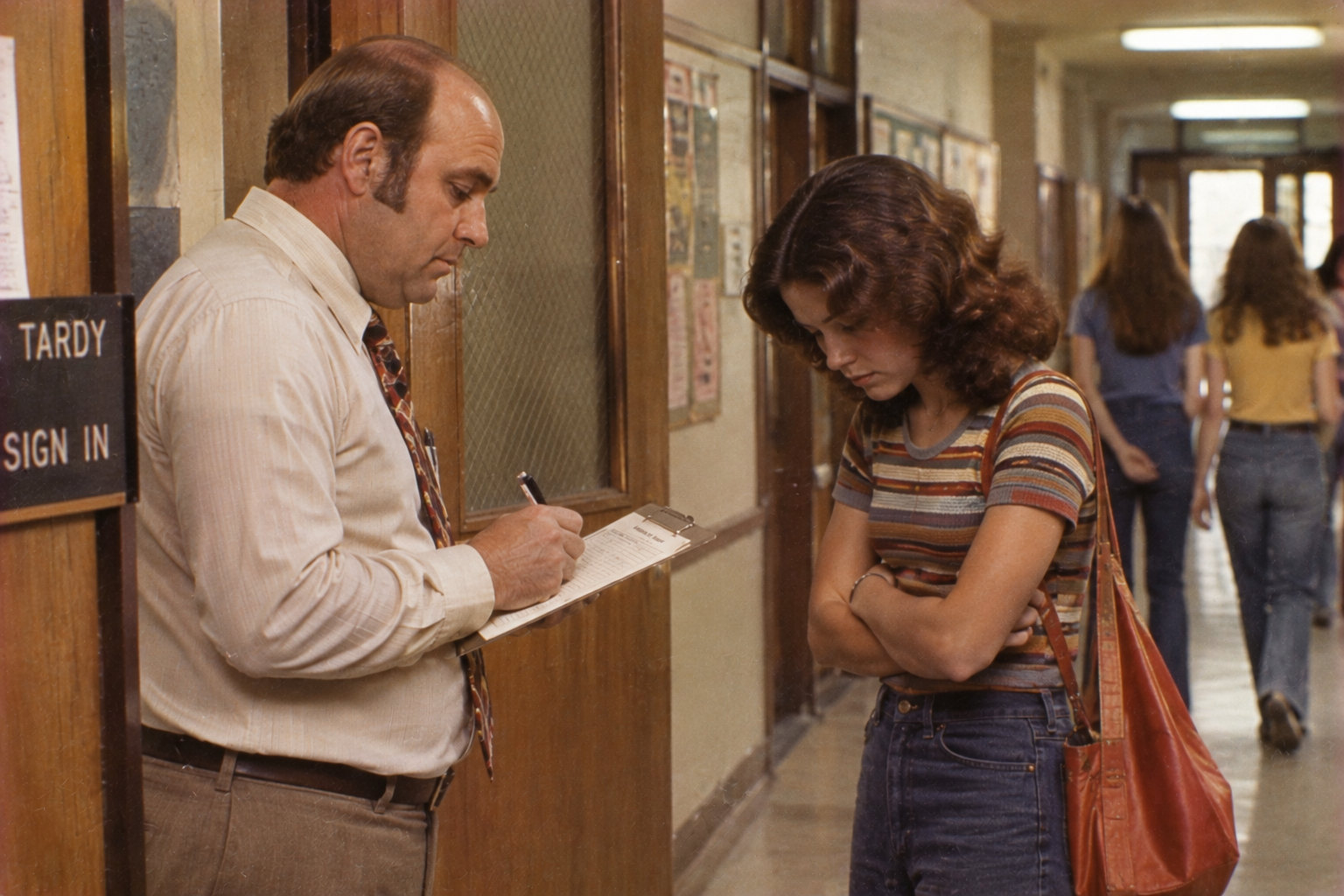
If you went to school in the 1970s, the sound of the bell probably meant one thing: You’d better get moving. Many schools enforced strict schedules, and arriving even a few minutes late could result in being marked tardy, receiving a warning, or facing additional consequences if it happened repeatedly.
That could be especially frustrating when your next classroom was on the opposite side of the building or you needed to stop at your locker to exchange textbooks. Students sometimes had only a few minutes to navigate crowded hallways before the next bell rang. And while tardiness rules still exist today, some 1970s school handbooks spelled out detailed expectations about punctuality and the consequences of failing to meet them.
Leaving Campus During Lunch Wasn’t Always Allowed
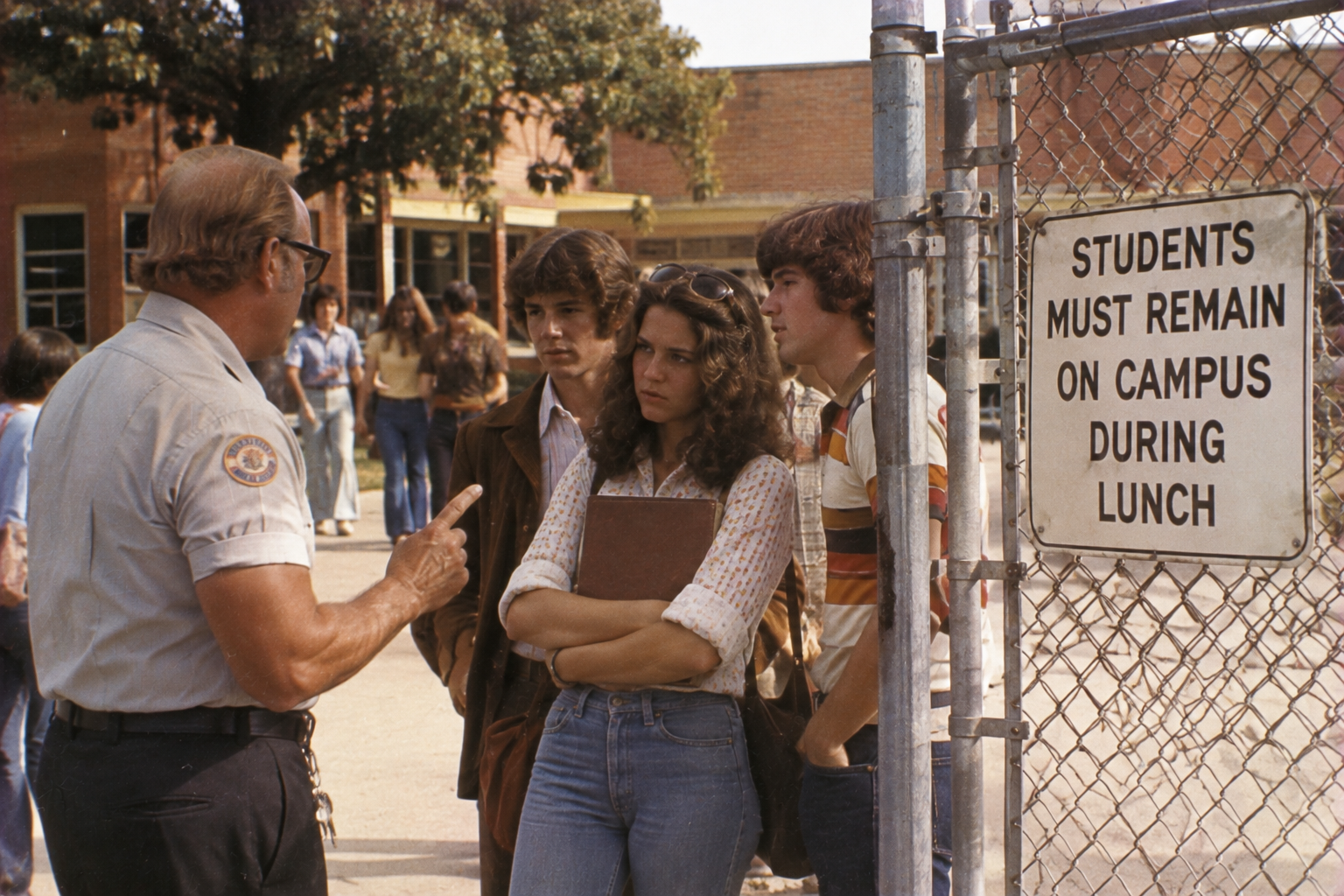
For teenagers lucky enough to attend a school with an open-campus lunch policy, heading to a nearby diner or fast-food restaurant could be one of the highlights of the day. But not every student had that privilege. Some schools required students to remain on campus throughout lunch, restricting them to the cafeteria or other designated areas.
Even schools that allowed students to leave sometimes imposed conditions based on grade level, parental permission, or disciplinary standing. Walking off campus without authorization could lead to consequences, regardless of whether you returned before the next class. For students who spent their lunch periods staring at the same cafeteria menu, the idea of grabbing a burger somewhere else could be especially appealing.
Students Were Expected to Protect the School’s Reputation
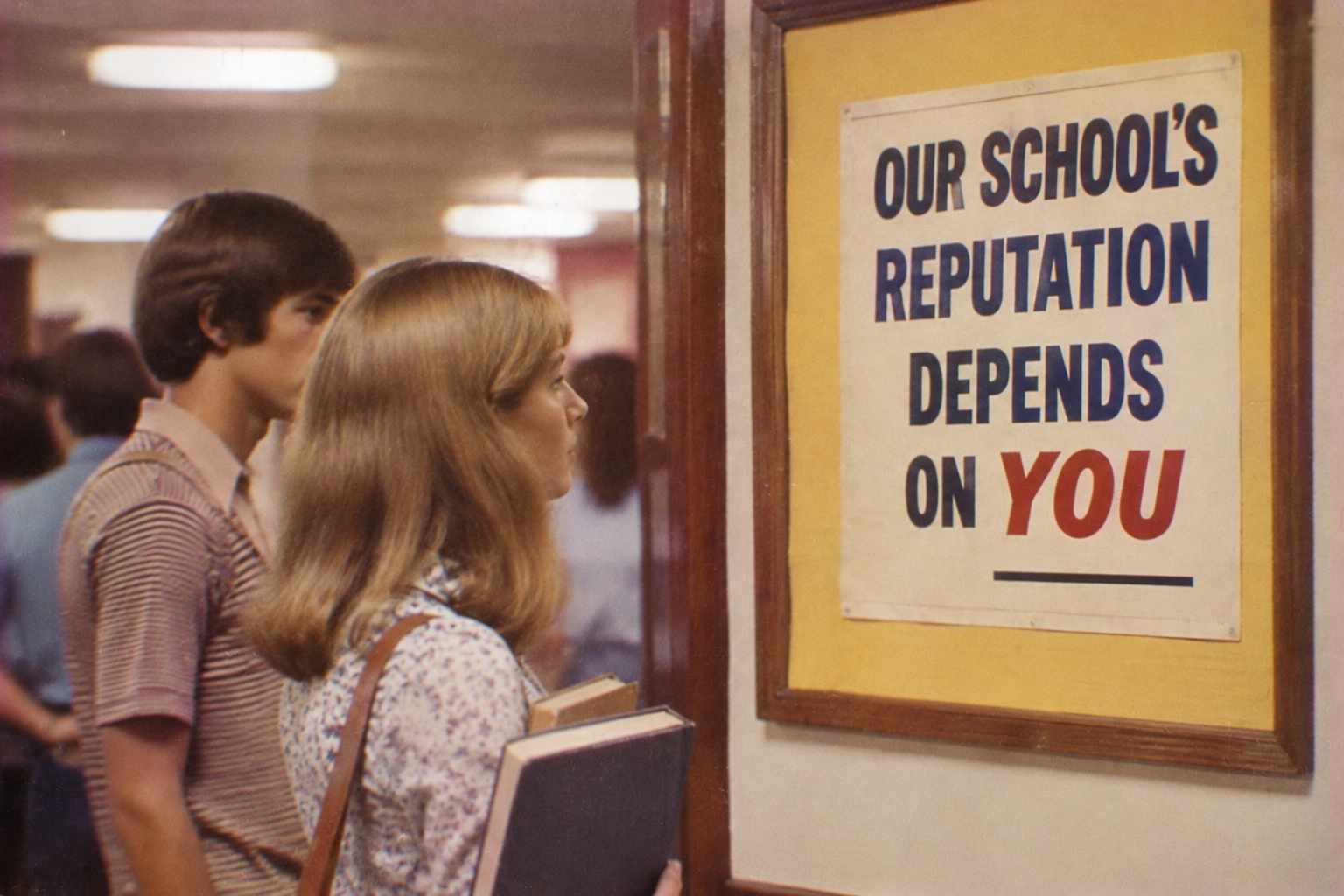
Some school rules in the 1970s went beyond classroom behavior and personal appearance. Students could also be expected to uphold their school’s reputation by demonstrating honesty, respect, cooperation, and good citizenship.
Northville High School’s 1975 handbook, for example, included an honor creed emphasizing personal integrity and the responsibility students shared in maintaining the school’s good name. These expectations reflected the idea that attending a school meant representing it, both through academic performance and personal conduct. While such language might sound old-fashioned today, similar principles still appear in many modern student codes of conduct.
When School Rules Were About More Than Just Discipline
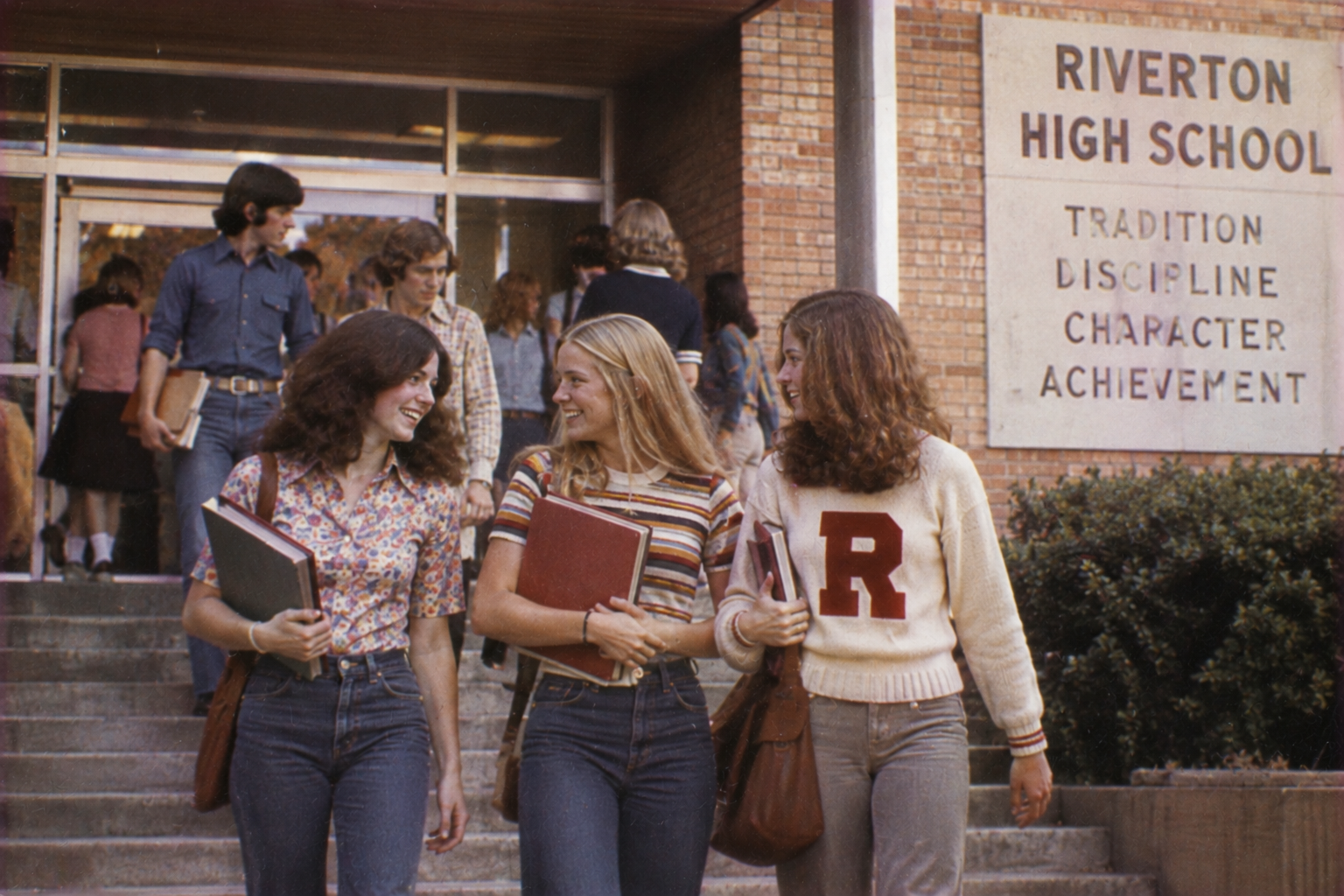
Looking back, school life in the 1970s could feel considerably more restrictive in certain ways, especially when it came to dress codes, grooming standards, and expectations about respecting authority. From carrying hall passes to following detailed rules about gym clothes, students often had to navigate policies that extended well beyond their academic work.
But the decade was also an important turning point. As young people challenged traditional expectations and questioned how much control schools should have over their personal lives, many longstanding rules began to change. And while some practices, like detention and hall passes, remain familiar today, others offer a reminder of just how much American classrooms have evolved over the past several decades.