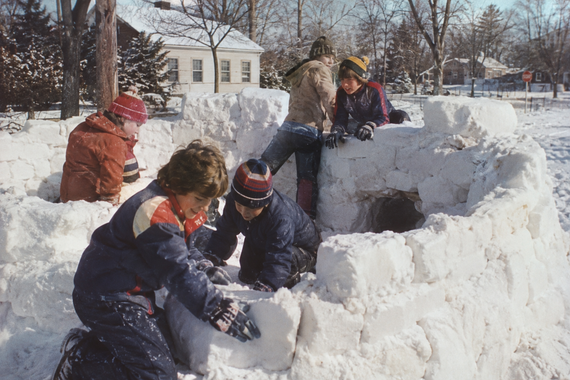
There was nothing quite like waking up on a winter morning in the 1980s, looking out the window, and discovering that the entire neighborhood was buried under a thick blanket of snow. For kids growing up in colder parts of America, snow days in the 1980s were enough to make even the earliest school morning exciting. Instead of checking an app or waiting for a text notification, you had to turn on the radio, listen carefully, and hope your school district made the list of cancellations.
And once you got the good news? The entire day was yours. No online assignments, no virtual classrooms, and certainly no pressure to be productive. Just sledding with neighborhood friends, drinking hot chocolate, watching daytime television, and trying to convince your parents to let you stay outside a little longer.
From racing to the best sledding hill to spending hours playing Nintendo, here are 12 things that made snow days in the 1980s so unforgettable.
Waiting for Your School’s Name on the Radio
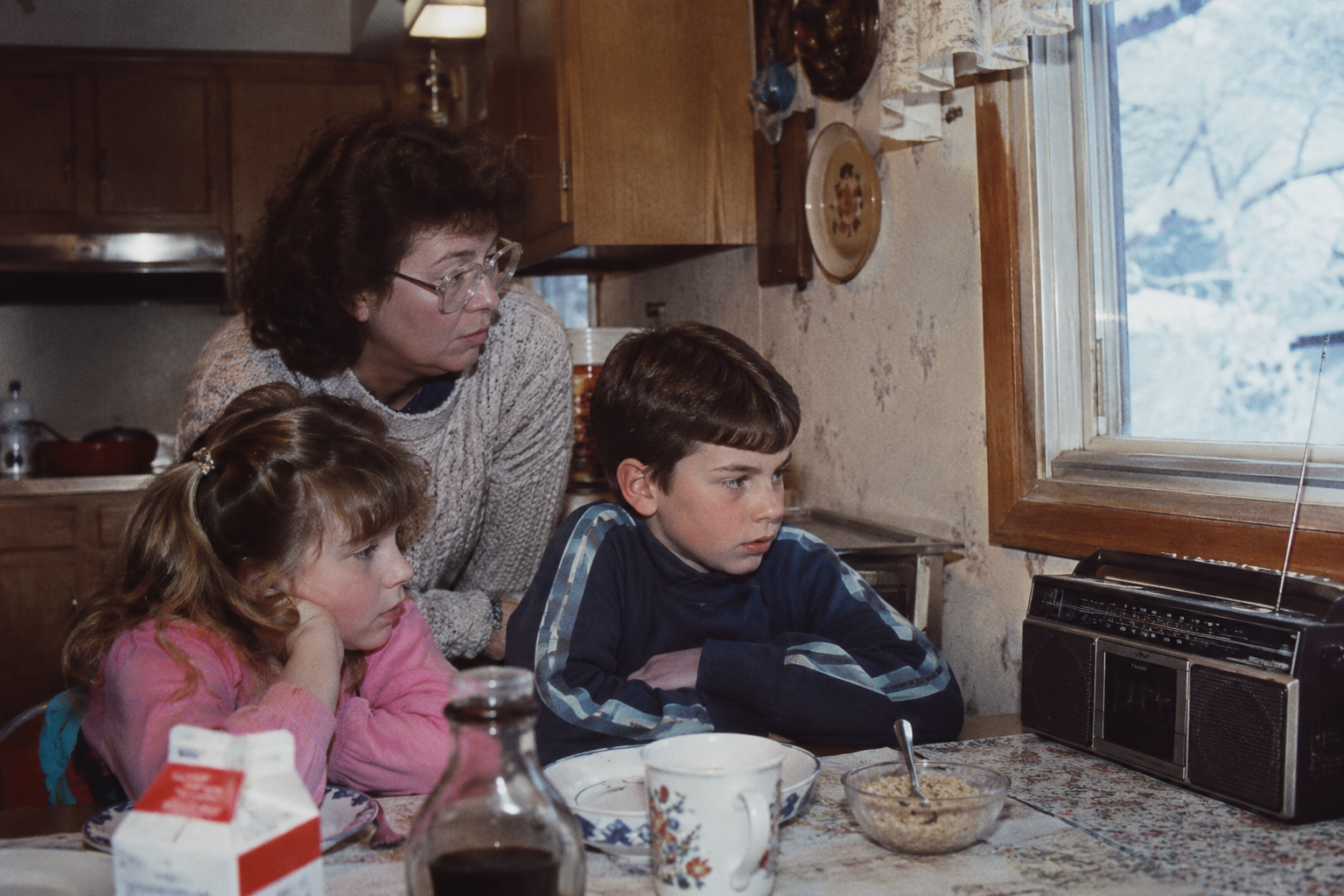
Before school districts could send cancellation alerts straight to your phone, finding out whether you had a snow day required patience. Families gathered around the kitchen radio as local announcers read through seemingly endless lists of school closings. Every time a nearby district was mentioned, your hopes went up, only to come crashing down when the announcer moved on to another town.
And if you happened to miss your school’s name? You had to wait for the next round of announcements, all while watching the clock and wondering whether you should be getting dressed for the bus. Few things were more satisfying than finally hearing those magical words: Your school was closed.
Finding Out That an Entire Day Had Suddenly Become Yours
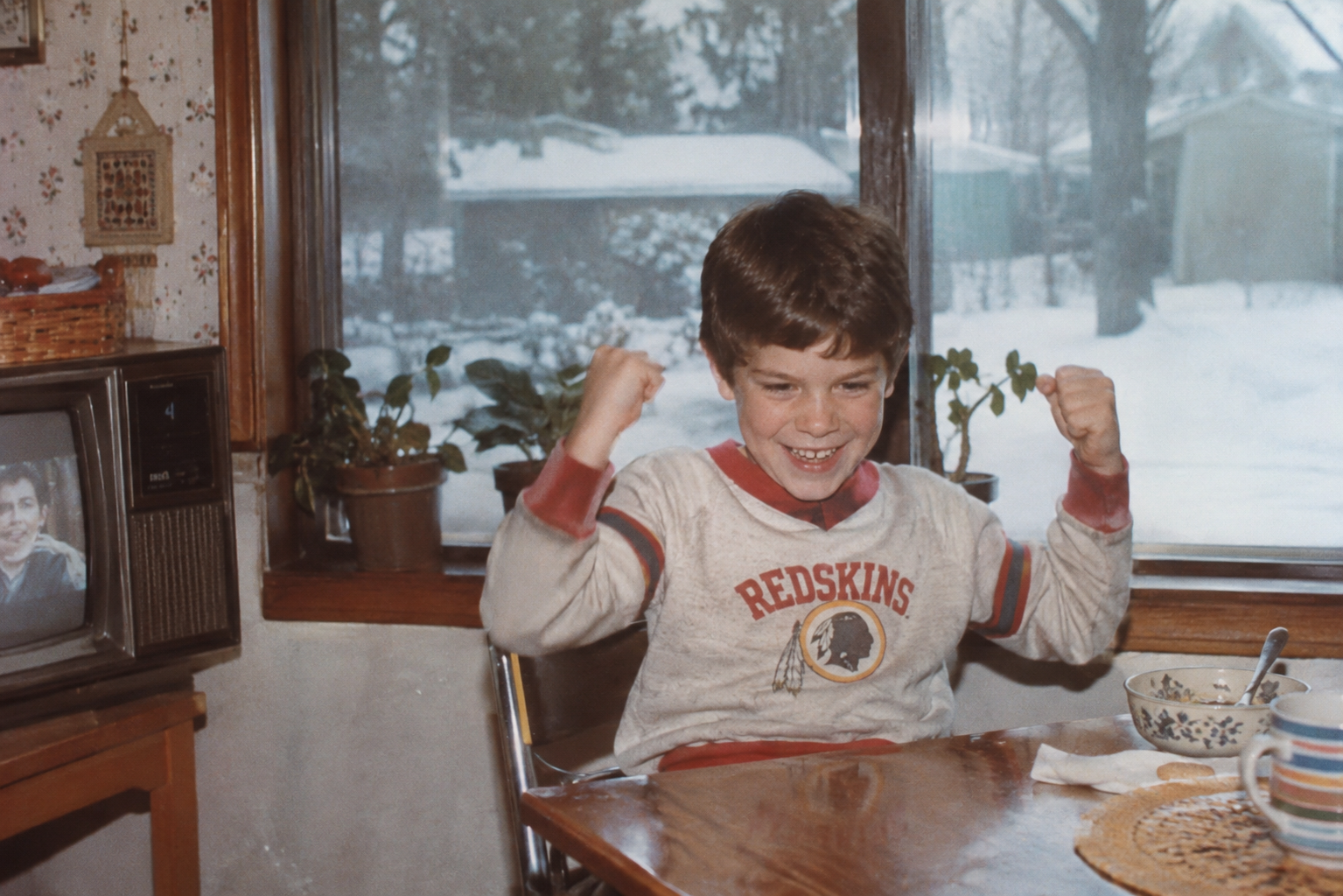
The best part of a snow day wasn’t necessarily the snow itself. It was the realization that you had just been handed an entire day of unexpected freedom. That math test you hadn’t studied for? Postponed. The homework you forgot to finish? Tomorrow’s problem. And the early morning bus ride? Not happening.
Unlike today, when some schools can switch to remote learning during bad weather, a school closure in the 1980s generally meant that classes were simply canceled. There were no assignments waiting on Google Classroom or teachers expecting you to log into a video call. For one glorious day, your biggest responsibility might have been figuring out which friend to call first.
Rushing Outside Before the Good Sledding Hills Got Crowded
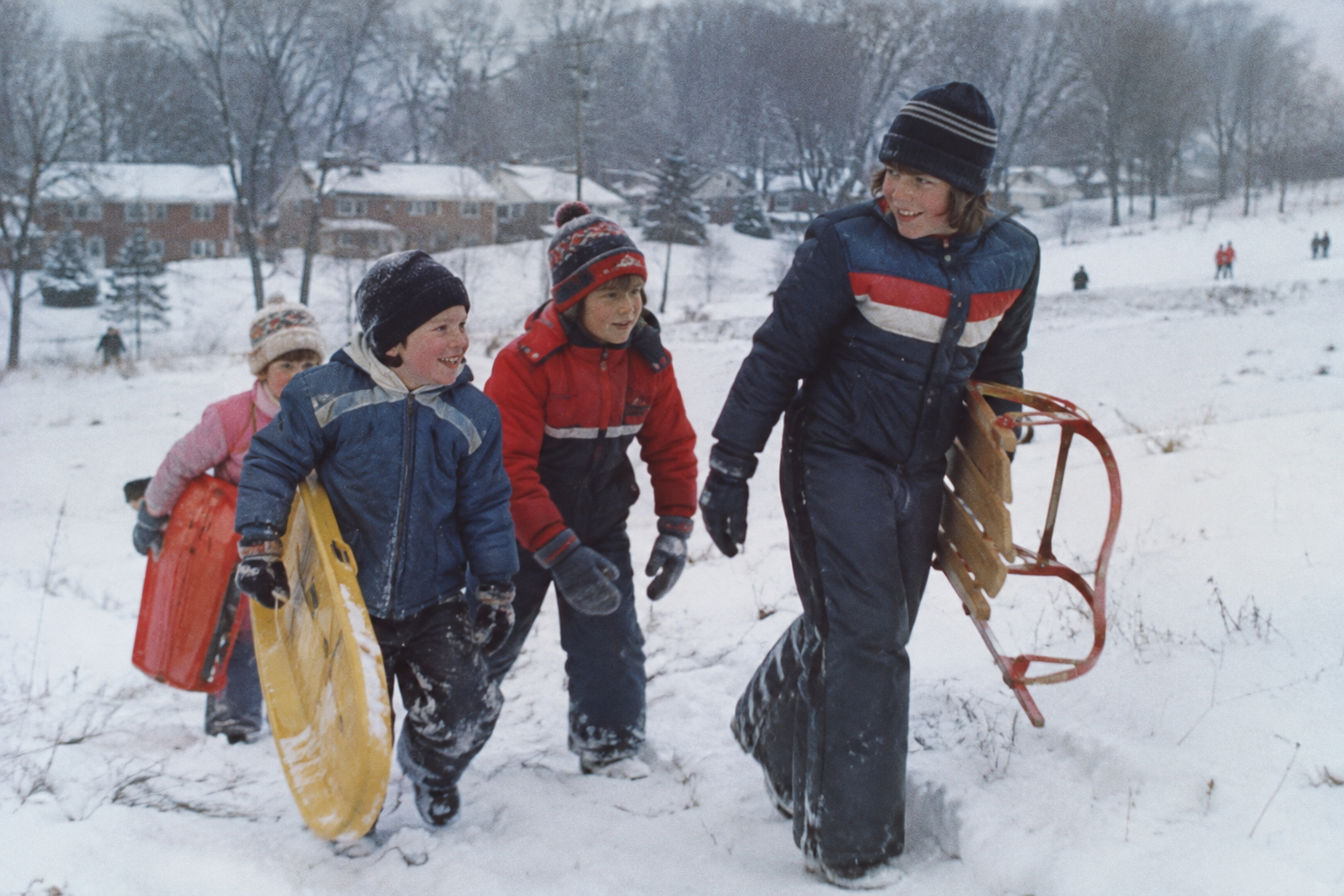
Every neighborhood seemed to have that one hill everyone wanted to sled down, and getting there early could make all the difference. As soon as the snow stopped falling, kids bundled up in their winter coats, grabbed their Flexible Flyers, plastic saucers, or toboggans, and headed outside before the best spots got crowded.
Of course, sledding wasn’t always a graceful activity. You might spend 10 minutes climbing back up the hill for a 20-second ride, lose control halfway down, or discover that your friend’s sled was inexplicably faster than yours. But none of that mattered when you had an entire afternoon to race down the same slope over and over again.
Building Elaborate Snow Forts With Neighborhood Friends
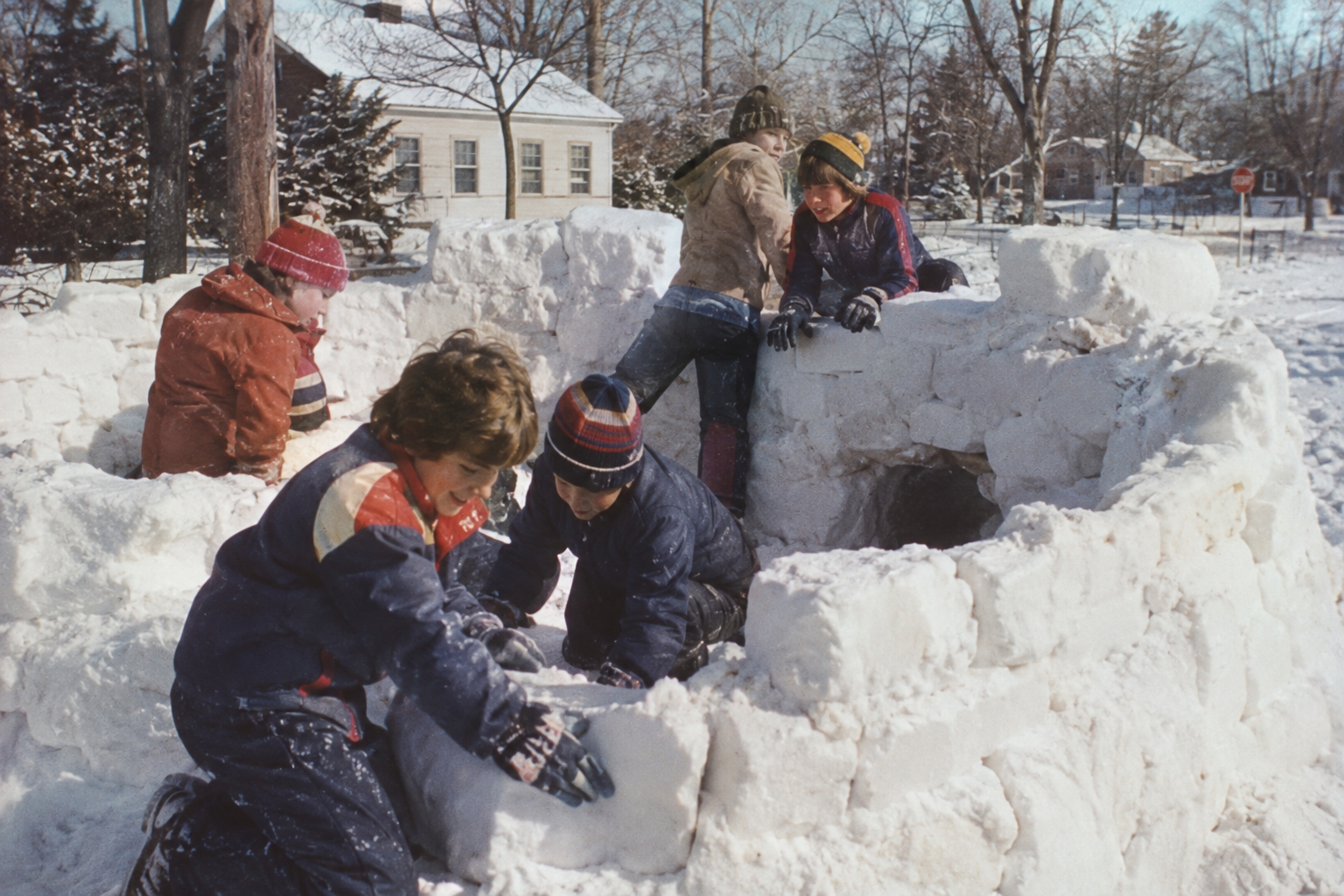
A big snowfall wasn’t just an excuse to go sledding. It was also an opportunity to turn your backyard into an elaborate winter fortress. Armed with plastic buckets, snow shovels, and whatever else they could find in the garage, neighborhood kids spent hours piling snow into walls, constructing miniature castles, and designing elaborate defenses for imaginary battles.
Some snow forts became ongoing neighborhood projects, with kids returning the next day to add another wall or repair whatever had collapsed overnight. And while the finished structures rarely looked as impressive as everyone imagined, building them was half the fun. The best forts weren’t necessarily the biggest ones, but the ones everyone helped create.
Coming Inside for Hot Chocolate and Campbell’s Soup
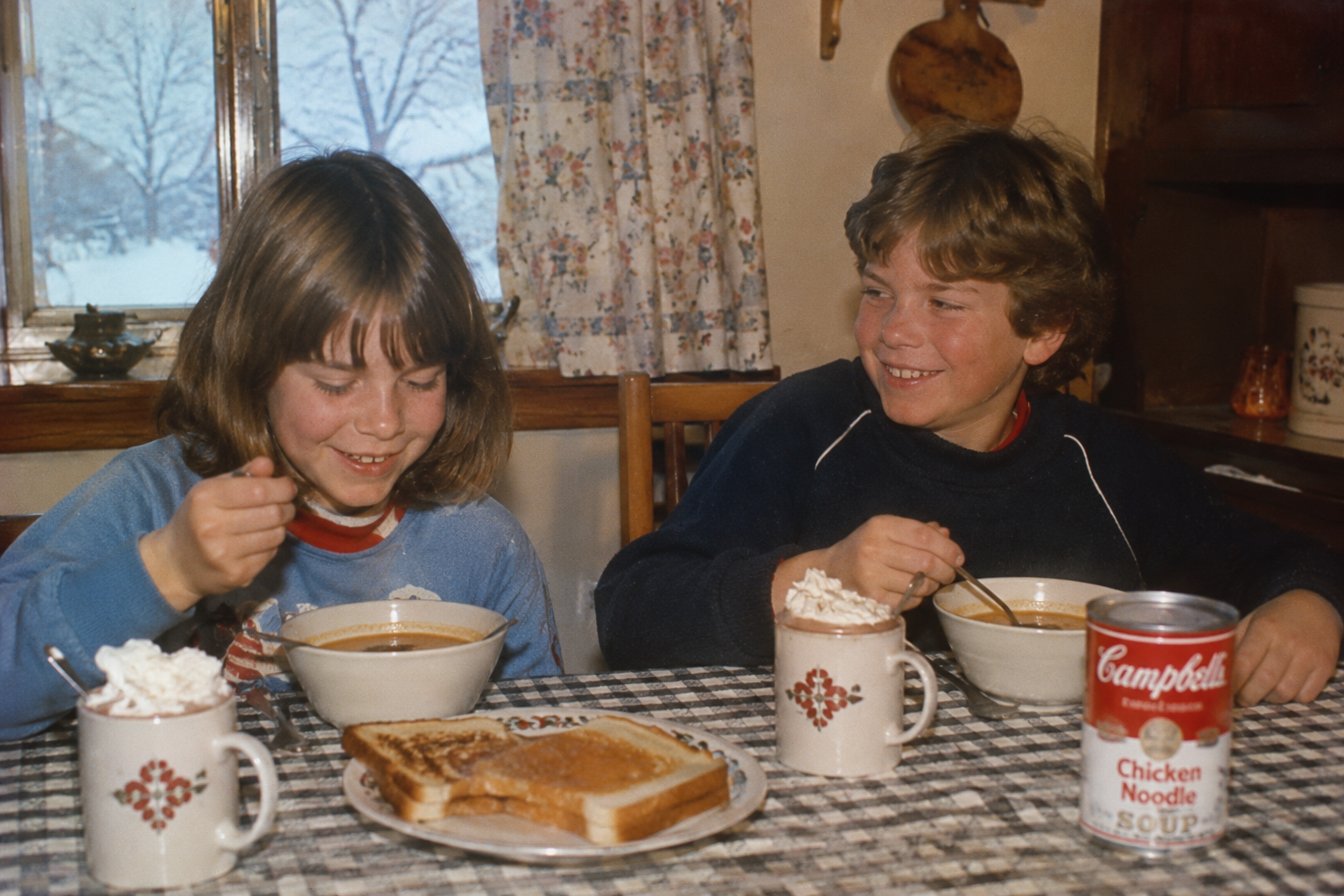
After spending hours outside with freezing fingers and snow-covered boots, nothing tasted quite as good as a warm lunch waiting in the kitchen. For many ’80s kids, that meant a steaming bowl of Campbell’s chicken noodle soup, a grilled cheese sandwich, or a mug of hot chocolate made with powdered cocoa mix.
There was something especially comforting about sitting at the kitchen table while your mittens dried nearby and your cheeks slowly warmed up. If you were lucky, your parents might even add a handful of miniature marshmallows to your hot chocolate. And once you’d finished eating, there was only one question on your mind: How soon could you go back outside?
Trending on Cheapism


Watching Weekday Television You Normally Never Saw
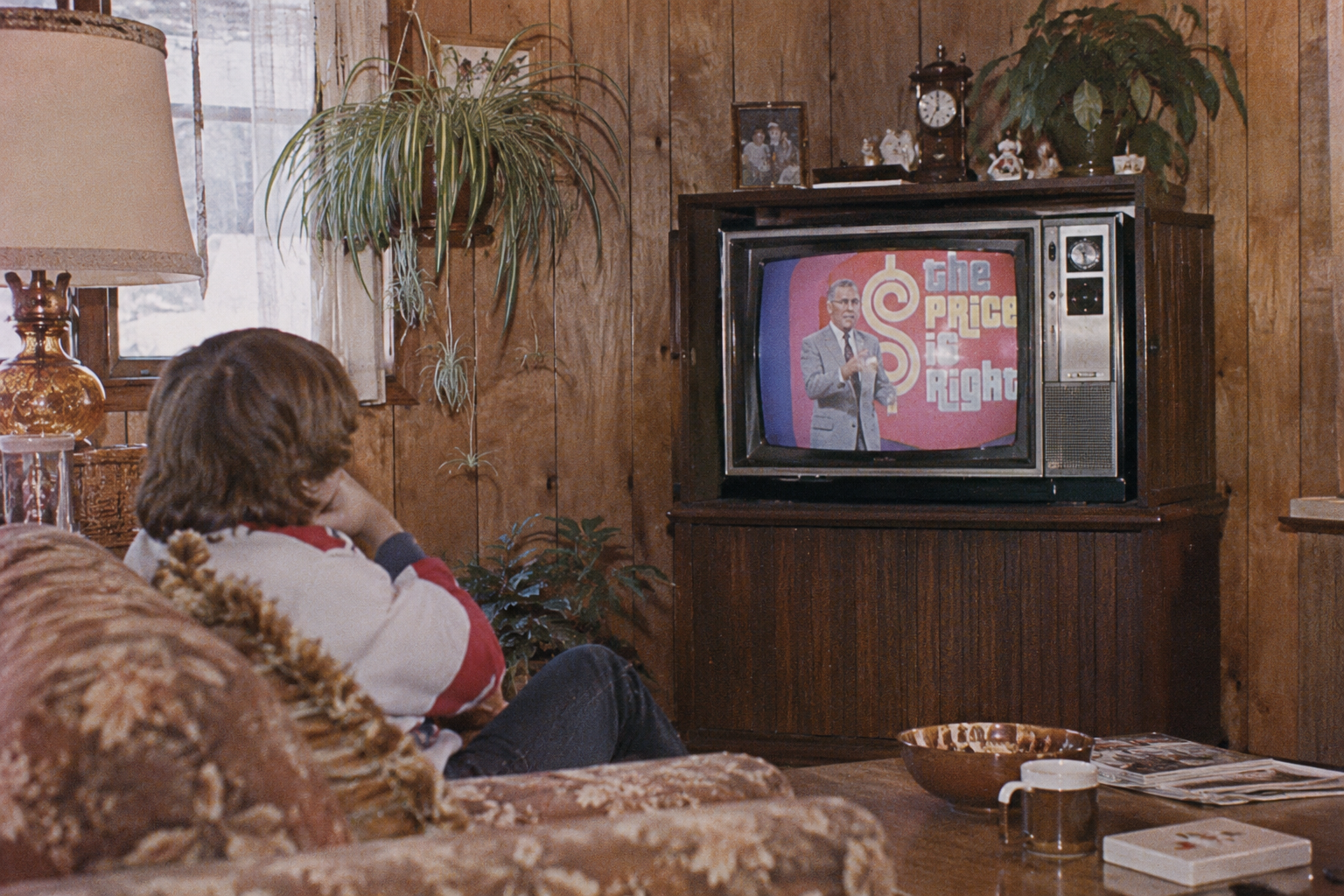
Snow days offered a rare opportunity to discover what was actually on television while you were usually stuck in school. Instead of your regular afternoon cartoons, you could spend the morning watching game shows, soap operas, talk shows, and reruns that normally aired during class.
For some kids, that meant becoming unexpectedly invested in The Price Is Right, watching contestants guess the prices of household appliances, or flipping through the handful of channels available on the family television. And because there were no streaming services or endless on-demand options, you generally watched whatever happened to be on. Somehow, even a game show you’d never normally choose felt entertaining when the alternative was sitting in math class.
Calling Friends on the House Phone to Make Plans
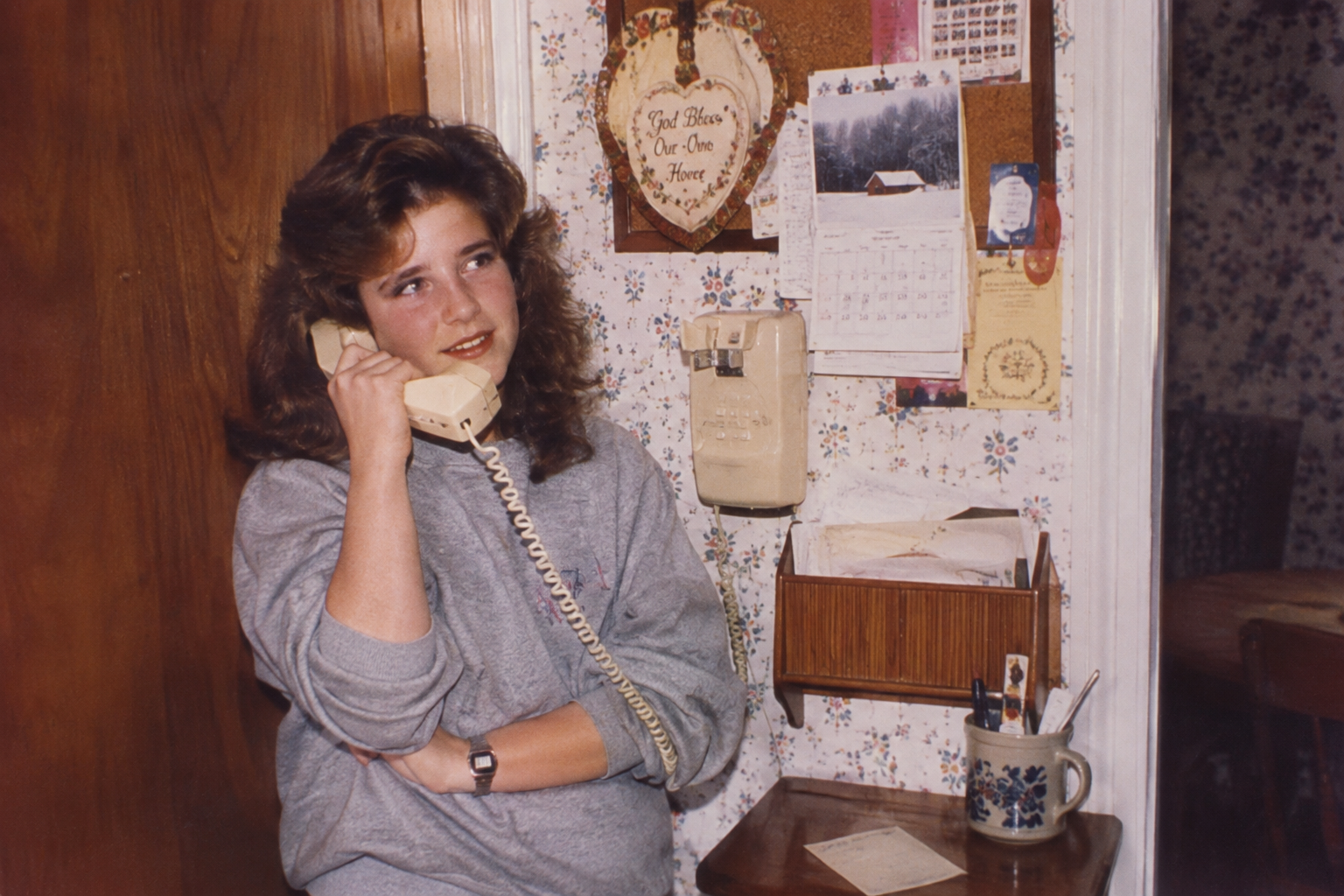
Organizing a snow day adventure in the 1980s required a little more effort than sending a message to the neighborhood group chat. If you wanted to meet your friends at the sledding hill or organize a snowball fight, you had to pick up the house phone, dial their number, and hope someone answered.
Sometimes you’d get lucky and reach your friend immediately. Other times, their mom would answer and tell you they’d already gone outside, leaving you to figure out where everyone had gathered. Of course, you could always skip the phone call entirely and walk over to their house to knock on the door. Half the excitement came from discovering who was available to play.
Having a Neighborhood Snowball Fight
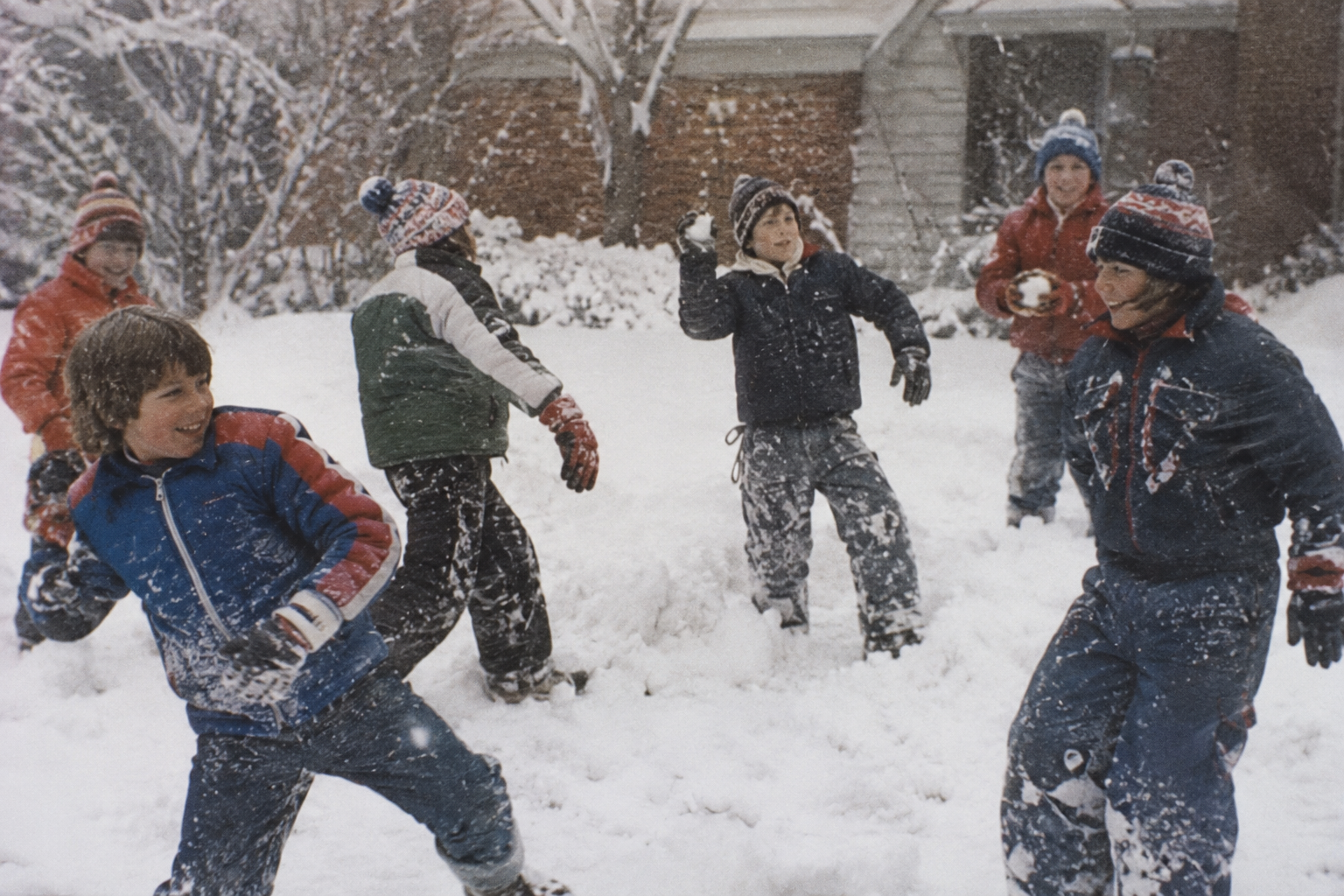
Few things could bring an entire neighborhood together faster than a fresh blanket of snow and the possibility of a snowball fight. What started as two friends tossing snow at each other could quickly turn into an elaborate competition involving half the kids on the block.
Teams were formed, imaginary boundaries were established, and snow forts became makeshift headquarters. Naturally, most of the carefully negotiated rules disappeared as soon as the first snowball flew. By the time everyone headed home, coats were soaked, gloves were freezing, and somebody was almost certainly complaining about an unfair hit. But assuming nobody got hurt, it was usually the kind of afternoon everyone wanted to repeat the next time it snowed.
Sign up for our newsletter
Playing Atari or Nintendo for Hours Without Feeling Guilty
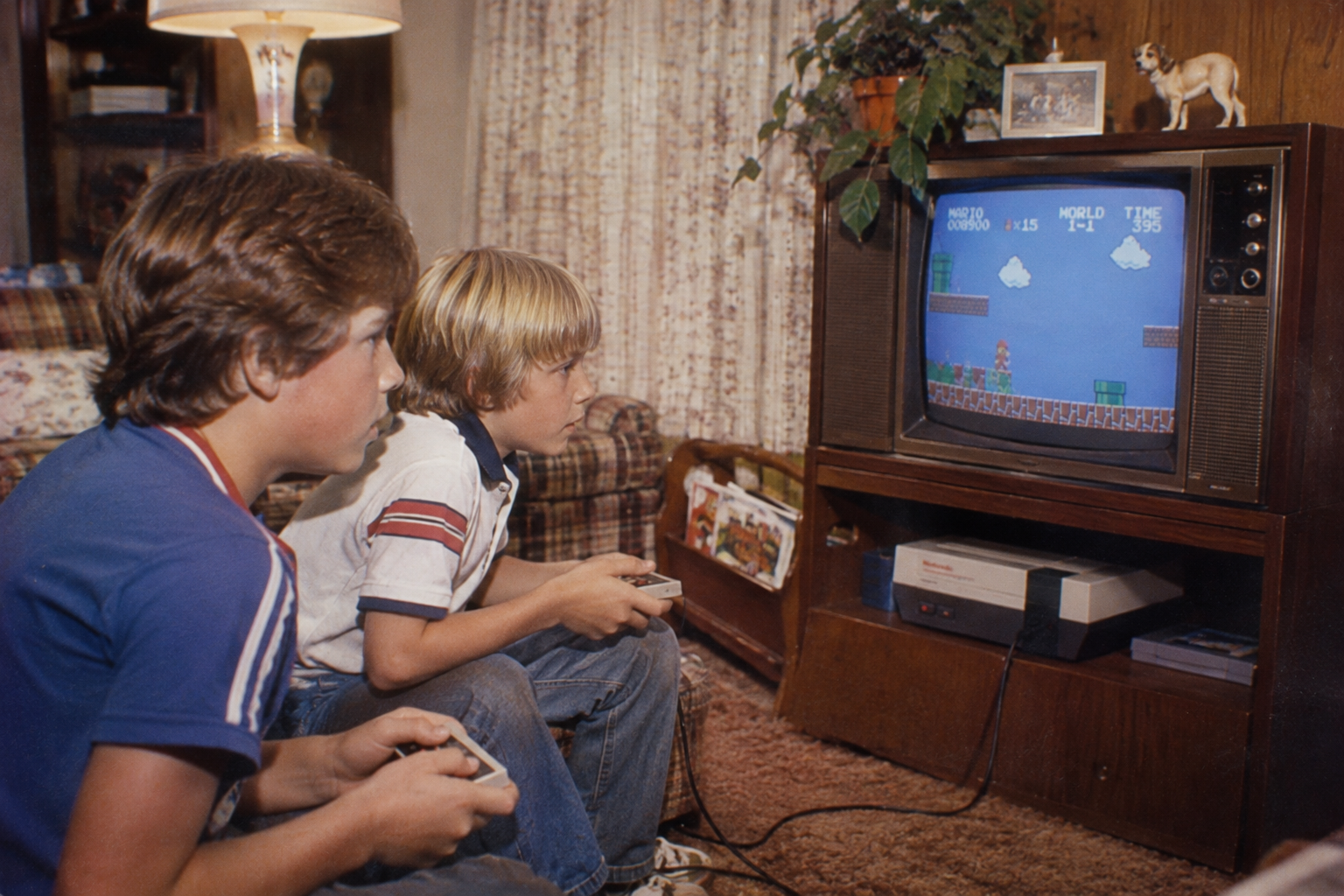
Not every snow day had to be spent outdoors. By the middle and late 1980s, kids lucky enough to have a home video game console could spend hours playing Atari or Nintendo while the snow piled up outside. And because there was no school to worry about, even parents who normally limited screen time might have been a little more flexible.
Whether you were trying to beat your high score on Pac-Man or finally make it through a difficult level of Super Mario Bros., a snow day provided the perfect excuse to keep playing. Of course, sharing a console with siblings could turn into its own competition, especially when everyone wanted the controller. And unlike today’s enormous digital libraries, you probably had only a handful of cartridges to choose from.
Earning a Few Dollars Shoveling a Neighbor’s Driveway
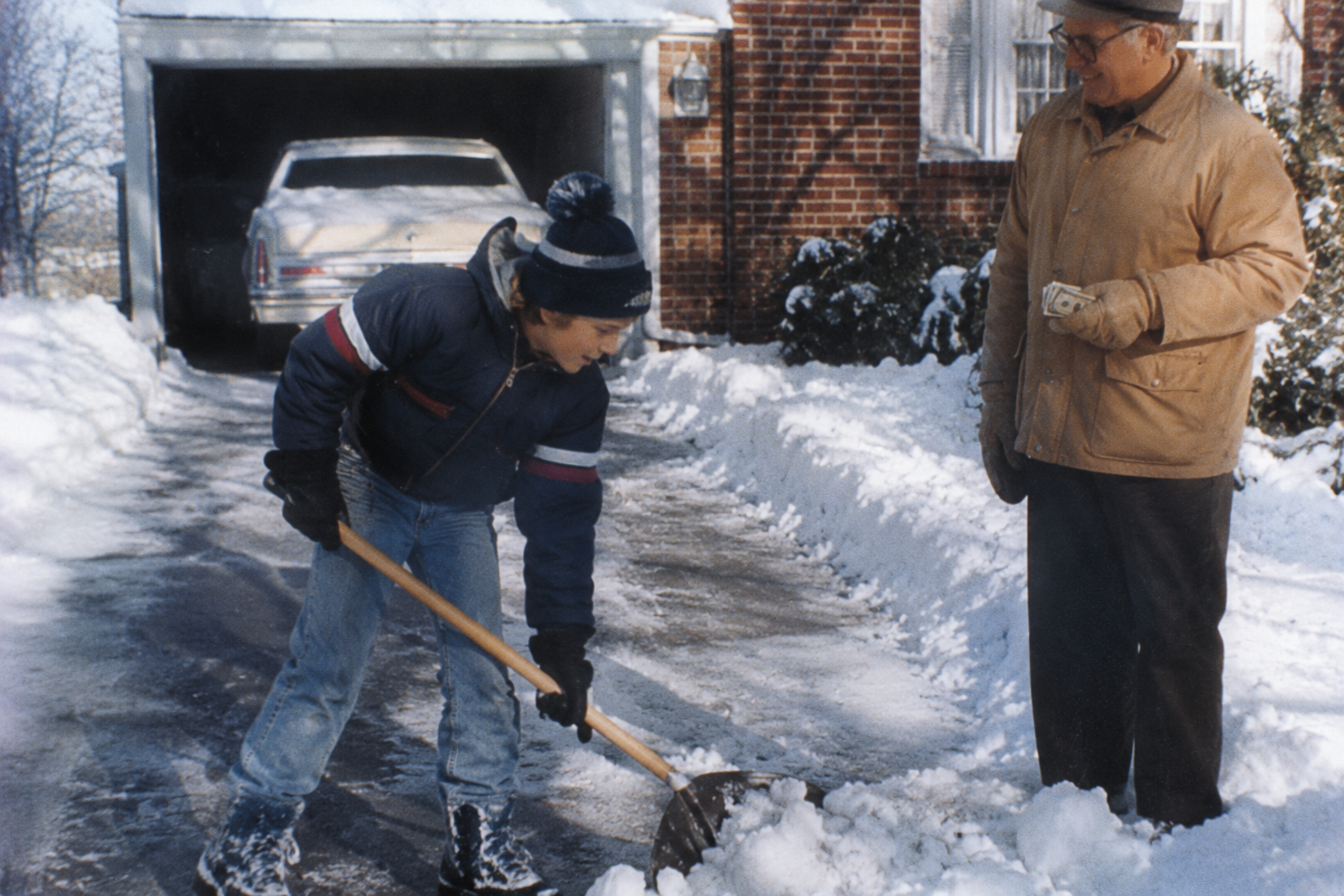
For older kids and teenagers, a heavy snowfall wasn’t just an excuse to skip school. It could also be an opportunity to earn a little extra spending money. Armed with a snow shovel and plenty of determination, some kids went door to door offering to clear neighbors’ sidewalks and driveways for a few dollars.
It wasn’t exactly easy money, especially when the snow was heavy and the driveway seemed to stretch on forever. But getting paid in cash made the hard work feel worthwhile. Depending on how much you earned, you might have enough for a few comic books, baseball cards, candy, or a weekend trip to the arcade. And if another storm rolled through a few days later, you already knew which neighbors might need help.
Drying Your Mittens and Going Right Back Outside
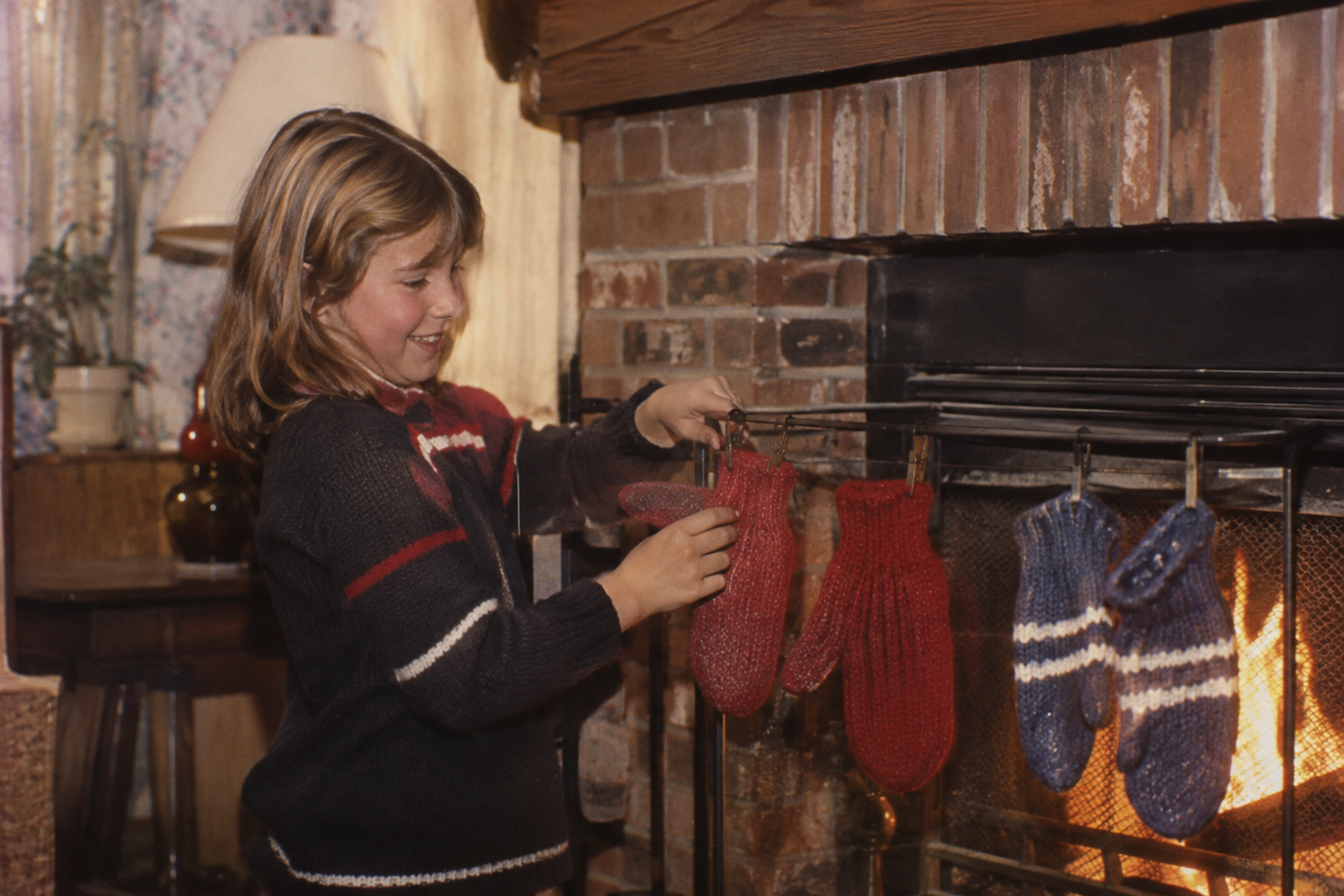
One of the most familiar sights in an ’80s household after a morning of playing in the snow was the enormous pile of wet winter clothing by the front door. Boots left puddles on the floor, coats dripped onto the rug, and mittens were spread out to dry while everyone warmed up inside.
But coming indoors didn’t necessarily mean the fun was over. After a quick lunch and a change into dry socks, kids were often ready to bundle up and head outside again. If your gloves were still damp, you might have to dig through a drawer for a spare pair or settle for whatever mismatched mittens were available. The important thing was getting back out before your friends went home.
Hoping the Snow Would Keep Falling for Another Day Off
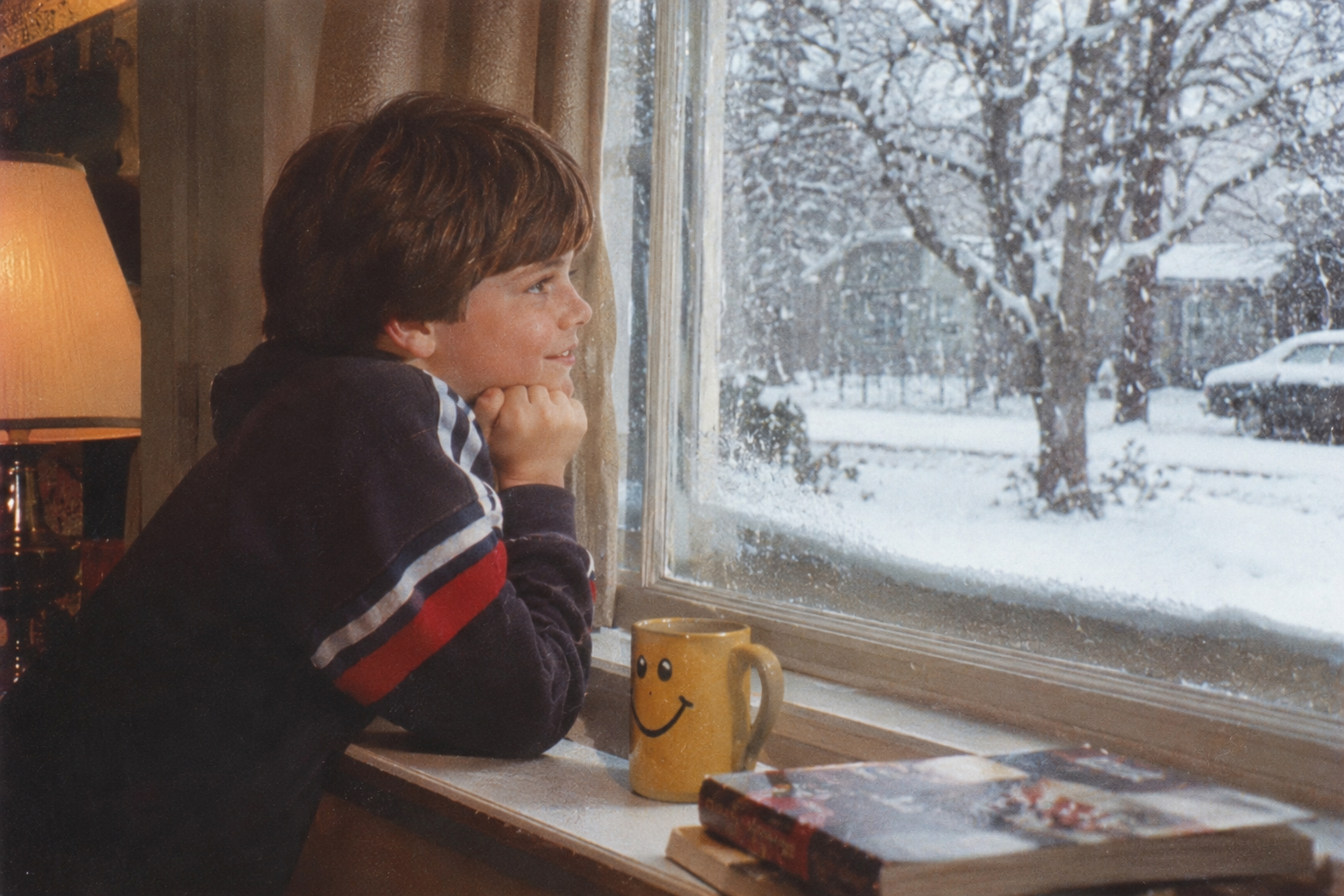
As the afternoon turned into evening, the excitement of having a snow day often gave way to an even bigger question: Could you get another one tomorrow? Every time you looked out the window and saw snowflakes still falling, your hopes grew a little stronger.
Of course, another cancellation was never guaranteed. School officials had to consider road conditions, transportation safety, and how quickly crews could clear the streets. But that didn’t stop kids from checking the weather forecast, watching the snow accumulate, and imagining another morning without an alarm clock. Sometimes, the anticipation of a second snow day was almost as exciting as the first.
When Snow Days Were About More Than Just the Snow
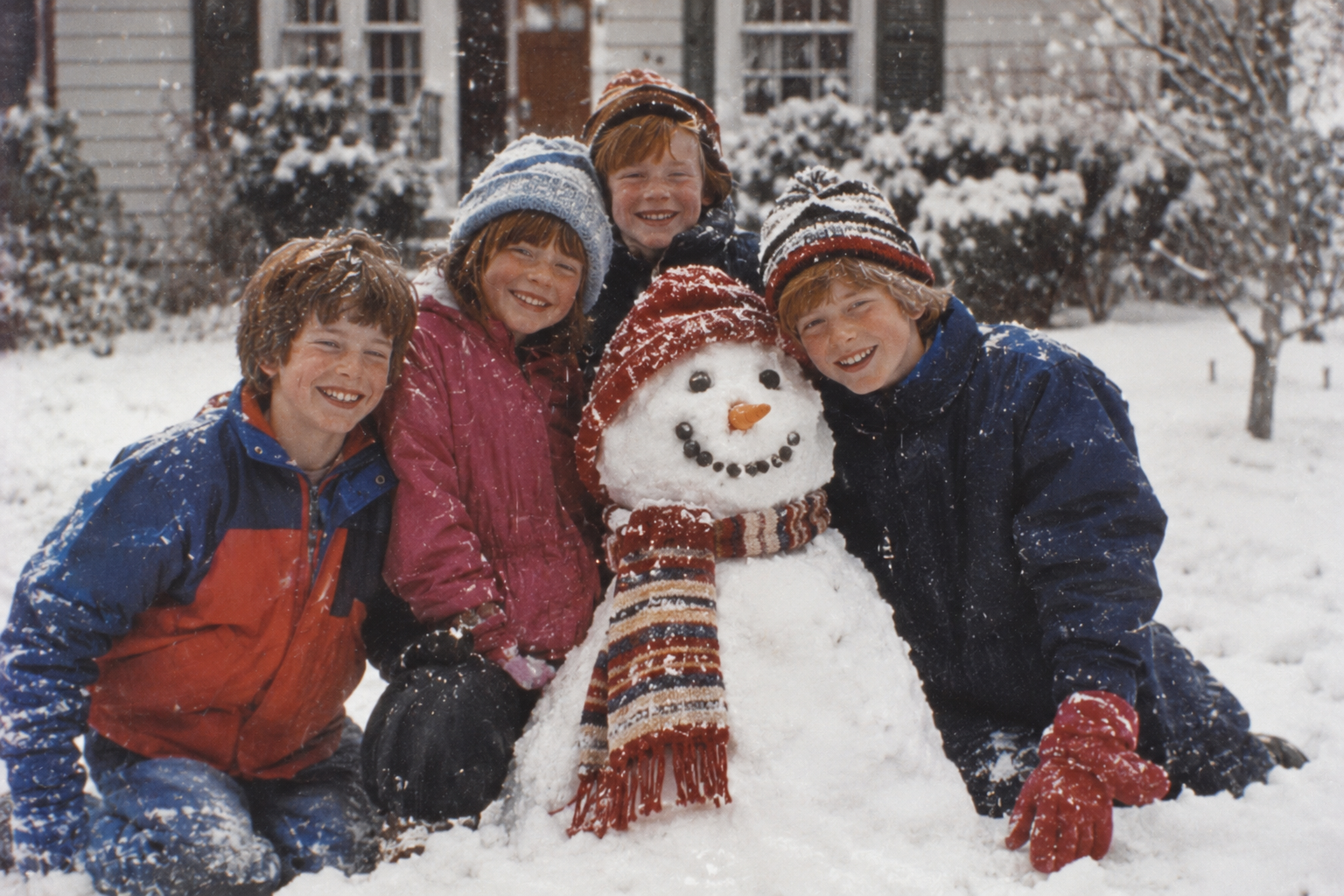
Looking back, what made snow days in the 1980s so memorable wasn’t necessarily the amount of snow on the ground. It was the excitement of waking up to an unexpected day off, the freedom to spend hours playing with neighborhood friends, and the simple pleasure of coming home to a warm kitchen after an afternoon outside.
Of course, kids today still build snowmen, race down sledding hills, and enjoy the occasional surprise school closure. But before smartphones, remote learning, and instant notifications, snow days came with a particular kind of suspense and spontaneity that’s harder to recreate. And for anyone who grew up eagerly listening to the radio for their school’s name, few childhood memories are quite as magical as hearing that classes were canceled.