Before streaming services and smartphones, Saturday mornings were something kids actually planned their week around. There were cartoons to catch, cereal boxes to dig through, and hours of freedom before anyone mentioned chores or homework. Saturday mornings in the 1980s had their own special routine, complete with memorable TV characters, toy commercials, and neighborhood adventures. As this history of Saturday morning television explains, those weekly cartoon blocks became a defining part of American childhood. Here are 12 little pleasures that made getting up early on weekends completely worth it.
Waking Up Early for Saturday Morning Cartoons
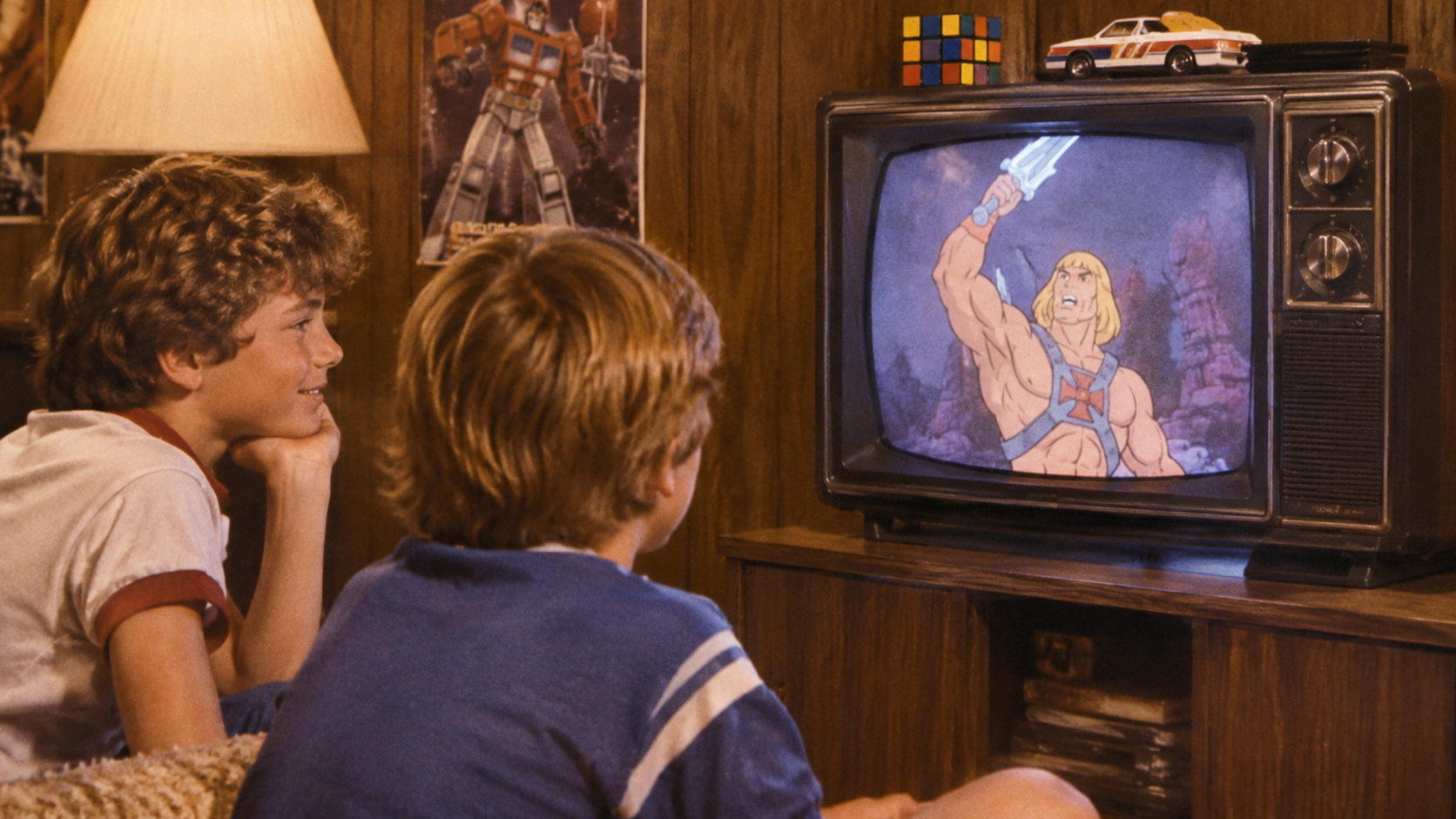
Getting out of bed for school was a struggle, but somehow waking up at 7 a.m. on Saturday felt effortless. ABC, CBS, and NBC packed their morning schedules with cartoons, giving kids hours of entertainment before the adults took over the television. Missing an episode of “Muppet Babies” or “Alvin and the Chipmunks” meant waiting for another chance to see it. There was no streaming library to rescue you. Some kids even memorized the TV schedule, knowing exactly when to switch channels before their favorite show started.
Pouring a Giant Bowl of Sugary Cereal
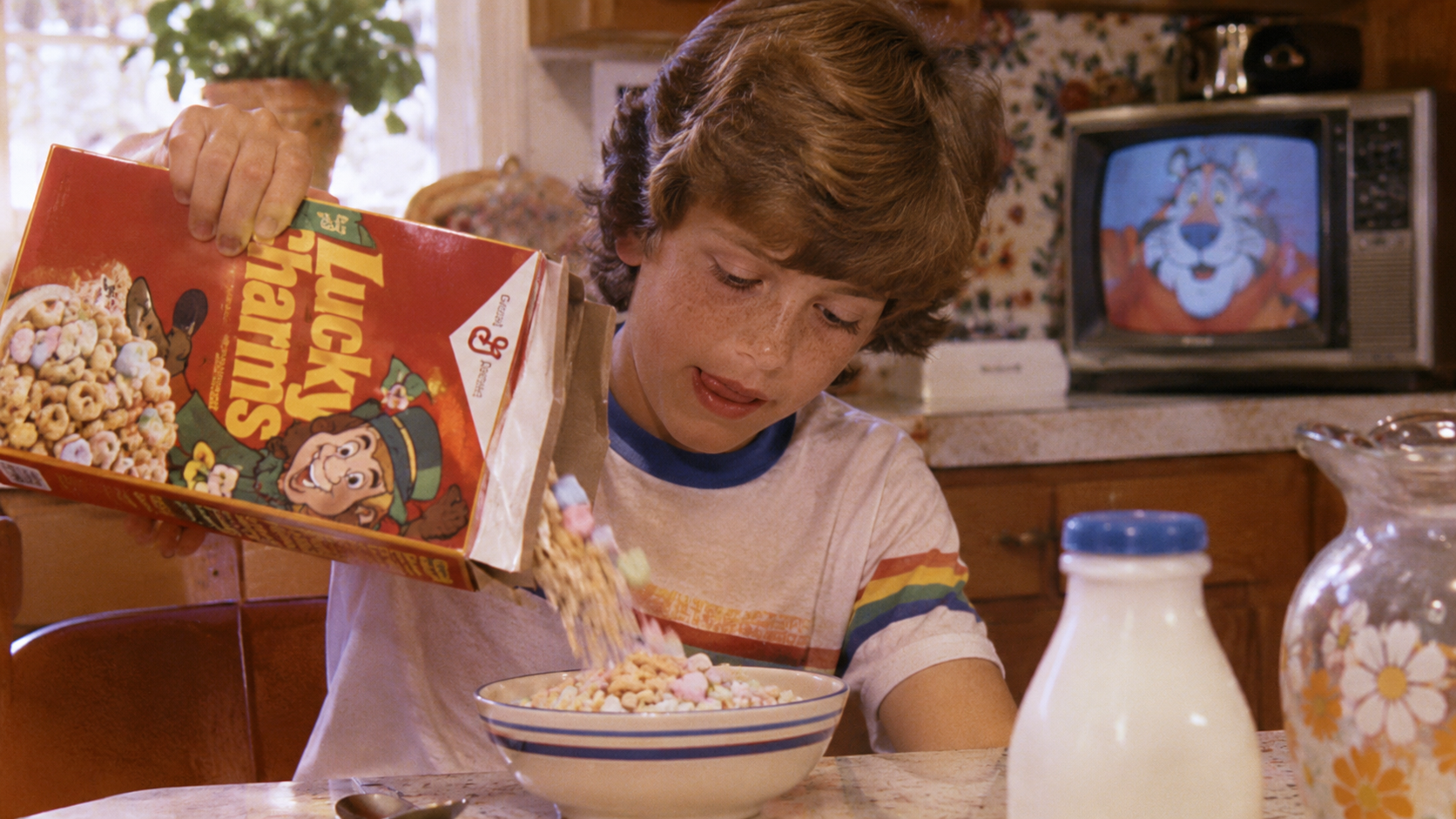
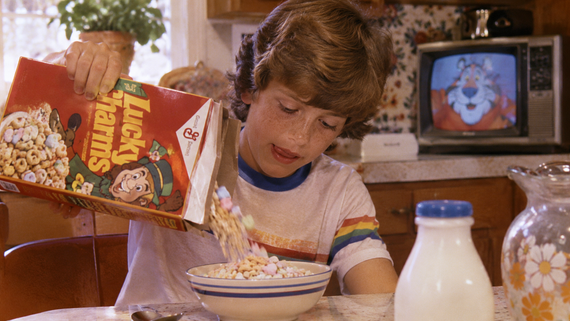
Saturday morning breakfast wasn’t necessarily about nutrition. It was about filling the biggest bowl you could find with Lucky Charms, Cocoa Puffs, Fruity Pebbles, or Cap’n Crunch and settling in front of the television. The colorful cereal boxes were practically entertainment themselves, especially when they promised a prize inside. Kids might spend several minutes digging around for a plastic toy before taking their first bite. And if your parents weren’t watching, there was always the temptation to pour a second bowl before the cartoons ended.
Watching Toy Commercials and Making Wish Lists
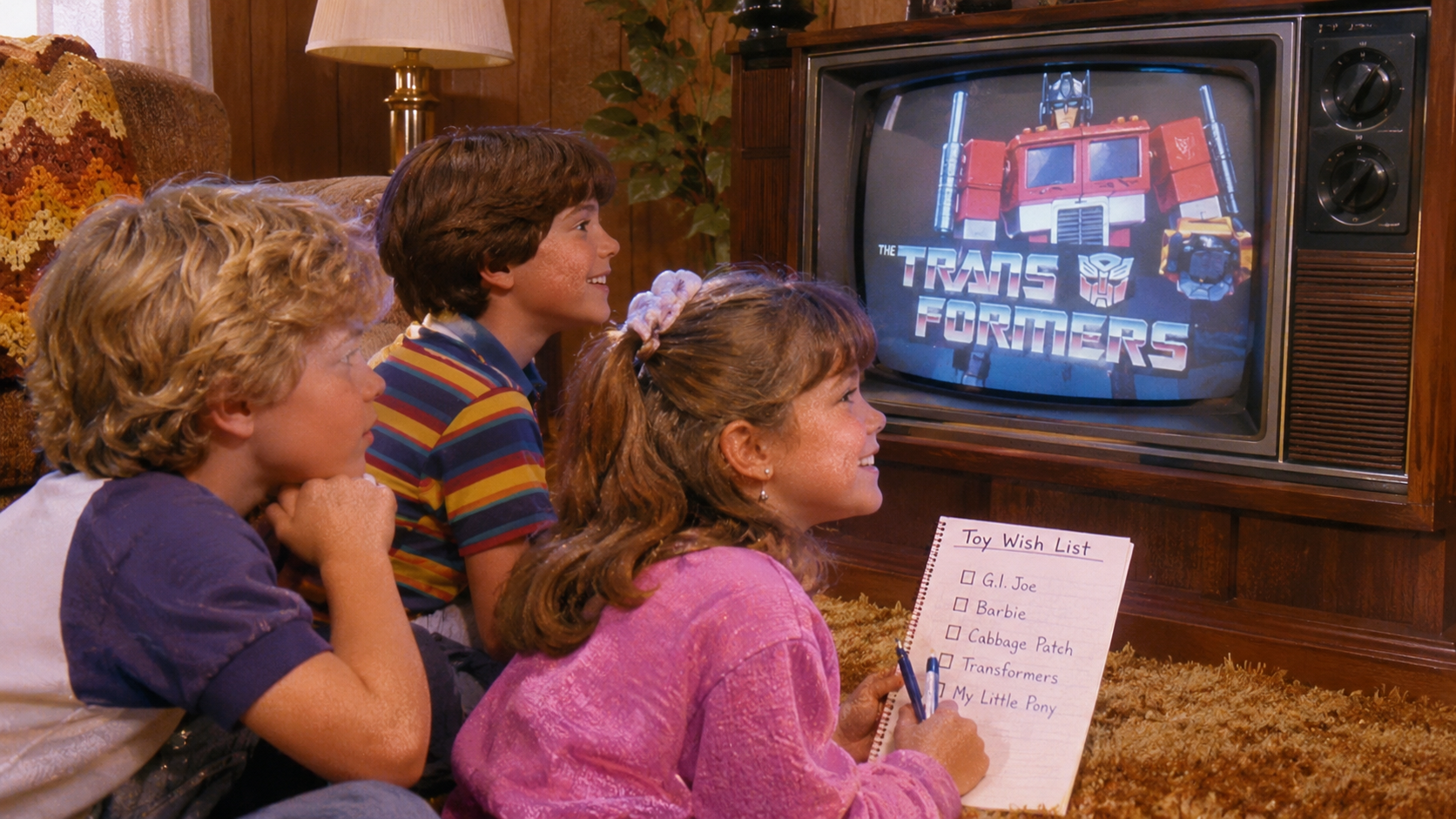
Commercial breaks weren’t always an excuse to leave the room. During the 1980s, advertisements for Transformers, G.I. Joe, Barbie, and Cabbage Patch Kids could be almost as exciting as the cartoons themselves. Some featured elaborate action scenes that made ordinary plastic toys look irresistible. Children quickly memorized which figures and accessories they wanted, often adding them to birthday or Christmas wish lists. Parents weren’t always thrilled. By the mid-1980s, critics were already questioning how closely children’s television had become connected to toy marketing.
Finding Out What Would Happen on Pee-wee’s Playhouse
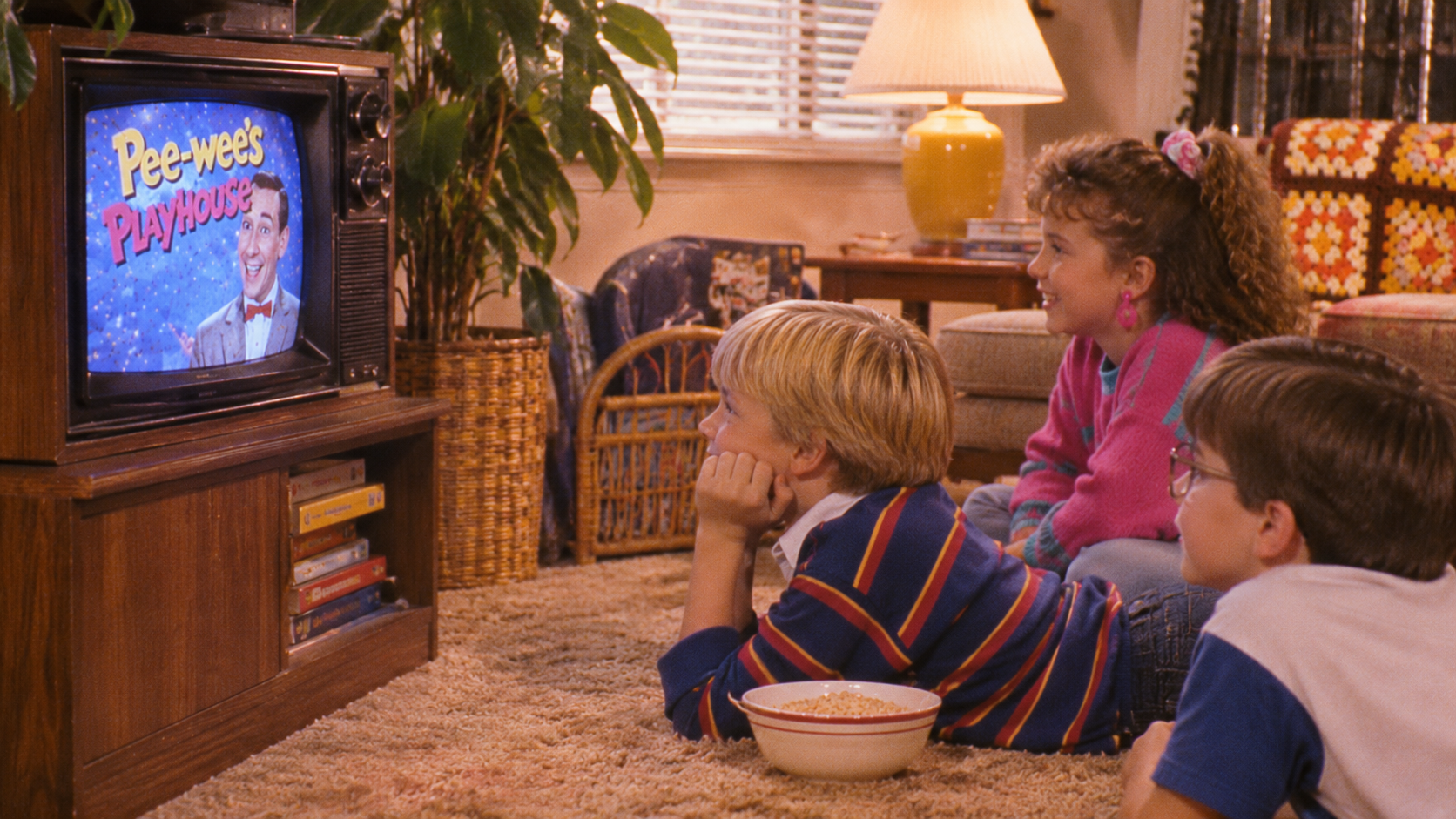
When “Pee-wee’s Playhouse” arrived on CBS in 1986, Saturday mornings got considerably stranger. The colorful show featured talking furniture, puppets, animated sequences, and Pee-wee Herman’s wonderfully unpredictable adventures. One of its most memorable traditions was the Secret Word, which prompted everyone to scream whenever someone said it. Kids could join in from their living rooms, making the show feel more interactive than ordinary cartoons. With characters like Chairry and Jambi the Genie, there was always something bizarre happening that nobody could have predicted.
Catching Another Schoolhouse Rock! Song
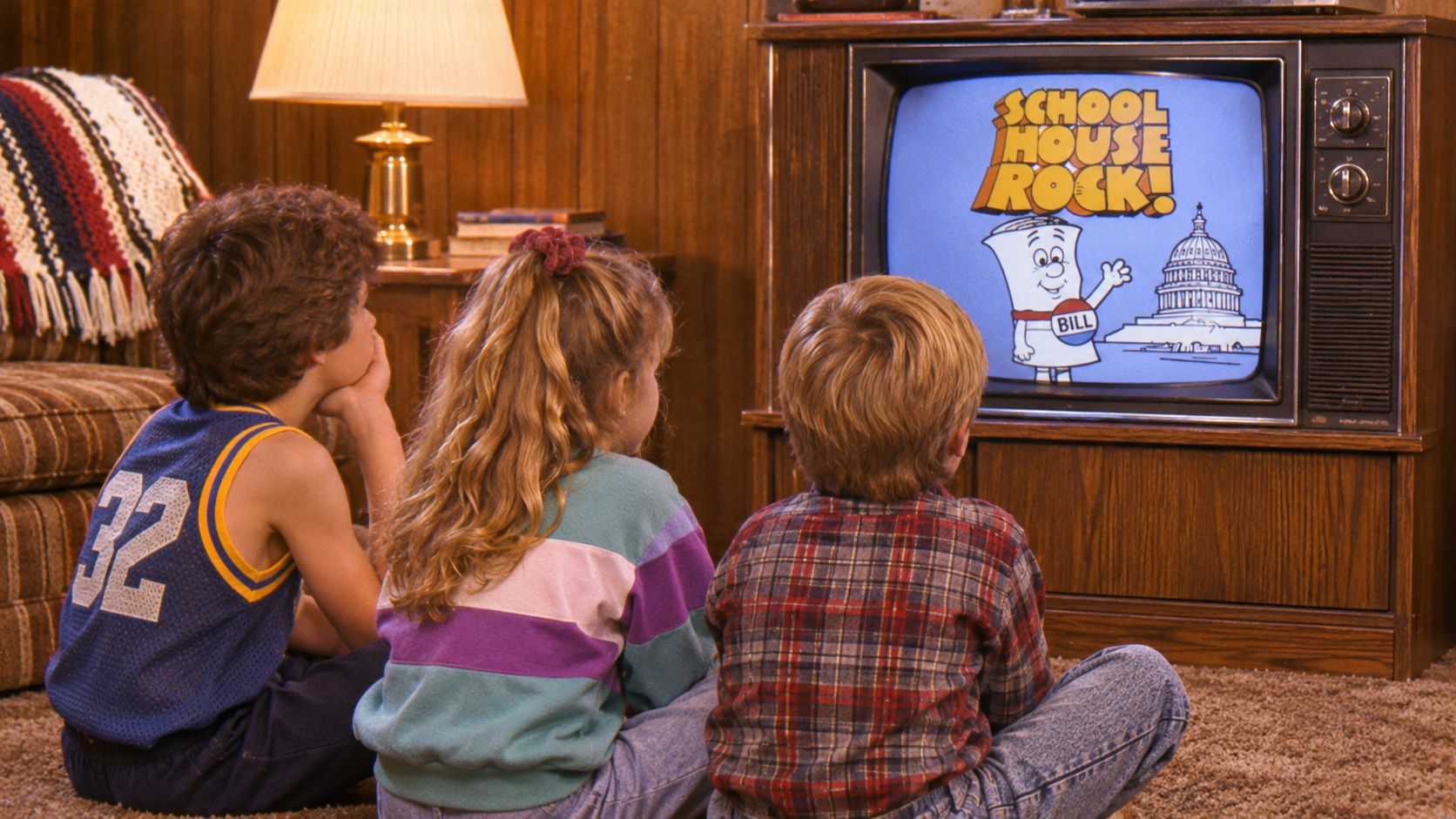
Who knew learning grammar could be so entertaining? “Schoolhouse Rock!” turned subjects like multiplication, American history, and government into short animated musical lessons that aired between ABC’s children’s programs. Although the series began in 1973, it remained part of Saturday morning television into the 1980s. Kids learned about conjunctions, numbers, and how laws were made without feeling like they were sitting in a classroom. The songs were so catchy that many adults can still remember them decades later, even if they’ve forgotten most of their actual school lessons.
Trending on Cheapism


Watching The Smurfs Before the Parents Woke Up
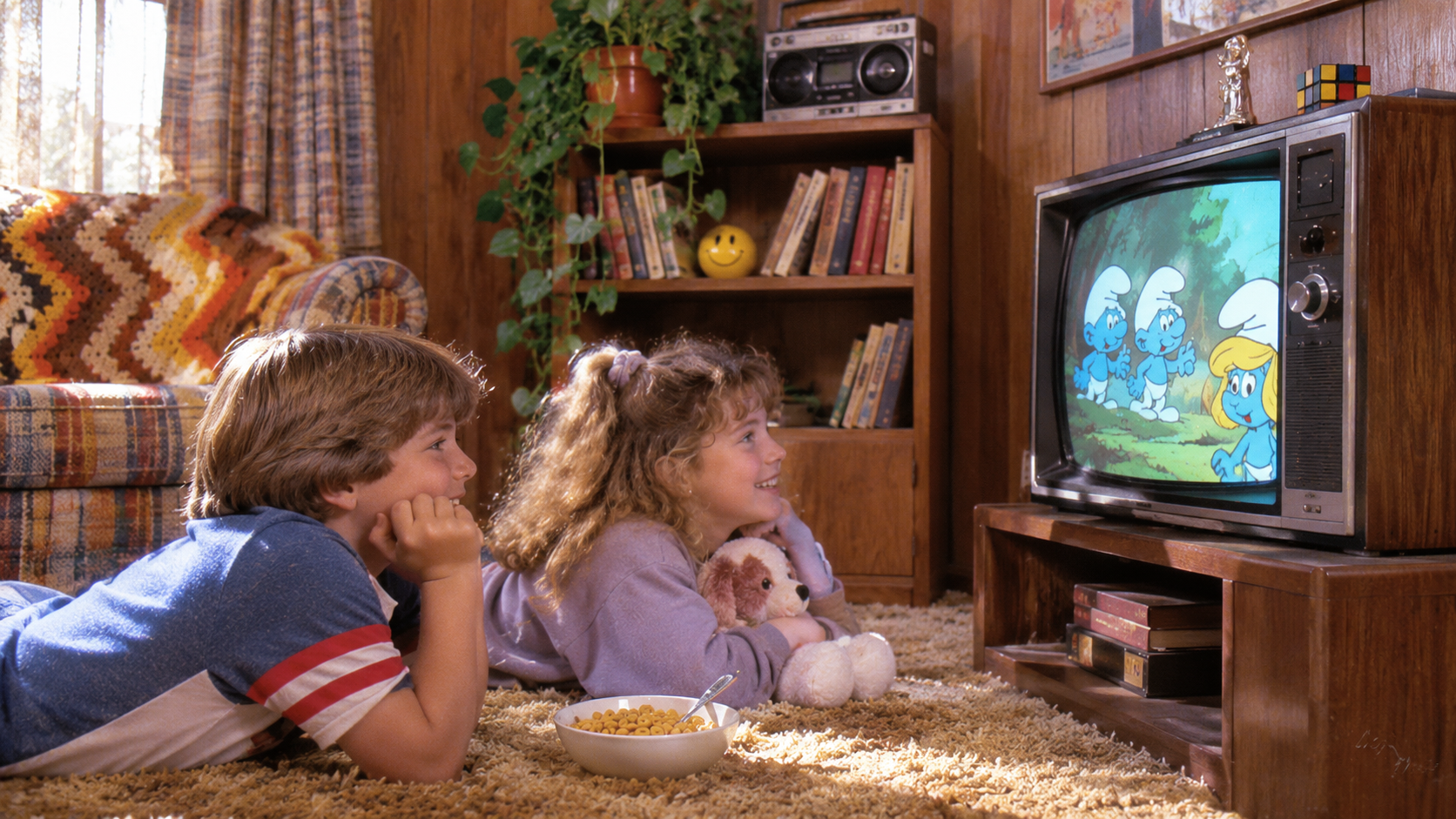
For many children, the weekend didn’t officially begin until those little blue characters appeared on television. “The Smurfs” premiered on NBC in 1981 and became one of the decade’s familiar Saturday morning fixtures. Kids followed Papa Smurf, Smurfette, and the rest of the village as they tried to outsmart Gargamel and his cat, Azrael. The show also inspired plenty of figurines, stickers, and other merchandise. There was something especially satisfying about watching an entire episode while the house was still quiet and nobody was asking you to do anything.
Getting the Atari or Nintendo All to Yourself
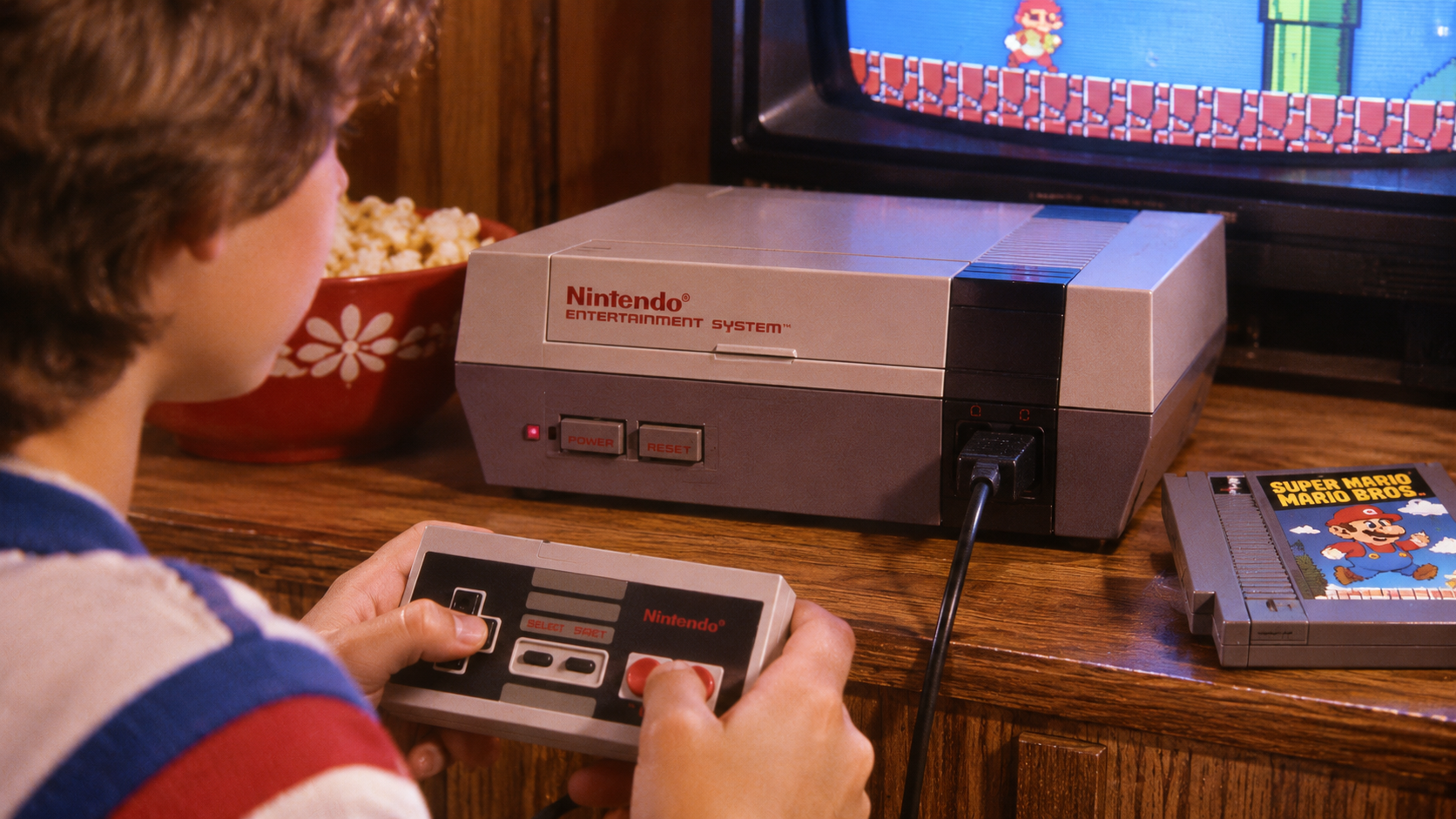
If your family owned a video game console, Saturday morning could be your chance to play without fighting over the television. Early in the decade, that might mean an Atari 2600, while the Nintendo Entertainment System became a major attraction later in the 1980s. Games like “Super Mario Bros.” could keep kids occupied for hours, especially when they were determined to reach the next level. There were no online walkthroughs waiting on a phone. You either figured things out yourself, asked a friend, or kept trying until you finally succeeded.
Choosing Between Three Channels of Cartoons
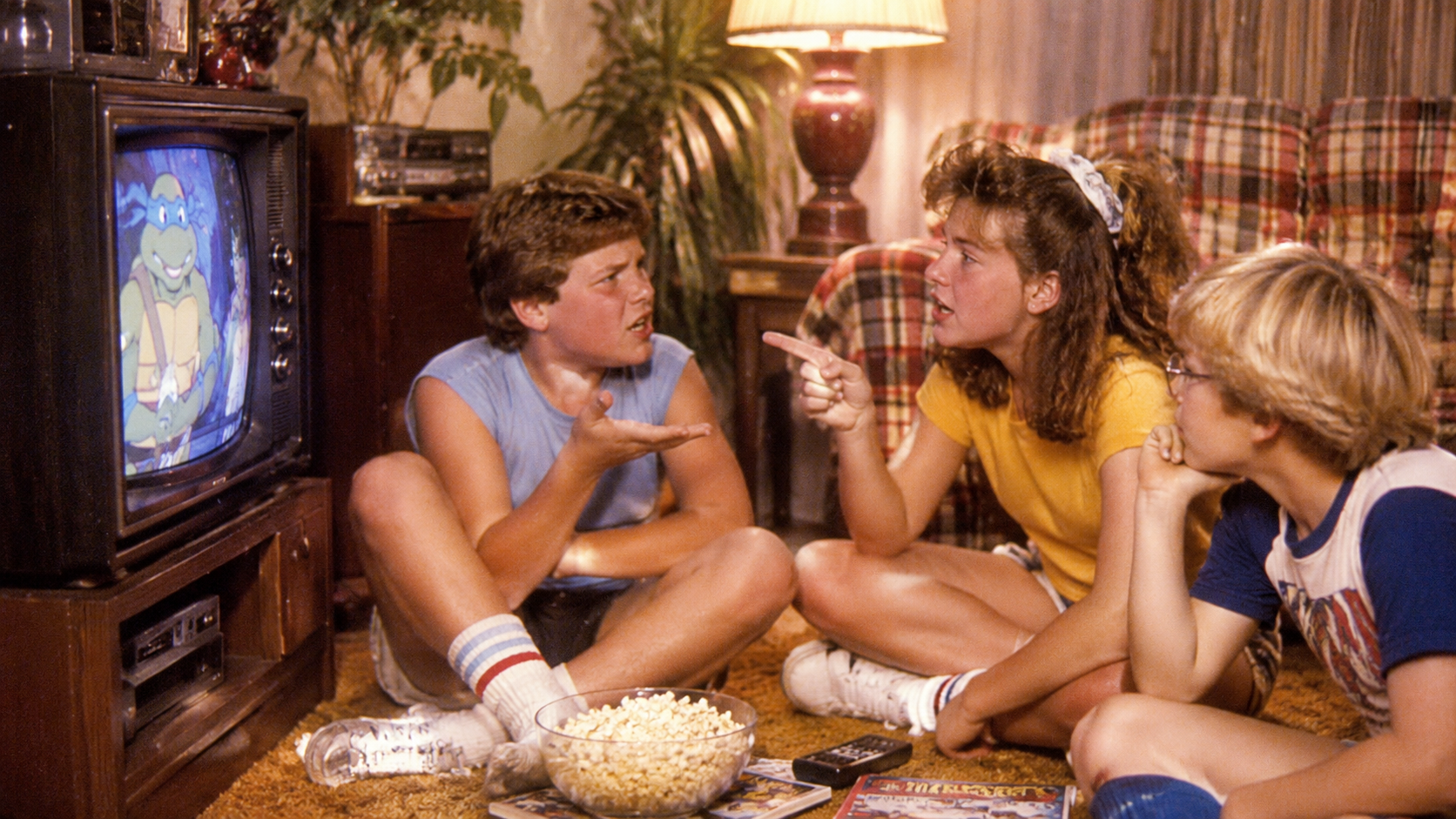
One of the toughest Saturday morning decisions was figuring out which channel deserved your attention. By the mid-1980s, ABC might be showing “The Real Ghostbusters” while CBS offered “Muppet Babies” and NBC had “The Smurfs.” With only one television in many households, siblings sometimes had to negotiate, argue, or take turns choosing programs. There was no easy way to watch everything you missed. The printed TV Guide or newspaper listings became surprisingly valuable, especially when two favorite shows happened to air at the same time.
Sign up for our newsletter
Riding Bikes Around the Neighborhood With Friends
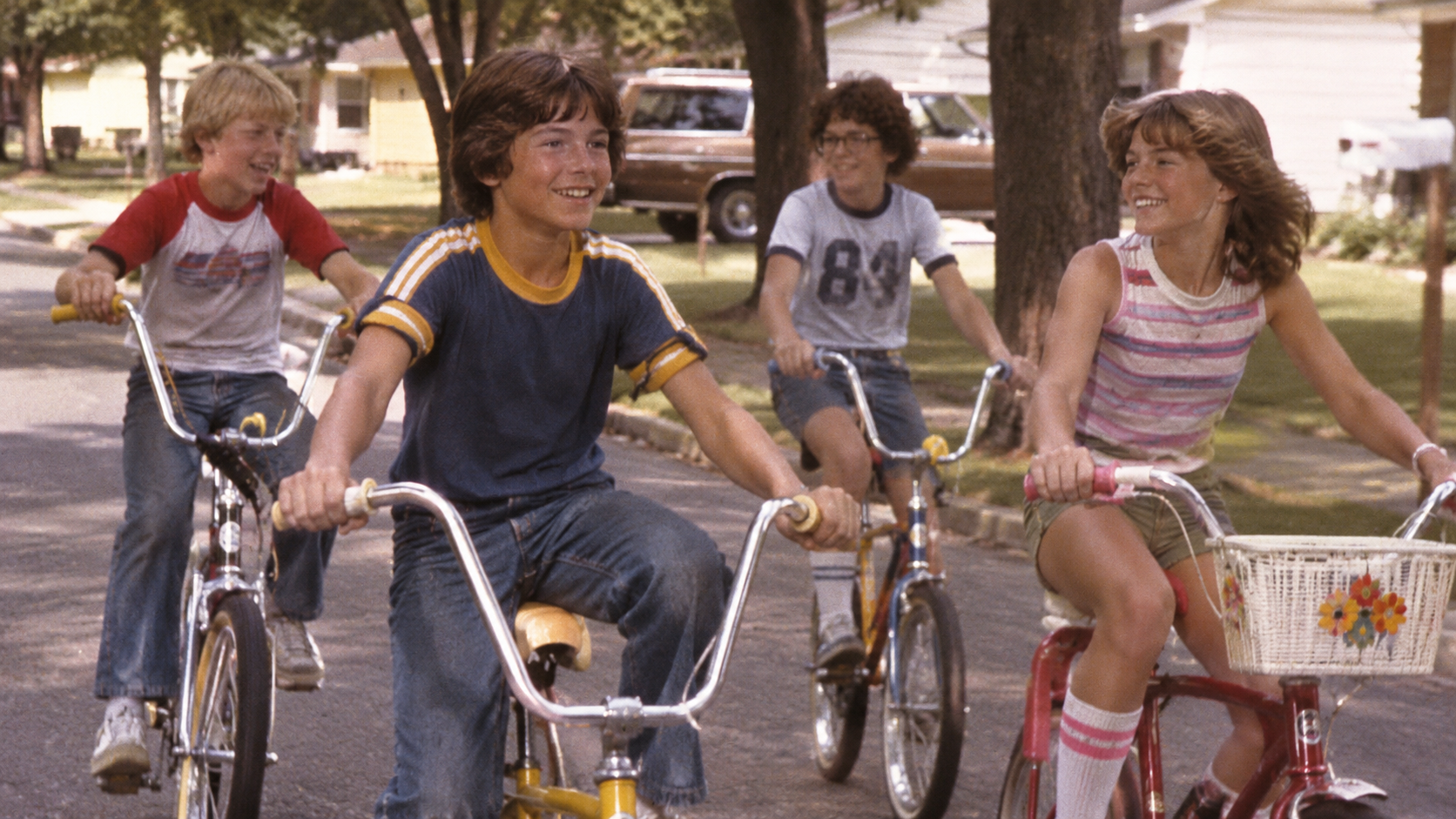
Once the cartoons were over, the next adventure often started outside. Kids grabbed their BMX bikes, cruisers, or whatever hand-me-down bicycle they owned and headed down the street looking for friends. Making plans usually meant knocking on someone’s door rather than sending a message. Afternoons could involve racing around the block, building questionable homemade ramps, or exploring nearby streets. Helmets weren’t as commonly worn as they are today, and some of those stunts were definitely risky. Still, having a bike meant having a little independence.
Browsing the Shelves at the Local Video Store
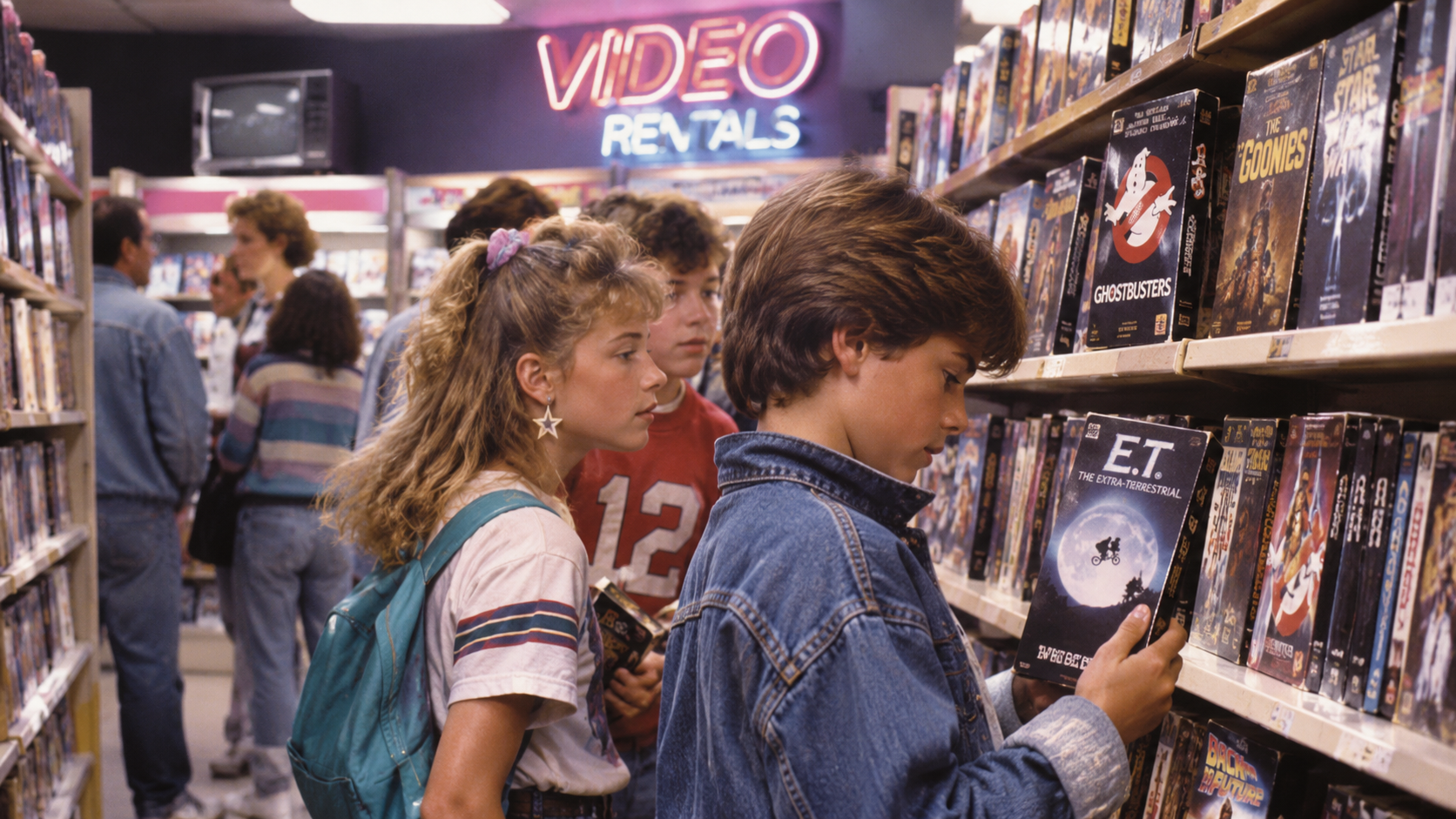
As VCRs became more common during the 1980s, a weekend trip to the video rental store turned into an event of its own. Kids wandered past rows of colorful VHS covers, trying to convince their parents to rent a cartoon, adventure movie, or something they probably weren’t old enough to watch. The biggest disappointment was discovering that the movie you wanted had already been rented. Smaller neighborhood shops eventually faced competition from growing chains like Blockbuster, but the excitement of choosing a movie for the weekend remained the same.
Spending Allowance Money at the Arcade
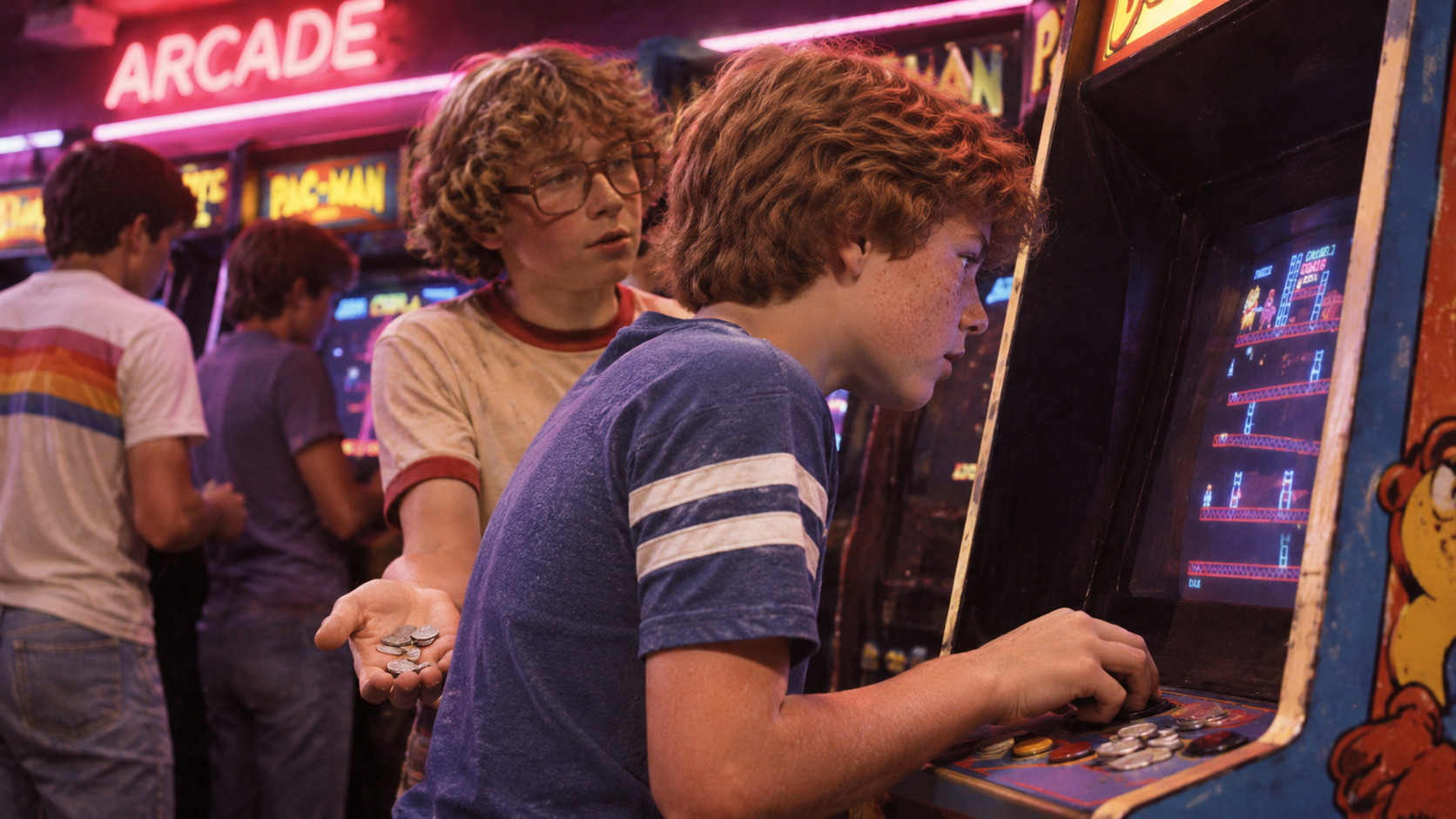
A handful of quarters could make Saturday feel like a major event. During the arcade boom of the early 1980s, games like “Pac-Man,” “Donkey Kong,” and “Galaga” drew crowds to shopping malls and neighborhood game rooms. Kids gathered around machines, watched older players demonstrate their skills, and waited for a chance to beat a high score. Of course, those quarters disappeared quickly if you weren’t particularly good. Sometimes the smartest strategy was to watch someone else play until you were confident enough to risk your own allowance.
Enjoying a Whole Morning Before Chores and Homework
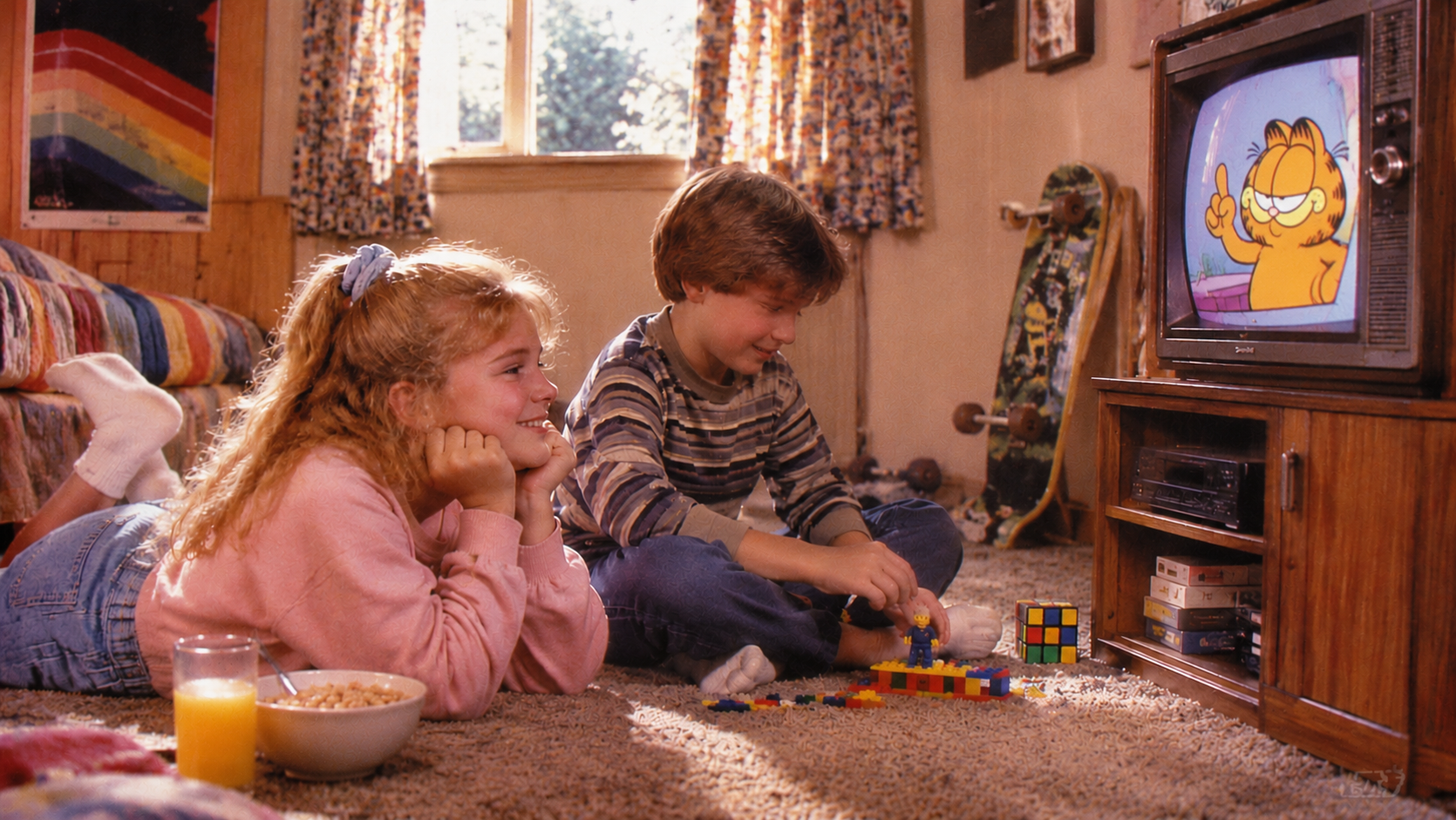
Perhaps the greatest thing about Saturday morning was knowing that almost the entire weekend still lay ahead. There was no school bus to catch, no packed lunch to remember, and usually no reason to rush through breakfast. Kids could lounge around in pajamas, build elaborate toy setups, or disappear into a favorite television show. Eventually, a parent would announce that bedrooms needed cleaning or the lawn needed attention. But for those first few glorious hours, responsibilities could wait, and that freedom was often the best part of all.