Thanksgiving school traditions in the 1970s were about more than learning the story of the Pilgrims and preparing for a long weekend. For many kids, November meant tracing their hands to make paper turkeys, decorating classroom bulletin boards with colorful leaves, and rehearsing Thanksgiving songs for an audience of proud parents. And if you were lucky, your teacher might even organize a classroom feast complete with homemade treats and plenty of cranberry sauce.
Of course, Thanksgiving celebrations at school have changed quite a bit over the past five decades. Some traditions have simply evolved with technology, while others have been reconsidered as educators have developed a better understanding of American history and the importance of representing Native American cultures accurately. Food allergies, school policies, and changing classroom routines have also transformed the way students celebrate the holiday.
Still, plenty of those old-fashioned activities remain familiar to anyone who grew up in the ’70s. From construction-paper costumes to televisions wheeled into classrooms, here are 12 Thanksgiving school traditions that look a little different today.
Dressing Up as Pilgrims and Native Americans
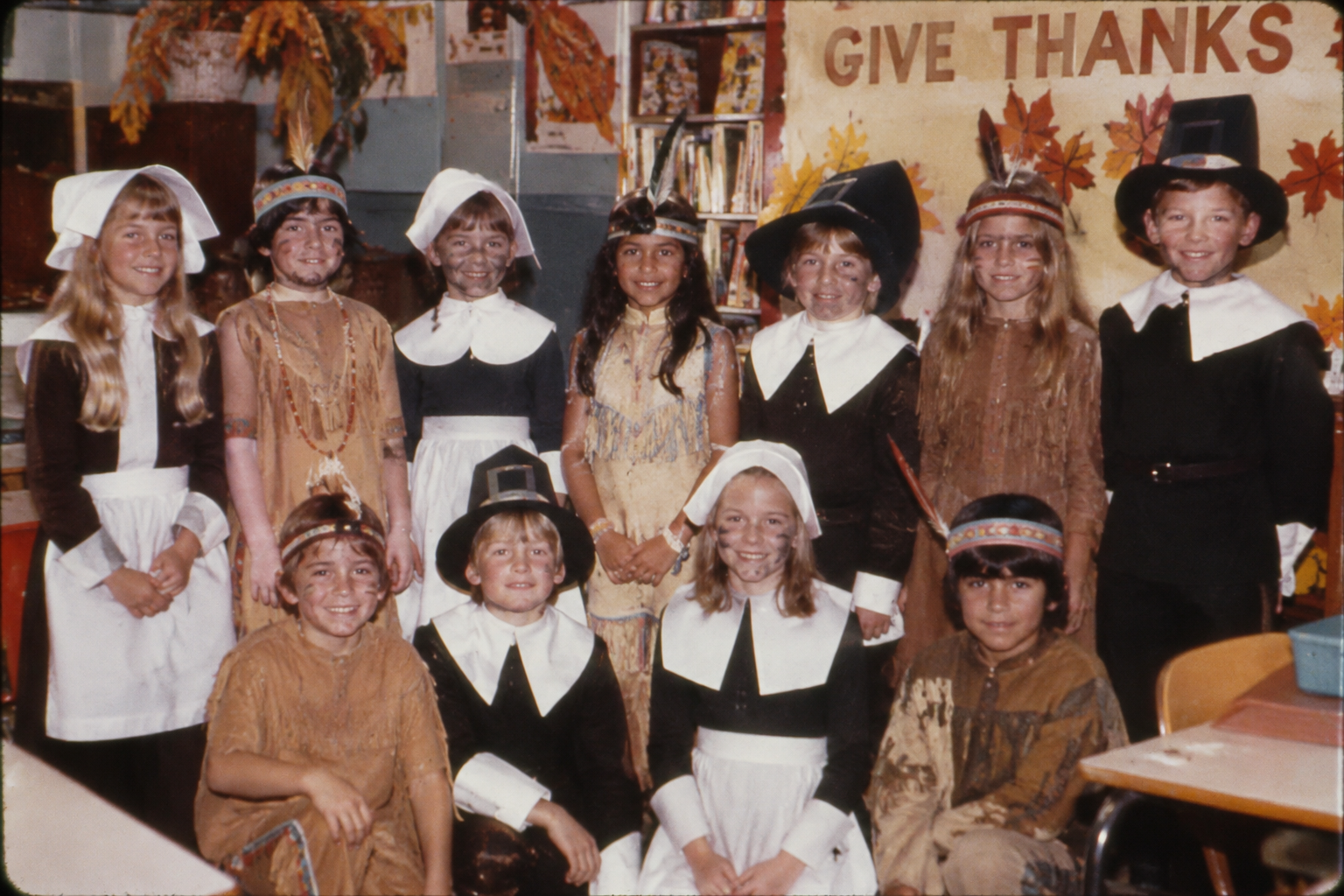
If you attended elementary school in the 1970s, there’s a good chance you remember making a black construction-paper Pilgrim hat or a white paper bonnet for Thanksgiving. Some classrooms also had children wear feathered headbands meant to represent Native Americans, often as part of a school play or holiday feast.
Today, these activities are increasingly discouraged because they reduce distinct Native American cultures to inaccurate stereotypes. The Smithsonian’s National Museum of the American Indian recommends teaching students about specific Native nations and their histories instead of having children imitate traditional clothing.
Putting on Thanksgiving Pageants for Parents
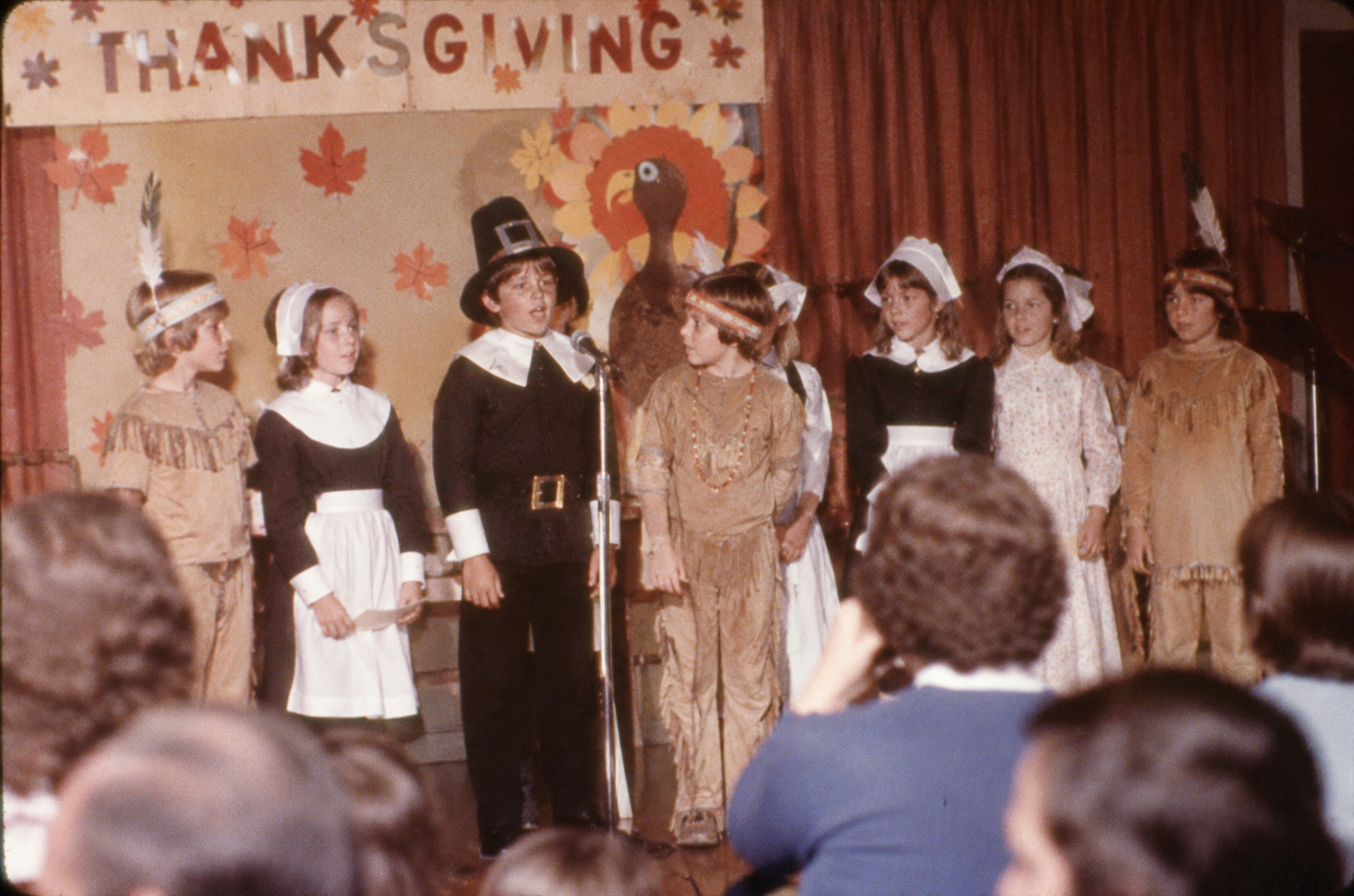
Few things made a 1970s elementary school classroom more exciting than preparing for a Thanksgiving pageant. Students memorized lines, practiced standing in the right places, and helped assemble costumes for performances depicting the supposedly friendly gathering between Pilgrims and Native Americans. Parents gathered in the cafeteria or auditorium to watch their children take the stage.
While some schools still organize Thanksgiving performances, educators now have resources to present a more historically accurate account of the 1621 harvest gathering, including the experiences and perspectives of the Wampanoag people.
Holding a Classroom Thanksgiving Feast
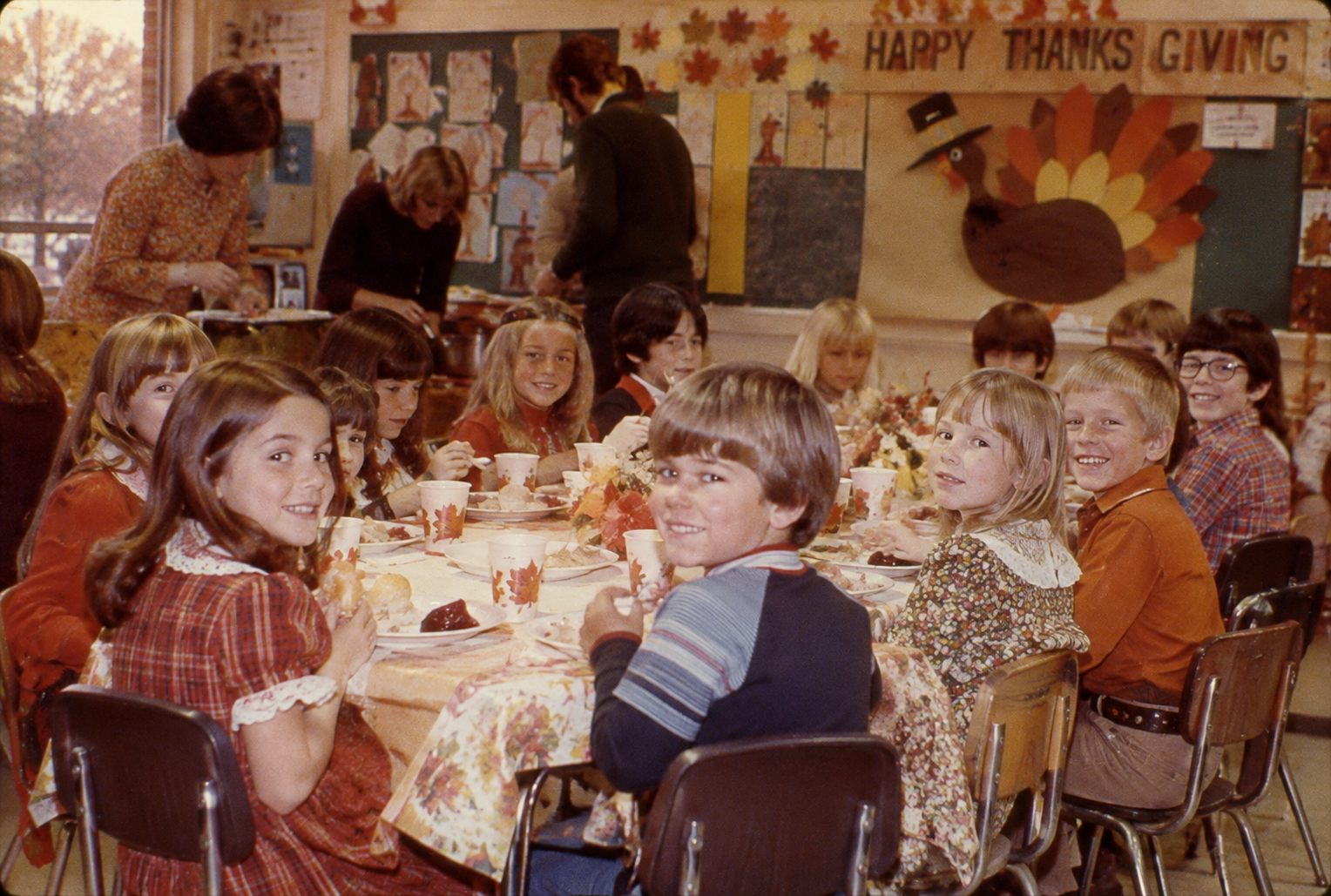
Remember pushing classroom desks together to make one enormous Thanksgiving table? In some schools, the days leading up to the holiday included a miniature feast, complete with turkey, dinner rolls, cranberry sauce, and whatever homemade desserts parents volunteered to bring.
Classroom food celebrations haven’t disappeared, but they’re often more carefully organized today. Food allergies, dietary restrictions, sanitation requirements, and school wellness policies can influence what’s served. Some teachers choose individually packaged snacks or nonfood celebrations instead of traditional potluck-style meals.
Making Handprint Turkeys With Paint and Construction Paper
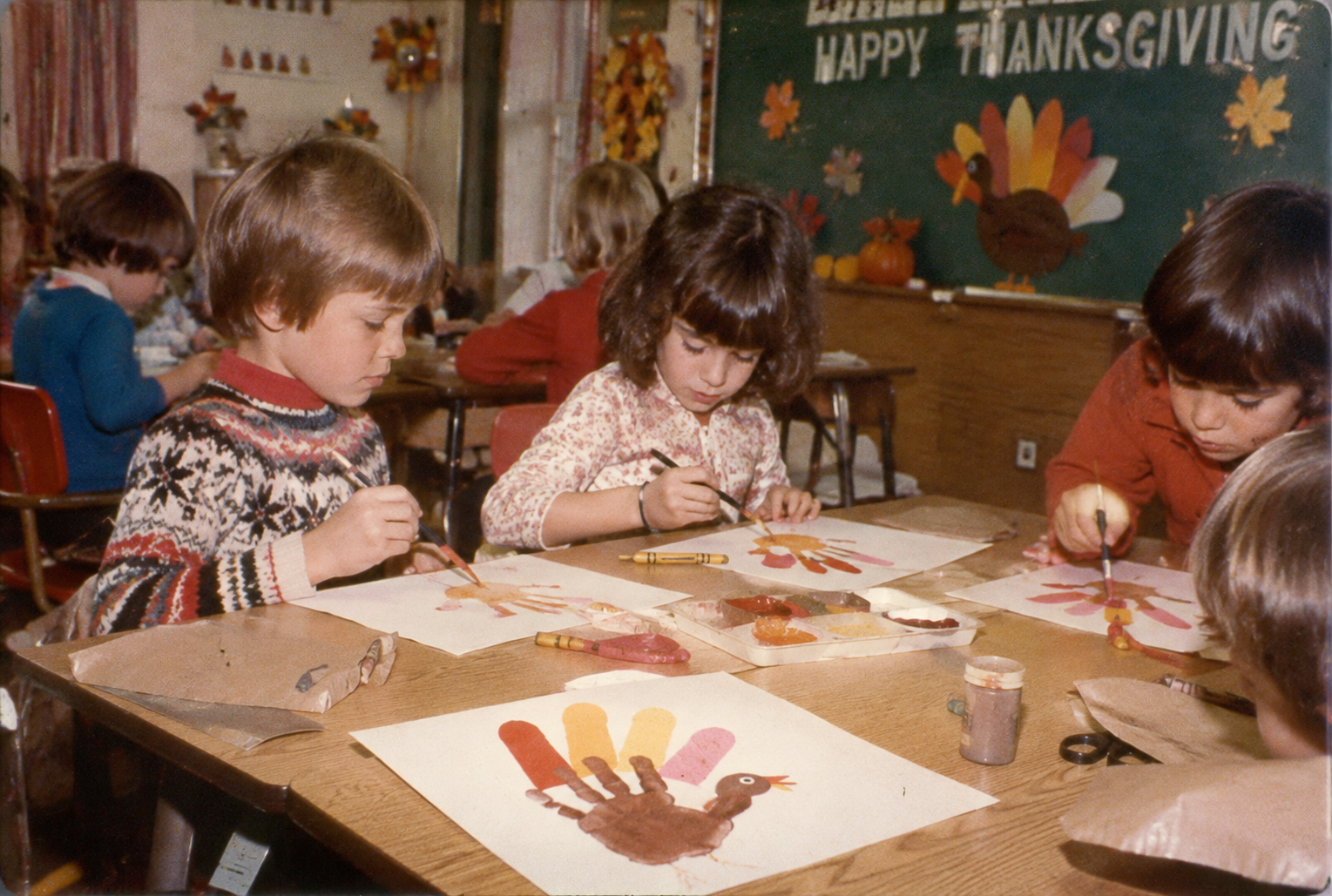
There was something almost unavoidable about making a handprint turkey in elementary school. You’d trace your fingers onto construction paper, turn your thumb into the turkey’s head, and decorate the remaining fingers with colorful feathers. If your teacher was feeling particularly ambitious, you might even get to dip your entire hand in brown paint.
Handprint turkeys are still a Thanksgiving staple, but today’s teachers have far more options for seasonal art projects. Digital templates, multimedia assignments, and online classroom resources have expanded the possibilities beyond scissors, glue, and construction paper. Still, it’s hard to beat a slightly crooked turkey with your name written on the back.
Learning a Simplified Story About the First Thanksgiving
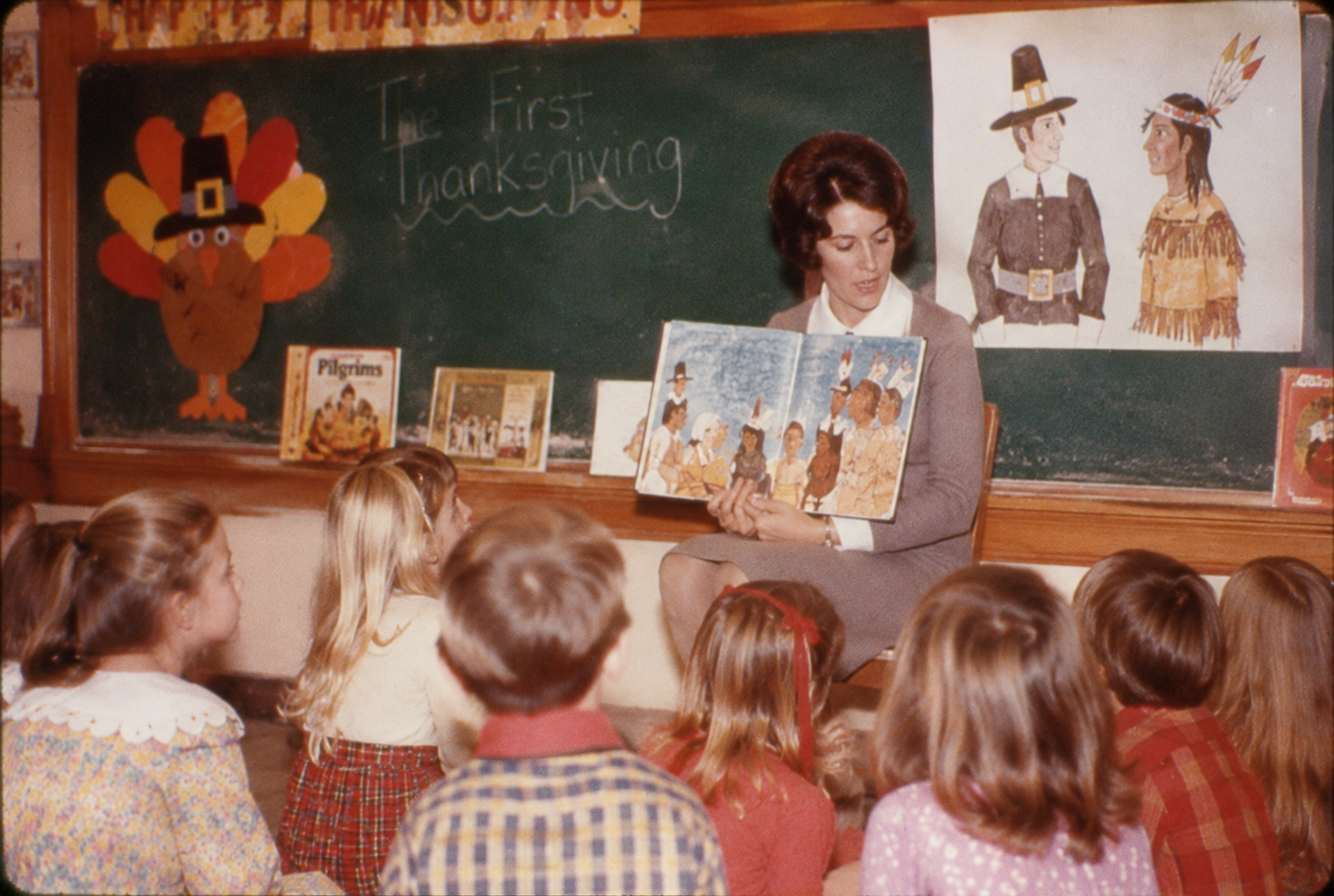
For many children growing up in the 1970s, the story of the first Thanksgiving was fairly straightforward: Pilgrims arrived in America, Native Americans helped them survive, and everyone eventually gathered for a peaceful meal. The lesson often ended there, without much discussion of what happened before or after that famous gathering.
Today, educators have access to more historically accurate materials that explore the Wampanoag people’s experiences, European colonization, and the complicated history behind the holiday. The Smithsonian encourages teachers to move beyond familiar myths and introduce students to Native American perspectives that were frequently missing from older textbooks.
Trending on Cheapism
Memorizing Thanksgiving Poems and Songs
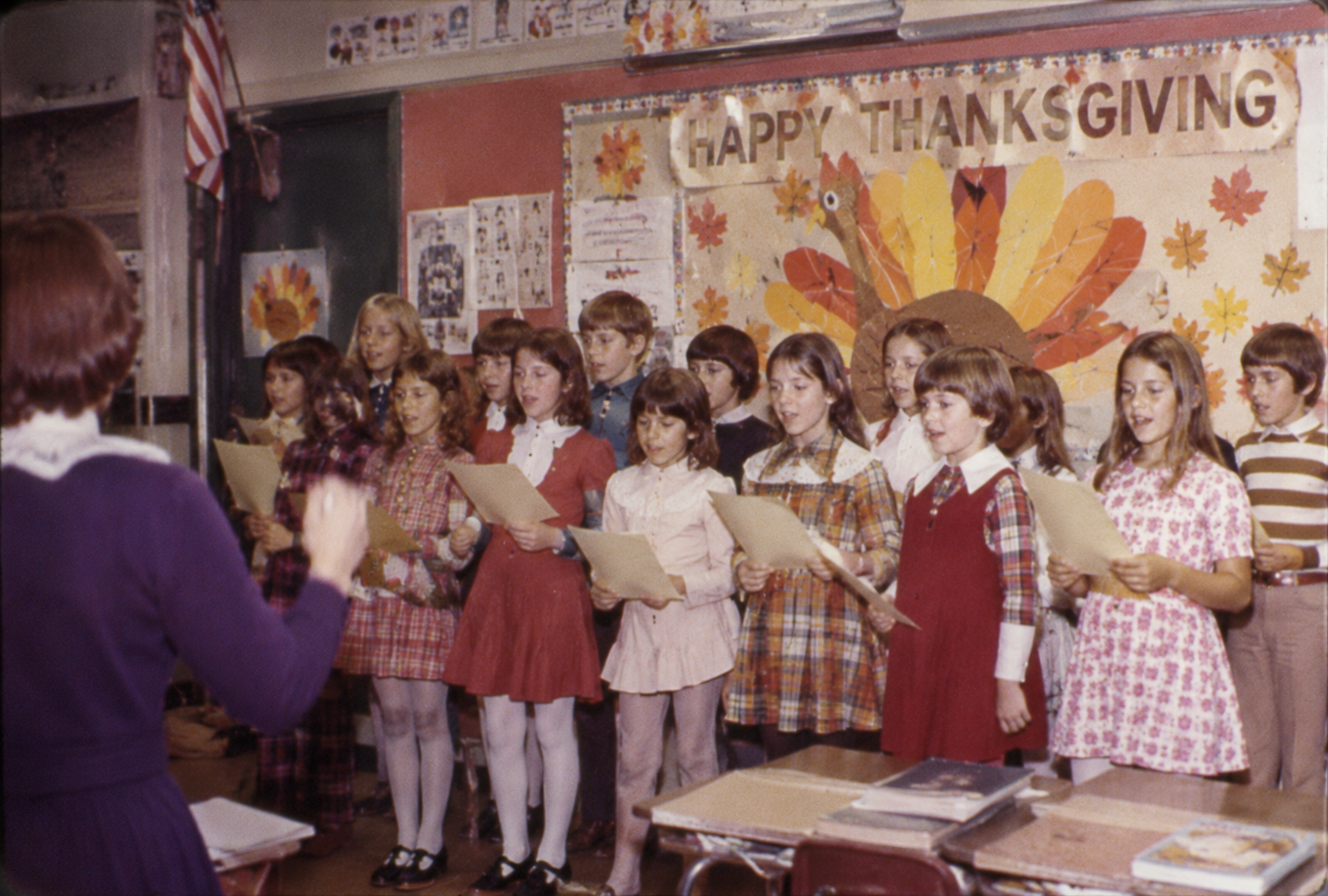
Long before teachers could pull up a seasonal playlist on a classroom computer, Thanksgiving music often meant standing in rows and singing from memory. Songs like “Over the River and Through the Wood” were familiar choices, and some students spent weeks practicing poems to recite during classroom celebrations.
Music and poetry remain part of Thanksgiving activities in some schools, but teachers can now incorporate recordings, videos, and interactive lessons. Students might also explore the historical origins of the songs they’re learning rather than simply memorizing the words. Of course, forgetting a verse in front of your classmates is one tradition that probably hasn’t changed much.
Decorating Classroom Bulletin Boards With Homemade Turkeys
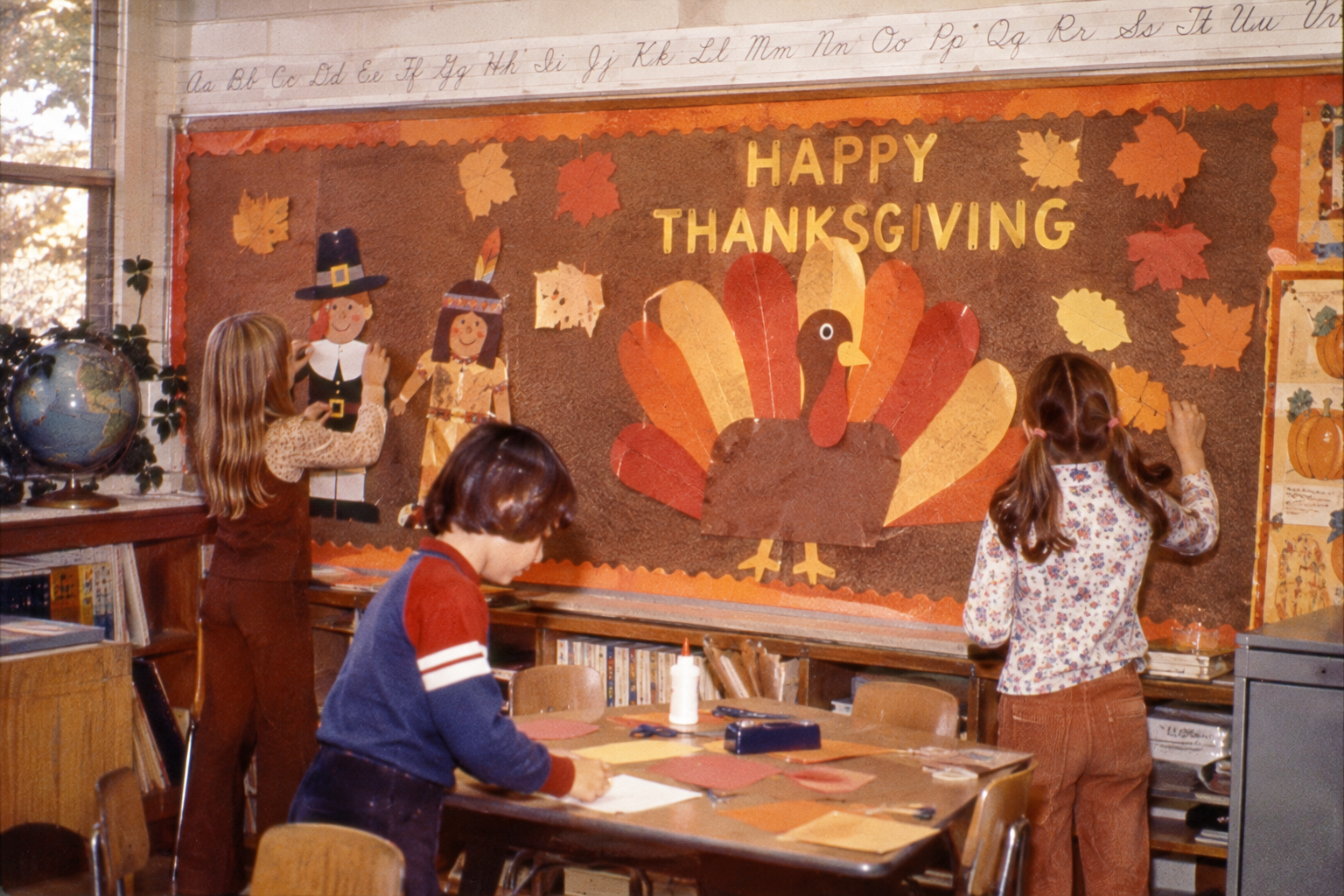
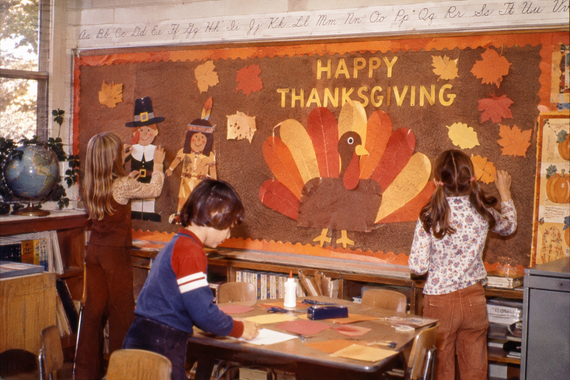
In the 1970s, you could usually tell Thanksgiving was approaching just by looking at the classroom bulletin board. Construction-paper turkeys, orange and yellow leaves, pumpkins, and oversized cornucopias covered nearly every available inch. Teachers often saved seasonal borders from previous years, while students contributed their latest masterpieces.
Bulletin boards haven’t gone anywhere, but classroom displays can now incorporate digital presentations, student research, and more educational material about Thanksgiving history. Some teachers also use November decorations to explore harvest traditions or highlight specific Native American cultures rather than relying exclusively on familiar holiday symbols.
Bringing Homemade Thanksgiving Treats to School
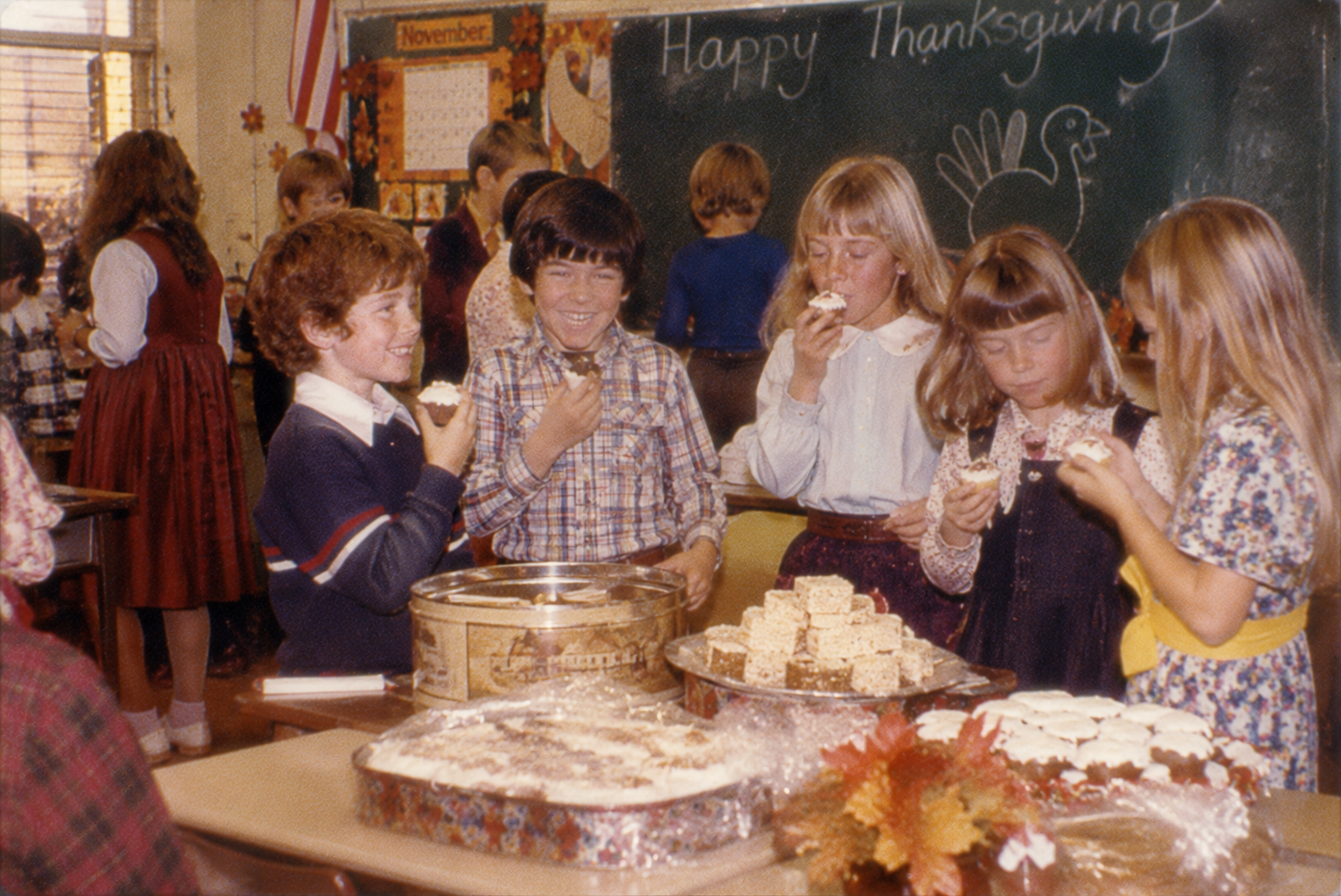
There was always something exciting about discovering that someone’s mom had baked cookies or cupcakes for the class. In many 1970s classrooms, parents contributed homemade popcorn balls, brownies, and other seasonal treats to Thanksgiving parties, often without the extensive ingredient documentation some schools require today.
Food allergies and safety concerns have made these informal celebrations more complicated. Depending on the school, homemade treats may be restricted, require advance approval, or need to be replaced with commercially packaged alternatives. For children who remember sharing cookies from a classmate’s kitchen, it’s a noticeable change.
Sign up for our newsletter
Making Thanksgiving Cards for Parents and Grandparents
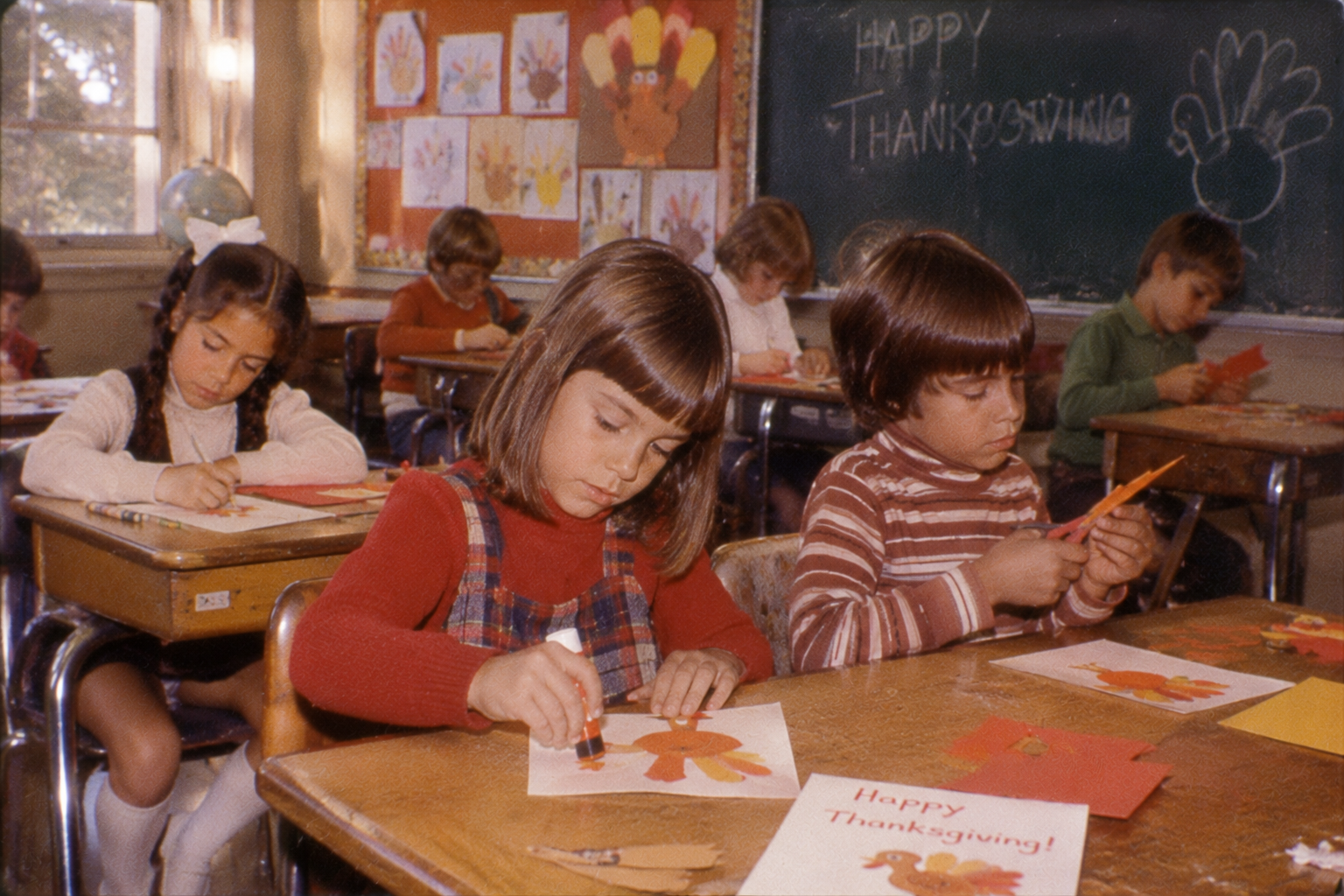
Before digital greeting cards and online design tools, Thanksgiving cards were usually made with folded construction paper, crayons, glue, and a generous amount of glitter. Teachers encouraged students to write messages about what they were thankful for, and the finished cards often ended up displayed on refrigerators or tucked away in family keepsake boxes.
Handmade cards are still popular, but today’s students can also create digital artwork, multimedia greetings, and online presentations. The tools may have changed, but the idea behind the activity remains much the same: giving children a chance to express gratitude and make something meaningful for their families.
Collecting Canned Goods for Thanksgiving Food Drives
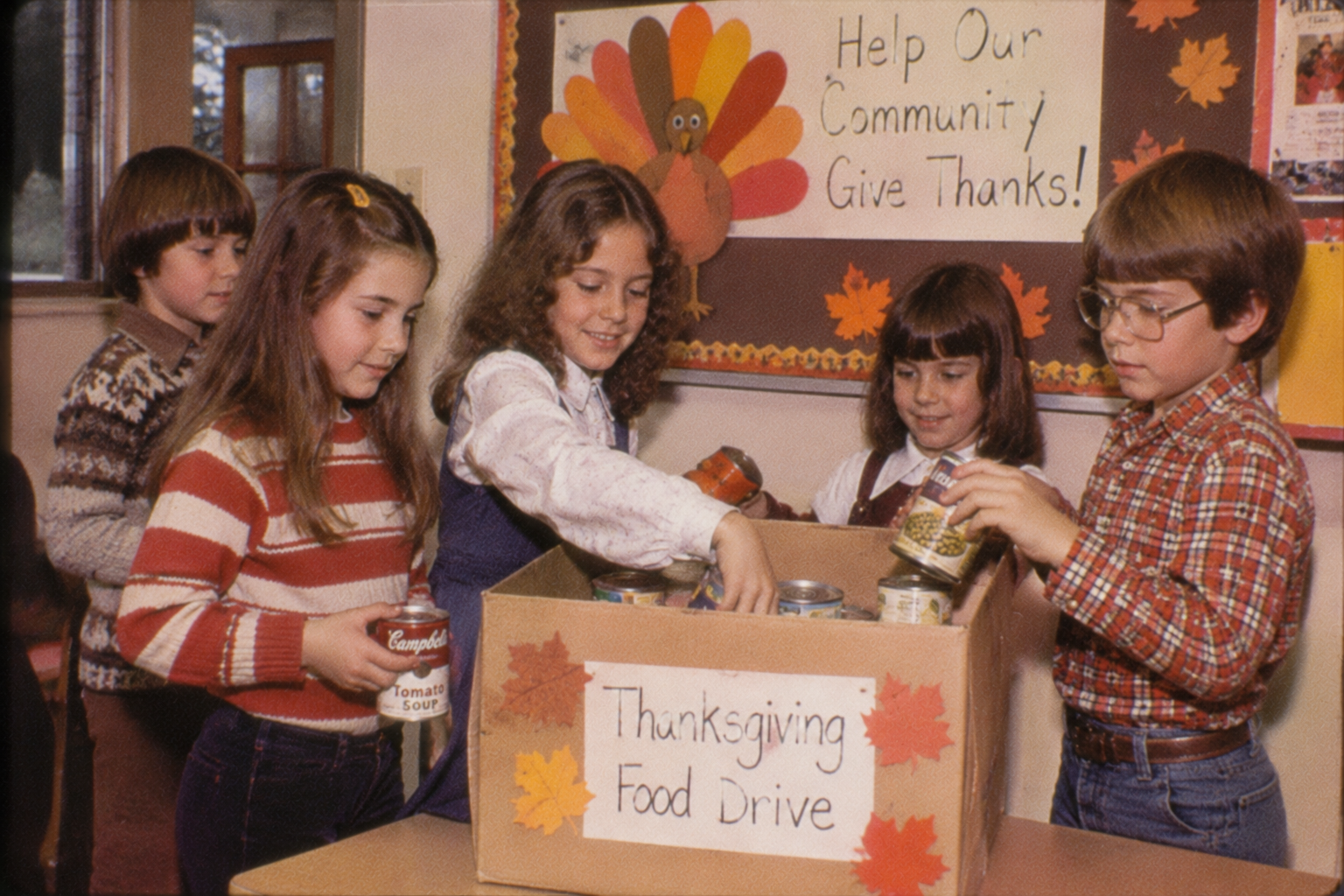
For many elementary school students, November meant bringing a can of green beans, a box of stuffing, or another pantry staple to school. Teachers placed large collection boxes near classroom doors, and students watched the donations pile up before Thanksgiving break.
Schools still organize holiday food drives, but charitable giving has evolved. Some programs now work directly with local food banks to collect specifically requested supplies or encourage financial donations. Organizations like Feeding America explain that monetary contributions can help food banks purchase food efficiently, meaning a traditional mountain of canned goods isn’t always the most effective way to help.
Making Paper-Bag Decorations and Cornucopia Displays
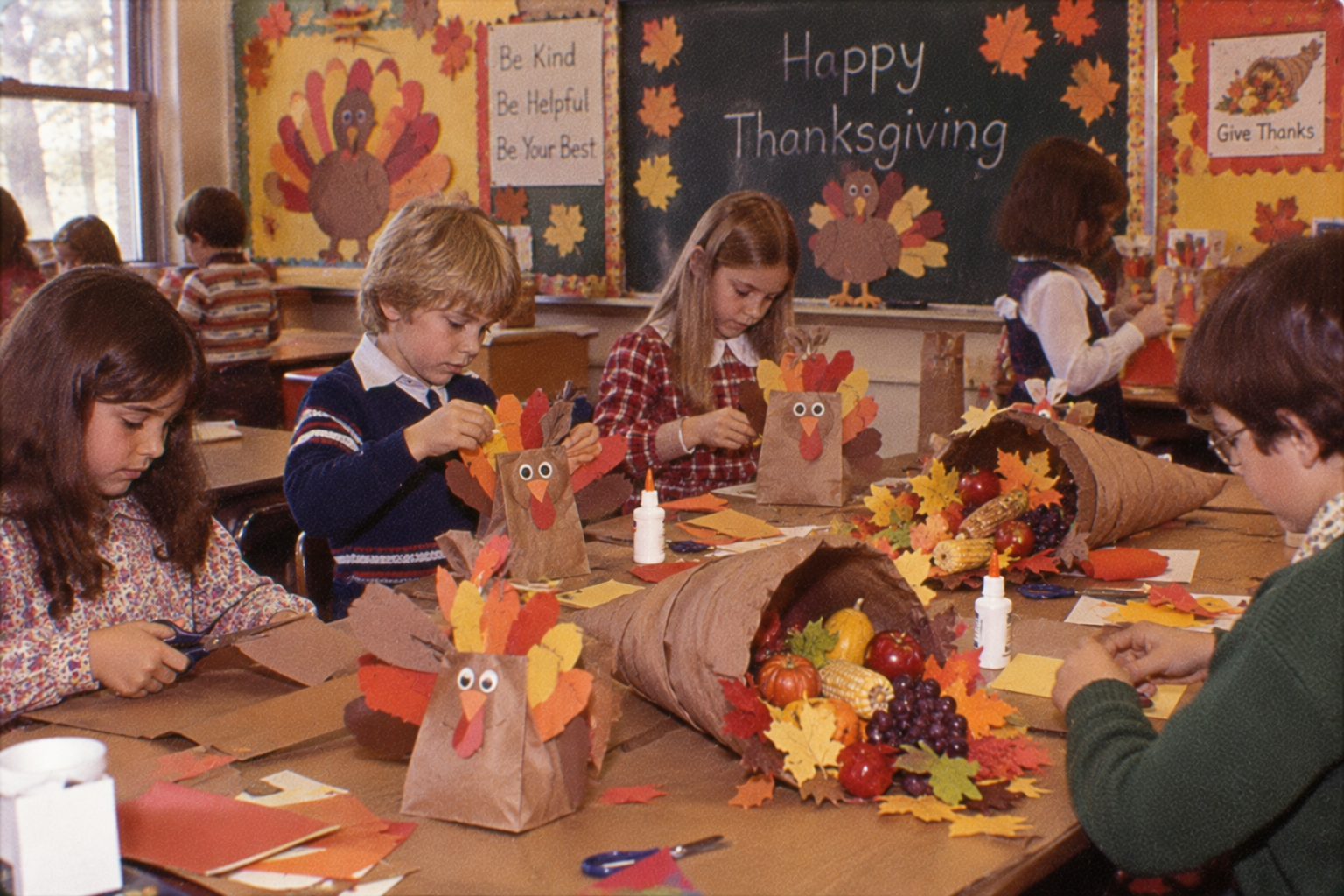
Brown paper bags were surprisingly versatile craft supplies in 1970s classrooms. With a little construction paper, glue, and imagination, students could turn them into Thanksgiving decorations, while paper fruit, autumn leaves, and miniature cornucopias became centerpieces for classroom tables.
Many harvest-themed crafts are still perfectly suitable for modern classrooms. However, educators are increasingly encouraged to avoid projects that inaccurately represent Native American clothing or traditions. That means children can still enjoy making colorful fall decorations without repeating the cultural stereotypes that sometimes appeared in older Thanksgiving activities.
Spending the Last Afternoon Before Thanksgiving Watching Films or Having Parties
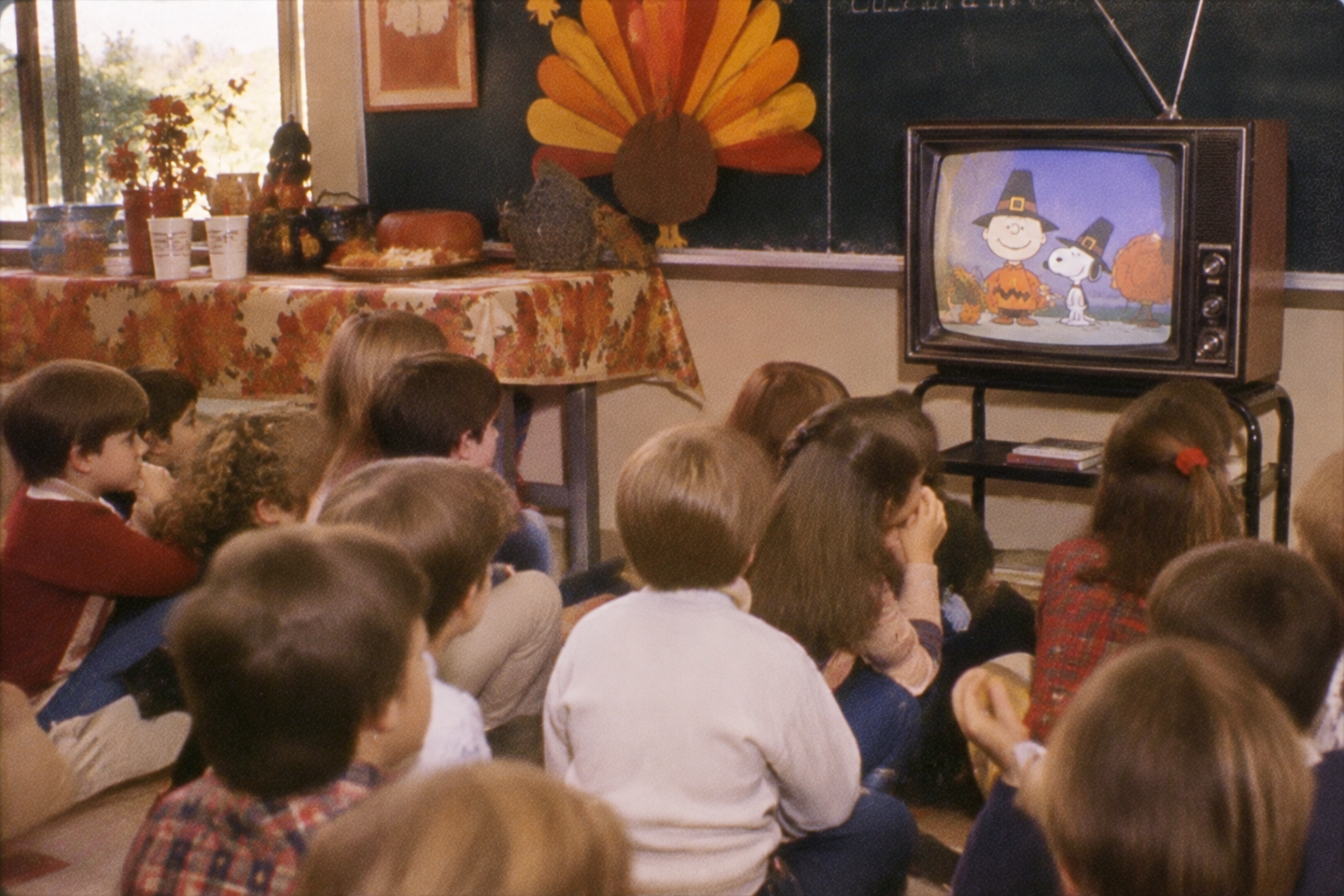
There was something magical about seeing your teacher wheel a television into the classroom on the last afternoon before Thanksgiving break. It usually meant that regular lessons were over and the rest of the day would be spent watching a seasonal program, enjoying treats, or finishing holiday crafts.
Some schools still reserve time for Thanksgiving activities, but the experience looks different now. Instead of waiting for a television cart, teachers can stream educational videos directly onto classroom screens. Updated historical resources and different school calendars also influence how the holiday is observed. Still, the excitement of knowing a few days off are just around the corner is probably as strong as ever.
Thanksgiving at School Isn’t Quite What It Used to Be
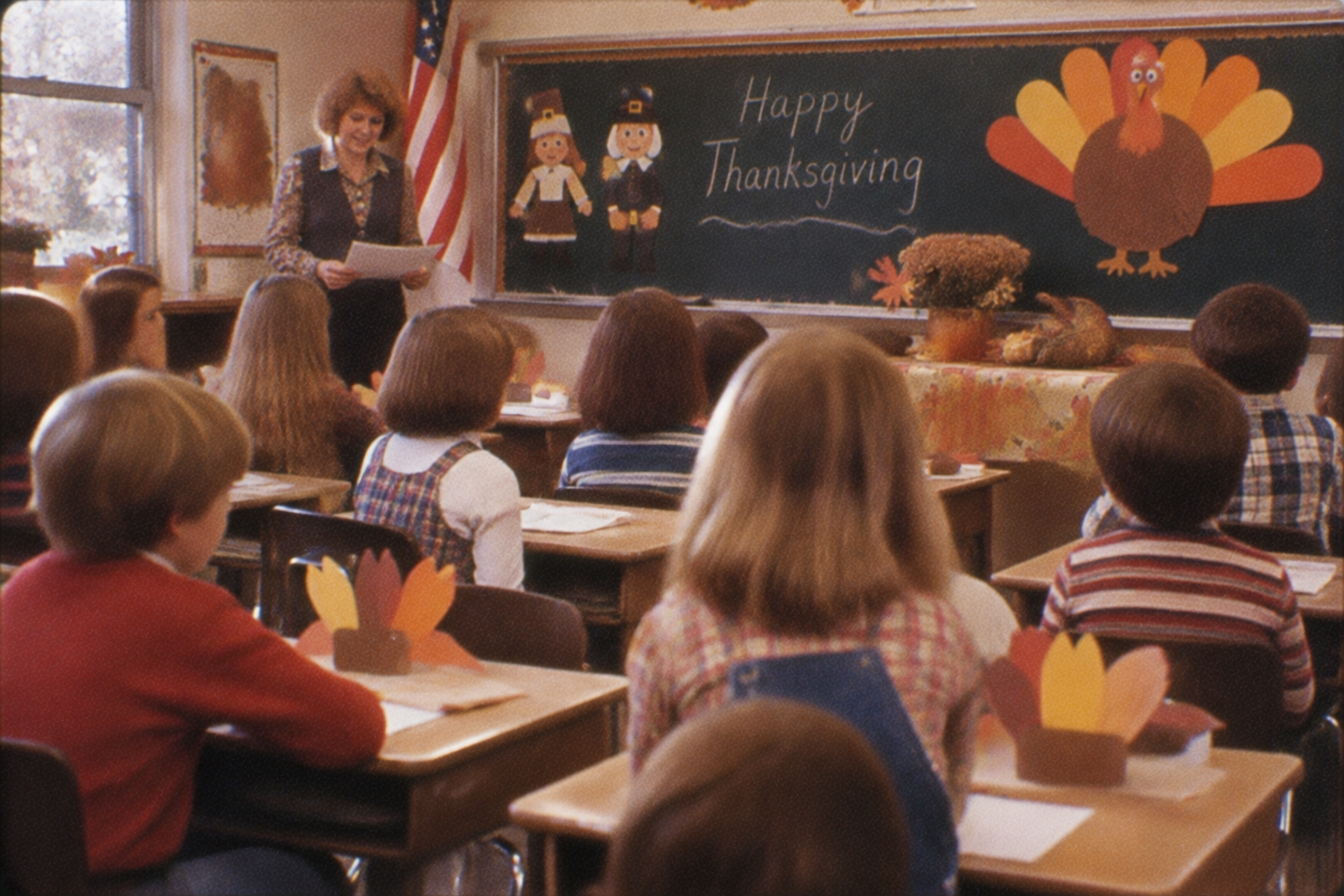
From homemade paper turkeys to elaborate classroom feasts, Thanksgiving school traditions in the 1970s created memories that many adults still cherish. Some activities have survived almost unchanged, while others have evolved alongside new technology, safety policies, and educational approaches.
And although it’s easy to feel nostalgic for those simpler classroom celebrations, some of the biggest changes have helped schools teach a more complete and accurate version of American history. After all, there’s still plenty of room for colorful crafts, holiday songs, and shared traditions without leaving important parts of the story untold.