Remember the excitement of getting your first allowance? For kids growing up in the 1980s, having a few dollars of their own could feel like winning the lottery. Suddenly, the candy aisle at the corner store was full of possibilities, the arcade was calling your name, and that toy you’d been eyeing for weeks seemed just a little more attainable.
Of course, this was long before digital wallets, online shopping, and one-click purchases. Every dollar came in the form of actual cash, and spending it meant counting your coins, walking or biking to a store, and deciding whether that new pack of baseball cards was really worth sacrificing your candy money. And while not every kid received an allowance, those who did quickly discovered that having your own money came with a surprising amount of responsibility.
From feeding quarters into arcade machines to saving pennies in a piggy bank, here are 12 nostalgic 1980s allowance memories that bring back the excitement of having a little spending money of your own.
Heading Straight to the Corner Store for Candy
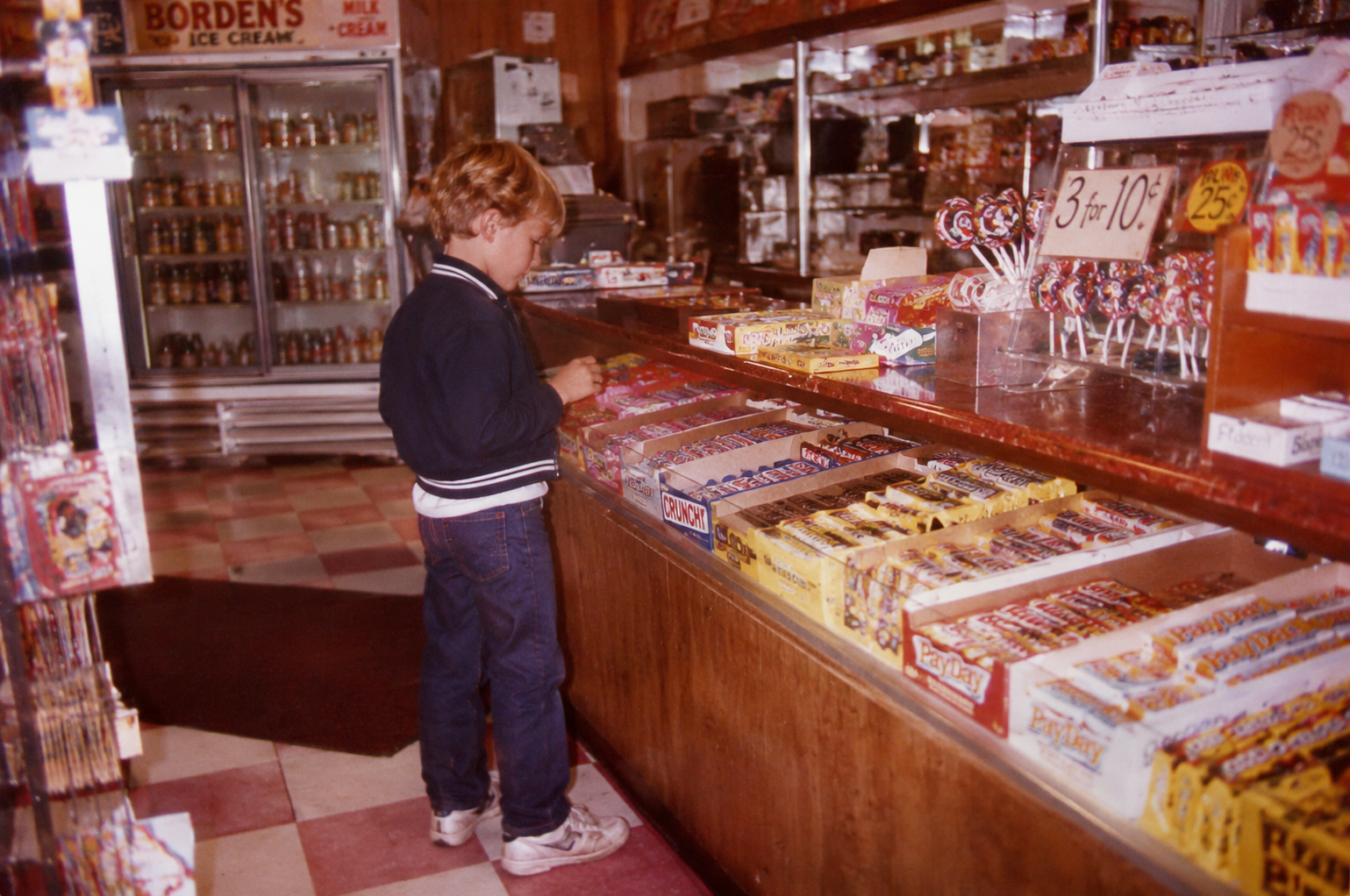
For many ’80s kids, the first stop after receiving an allowance was the neighborhood convenience store, where a handful of coins could buy an impressive assortment of sugary treats. Between bubble gum, candy necklaces, Tootsie Rolls, and small packs of sweets, there were plenty of ways to stretch a dollar. And the best part? You didn’t have to convince your parents to buy anything. Of course, choosing what to get was sometimes harder than expected, especially when you only had enough money for a few favorites.
Turning Every Quarter Into Another Arcade Game
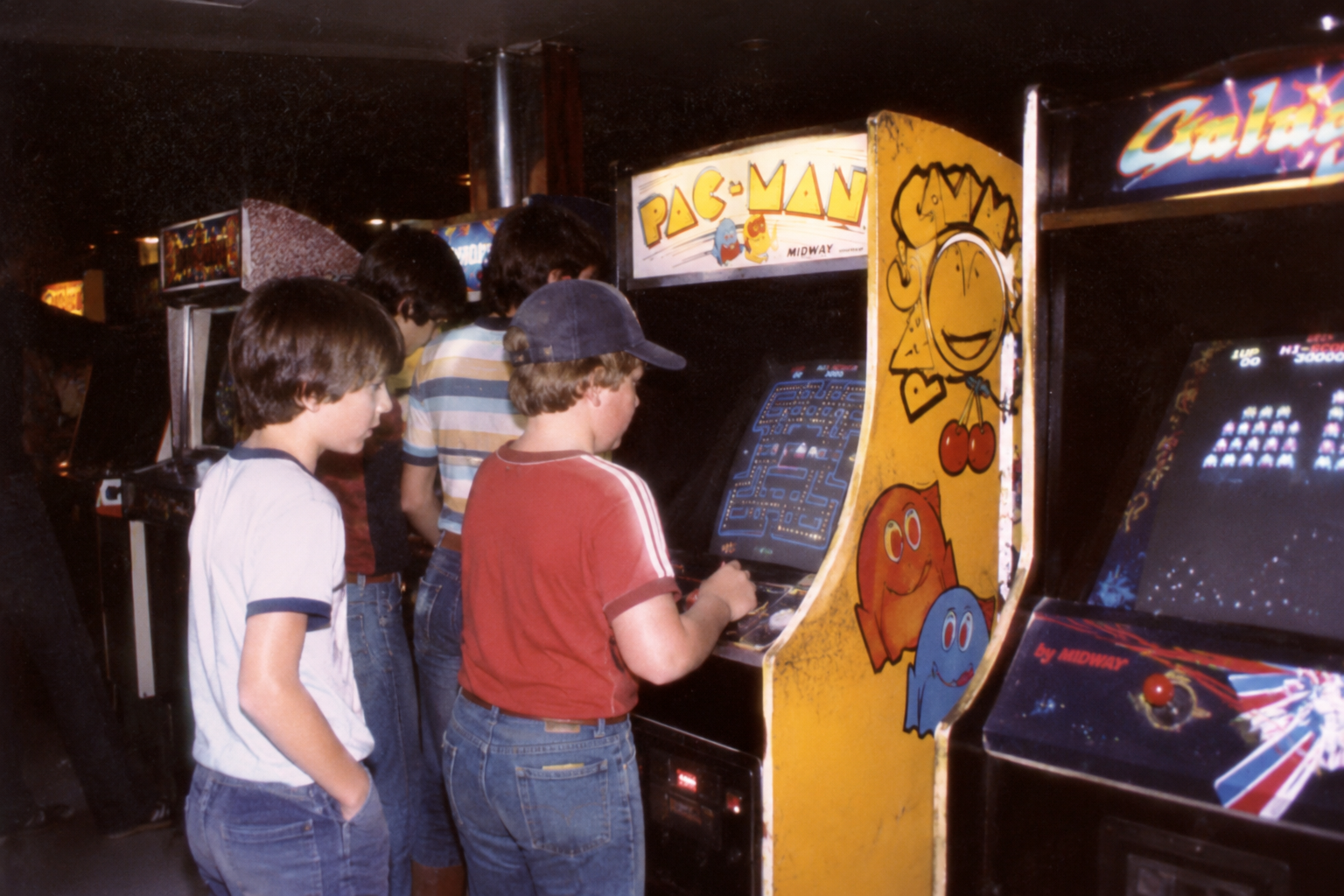
Back when arcades were packed with kids competing for high scores, quarters were practically a form of currency. Games like Pac-Man, Donkey Kong, and Galaga could swallow an entire allowance surprisingly quickly, especially if you weren’t particularly good at them. A dollar might buy four games, provided each cost a quarter and you didn’t lose all your lives within minutes. The trick was learning to make those quarters last, although plenty of kids discovered that their money disappeared much faster than they’d planned.
Buying Baseball Cards and Hoping for a Favorite Player
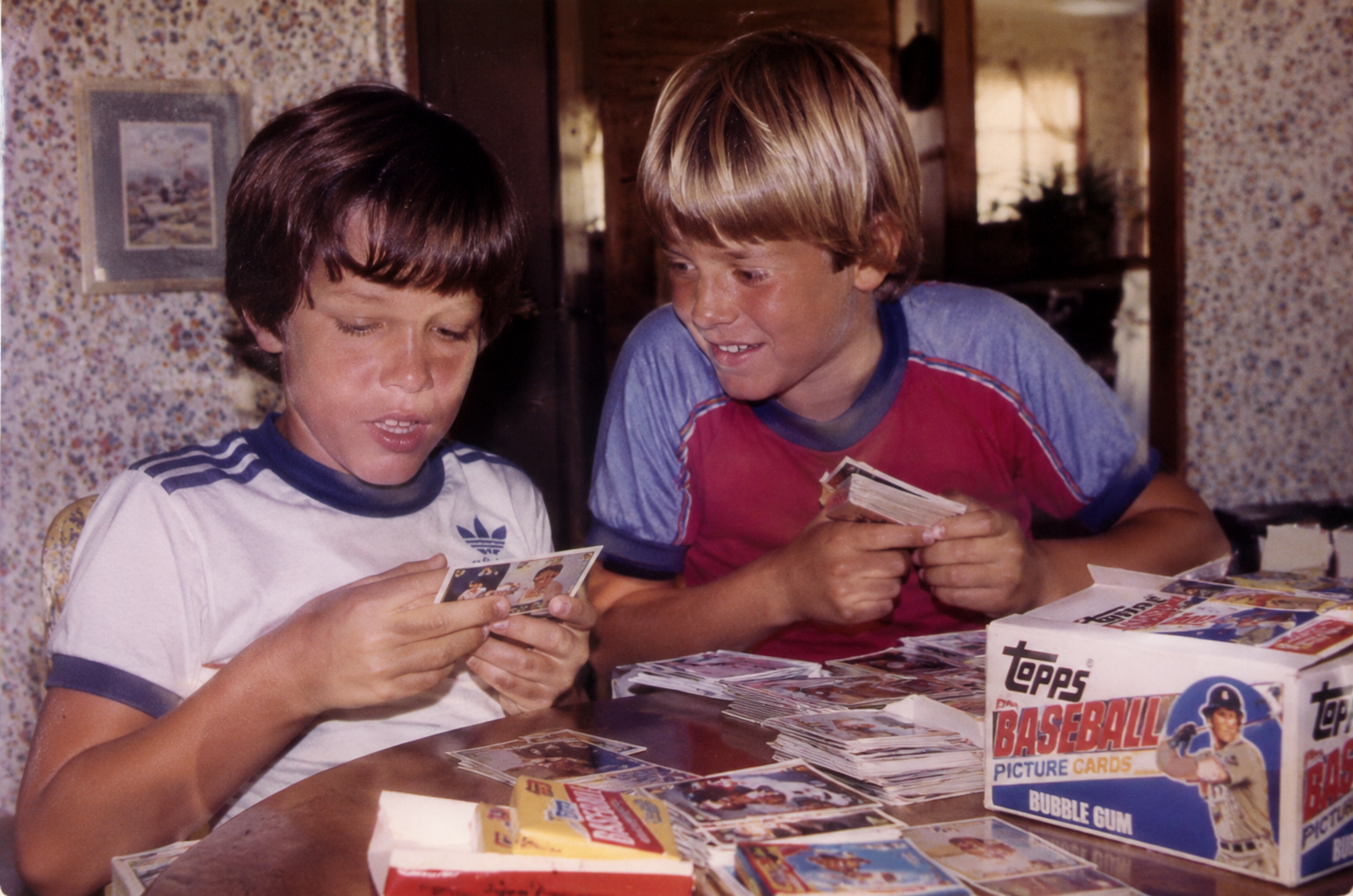
There was something magical about tearing open a fresh pack of baseball cards without knowing which players you’d find inside. For sports-loving ’80s kids, spending allowance money on Topps, Fleer, or Donruss cards was part collecting hobby, part gamble. Maybe you’d finally get your favorite player, or maybe you’d end up with another handful of duplicates to trade with friends. Some packs even came with a little stick of gum, although the cards were usually the real attraction. And naturally, the most valuable cards were the ones nobody wanted to trade.
Saving for a Toy That Cost More Than a Week’s Allowance
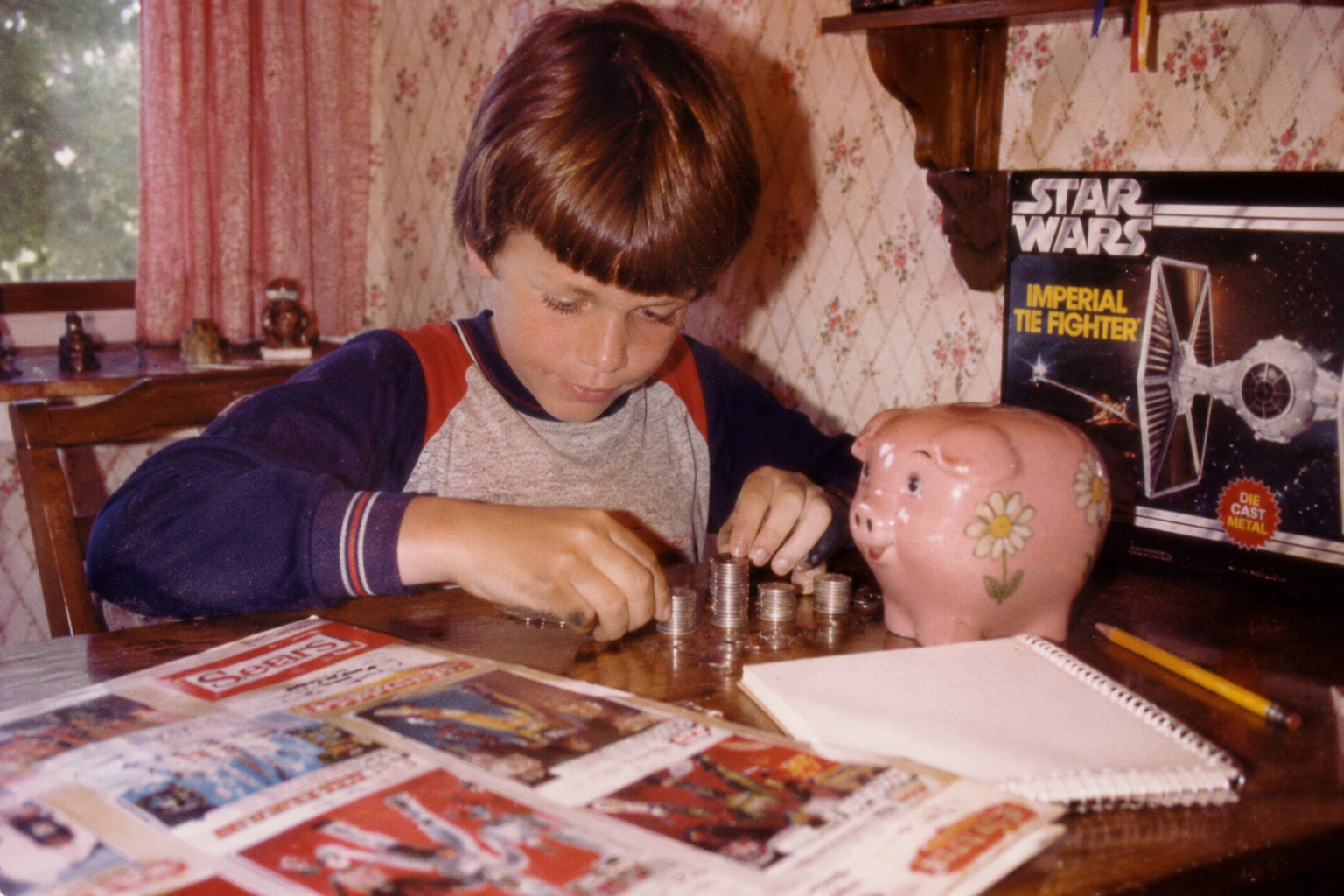
Not every toy could be purchased with a couple of dollars, which meant learning the painful art of patience. According to historical Sears catalog prices compiled by RetroWow, certain Barbie and Ken dolls sold for $4.99 in 1983, while a Star Wars Imperial TIE Fighter cost $14.99. retrowow.co.uk For a kid receiving a dollar or two each week, that could mean saving for quite a while. Many children kept careful track of their progress, repeatedly counting their money and imagining the day they’d finally have enough to bring their dream toy home.
Buying Comic Books at the Drugstore
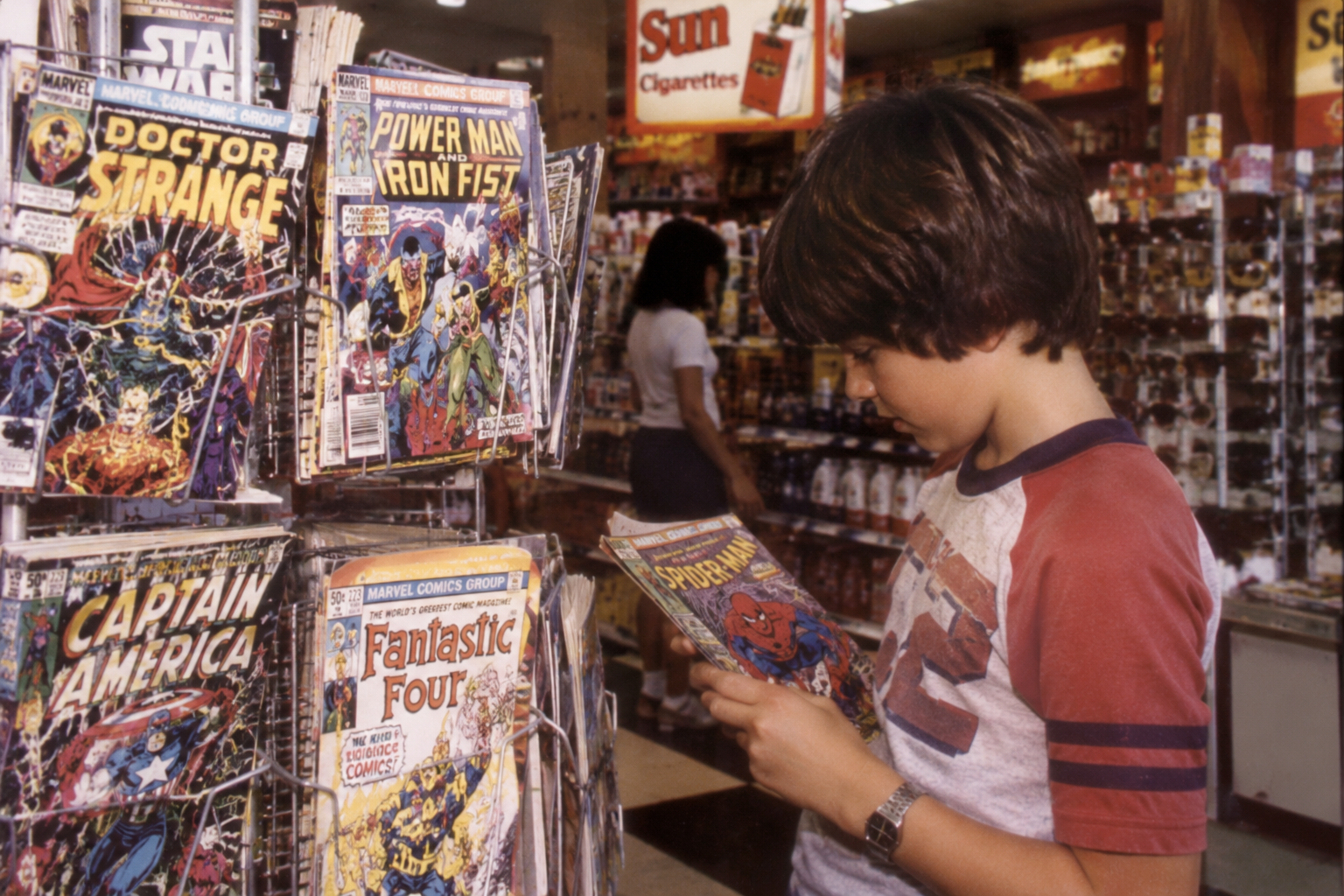
Before superhero movies dominated the box office, comic books were an affordable way for kids to spend an afternoon with their favorite characters. Drugstores, newsstands, and convenience stores often displayed comics on spinning racks, where children could flip through issues of Spider-Man, Batman, or Archie before making their selection. A standard Marvel comic cost around 60 cents in the early 1980s, making it a relatively manageable allowance purchase. The Awl And unlike borrowing a friend’s copy, buying your own meant you could reread it as many times as you wanted.
Trending on Cheapism


Filling a Piggy Bank With Every Spare Coin
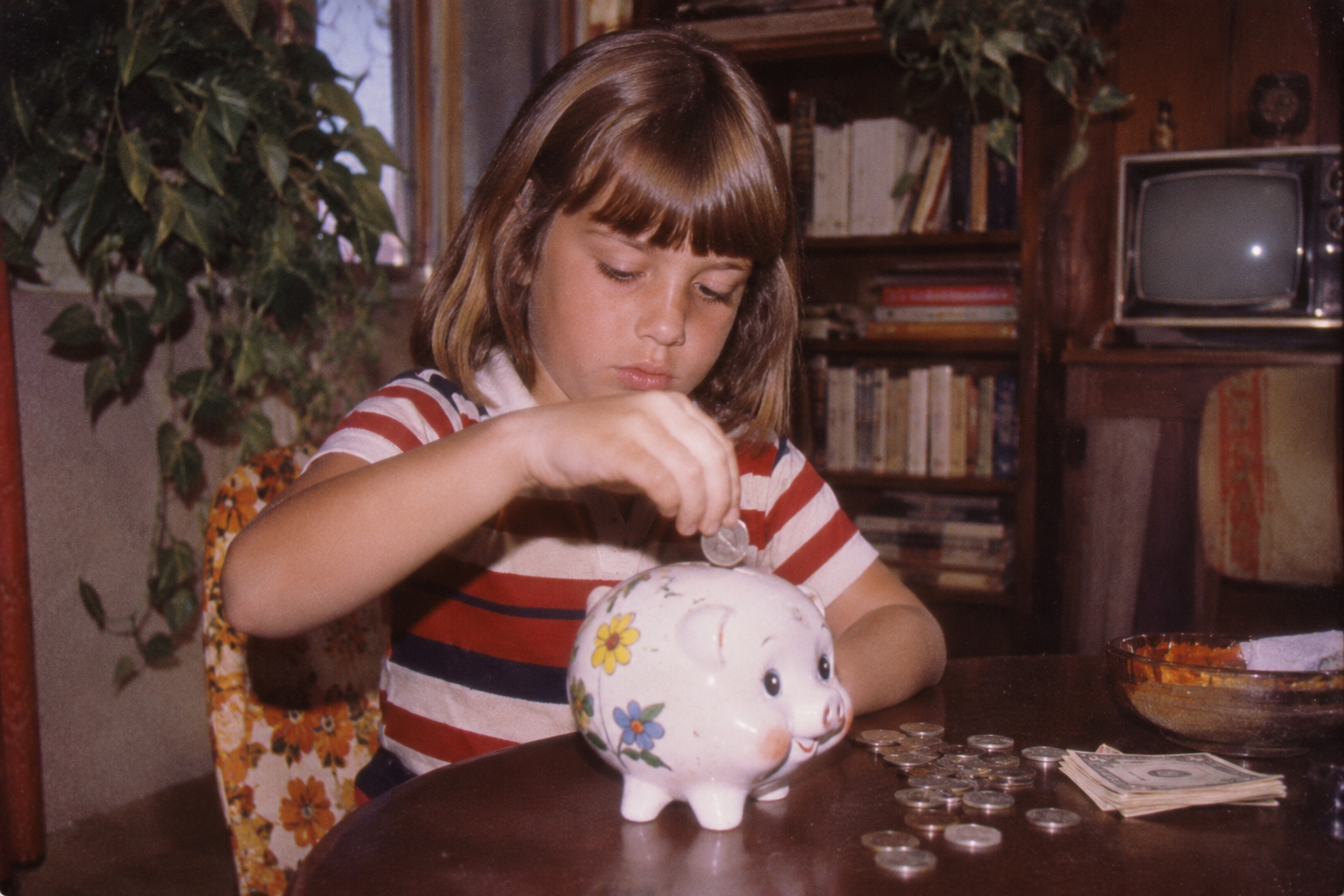
Some ’80s kids spent their allowance the moment they received it, while others carefully tucked away every nickel, dime, and quarter. Piggy banks, old jars, and small metal cash boxes became personal savings accounts, often dedicated to a specific toy or upcoming purchase. And there was something deeply satisfying about shaking a bank and hearing all those coins rattle around inside. Every so often, the entire collection would be emptied onto the floor, sorted into little piles, and counted with the hope that the total had somehow grown more than expected.
Splurging on a Slurpee After School
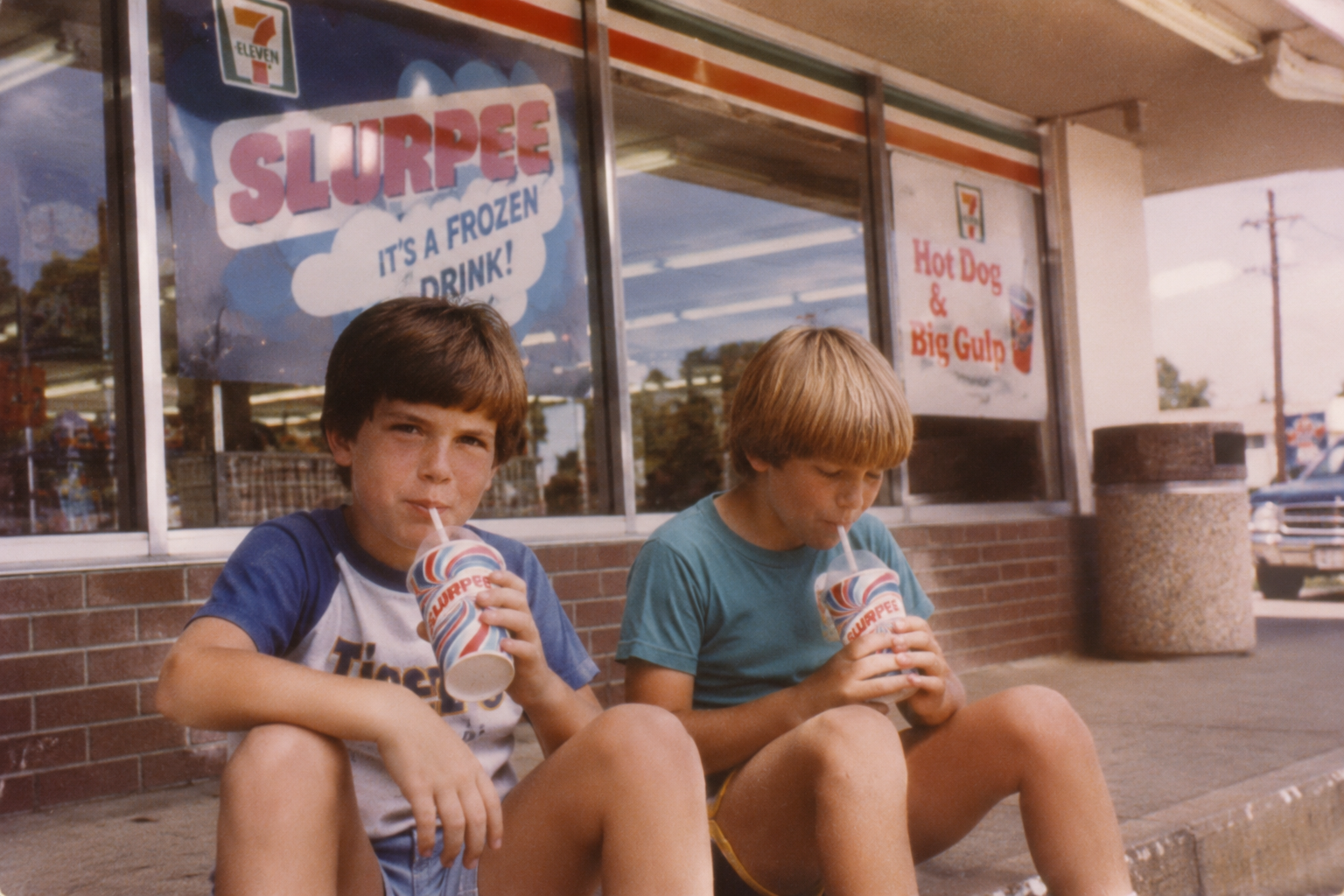
Few things made a kid feel more independent than walking into 7-Eleven and buying a Slurpee with their own money. Whether it was a reward after school, a weekend treat, or a stop during an afternoon bike ride, choosing a frozen drink felt like a surprisingly grown-up decision. There was also the important matter of picking a flavor, although plenty of kids solved that problem by mixing several together. And if you happened to choose a larger size than usual, carrying that oversized cup home felt like a pretty impressive accomplishment.
Visiting the Five-and-Dime for Something Completely Unnecessary
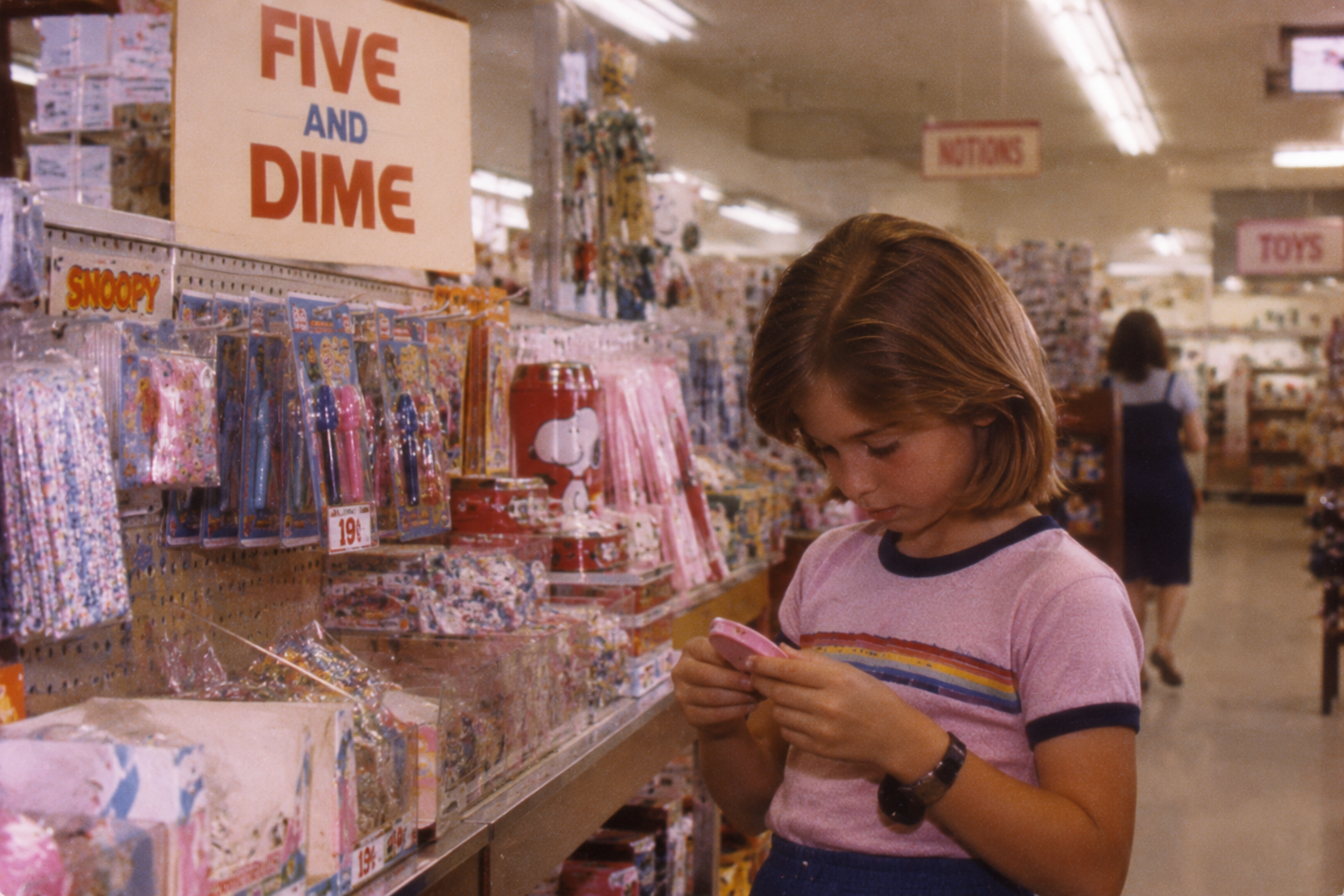
Variety stores were full of inexpensive treasures that seemed absolutely essential to children with a little cash in their pockets. Stickers, plastic jewelry, rubber balls, tiny figurines, and novelty school supplies could all become tempting purchases, even when there was no practical reason to own them. For many kids, the excitement wasn’t necessarily about what they bought, but about being able to choose something entirely on their own. Of course, that amazing plastic whistle or novelty keychain sometimes lost its appeal before the day was over.
Sign up for our newsletter
Buying Stickers to Add to a Growing Collection
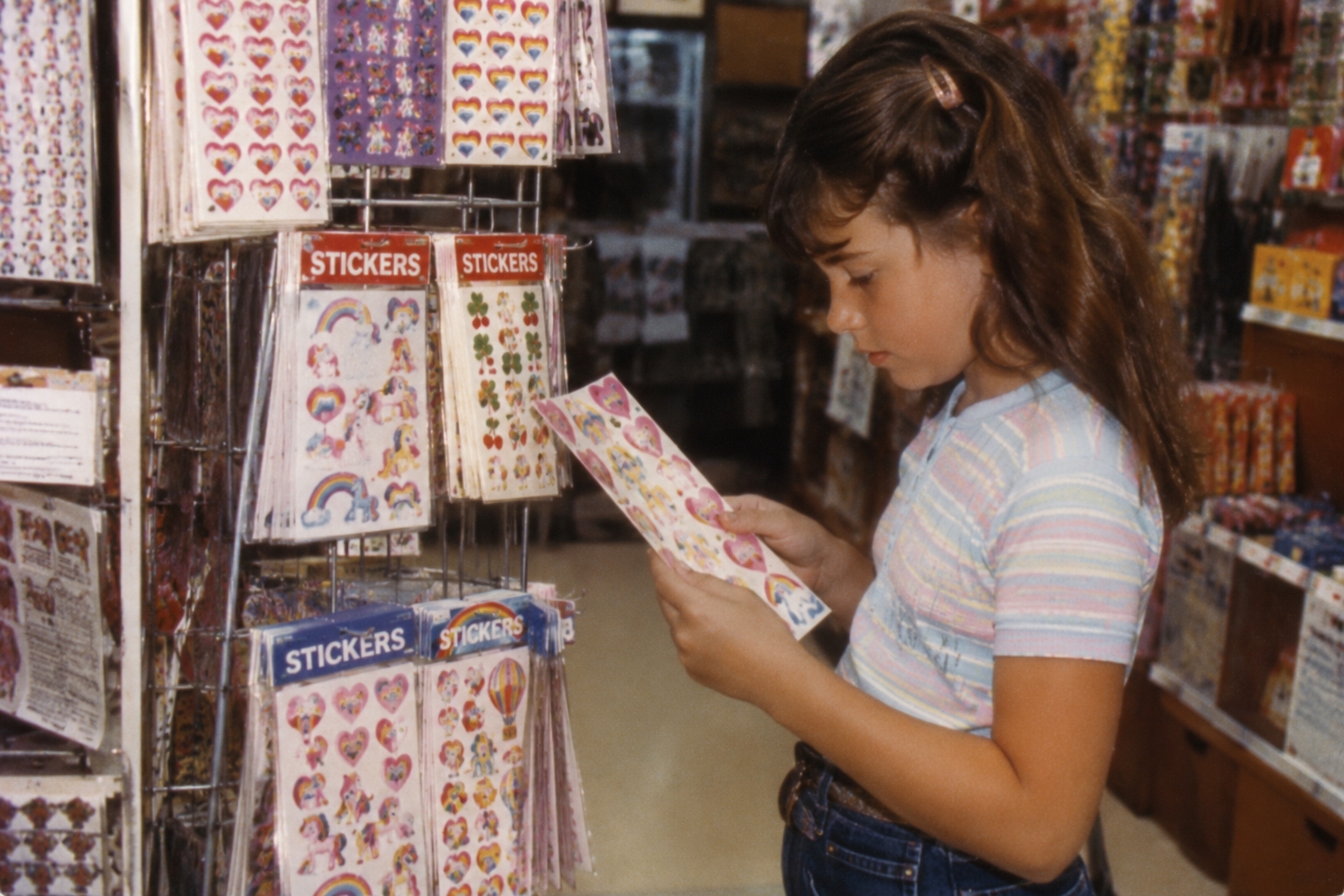
If you grew up in the 1980s, there’s a good chance you remember the excitement surrounding scratch-and-sniff stickers, shiny holographic designs, and colorful character collections. Kids spent their allowance on sticker sheets, carefully arranging their favorites in albums or trading duplicates with classmates. Some decorated notebooks and pencil cases, while others refused to peel their most prized stickers from their original backing. After all, using a really good sticker meant you couldn’t save it for something even better later.
Saving Up for a Cassette Single
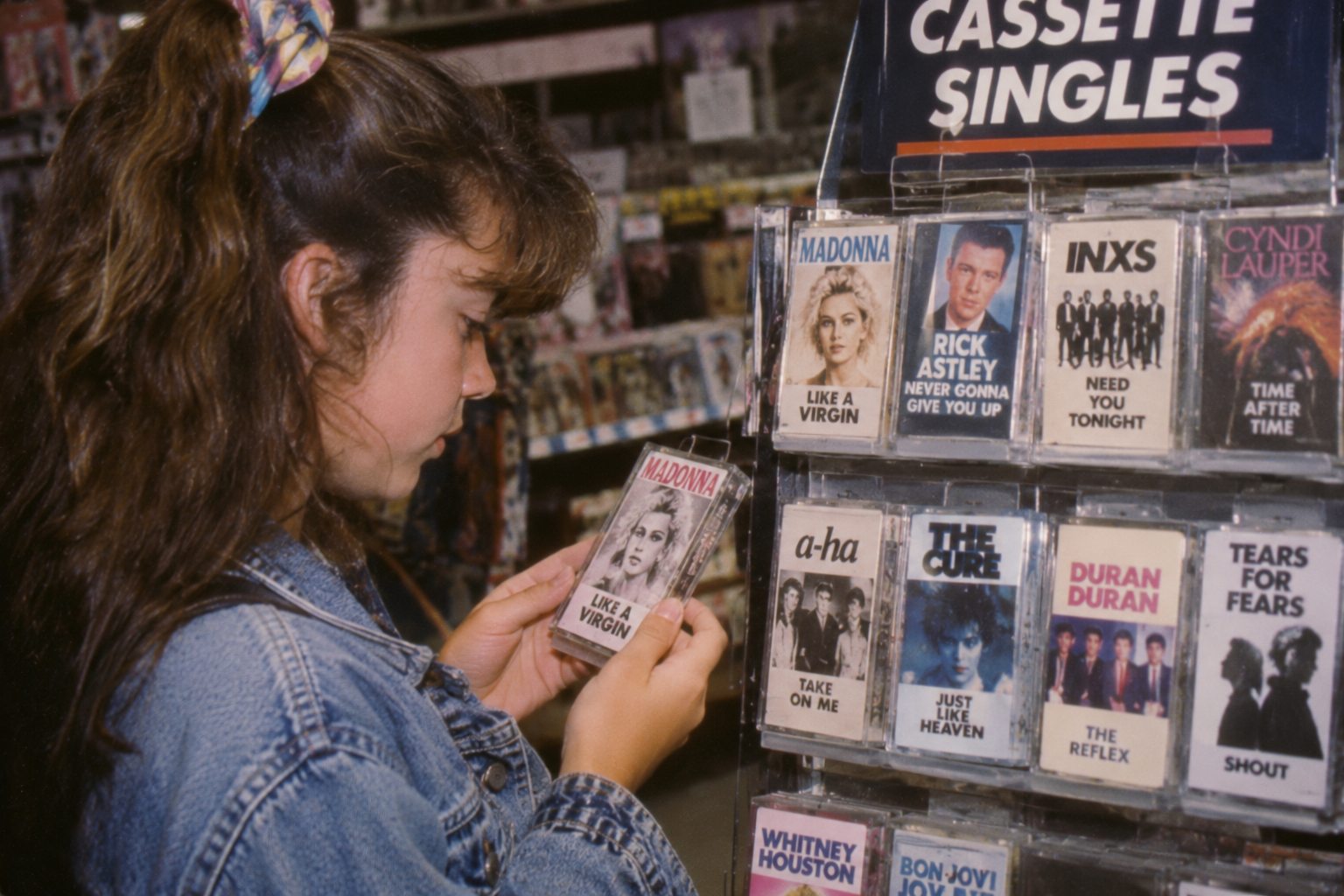
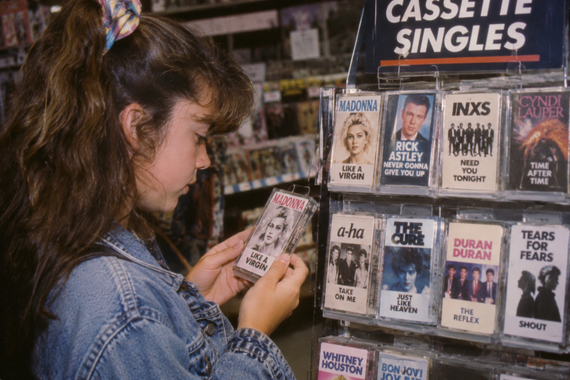
By the later 1980s, older kids and teenagers could put their allowance toward something more exciting than candy: their favorite song. Cassette singles, sometimes called “cassingles,” offered a way to own a hit without paying for an entire album. After hearing a song repeatedly on the radio, saving enough to buy it at a record store could feel like a major achievement. And once the cassette was finally yours, there was nothing stopping you from playing it over and over until everyone else in the house begged you to stop.
Comparing Toy Prices Before Spending a Dime
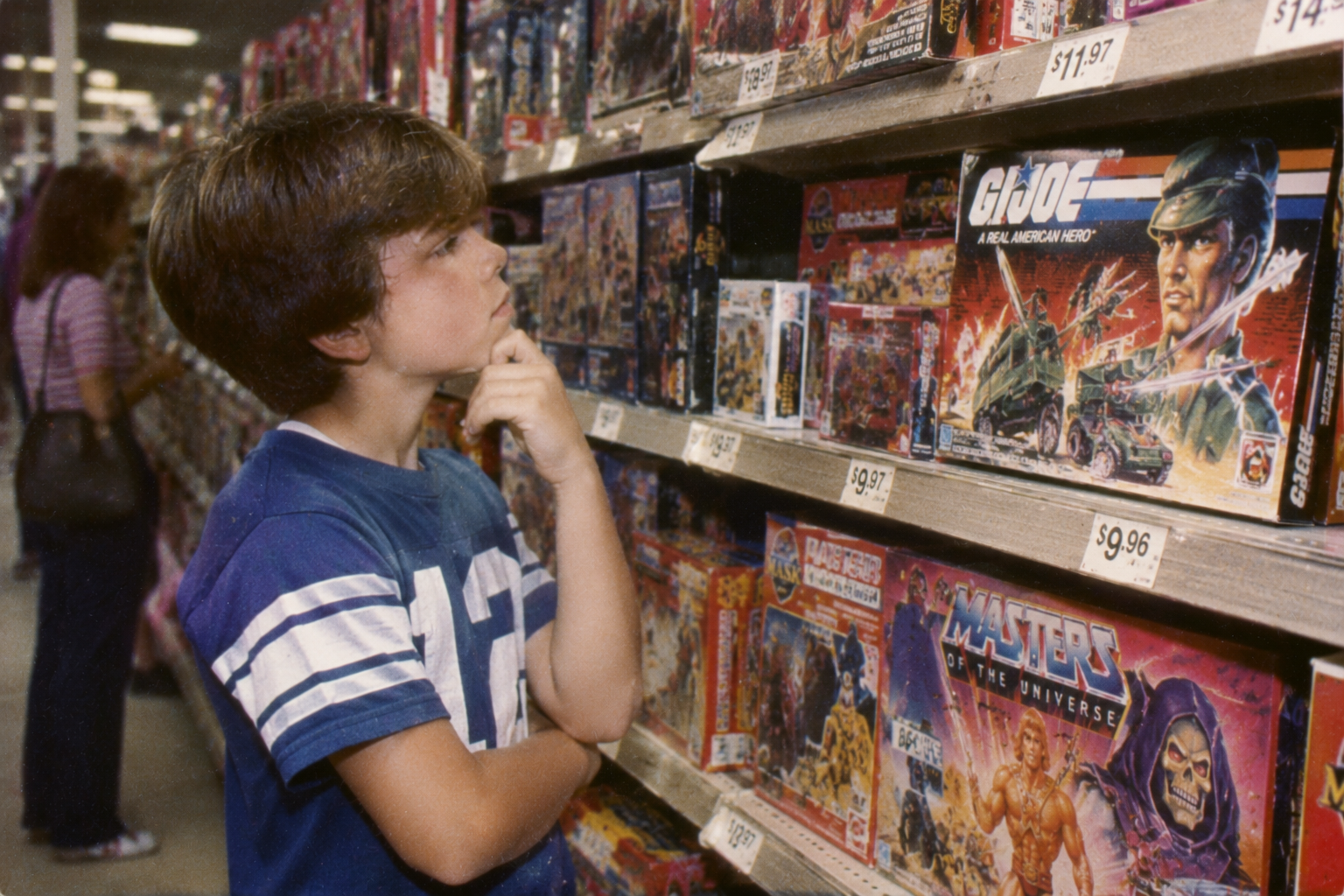
Having limited spending money could turn even the most impulsive kid into a surprisingly careful shopper. Some children compared prices between local toy stores, department stores, and discount retailers before deciding where to spend their savings. Others spent hours studying the Sears Wish Book or other catalogs, circling their favorite toys and calculating how many weeks of allowance they’d need. Sometimes the planning was almost as entertaining as the purchase itself, especially when you had an entire wish list but only a few dollars to work with.
Spending Every Penny and Waiting Until Next Week
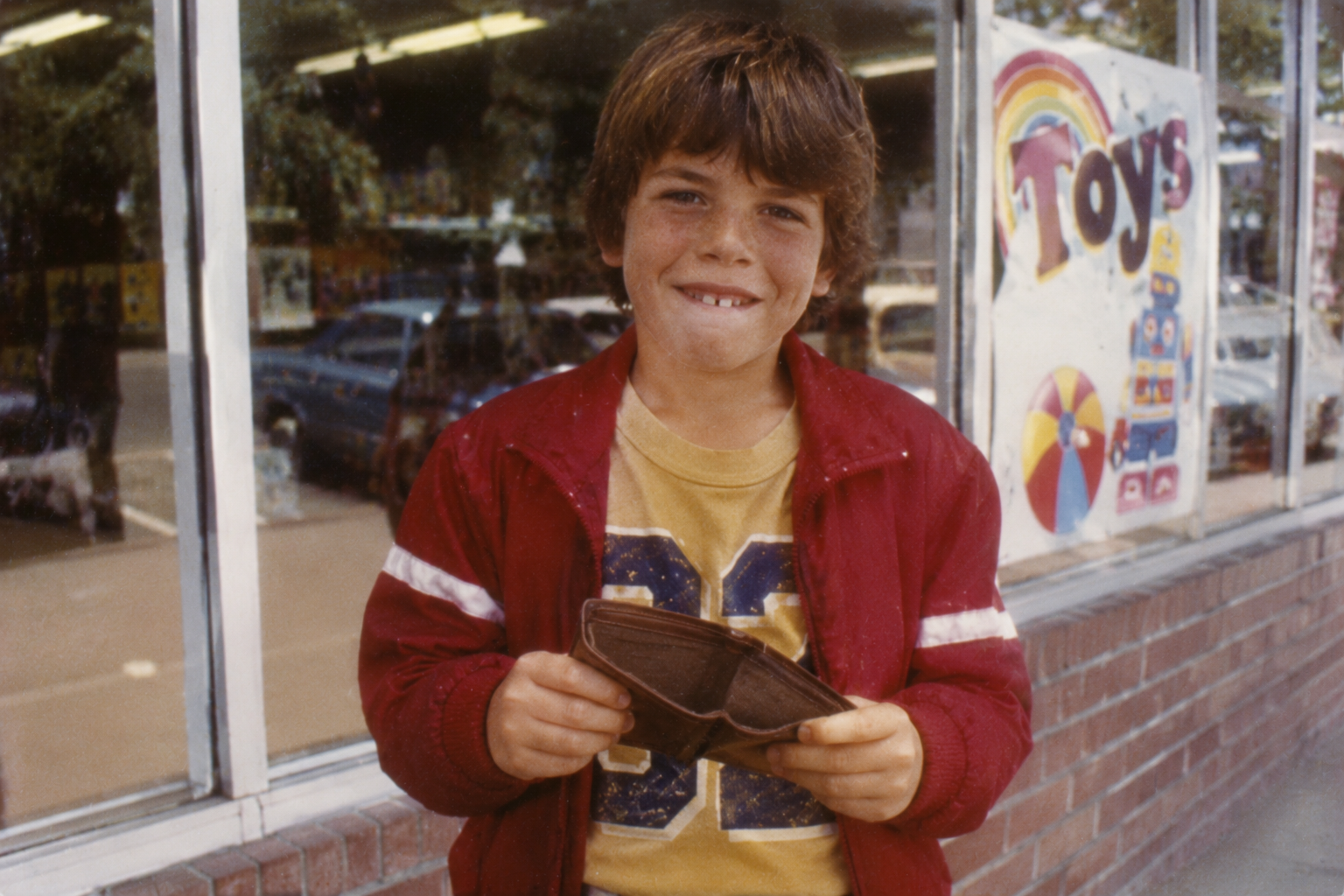
Perhaps the biggest lesson of having an allowance was discovering just how quickly money could disappear. A comic book here, a candy bar there, and suddenly there wasn’t enough left for that toy you’d been wanting. Unlike today’s instant digital transactions, spending money in the ’80s usually meant physically handing over your cash and watching it leave your possession. And once your pockets were empty, that was generally it until the next allowance arrived. It wasn’t always fun, but it was an unforgettable introduction to budgeting, impulse purchases, and the importance of saving.
When a Few Dollars Felt Like a Fortune
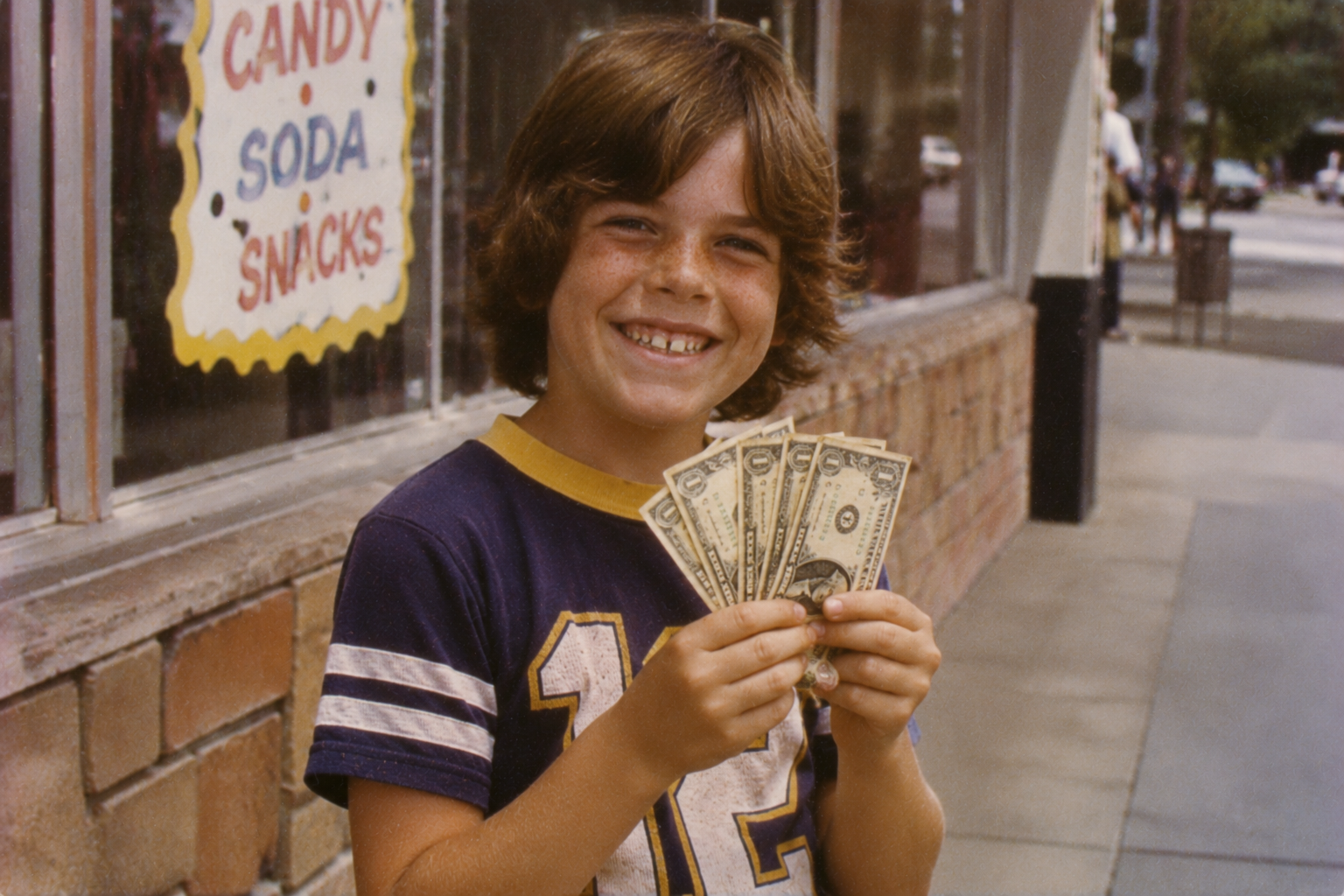
Looking back, a first allowance in the 1980s wasn’t really about how much money kids received. It was about the freedom that came with making their own decisions, whether that meant buying a bag of candy, challenging a friend at the arcade, or patiently saving for something special. Sure, there were plenty of regrettable purchases along the way, but there was also a particular kind of excitement in counting out your own coins at the register. And for many former ’80s kids, those small moments of independence are still worth remembering.