Traveling overseas can come with an unexpected surprise at the ticket counter: The person ahead of you pays a fraction of what you’re charged. From famous landmarks to national parks, there are plenty of things Americans pay for abroad that locals can enjoy for much less, or sometimes even for free. As National Geographic explains, tourism fees can help support conservation and protect popular destinations. Still, these price differences can catch visitors off guard. Here are 12 examples worth knowing about before your next international trip.
Taj Mahal Admission – Agra, India

Visiting the Taj Mahal comes with quite a price difference depending on where you’re from. Indian visitors pay just 50 rupees for standard admission, while most foreign tourists are charged 1,100 rupees, a difference of 22 times. Entering the main mausoleum costs another 200 rupees. The higher international rate helps support the upkeep of one of India’s most recognizable landmarks. Americans can save a little by booking through the official ticketing system instead of paying a reseller’s markup.
Galapagos National Park Entry – Ecuador
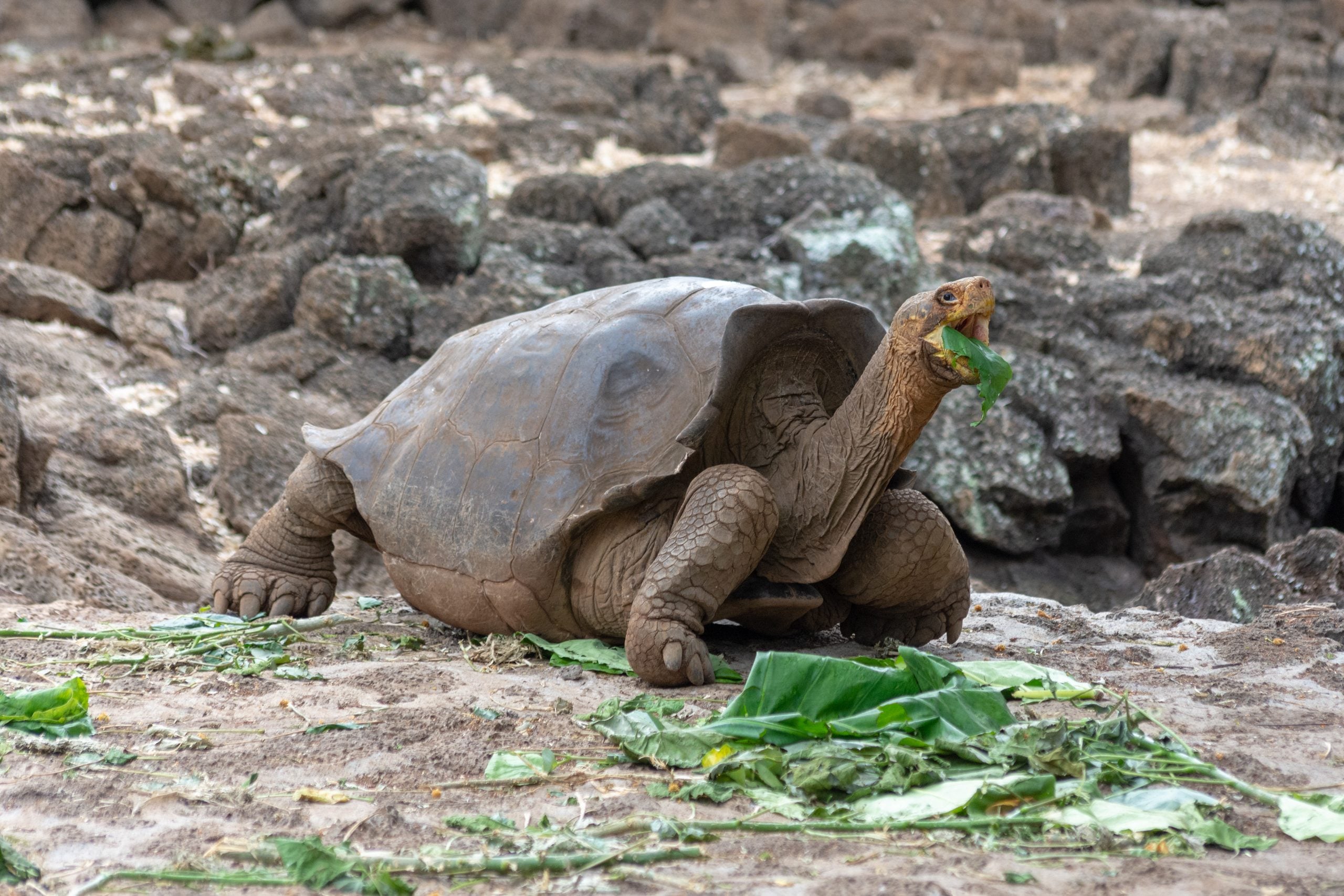
The Galapagos Islands aren’t exactly a budget vacation, and the entrance fee adds another substantial expense. Most American adults pay $200 to enter the protected areas, compared with $30 for Ecuadorian citizens and eligible foreign residents. Visitors from certain South American countries qualify for a $100 rate. The money supports conservation and local services in an environmentally sensitive destination. For American travelers, the important thing is to budget for the charge before booking, since it’s separate from flights, accommodations, and excursions.
Petra Archaeological Site – Jordan
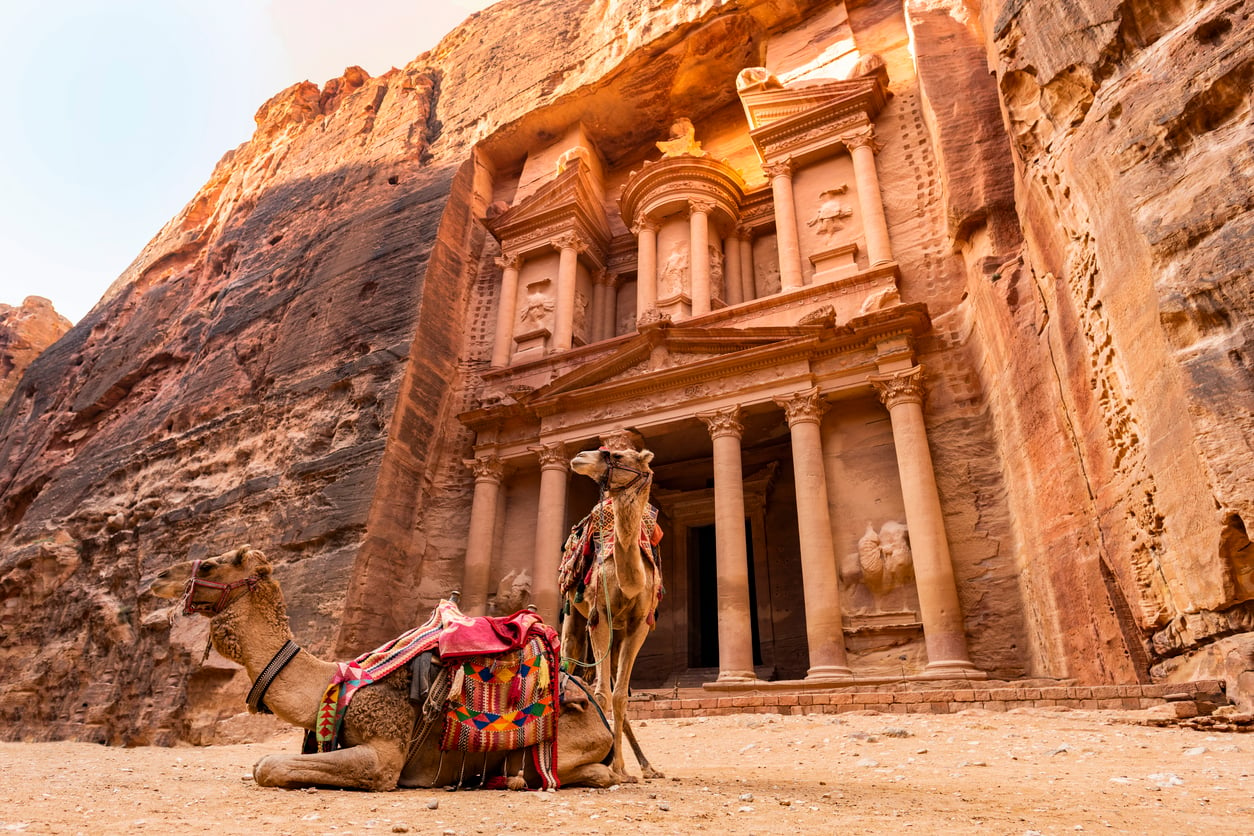
At Petra, the difference between local and international admission is particularly striking. Jordanian citizens pay just 1 dinar, while international visitors staying overnight in Jordan pay 50 dinars for a one-day ticket. Travelers visiting Jordan without an overnight stay can face a 90-dinar charge. That makes a quick cross-border excursion potentially more expensive than expected. Americans planning a longer trip should also compare the Jordan Pass, which can include Petra admission and other attractions, subject to its conditions.
Kruger National Park Conservation Fees – South Africa
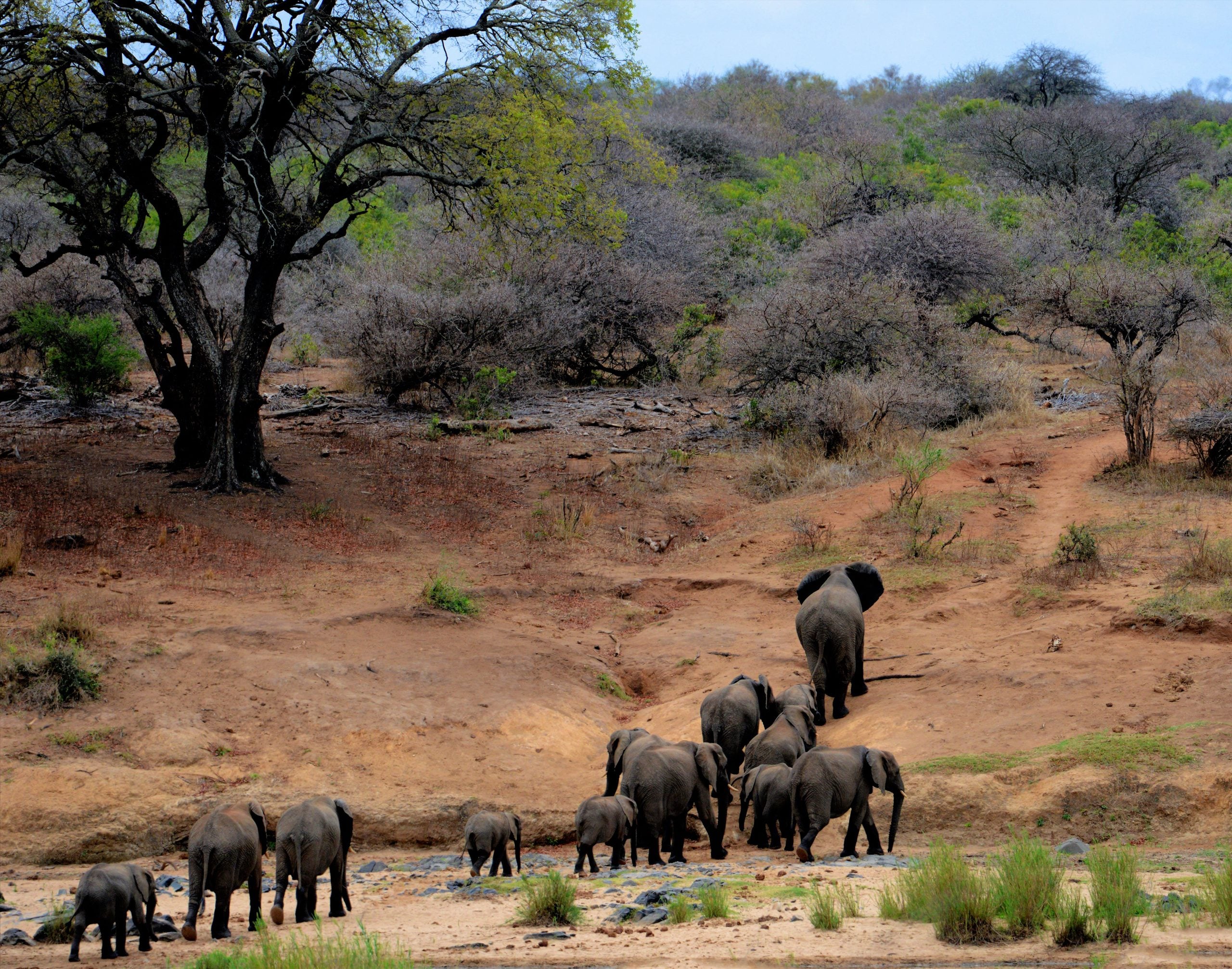
A wildlife safari in Kruger National Park involves more than paying for accommodations and transportation. Under the fee schedule ending October 31, 2026, international adults pay 602 rand per day in conservation fees, compared with 134 rand for South African citizens and residents. Visitors from neighboring eligible countries have a separate rate. Since these charges apply daily, the difference adds up quickly on longer safaris. Americans planning several park visits should compare the cost of individual admissions with available multiday conservation passes.
Boulders Beach Penguin Colony – Cape Town, South Africa

Watching African penguins wander around Boulders Beach is a popular Cape Town excursion, but international visitors pay considerably more for the protected viewing area. The published fee through October 2026 is 245 rand for international adults, compared with 55 rand for South African citizens and residents. The beach belongs to Table Mountain National Park, which uses different conservation-fee categories. Visitors should also remember that admission to Boulders doesn’t automatically cover every other attraction in the park, including Cape Point.
Trending on Cheapism


Egyptian Museum Admission – Cairo, Egypt
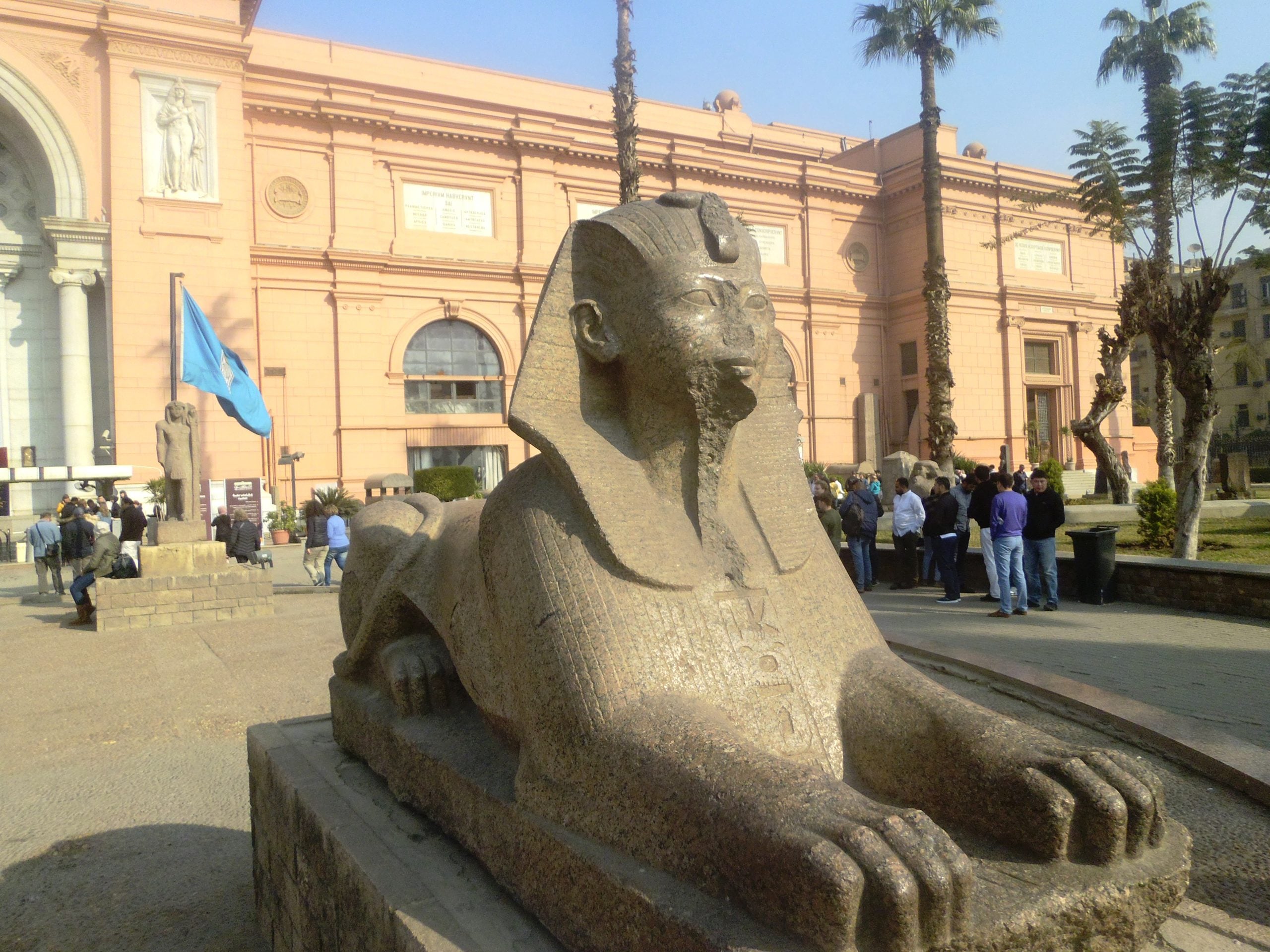
Cairo’s Egyptian Museum offers an especially dramatic example of different admission rates. The museum lists adult tickets at 550 Egyptian pounds for foreign visitors, while Egyptians pay just 30 pounds. Egyptian seniors ages 60 and older can enter free, a benefit that doesn’t generally extend to American retirees. Visitors can explore ancient sculptures, sarcophagi, jewelry, and other artifacts without necessarily paying for a guided tour. However, audio guides and certain additional services cost extra, so checking the official ticket options beforehand is worthwhile.
Arenal Volcano National Park – Costa Rica
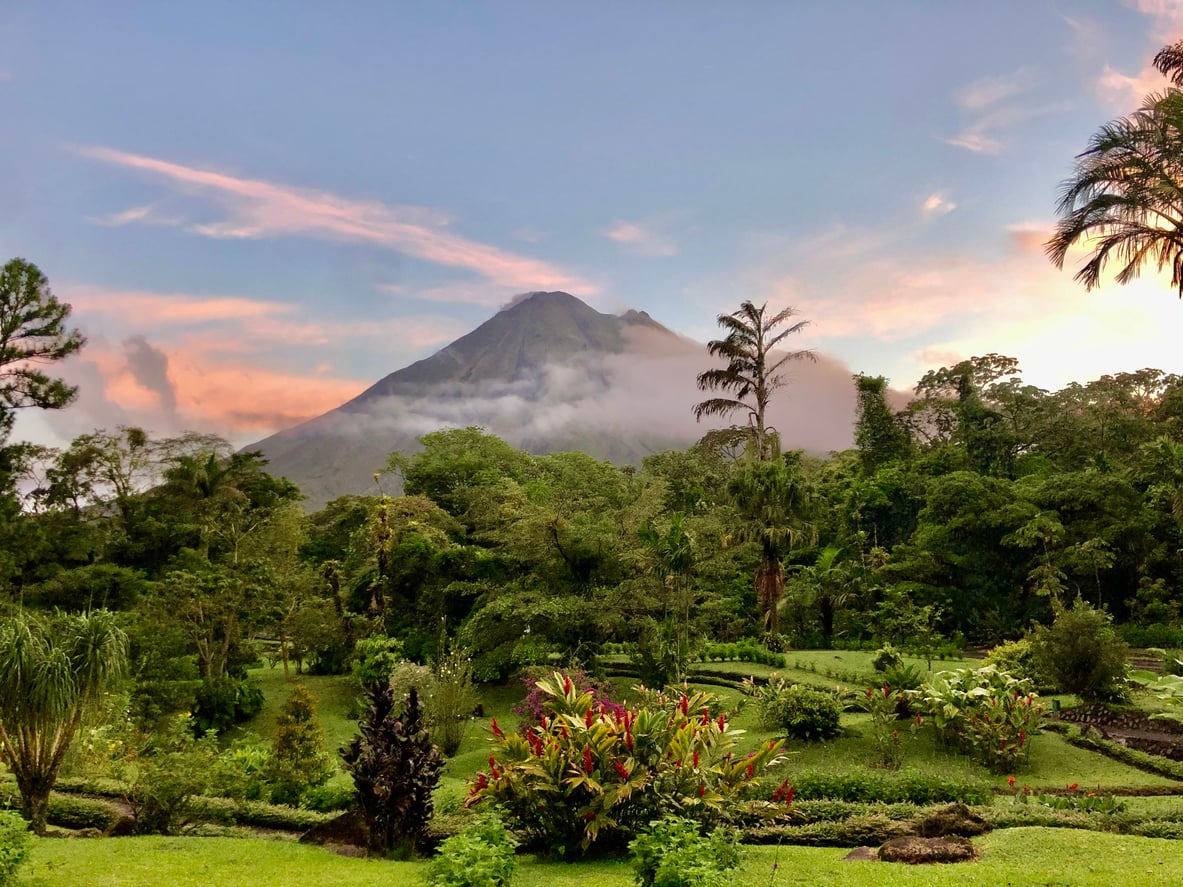
Costa Rica’s national parks are a major draw for nature lovers, but admission isn’t priced equally for everyone. At Arenal Volcano National Park, the official rate is $16.95 for nonresident adults, compared with 1,130 Costa Rican colones for citizens and residents. The park offers walking trails, volcanic scenery, and opportunities to experience the surrounding rainforest. Americans should check the official park booking system before purchasing a commercial excursion. A guided tour can be worthwhile, but it isn’t automatically necessary for a regular park visit.
Giza Pyramids Admission – Egypt
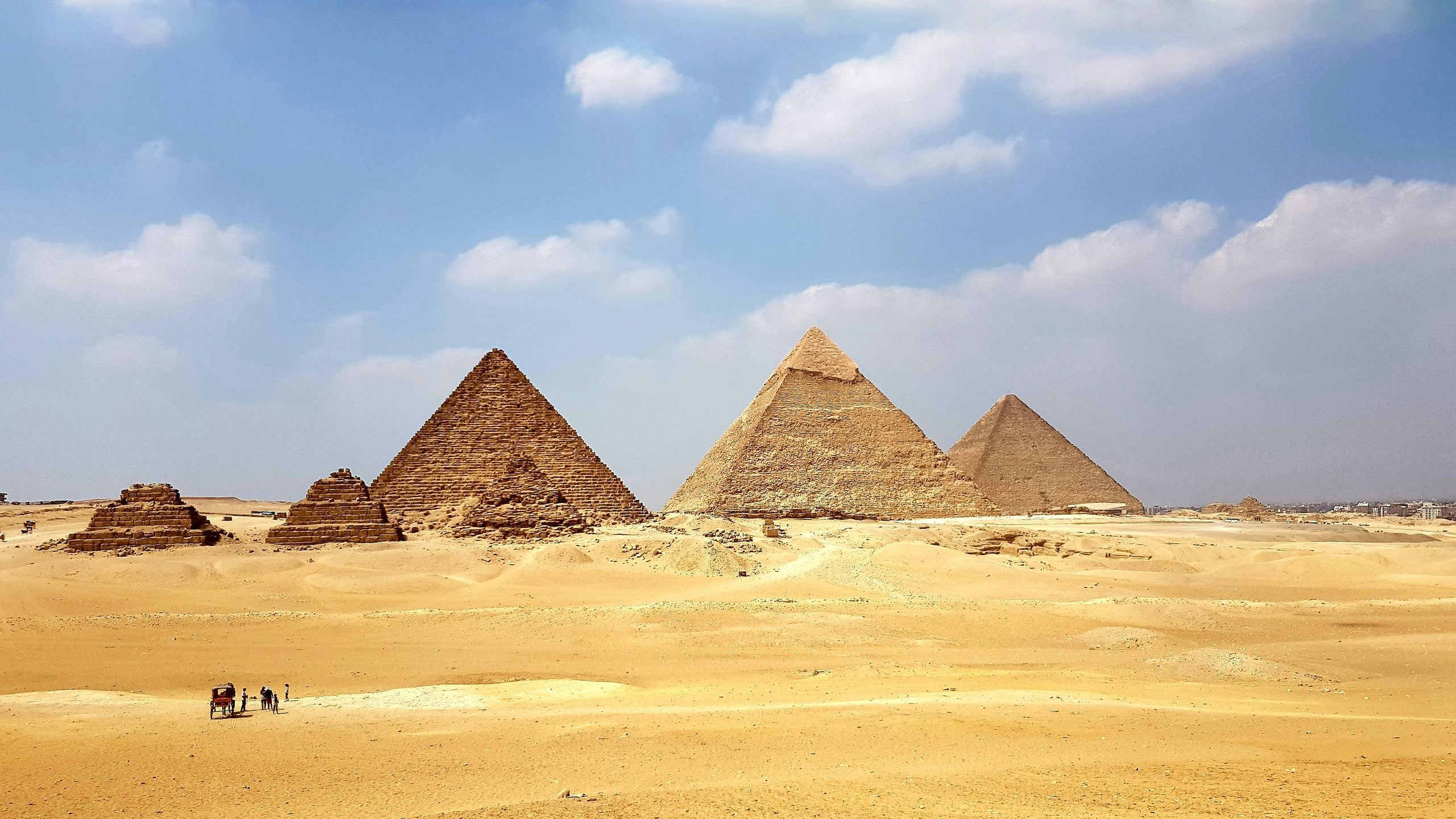
Seeing the pyramids in person is a bucket-list experience, but the admission prices are very different for Egyptians and international tourists. Foreign adults pay 700 Egyptian pounds to enter the Giza Plateau, while Egyptians pay just 60 pounds. That basic ticket doesn’t include entering the Great Pyramid, which costs another 1,000 pounds for foreigners and 100 pounds for Egyptians. Americans should decide beforehand whether they want to explore a pyramid’s interior, since the extra ticket can significantly increase the day’s cost.
Sign up for our newsletter
Bhutan’s Daily Tourism Fee – Bhutan
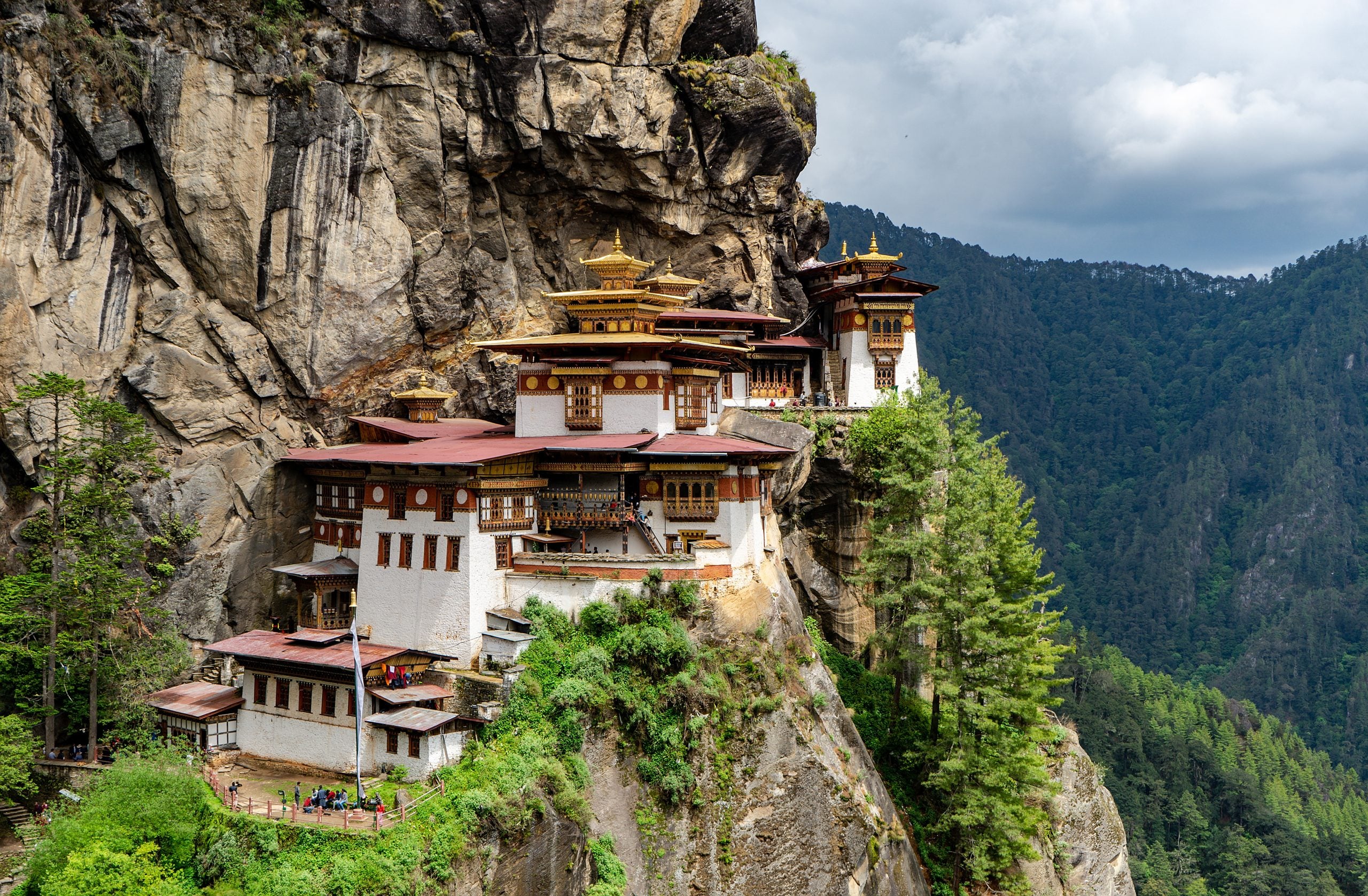
Bhutan charges most American visitors a Sustainable Development Fee of $100 per adult per night, separate from hotels, meals, and transportation. Indian nationals, however, pay a reduced rate of 1,200 Bhutanese ngultrum per night. The fee helps support conservation, infrastructure, and public services, but it can make even a relatively short vacation expensive. A seven-night stay adds $700 per American adult before most other expenses. Travelers should calculate this charge before committing to an itinerary, especially when comparing Bhutan with other Asian destinations.
Jordan’s Desert Castles – Jordan
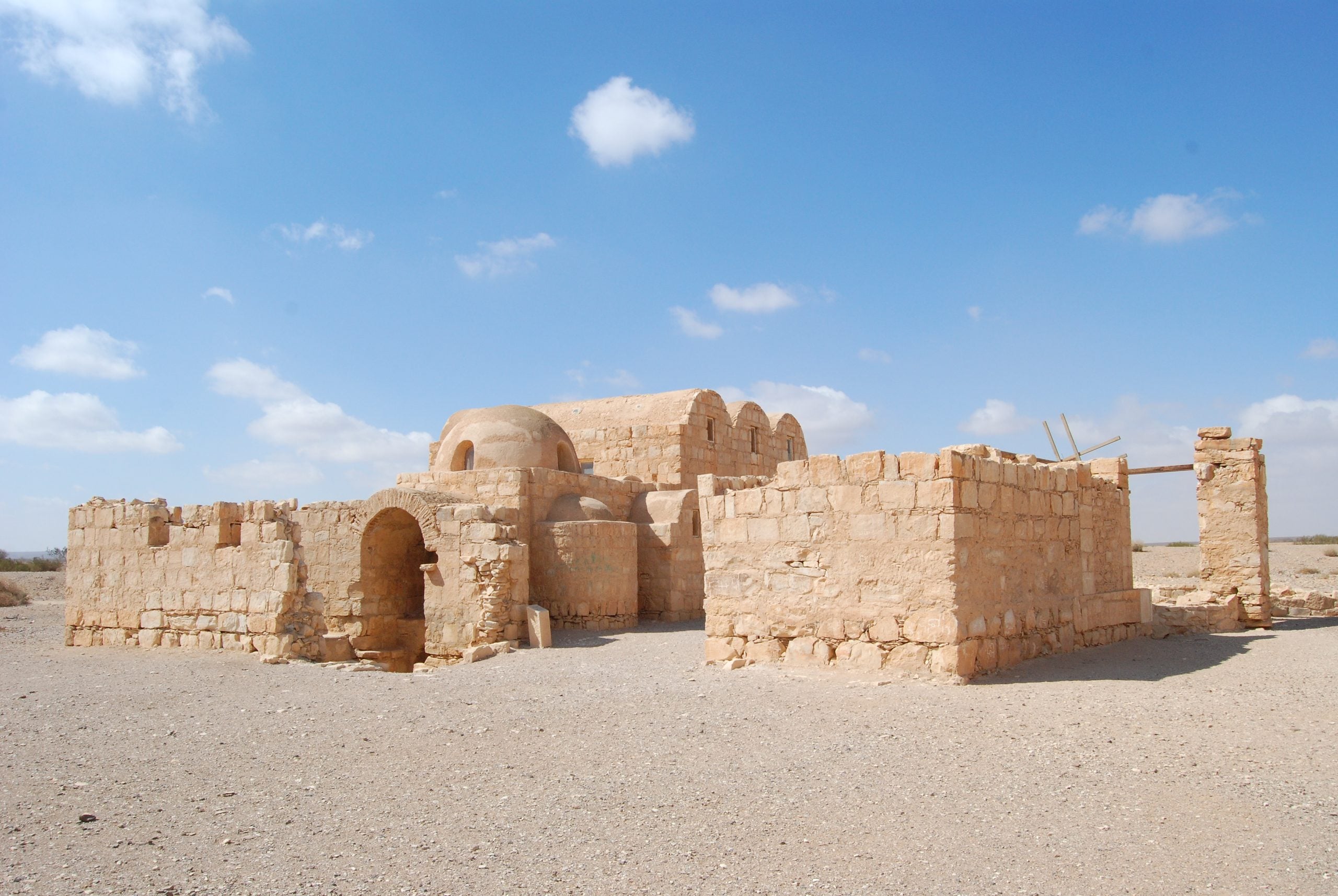
Jordan’s famous Petra isn’t the only historical attraction with different prices for locals and foreigners. The country’s Desert Castles, a collection of early Islamic buildings and historic fortifications, charge foreign visitors 3 Jordanian dinars, compared with just 0.25 dinar for Jordanians. The absolute difference isn’t enormous, but it illustrates how widely these pricing policies extend. Travelers exploring multiple historical sites should check which attractions are covered by the Jordan Pass before buying individual tickets, particularly if they’re planning a longer road trip.
Cape Point Nature Reserve – Cape Town, South Africa
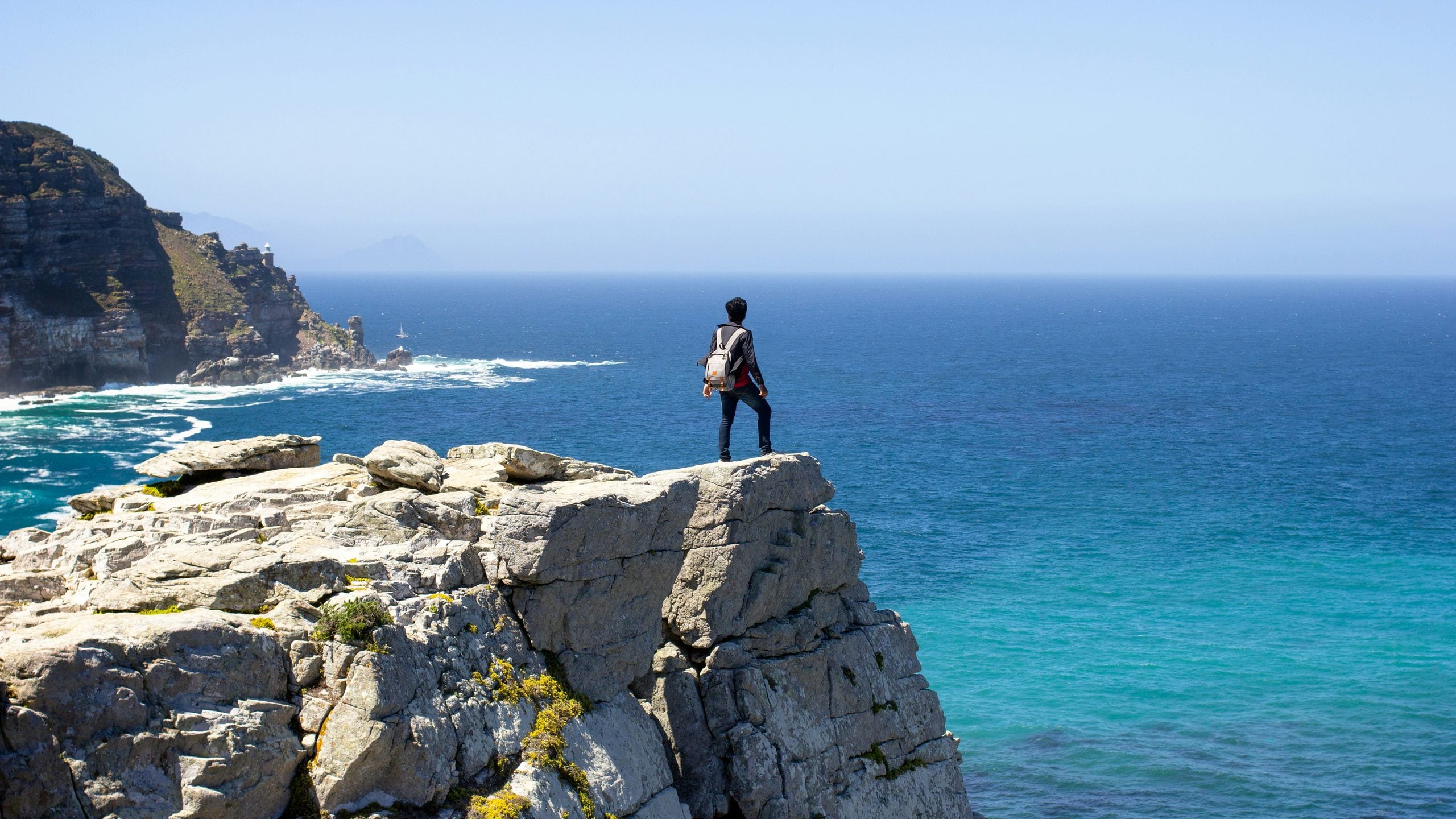
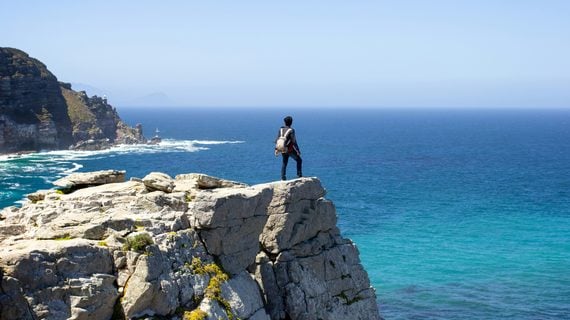
Cape Point’s dramatic cliffs and ocean views make it a popular stop along South Africa’s Cape Peninsula. However, international visitors pay considerably more to enter the protected area than South African residents. Under the published fee schedule ending October 2026, foreign adults pay 515 rand, compared with 110 rand for citizens and residents. The entrance charge doesn’t cover every optional activity, including the Flying Dutchman funicular. Travelers visiting both Cape Point and Boulders Beach should budget for separate admissions rather than assuming one ticket covers both.
Jerash Archaeological Site – Jordan
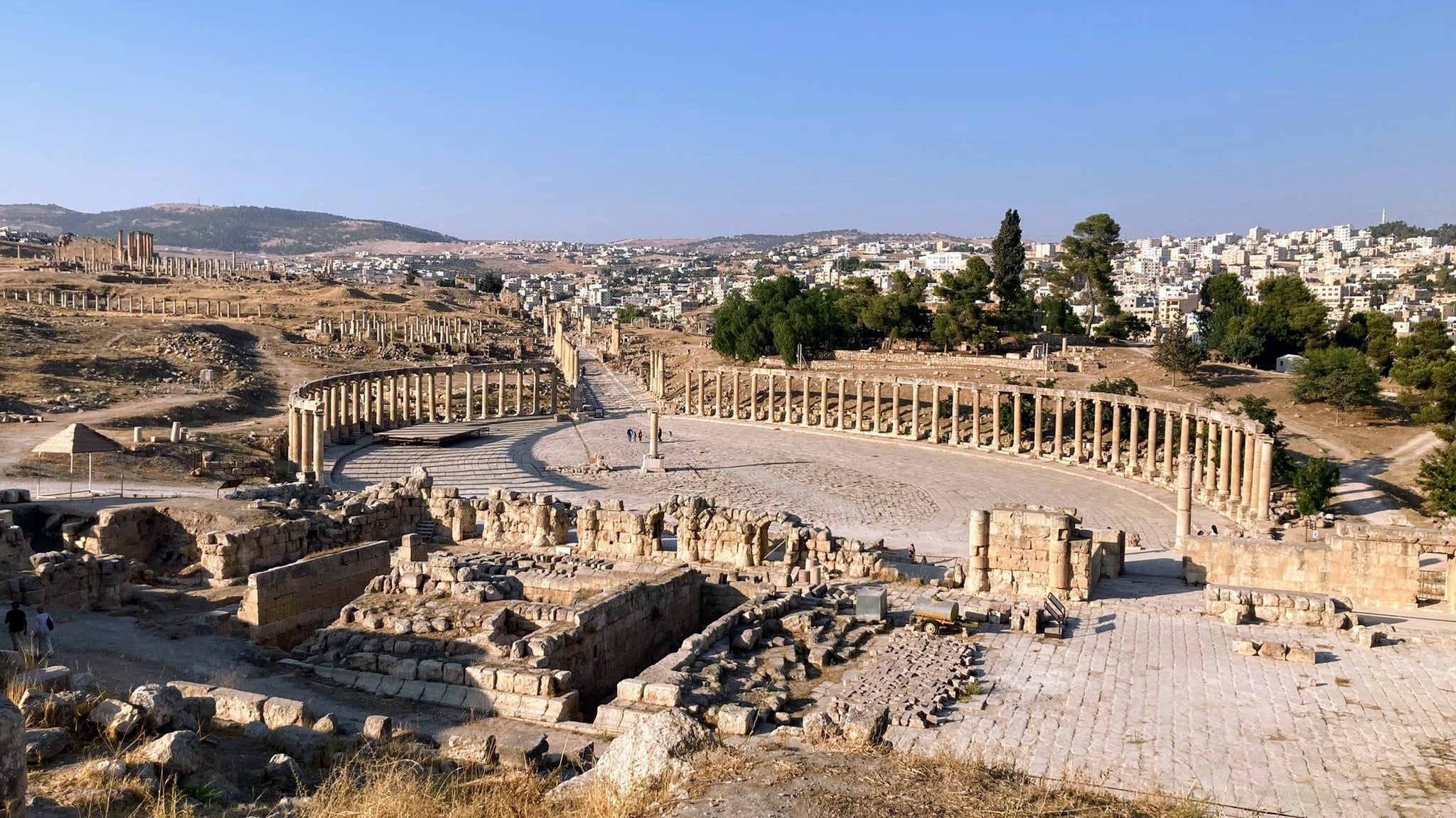
Jordan’s ancient city of Jerash is known for its remarkably preserved Roman streets, temples, and colonnaded plazas. International visitors pay 10 Jordanian dinars for admission, while Jordanians pay a much smaller local rate of 0.25 dinar. The difference is substantial, especially for travelers visiting several archaeological sites during the same vacation. Jerash is also included in eligible Jordan Pass packages, making it worth comparing sightseeing costs before arrival. Comfortable walking shoes are advisable, since exploring the extensive ruins involves plenty of time on foot.